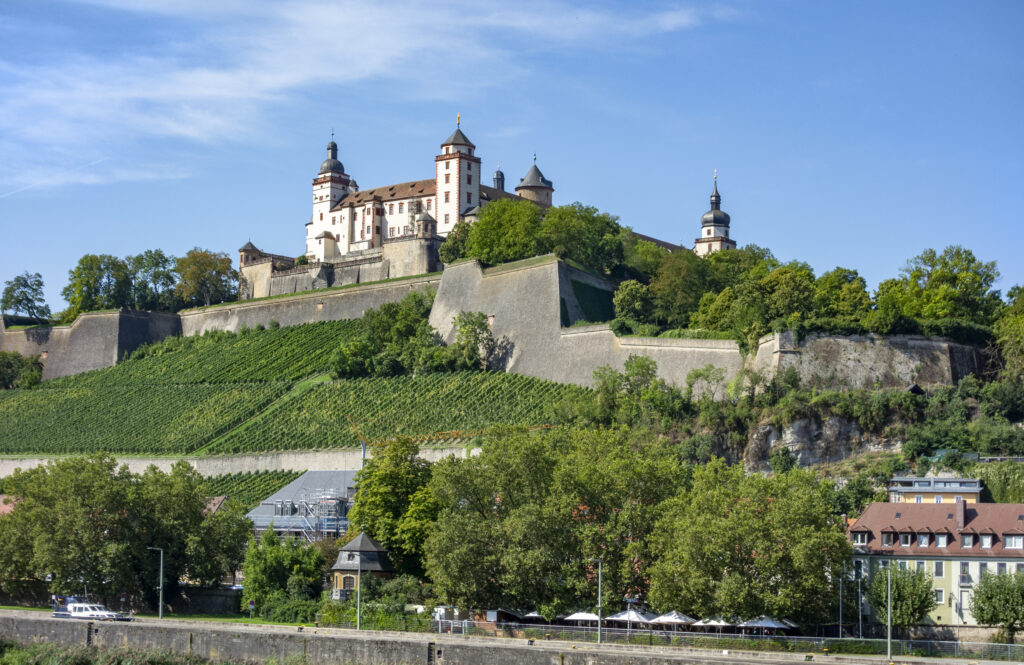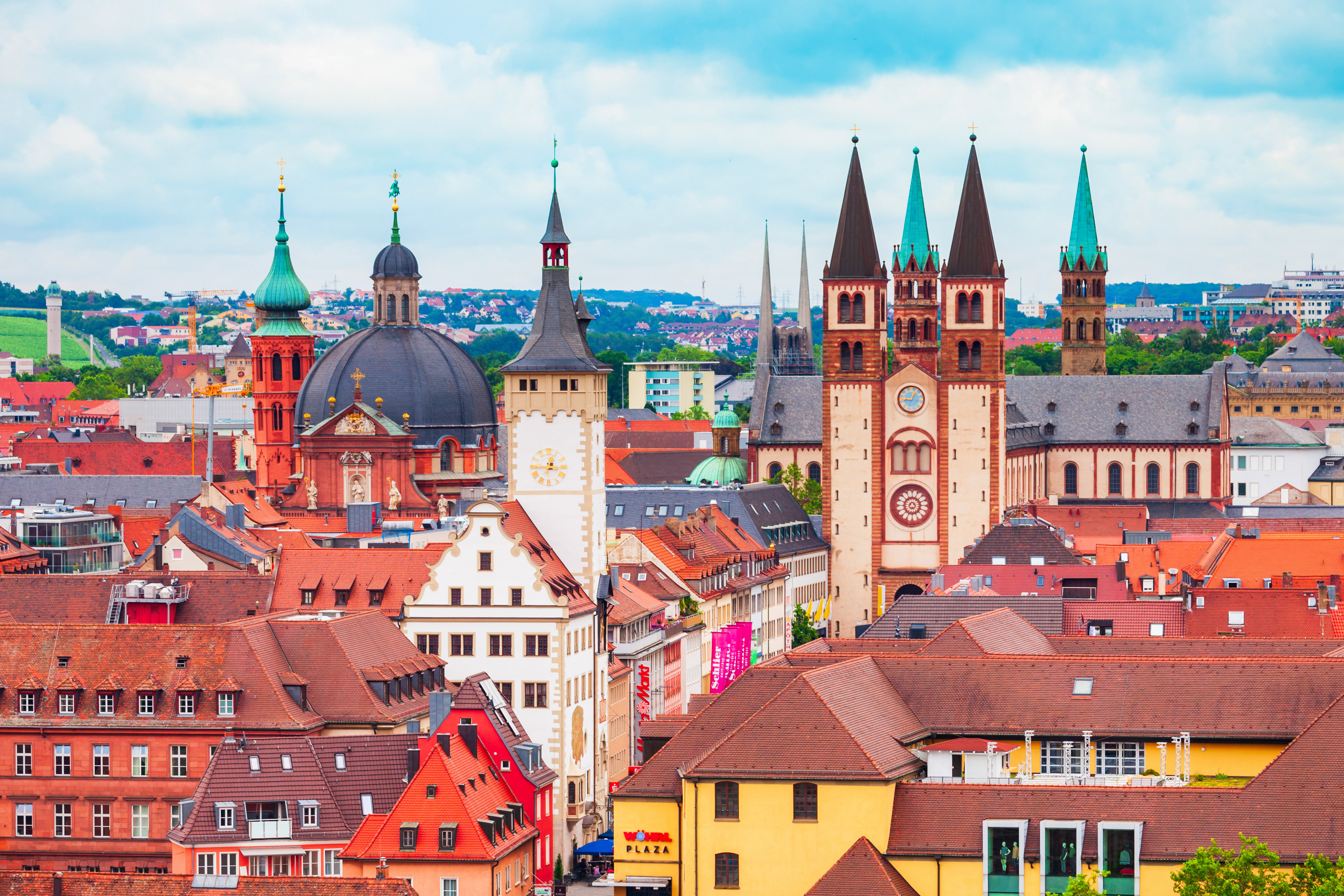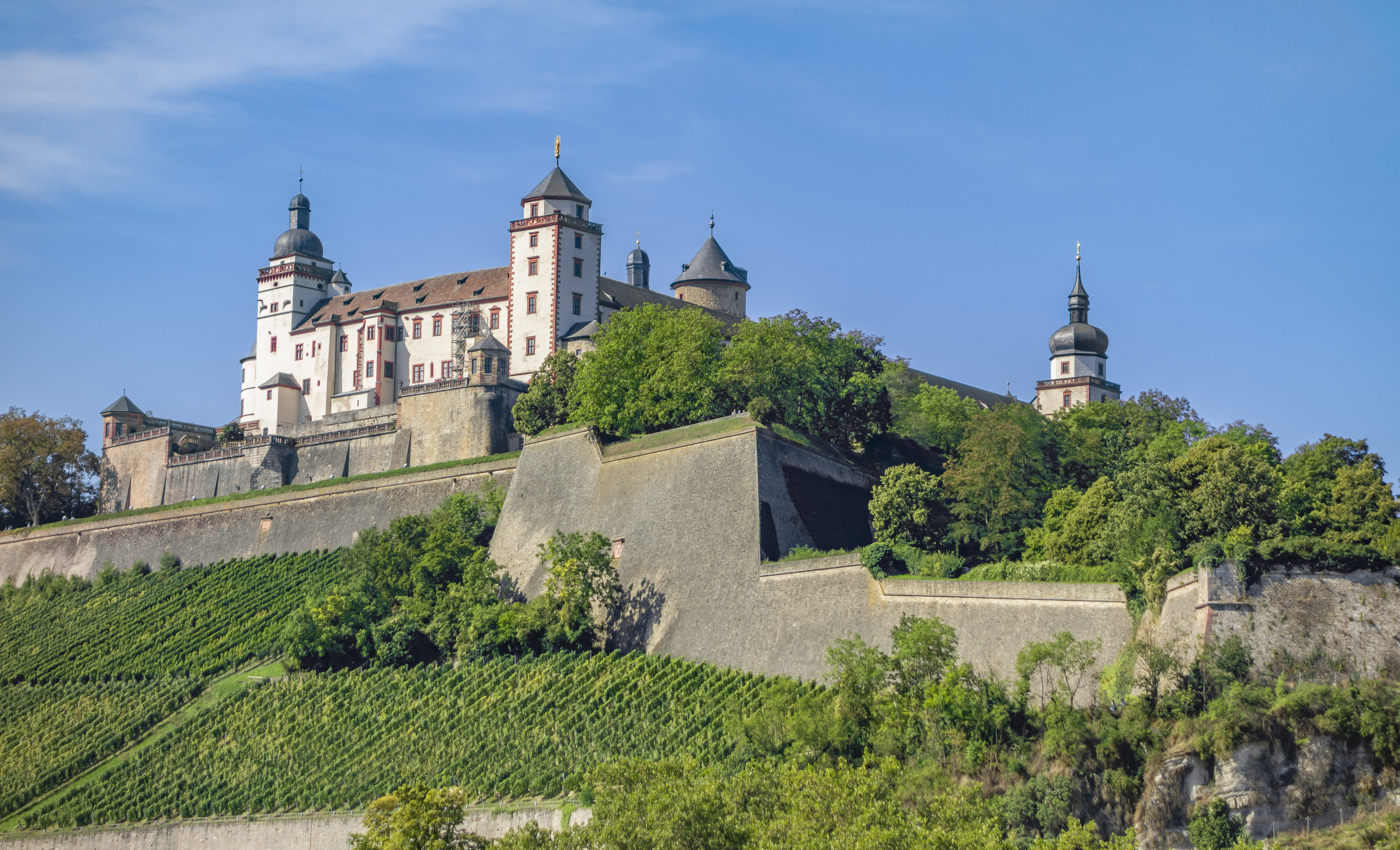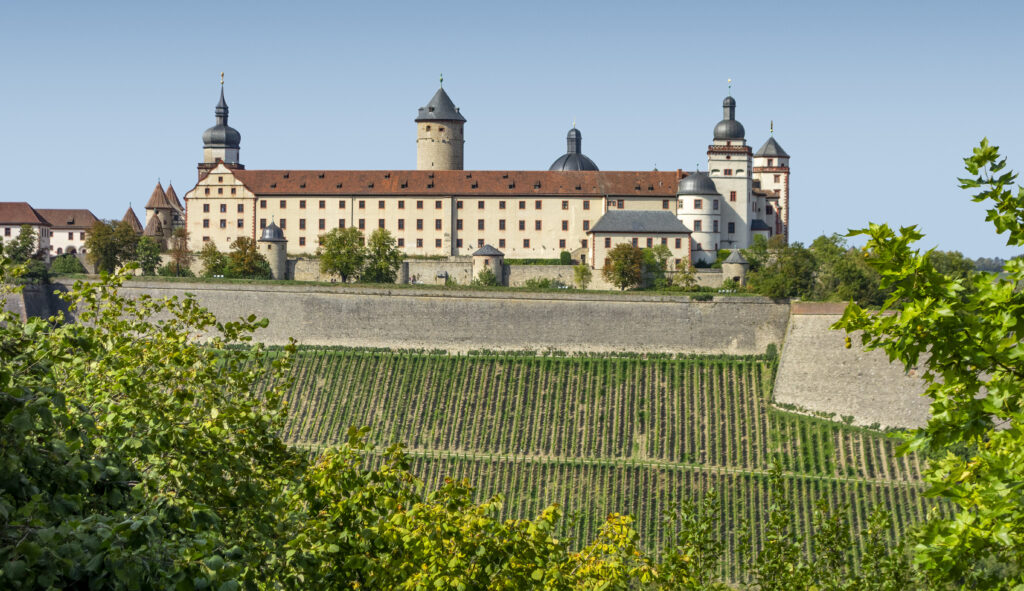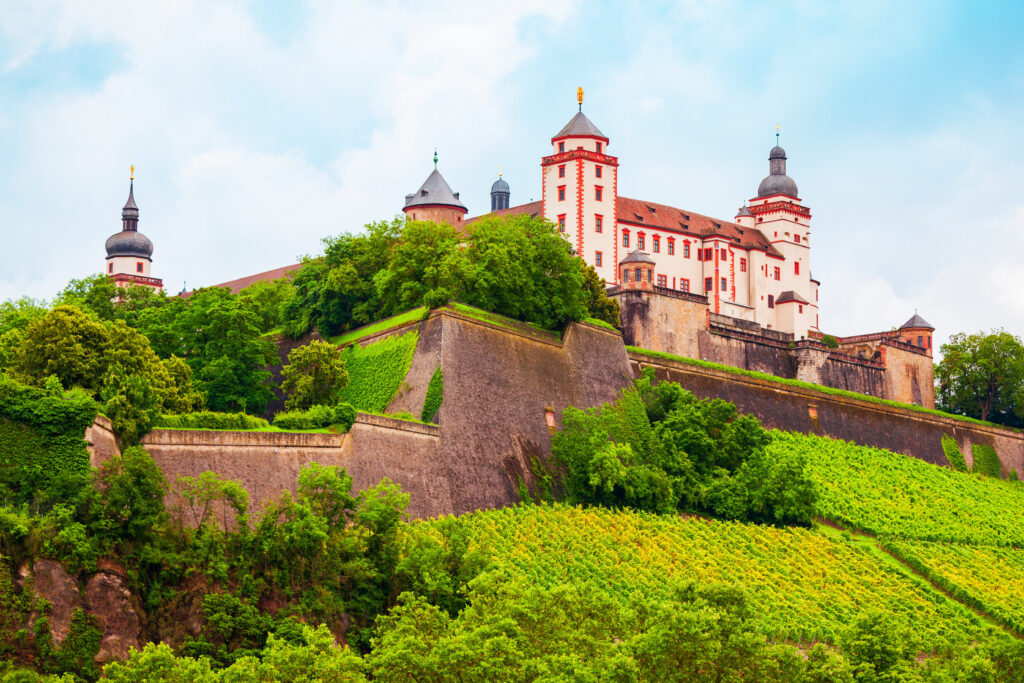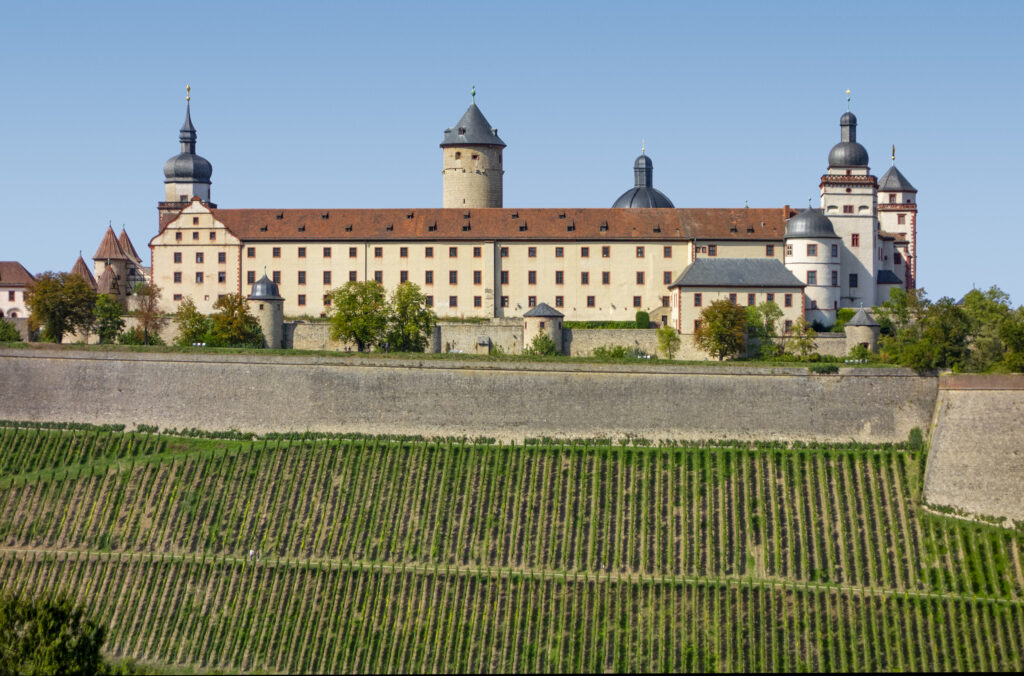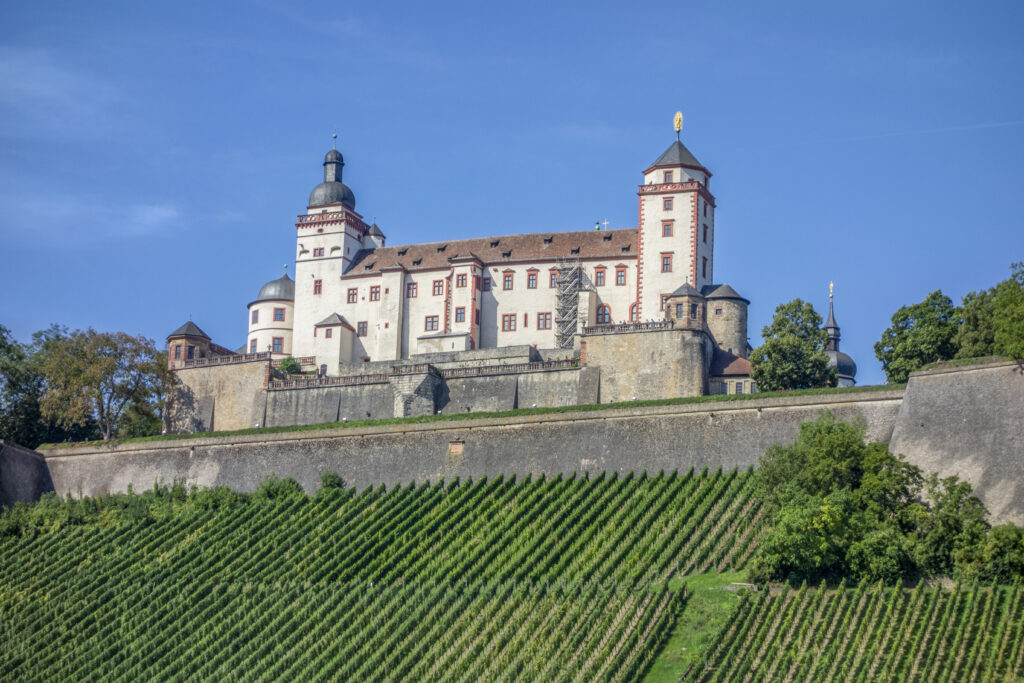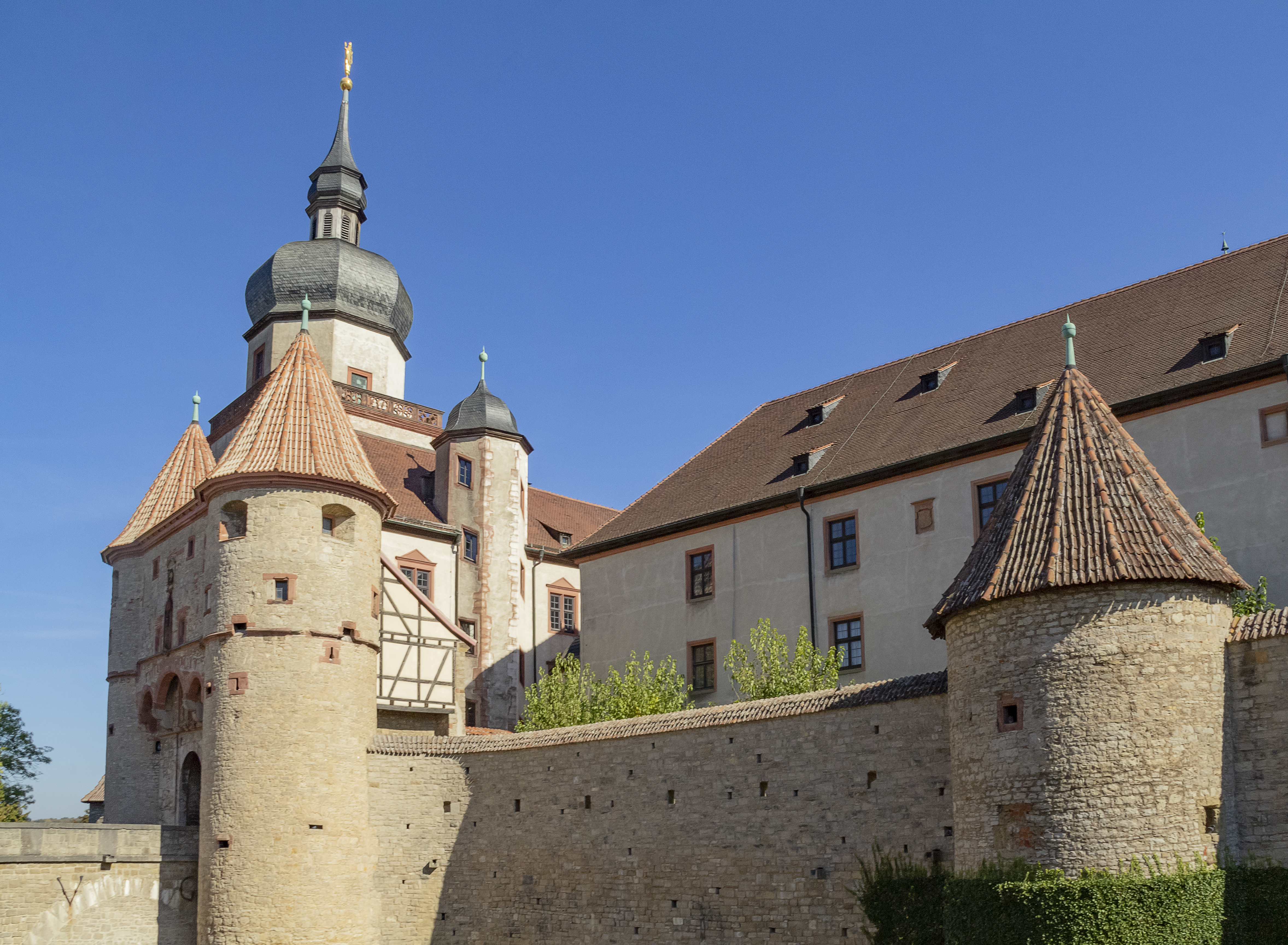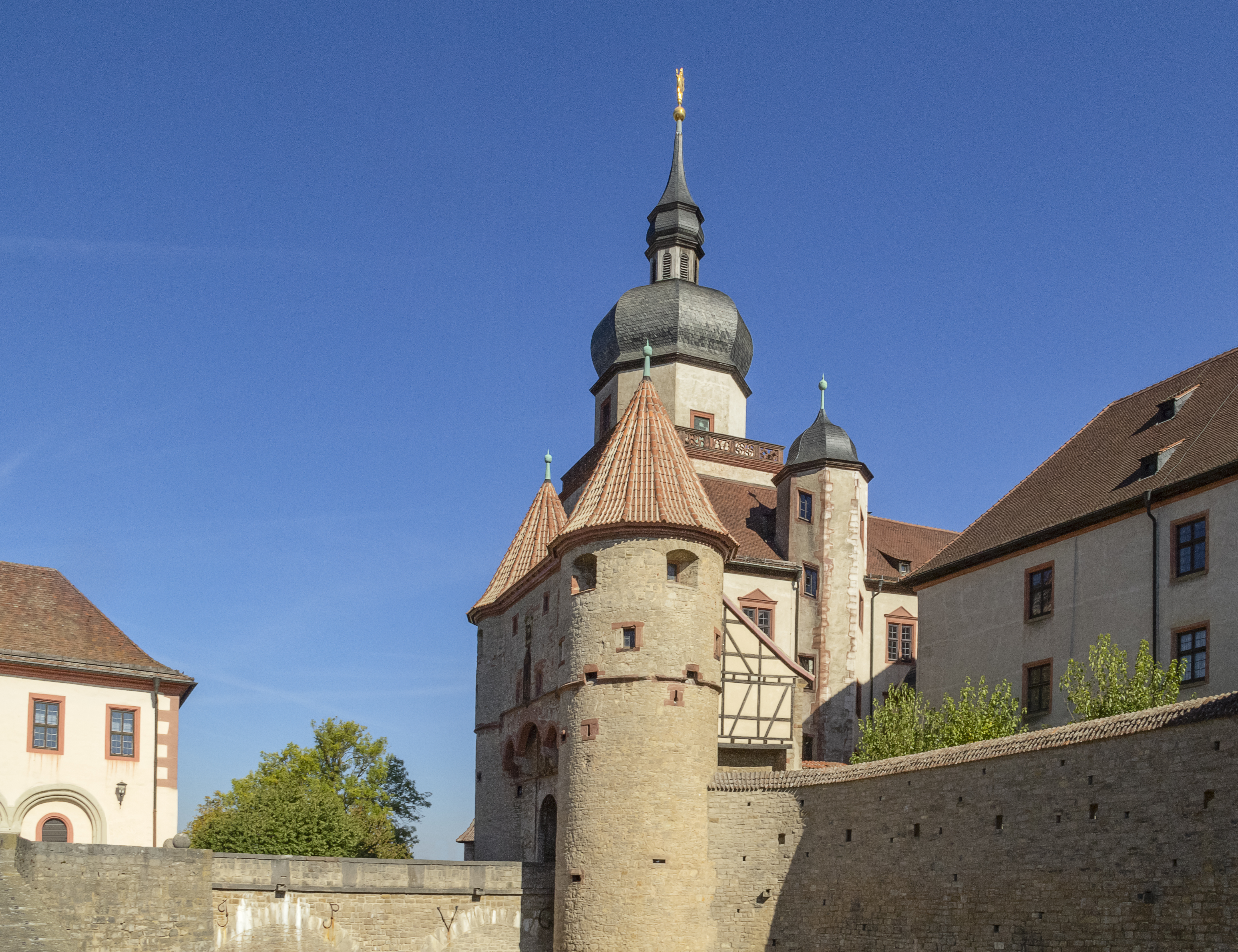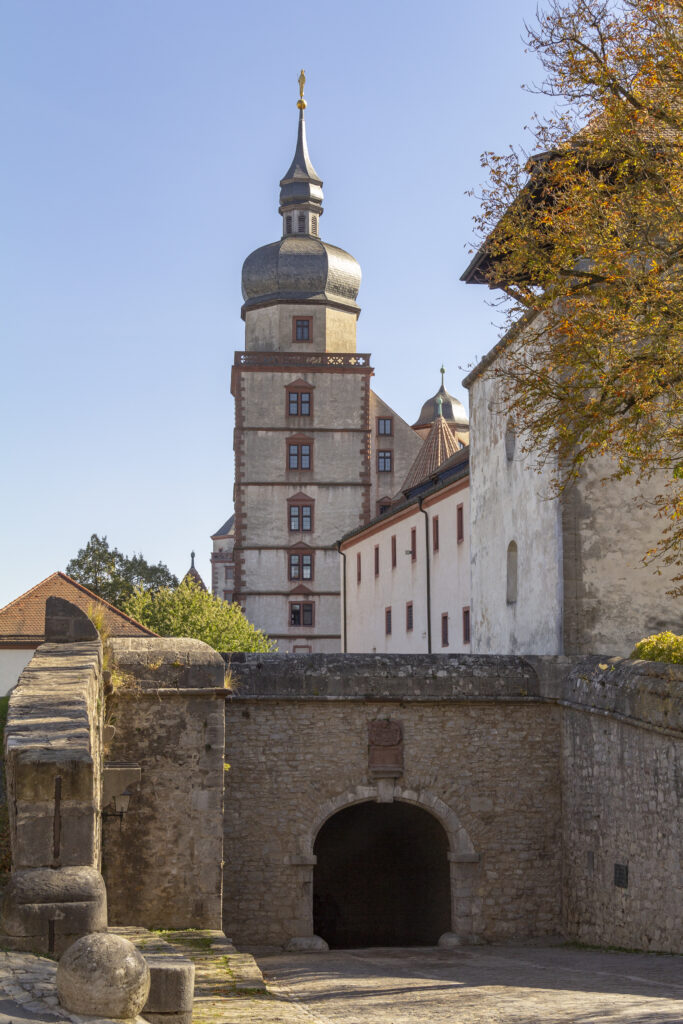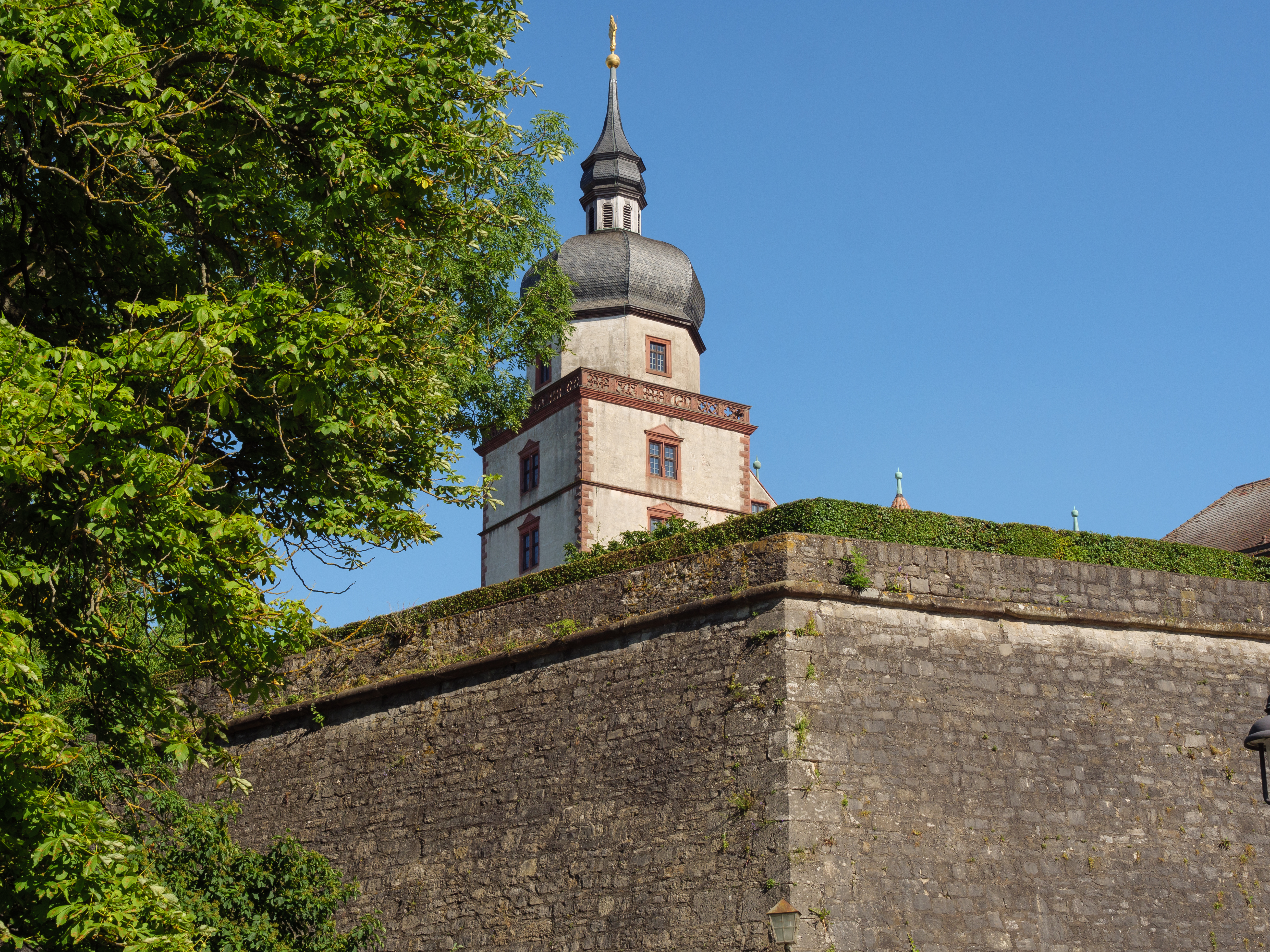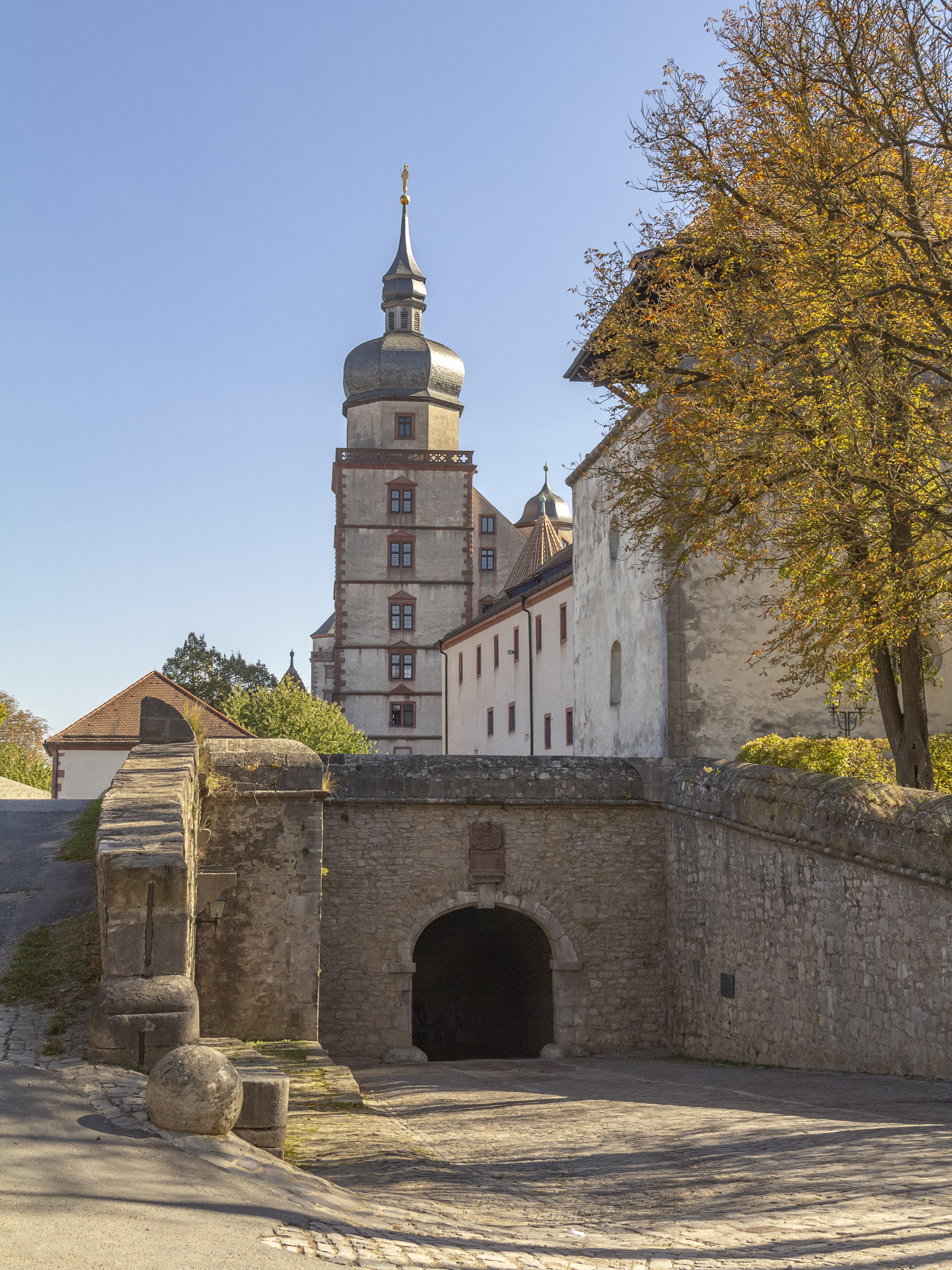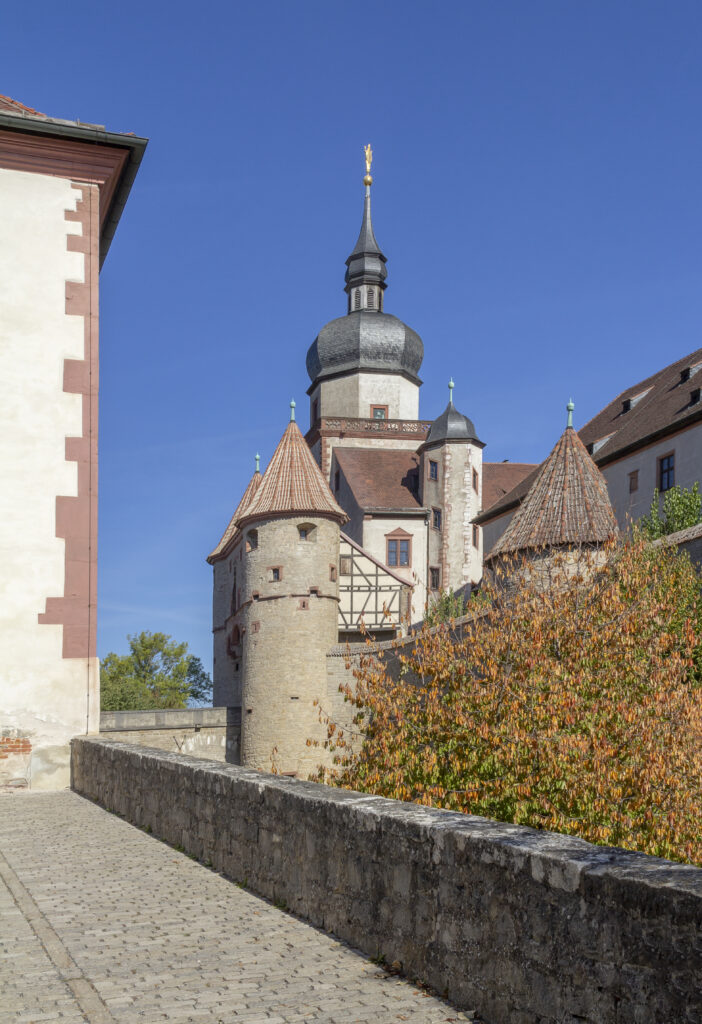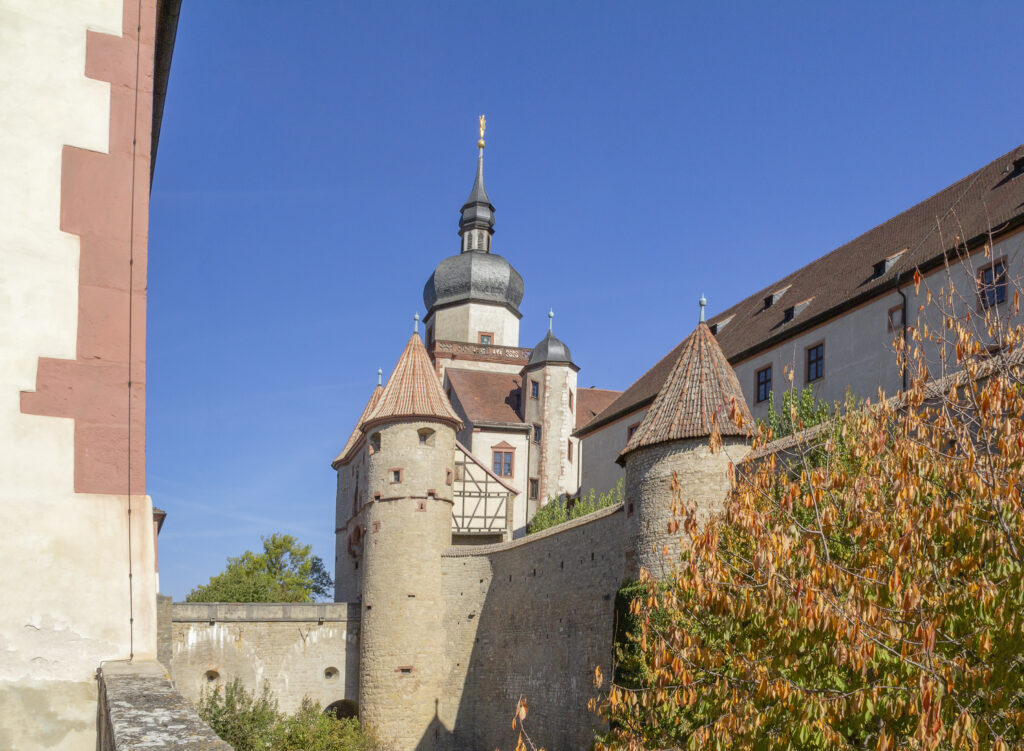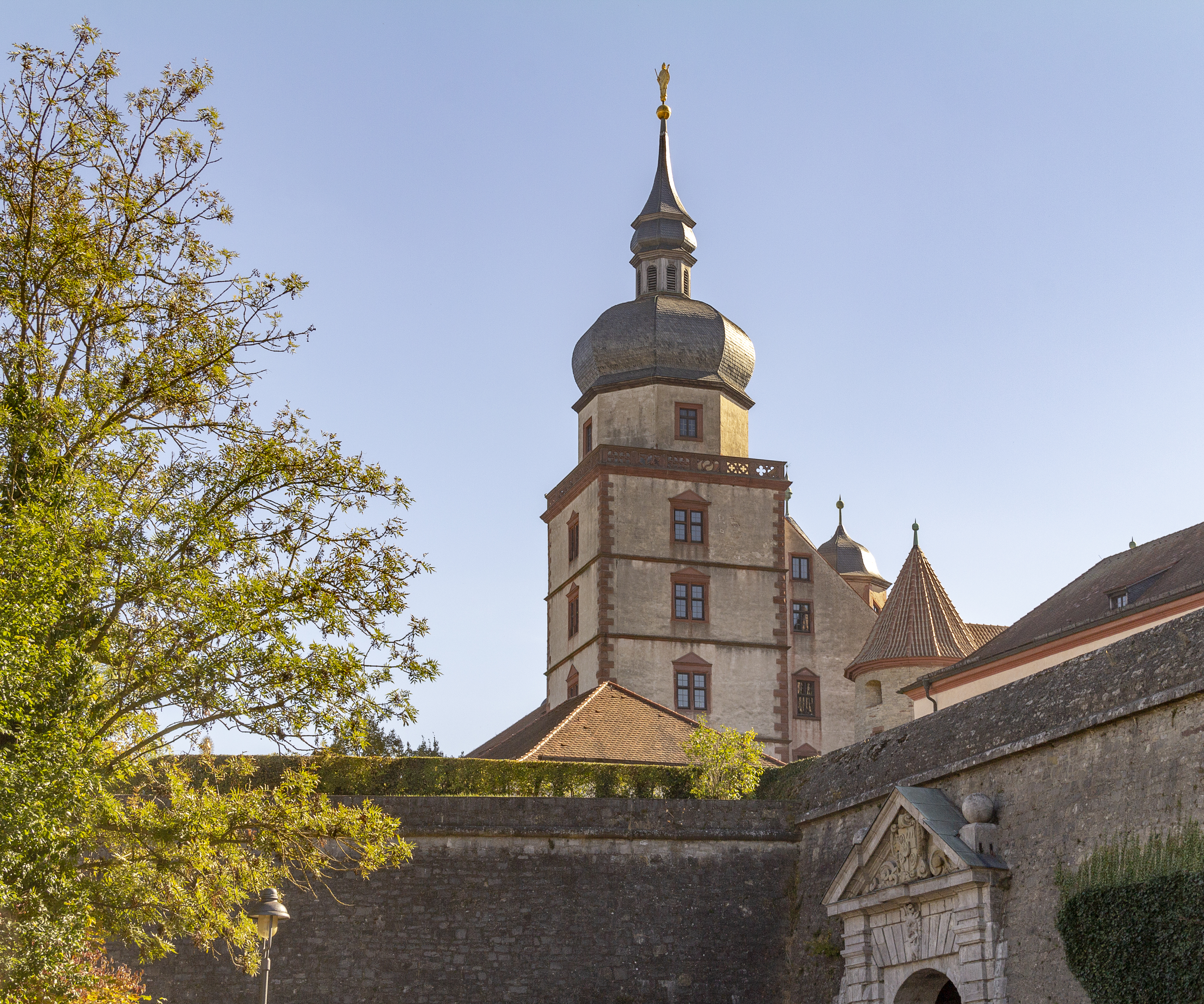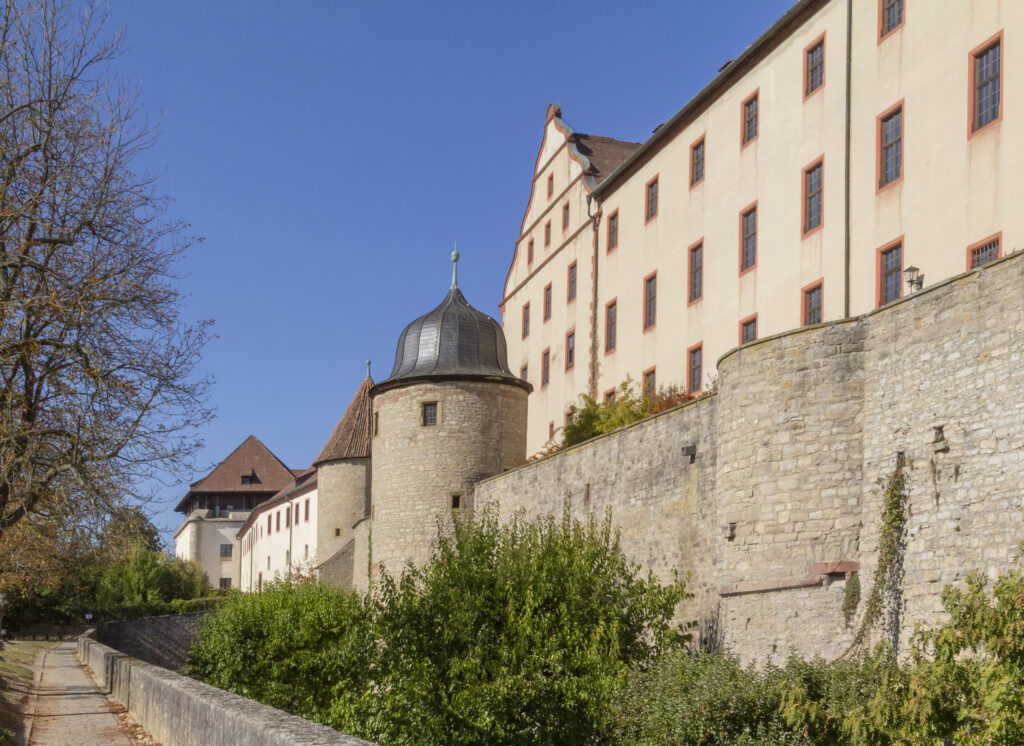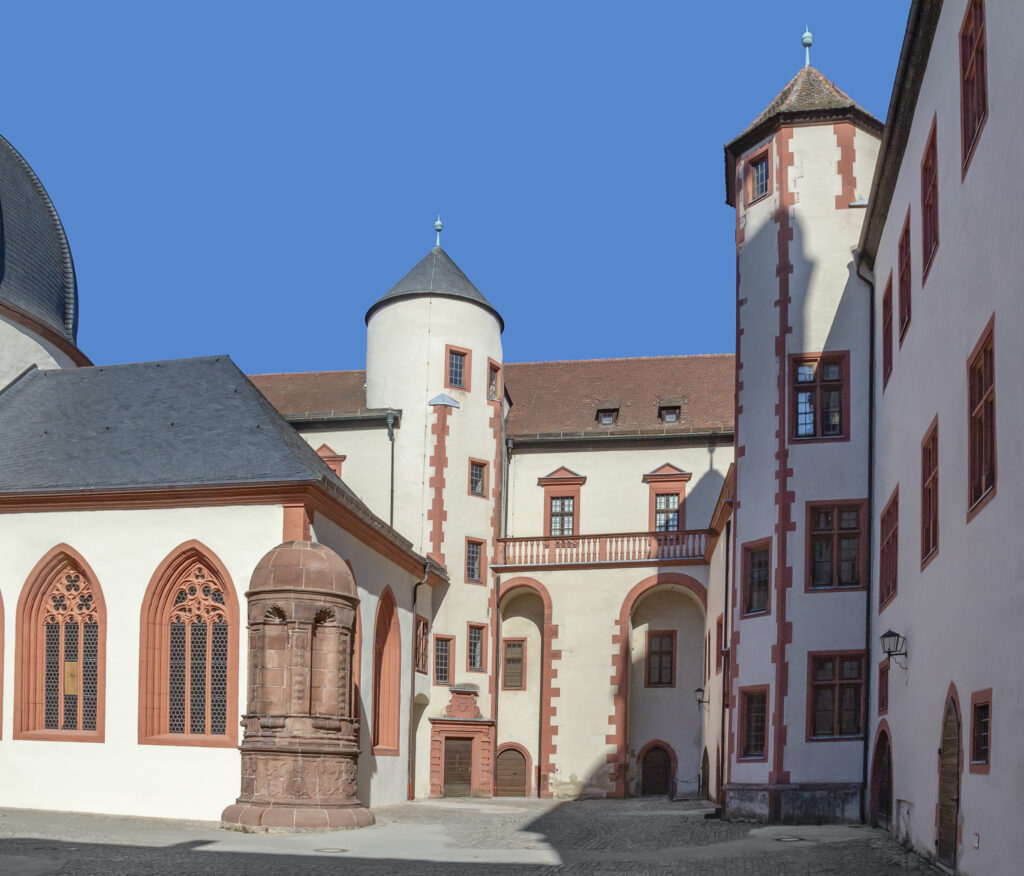

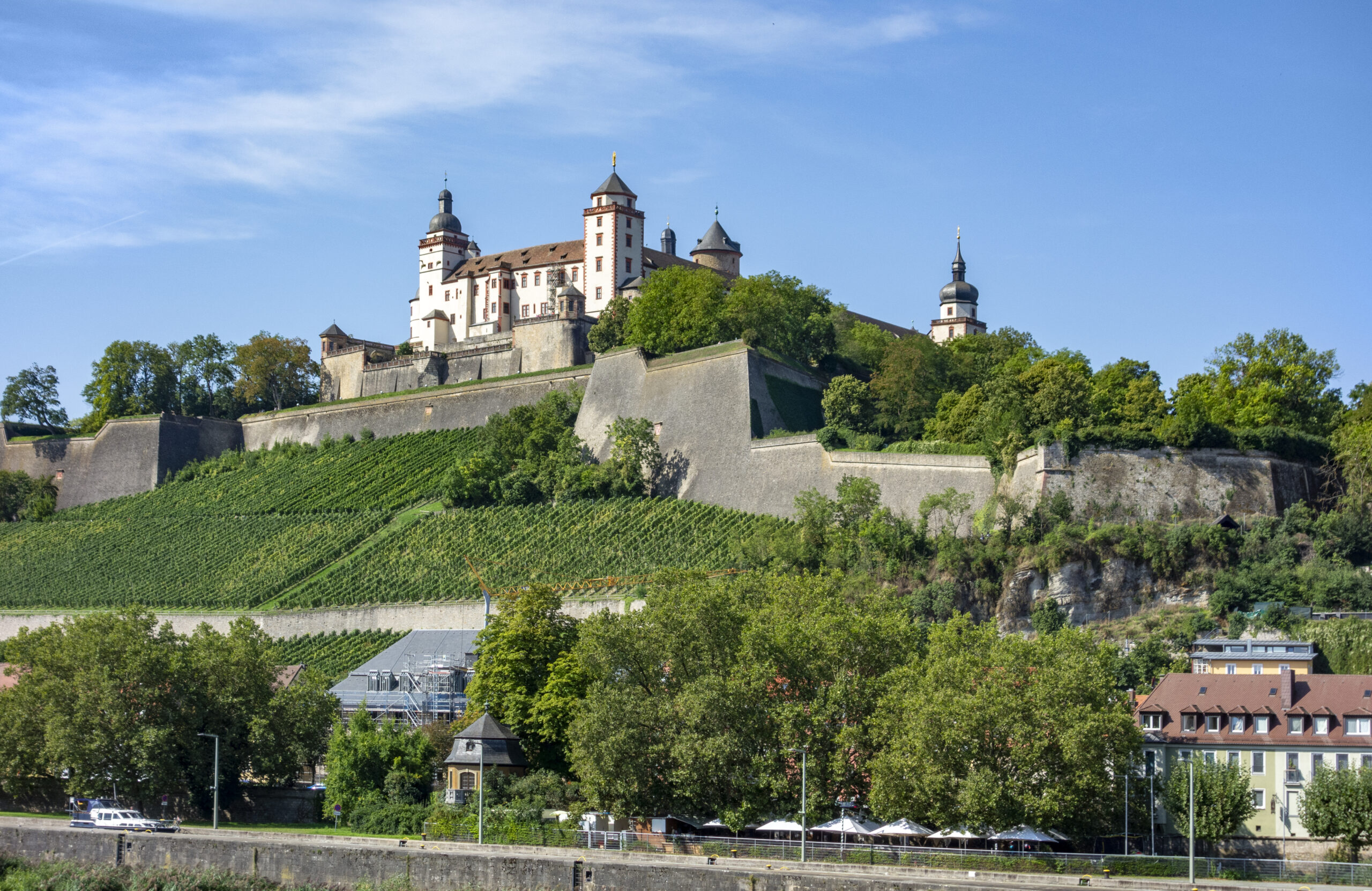
Nestled on the left bank of the Main River, the imposing Marienberg Fortress watches over the city of Würzburg. Its ancient towers and walls whisper stories from times gone by, legends spanning three millennia. From its beginnings in the late Bronze Age to its transformation into a Renaissance castle, the fortress has witnessed countless historical events and survived numerous sieges. Join me on a journey through time as we unravel the secrets and traditions surrounding this magnificent fortress.
The beginnings: the Celtic refuge. Long before the magnificent fortress was built, the site served as a Celtic refuge in the late Bronze Age (Urnfield culture) and early Iron Age (Hallstatt period). Archaeological excavations have uncovered remains of this fortified settlement, traces of which indicate that it already existed around 1000 BC.
The rise of the Merovingian Franks. In the course of the migration period, the Merovingian Franks settled in the region around the 6th century. Around 700 AD, Duke Heden II founded a monastery for his daughter Immina on the Marienberg. According to the younger Vita Burchardi from the 12th century, Immina ran this nunnery until the diocese of Würzburg was founded in 742 AD. For over four decades, she ran the oldest church and monastery in Würzburg, the Marienkirche. Below the fortress, in the valley leading to the Main River, lies St. Burkard’s Church. An earlier monastery dedicated to St. Andrew existed there since around 748 AD, making it the oldest church in the Würzburg valley.
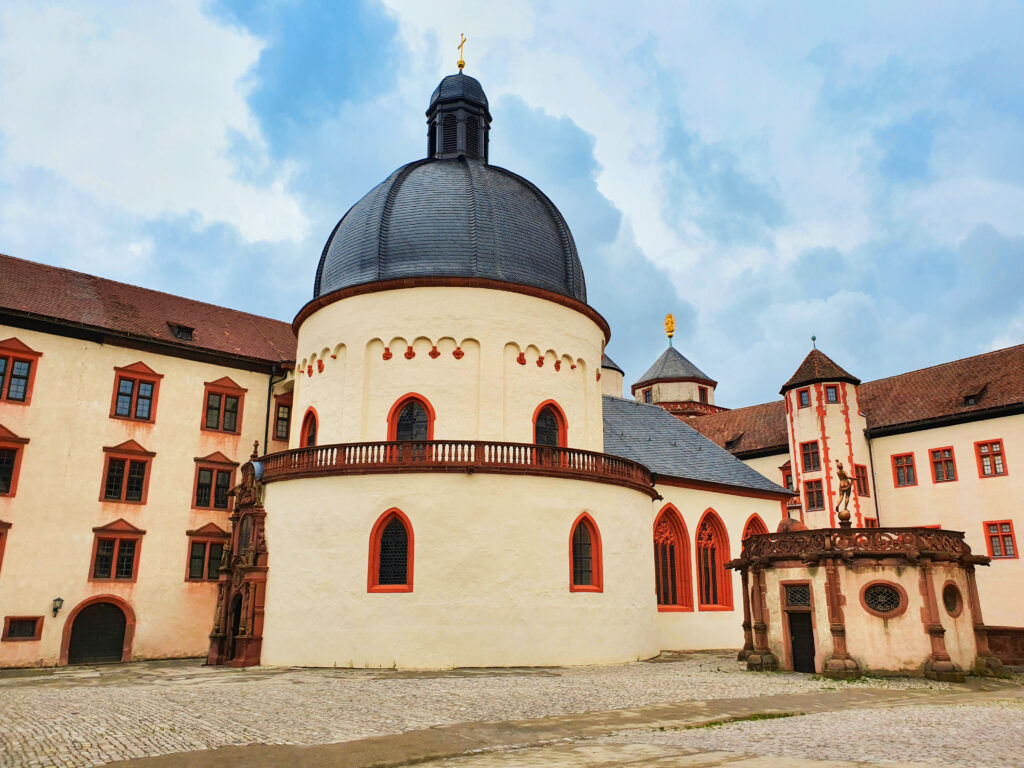
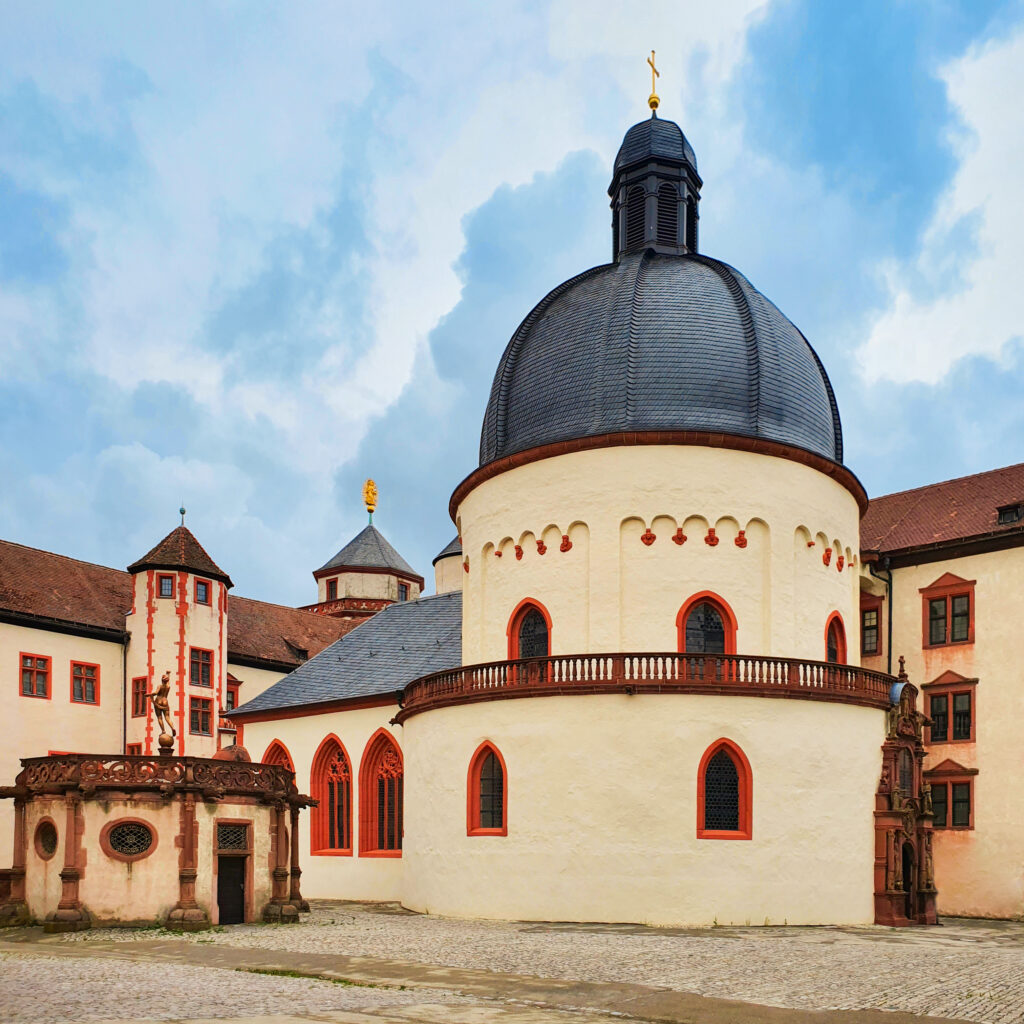
Medieval changes: From castle to fortress. Over the centuries, the Marienberg Fortress was renovated and expanded several times. The oldest surviving parts date from the early 11th century, including the small St. Mary’s Church. From the late 11th to the 13th century, members of the Henneberg family served as burgraves of Würzburg. Around 1200 AD, a castle with a keep and a deep well was built, known as the palace of Konrad von Querfurt. From 1253 to 1719 AD, the fortress served as the residence of the prince-bishops of Würzburg and witnessed political and military unrest, including the infamous Peasants’ War.
The Peasants’ War: An unprecedented siege. In 1525, during the German Peasants’ War, the fortress became a focal point of the conflict. The supporters of Bishop Konrad II von Thüngen retreated to the fortress amid the chaos that engulfed the diocese of Würzburg. Despite a lack of military organization, the peasant uprising suffered a crushing defeat at the gates of Würzburg. The commander of the fortress during the siege was Provost Margrave Frederick of Brandenburg, who strategically deployed 18 troops across various parts of the fortress. With around 400 men, including such well-known figures as Count Wolf von Castell and Canon Hans von Lichtenstein, the fortress garrison bravely repelled the peasants’ attacks. Today, a small monument on the Tellsteige on the slope of the Marienberg commemorates the farmers’ cause. Tilman Riemenschneider, a member of the city council who had sided with the farmers, was held captive in the fortress for six weeks after the uprising failed. The historic Hof zum Stachel inn in Gressengasse, marked by its distinctive morning star coat of arms, served as a meeting place for rebellious citizens and peasants.
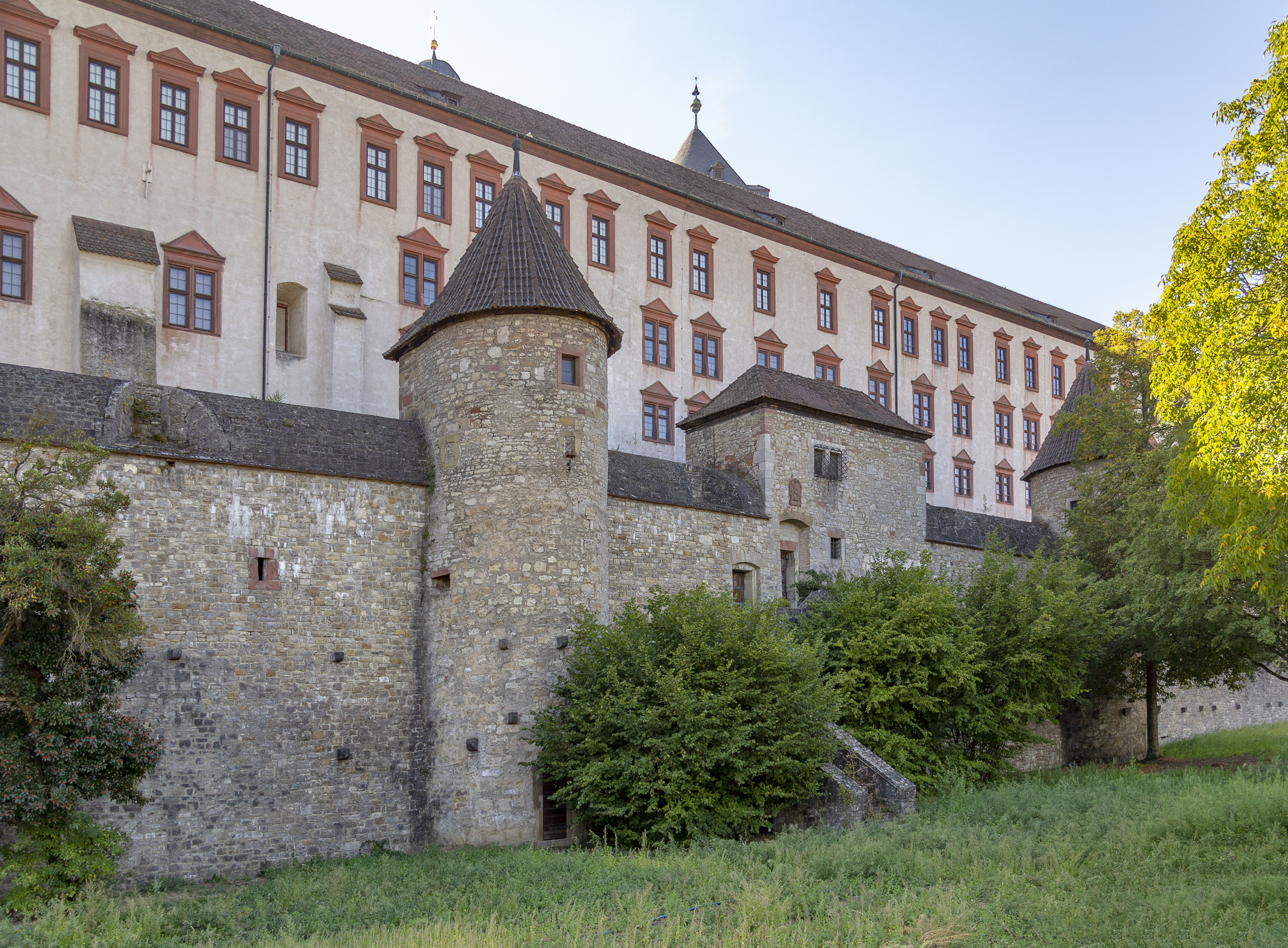
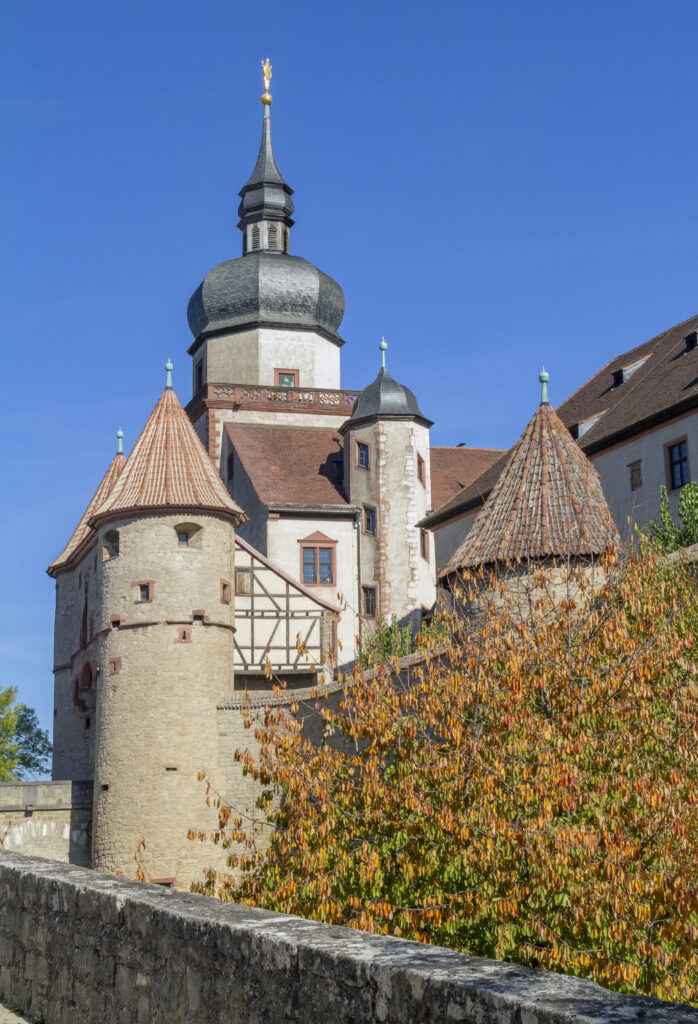
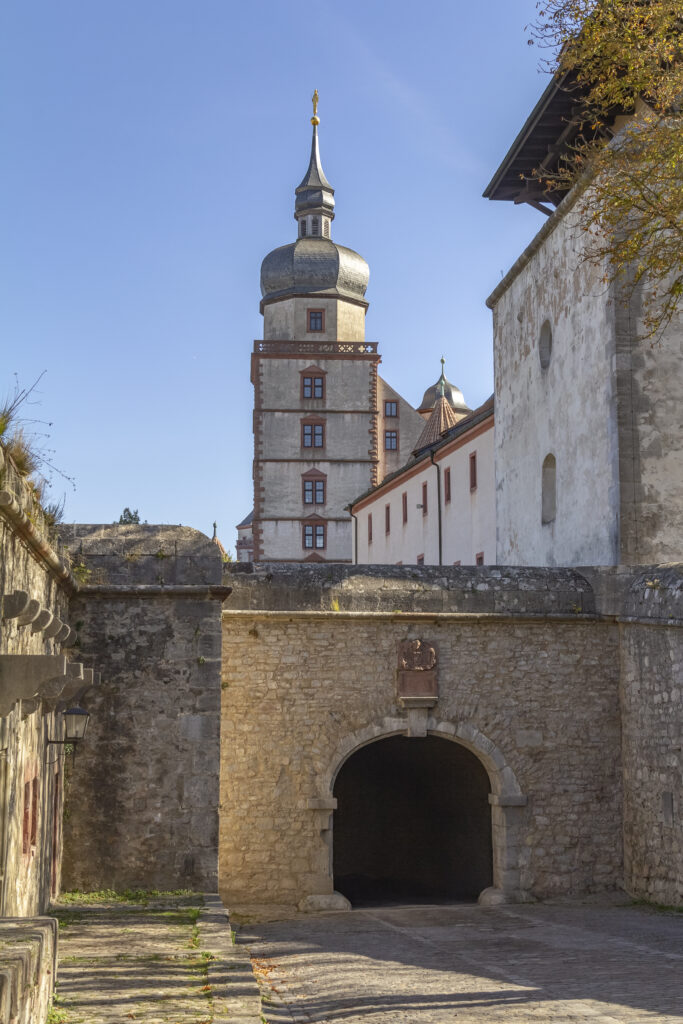
The Swedish conquest and the Baroque reconstruction. The Thirty Years’ War brought further unrest to Marienberg. On October 18, 1631, Swedish troops led by Gustav II Adolf conquered the fortress. The Spanish garrison was outnumbered 600 to 12,000 and was overwhelmed. Many soldiers were mercilessly slaughtered, with the Swedes referring to the atrocities committed in Magdeburg. Gustav Adolf commissioned his engineer Freytag to modernize the fortress and transform it into a Baroque fortress. The fortifications were reinforced with round towers, hornworks, and additional protective measures such as the Scharfen Eck – a sharp angle designed as a strategic access point. After their defeat at Nördlingen, the Swedes finally relinquished control of Marienberg in 1635. In the years that followed, the Franconian prince-bishops returned, further fortifying the fortress, adding new bastions, and extending the city’s defenses by twelve kilometers of city walls.
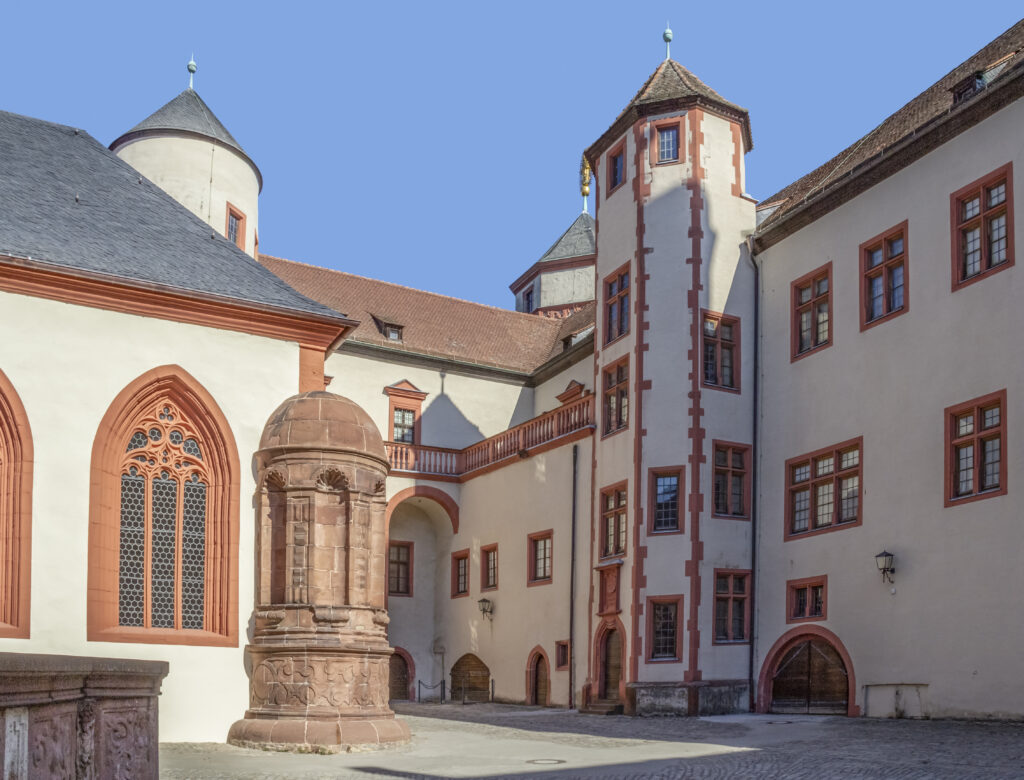
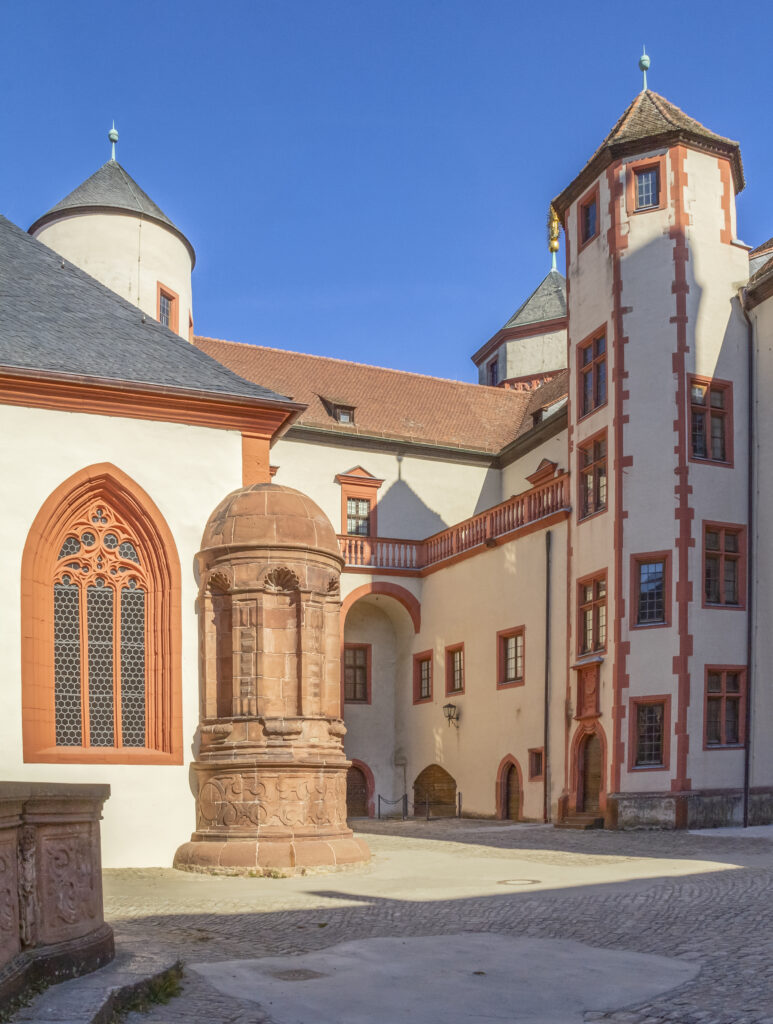
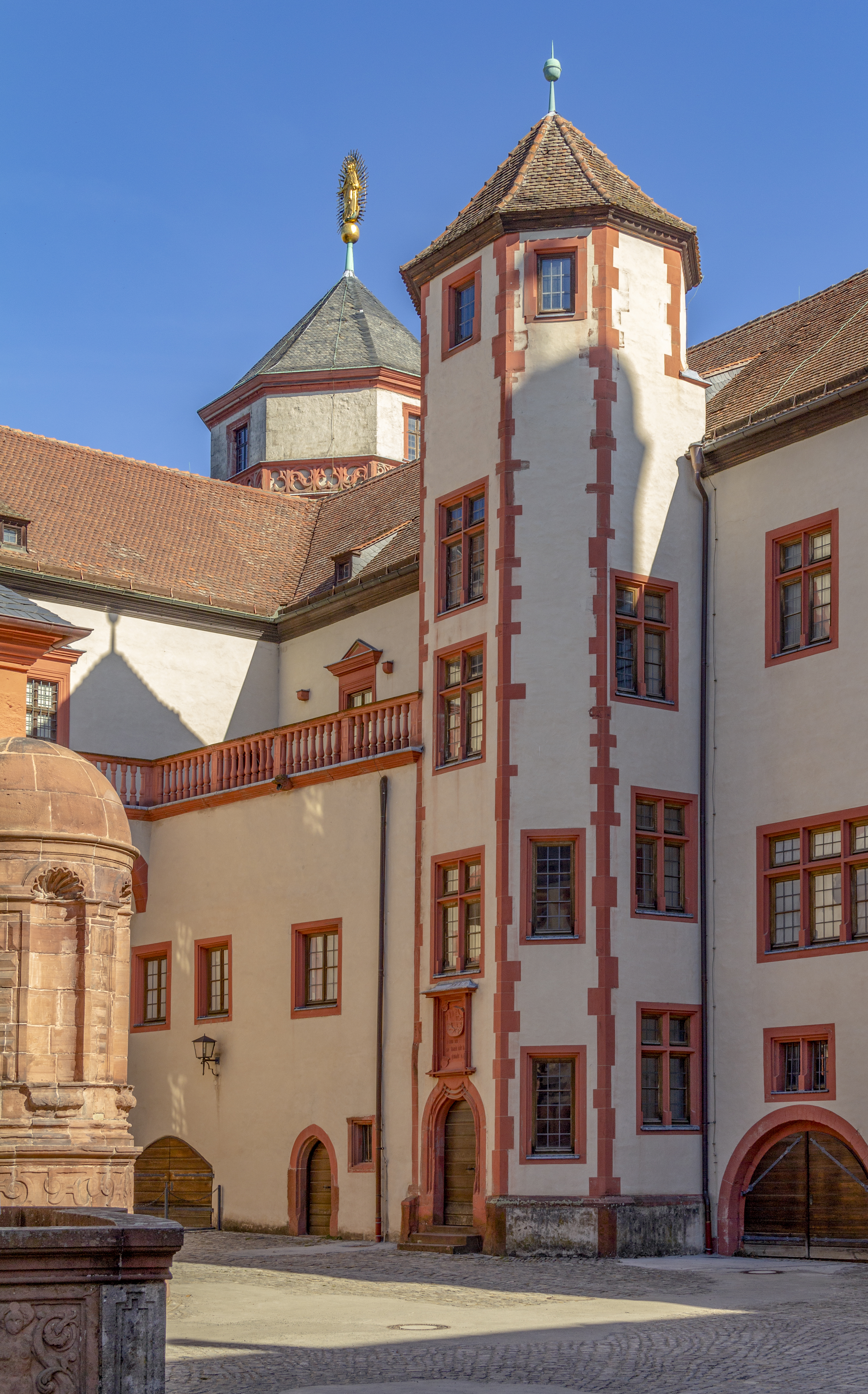
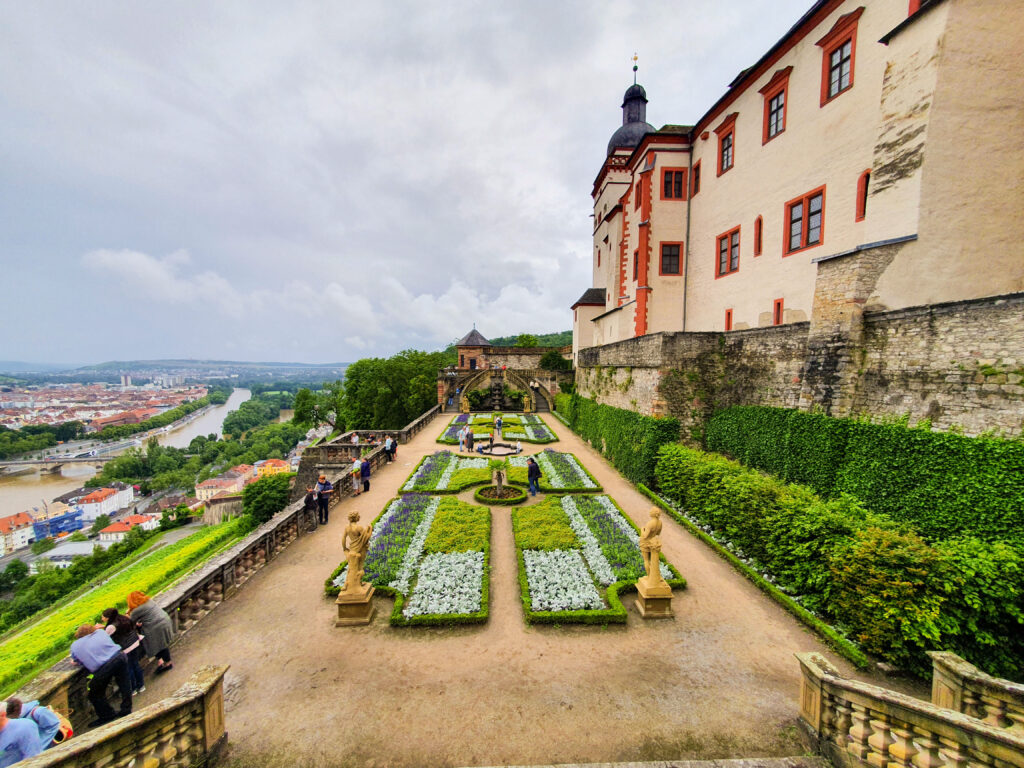
Renaissance splendor and beyond. Under the rule of Prince-Bishop Julius Echter von Mespelbrunn, Marienberg was extensively restored and expanded. The fortress was converted into a Renaissance castle, complete with the Echter bastion and an impressive fountain house that showcases exemplary Renaissance architecture. Further alterations followed after the destructive fire in 1572, which led to the establishment of a new library and the involvement of architects such as Georg Robin and Jakob Wolff. By 1607, the fortress had a four-winged Renaissance layout decorated with elaborate gabled roofs. The picturesque Prince’s Garden, first mentioned in 1523, took on its present form between 1699 and 1719 under Prince-Bishop Johann Philipp von Greiffenclau zu Vollraths. The garden contains statues originally created by Jakob von der Auwera, which are now represented by replicas.
Wars and uprisings: the 19th and 20th centuries. Marienberg’s strategic importance continued into modern times. During the Austro-Prussian War in 1866, the fortress was bombarded with artillery fire but remained intact. Later, in 1871, it served as a prison for over 5,000 French prisoners of war and housed 80 Allied officers during World War I. Under Nazi rule, Marienberg housed a labor camp for SA comrades and became a center for social and educational activities. Under Mayor Theo Memmel, supported by Bavarian Prime Minister Ludwig Siebert, extensive renovations were carried out. The fortress suffered considerable damage during the bombing of Würzburg in 1945, but was carefully rebuilt starting in 1950. Today, Marienberg houses the Museum of Franconia, which displays valuable Franconian works of art, including the famous sculptures by Tilman Riemenschneider.
A legacy carved in stone. The Marienberg Fortress is a lasting symbol of Würzburg’s rich heritage. From its Celtic origins to its heyday during the Renaissance to its resilience in times of war, the fortress embodies the spirit and history of the city. As you stroll through its halls and gardens, imagine the countless stories that have unfolded within these ancient walls—every stone is a testament to the enduring legacy of one of Germany’s most remarkable landmarks.