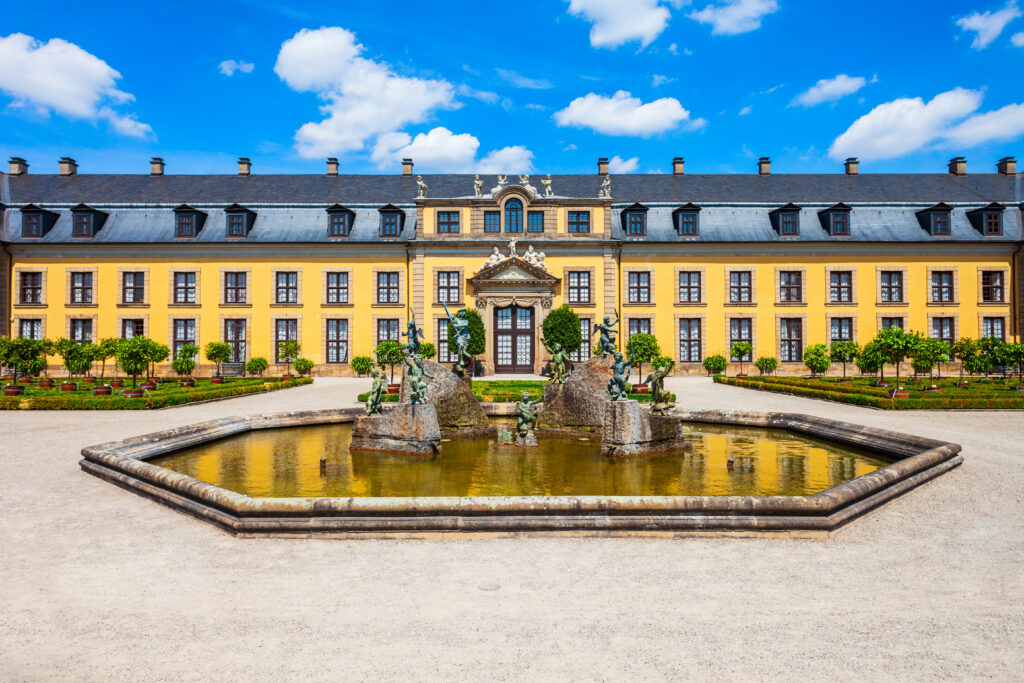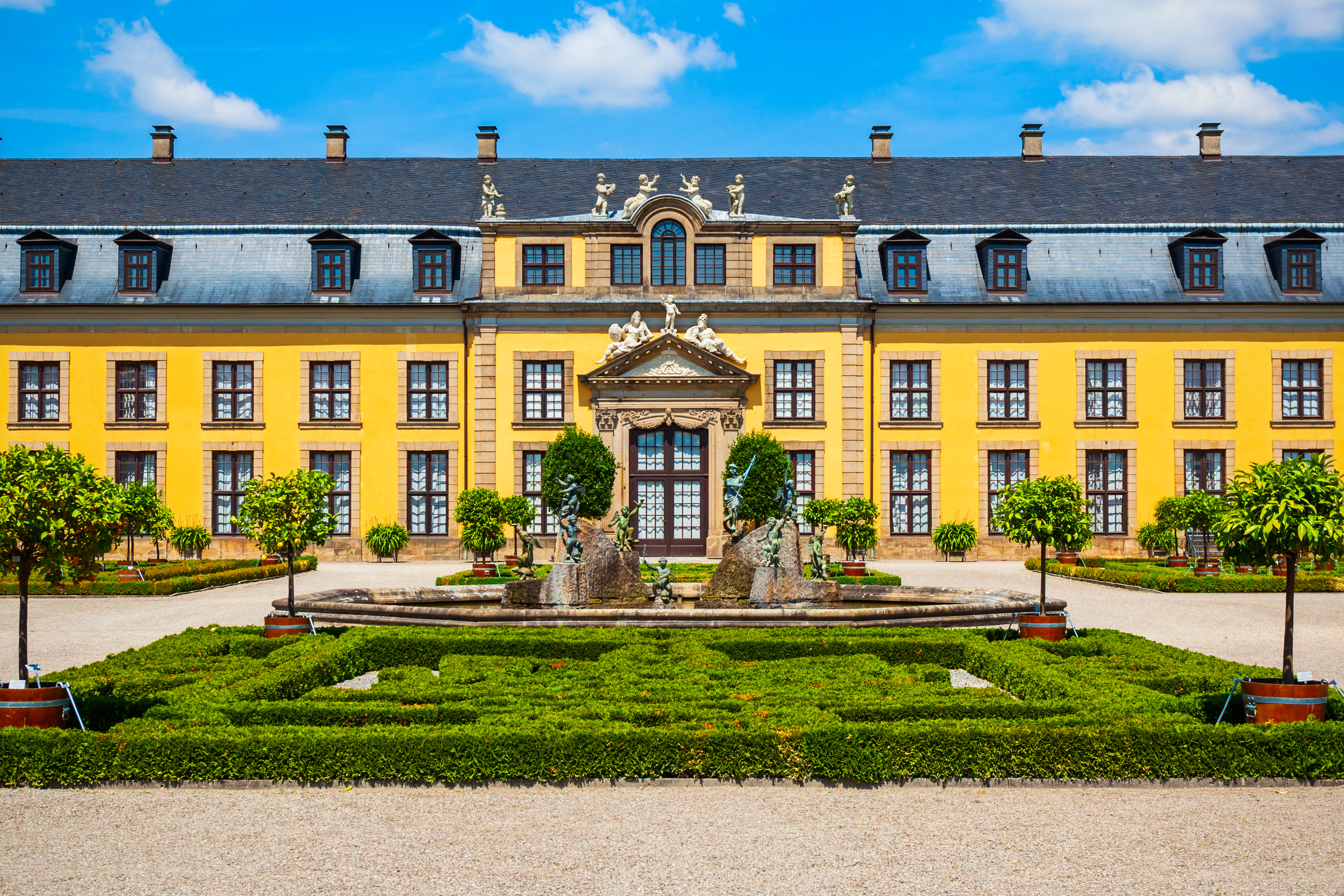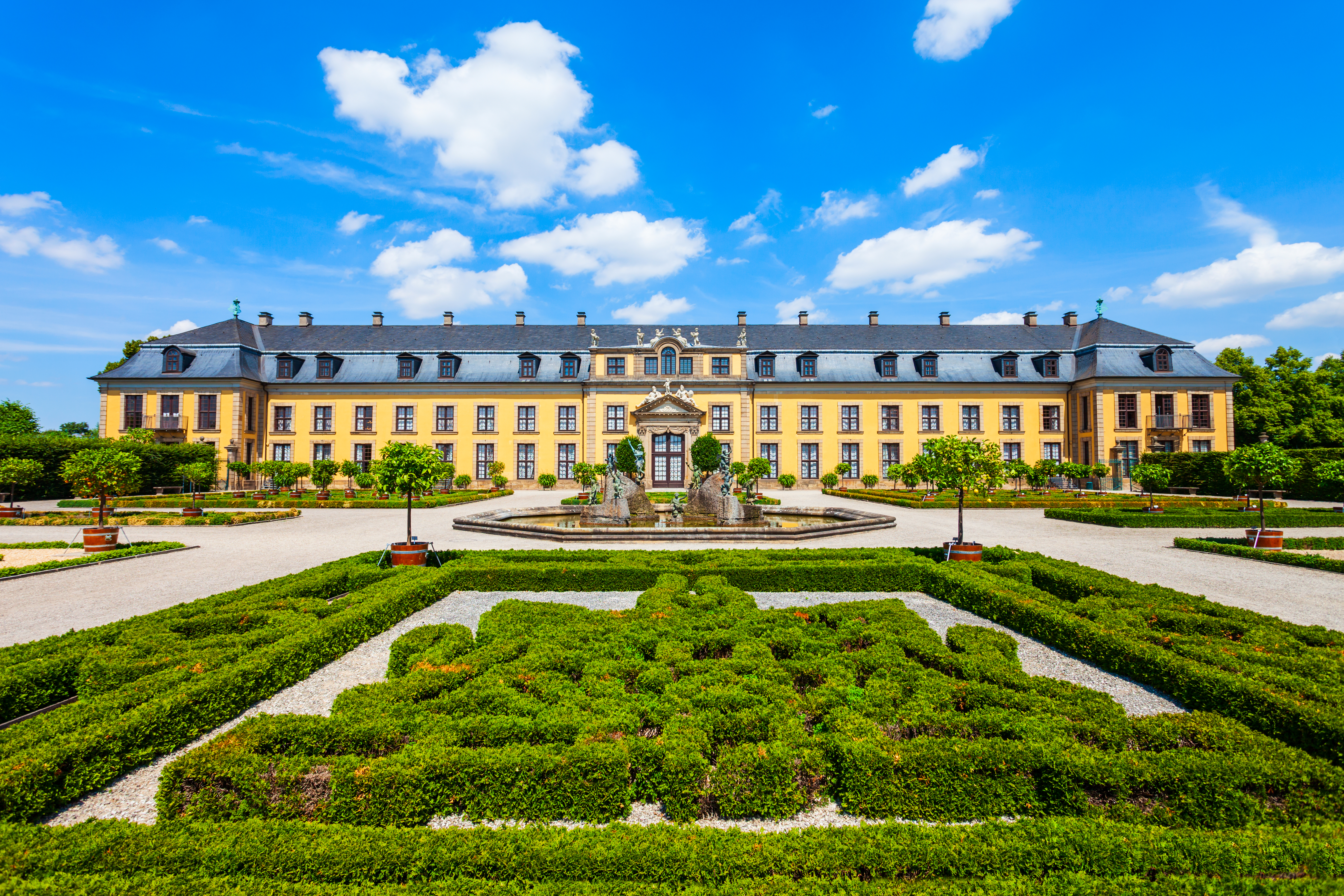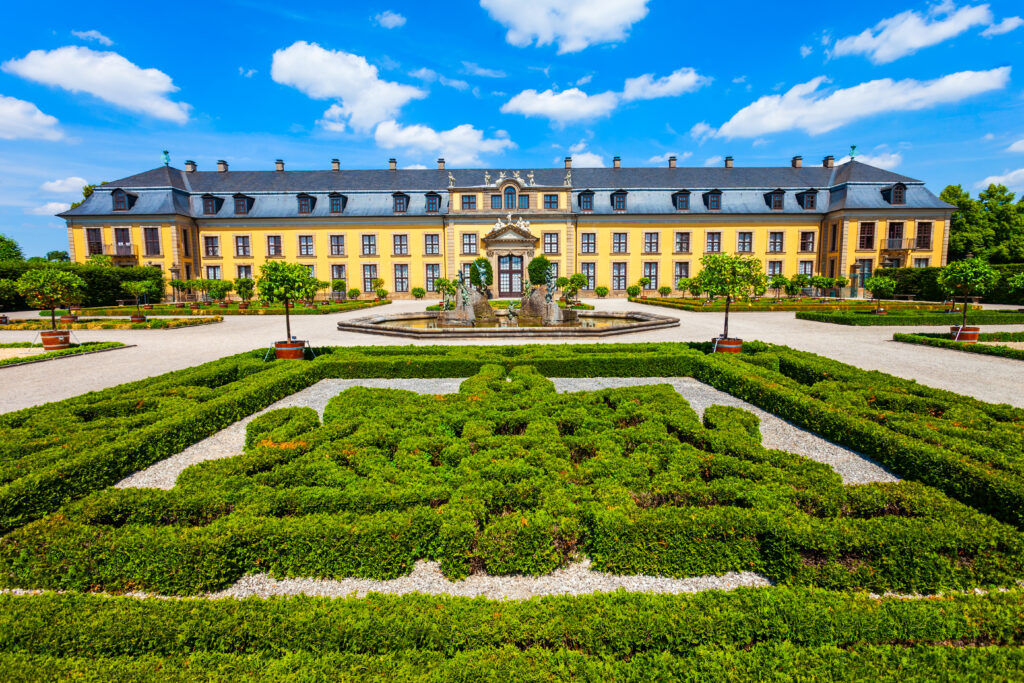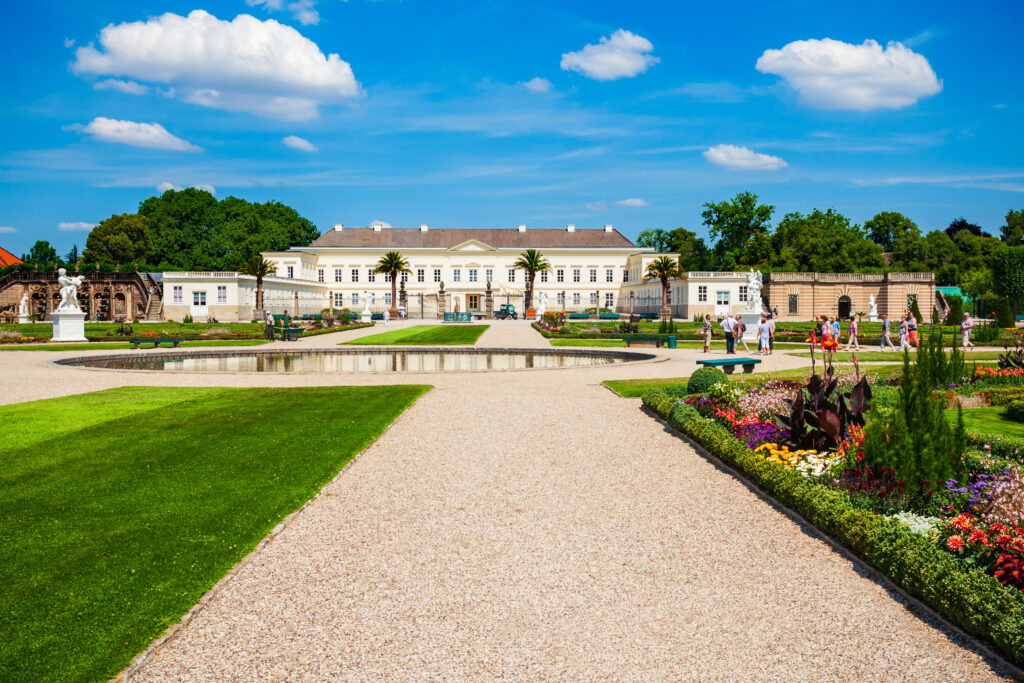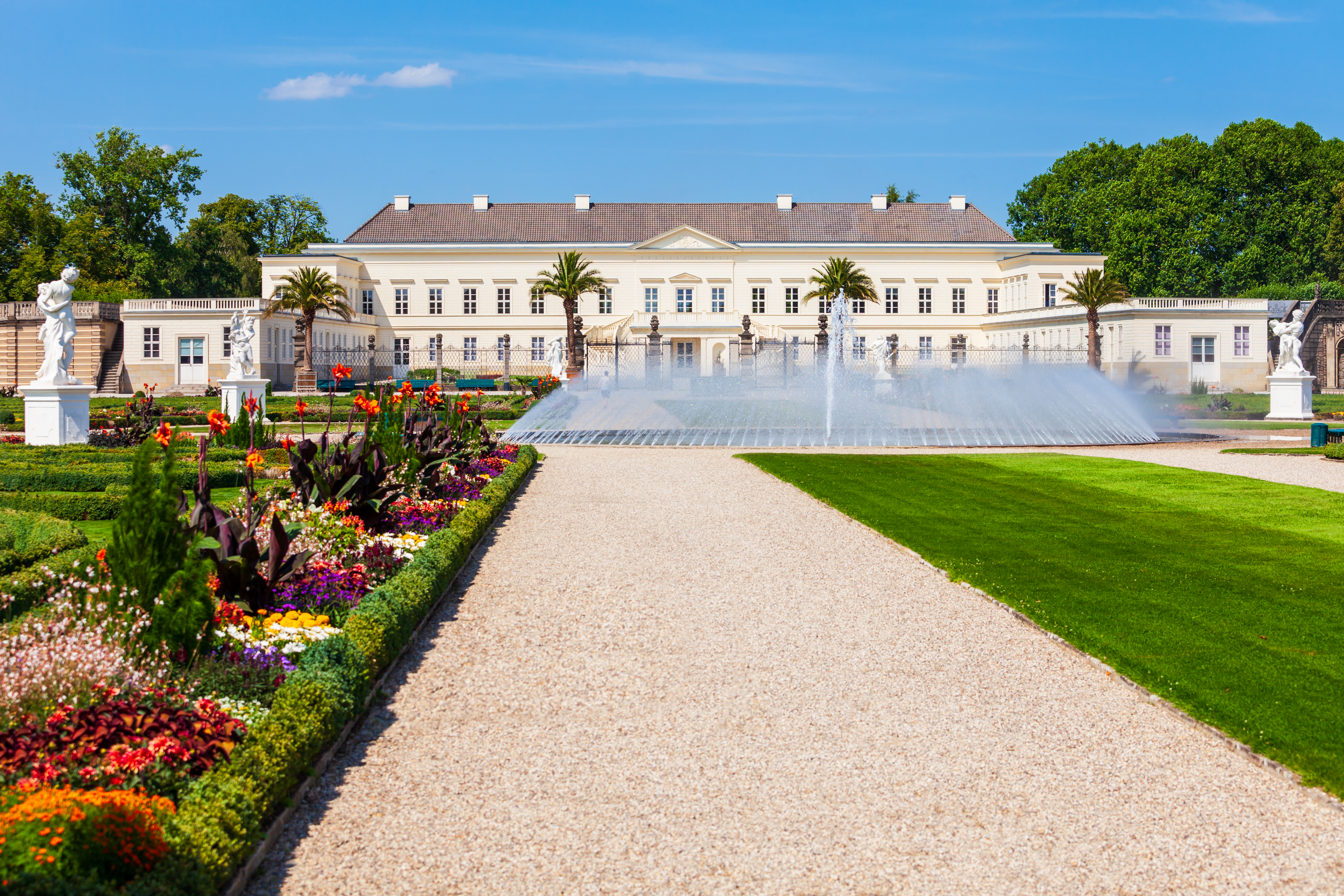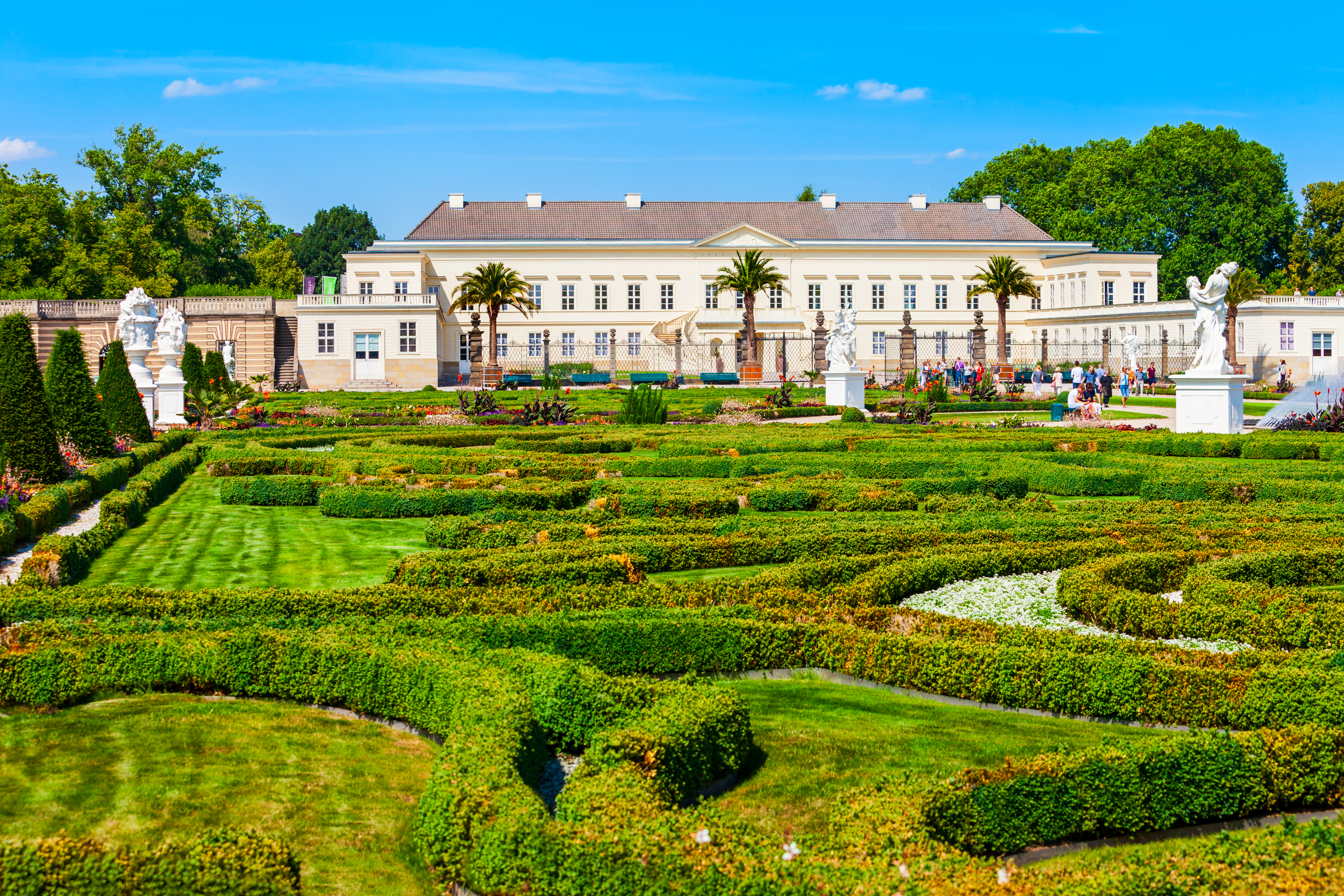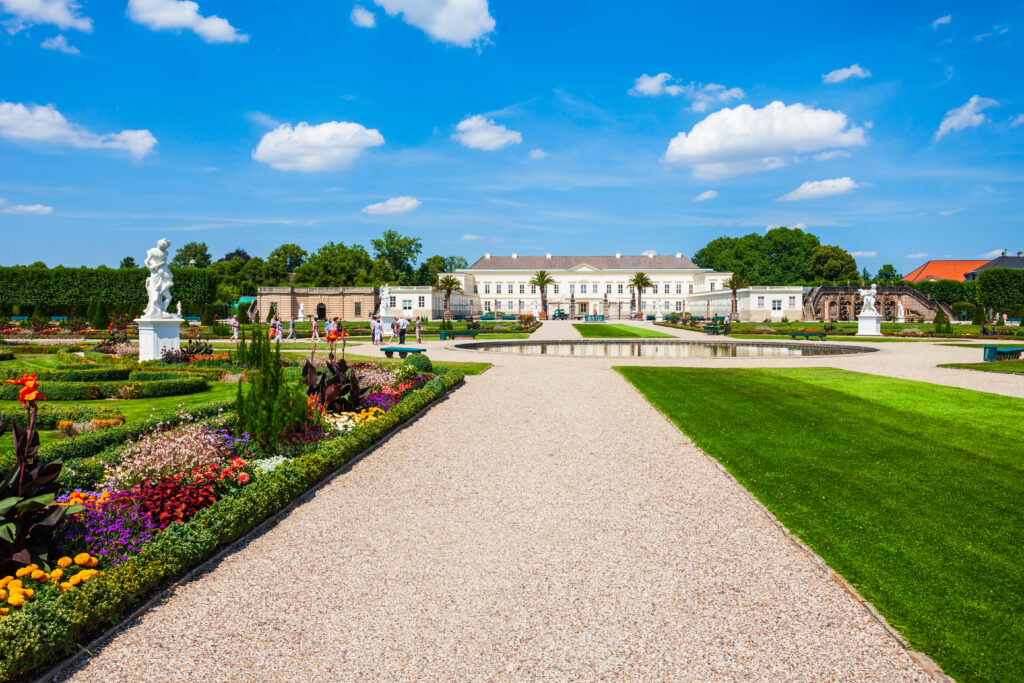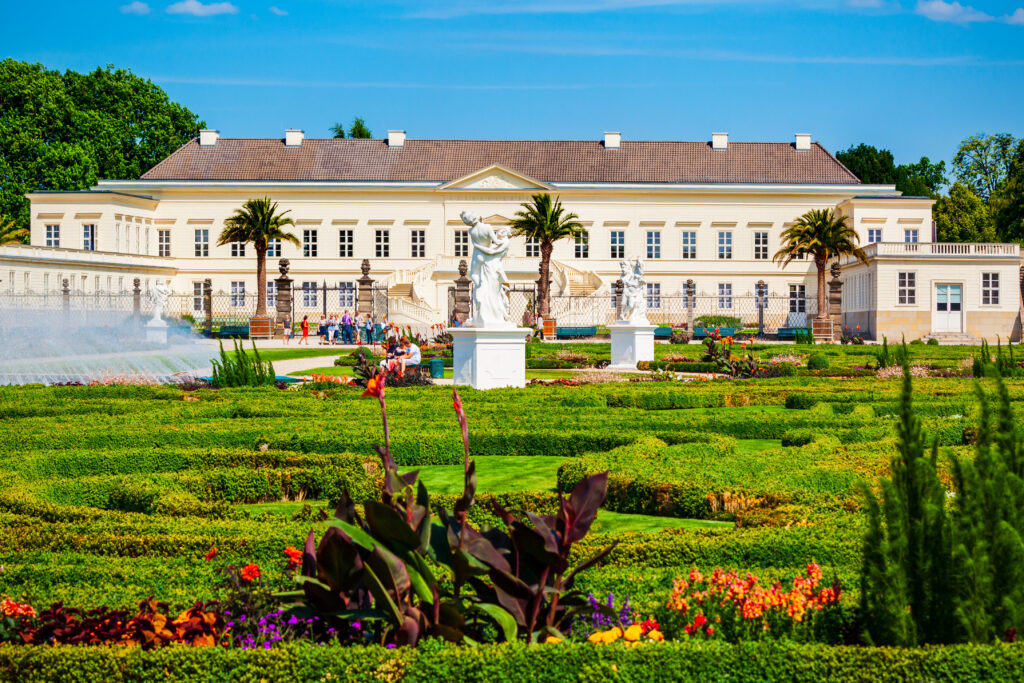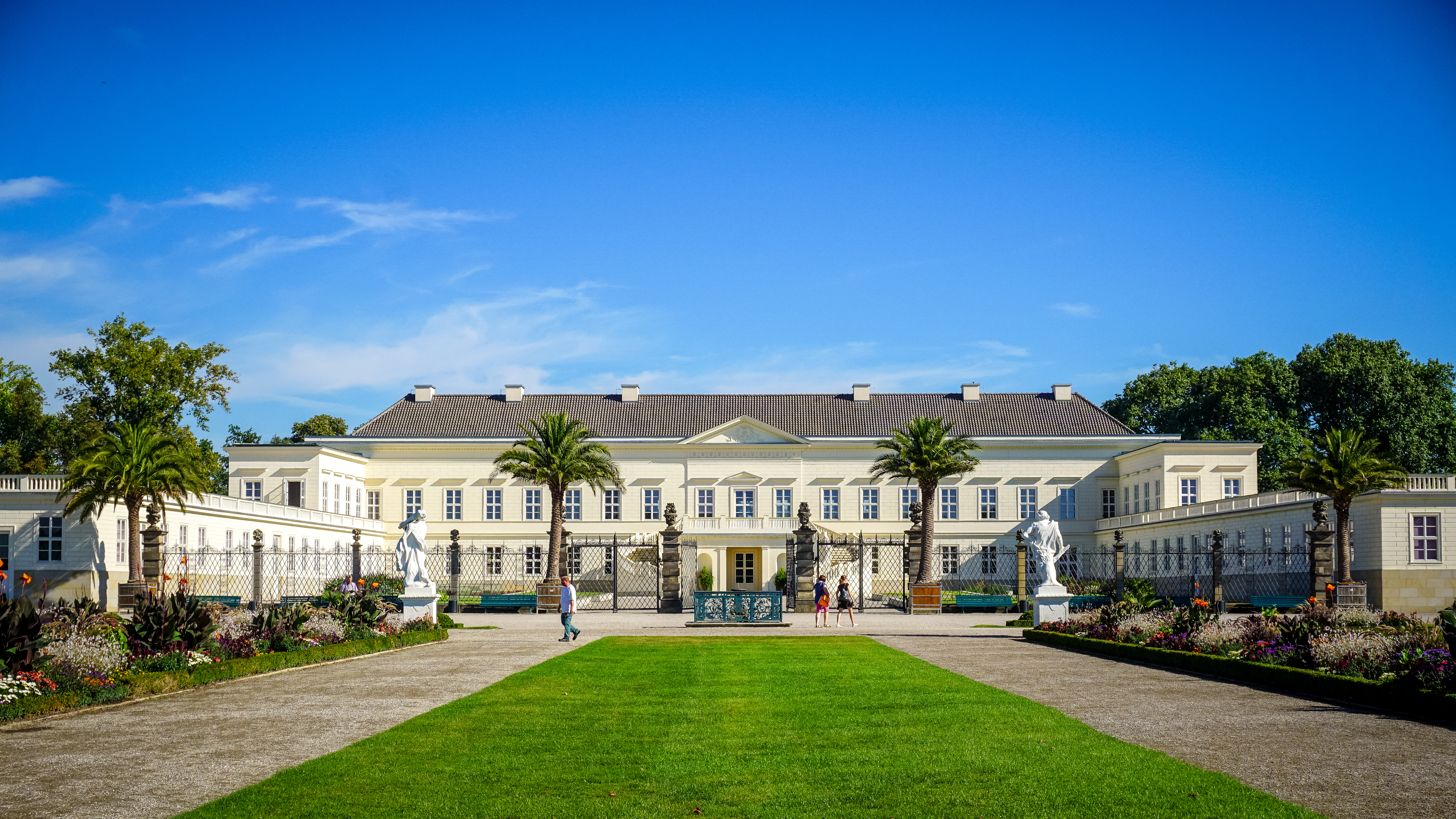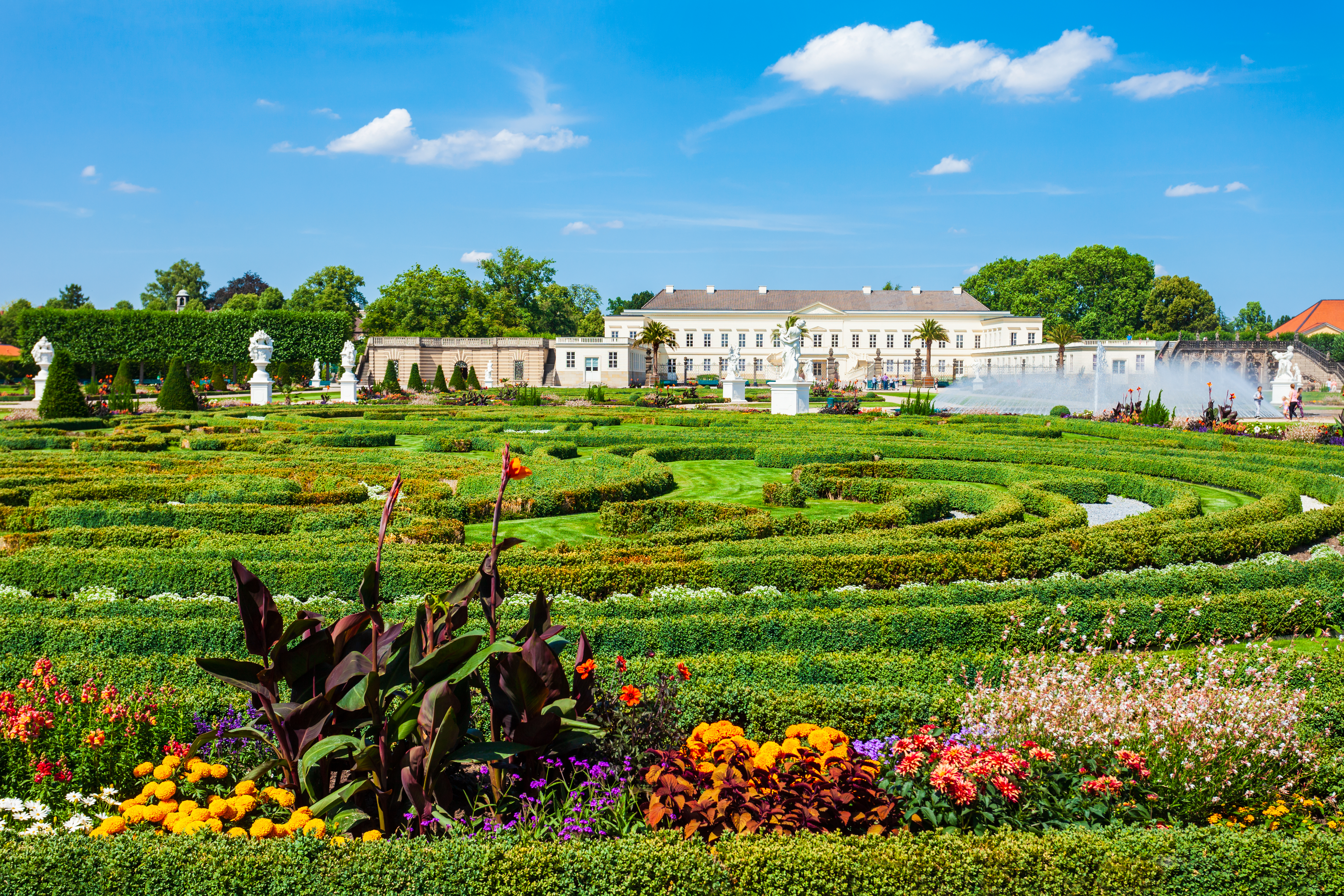

Herrenhausen Palace, a remarkable piece of architectural history, has undergone numerous changes and narratives, all of which have contributed to its historic existence. Once the residence of the electors and kings of Hanover, Herrenhausen today stands not only as a symbol of royal splendor, but also as a testament to the indomitable spirit that rebuilt it after its destruction.
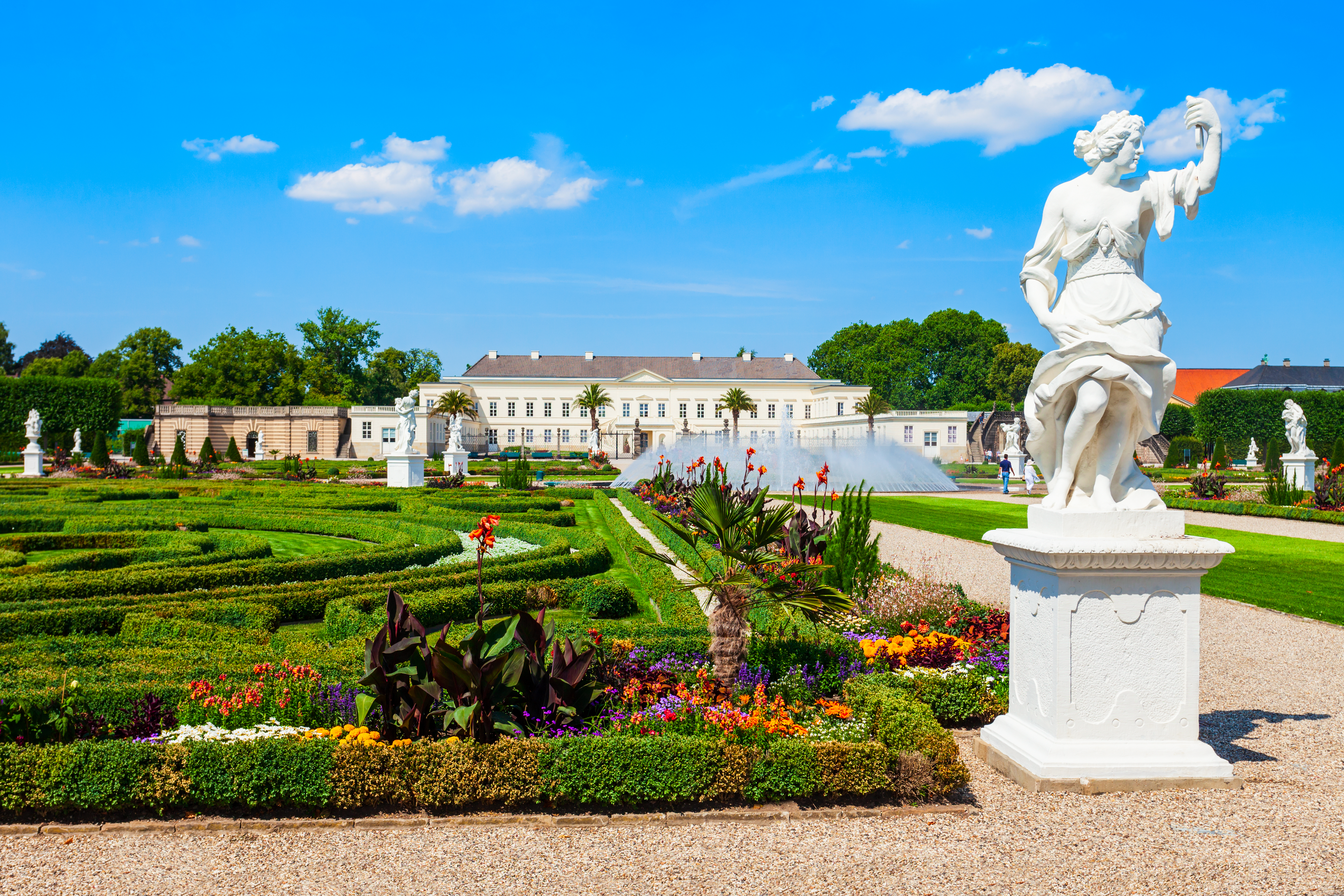
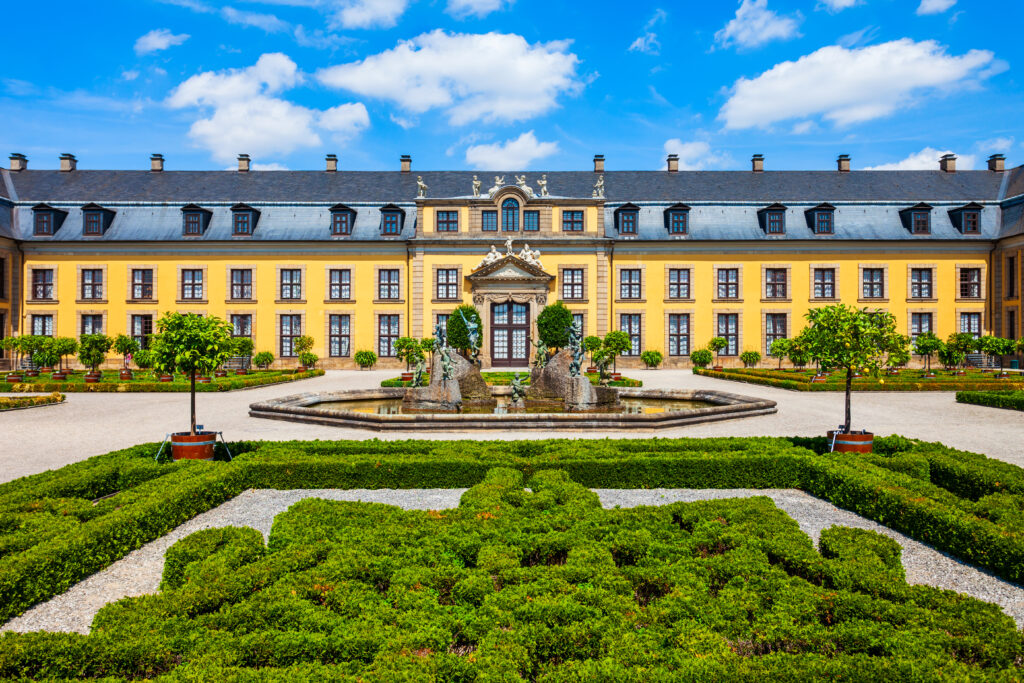
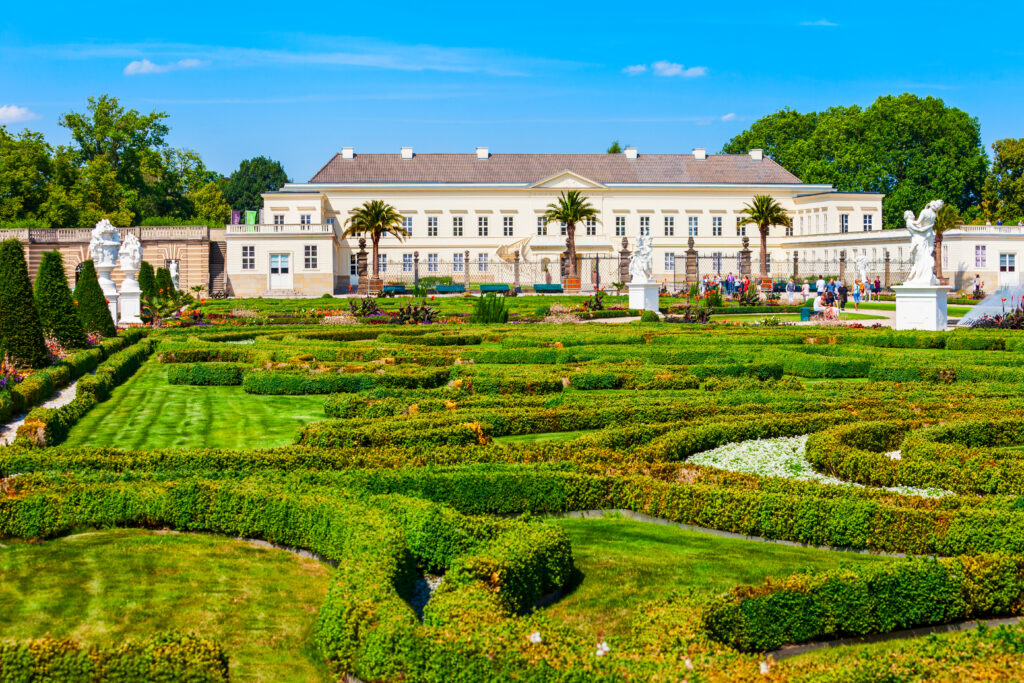
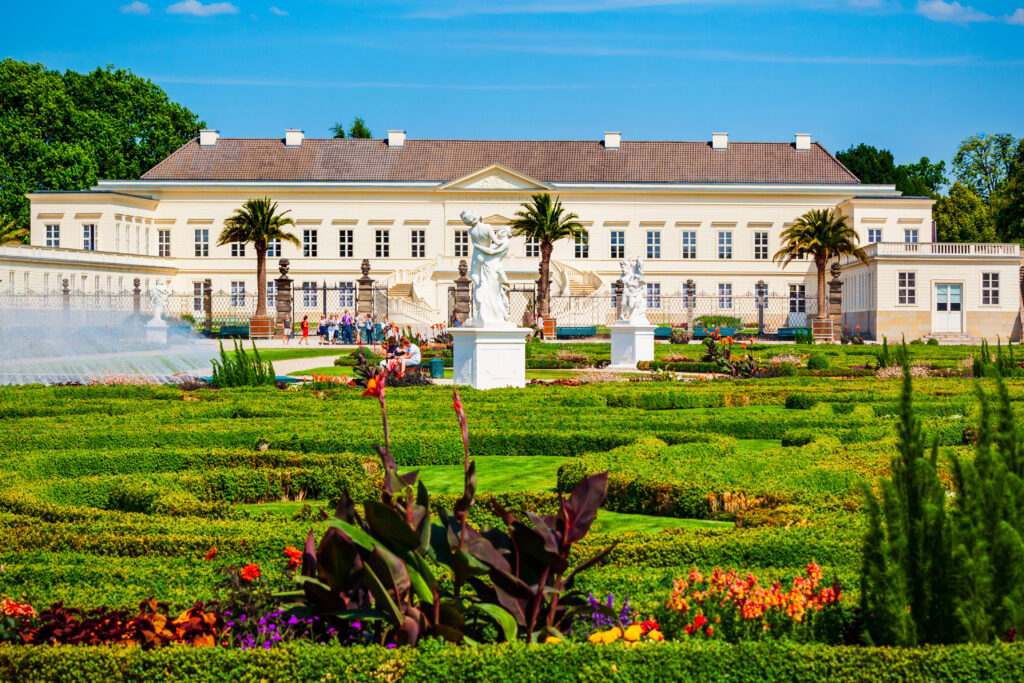
Origins of splendor: From manor house to palace. The roots of Herrenhausen Palace date back to around 1640, when it began as a manor house. Over time, ambition and foresight transformed it into a pleasure palace – a lusthaus. Around 1670, the palace’s characteristic three-winged layout became apparent, mirroring the design of the Great Garden to the south. This garden was more than just a backdrop; it reflected the monarch’s control over nature itself and elegantly framed the Baroque estate with its carefully planned views and green expanses. Over the years, under Duke Johann Friedrich from 1676, significant extensions transformed the estate into a summer residence. The living area of the manor house was expanded to include spacious living rooms and reception rooms. The central hall, although modest in size, became the focal point of court life and offered breathtaking views of the manicured garden—a living work of art that demonstrated the ruler’s dominion over nature. In the course of the redesign, the agricultural use of the side wings was abandoned and replaced by orangeries for overwintering delicate plants.
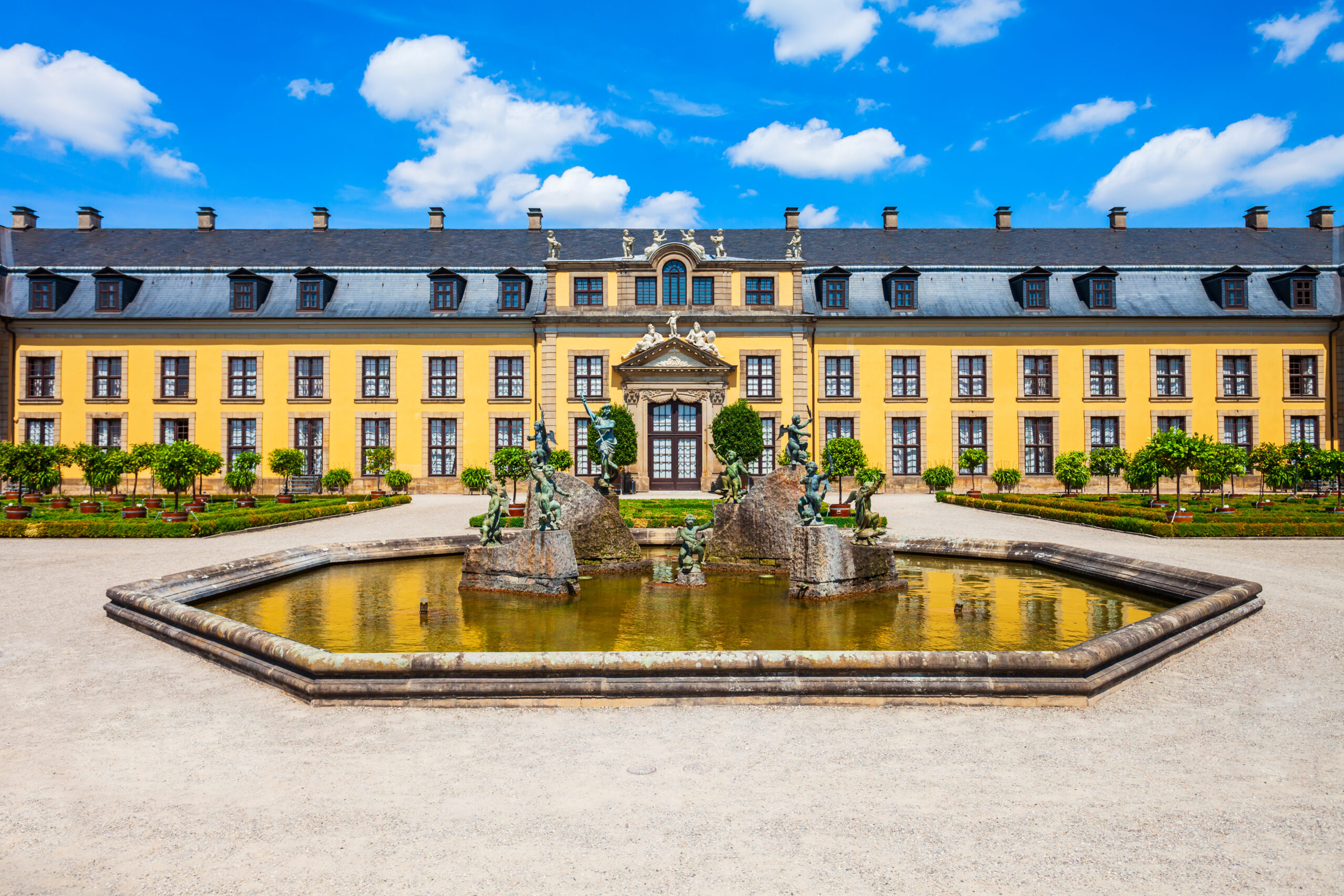
A royal birthplace and architectural ambitions. In 1683, the future King George II of Great Britain was born within these walls, giving the palace significant historical importance. In the last years of the 17th century, Duke Ernst August forged plans for an extension of Herrenhausen, inspired by the magnificent villas of Veneto and Palladio’s never-realized Villa Trissino. However, his ambitions competed with another, almost completed project in Salzdahlum, so that the construction of the Herrenhausen Gallery was ultimately one of the first concrete steps in this visionary expansion.
Water and wilderness: The reign of George I and beyond. Unlike his predecessors, Elector George I focused on developing water features rather than undertaking further major structural expansions. Between 1704 and 1706, the palace was modernized and redesigned in the Italian style under the supervision of Count Giacomo Querini and the artistic direction of Tommaso Giusti. This transformation added new servants’ quarters, and the splendor of the estate was enhanced by decorative ironwork separating the garden courtyard from the large parterre.
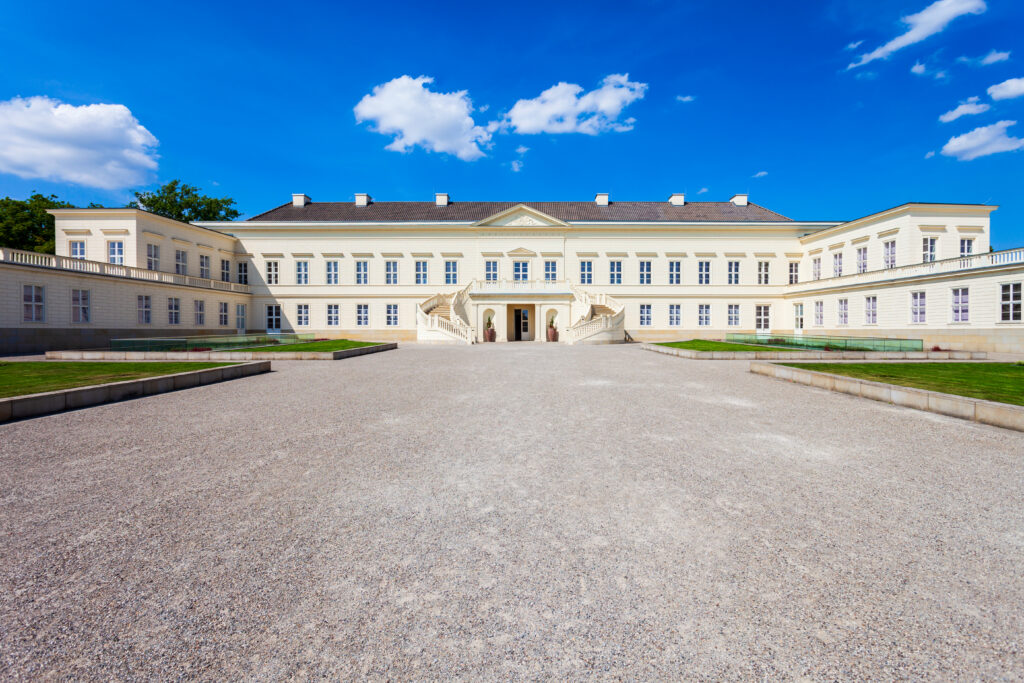
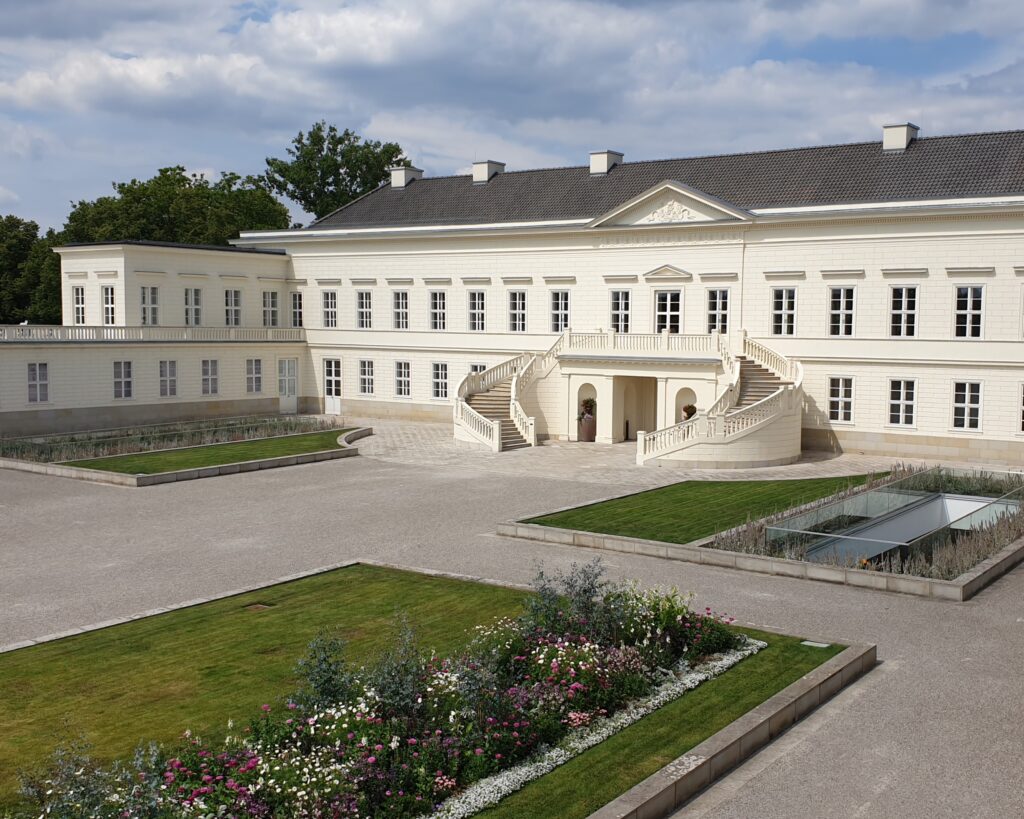
Redefining aesthetics: Laves’ vision and destruction during the war. At the beginning of the 19th century, architect Georg Ludwig Friedrich Laves redesigned the palace in the neoclassical style between 1819 and 1821, reflecting contemporary tastes. The redesign included elegant stucco decorations and subtle but significant elements such as a column-supported balcony that accentuated the entrance. Despite its wooden framework, the castle’s stately appearance belied its vulnerability—a weakness that was put to the test during World War II when a bombing raid in October 1943 reduced the castle to rubble. After the war, Herrenhausen lay abandoned, its grounds a mere reflection of its former glory. There were numerous plans for its restoration, including proposals for a hotel, an art museum, and even a music conservatory – but none of these came to fruition until the end of the 20th century, when renewed interest and joint efforts by the city of Hanover and the Volkswagen Foundation finally led to its revival.
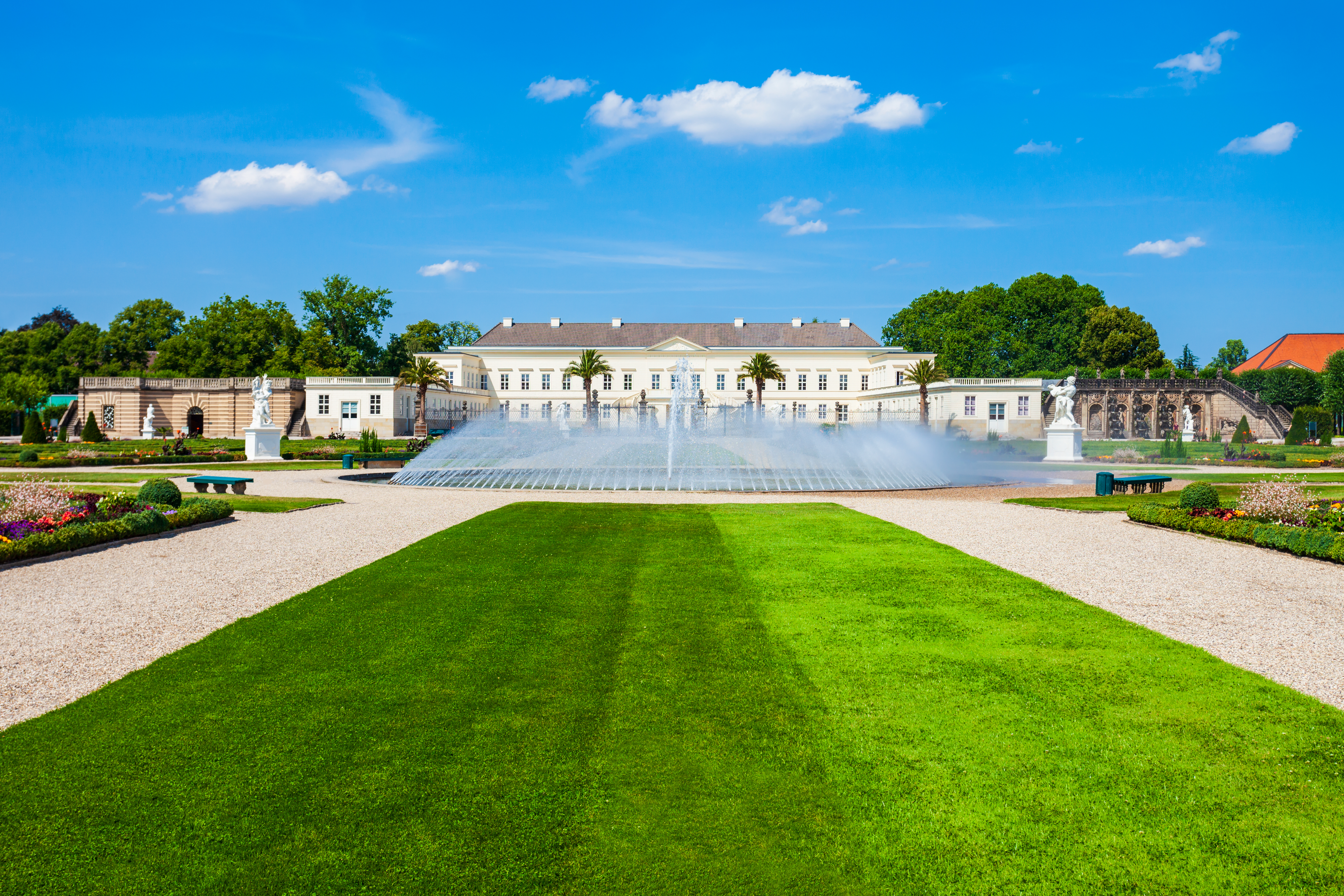
The modern era: revival and rebirth. Under the direction of the Hamburg-based architectural firm JK – Jastrzembski Kotulla and thanks to generous financial support from the Volkswagen Foundation, Herrenhausen was carefully reconstructed between 2011 and 2013. The reconstruction was carried out in accordance with Laves’ neoclassical design, reviving the palace as a conference center and museum. Today, it stands as a symbol of historical continuity and cultural renewal. The museum, which reopened in May 2013, pays homage to the palace’s historic past. It highlights the development of the summer residence and its influence on the Guelph dynasty during the Baroque period. Visitors embark on a journey through exhibitions that highlight influential figures of the late 17th century and explore garden designs that are exemplary of Baroque culture.
The renaissance of Herrenhausen Palace is not only an architectural masterpiece, but also a lasting symbol of resilience and adaptability. From its beginnings as a modest manor house to a celebrated cultural site, the palace invites all who stroll through its halls and gardens to participate in a living history—a narrative woven from myths, legends, and reality.