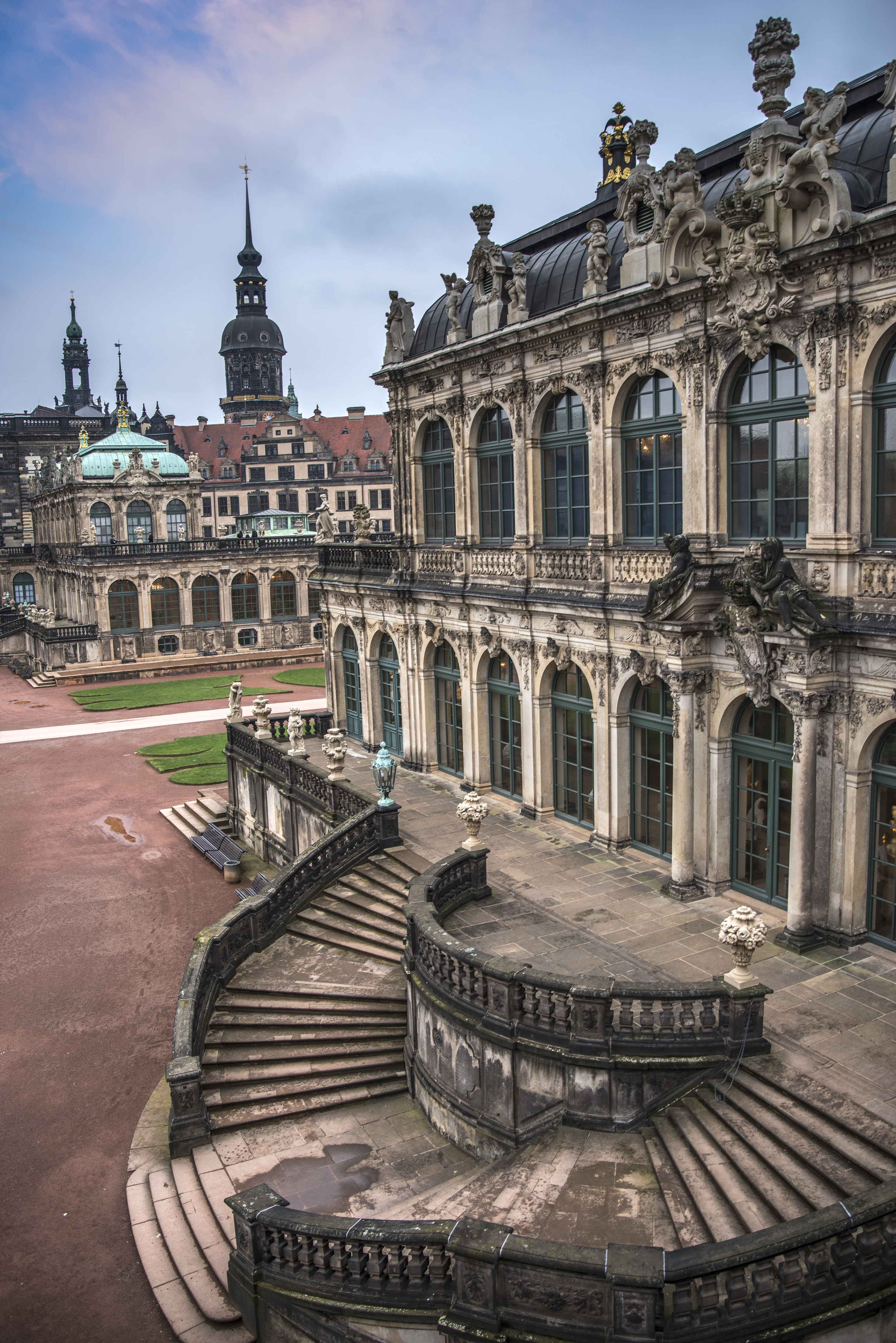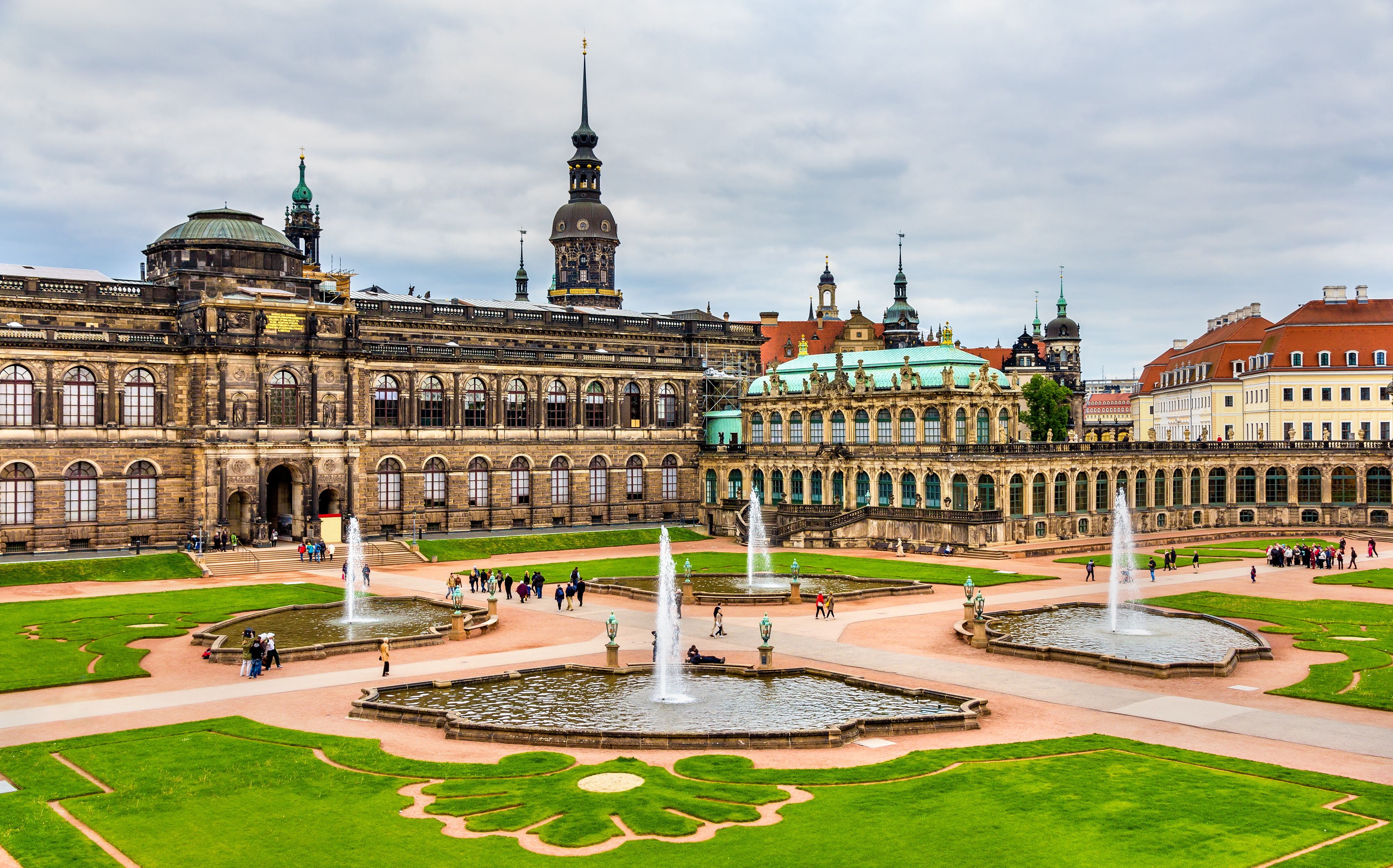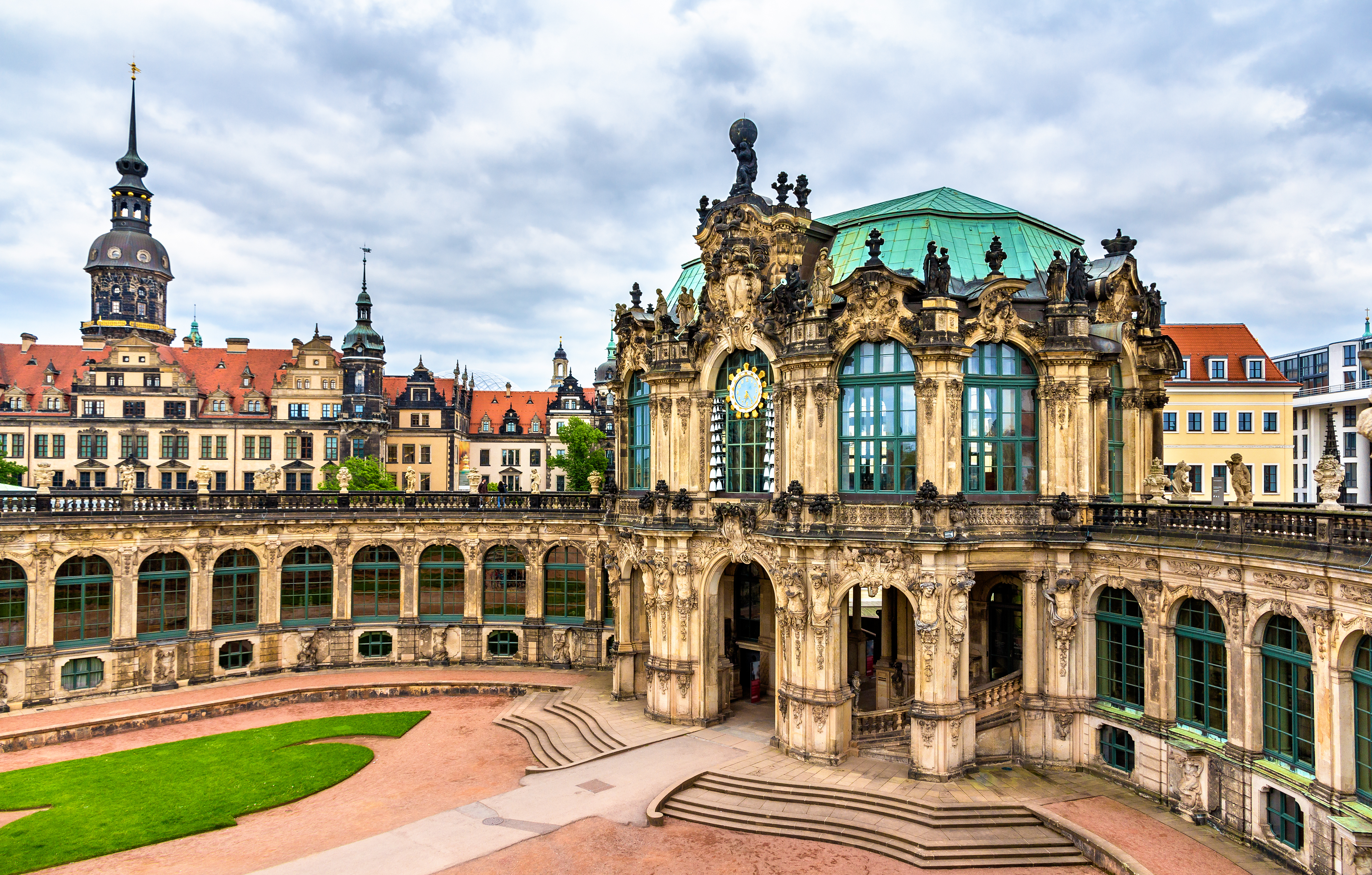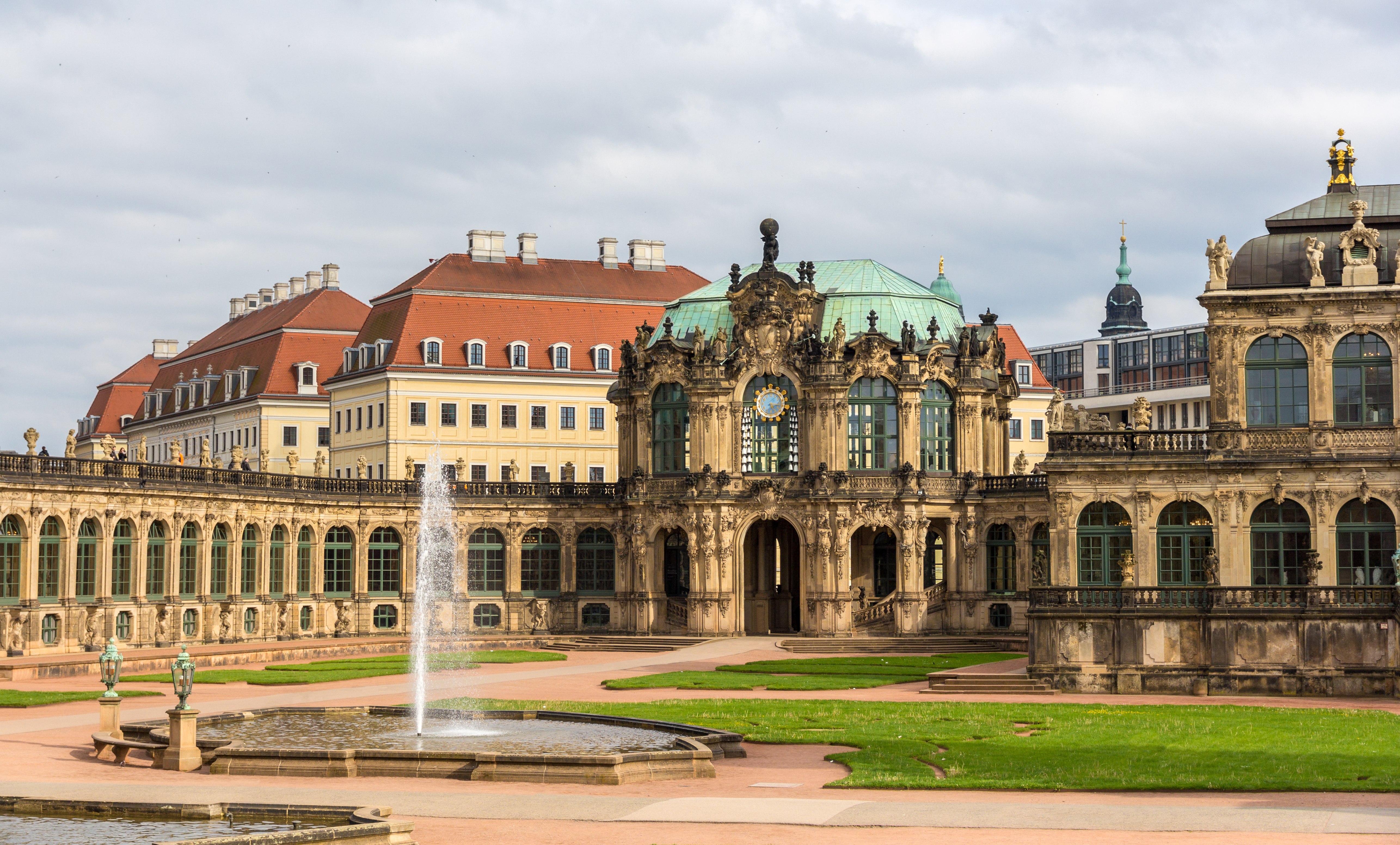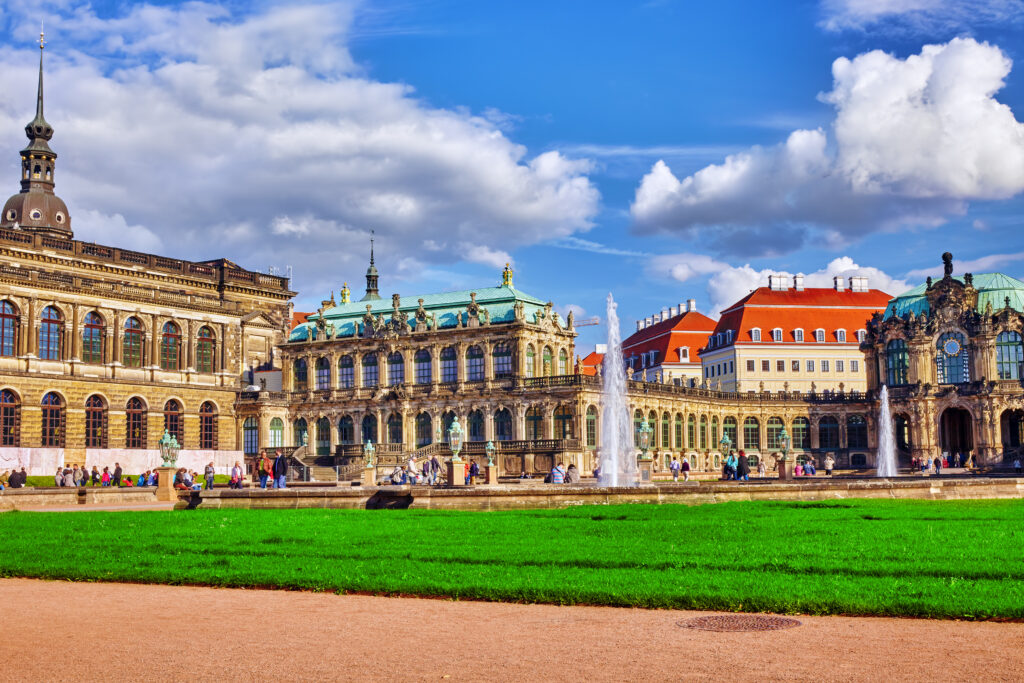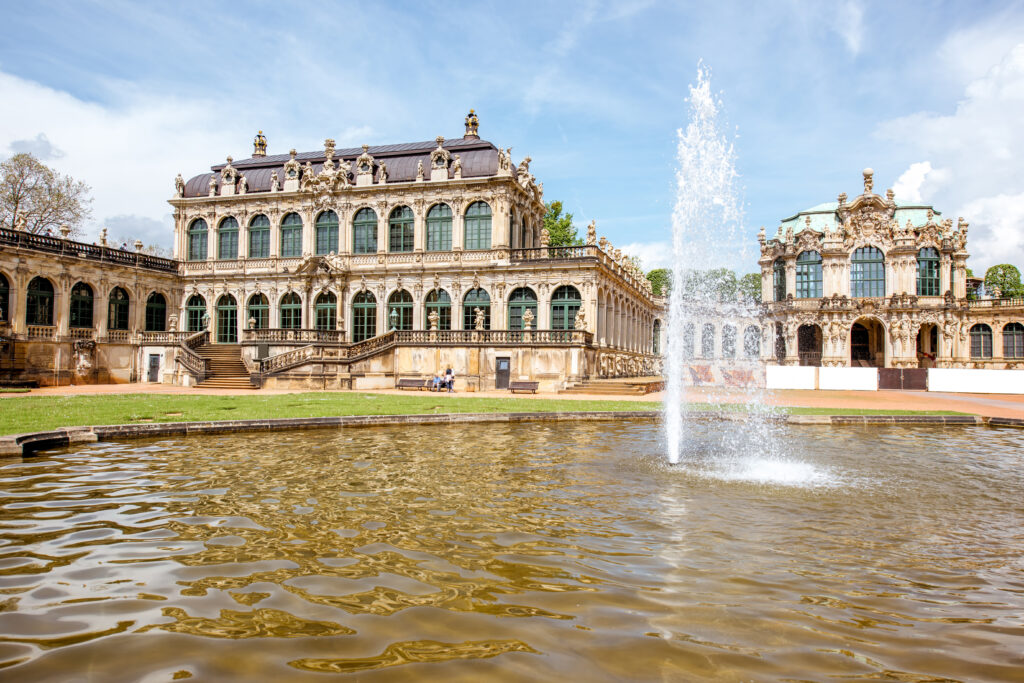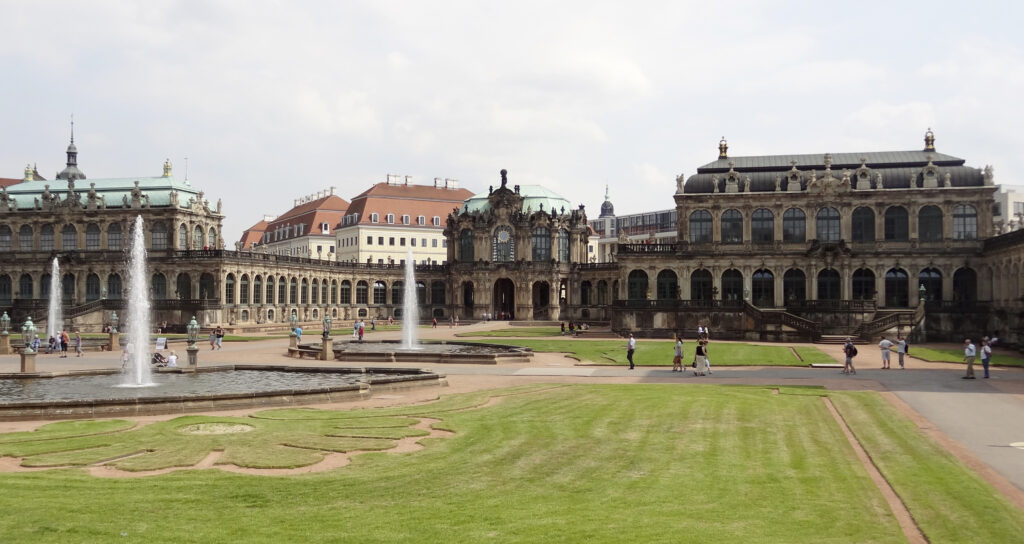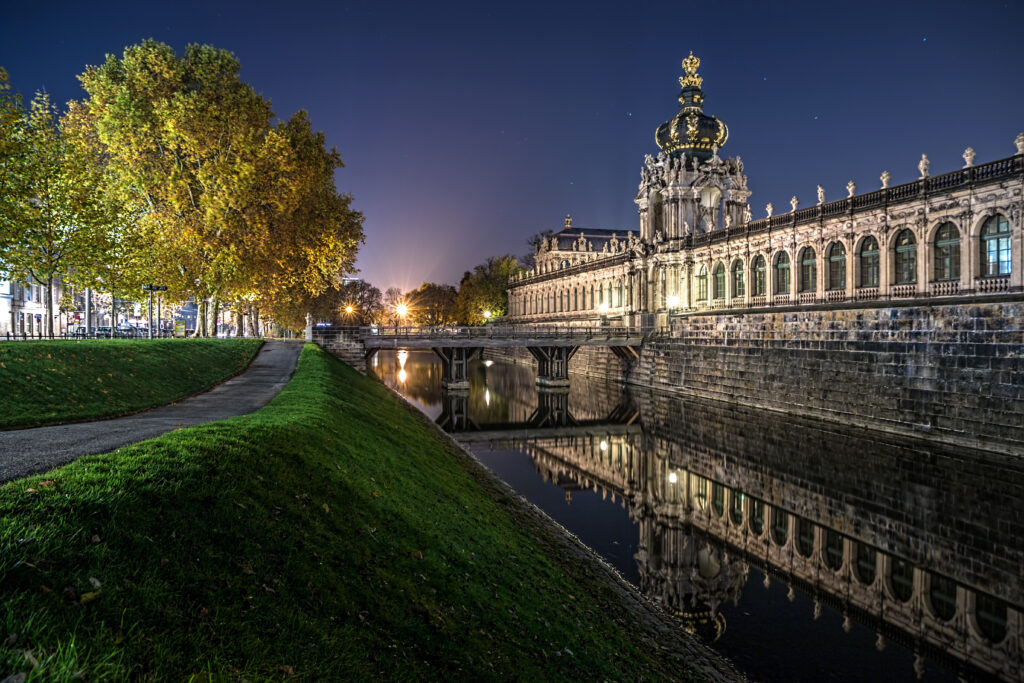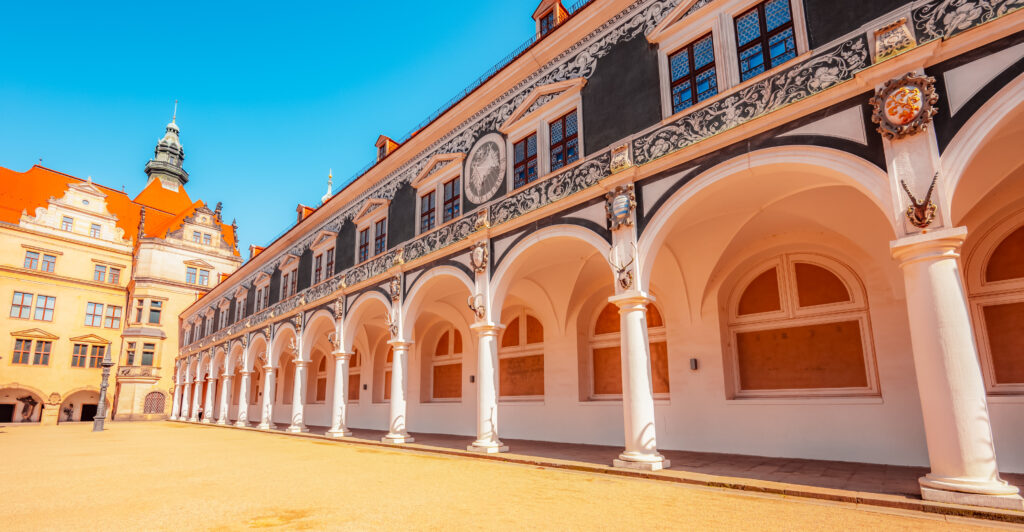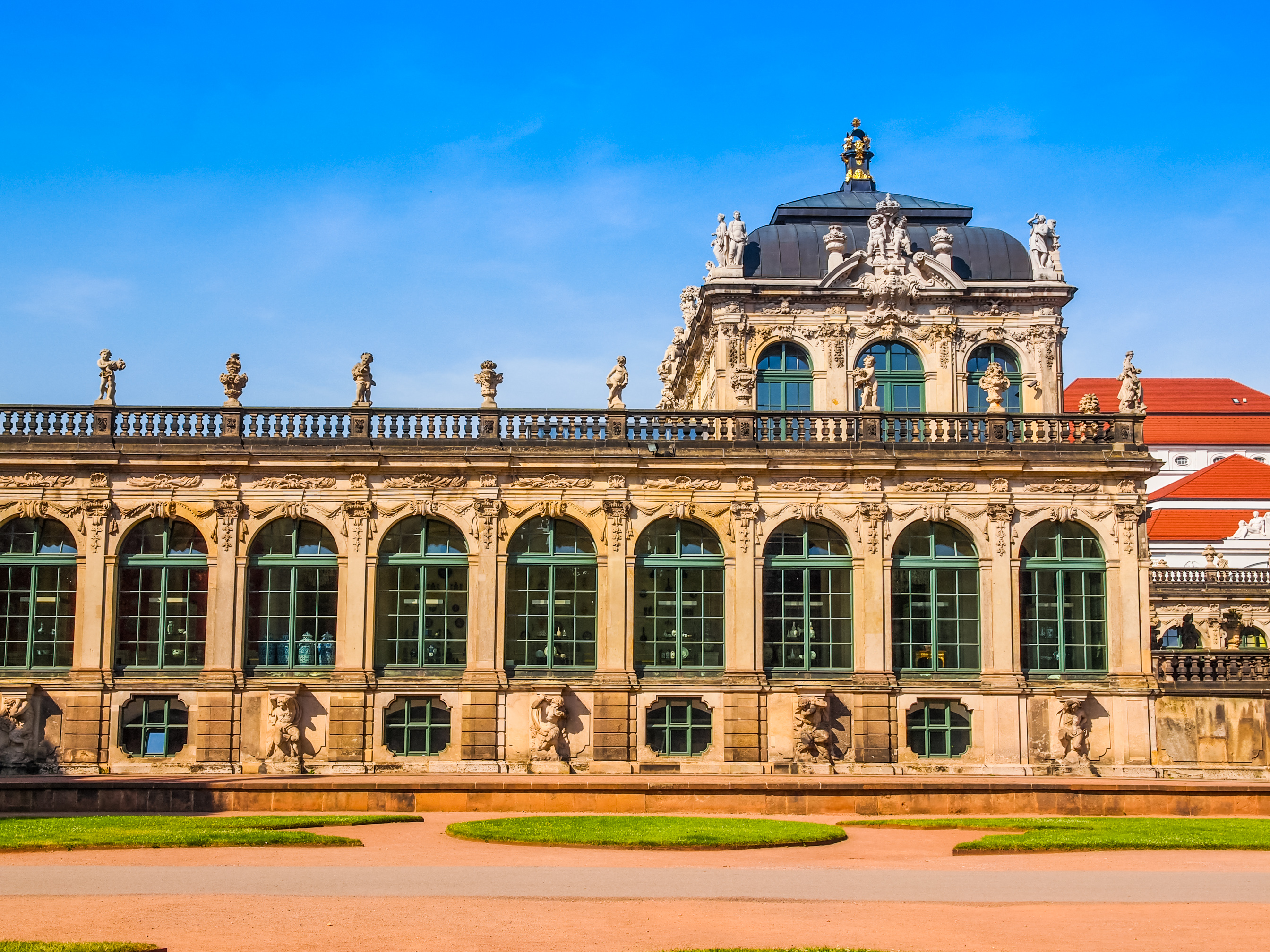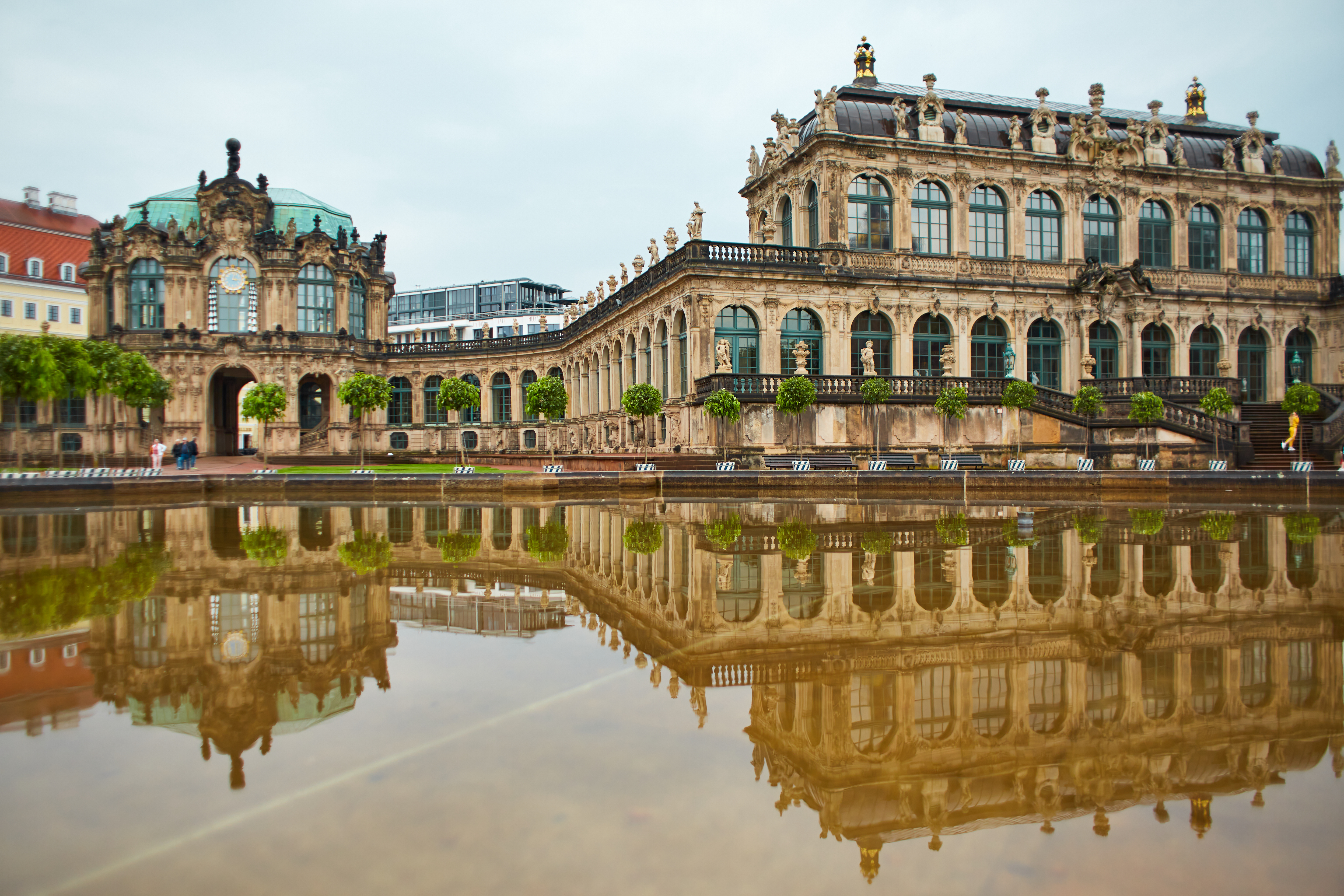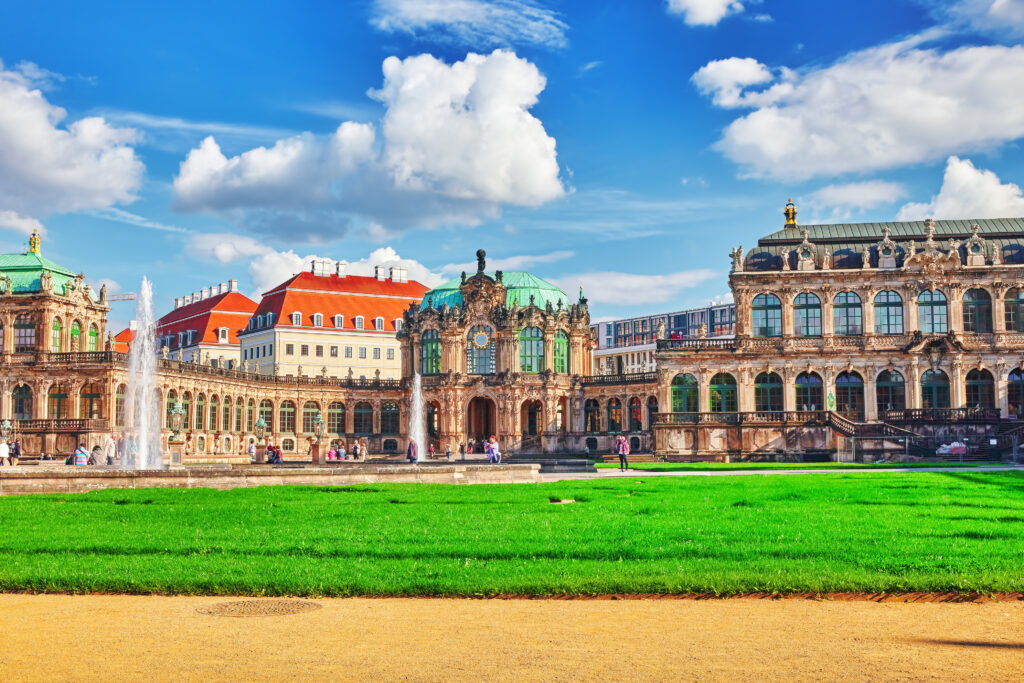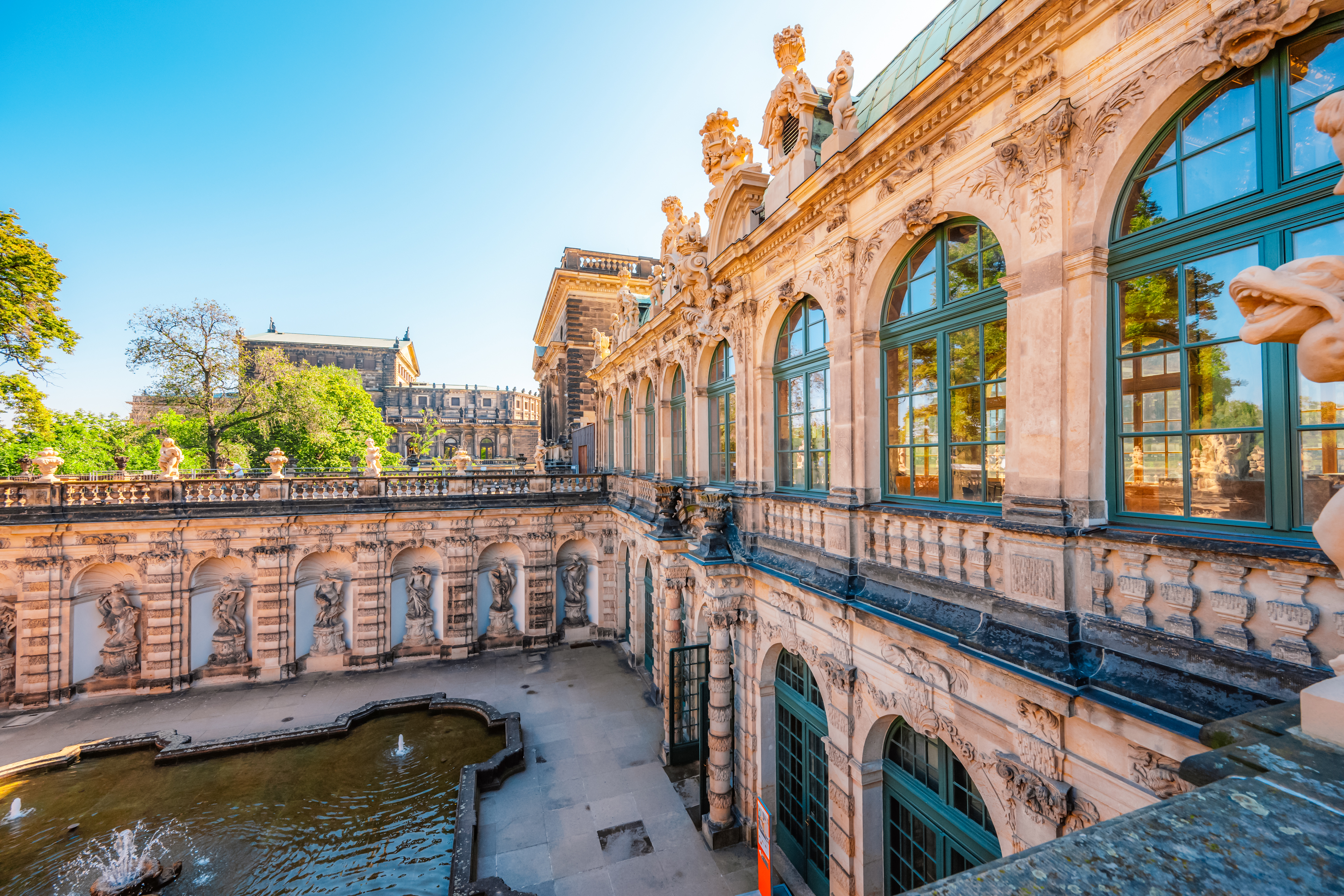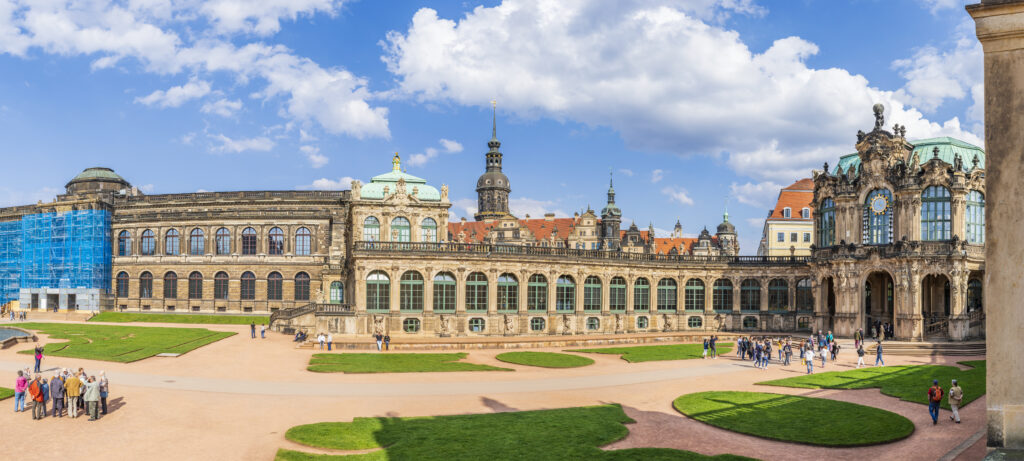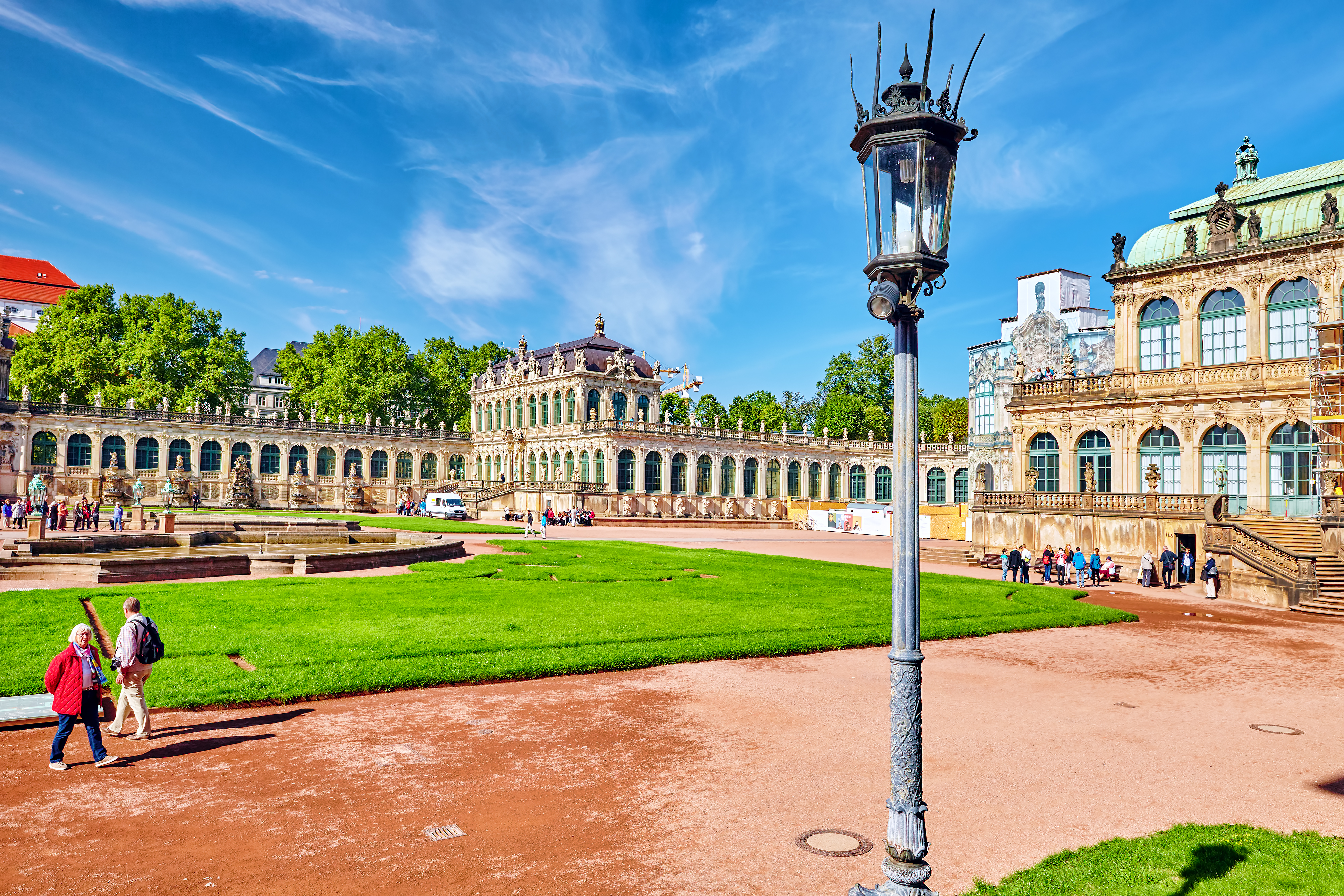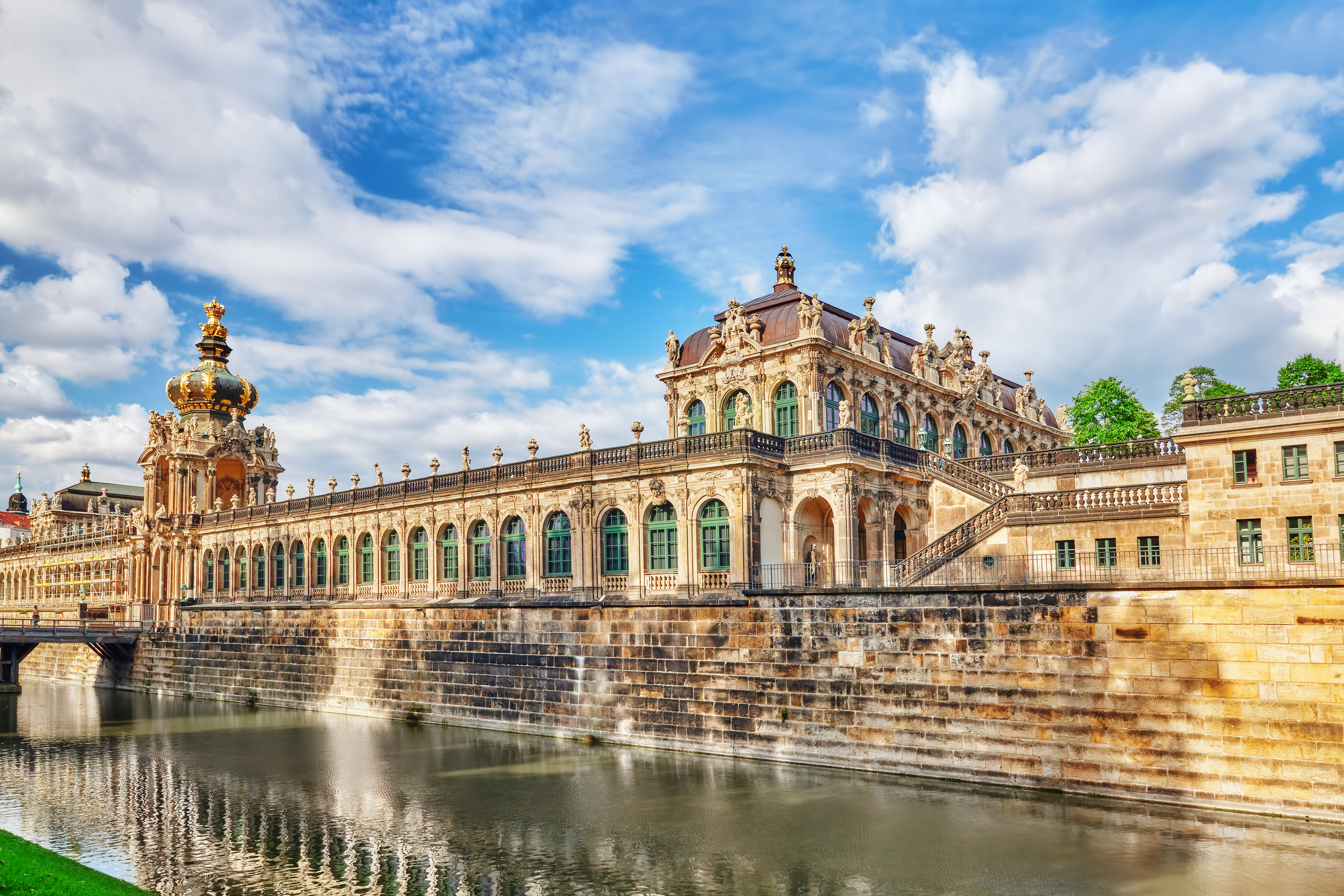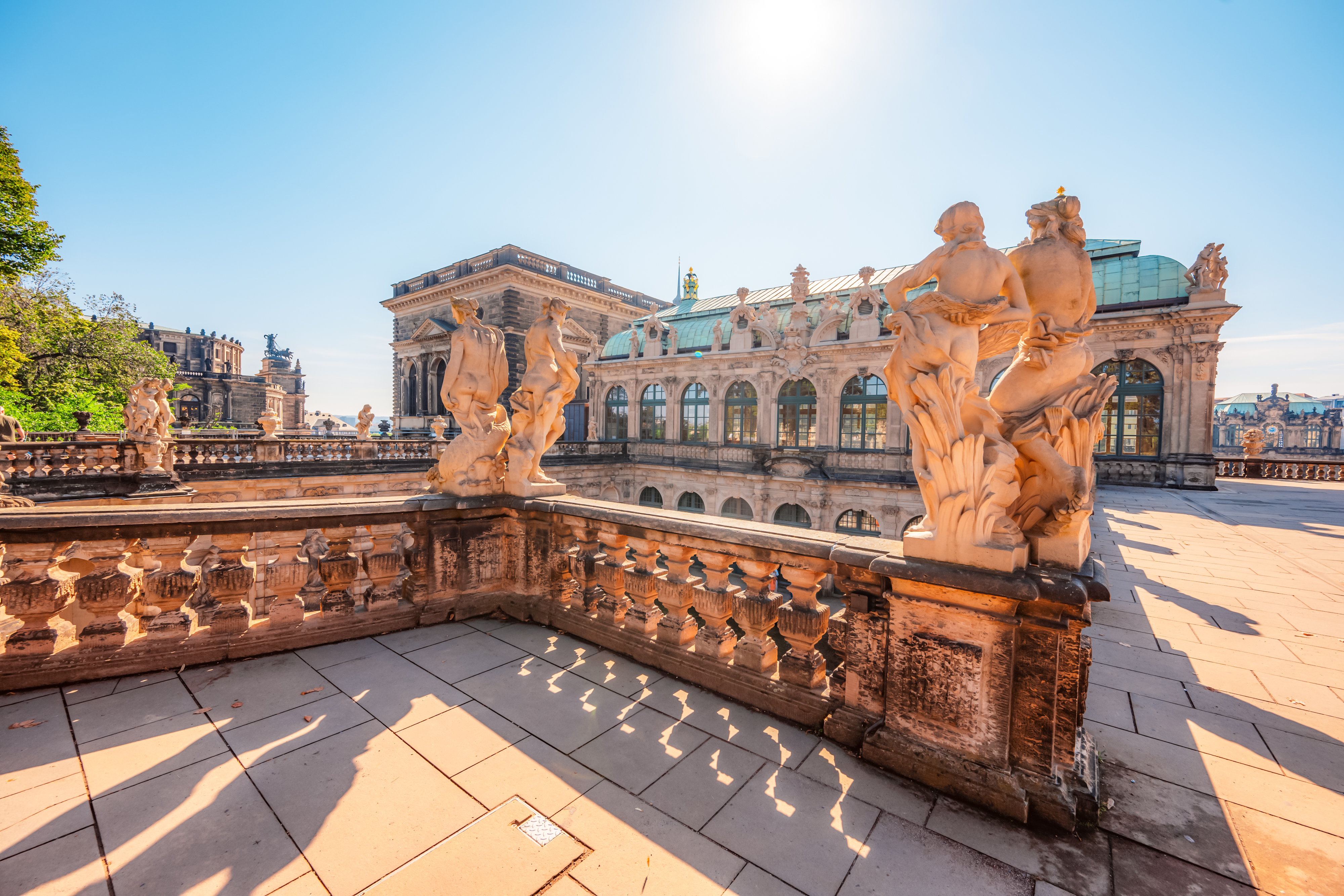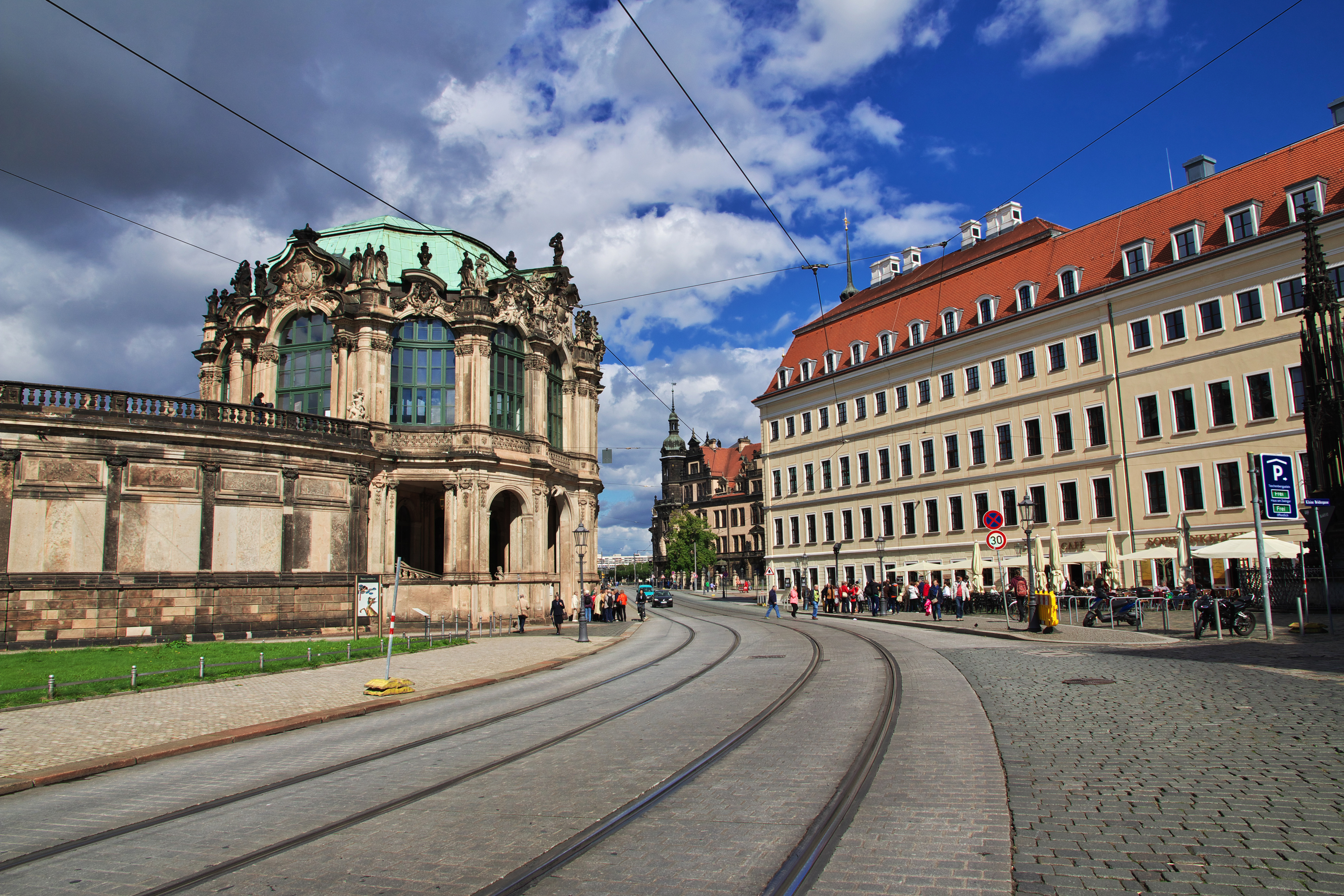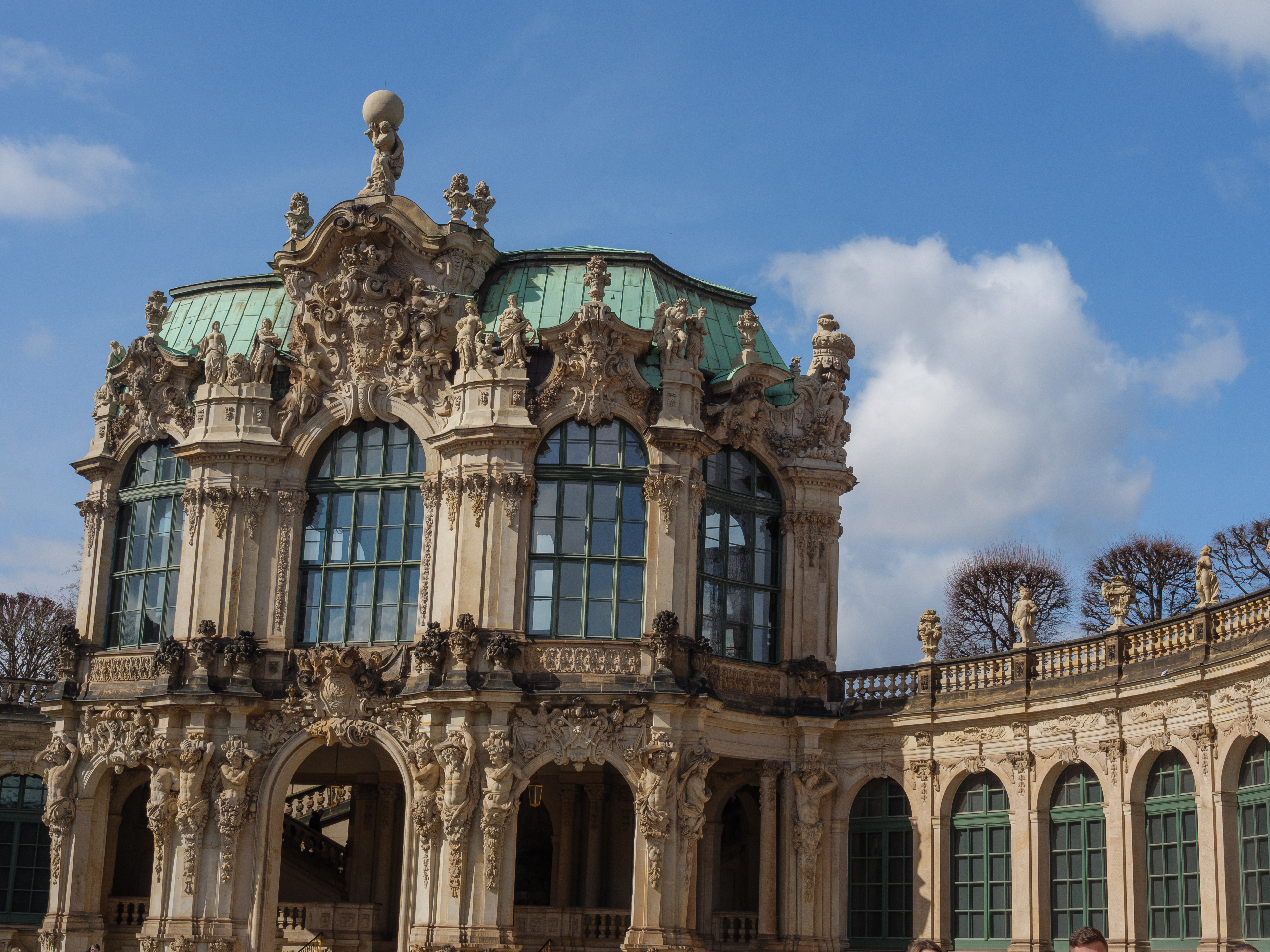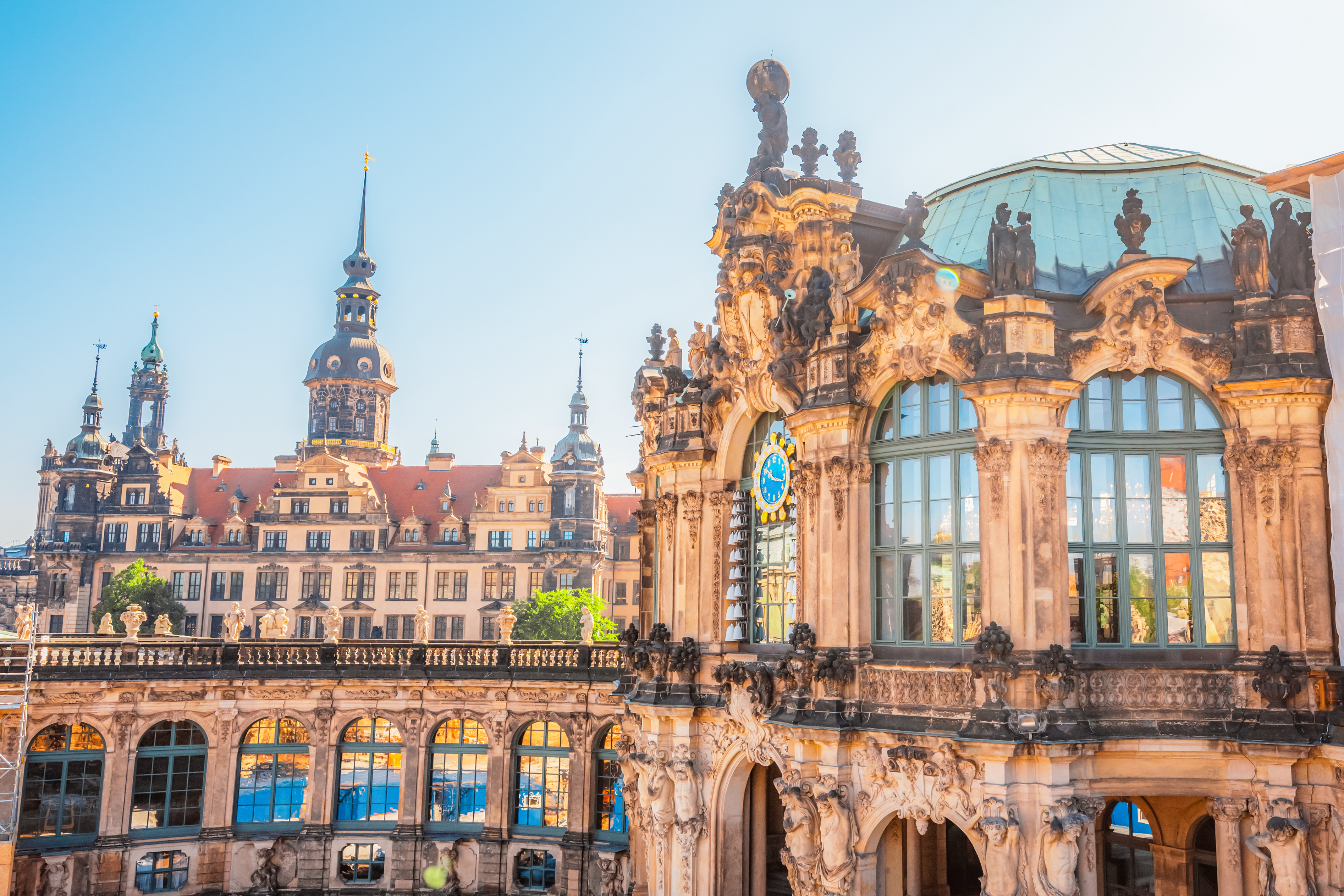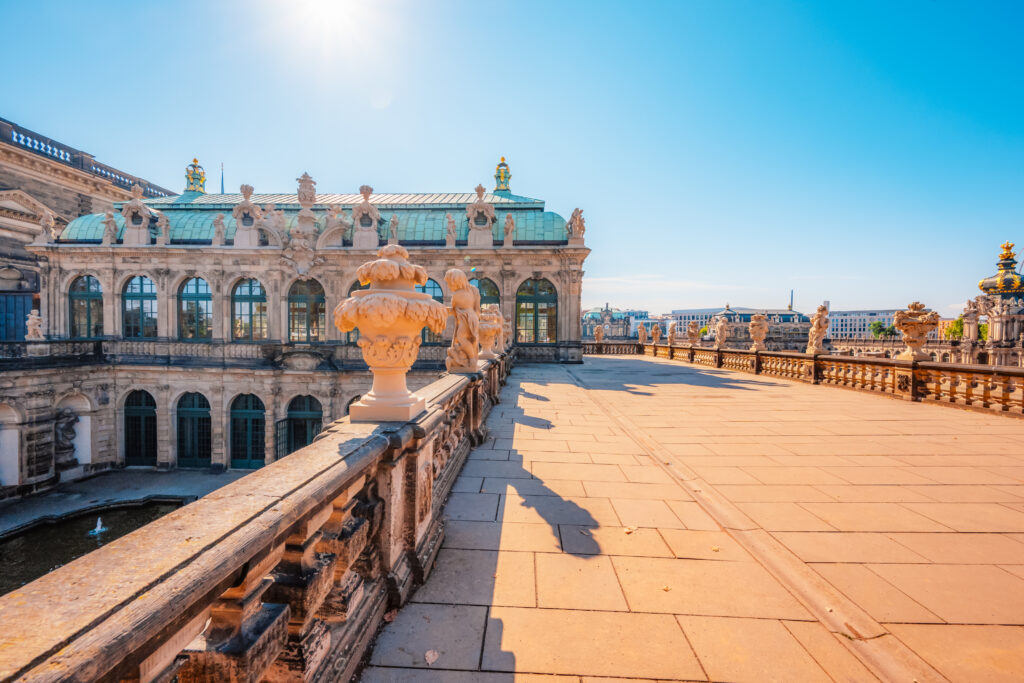

Nestled in the heart of Dresden, the Zwinger stands as a testament to the city’s rich tapestry of history and culture. Originally conceived between 1711 and 1728 under the reign of Augustus the Strong, this magnificent Baroque edifice was crafted by architect Matthäus Daniel Pöppelmann and sculptor Balthasar Permoser. The building’s name, derived from its location on what was once a defensive moat surrounding the city walls, bridges the medieval heritage with the opulence of the Baroque era.
The construction of the Zwinger coincided with a grand vision that Augustus had for Dresden, inspired by his European cavalcade tours that brought him face-to-face with the architectural grandeur of France and Italy. It was these experiences that propelled him to transform Dresden into a city of artistic brilliance, rivaling the illustrious courts he had witnessed.
A significant evolution of the Zwinger occurred in 1855 with the addition of the Semper Gallery, which transformed the open three-wing structure into a closed quadrangle. Through the devastation of World War II, the Zwinger faced obliteration but was resurrected to its former glory by 1963. Today, it hosts the Mathematical-Physical Salon and the Porcelain Collection of the State Art Collections in Dresden, crowning it as a jewel of Baroque architecture.
Positioned near the banks of the Elbe River, the Zwinger is not just an architectural marvel but also a narrative woven with tales from history and legend. In medieval times, “Zwinger” referred to the fortified zone between the outer and inner walls, serving a defensive purpose. Archaeological evidence suggests that the first city wall came into existence by the late 12th century, and by 1216, Dresden was documented as a fortified settlement. During the Hussite Wars in 1427, the city fortifications were strengthened, with the Zwinger playing a pivotal role in the defense strategies.
By the 16th century, the area that would later accommodate the Zwinger complex lay outside the city’s fortifications. It was not until August, Elector of Saxony, and his successors that the strategic significance of such areas was fully realized. August’s reformations in the garden complexes set the stage for one of the most sophisticated examples of Baroque garden architecture.
Legend intertwines with history in how the Zwinger evolved. It is said that Augustus the Strong, who had a penchant for drama and storytelling, frequently performed plays wherein he assumed the role of a gardener’s servant. This might have influenced his profound interest in landscape architecture which culminated in the design of the Zwinger’s gardens, showcasing a wide variety of exotic plants and fruit trees within its bounds. Chroniclers of the time marveled at the “various sorts of fig trees, some trunk-sized as a full man” producing bountiful harvests.
The Zwinger’s prominence surged under Augustus’ reign, fueled by his ambition to host lavish court festivities and allegorical performances that underscored his rule’s legitimacy and grandeur. The most resplendent of these events was the wedding celebration for his son Frederick Augustus II in 1719, marking the zenith of the Zwinger’s use as a festival ground, adorned with temporary decorations to mask unfinished sections.
Post-Augustus, the Zwinger’s fate saw various vicissitudes. It experienced neglect as well as ambitious plans for expansion under different rulers, who envisioned vast royal courtyards and opulent palaces to further elevate Dresden’s standing. Economic constraints and shifting priorities following the Classical period redirected focus away from these grandiose plans. Yet, the essence of the Zwinger persisted, a tangible reminder of a bygone era’s aspirations.
Fast forward to the modern age, the Zwinger encountered substantial challenges, notably during and after World War II. Bombardments left it in ruin, yet the resolute spirit of Dresden’s people and the directives of the Soviet military administration laid the groundwork for its revival. Restoration endeavors throughout the mid-20th century painstakingly rebuilt the Zwinger, restoring it to the historic and cultural landmark it continues to be today.
Twentieth-century interventions, including the reunification of the Zwinger with its historical context through restoration efforts in the aftermath of wartime destruction, signify not merely a physical rebuilding but a resurrection of cultural identity. From 2008 to 2012, further renovations of the Mathematical-Physical Salon unveiled historical vestiges hidden beneath the surface, reminding us of the Zwinger’s enduring narrative.
As we wander through its grounds today, where orange trees once again grace the courtyards in blue and white pots, the Zwinger emerges not only as an architectural masterpiece but as a living chronicle of Dresden’s resilience and creative spirit. It encompasses the convergence of history, legend, and cultural renaissance, embodying a story that extends far beyond its stately facades.
In understanding the Zwinger, one learns that it encapsulates more than stone and artistry—it is the embodiment of Dresden’s storied past, resonating with echoes of myths and legends that continue to inspire awe and introspection in all who venture within its timeless embrace.