
In the heart of Warsaw stands a remarkable piece of history that has withstood the tests of time and war. The Warsaw Barbican, an architectural gem of the Renaissance, tells a story of medieval warfare, destruction, and reconstruction. Let’s delve into the fascinating history and myths surrounding this iconic structure.
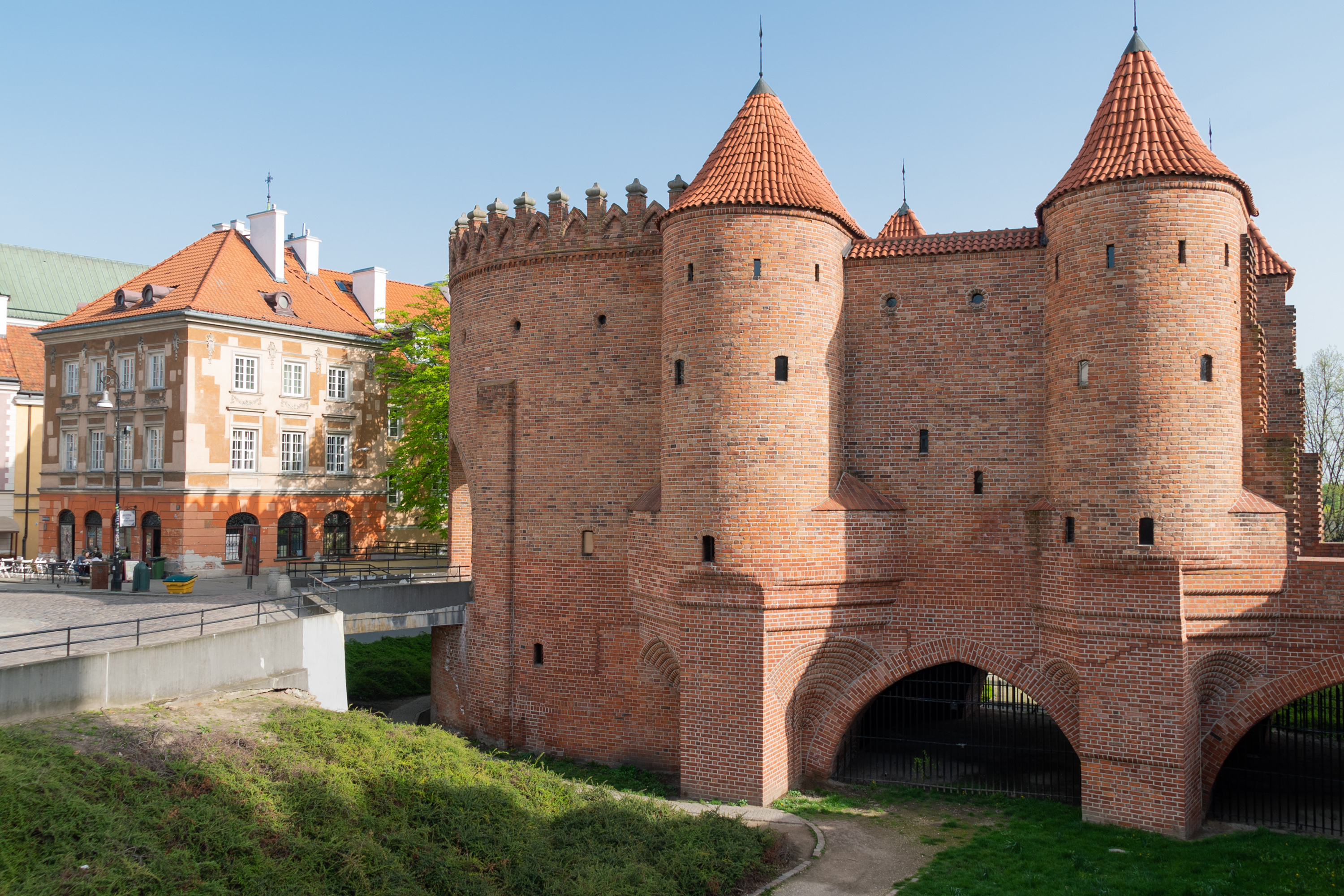
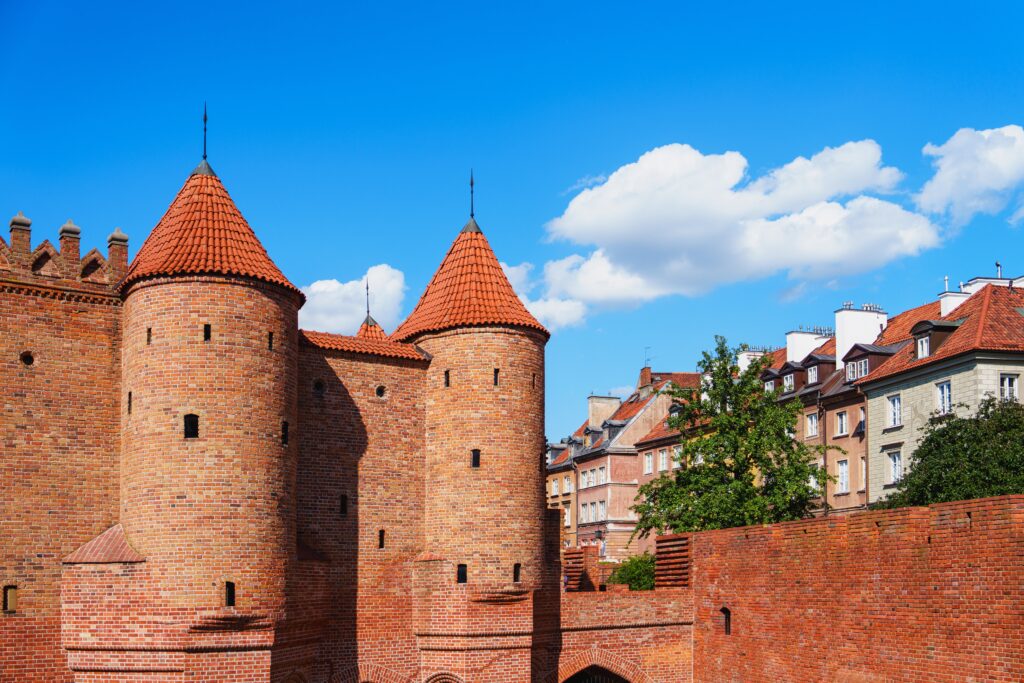
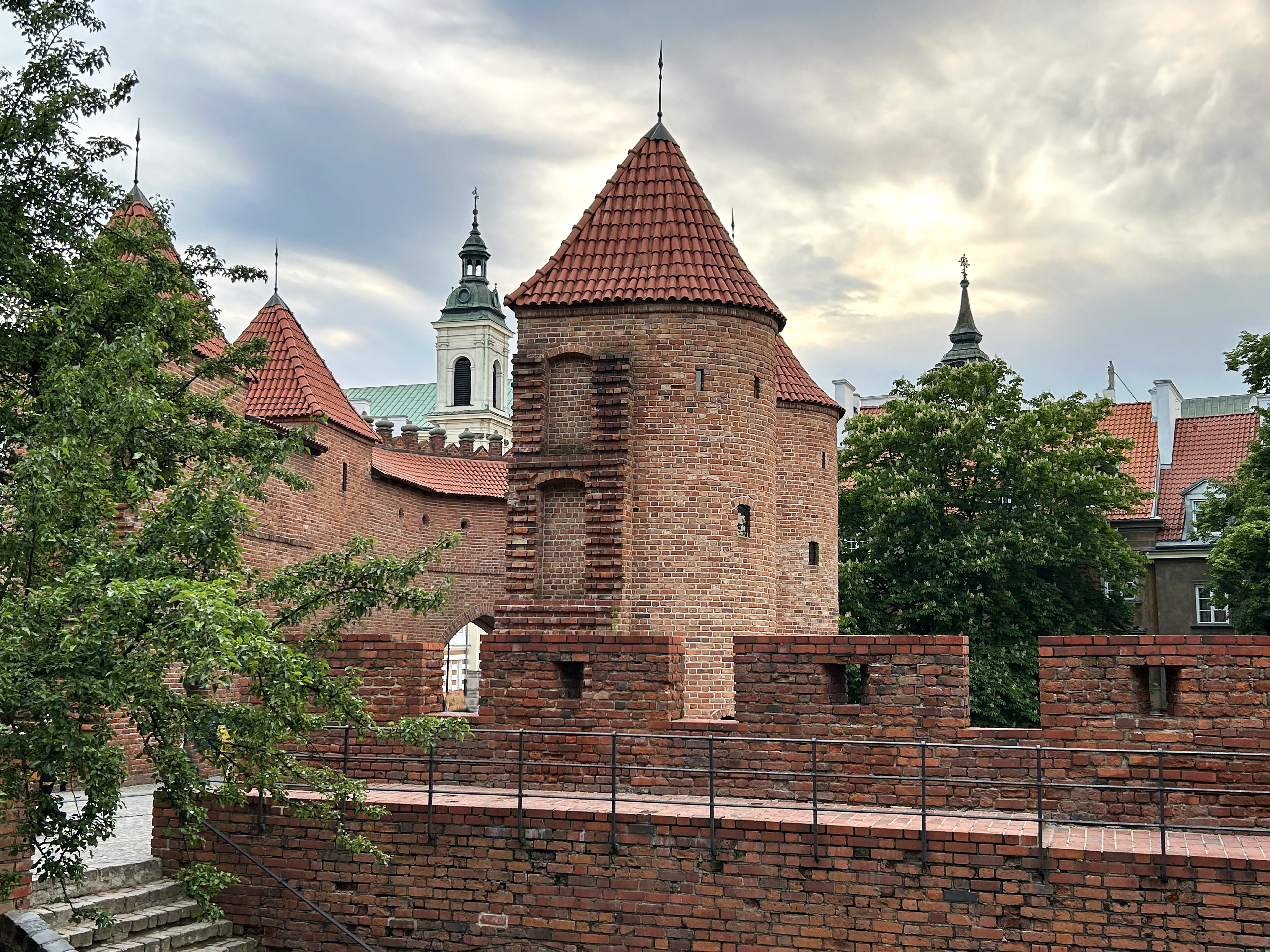
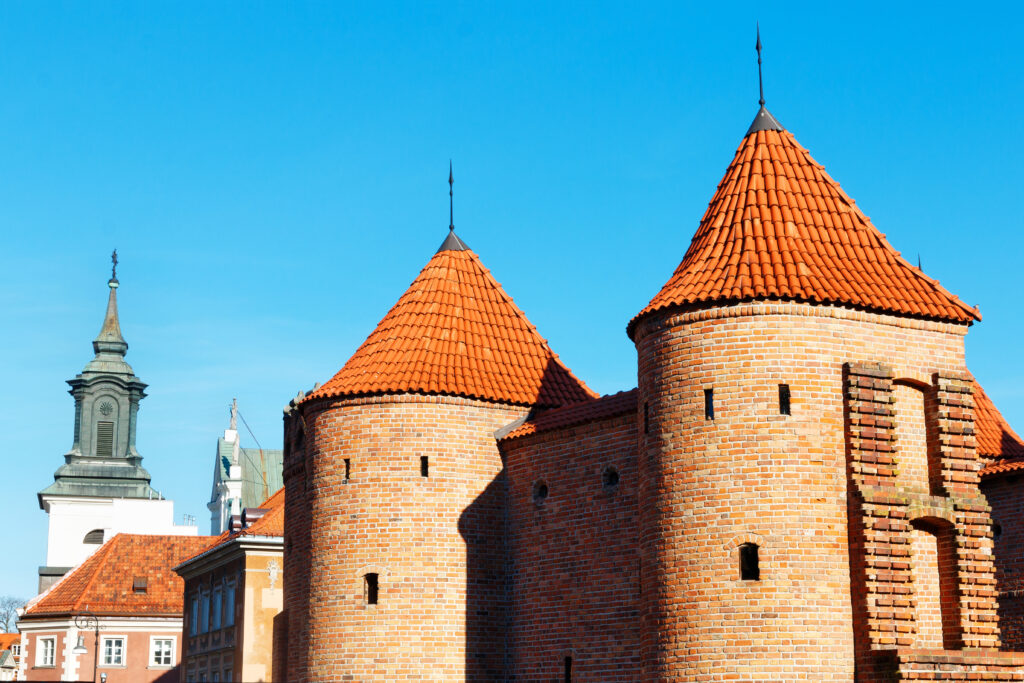
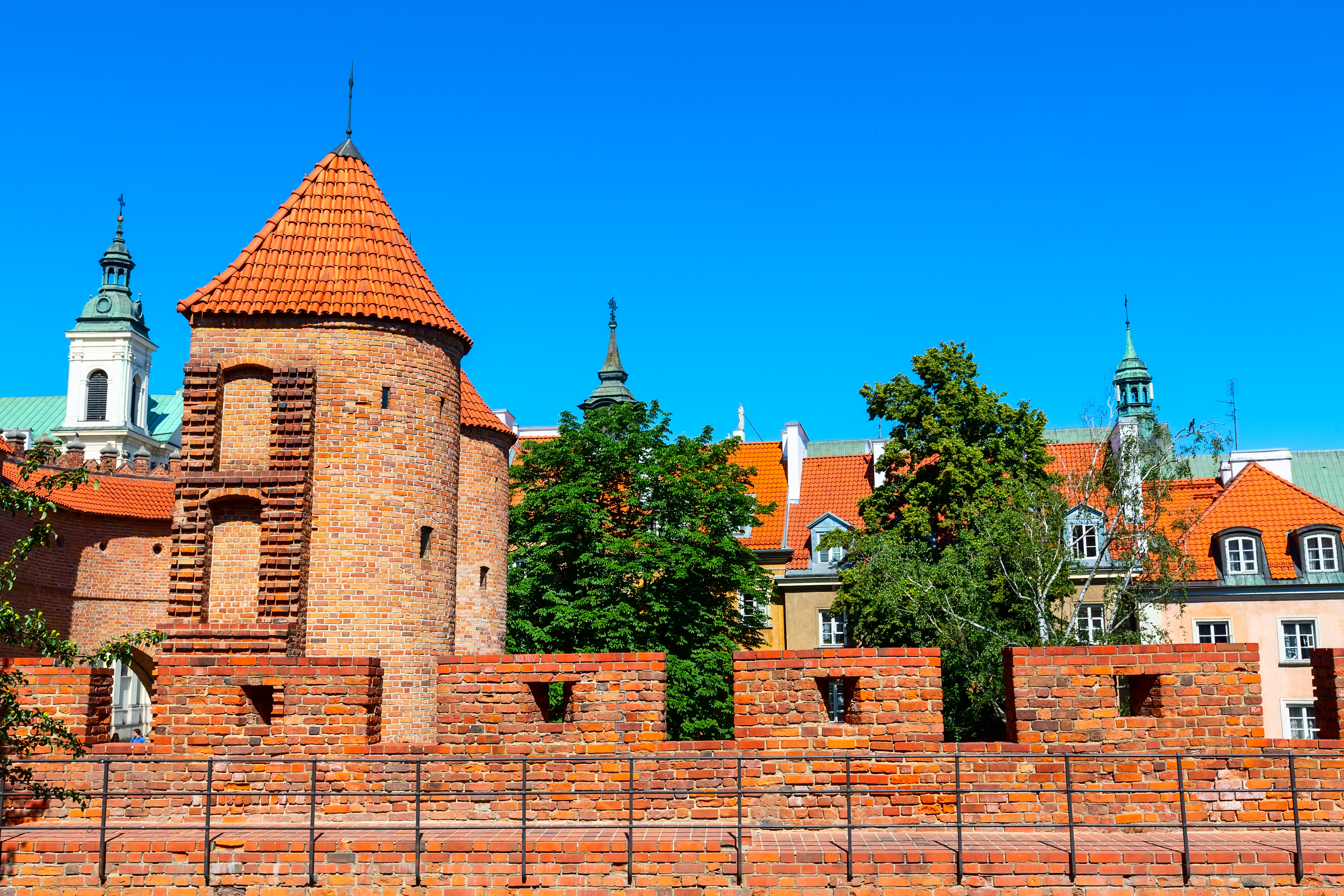
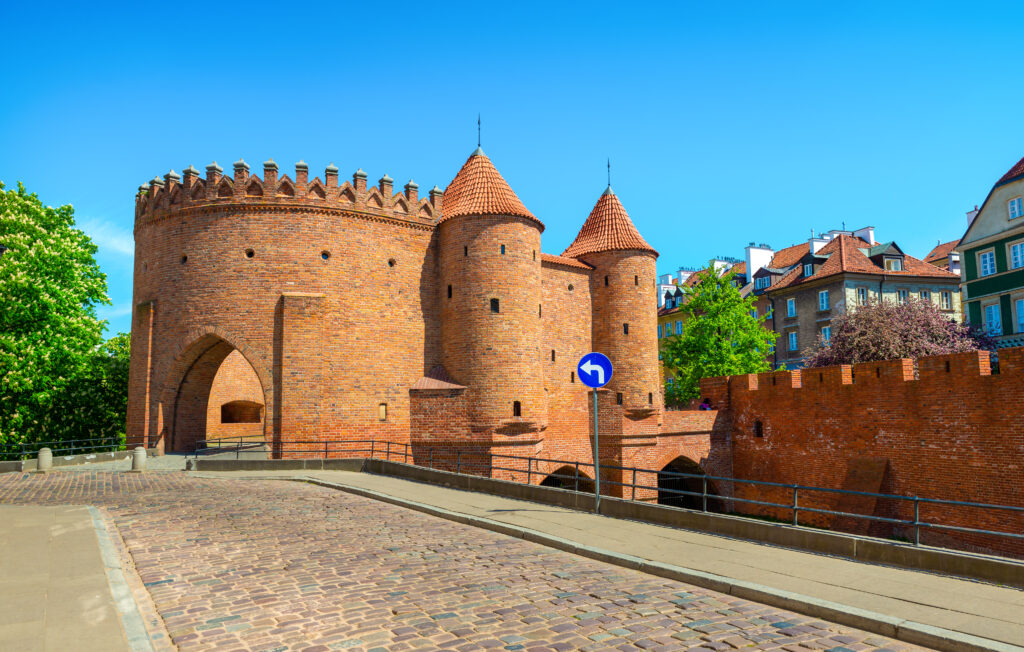
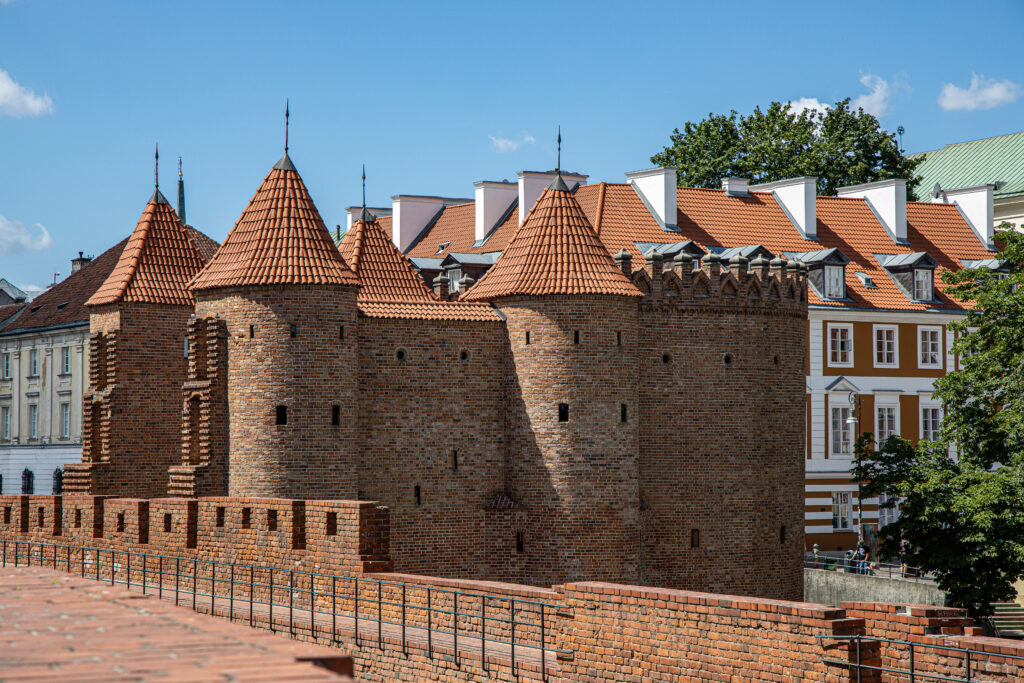
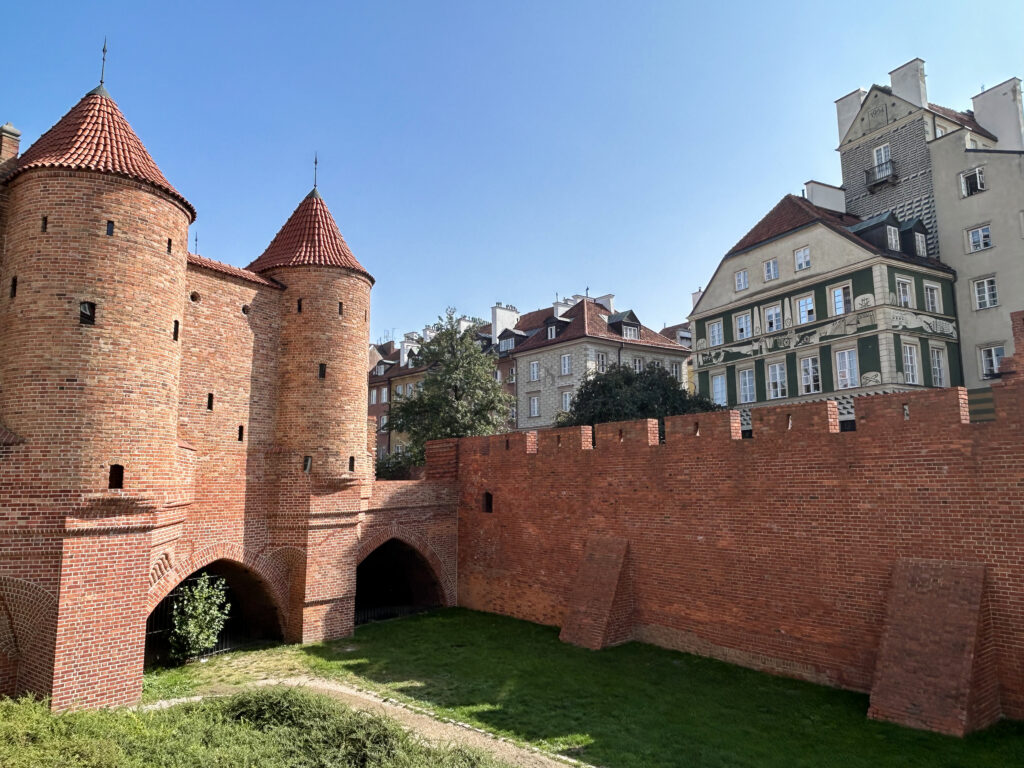
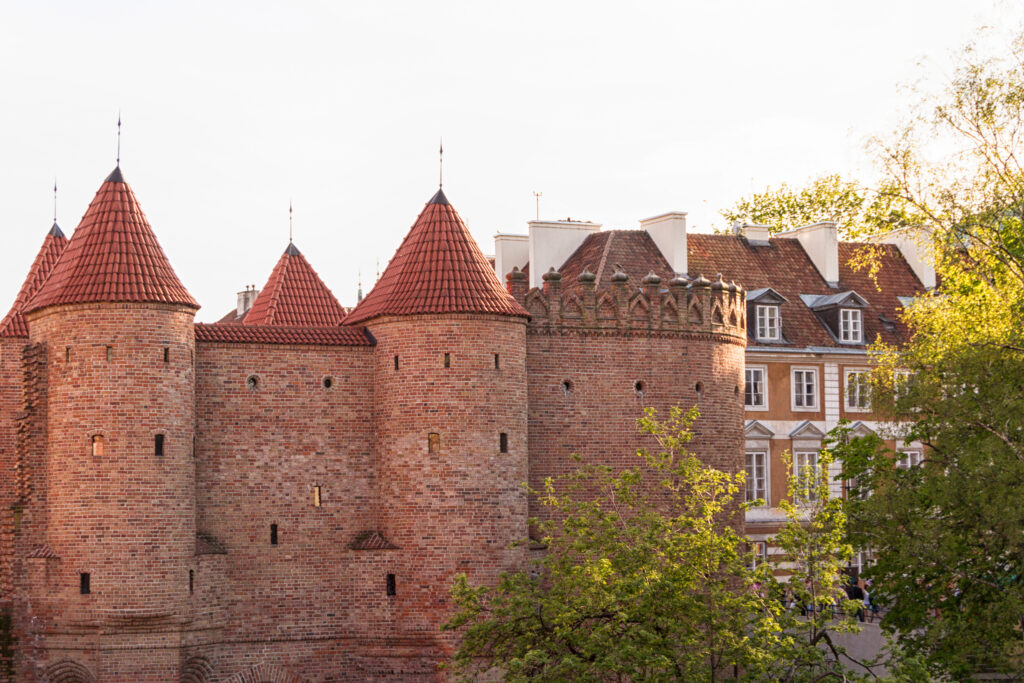
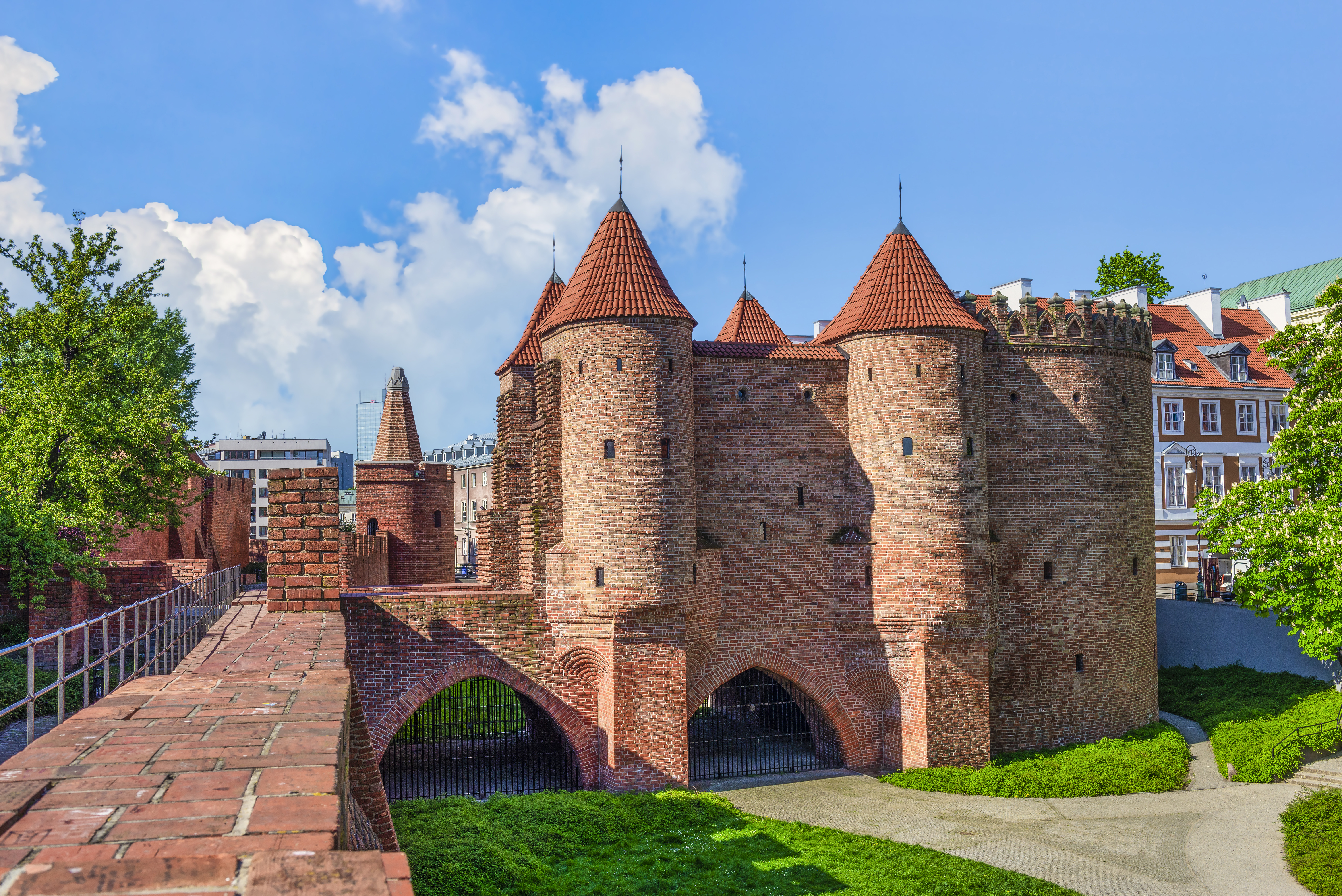
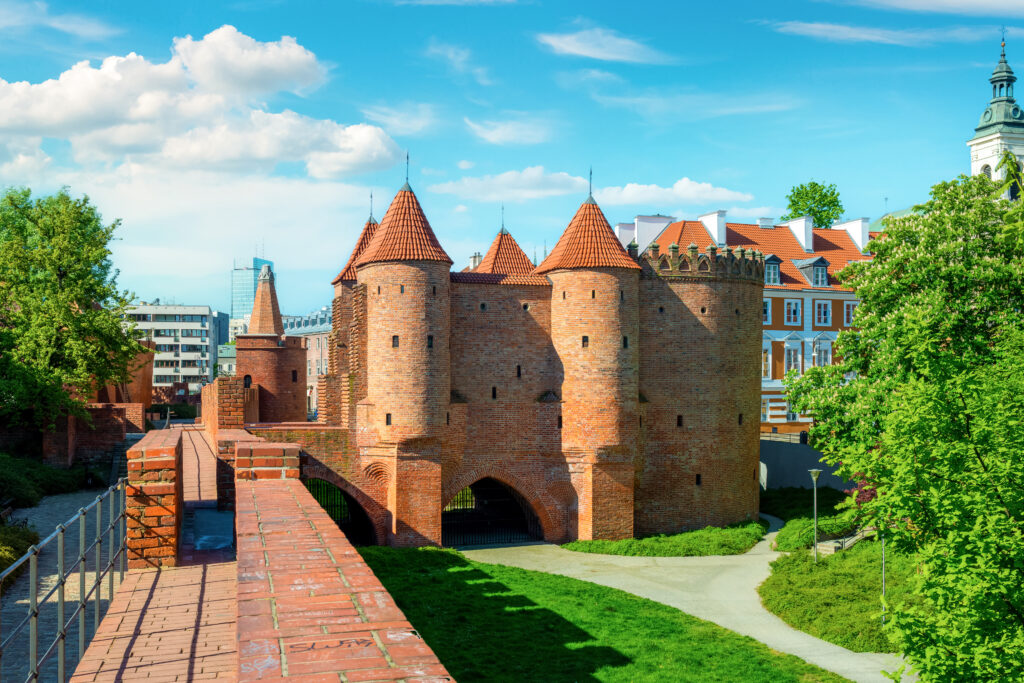
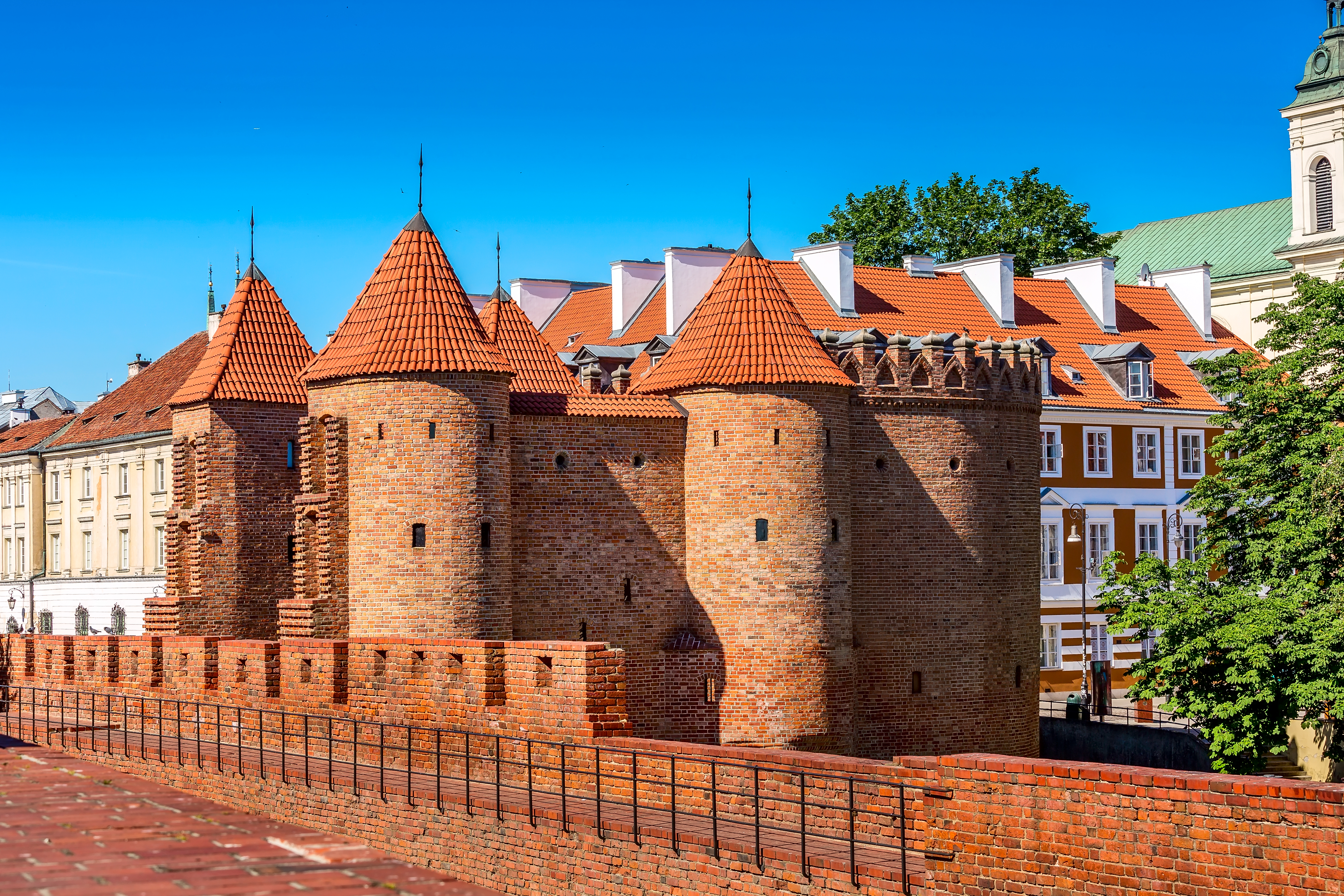
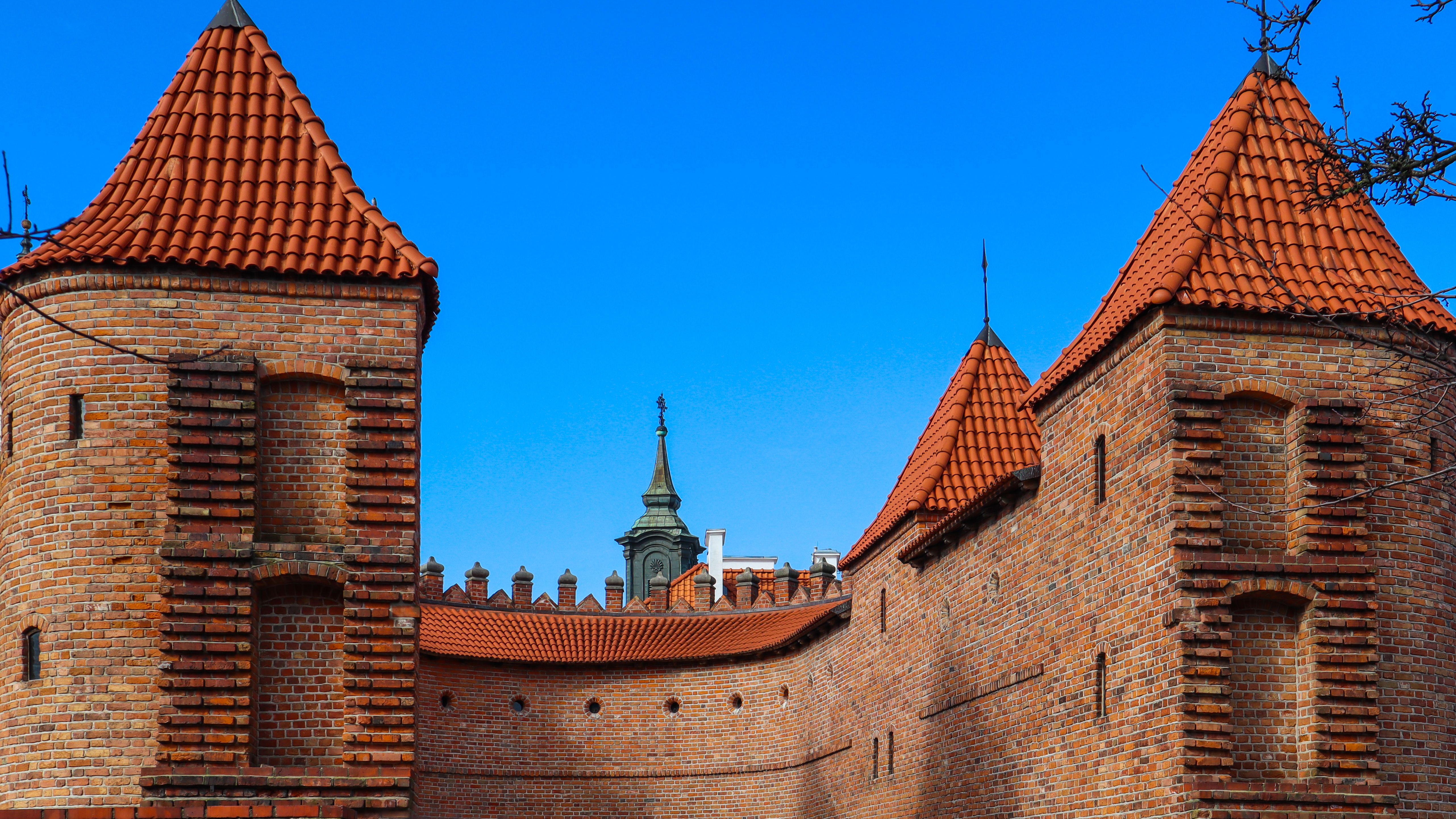
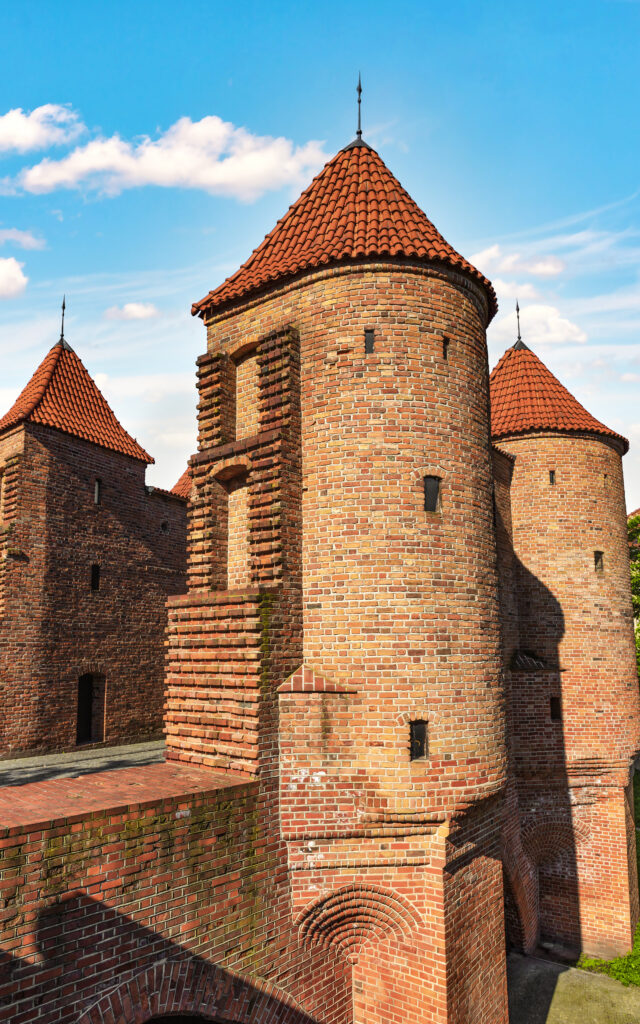
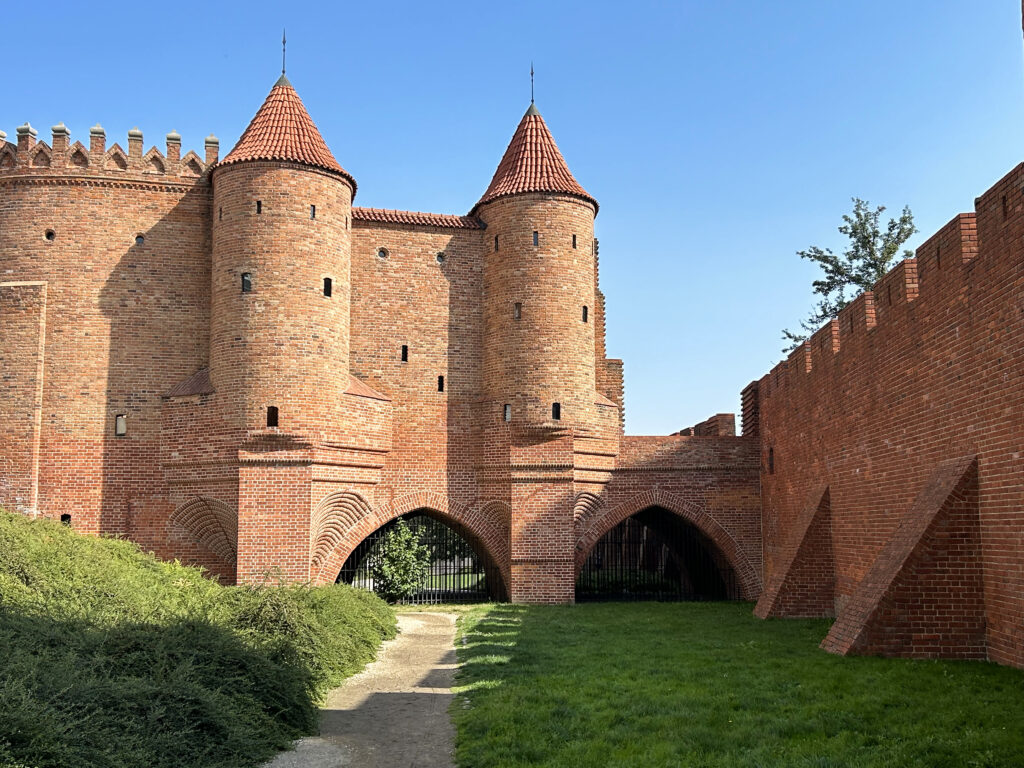
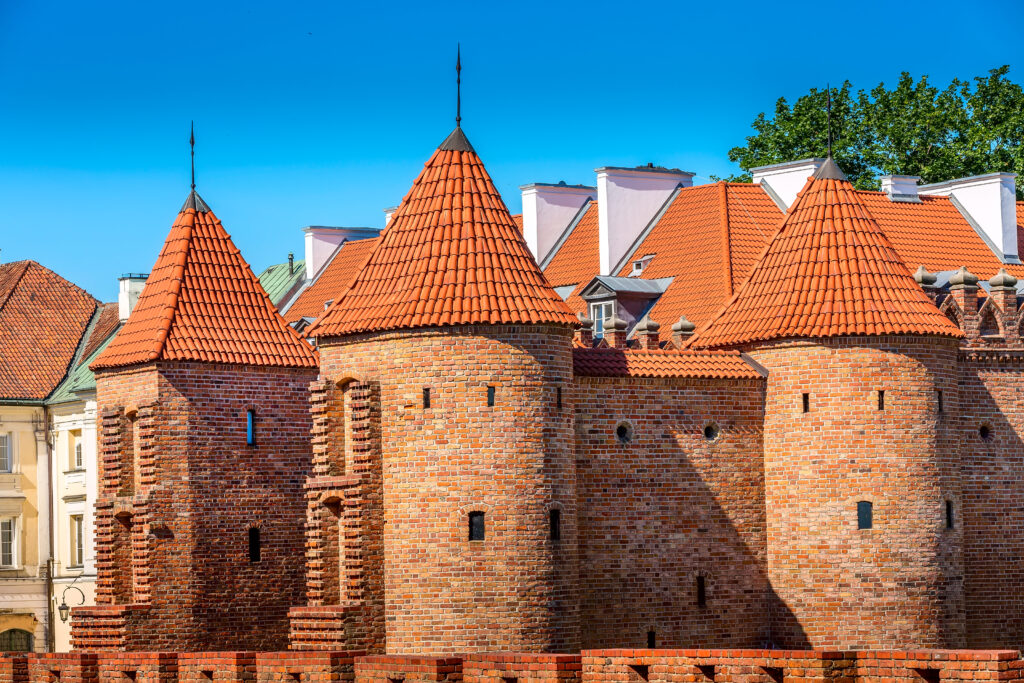
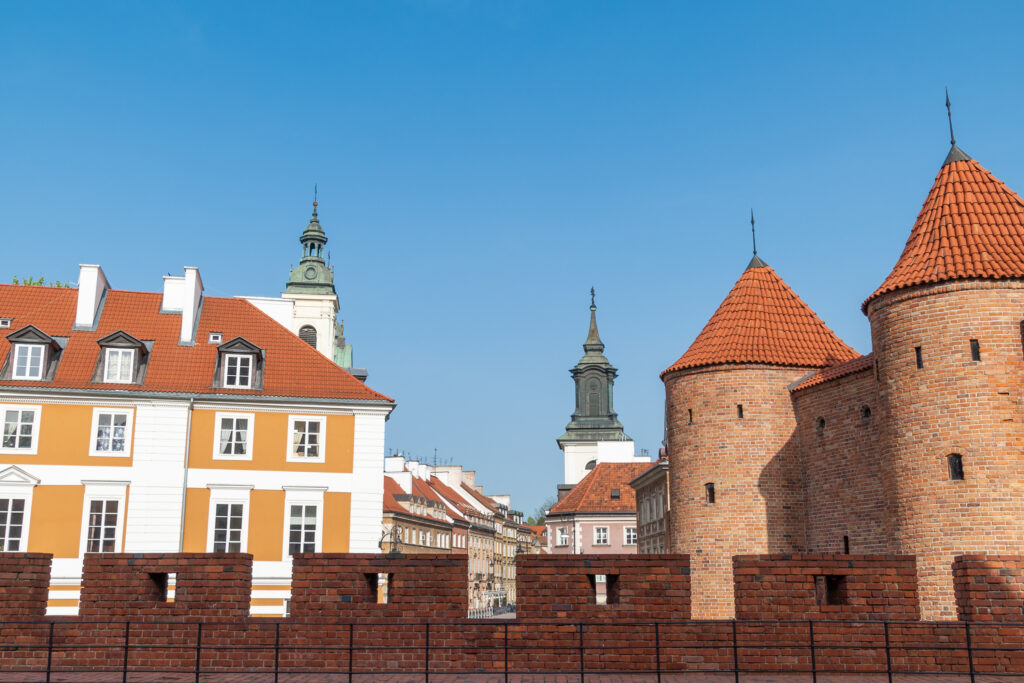
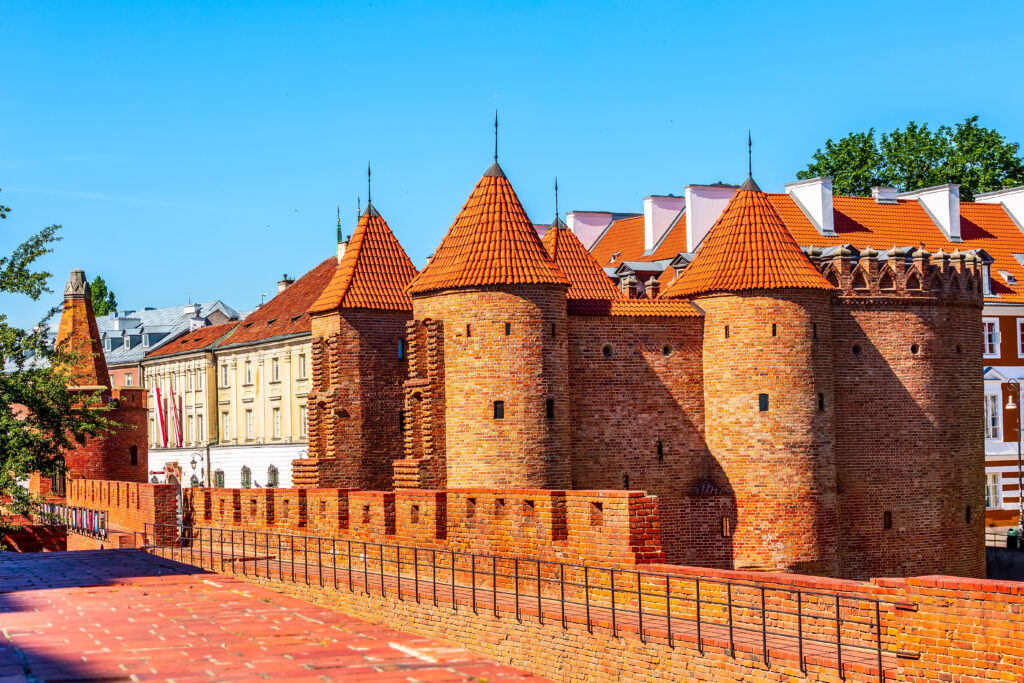
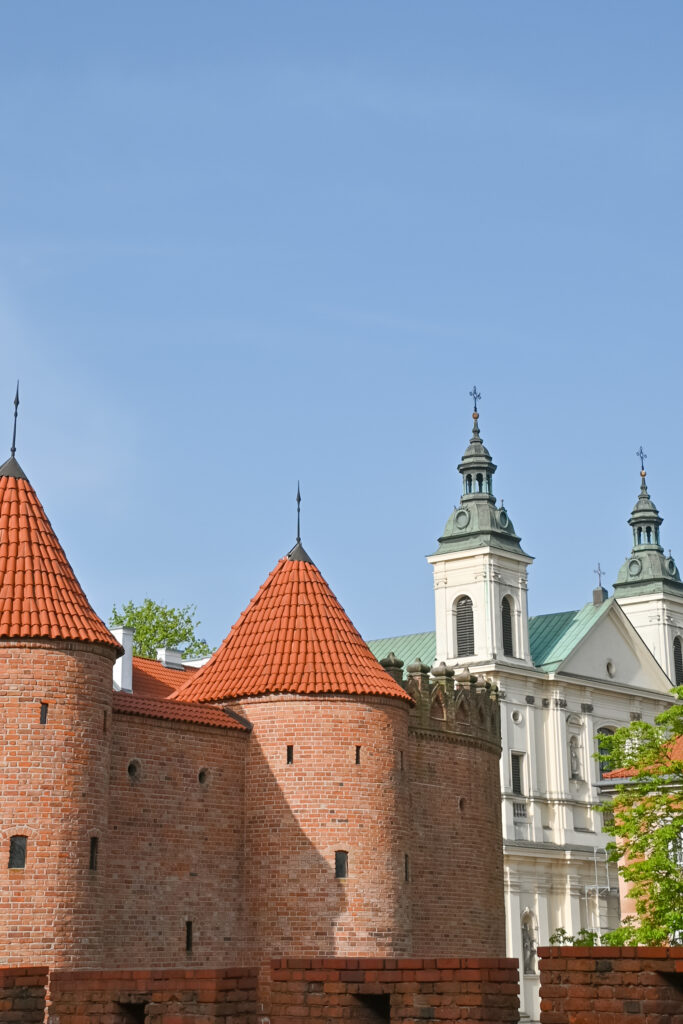
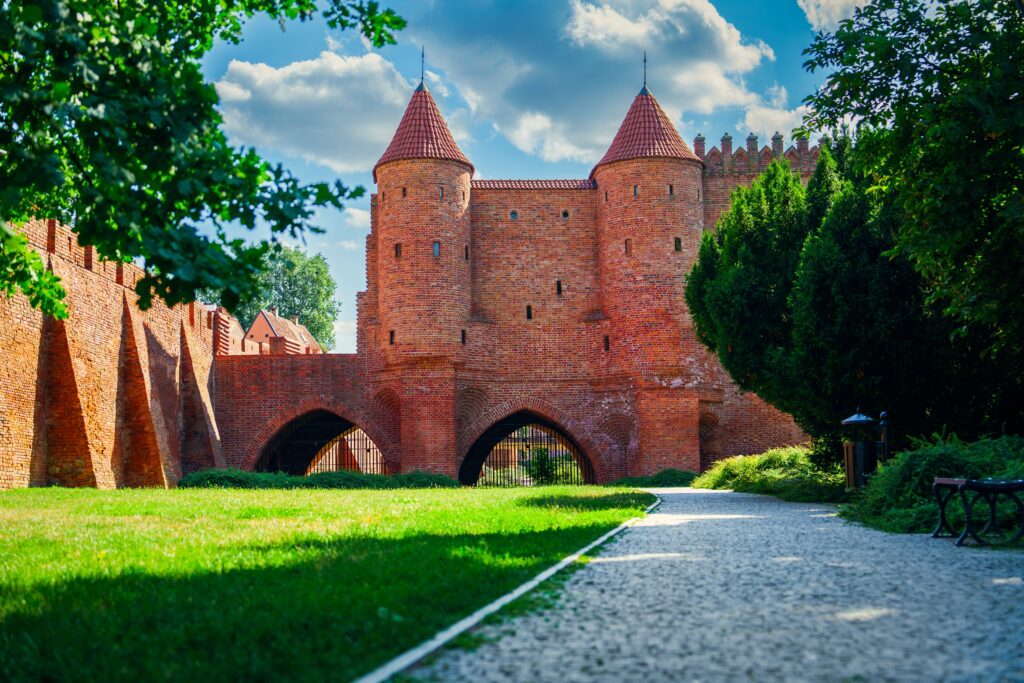
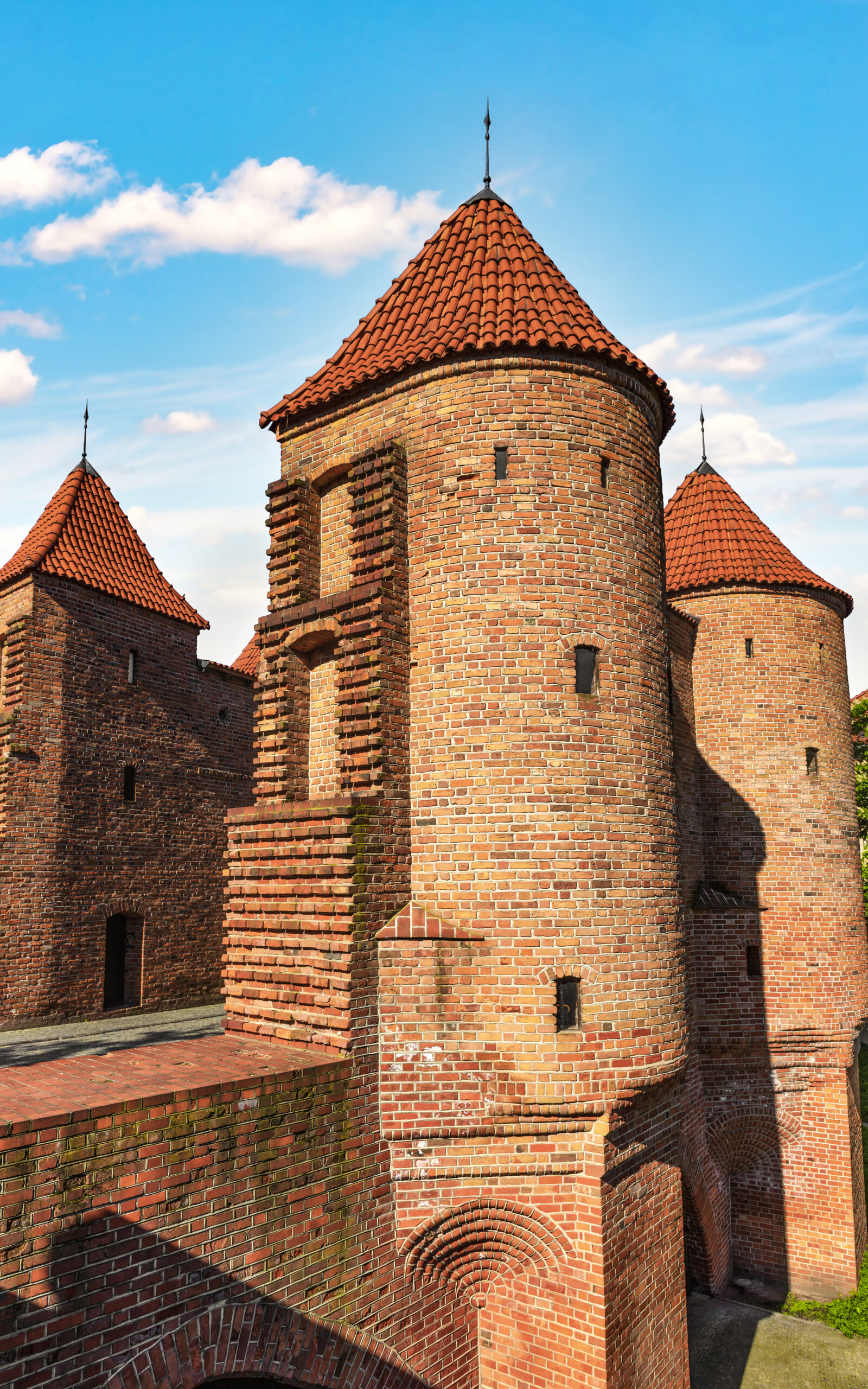
Origins and Architectural Significance. Built in 1548 by Giovanni Battista using brick, the Warsaw Barbican is a semicircular, two-story building crowned with battlements. Its design and purpose are reminiscent of similar fortifications in cities such as Krakow, Rothenburg ob der Tauber, Nuremberg, and Malbork Castle. Although it was a masterpiece of Renaissance architecture, advances in artillery at the time of its construction had already made such structures less effective for defensive purposes. This particular barbican served primarily as an outpost of the New Town Gate within the walls of Warsaw’s Old Town. Despite its intended defensive function, its existence was more a sign of strength and resilience than practical usefulness in warfare. The strategic location of the Warsaw Barbican marked the transition between the Old Town (Stare Miasto) and the New Town (Nowe Miasto) and symbolized the meeting of history and modernity.
The siege of 1656. The only significant military conflict at the Warsaw Barbican took place during the Polish-Swedish War in 1656. In this war, Sweden attempted to expand its territory, which led to several fierce battles on Polish soil. The Barbican, although already obsolete at that time, played a decisive role during the siege. Polish forces bravely defended it against Swedish troops, and although the structure itself was damaged, it became a symbol of Polish resistance and tenacity. A commemorative plaque was placed on the Barbican to mark the 300th anniversary of this siege. This plaque not only honors the courage of the fighters, but also serves as a historical landmark that reminds visitors of Warsaw’s turbulent past.
Decline and partial demolition. By the 19th century, the Barbican was no longer in use. Changing methods of warfare and urban expansion led to the structure being largely demolished. Its bricks and materials were reused or discarded, and the once-impressive fortress fell into increasing obscurity. However, the spirit of the Barbican remained anchored in the collective memory of Warsaw’s inhabitants.
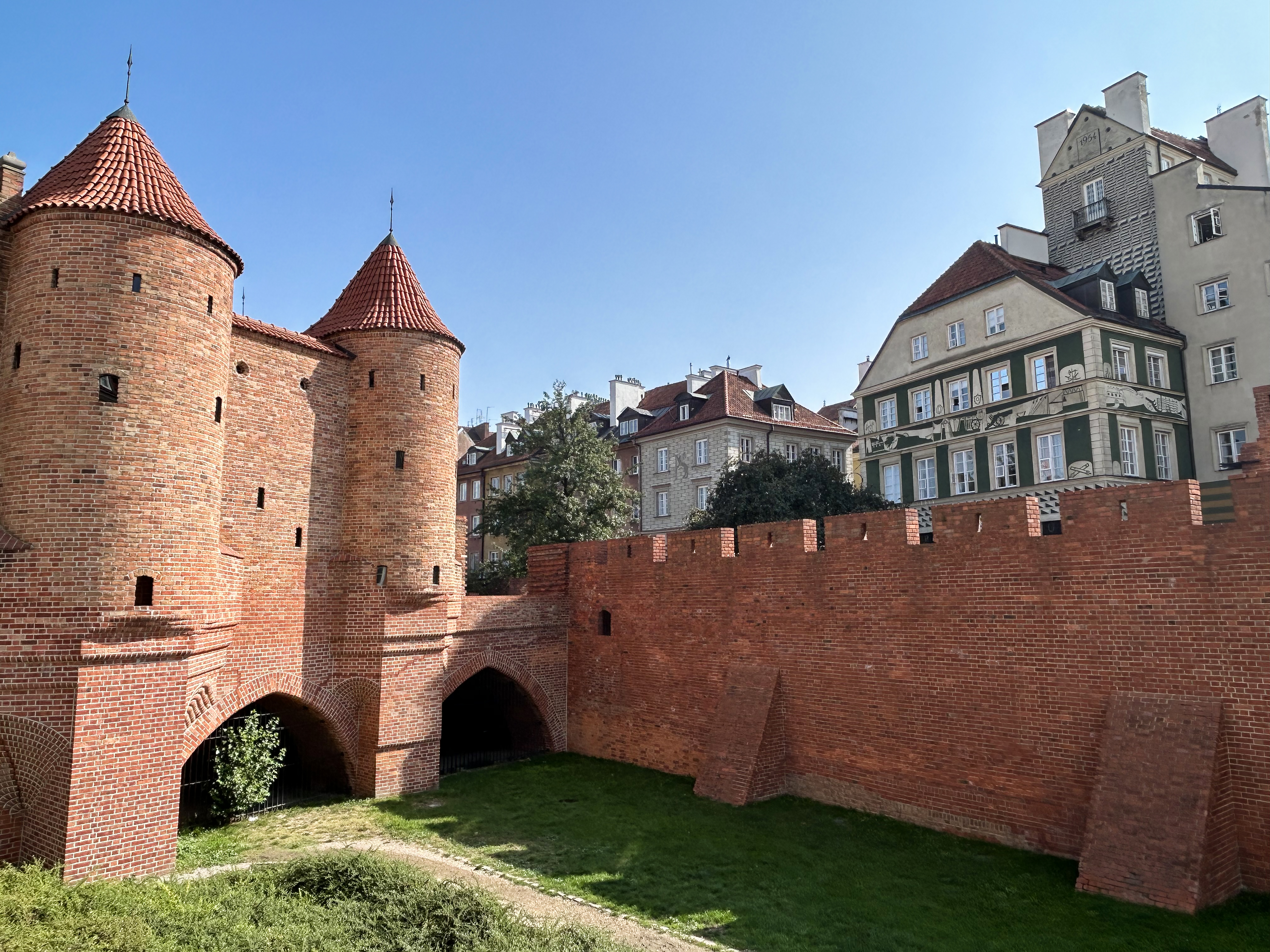
Reconstruction and revival. The 20th century brought new challenges for Warsaw and its historic sites. The Barbican, which had already suffered from neglect, was further destroyed during World War II. The German Wehrmacht caused severe damage to the Barbican and the Old Town during the siege of Warsaw in 1939 and later during the Warsaw Uprising in 1944. The relentless bombing and street fighting left the area in ruins. Despite this devastation, the unshakable spirit of the Warsaw population shone through. In the 1950s, passionate reconstruction work began under the direction of architect Wacław Podlewski. Using bricks salvaged from Gothic houses in Wrocław and Neisse, the Barbican was carefully restored to its former glory. This reconstruction was not only an architectural project, but a labor of love aimed at reviving an important piece of Warsaw’s heritage.
Myths and legends. The Warsaw Barbican is not only a relic of the past, but also shrouded in myths and legends. One of the most famous stories is about a hidden treasure that is said to be buried somewhere in or under its foundations. According to local tradition, during the Swedish siege, residents hid their valuables in the walls of the Barbican to protect them from looting. Despite numerous searches and excavations over the centuries, no treasure has ever been found, so the legend lives on and continues to fuel the imagination of treasure hunters and history buffs. Another legend tells of the ghost of a soldier who died defending the Barbican. On foggy nights, some say, you can hear the clanging of armor and distant battle cries echoing through the ancient walls. Whether these stories are true or merely figments of the imagination, they lend the Barbican a mystical charm and attract curious visitors and storytellers alike.
Significance in the present day. Today, the Warsaw Barbican is a proud testament to the city’s resilience and cultural heritage. It is managed by the Warsaw Museum, which curates exhibitions within the structure, highlighting the defensive walls of Warsaw’s Old Town and the historical significance of the Barbican itself. Visitors can explore the battlements, learn about the city’s turbulent history, and admire the carefully preserved architectural beauty. The Barbican also serves as a vibrant cultural center, hosting events, performances, and art installations. It bridges the past and the present, allowing locals and tourists alike to immerse themselves in Warsaw’s rich history while enjoying the dynamic cultural scene of the modern city.
The Warsaw Barbican is more than just an ancient fortification; it is a symbol of perseverance, rebirth, and the unshakable spirit of a city that has endured countless adversities. From its origins in the Renaissance to its role in the Polish-Swedish War to its partial destruction and subsequent reconstruction, the Barbican is a beacon of hope and pride for Warsaw. As visitors stroll through its historic walls, they not only witness history, but become part of a living legend that continues to inspire and fascinate.