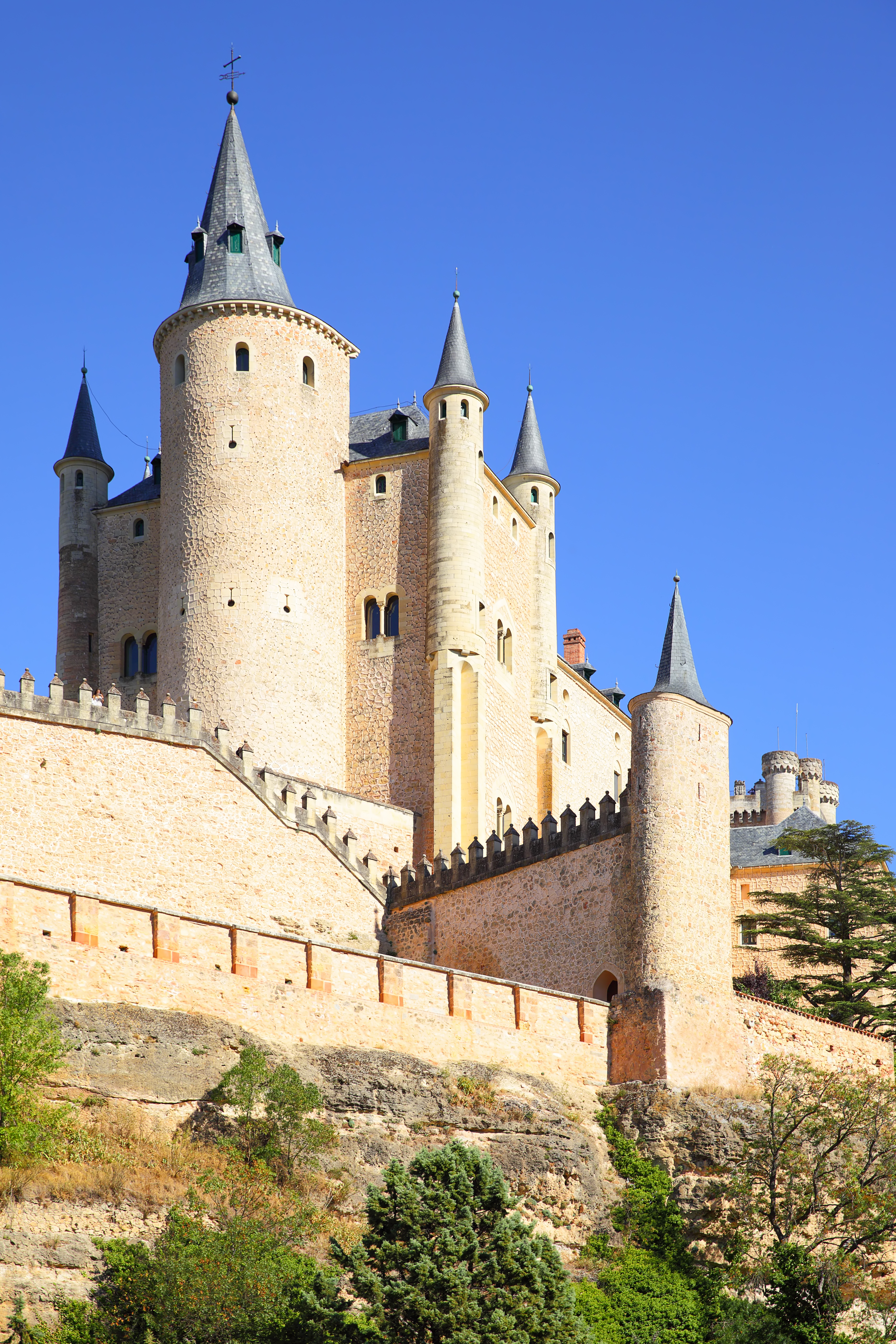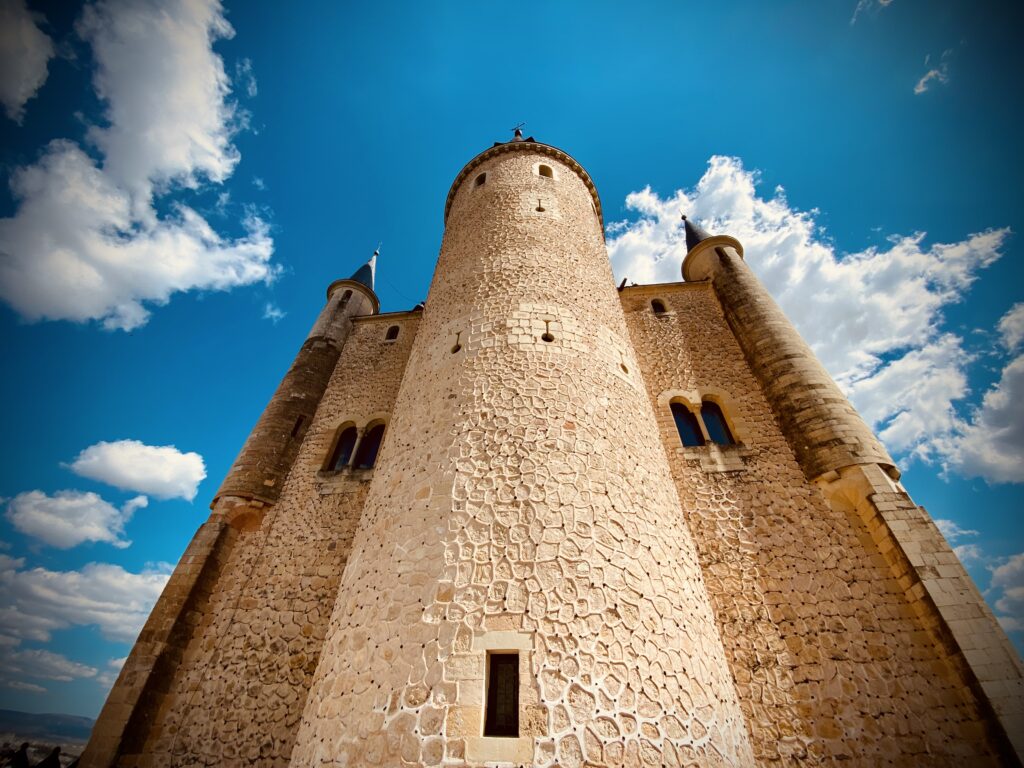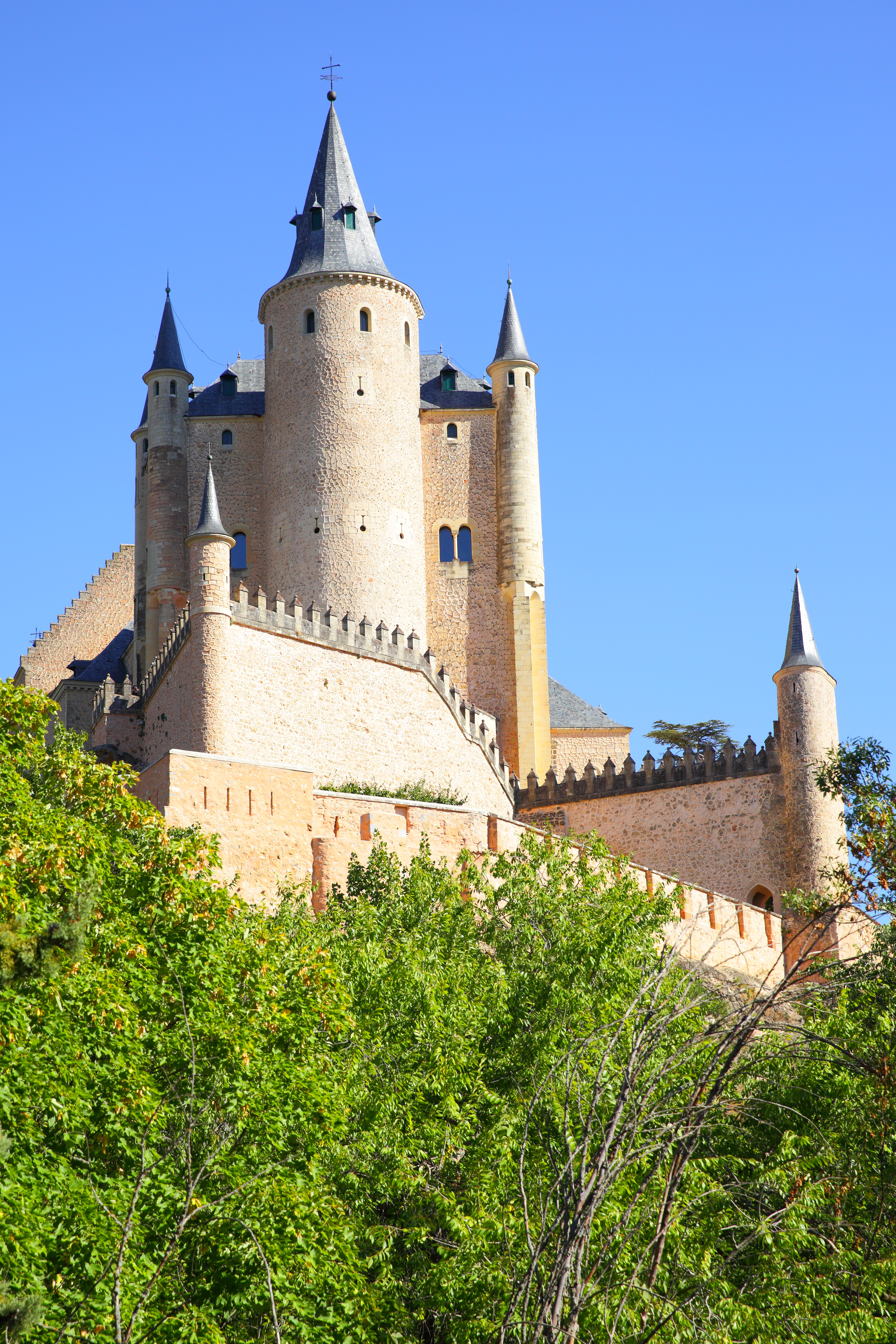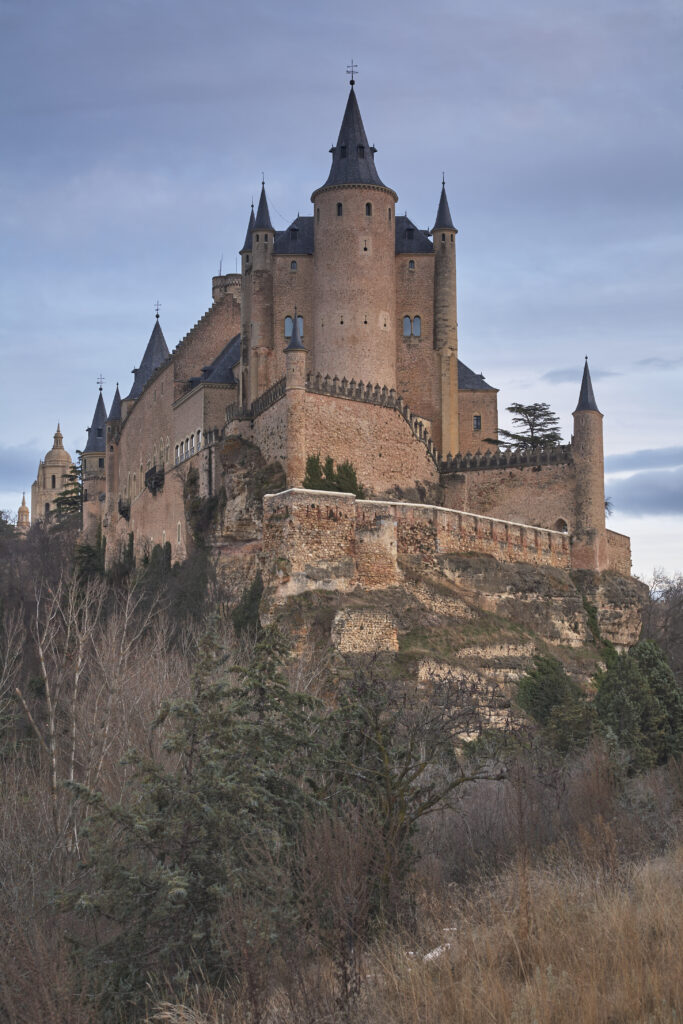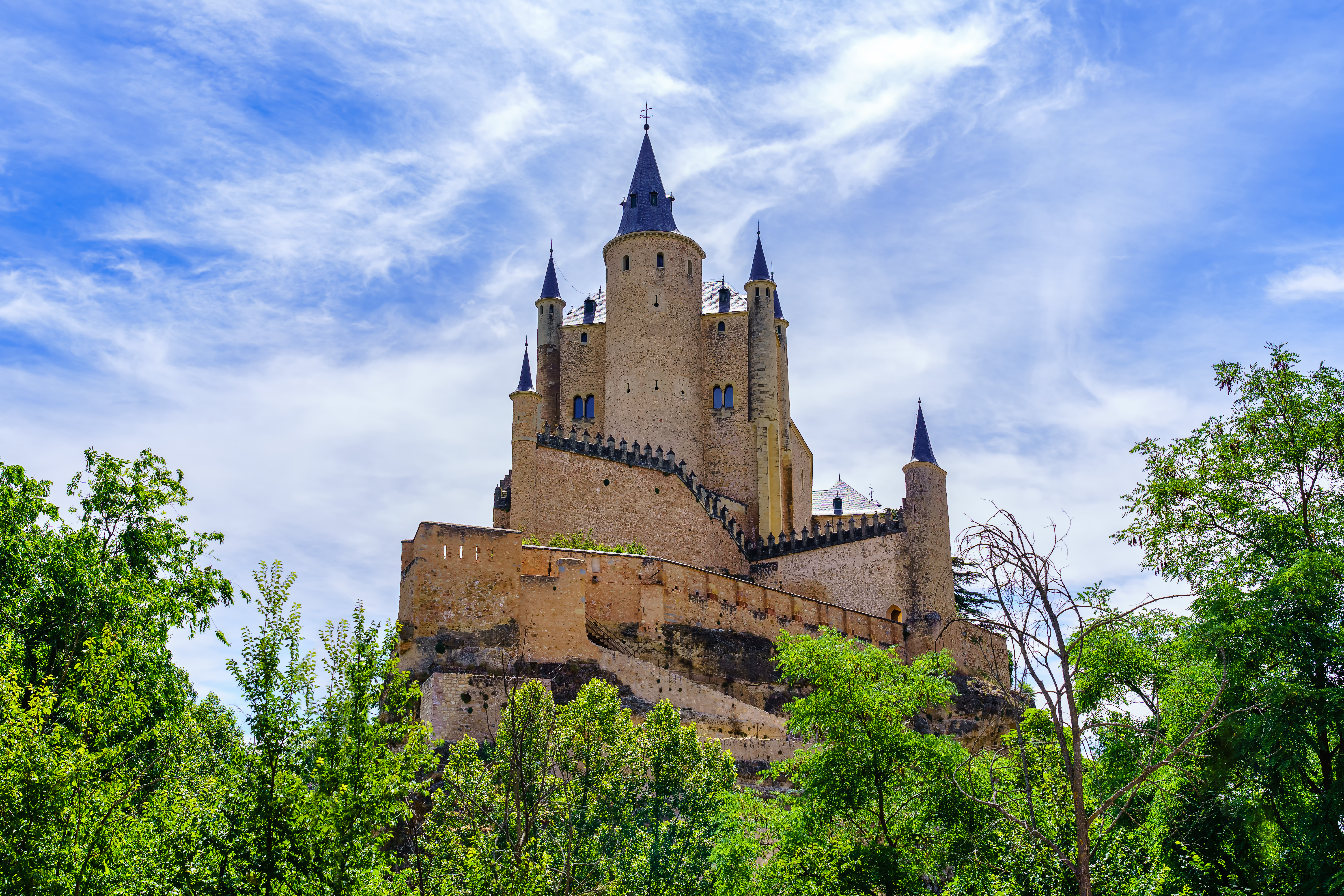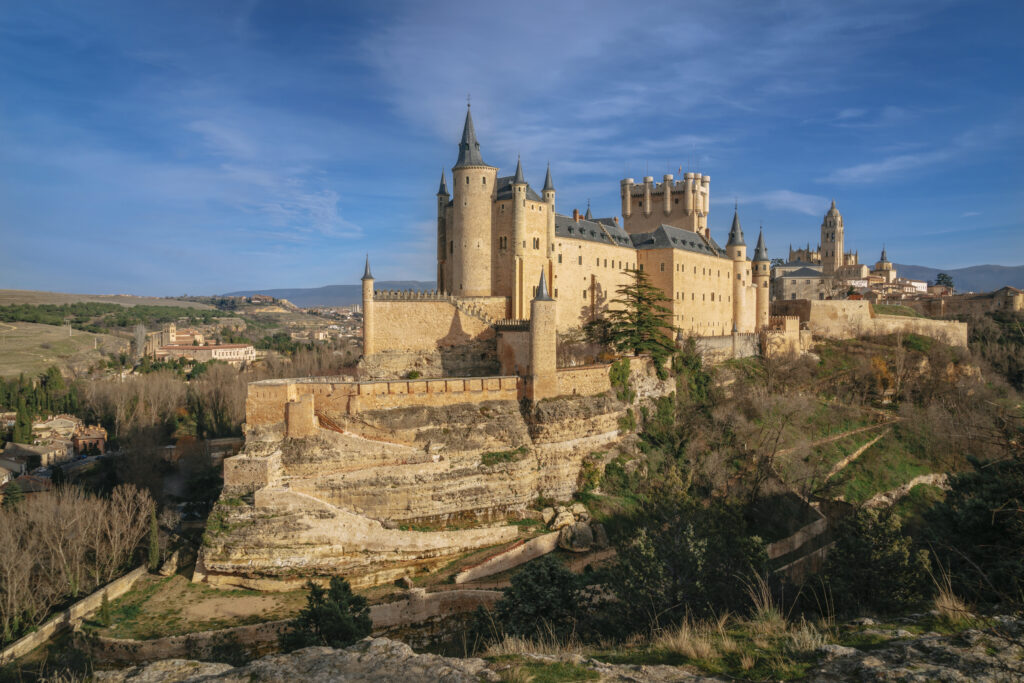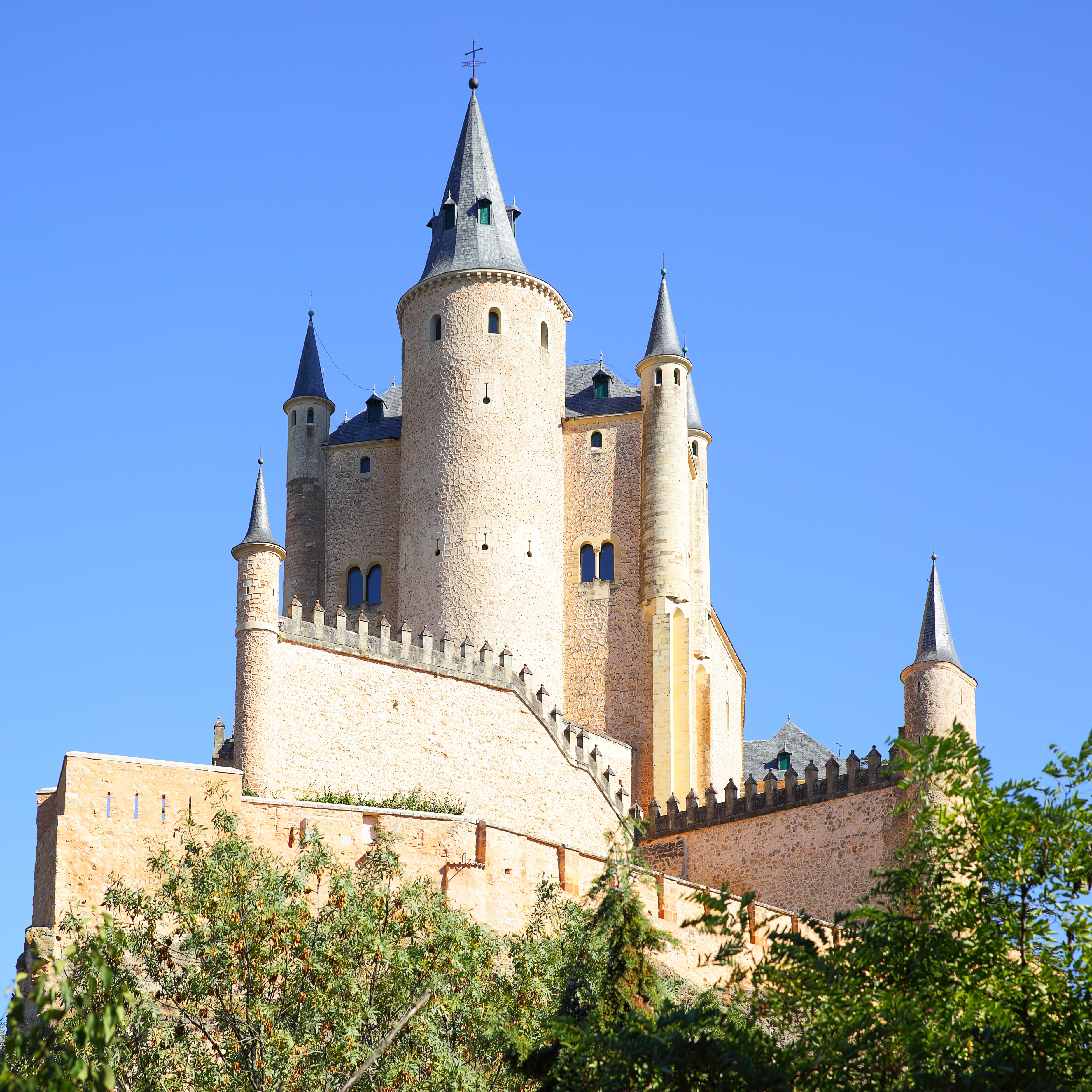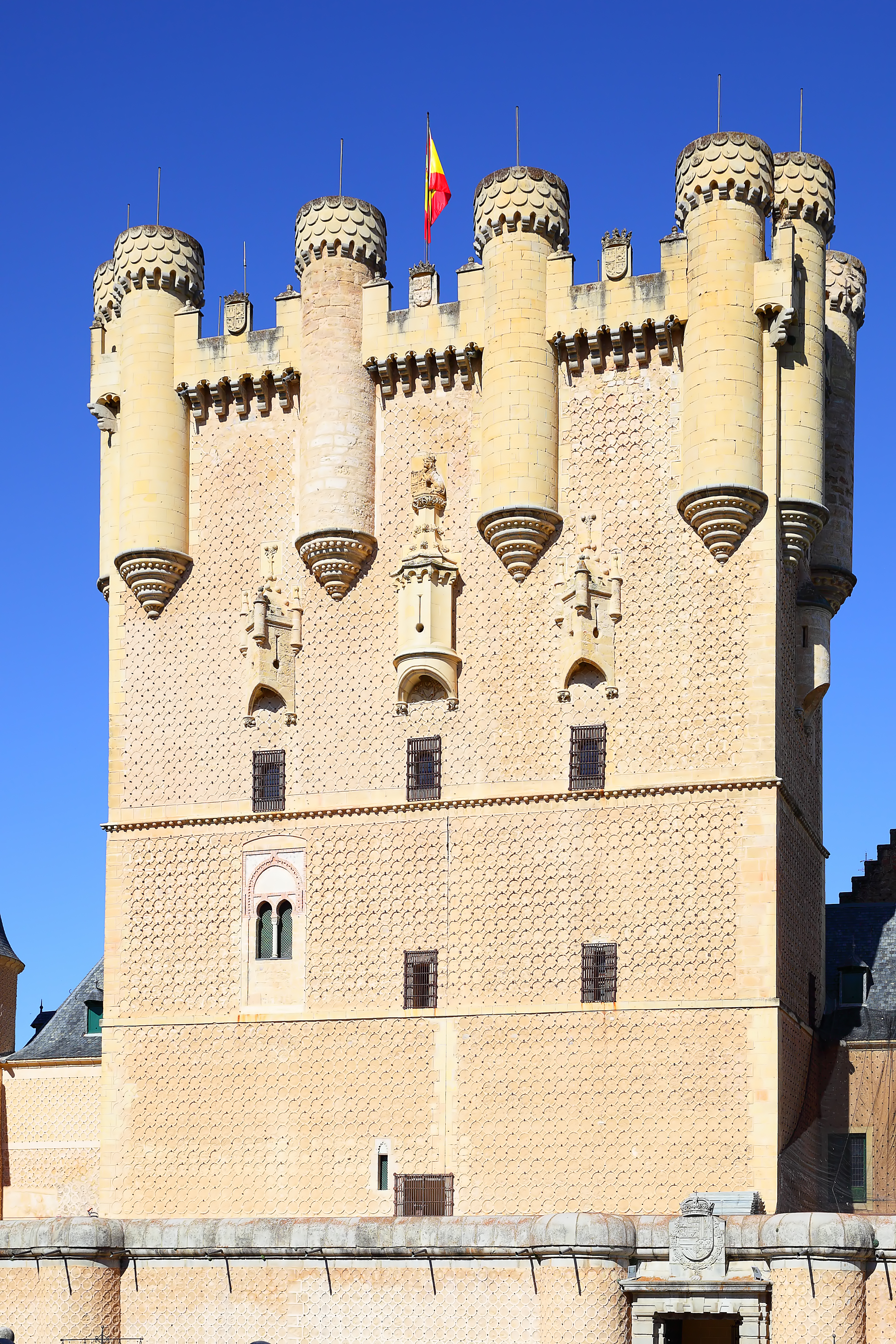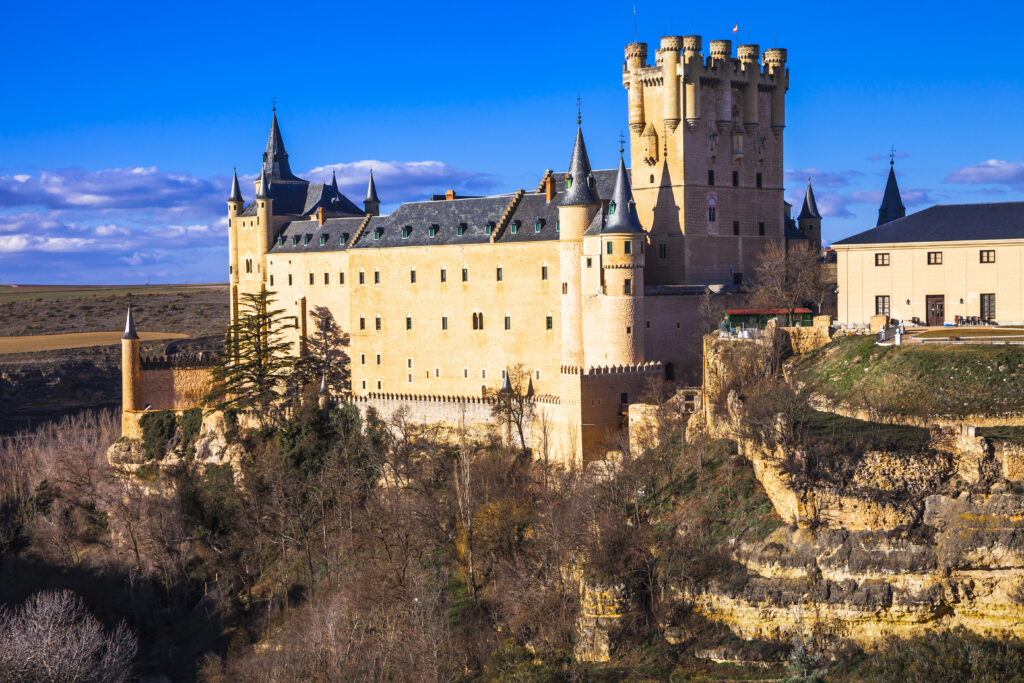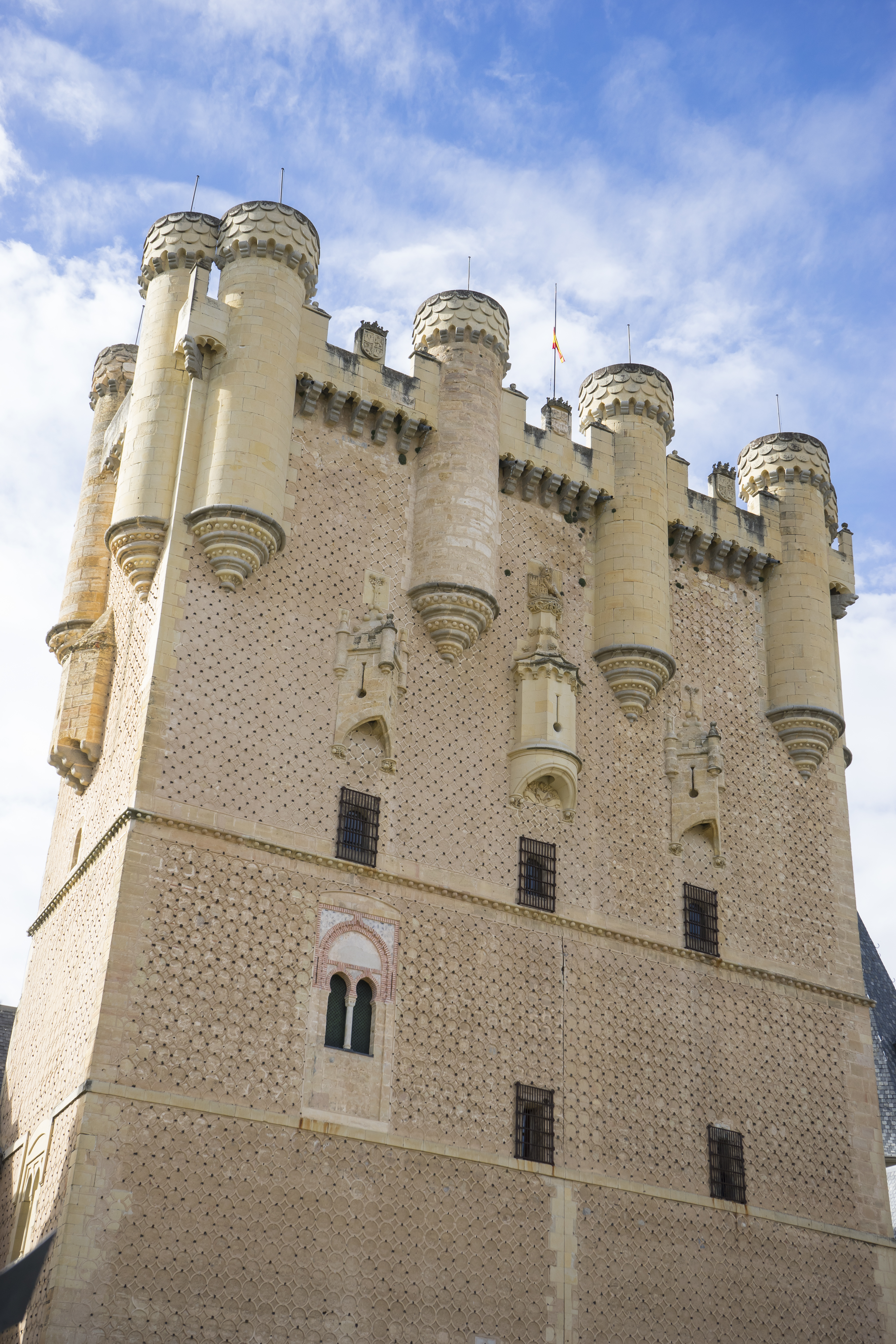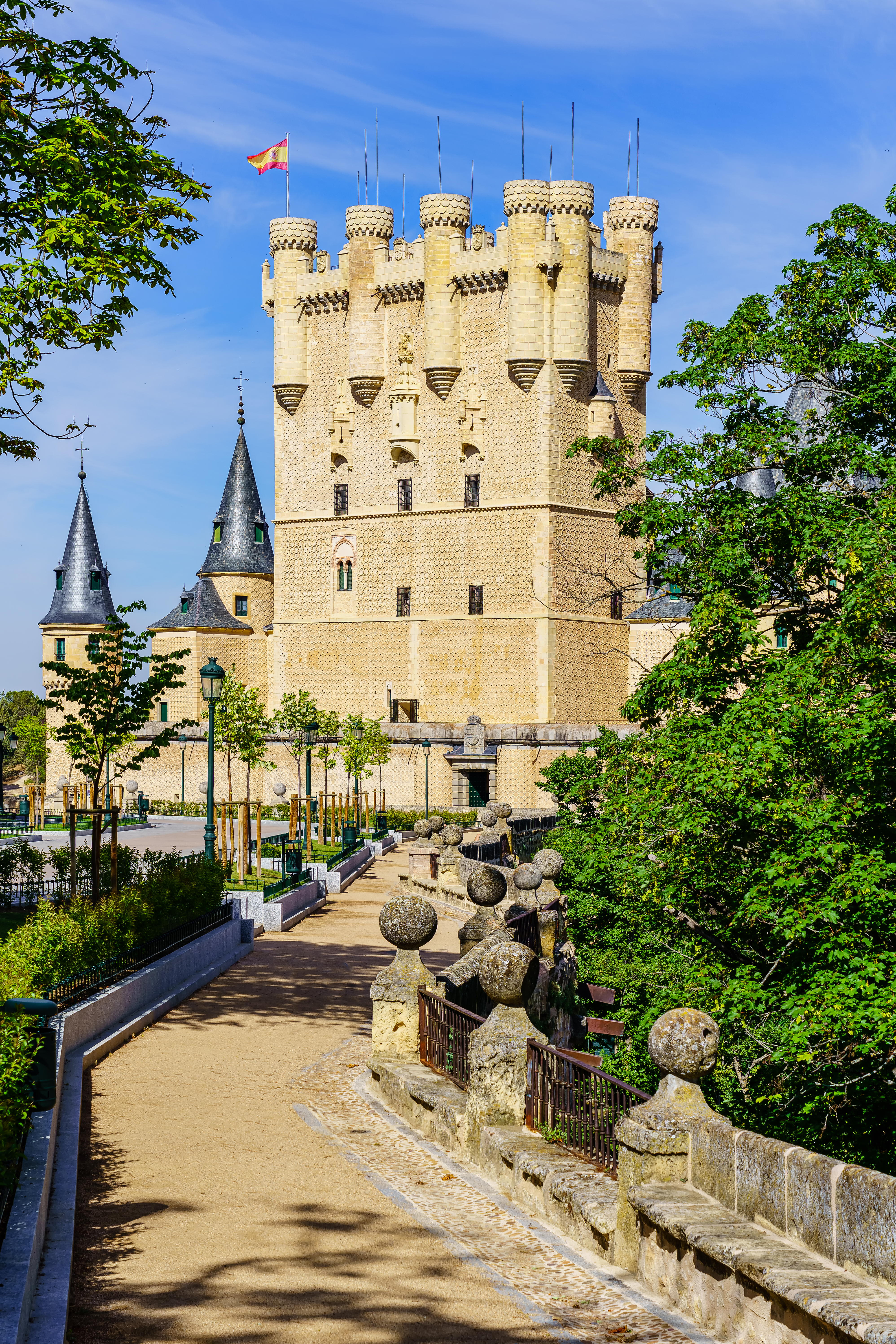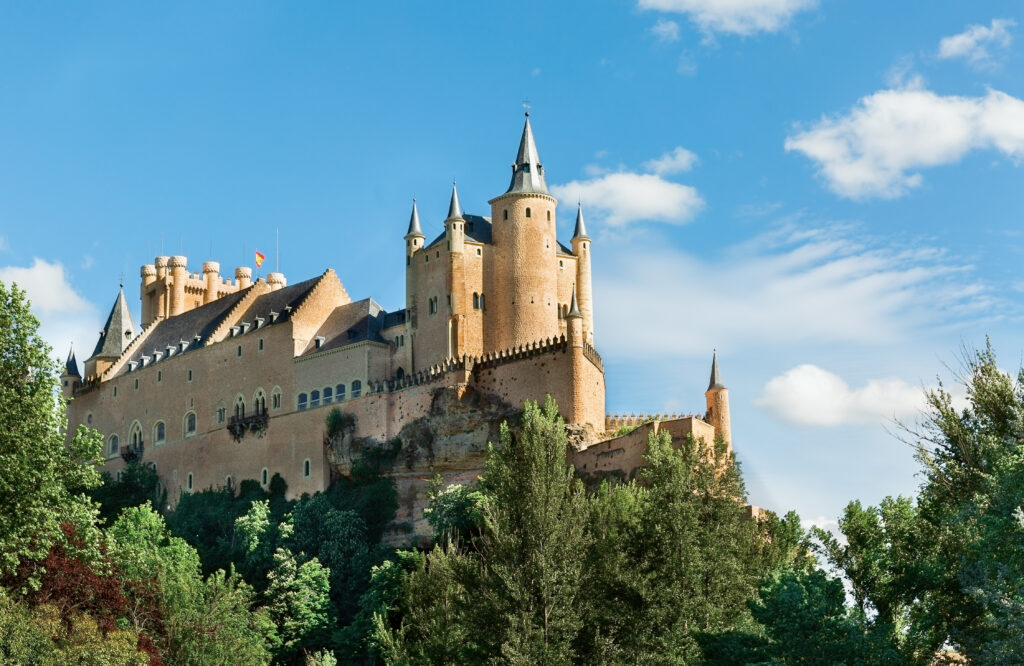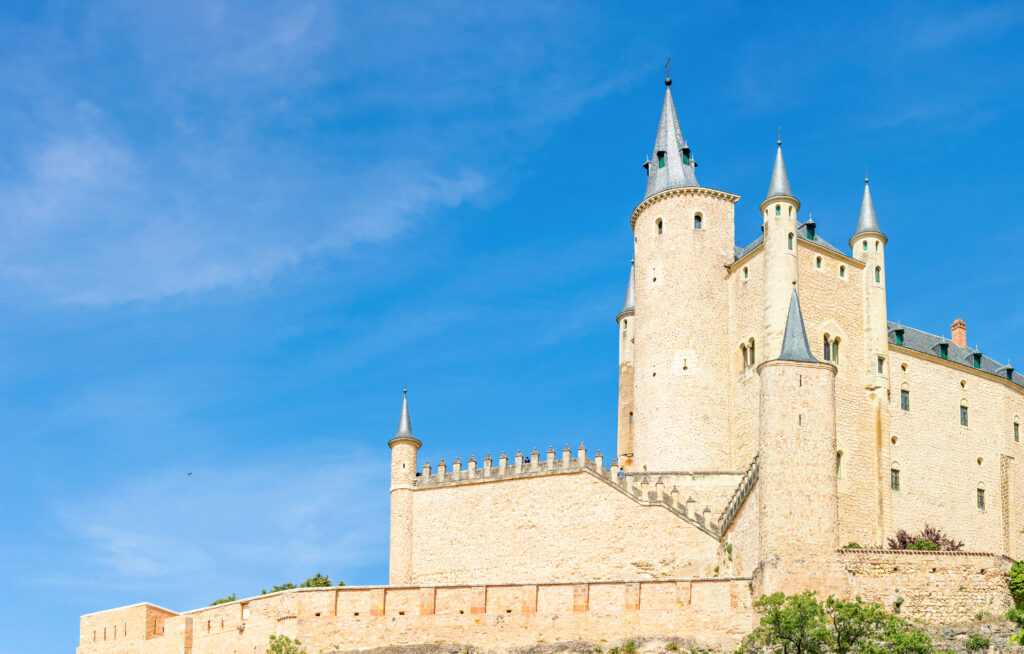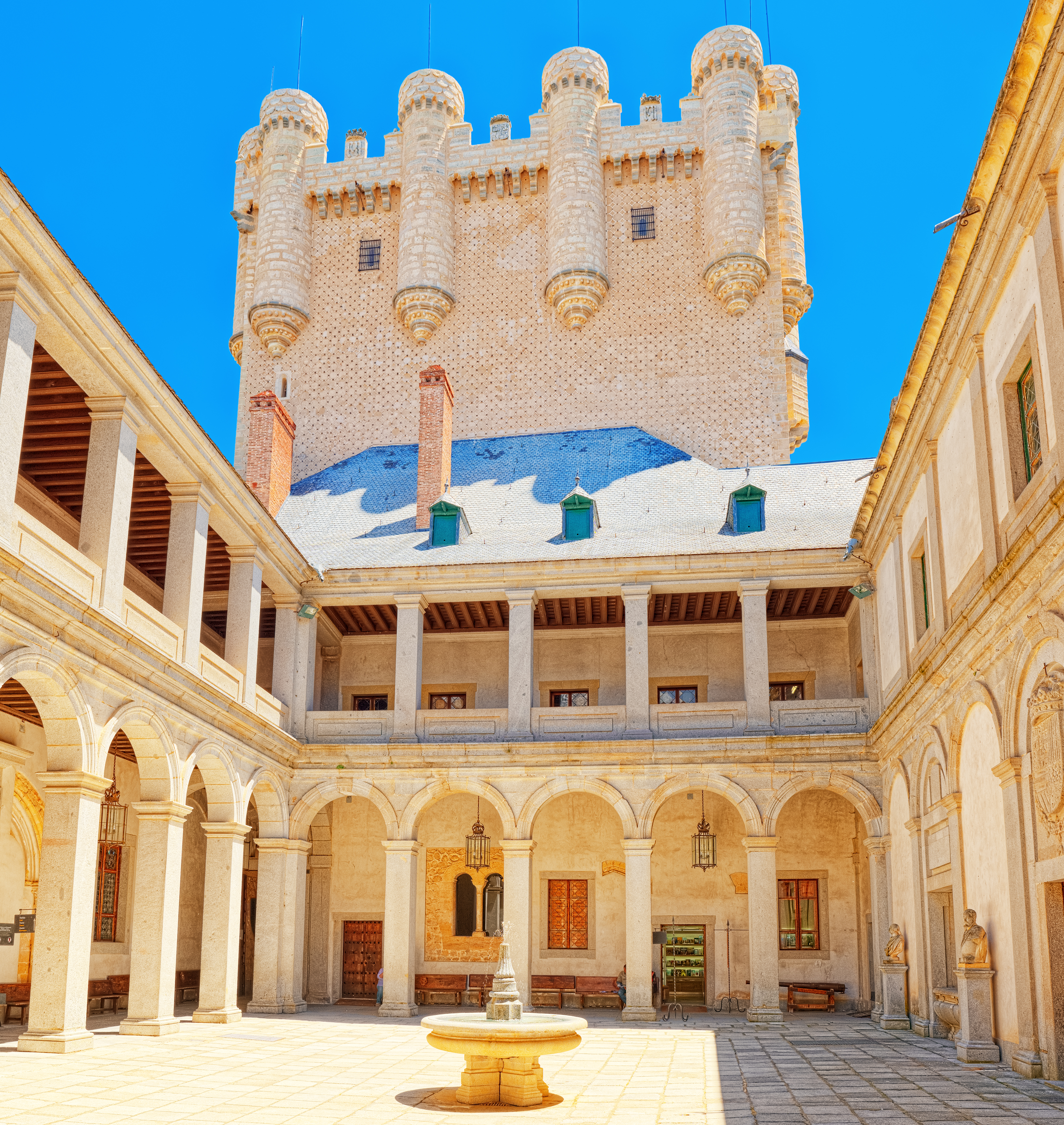

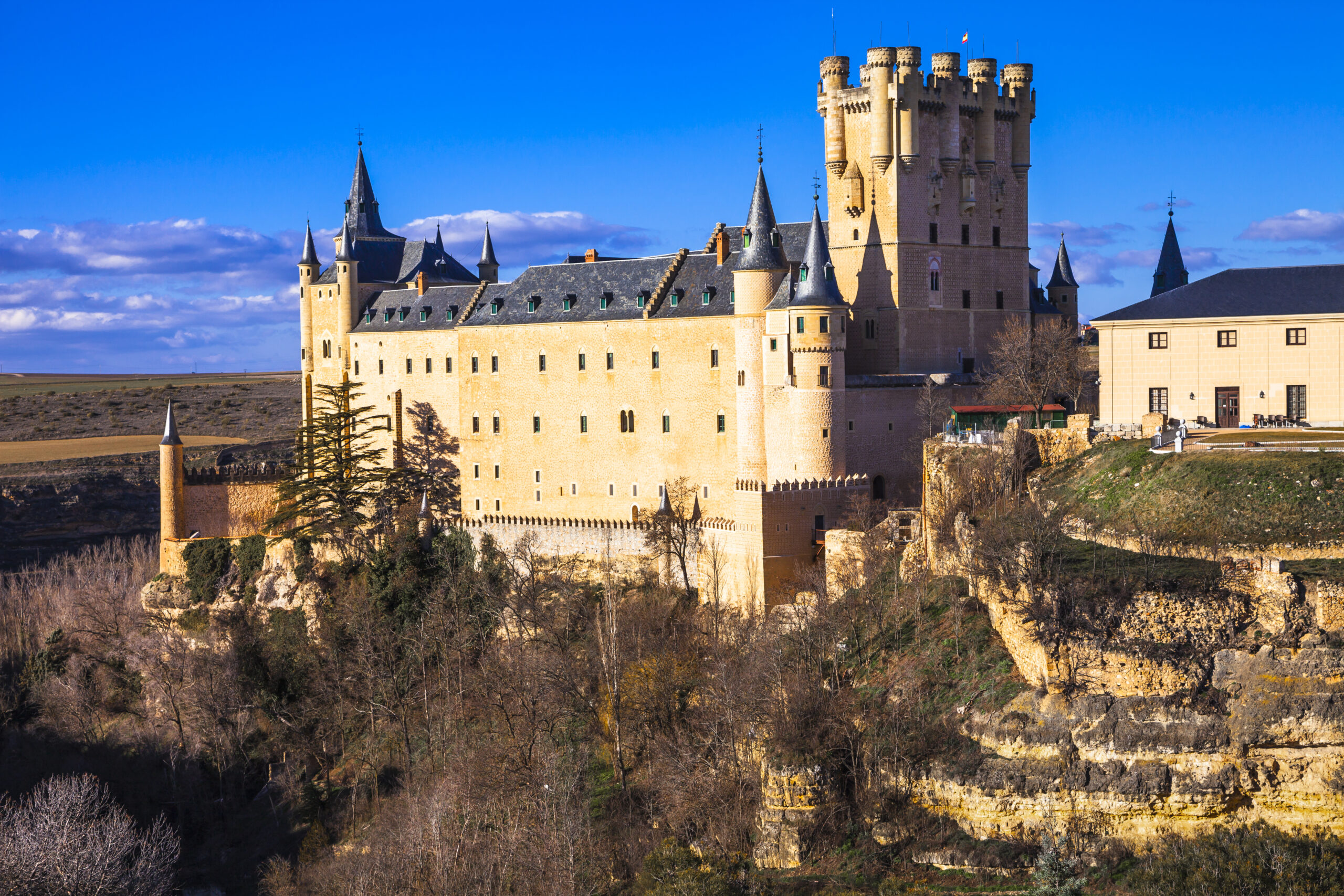
The Alcázar of Segovia towers majestically over the Eresma Valley and is more than just a castle—it is a testament to Spain’s rich history and legends. The origins of this monumental fortress date back to the early 12th century. It has served many purposes throughout its history, from a Roman fortress to a medieval castle and royal palace to a state prison. Its eventful past is interwoven with stories of kings, battles, and intrigue, making it one of Spain’s most visited attractions and a UNESCO World Heritage Site.
A royal residence and more. As the first residence of the Castilian monarchs, long before the palaces of Tordesillas and Seville, the Alcázar was renowned for its splendor and strategic importance. The “Palacio Mayor,” as it was called, reflected the wealth and power of a court that housed 22 kings and a host of historical figures. Its walls witnessed significant events such as royal weddings, political intrigues, and dramatic battles.
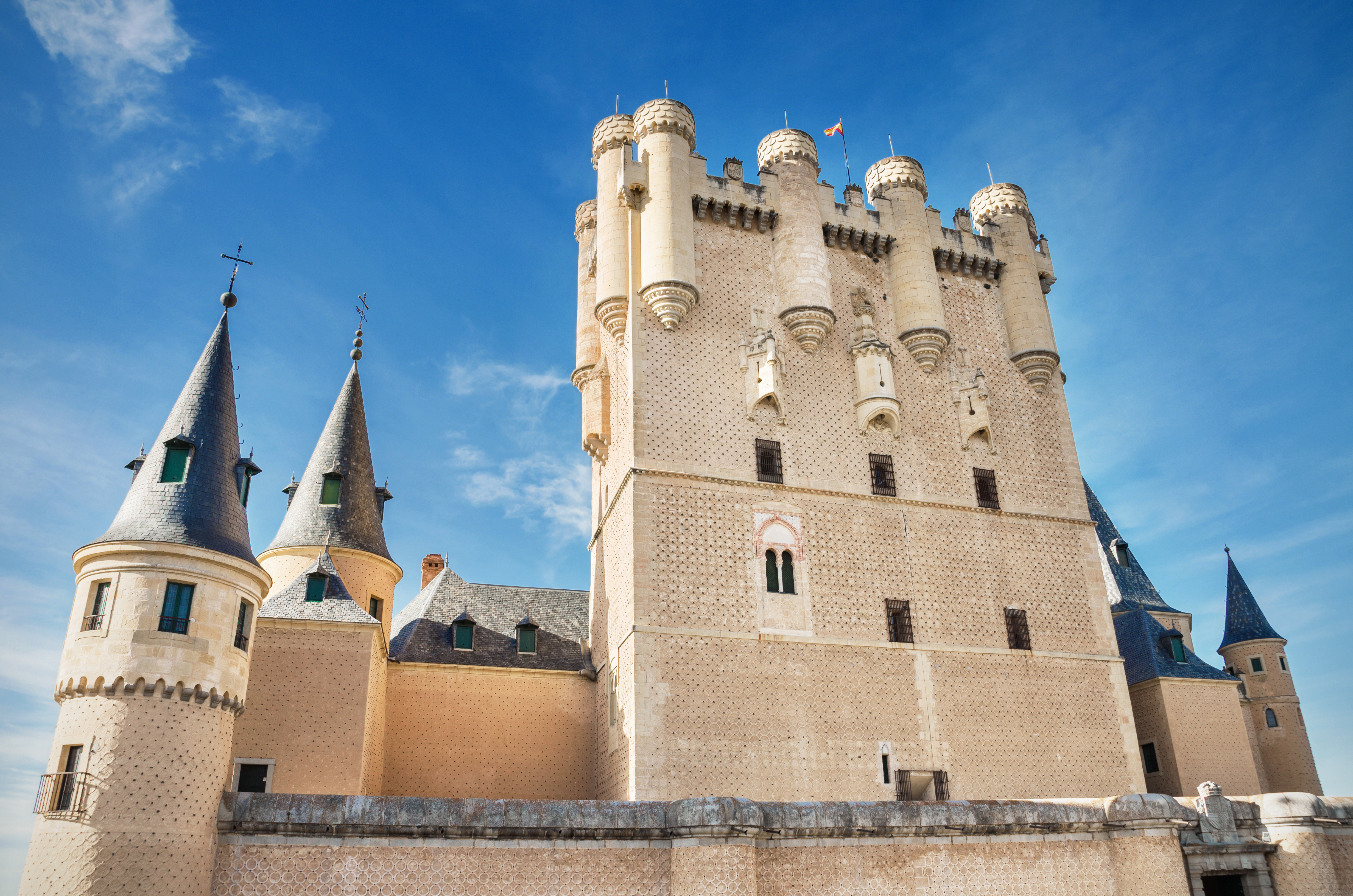
In the old Tower of Homage, the Crown of Castile kept its treasures, including the funds that financed Christopher Columbus’s voyage to America. In 1437, the Alcázar became the seat of one of the earliest royal archives, laying the foundation for today’s General Archive of Simancas. Its armory, previously housed within its mighty walls, is now located in the Royal Armory in Madrid.
Influences and inspirations. Built on Roman foundations, possibly the remains of an ancient fortress, the Alcázar came into its own during the Reconquista. Its spectacular silhouette, altered by notable renovations such as Philip II’s slate roof, represents a unique fusion of military architecture and royal splendor, earning it the title of the “most European” castle on the Iberian Peninsula. Its design is so inspiring that it influenced Walt Disney’s vision of the iconic castle in “Snow White and the Seven Dwarfs” and provided the dramatic backdrop for Orson Welles’ “Chimes at Midnight.”
Legends and traditions. Historians such as Fernando Chueca Goitia referred to the Alcázar as the “bow of Castile,” while Colonel Eduardo de Oliver-Copóns compared it to the castles of romance novels, where knights once serenaded noble ladies. Its architectural beauty and historical significance have cemented its place as a symbol of Castile’s monarchical heritage.
From fortress to prison. Over the centuries, the function of the Alcázar changed significantly. During the reigns of Felipe IV and Carlos II, it became a prison for prominent political figures and ordinary prisoners. This change reflected the changing role of the fortress, which went from being a royal residence to a symbol of authority and control, similar to the Bastille or the Tower of London.
A center of military innovation. In 1764, Carlos III founded the Royal Artillery Academy in the Alcázar, transforming it into a center for military training and innovation. It boasted the most modern chemistry laboratory in Europe, headed by the renowned chemist Louis Proust, and played a crucial role in promoting metallurgy and natural sciences.
Preservation and legacy. Despite a devastating fire in 1862 that ravaged its noble chambers, the Alcázar’s historic architecture has been expertly restored thanks to detailed 19th-century engravings. Today, it houses the General Military Archive and remains a beacon of cultural preservation. Under the stewardship of a dedicated patronage, the Alcázar continues to captivate visitors with its majestic presence and offers insights into centuries of military, royal, and architectural history.
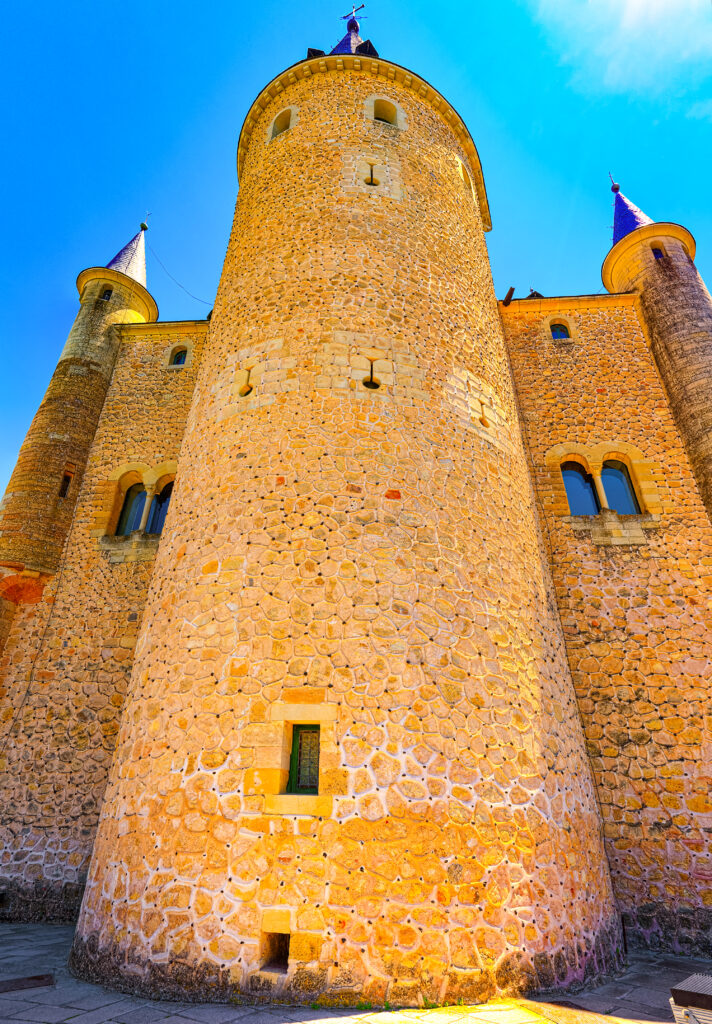
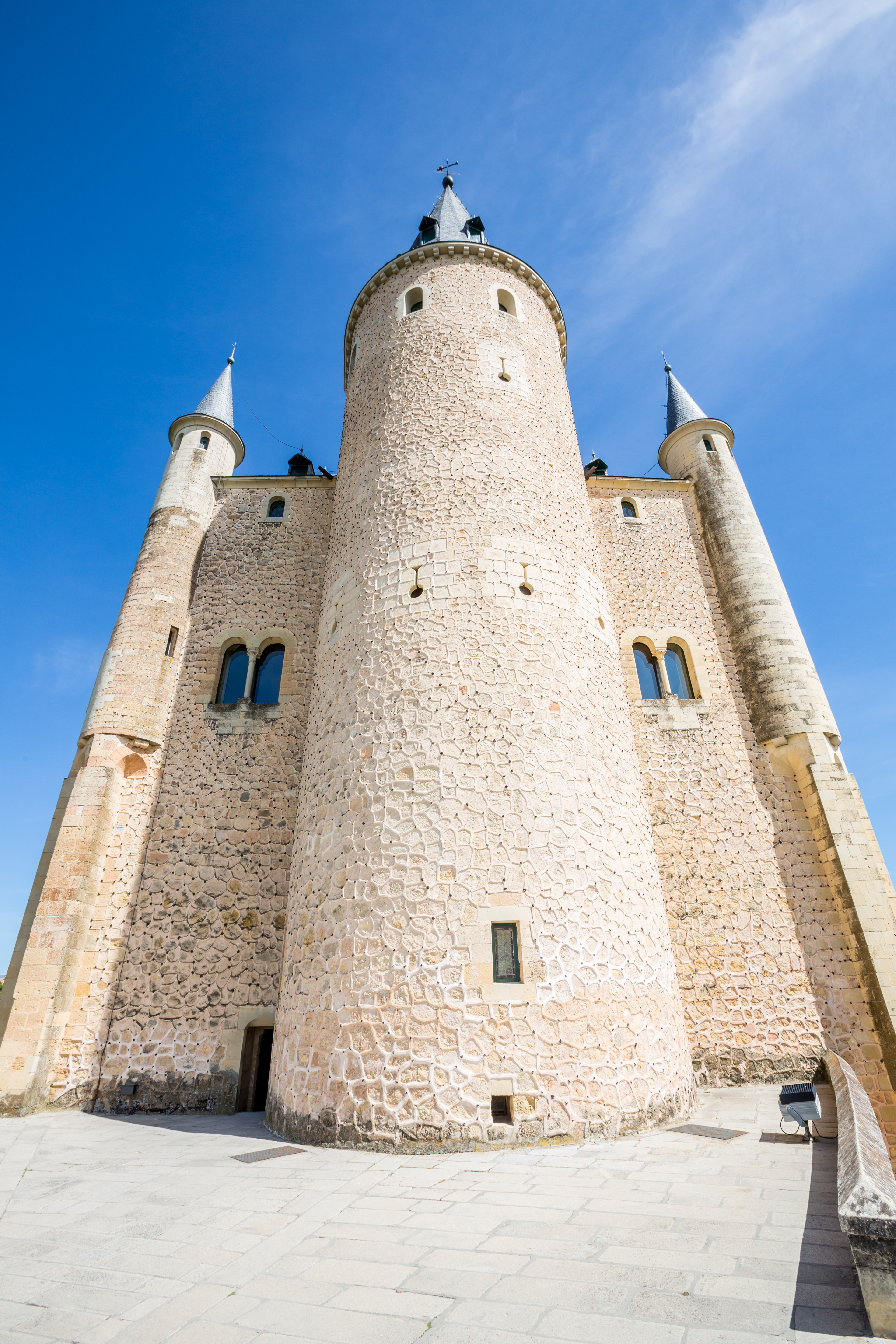
Architectural marvels. The Alcázar’s distinctive silhouette is celebrated for its elegant construction, which features a blend of Gothic, Romanesque, and Mudéjar styles. Visitors can explore its many halls, from the magnificent throne room to the elaborately decorated royal hall. The impressive graffiti on its façade—notable for both its beauty and practicality—bears witness to the enduring craftsmanship of its architects.
A castle of inspiration. Although modern visitors can only get a glimpse of its former use, the Alcázar of Segovia is a dynamic muse for artists, historians, and tourists alike. Its breathtaking views and historic halls invite all visitors to imagine the legends and lives of those who once walked its corridors, creating a connection between the past and the present.