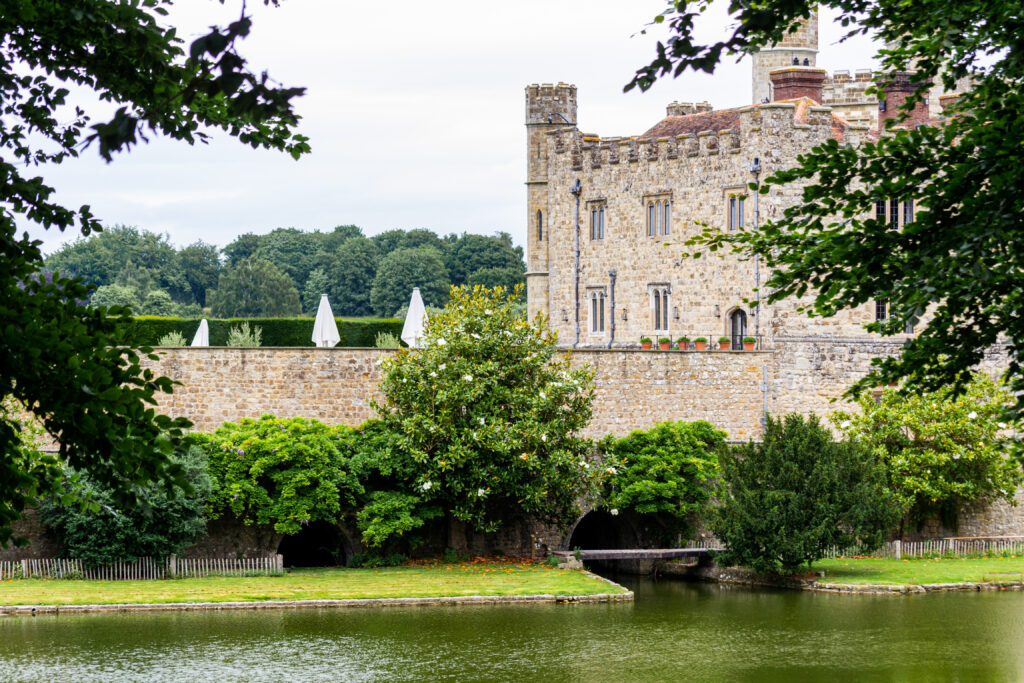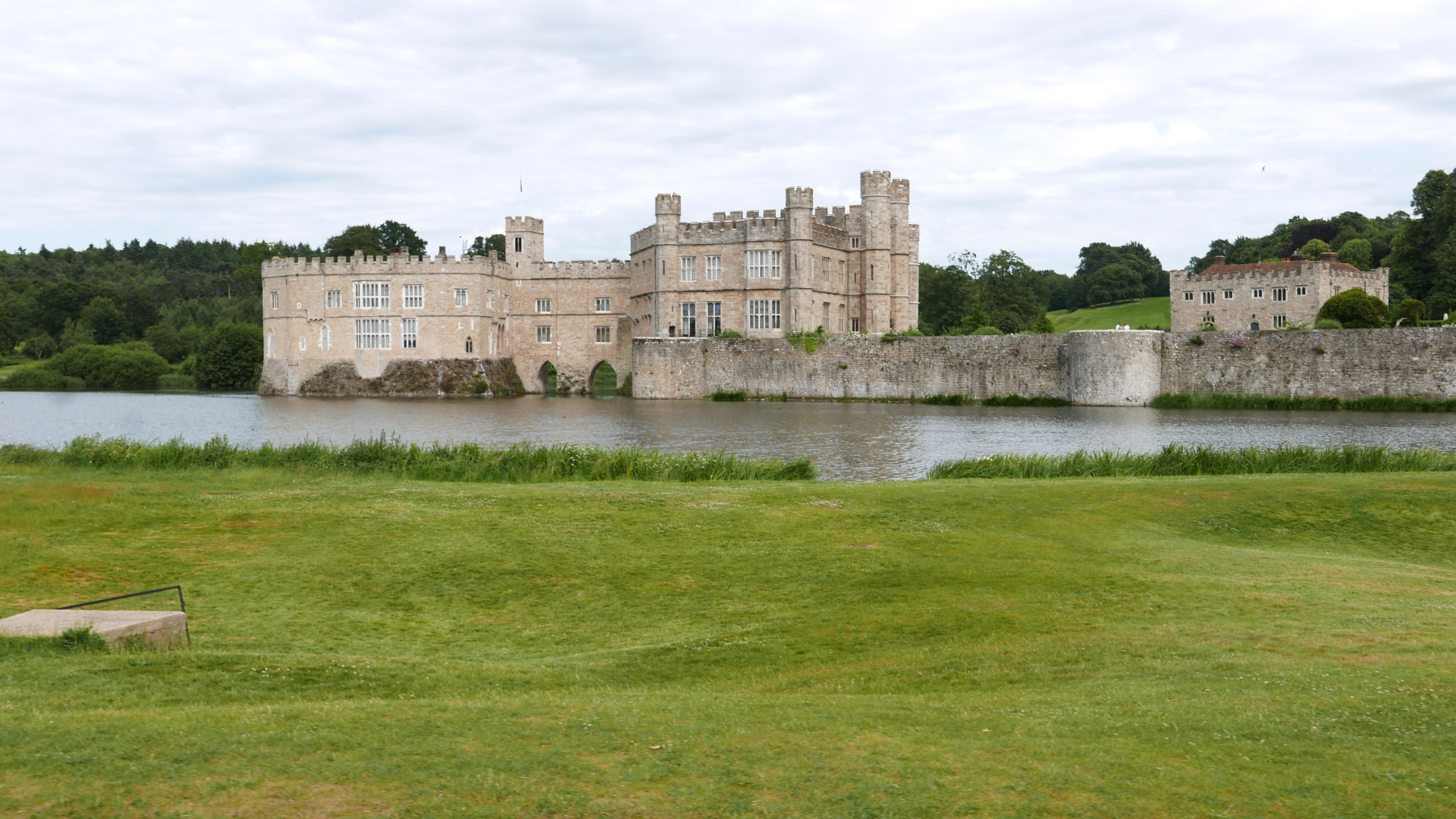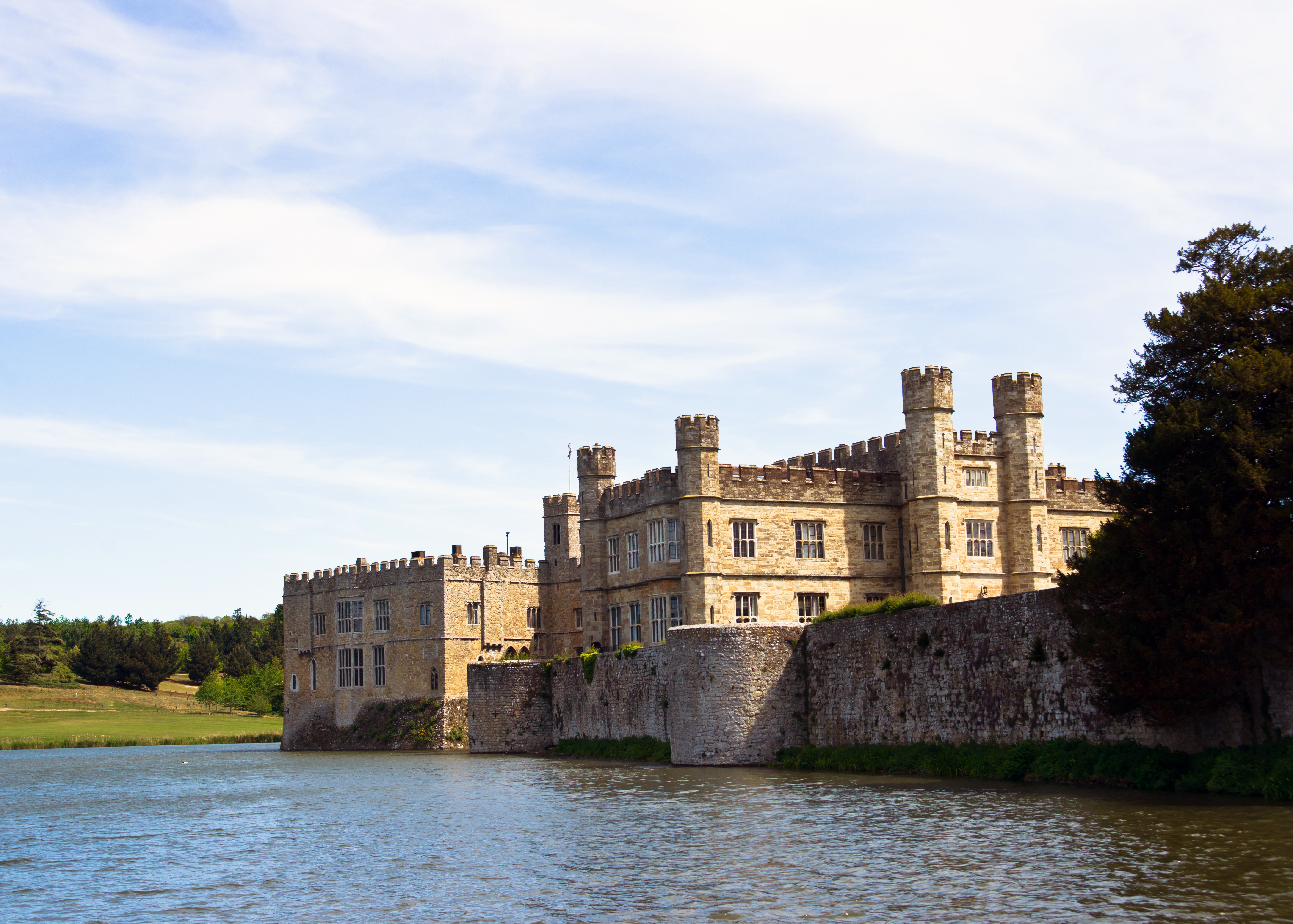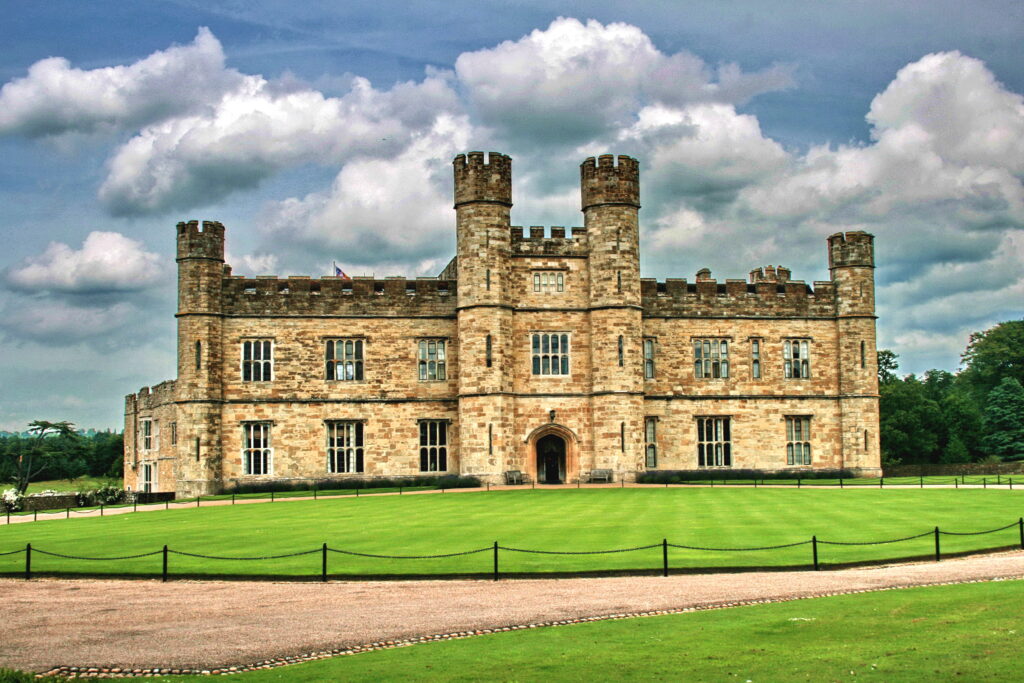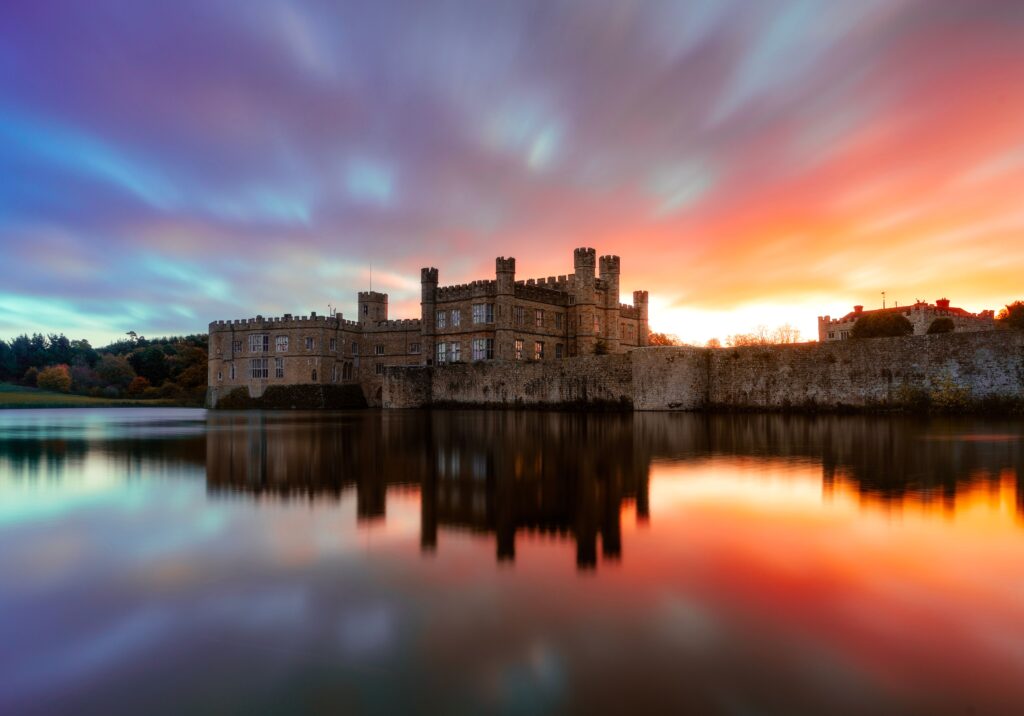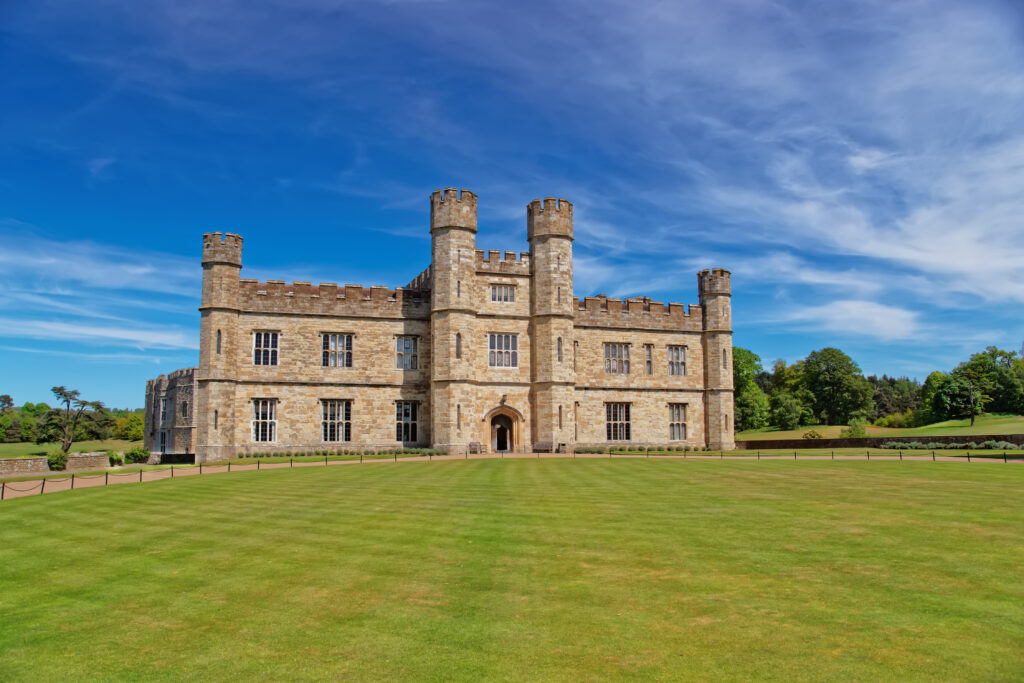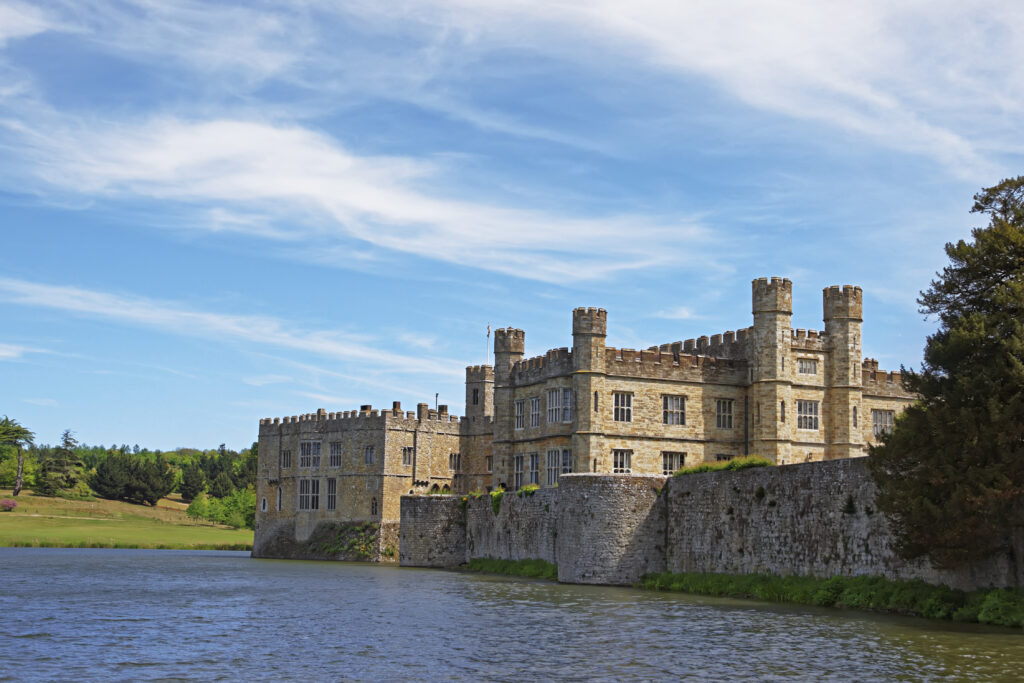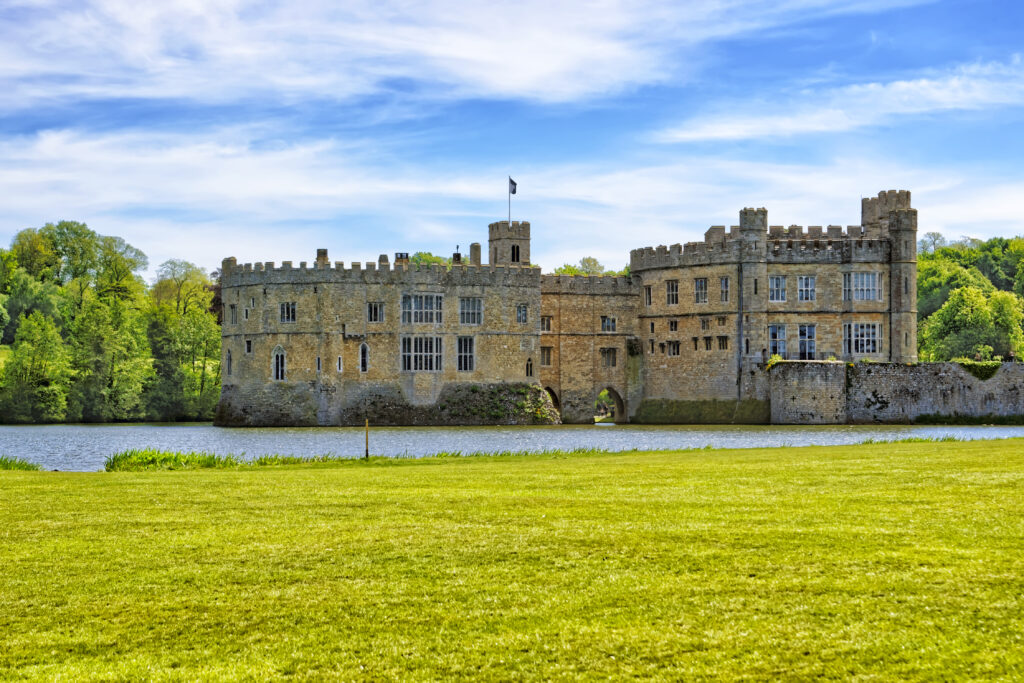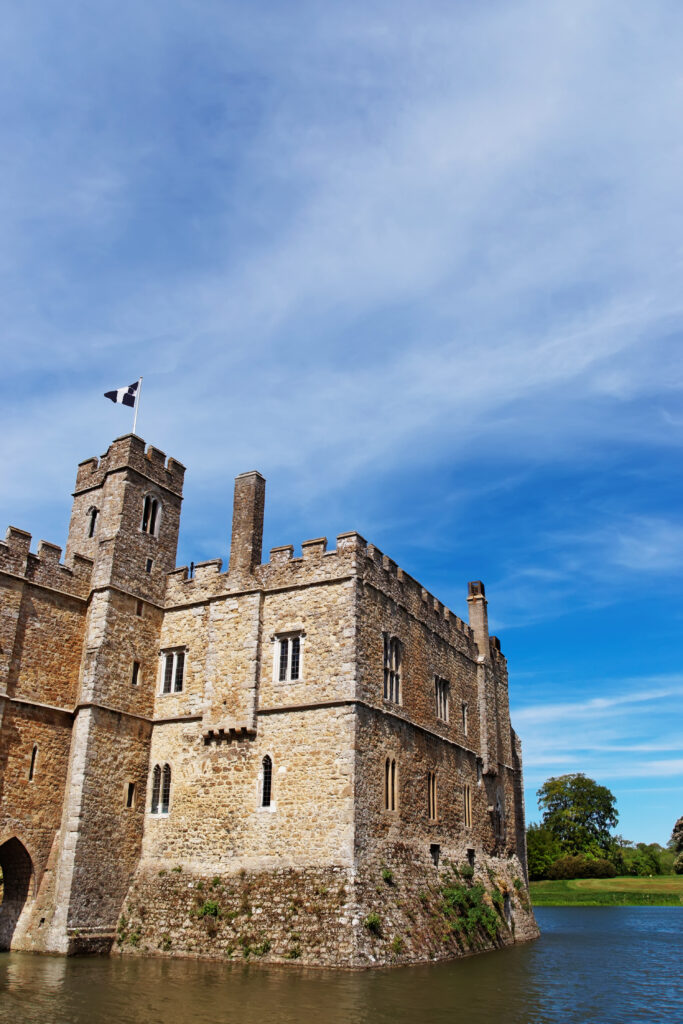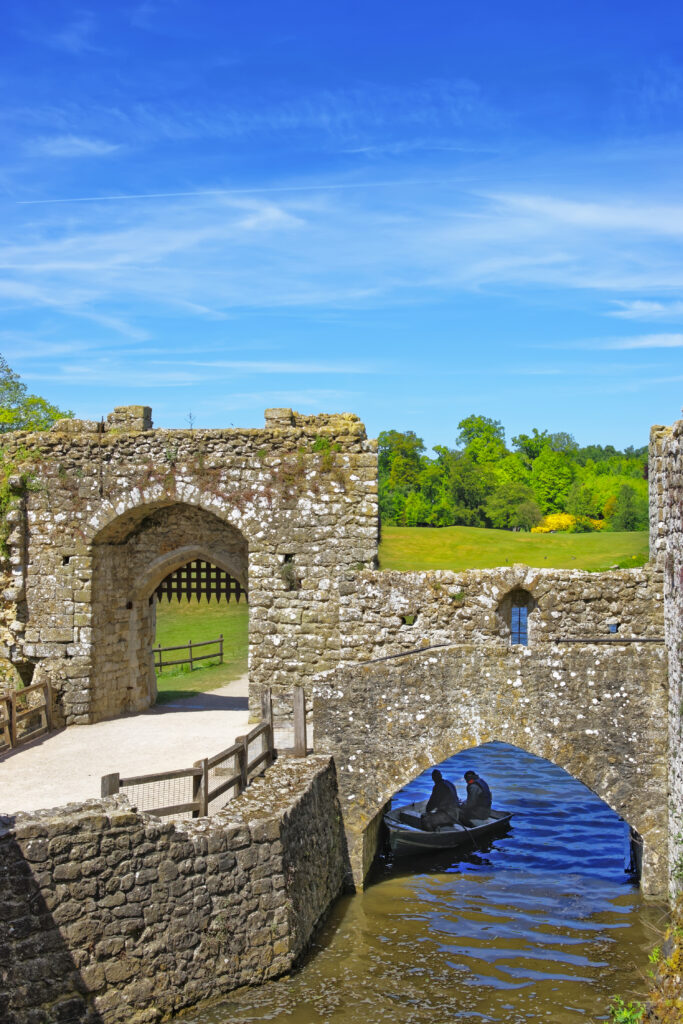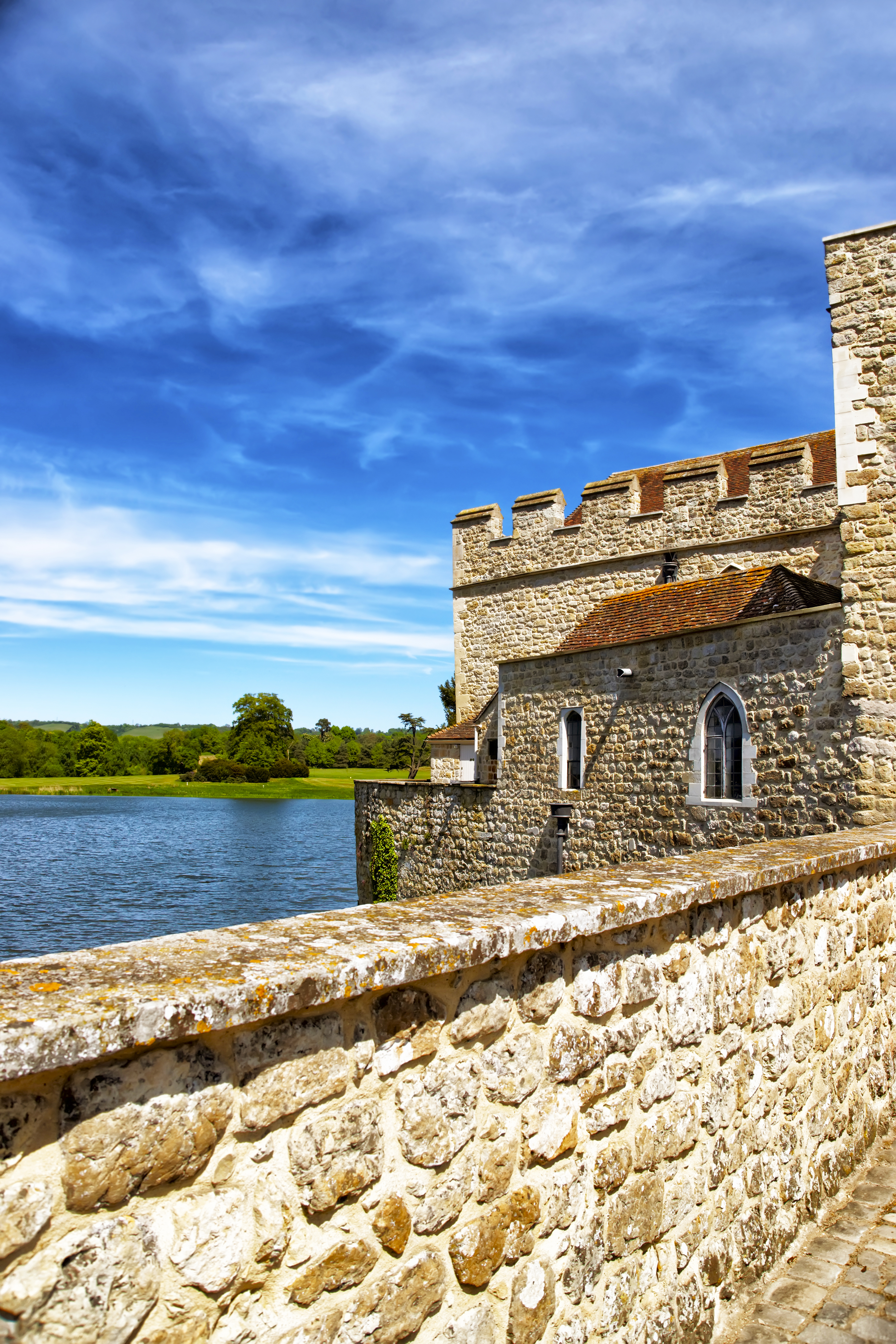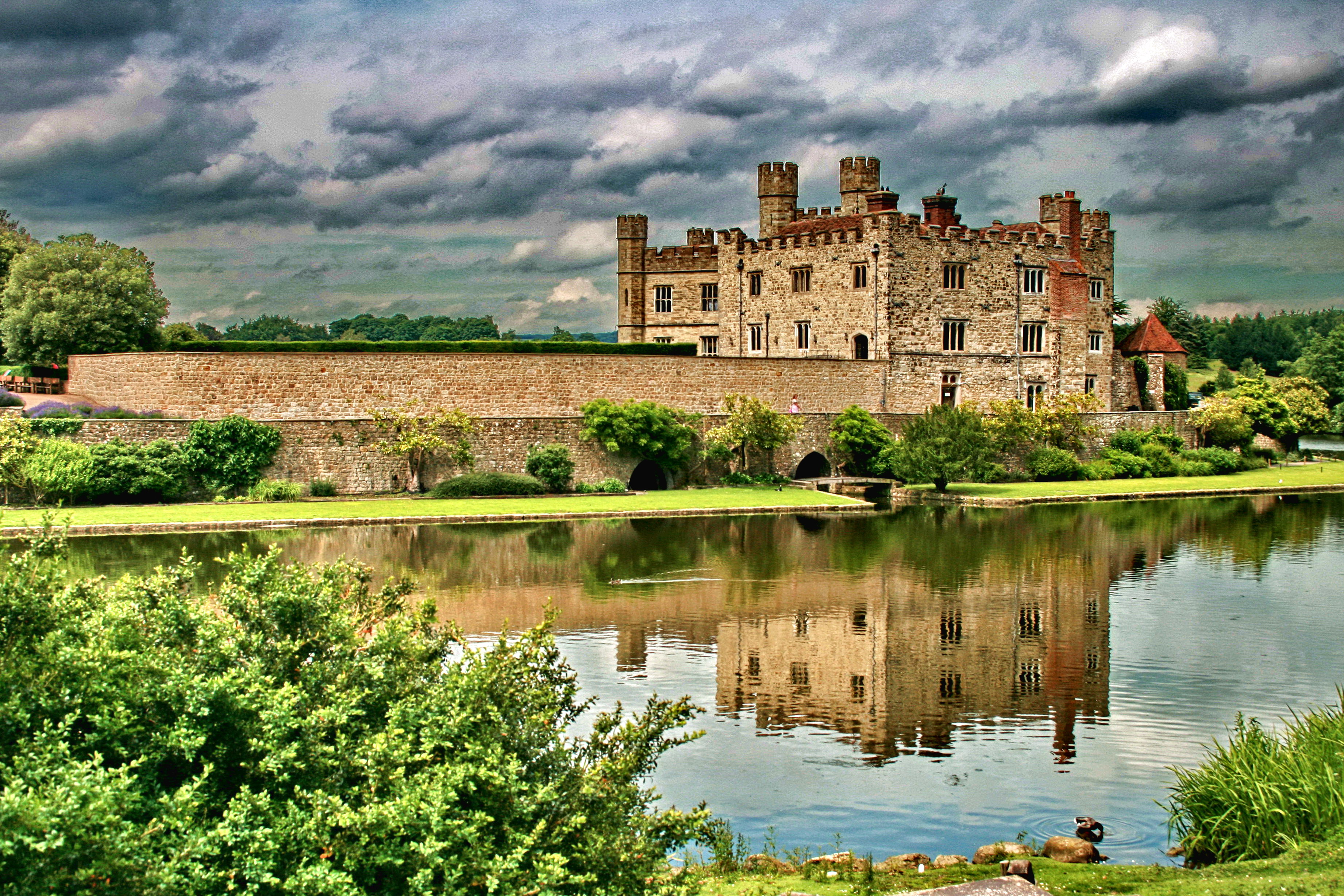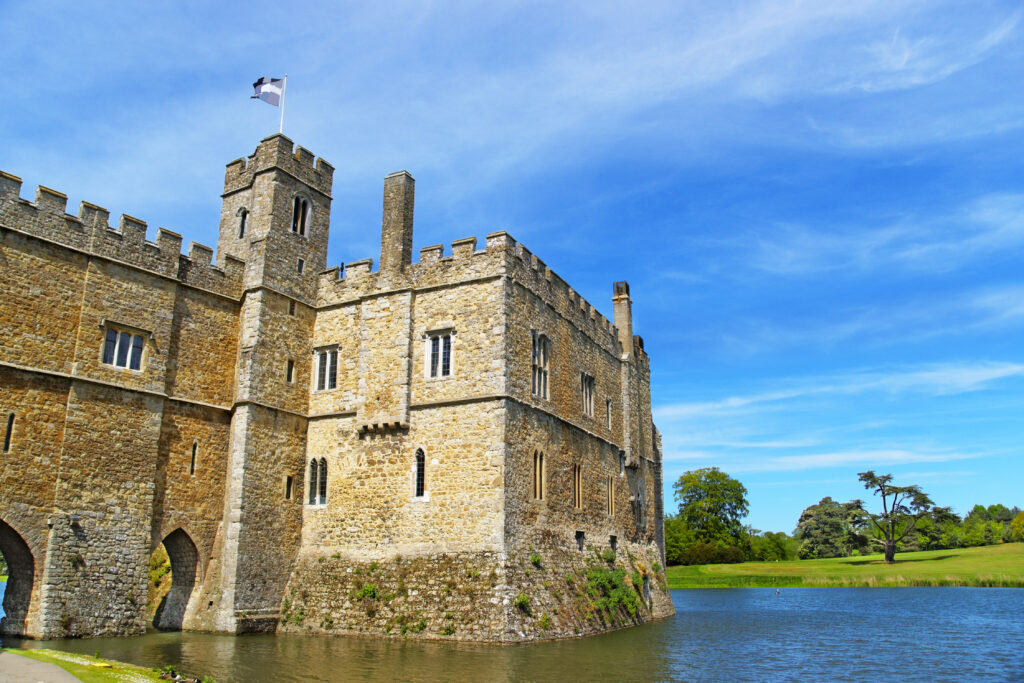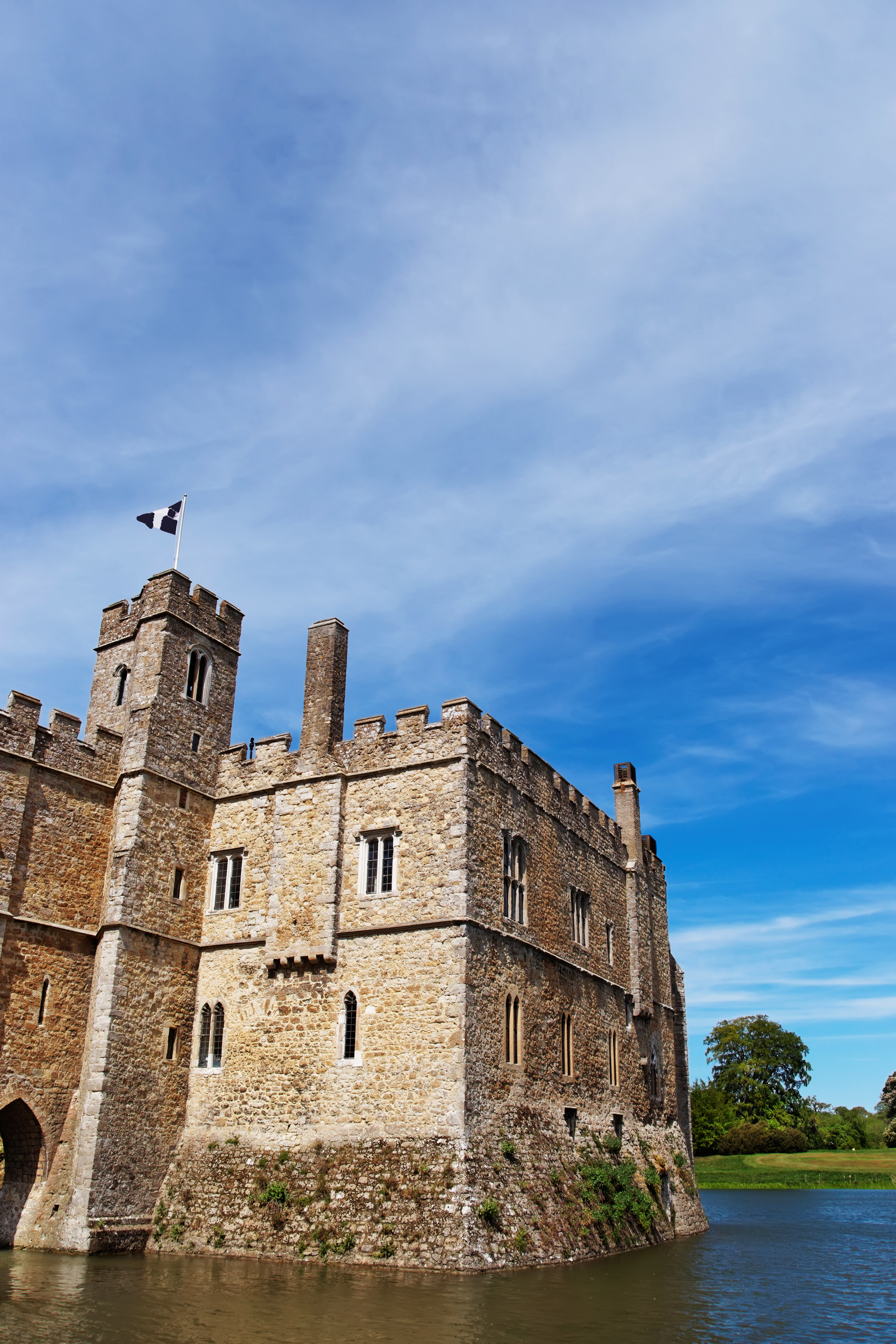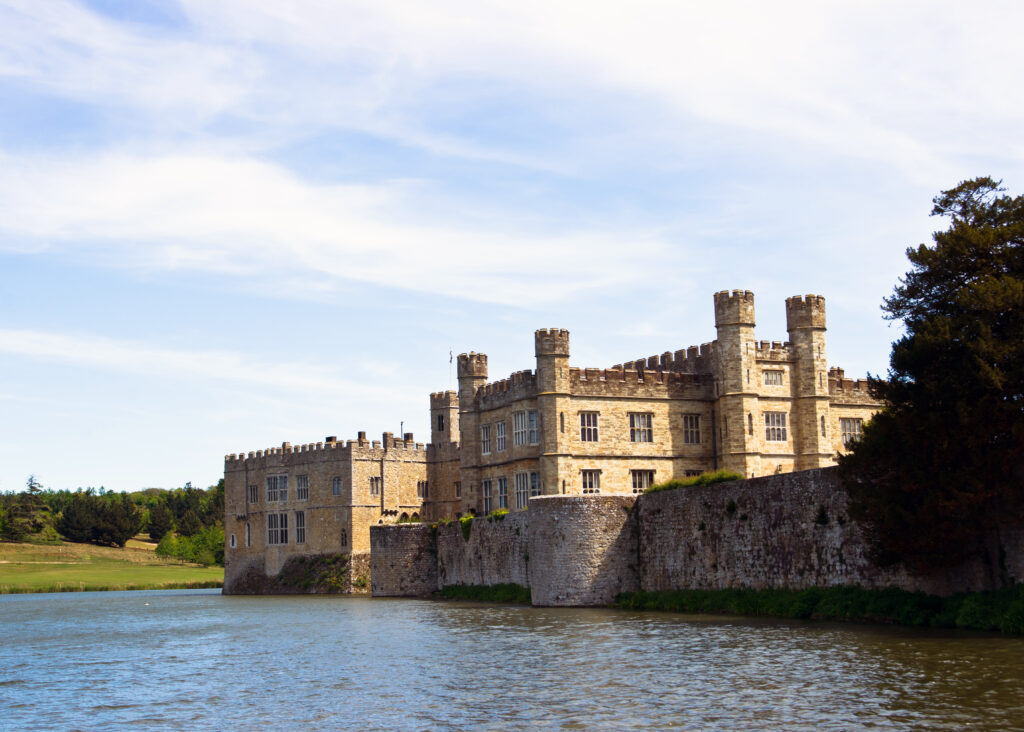

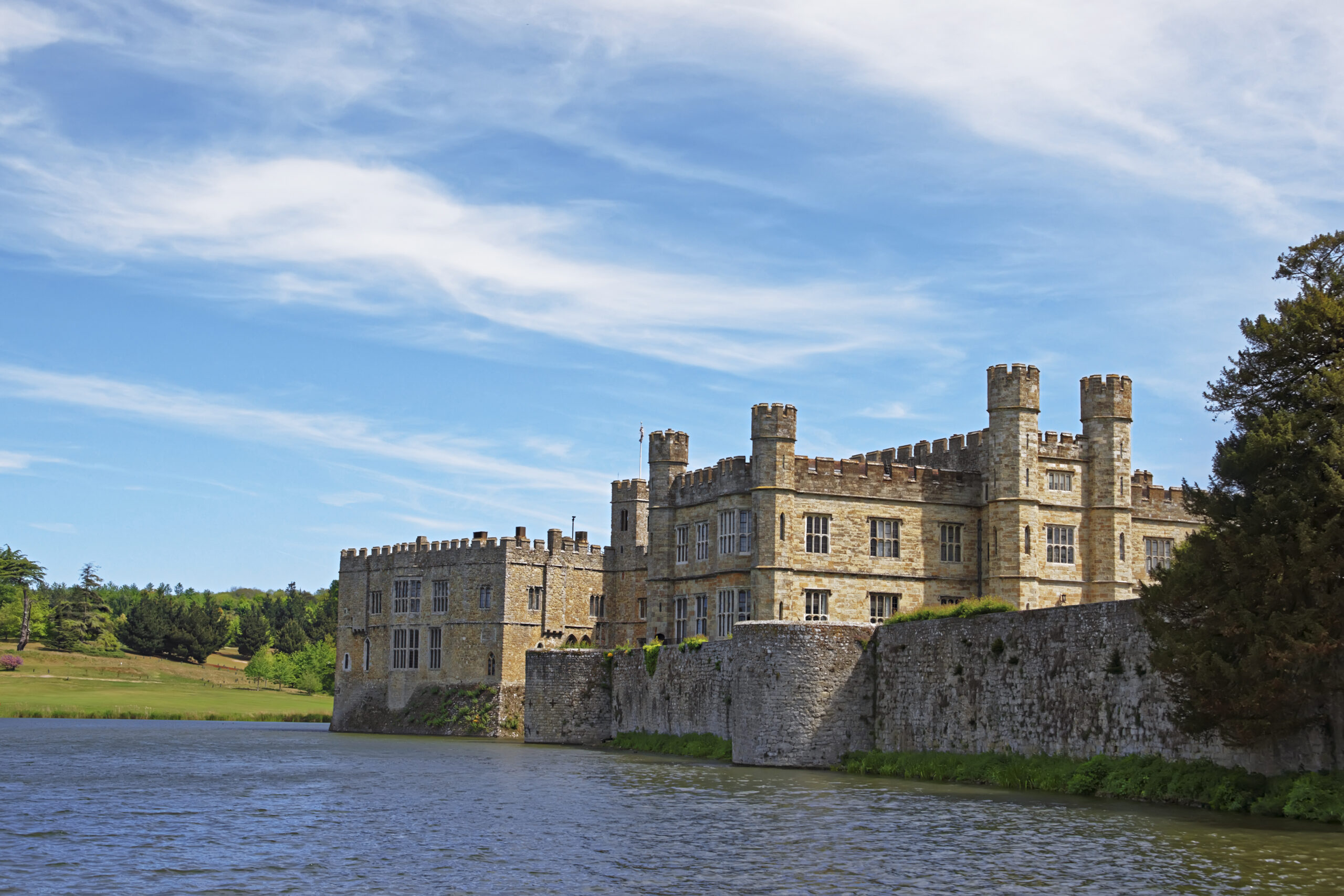
Nestled amidst the verdant landscapes of Kent, England, lies the magnificent Leeds Castle, a stunning waterside fortress with a rich tapestry of history dating back over a millennium. Originally named after the quaint village of Leeds, not the bustling city in West Yorkshire, Leeds Castle has evolved through centuries as a strategic fortification, a royal residence, and a cultural haven.
Foundations in Antiquity: From Esledes to Evolving Fortresses – The origins of Leeds Castle trace back to 857 AD, with the construction of the royal manor Esledes during the reign of King Ethelbert of Wessex. Its significance was such that it merited a mention in the Domesday Book commissioned by William the Conqueror, an early testament to its prominent status in the annals of English heritage. In 1278, under the rule of Edward I, Leeds Castle began its transformation into a grand royal palace. Edward’s architectural enhancements marked the beginning of the castle’s enduring legacy as a regal domicile, setting the stage for centuries of royal intrigue and grandeur.
Trials and Tribulations: The Saga of Queens and Kings – One of the most dramatic episodes in the castle’s history occurred in 1321 when Queen Isabella of France, wife of Edward II, sought refuge within its fortified walls. The denial of entry led to a violent confrontation, with archers showering arrows upon the royal entourage. Edward II retaliated with a siege, employing formidable siege engines known as ballistas. Following Edward’s death, Queen Isabella was eventually granted control of Leeds Castle until her demise in 1358. Leeds Castle also served as the residence of the unpopular Queen Joanna of Navarre from 1403. Joanna, the second wife of Henry IV, faced accusations of plotting against her stepson, Henry V. Although acquitted after four years of imprisonment, the episode cemented Leeds Castle’s reputation as a ‘Ladies’ Castle.’
Henry VIII and His Opulent Retreat – Perhaps no monarch left a more indelible mark on Leeds Castle than Henry VIII. Acquiring the castle in 1520, he invested substantial resources into refurbishing it for his first wife, Catherine of Aragon. The lavish renovations transformed Leeds Castle into a symbol of Tudor opulence and grandeur.
Transatlantic Connections and Turbulent Times – The castle’s history took an intriguing transatlantic turn in 1660 with the restoration of the monarchy. Charles II rewarded Lord Culpeper with vast tracts of land in the American colony of Virginia for supporting the exiled royal family. Culpeper’s son acquired Leeds Castle, leasing it to the government as a prison for French and Dutch captives. The prisoners set fire to the Gloriette, causing damage that remained unrepaired until 1822. Ownership of the castle passed to Thomas Fairfax, 5th Lord Fairfax of Cameron, in 1690. It remained in the Fairfax family until 1793, when Robert Fairfax, the 7th Lord, died. The subsequent decades saw the castle fall into disrepair, prompting the architect William Baskett to issue a grim assessment in 1821 of its deteriorating state.
A New Dawn: Restoration and Revival – In 1821, the castle found a savior in Fiennes Wykeham Martin, who undertook extensive renovations. By 1823, the revitalized structure stood as a testament to resilience and rejuvenation, maintaining much of its present-day external appearance. The castle’s fortunes wavered through various ownerships until 1926 when the American couple Arthur Wilson Filmer and Olive Cecilia Paget acquired it. Following her divorce, Olive, now Lady Baillie, devoted much of her inheritance to restoring the castle and its grounds.
The Elegant Hostess: Lady Baillie and Wartime Resilience – During the 1930s, Lady Baillie became renowned for her extravagant weekend gatherings, hosting an array of distinguished guests from London society. However, the onset of World War II brought a shift in purpose for Leeds Castle. Portions of the estate were repurposed into a hospital, treating wounded soldiers evacuated from Dunkirk. Additionally, the castle became a rehabilitation center for severely burned pilots, overseen by notable surgeons including Sir Archibald McIndoe. Simultaneously, the castle grounds played a covert role in weapon research, particularly incendiary devices. Geoffrey Lloyd, the minister responsible for this work, frequently visited Lady Baillie and later chaired the Leeds Castle Foundation.
Cultural Milestones and Public Legacy – Leeds Castle continued to make cultural contributions post-war. In 1949, it served as a location for the British film classic “Kind Hearts and Coronets,” featuring Alec Guinness in multiple roles. Lady Baillie’s death in 1974 marked a pivotal moment for Leeds Castle. She bequeathed the castle to the Leeds Castle Foundation, a private charity dedicated to preserving its historical and architectural integrity for public enjoyment. By 1976, the castle opened its doors to the public, offering visitors a glimpse into its storied past.
Myths and Legends: Whispers of the Past – Beyond the documented history, Leeds Castle is steeped in myths and legends. Tales of ghostly apparitions and mysterious sounds echo through its ancient halls. One popular legend speaks of a ghostly Black Dog, said to be the spirit of a former resident who roams the grounds at night. Visitors and staff alike have reported eerie encounters, adding an enigmatic allure to the castle’s already rich narrative.
An Enduring Symbol of Heritage – From its earliest days as Esledes to its current status as a cherished historical landmark, Leeds Castle embodies the complex tapestry of English history. Through its walls have passed queens and kings, warriors and writers, all leaving their indelible marks. Today, Leeds Castle stands not only as a monument to the past but as a vibrant legacy for future generations to explore and cherish, where history, myth, and legend intertwine in the verdant heart of Kent.