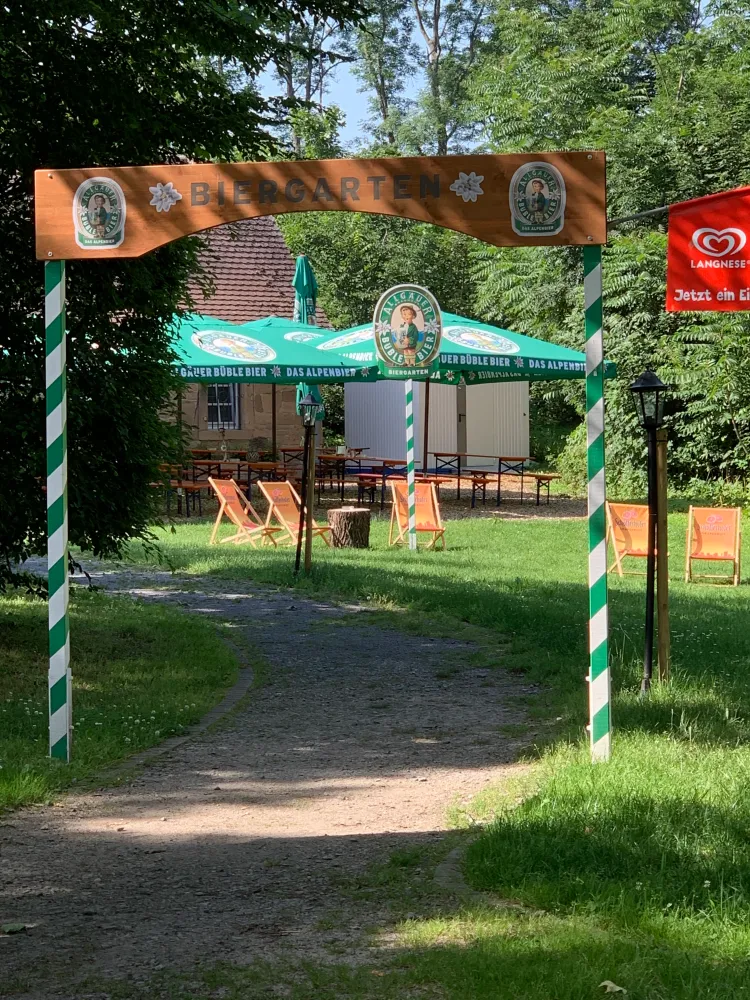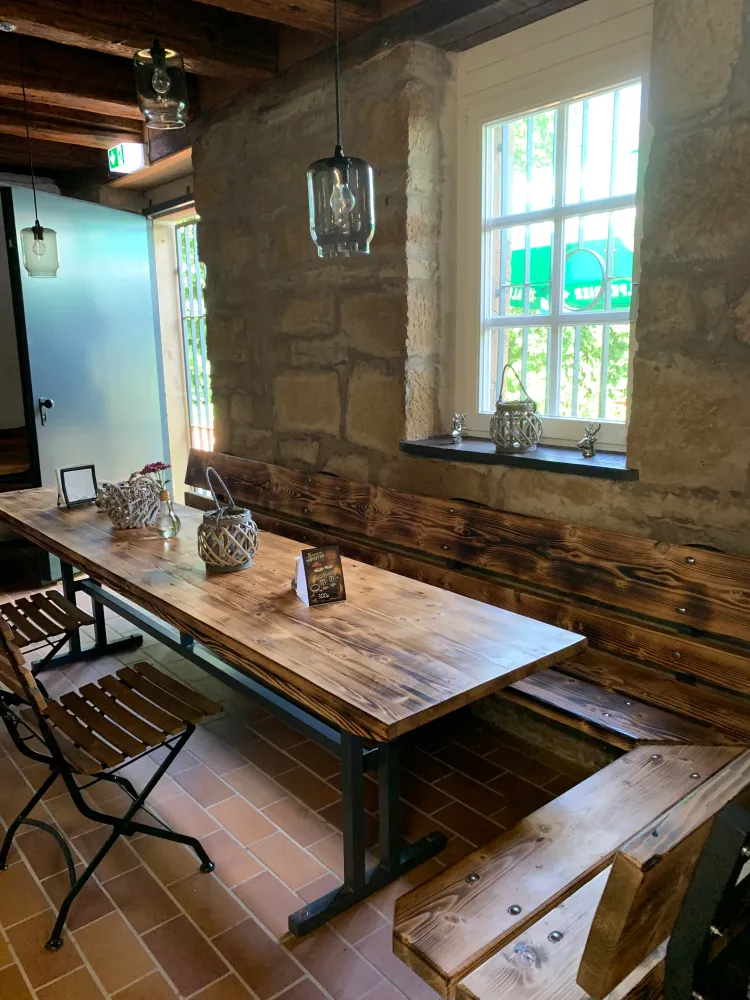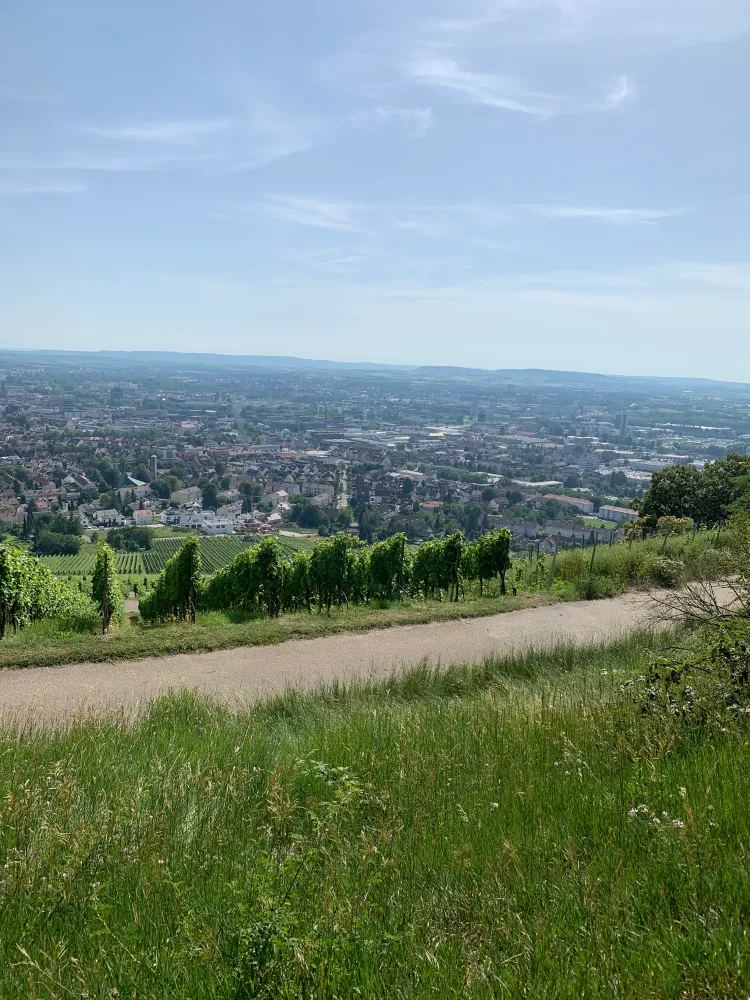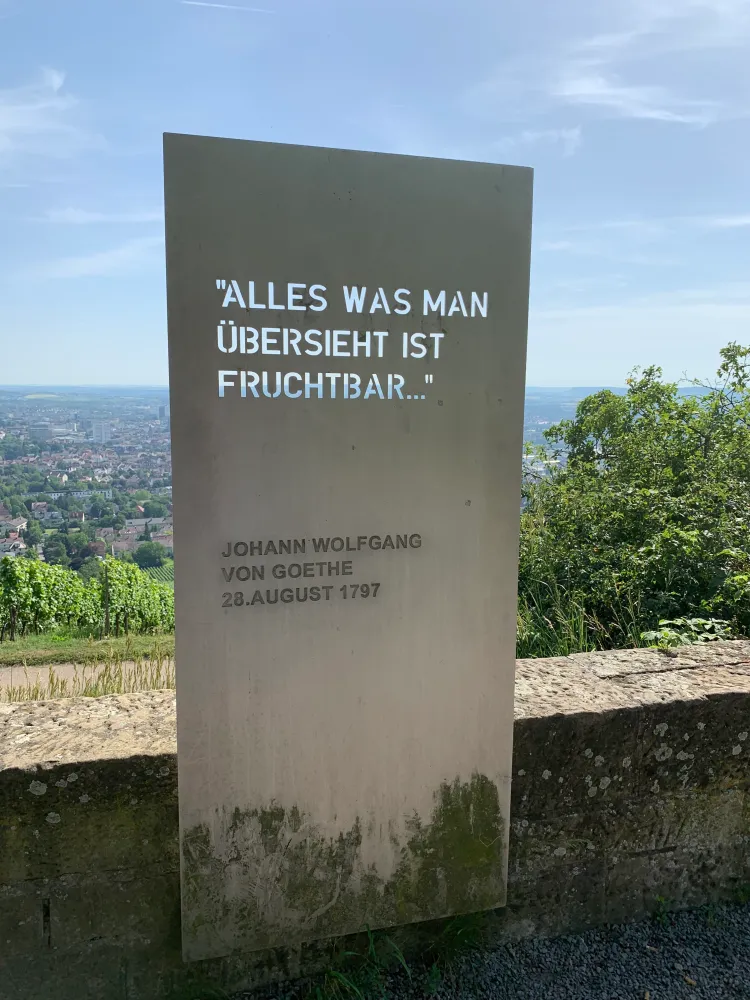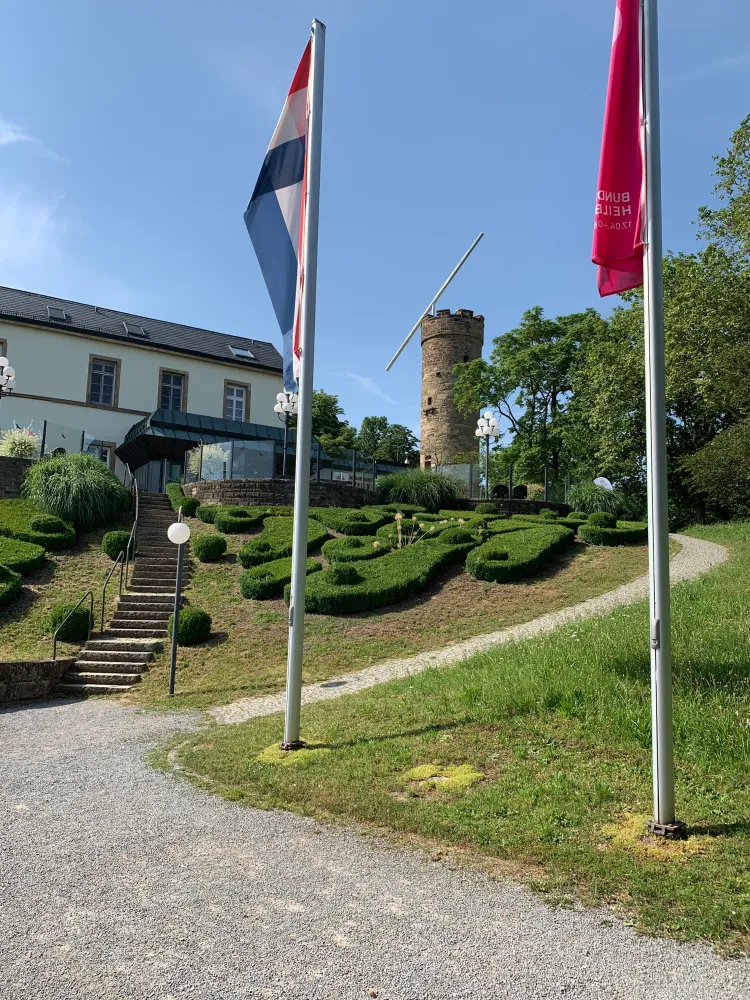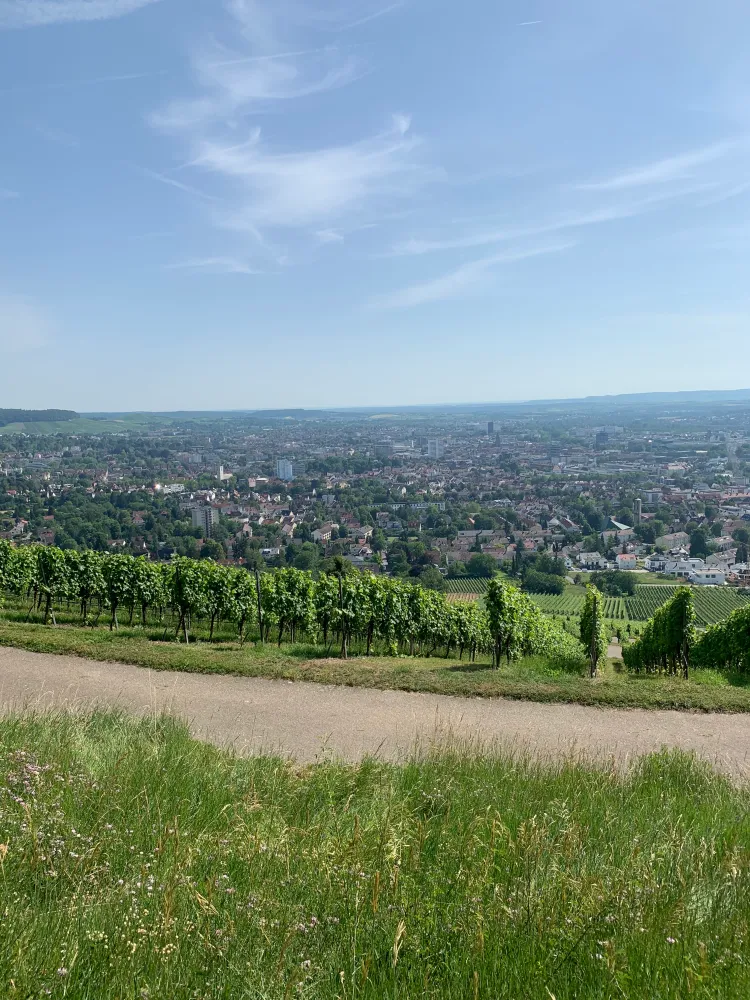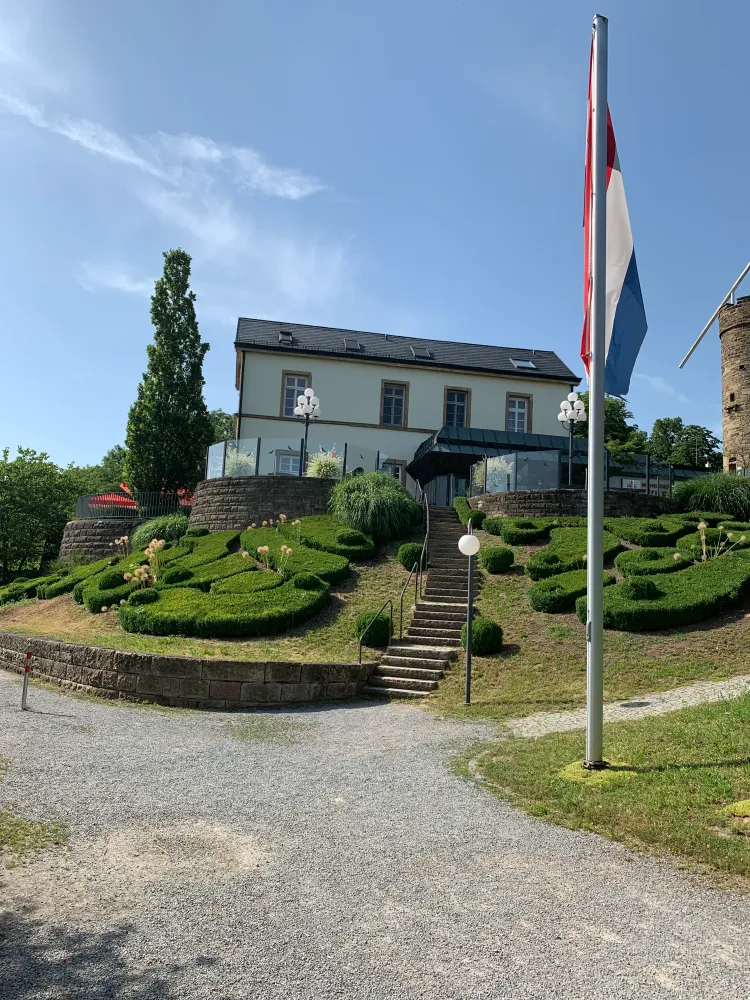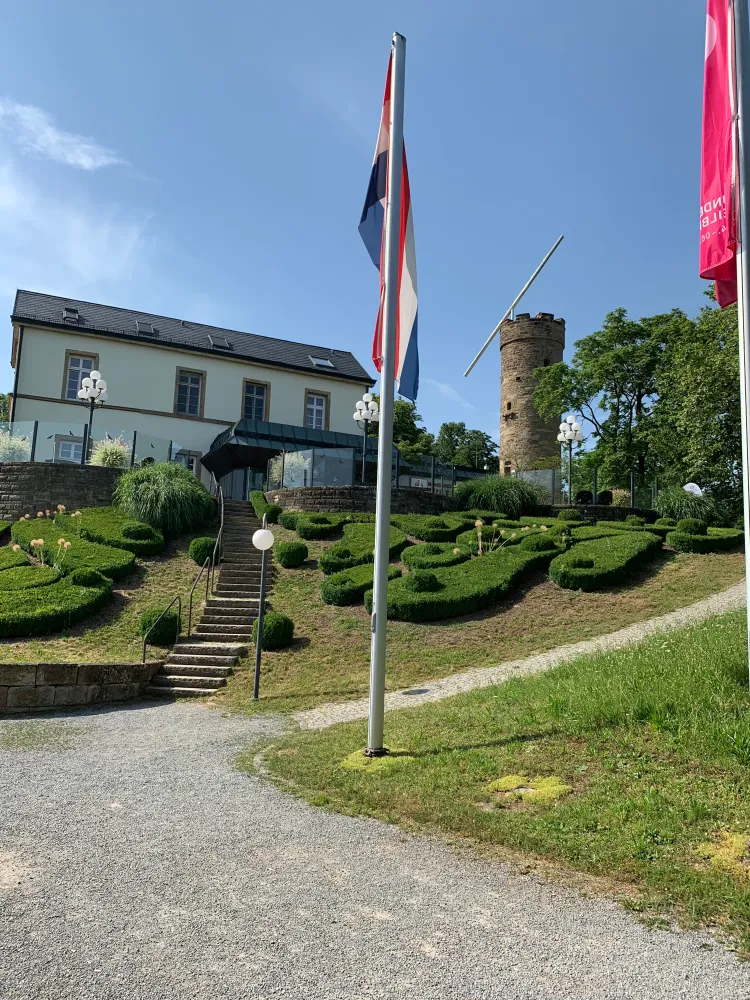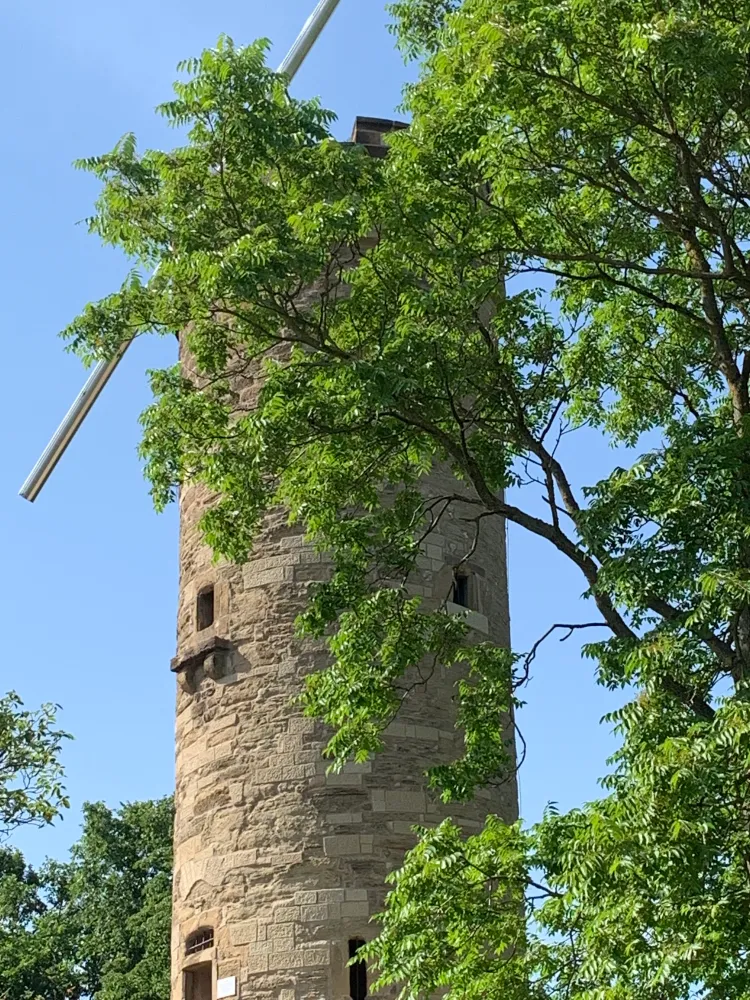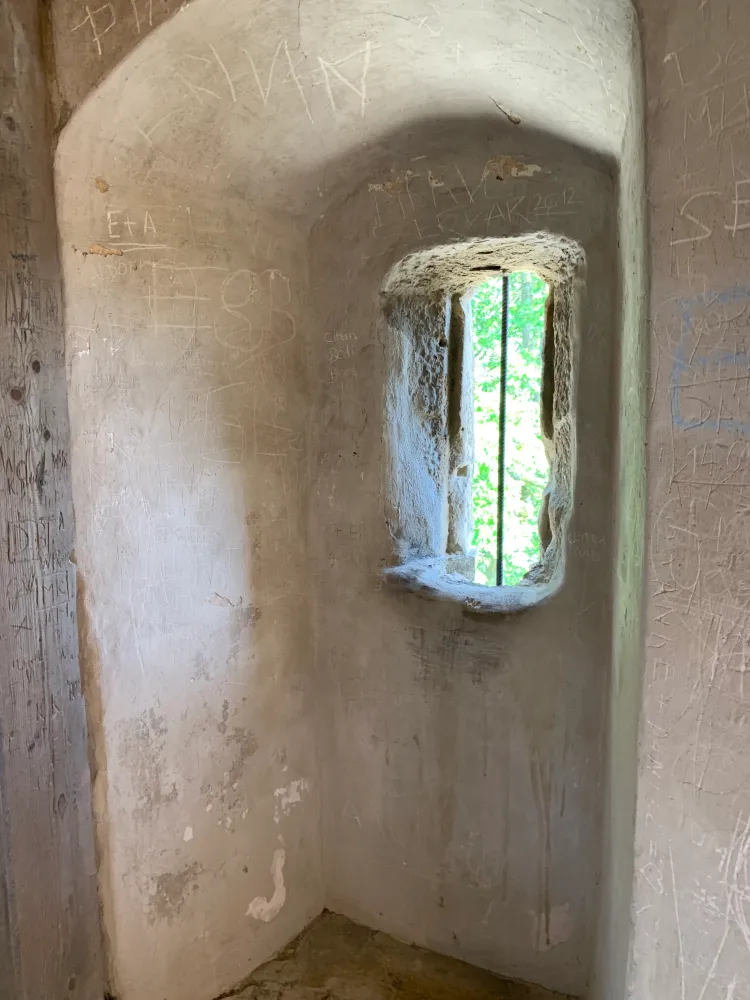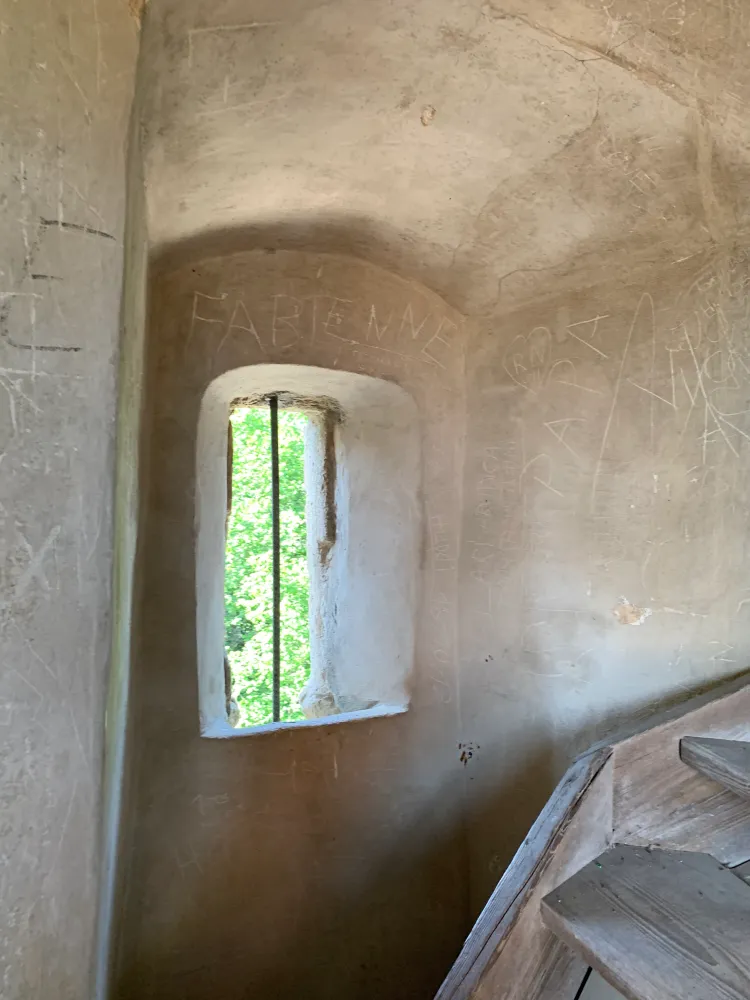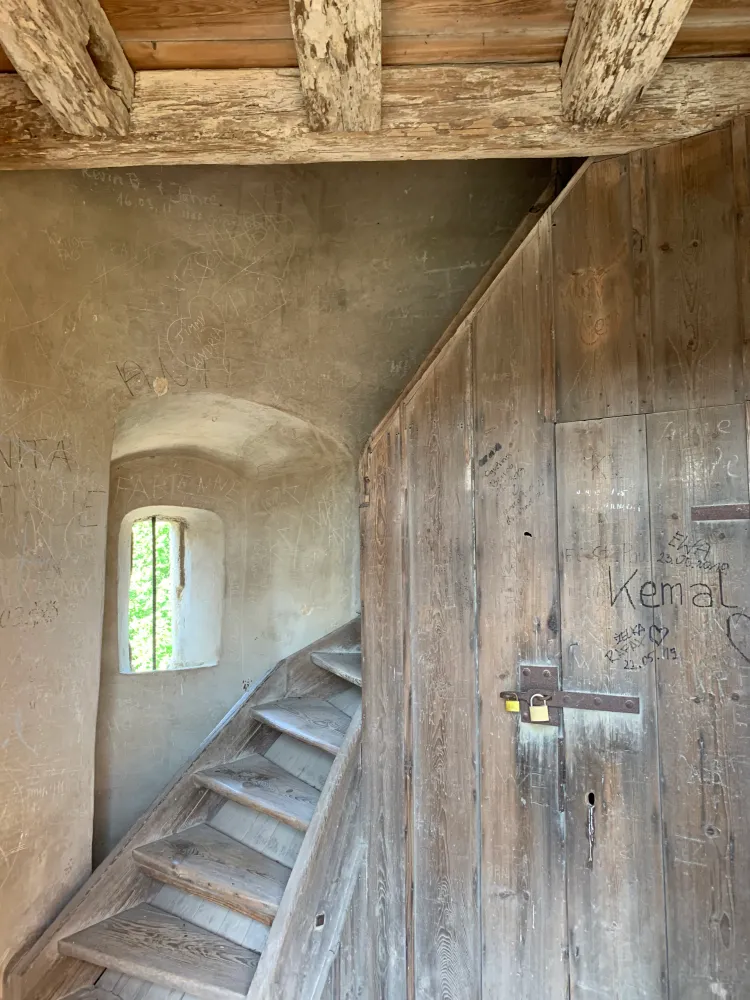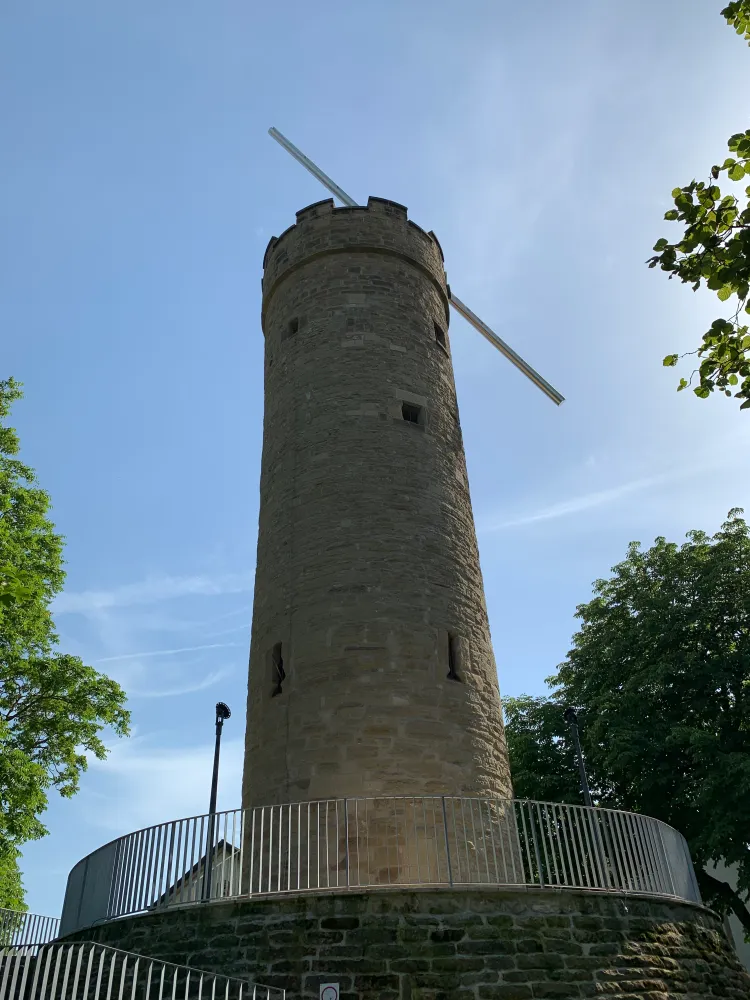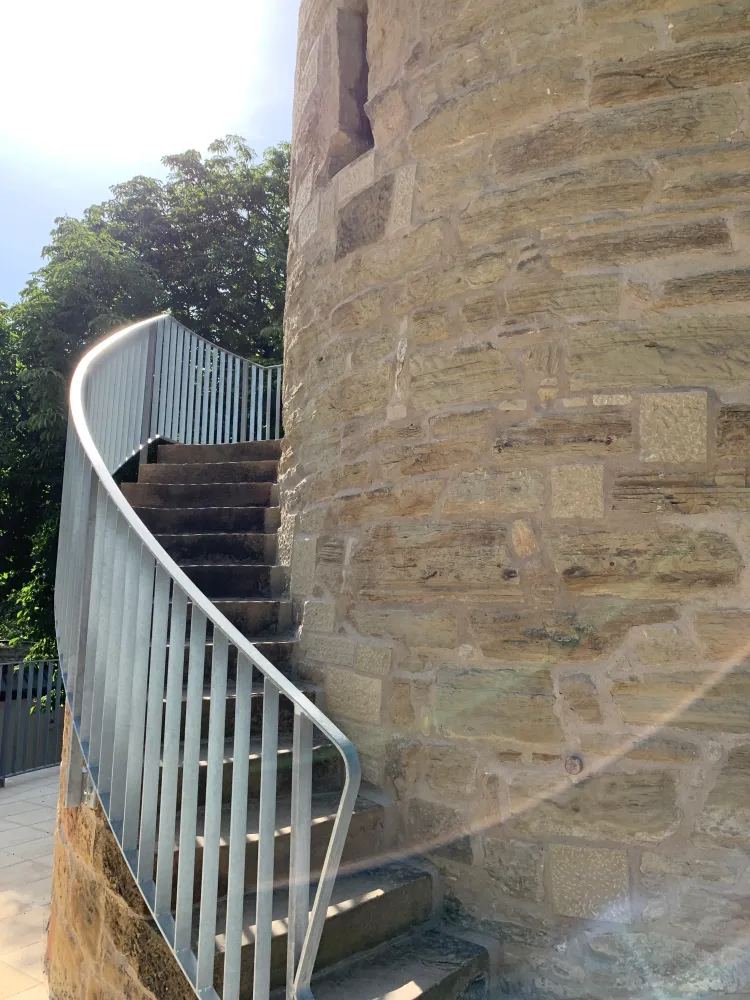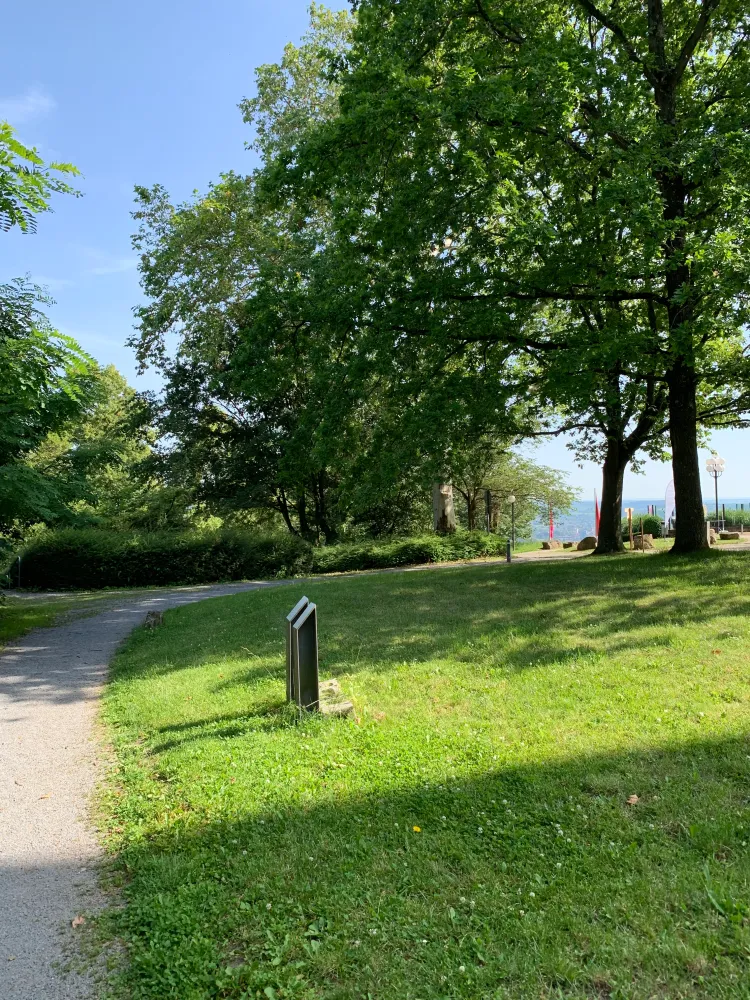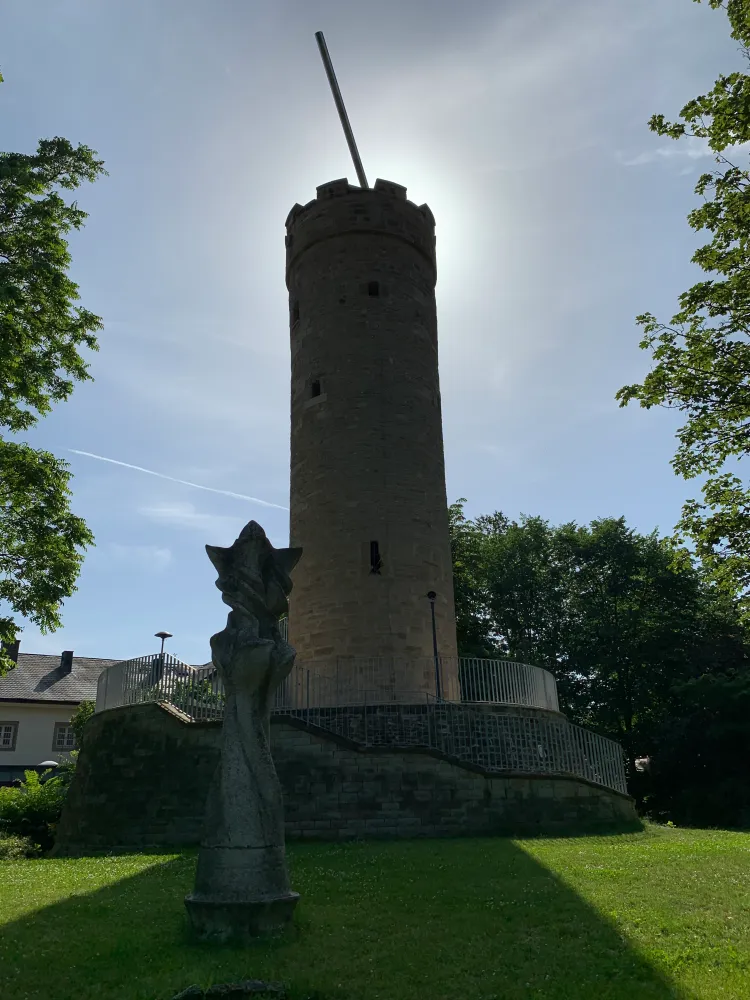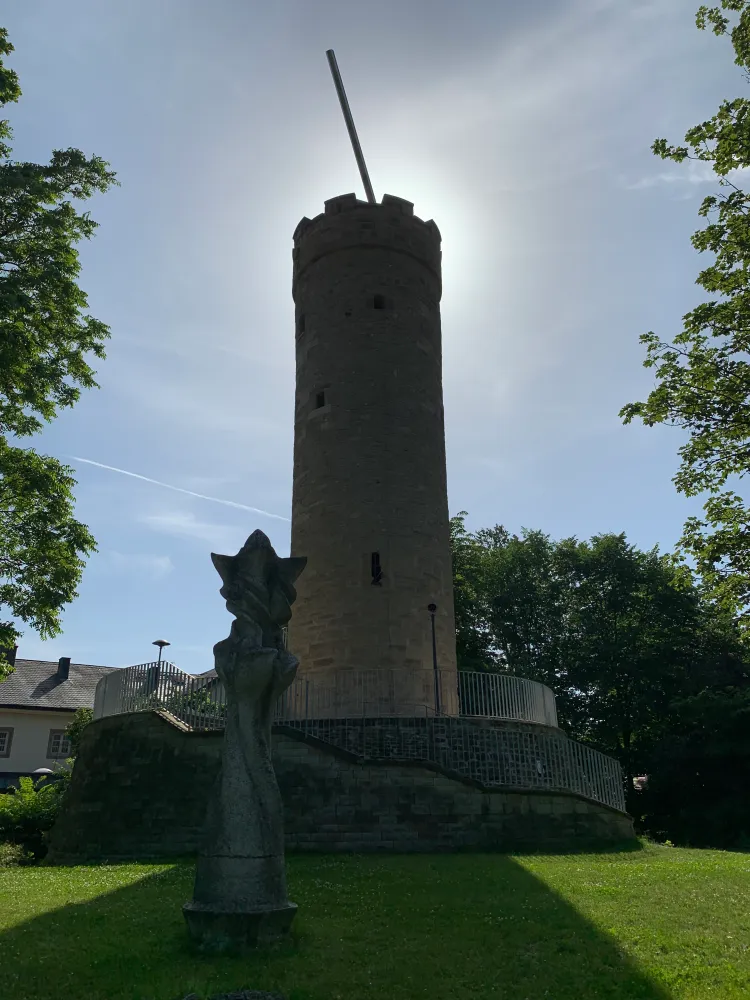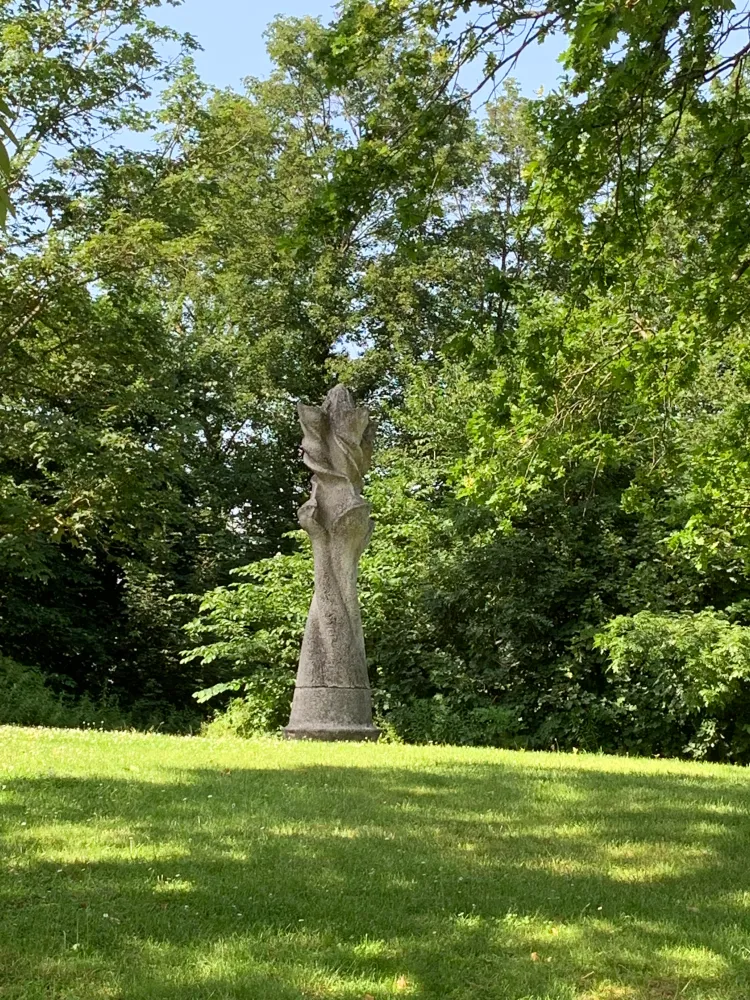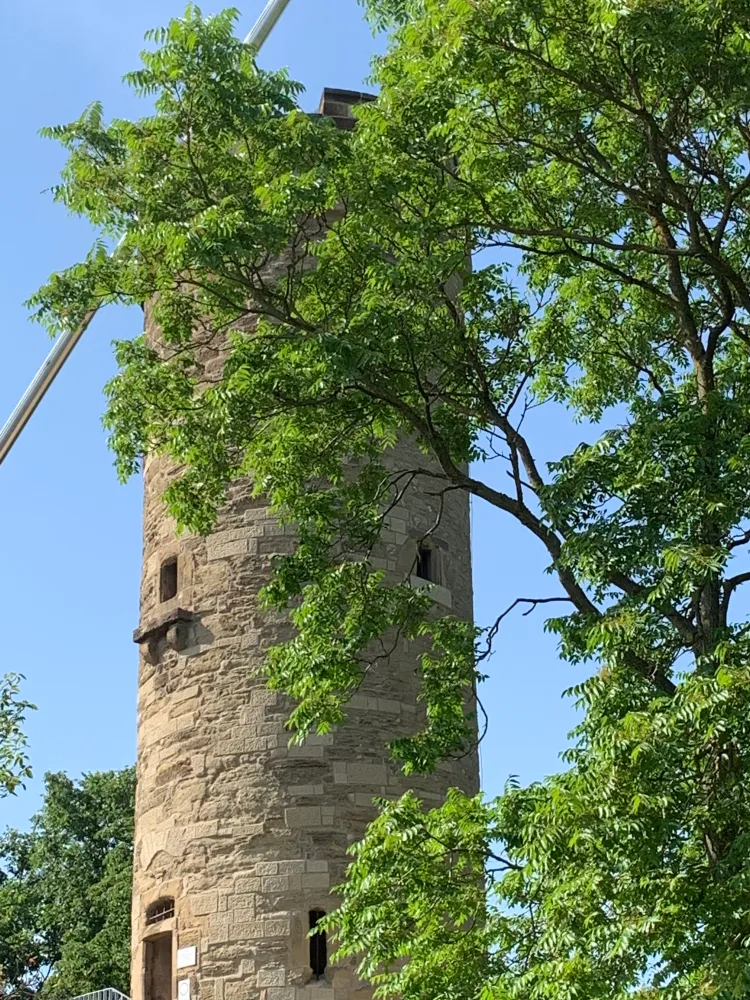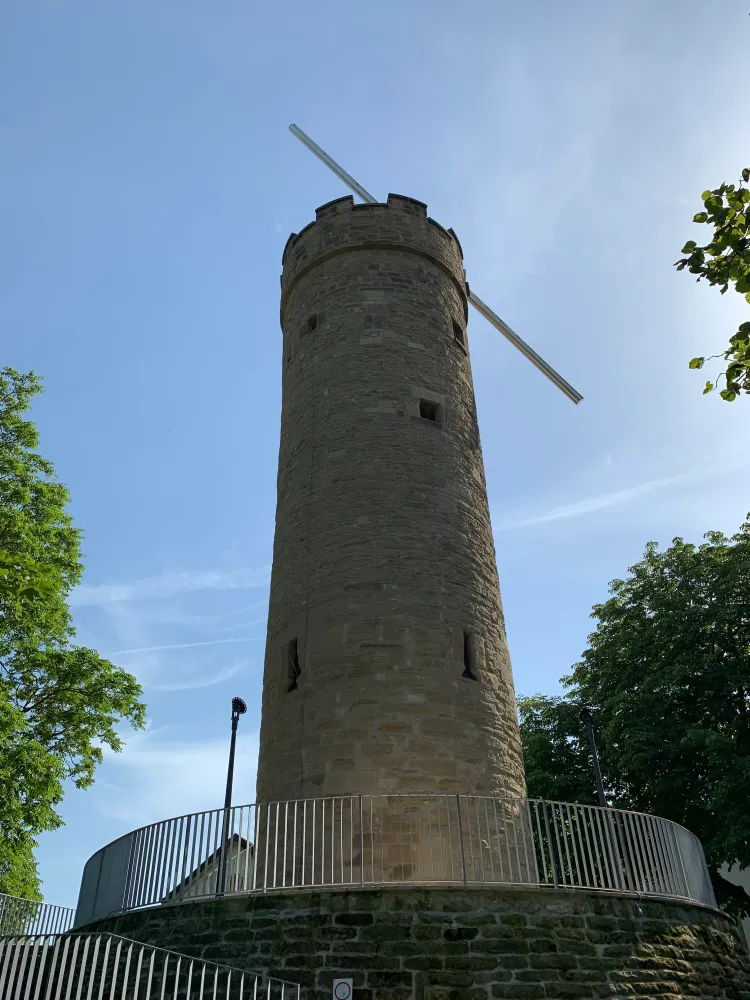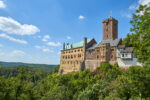

Originally known as Nordberg, the Wartberg attracted attention with its rich history dating back to the 12th century. During this medieval period, an important watchtower was built, giving the place its name Wartberg – a term that soon became established in local colloquial language. On the Wartberg tower, the guards, known as Türmer, kept a watchful eye out for approaching enemies or signs of fire that could threaten the town. Their task was of crucial importance: as soon as they spotted a danger, they sounded the alarm. The tower was also equipped with a distinctive spherical knob, a unique feature that played an important role in the daily life of the town’s inhabitants. Every morning, the tower guards raised the knob high into the air to signal to the farmers and vineyard workers that they could begin their work. Conversely, lowering the knob marked the end of their working day, with the knob also indicating lunchtime. In the 19th century, this “Wartberg knob” developed another purpose – weather forecasting. From 1750 onwards, the Wartberg became a popular recreational spot where locals would stroll up to the tower to enjoy coffee, wine, and beer, play billiards, and take in the breathtaking views. The establishment of a permanent tavern in 1792 further increased the attractiveness of the place, as dance events were held there twice a week. The first innkeeper even entertained his guests with trained animals performing tricks, which added extra charm to the already lively atmosphere. Over the years, Wartberg has been graced by the presence of notable visitors, including royalty such as princes and princesses. Of particular note is the visit of the famous poet Johann Wolfgang von Goethe on August 28, 1797, to celebrate his 48th birthday, underscoring the tower’s importance as a cultural center. In the spring of 1907, a remarkable car race took place on the Wartberg, which was a milestone in local history at a time when cars were still a novelty. The hill climb was very well received and set a precedent for similar events in the following years. After the war, Wartberg became the arena for daring soapbox races, in which fearless boys—and even some brave girls—raced down the hill in homemade wooden carts made of plywood and pram parts. These exciting competitions captivated audiences from 1948 to 1952 and demonstrated the spirit of adventure that Wartberg inspired. In the late 1960s, the landscape of the Wartberg changed when a new approach to viticulture was introduced. To enable vineyard owners to manage their fields more effectively, the vineyard layout was restructured, which included widening and straightening the paths and merging and redesigning the vineyard plots. In addition, large retention basins for rainwater were created, which meant a further development of agricultural practices. Built in the 12th century as a watchtower, the Wartberg Tower offers a panoramic view of the entire Neckar Valley and is also a landmark of the city that can be seen from afar. The tower, which is approximately 22.5 meters high, has been crowned by a conical roof since the 15th century and had a movable signal button. This mechanism, which was used to alert the population, eventually led to the installation of a spherical basket, which served the same purpose until around 1860. During restoration work between 1863 and 1868, battlements were added to the tower, emphasizing its historical character. Since 2002, the light sculpture “Sonnenstrahl” (Sunbeam) by Dutch artist Jan van Munster has adorned the Wartberg, symbolizing its enduring significance for art and community. Founded in 1792, the Wartberg Tavern is a testament to the enduring legacy of this remarkable place. Today, it is not only a historical monument, but also a lively meeting place that reflects the spirit of the Heilbronn community over the centuries.