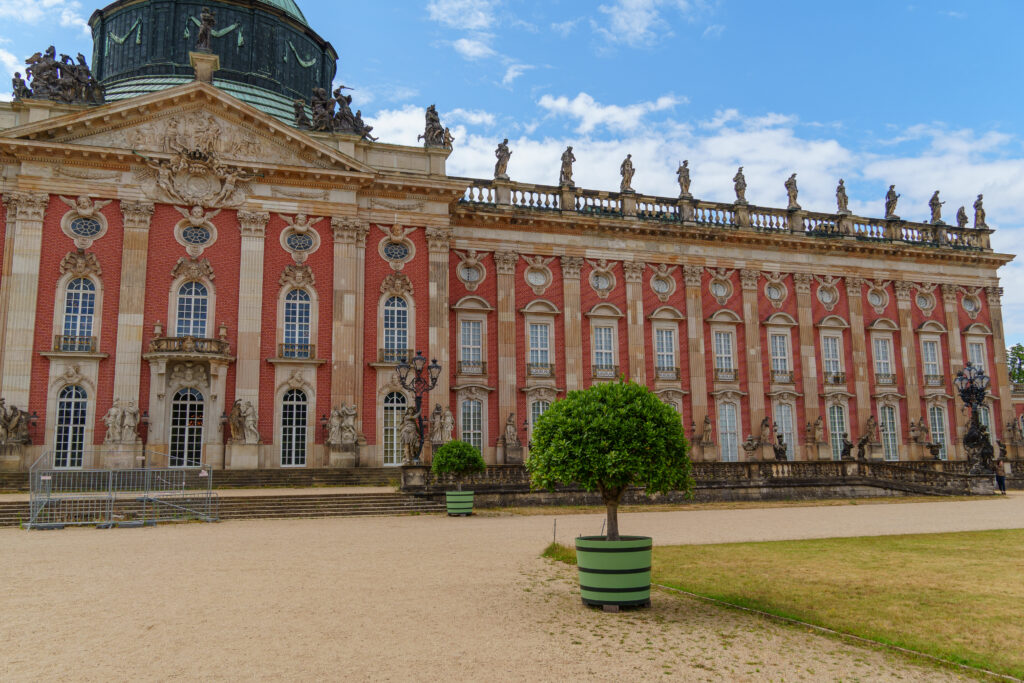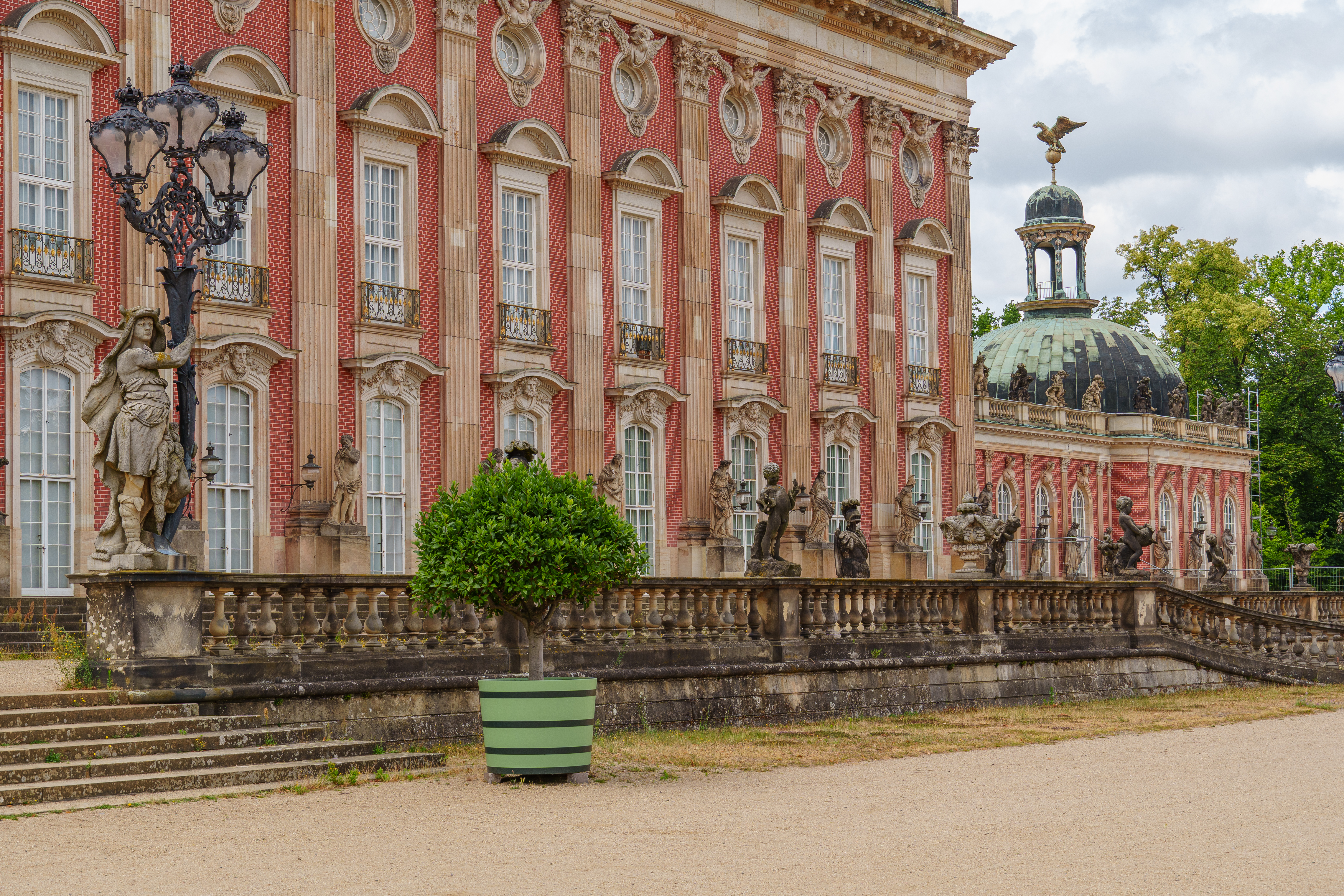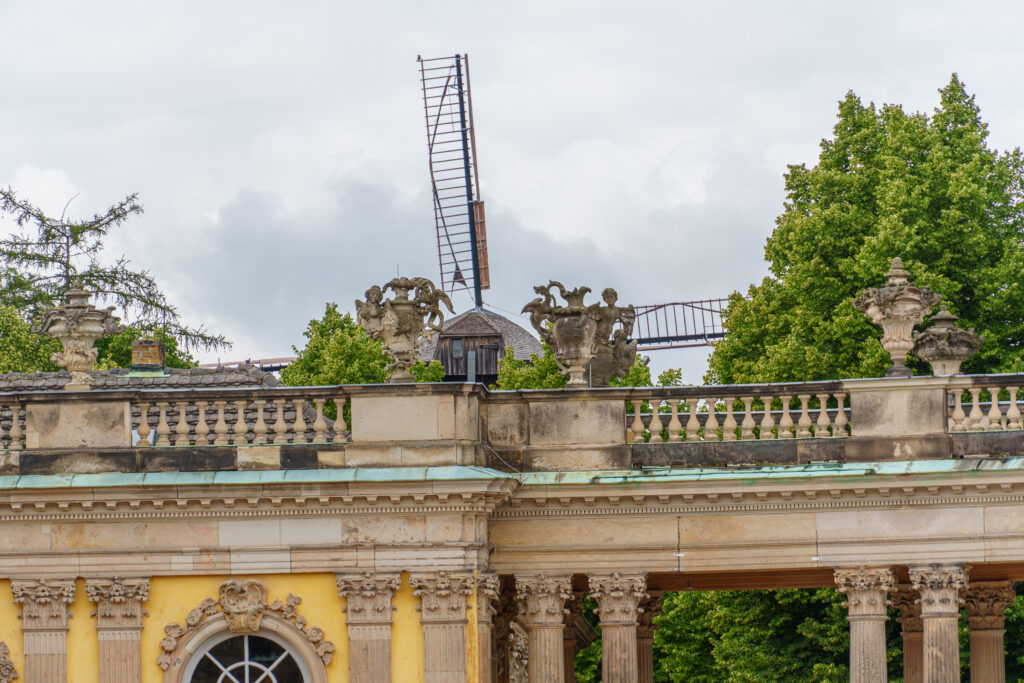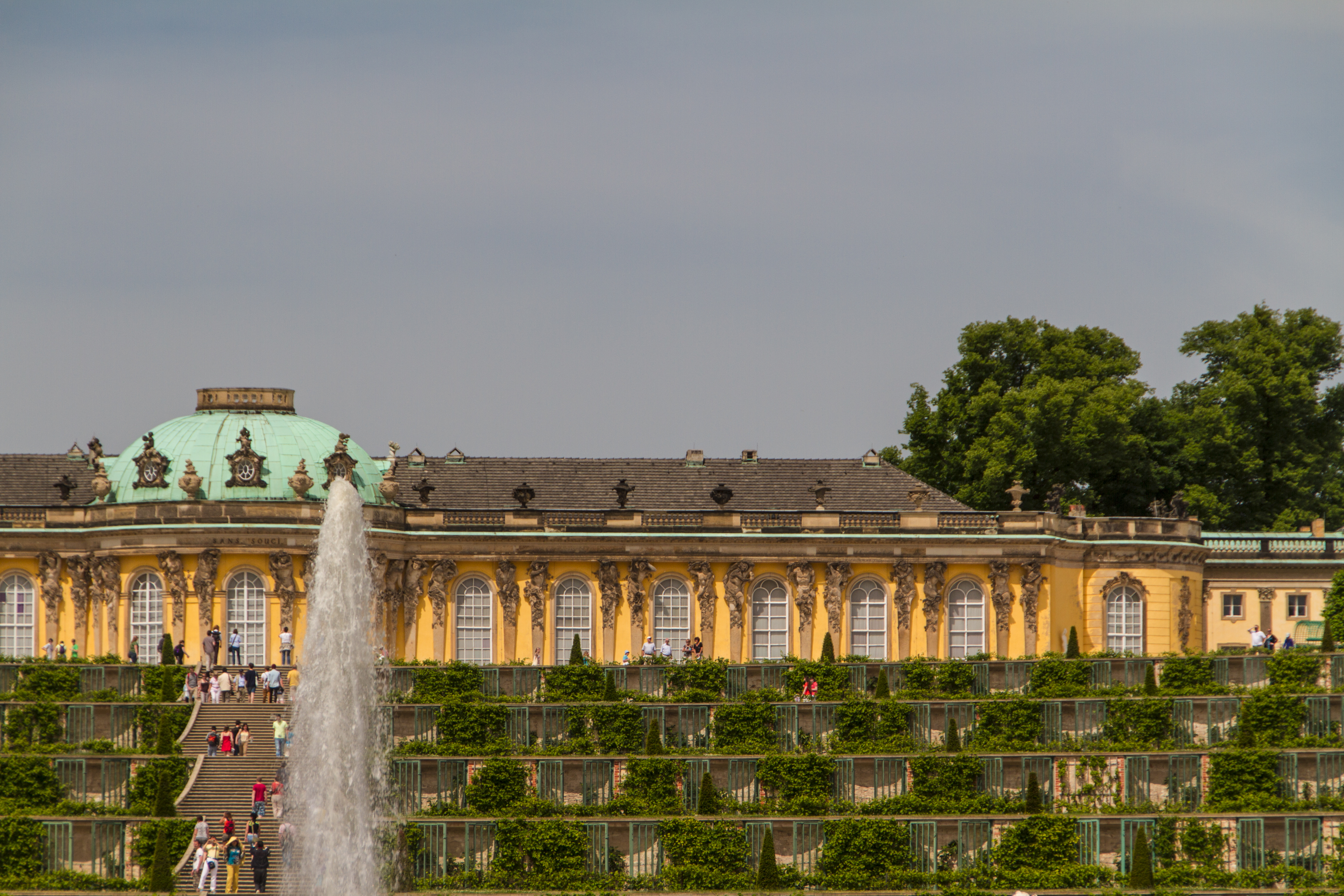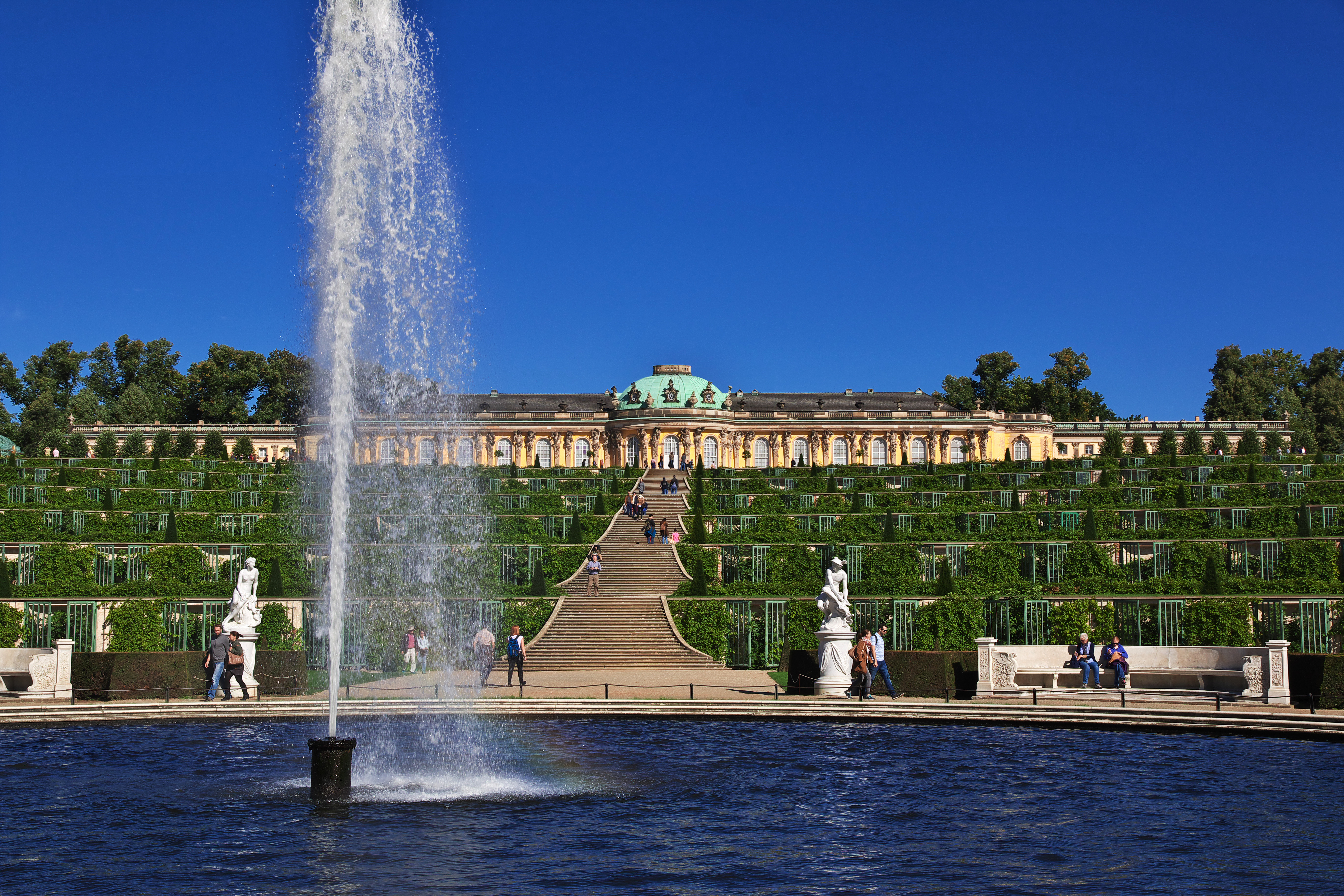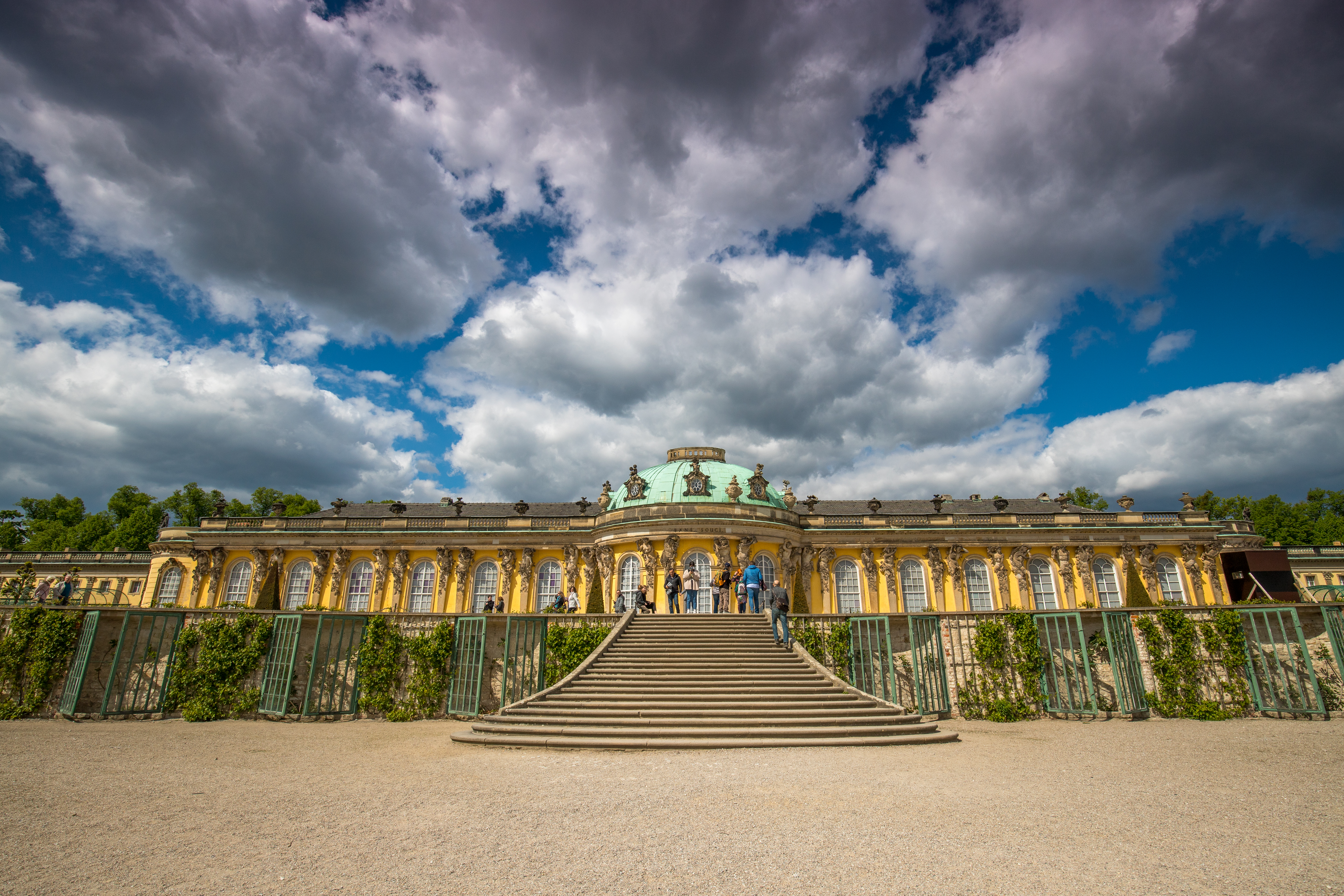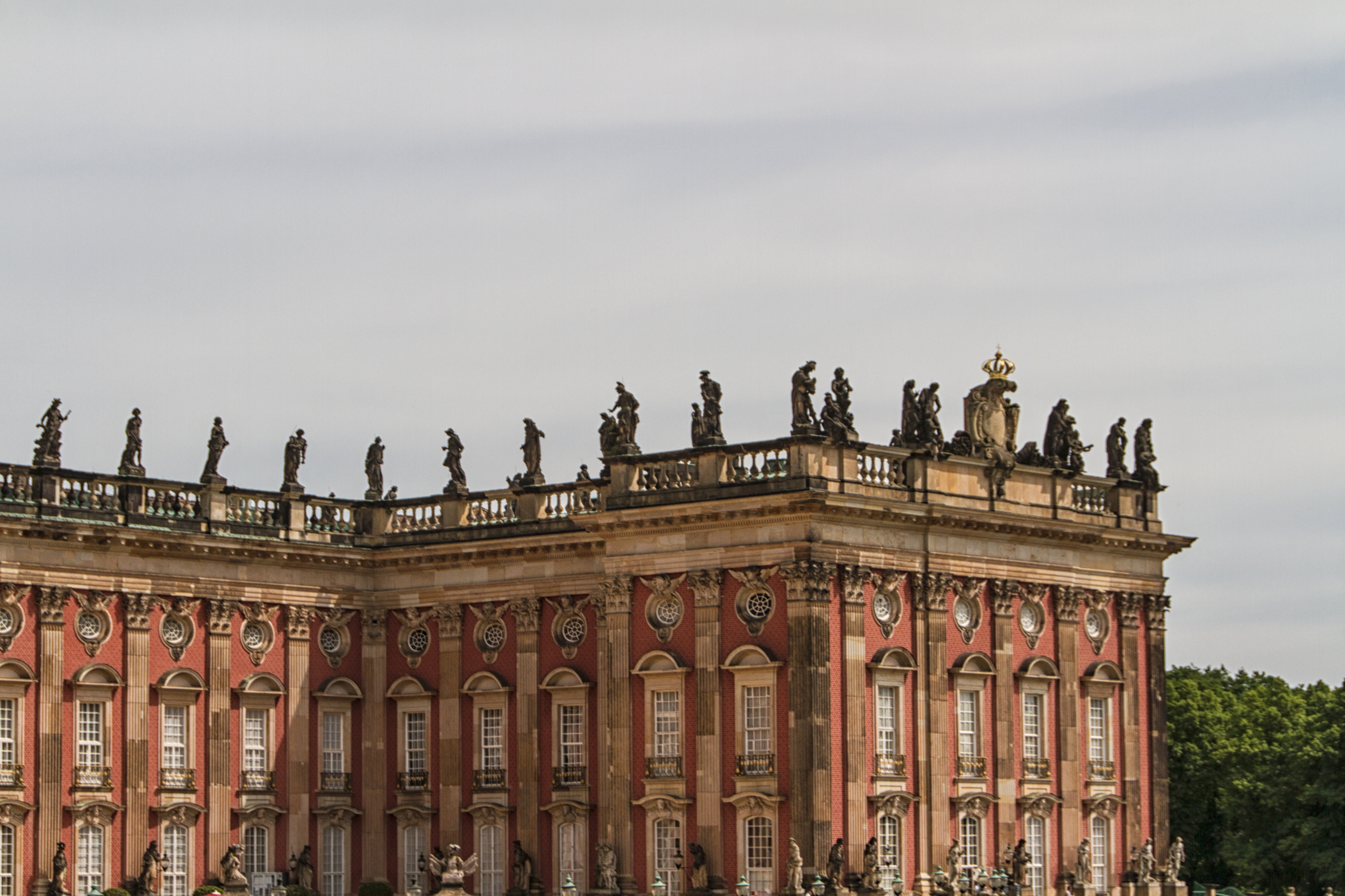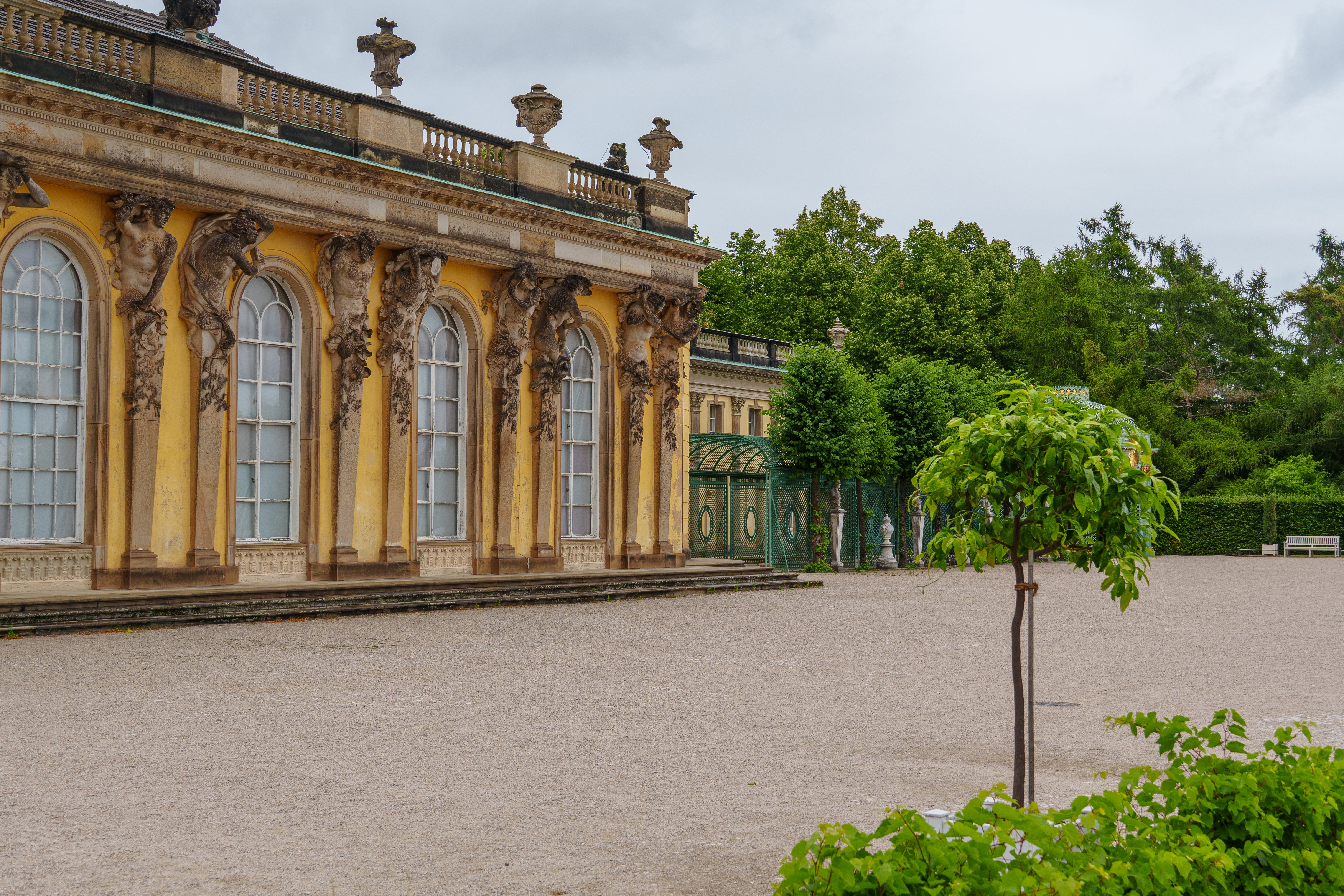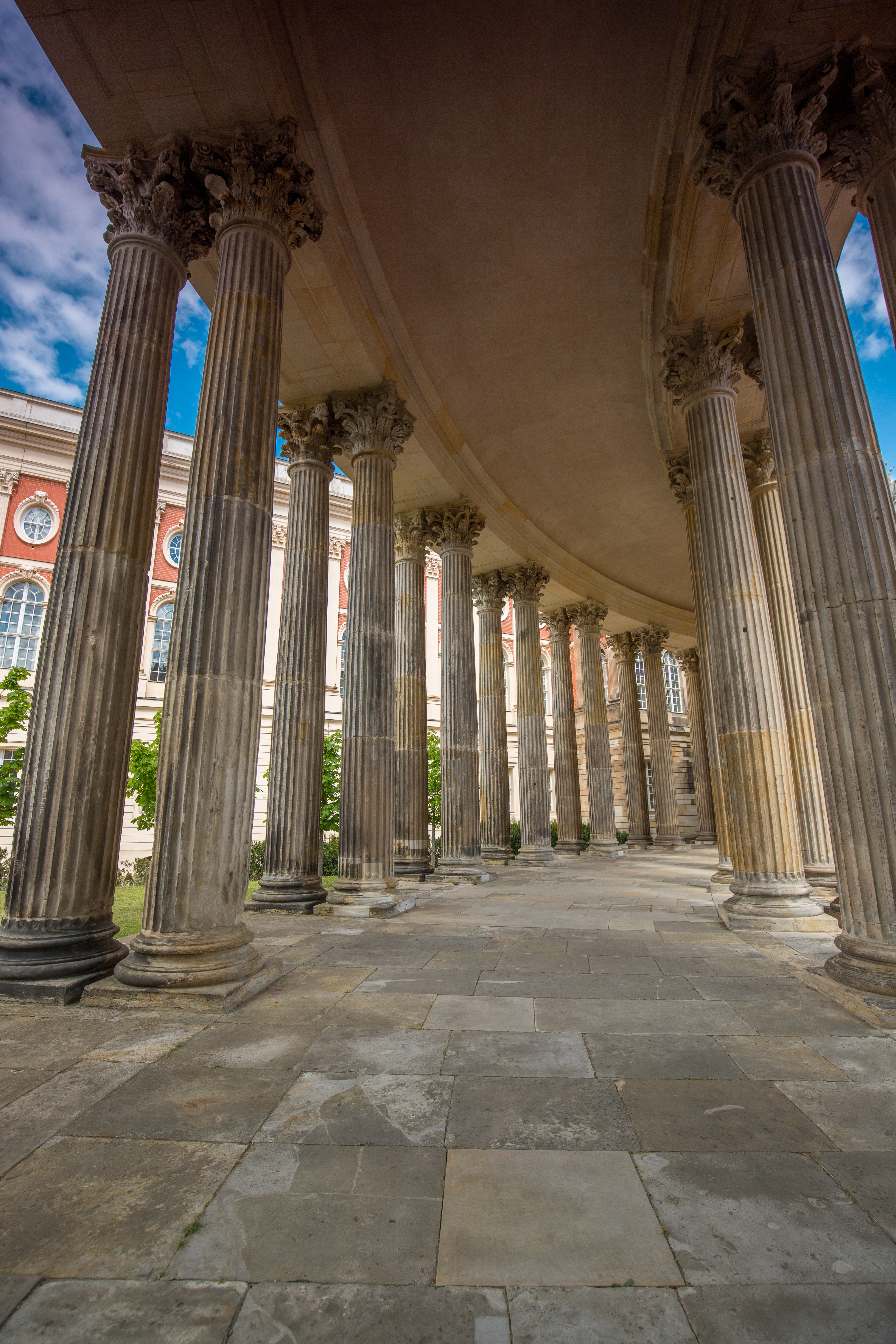

In the heart of Germany lies a palace that is more than just an architectural marvel; it is a testament to splendor and a beacon of cultural heritage. Sanssouci, which translates as “without worries,” is a proud symbol of Baroque art. This opulent palace in Potsdam has not only witnessed unfolding history, but has also become the subject of numerous myths and legends that add extra excitement to its already fascinating history.
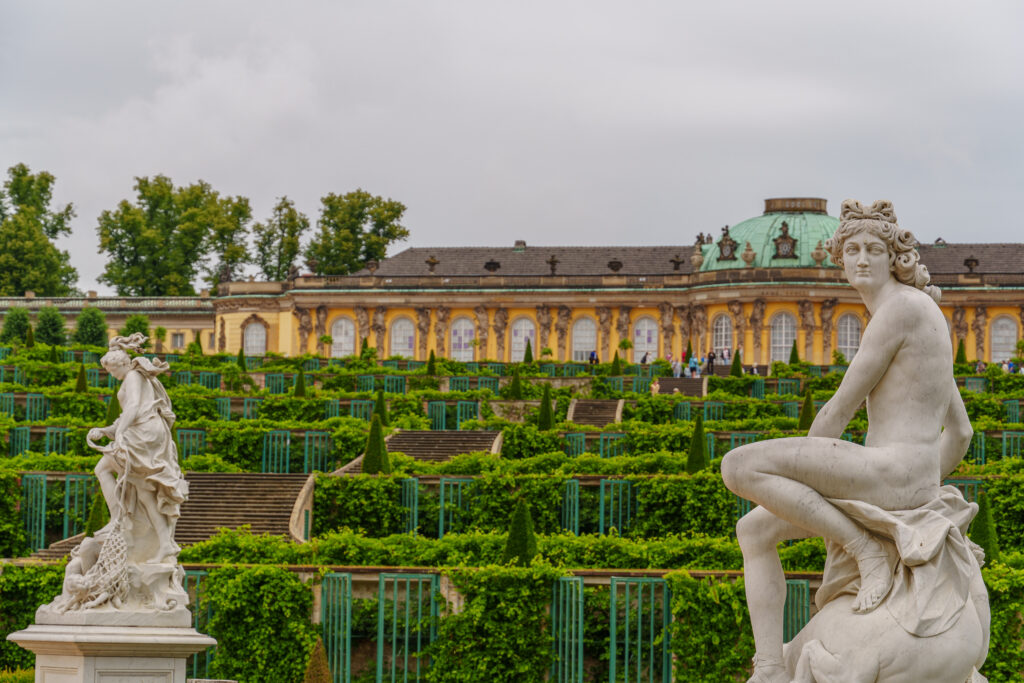
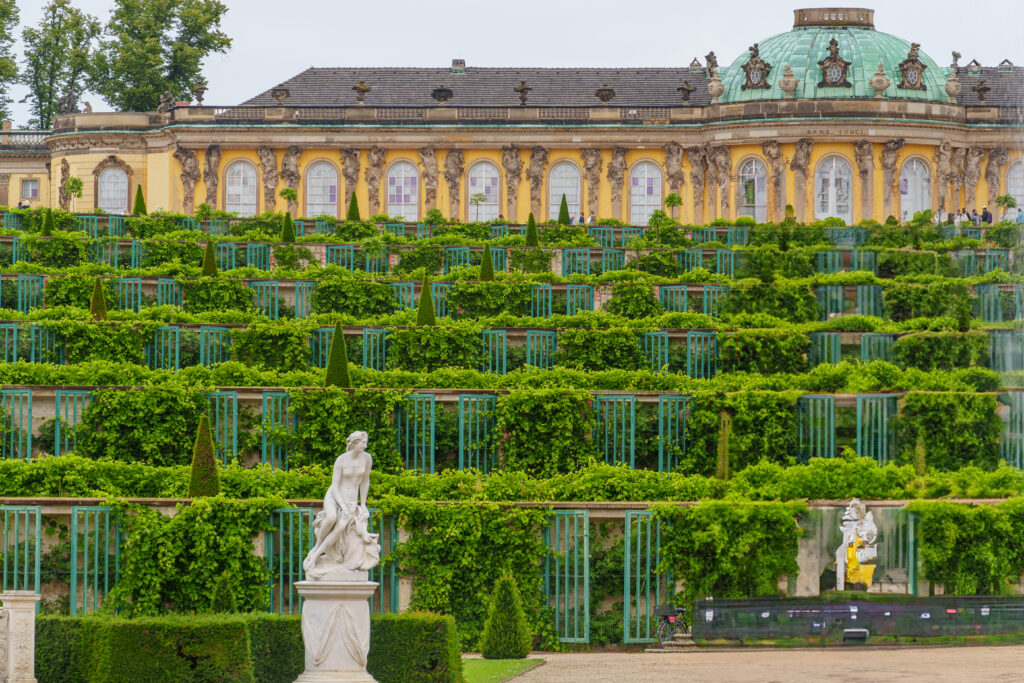
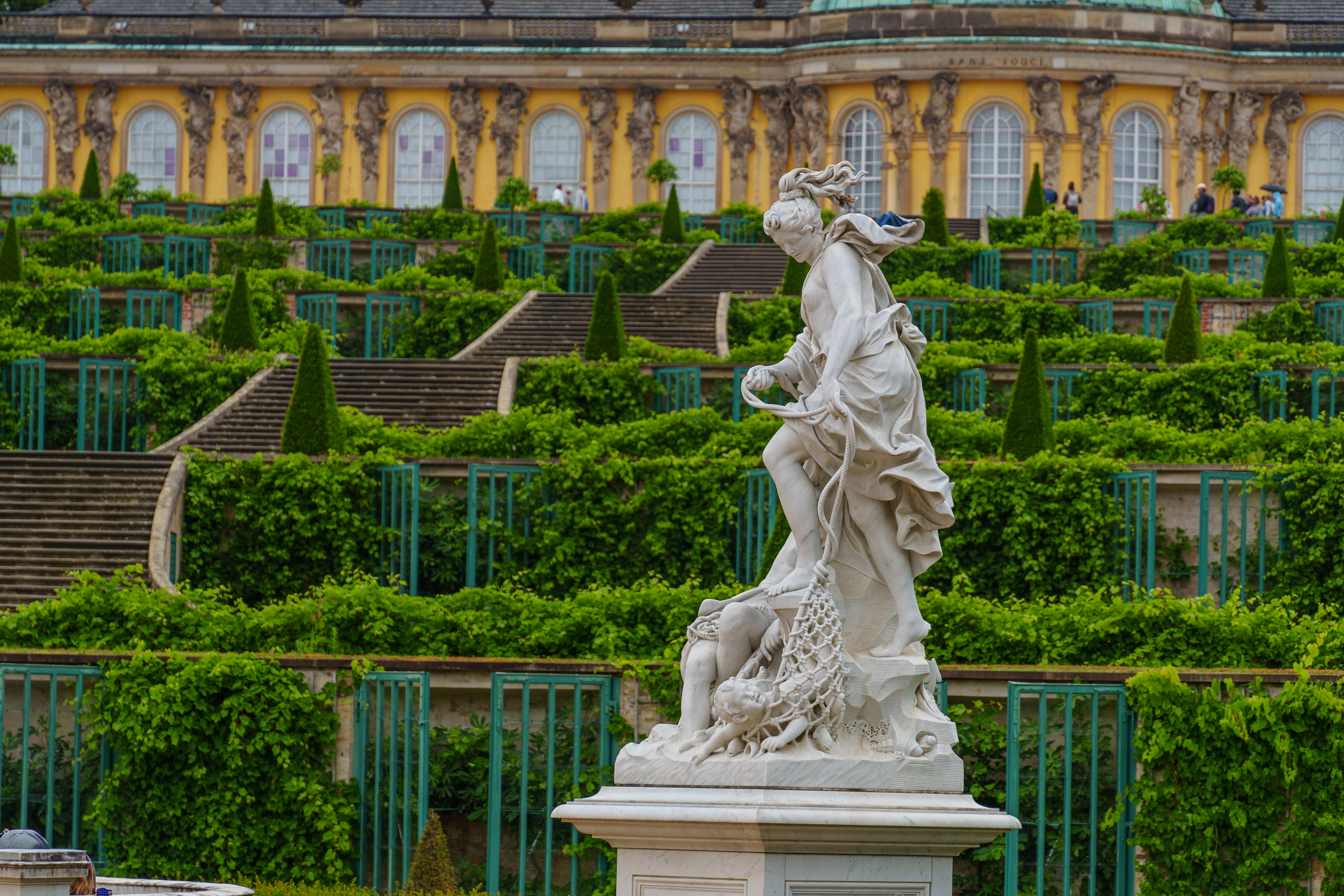
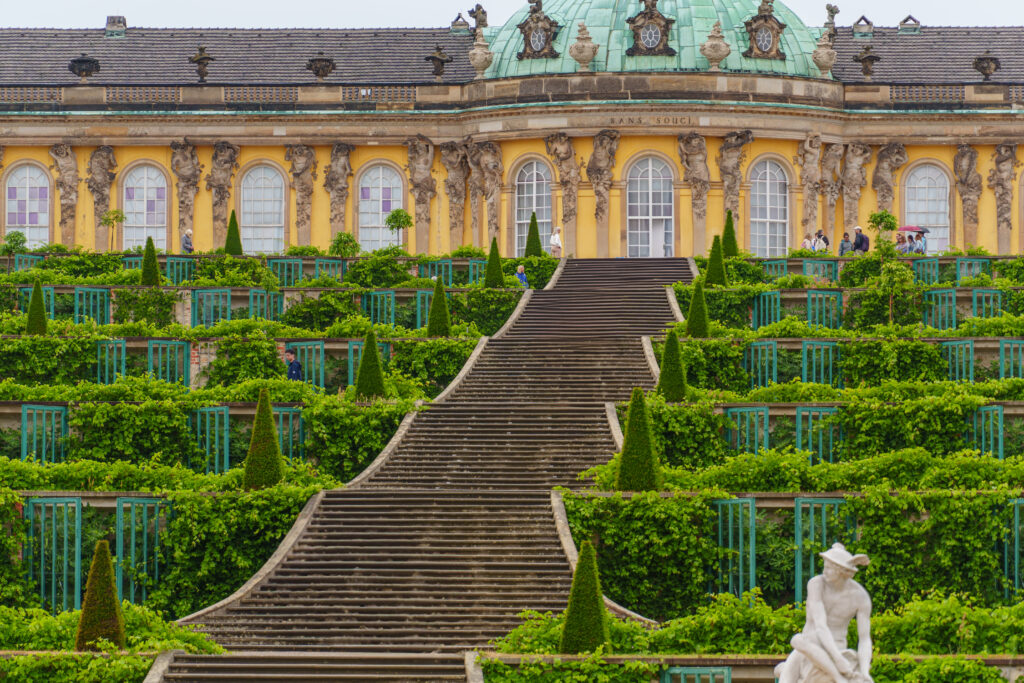
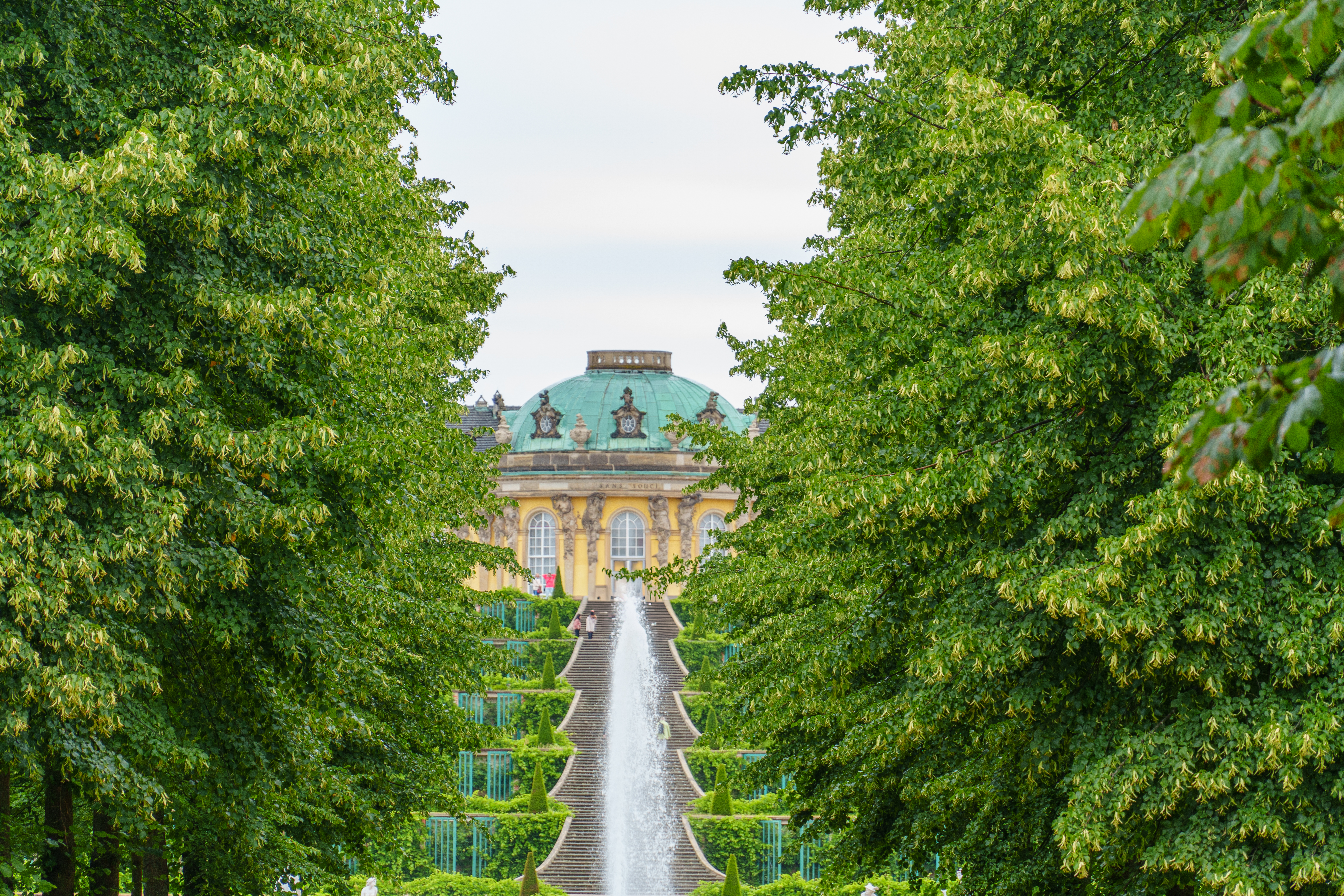
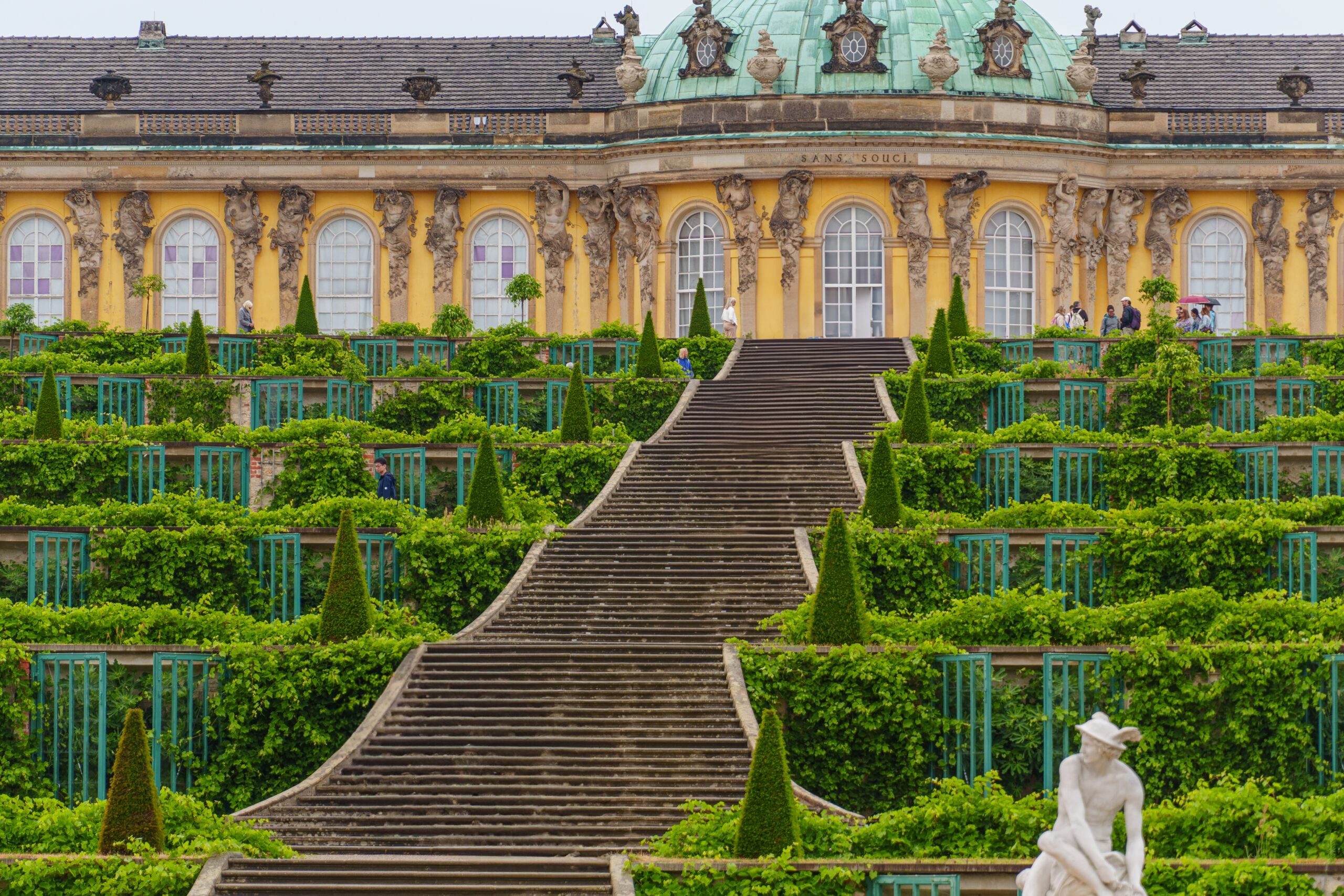
The creation of splendor. The origins of Sanssouci date back to the mid-18th century, when Frederick the Great, King of Prussia, envisioned a retreat from formal court life. Sanssouci was primarily conceived as a summer palace and was intended to be a place where the king could indulge his love of art and philosophy far from the pressures of government. The creation of this idyllic retreat began in 1745 under the careful supervision of Georg Wenzeslaus von Knobelsdorff, the chief architect tasked with realizing Frederick’s vision. The construction of Sanssouci was a labor of love and precision, resulting in a Rococo masterpiece that perfectly reflected the king’s personality and aspirations. The location was carefully chosen on a terraced vineyard to ensure that the view from the palace was as captivating as the building itself. Every aspect of Sanssouci exudes elegance, from the elaborate stucco work and sumptuous interiors to the extensive gardens designed by Peter Joseph Lenné.
Stories of kings and revolutions. Over the centuries, Sanssouci became more than just a royal retreat. It evolved into a symbol of the Enlightenment, frequented by some of the greatest minds of the time. The French philosopher Voltaire spent several years at the palace, engaging in passionate discussions with Frederick about politics, art, and society. Their intellectual camaraderie is immortalized in the Voltaire Room, which is decorated with exotic birds and floral motifs that reflect the philosopher’s eccentric taste. However, Sanssouci was not spared from the upheavals that swept across Europe. The French Revolution, followed by the Napoleonic Wars, brought unrest to the Prussian kingdom. Although the palace itself remained intact, its significance was temporarily overshadowed by the chaos of war. It was not until the 19th century, under the reign of Frederick William IV, that Sanssouci regained its former glory. The king embarked on extensive renovations that breathed new life into the palace and its grounds, thus preserving its legacy for future generations.
Myths and mysteries. Beyond the historical facts, Sanssouci is shrouded in a veil of enchanting myths and legends that capture the imagination of countless visitors. One such legend tells of a hidden chamber in the palace known as the “Whispering Gallery.” It is said that this secret room has such extraordinary acoustics that whispered conversations can be heard clearly across its entire length. According to tradition, Frederick the Great used this room to eavesdrop on his courtiers and ascertain their loyalty and honesty. Another fascinating myth revolves around the ghostly figure of Frederick himself. Many believe that his ghost still wanders the halls of Sanssouci, especially in the Marble Hall, where he died in 1786. Numerous reports claim that a ghostly figure dressed in 18th-century clothing has been seen wandering silently through the palace, as if searching for something lost in time. This spooky presence adds an eerie but fascinating dimension to the already rich history of Sanssouci.
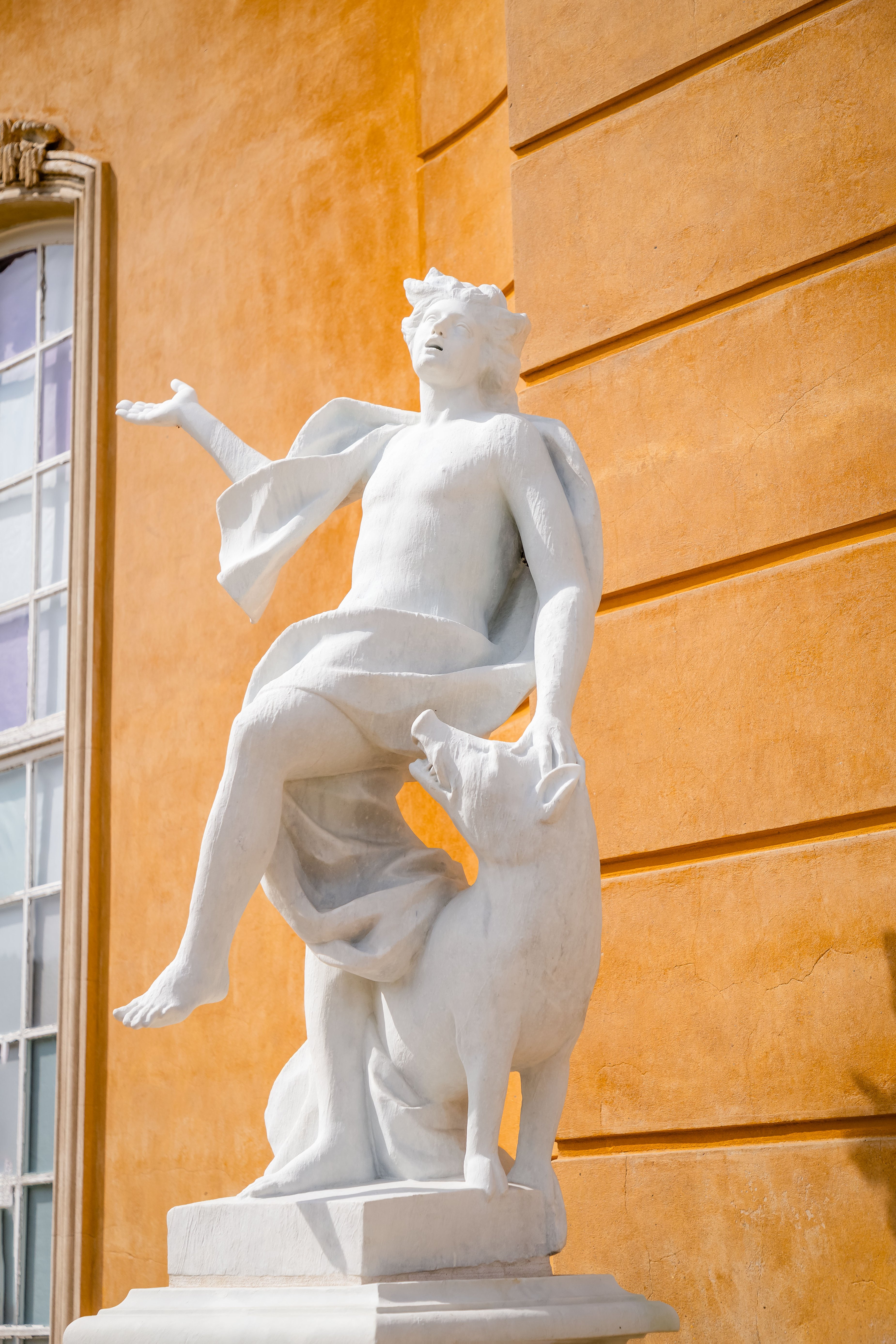
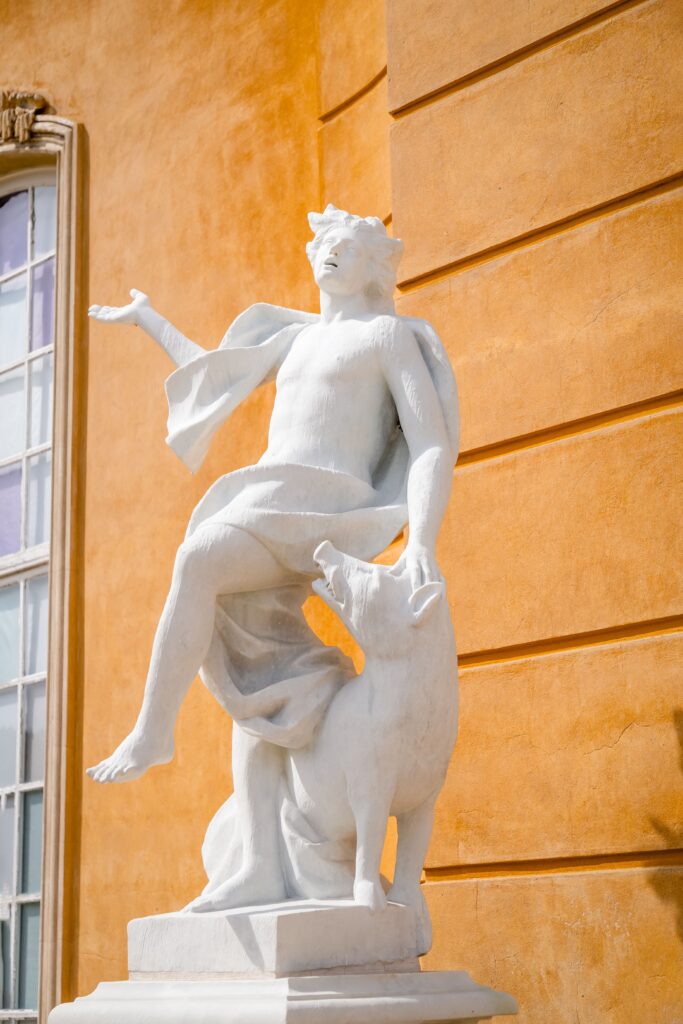
The gardens of eternal beauty. No description of Sanssouci would be complete without mentioning its breathtaking gardens. Covering over 700 hectares, the gardens are a harmonious blend of French and English landscape styles. They feature meticulously manicured lawns, ornate fountains, and a variety of sculptures depicting stories from classical mythology. The centerpiece, however, is the large terraced vineyard, which cascades down from the palace and is just as enchanting today as it was in the 18th century. A particularly charming feature of the gardens is the Neptune Grotto, an artificial cave decorated with shells, crystals, and coral. According to legend, the grotto is inhabited by water nymphs who emerge on moonlit nights to dance on the surface of the nearby pond. Such mythical stories have earned the gardens a reputation as a realm where reality and fantasy merge seamlessly.
Preserving heritage. Today, Sanssouci is not just a historical relic, but a living cultural center. The palace and its gardens, which were declared a UNESCO World Heritage Site in 1990, attract millions of visitors each year who are drawn to the aesthetic beauty and historical significance of the place. The grounds host various cultural events such as concerts, exhibitions, and theater performances, ensuring that Sanssouci remains a vibrant part of the German cultural landscape. The efforts to preserve and maintain Sanssouci are a testament to its enduring legacy. Extensive restoration projects are carried out regularly to preserve the structural integrity and aesthetic splendor of the palace. These initiatives ensure that future generations will also be able to experience the magic and mystery of Sanssouci, allowing it to serve as a bridge between the past and the present.
A timeless treasure. Sanssouci is more than a palace; it is a chronicle of dreams and destinies, a canvas on which history and legend converge. Strolling through the opulent halls or walking through the tranquil gardens, it is easy to succumb to the allure of its timeless charm. Whether you are a historian seeking to decipher the past or a dreamer fascinated by ancient stories, Sanssouci offers a journey into a world where the splendor of bygone eras continues to inspire awe and wonder.