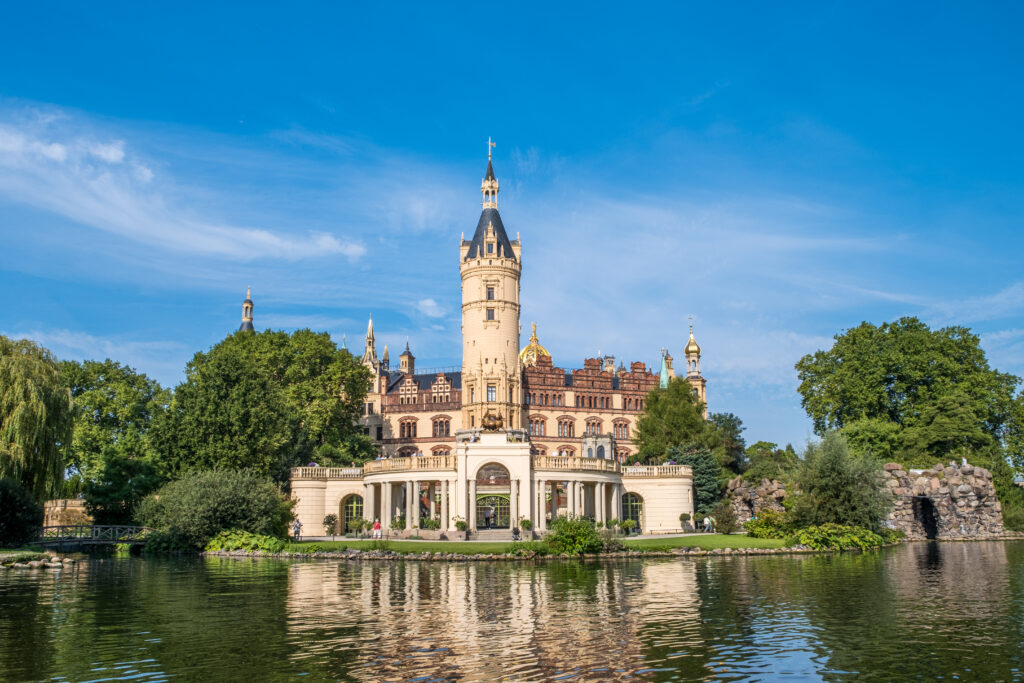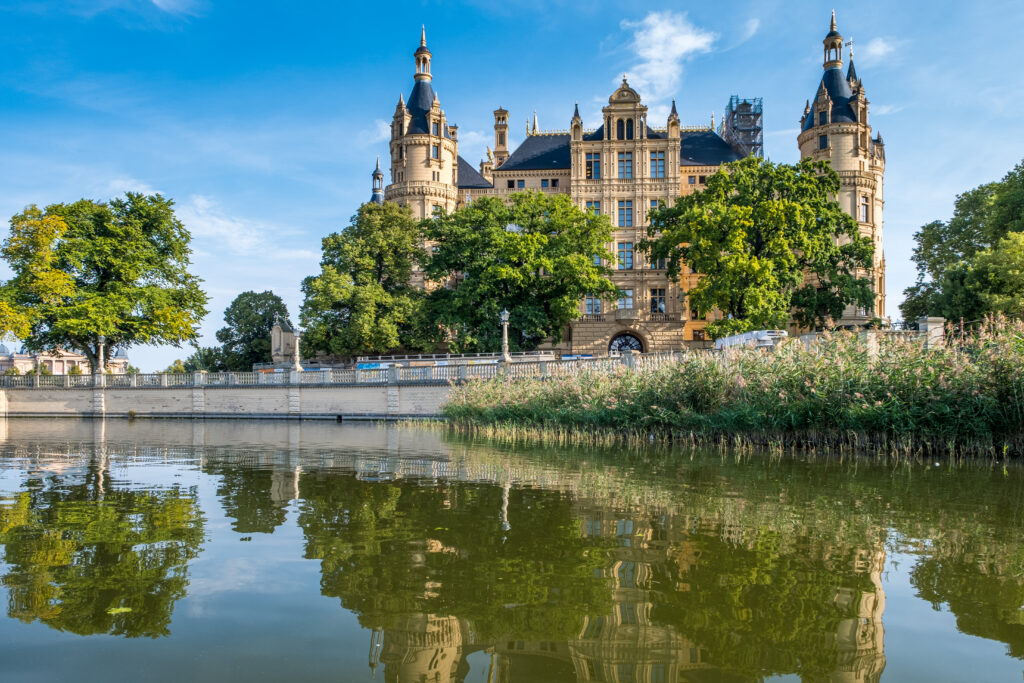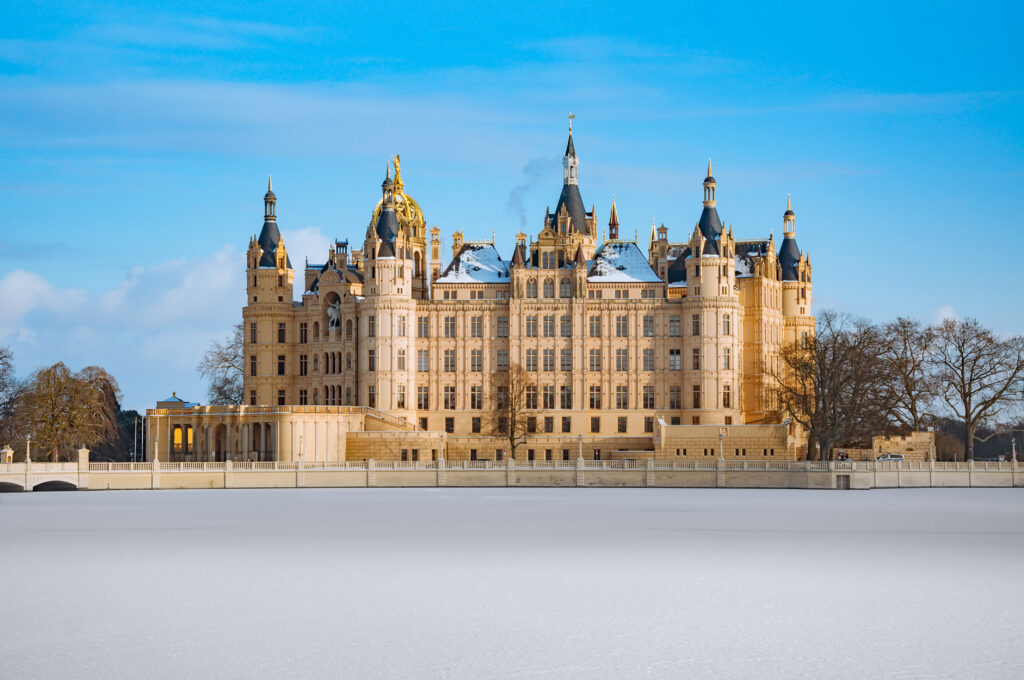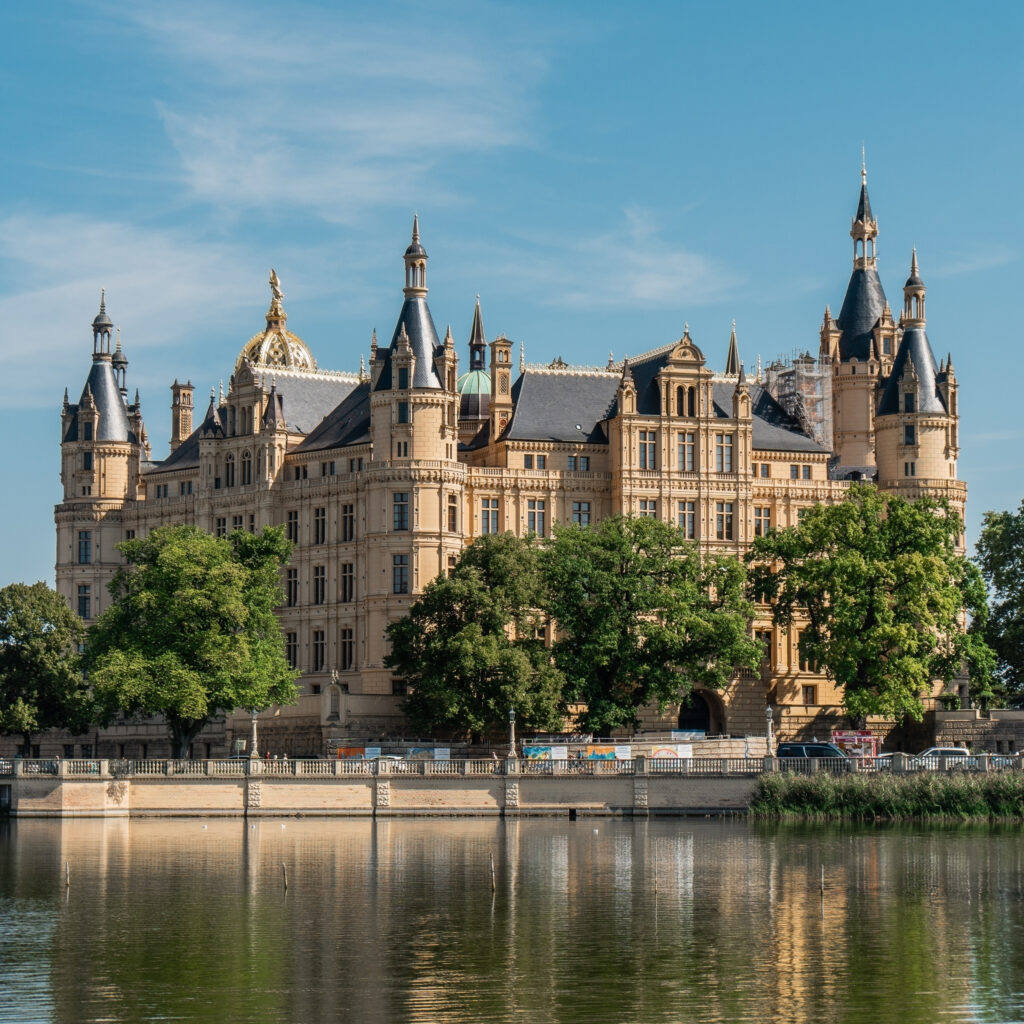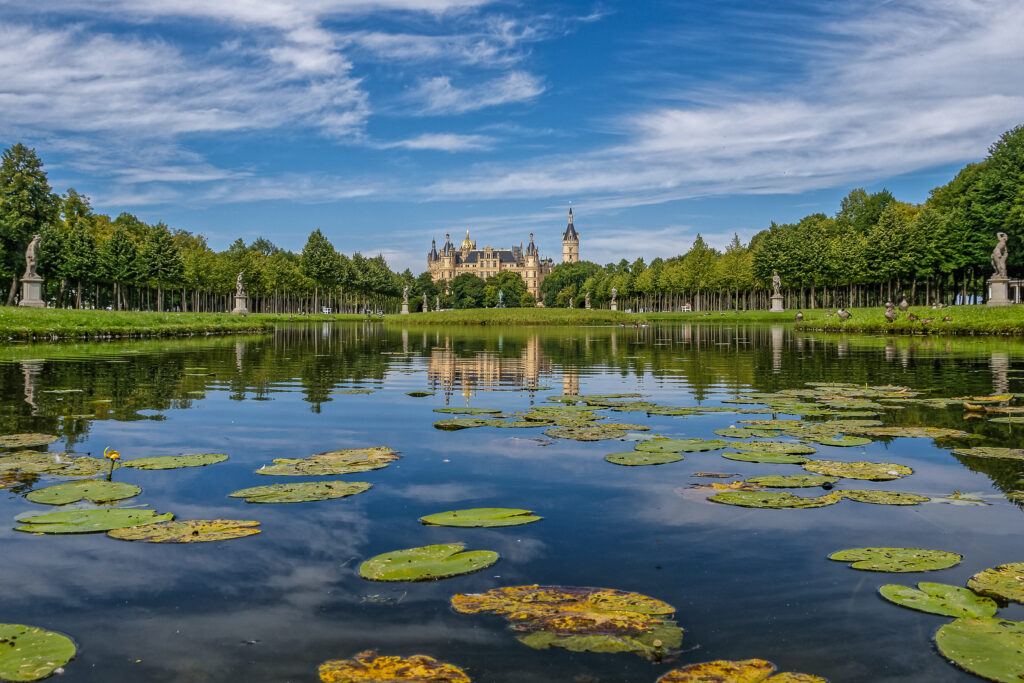

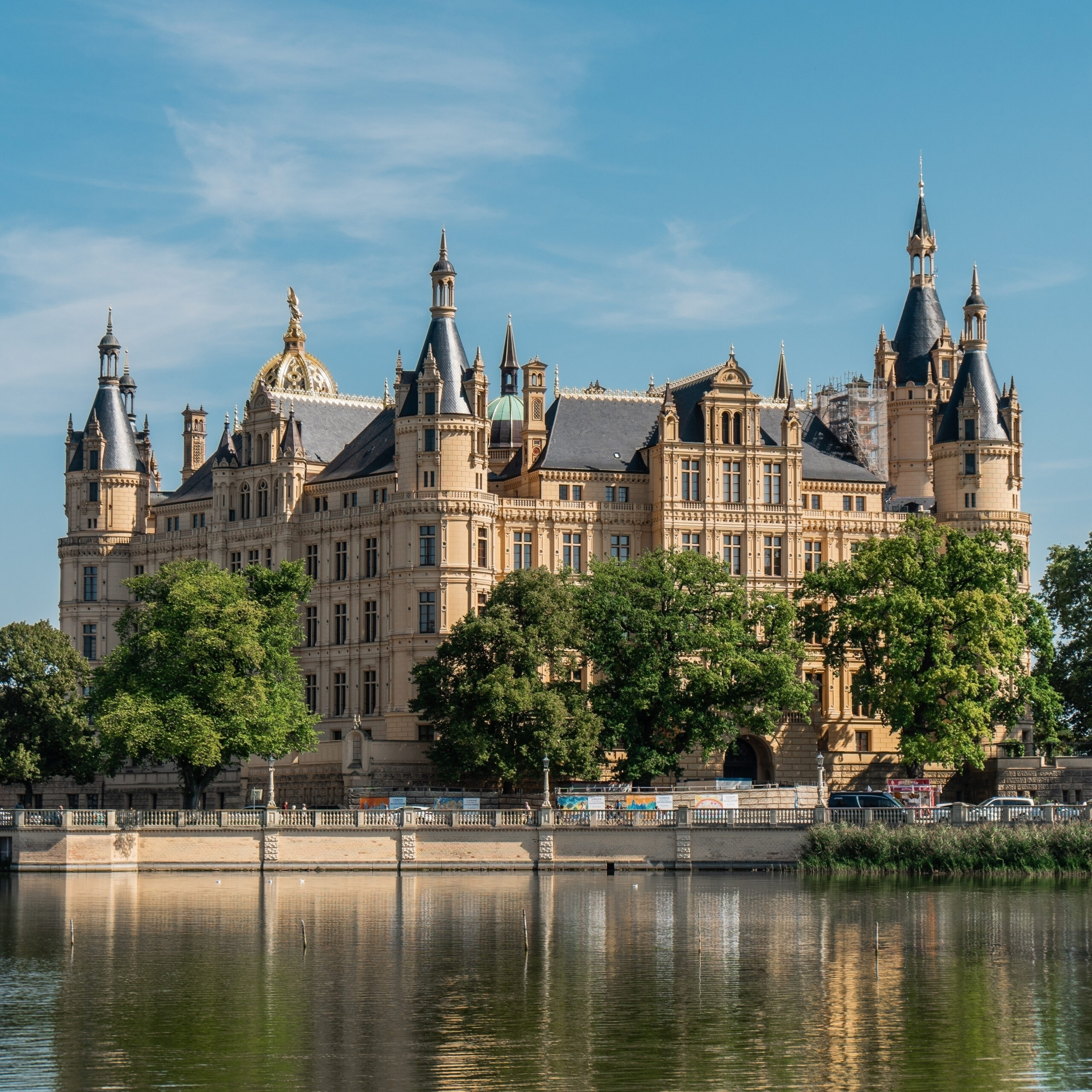
Origins in Obotrite foundations. The illustrious history of Schwerin Castle began on a much more modest scale than its current splendor would suggest. Its roots date back to the 10th century, to the Slavic Middle Ages, when the ruling Obotrites, ancestors of the Mecklenburg princes, built a fortified castle on an island in Lake Schwerin. Archaeological excavations have uncovered remains of this early fortification, including a Slavic rampart that formed the core of today’s castle. This original structure served the Obotrites both as a defensive bulwark and as a symbol of their power. In the late 14th century, the Obotrites, who had since been Christianized and were integrated into the German Empire as Dukes of Mecklenburg, began to transform the earthen ramparts into an increasingly permanent stone residence.
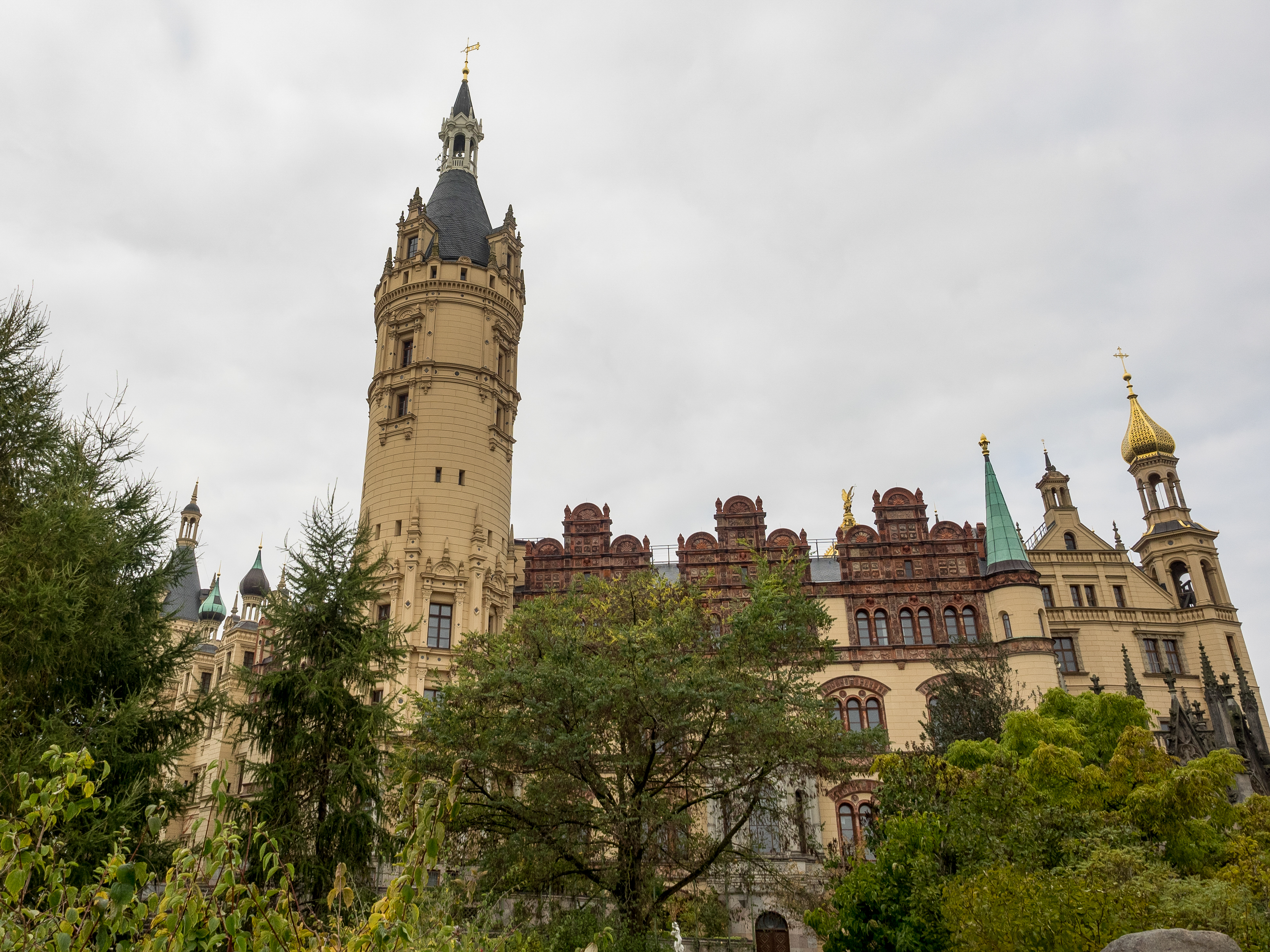
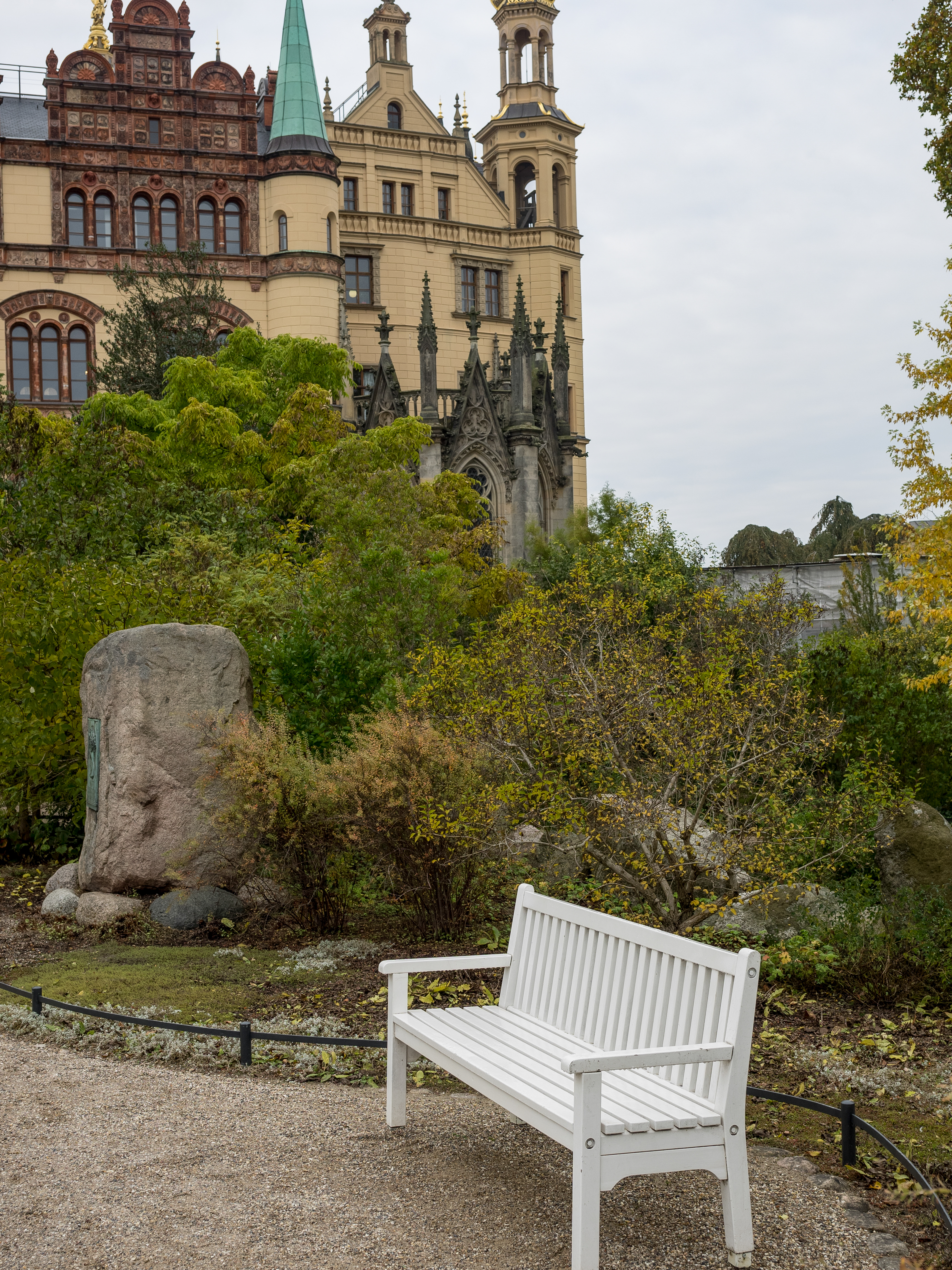
Renaissance ambitions and setbacks. The reconstruction of Schwerin Castle gained considerable momentum during the Renaissance. Under Duke Johann Albrecht I in the 16th century, extensive construction work led to the creation of an impressive residence with a polygonal floor plan. The facades, decorated with terracotta figures and ornaments characteristic of the Mecklenburg Renaissance, were created in the workshop of Statius van Düren. Some of these terracotta elements were later incorporated into the renovation work carried out in the 19th century. However, the 17th century brought with it ambitious but unrealized plans. Duke Adolf Friedrich I commissioned Ghert Evert Piloot, a master builder from Emden, to redesign the castle. Piloot’s grandiose plans from 1619 would have created one of the most spectacular Renaissance castles in Germany. Unfortunately, the devastation of the Thirty Years’ War thwarted these plans, leaving only drawings that give an idea of the potential splendor of the planned island fortress.
A pause in progress: the absence of absolutism. Throughout the 18th century, internal political dynamics hindered the expansion of the castle. The powerful estates of Mecklenburg prevented the dukes from transforming the region into an absolutist monarchy, thus limiting their ability to expand the castle into a modern palace. Under Dukes Friedrich Wilhelm and Christian II Ludwig, construction work focused primarily on redesigning the interiors, but the plans, which reflected the influence of the High Baroque, remained unfinished. The relocation of the court to Ludwigslust in 1763 led to further stagnation in the development of Schwerin Castle and reflected the unfavorable political environment for the sovereigns.
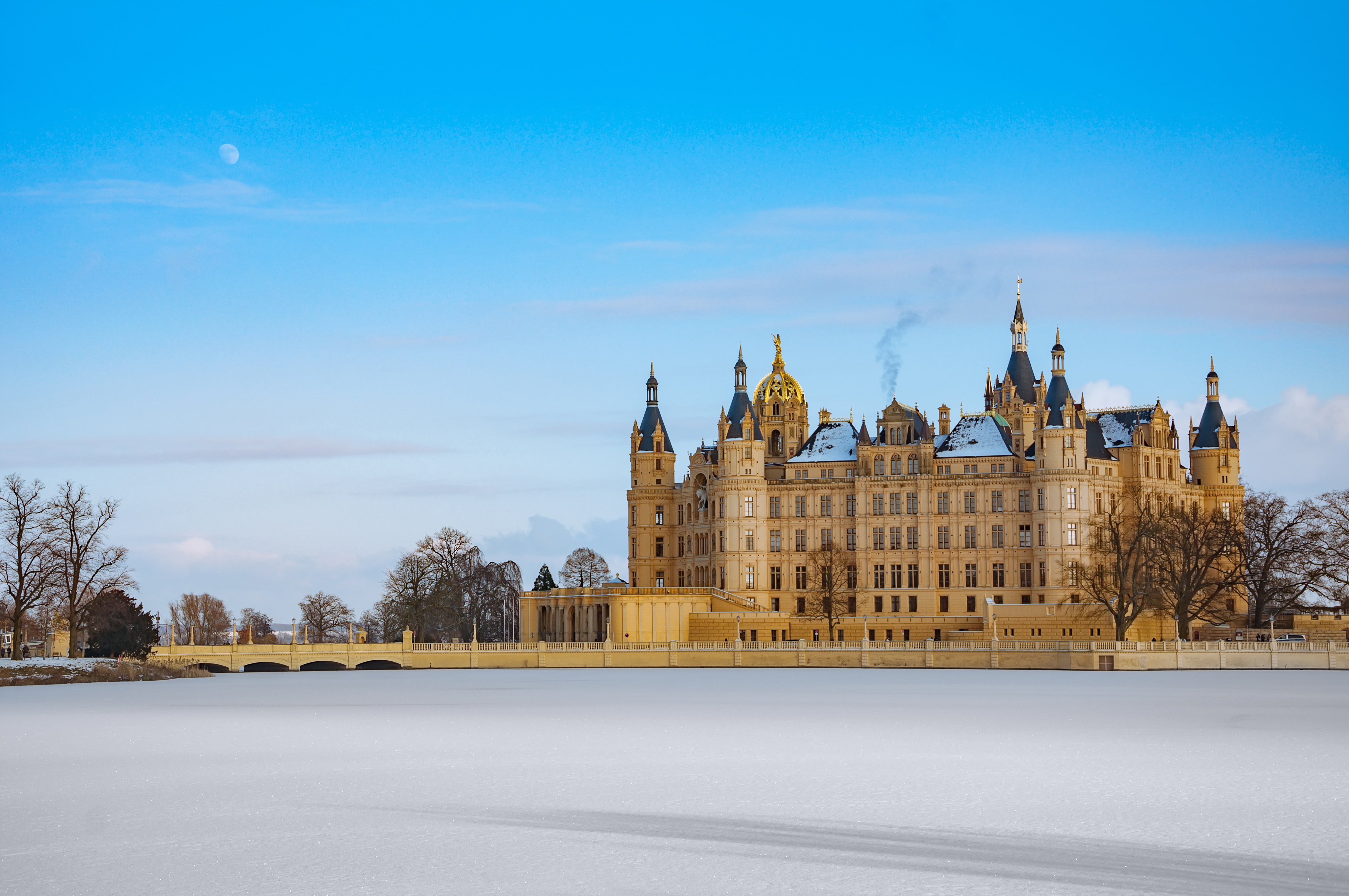
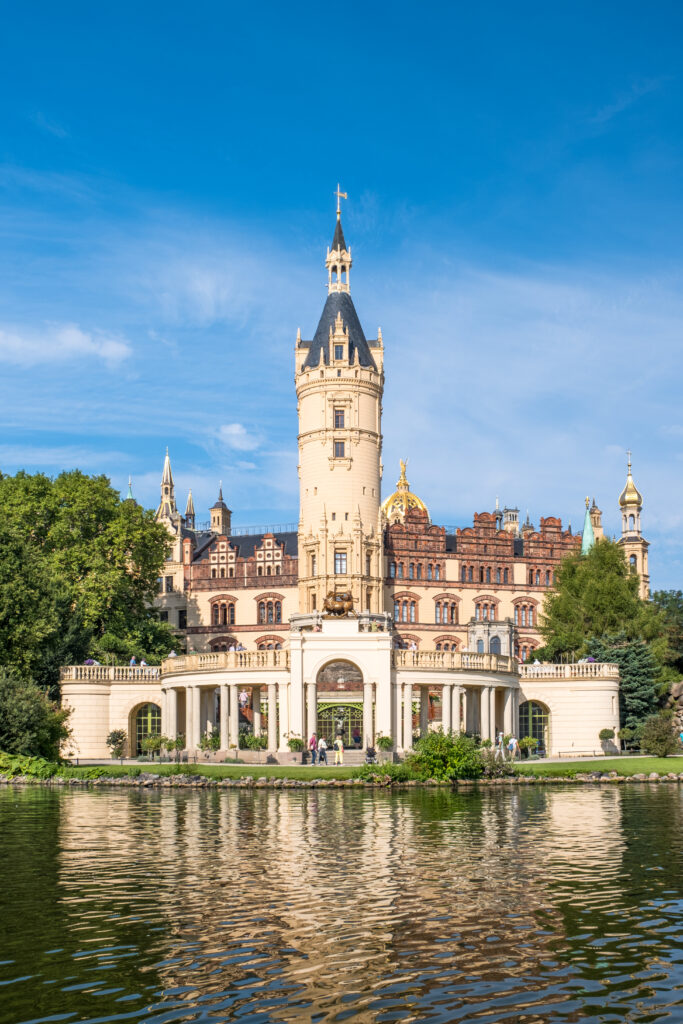
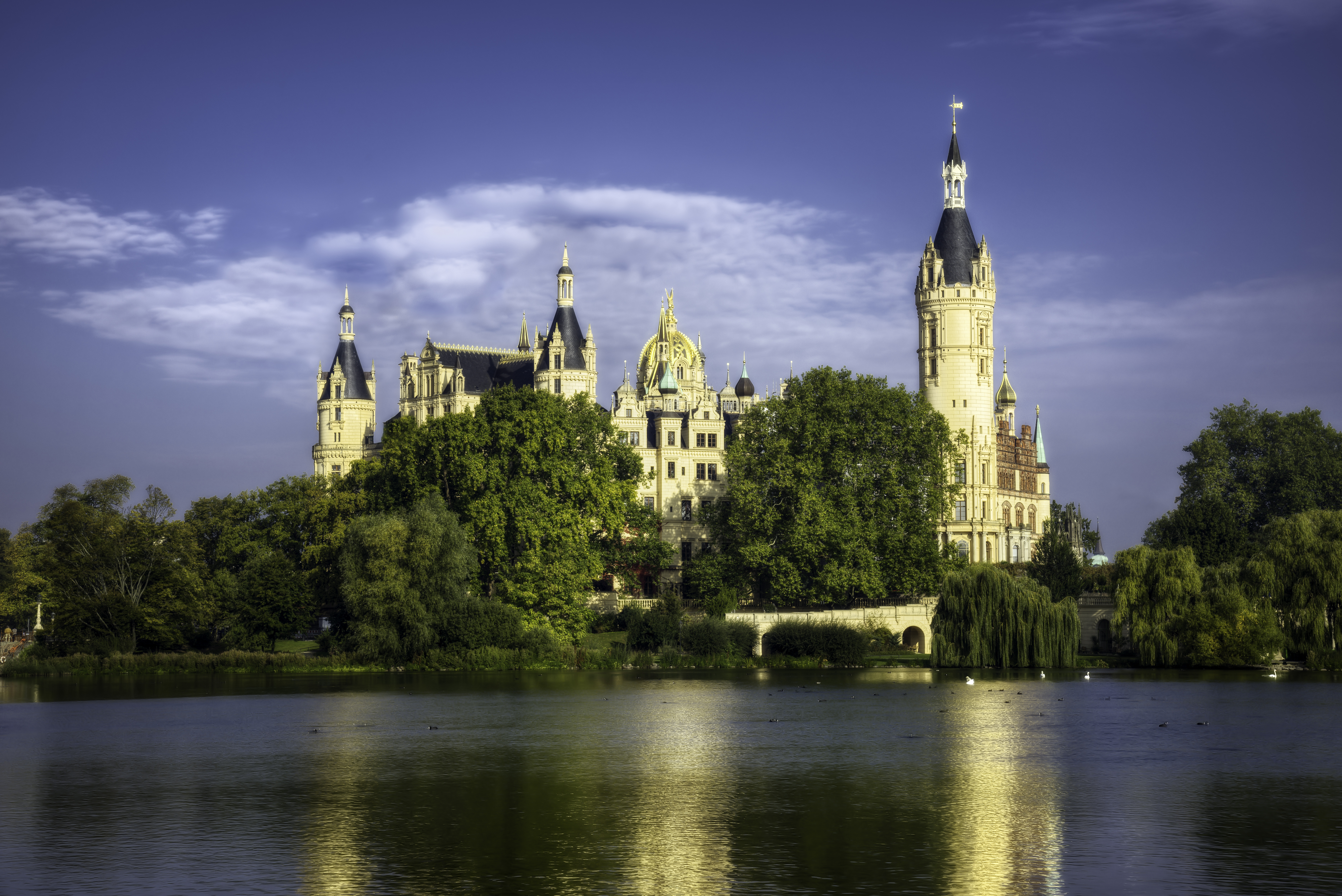
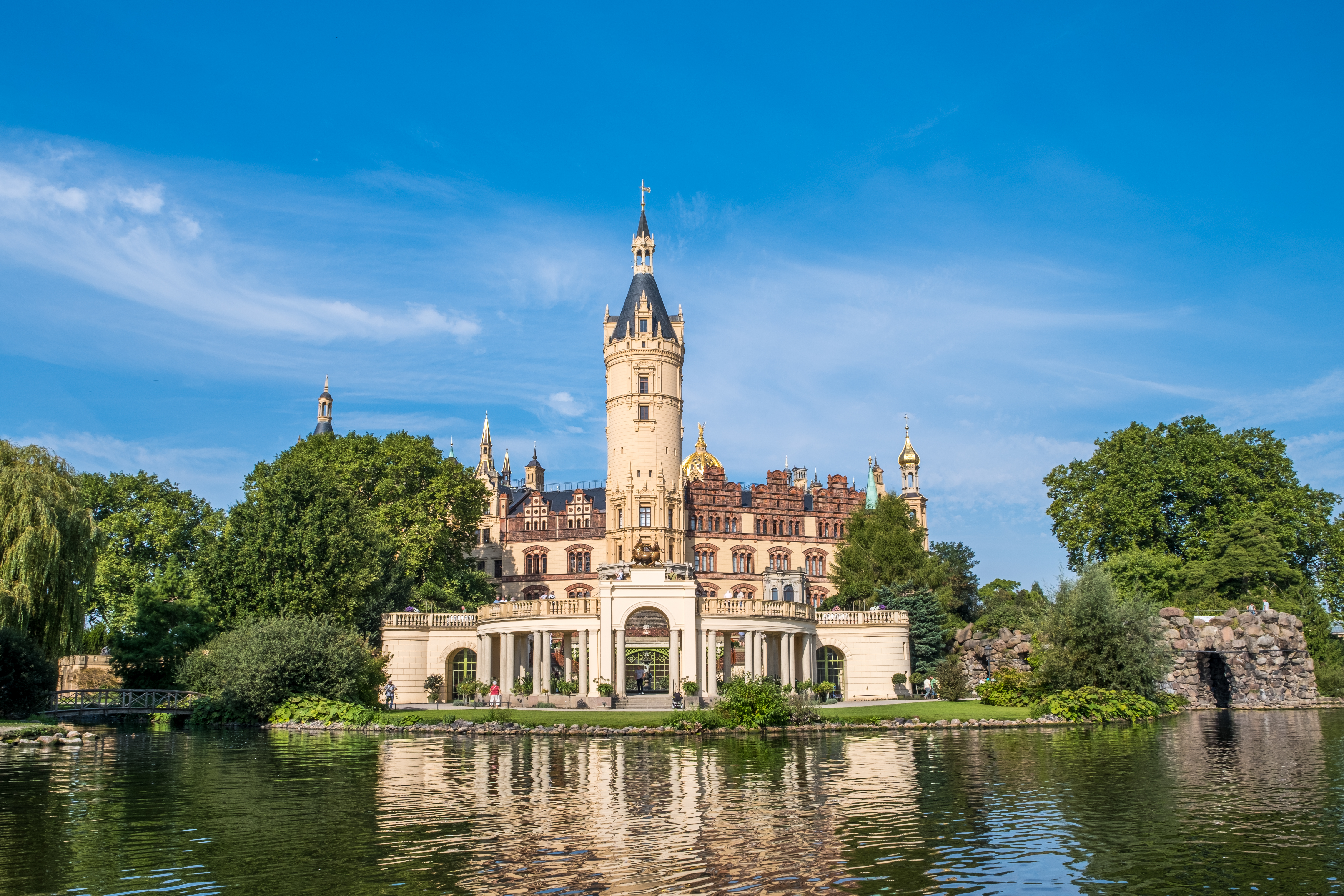
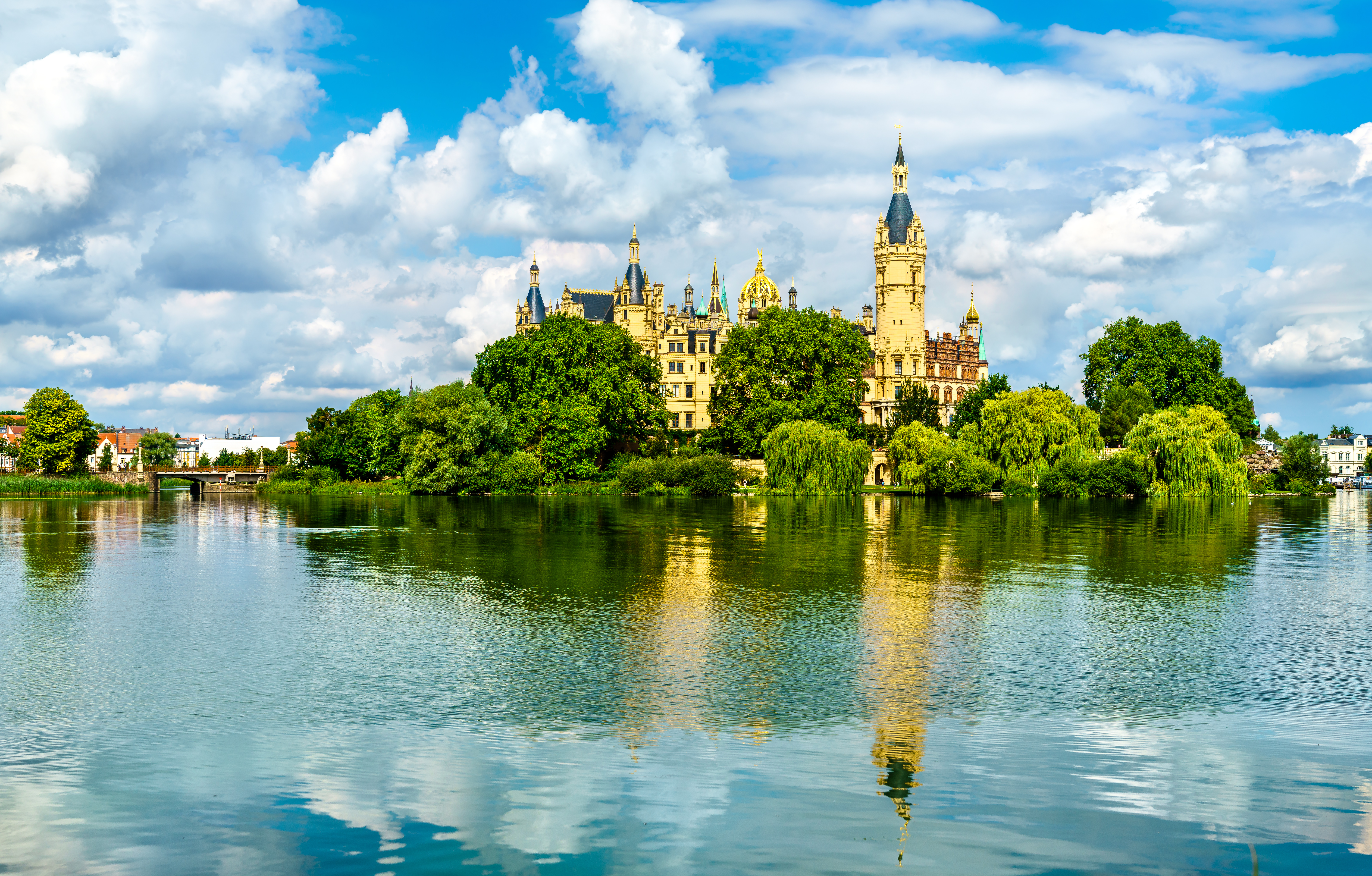
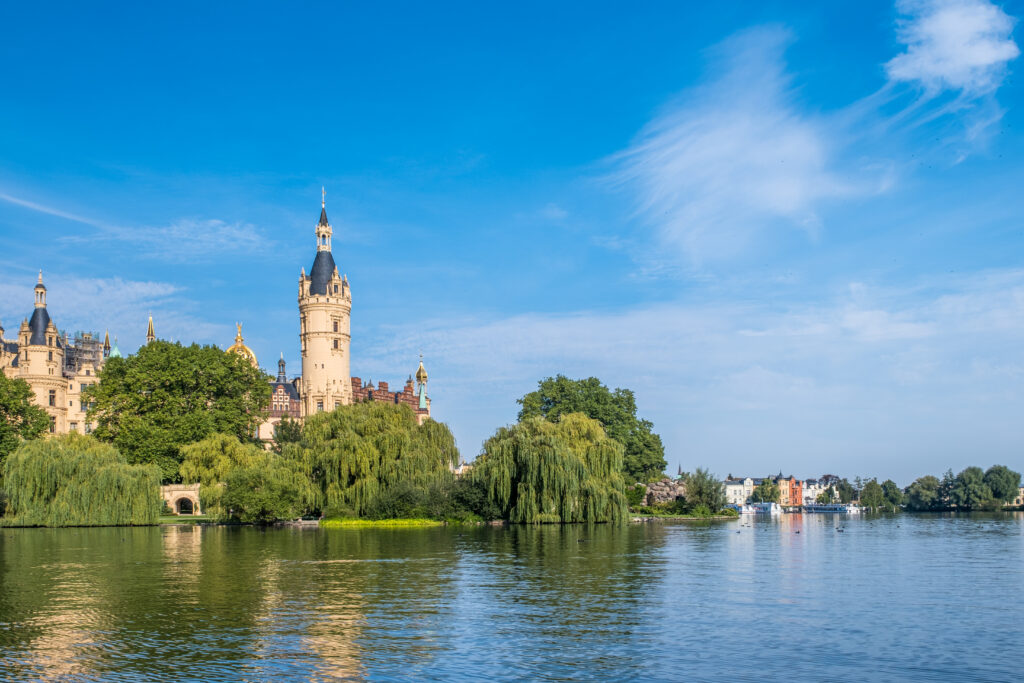
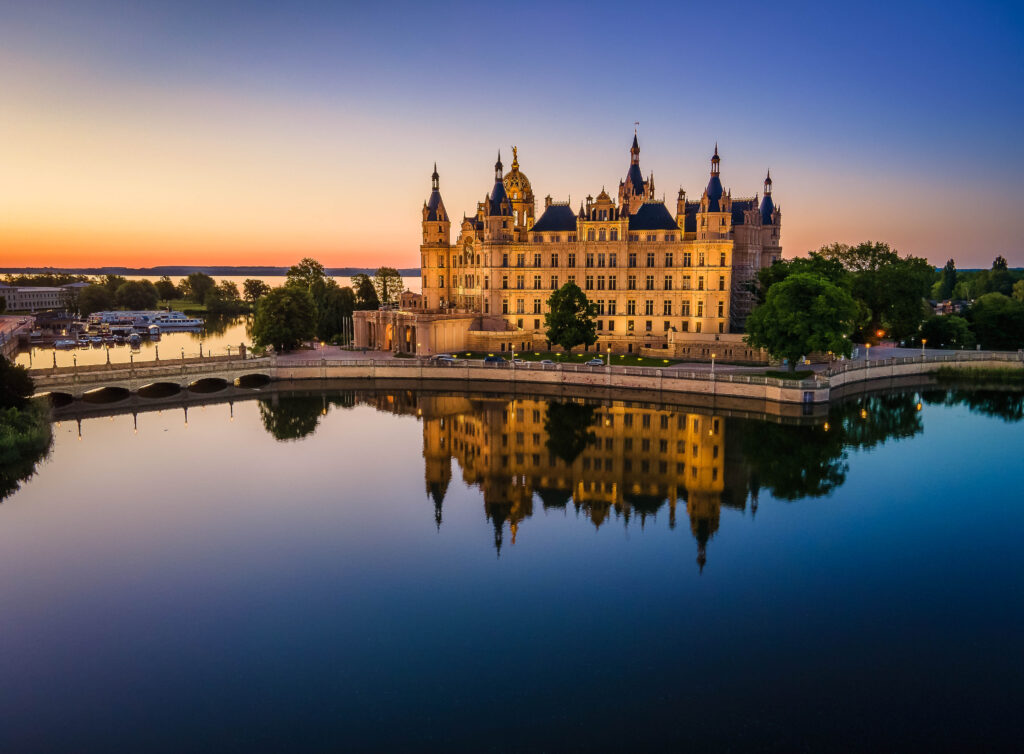
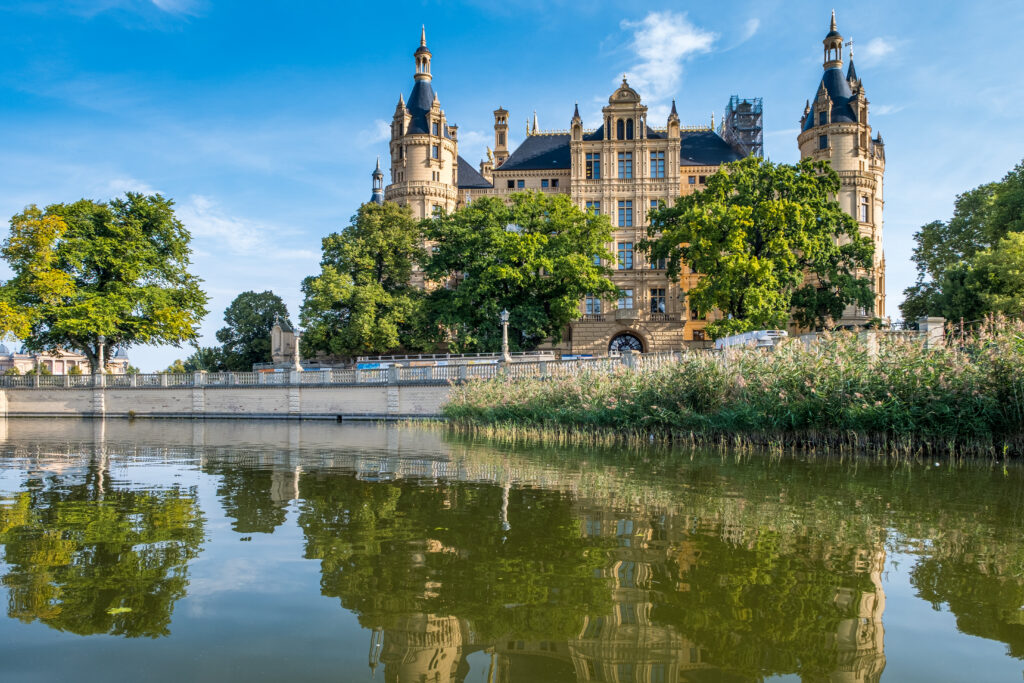
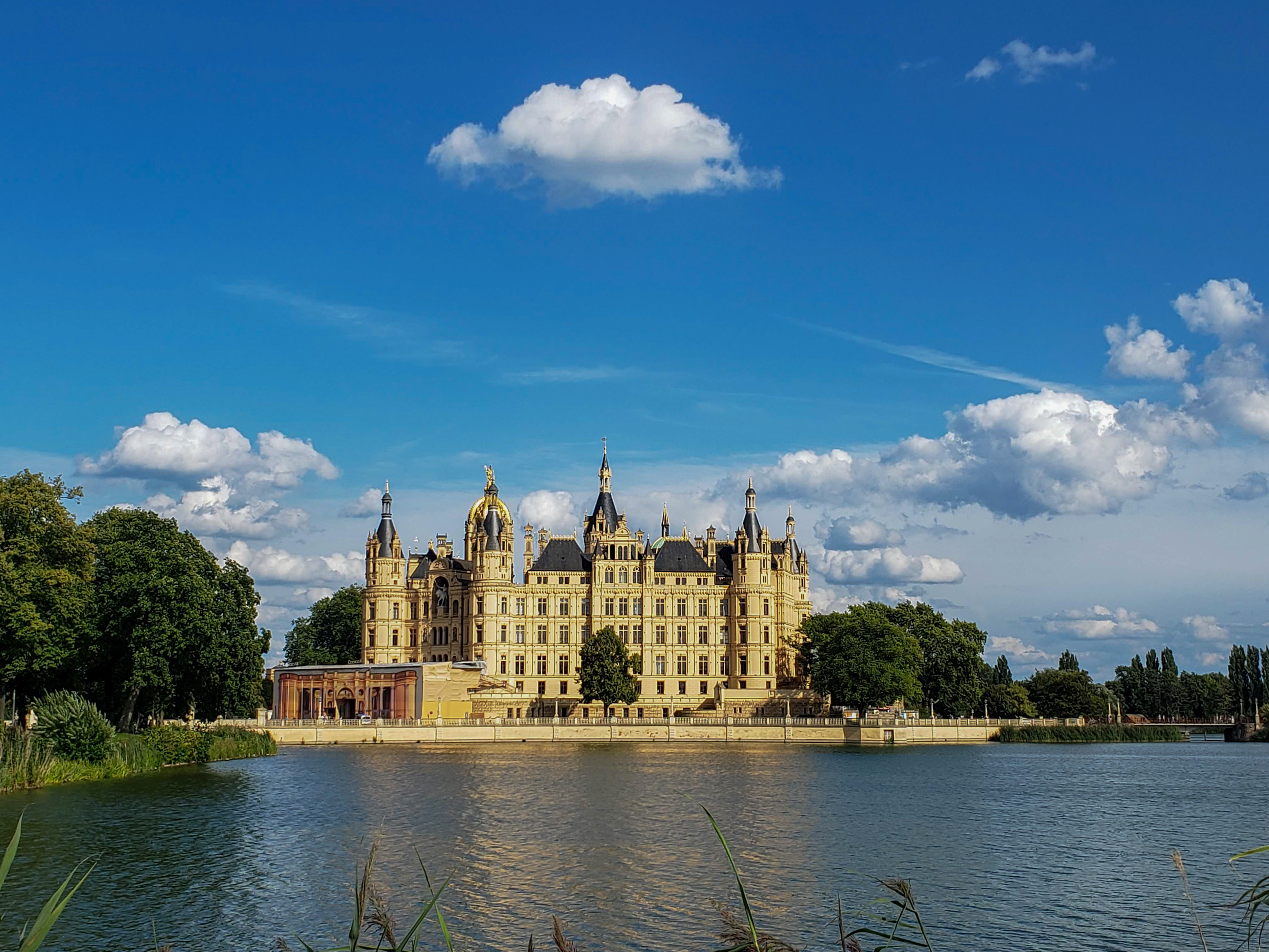
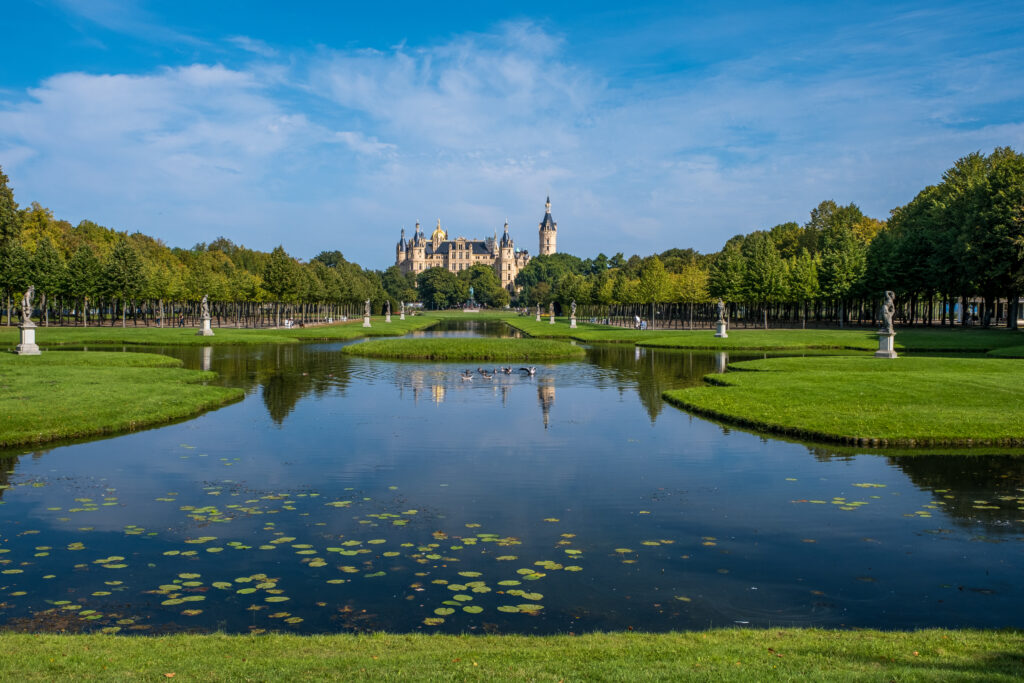
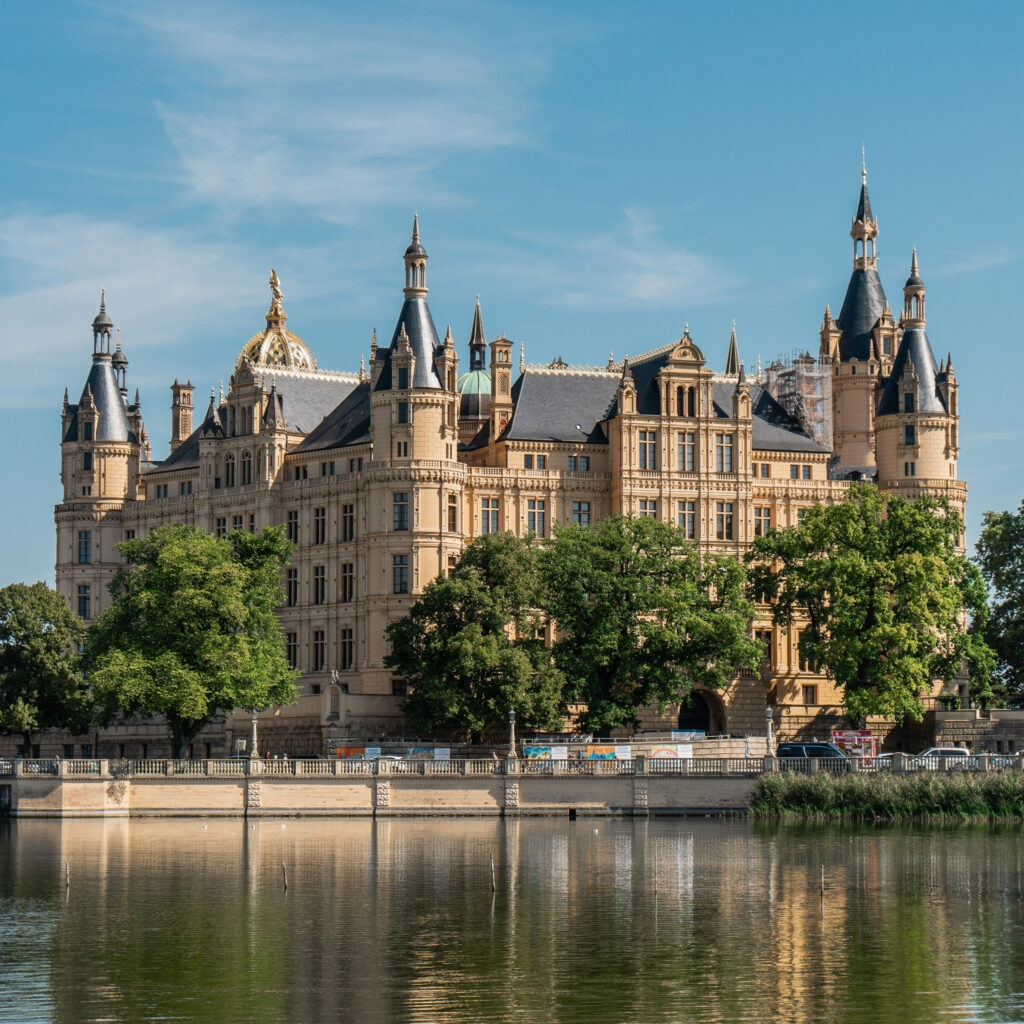
Revival in the 19th century under Grand Duke Friedrich Franz II. The stagnation came to a dramatic end shortly before the middle of the 19th century under Grand Duke Friedrich Franz II. After his father Paul Friedrich had moved the court back from Ludwigslust to Schwerin in 1837, Friedrich Franz II initiated a radical redesign of the palace. In 1842, he commissioned his court architect Georg Adolph Demmler to redesign the palace with the aim of creating a monumental residence while preserving some aspects of the existing Renaissance structure. The renovation work lasted from 1843 to 1857 and was co-designed by various architects, including Hermann Willebrand and the renowned Berlin architect Friedrich August Stüler. The integration of local architectural traditions with elements of the French Renaissance resulted in an architectural masterpiece. The facades and interiors of the palace were designed to overwhelm and impress, resulting in one of the most fascinating sequences of rooms in early German historicism. This grandeur secured Schwerin Palace a place on Germany’s tentative list for UNESCO World Heritage status, not only because of its size, but also because of its architectural and artistic sophistication.
The legacy of an evolving residence. Originally a modest fortress, Schwerin Castle evolved over the centuries into the magnificent palace it is today. Its thousand-year history began with a modest Slavic fortress built around 941/42, as evidenced by archaeological finds such as fragments of old wooden fortifications dating from 962, 964, 965, and 974. It is noteworthy that the descriptions of the merchant Ibrahim Ibn Jakub from 973 during his travels through Slavic territories east of the Elbe probably refer to this early castle on the lake. The castle underwent dramatic developments and renovations, especially after the Obotrite defenders, led by Prince Niklot, surrendered it to the German conquerors in 1160. The new rulers recognized its strategic value and renovated and fortified the complex. Shortly thereafter, Schwerin was founded as a city, marked by the establishment of a bishopric within its walls. In the late Gothic period, the need for princely residences that reflected the increased standard of living and representative requirements led to significant architectural advances on the castle island. According to legend, the ghost of Petermännchen has lived in the castle since time immemorial and is immortalized in a sculpture in the inner courtyard.
Changes in turbulent times. Under Duke Johann Albrecht I, extensive renovations in the Renaissance style were carried out in 1560 based on designs by Johann Baptista Parr. These included the construction of the Protestant chapel and the noble apartments decorated with terracotta from the workshop of Statius van Düren. Renovations in the 19th century under Friedrich Franz II and under the direction of several architects transformed the castle into the remarkable structure it is today. These efforts culminated in a blend of German historicism and French Renaissance elements that made the castle both a unique architectural marvel and a central center of power in Schwerin. In the 20th century, the castle underwent further changes that reflected political upheavals and its changing role as a public cultural asset. It survived a devastating fire in 1913, was used by various administrations, and after reunification became a museum and the seat of the state parliament of Mecklenburg-Western Pomerania.
Today, Schwerin Castle stands as a testament to its rich history and cultural significance, celebrated in films, coins, and its ongoing candidacy for recognition as a UNESCO World Heritage Site.