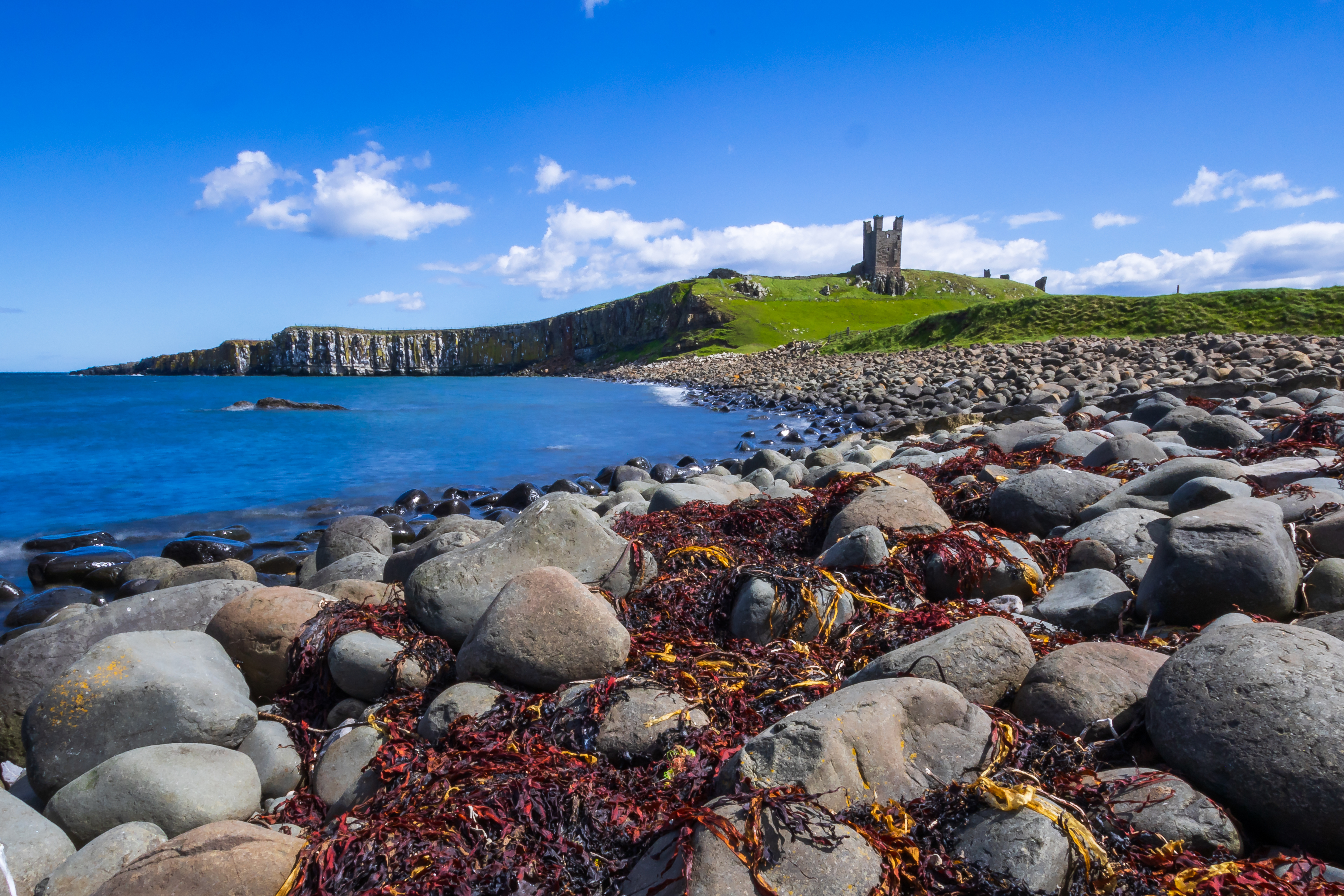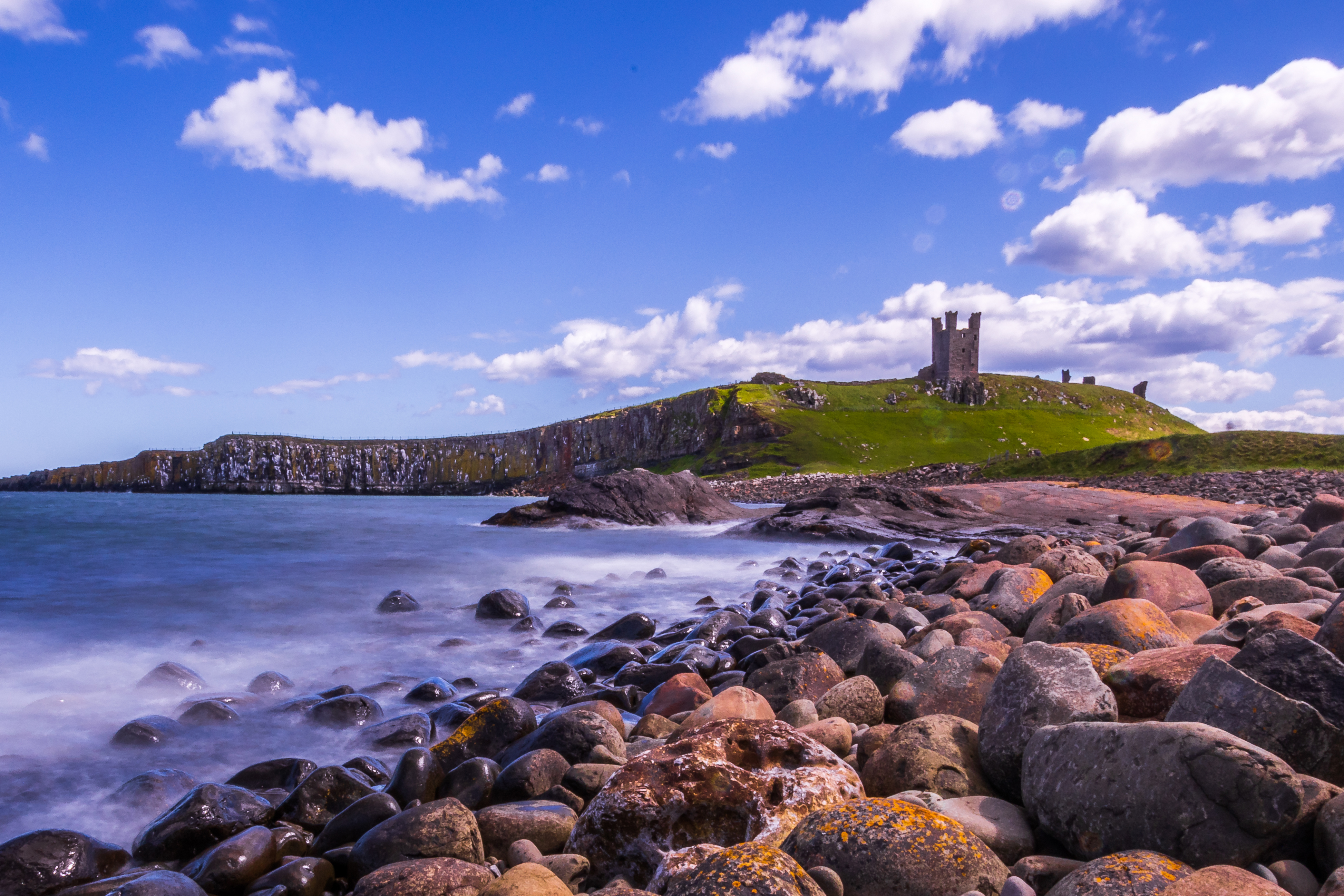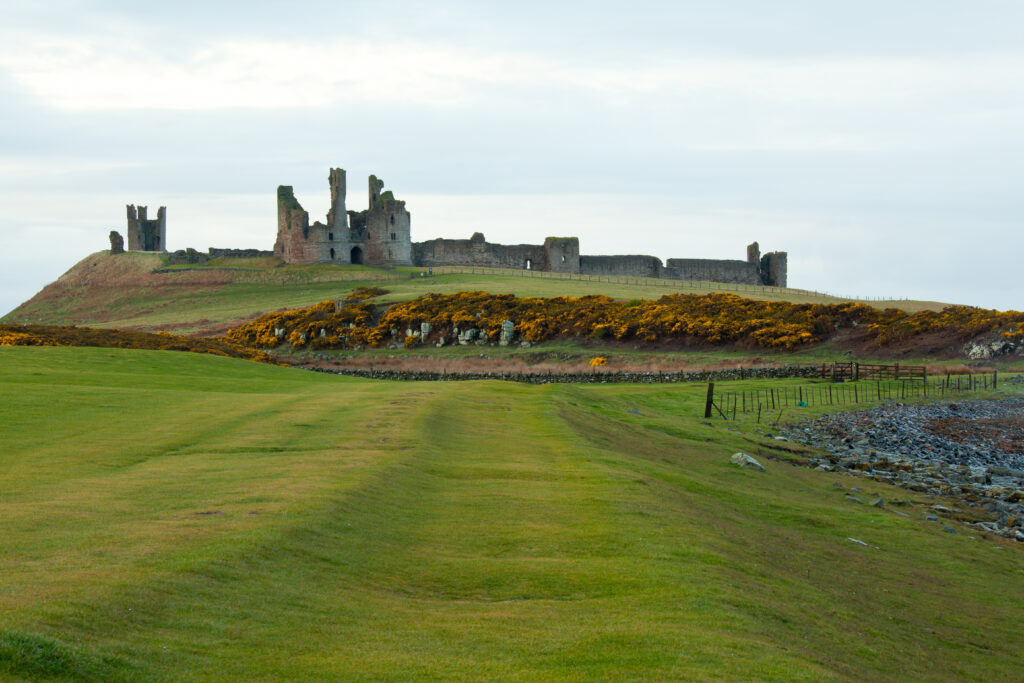

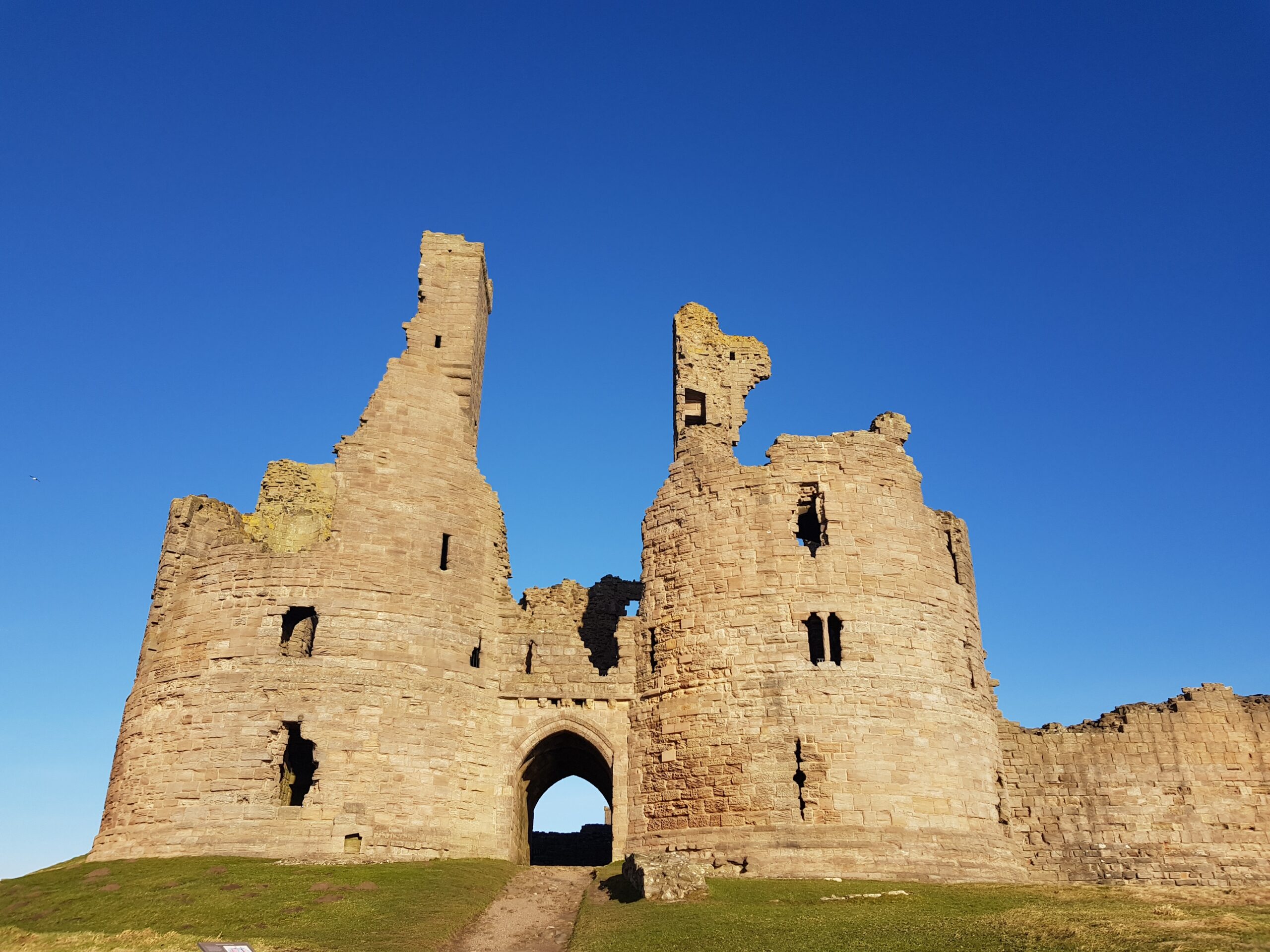
Nestled along the rugged coastlines of Northumberland, between the quaint villages of Craster and Embleton, stands the enigmatic Dunstanburgh Castle. This 14th-century fortress, built by Earl Thomas of Lancaster between 1313 and 1322, is not just an architectural marvel but a beacon of historical significance steeped in legends and myths that continue to captivate the imagination.
The Genesis of Dunstanburgh Castle – Thomas of Lancaster, one of England’s most influential barons and a prominent leader against King Edward II, strategically chose the site for Dunstanburgh Castle. The location was defensible, utilizing existing Iron Age earthworks, making it a perfect refuge if political tensions in southern England escalated. Intended as a stronghold and a symbol of his wealth and power, the castle invited comparisons to the nearby royal Bamburgh Castle. Despite its imposing presence, Thomas of Lancaster visited Dunstanburgh Castle only once before being captured at the Battle of Boroughbridge. His attempt to seek safety within its walls failed, leading to his execution and the castle’s subsequent ownership by the Crown. Later, it became part of the Duchy of Lancaster.
A Fortress Reinforced – In the 1380s, John of Gaunt, the Duke of Lancaster, bolstered Dunstanburgh’s defenses in response to threats from Scotland and the Peasants’ Revolt of 1381. The castle played a crucial role during the Wars of the Roses, frequently changing hands between the rival factions of the Lancasters and the Yorks. However, the repeated sieges left it in ruins, and by the 16th century, it was described as a “wonderful great decay.” As stability returned to the Anglo-Scottish border, the castle lost its military significance. In 1604, King James I sold Dunstanburgh Castle to private owners, passing through several hands until Sir Arthur Sutherland transferred it to the state in 1930 due to maintenance costs. During World War II, the castle served as a coastal observation post and was fortified against potential German invasions.
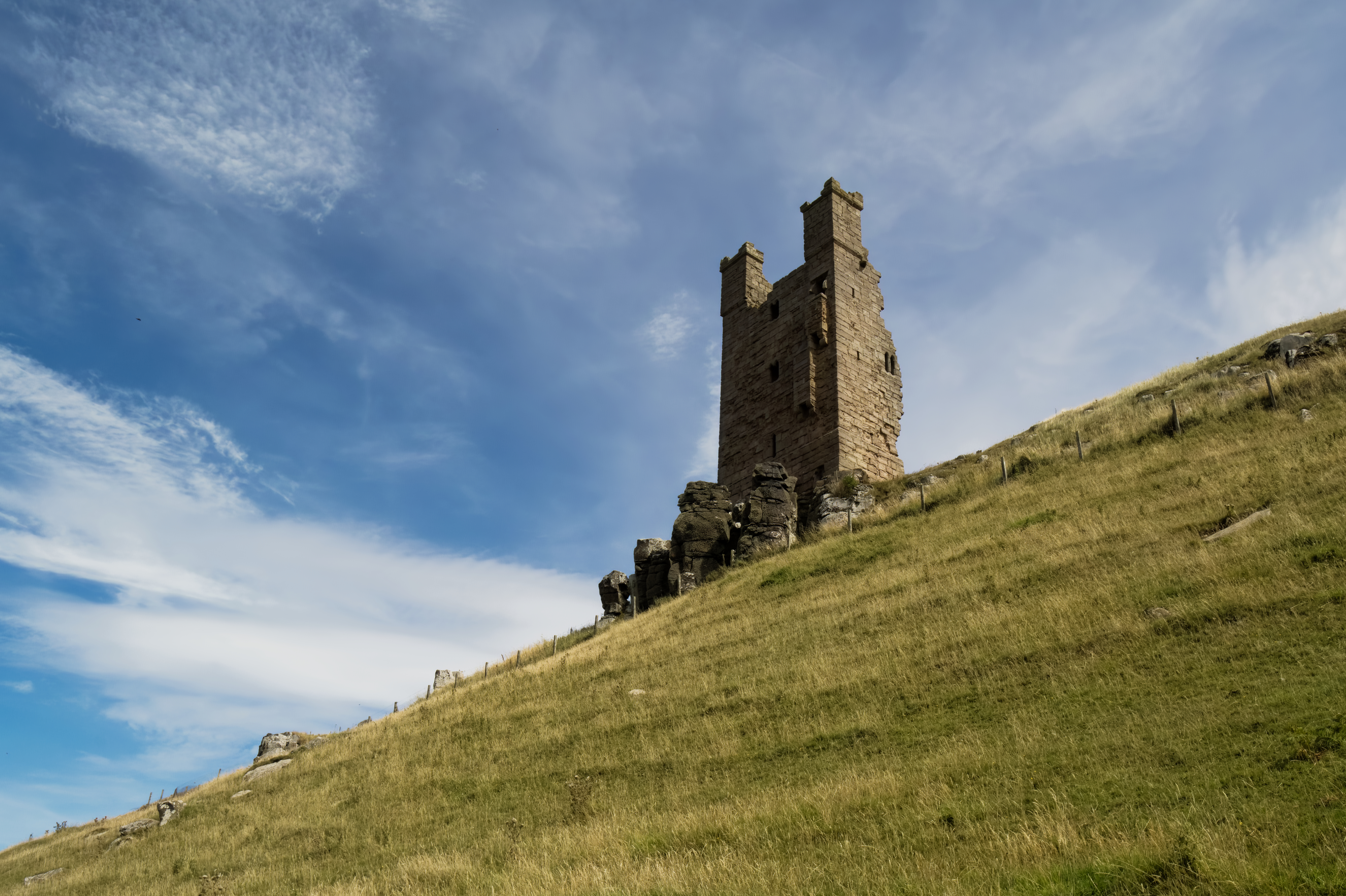
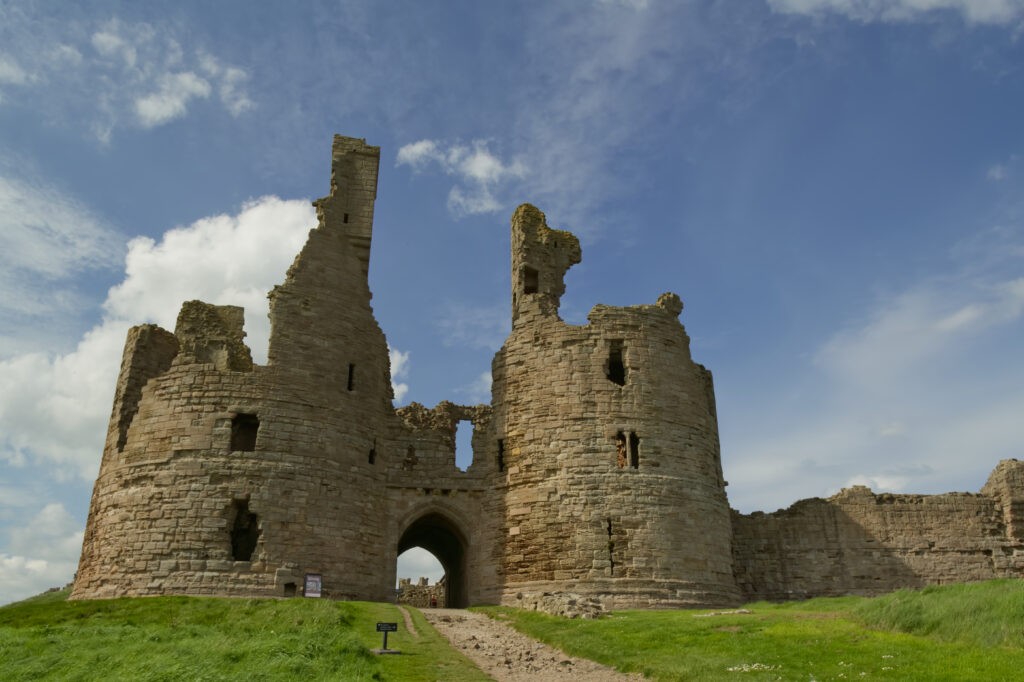
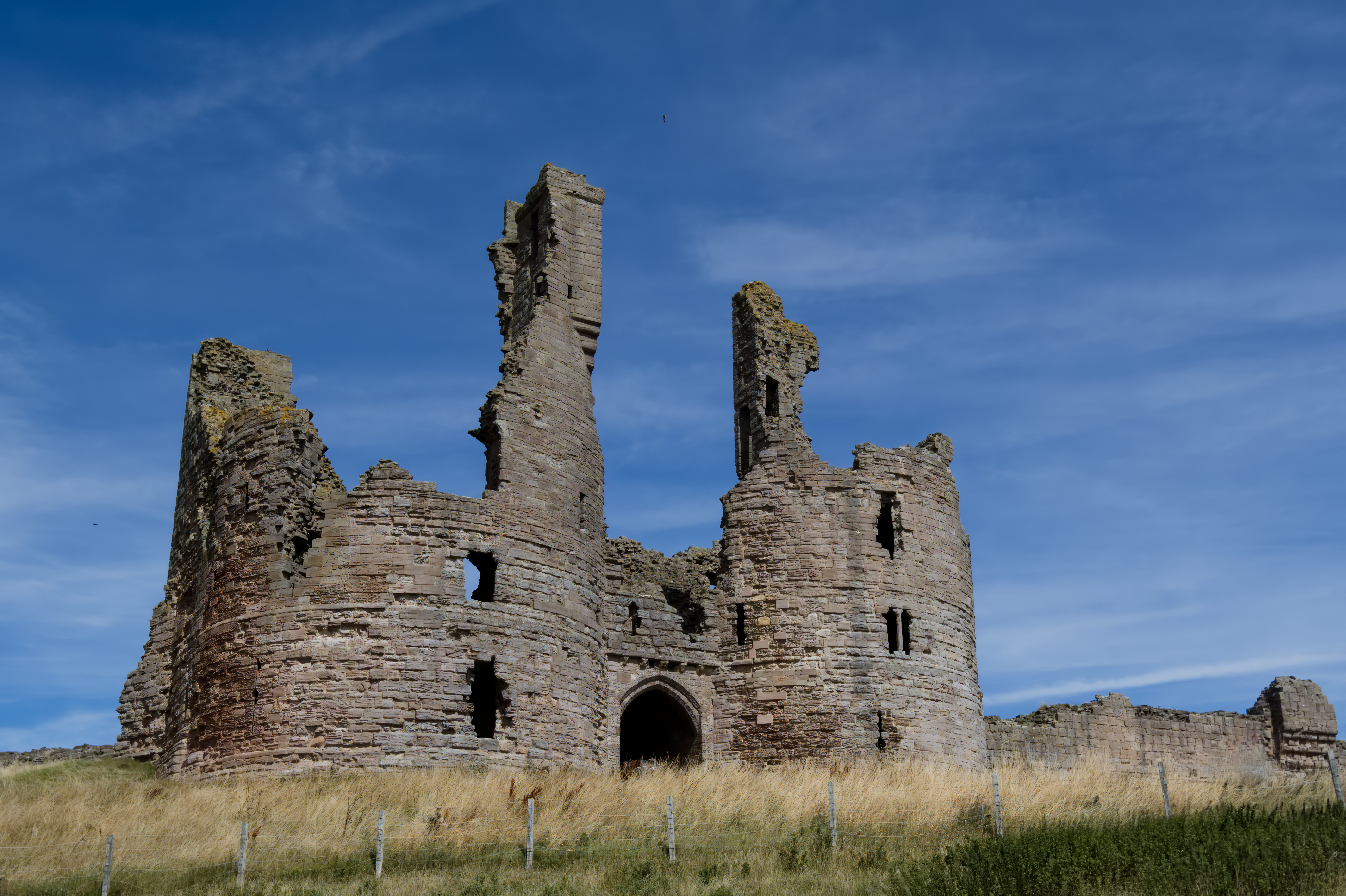
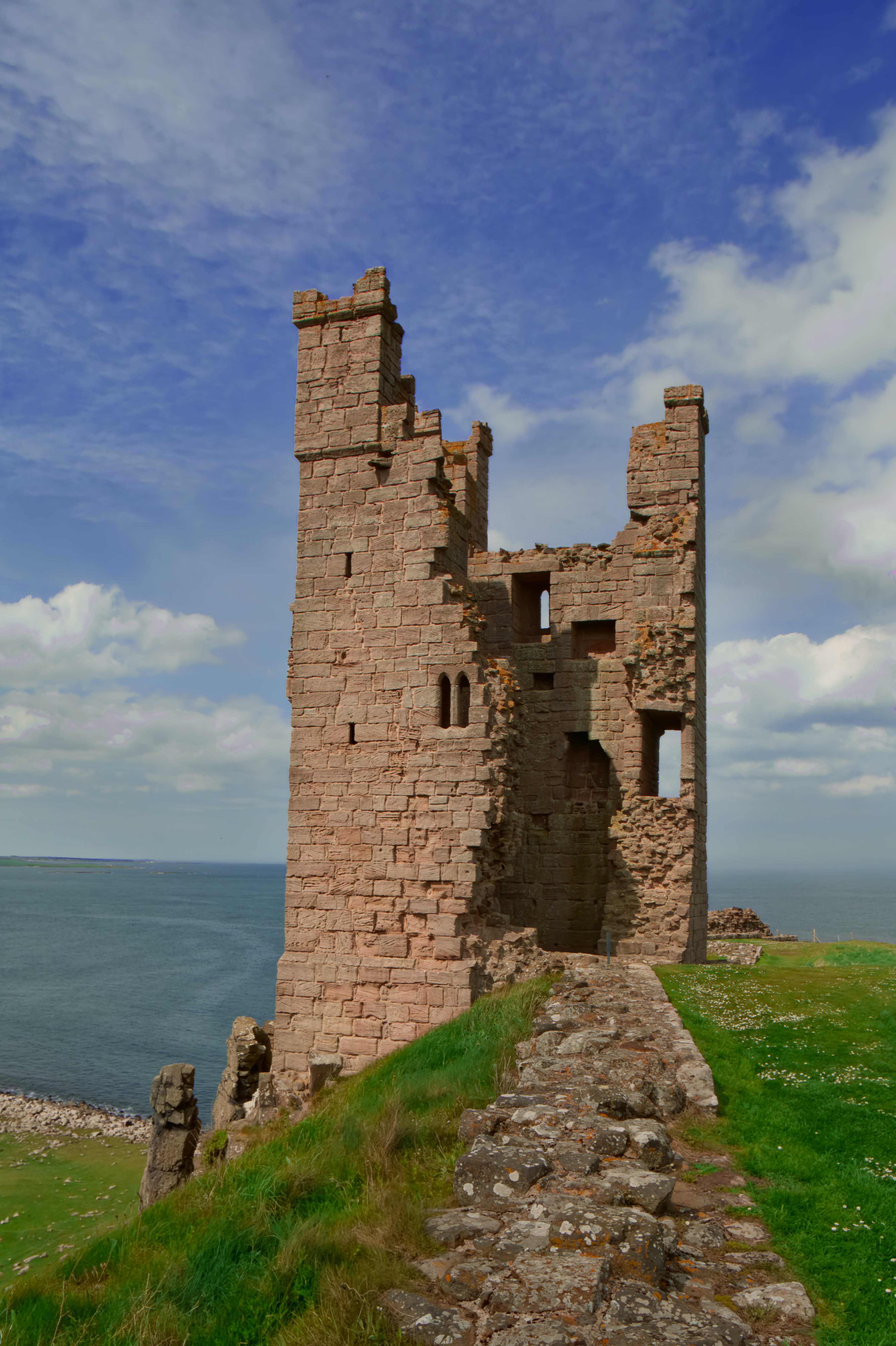
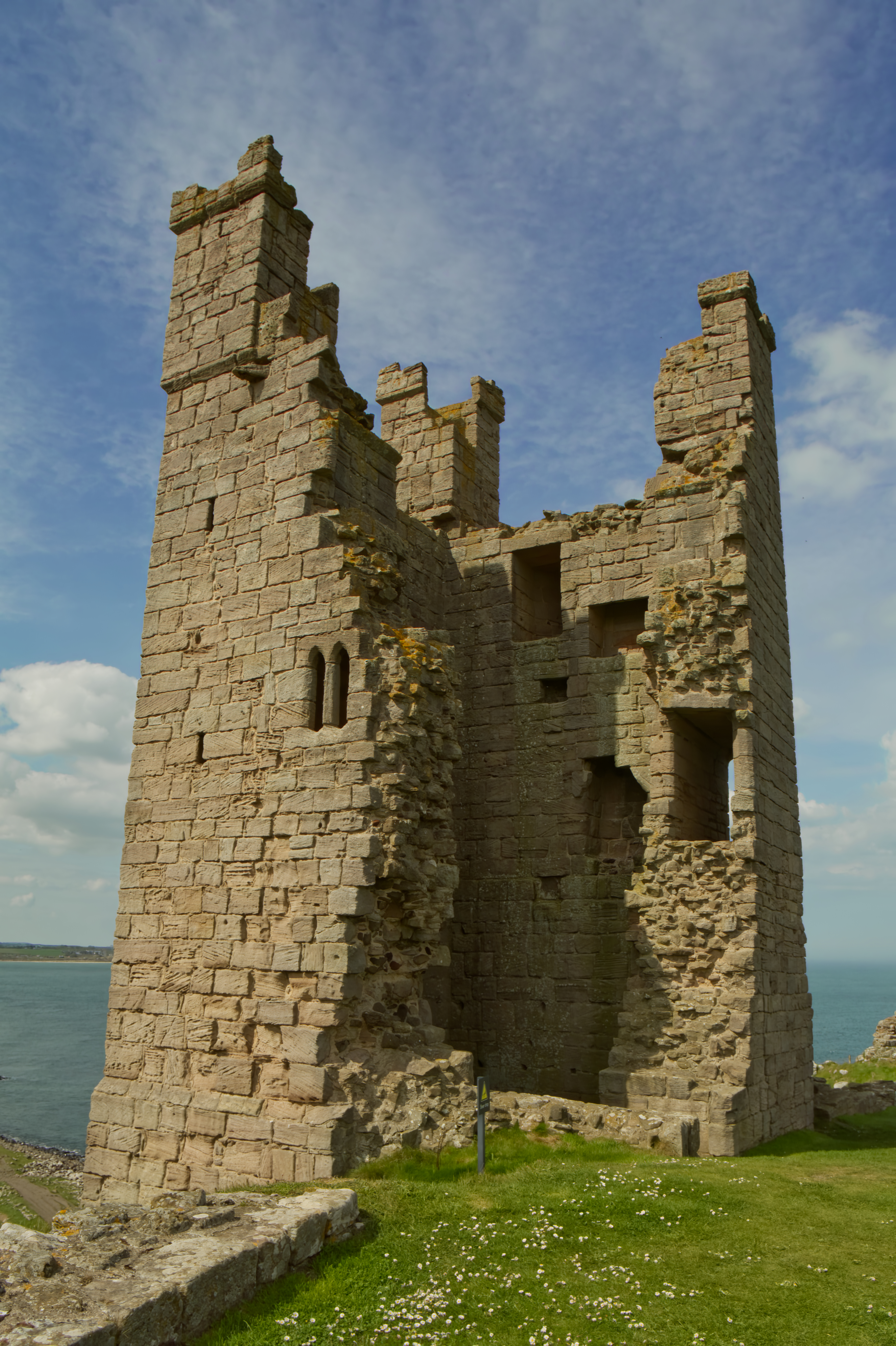
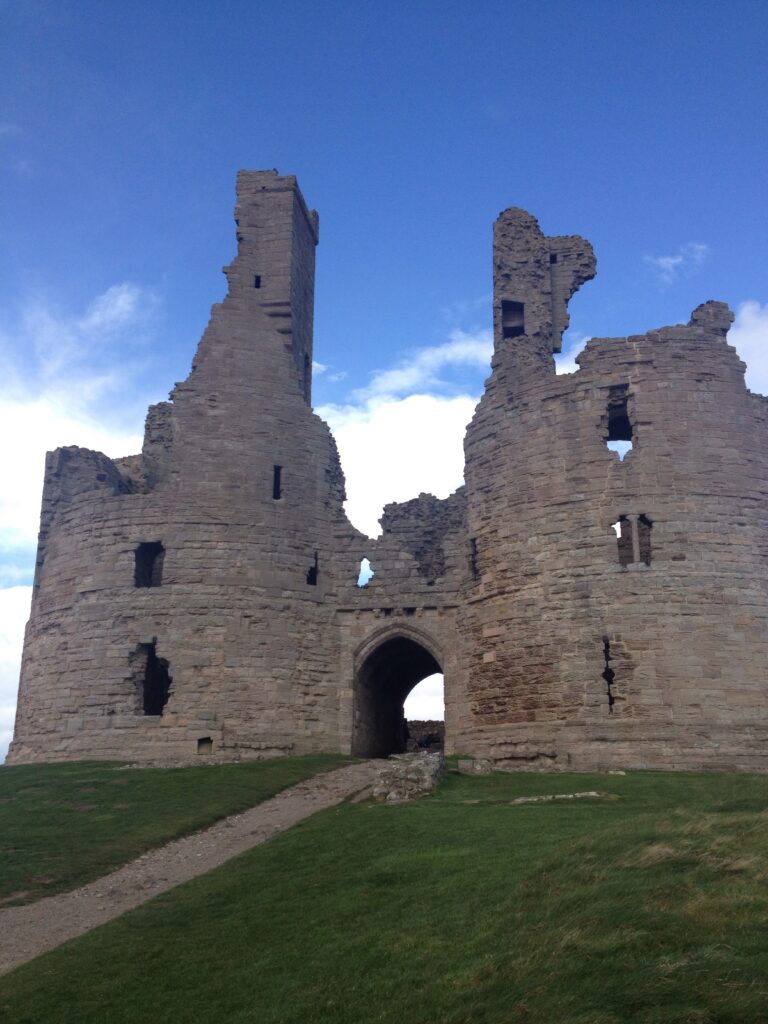
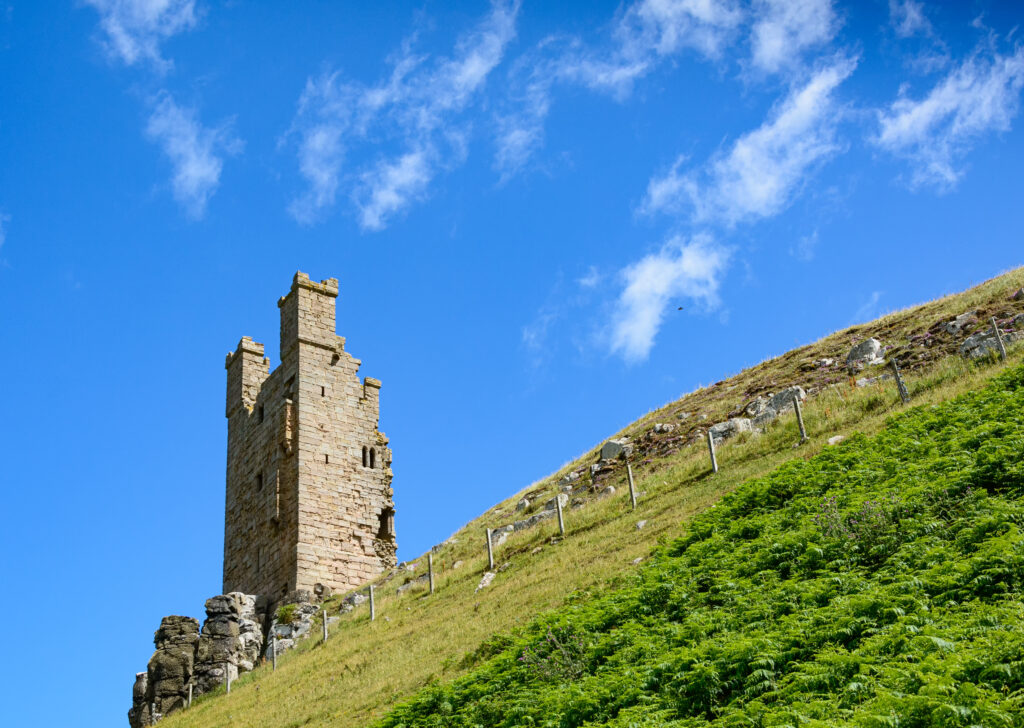
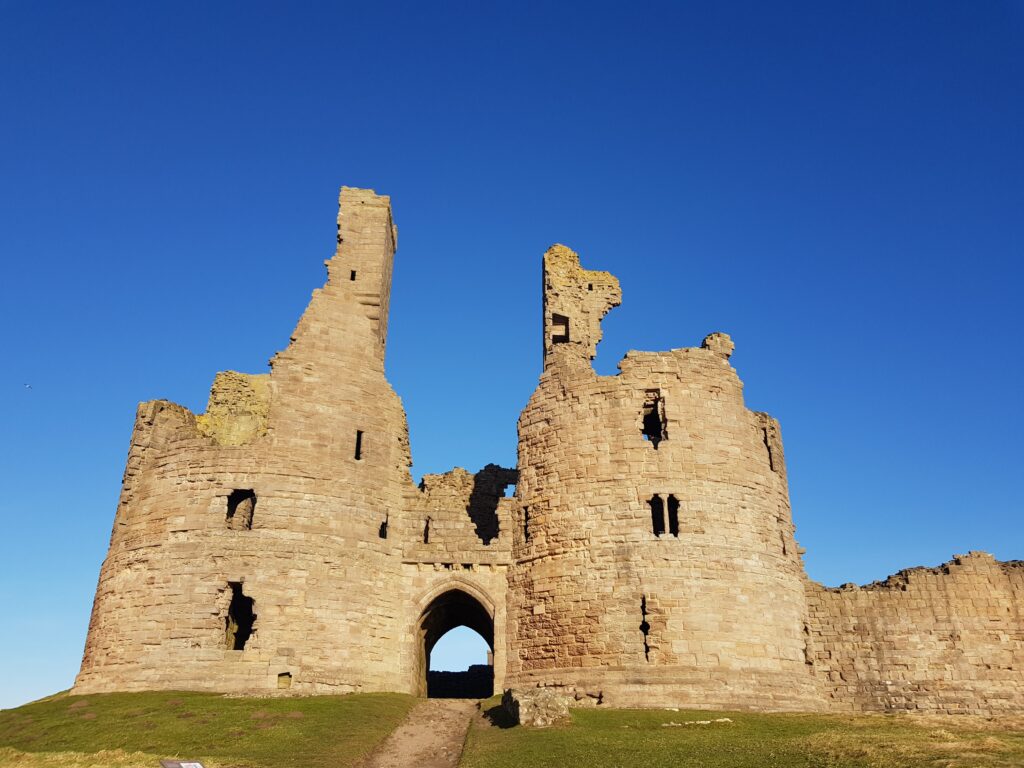
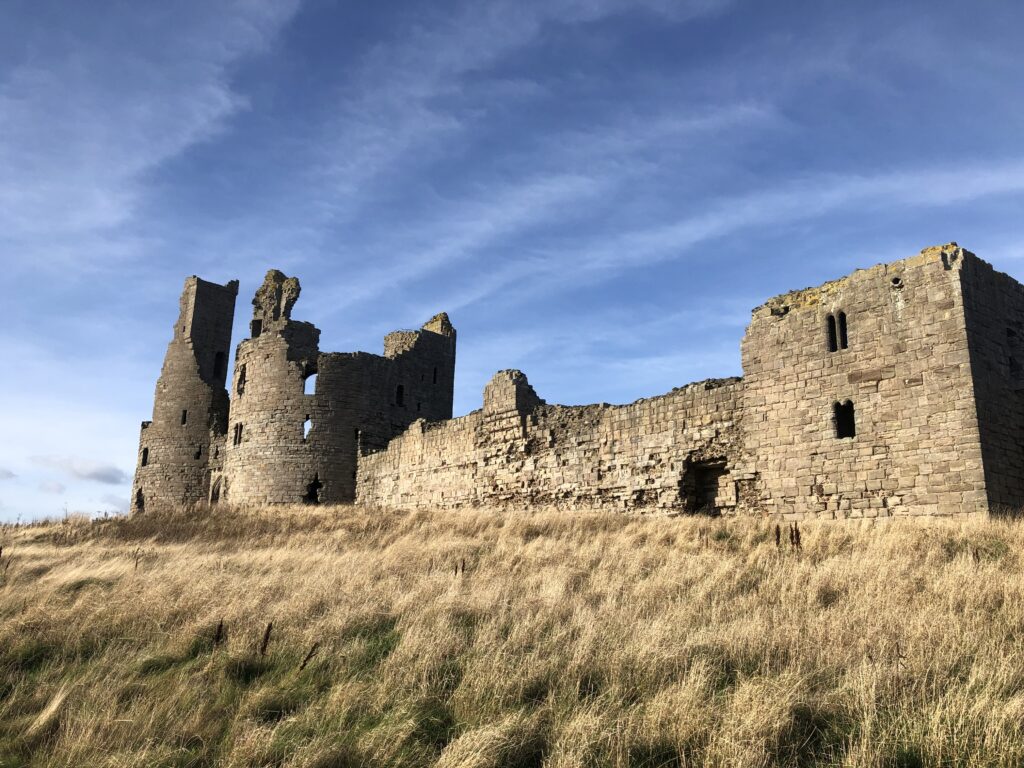
Historical Significance and Architectural Grandeur – Today, Dunstanburgh Castle, managed by English Heritage and owned by the National Trust, is a Grade I listed building and part of a Site of Special Scientific Interest. It is Northumberland’s largest castle, enclosed by curtain walls covering nearly ten hectares. The landscape around the castle includes three artificial lakes known as meres, spanning 4.25 hectares. The most prominent structure within the ruins is the Great Gatehouse, a massive, three-story fortification deemed “one of the most impressive structures in an English castle” by historians Alastair Oswald and Jeremy Ashbee. Rectangular towers like the Lilburn Tower, facing Bamburgh Castle, and the Egyncleugh Tower, overlooking Queen Margaret’s Cove, further enhance its grandeur. The castle’s interior featured three distinct complexes serving the Earl’s household, the constable’s household, and the estate’s management. A port existed southeast of the castle, remnants of which still survive today. The surrounding landscape, first settled in prehistoric times, included an Iron Age hillfort occupied until the Roman era.
The Mysteries and Myths of Dunstanburgh Castle – The origins of the name “Dunstanburgh” remain unclear, though it likely combines the village name “Dunstan” with the Old English word “Burh,” meaning fortress. Local folklore and literary works weave an intricate tapestry of tales around the castle. One such legend is Sir Guy the Seeker’s tale, where a knight ventures into Dunstanburgh and encounters mystical elements, such as a wizard, a crystal tomb, and a sleeping army. Choosing the wrong object, a horn instead of a sword, Sir Guy awakens the sleepers and spends the rest of his days trying to re-enter the castle. Another story involves a child imprisoned in the castle who threw the key onto a field, causing it to become barren henceforth. There’s also the tale of Gallon, whom Margaret of Anjou entrusted with guarding the castle’s treasures. Captured by the Yorkists but later escaping, Gallon returns to reclaim Venetian glasses. Rumors of tunnels extending from Dunstanburgh Castle to nearby locations like Craster Tower, Embleton, and Proctor Steads abound, possibly linked to the medieval sewage system around the fortress.
Artistic Inspirations and Modern-Day Preservation – From the late 18th century onwards, Dunstanburgh Castle has inspired numerous artists. Thomas Girtin depicted the castle amidst the tumultuous forces of nature, influencing William Turner, who frequently painted the castle, capturing its majestic decay against dramatic skies and stormy seas. By 1900, a golf course was established on the castle grounds, reflecting its transition from a military bastion to a cultural and recreational site. Preservation efforts continued through the 20th century, including archaeological surveys and clearance projects. During World War II, fearing a German invasion, the British government fortified the coastline surrounding Dunstanburgh Castle. The site was manned by units of the Royal Armoured Corps, who used the castle’s stone walls for protection. Remaining aspects such as pillboxes and anti-tank trenches serve as reminders of this turbulent period. In the 21st century, the ruins of Dunstanburgh Castle remain a cherished heritage site. Protected as a Scheduled Monument and Grade I listed structure, it is also part of an Area of Outstanding Natural Beauty and a Special Protection Area for wild birds. Conservation efforts by the National Trust aim to preserve the site’s unique natural environment while encouraging bird nesting within the castle grounds.
Dunstanburgh Castle, with its storied past and mystical allure, continues to be a symbol of historical intrigue and natural beauty, inviting visitors to explore its ruins and delve into the legends that have shaped its legacy.