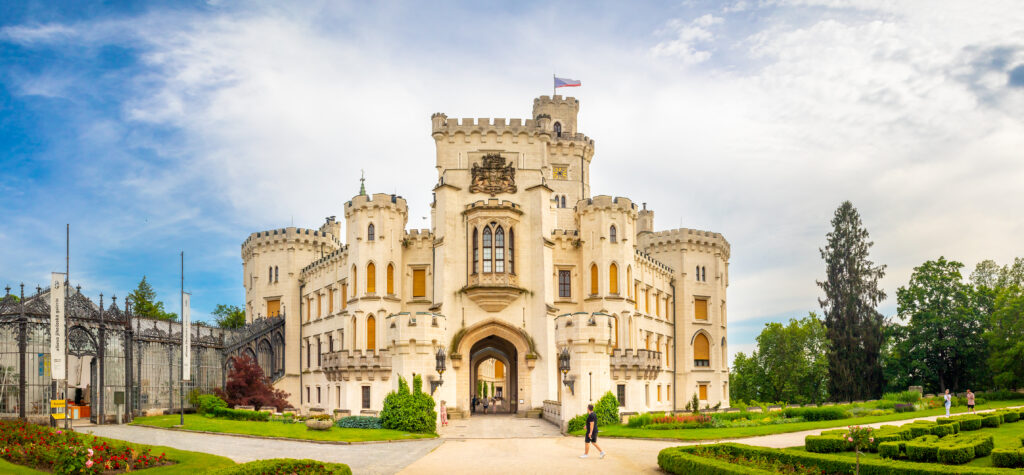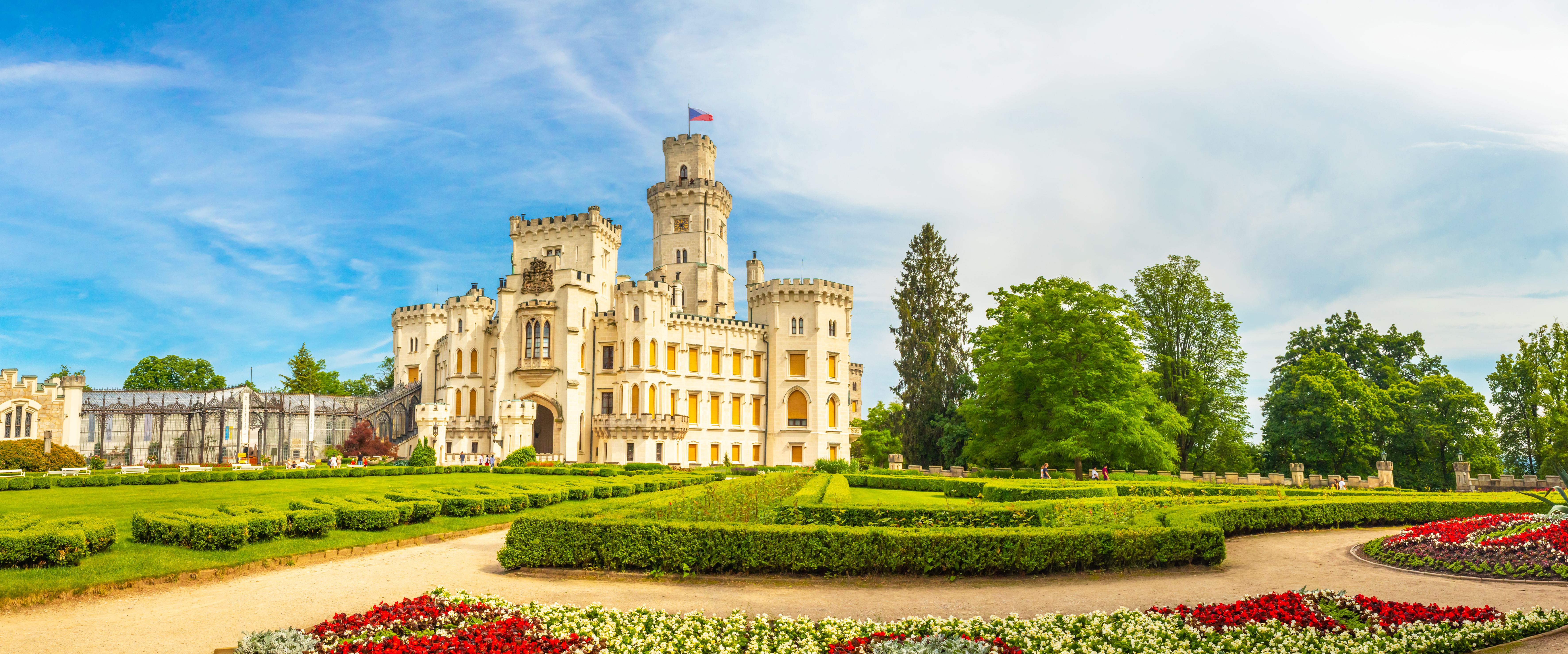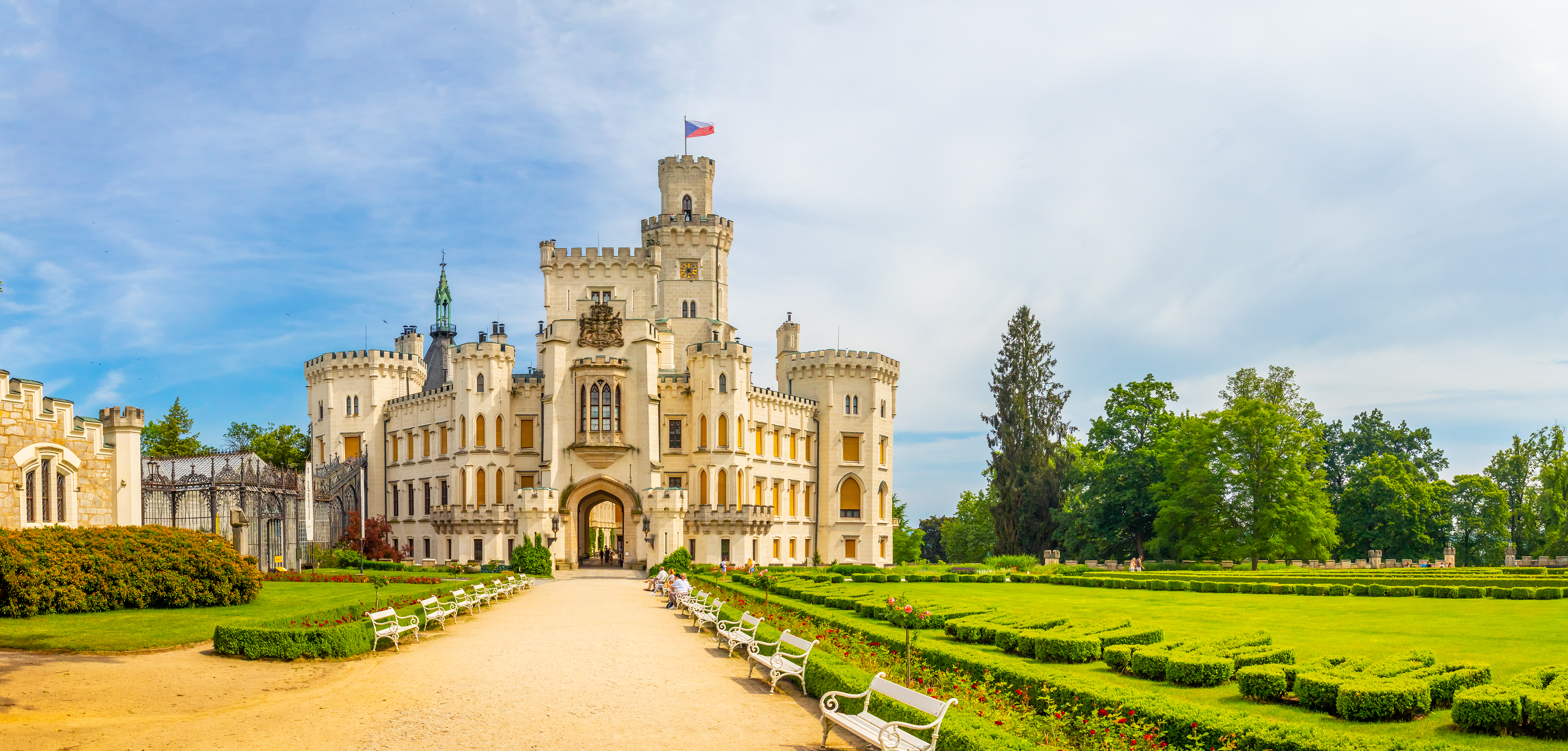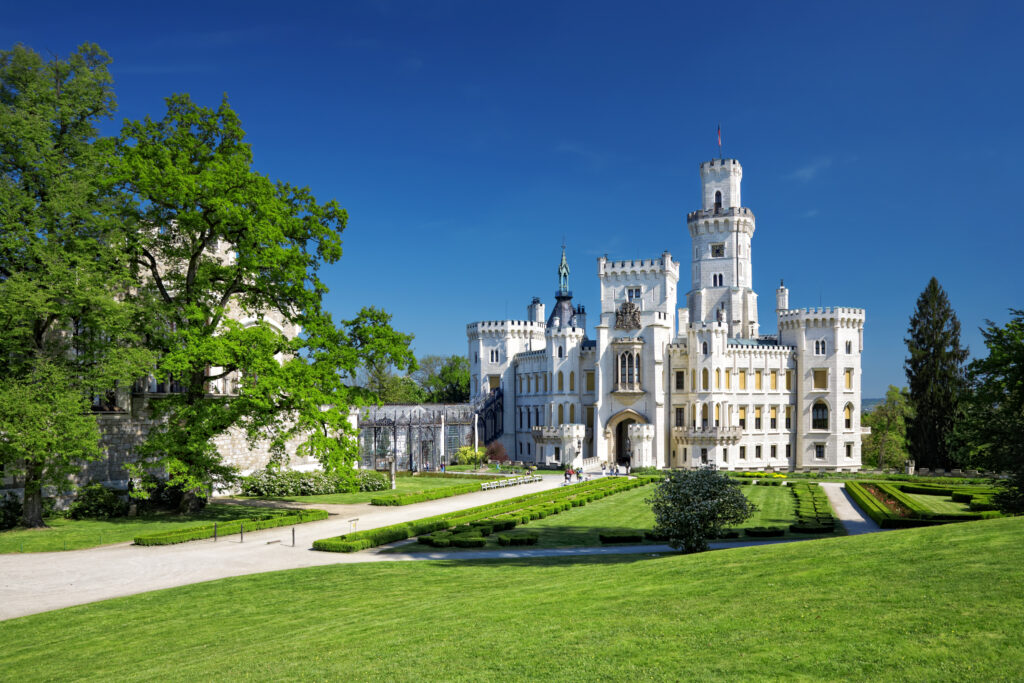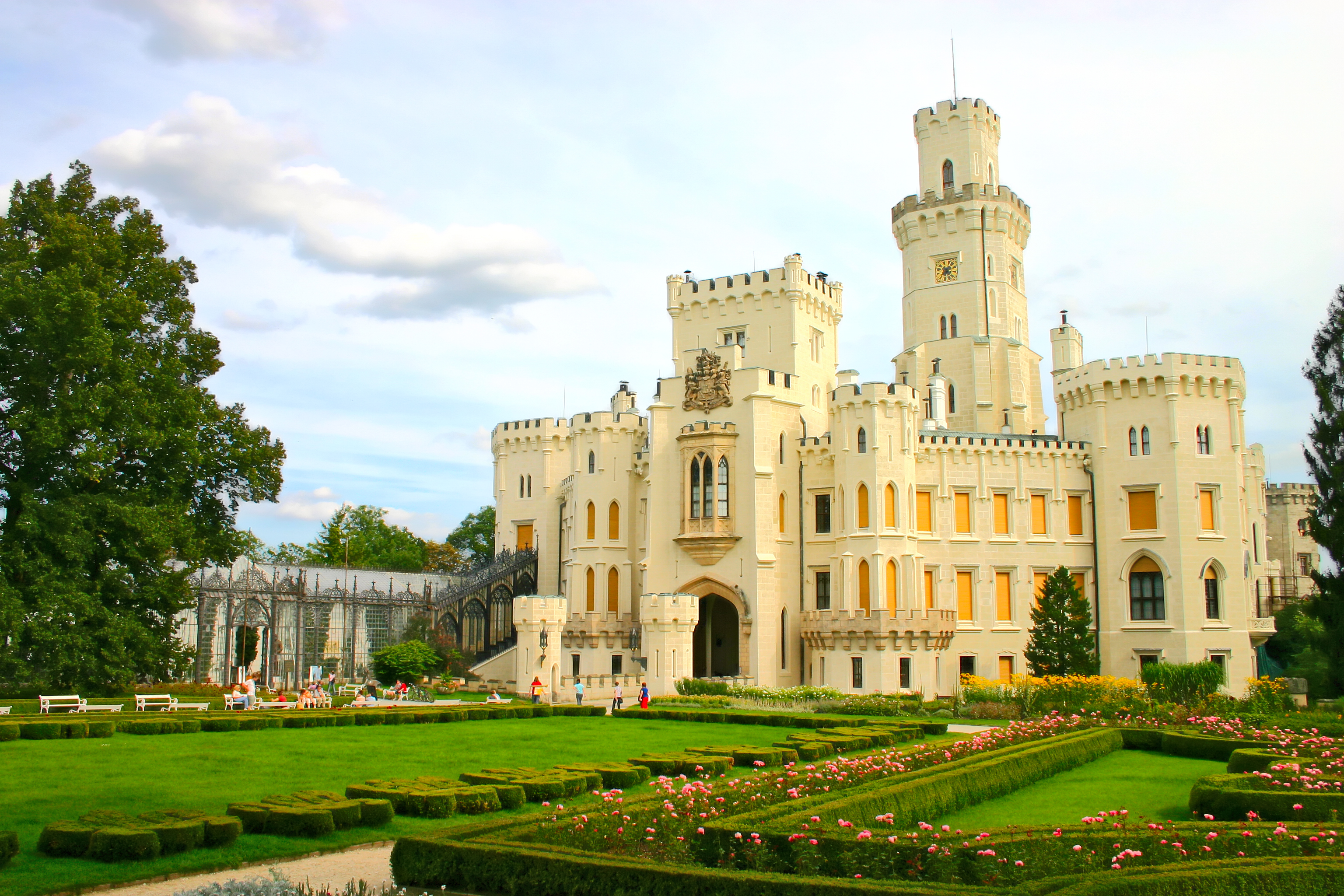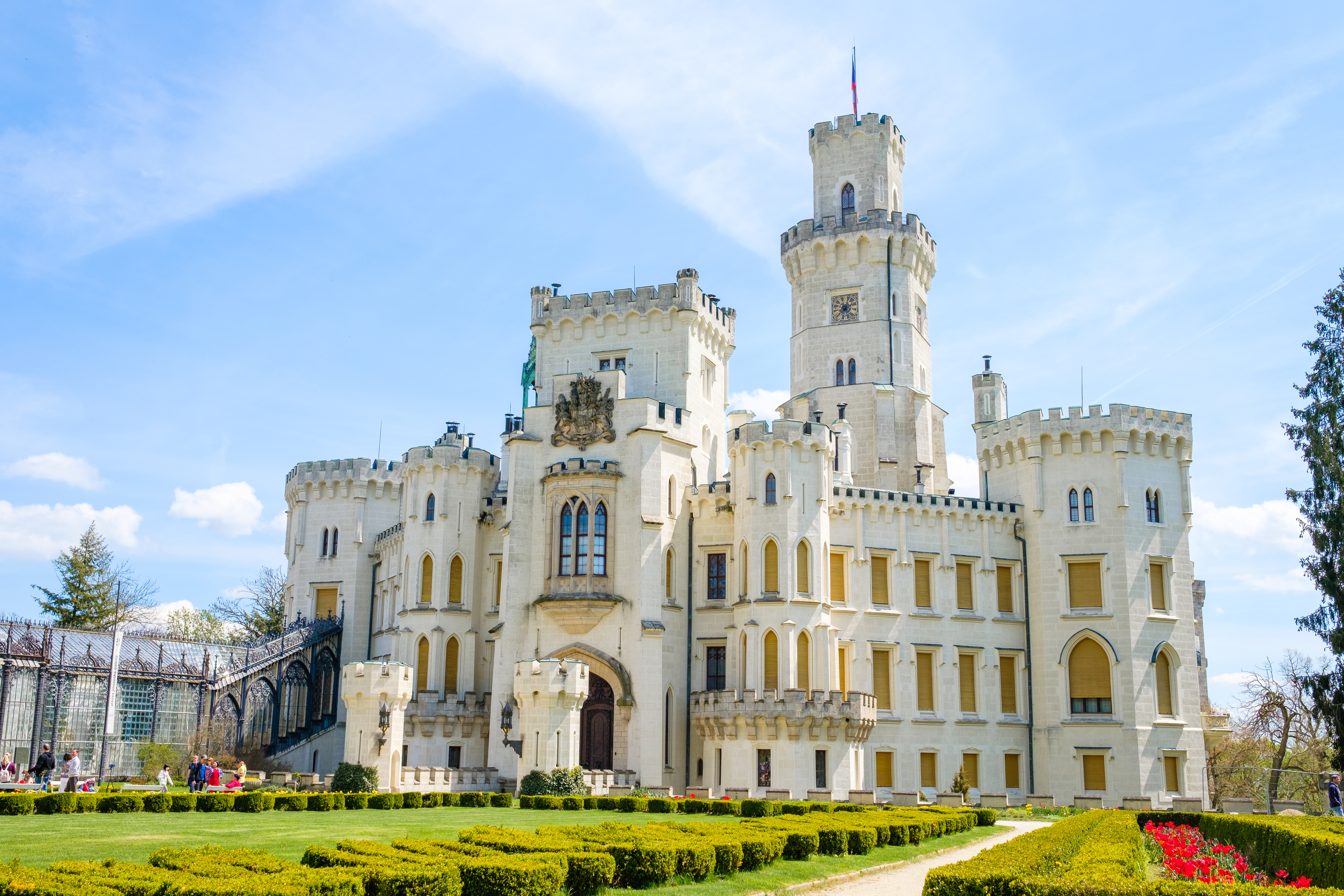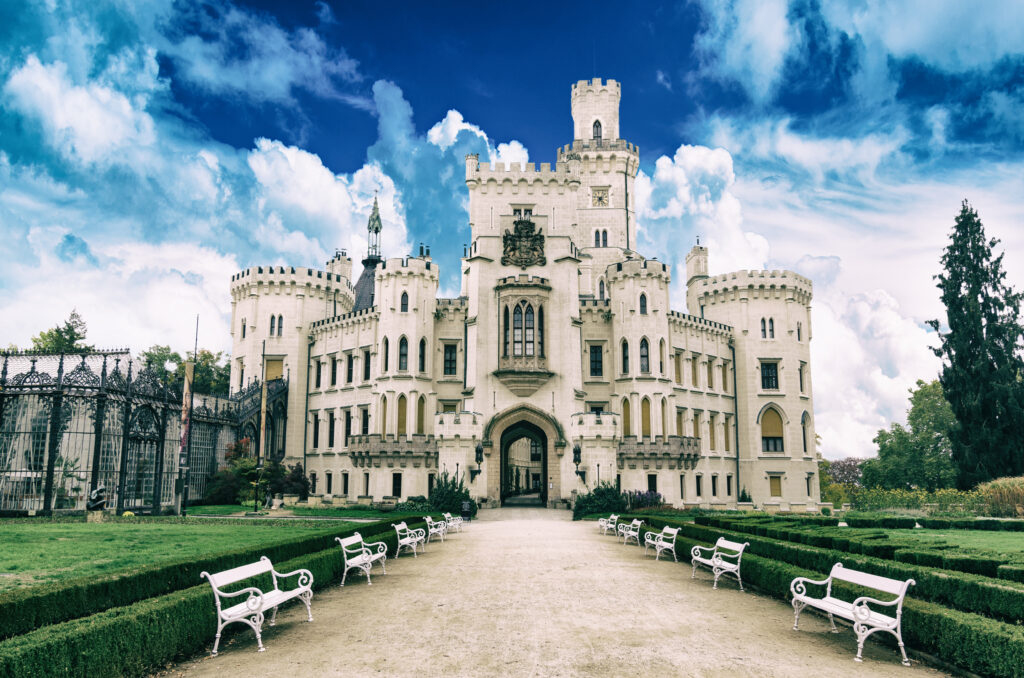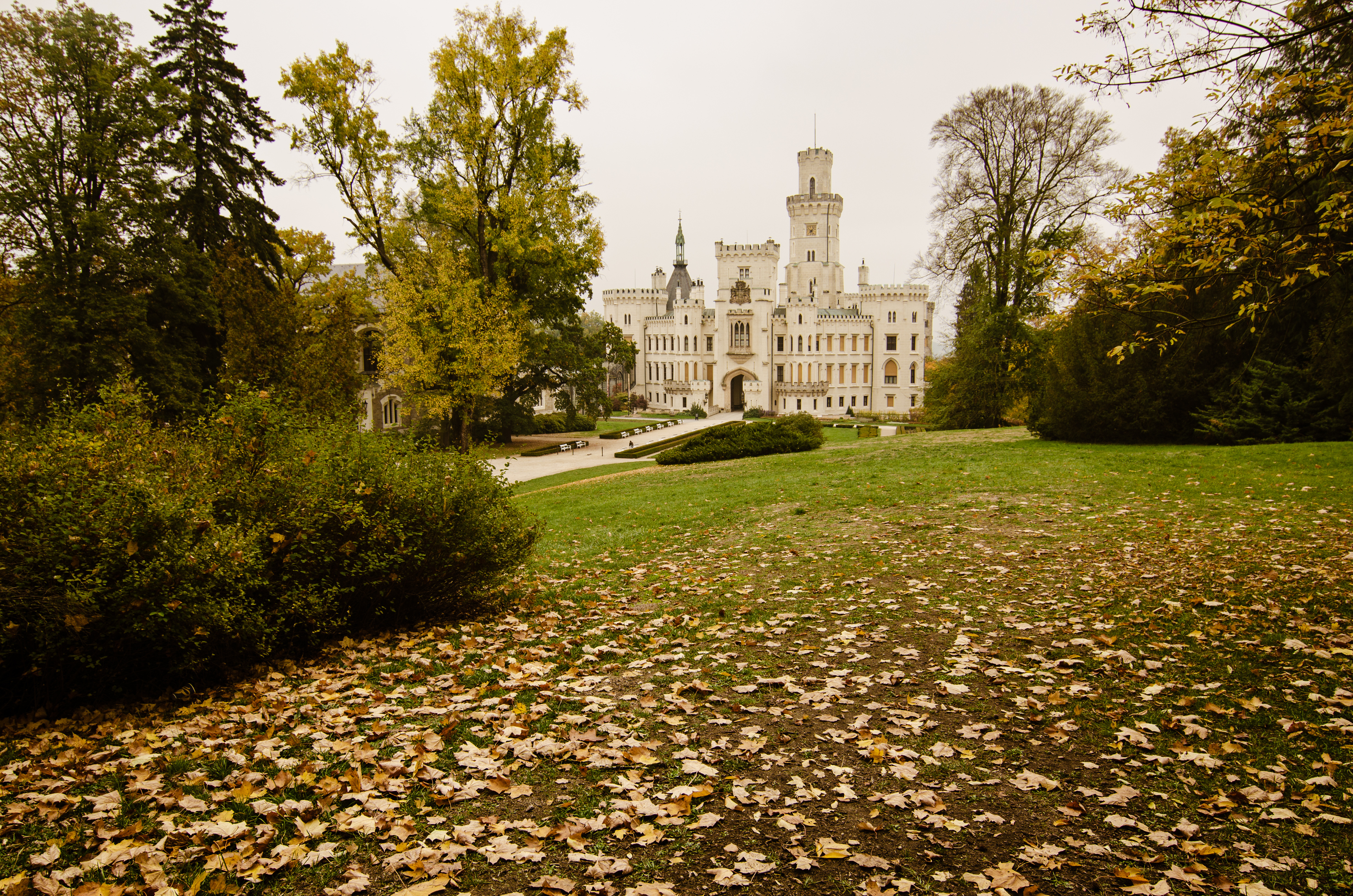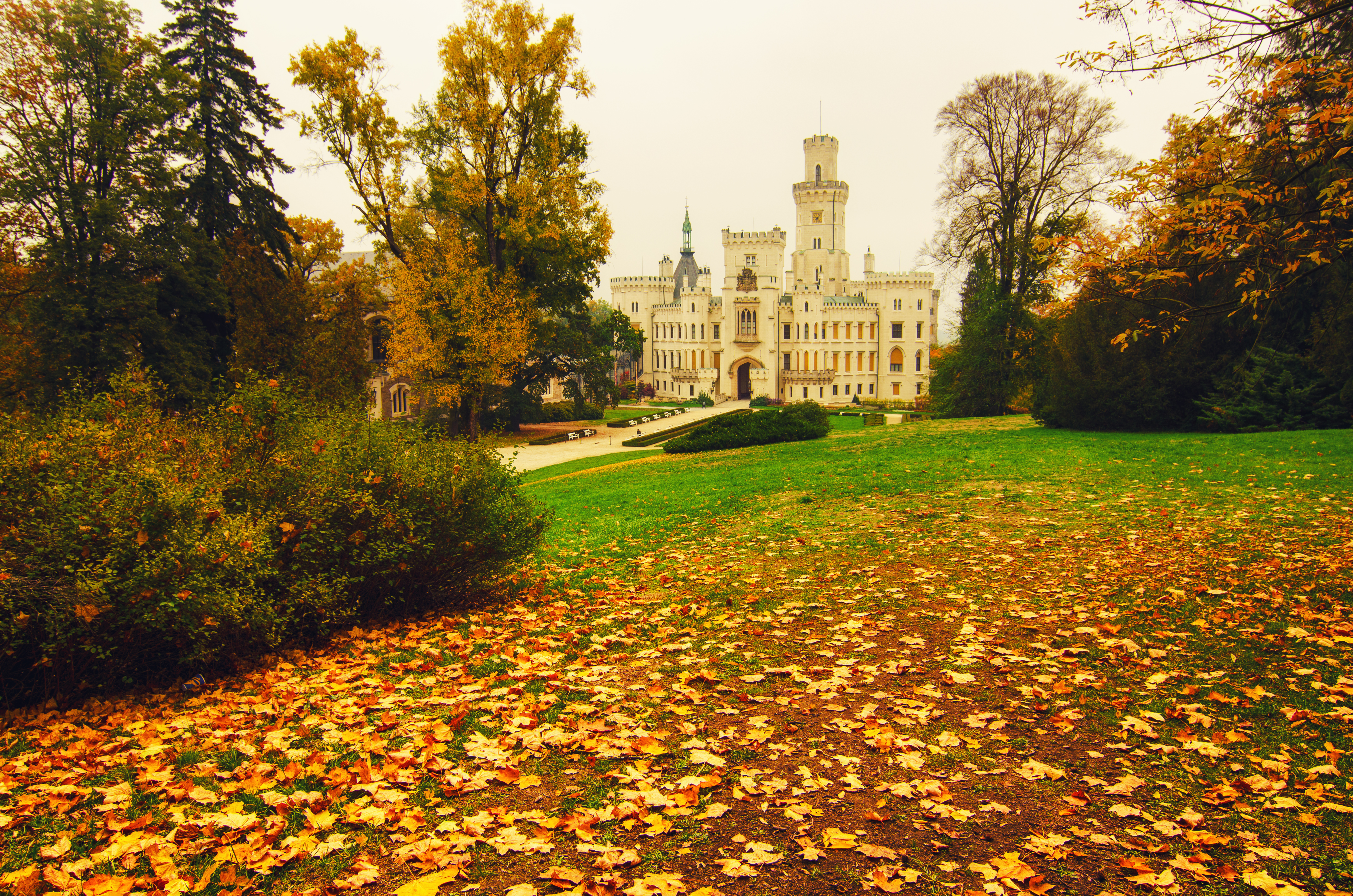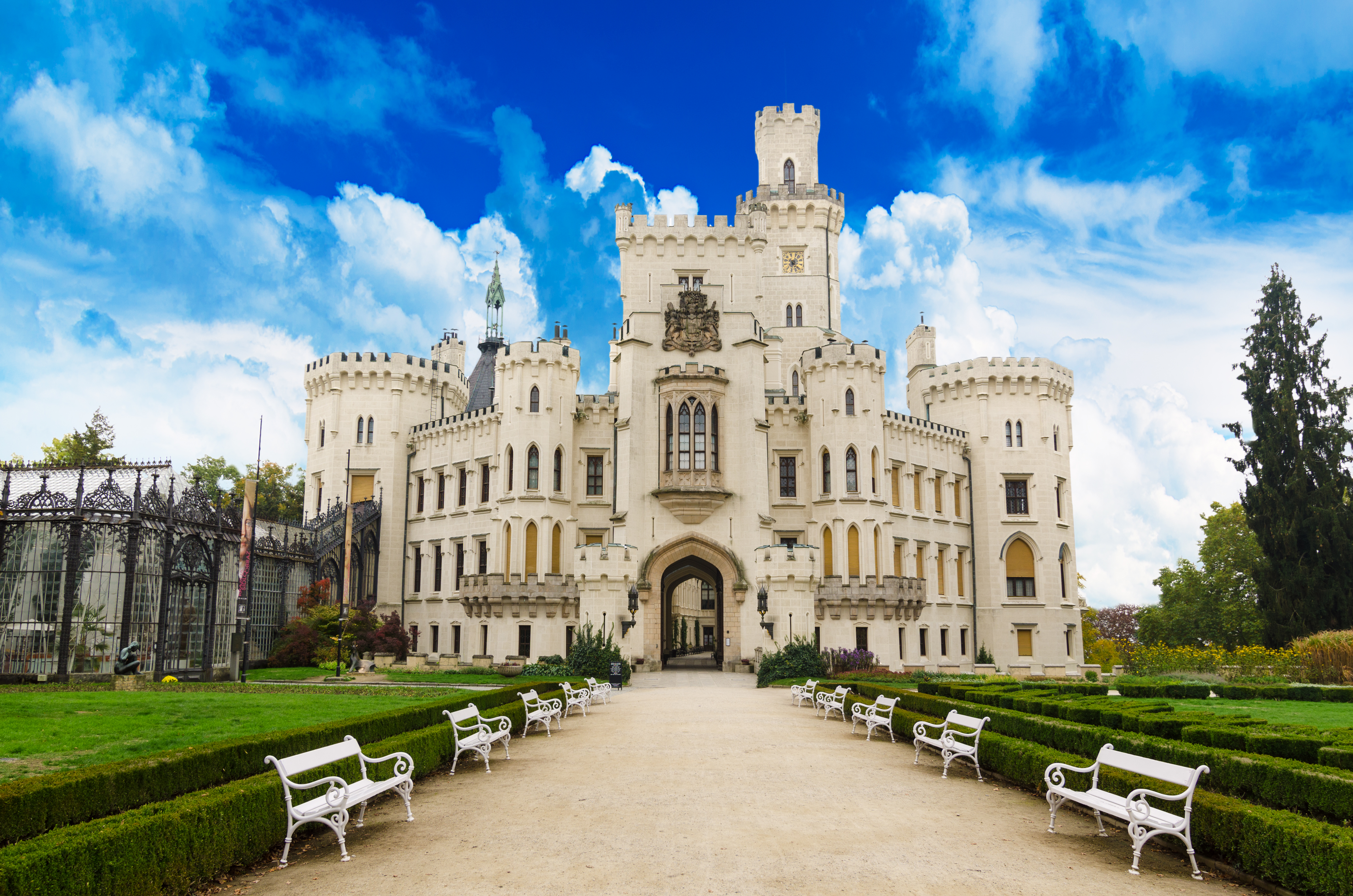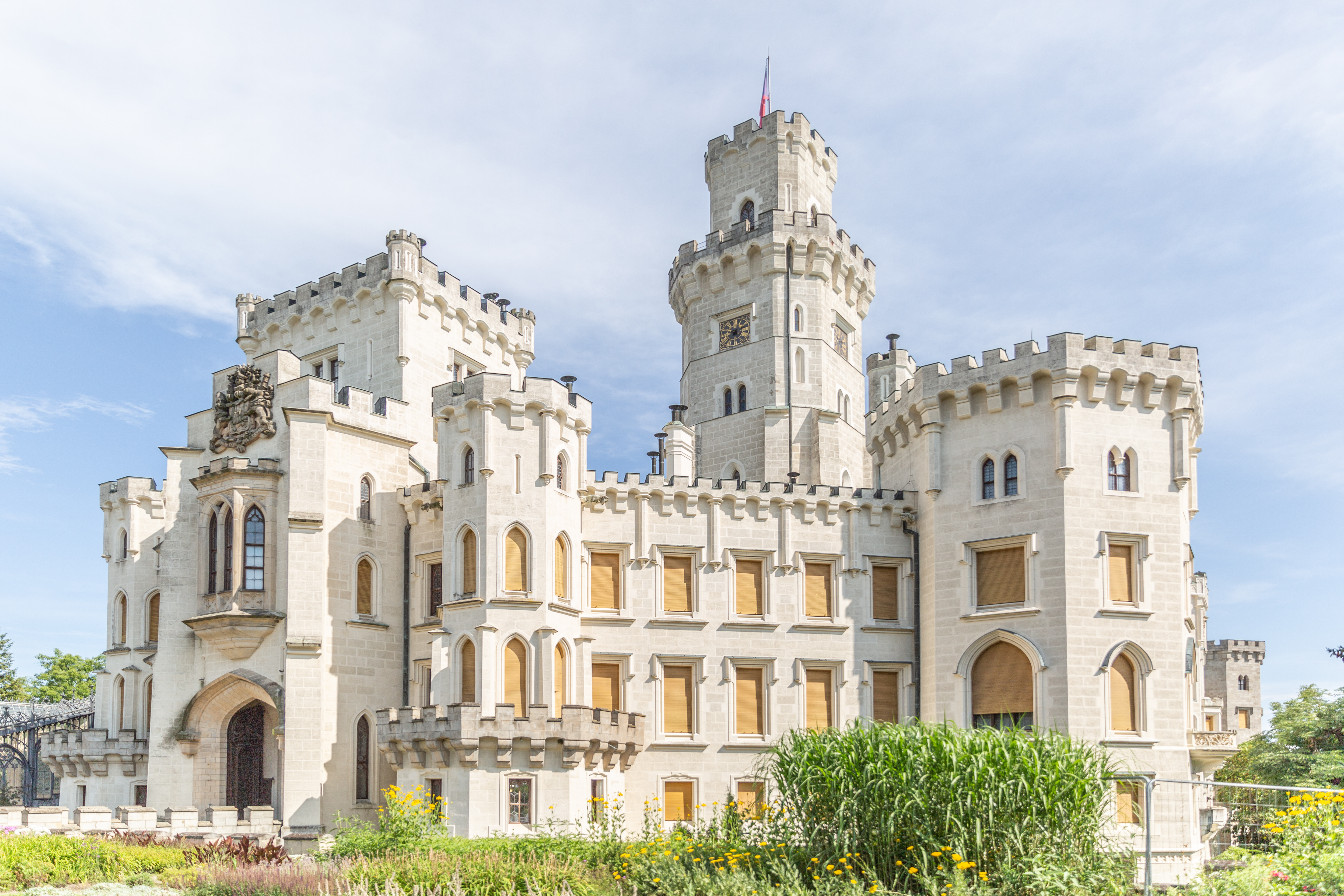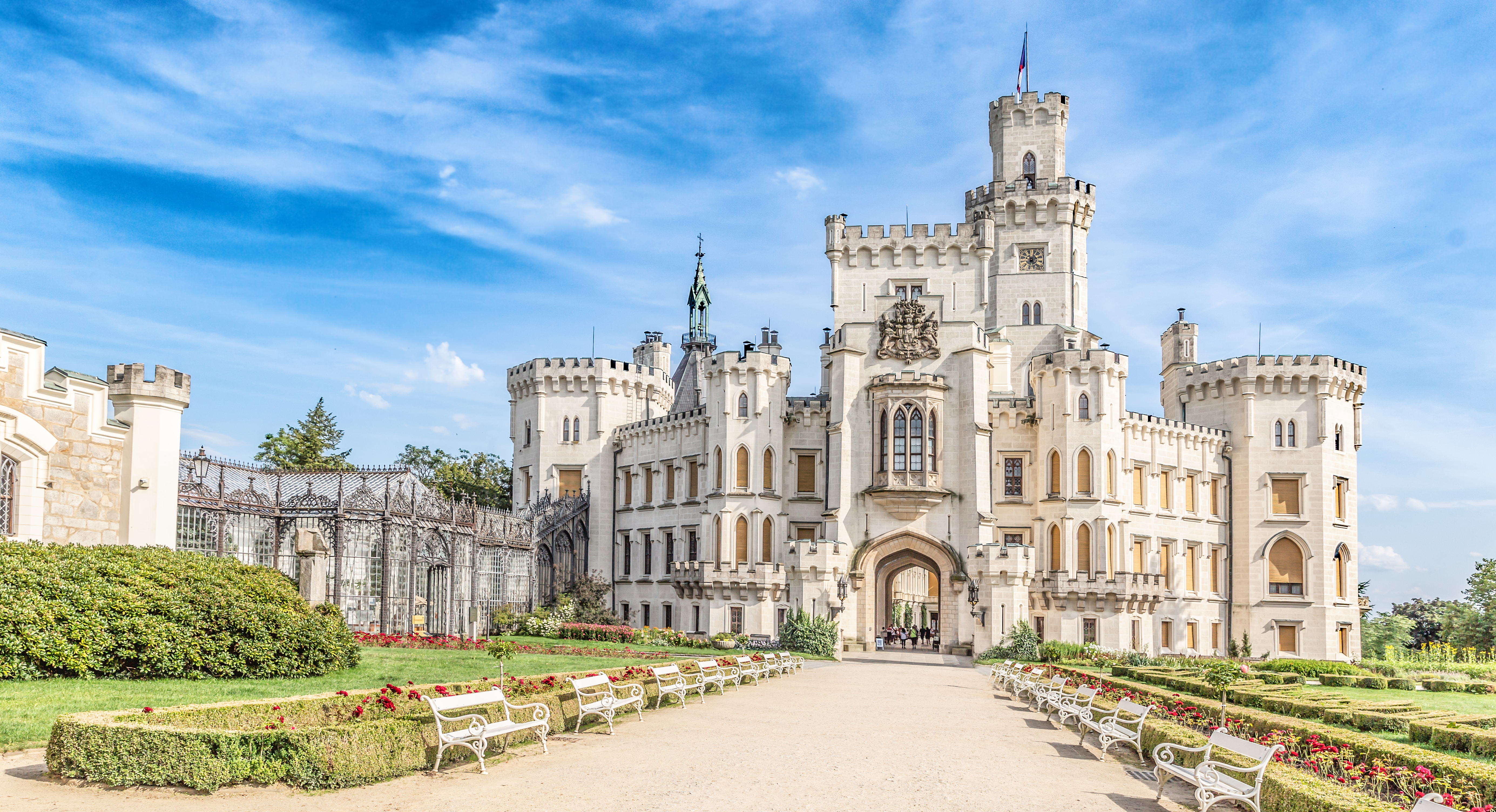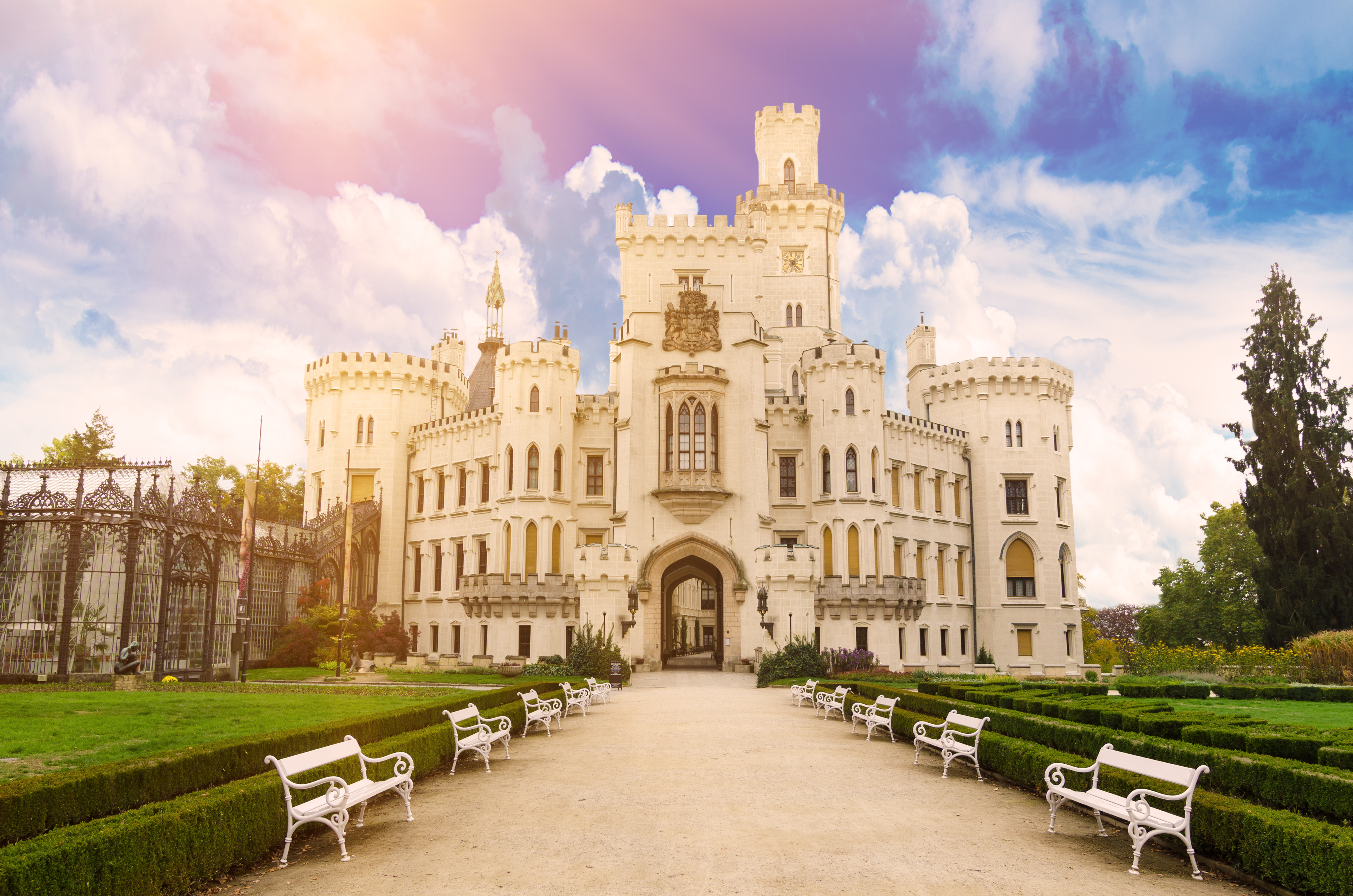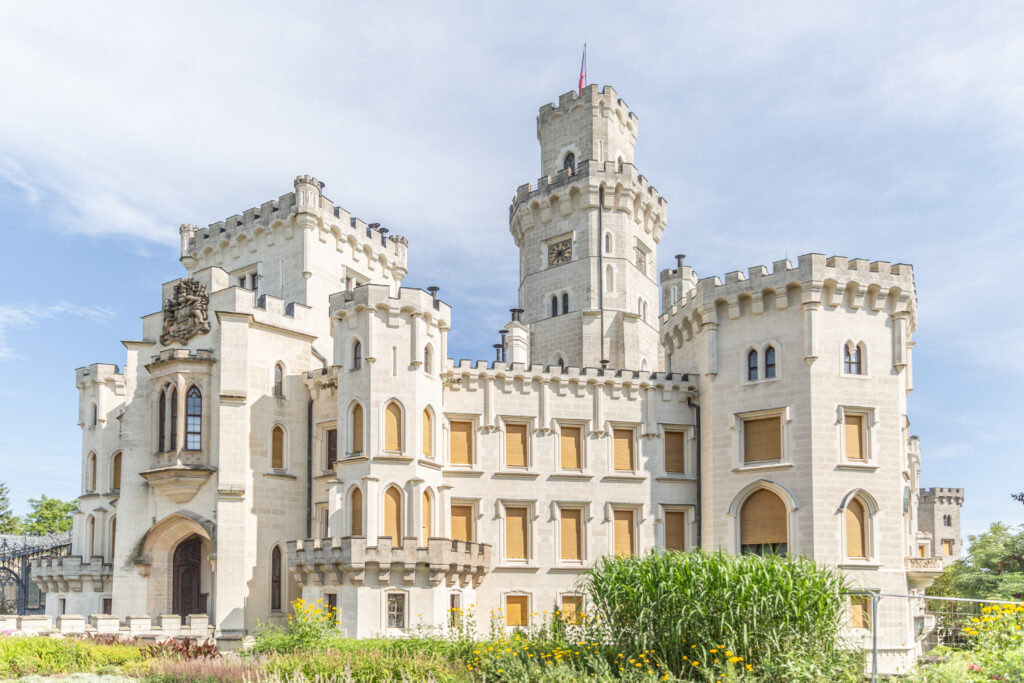

Nestled in the quaint town of Hluboká nad Vltavou in Bohemia, Hluboká Castle stands as a timeless sentinel of history, myth, and legend. Boasting Gothic spires and Romantic flourishes, this architectural marvel attracts approximately 187,000 visitors annually, making it one of the most visited castles in the Czech Republic. Hluboká’s story is rich with regal drama, architectural transformations, and a lineage intertwined with both prosperity and peril.
Beginnings in the Middle Ages – The origins of Hluboká Castle date back to the second half of the 13th century when it was initially constructed as a Gothic fortress. This early iteration of the castle served both defensive and residential purposes, reflecting the tumultuous period of its birth. The first major transition in ownership occurred in 1490 when King Vladislav Jagiello pawned the estate, along with Kamýk Manor, to William of Pernstein. The late 15th century saw significant enhancements under William’s direction, including a substantial expansion of the original structure. Upon William’s death in 1514, the castle passed to his youngest son, Vojtěch. However, when Vojtěch died in 1534, his brother Johann inherited the property. Johann’s tenure was short-lived as he transferred ownership to his cousin, Andreas Ungnad of Sonnegg. Unfortunately, the Ungnad family’s mismanagement led to financial ruin, forcing King Ferdinand I to repurchase the indebted estate in 1561. The following year, it was sold to Joachim of Neuhaus, who began further renovations, transforming the medieval fortress into a more refined Renaissance chateau.
Renaissance to Baroque Transition – In the 1580s, under the guidance of architect Baldassare Maggi, Hluboká underwent a dramatic metamorphosis, evolving from a fortified stronghold into an elegant Renaissance palace. Joachim of Neuhaus’s son, Adam, continued the development by selling parts of the estate, but financial difficulties persisted. By 1598, the estate was so heavily in debt that Joachim Ulrich of Neuhaus was compelled to sell it to creditor Bohuslav Malovec of Malovice. The Malovec family’s tenure was short-lived; their involvement in financial speculation and participation in the Estates Revolt led to confiscation of their assets in 1623. The Hluboká estate was then granted to Baltasar Marradas, who embarked on a mission to re-Catholicize the region. In 1661, Johann Adolf I of Schwarzenberg acquired the estate, marking the beginning of a long and storied association between the Schwarzenberg family and Hluboká Castle.
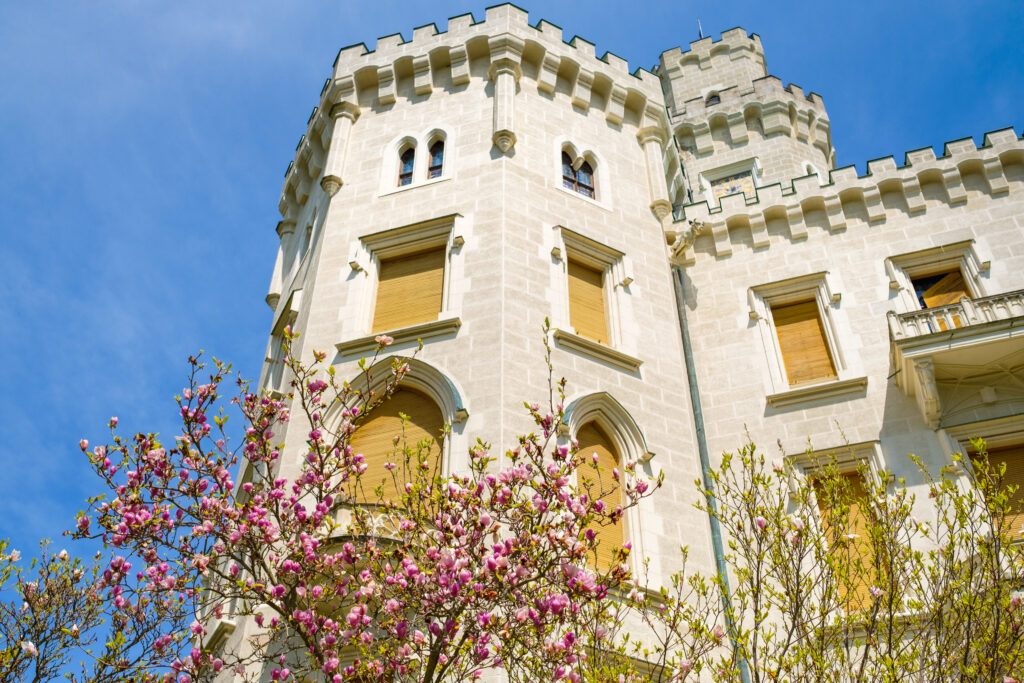
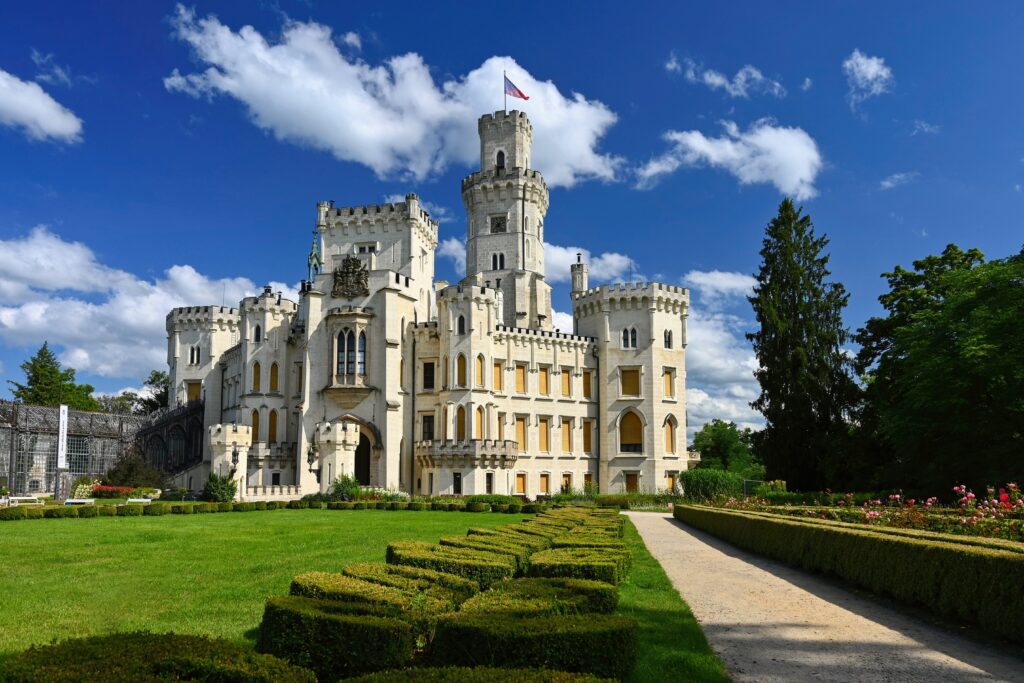
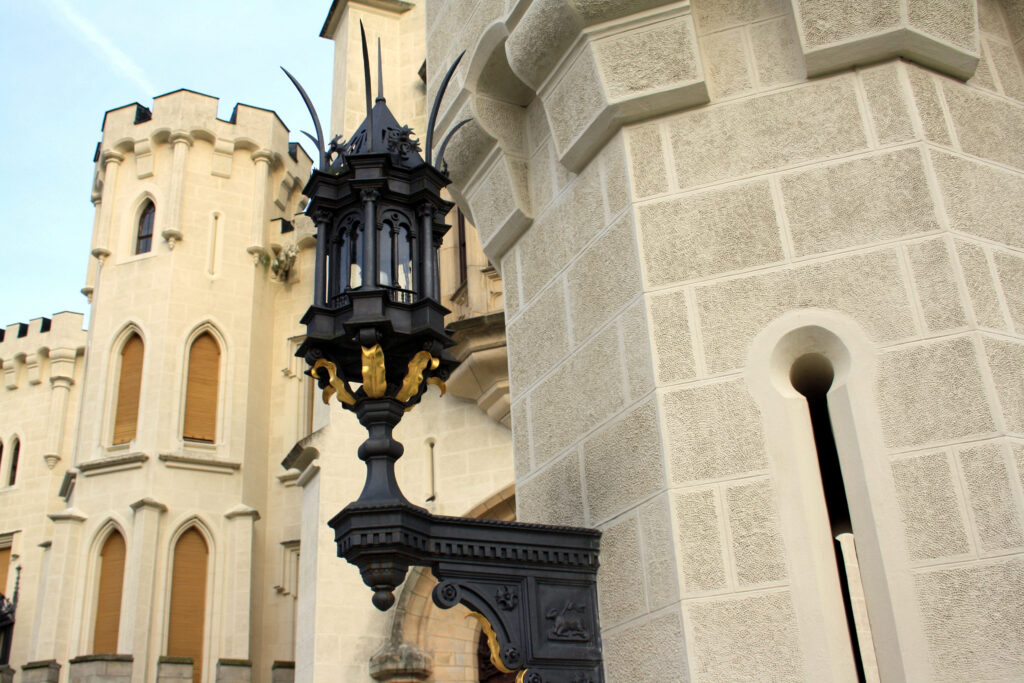
A Romantic Transformation – The dawn of the 18th century heralded yet another architectural shift. At the behest of Prince Adam Franz of Schwarzenberg, the castle underwent extensive Baroque renovations orchestrated by architects Paul Ignaz Bayer and Anton Erhard Martinelli. This transformation imbued the castle with a distinctive Baroque elegance, characterized by ornate detailing and grandeur. Yet, the most significant metamorphosis was still to come. In the mid-19th century, Johann Adolf II, Prince of Schwarzenberg, envisioned Hluboká as a beacon of Romanticism. Inspired by the architectural wonders of Windsor Castle, Johann Adolf II commissioned Viennese architect Franz Beer to oversee the castle’s reconstruction. Starting in 1840, Beer spearheaded a two-decade-long project that culminated in the creation of a breathtaking castle in the Tudor Gothic style. The elaborate exterior aesthetic and intricate interior designs were finally completed by Ferdinand Deworetzky in 1871.
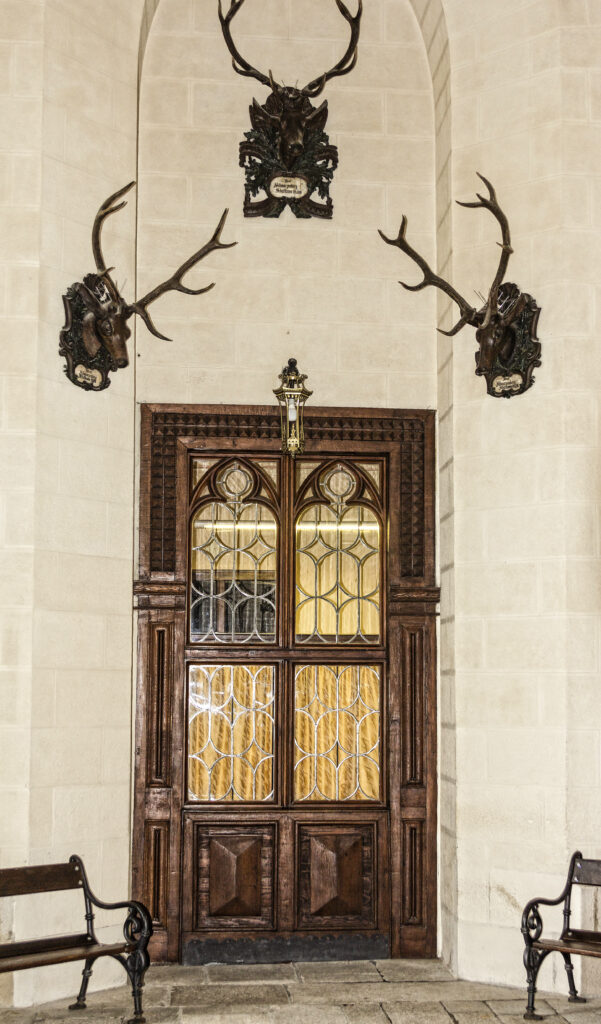
Art and Splendor Inside Hluboká – Inside Hluboká Castle, visitors find themselves immersed in a world of artistic opulence. The walls and ceilings are adorned with exquisite wood paneling and intricate carvings, presenting a visual feast that mirrors the castle’s storied past. Among the many treasures housed within Hluboká, the breakfast salon showcases some of the most valuable furniture pieces, while the chambers of Princess Eleonore—including the renowned Hamilton Cabinet and the reading room—display magnificent works by European masters from the 16th to 18th centuries. The grand chandeliers, delicate stained glass, and Delft porcelain further accentuate the castle’s luxurious ambiance. A focal point of the castle is the grand library, a cavernous space featuring a coffered ceiling transported from the Schwarzenberg ancestral home. This room not only serves as a repository of knowledge but also as a testament to the craftsmanship and attention to detail that define Hluboká. The castle’s armory, equipped with an impressive collection of weaponry, echoes the martial heritage of its earlier days. Adjacent to the main building lies the Neo-Gothic chapel, which houses a stunning late-Gothic altar. This sacred space offers a moment of solace and reflection amidst the grandeur.
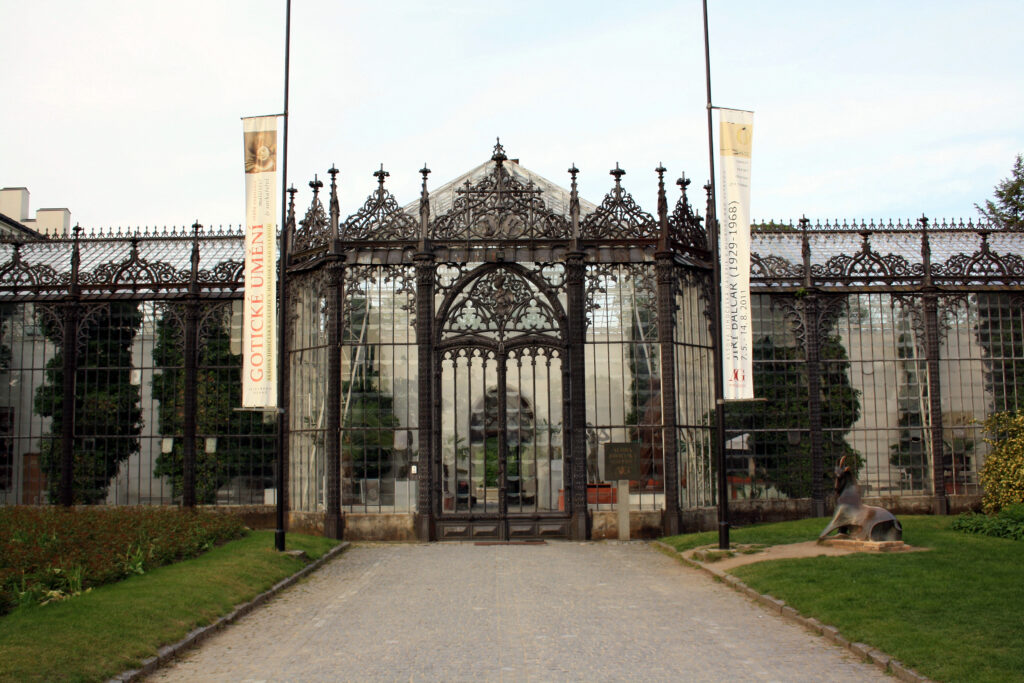
Modern Legacy and Cultural Revival – Hluboká’s tumultuous history continued into the 20th century. In 1939, German occupiers, acting under Heinrich Himmler’s orders, expropriated the castle from Adolph Schwarzenberg. Although the property was briefly returned to the family in 1945, the Communist regime soon enacted the Lex Schwarzenberg in 1947, permanently stripping the Schwarzenbergs of their ownership rights. Despite these challenges, the castle has remained a cultural landmark and symbol of resilience. Today, the former castle riding hall hosts the South Bohemian Aleš Gallery (Alšova Jihočeská galerie), which features an array of Dutch and Flemish masterpieces from the 17th and 18th centuries, alongside various sculptures. This institution serves not only as a guardian of historical art but also as a beacon of Hluboká’s enduring legacy.
Hluboká Castle stands as a testament to centuries of architectural evolution, royal intrigue, and artistic grandeur. Each brick and beam tell stories of conquest, creativity, and transformation. Through its majestic halls and verdant gardens, Hluboká continues to captivate the imaginations of all who walk its storied grounds—a true jewel of Europe, ensconced in the heart of Bohemia.