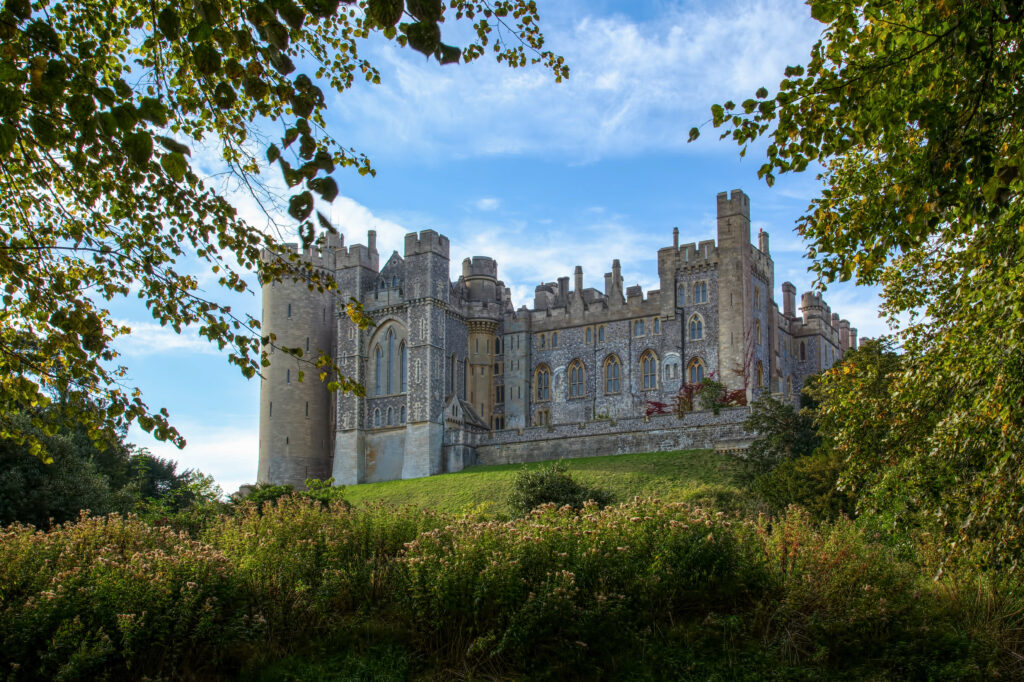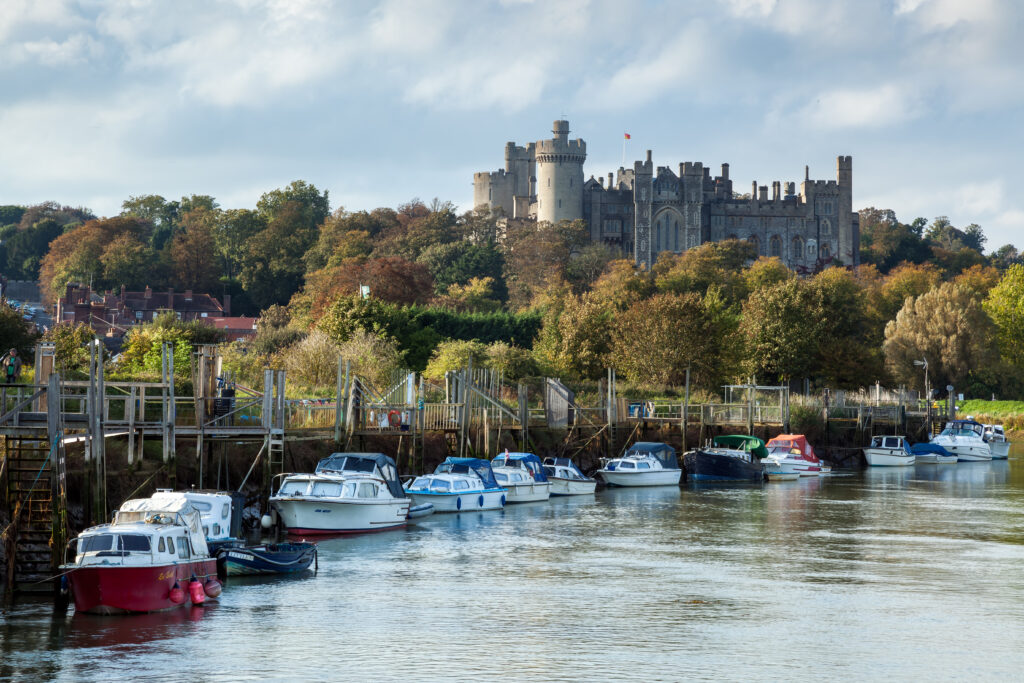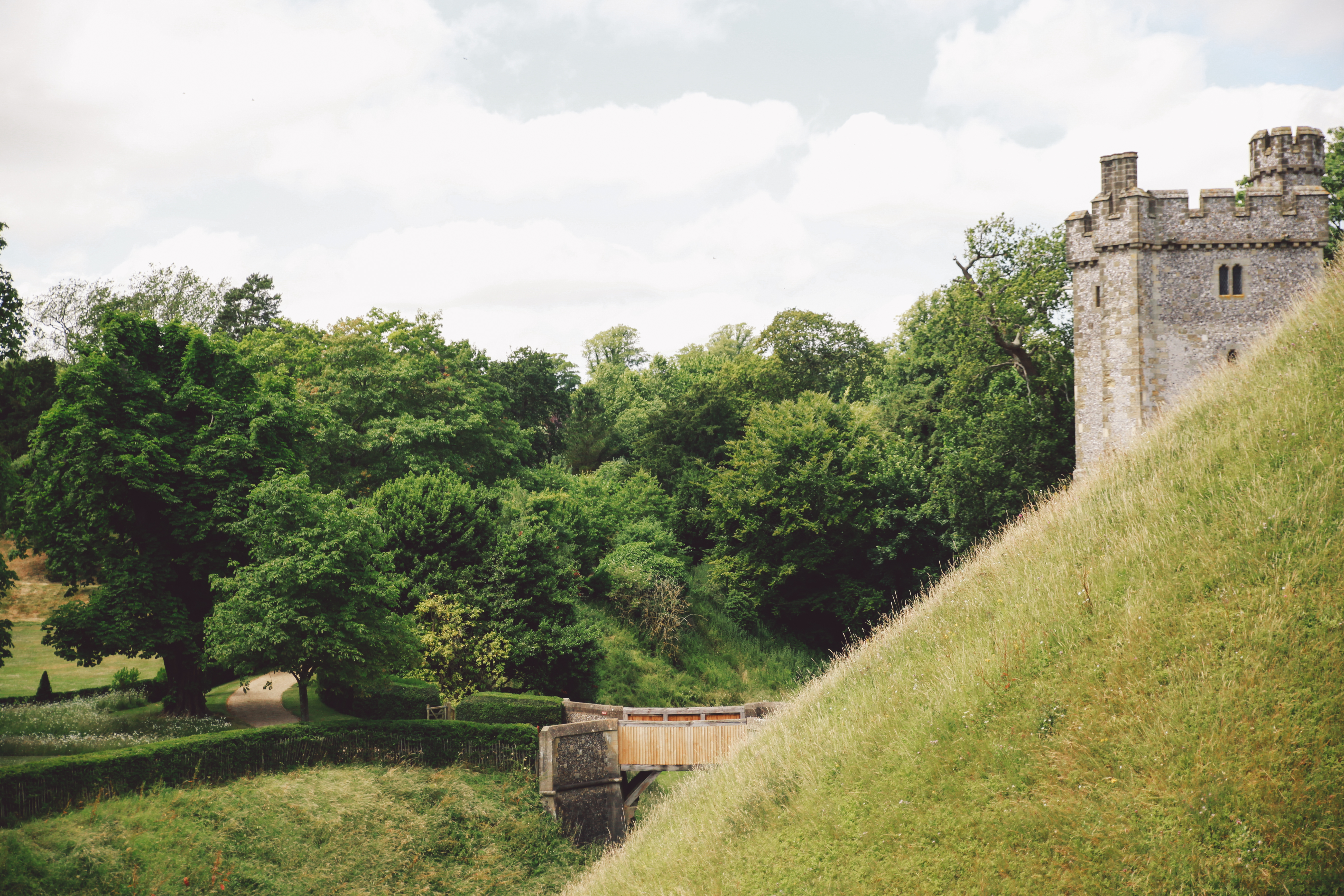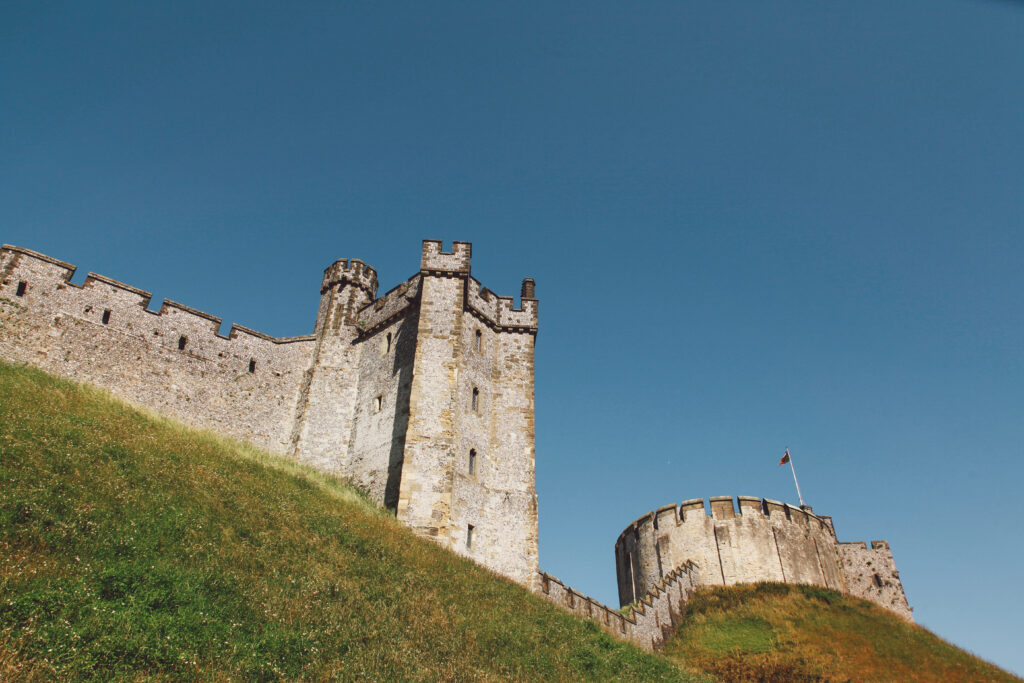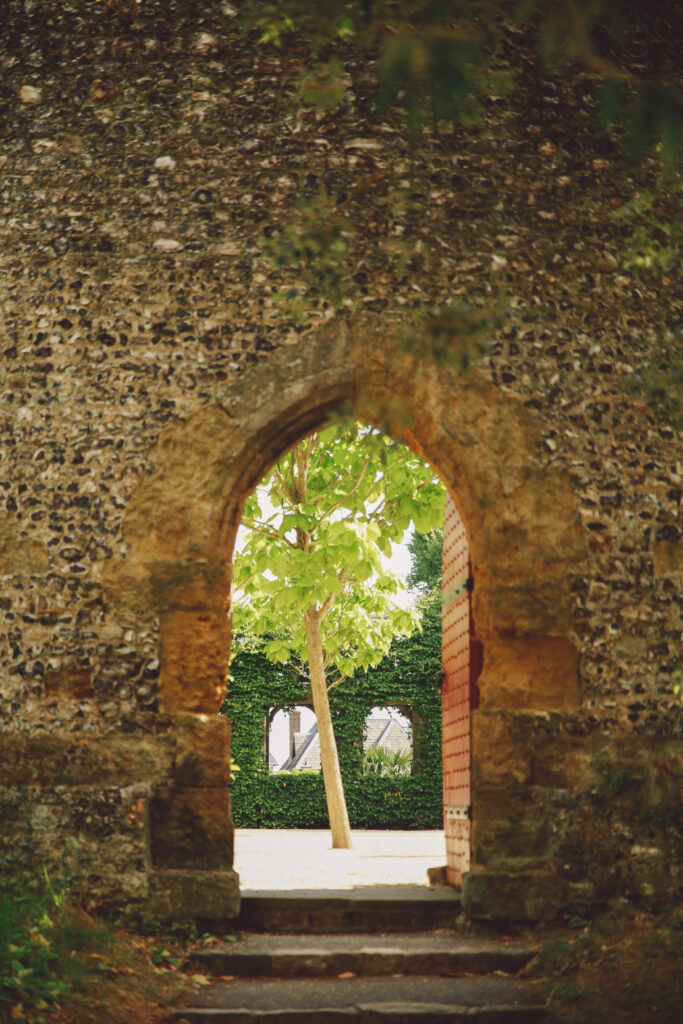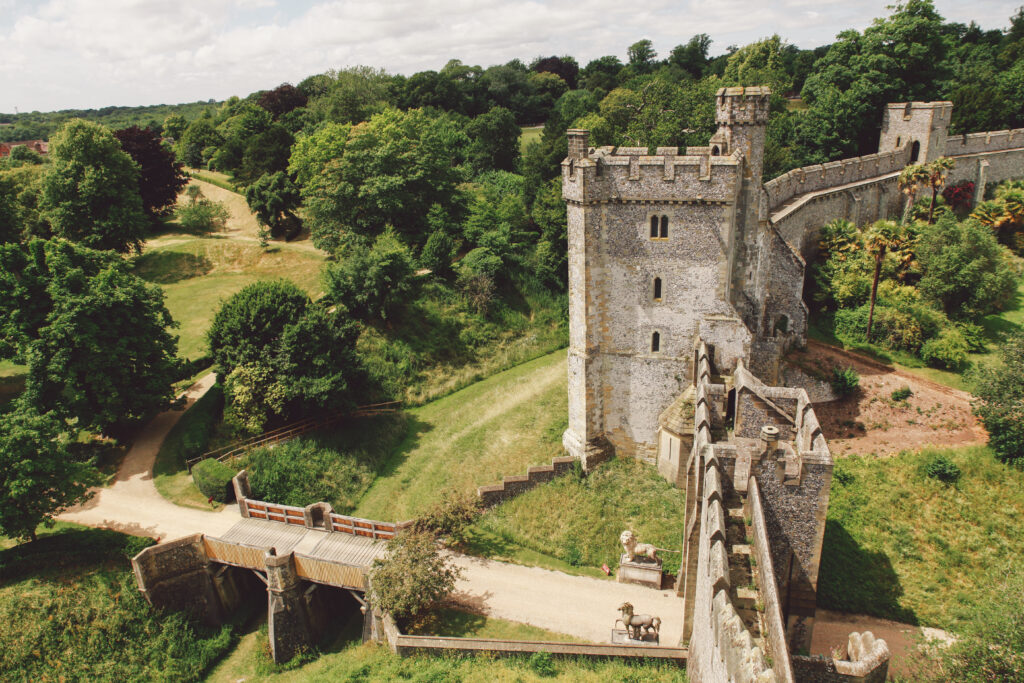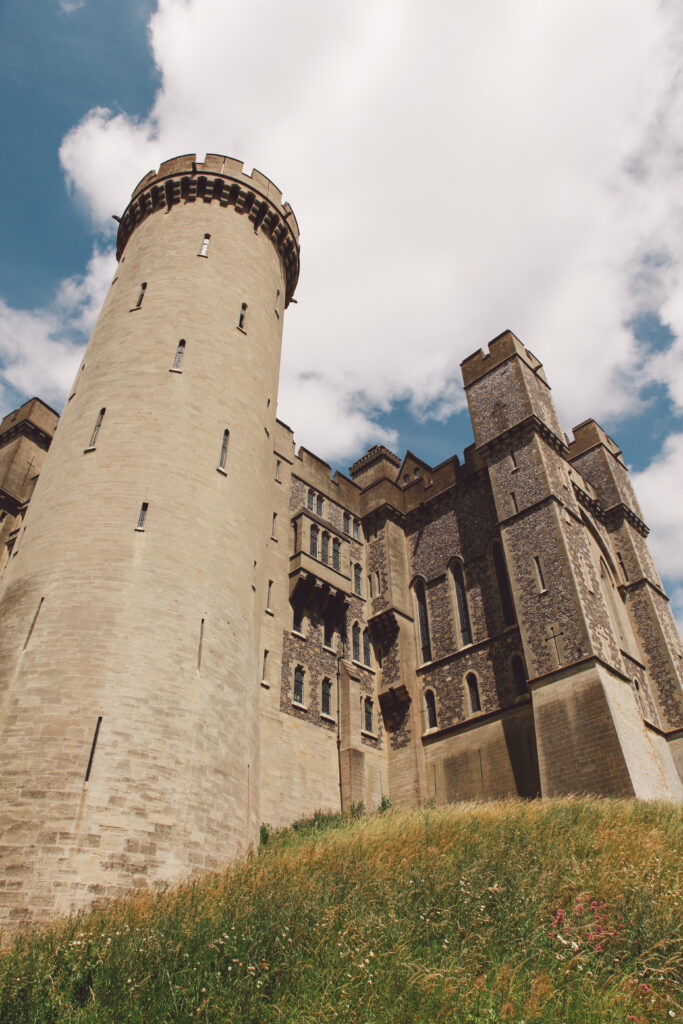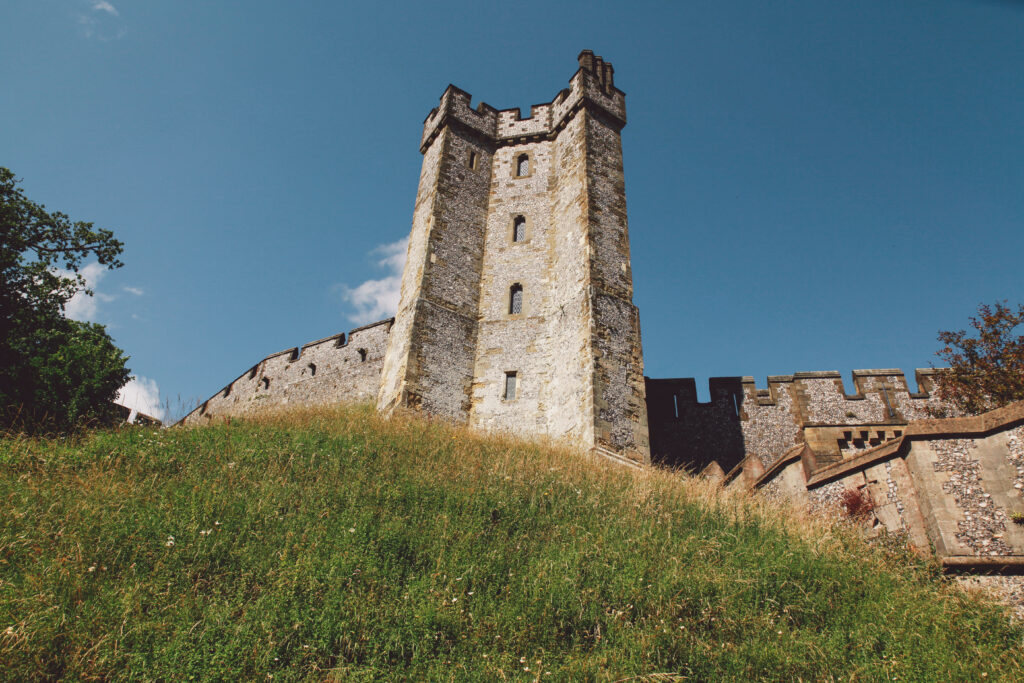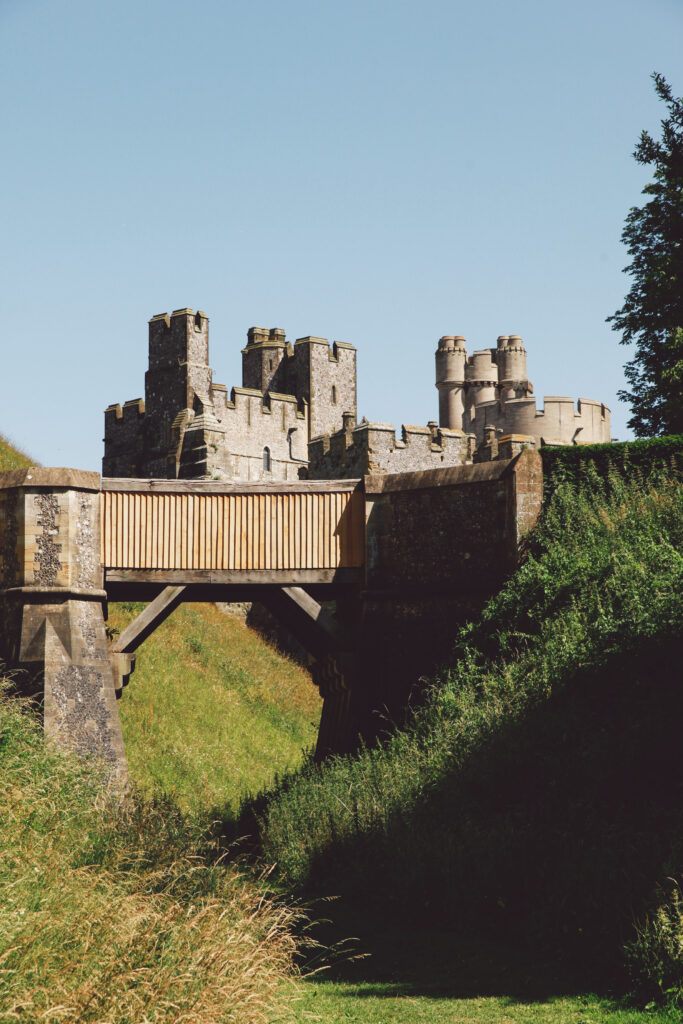

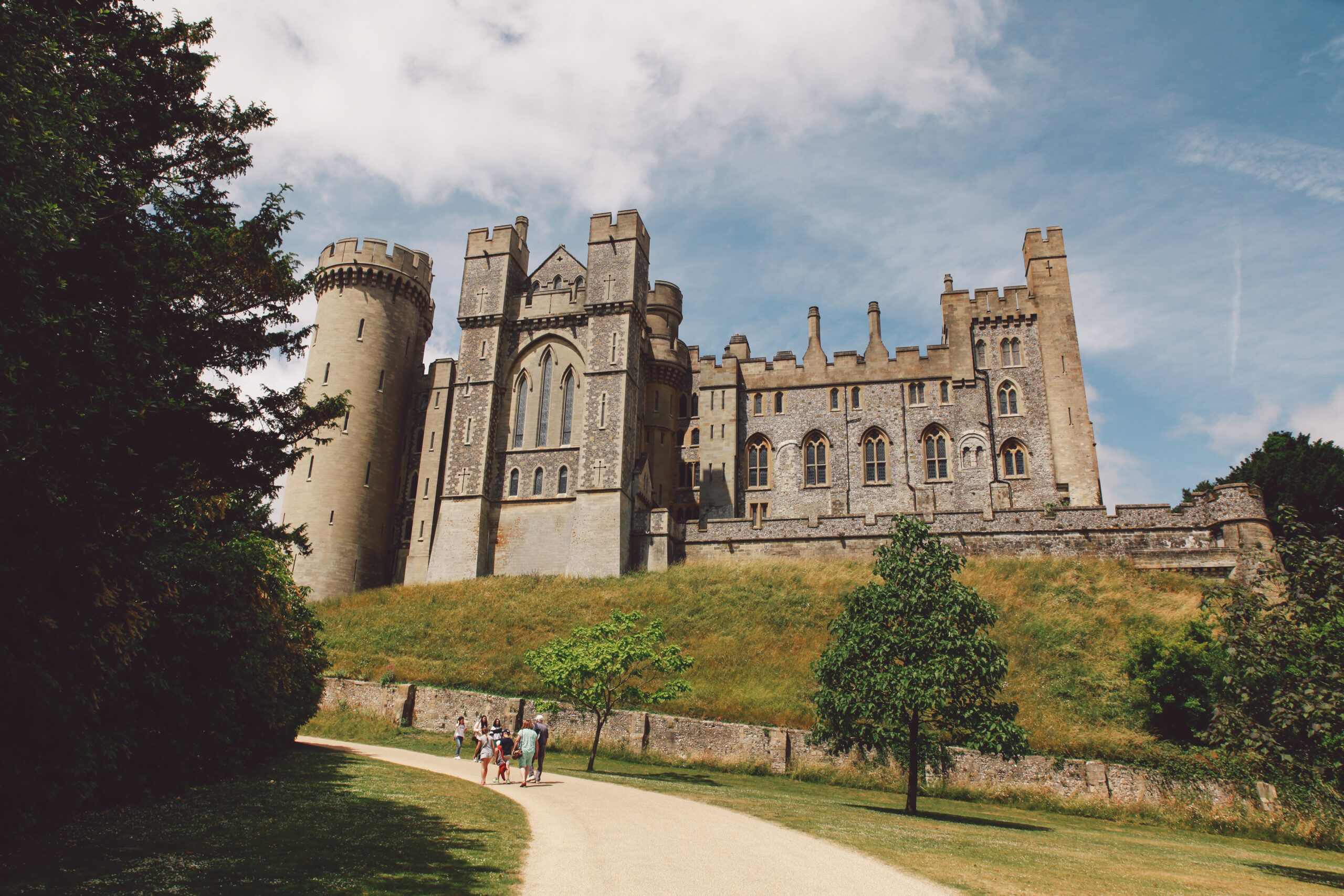
Nestled within the quaint village of Arundel in West Sussex, Arundel Castle stands proudly as one of the most well-preserved and magnificent medieval fortresses in Britain. Constructed in the 11th century during the reign of Edward the Confessor, the castle epitomizes traditional fortress architecture with its battlements and drawbridges. Completed under Roger de Montgomerie, the 1st Earl of Shrewsbury, the castle has seen an array of historical events, including damage during the English Civil War and substantial restorations in the 18th and 19th centuries.
Since 1141, Arundel Castle has been the prestigious residence of the Earls of Arundel, who have carried the title of Duke of Norfolk since 1660. The 16th Duke had intended to transfer the castle to the National Trust, but after his death in 1975, the 17th Duke established a charitable trust to secure its future and oversee its restoration.
Today, much of Arundel Castle is accessible to visitors for a fee, excluding the private quarters. The castle regularly hosts events, often medieval jousting tournaments and outdoor theatre performances. Originally an earthwork motte-and-bailey castle designed to protect the Arun River’s mouth (formerly the Tarrant), the structure evolved over centuries into a grand castle. Within its walls lies the FitzAlan Chapel, a private mausoleum and burial site for the Dukes of Norfolk.
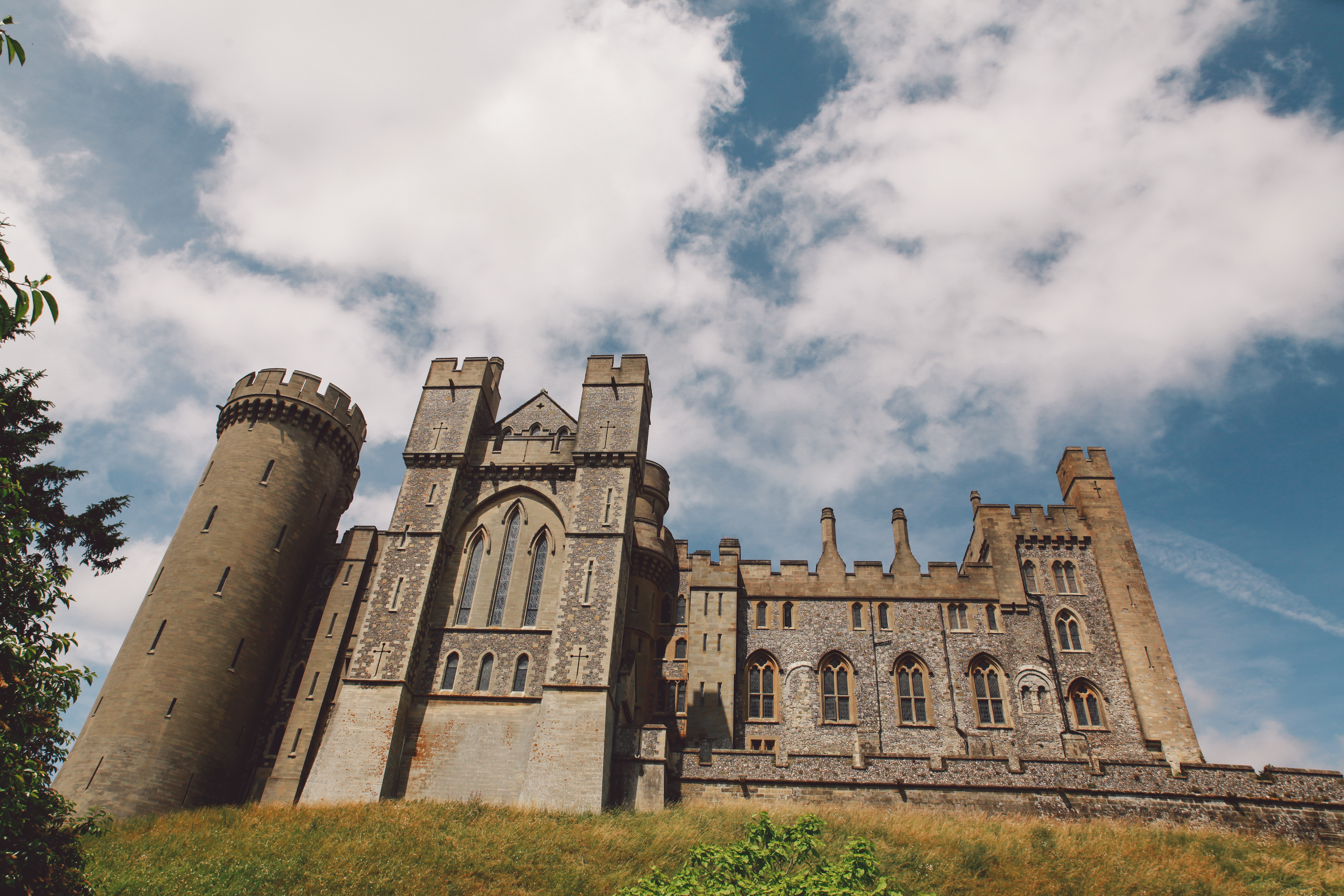
The castle’s lower bailey features a square with towers and chimneys, while the heart of the castle’s interior is the Barons’ Hall. This impressive hall measures 40 meters in length and 15 meters in height, adorned with a massive oak ceiling. The interior boasts an eclectic mix of Victorian-era furniture, paintings, tapestries, and valuable artifacts. The armory displays both combat and ceremonial weapons, and in the “small drawing-room,” one can find landscapes and portraits by Canaletto. The heraldic fireplace in this room and the white-and-gold furnishings of the Victoria Rooms were commissioned in 1846 for a royal visit. Although the suite in which Queen Victoria stayed is now part of the private apartments, her bed, guestbook with notable signatures, and toilette are on display.
An extensive art gallery and the 37-meter-long Regency library made of mahogany, housing around 10,000 books, are significant highlights. The dining room, with its lancet windows reminiscent of a chapel, comprises lavish furniture, cutlery, and memorabilia—most notably, the coronation homage chair of Queen Victoria and a showcase containing the rosary beads that Mary, Queen of Scots, wore at her execution.
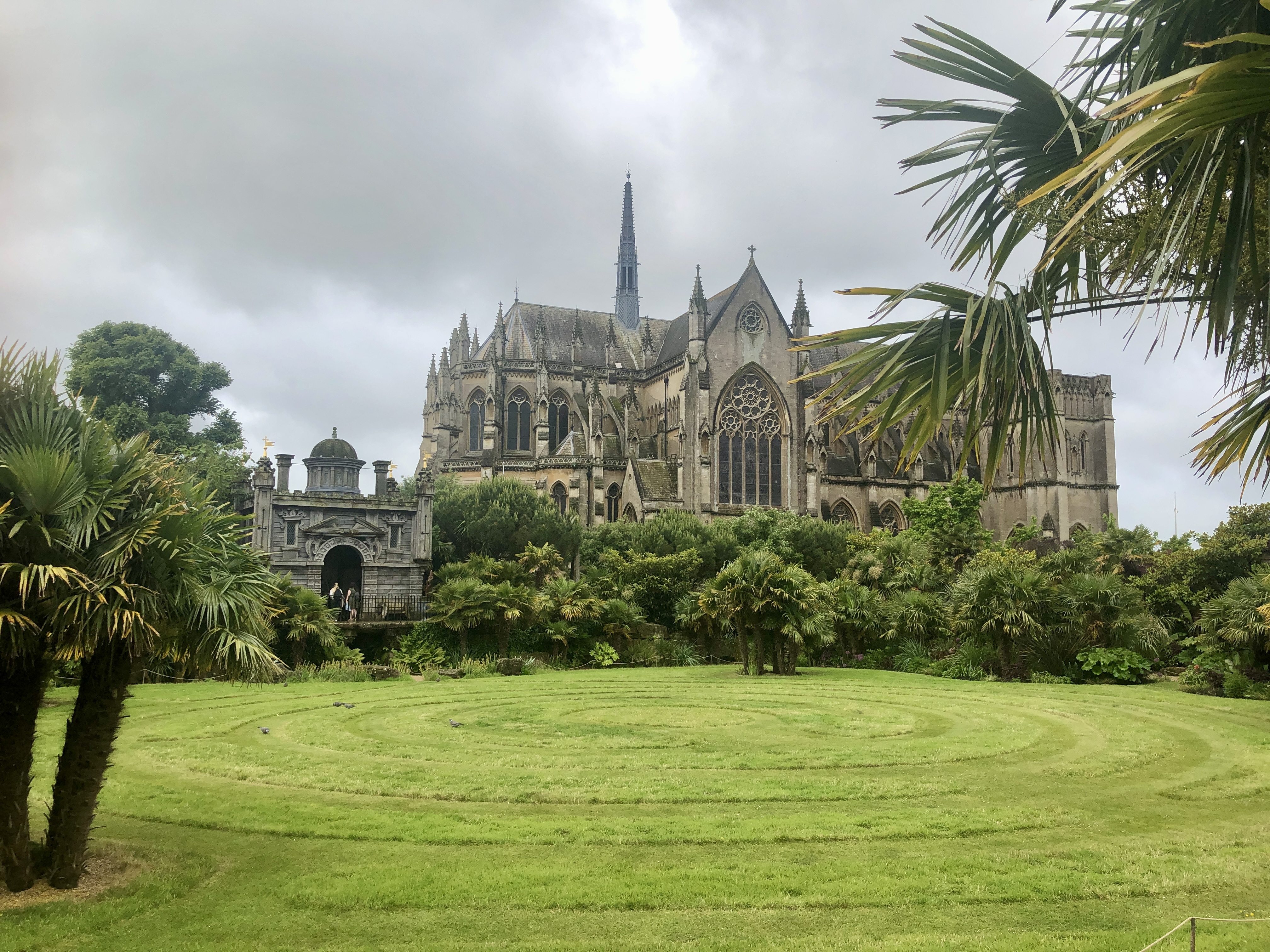
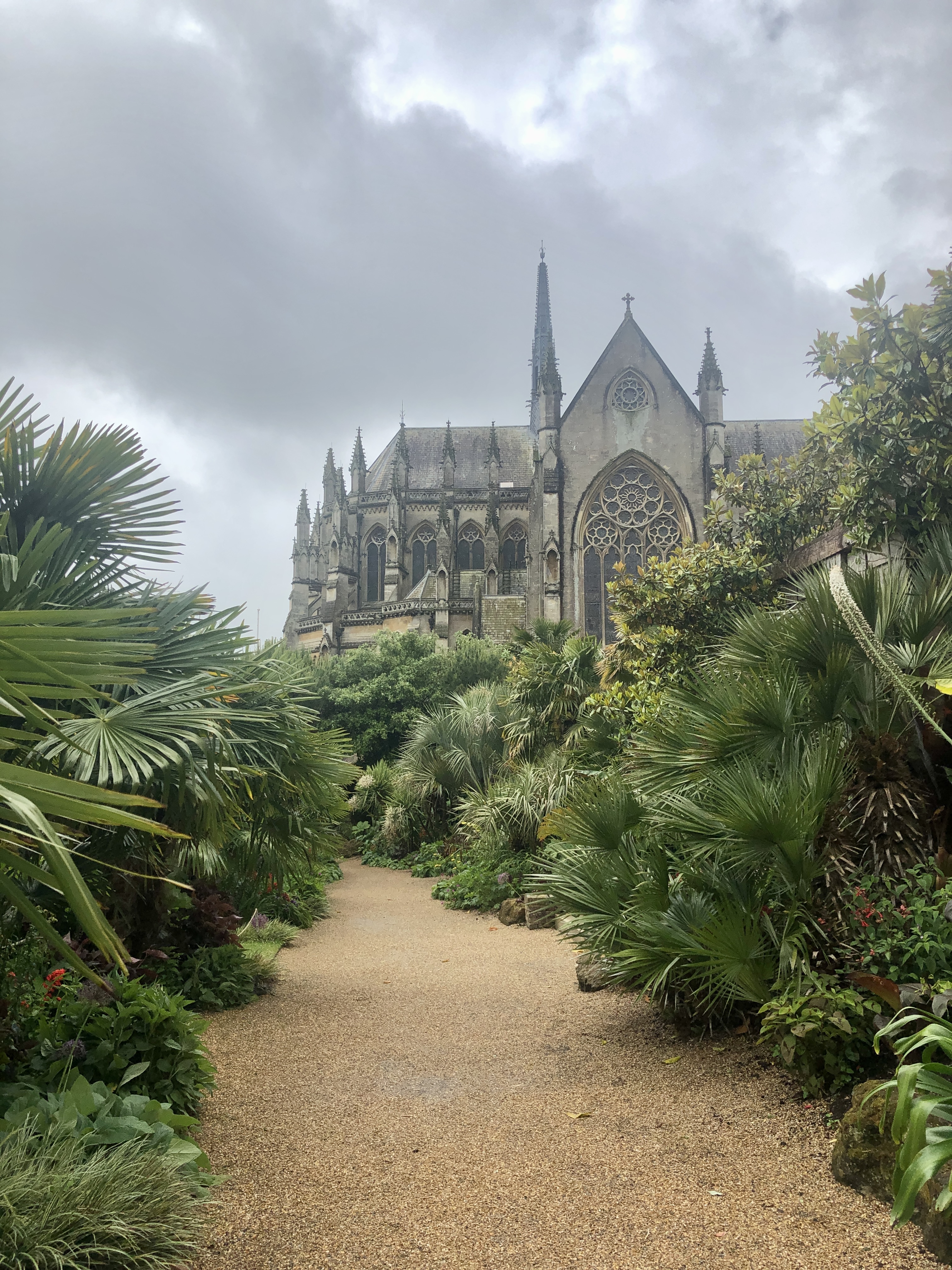
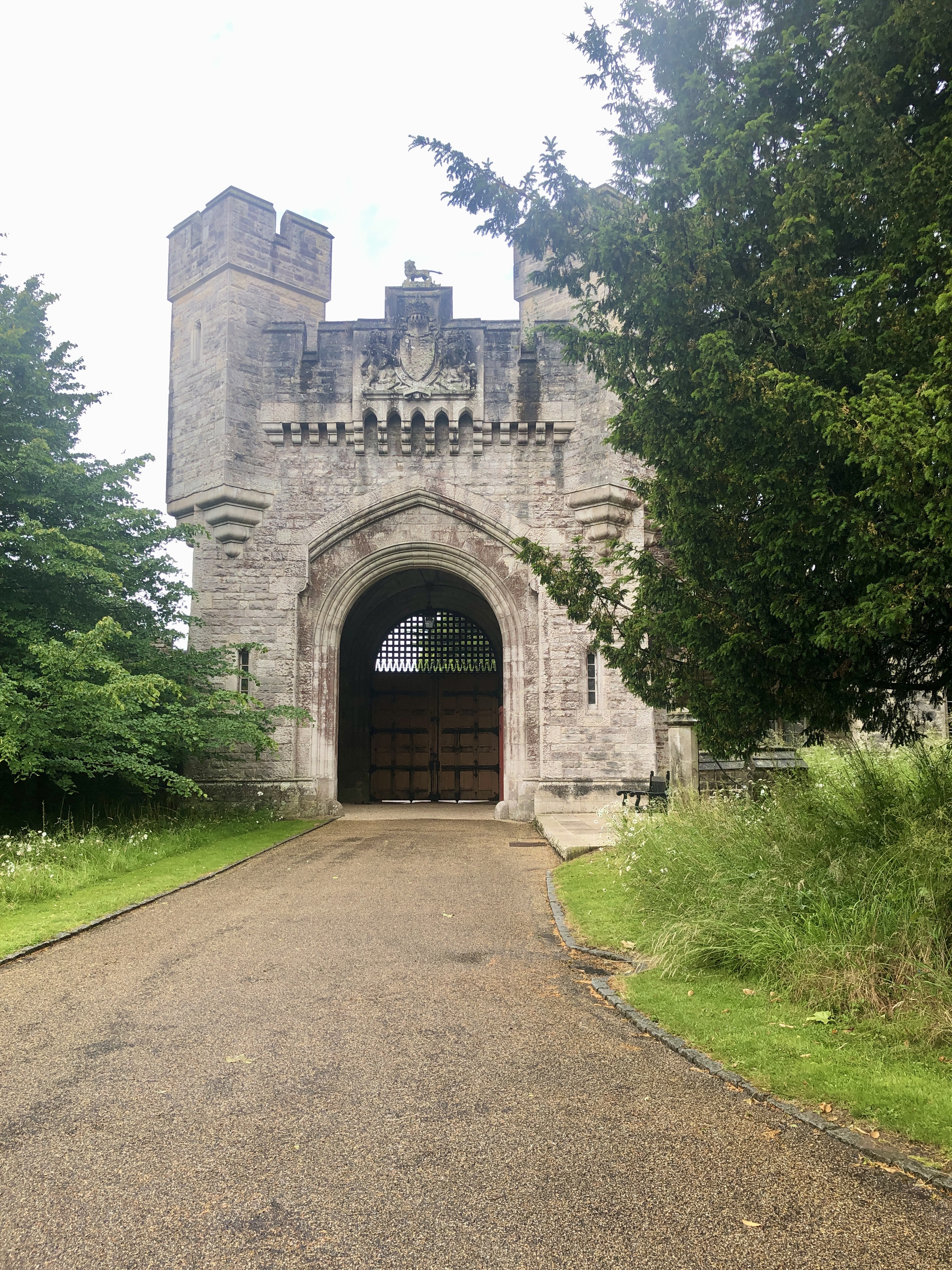
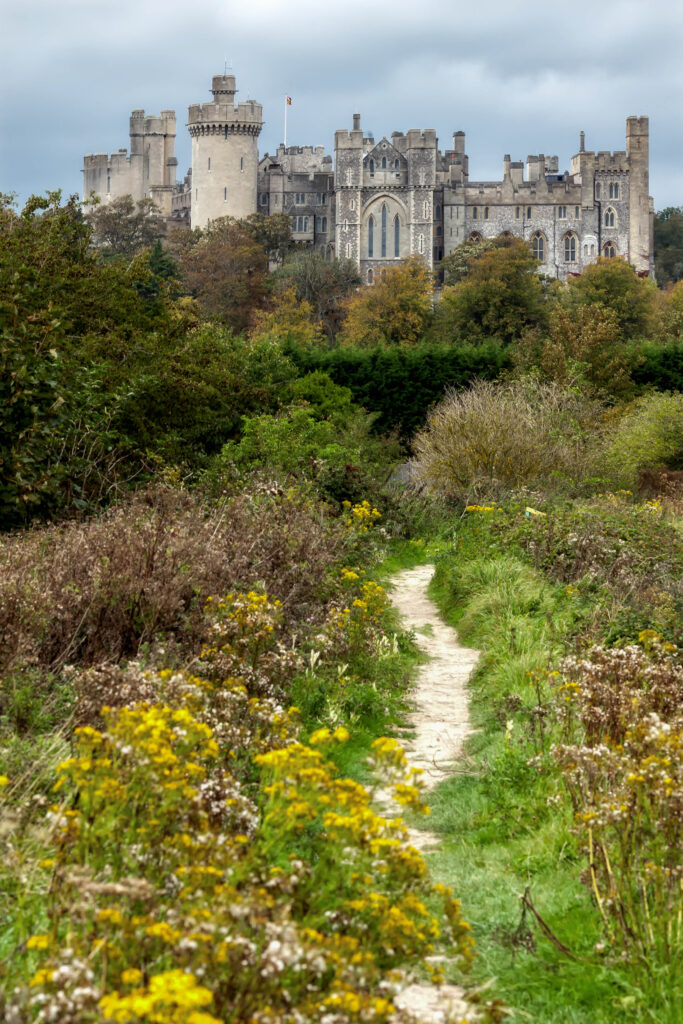
Arundel Castle’s South Passage features an oval keep with a curtain wall, part of the inner gatehouse, and several towers. The grand edifice of the castle, shaped like a horseshoe on a hill, offers sweeping views of the surrounding park and gardens, which span approximately 40 acres. The landscape features mature trees, including ancient cork oaks and ginkgo trees, along with several themed gardens. The elevated castle and the opposite grand cathedral of Arundel provide a picturesque backdrop.
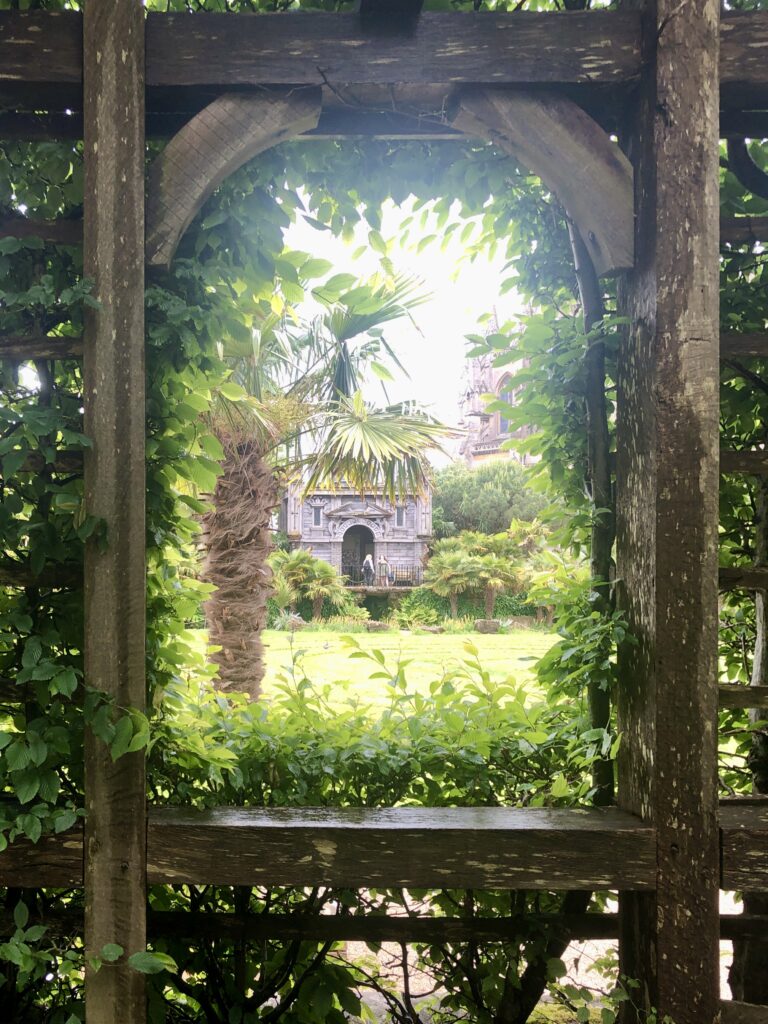
Protected from harsh weather, many delicate plants such as cannas, salvias, bananas, and palms thrive throughout winter in the open ground. Particularly noteworthy is the springtime spectacle of over a million tulips blooming across the grounds. The Tulip Festival, held from mid-April to early May, is considered one of Europe’s finest tulip displays and takes place against the stunning backdrop of the castle and gardens.
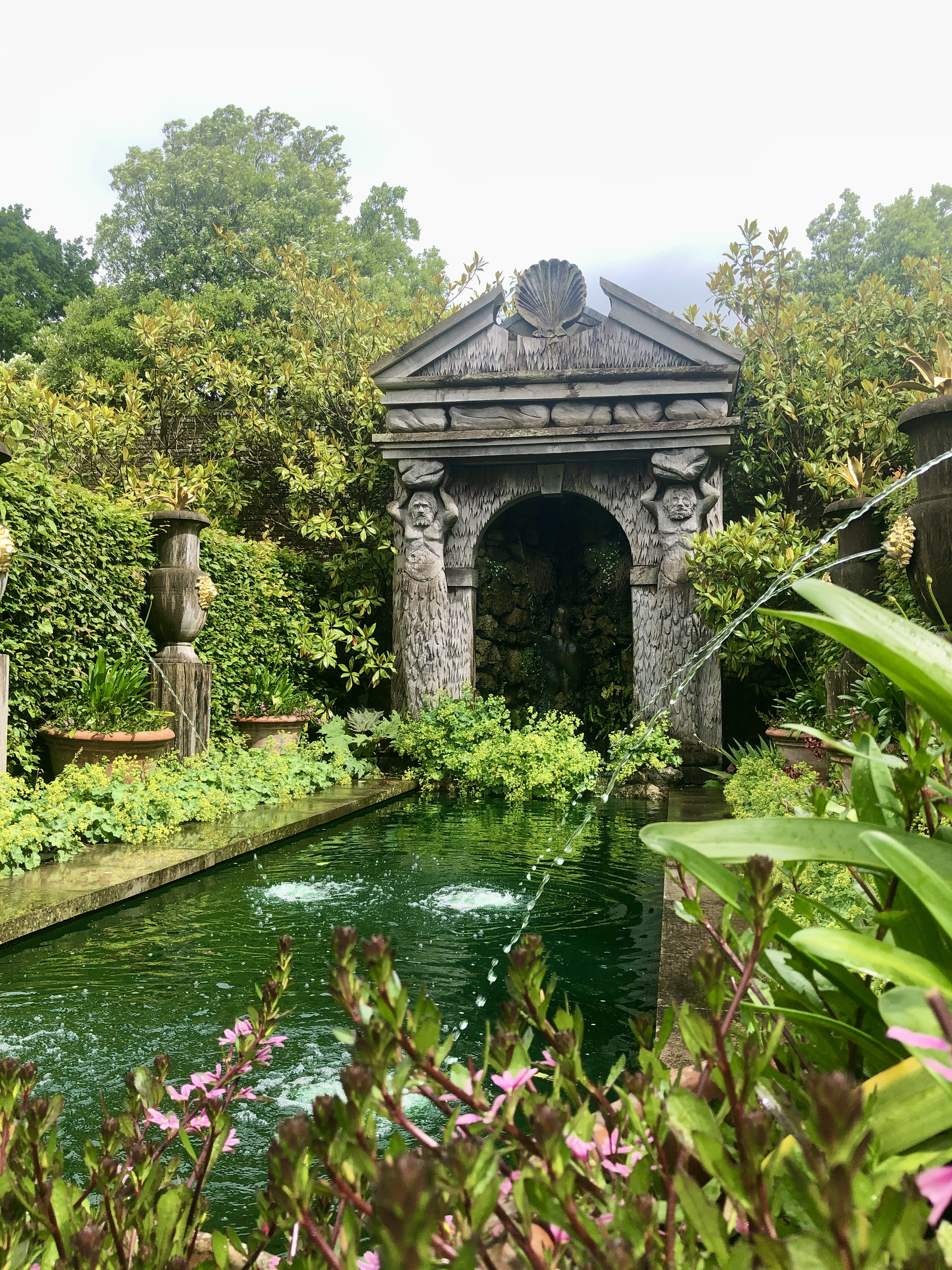
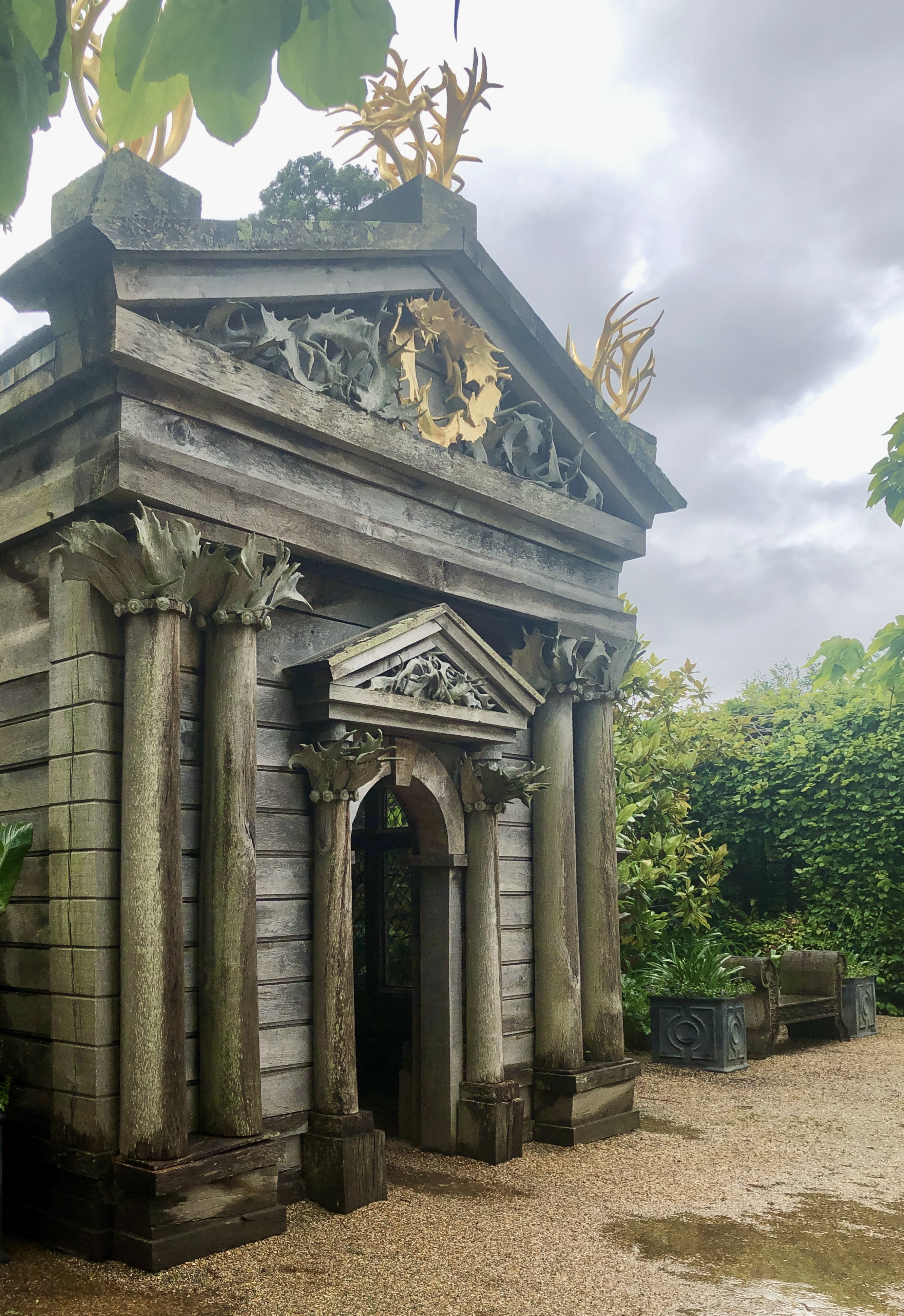
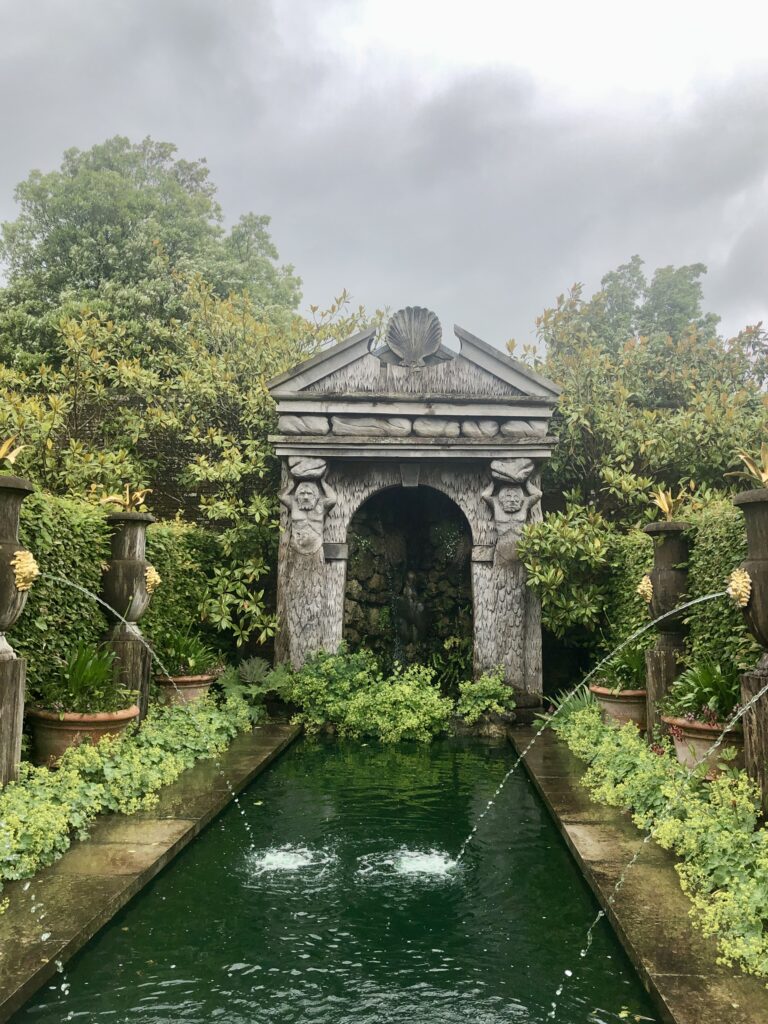
Among the walled gardens, the internationally renowned and award-winning Collector Earl’s Garden stands out. Opened in 2008 by Charles, Prince of Wales, it commemorates the 21st Earl of Arundel, Thomas Howard, known as “The Collector Earl” for his art collection. This garden features oak pagodas, the Oberon Palace with its floating crown, and water fountains representing the local river.
Another award-winning feature is The Stumpery, characterized by the bizarre, upturned roots of ancient yews, sweet chestnuts, and oaks repurposed from the aftermath of the October 1987 storms. In spring, numerous wild tulip species bloom here, followed by lupines and Martagon lilies amidst ferns and euphorbias.
The water garden is also prize-winning, having been restored in recent years. The FitzAlan Chapel boasts its own White Garden, and a new rose garden, planted with historic English roses, occupies a former medieval bowling green. The lush organic kitchen garden features a restored wine and peach house from 1852, cultivating subtropical fruits and vegetables. The floral garden also houses a replica of an old Victorian tropical house.
Arundel Castle remains a testament to history’s passage, blending medieval grandeur with Victorian elegance, and providing a living chronicle of England’s storied past.