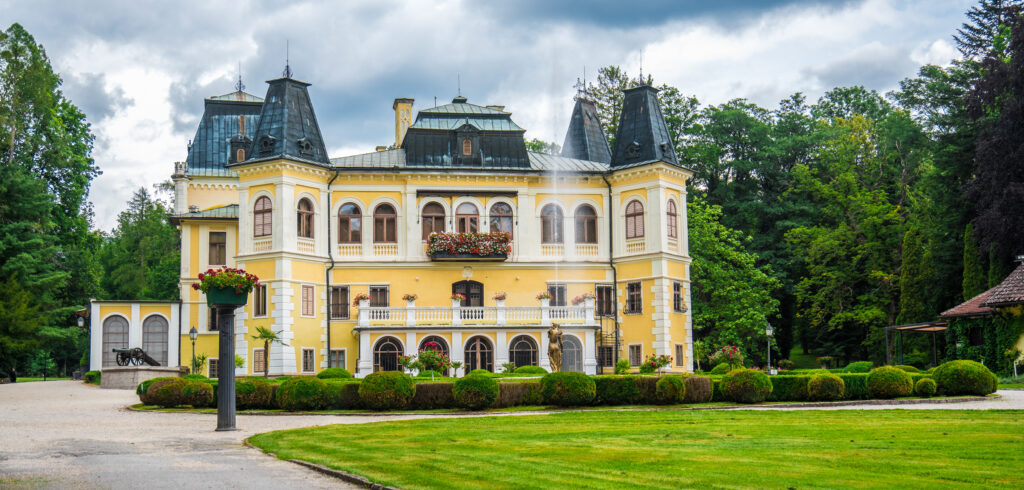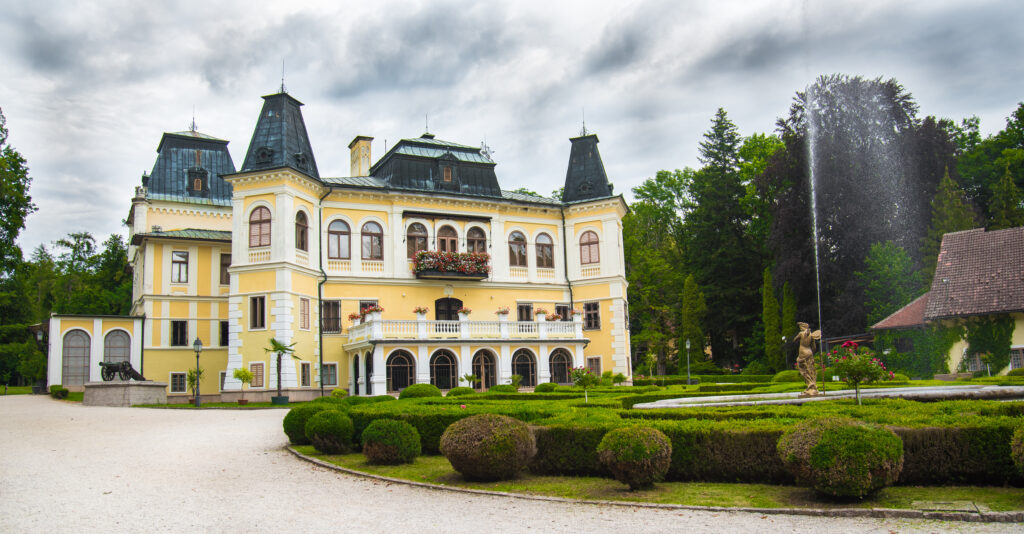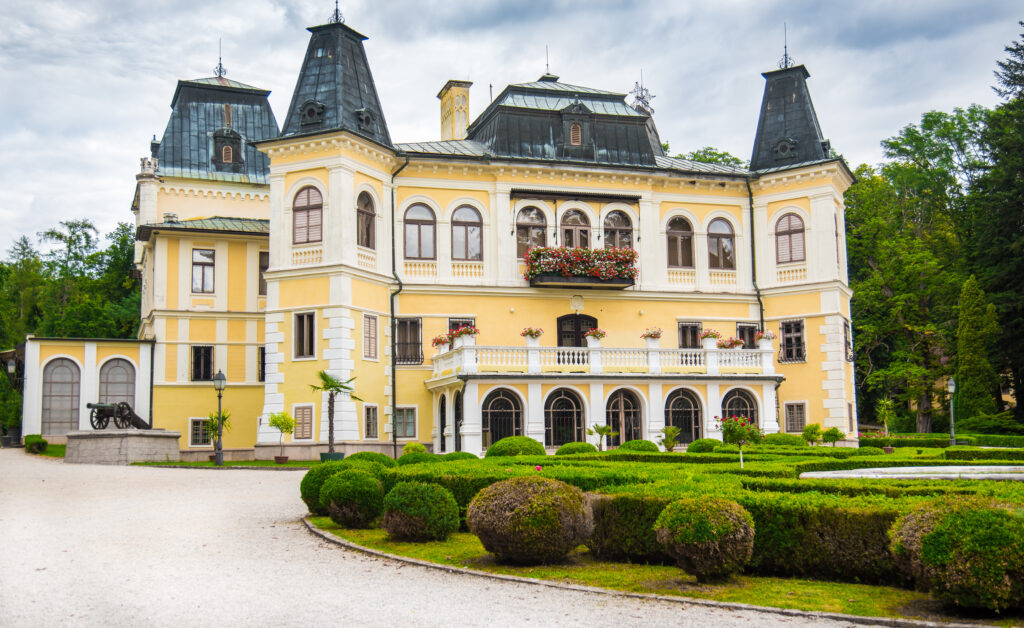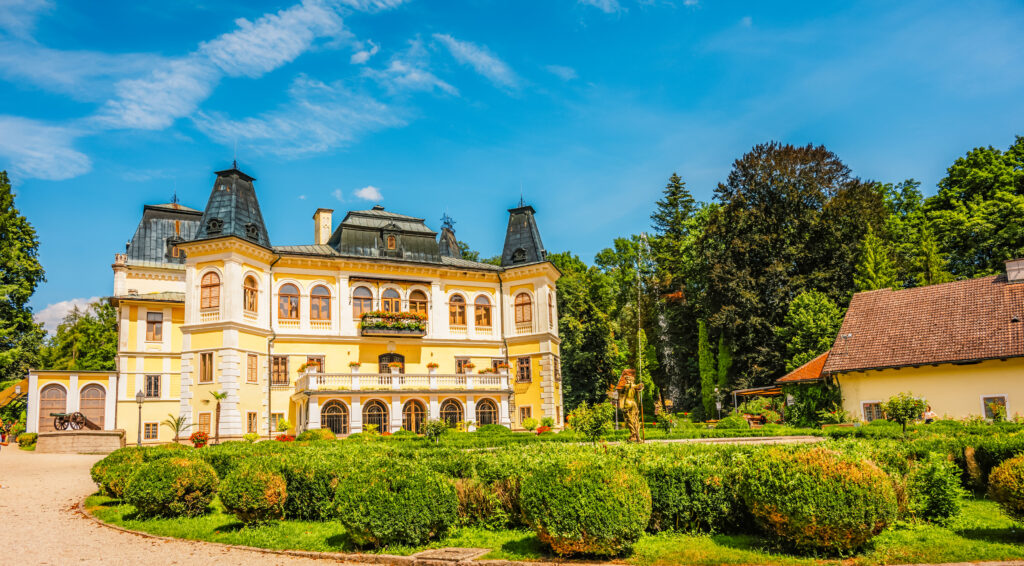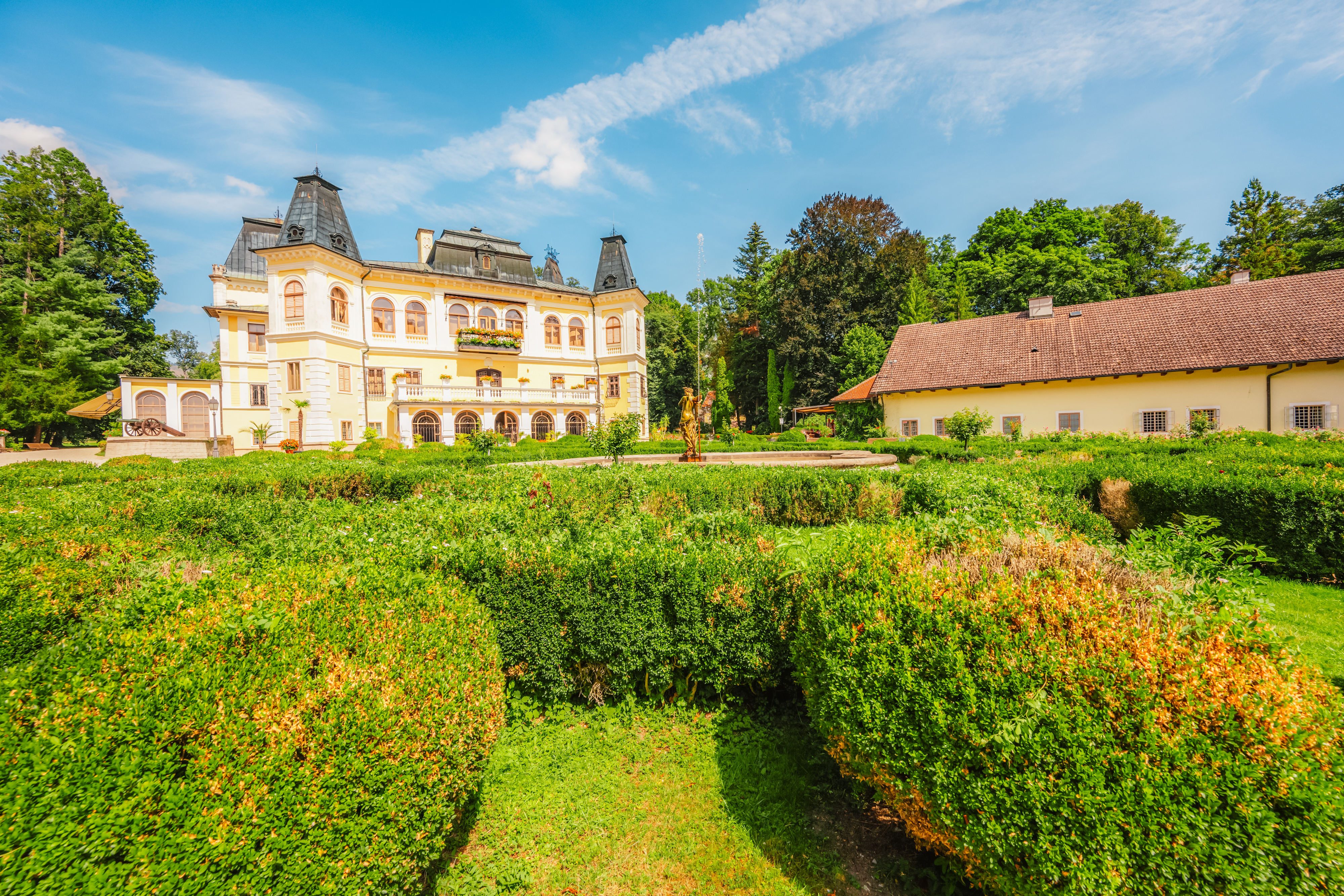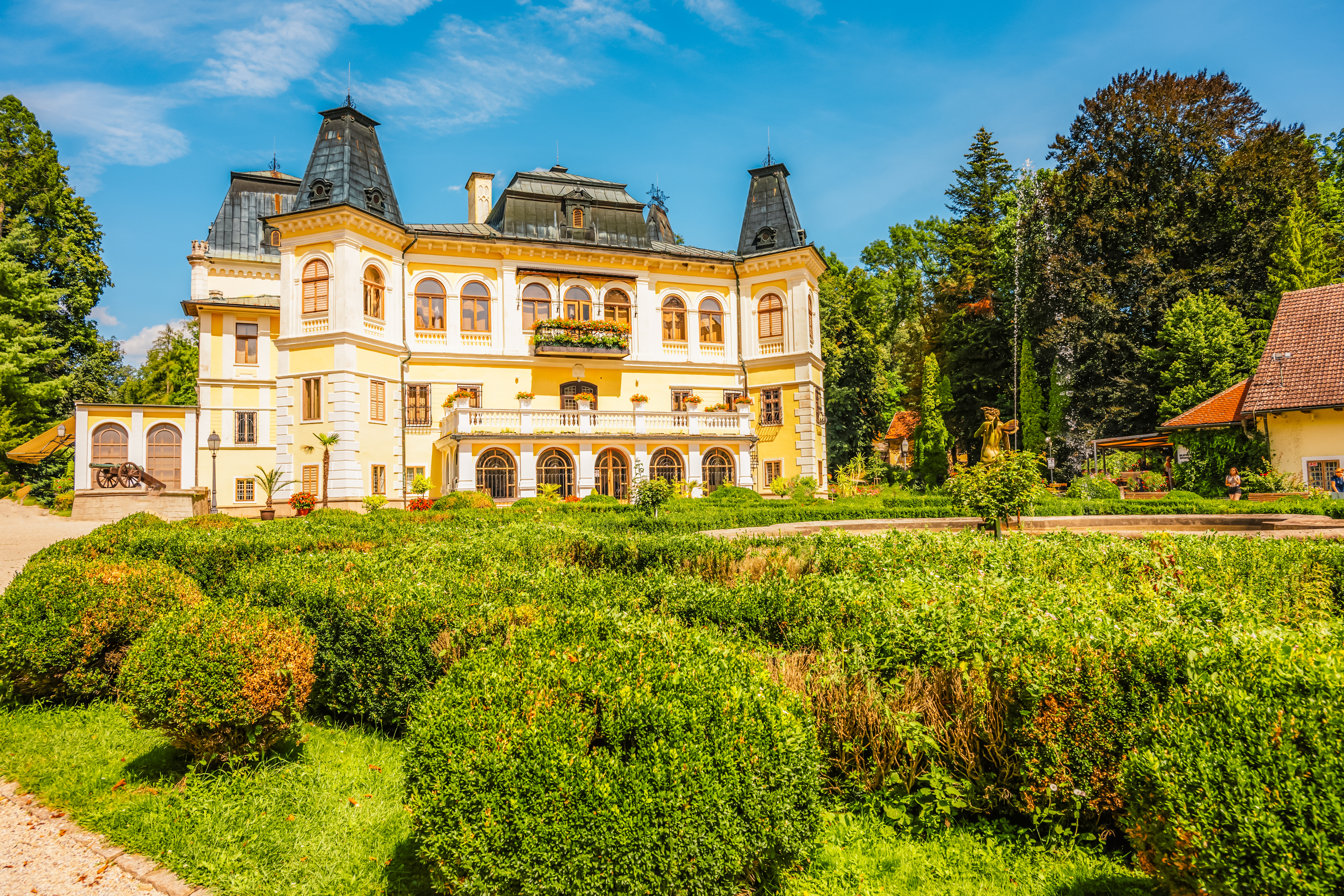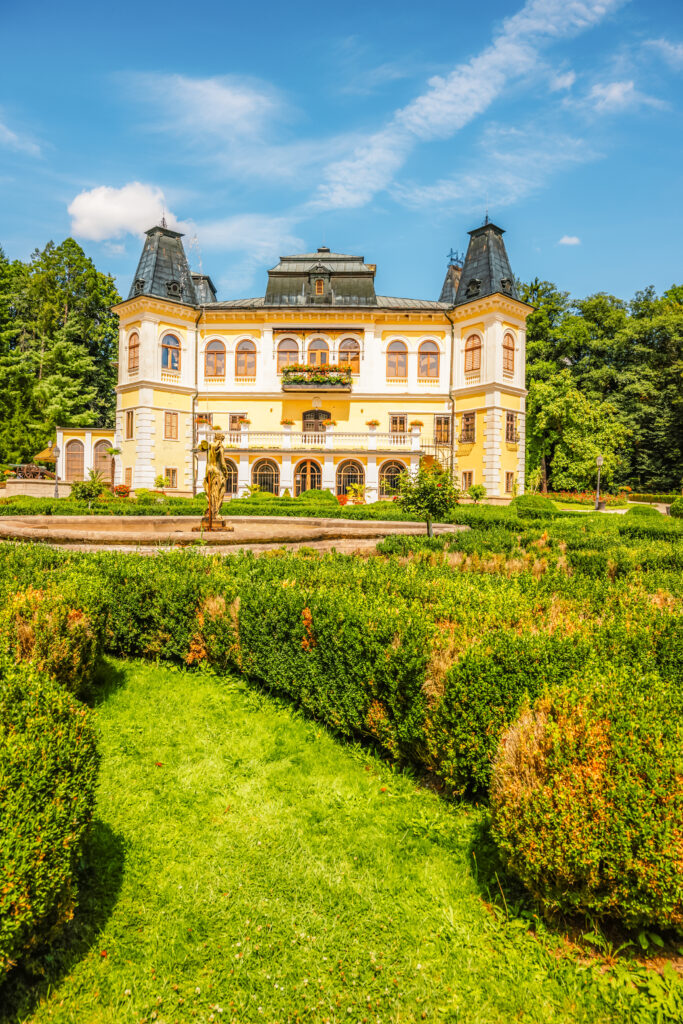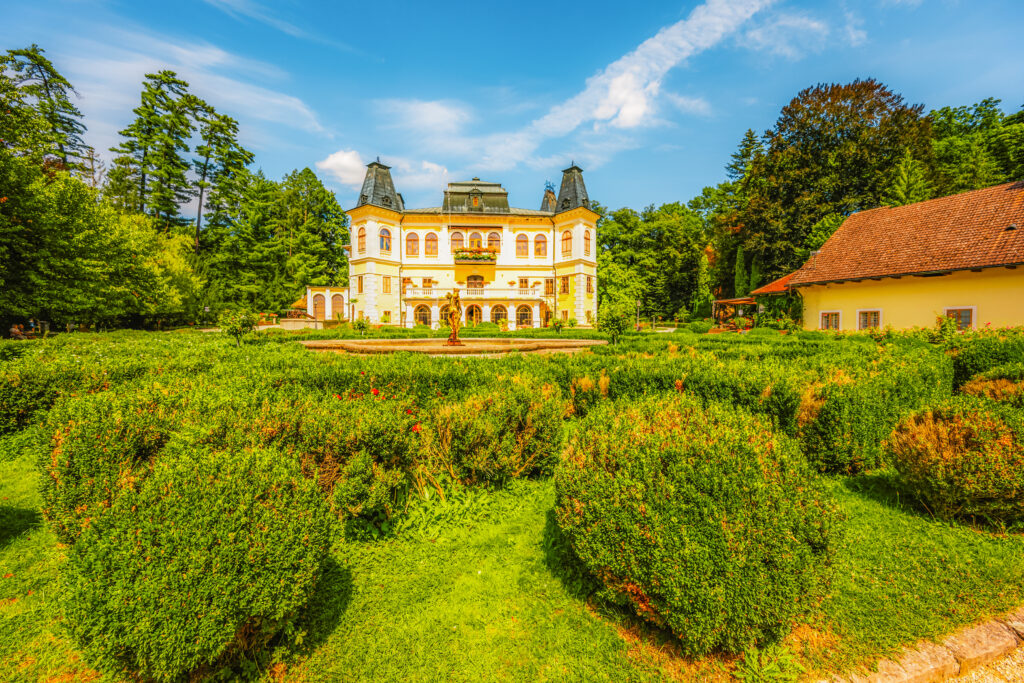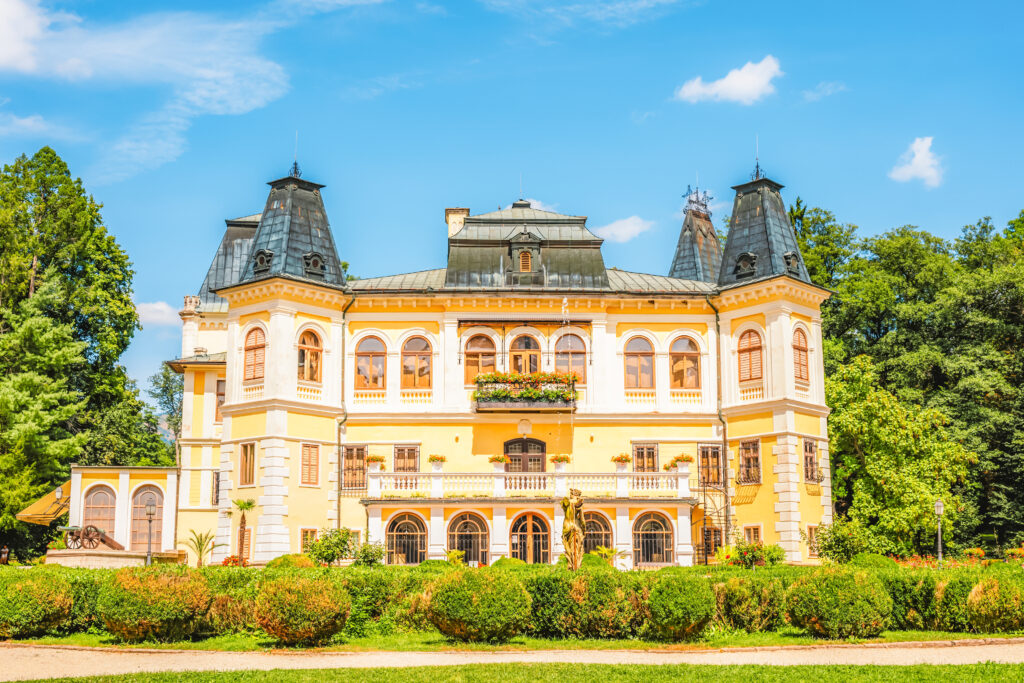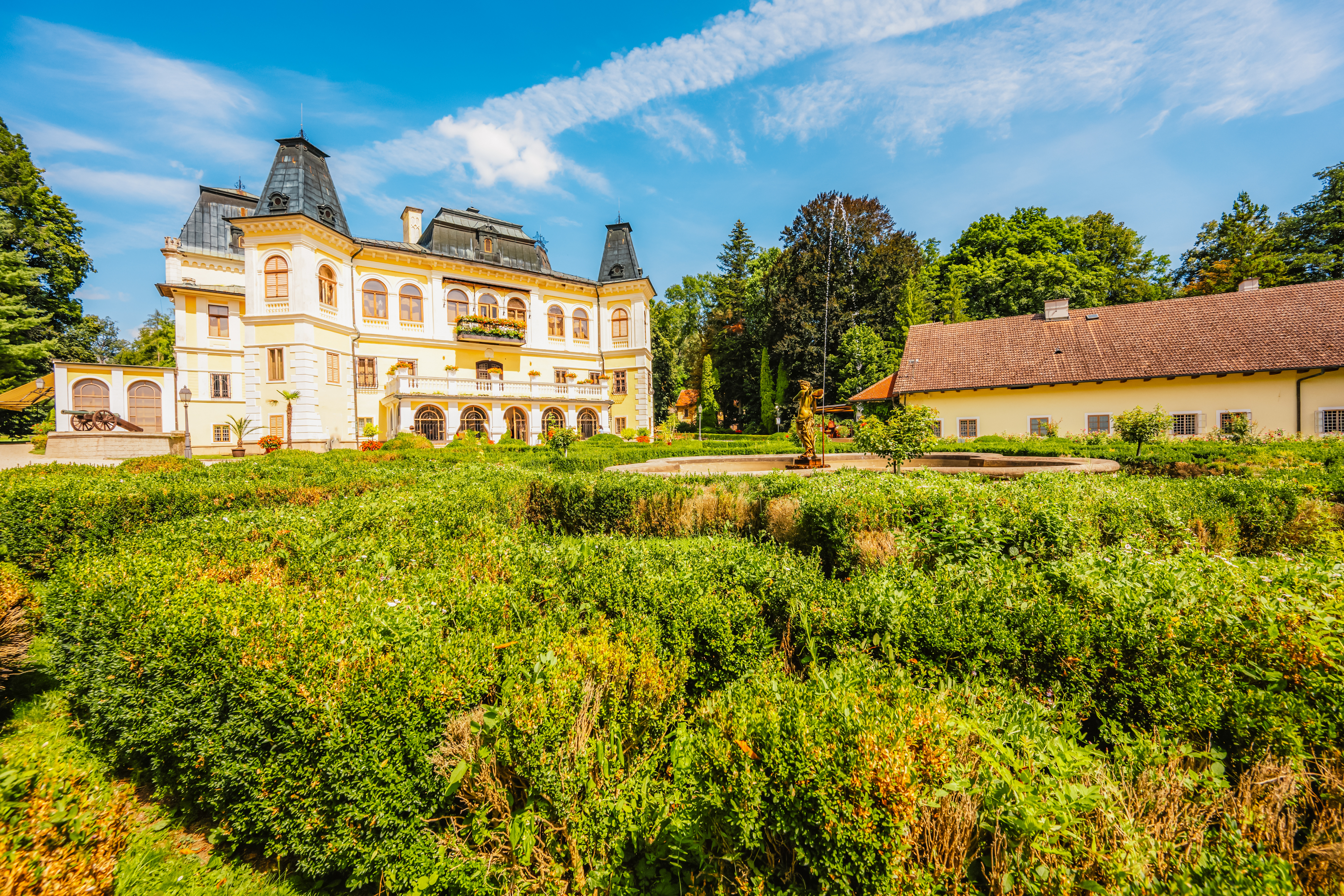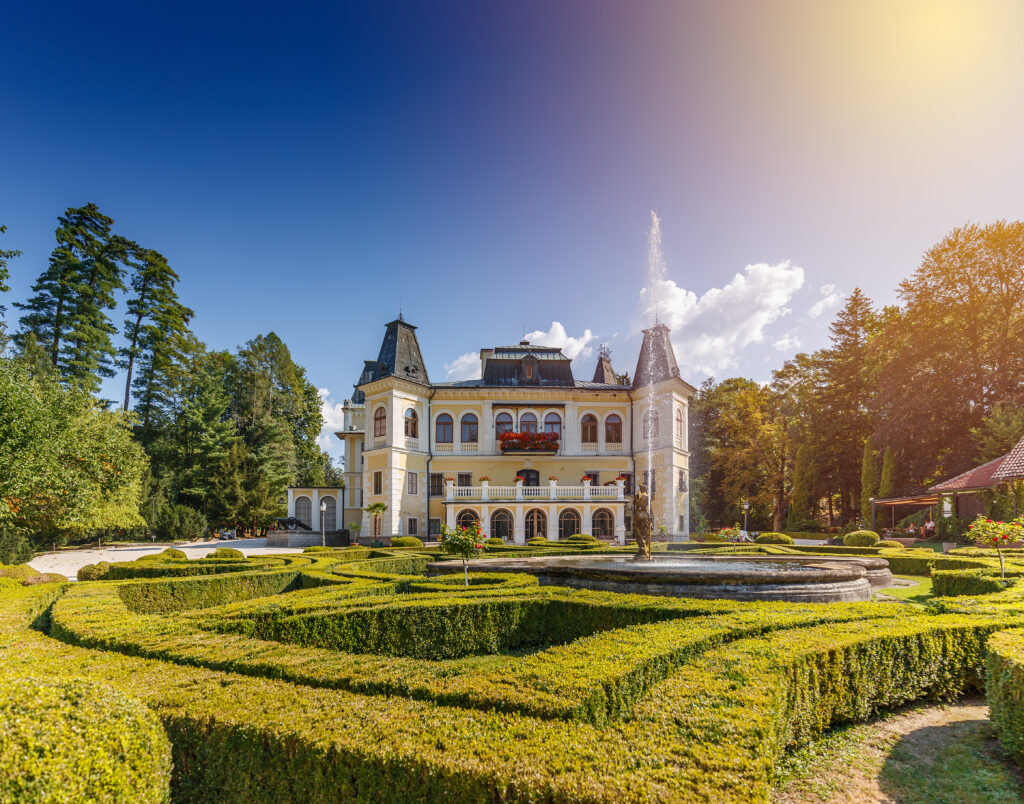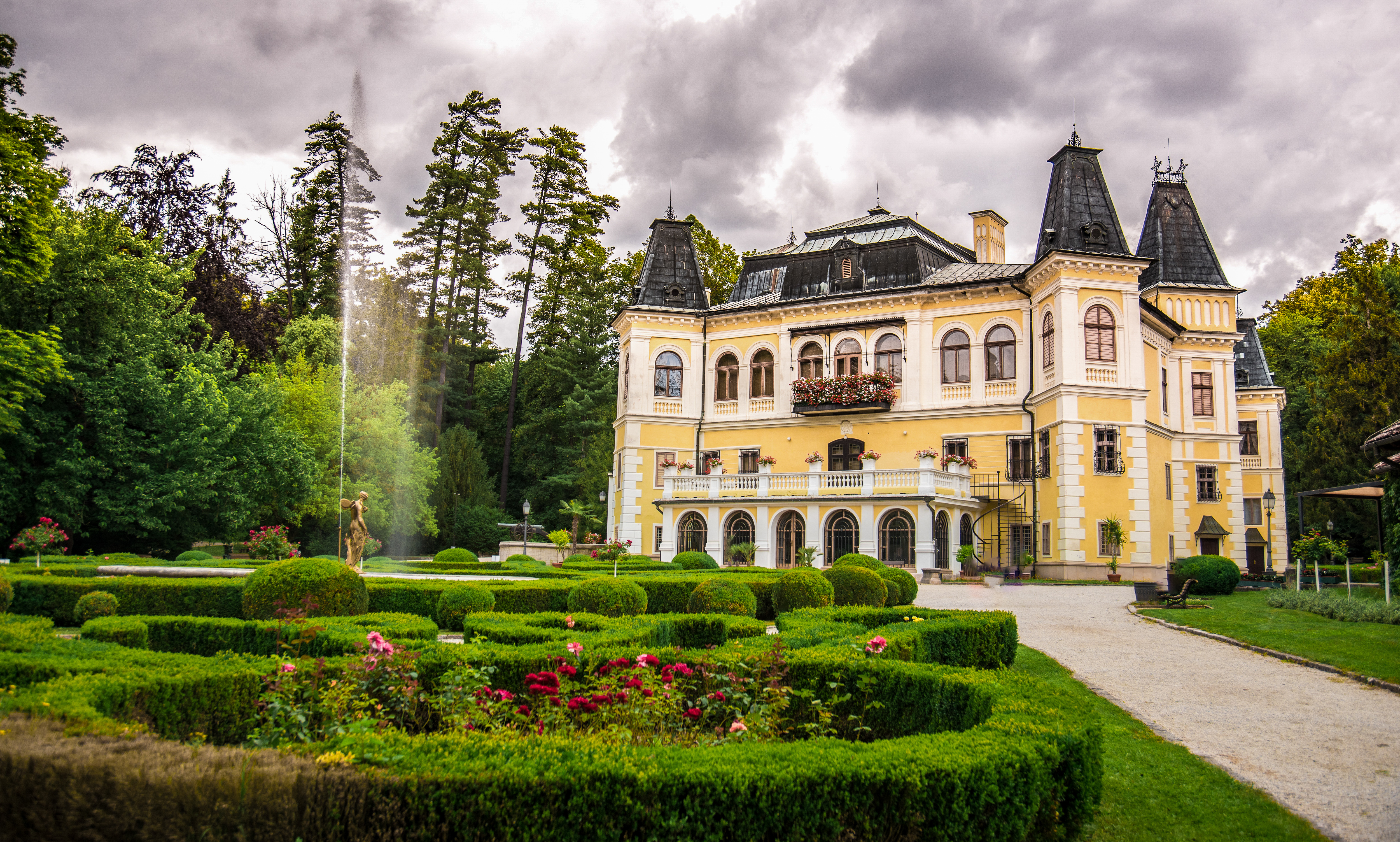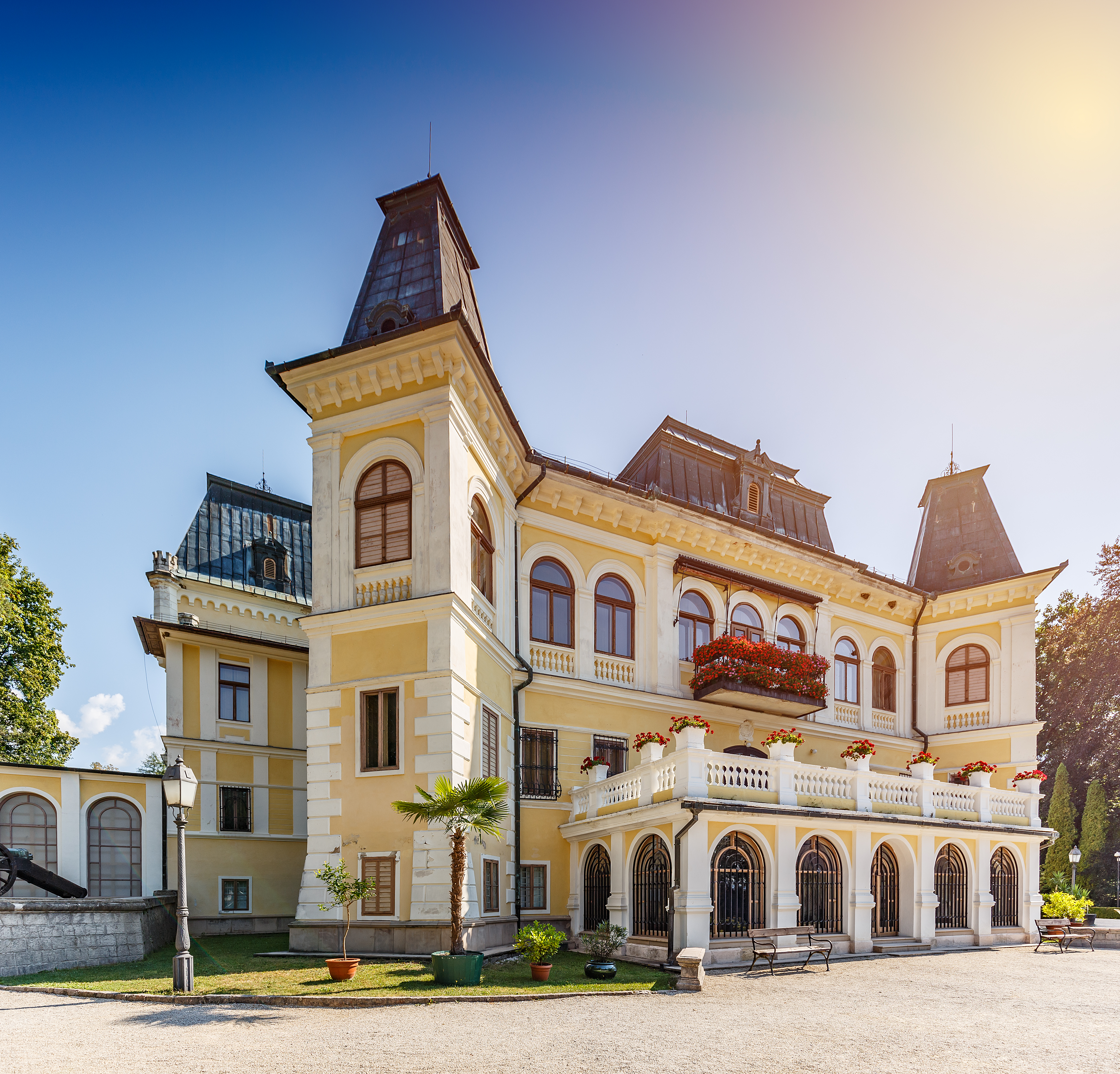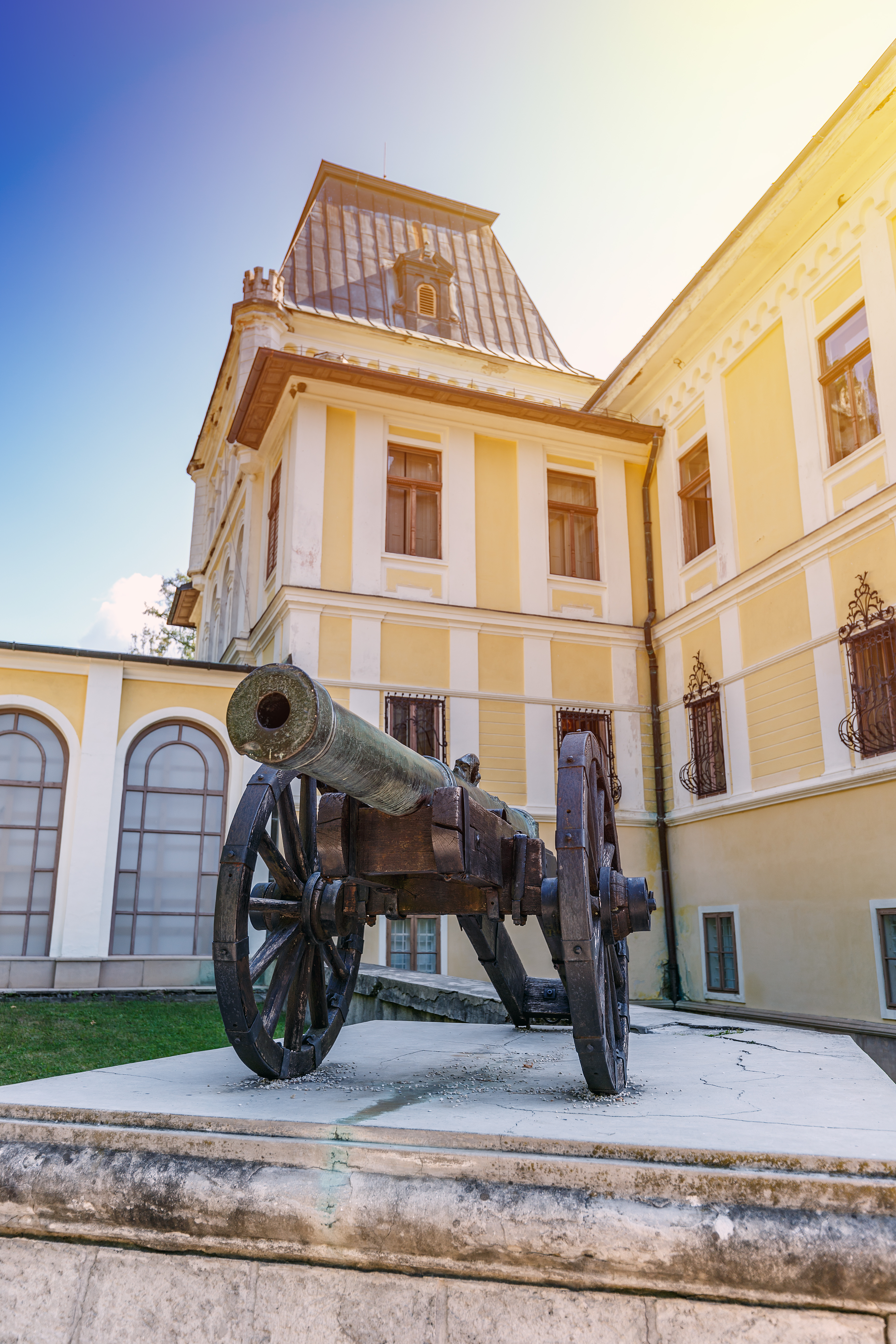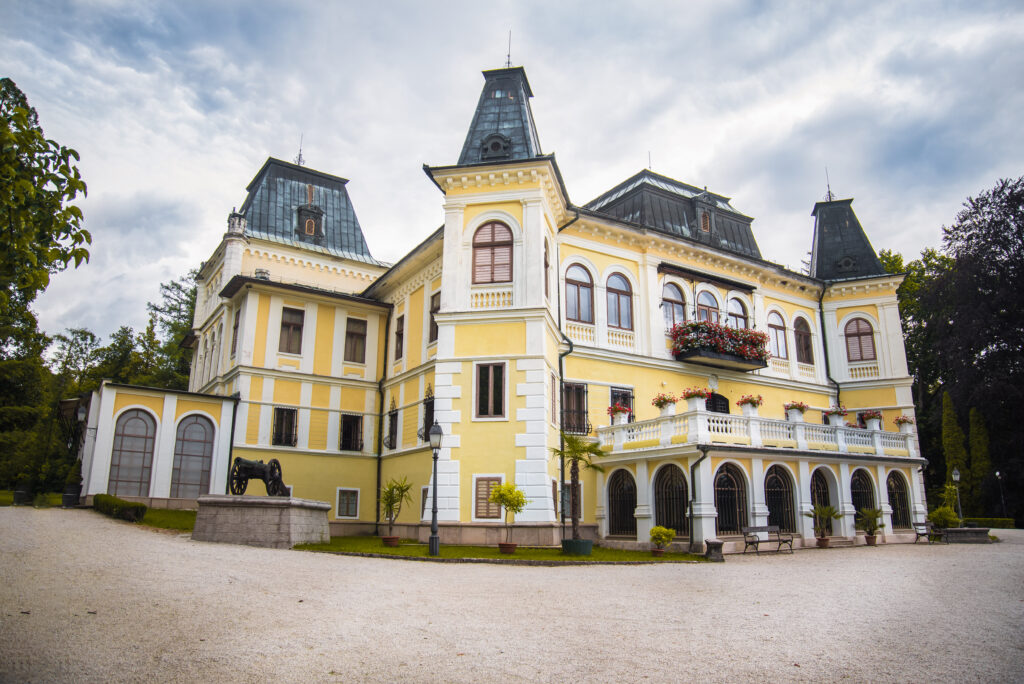

Nestled in the mystical landscape of Betliar, below the rugged peaks of the Volovské vrchy Mountains and along the tranquil Betliarsky Brook, which flows into the Slaná River, lies the historic Betliar Castle. North of the historic town of Rožňava, this majestic castle stands as a testament to centuries of history, culture and legends.
Origins in conflict and fortifications – The origins of Betliar Castle date back to the 1440s, when the Bebek family, a prominent noble family, commissioned the construction of a late medieval water fortress. This original structure served as the outer courtyard of the famous Krásna Hôrka Castle. By the end of the 15th century, the castle had been fortified with three sturdy towers on its north-eastern, south-eastern and south-western flanks. During the turbulent Turkish Wars, these defences were further reinforced and the castle began to transform into a Renaissance fortress. In 1556, however, the Bebek family fell out of favour with the Habsburg emperor, which led to their expulsion and the transfer of Betliar Castle to the Krásna Hôrka domain.
In 1578, Peter I Andrássy was appointed castellan of Krásna Hôrka, marking the beginning of the Andrássy family’s nearly 370-year presence in the Gemer region.
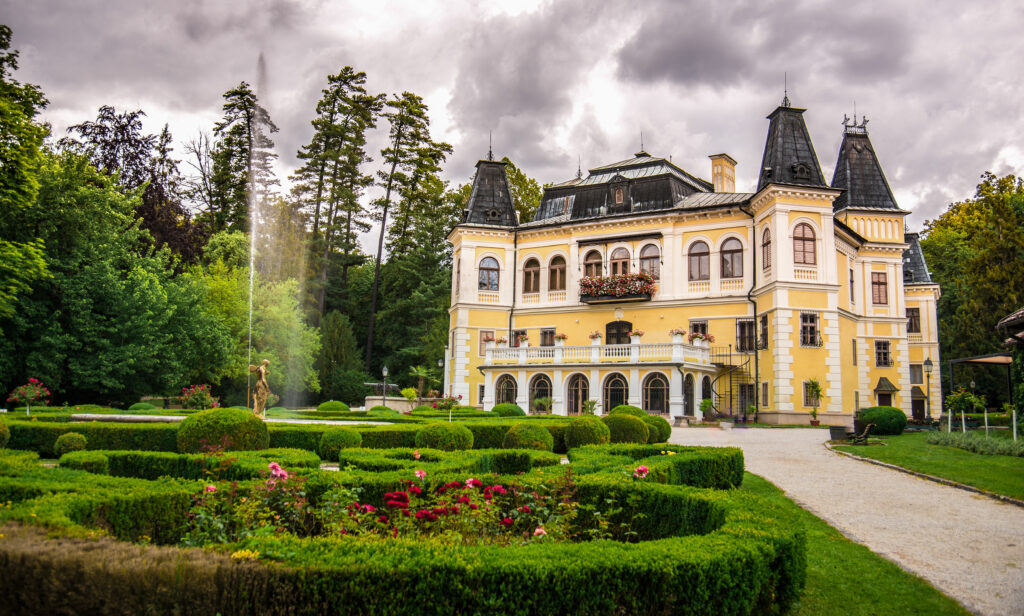
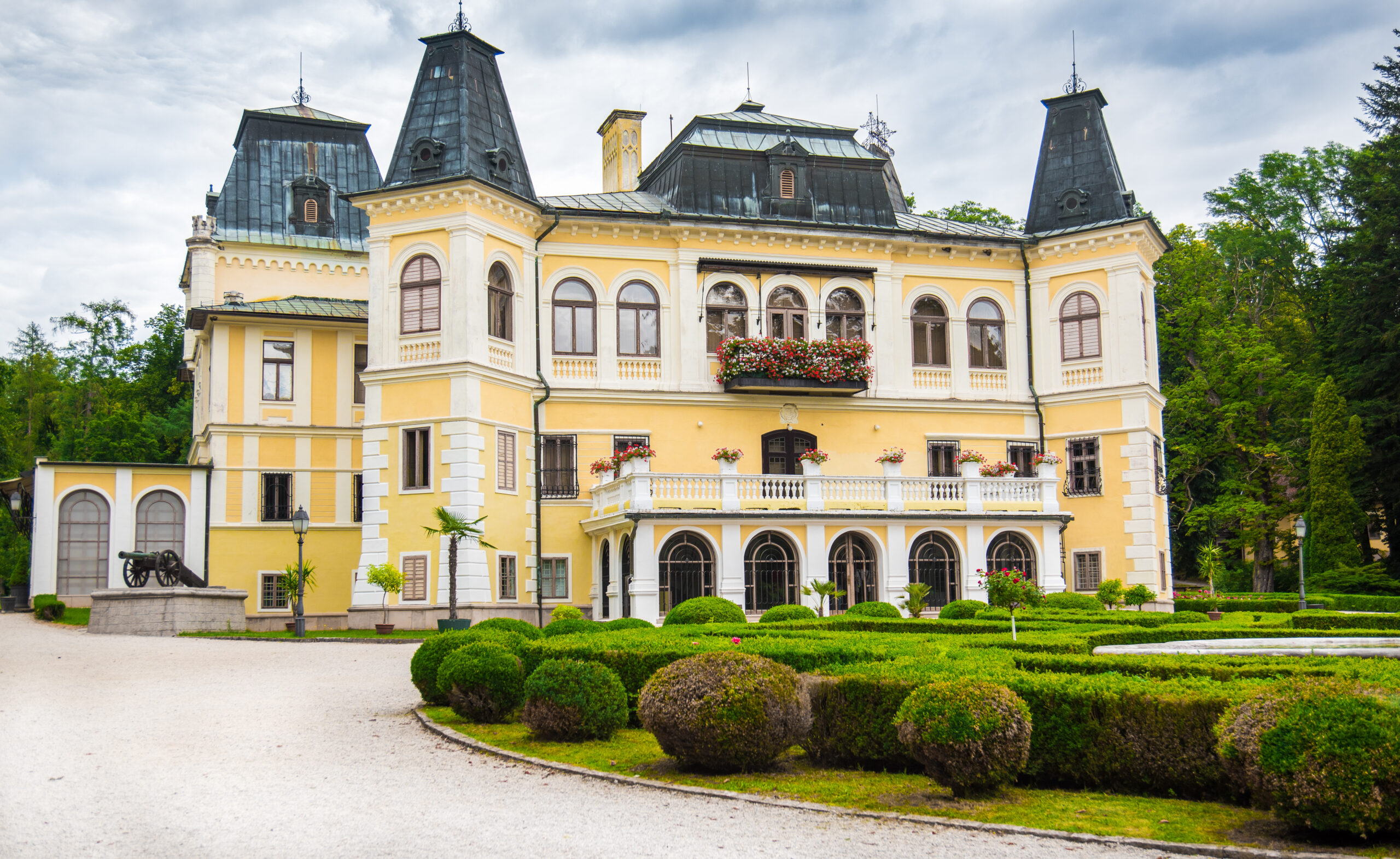
Transformation into a noble residence – It was not until the beginning of the 18th century that Betliar Castle began to be transformed into a more representative residence. Between 1702 and 1712, the castle underwent extensive renovation under the patronage of Count Stephan Andrássy. The result was a single-storey building with four towers, which retained some defensive features. Further improvements took place between 1783 and 1795, reflecting the prevailing neoclassical style. The addition of a second floor and the construction of the rotunda were decisive changes during this period. At the same time, the Lübeck garden architect Christian Heinrich Nebbien created an English-style park that enveloped the castle in green beauty.
Rise to political prominence and further renovations – The influence of the Andrássy family continued to grow, especially after the Austro-Hungarian Compromise of 1867, which saw them assume important political positions. Between 1880 and 1886, Betliar Castle was rebuilt once again, this time into a magnificent French hunting lodge in the historicist style. The focus of this renovation was on magnificent reception rooms and guest rooms, as well as the creation of the current entrance hall with its magnificent wooden coffered ceiling. This period cemented Betliar Castle’s status as a symbol of the wealth and sophistication of the Andrássy family.
Decline and rebirth – When the last members of the Andrássy family left the castle in 1944 amid the chaos of World War II, Betliar Castle was a haven of aristocratic splendour. The post-war period brought significant changes, as the castle was confiscated by the Czechoslovak state in accordance with the Beneš Decrees. In 1953, Betliar Castle found a new purpose as a museum dedicated to the aristocratic lifestyle of the 18th and 19th centuries. The castle was declared a national cultural monument of Slovakia in 1985 and is now part of the Slovak National Museum network, preserving its complex history for future generations.
Legends and myths surrounding Betliar Castle – Betliar Castle is rich in legends that add another mystical layer to its already multifaceted history. One of the most famous stories is that of the ‘ghost of the silver knight’. According to local tradition, a noble knight named Miklós, who was loyal to the Bebek family, was betrayed and imprisoned within the castle walls. His ghost is said to wander the halls in silver armour, eternally seeking justice for his untimely death. Another fascinating myth concerns the hidden treasure of Coloman Bebek, which is said to be hidden on the castle grounds. For generations, treasure hunters have been drawn to Betliar, attracted by rumours of priceless jewels and gold, but so far no one has succeeded in discovering the elusive treasure.
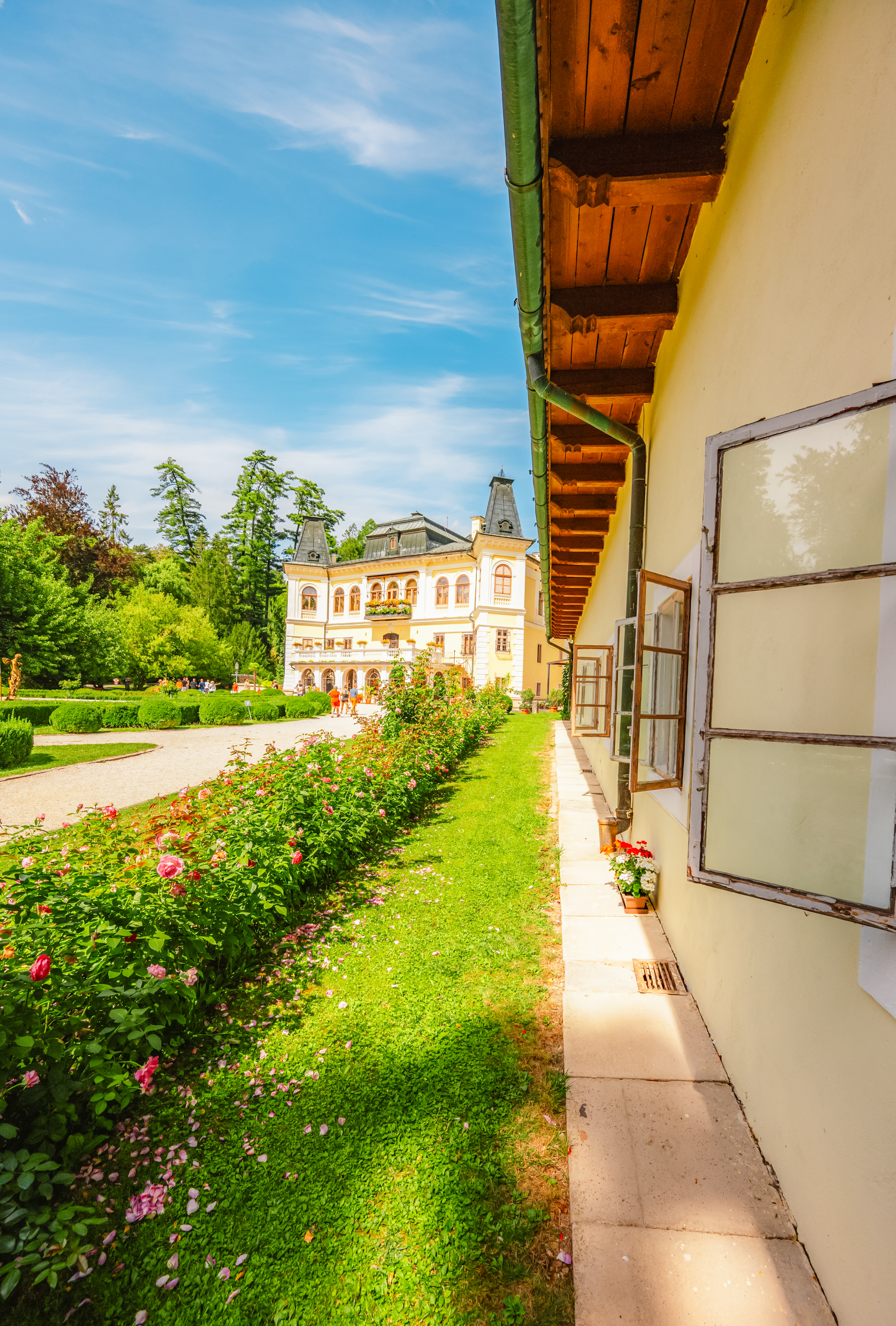
The mysterious gardens – The gardens of Betliar Castle also hold their own secrets and stories. The English park, designed by Christian Heinrich Nebbien, is not only a masterpiece of garden design, but also a labyrinth full of symbolism and hidden meanings. A popular legend tells of a secret love grotto in the park where star-crossed lovers from feuding noble families met against their parents’ will. Decorated with antique statues and rustling trees, the grove has remained a romantic and mysterious place to this day.
Betliar Castle today – Today, Betliar Castle fascinates visitors with its perfectly preserved blend of different architectural styles and its lush, expansive gardens. Each room of the museum offers a glimpse into the opulent life of the noble families and displays artefacts ranging from ornate furniture to exquisite works of art. The castle is also the venue for various cultural events that attract visitors who want to immerse themselves in its timeless charm. The legacy of Betliar Castle extends beyond its physical structure; it embodies the resilience and transformation that have shaped the region throughout history. As you stroll through its halls and gardens, echoes of the past mingle with the present, creating an experience that is both educational and enchanting.
Betliar Castle is a beacon of history, myths and legends. Its history is one of evolution – from an imposing medieval fortress to a magnificent aristocratic residence – reflecting the dynamic chapters of Central European history. With every stone and every legend, Betliar Castle invites us to explore the mysteries of the past and enjoy the enduring charm of its enchanted world.