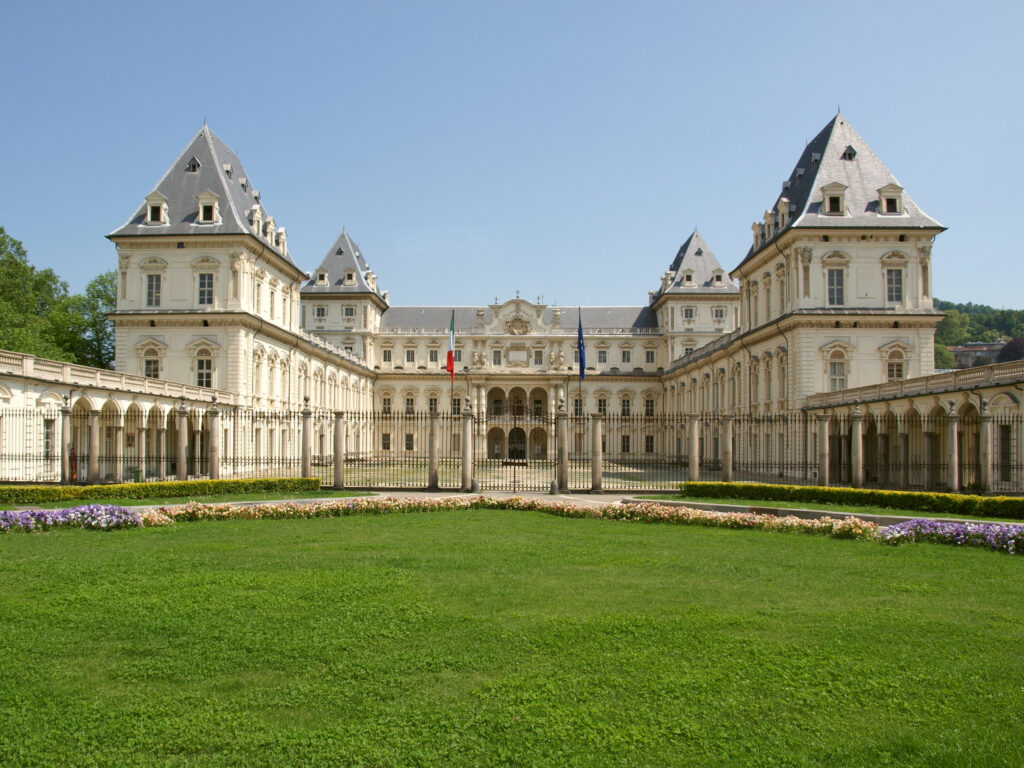

Nestled in the vibrant city of Turin, on the picturesque left bank of the Po River, lies the mysterious Castello del Valentino. This former ducal residence now houses the Faculty of Architecture of the Politecnico di Torino. Although its name appears in documents as early as 1275, the origin of the name “Valentino” remains shrouded in mystery.
One prevailing theory suggests that it derives from the nearby St. Veit Church, where the relics of St. Valentine of Terni were kept—a connection that perhaps points to deeper historical and mystical connections.
The origins of the Castello del Valentino – The history of the Castello del Valentino is closely intertwined with the history of the nobility. The building was originally acquired by Duke Emanuel Philibert of Savoy on the advice of the famous architect Andrea Palladio and served various noble families before achieving its present splendor. Under Philibert, the transformation of the estate from a simple noble estate to an important architectural landmark began.
The decisive redesign of the castle took place under the patronage of Duchess Christina of France, daughter of King Henry IV and wife of Duke Victor Amadeus I of Savoy. After the early death of her husband in 1637, Christina began an ambitious renovation with the help of architects Carlo and Amadeo di Castellamonte, which lasted from 1633 to 1660.
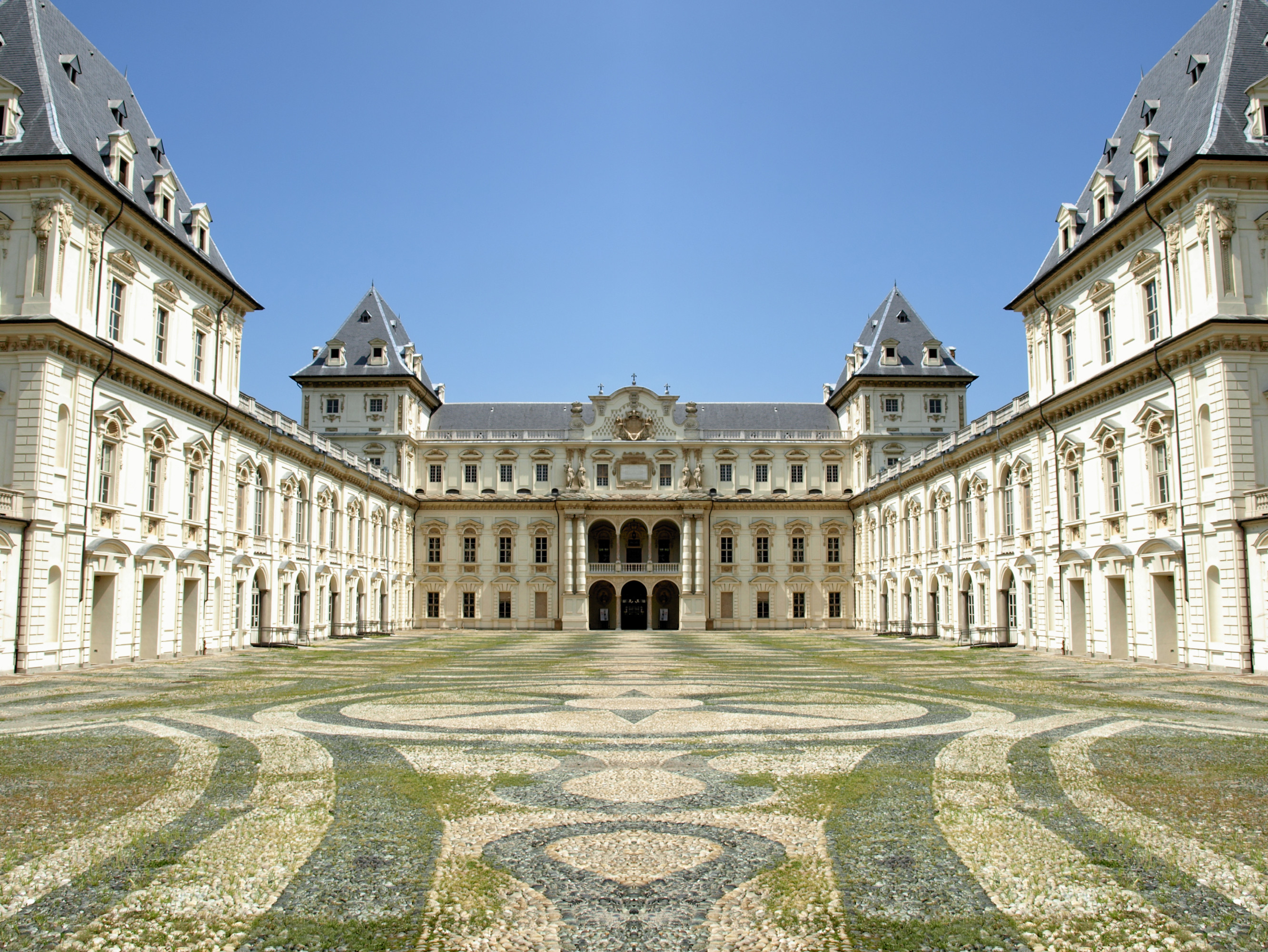
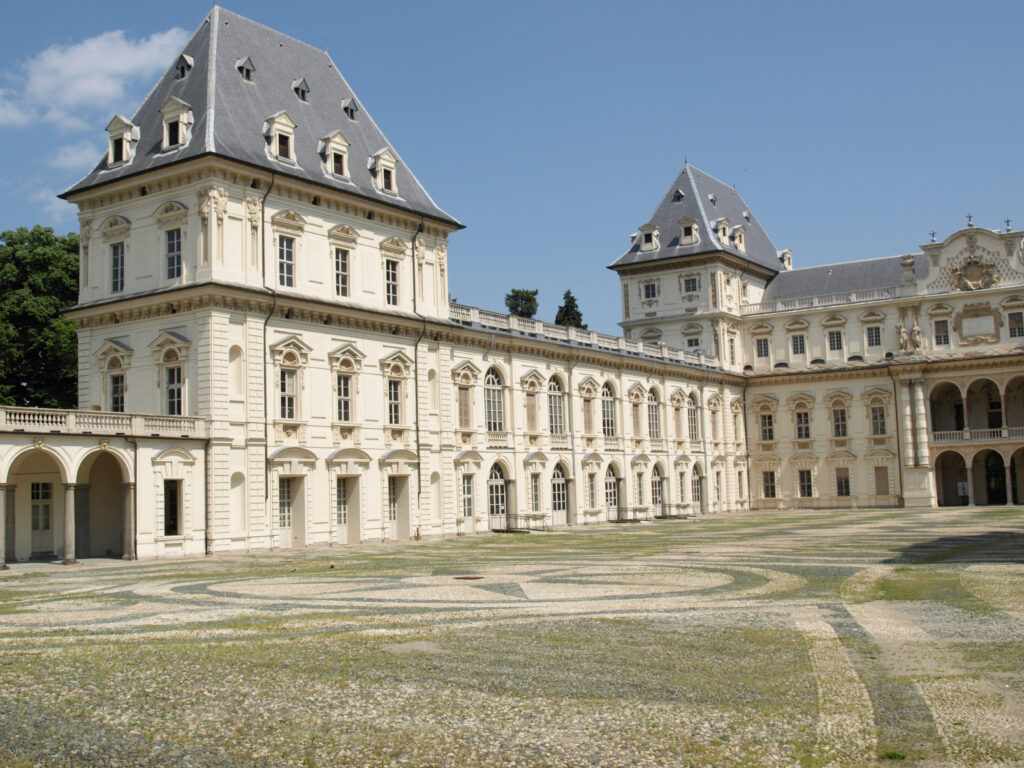
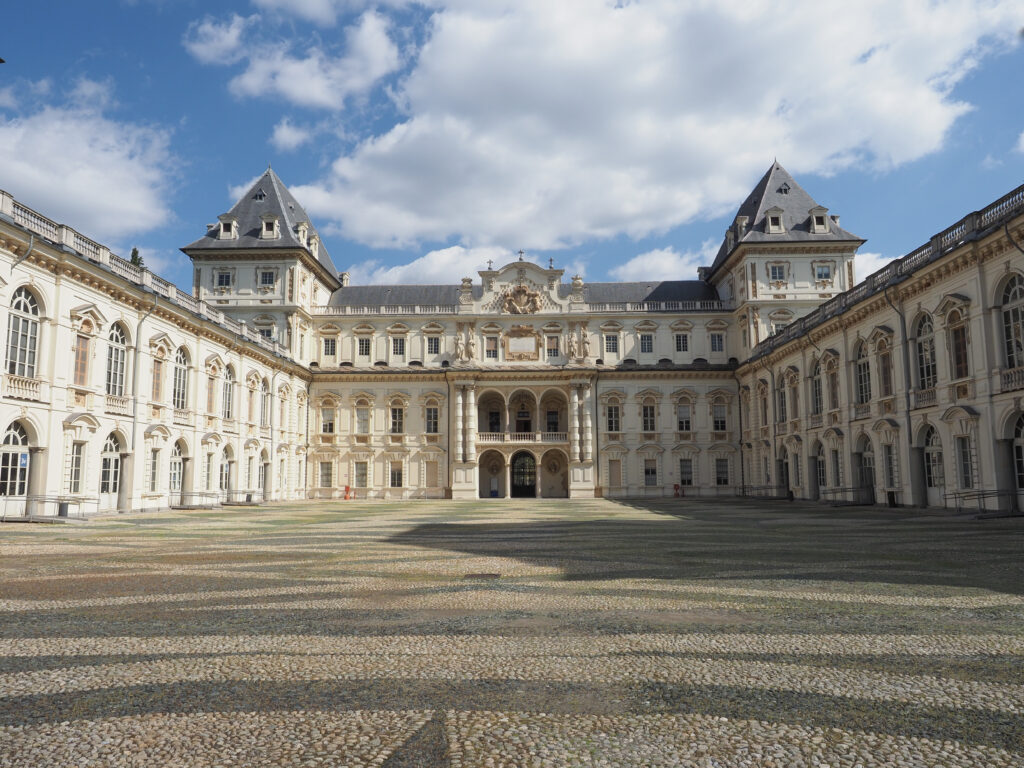
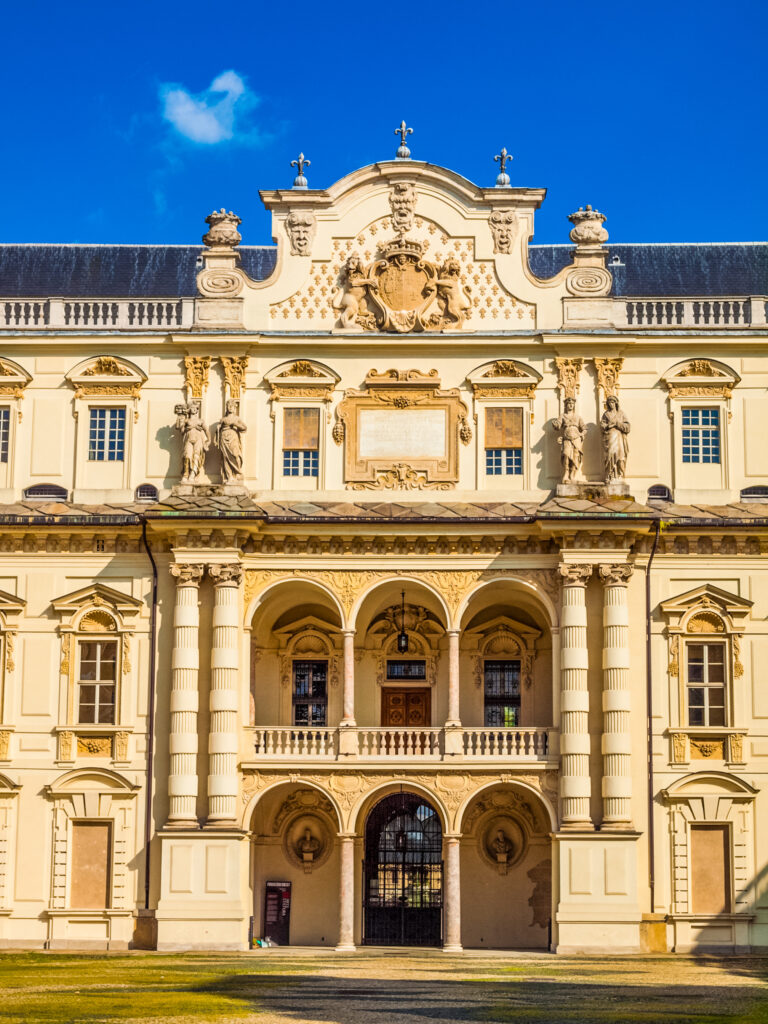
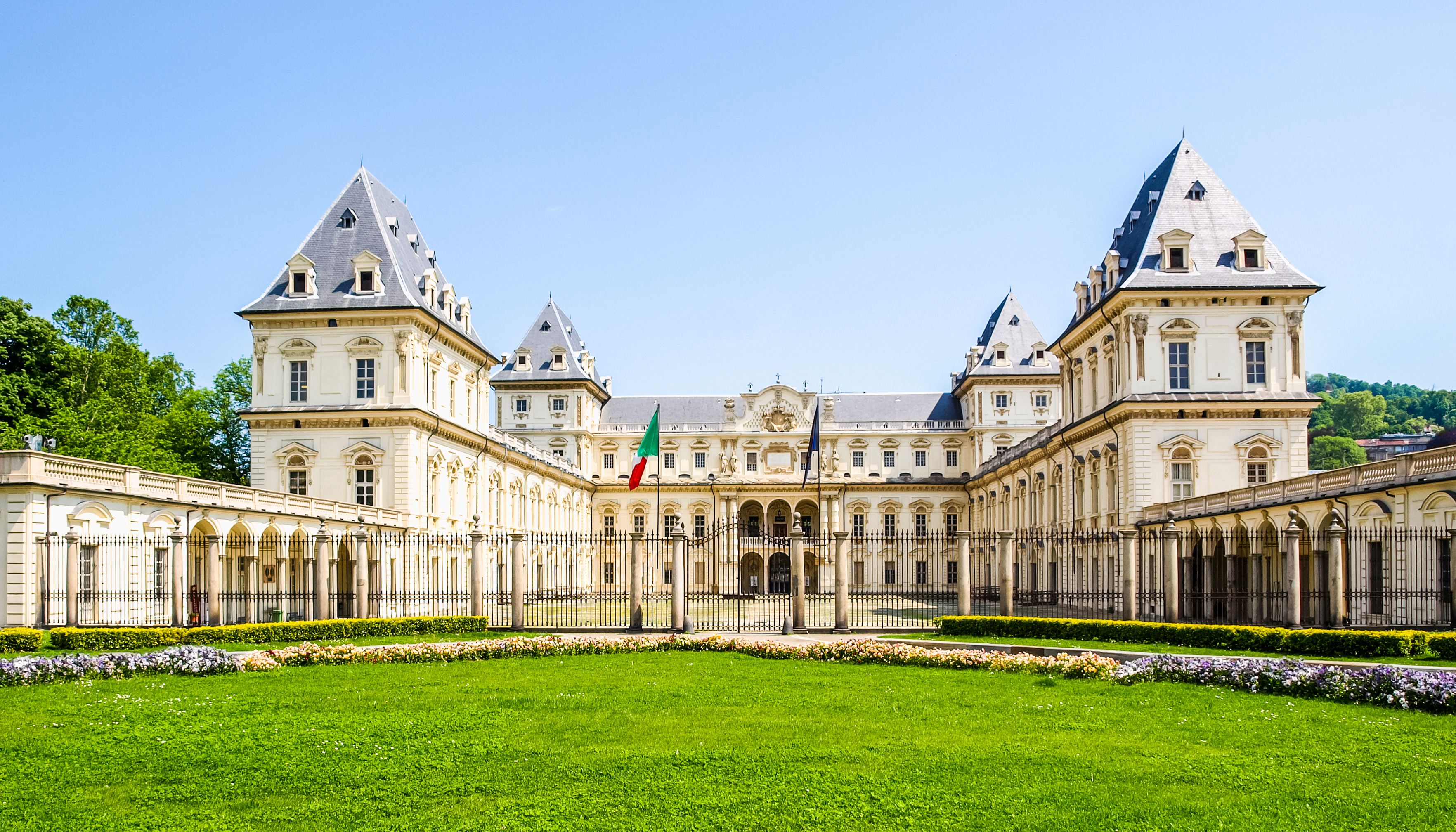
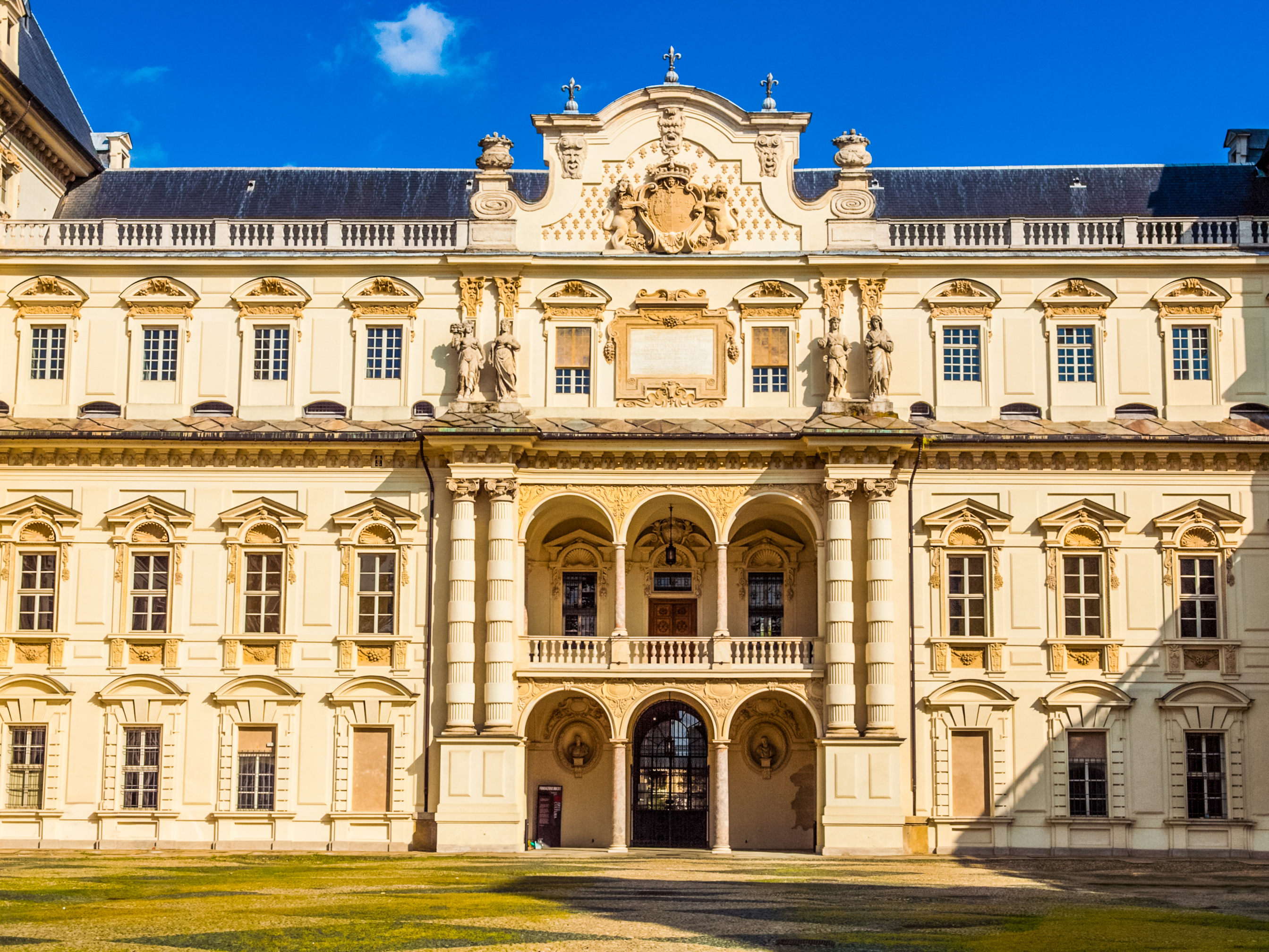
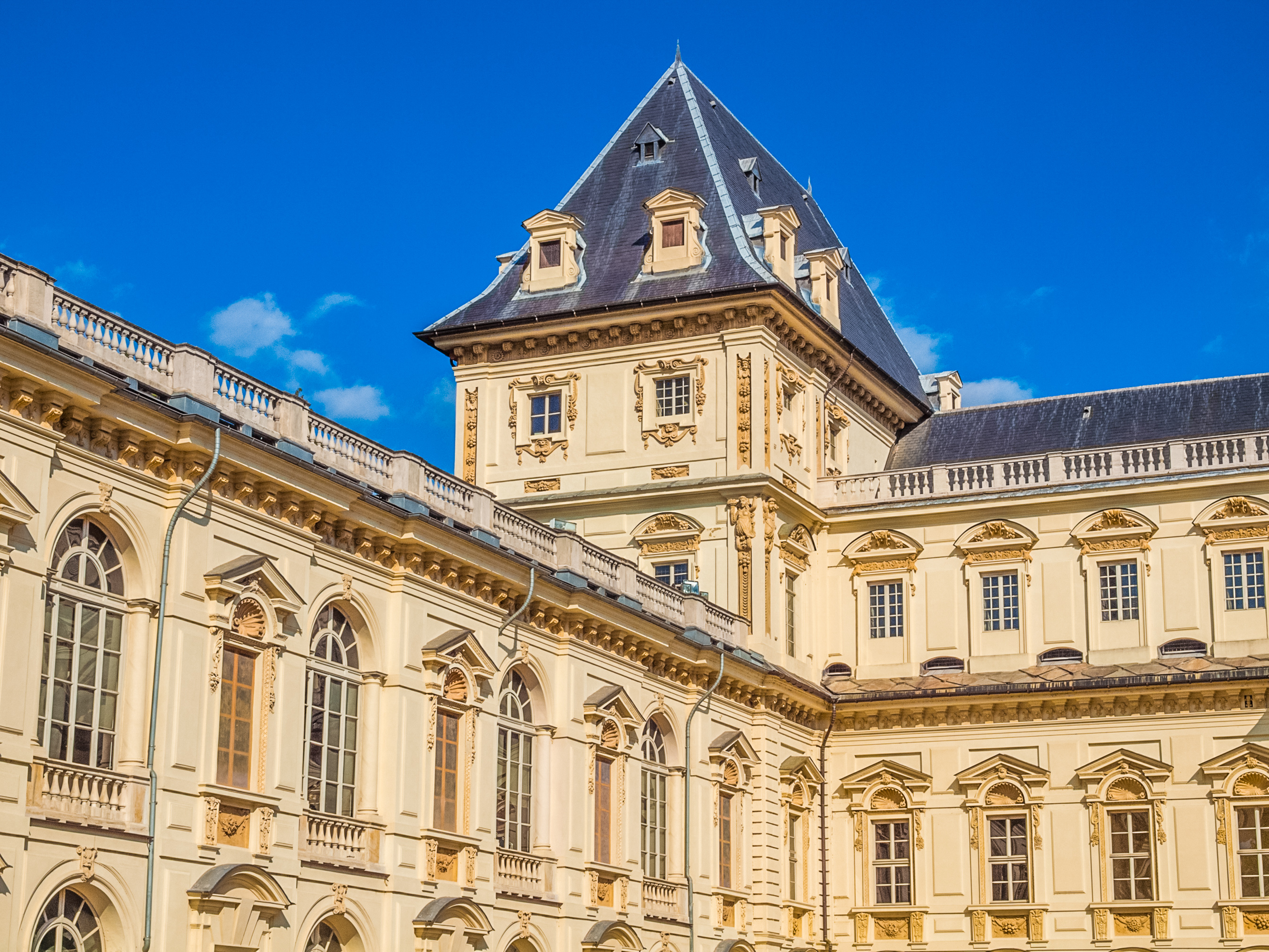
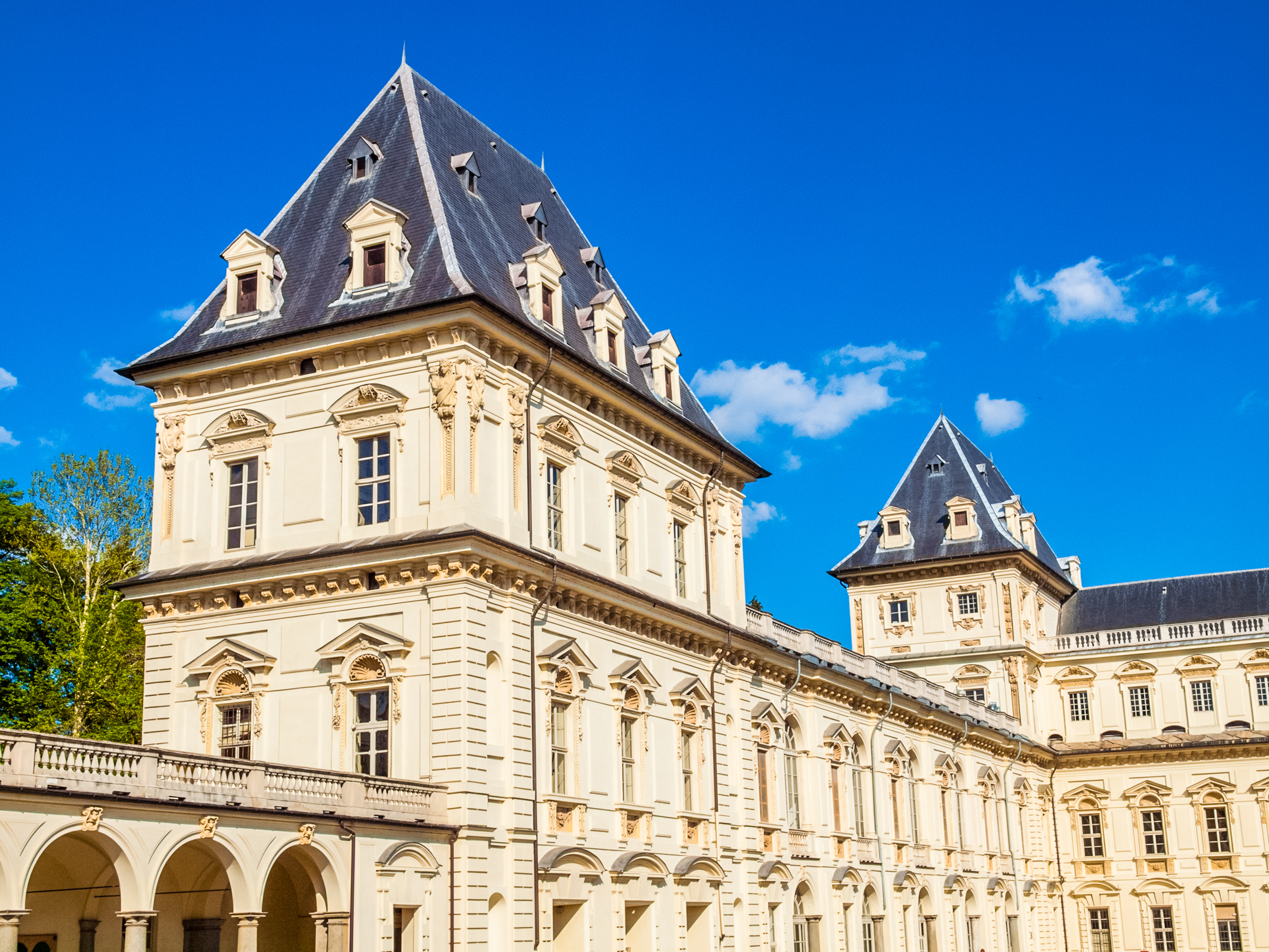
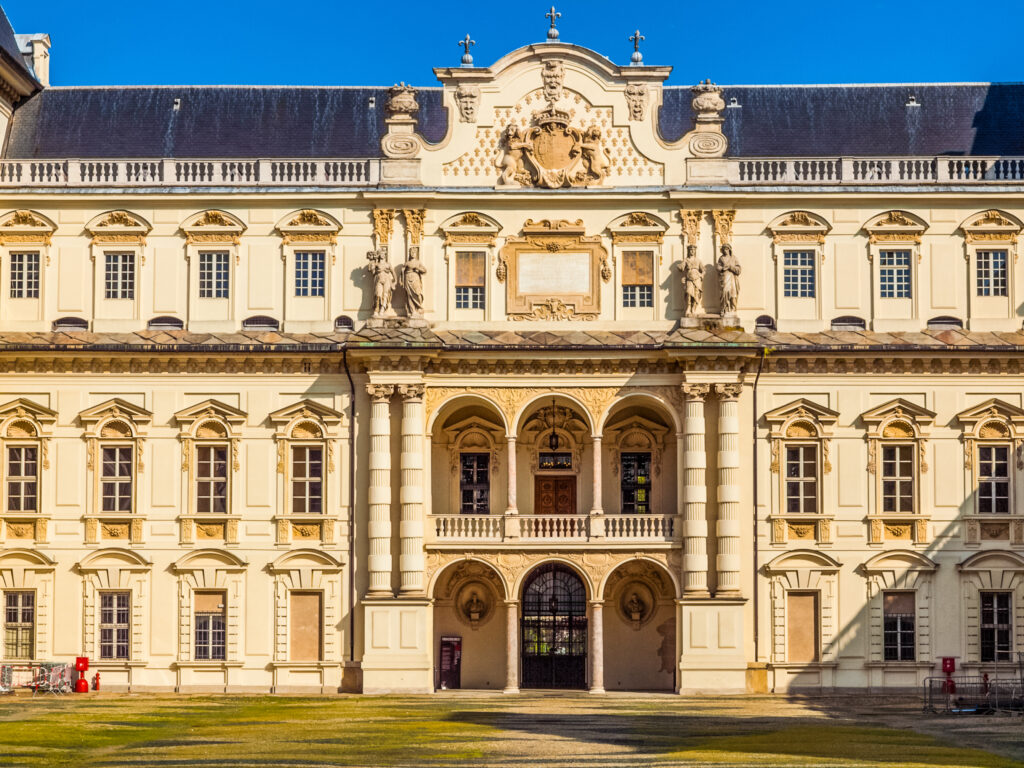
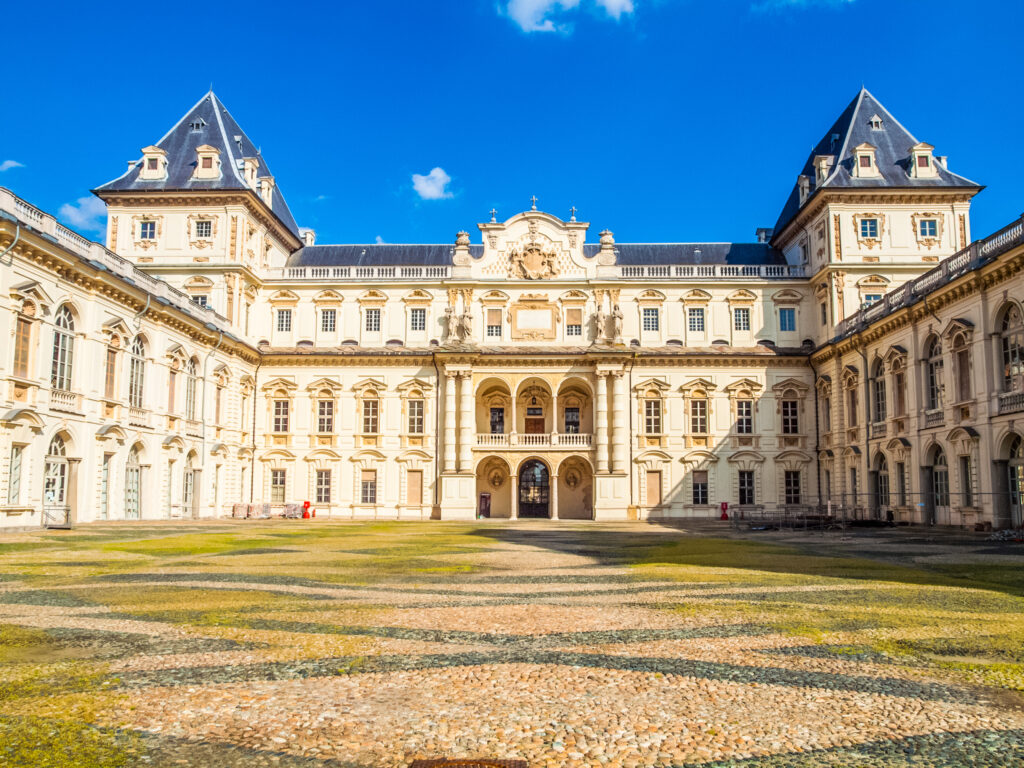
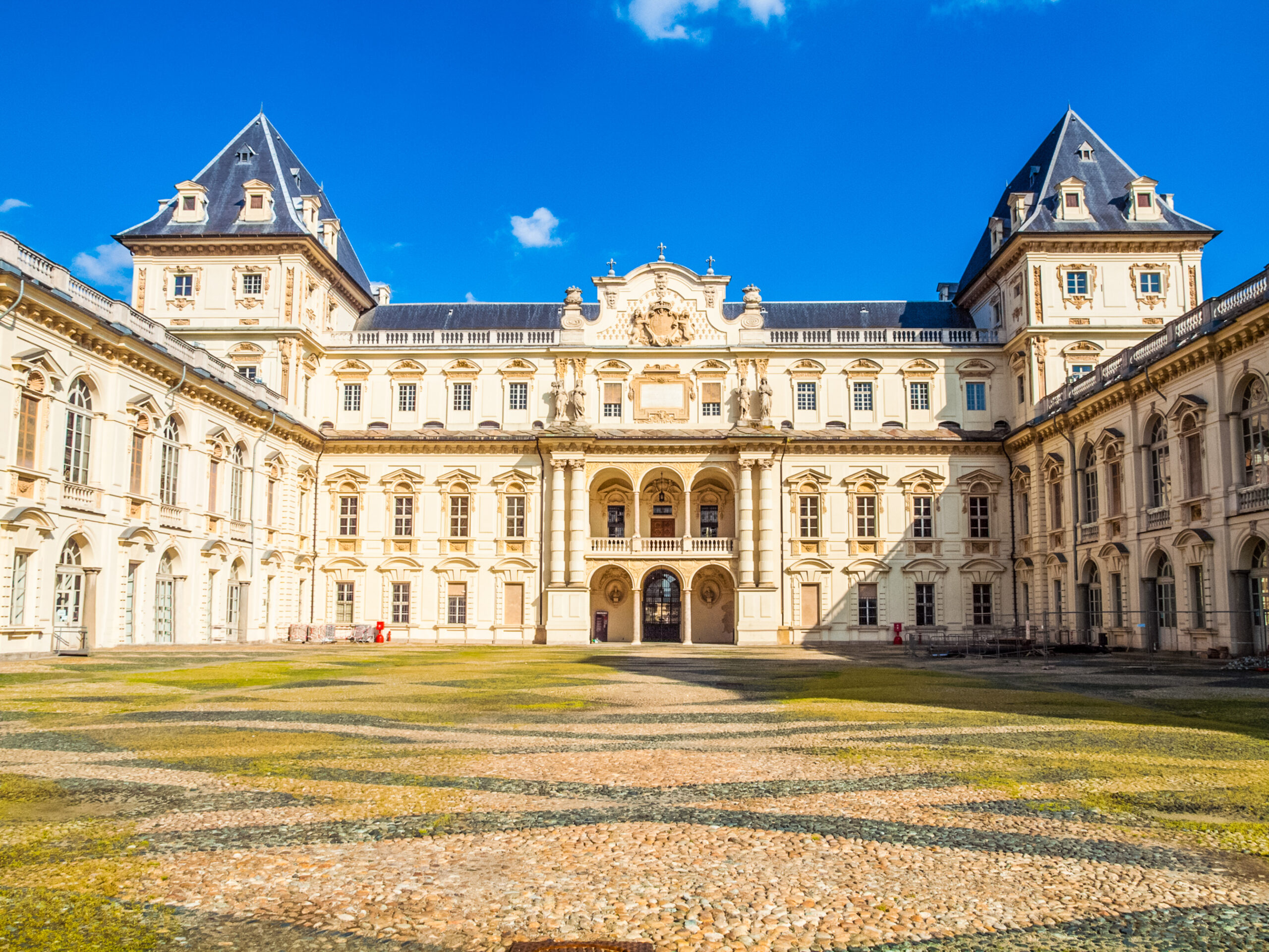
The result is a tribute to contemporary French architecture with a horseshoe-shaped layout around the Cour d’honneur, imposing corner pavilions, and steep roofs decorated with dormers. The majestic coat of arms of the House of Savoy, a symbol of its noble lineage, proudly towers above the central entrance.
Architectural marvel and historical resonance – The Castello del Valentino not only served as a princely pleasure palace outside the city walls of Turin, but was also originally a private retreat far from the bustling center, where the official residence, the Palazzo Madama, was located. Set amid lush hunting grounds, this elegant estate offered a tranquil contrast to formal court life. Its Baroque interior, once resplendent with opulent furnishings, fell victim to Napoleonic soldiers who plundered its treasures and transported them to France. Paradoxically, this plundering preserved the castle’s historic frescoes and friezes almost intact, offering a glimpse into the aesthetic preferences of the 17th century.
The fascination with Castello del Valentino extends beyond its physical appearance and into the realm of myths and legends. Stories whisper of secret passages and hidden chambers within its thick walls, hinting at clandestine meetings and romantic escapades. The mysterious aura surrounding this historic site attracts lovers of mystery and history alike.
Restoration and modern revival – By the 19th century, the castle had fallen into disrepair and was on the verge of ruin, prompting efforts to restore it to its former glory. Extensive renovations were undertaken to better integrate the castle into the growing cityscape of Turin. In 1860, the Politecnico di Torino chose the castle as the new location for its Faculty of Architecture, ushering in a period of renewal that brought the castle back to life. The restoration work culminated in the reopening of the central Zodiac Hall (Sala dello Zodiaco) on May 12, 2007. This hall features an impressive ceiling fresco that personifies the River Po with attributes of the Roman sea god Neptune—a testament to the complex craftsmanship that prevailed during its construction.
An oasis of relaxation: Parco del Valentino – Beyond the castle grounds, the 55-hectare Parco del Valentino breathes life into the area. This popular recreational spot attracts locals and tourists alike, who are drawn to its picturesque beauty and diverse attractions.
Adjacent to the tranquil banks of the Po River, the park is home to the Orto Botanico, the university’s botanical garden, which is filled with exotic plant species and green paths perfect for leisurely strolls.
One of the park’s most striking features is the Borgo Medievale, built in 1884 for an international exhibition.
This replica of a medieval village with a knight’s castle exudes the charm and mystique of a bygone era, offering visitors a unique cultural and historical experience. With its carefully designed structures and immersive environment, the Borgo Medievale allows visitors to travel back in time and relive the romance of medieval Italy.
Legends and ghost stories – The aura of Castello del Valentino is further enhanced by legends that have been passed down through generations. One such story tells of the ghost of Duchess Christina herself, who is said to wander the halls of her beloved palace, mourning the loss of her husband and watching over the preservation of her cherished building. This ghostly figure, often described by night watchmen and pensive historians, adds a mysterious atmosphere to the castle’s already rich history.
Another popular legend tells of a hidden chamber filled with untold treasures, intended to protect them from the thieving hands of Napoleon’s soldiers.
According to local lore, only those who are pure of heart and pure of intent are granted access to this secret treasure, prompting adventurous souls to search the castle’s labyrinthine corridors for hidden clues.
The legacy of the Castello del Valentino – Today, the Castello del Valentino stands as a monument to Turin’s historic past, defying the ravages of time and conflict to serve as an enduring symbol of resilience and elegance. With its haunting legends and architectural splendor, the castle offers a gateway to another era, inviting visitors to imagine the grandeur of the ducal courts and the whispered secrets of aristocratic intrigue.
The fusion of historical authenticity and educational purpose ensures that the castle continues to play an important role in Turin’s cultural landscape. As a respected academic institution and cherished cultural heritage site, the Castello del Valentino connects the past with the present and enchants all who step through its magnificent entrance.
Essentially, the Castello del Valentino is more than just a historic building; it is a living narrative of Turin’s development, a canvas of artistic mastery, and a realm where myth and reality are intertwined. Tall and dignified, it beckons all who wish to unravel its secrets and revel in its timeless beauty.