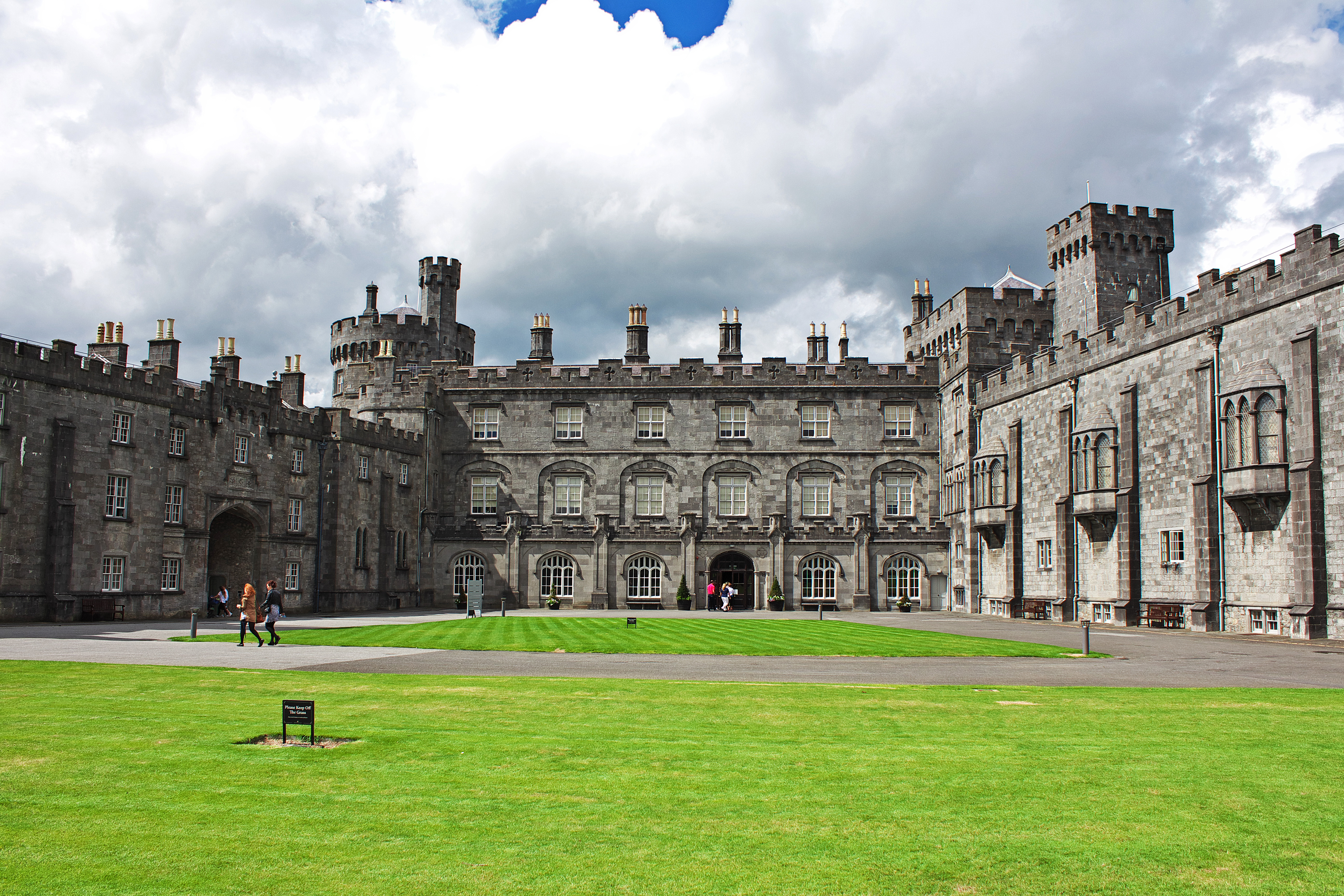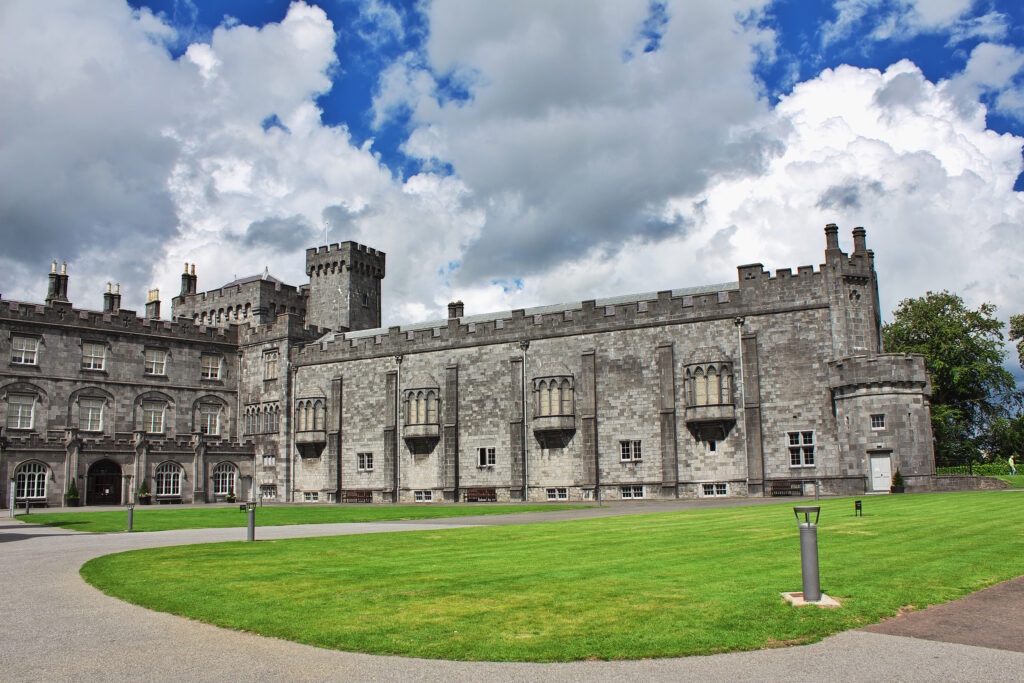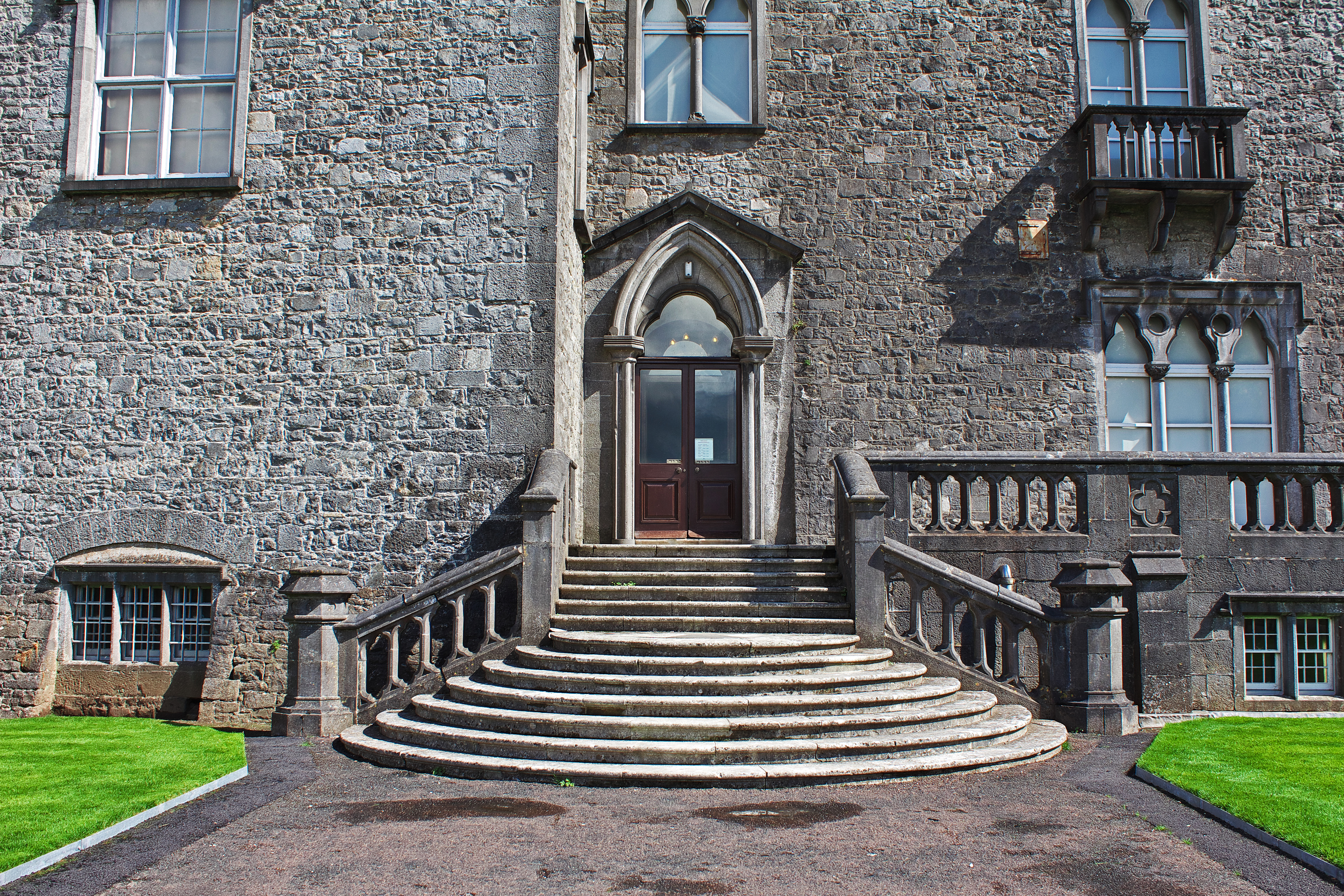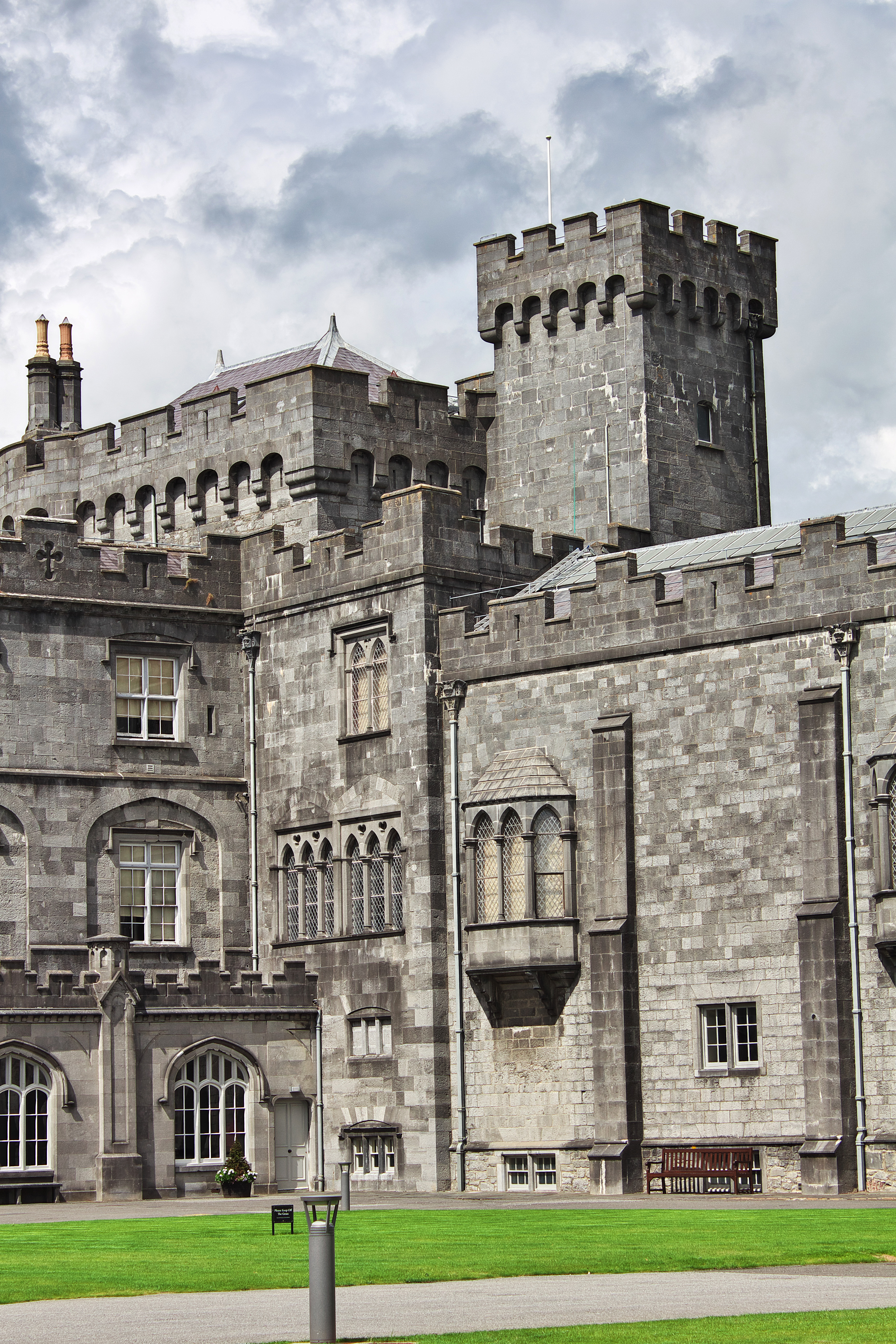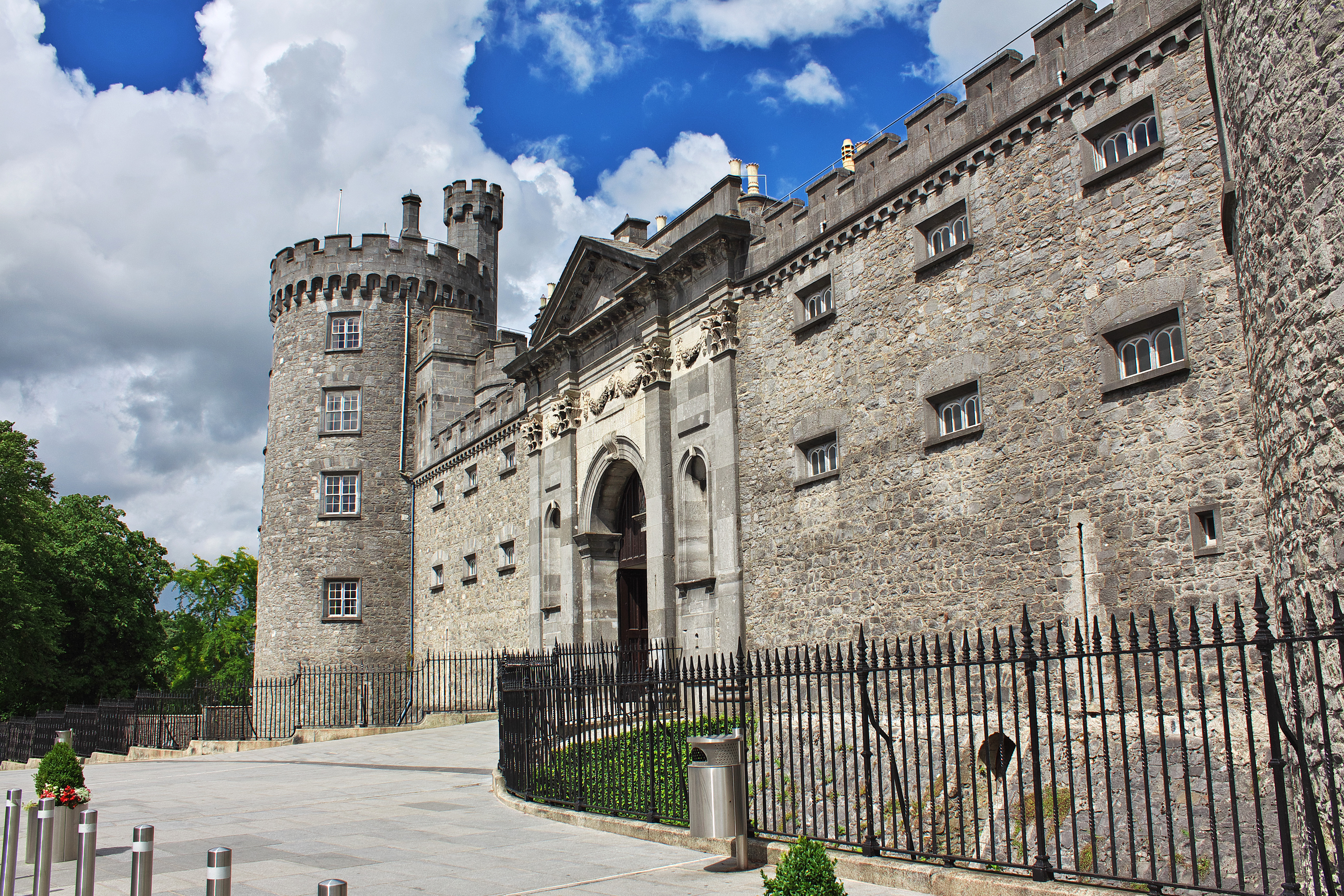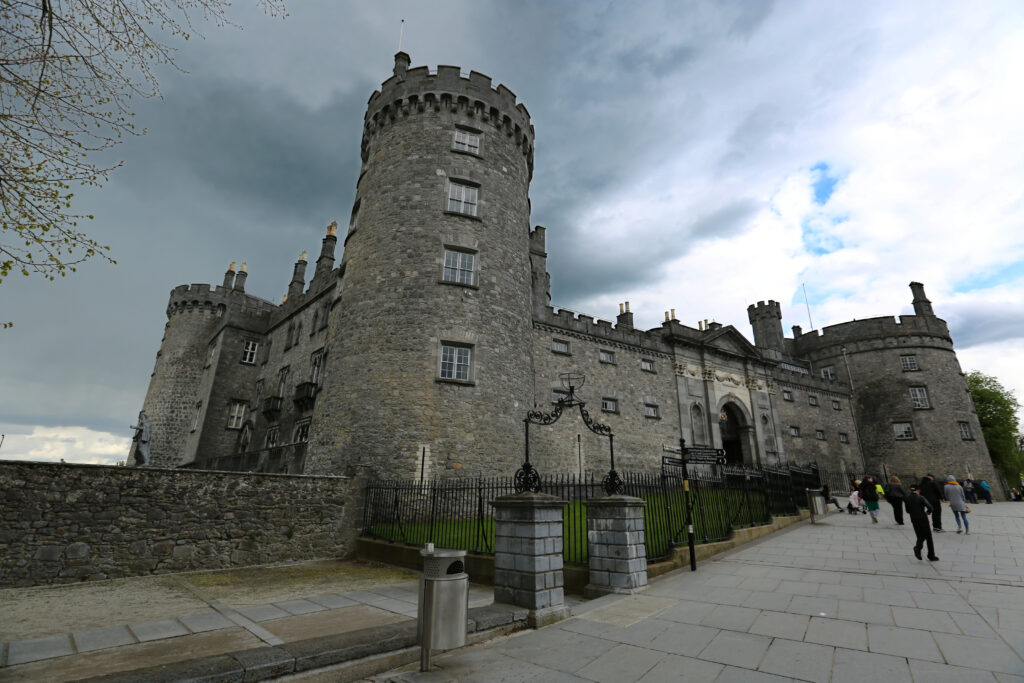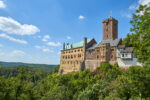

Kilkenny Castle, or Caisleán Chill Chainnigh in Irish, sits majestically on the banks of the River Nore and is not only an impressive structure, but also a place steeped in history, myths, and legends. From its medieval beginnings to its current status as a popular tourist destination, this castle embodies Ireland’s turbulent and varied past.
The creation of a fortress – Built between 1195 and 1213, Kilkenny Castle was originally constructed by the Normans to control an important ford across the River Nore and monitor key trade routes. This fortress had four sturdy corner towers and a partially preserved moat, forming the core of Kilkenny’s defenses and symbolizing Norman supremacy in Ireland.
Rumor has it that before the Normans took possession of this strategically important hill, it was the site of a fortress belonging to the local kings of Osraige. This ruling dynasty, known as the Mac Giolla Phádraig clan, was based at nearby St. Canice’s Abbey, thus linking the royal bloodlines to the castle’s heritage.
The Norman conquest and Strongbow’s legacy – After the Anglo-Norman invasion, Richard de Clare, known as Strongbow, was given control of Leinster, which included Kilkenny, in 1171. He initially built a wooden castle, but it was destroyed in 1173 by a rebellion of the Gaelic clans. Despite this setback, the strategic importance of the location ensured that the Earls of Pembroke retained ownership.
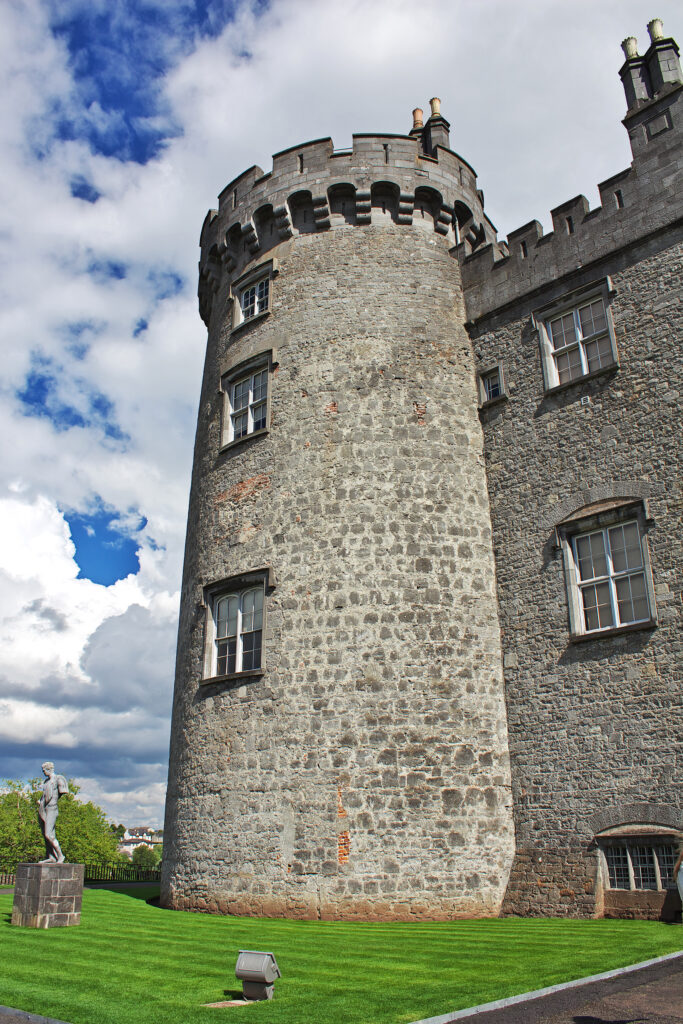
Strongbow’s daughter and heir, Isabel, married William Marshal, who became the first Earl of Pembroke. During Marshal’s tenure, the transition from wood to stone took place, laying the foundation for the permanent Kilkenny Castle we know today. By 1213, an impressive stone fortress with four round corner towers, some of which still stand today, had replaced the earlier wooden structure.
A tapestry of ownership over the centuries – Kilkenny Castle has seen a remarkable series of owners, reflecting the changing fortunes of power and influence. After Marshal, the castle passed to his daughter Eva and then through a convoluted line of descent involving marriages and inheritances, including notable figures such as Gilbert de Bohun and the Butler family.
The Butlers, who took this name after developing from the Fitz-Walter line during the Norman invasion, acquired the castle in 1391.
James Butler, the 3rd Earl of Ormonde, played a significant role in transforming Kilkenny Castle into the family’s headquarters. Lady Margaret Butler, who was born here in the late 15th century, lends the castle a touch of historical charm: her daughter Anne Boleyn later became the second wife of King Henry VIII of England.
The castle’s role in Irish conflicts – In the 17th century, Kilkenny Castle was a central location during the Irish Confederation Wars. Elizabeth Preston, wife of James Butler, 12th Earl of Ormonde and Lord Lieutenant of Ireland, was the owner of the estate. Amidst the hostilities, the castle served as headquarters for Catholic rebels. The so-called “Supreme Council” met here from 1642 to 1650, when Oliver Cromwell’s parliamentary troops besieged the castle, causing considerable damage to the east wall and northeast tower.
After these turbulent years, the Butlers transformed the ruined fortress into a “modern castle” inspired by Norman designs, using Caen stone and ensuring the building’s continued significance.
Decline and revival – In the 18th century, the once wealthy Butler family fell into financial difficulties, leading to a period of neglect of the castle. However, minor restoration work financed by Anne Wandesford, heiress to the Earl of Wandesford, temporarily revived the castle’s fortunes. Their difficulties culminated in the 20th century when economic constraints forced George Butler, Earl of Ossory, to vacate the property in 1935 and eventually auction it off.
The outbreak of the Irish Civil War in 1923 left further scars on the castle when Republican forces clashed with Free State troops, causing considerable damage. Nevertheless, the resilient Butlers remained on site, unwittingly becoming part of the castle’s storied history.
Restoration and modern splendor – After years of decay, Kilkenny Castle was sold to the Kilkenny Castle Restoration Committee in 1967 for a symbolic £50. James Butler, the 6th Marquess of Ormonde, expressed his pride and relief that the castle had been saved from decay and would not become another ruin in the Irish landscape.
The handover was celebrated with a grand party attended by celebrities such as Mick Jagger and Marianne Faithfull, marking a new beginning for the historic property. Extensive renovations followed under the direction of the Office of Public Works, transforming the castle and its grounds into a major tourist attraction.
Archaeological excavations in the 1990s uncovered the remains of earlier structures and revealed layers of history buried beneath the present-day castle. These excavations shed light on the site’s development and cemented its importance within Ireland’s rich history.
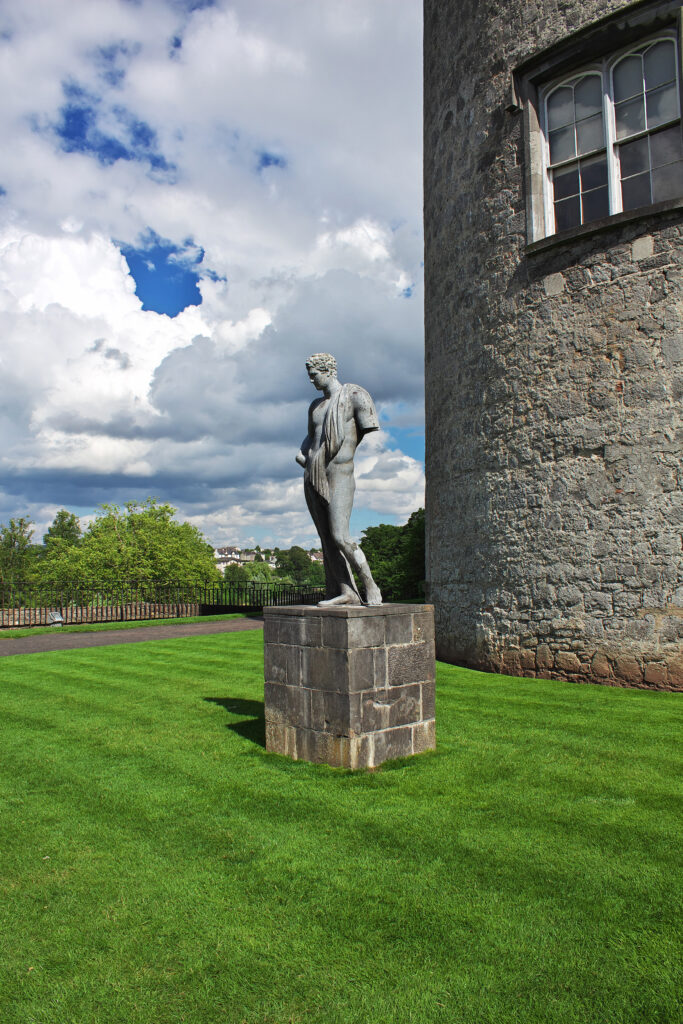
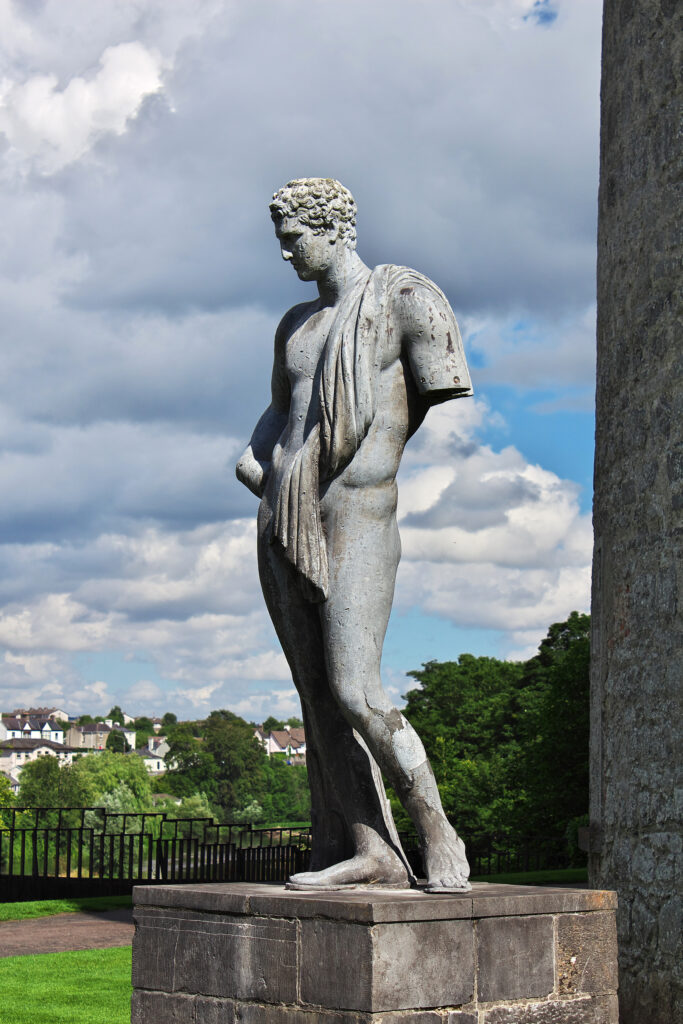
A living monument – Today, Kilkenny Castle stands as a testament to Ireland’s multi-layered history and attracts countless visitors each year. Its carefully maintained gardens and parks provide a tranquil contrast to the turbulent history of sieges and power struggles that once shaped this venerable fortress.
Essentially, Kilkenny Castle is not just a relic of the past, but a dynamic symbol of resilience, adaptability, and historical continuity. From its strategic founding in the Middle Ages to its current status as a cherished cultural heritage site, the castle’s history embodies the spirit of Ireland—intrepid, steeped in history, and eternally fascinating.