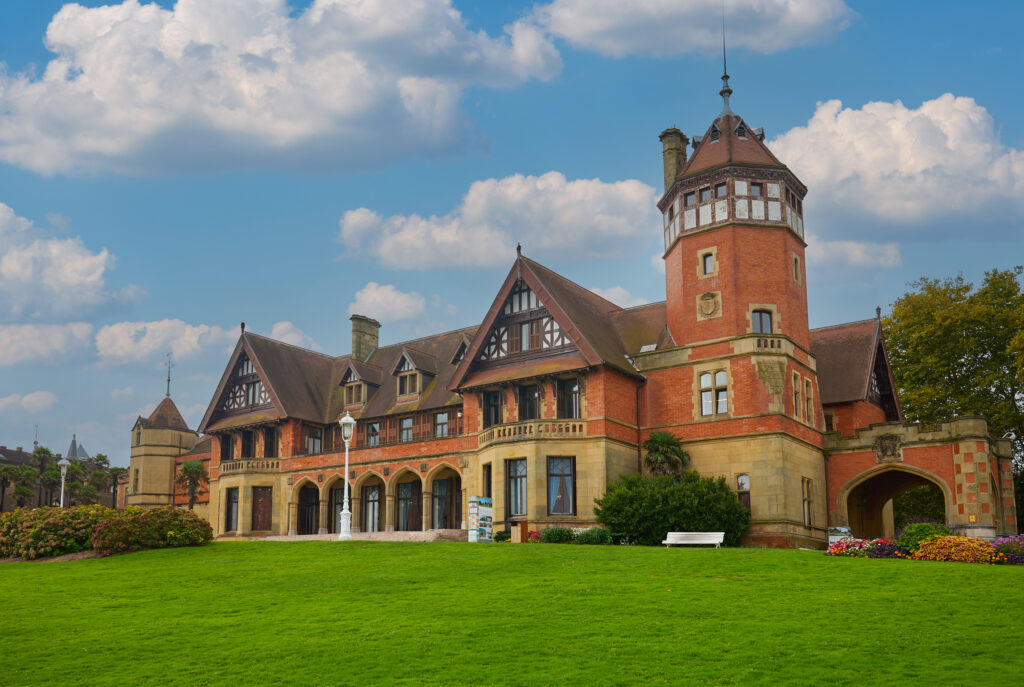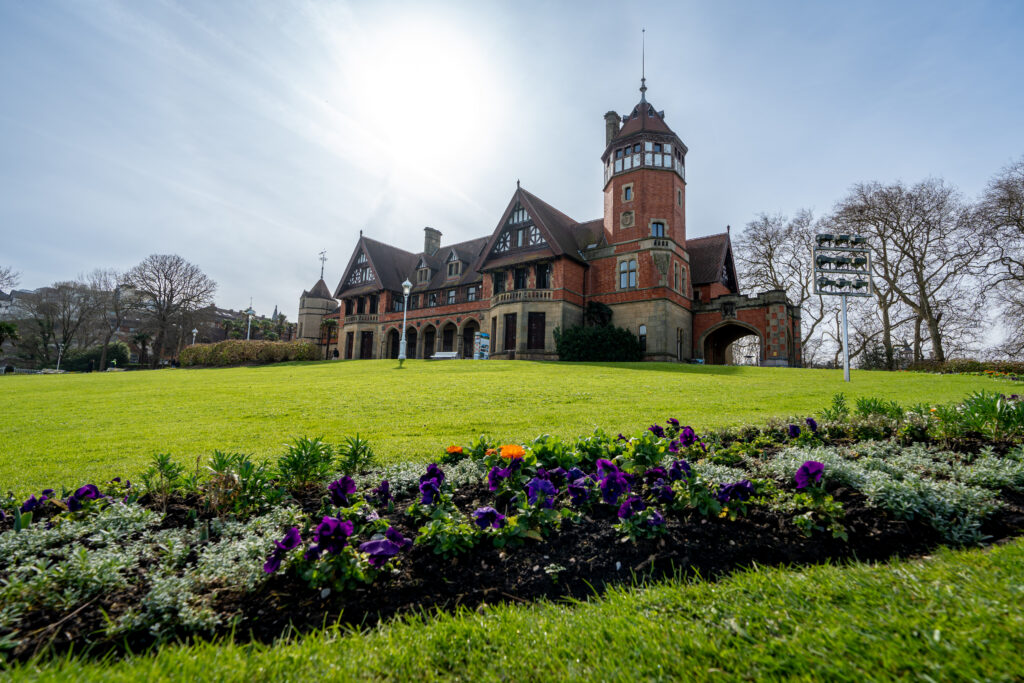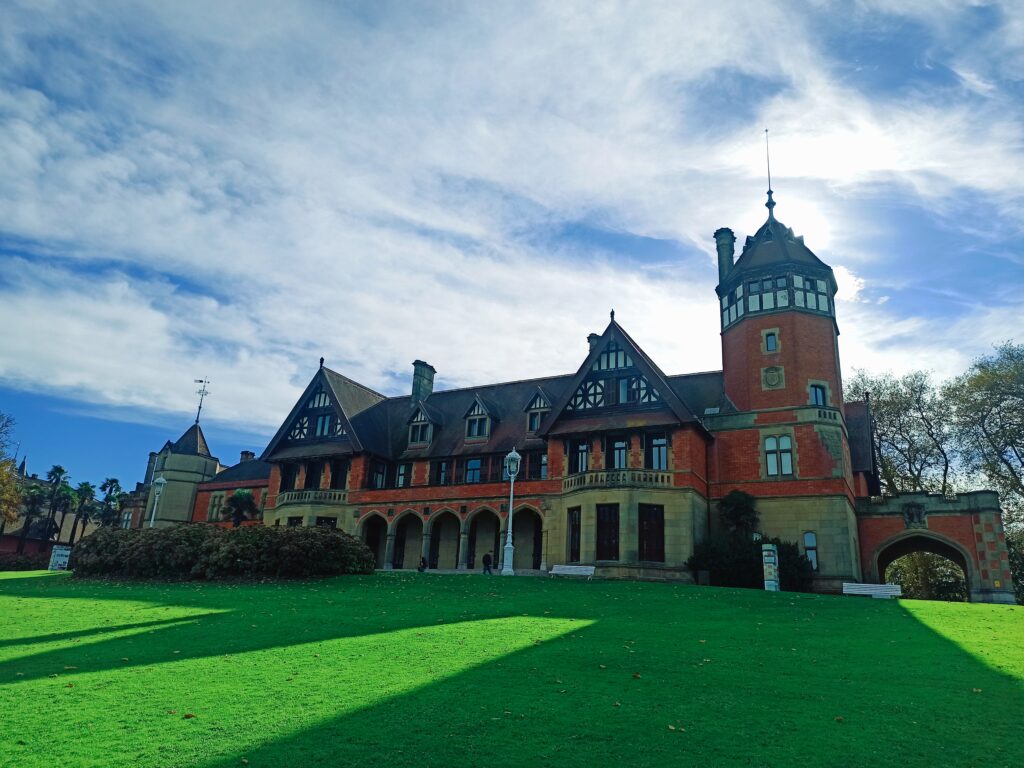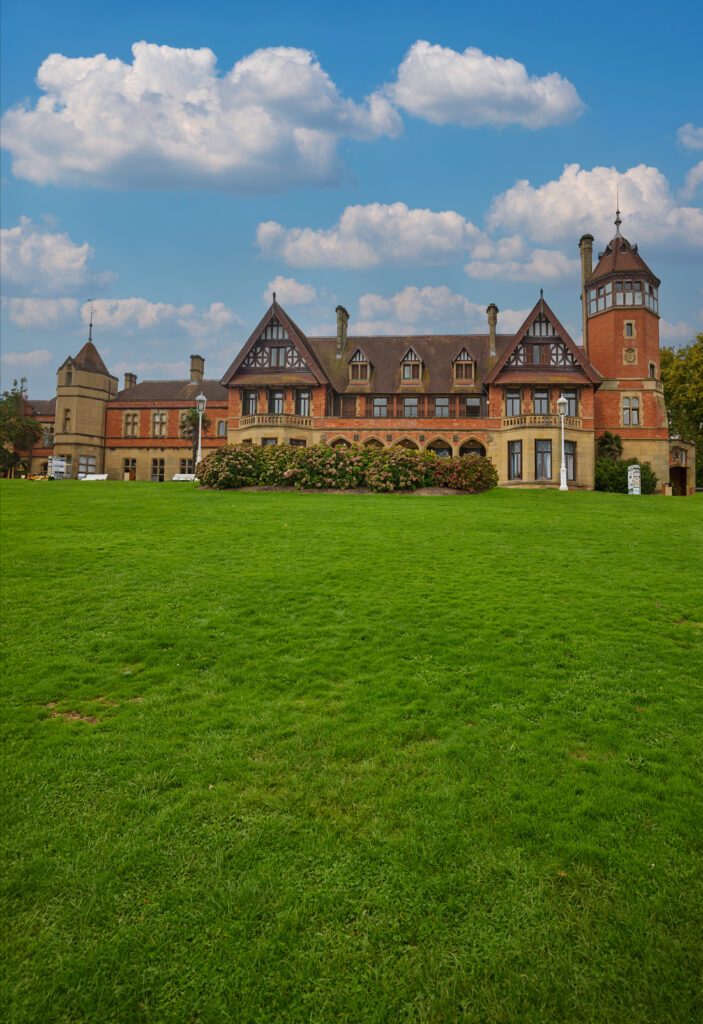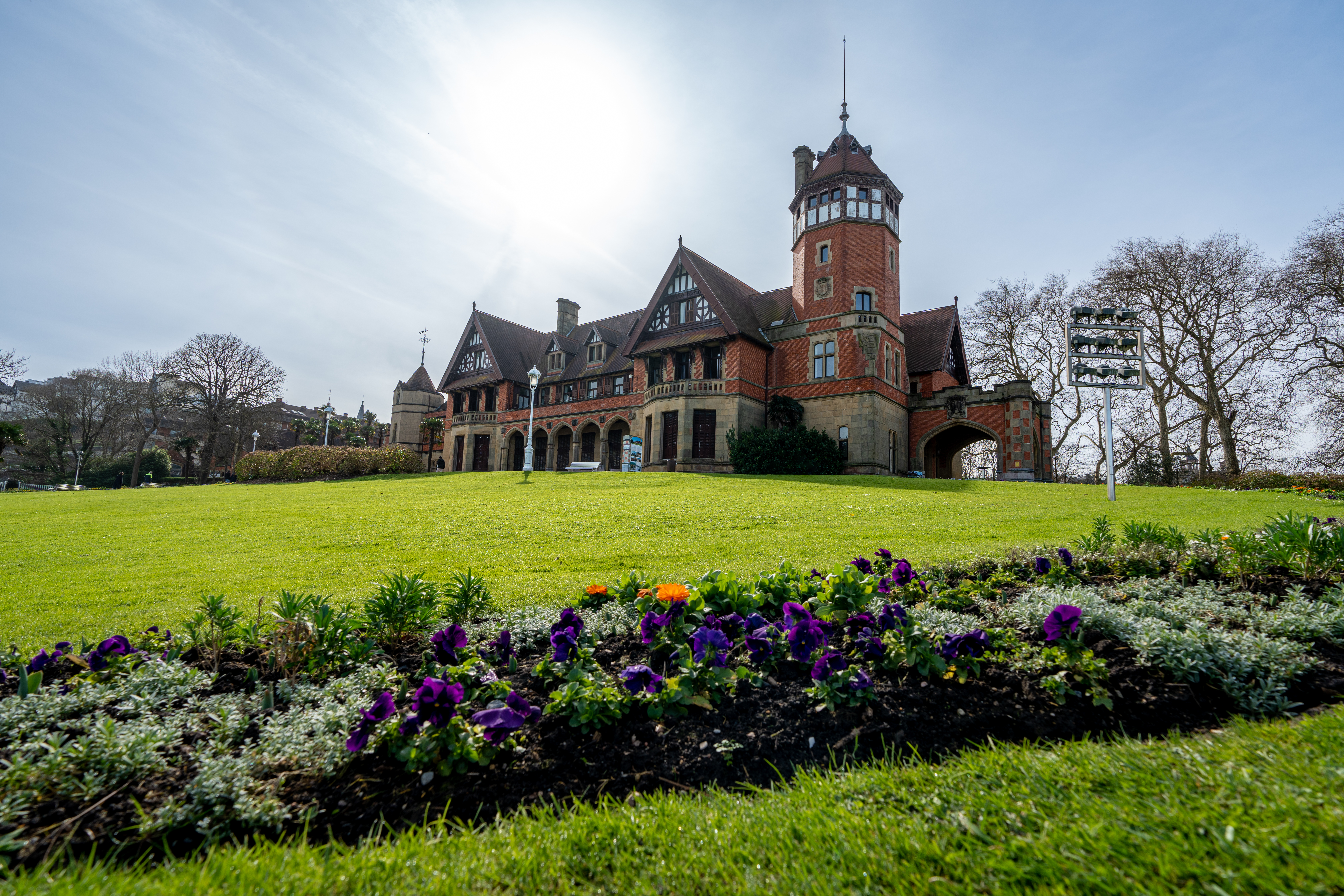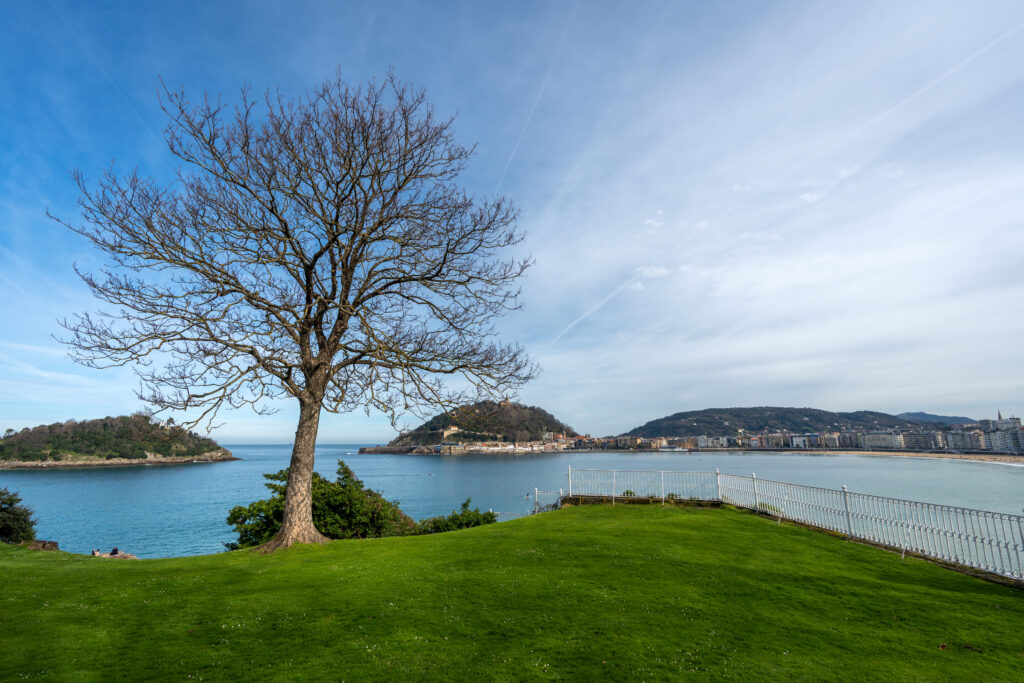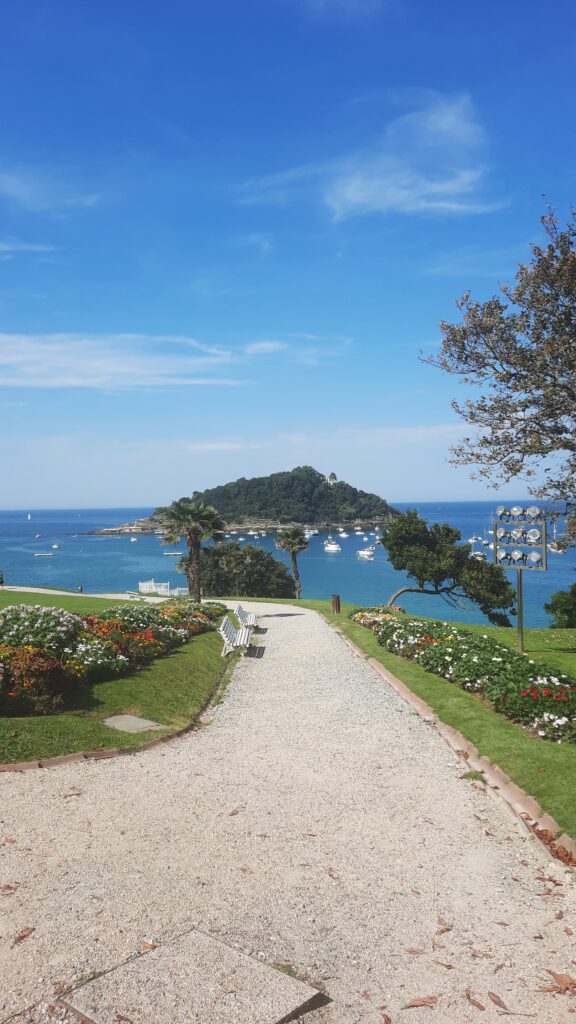

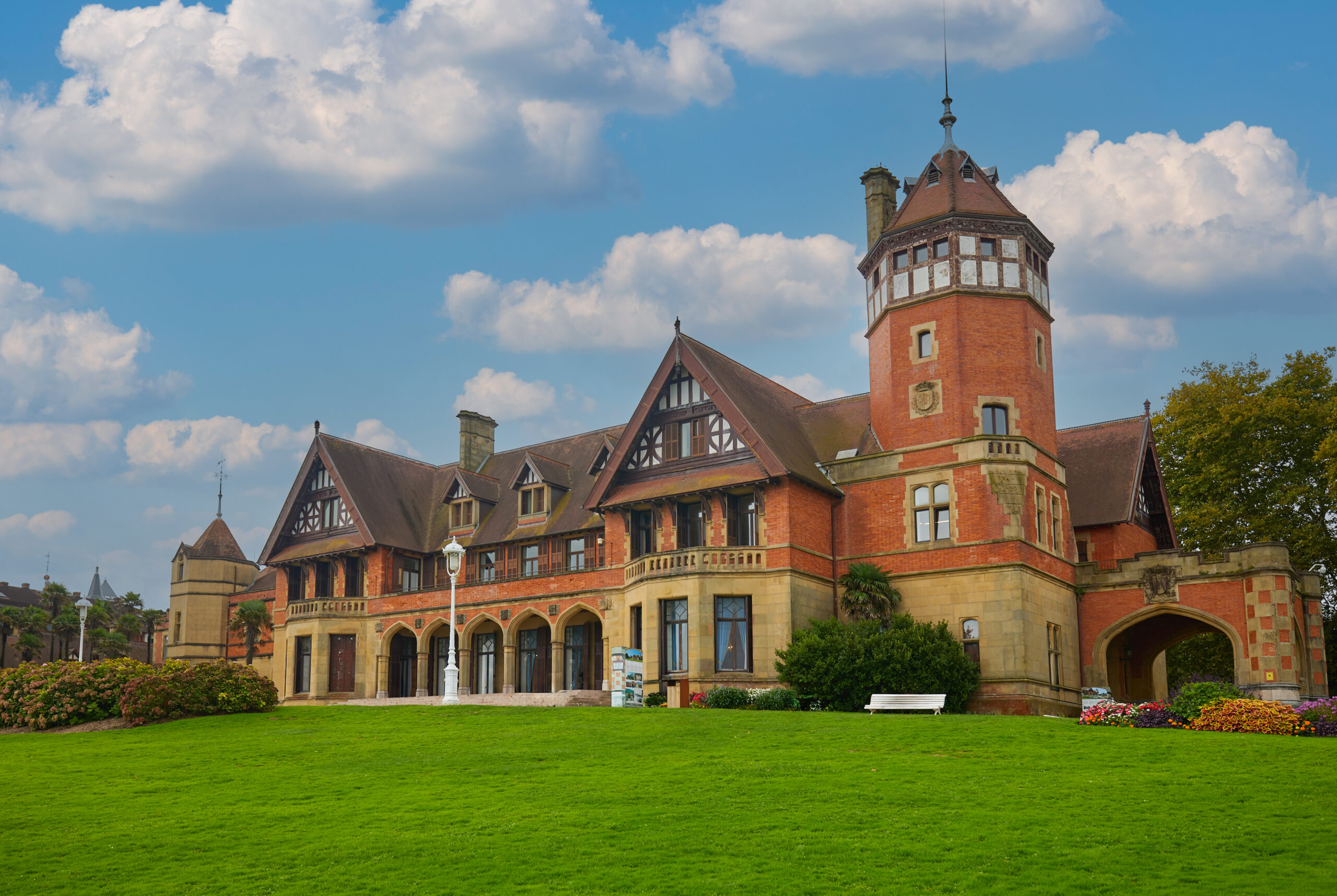
In the picturesque bay of La Concha lies an architectural marvel steeped in history, myths, and legends—the Miramar Palace. This late 19th-century palace, majestically perched above the waves of San Sebastián in the Basque Country, Spain, is more than just an opulent summer retreat for the royal family; it is a testament to the romantic connection between the Spanish crown and this coastal city and the setting for some of the most fascinating stories of the past century.
A royal request and an English vision – The history of Miramar Palace begins with the vision of Queen Maria Christina of Austria, wife of Alfonso XII of Spain. As a widow, she sought refuge from her grief and chose San Sebastián for its tranquil beauty and healing sea baths. San Sebastián had already attracted the attention of the royal family at the end of the 19th century thanks to the patronage of Isabella II of Spain, who was enchanted by the charm of the seaside town. But it was Maria Christina who cemented this connection by commissioning an extravagant summer residence that would make La Concha Bay a royal retreat forever.
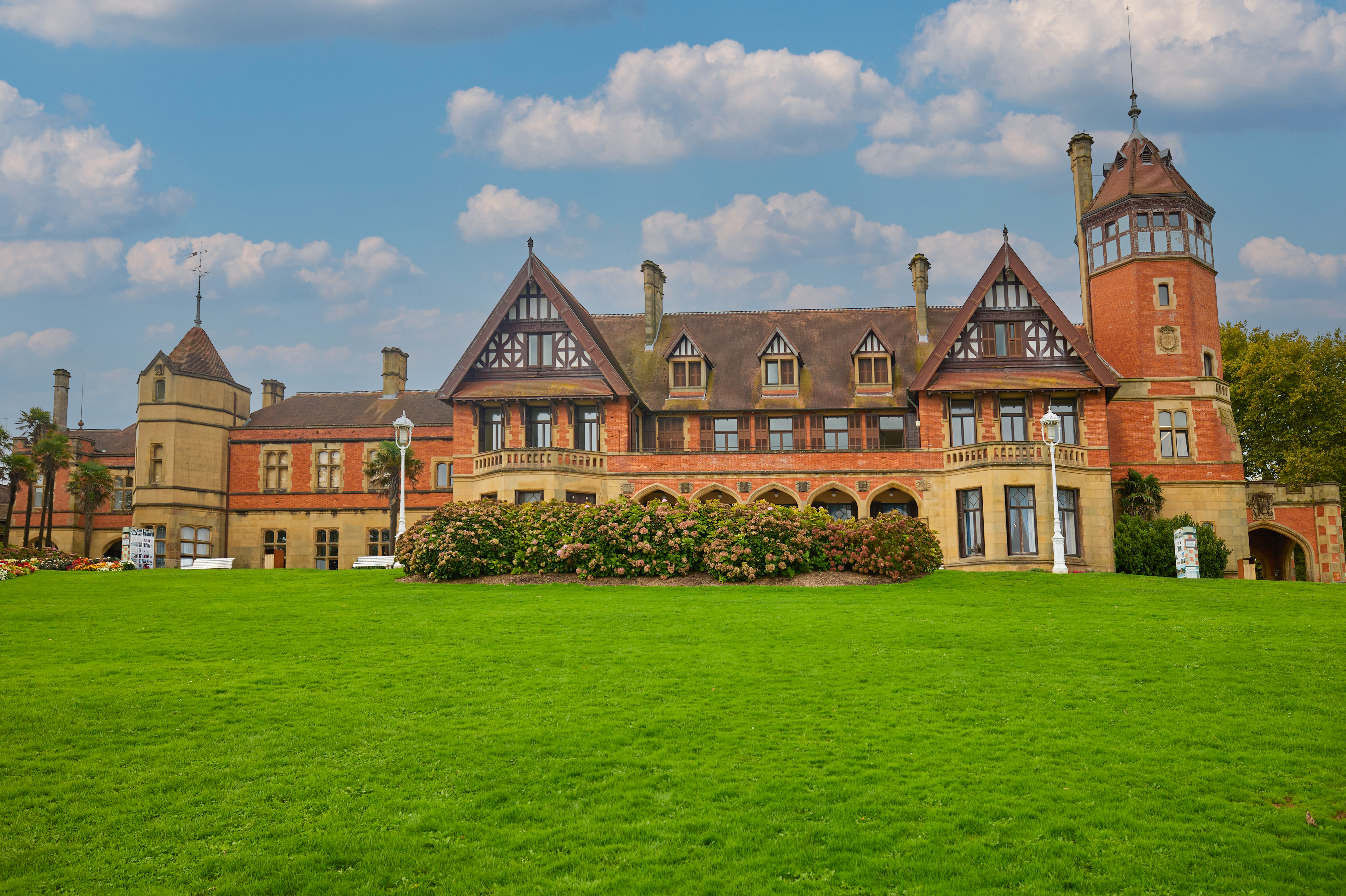
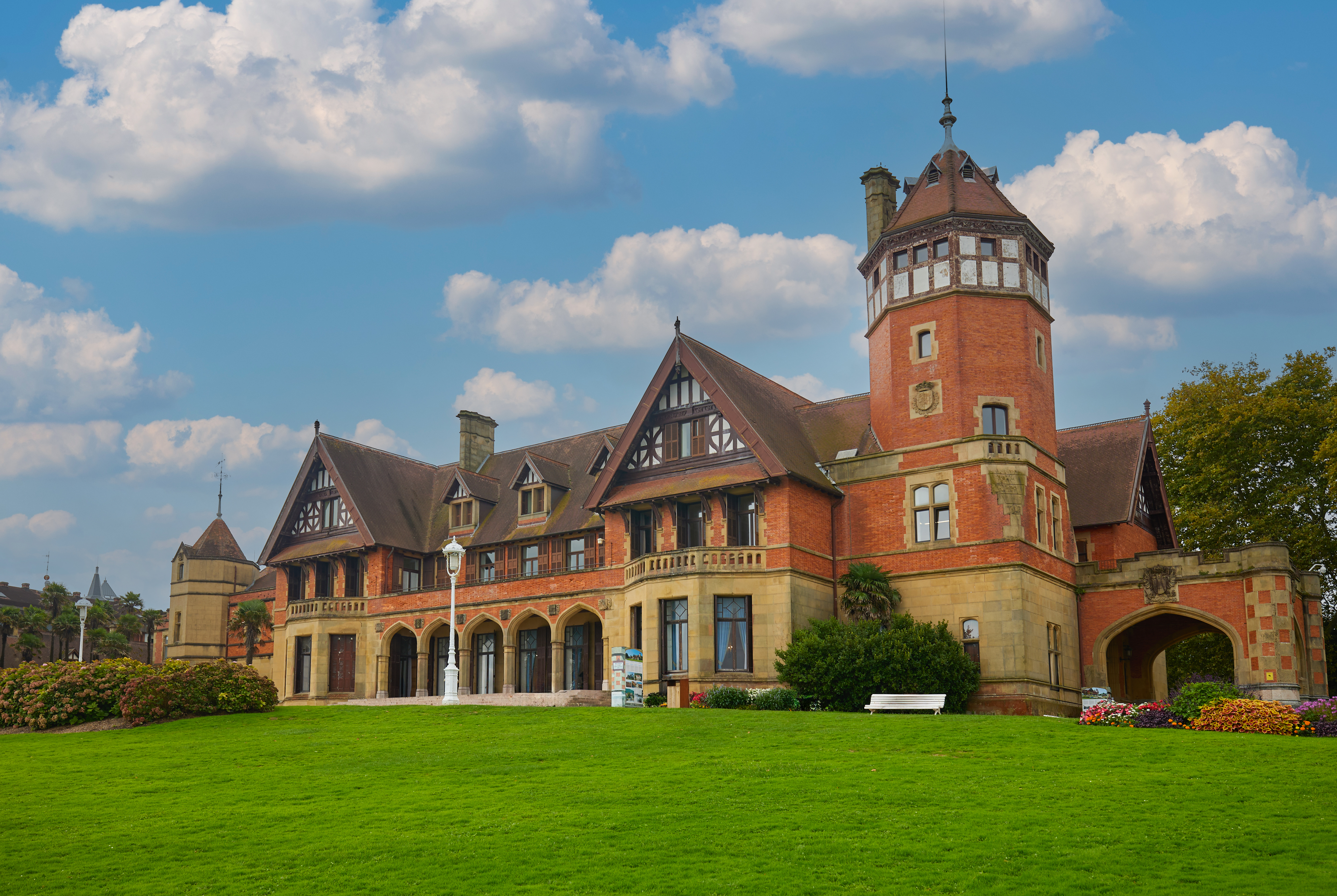
In 1889, English architect Selden Wornum designed a palace that could rival any British manor house. Built in 1893, Miramar Palace stood on the site of the former monastery of San Sebastián El Antiguo, a place of great historical significance.
To accommodate the queen’s grand plans, the estate was expanded by purchasing adjacent land, which also involved relocating the old church of El Antiguo. The result was a sprawling estate with panoramic views of the bay and a perfect blend of English elegance and Basque spirit.
The rise and fall of royal opulence – No royal residence is without its drama. After the death of Maria Christina in 1929, the palace passed to her son Alfonso XIII. However, political unrest soon ensued. With the advent of the Second Spanish Republic in 1931, the palace was confiscated by the government and converted into a retreat for the president and a cultural center. It wasn’t long before the tide of history turned again – during the Franco regime, the estate was returned to the descendants of Alfonso XIII, primarily his son Don Juan de Borbón.
During this period, the estate was fragmented; by 1963, large parts of it had been sold to settle family shares, reducing the original area of 80,000 square meters to just over 34,000 square meters.
In 1972, the remaining estate was purchased by the San Sebastián City Council, opening a new chapter in the palace’s historic past.
Myths and legends of Miramar – Beyond its documented history, Miramar Palace is shrouded in myths and legends that add an extra layer of intrigue. One such legend tells of a hidden chamber beneath the palace gardens, where treasures from the Spanish Armada are said to be stored, secretly brought ashore by royal order. Although no evidence has been found to support this story, it persists and captures the imagination of treasure hunters and historians alike.
Another local myth tells of a ghostly figure, believed to be the mourning Maria Christina, who wanders the corridors on stormy nights.
Staff and visitors report eerie sightings and unexplained phenomena, which only fuel these ghostly tales. Whether these stories are based on fact or pure fantasy, they add to the palace’s mysterious appeal.
A cultural renaissance – Today, Miramar Palace is not just a relic, but a vibrant cultural venue. Since its acquisition by the city council, the palace has undergone several renovations, most recently in 2001 to make room for the classrooms of the Musikene Conservatory of the Basque Country. Although Musikene moved in 2016, the palace continues to host the University of the Basque Country’s summer courses, making it a center of learning and cultural exchange.
The palace’s magnificent halls—the White Hall, the Music Salon, the Wooden Hall, the Petit Salon, the Library, and the Royal Dining Room—still reflect the splendor of their original design, which now contrasts with the modern functionality introduced by successive renovations.
Each room tells its own story, from the aristocratic gatherings of yesteryear to contemporary academic endeavors.
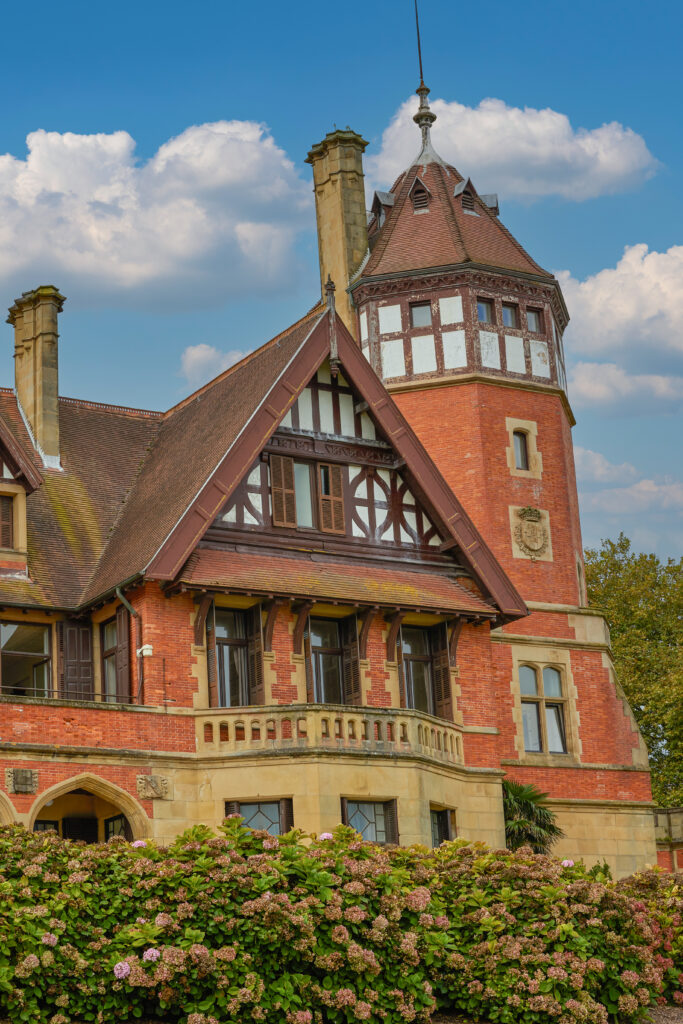
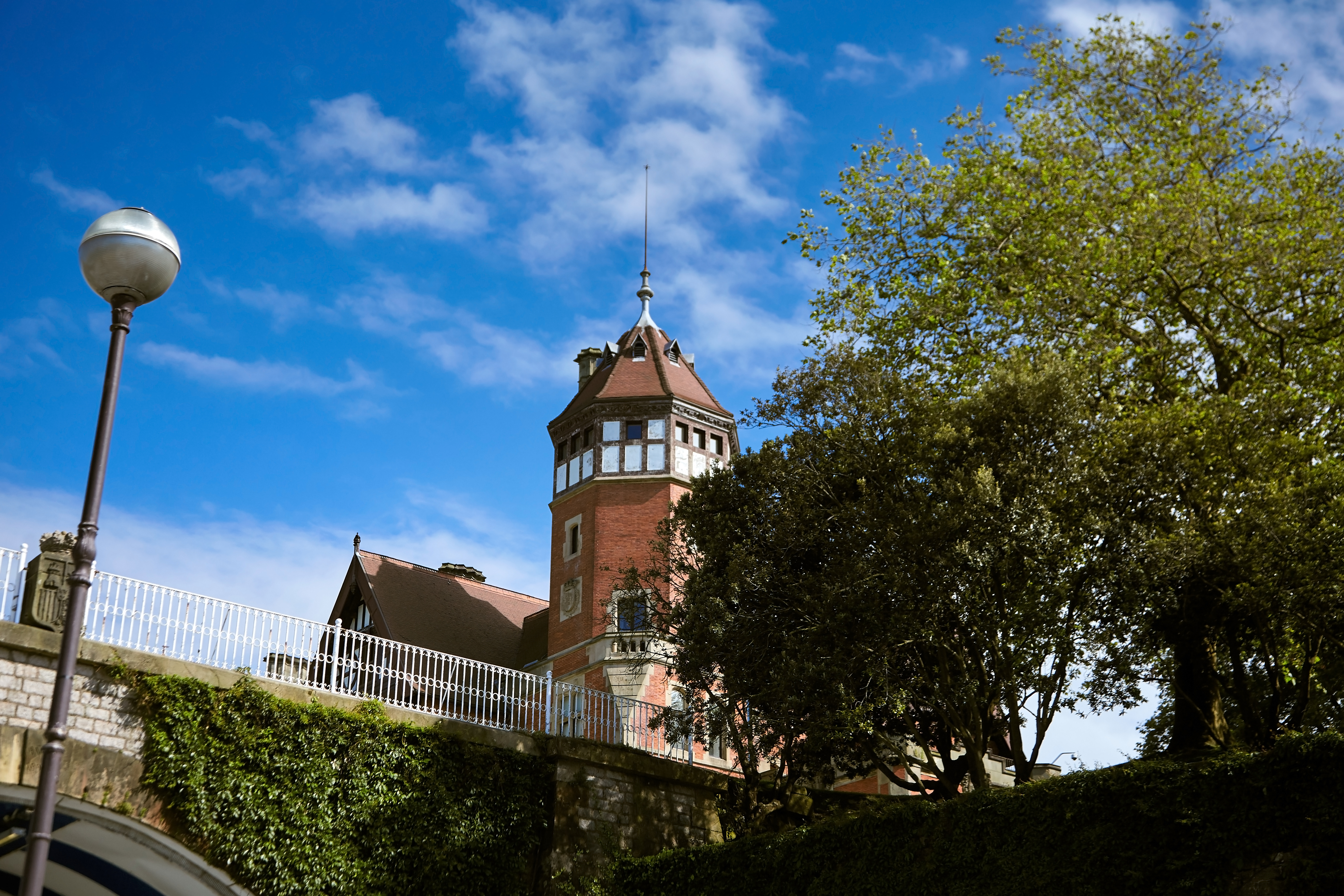
An architectural gem – Architecturally, Miramar Palace is a prime example of late 19th-century English style fused with neo-Gothic elements. Its red brick façade, white limestone accents, and sprawling gardens embody the romance and elegance of a bygone era. Renovated in 2007, the palace tower remains a landmark visible from various vantage points throughout the city.
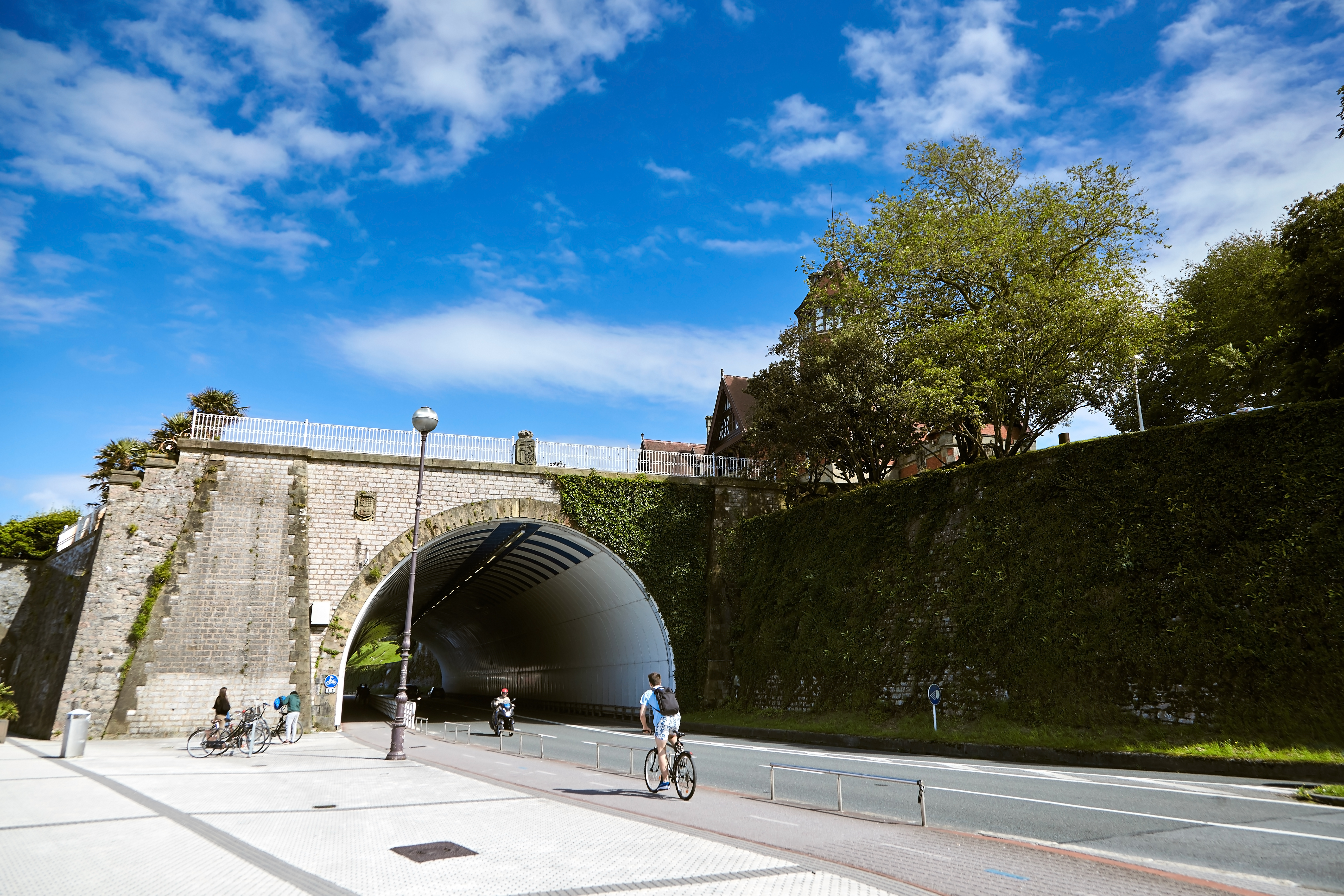
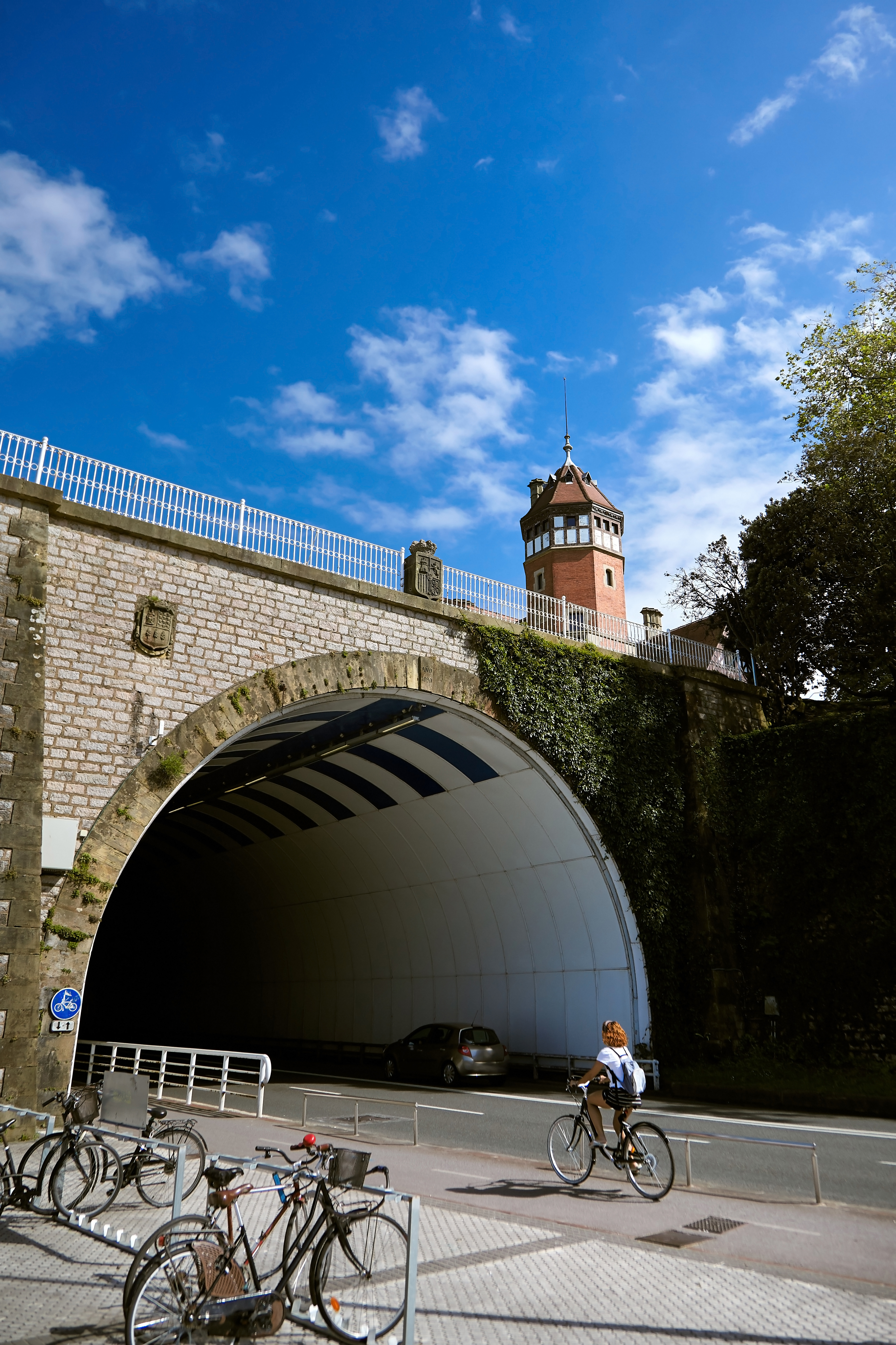
One cannot discuss the architecture without mentioning the ingenious false tunnel beneath the palace gardens, designed to allow trams to pass unnoticed. This clever integration of infrastructure is a testament to the foresight of the planners, who ensured that the palace’s aesthetics were not compromised.
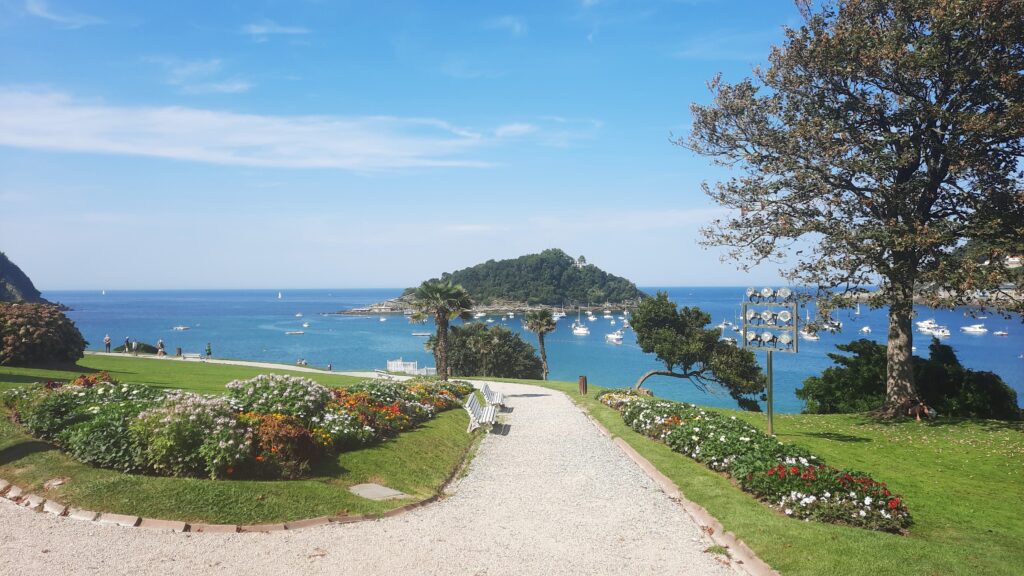
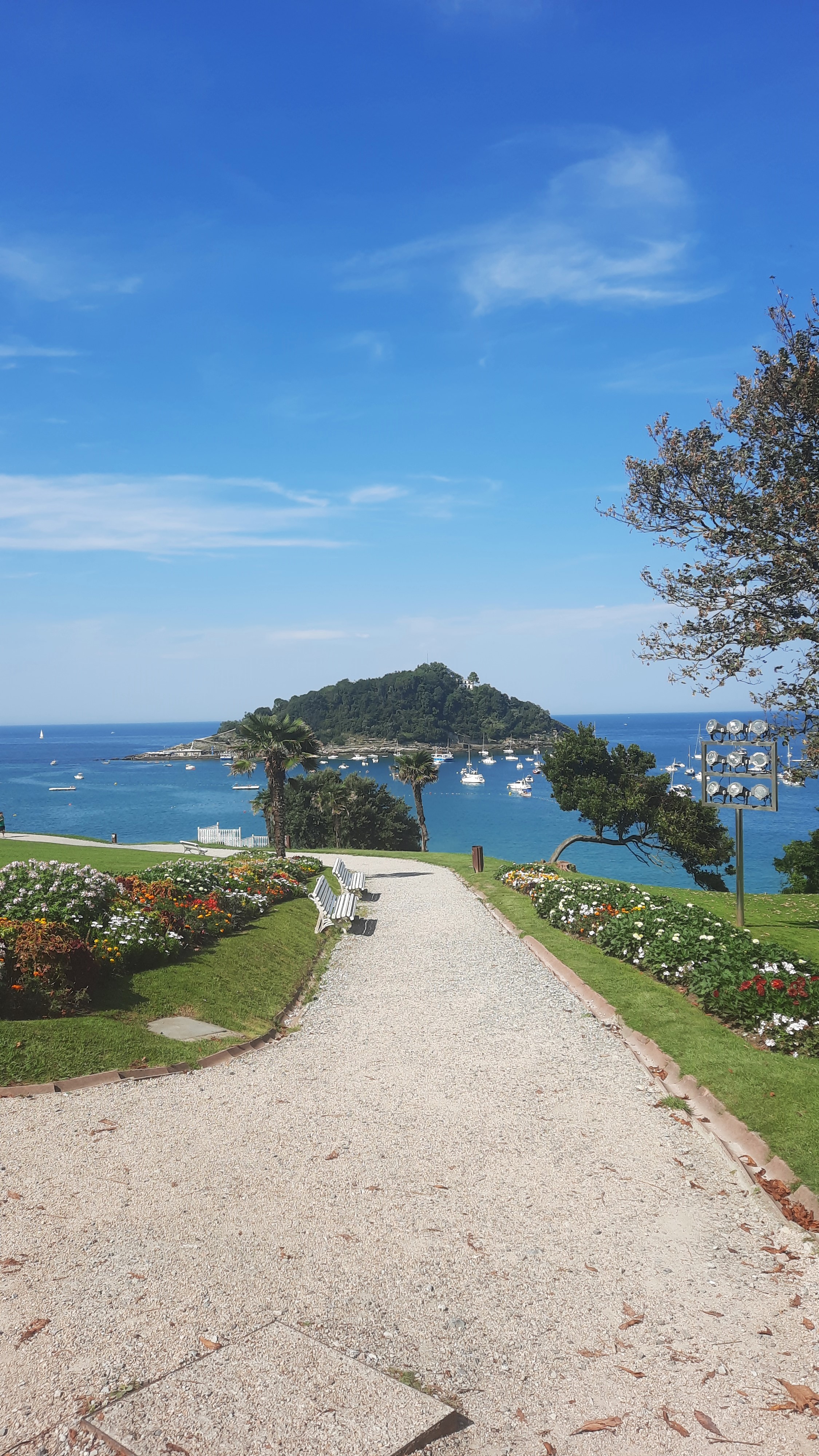
From the past to the present, the Miramar Palace, with its rich history, myths, and legends, remains a symbol of San Sebastián’s royal connection and cultural vitality. Its journey from royal dream to public treasure reflects the city’s development and resilience. The palace gardens, now open to the public, offer a place of tranquility and invite visitors to stroll through history while enjoying breathtaking views of La Concha Bay.
As the sun sets over the bay and bathes the palace walls in golden light, one cannot help but feel the presence of the past. The Miramar Palace is a bridge between eras, connecting the splendor of the Spanish royal family with the democratic spirit of modern Spain. Whether you are a historian, a mythologist, or simply a traveler drawn to beauty, the Miramar Palace promises a journey through time, surrounded by the splendor of the San Sebastián coast.