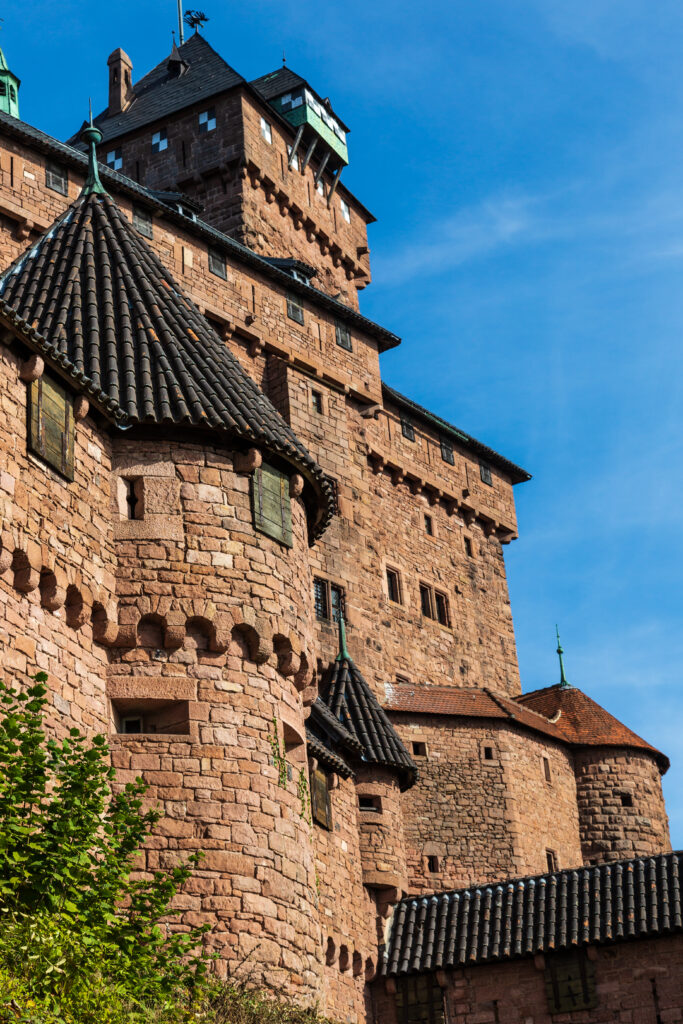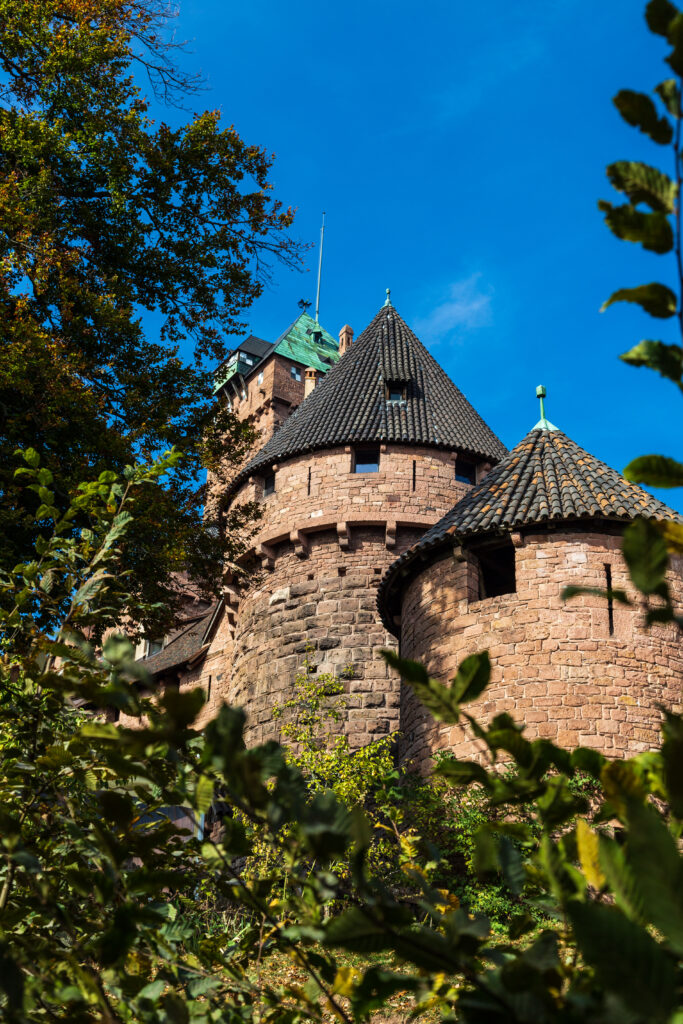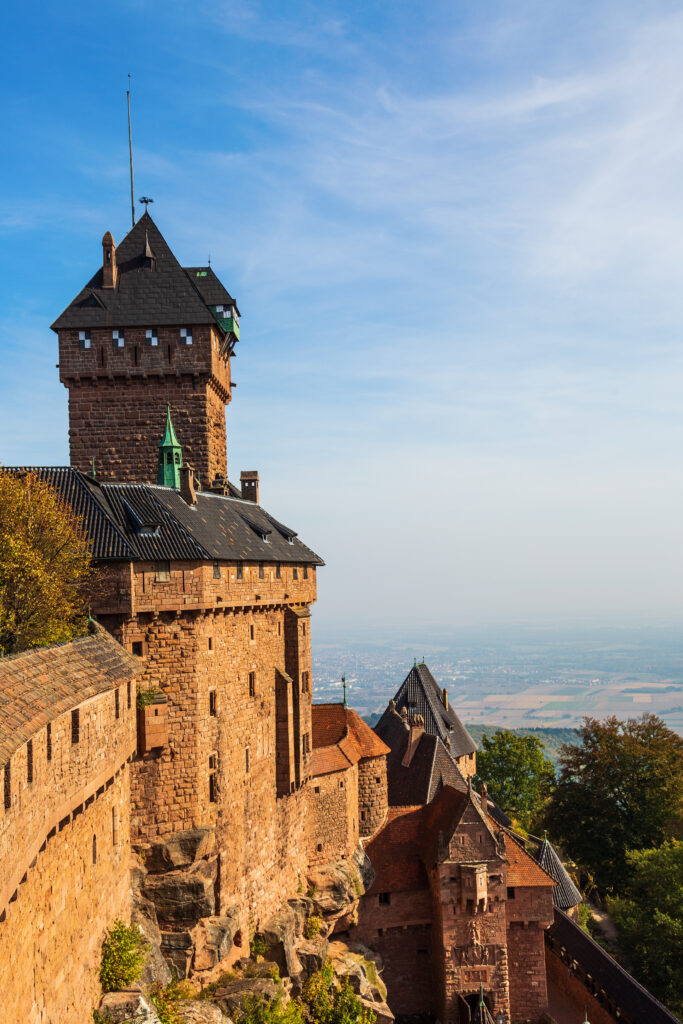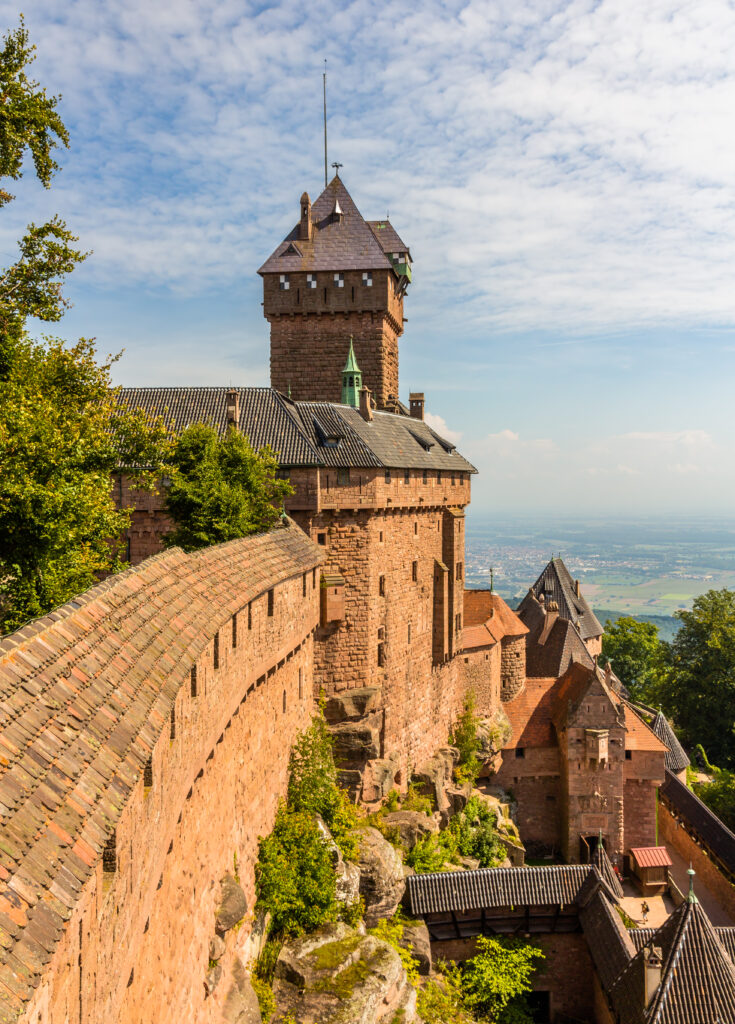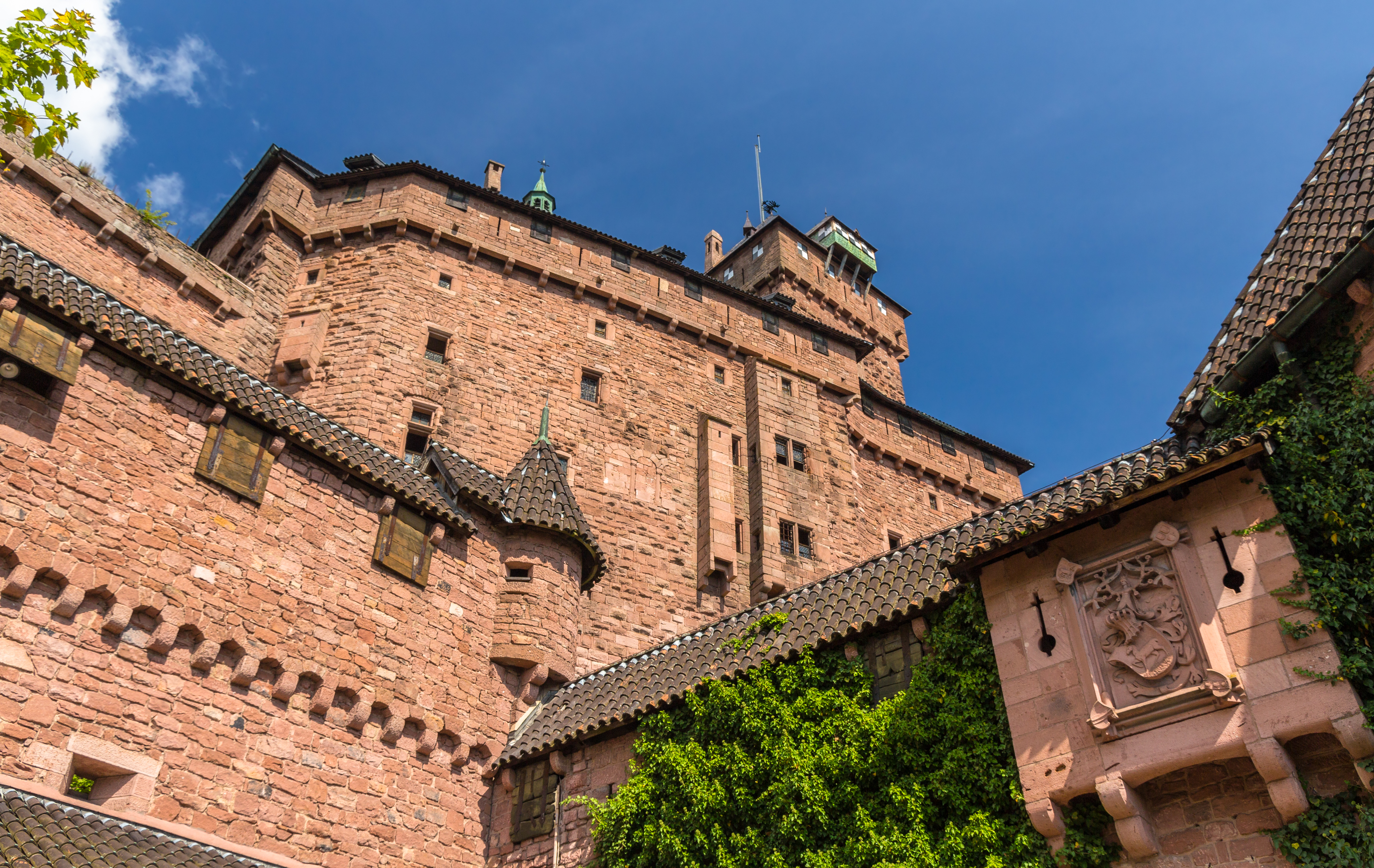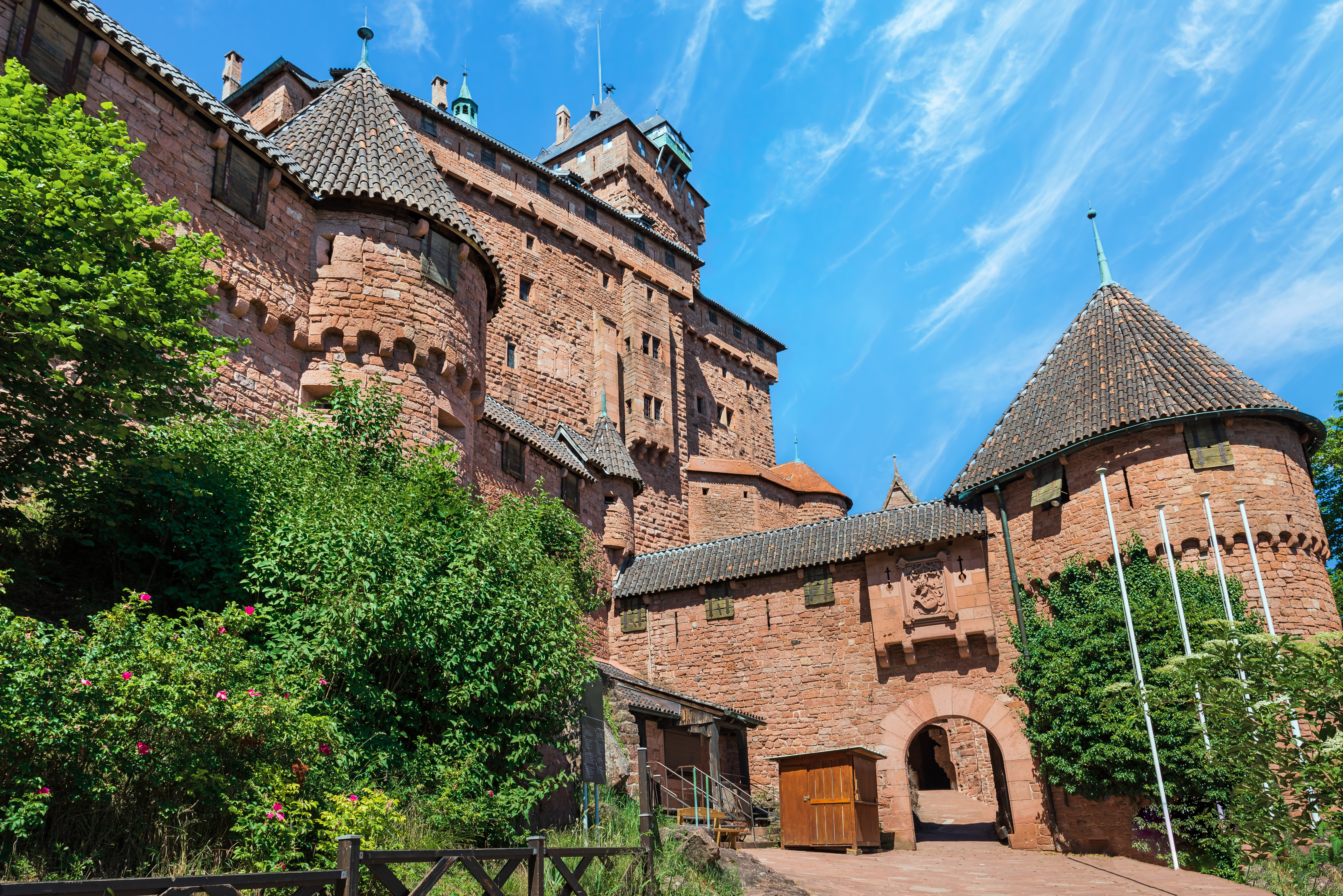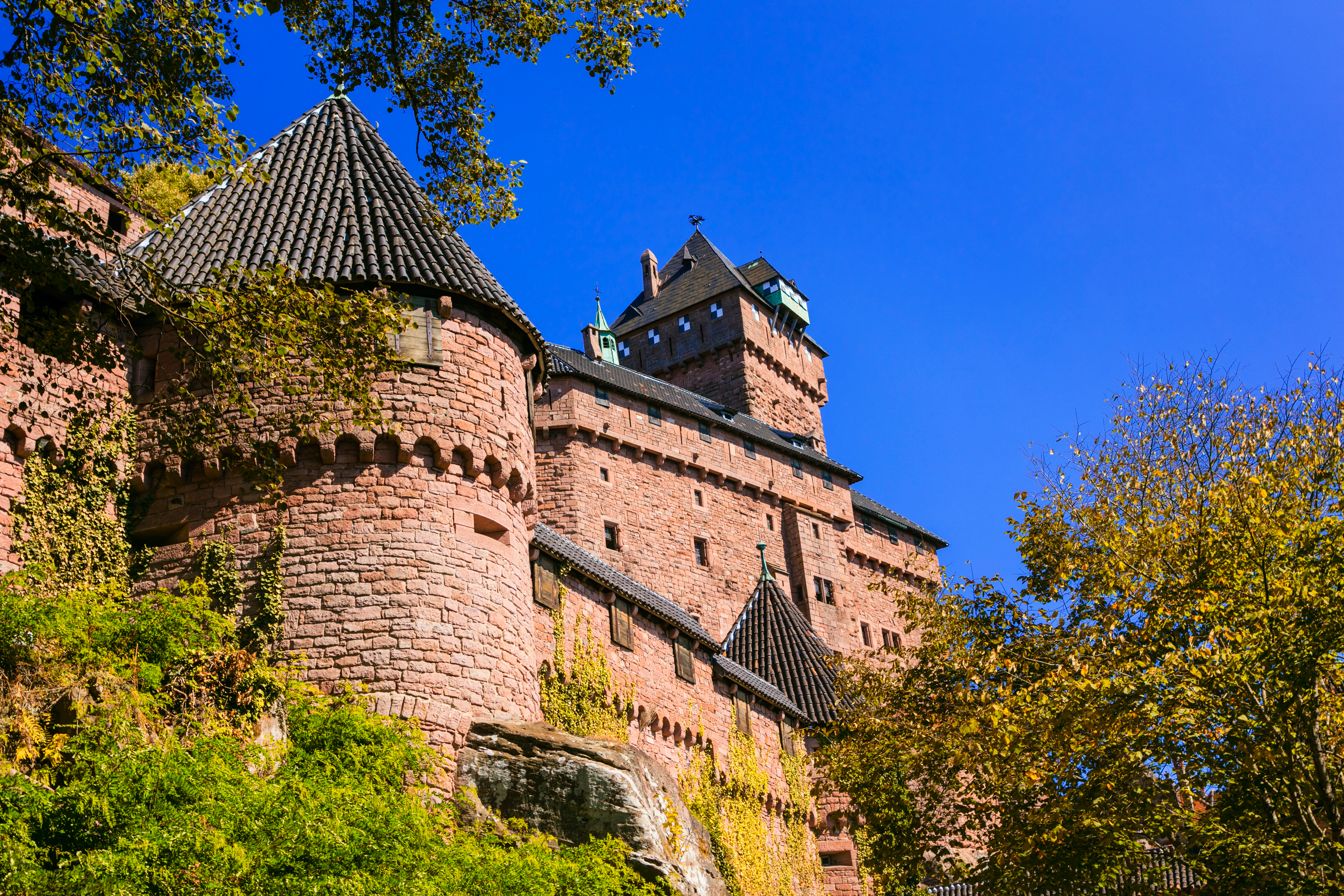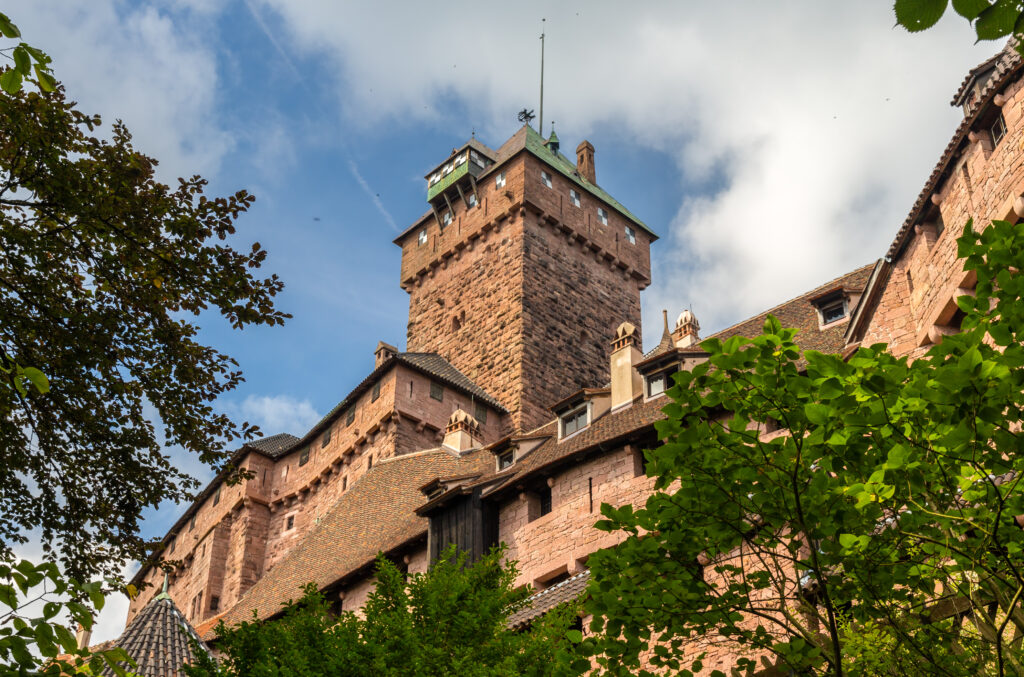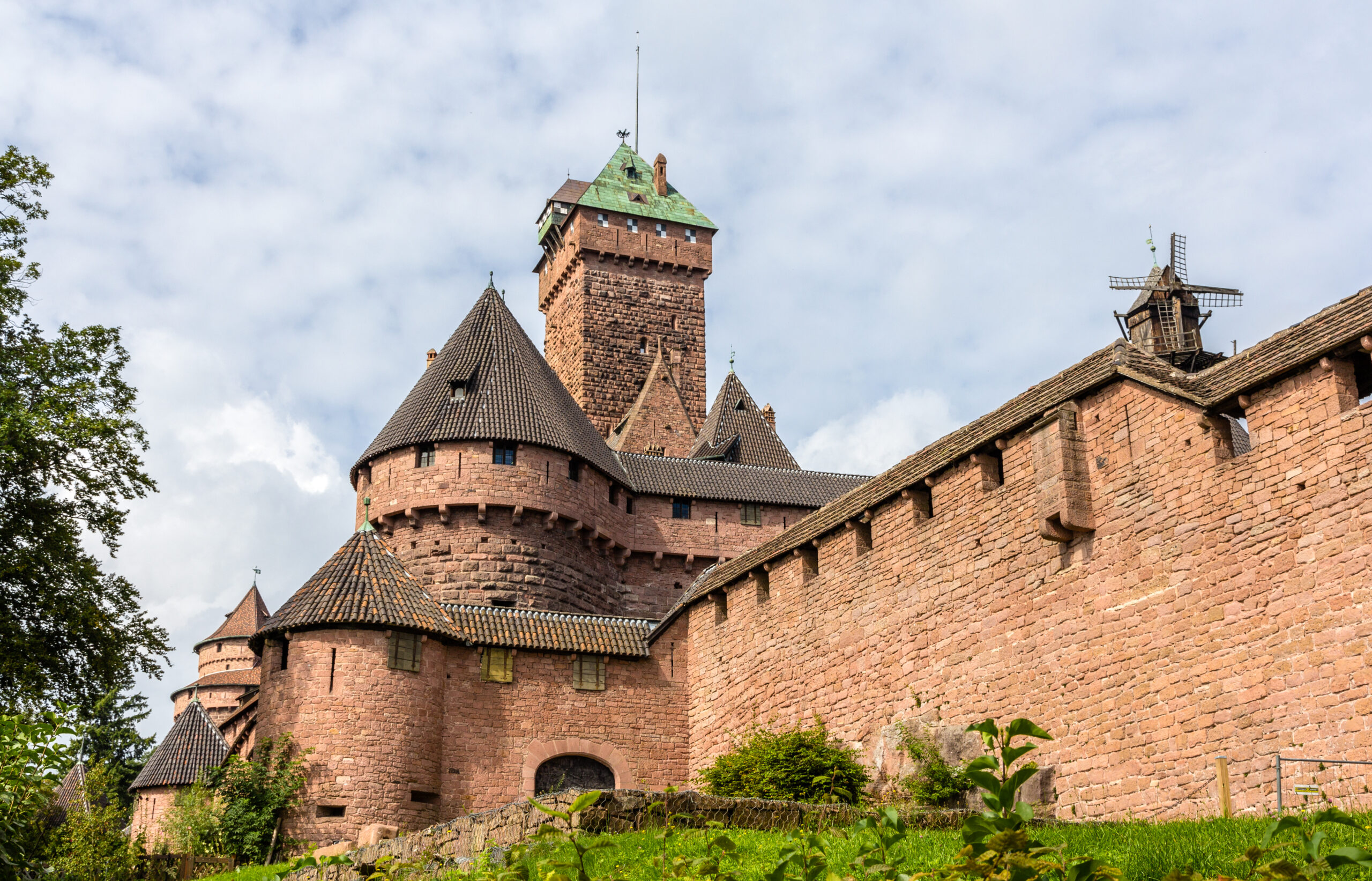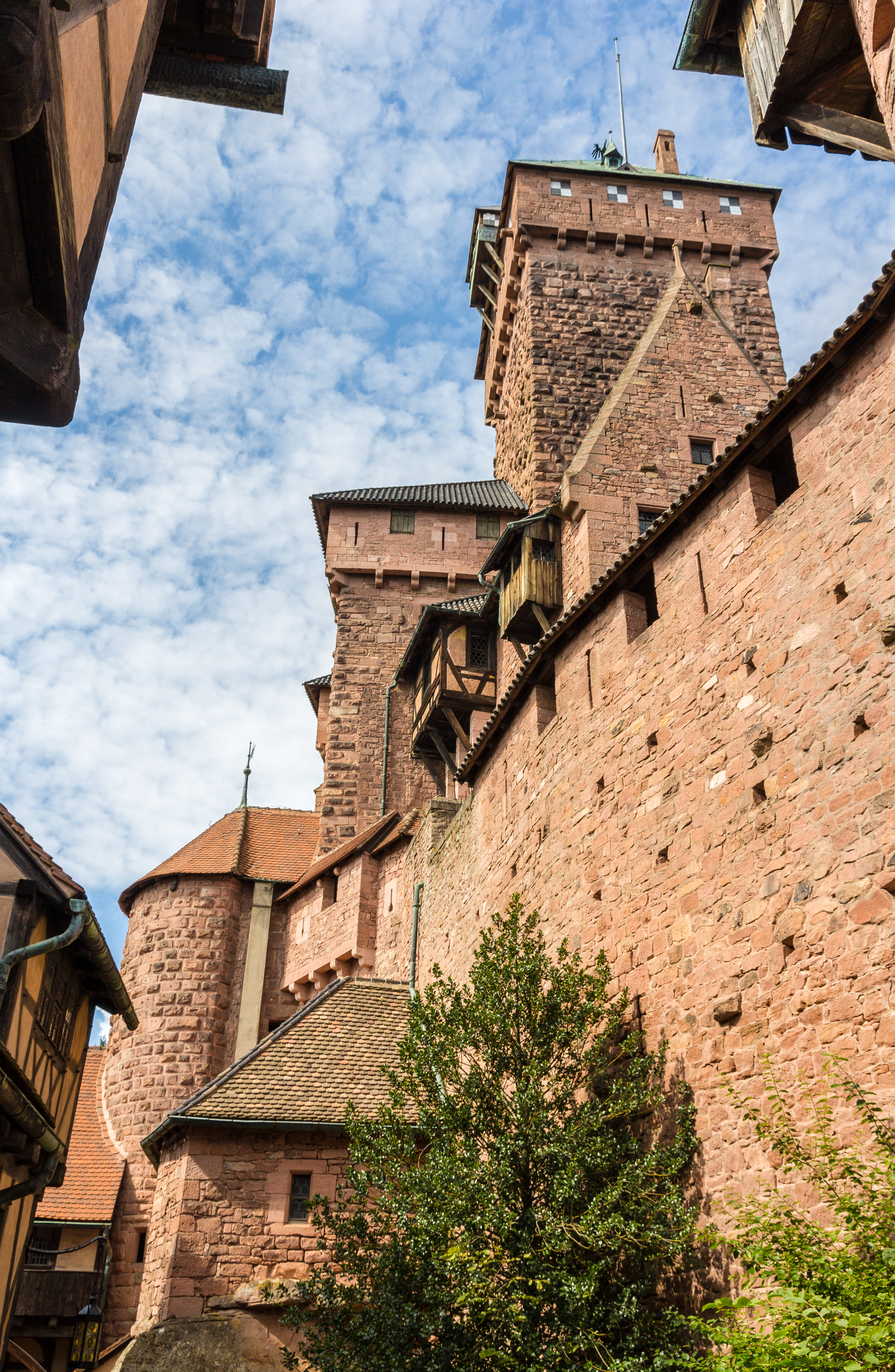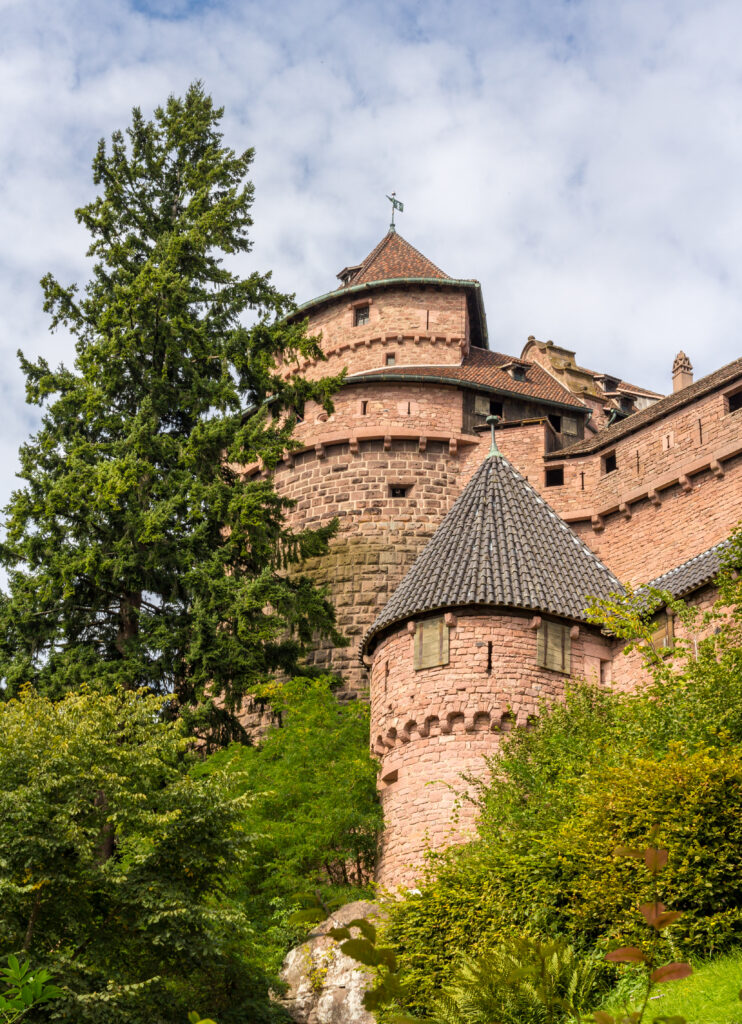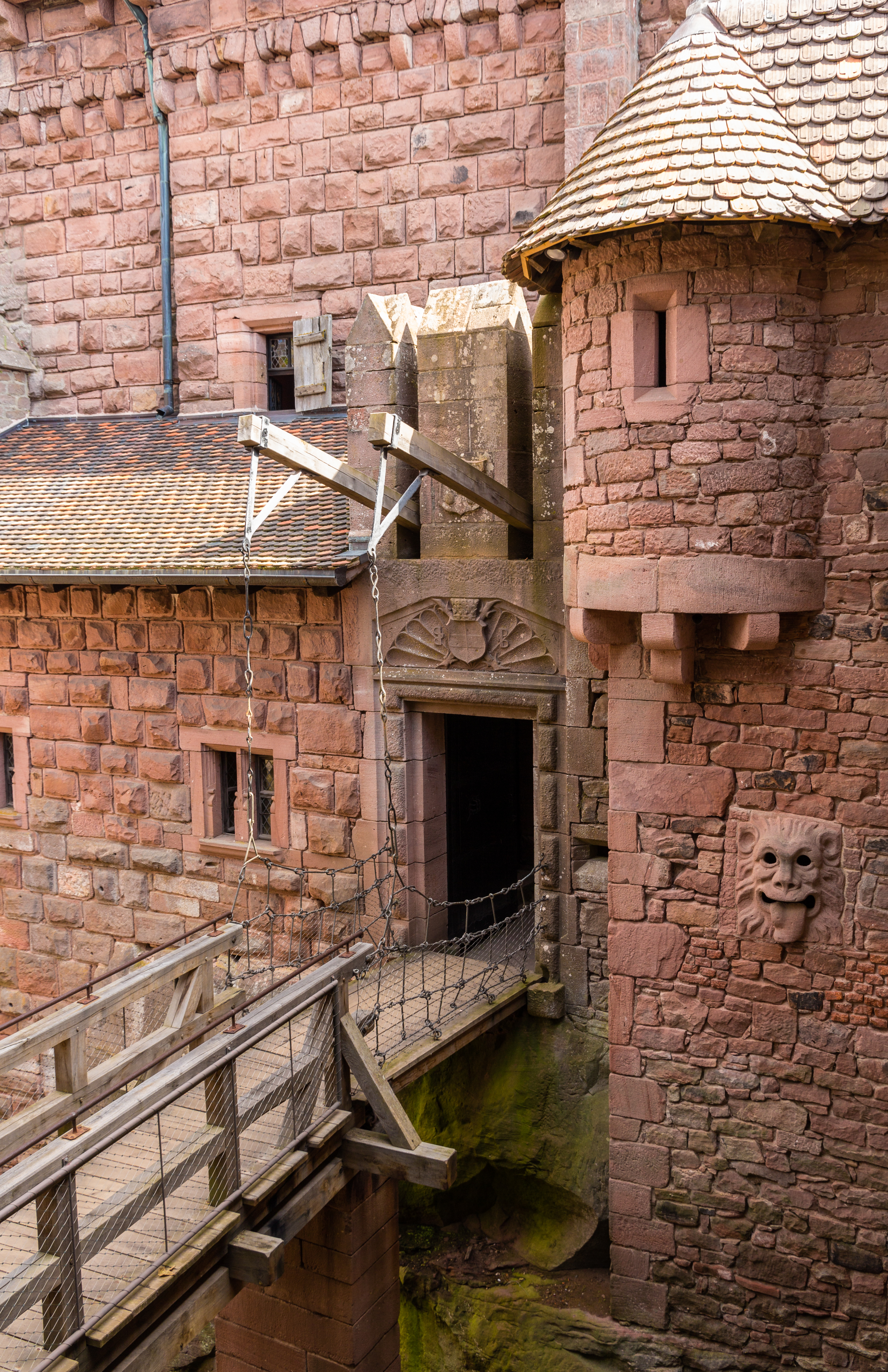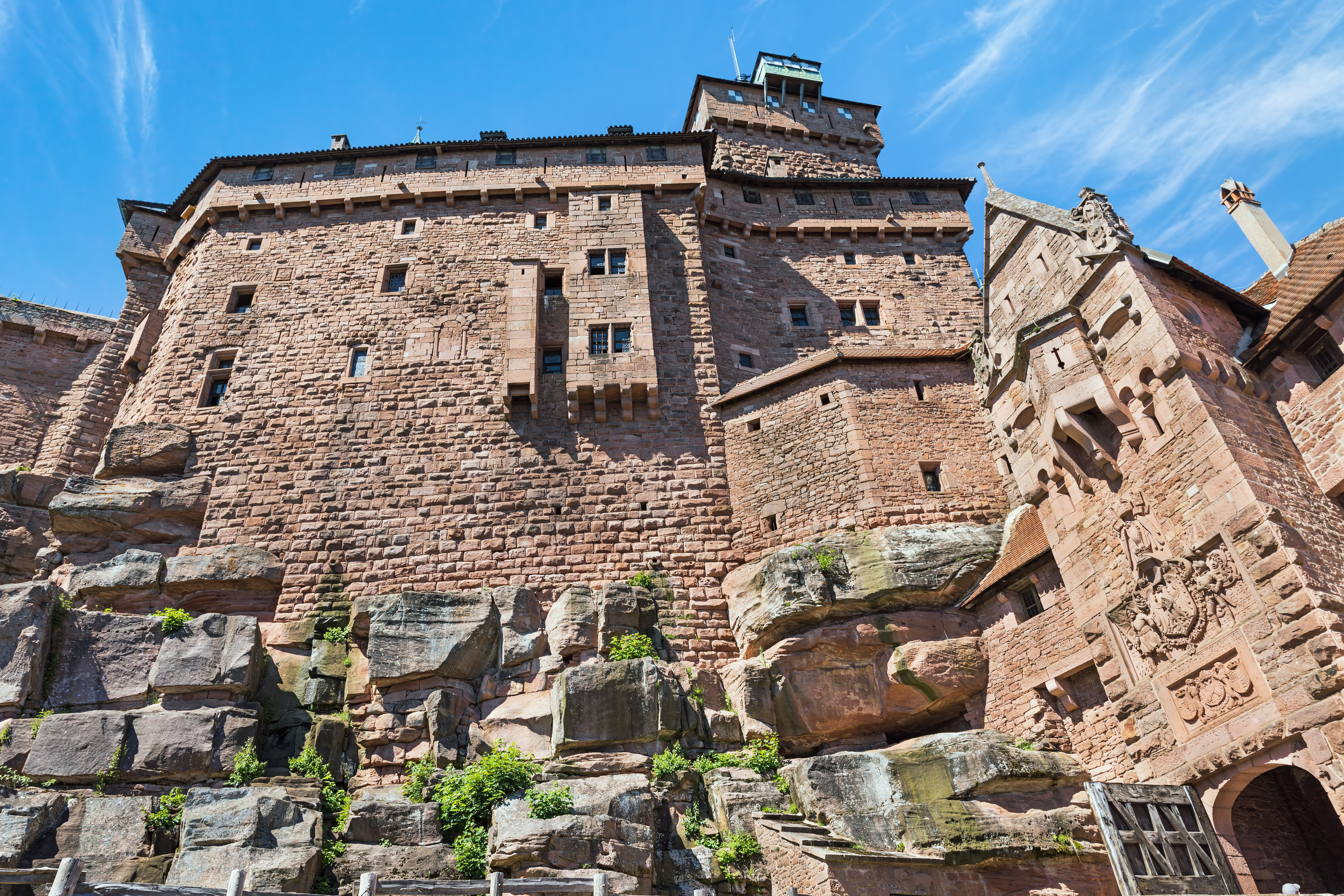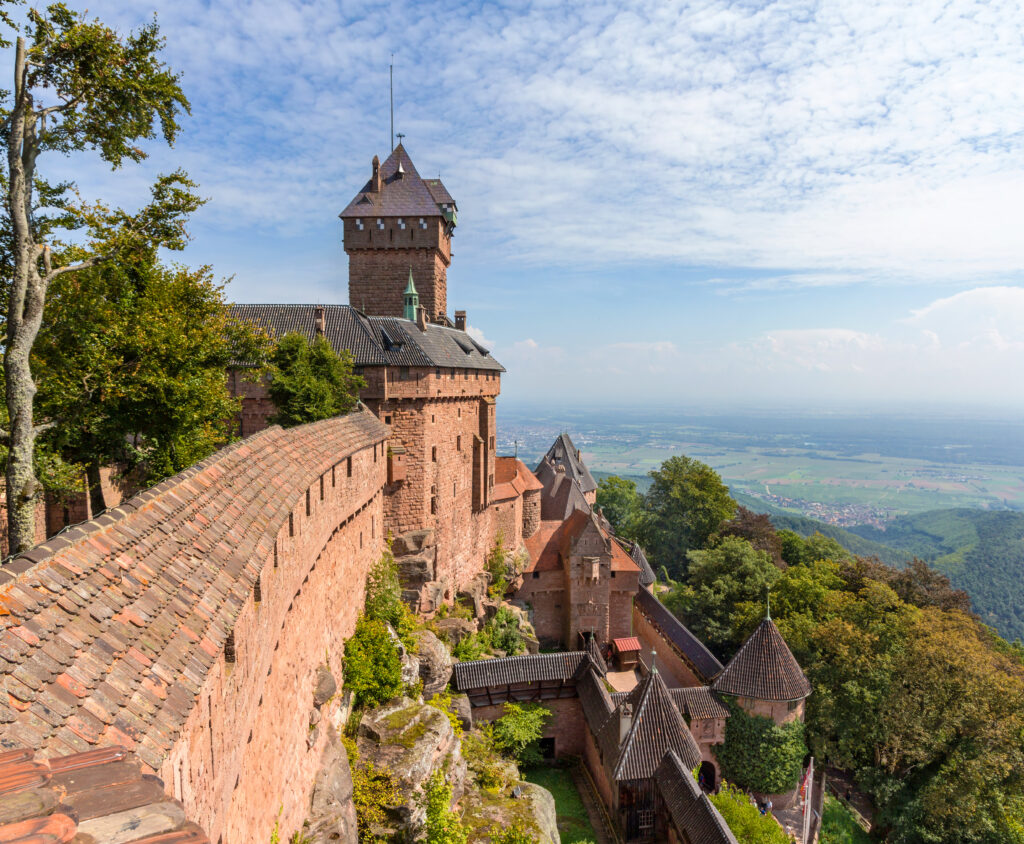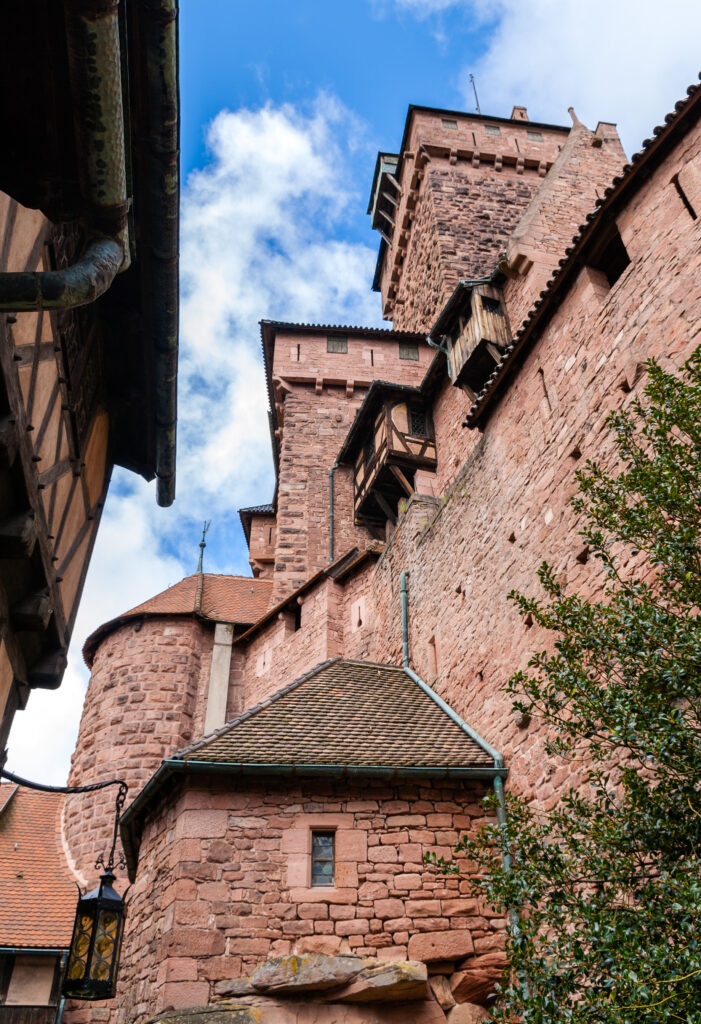

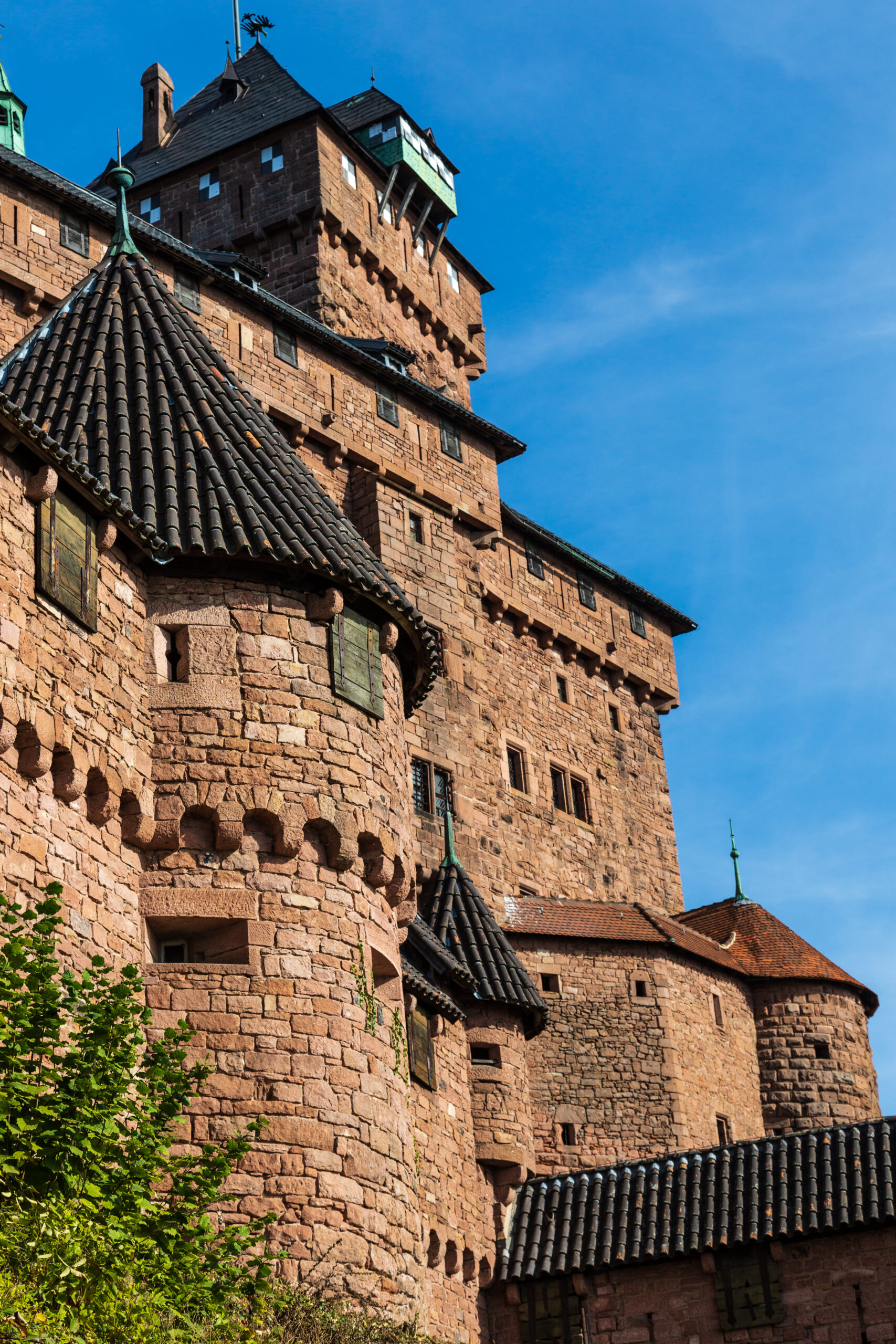
Hidden in the heart of the Vosges Mountains, the Château du Haut-Koenigsbourg rises majestically above the Rhine Valley in Alsace, France. This medieval fortress is not only a testament to architectural mastery, but also a witness to centuries of turmoil, change, and legend. From its beginnings as a strategic fortress in the Middle Ages to its current status as a major tourist attraction, the castle’s history is a complex web of myths, political intrigue, and artistic restoration.
An eventful past full of power and conflict – The history of the Château du Haut-Koenigsbourg begins as early as 774, when it was mentioned in a decree by Charlemagne under the name Stofenberk.
The exact year of the castle’s initial construction remains unclear, but records from 1147 refer to the existence of a castle called Staufen, after which monks complained to King Louis VII about its unauthorized construction by Duke Frederick II of Swabia.
Over the centuries, the castle changed hands several times, with each transition reflecting the general political conflicts in the region. In the 13th century, it was controlled by the Dukes of Lorraine and later by the Lords of Hohenstein. However, due to the turbulent medieval politics, the building was conquered and destroyed several times. In 1462, a coalition of Colmar, Strasbourg, and Basel set fire to the castle, which was the culmination of the local nobility’s dissatisfaction with its use as a refuge for robber barons.
Rebirth and renaissance under the Habsburgs – At the end of the 15th century, the Habsburgs gained control of the ruins and transferred them to the Counts of Thierstein, who began rebuilding and adapting the defenses to the emerging artillery technology. But the shadow of war was never far away. During the Thirty Years’ War in 1633, Protestant Swedish troops besieged the imperial castle and destroyed it completely, leaving it abandoned for centuries. The castle lay in ruins and was only visited by poets and artists attracted by its romantic desolation.
It was not until the restoration period of the German Empire that the Château du Haut-Koenigsbourg experienced a rebirth, this time under the patronage of Emperor Wilhelm II. The emperor, who had acquired it after the Franco-Prussian War, envisioned a restored castle that would reflect both the splendor of the Germanic past and the visionary aspirations of his reign.
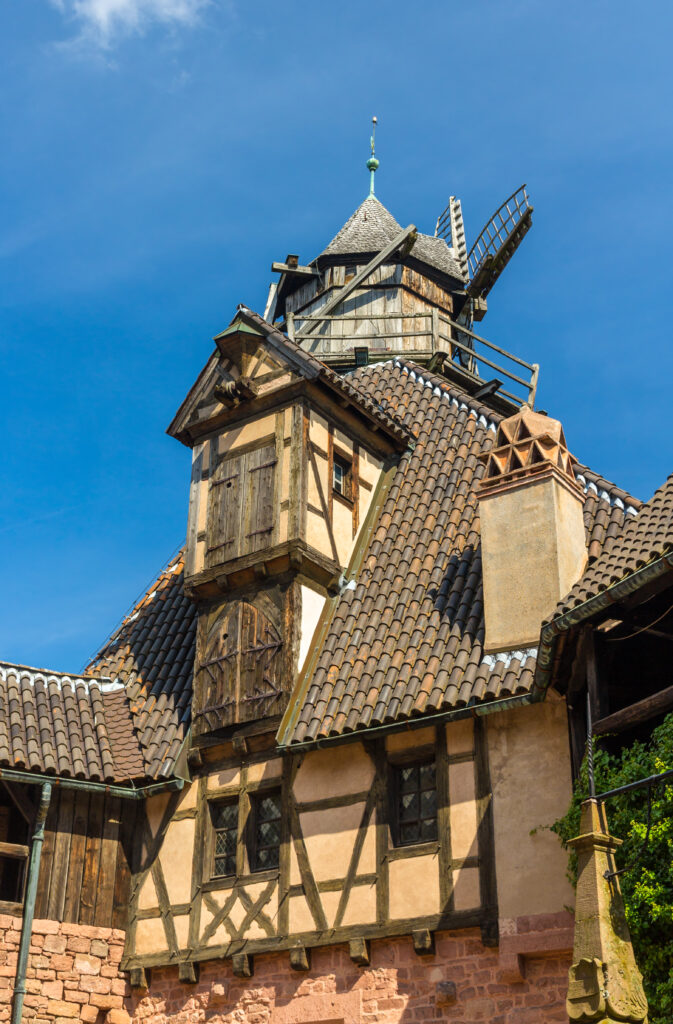
A monumental restoration – From 1900 to 1908, the Château du Haut-Koenigsbourg was restored under the direction of architect Bodo Ebhardt, combining historical accuracy with imaginative reconstruction. Ebhardt faced a daunting task, as he had to reconstruct a historical monument with only a few documents to guide him.
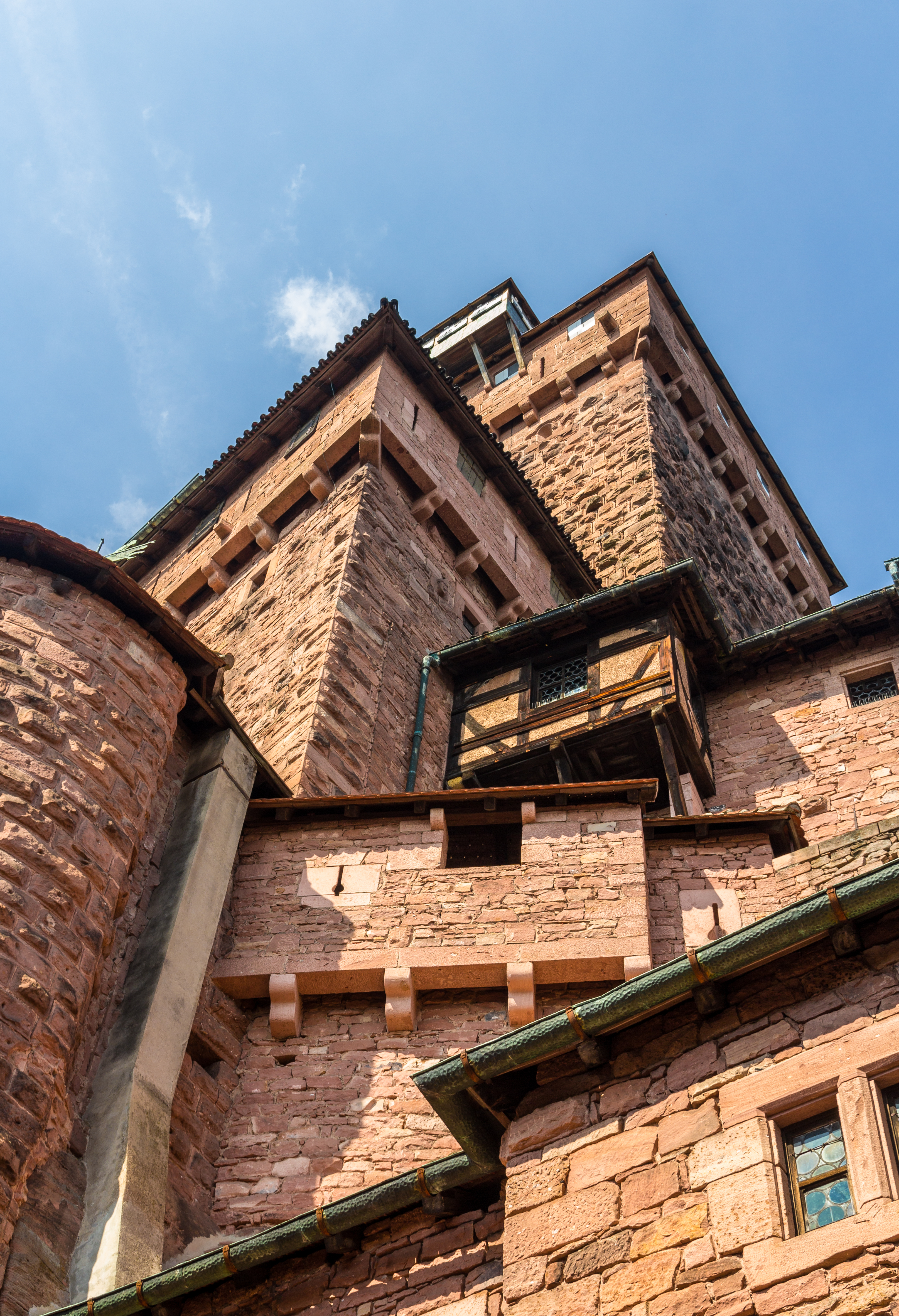
Some elements, such as the keep, were improvised and are 14 meters higher than historical estimates suggest. However, these embellishments served Wilhelm’s romantic vision and were linked to the emperor’s desire to emphasize the legitimacy of the House of Hohenzollern as heirs to medieval dynasties.
Ebhardt’s renovations, although criticized for their anachronisms, underscore an era obsessed with reviving a nostalgically imagined past. The main dining hall was given a higher ceiling, reminiscent of the splendor in which the old lords once met.
A host of cultural and historical figures – The cultural significance of the Château du Haut-Koenigsbourg extends beyond its architecture. Many works of art and literature from the Romantic period immortalized its ruins. Furthermore, its cinematic appeal was enhanced when parts of Jean Renoir’s 1937 classic “La Grande Illusion” were filmed within its impressive walls. This connection with art and cinema lends it additional mystique, making it more than just a relic of history, but a canvas for human expression in various media.
A symbol of unity and division – After World War I, the castle was returned to French control by the Treaty of Versailles, symbolizing the shifting borders and loyalties that have shaped Alsace over the centuries. Its history became a point of tension between those who viewed it as a symbol of German imperialism and others who saw it as an integral part of the region’s heritage.
At the end of the 20th century, perceptions began to shift. The castle evolved from a symbol of German nationalism to a collective cultural asset that helped bridge divisions between generations and nationalities. Today, it stands as a powerful reminder of the complex intertwining of cultural identities across Europe.
Legends in stone – While historical records detail its political history, whispered legends enrich the castle’s lore. Stories of hidden treasures, ghostly knights haunting the halls, and secret tunnels leading to forgotten chambers resonate with visitors. Passed down through generations, these tales blur the line between history and myth, inviting all visitors to wonder what else remains undiscovered within its stone walls.
Directly below Haut-Koenigsbourg lies the lesser-known 13th-century Château de l’Oedenbourg, or Petit-Koenigsbourg. Although it is often overshadowed by its magnificent neighbor, it too holds its own secrets and contributes to the region’s rich history.
Present and future – Today, the Château du Haut-Koenigsbourg is a jewel in the crown of French tourism, attracting over half a million visitors annually. It has been a listed building since 1862, and its ongoing preservation ensures that it remains a tangible link to the past. The Bas-Rhin department, which took ownership in 2007, has worked hard to preserve its structural and cultural integrity so that future generations can also experience its splendor.
The Château du Haut-Koenigsbourg is not just a monument, but a living storyteller, recounting tales of ambition, rebellion, and reconstruction. As such, it captures the imagination of those who stroll through its corridors and marvel at its towers—a place where history and legend merge, inviting visitors to delve into the depths of history and develop their own interpretations of myth and fact.