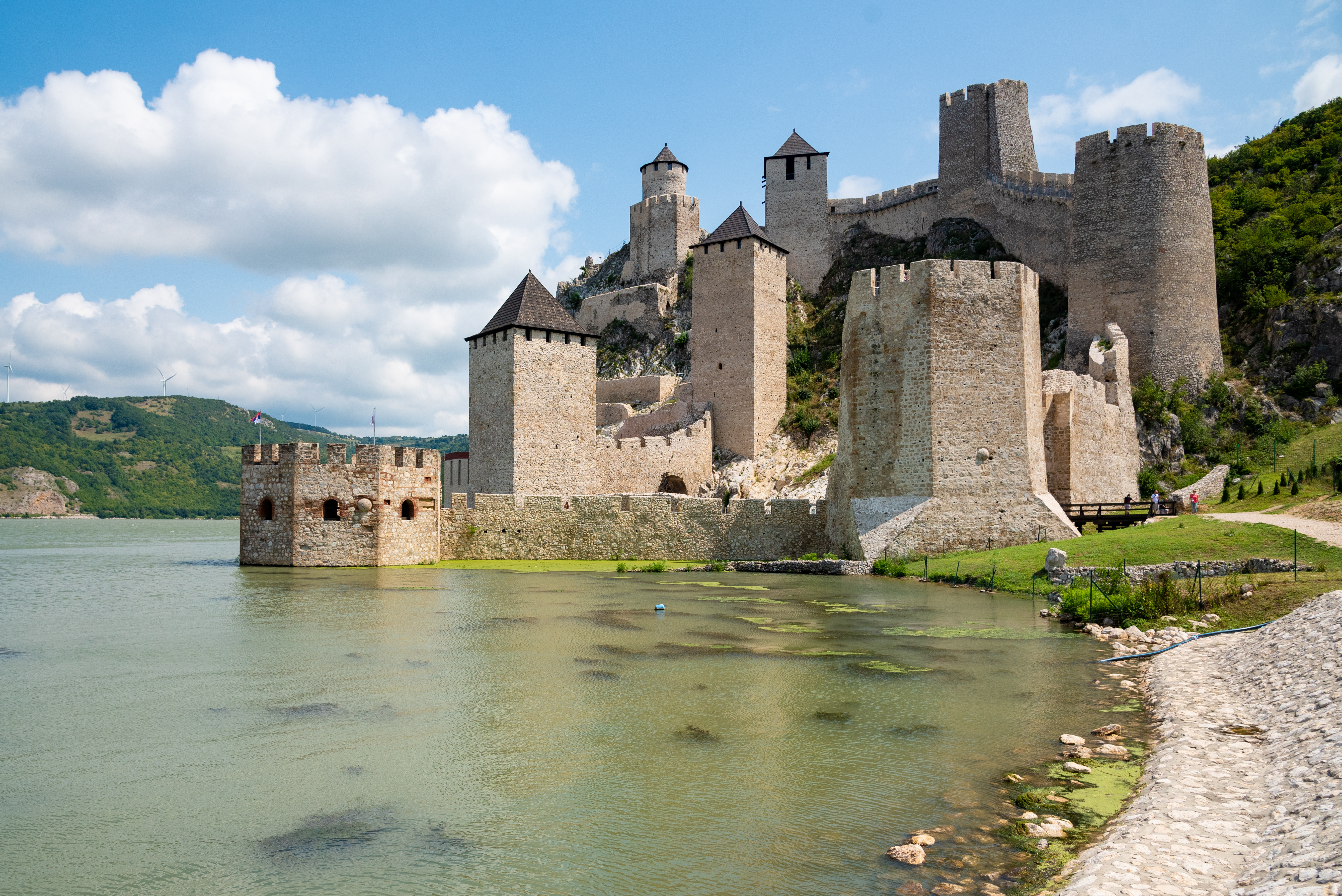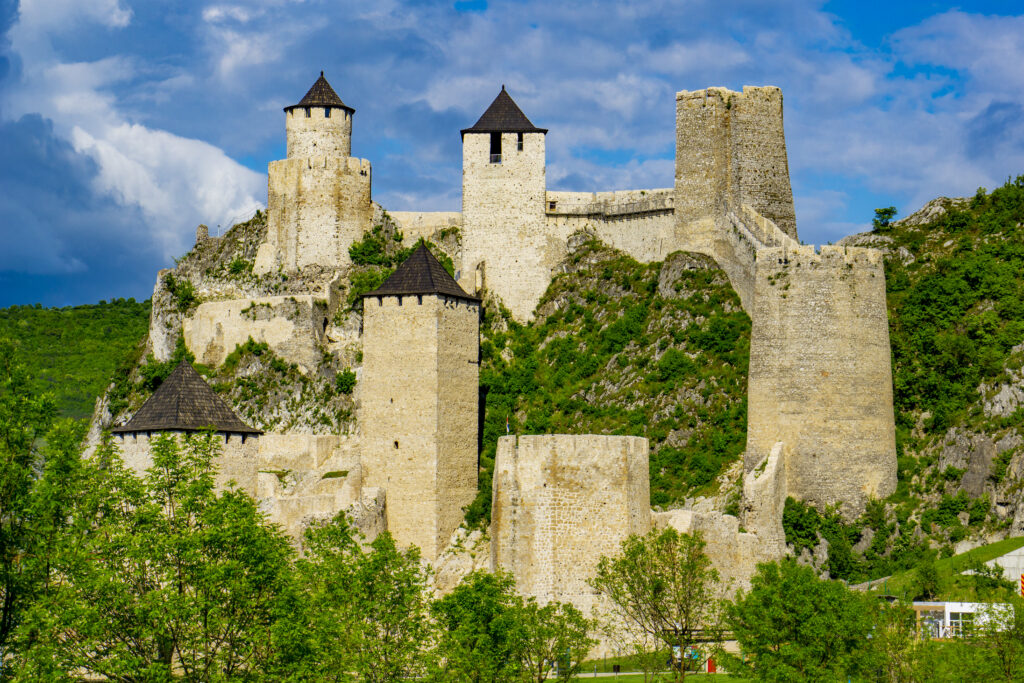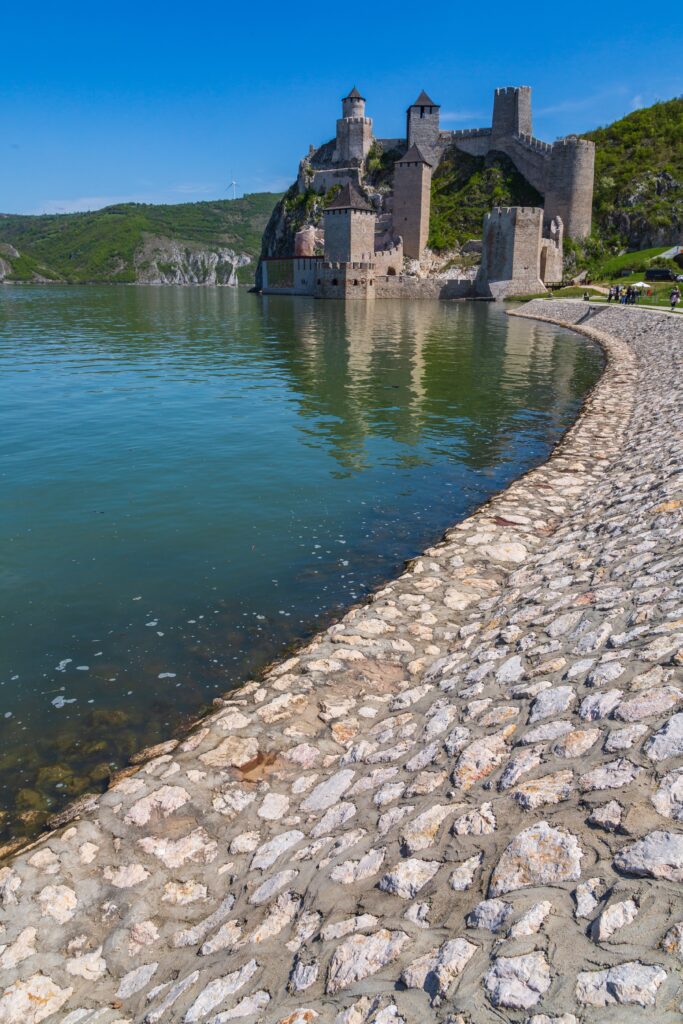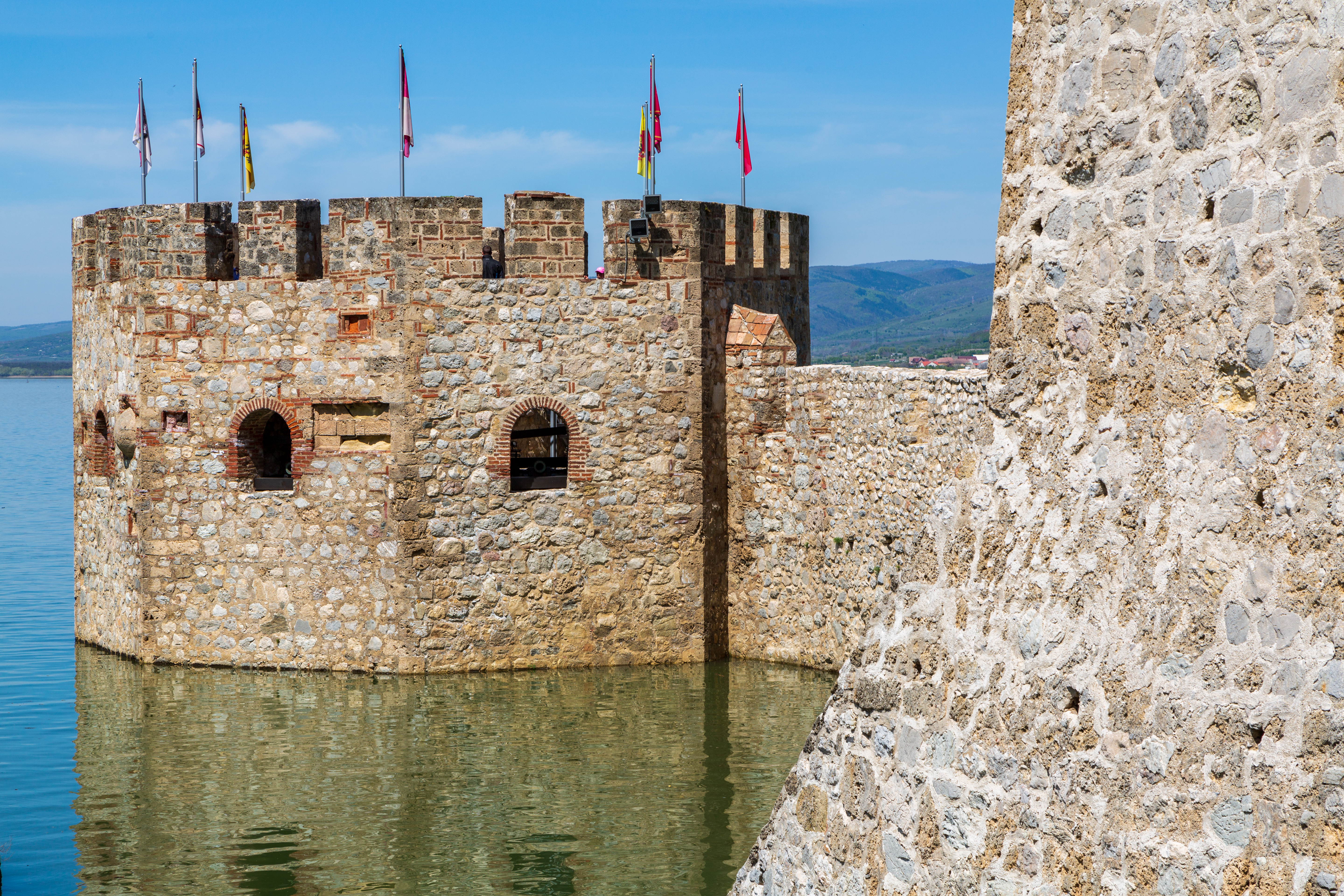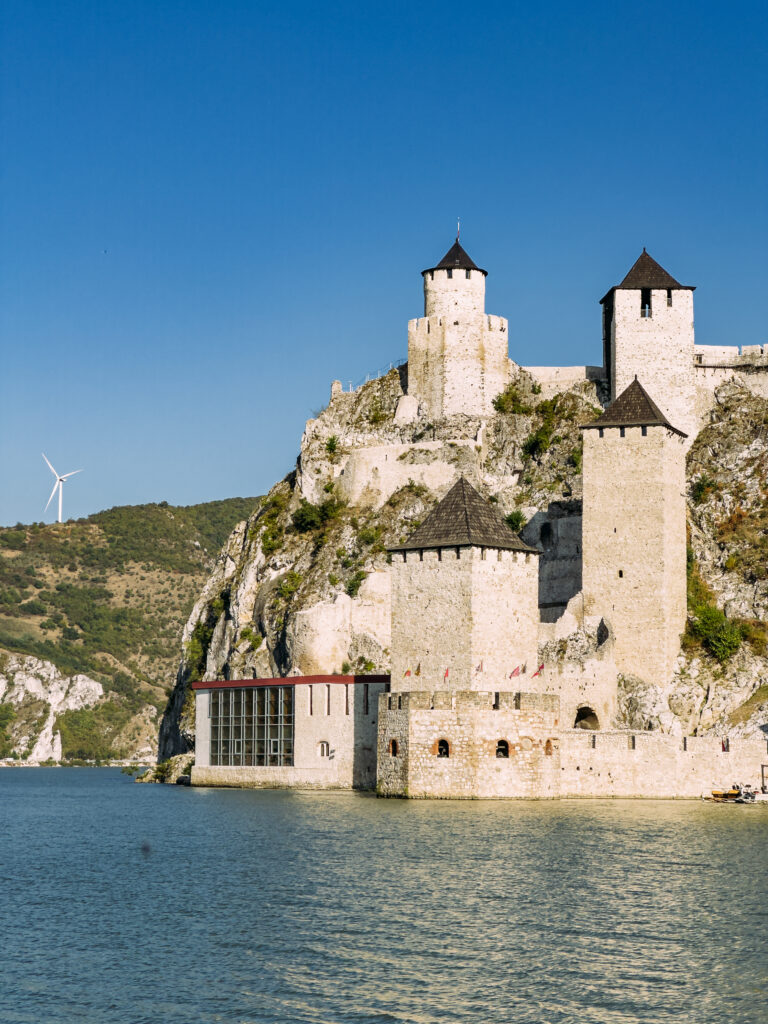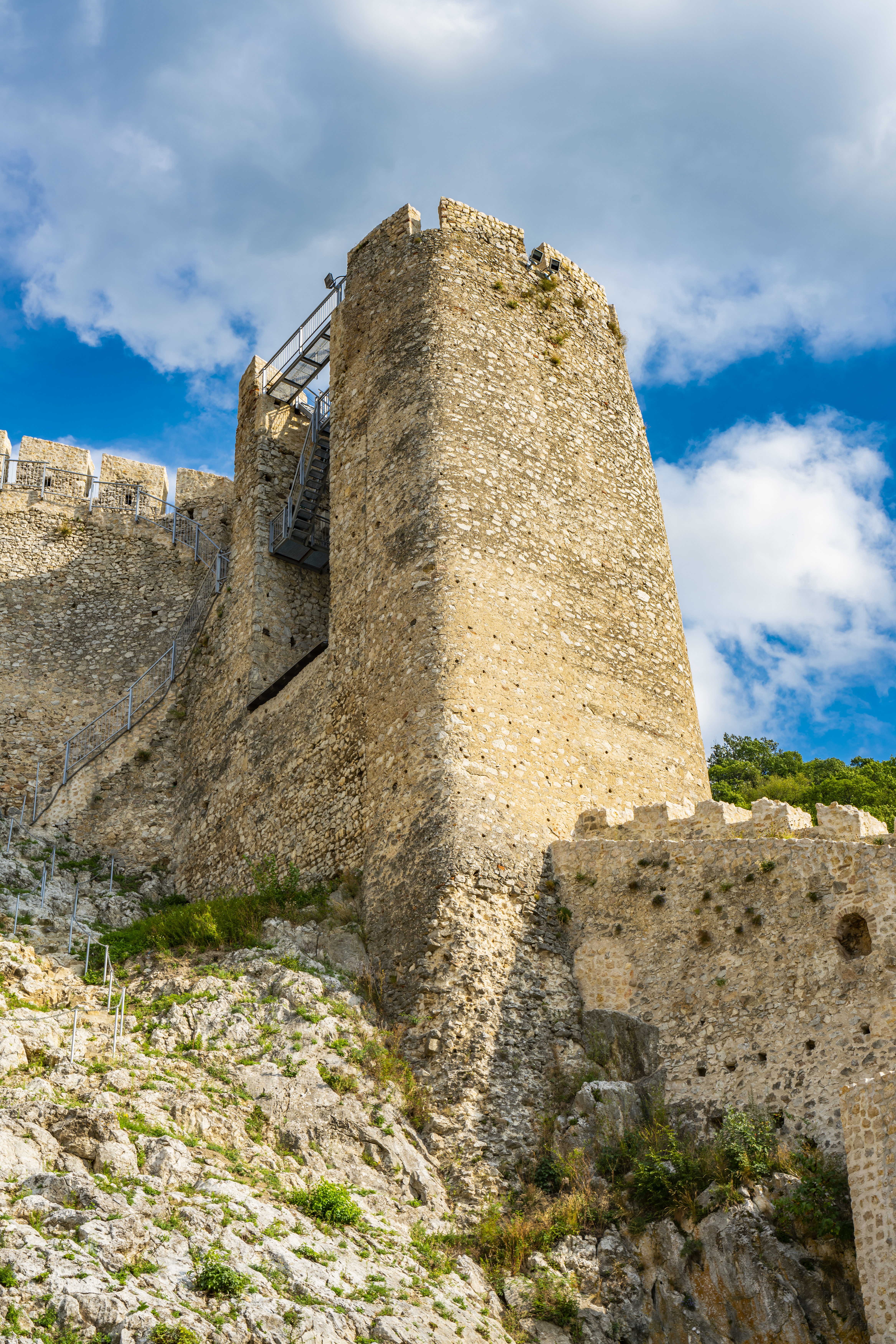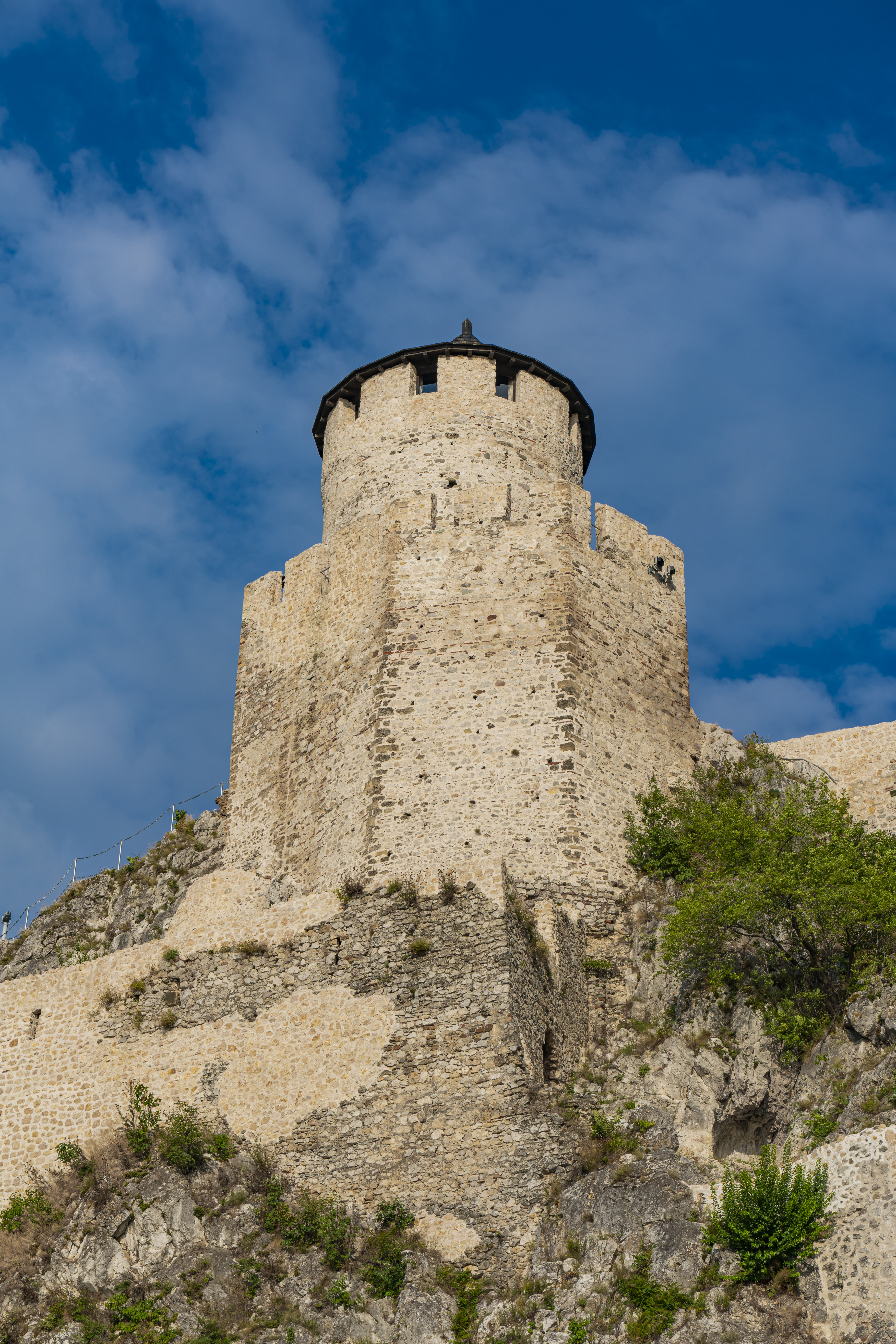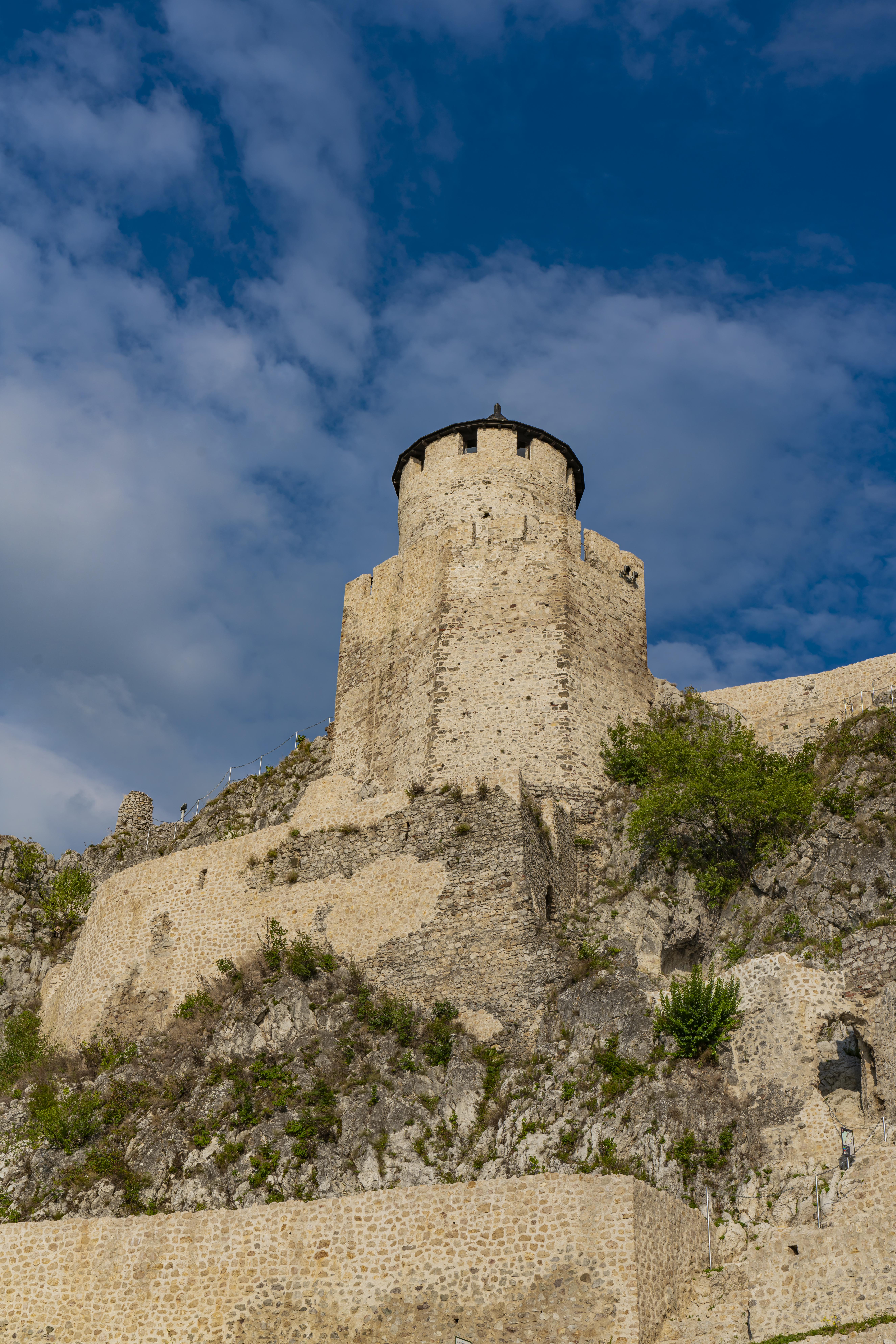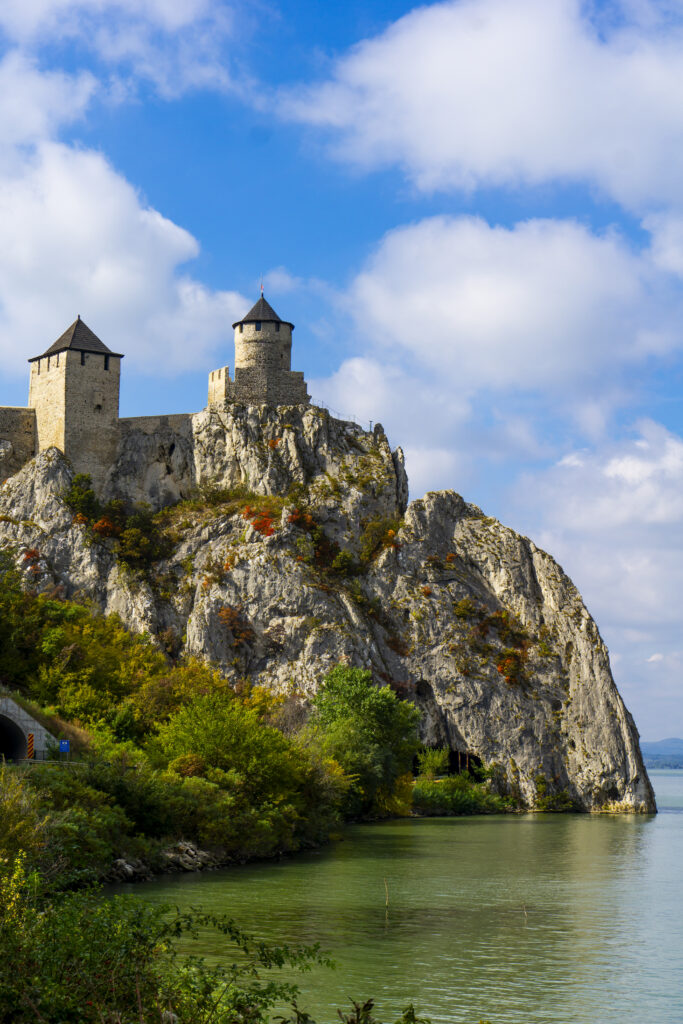

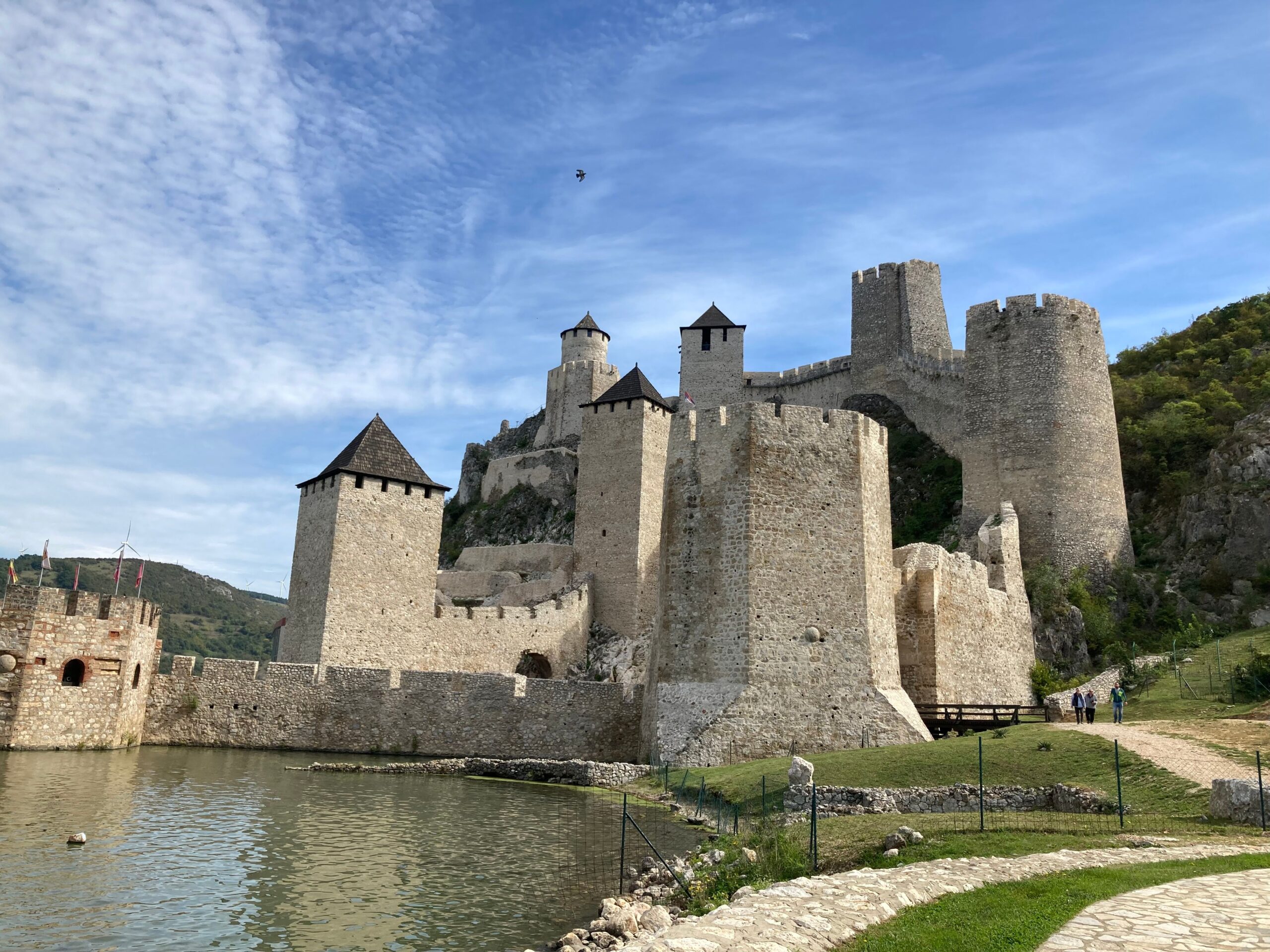
Golubac Fortress sits dramatically on the southern bank of the Danube, bearing witness to centuries of Balkan history and resilience. Located just 4 kilometers downstream from the modern-day town of Golubac in Serbia, this medieval fortified town is not only an imposing structure, but also a symbol of the region’s turbulent past and strategic importance.
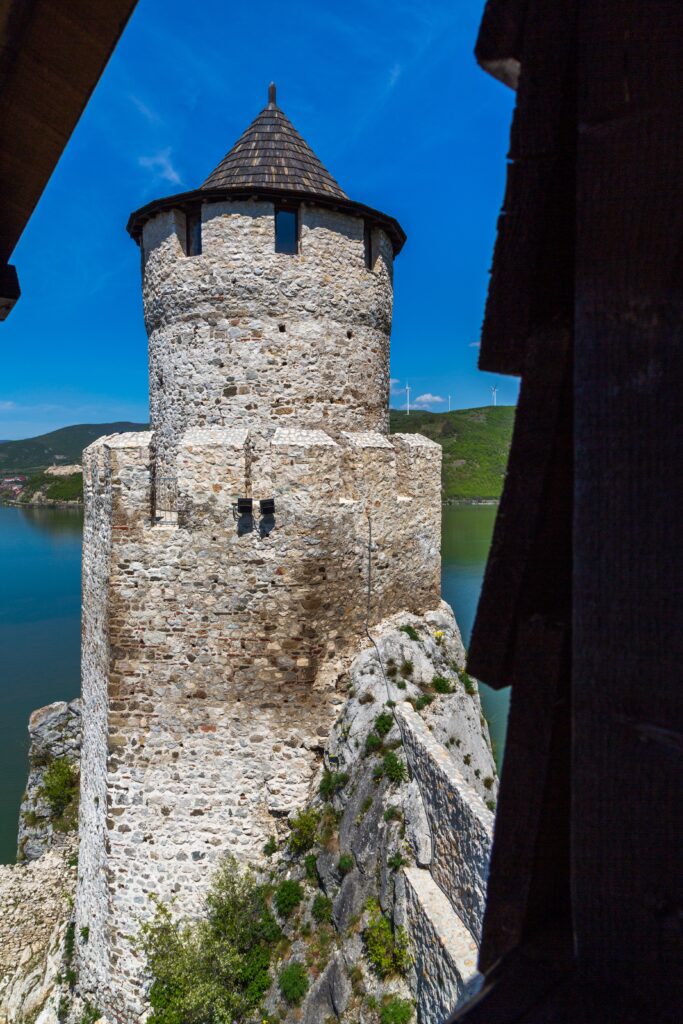
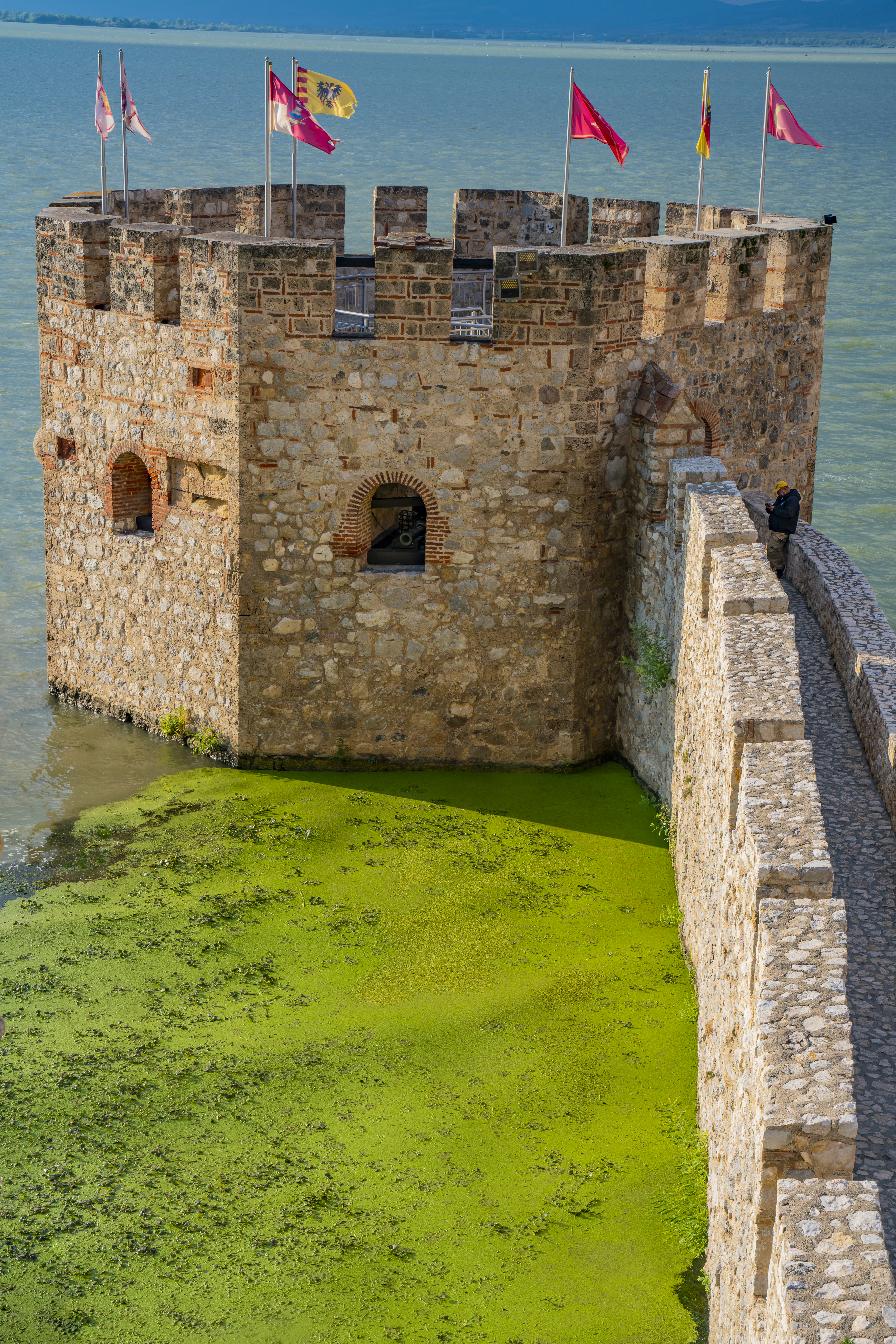
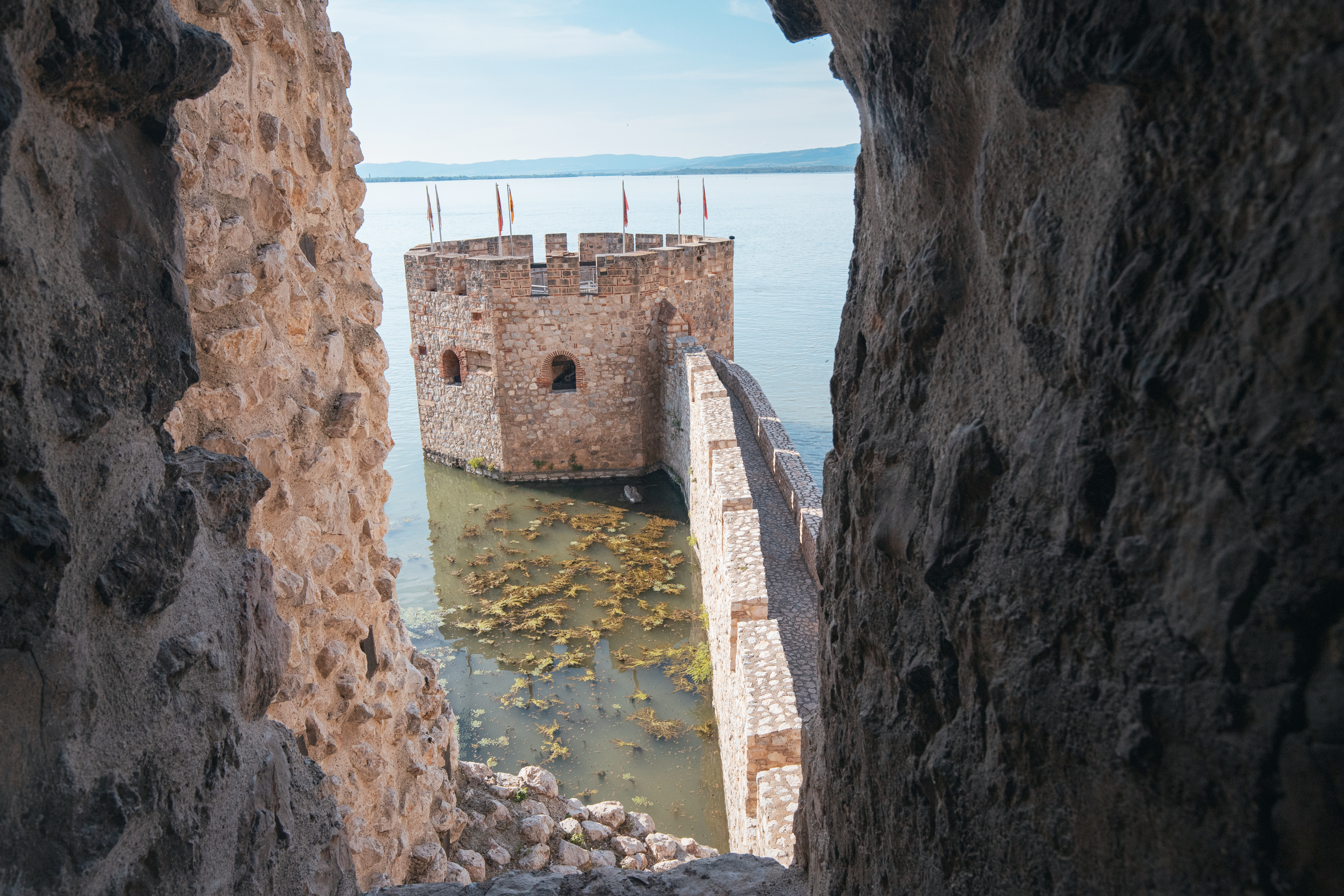
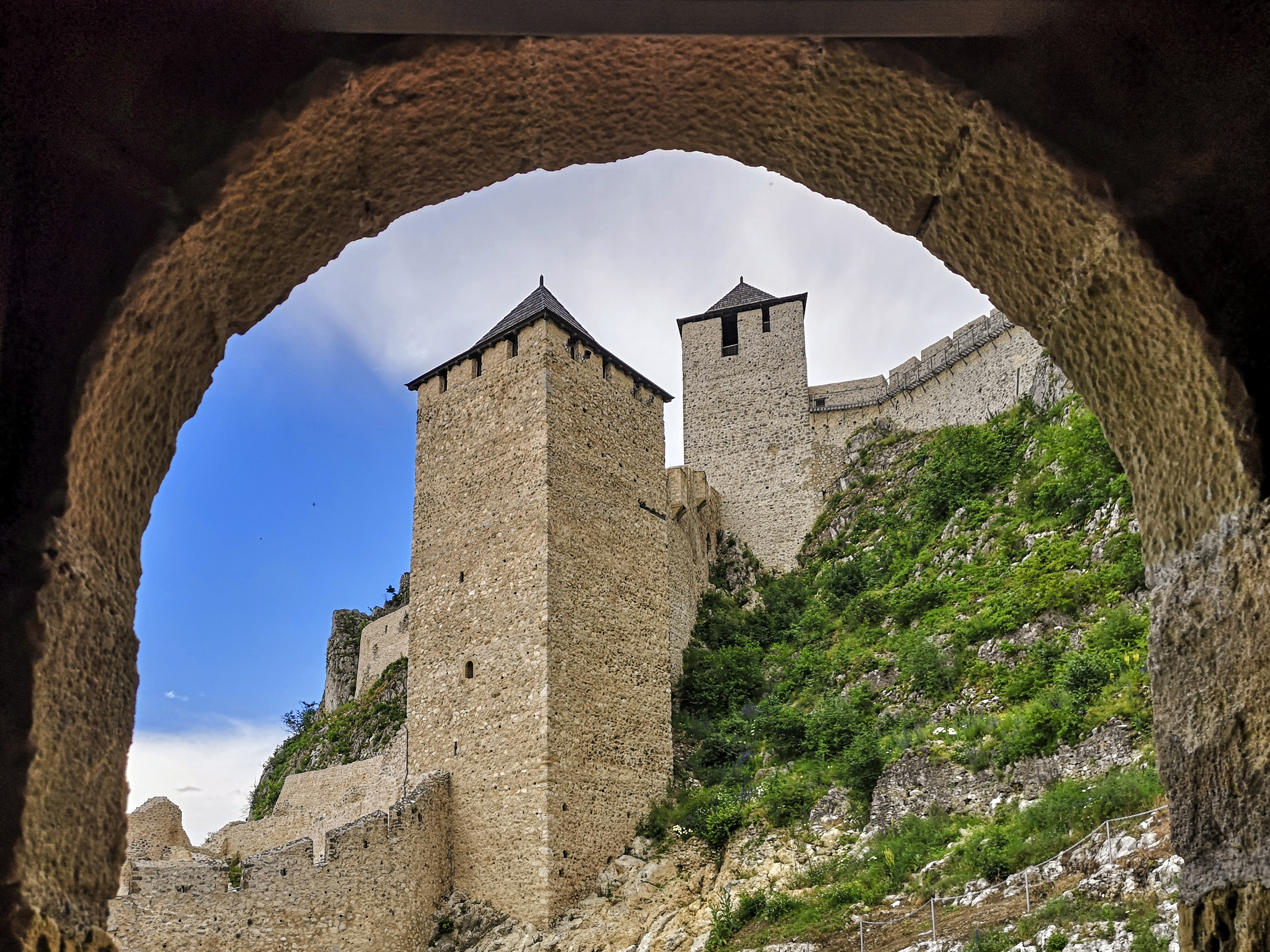
A legacy carved in stone – Golubac Fortress was built in the 14th century by the medieval Serbian state and consists of three main complexes, which were constructed in successive phases. This architectural marvel has ten towers, some of which evolved from their original square shape to polygonal bastions with the advent of firearms. The separation of the towers allowed for more effective defense mechanisms, a crucial feature during the fortress’s turbulent history, which was marked by wars and sieges. The fortress’s roots date back to a Roman settlement that once flourished on this site. At the beginning of the Middle Ages, Golubac became a coveted destination due to its strategic location at the entrance to Đerdap National Park and the Iron Gate Gorge—a natural bottleneck where the Danube narrows and traffic could be regulated and taxed.
Myths carved in stone – While the exact origin of the name “Golubac” remains a mystery, the most enchanting legend tells of a beautiful Serbian maiden named Golubana. According to folklore, a Turkish pasha fell madly in love with her. However, her heart belonged to a young Serbian man from the area, and she rejected the pasha’s advances and generous gifts. Consumed with rage, the pasha locked her in a tower with a conical roof or, as some stories suggest, tied her to a rock above the river, where she died. The name of the fortress, which can be translated as “pigeon city,” could also allude to its sky-high towers, which resemble flying pigeons.
Battles and sieges: a chronicle of conflicts – Golubac Fortress was the scene of over 120 documented battles and changed hands several times between the Turks, Bulgarians, Hungarians, Serbs, and Austrians. One of the earliest records comes from Hungarian sources dating back to 1335. In the 15th century, the fortress was under Serbian control during the reign of Despot Stefan Lazarević, to whom King Sigismund of Hungary had ceded the fortress along with Belgrade. Despite its impressive defenses, Golubac was not invincible. In 1428, the fortress was the scene of a significant siege. The Hungarian king Sigismund assembled a large army to recapture Golubac from the Ottomans. After initial successes, the Hungarian troops were eventually outmaneuvered by the Turks, leading to a retreat that nearly resulted in Sigismund’s capture. The intervention of Cecília Rozgonyi, who commanded one of the Hungarian ships, was crucial to his safe retreat.
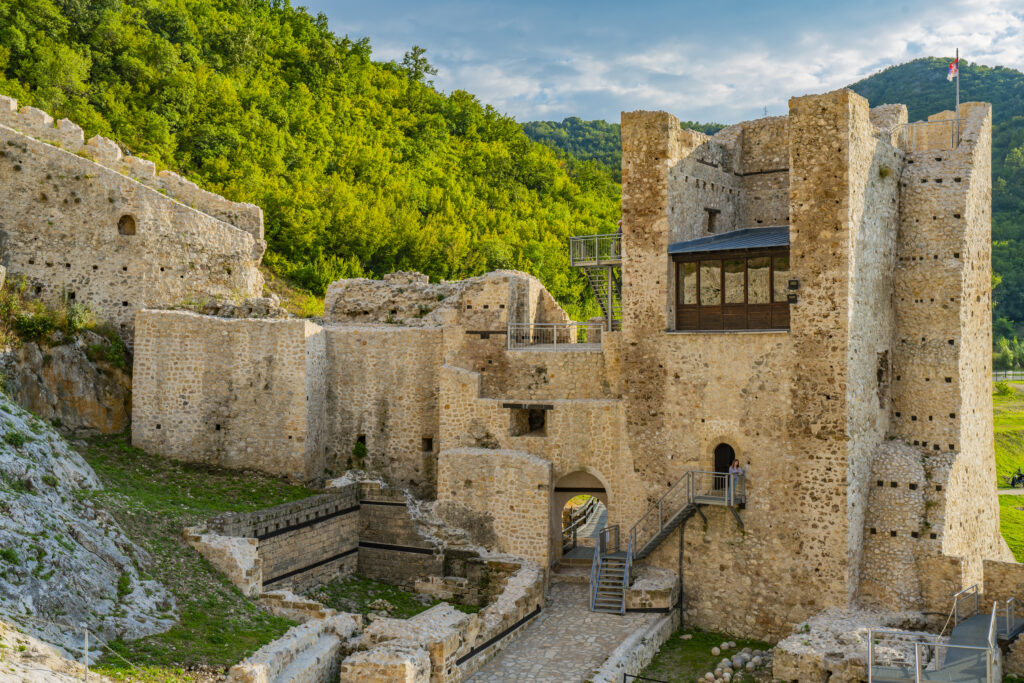
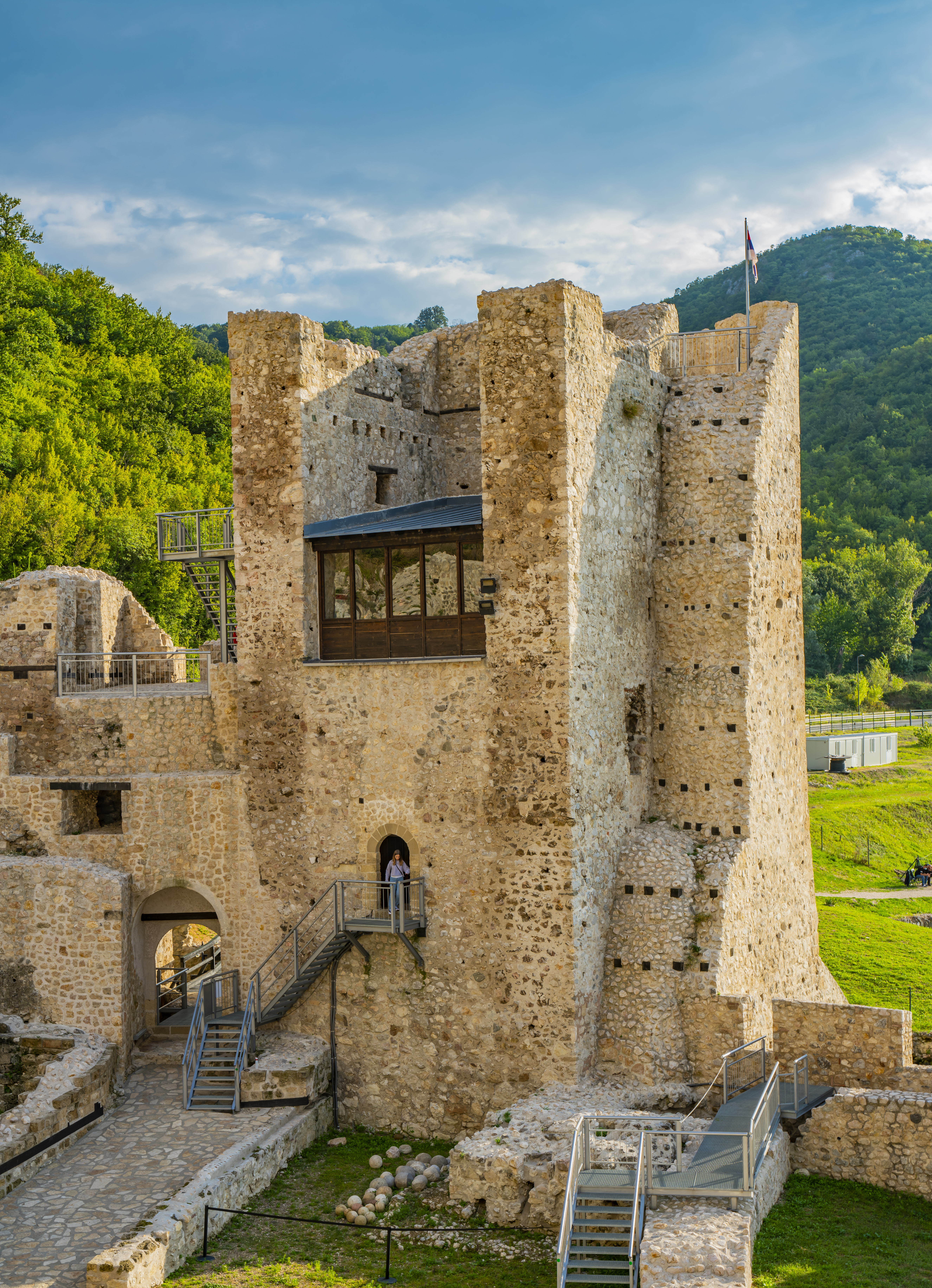
Architectural marvels and archaeological finds – Recent restoration work on Golubac Fortress has uncovered remarkable finds, including the remains of Roman and Byzantine settlements. The discovery of an Orthodox chapel in one of the towers provides insight into the probable Serbian origins of the fortress. The brick-and-stone construction typical of Roman techniques was particularly evident in buildings that were later converted by the Ottomans, such as a hamam. With walls up to three meters thick and towers reaching a height of 25 meters, the architecture of Golubac embodies the development of medieval military technology. Originally designed for cold steel weapons, several towers were later fitted with cannon openings and reinforced foundations to withstand artillery attacks.
Modern restoration and tourism – The turn of the 21st century marked a new era for Golubac Fortress. In 2014, restoration work began with the aim of preserving the historical integrity of the fortress while making it accessible to visitors. The project faced numerous challenges due to the advanced state of decay of the fortress and the need for careful reconstruction methods. To remain faithful to the original construction, traditional materials and manual techniques were used. In April 2019, the fully restored Golubac Fortress was reopened to the public. Today, the fortress attracts tourists from all over the world, drawn by its historical significance and breathtaking views of the Danube. A state-owned company manages the site specifically, underscoring its importance to Serbia’s cultural heritage.
A lasting monument to resilience – Today, Golubac Fortress is not only a cultural monument, but also a symbol of the indomitable spirit of the people who have defended it over the centuries. It is a fascinating stop along the Danube, offering a glimpse into the rich history, myths, and legends of the Balkans that continue to capture the imagination of all who visit this ancient fortress.
Strolling through the corridors marked by time and gazing at the impressive walls, it is easy to imagine the echoes of past battles, the whispers of ancient legends, and the lasting legacy of those who shaped its historic past.