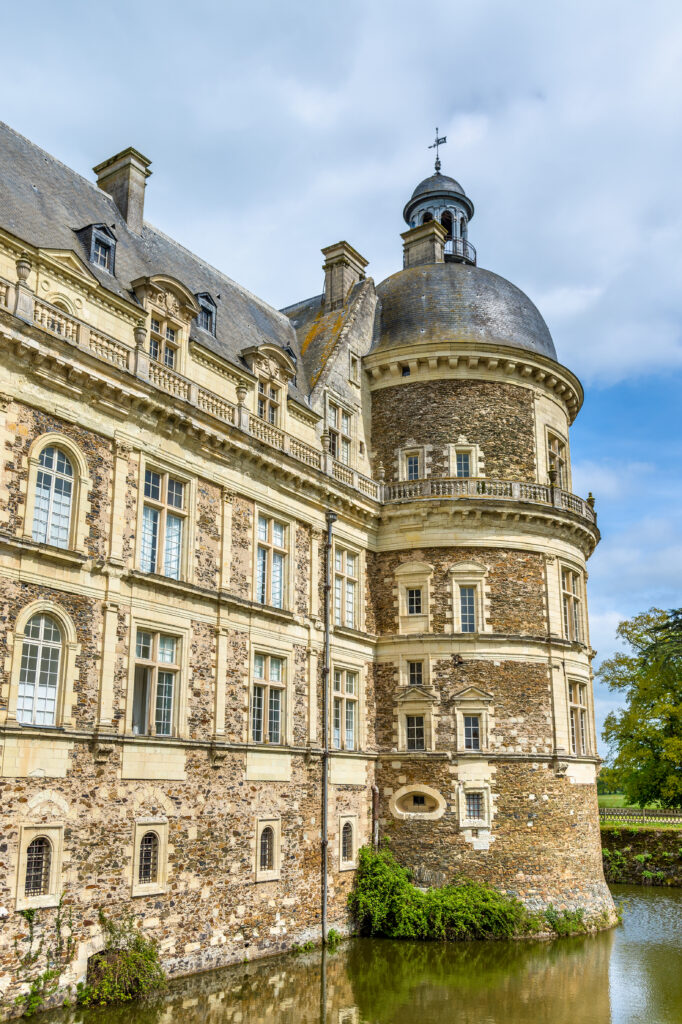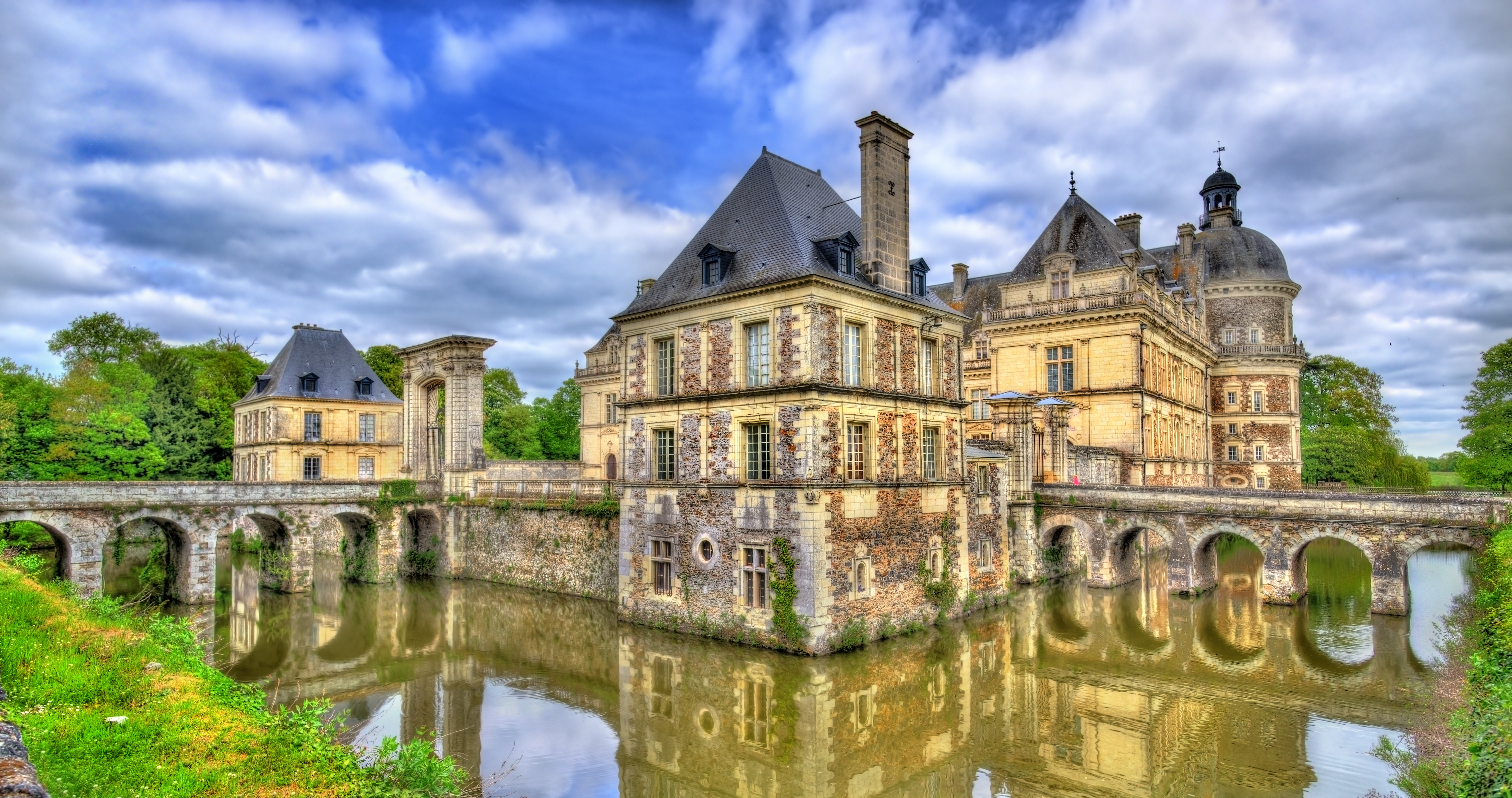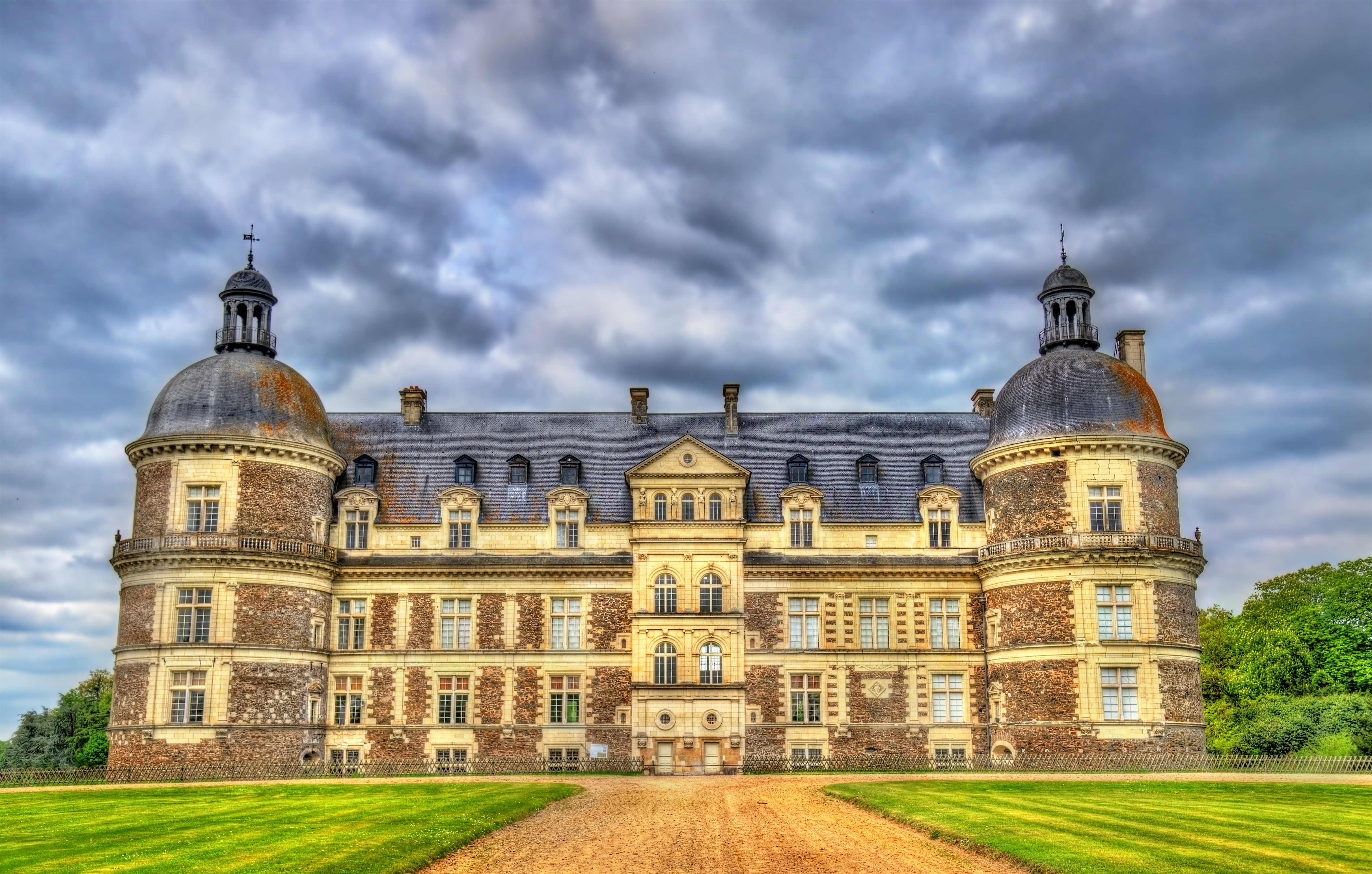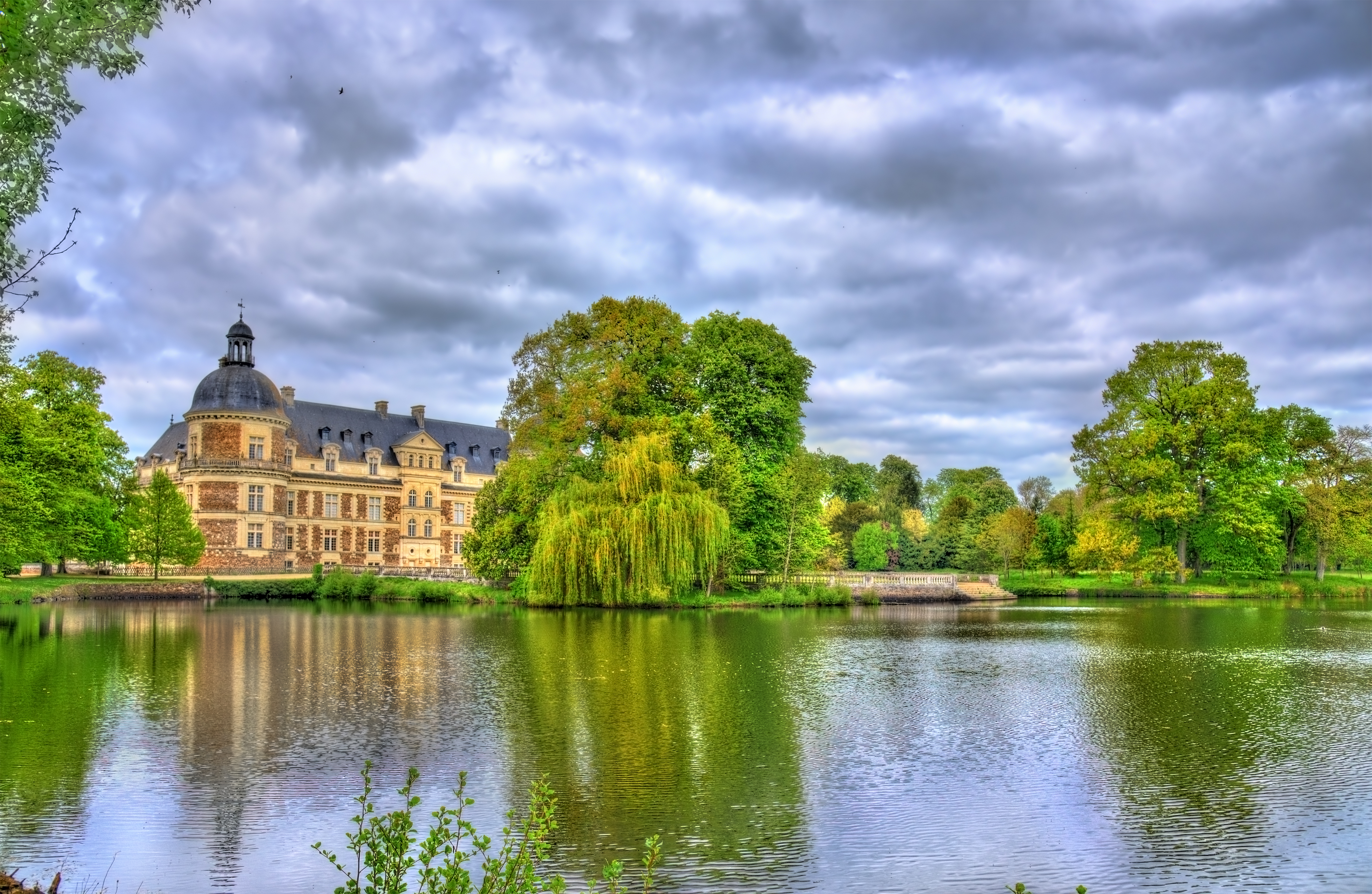

Located near the picturesque French village of Saint-Georges-sur-Loire in the Maine-et-Loire department, the Château de Serrant bears witness to architectural splendor and aristocratic heritage. Its historic walls have witnessed eras of change, intrigue, and legacy. From medieval fortifications to Renaissance elegance, the castle’s evolution reflects the changing currents of French history.
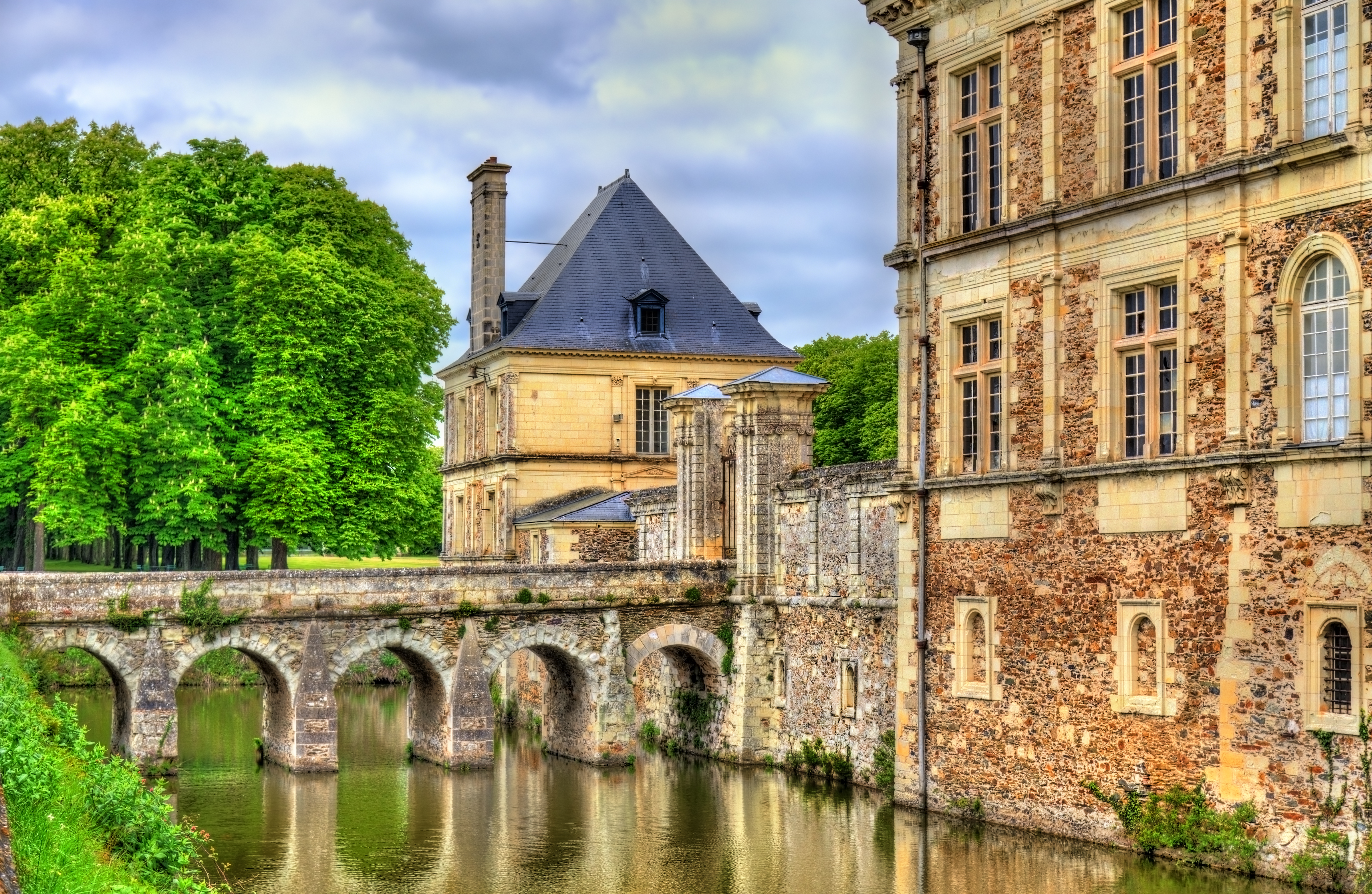
The medieval fortress: Pontus Le Brie’s vision – The history of the Château de Serrant begins in the 14th century under the ownership of the noble Le Brie family. Pontus Le Brie, who had received permission from King Louis XI, envisioned an impressive fortress with a drawbridge, moat, and imposing corner towers. This medieval silhouette dominated the landscape and served both as a residence and an impressive defensive structure. The robust structure of brown slate, interspersed with tuff accents, formed the basis for the castle’s future transformations.
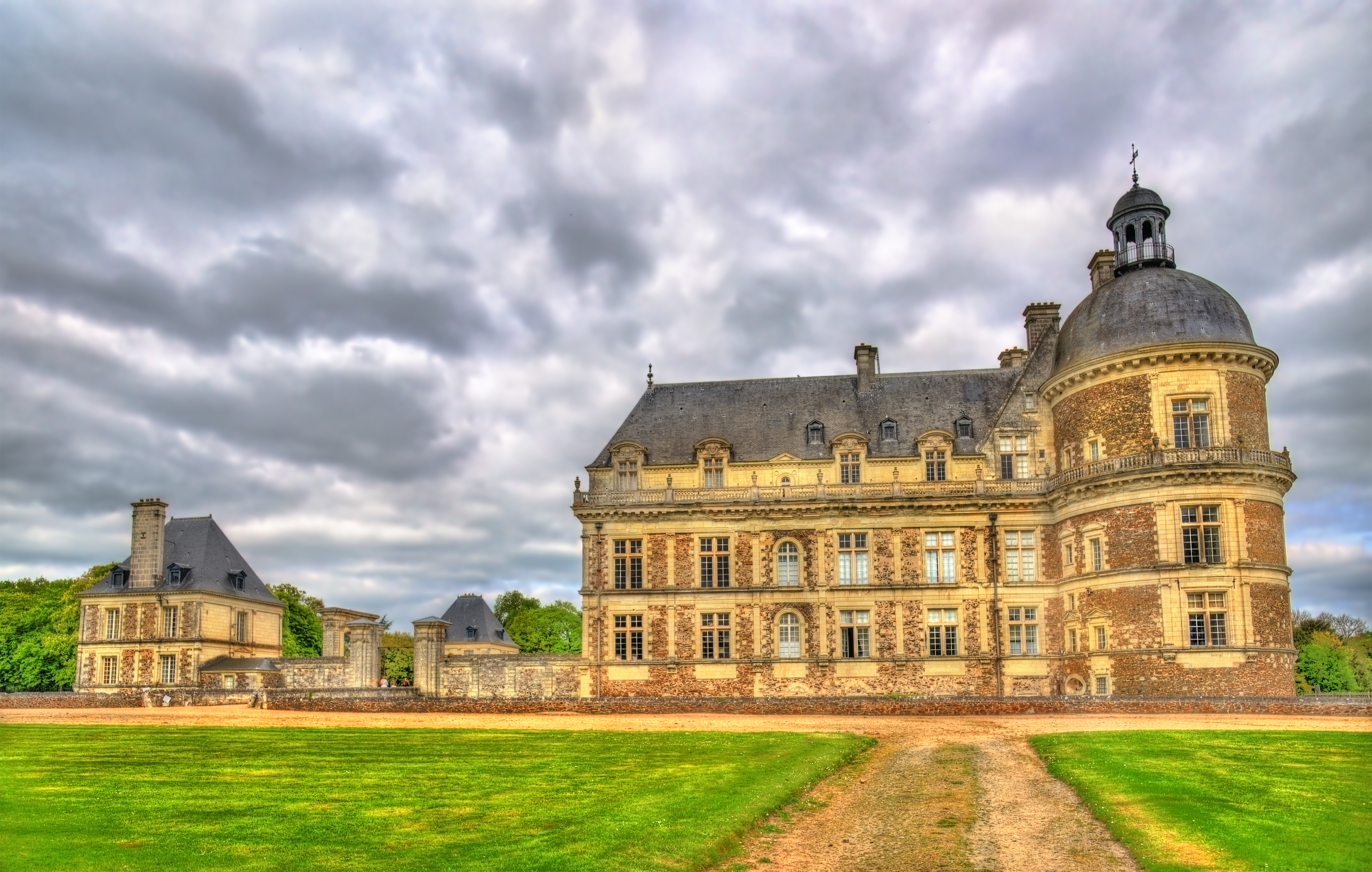
Renaissance revival: The ambitious undertaking of Charles de Brie – In the mid-16th century, Charles de Brie, fascinated by the artistic spirit of the Renaissance, wanted to give his ancestral home a contemporary elegance. This magnificent project was entrusted to the famous architect Philibert Delorme, known for his bold wing at the Château de Chenonceau. However, financial constraints limited initial progress to the north tower, half of the central residential wing, and an adjacent section. Despite these limitations, the partially completed structure heralded a new era of opulence. Delorme’s mastery was evident in the filigree pilasters that adorned the facades, reflecting the stylistic preferences of the reign of King Francis I.
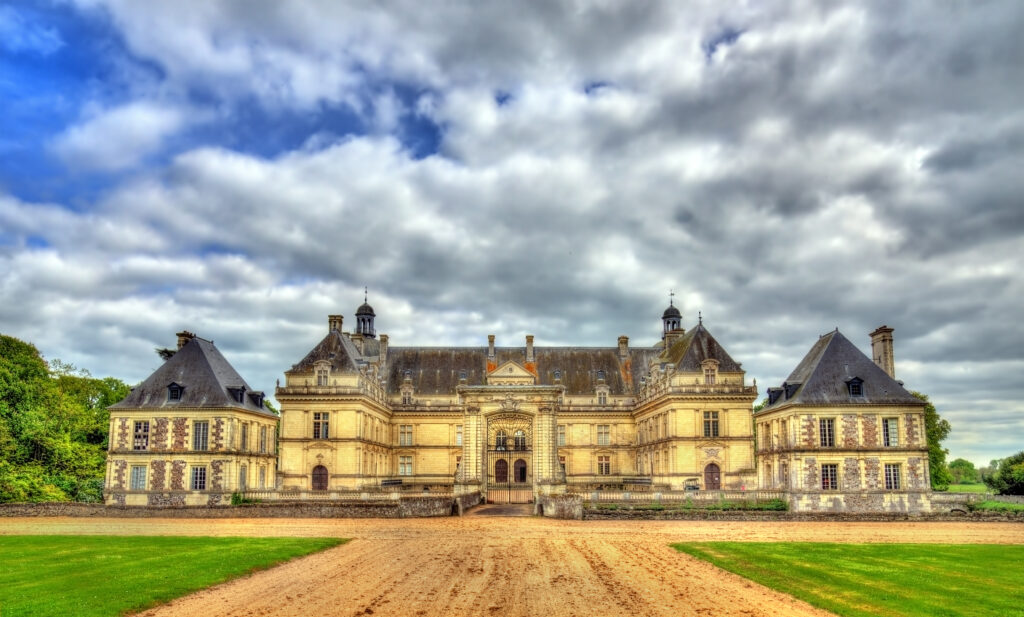
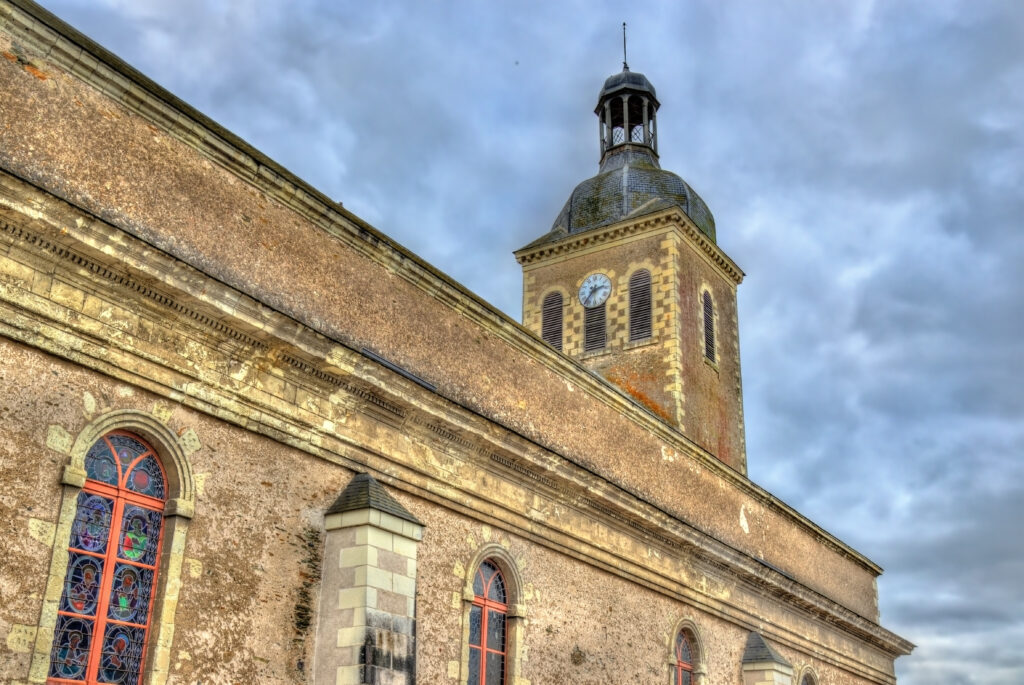
The Bautru Legacy: Completion and Elegance – The 17th century heralded a new chapter for the Château de Serrant when it was acquired by Guillaume de Bautru, a diplomat and patron of the arts. Determined to realize the castle’s full potential, Guillaume and his son continued the renovation work based on Delorme’s original designs. By 1700, the main wing, the south tower, and both side wings had been completed. The existing corner towers were replaced by two-story pavilions, and an impressive entrance portal was built along the central axis. A highlight of this period was the construction of a chapel attributed to Jules Hardouin-Mansart. Its most notable feature is the marble tomb of Nicolas de Bautru, Marquis de Vaubrun and commander of the French army, created by Antoine Coysevox, a renowned artist at the court of Louis XIV.
The influence of the Walshs: English aesthetics and maritime connections – A significant turning point came in 1749 when the last descendant of the Bautru family sold the Château de Serrant to Antoine Walsh, a prominent shipowner from Nantes. Under the Walsh family’s stewardship, the château underwent another wave of renovations. The interiors were redesigned and the extensive park was transformed into an English-style landscape, giving it a naturalistic charm. Additions made during this period included two pavilions and a gate of honor, bringing the château in line with contemporary tastes without losing its historical character.
The La Trémoille era: restoration and tragedy – In 1830, the marriage of Valentine Walsh de Serrant to the Duke of La Trémoille, a member of one of France’s oldest noble families, brought further prestige to the castle. The Duke led a major restoration campaign under the direction of Lucien Magne, a renowned architect of the time. During this phase, balustrades were installed along the top floors and around the towers, and the La Trémoille family coat of arms was placed above the entrance. In 1933, tragedy struck when the last Duke of La Trémoille died in a fire at the age of 23. His sister Charlotte inherited the estate, followed by her son Jean-Charles, Prince of Ligne. Despite the adversity, the family remained committed to preserving their ancestral home.
Modern management: The commitment of Hedwige de Ligne and Charles-Guillaume – Today, the Château de Serrant remains in the possession of the descendants of La Trémoille, notably Hedwige de Ligne and her husband Charles-Guillaume, Prince of Merode-Westerloo. They continue to invest in the maintenance of the château and strive to modernize the interiors while preserving its historical integrity. Thanks to their efforts, the architectural unity of the Château de Serrant remains intact despite the more than 100 years it took to complete. The three-winged structure with its courtyard of honor, corner pavilions, and large portal is elegantly surrounded by a moat and set in extensive grounds.
Legends and secrets: the invisible layers of the Château de Serrant – Over the centuries, the Château de Serrant has not only witnessed historical events, but has also been the cradle of legends and secrets that fascinate visitors and historians alike.
Ghostly apparitions – Several reports tell of ghostly figures wandering through the halls of the Château de Serrant. Among these apparitions, none is as famous as that of a knight believed to be Pontus Le Brie himself. According to legend, his ghost wanders the corridors, guarding the legacy he began so many centuries ago. Visitors report eerie sensations and inexplicable phenomena, which only add to the castle’s mysterious appeal.
The hidden treasures – Another ancient legend tells of hidden treasures said to be buried on the castle grounds. In turbulent times, the Bautru family is said to have hidden their wealth on the estate to protect it from marauding troops. Although the treasure hunt has so far been unsuccessful, the myth persists and attracts adventurous souls who hope to discover riches amid the historic stone walls.
The secret passages – The Château de Serrant is also said to contain secret passages that were built as escape routes in turbulent times. These secret passages are said to connect various parts of the castle with the surrounding forest, providing the noble inhabitants with a means of escape. While some passages have been discovered, others remain untraceable, further fueling curiosity about the hidden depths of the castle.
A timeless monument – The Château de Serrant, with its blend of historical grandeur and mythical rumors, is a timeless monument. Its evolution from a medieval fortress to a Renaissance gem and finally to an elegant estate embodies the essence of French nobility and architectural splendor. The Château de Serrant continues to inspire awe and curiosity, remaining an embodiment of France’s rich cultural diversity, inviting all visitors into a world where history and legend merge.