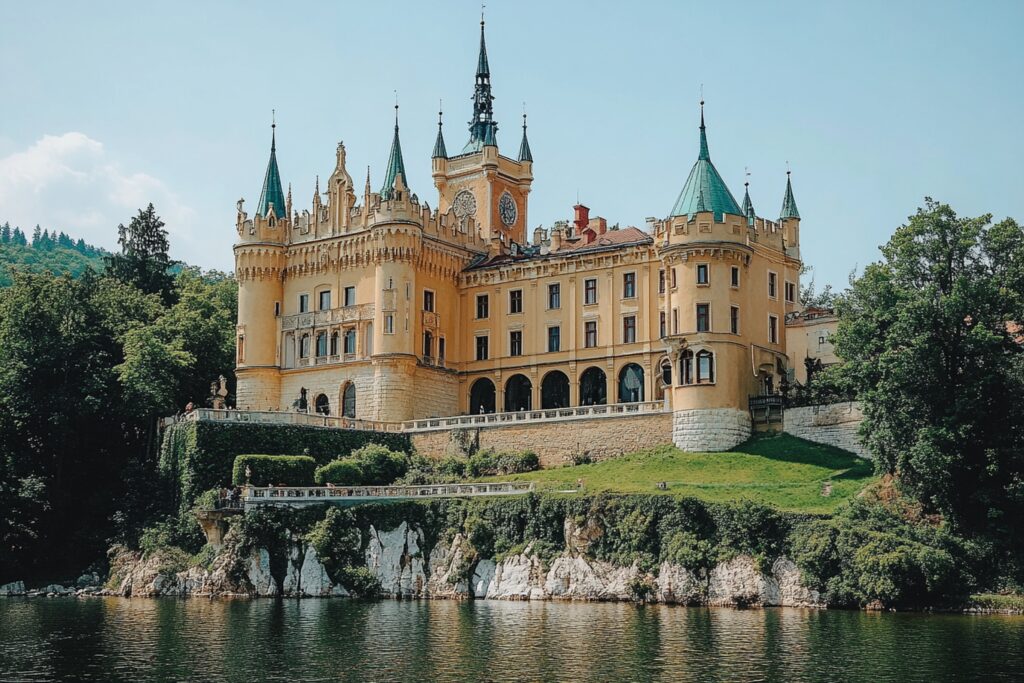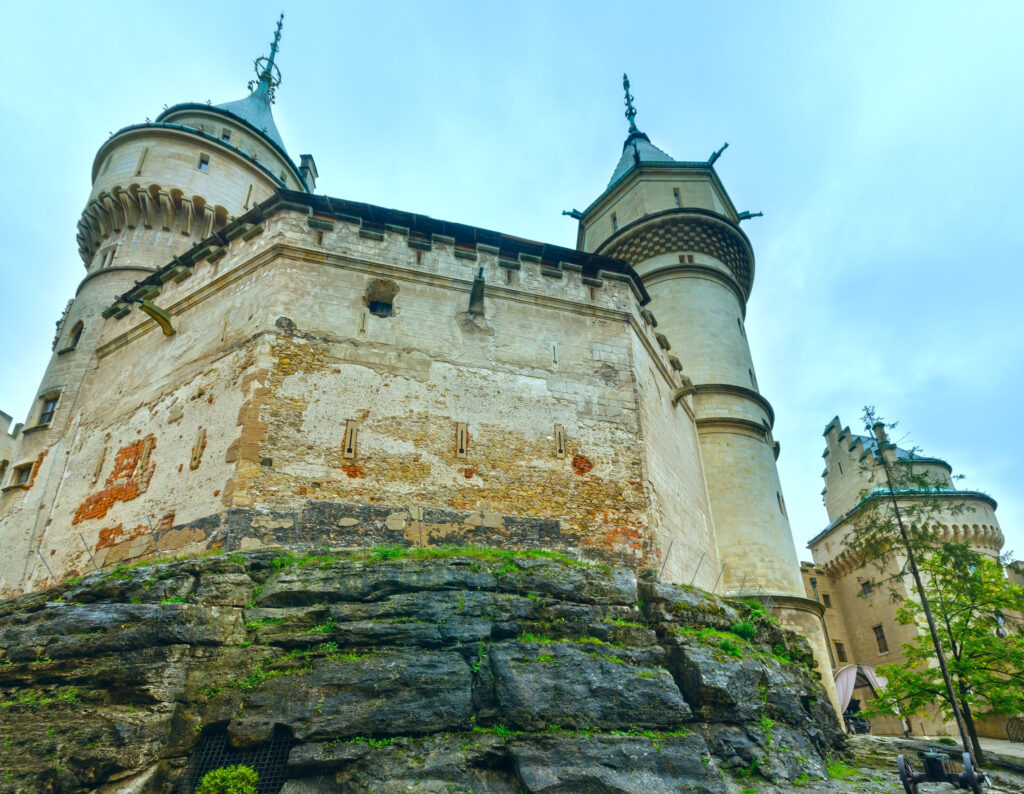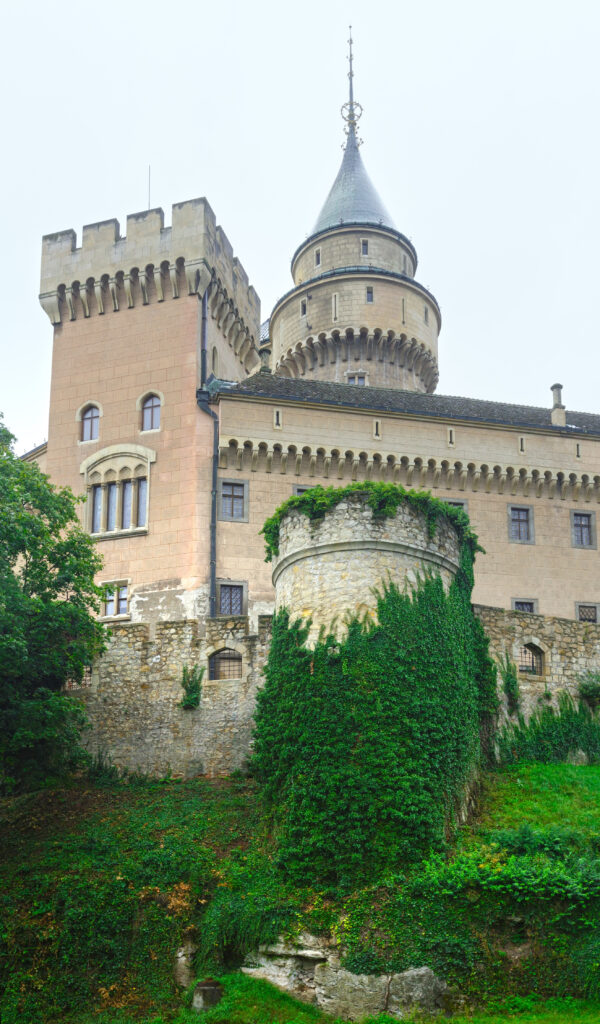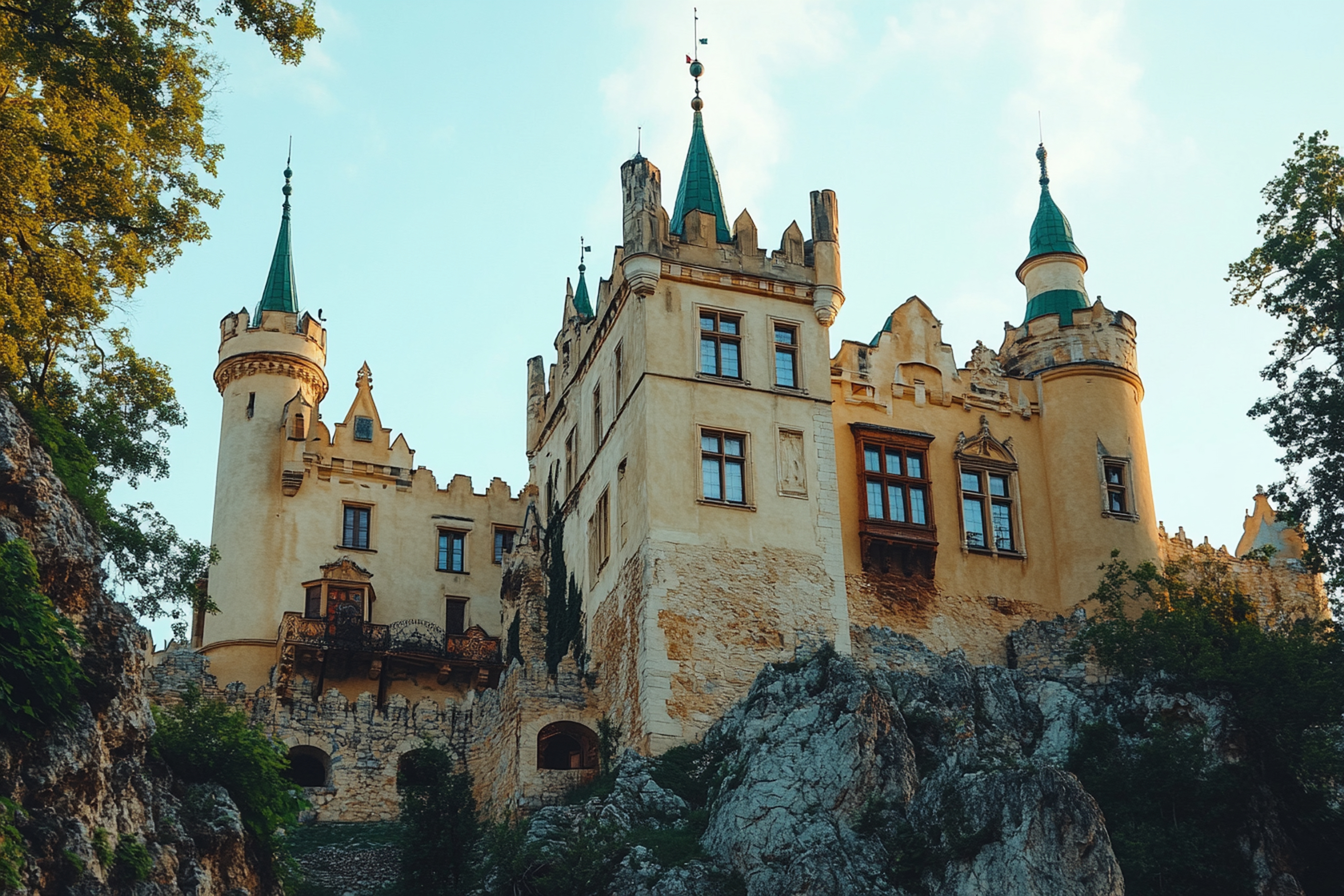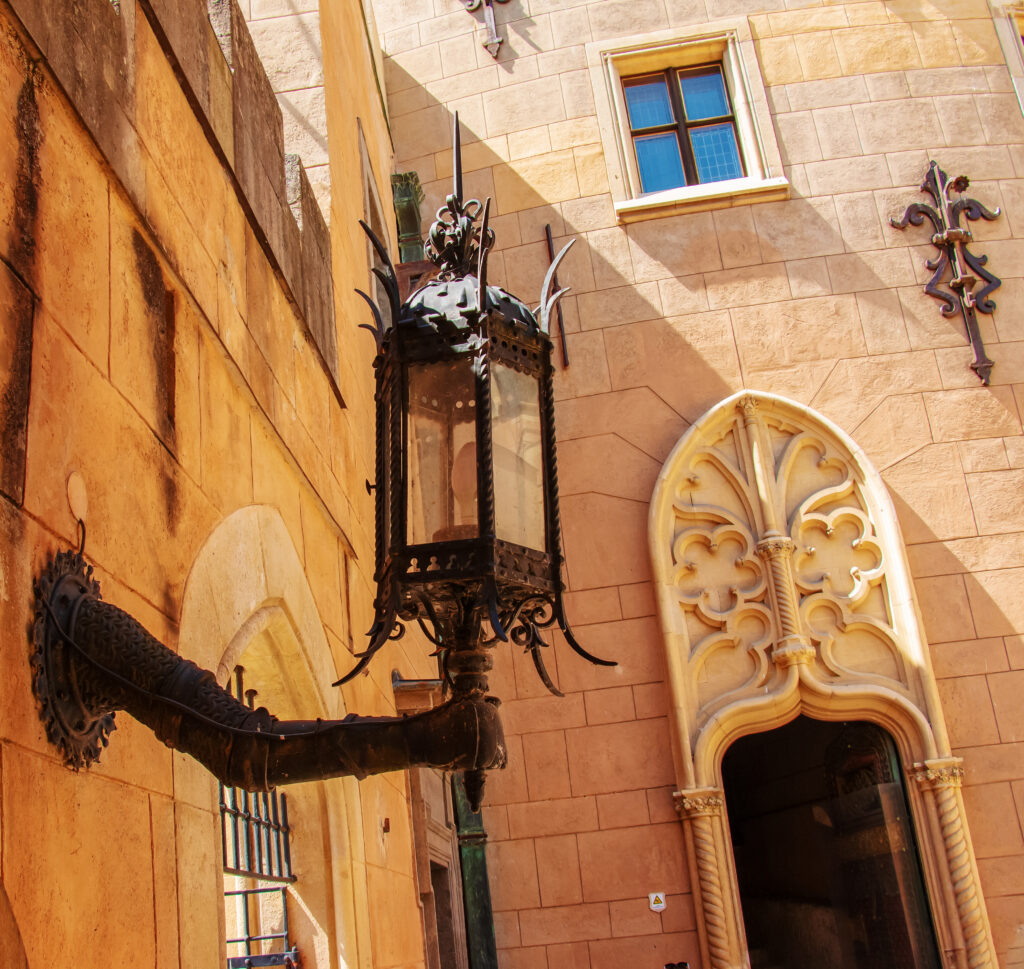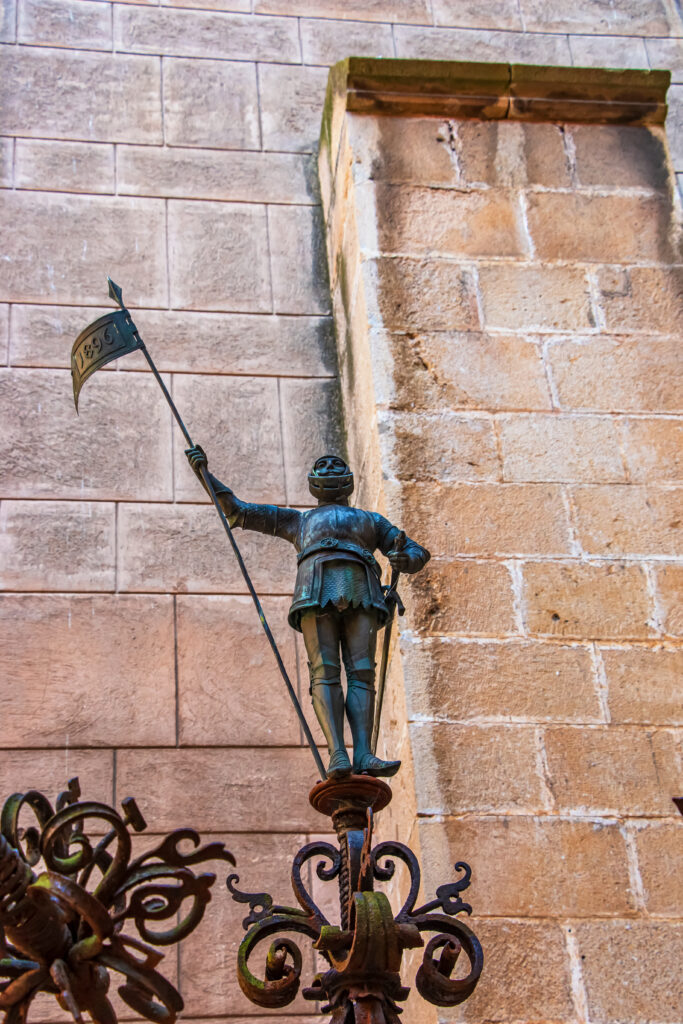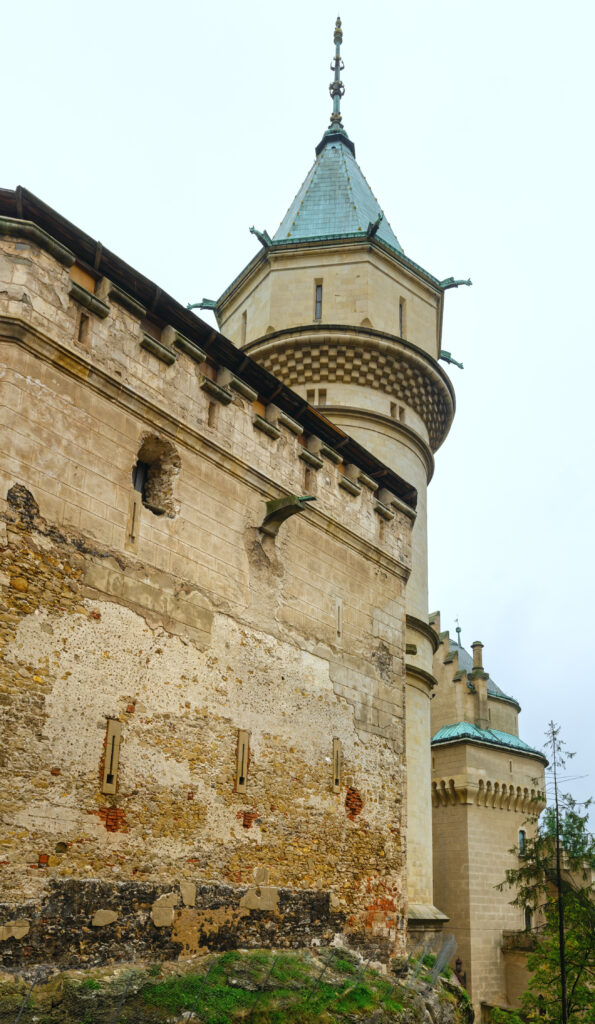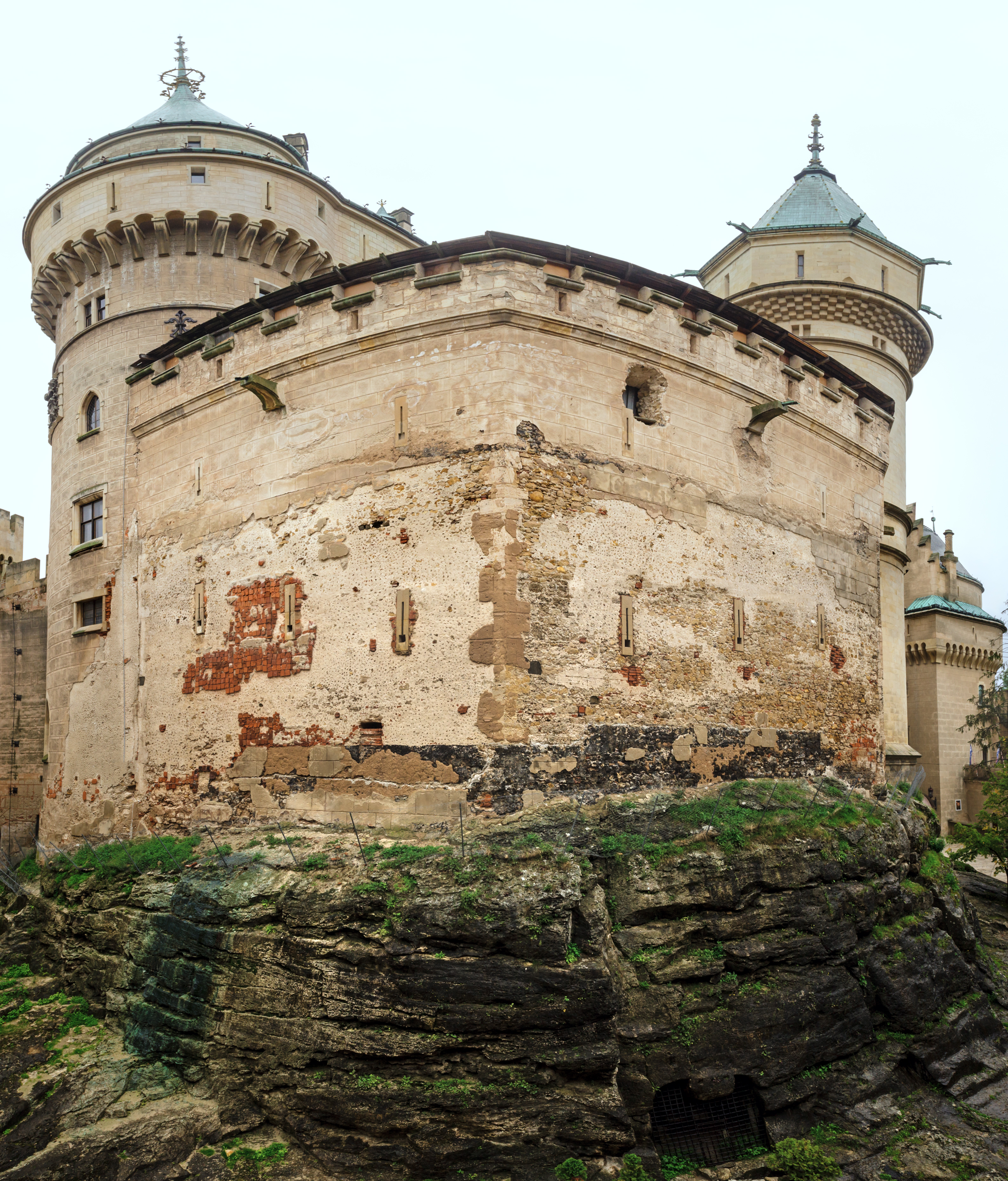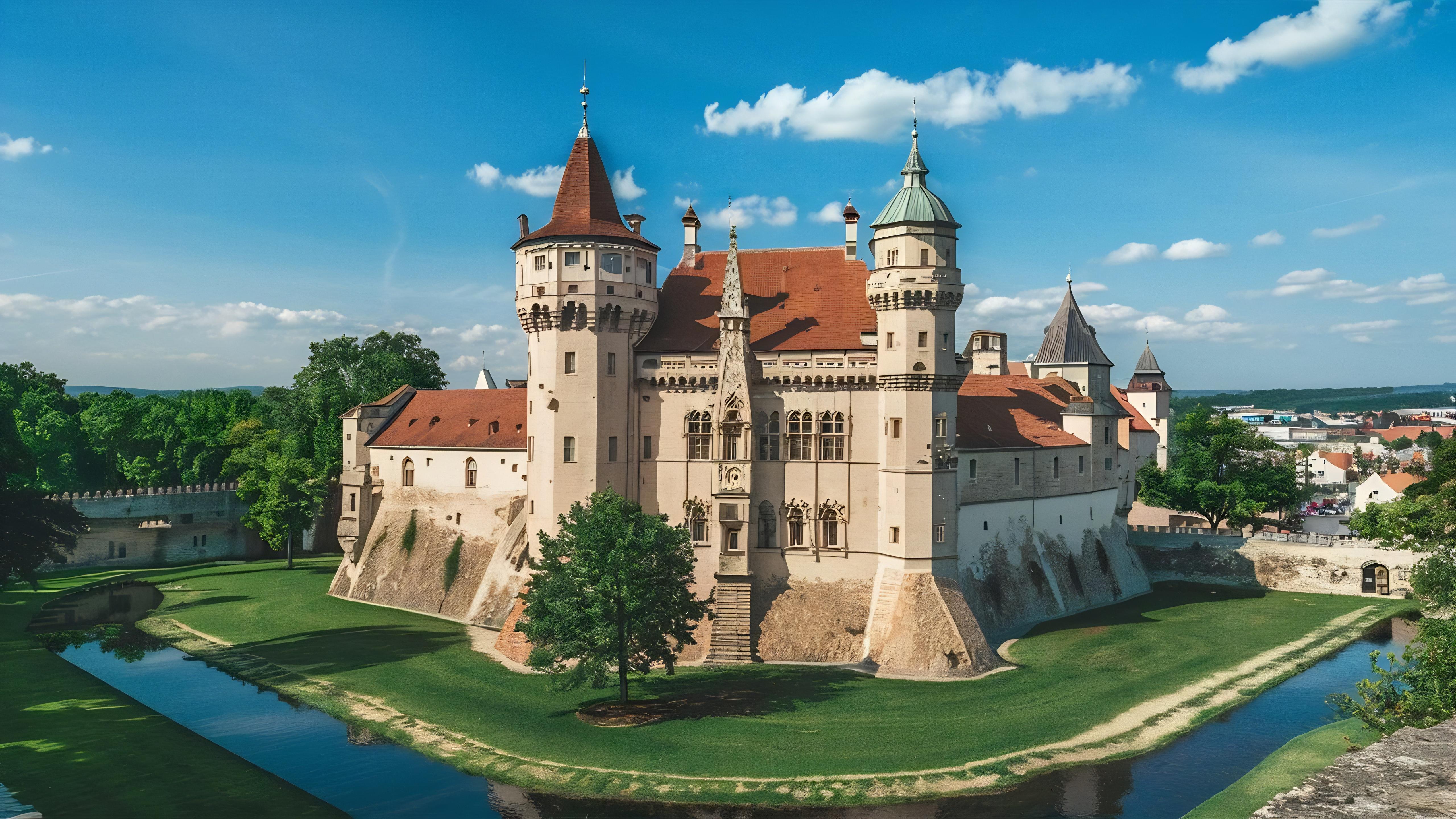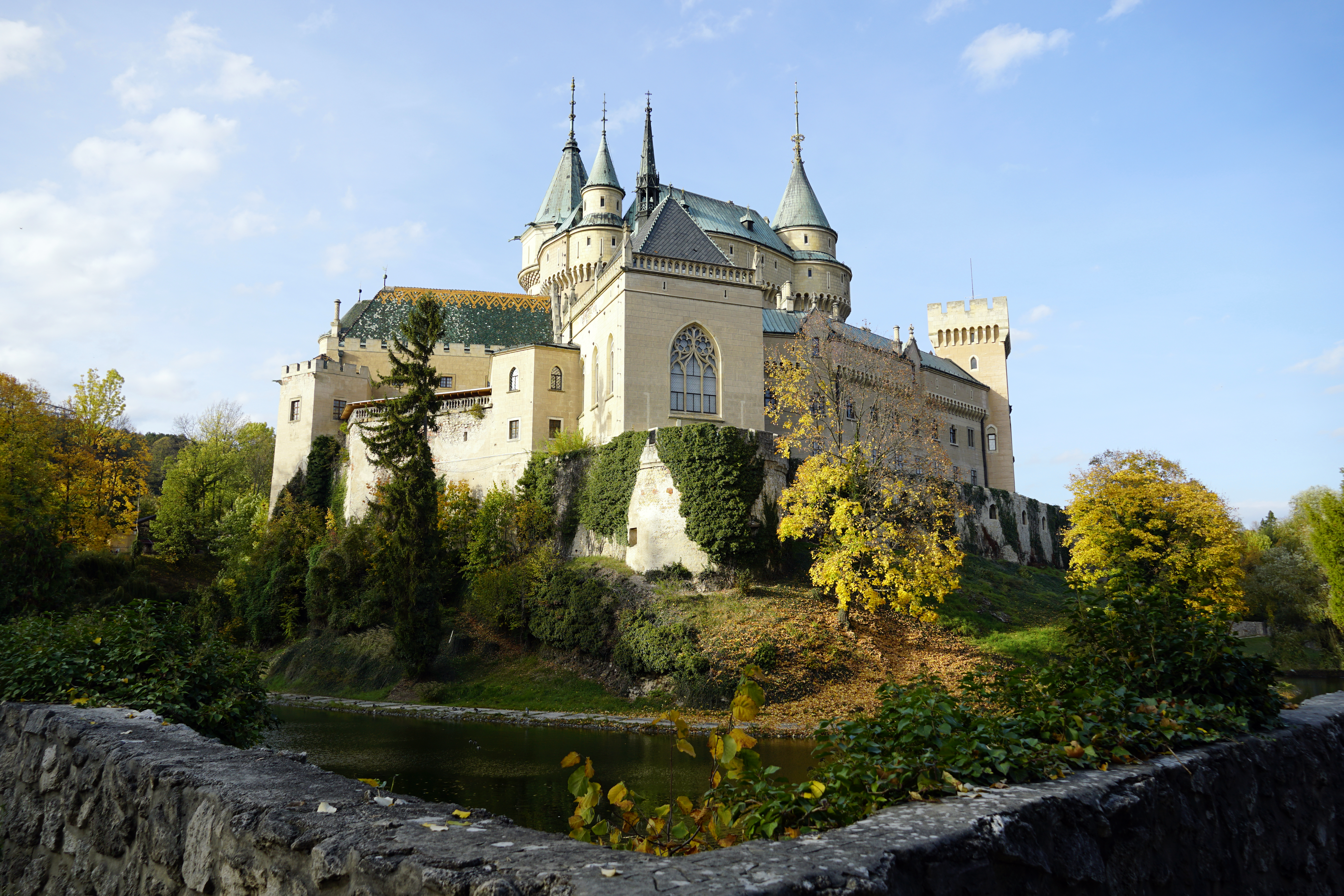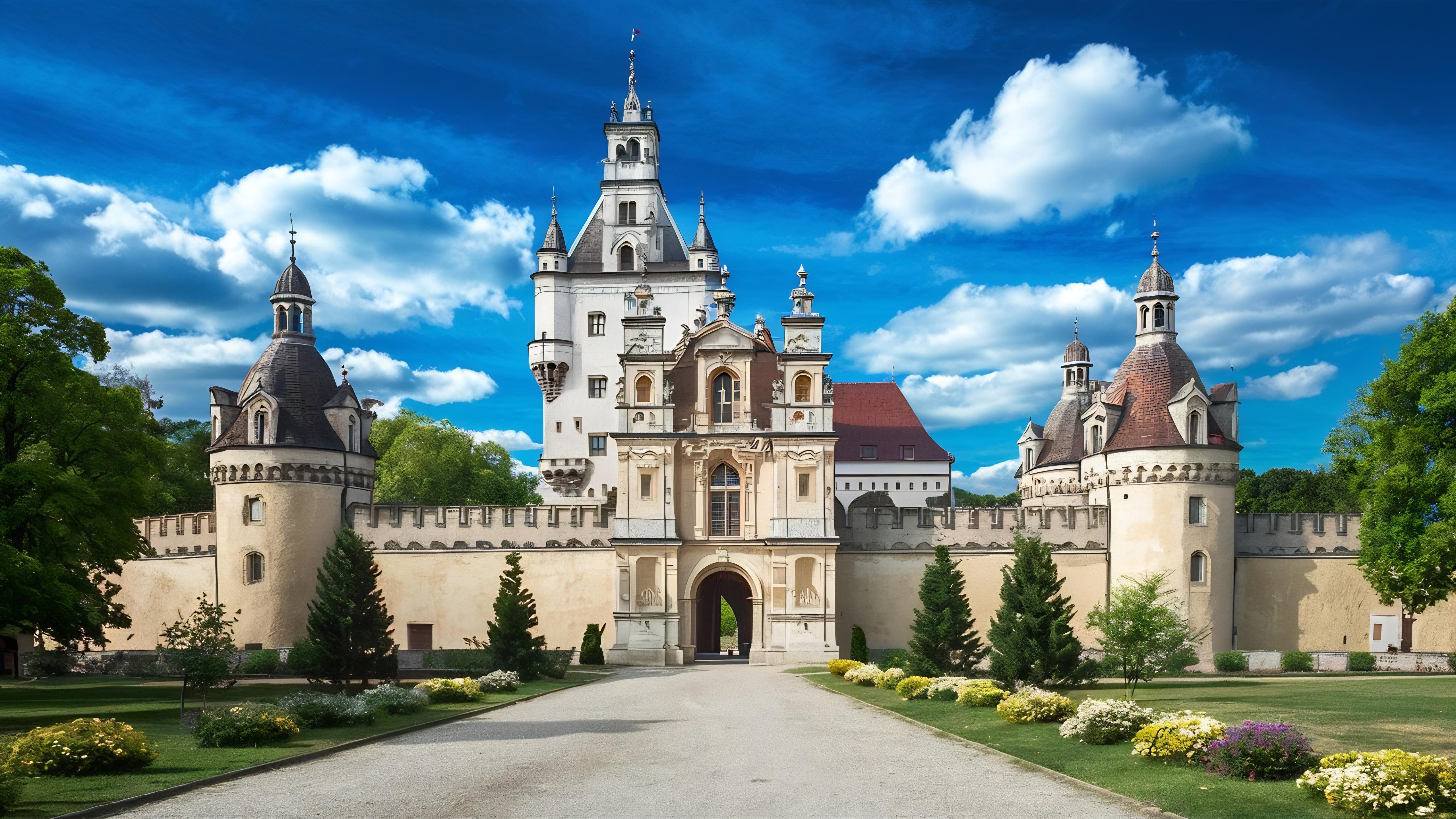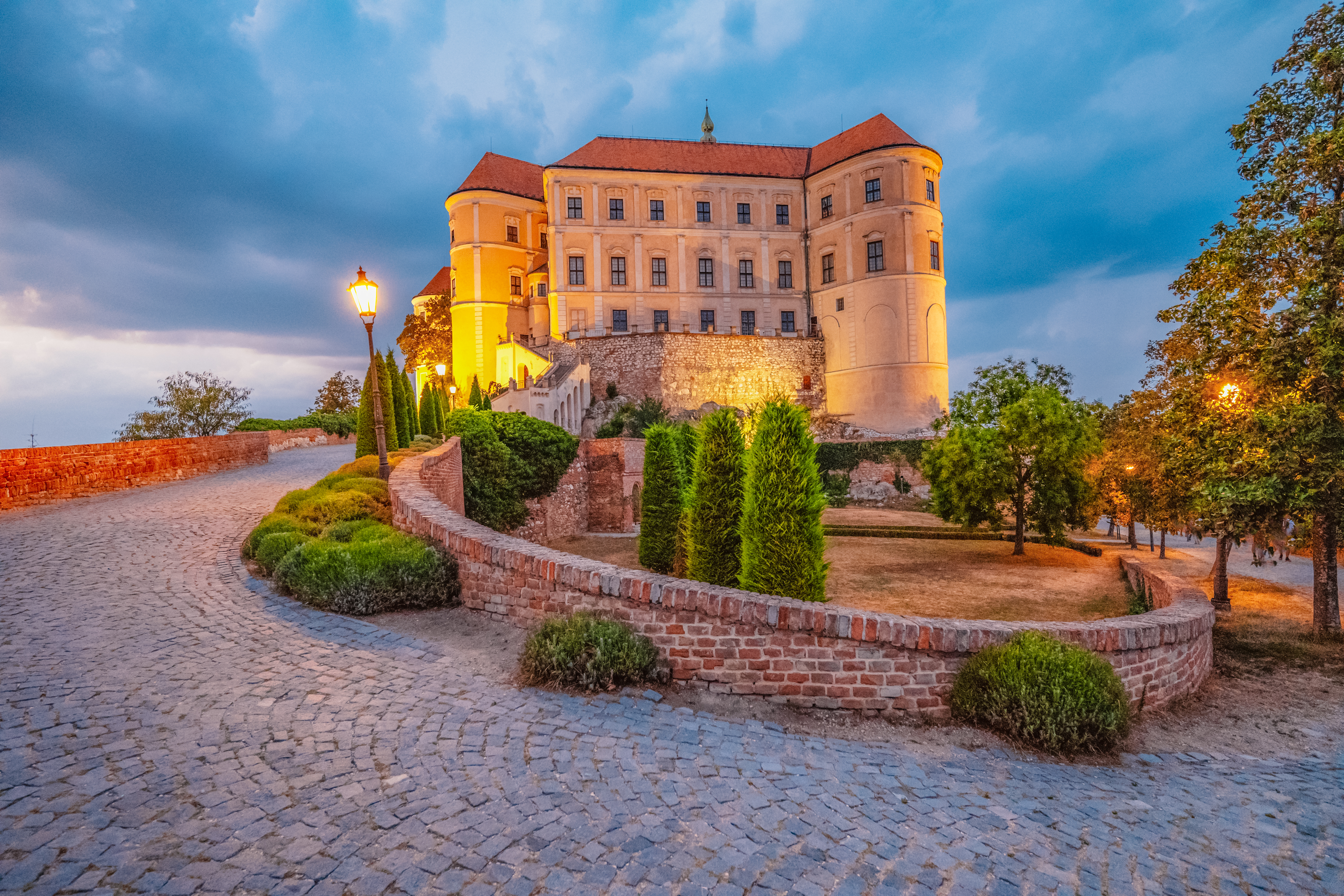

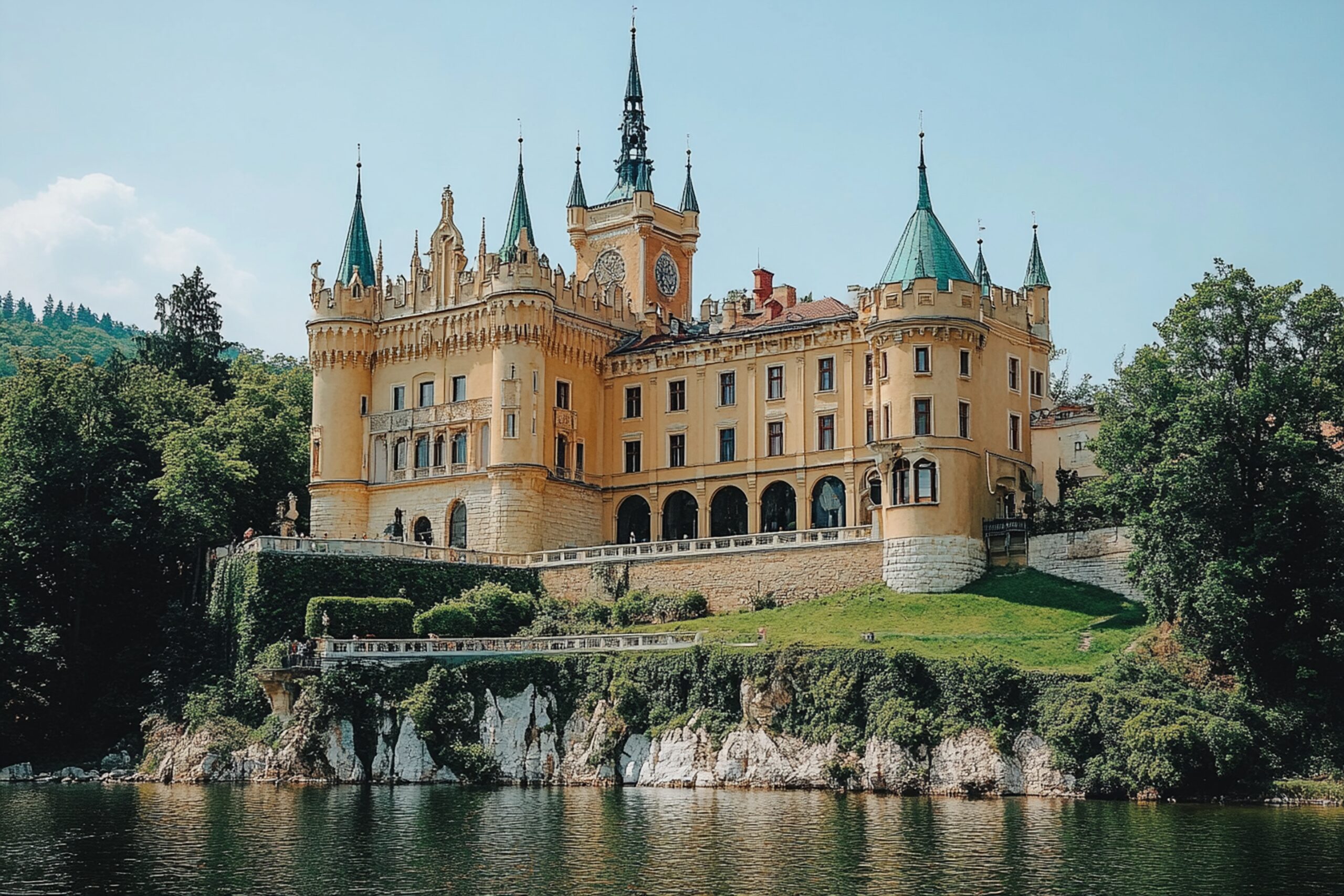
The majestic Bojnice Castle, also known as Weinitz Castle or Bojnický zámok in Slovak, is not only the most visited museum in Slovakia, but also a place where stories, myths, and legends intertwine. Picturesquely situated in the mountainous landscape of the Trenčín region, it has fascinated visitors for centuries. Originally mentioned in a document from Zobor Abbey in 1113, the history of this fascinating building began with a modest wooden structure, which was gradually replaced by stone.
The beginning of a long history – In 1302, the castle became the property of Matthias Csák, who ruled over virtually the entire western and central Slovakia. King Wenceslas III of Hungary had transferred this valuable property to him. However, this was only the beginning of a long series of changes in ownership. In the 15th century, the castle became the favorite residence of King Matthias Corvinus, who handed it over to his illegitimate son Johann Corvin in 1489. Matthias loved to dictate his decrees under a magnificent linden tree, now known as “King Matthias’ Linden Tree.”
From the Middle Ages to the Renaissance – After the death of Matthias Corvinus, the castle passed into the possession of the Zápolya family. Finally, in 1528, the wealthy Thurzó family acquired the estate and had it rebuilt in the Renaissance style. The Thurzos invested heavily in transforming the castle into a magnificent residence. These renovations were continued from 1646 onwards by the subsequent owners, the Pálffy family. Johann Pálffy (1829–1908) in particular made significant changes. He had the castle extensively renovated between 1888 and 1909, giving it its current romantic appearance, inspired by the French castles on the Loire. Johann Pálffy was a passionate collector of antique tapestries, drawings, paintings, and sculptures, and he created an impressive collection that still enriches the castle today. After his death, the castle was sold in 1939, together with the spa and surrounding lands, to Jan Antonín Baťa, the head of the famous shoe manufacturer Bata. But the peaceful times did not last long.
Dark times and reconstruction – During World War II, the castle played a grim role as a training center for the Hlinka Guard. At a chilling conference on the “Jewish question” in July 1942, Interior Minister Alexander Mach announced that all 40,000 remaining Jews were to be deported. After the war, Baťa’s assets were confiscated and the castle served various state institutions. Tragically, on May 9, 1950, a fire broke out in the castle, causing considerable damage. However, with the state-initiated reconstruction, a new era began for the castle. It became a branch of the Slovak National Museum and specialized in the presentation of historicism. Since 1970, it has had the status of a national cultural monument and attracts countless visitors every year.
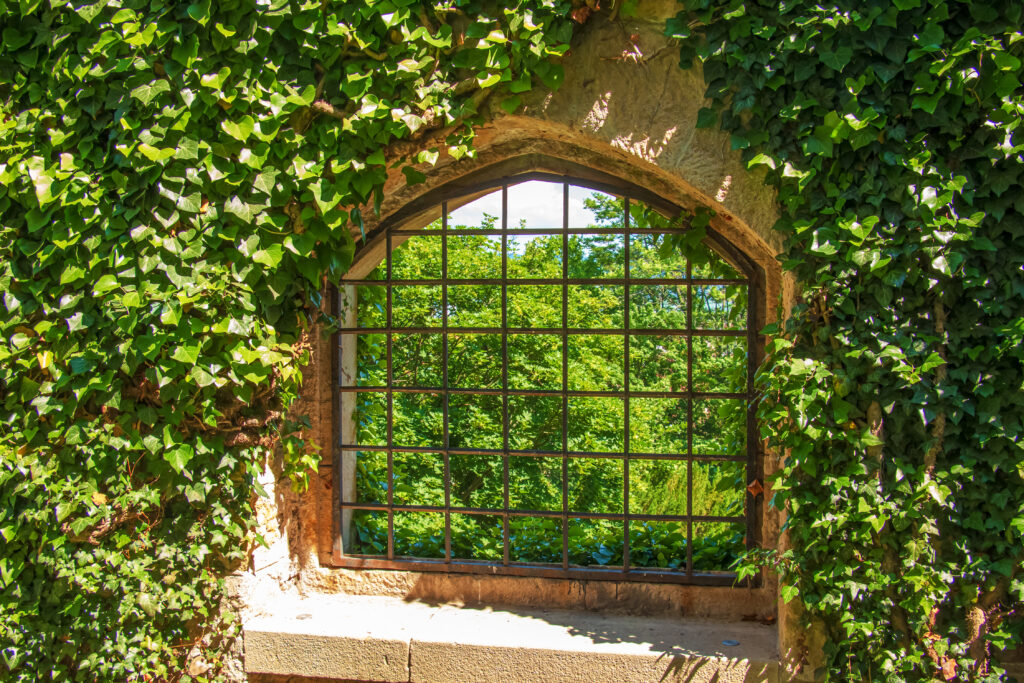
Secrets and unexplained phenomena – In addition to its rich history, Bojnice Castle is also the setting for numerous legends and myths. Legends tell of secret passages and hidden treasures that are said to lie deep within the castle walls. One particularly well-known legend tells of a cursed treasure that was allegedly hidden by the Thurzó family. Anyone who tries to find it is said to be struck by an eerie curse. Another mystery surrounds the secret passageway that leads from the castle in unknown directions. Some believe that this passageway leads to the nearby spa town, while others suspect that it leads to an underground hiding place where valuable artifacts and documents are kept. To this day, however, no one has succeeded in completely unraveling its secrets.
Modern fascination – Today, Bojnice Castle combines history, art, and adventure. Annual events such as the International Ghost Festival and the annual jousting tournament attract visitors from all over the world. During the festival, brave souls can experience the ghostly legends and dark stories firsthand on nighttime tours of the castle. Actors in historical costumes and impressive light installations ensure an unforgettable experience. The castle is also known for its impressive art collections. Visitors can admire exquisite tapestries, paintings, and sculptures that offer a glimpse into the creative splendor of bygone eras. Particularly fascinating is the chapel, which is a true gem with its ornate frescoes and decorated altars.
Bojnice Castle is much more than just a historic building. It is a living testimony to the past, having housed generations of rulers, artists, warriors, and visionaries. Its walls tell stories of power, passion, art, and mysticism. In every corner of the castle, visitors can feel the traces of time and let themselves be carried away by the numerous myths and legends into a bygone era.
Although technological developments and modern amenities have helped restore the castle to its former glory, the core of its history remains ever-present. Bojnice Castle, a jewel of Slovakia, will always be a place where the past is alive and the secrets of history live on.