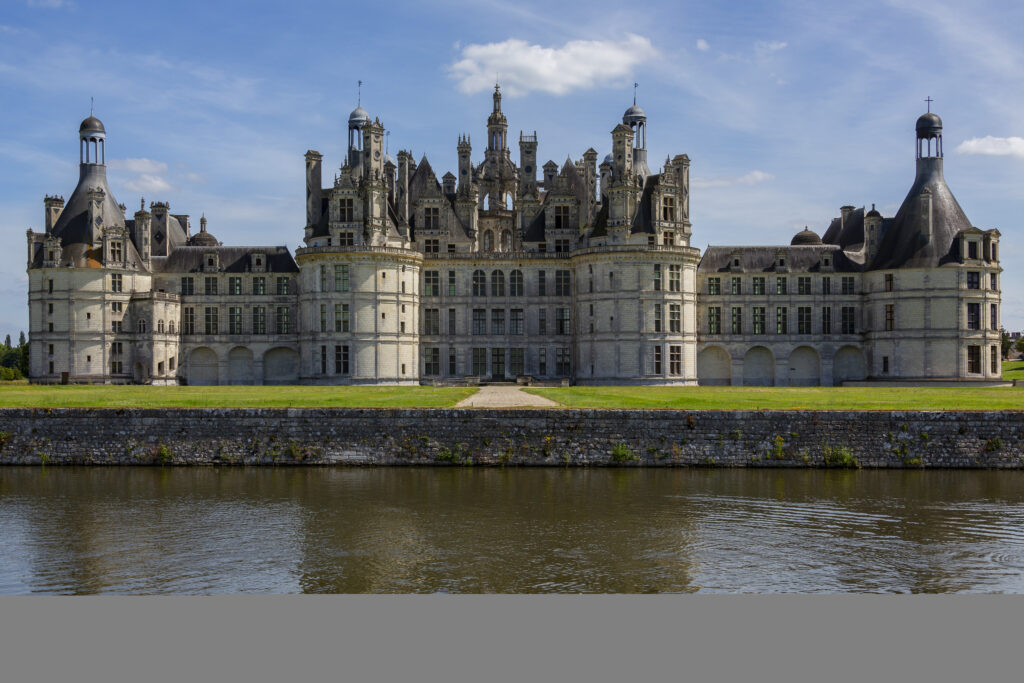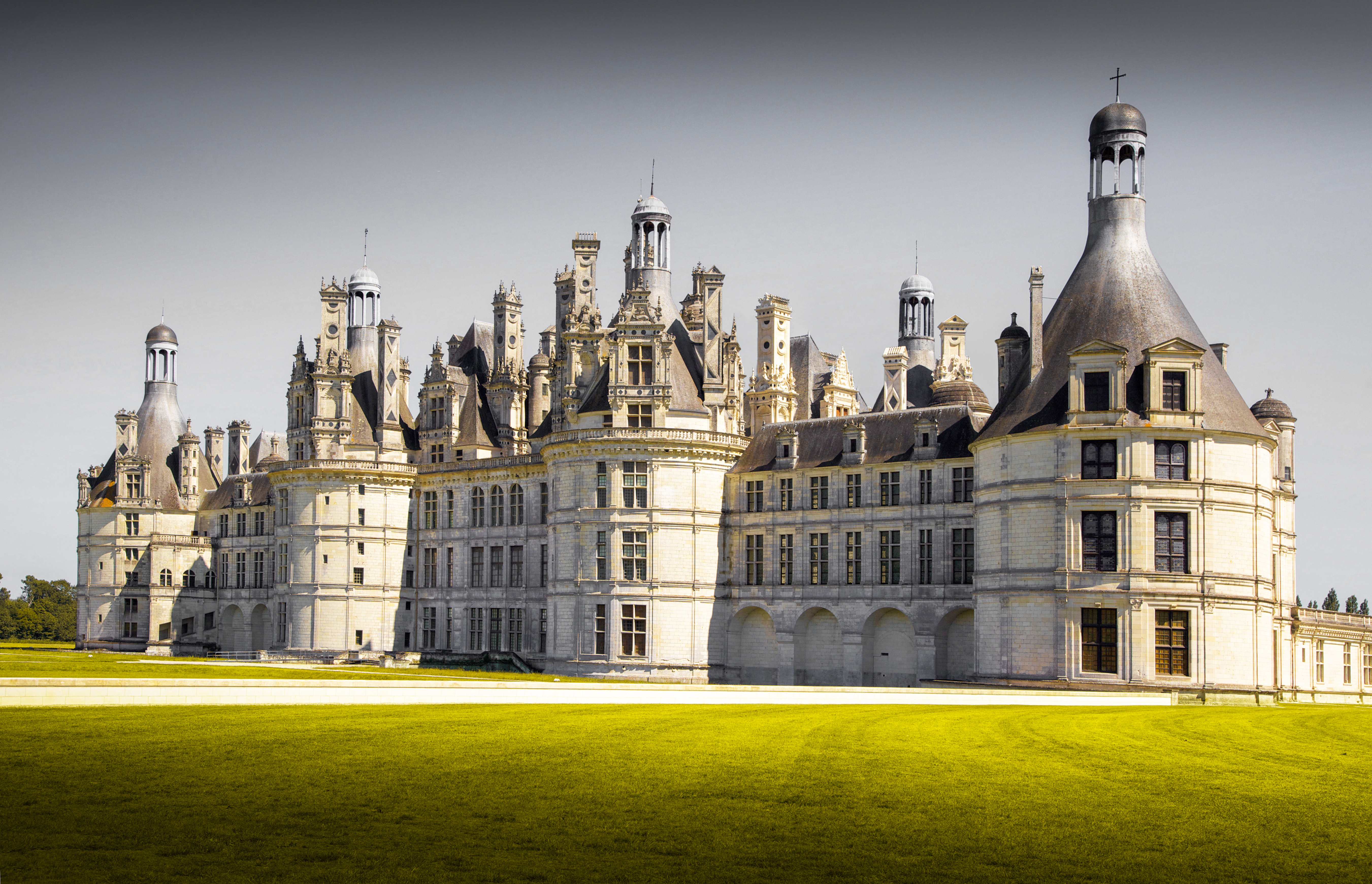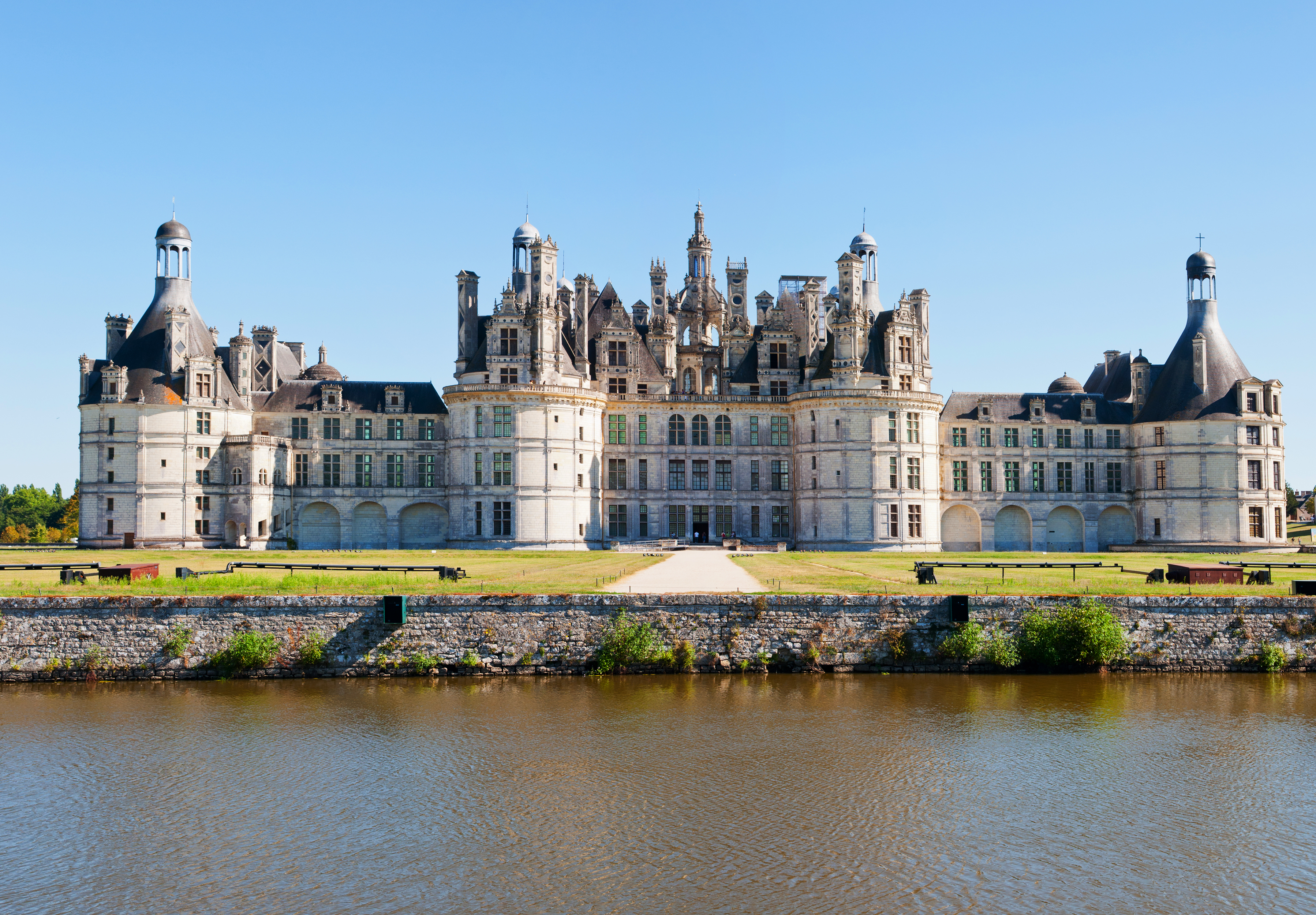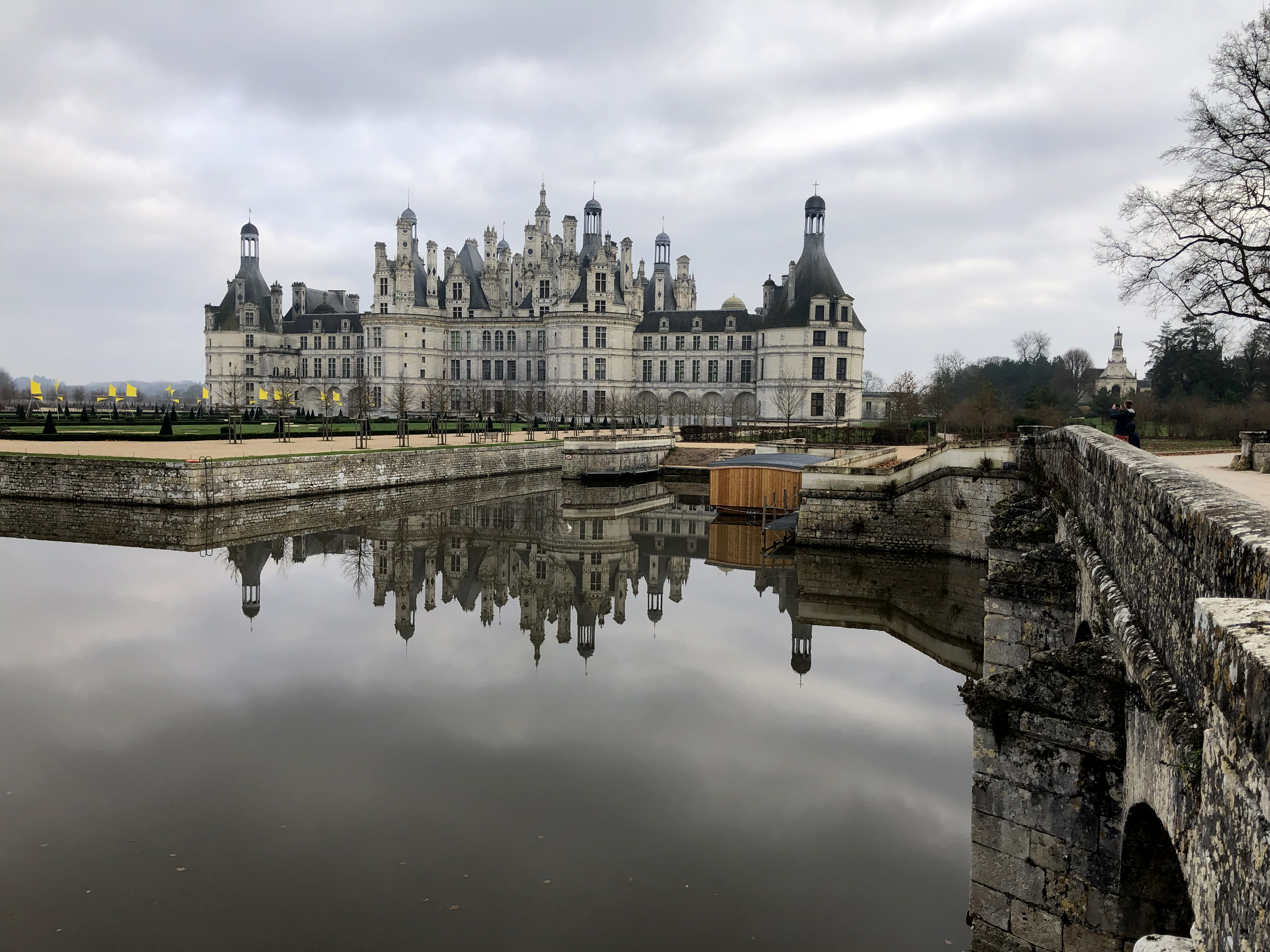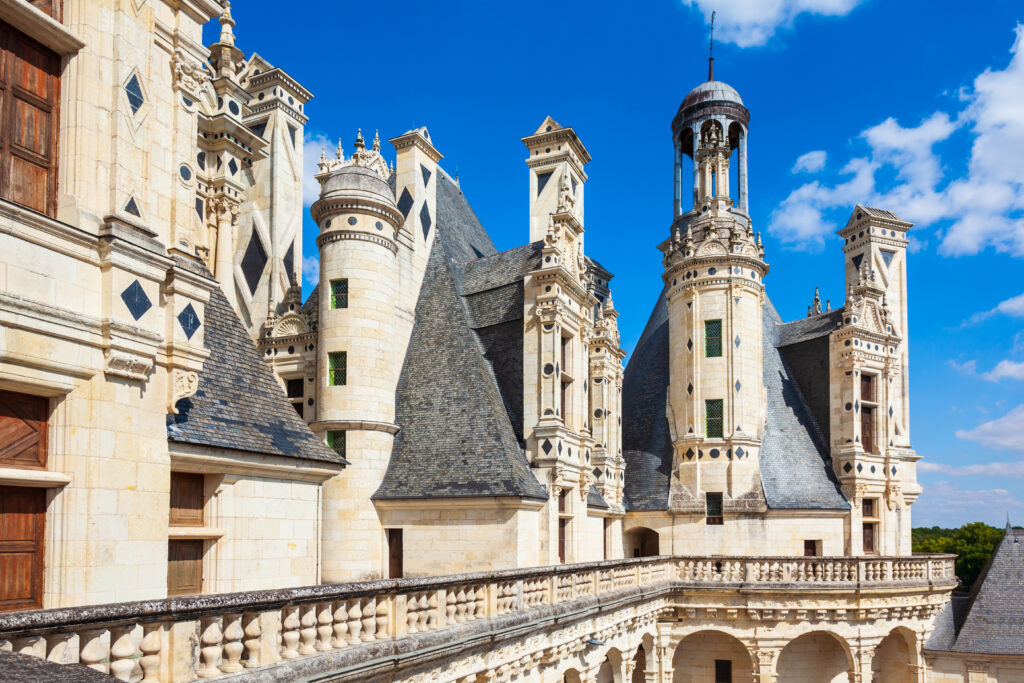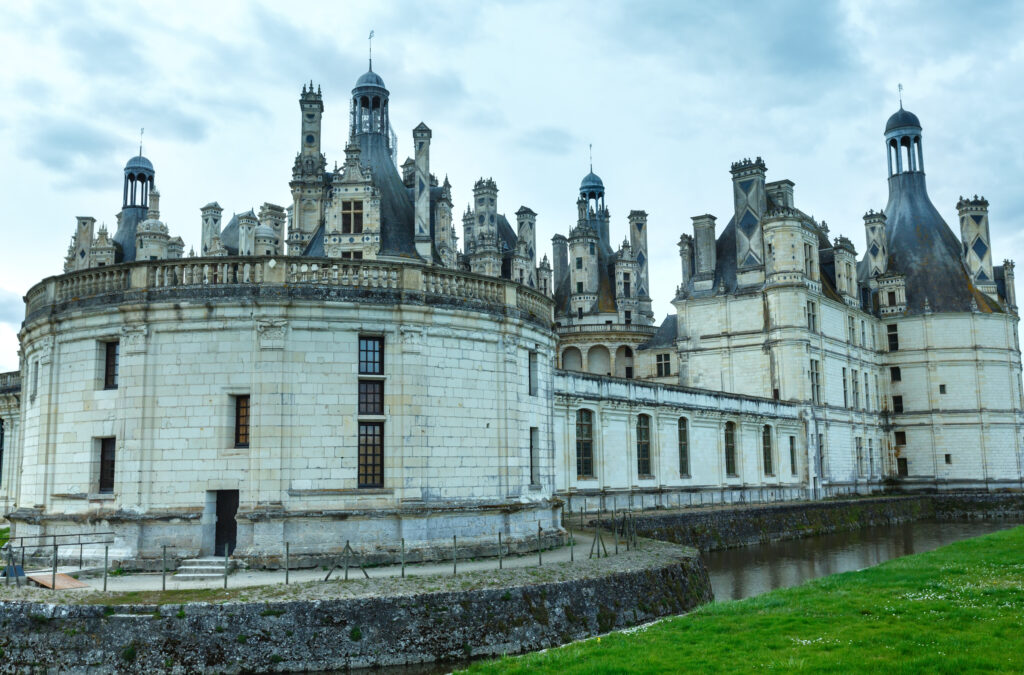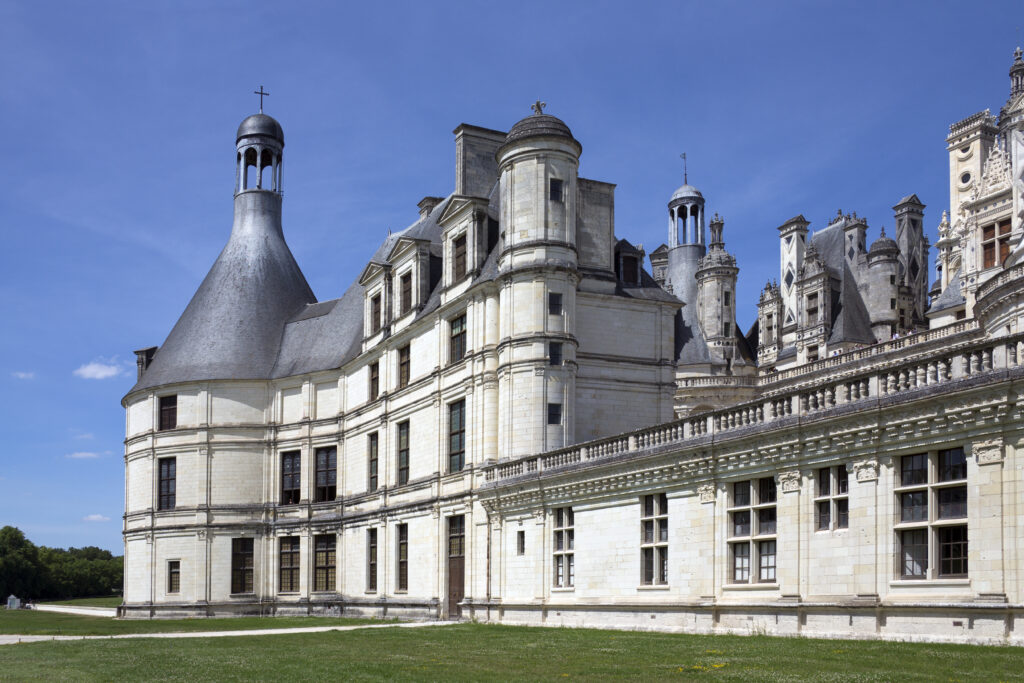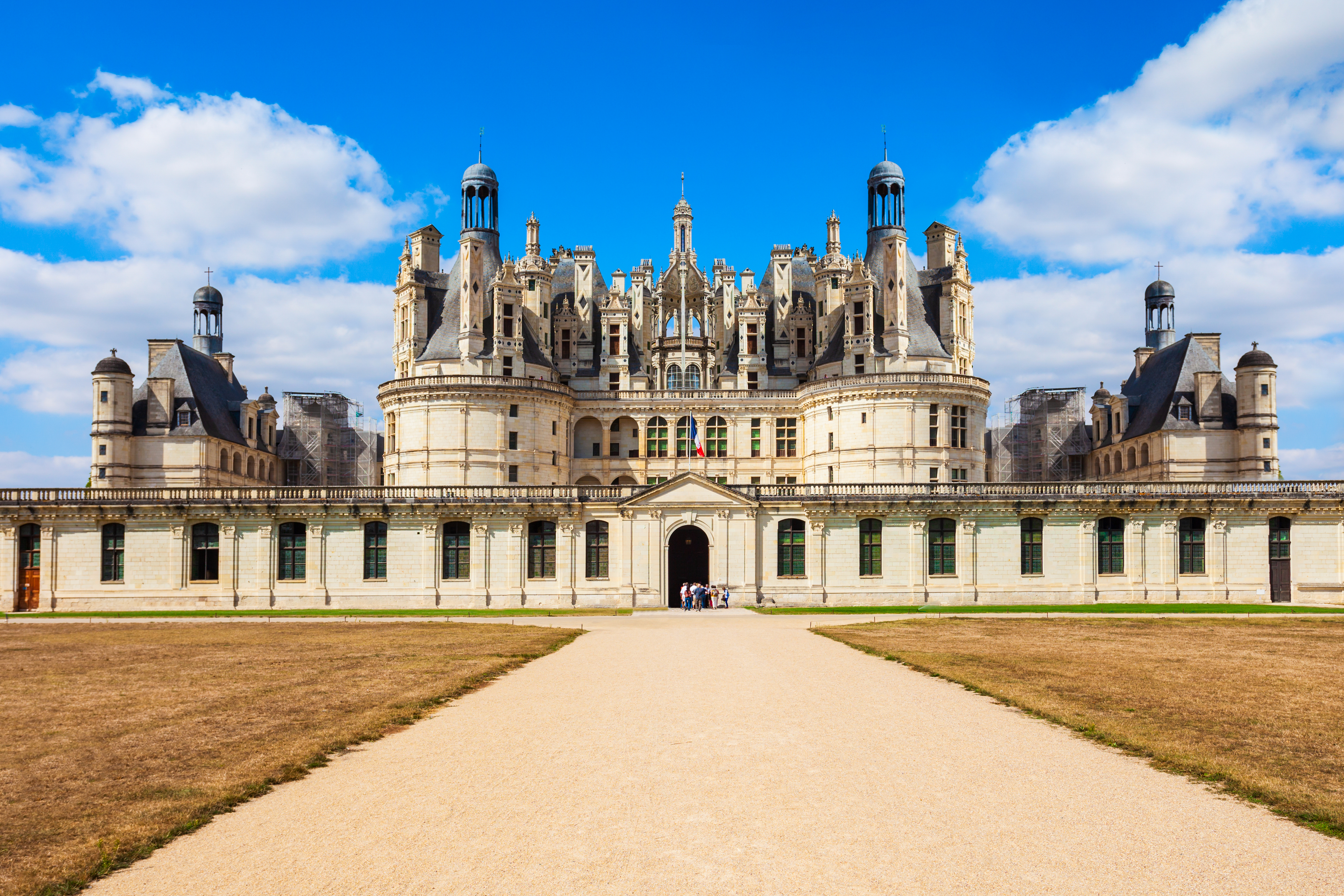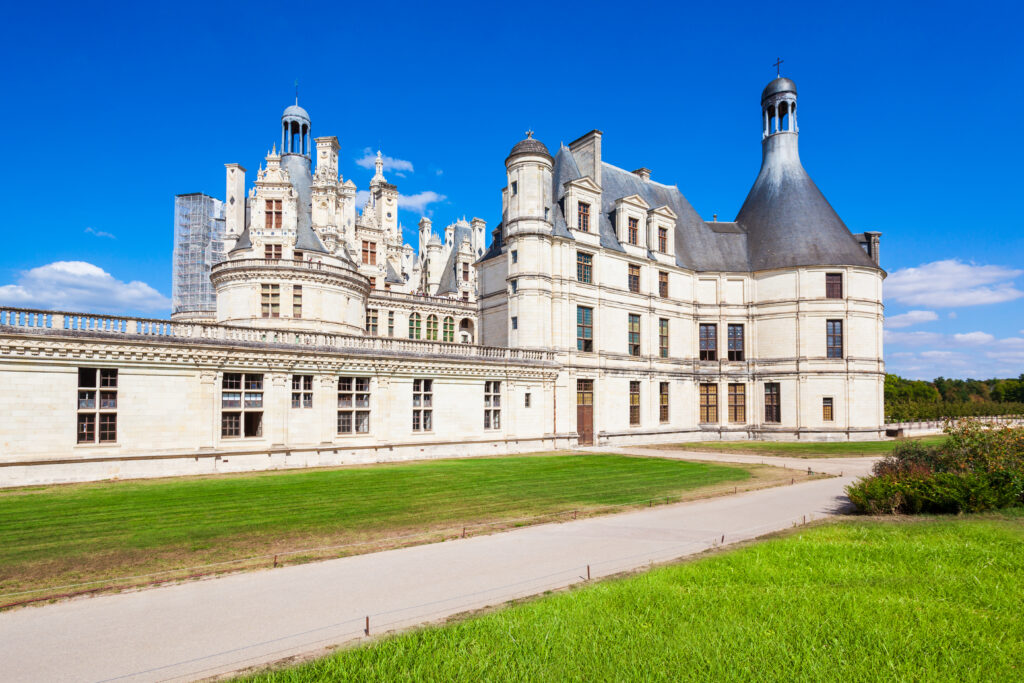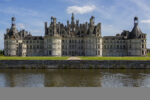

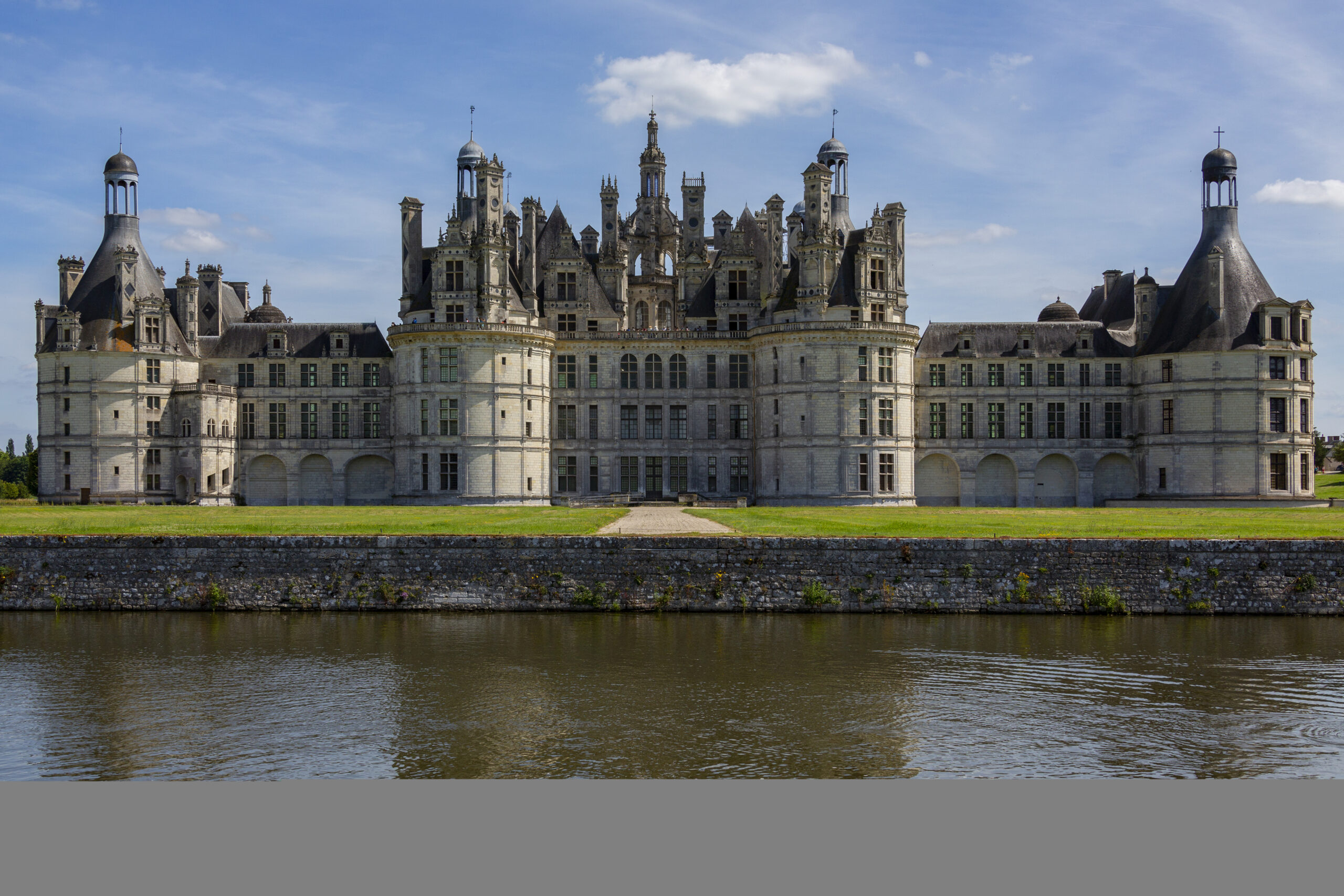
A majestic stone monster rises in the heart of the Loire Valley. Chambord Castle, the largest of all the Loire castles, is more than just an architectural masterpiece. It is a stage on which dramas of power, ambition, and human imperfection were played out. With its opulent appearance and rich history, it not only attracts tourists, but also harbors myths and legends that are as fascinating as the story of its builder – King Francis I.
A monument of pride – Chambord Castle was built in the first half of the 16th century, at a time when the Loire Valley was considered the cultural center of courtly France. It was here that King Francis I, a monarch with ambitions and a penchant for pomp and splendor, had his hunting lodge built. But it was not to be just any hunting lodge, but one that symbolized his power and France’s influence in Europe. Chambord was to be a monument to his dreams of imperial grandeur, a stone manifestation of his ambitions to dethrone the Habsburg Emperor Charles V as ruler of the Holy Roman Empire.
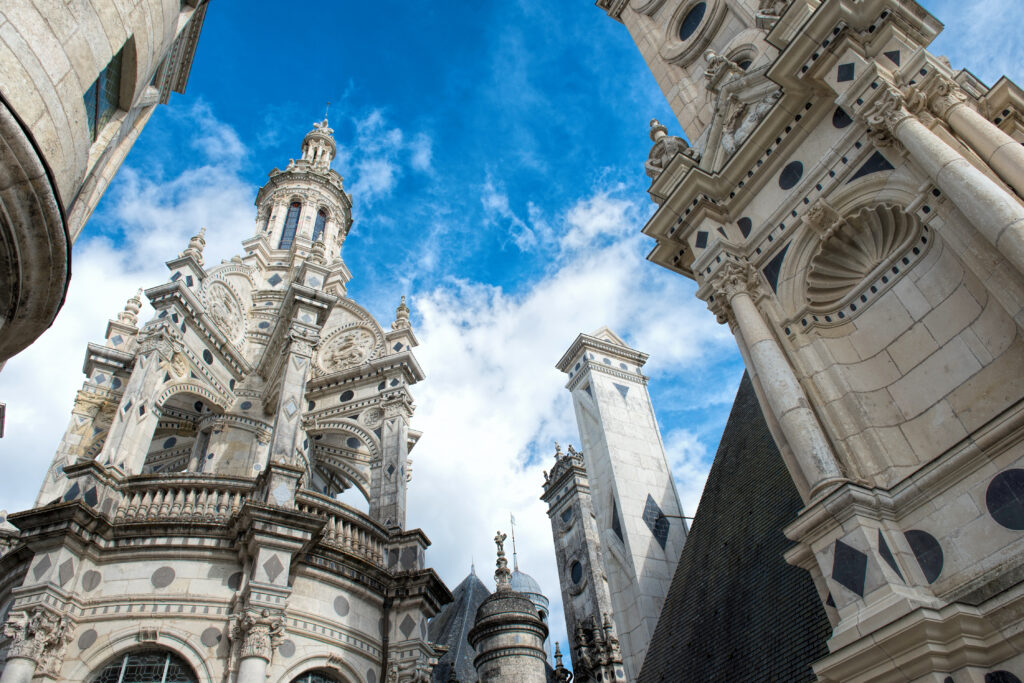
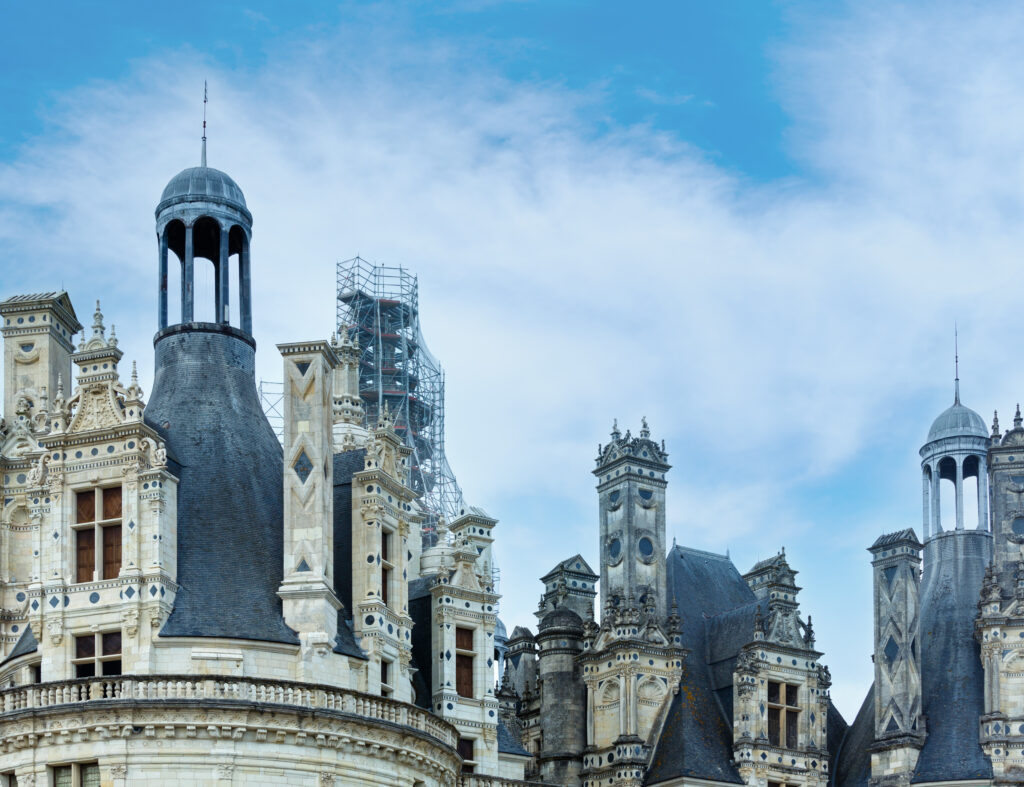
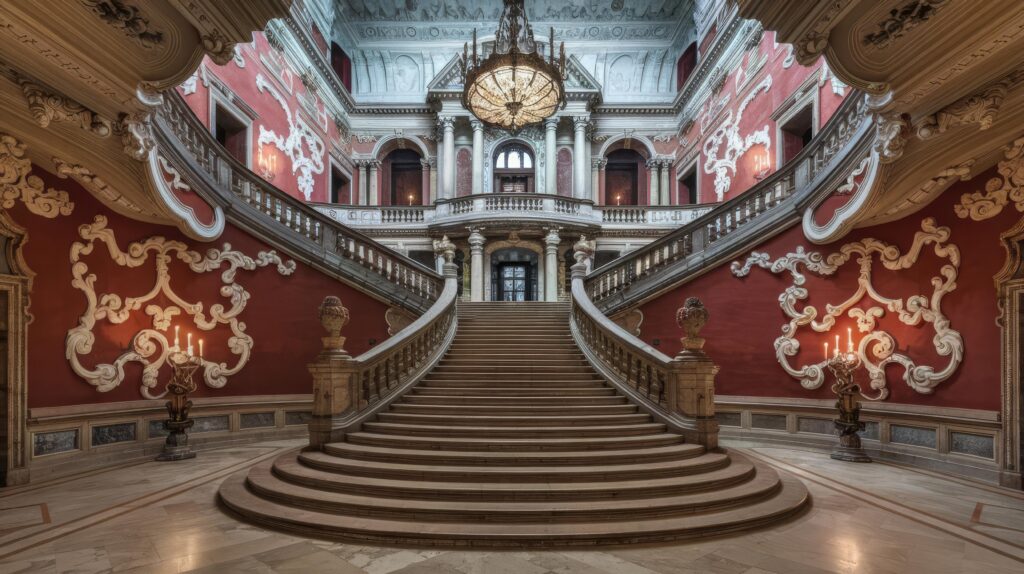
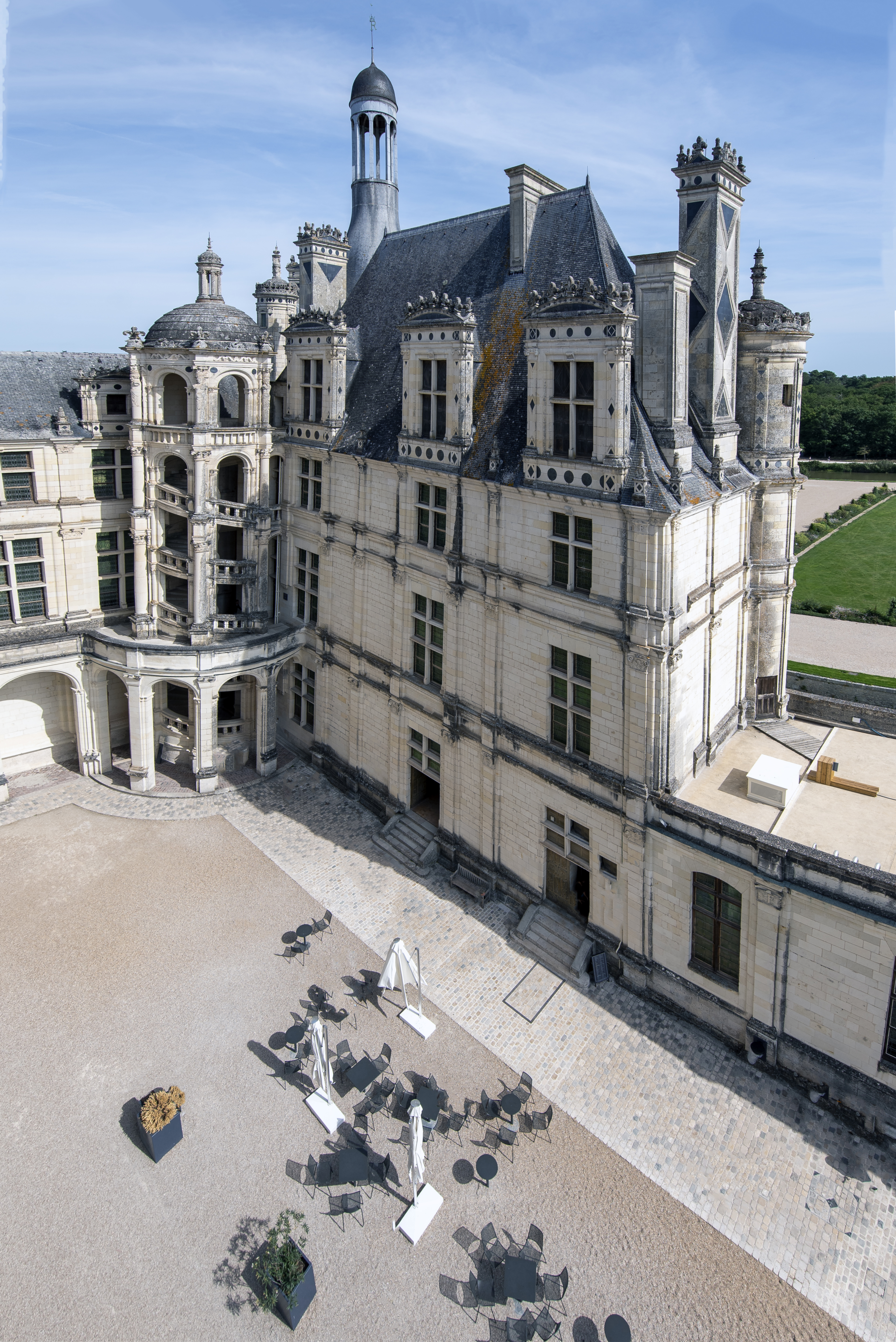
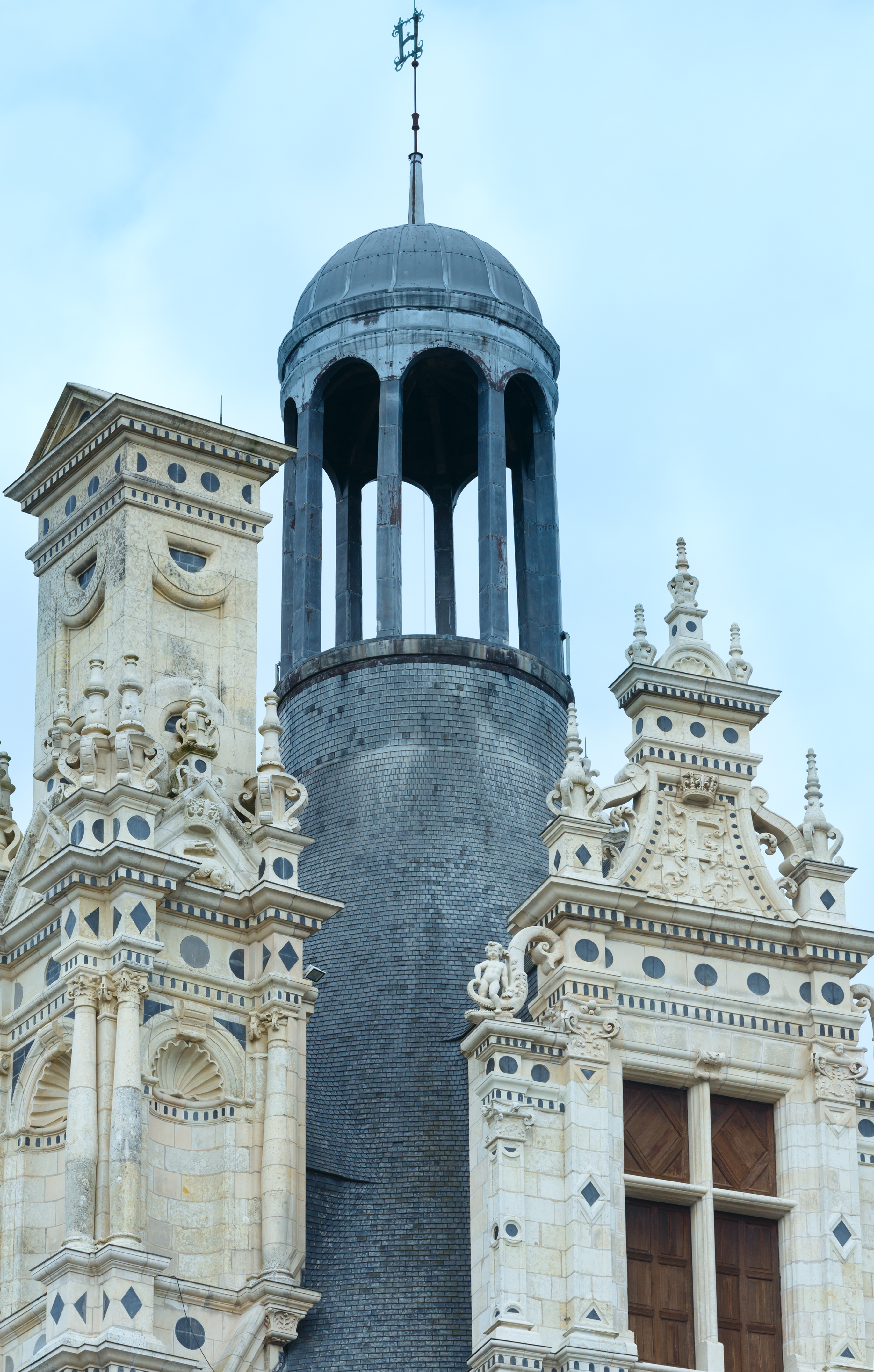
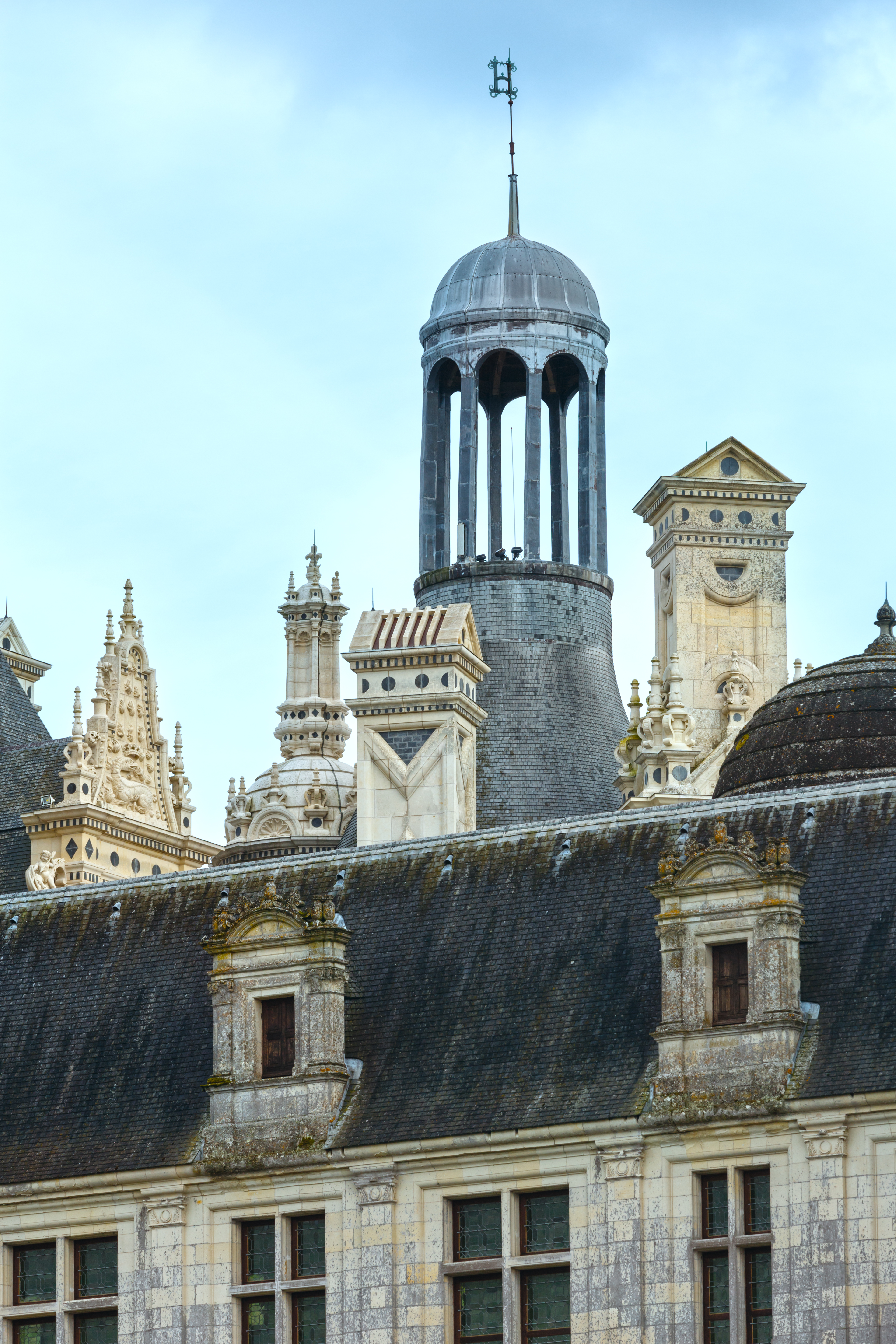
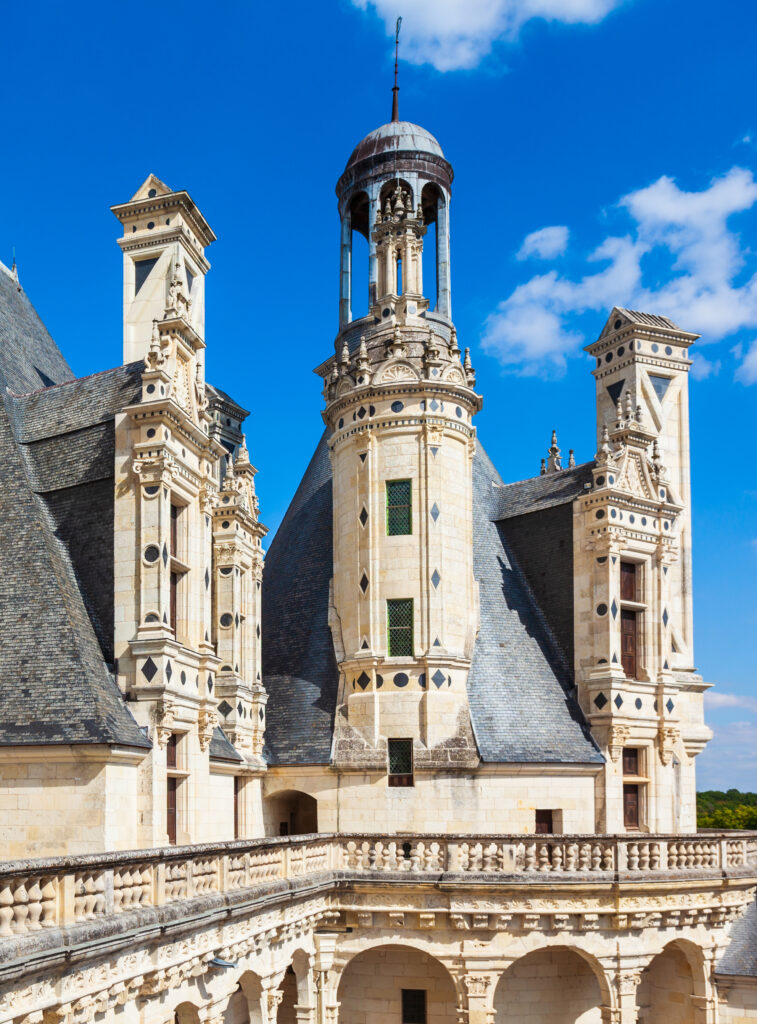
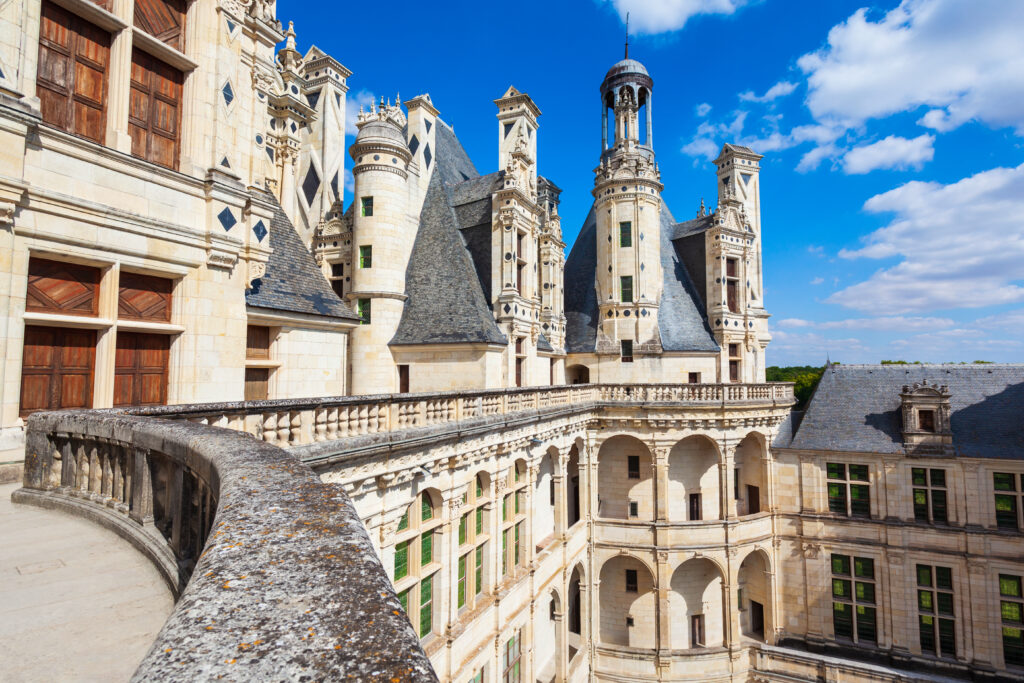
A labyrinth of art and science – The castle itself is a labyrinth of art and science. The plans probably bear the signature of Leonardo da Vinci, whose influence is visible in the asymmetrical elements and the innovative central spiral staircase. This double staircase, which winds its way up to the roof in an open lantern, is not only an architectural marvel, but also a symbol of infinity and eternal progress – a fitting symbol for a king who wanted to explore the limits of what was possible.
A place of splendor and emptiness – Yet despite its size and splendor, the Château de Chambord was never a permanent residence. Francis I spent only a few weeks here. Apart from occasional hunting trips, the castle lay abandoned, a victim of its own megalomania. It could accommodate thousands, but most of the time it stood empty, unused like the unfulfilled dreams of its builder. Not even the opulent celebrations held here by the Sun King Louis XIV could breathe new life into the eerily silent monument.
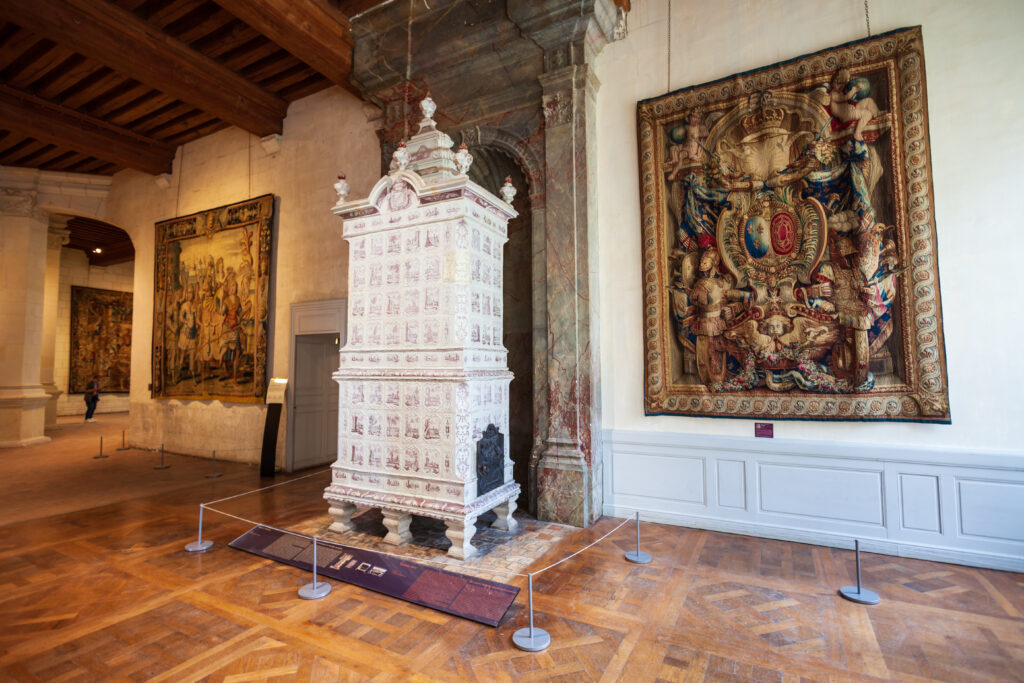
Heroes and destinies – Over the years, Chambord transformed from a royal prestige object into a scene of historical events. During the Franco-Prussian War, it served as a military hospital and was stormed by Hessian troops. Under Maurice of Saxony, an incomparable military commander, the castle was given a new lease of life. He had swamps drained and created a menagerie to preserve the region’s animal diversity. His admiration for Saxon craftsmanship prompted him to import tiled stoves to dispel the unbearable cold of the stone halls.
The veil of legends – Not only historical figures, but also literary characters roamed the halls of Chambord. Molière’s ballet “The Bourgeois Gentleman” premiered here. Writers such as Gustave Flaubert and Chateaubriand were inspired by the mystical atmosphere of the castle and saw it as an almost deserted hotel, a place without purpose or destination, full of stories that were never told.
Rebirth in the modern era – It was not until the 19th century that Chambord regained attention and became a model for castle buildings throughout Europe. Schwerin Castle in Germany, in particular, was strongly influenced by the distinctive design of Chambord. Finally, in 1981, it was declared a UNESCO World Heritage Site, proof of its inestimable cultural value.
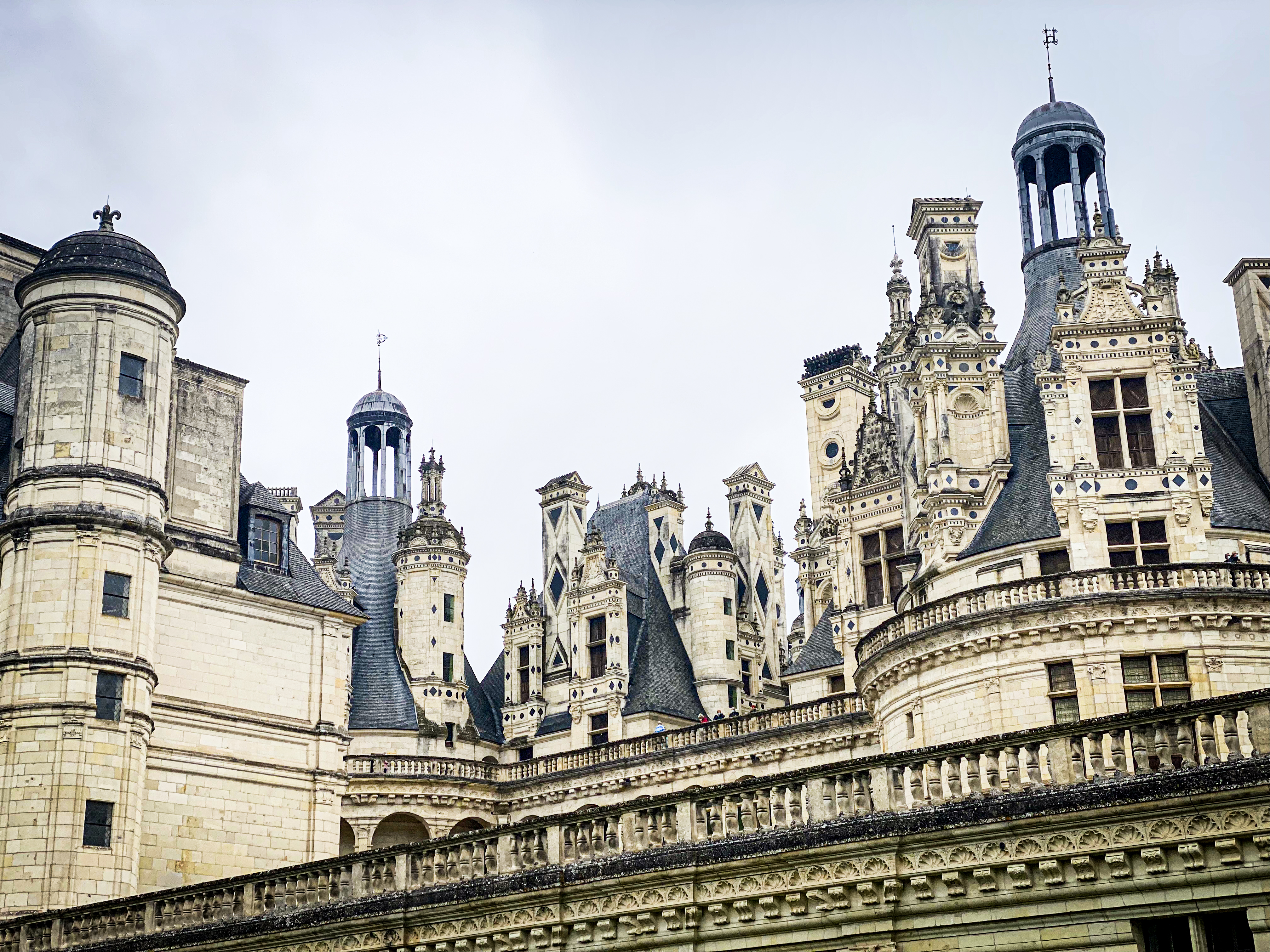
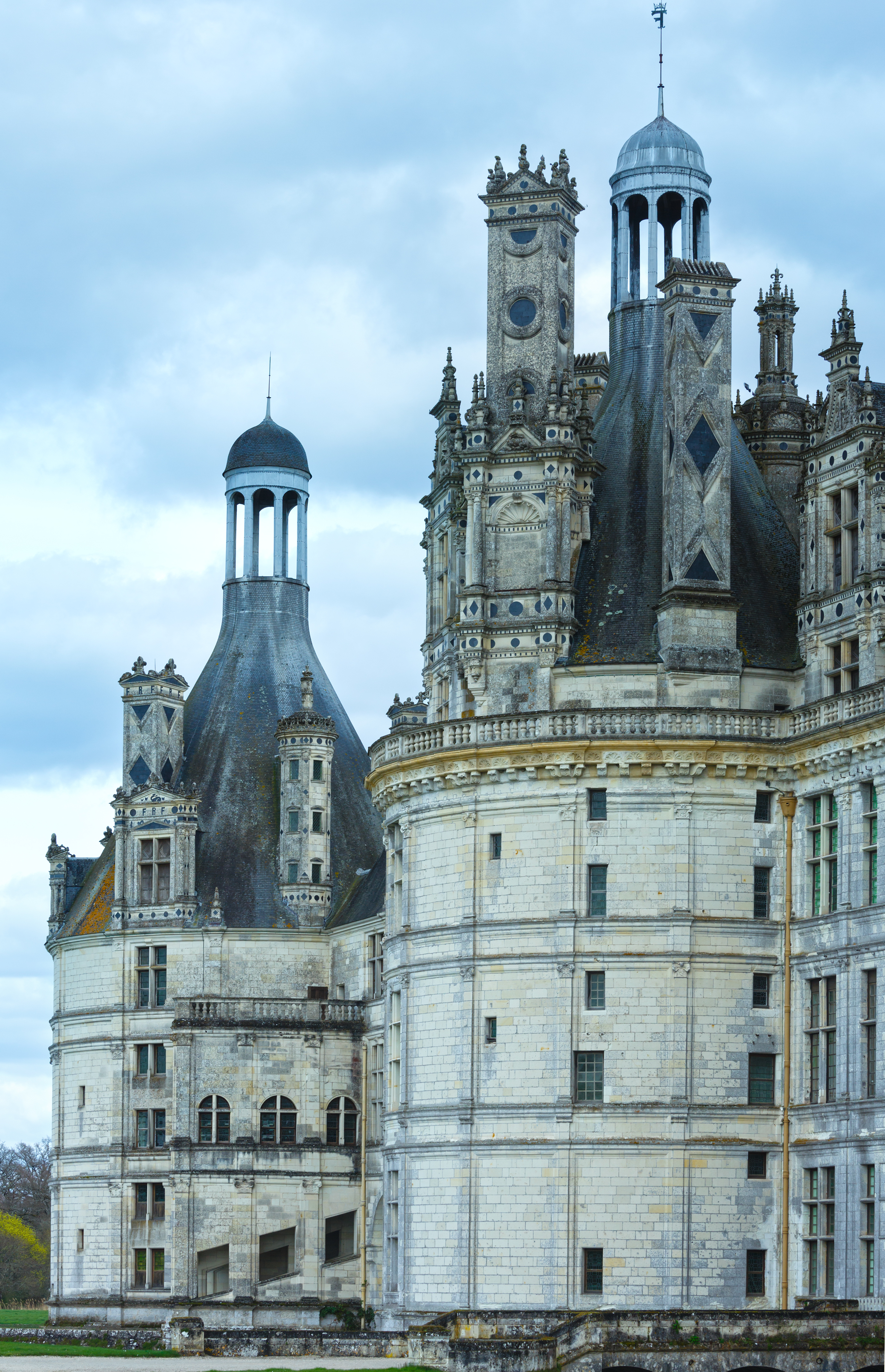
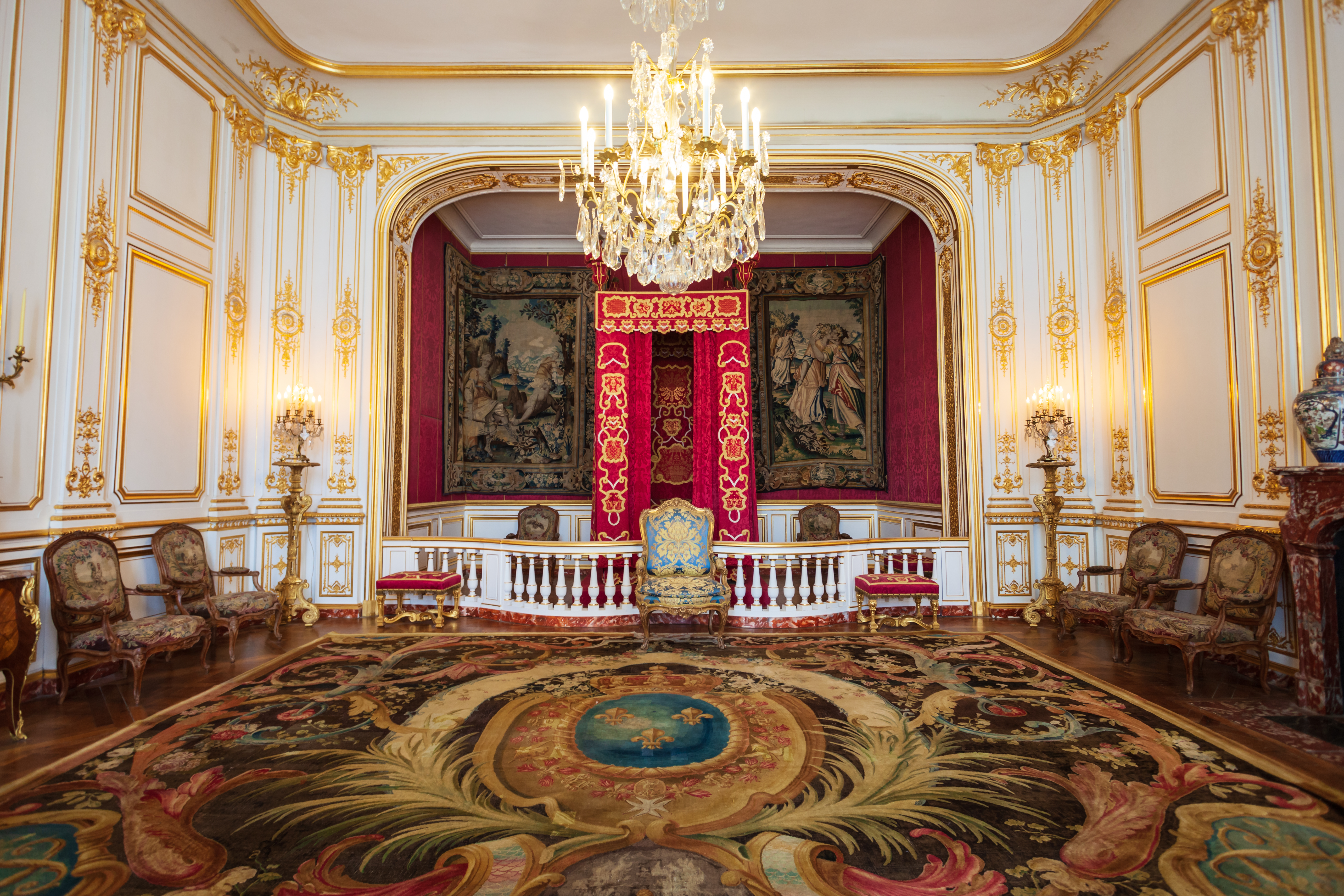
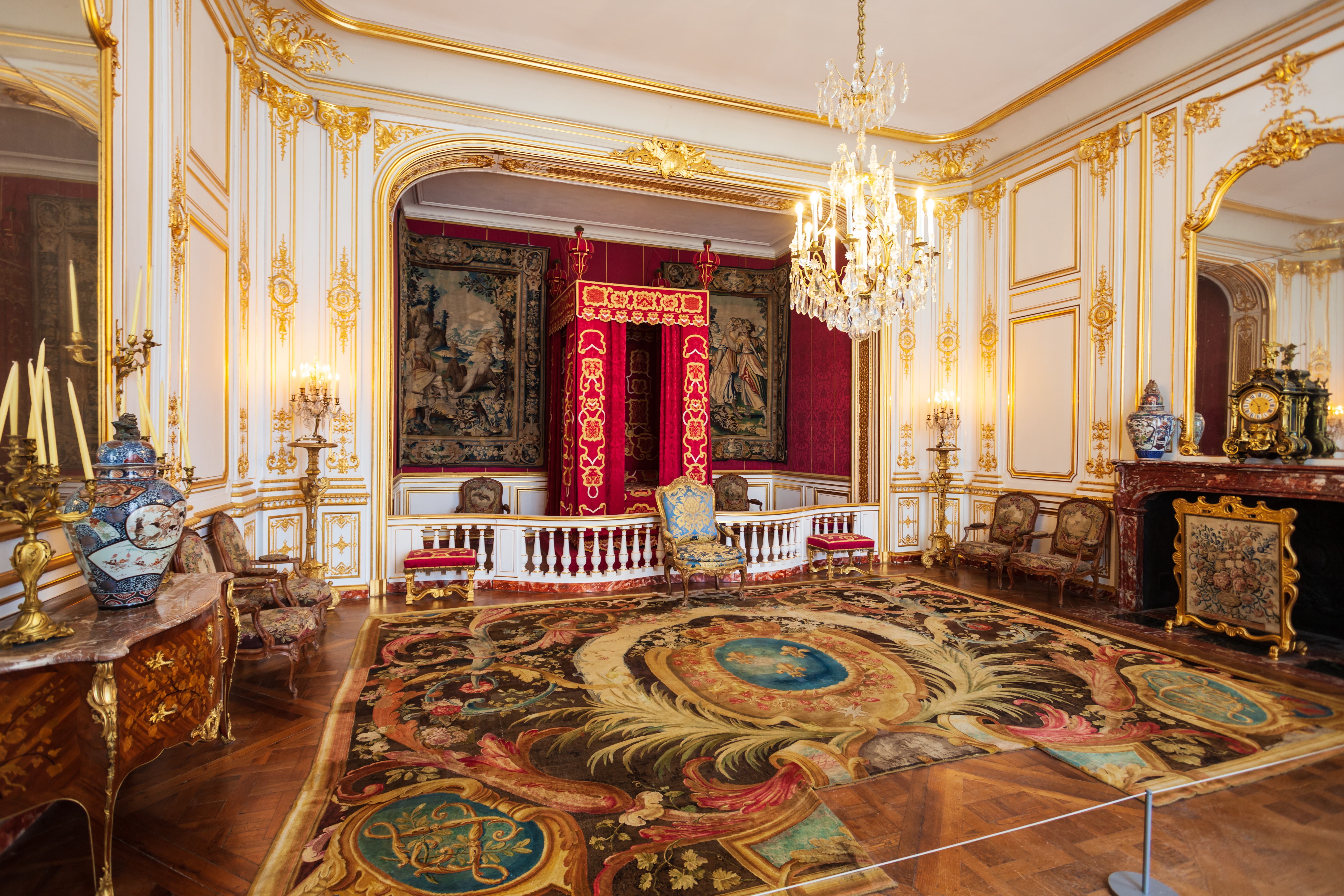
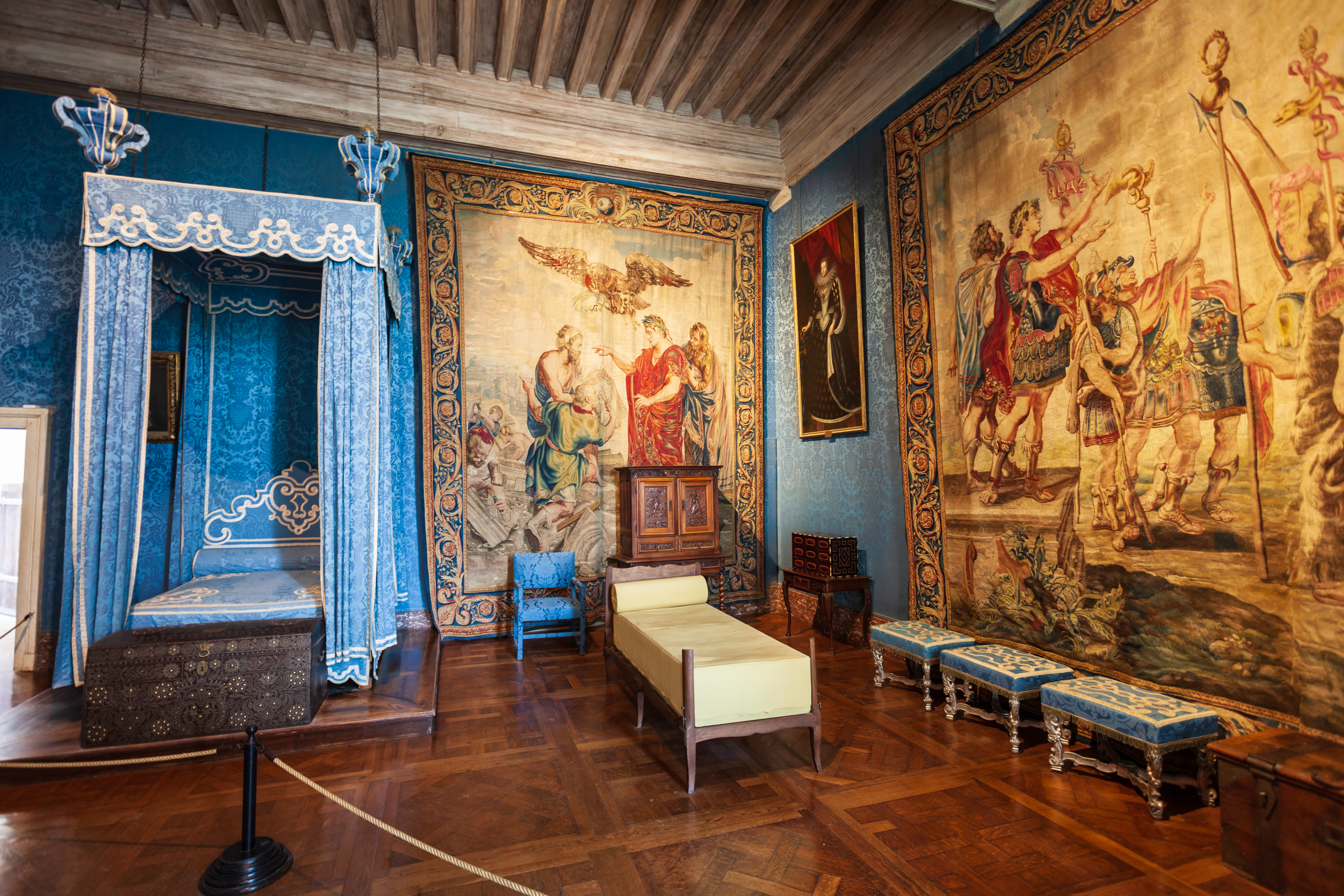
Ghosts of the past and dreams of the future – Today, the Château de Chambord is more than just a tourist attraction; it is a living museum of the Renaissance, revealing the splendor and tragedy of its history. Visitors can stroll through the magnificent rooms that were once filled with the pride of a king and indulge in exhibitions on historical and contemporary themes. But behind the limestone walls and beneath the weathered slate roofs, the history—or rather, the mystery—of Chambord remains hidden: a castle that promised more than it could ever deliver, yet has retained an aura of enduring charm and infinite potential throughout the centuries.
Myth and reality – The symbolism of the salamander, the king’s heraldic animal, is carved into the walls – a reflection of Francis I’s idea of feeding on good fire, the spirit, and extinguishing evil flames. Perhaps this is the true essence of Chambord: an eternal cycle of creation and destruction, of dreams and their decay. Thus, the Château de Chambord stands to this day as a stone witness to the French Renaissance, an era marked by its artistic and scientific achievements, but also by the dazzling illusions of its rulers. And while visitors stroll through the halls and trace the stories and myths, the castle remains the greatest mystery of the Loire Valley—a magnificent but unfinished epic about the human desire to weave together the past and the present.
The eternal echo of a dream – Chambord will always remain what it was in the days of Flaubert and Chateaubriand: a symbol of human ambition and the inevitability of transience. A place where the stones can speak if you listen closely. A palace that, despite its empty halls, is filled with the voices of the past, the echoes of failed plans, and the insatiable desire to leave traces in time.
Long live the strange stone monster in the heart of France, which remains majestic and mysterious, as if it stood outside of time itself. The Château de Chambord—a dream of marble and myth, a broken dream of power, full of stories still waiting to be discovered.