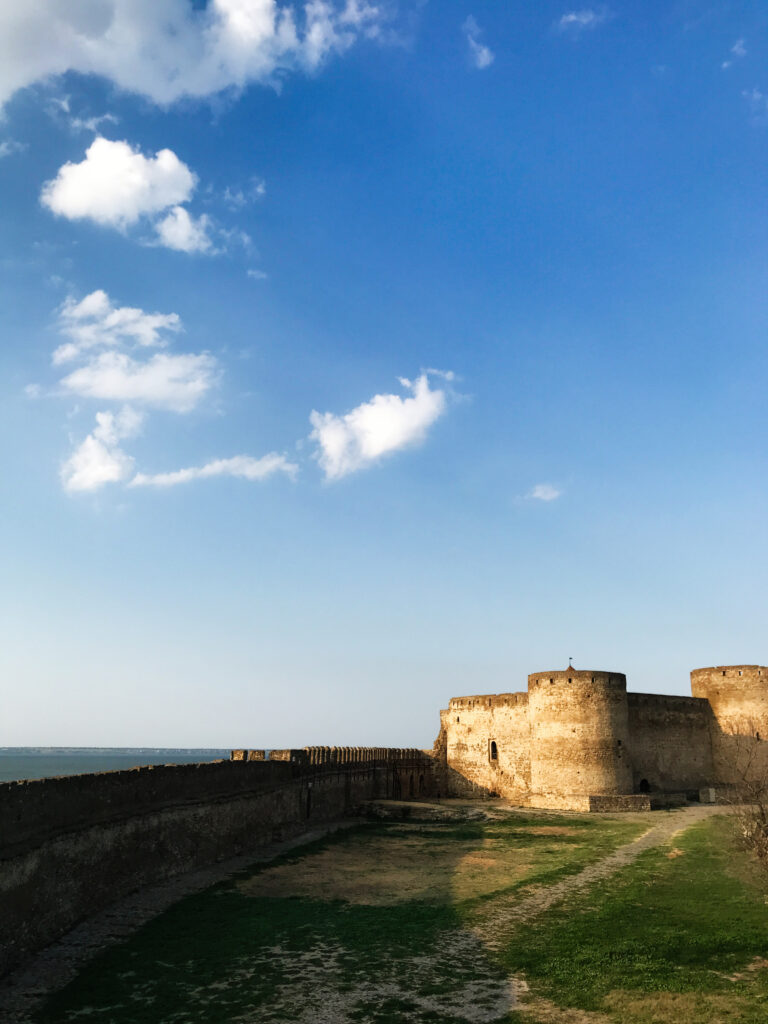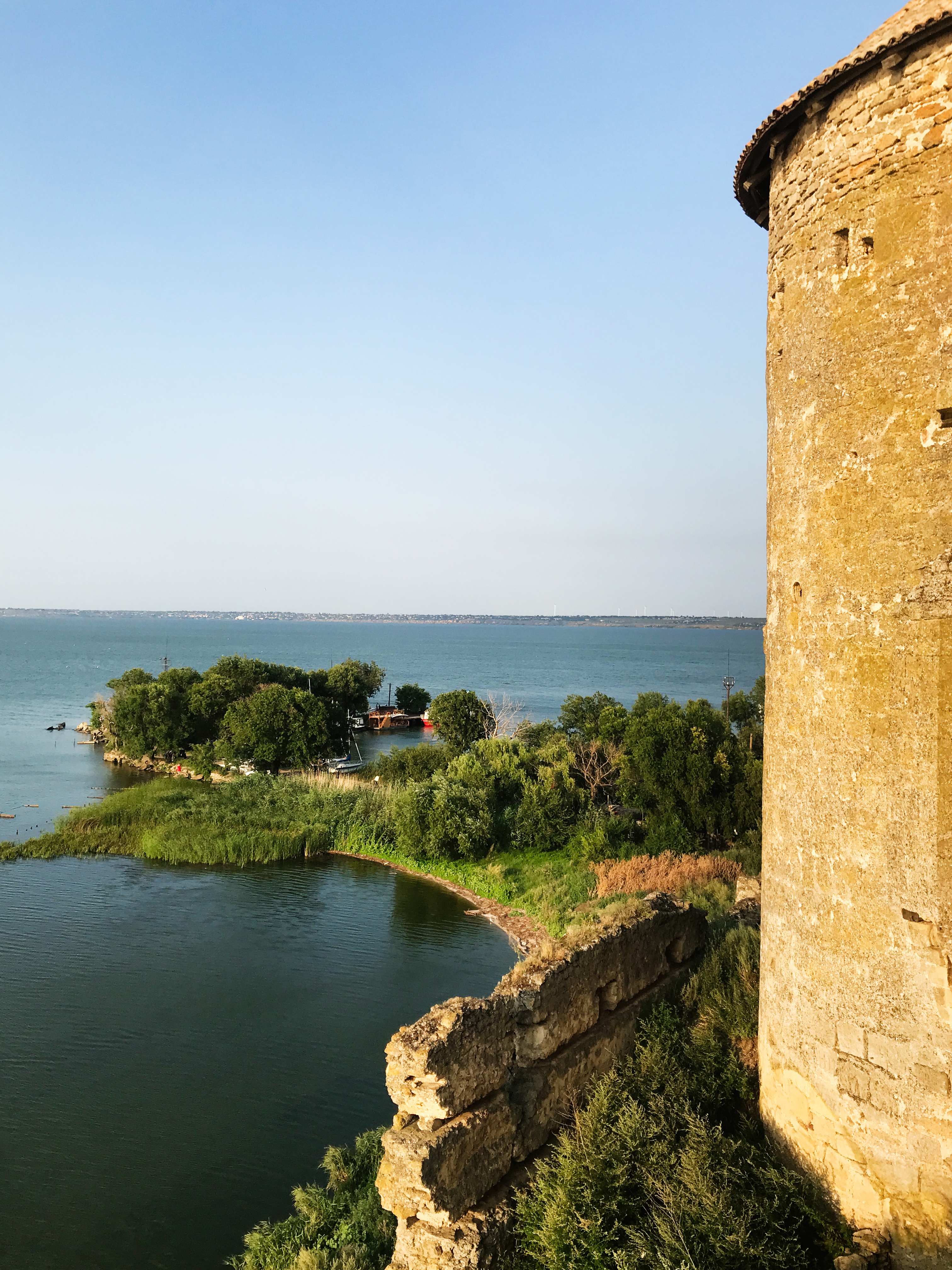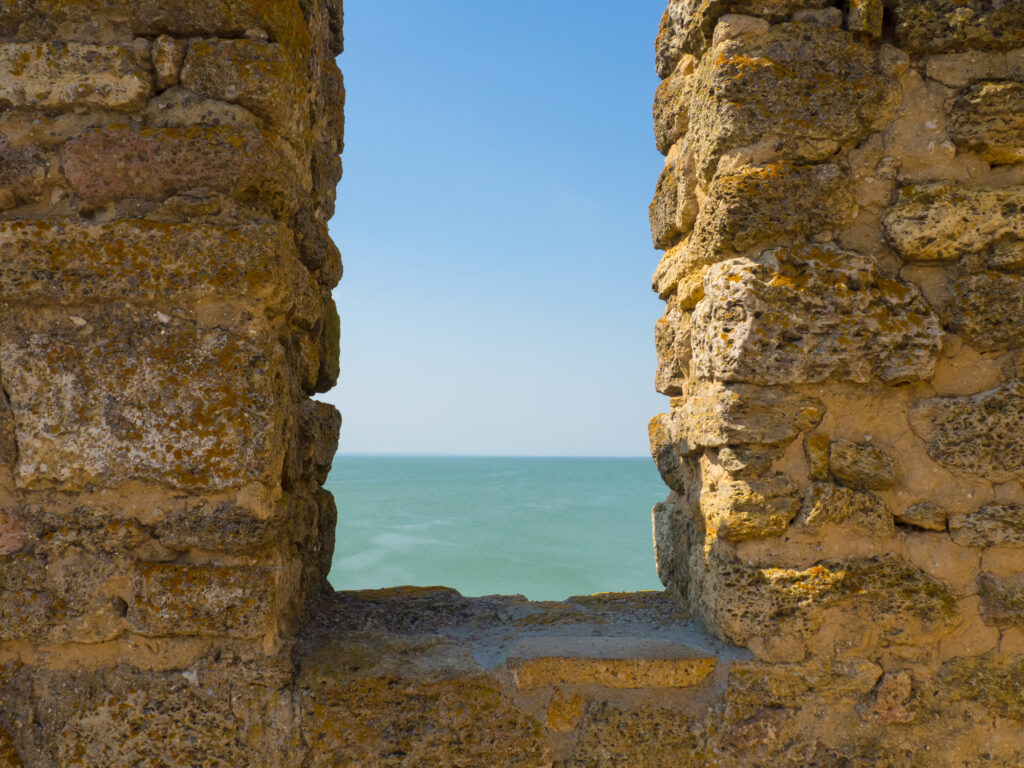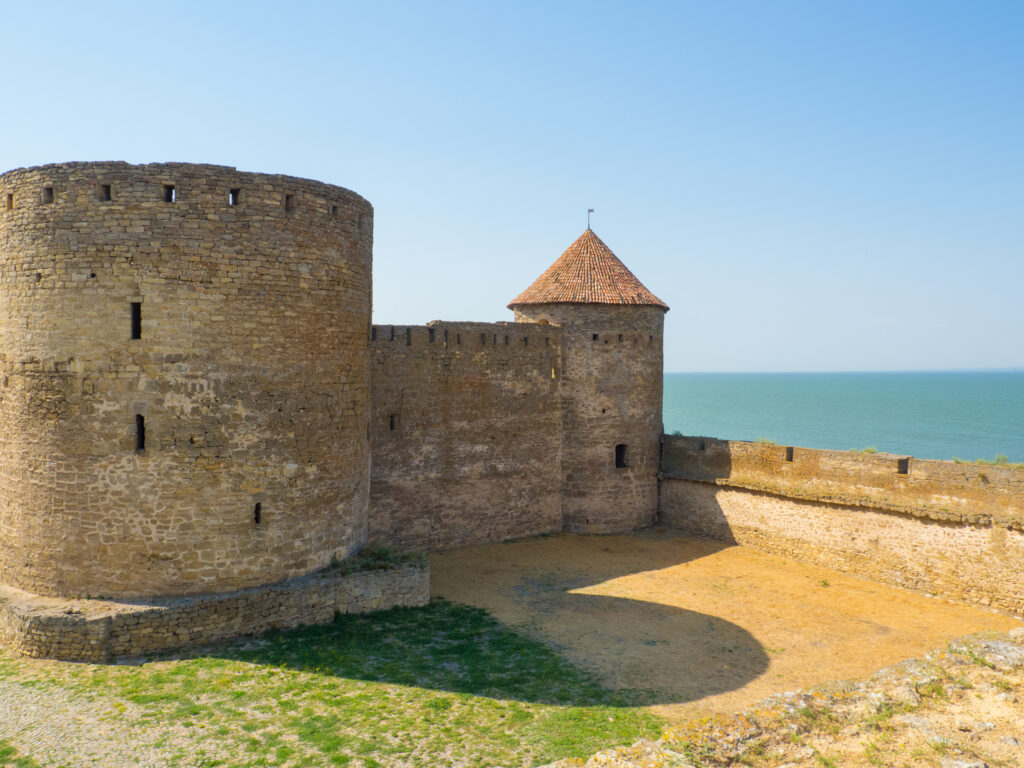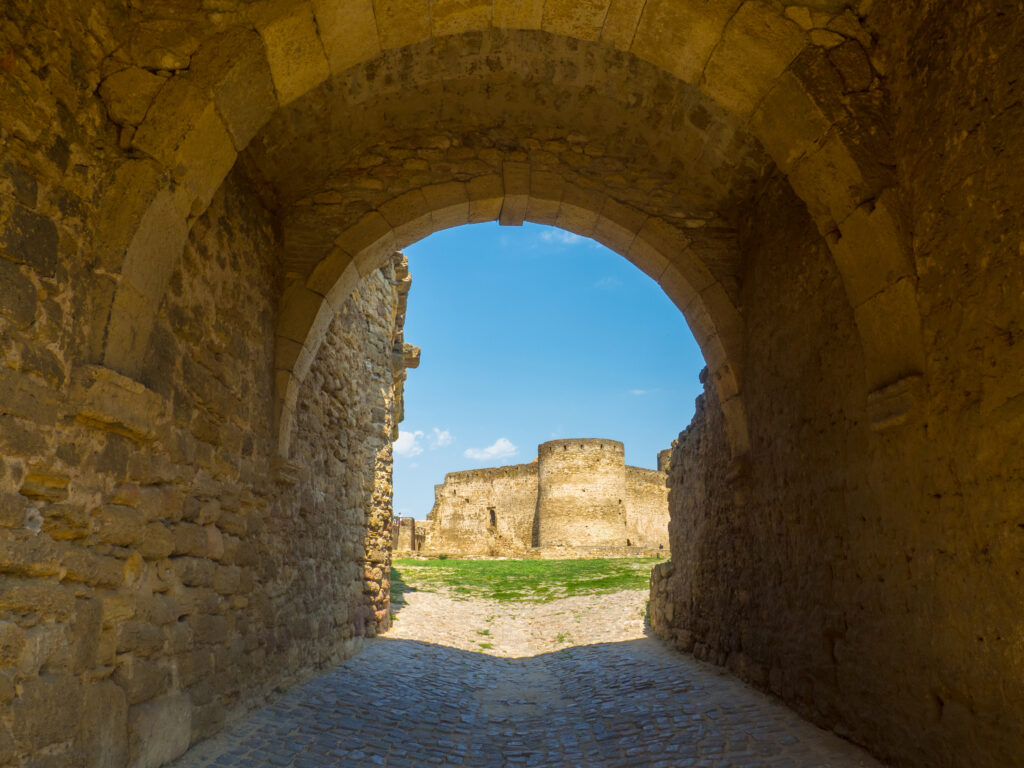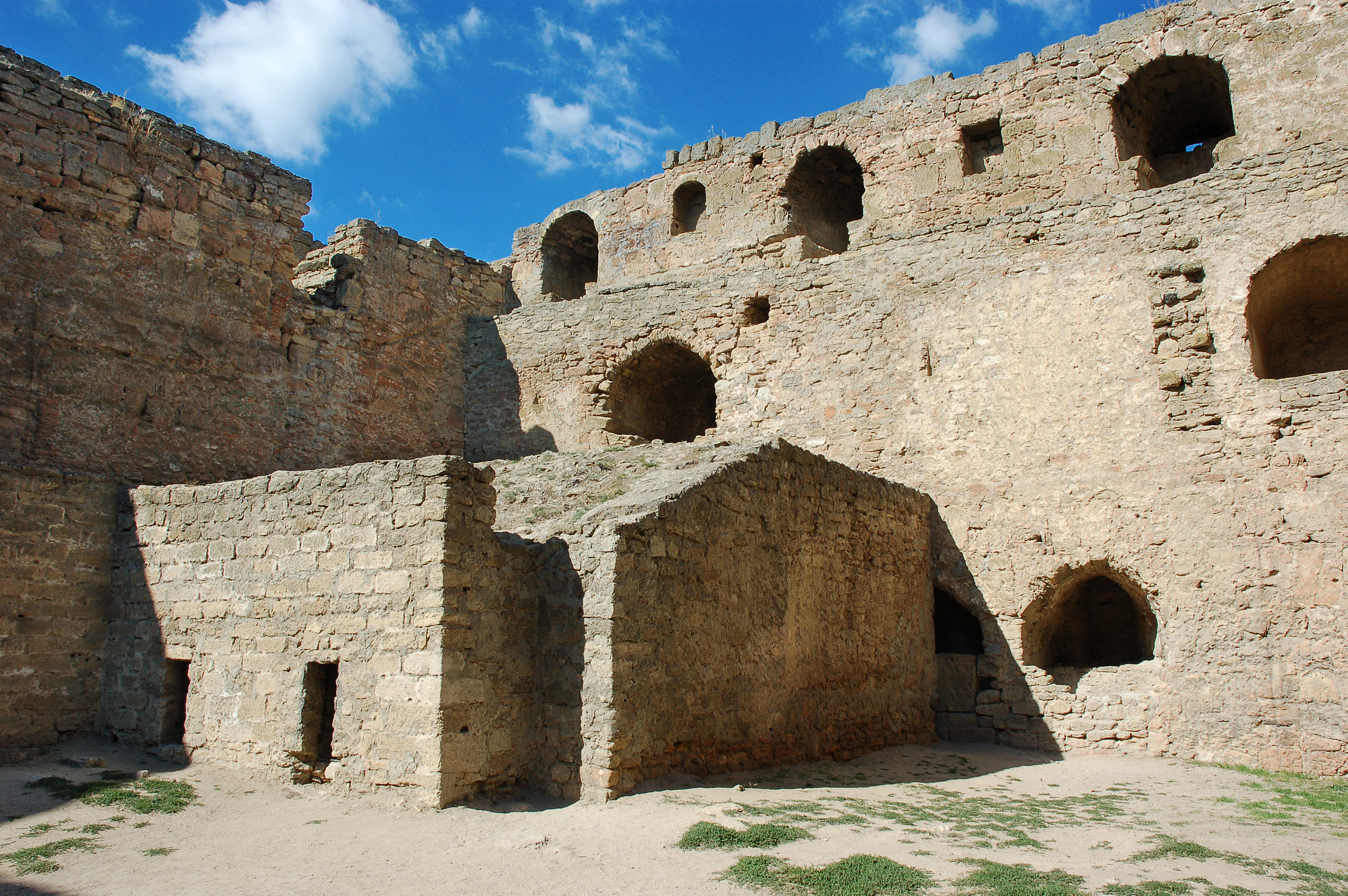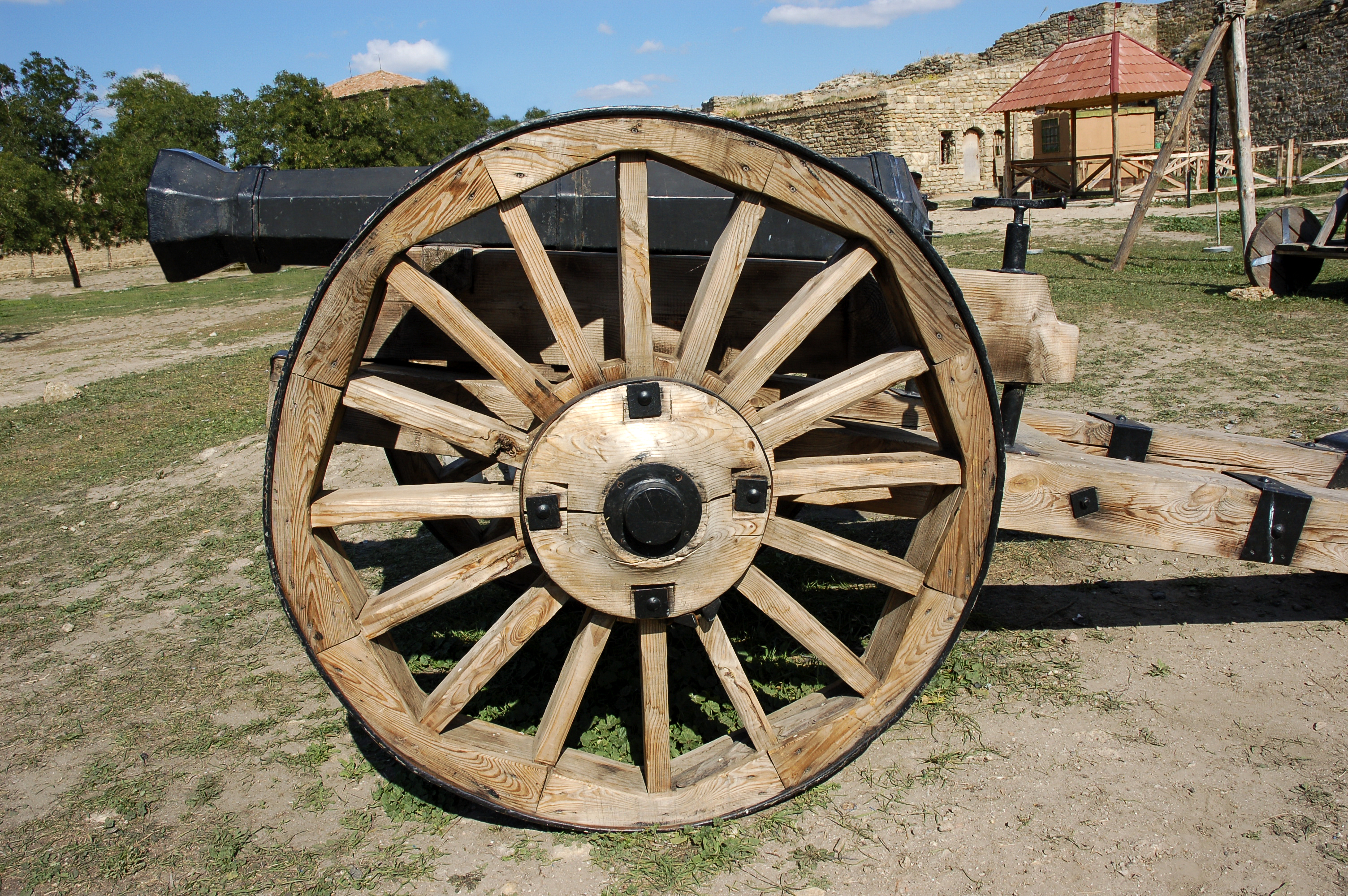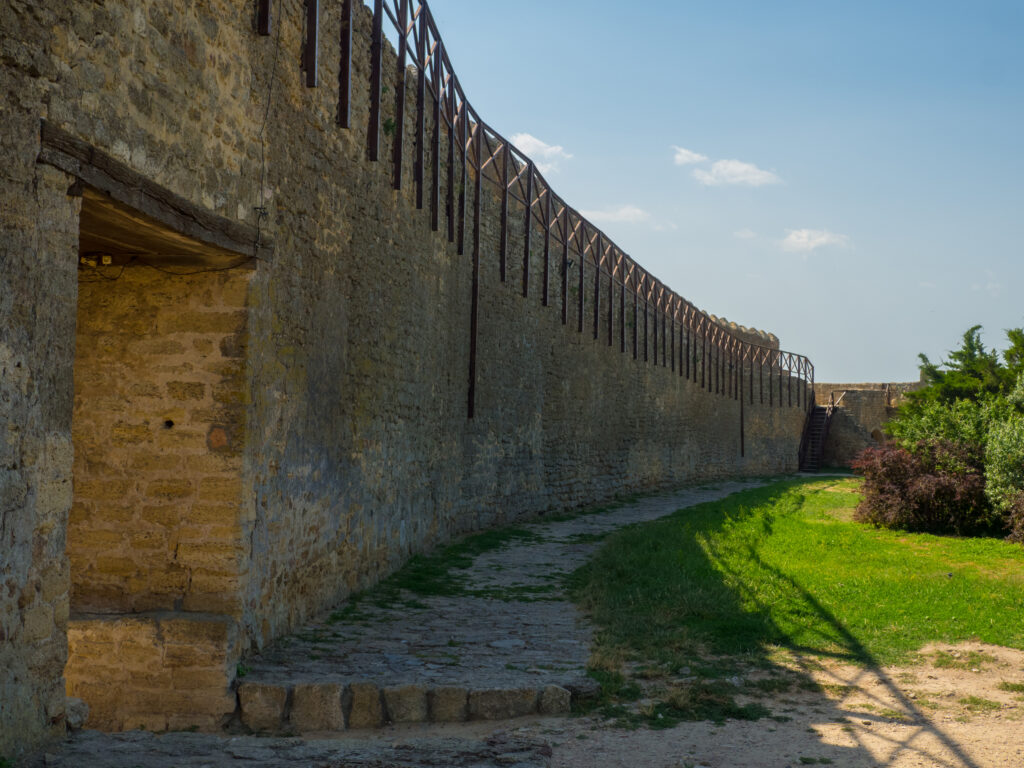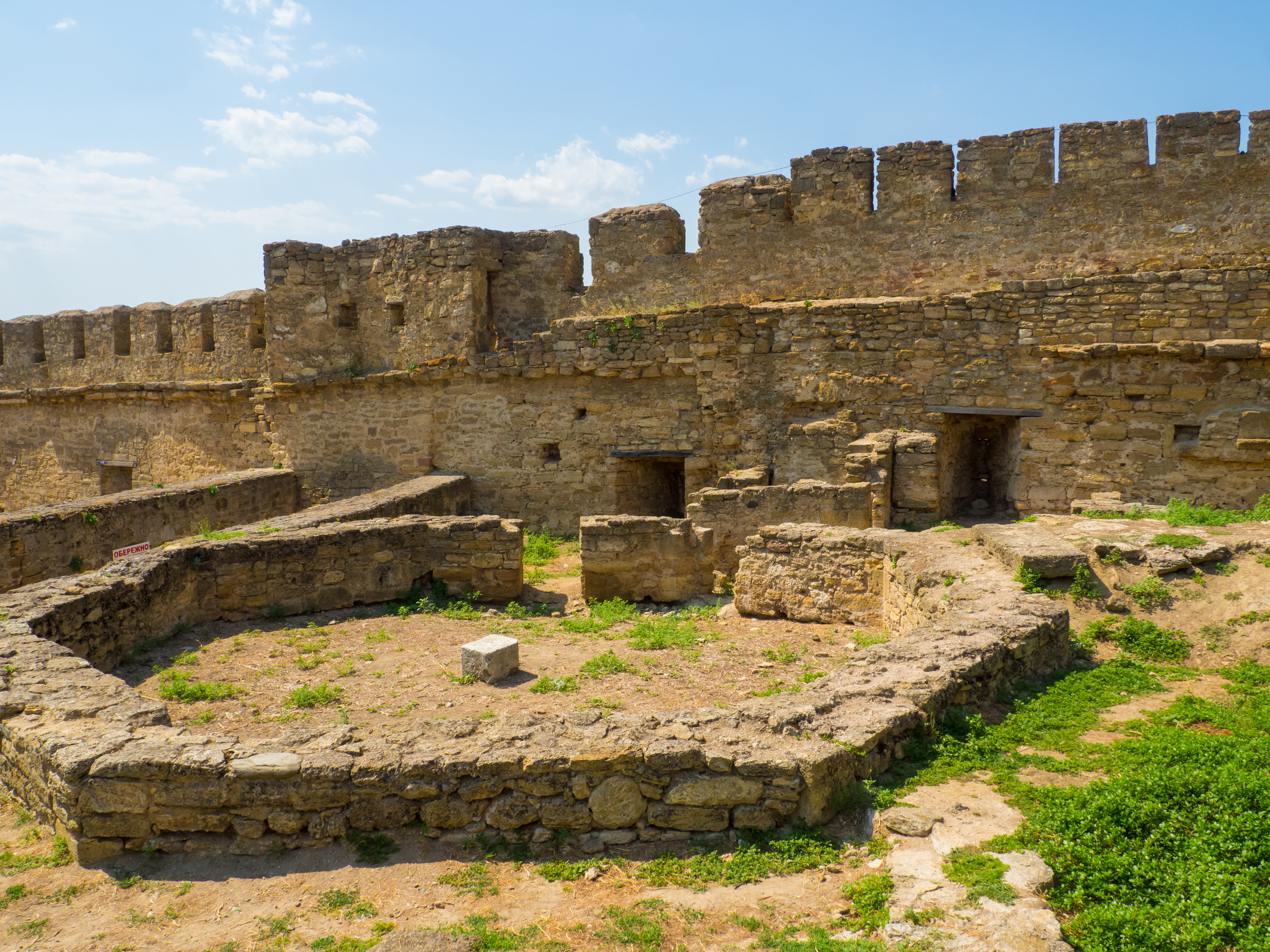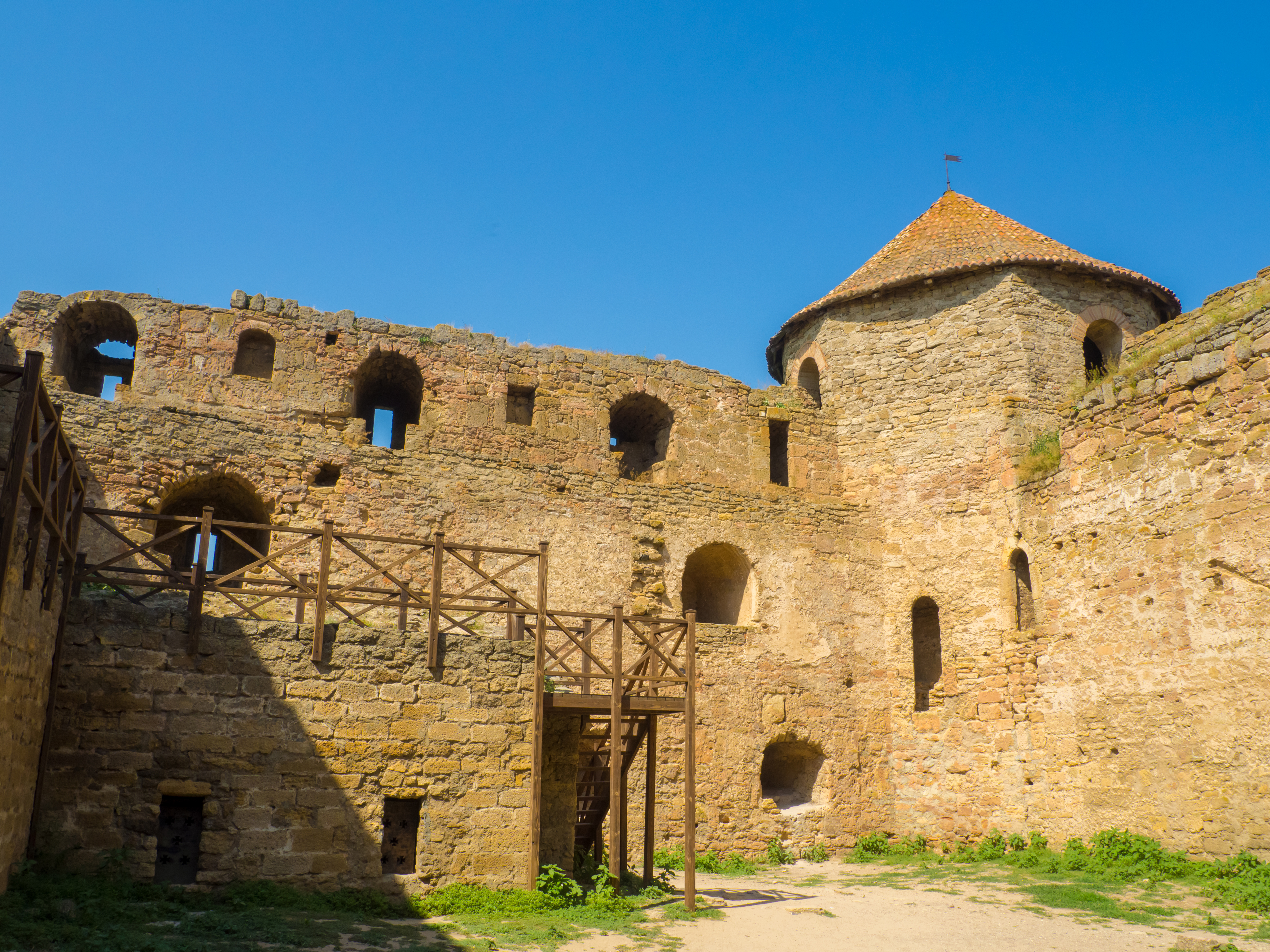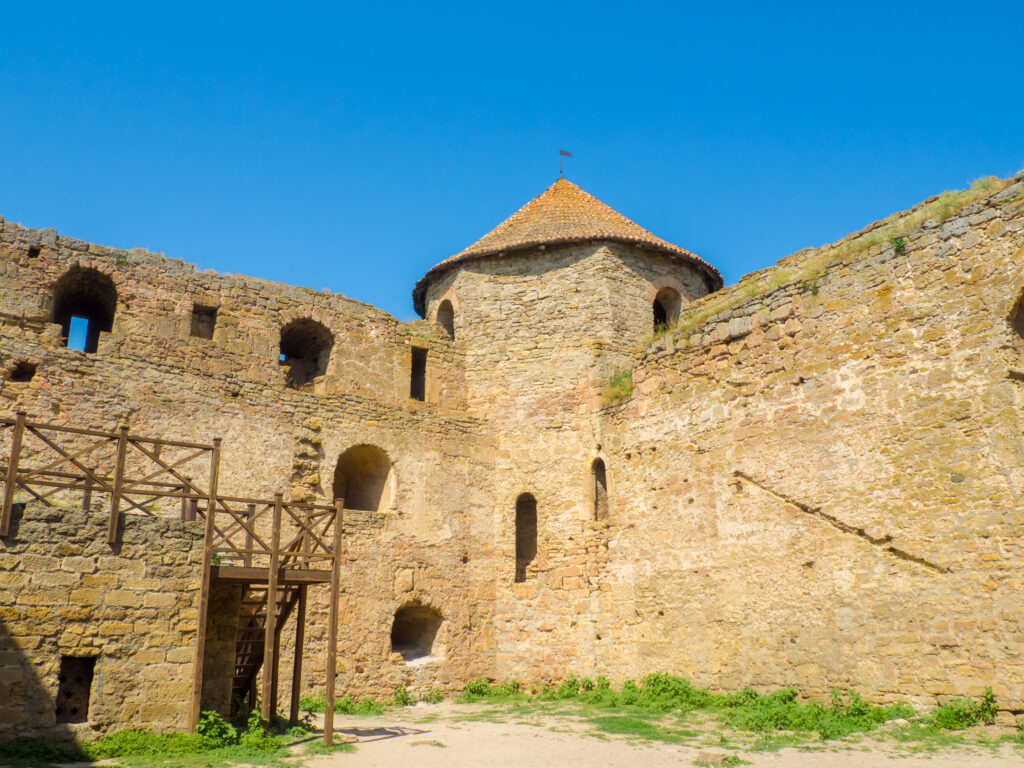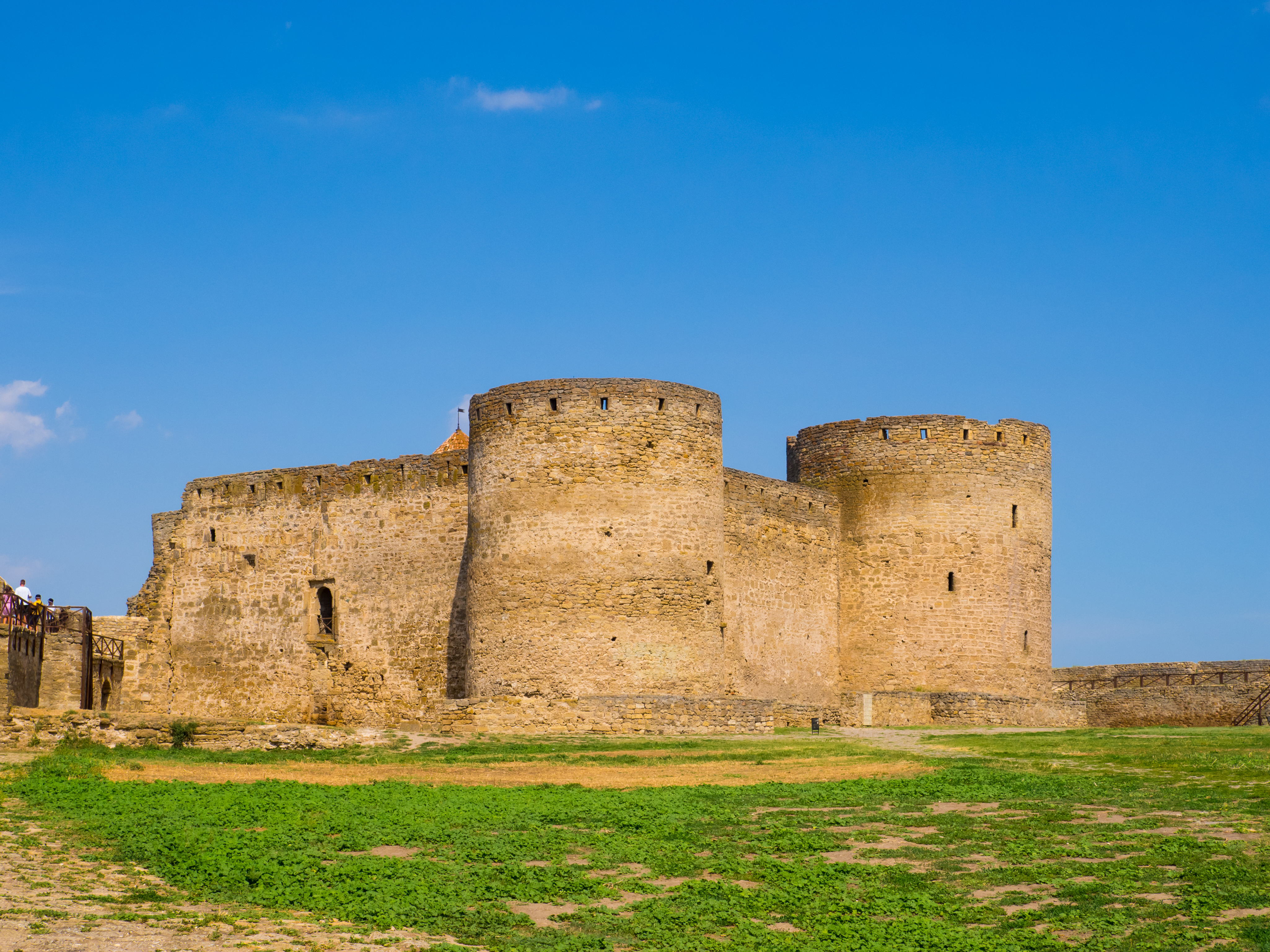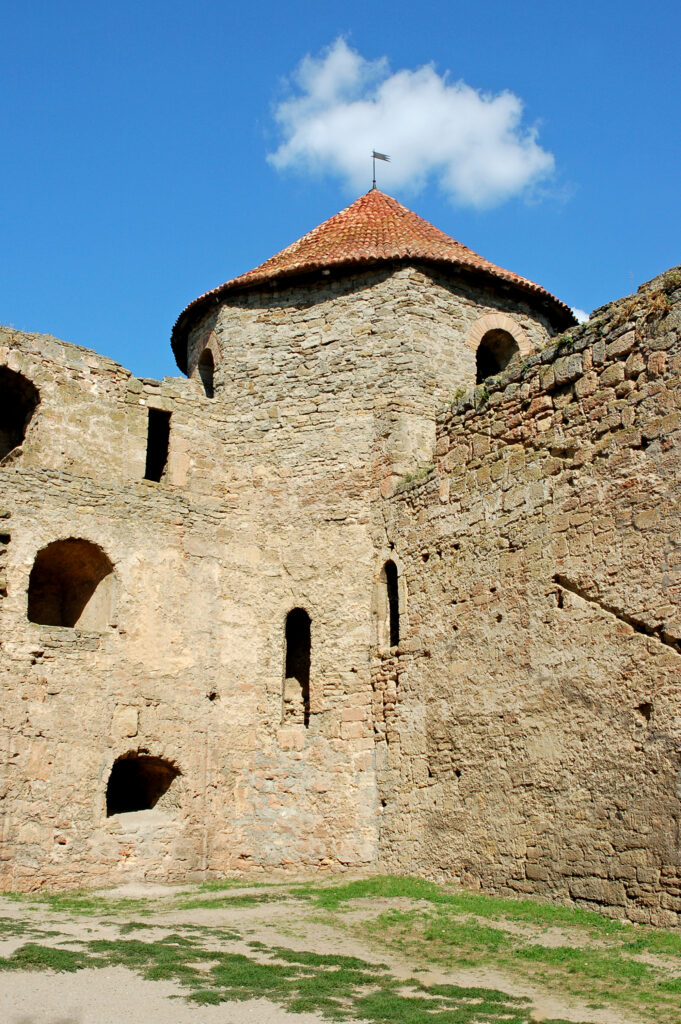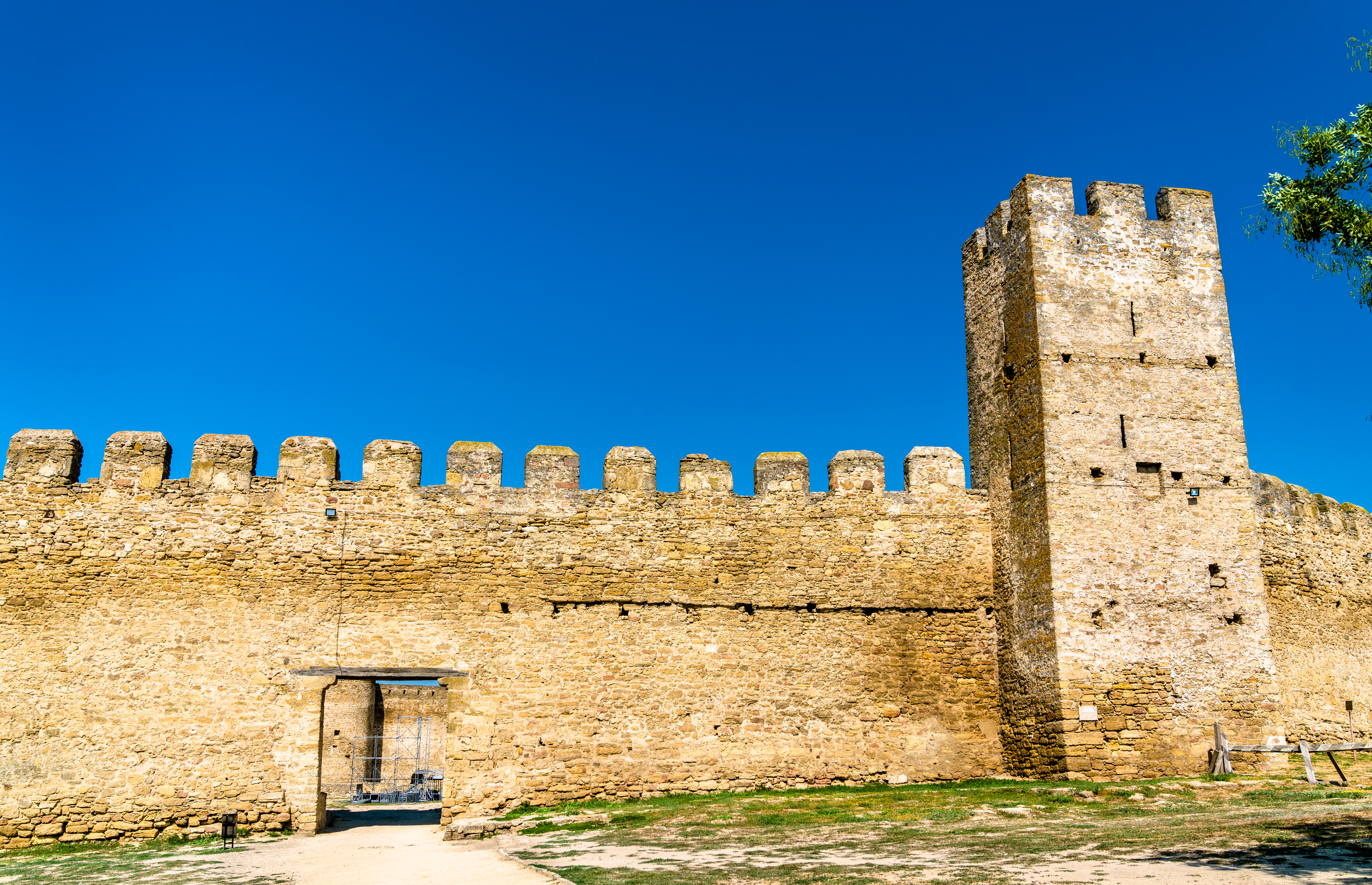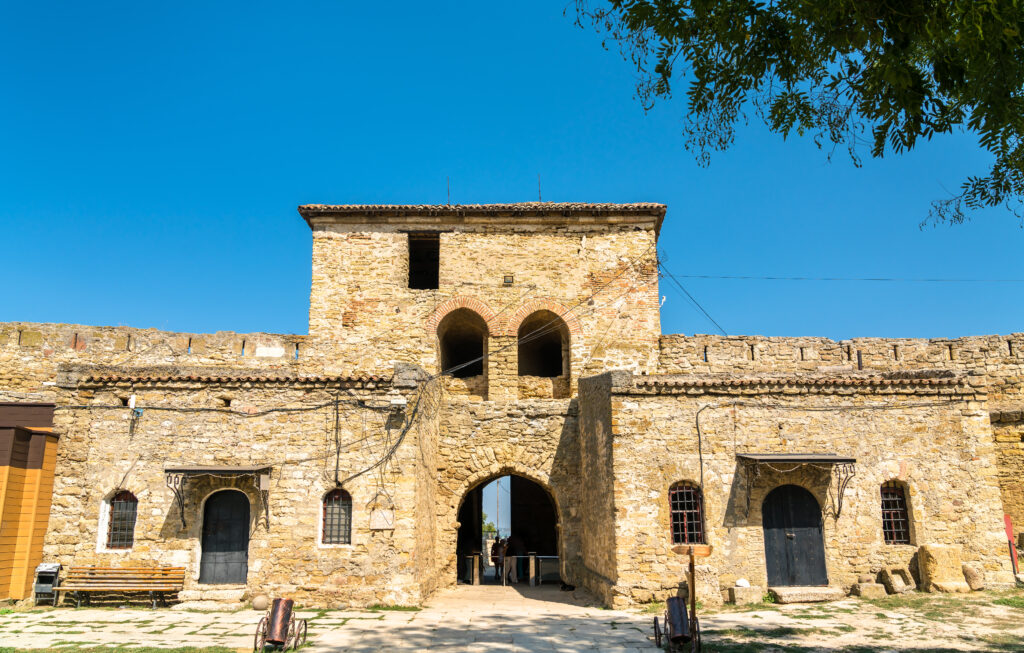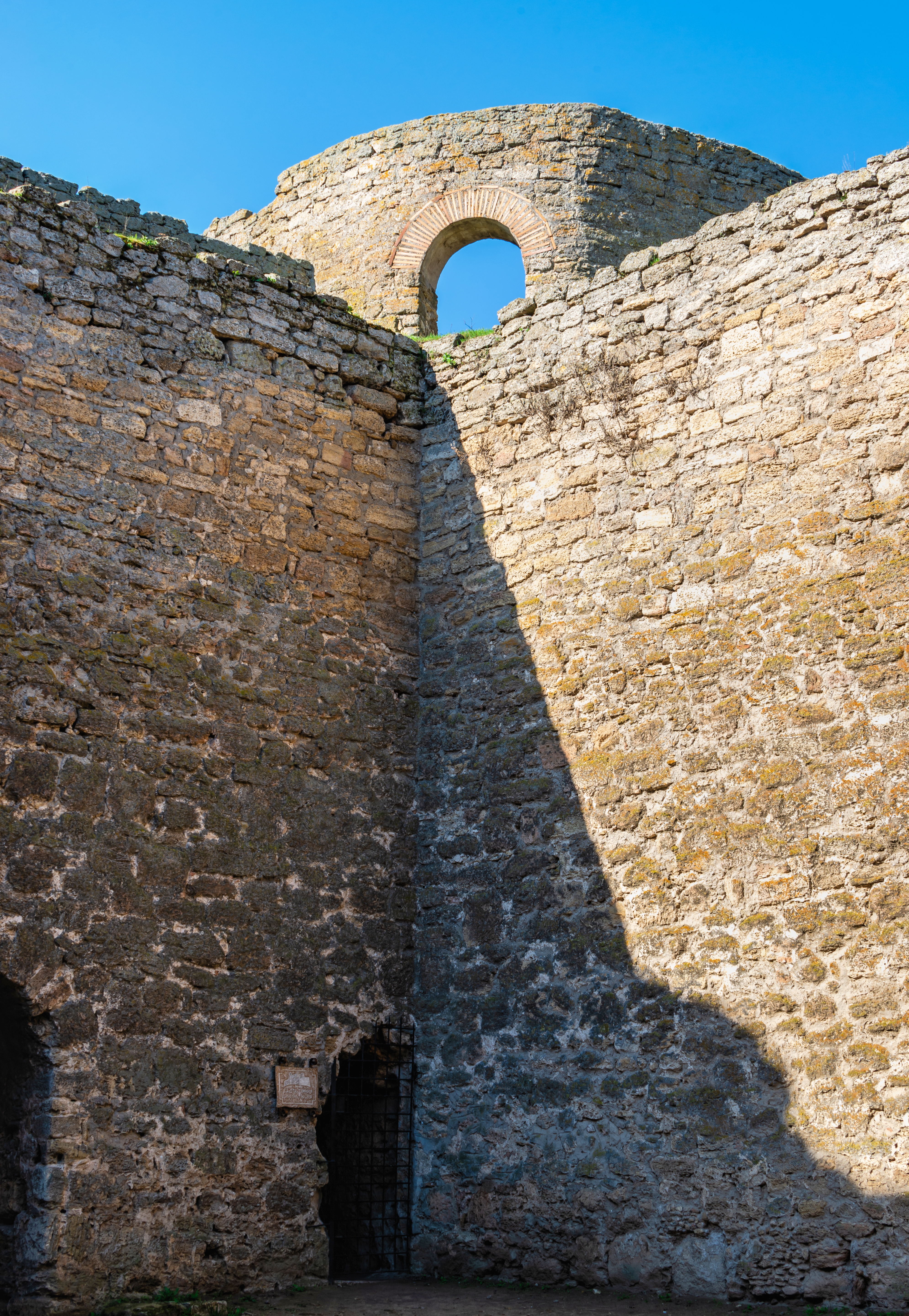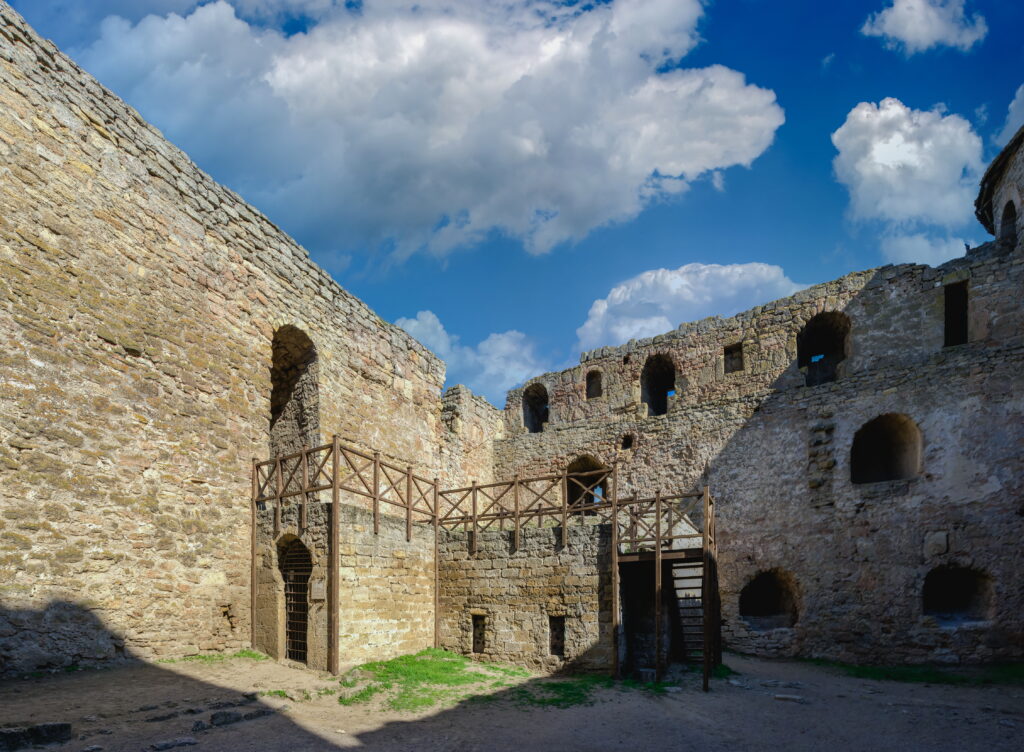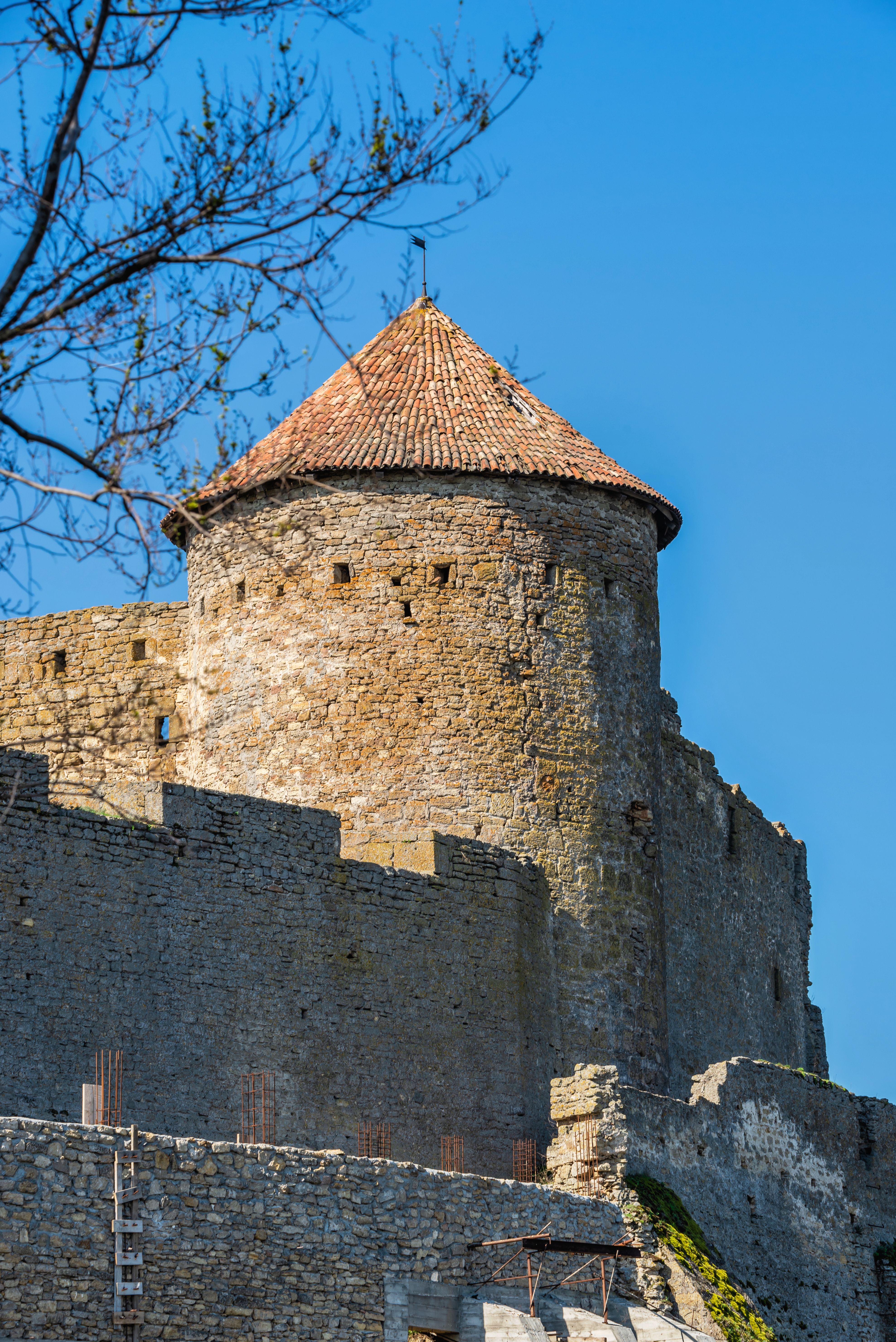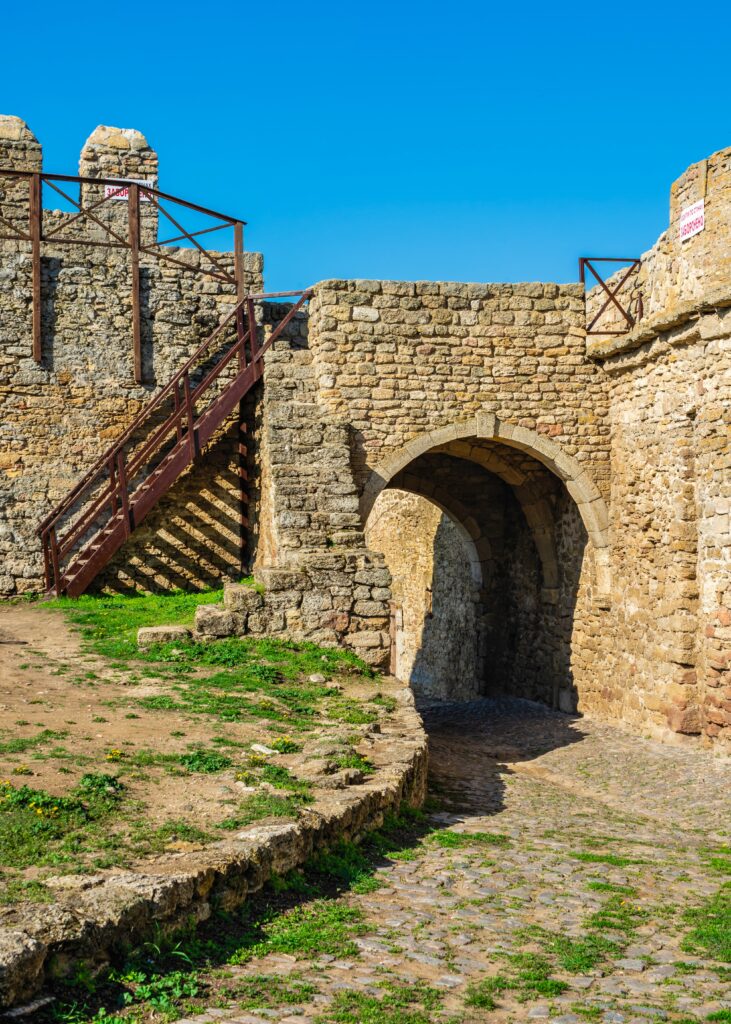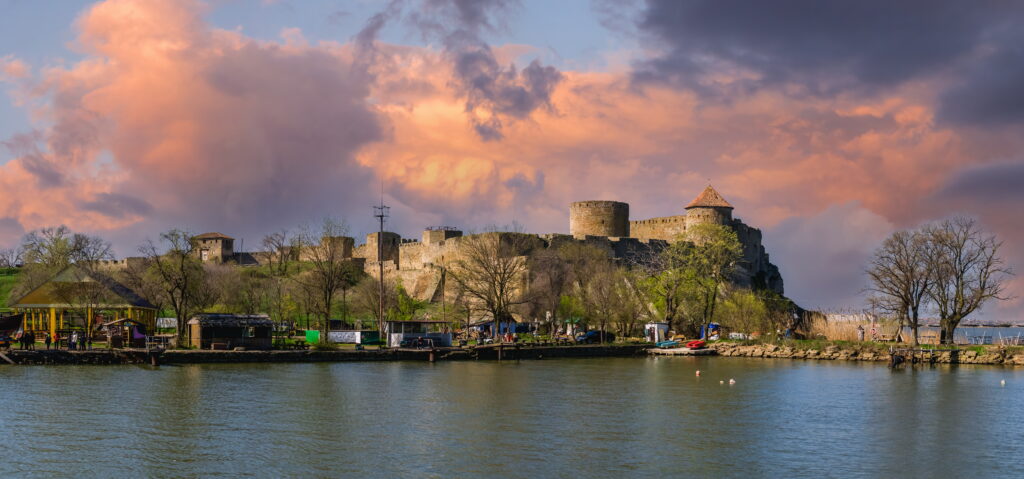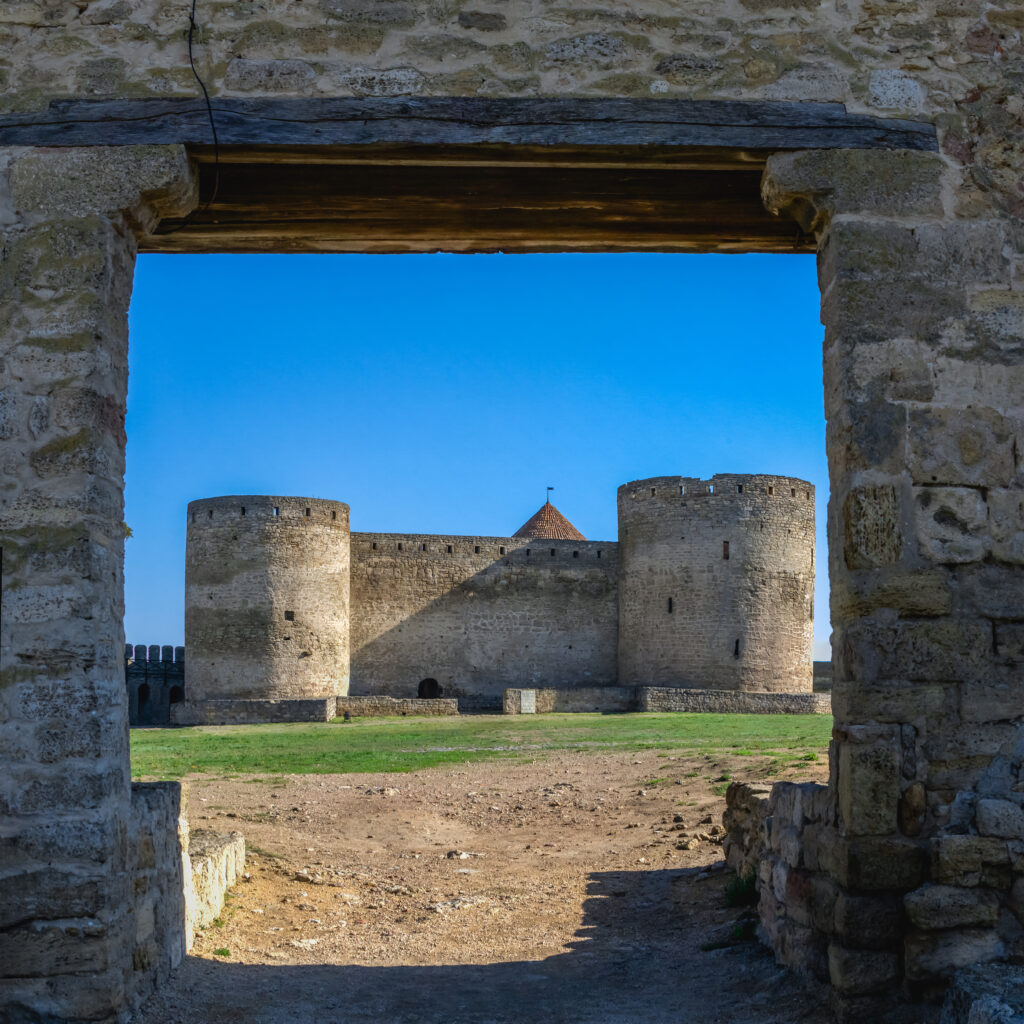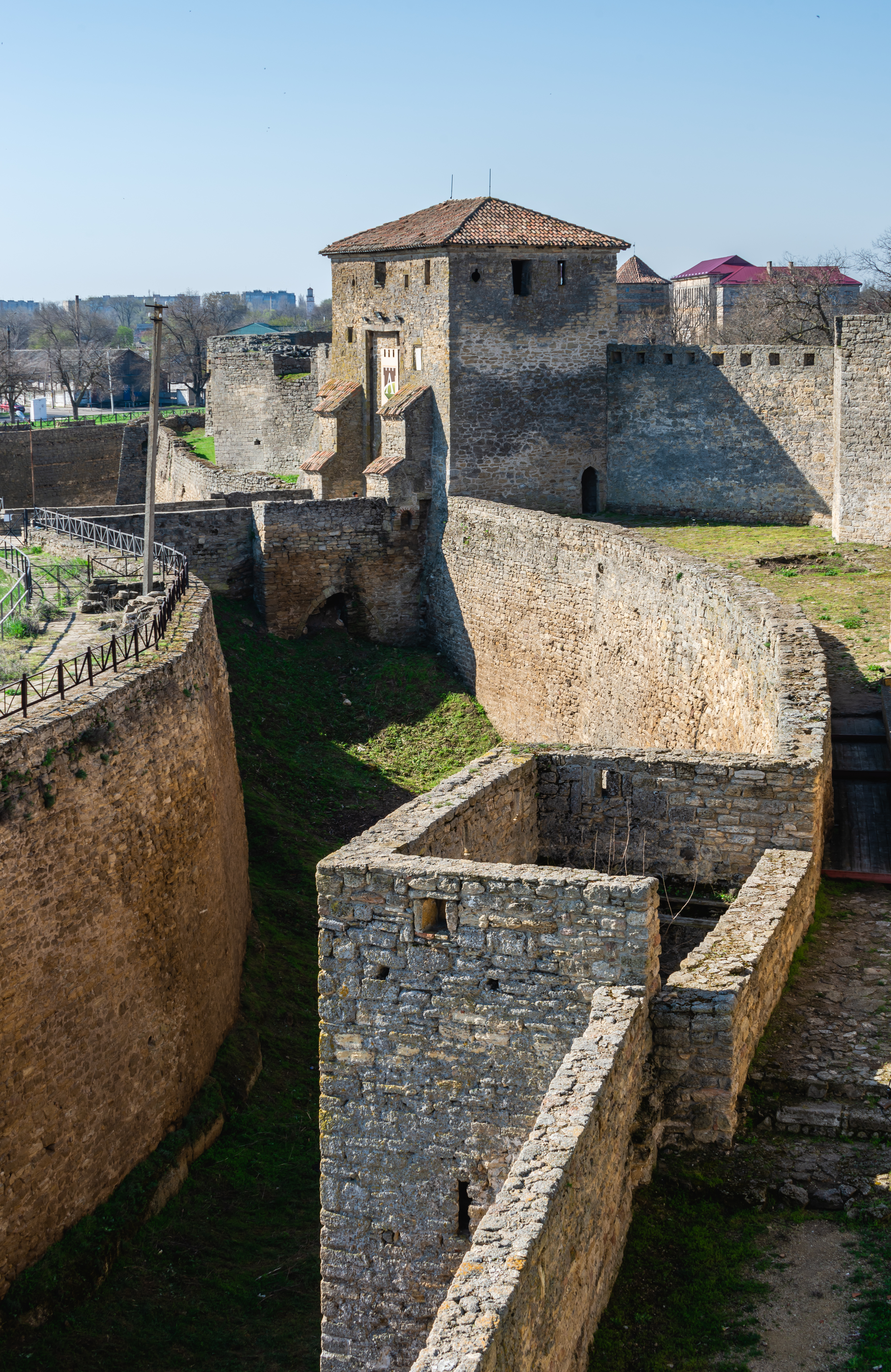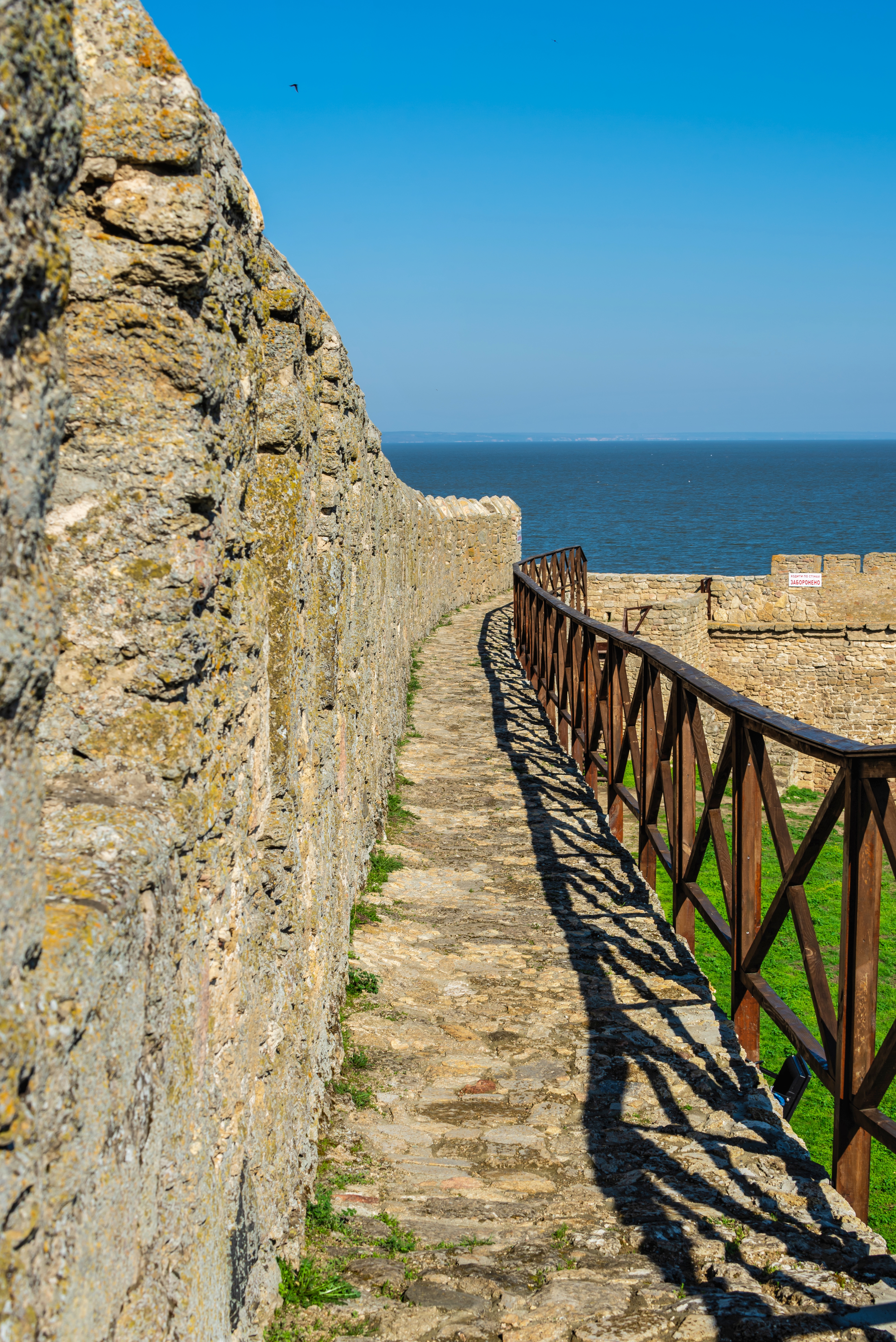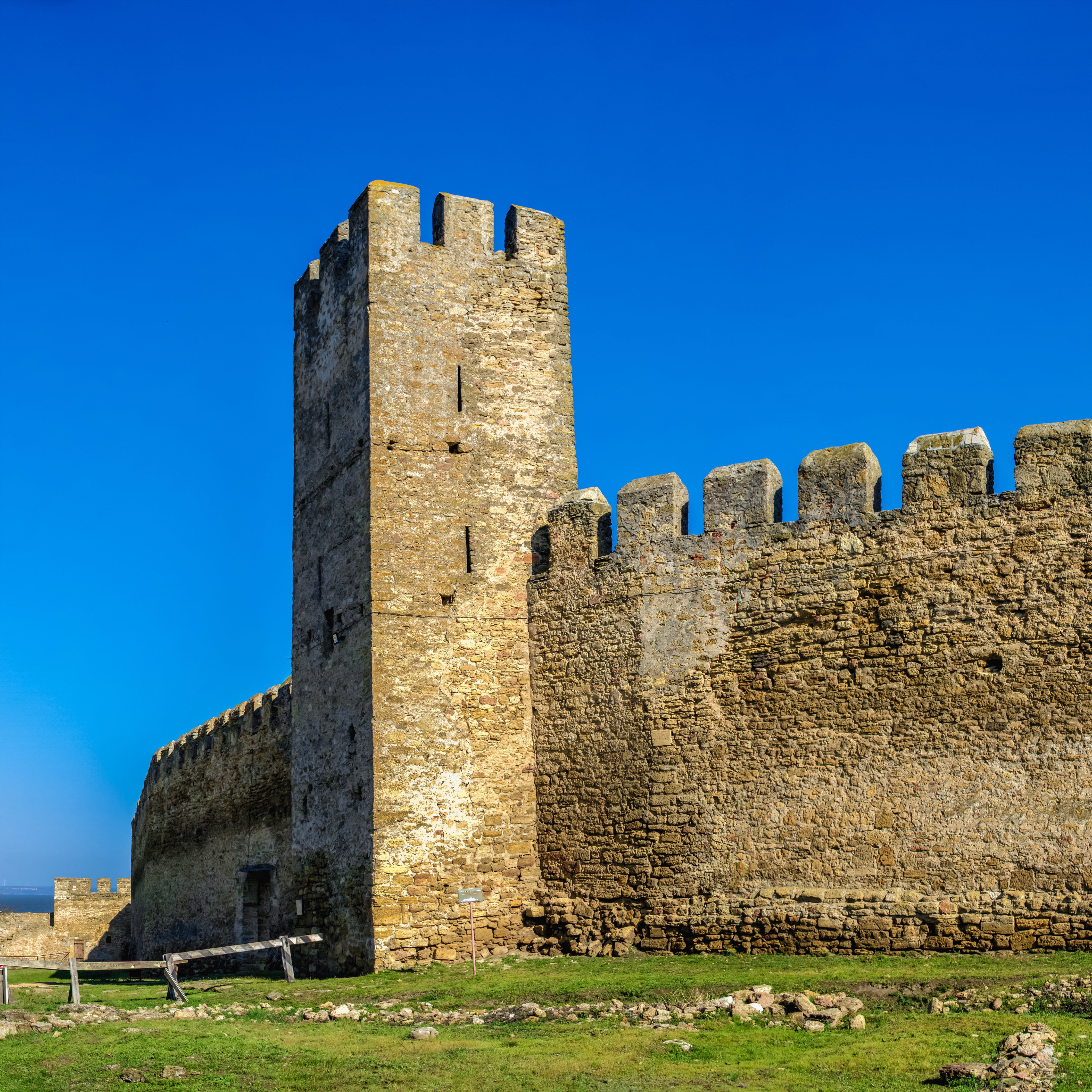

The Fortress of Bilhorod-Dnistrovskyi, also known as the Akkerman Fortress, is an impressive historical monument dating from the 13th to 14th centuries. It is located in Bilhorod-Dnistrovskyi in the Odessa region in southwestern Ukraine, more specifically in the Budzhak, a historical region of Bessarabia. Yet its history stretches much further back and is interwoven with myths, legends, and mysterious tales.
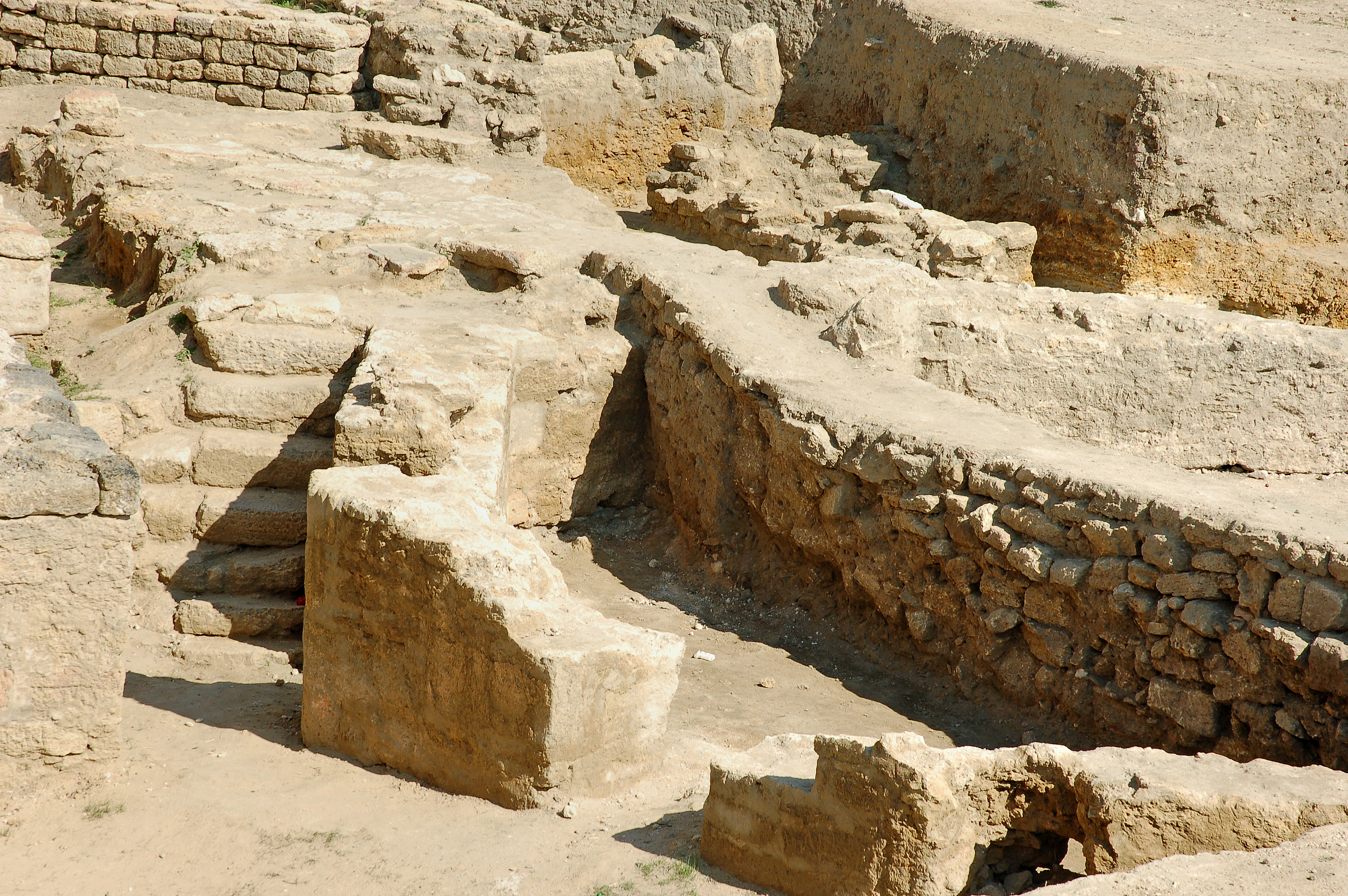
Where History Meets Myth – Built on the ruins of Tyras, an ancient Greek city that existed until the 4th century, the fortress has survived many eras and cultures. Tyras itself was frequently attacked by invaders such as the Goths and Huns and was eventually destroyed. Afterward, the Antes, Slavs, and Bulgars settled in this strategically important location. In the 10th century, Bilhorod belonged to Kievan Rus’; later, it was part of the Kingdom of Hungary and eventually the Principality of Galicia-Volhynia before the Mongols invaded. Historians disagree on exactly when construction of the fortress began. It is believed that, starting in the 13th century, the fortress served as a trading enclave for the Republic of Genoa, which controlled it in alliance with the Golden Horde.
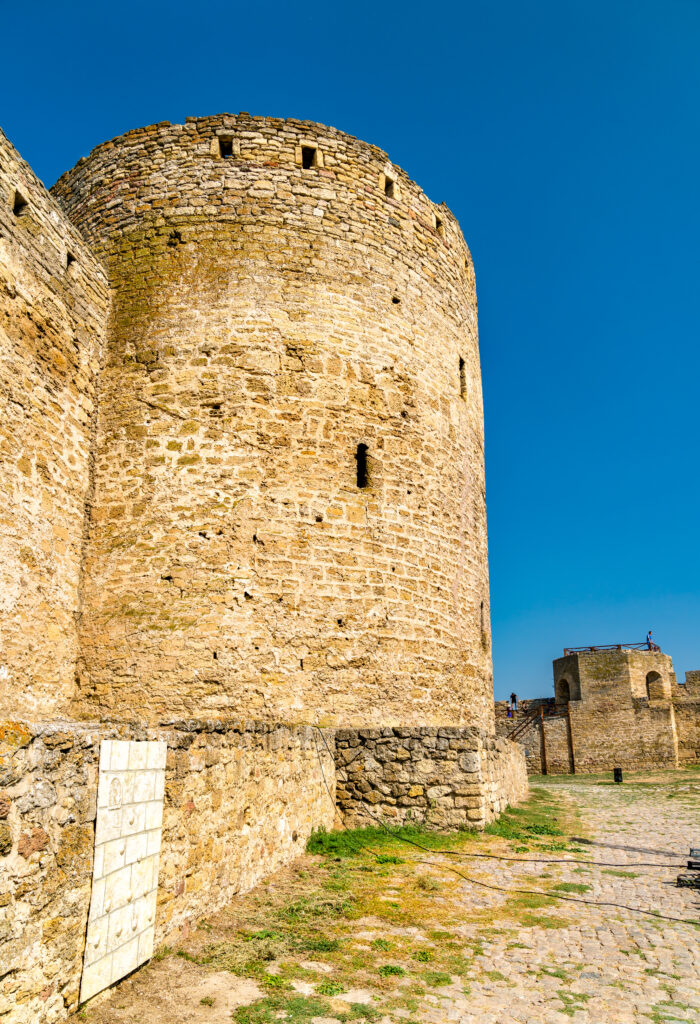
The Genoese Era and the Rise of Moldavia – Officially, Bilhorod was a Tatar city under Genoese administration. The fortress was a significant strategic point at the mouth of the Dniester. Over time, however, Genoa lost its dominance in the Black Sea region, and the Lithuanians took its place. Later, the area came under the influence of the Principality of Moldavia, which renamed the fortress Cetatea Albă (White Citadel). In the 15th century, the city experienced its heyday with a population of about 20,000 people of diverse origins: Moldavians, Greeks, Genoese, Armenians, Jews, and Tatars. The fortress, whose major construction phase was completed by 1440, consisted of 34 towers, the tallest of which reached 20 meters, and was surrounded by a deep moat. Interestingly, the limestone used to build the fortress was bonded with a special mortar made of eggs, crushed marble, carbon, and silicon. A particular mystery is a section of the fortress wall that had no clear functional purpose but contained ten stone cores arranged in the shape of a tetrahedron—a geometric symbol with potential spiritual significance, though its exact function remains unclear.
Intrigues and Wars: The Struggle for the Fortress – The fortress’s strategic value made it a coveted target for many powers. In 1451, the Moldavian King Bogdan II fell victim to an ambush orchestrated by his brother Peter III Aaron. His son, Stephen III of Moldavia, seized the throne in 1457 with the help of his cousin Vlad the Impaler. Under Stephen’s rule, increased attention was devoted to the fortress. New, stronger walls and a large gate were added, and a permanent garrison was stationed there. In August 1484, the fortress faced perhaps its most severe attack when a 300,000-strong army under the Ottoman Sultan Bayezid II, together with 50,000 soldiers under the Crimean Khan Meñli I Giray and over 100 large ships, besieged the fortress and captured it after nine days. Despite several attempts, including one by Stephen the Great in 1485, the fortress could not be recaptured. The Ottomans ruled here for the next 328 years.
The Cossack Battles and Ottoman Rule – During the long period of Ottoman rule, the city repeatedly suffered attacks from the Zaporozhian Cossacks as well as the Moldavians and Poles. Nevertheless, Bilhorod remained an impregnable fortress. In particular, the Crimean Tatars, vassals of the Turks, often made the fortress their refuge. The Crimean Khan Islam II Giray even died in the fortress and was buried there. During the course of Ottoman rule, the fortress was renovated and reinforced several times, notably by Melek Ahmed Pasha in 1657 and by French military engineers in 1707, who constructed a new line of bastions.
Russian Conquests and the Modern Era – In 1789, the city was taken without a fight by a large contingent of Don Cossacks and a corps of light infantry under the command of Mikhail Kutuzov. Through the Treaty of Bucharest in 1812, Bessarabia came under Russian control, including the Bilhorod Fortress. The Convention of Akkerman of 1826 further strengthened Russian influence in the Danube region. After the end of World War I, the city became part of the Kingdom of Romania and developed into an important cultural center. During World War II, control of the city shifted several times between Romania and the Soviet Union. Since 1991, the fortress has belonged to independent Ukraine.
A Monument to Eternity – The Bilhorod-Dnistrovskyi Fortress is more than just an architectural masterpiece; it is a living testament to history that has withstood the storms of time, the machinations of numerous peoples, and the conflicts between empires. Its walls preserve memories of heroes and traitors, of great battles and peaceful times, and today offer us a fascinating glimpse into the past.
With its mythical and enigmatic aspects, it remains a magnet for historians and travelers who wish to be transported back to a time when this place was the heart of great civilizations.