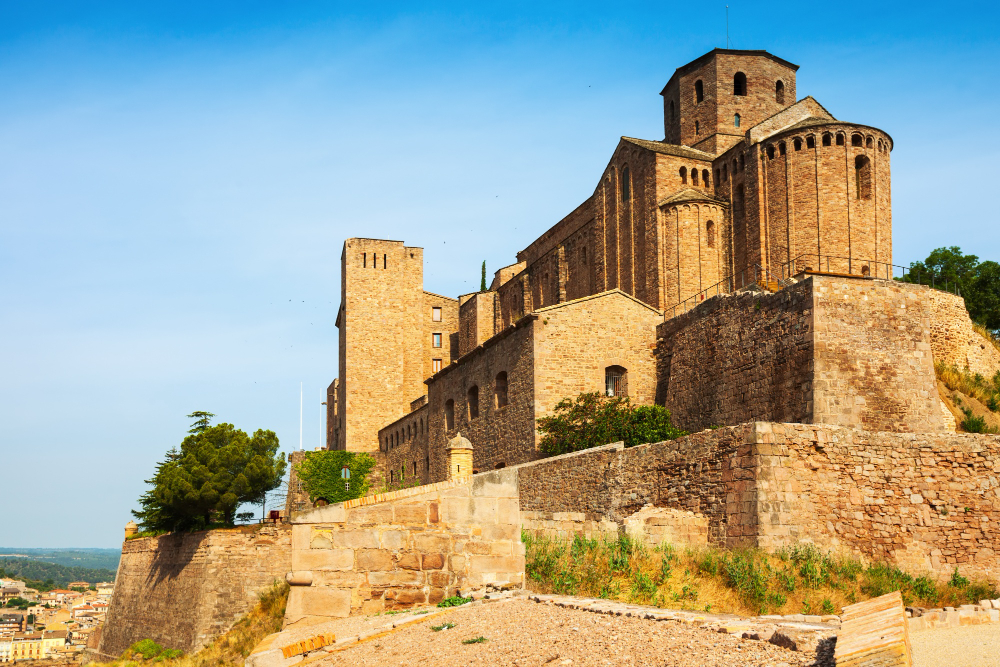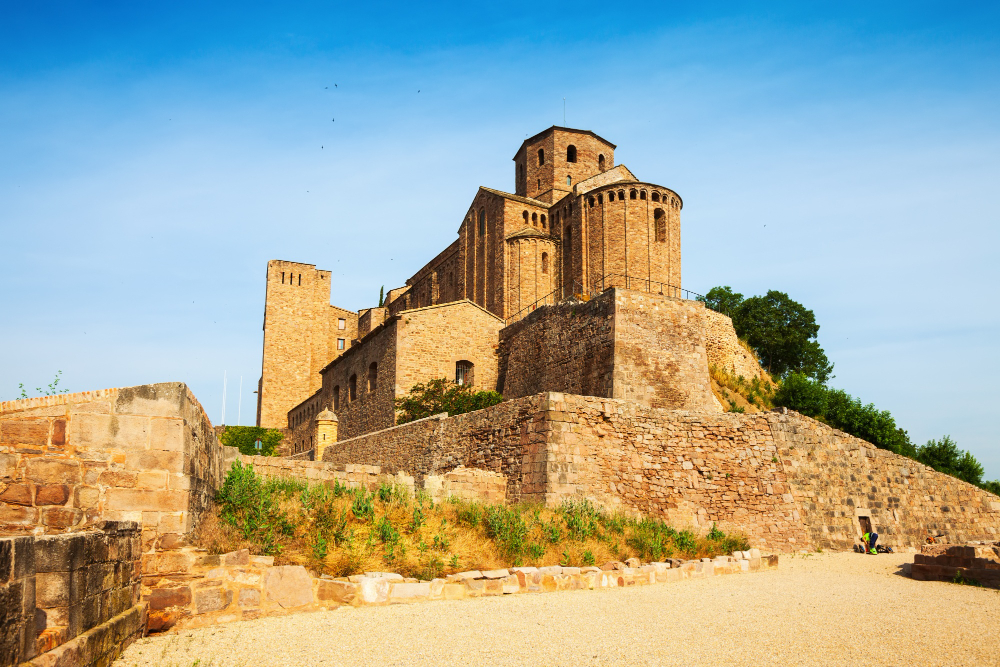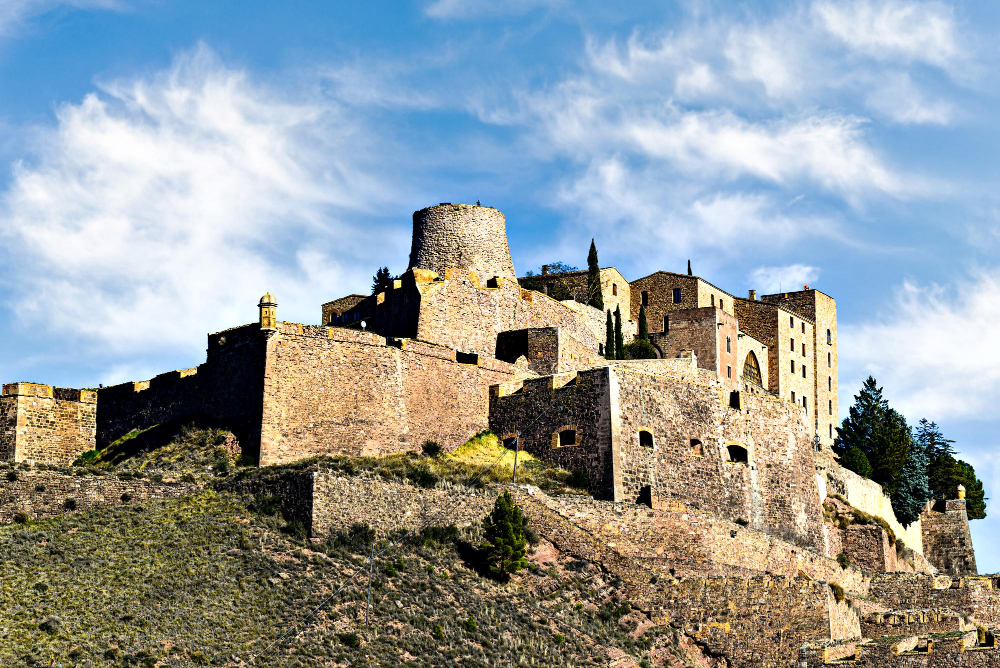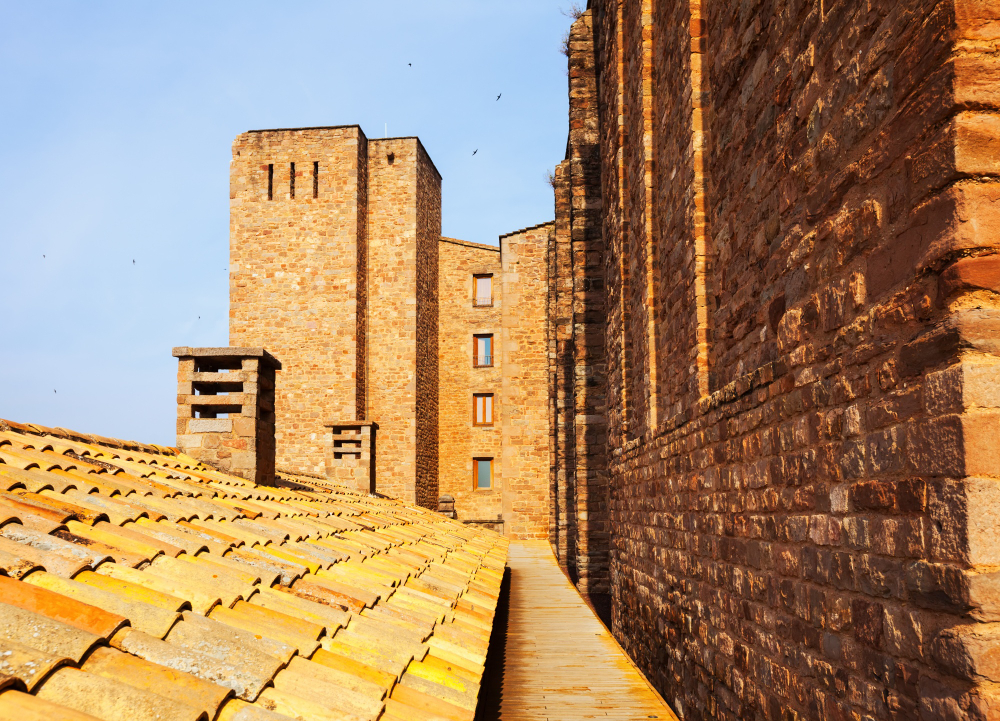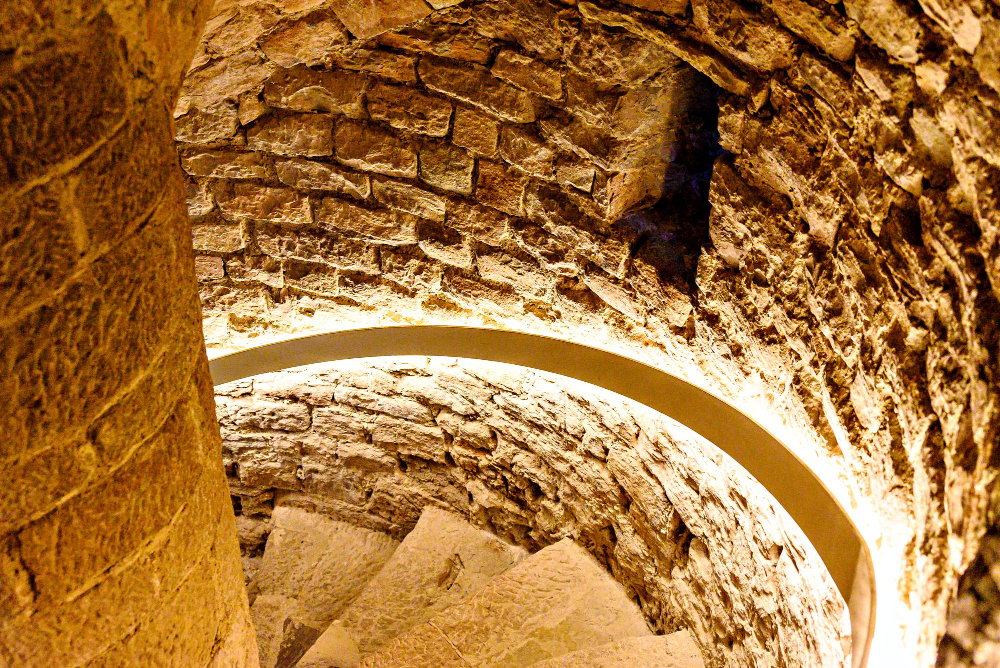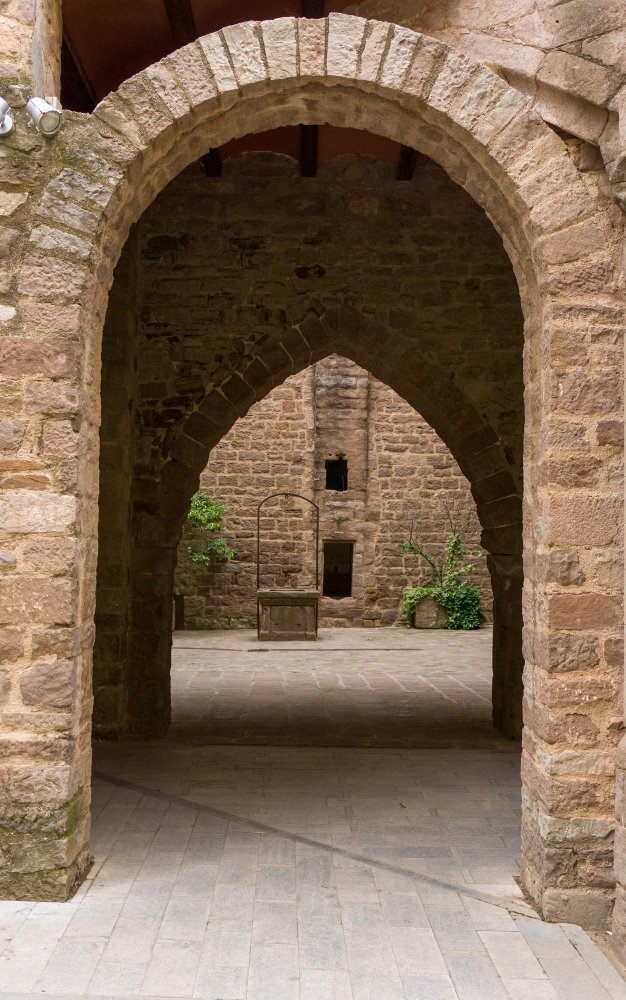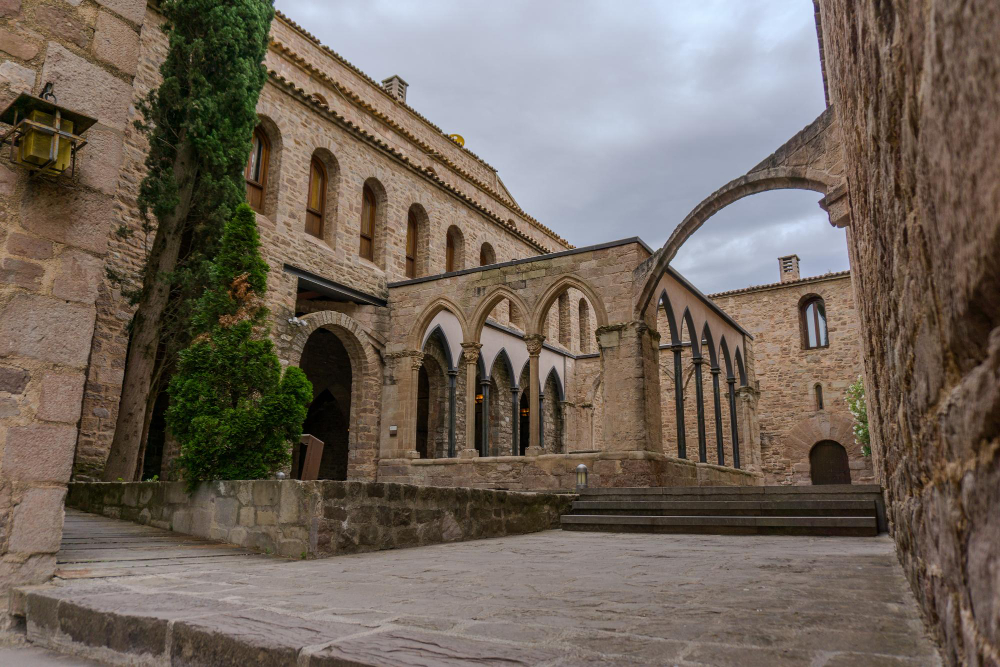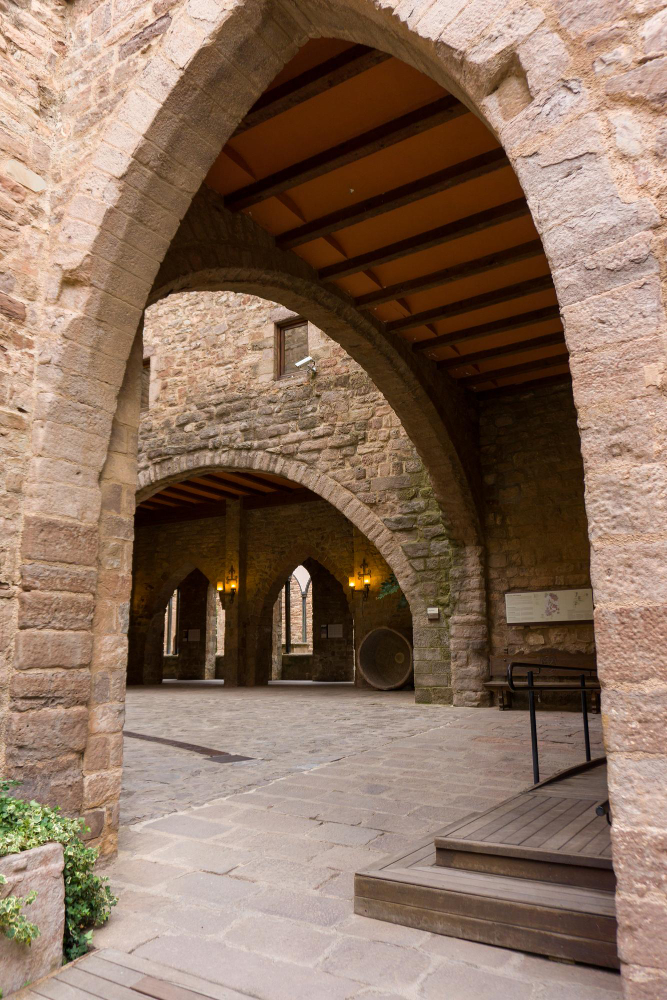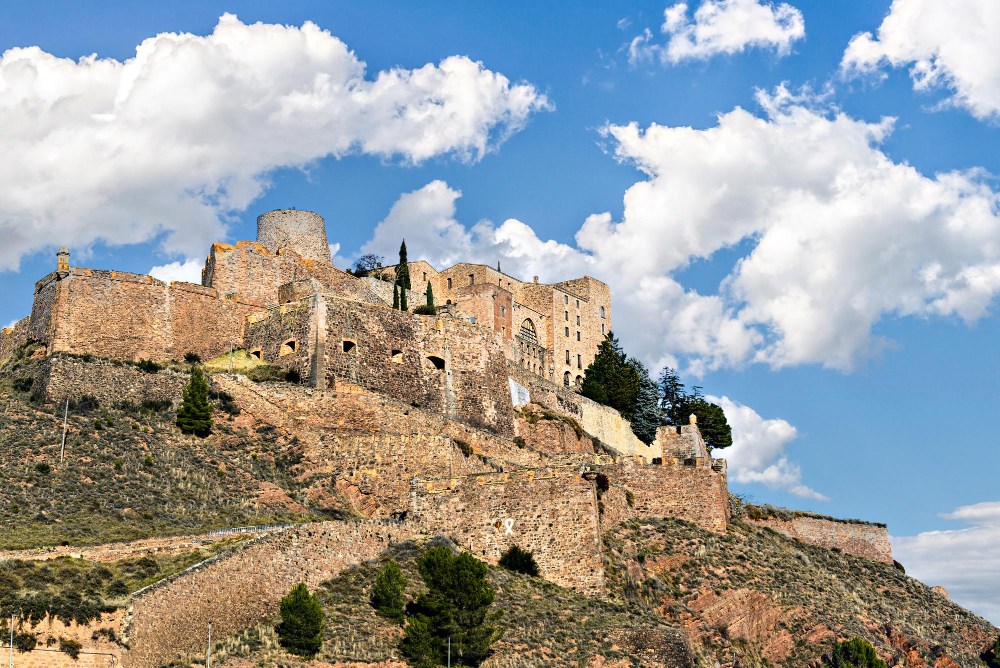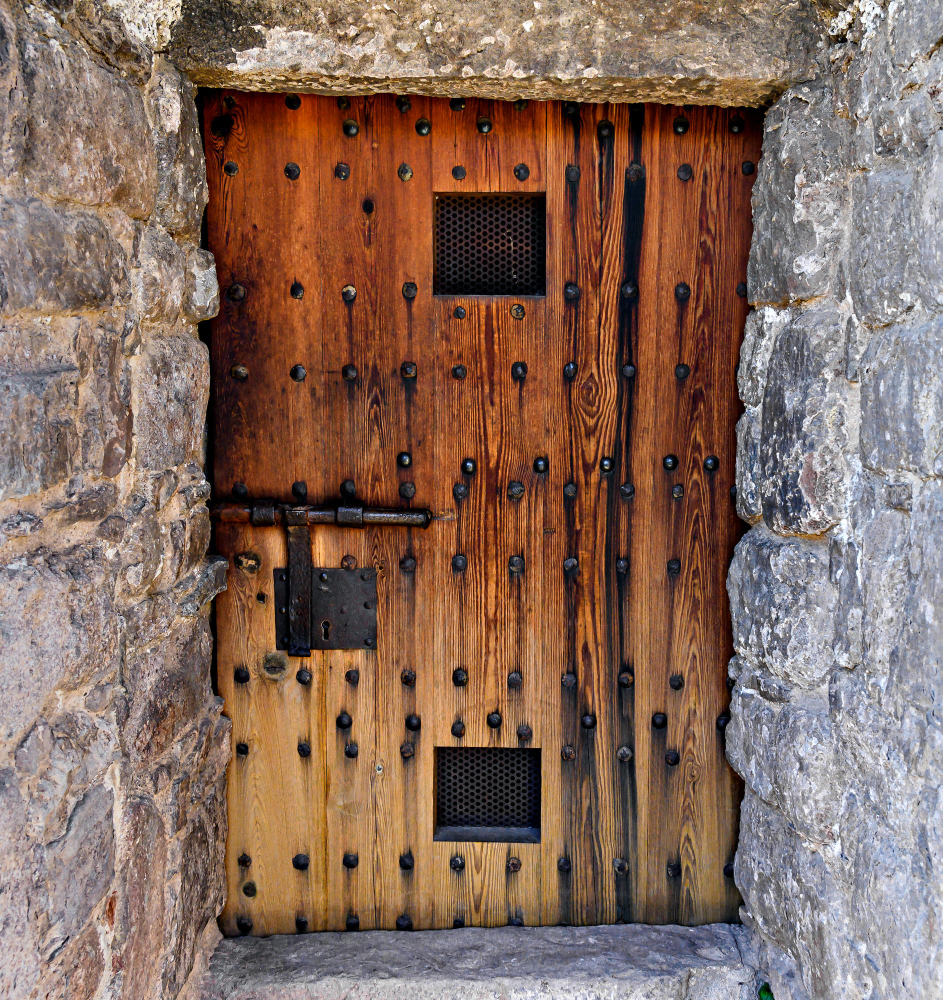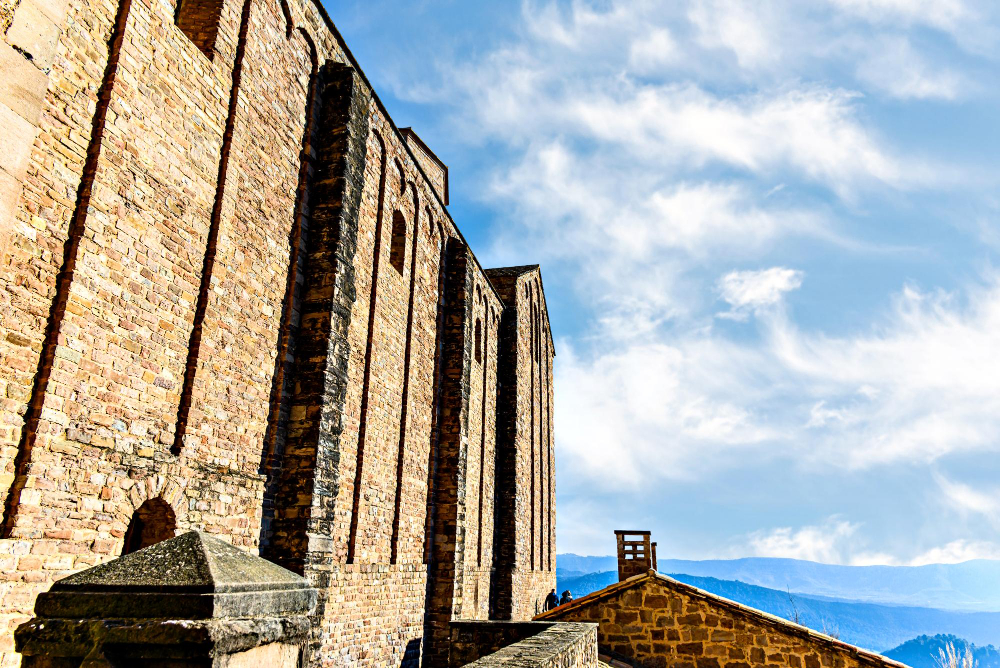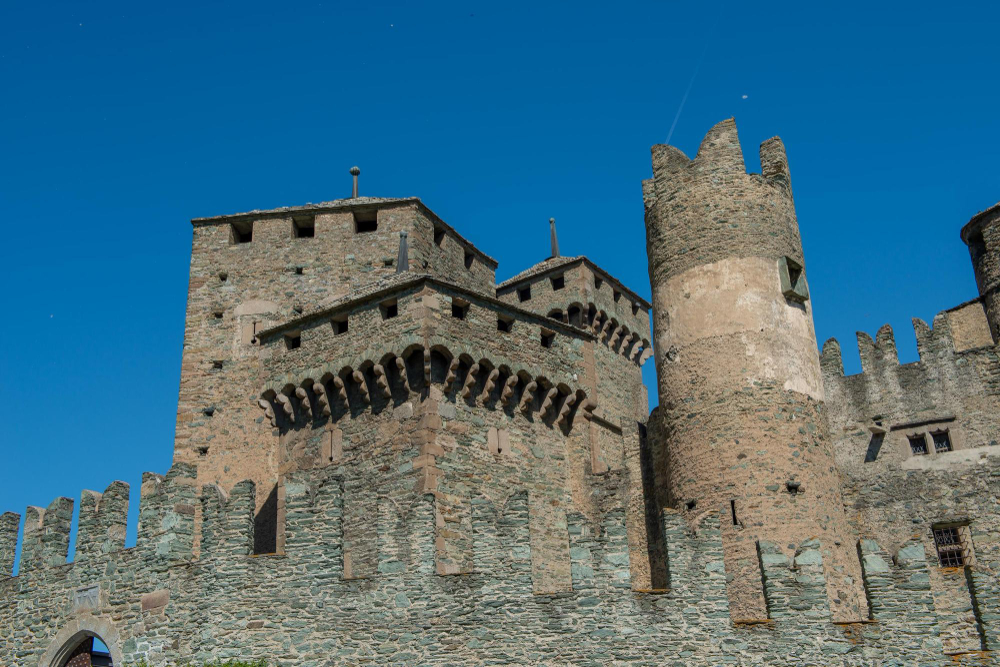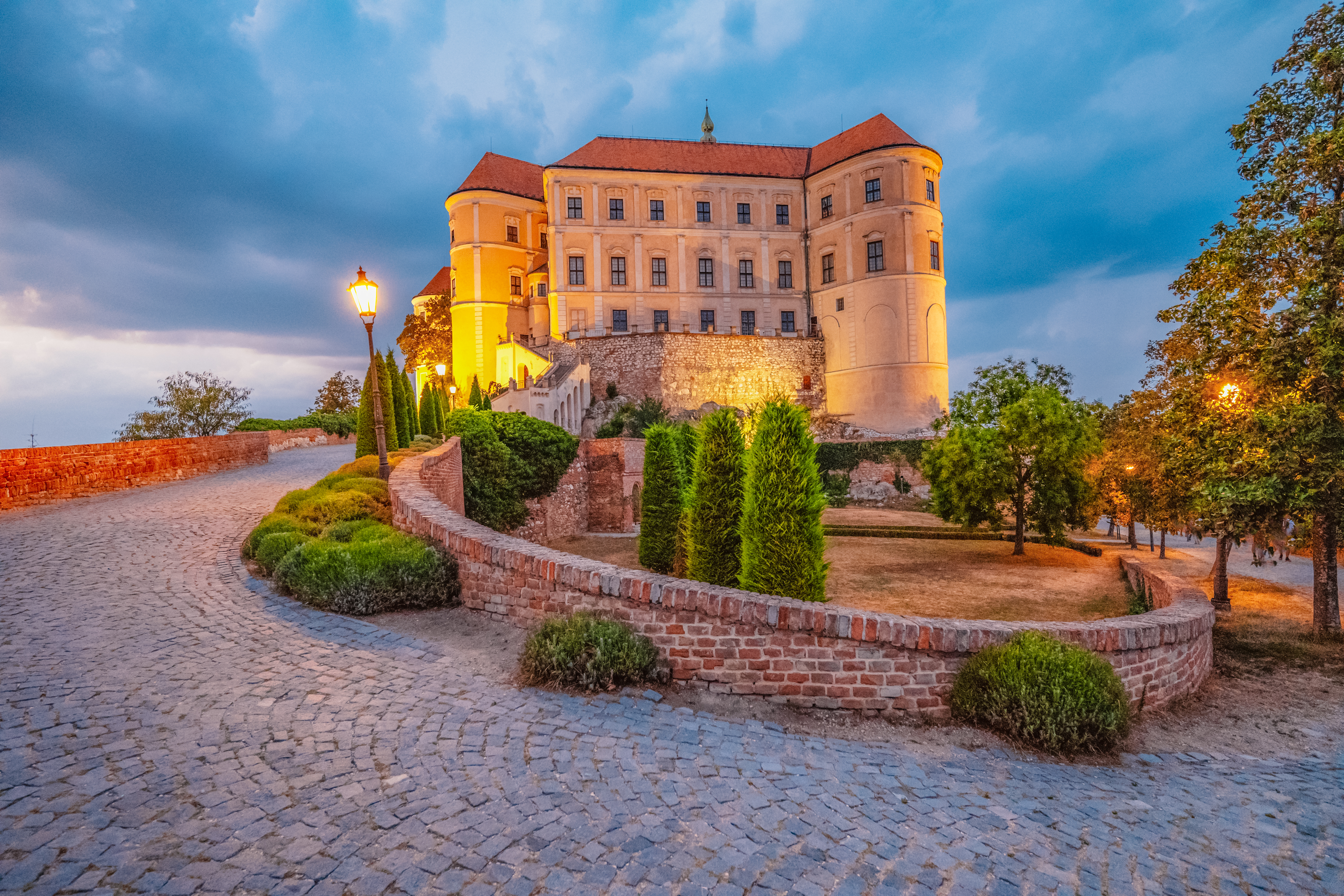

Castell de Cardona, majestically situated on a hill in the Spanish region of Catalonia, is one of the most impressive medieval structures on the Iberian Peninsula. It combines history, architecture, and legends like no other castle and continues to attract visitors from all over the world to this day. But behind its mighty walls lies not only the glorious past of a noble family—there is also a fascinating collection of myths that lend this place an almost mystical aura.
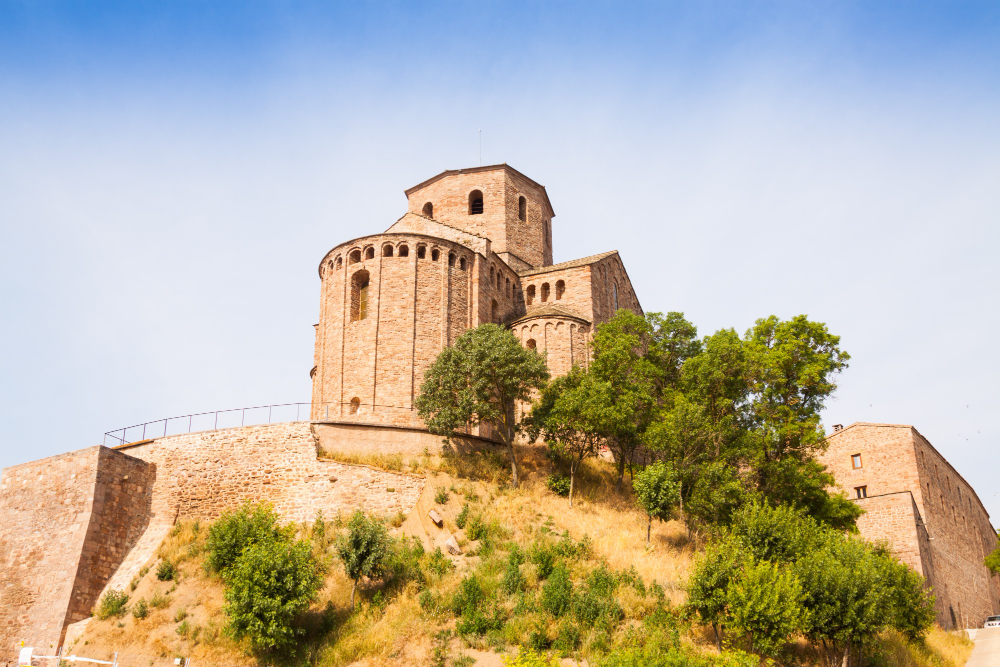
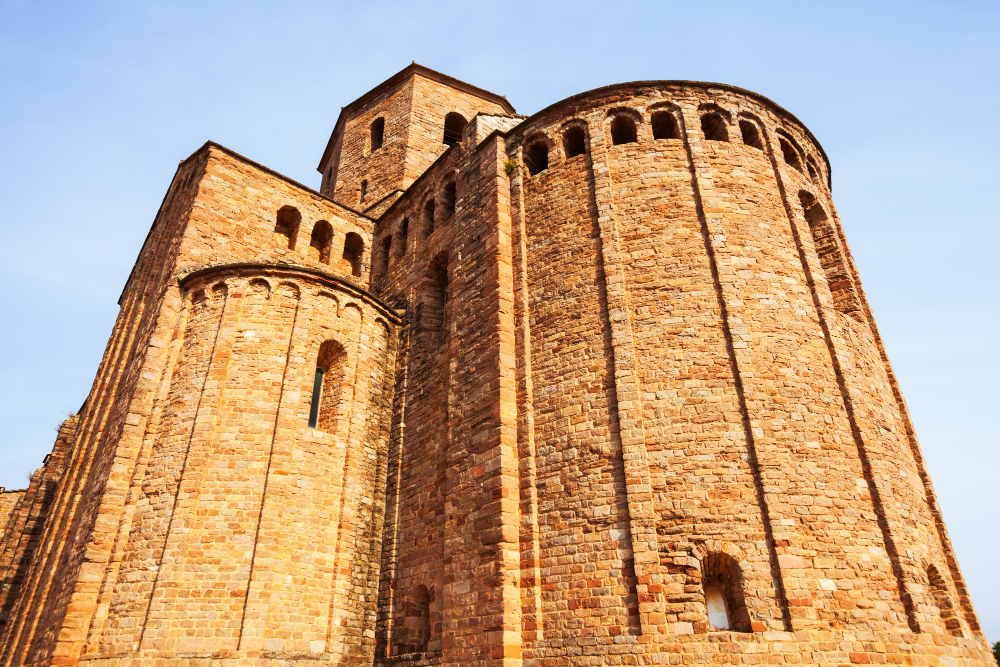
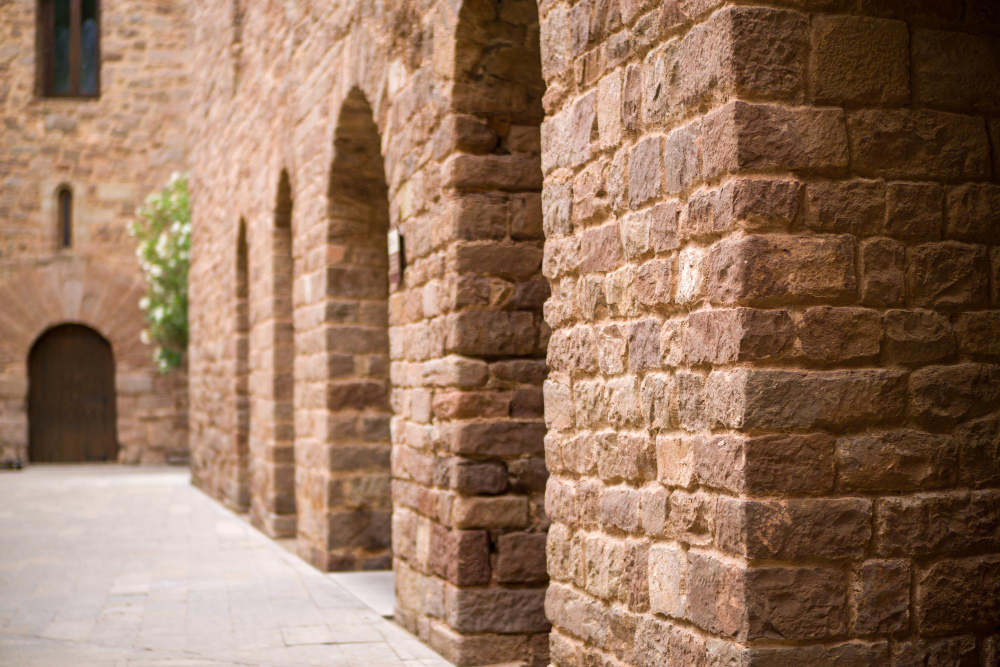
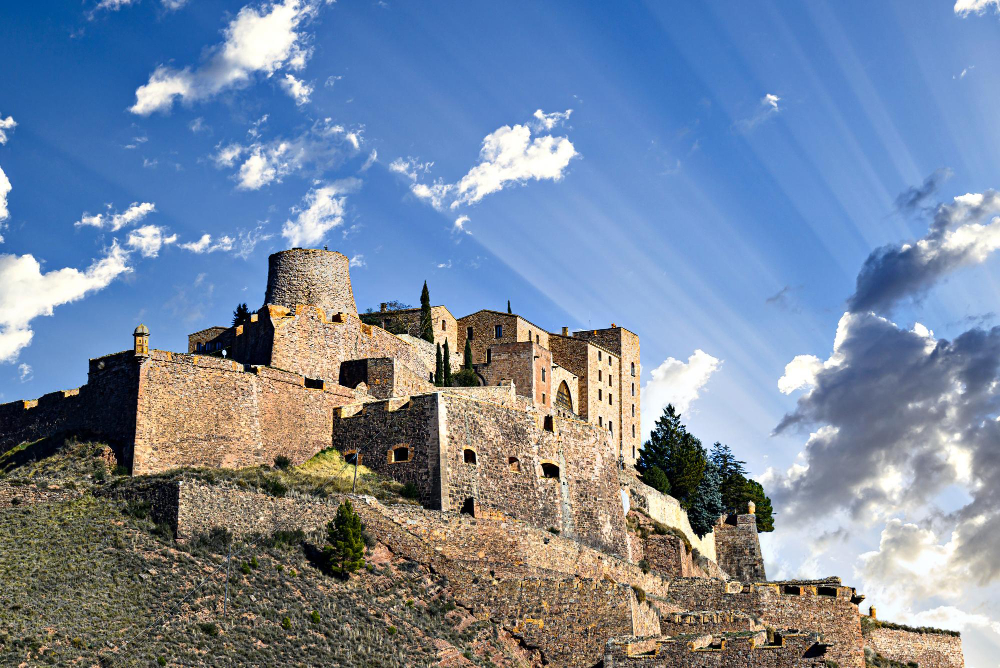
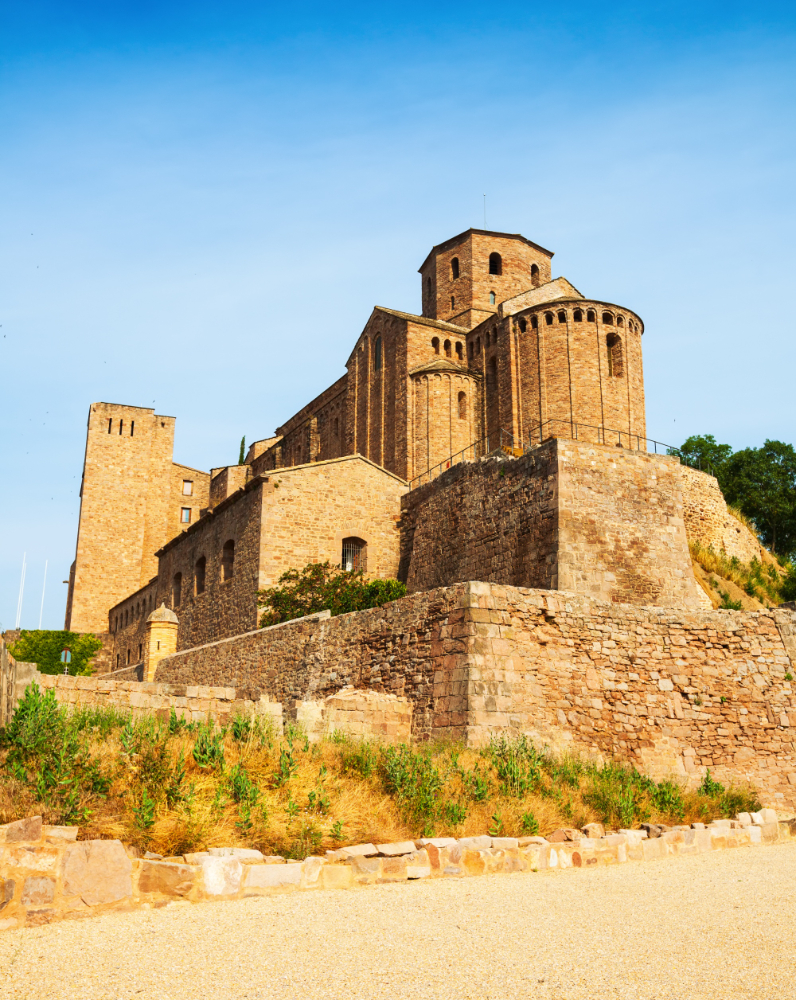
The Origins of Castell de Cardona – The origins of Castell de Cardona take us back to the 9th century, when the region was shaped by Charlemagne and his successors. The castle was strategically built on a hill to overlook the surrounding landscape and, in particular, the nearby salt flats. These salt flats were of inestimable economic value to the region, as salt at that time was indispensable not only for seasoning food but, above all, for its preservation. From the castle, access to this “white gold” and trade could be controlled. The castle was expanded over the centuries, and various architectural styles bear witness to the different cultural influences and historical eras that Cardona has undergone. Particularly noteworthy is the Romanesque architecture of the 11th-century Church of Sant Vicenç, which is part of the complex and is considered one of the finest examples of Romanesque religious architecture in Catalonia.
The Powerful Cardona Family – For centuries, the castle served as the seat of the Counts of Cardona, who were among the most influential noble families in medieval Catalonia. Their power was so great that they were often compared to the Spanish royal family—a famous saying went: “The kings of Aragon rule the world; the Cardonas rule the kings of Aragon.” This illustrates their political and economic significance, which was primarily supported by the salt trade. Yet power and influence always attract intrigue and conflict. Throughout history, the Castell de Cardona was besieged on multiple occasions, for example during the War of the Spanish Succession in the early 18th century. Despite numerous attacks, the castle remained impregnable—a symbol of strength and resilience that is still admired today.
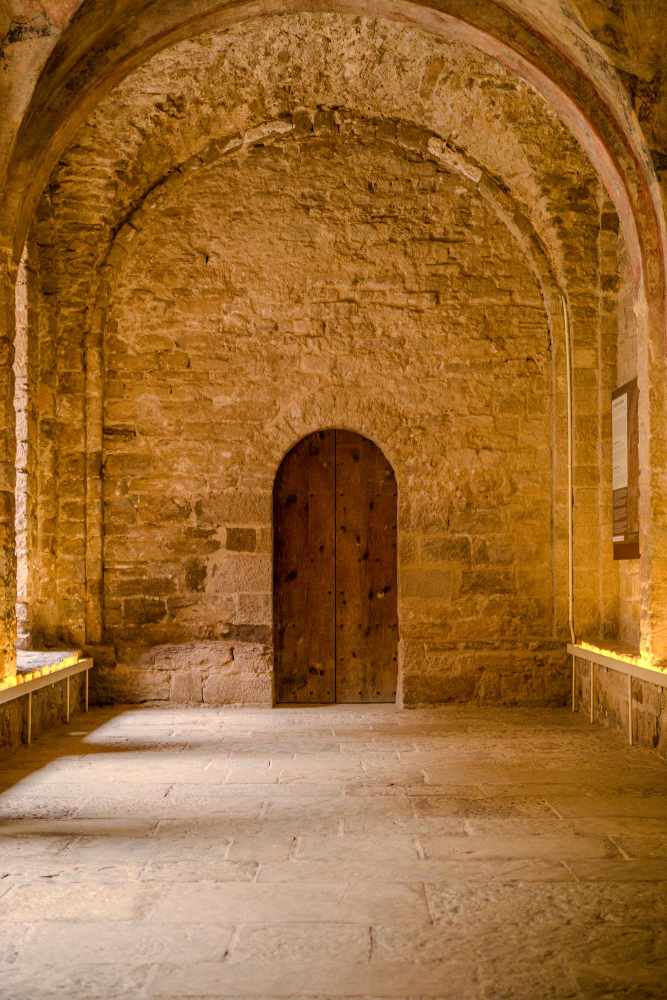
Mysterious Legends Surrounding the Castle – The walls of the Castell de Cardona bear witness to countless stories—some historically documented, others more legendary. One of the best-known legends is the tragedy of Adalés, the “Ghost Maiden.” This story takes place in the 15th century, when the castle was overshadowed by a love story that ended tragically. According to tradition, Adalés was the daughter of the Count of Cardona and an exceptionally beautiful young woman. She fell in love with a Muslim prisoner who was held captive in the castle. Since a relationship between a Christian woman and a Muslim man was considered an absolute taboo at that time, the family tried by every means to prevent this love. The legend tells that Adalés was eventually forced, for religious reasons, to become a nun and thus renounce all worldly ties. Her lover, on the other hand, died a lonely death in captivity, surrounded by hostility and rejection. Since then, Adalés’s ghost is said to haunt the rooms of the Castell de Cardona, particularly in the so-called “Room of the Ghosts.” Visitors report mysterious noises, unexplained apparitions, and a palpable presence that fills the air. It is said that her spirit finds no rest and continues to search for her lost love. This legend makes the castle not only interesting to historians but also attracts many curious tourists and paranormal investigators.
The Struggle Against Transience – Another fascinating element that enhances the mystical atmosphere of Castell de Cardona is the interplay between time and transience. The castle has survived numerous wars and historical turning points, yet nature also takes its toll. The salt flats, which once formed the foundation of the Cardona family’s power, have left unmistakable marks over the centuries. The salt, exposed to the air, has eroded and gradually destroyed many architectural details. Yet these natural changes offer a strangely poetic beauty—a symbol that even the mightiest structures cannot fully escape the ravages of time and nature.
Castell de Cardona Today – Today, the castle no longer serves as a defensive structure or the residence of a noble family, but has transformed into one of Catalonia’s most famous tourist attractions. Parts of the castle have been converted into a luxurious Parador hotel, offering visitors the chance to stay overnight in a historic atmosphere. For historians, archaeologists, and lovers of the Middle Ages, this is a rare opportunity to experience history up close. In addition, guided tours are offered regularly, during which guests learn more about the legends, architecture, and strategy that make this structure so unique. The “Rooms of the Spirits” are particularly popular—not least because of the hope of catching a glimpse of the restless spirit of Adalés.
A place full of magic and history – Castell de Cardona is more than just a historic building—it is a gateway to the past and an oasis of living traditions and legends. From its strategic role in the history of Catalonia to the tragedies that unfolded behind its castle walls, and the mystical tales still told today: this castle exerts a unique fascination that appeals to history buffs and romantics alike. Those seeking deeper insights should not merely visit this place as tourists, but explore it mindfully. For behind every wall, every tower, and every legend lies a piece of Catalonia’s soul—proof that even stones can tell stories.
Castell de Cardona remains a symbol of the immortality of culture and the power of the human imagination, manifested in myths and legends. Anyone who has the opportunity to enter this magical place will likely never forget it.