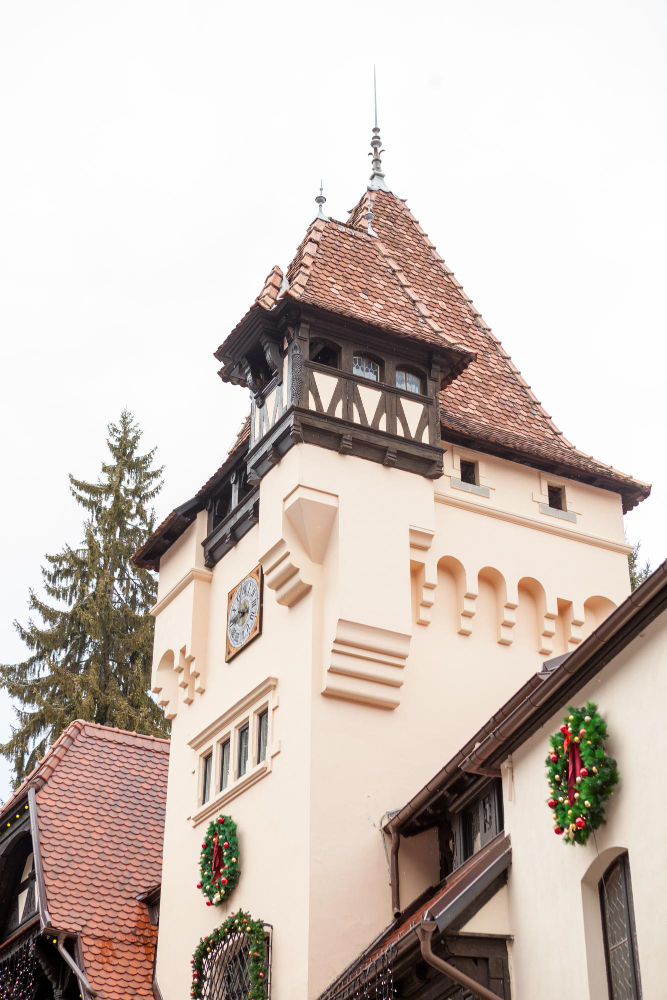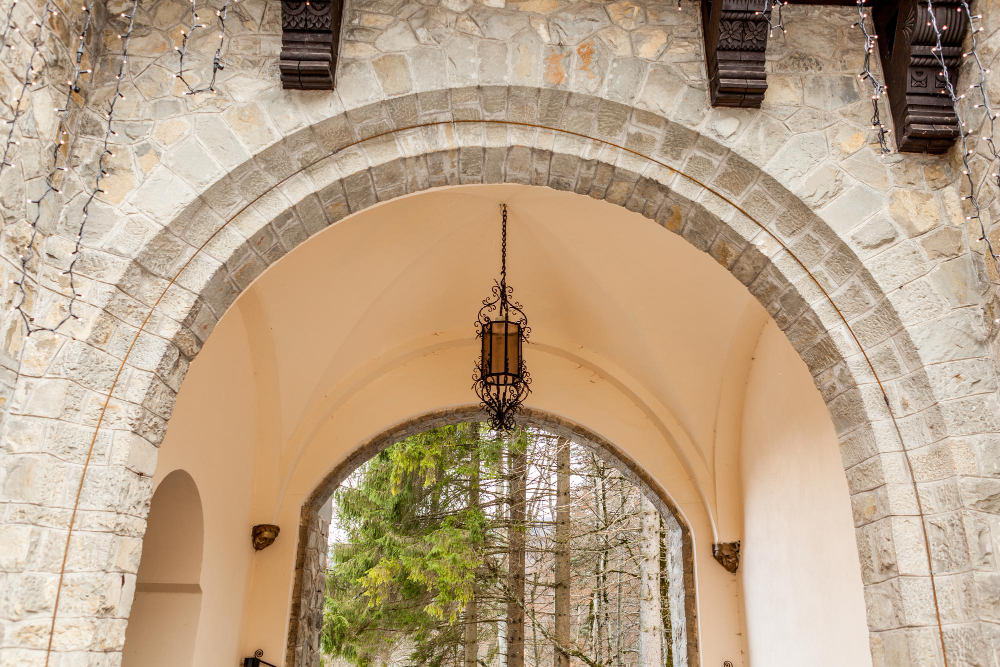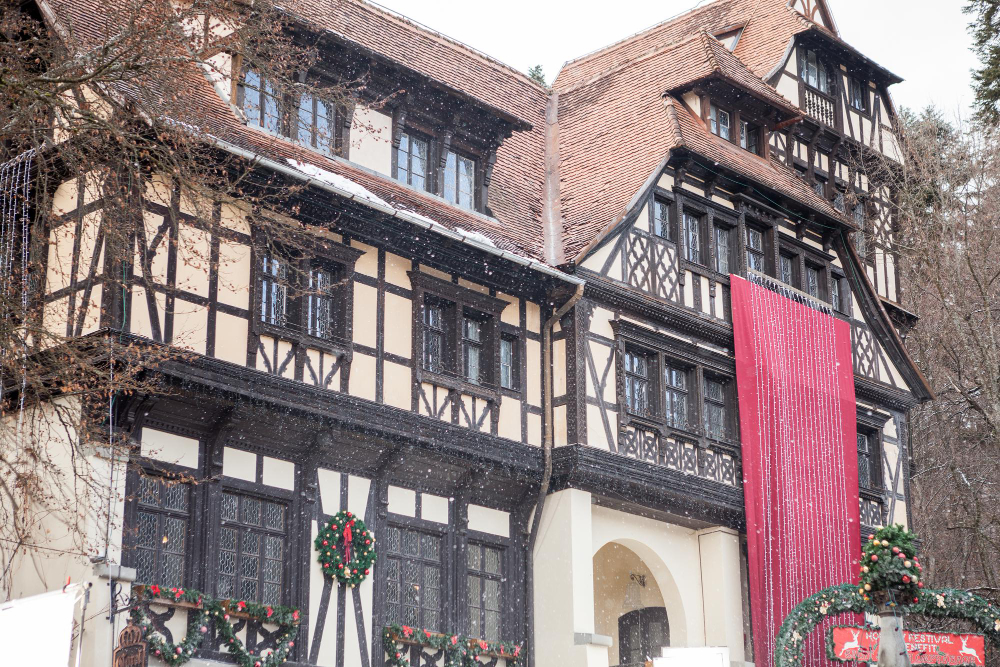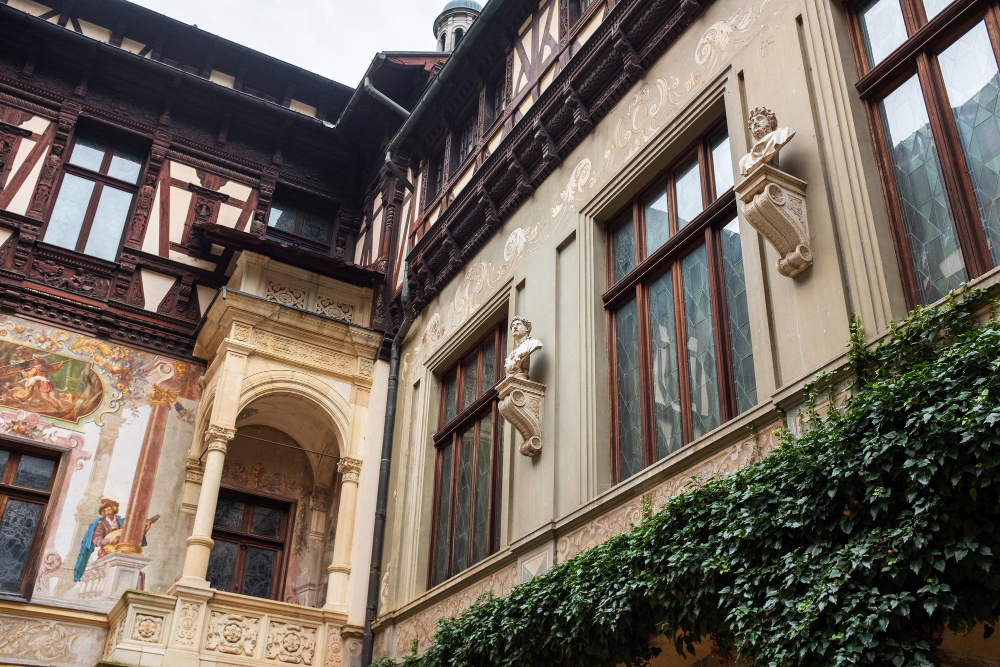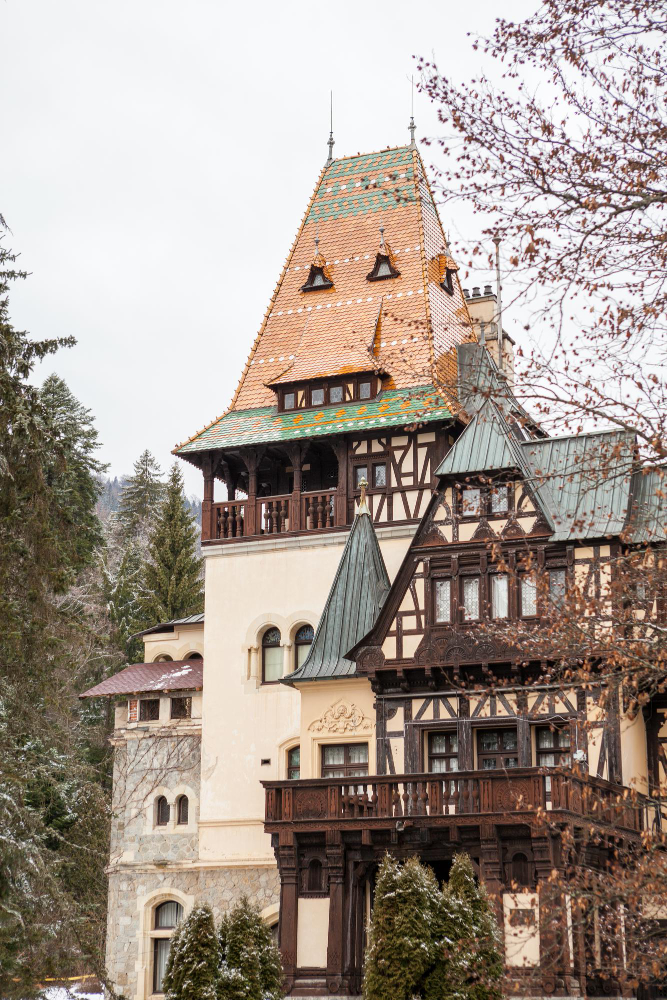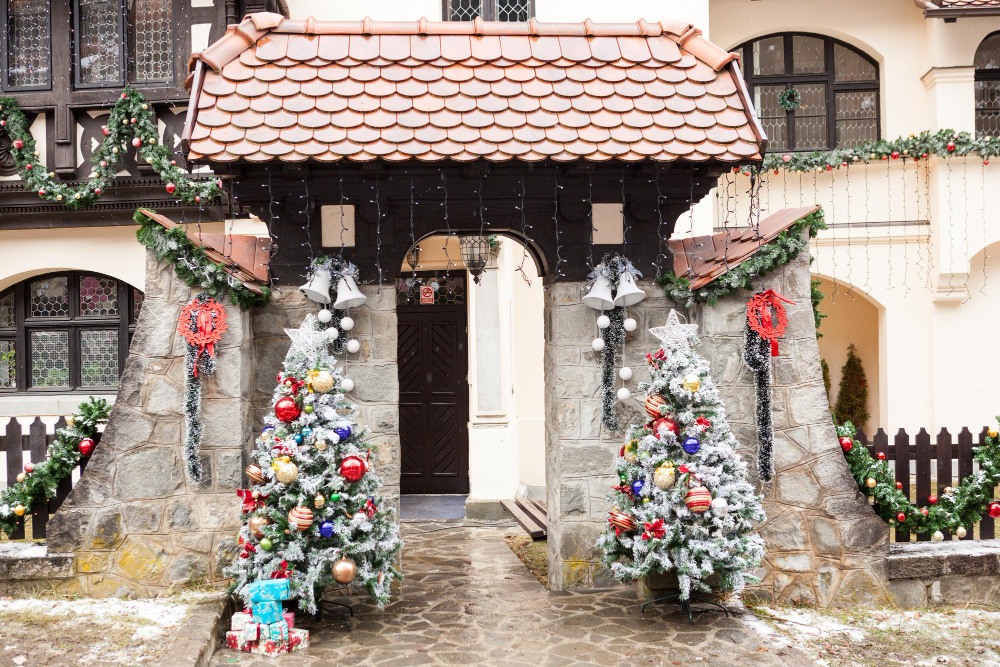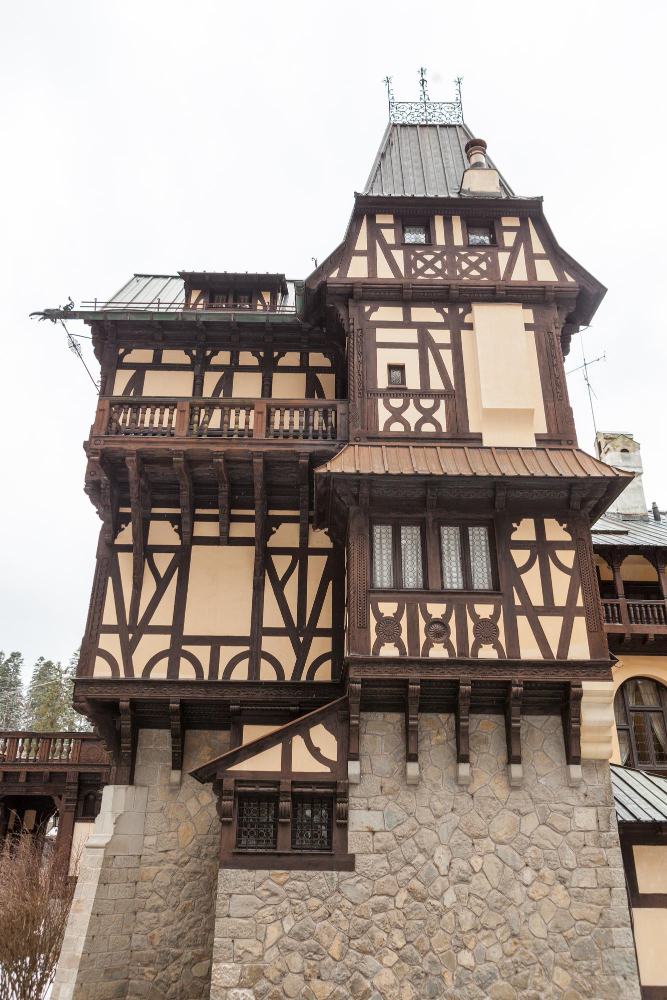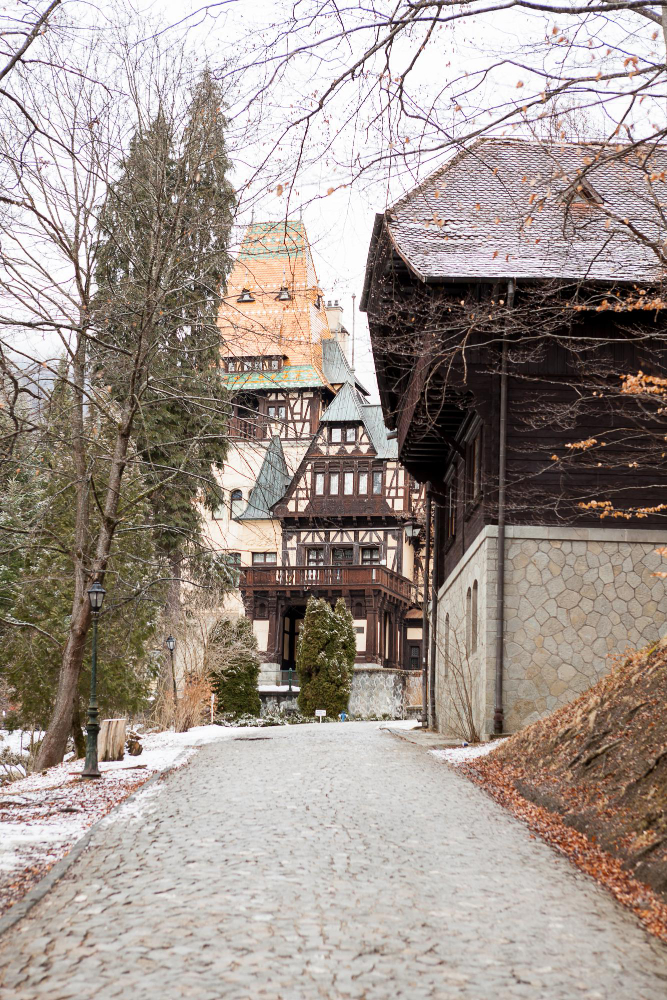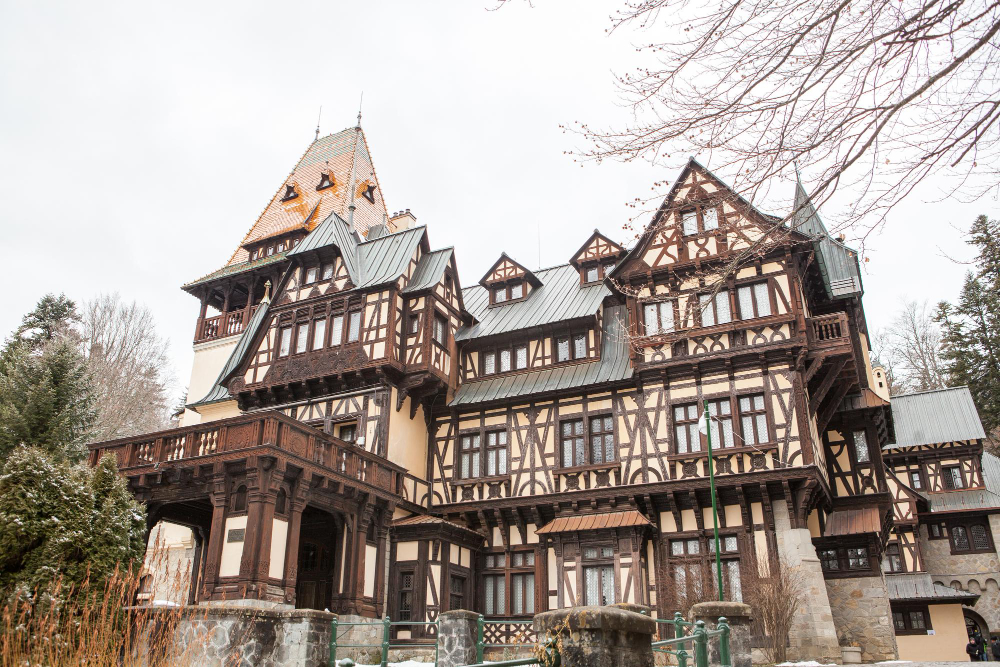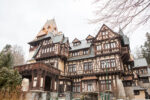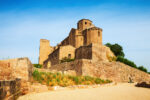

In one of Romania’s most picturesque regions, surrounded by the majestic Carpathian Mountains, lies the small yet imposing Pelișor Castle. The structure, which is part of the famous Peleș Castle complex in Sinaia, proves to be far more than just an architectural gem. It tells stories of royal splendor, artistic visions, and tragic twists deeply rooted in the country’s cultural heritage. But what makes Pelișor Castle so special? It is the perfect blend of history, art, and legends that continues to fascinate visitors to this day.
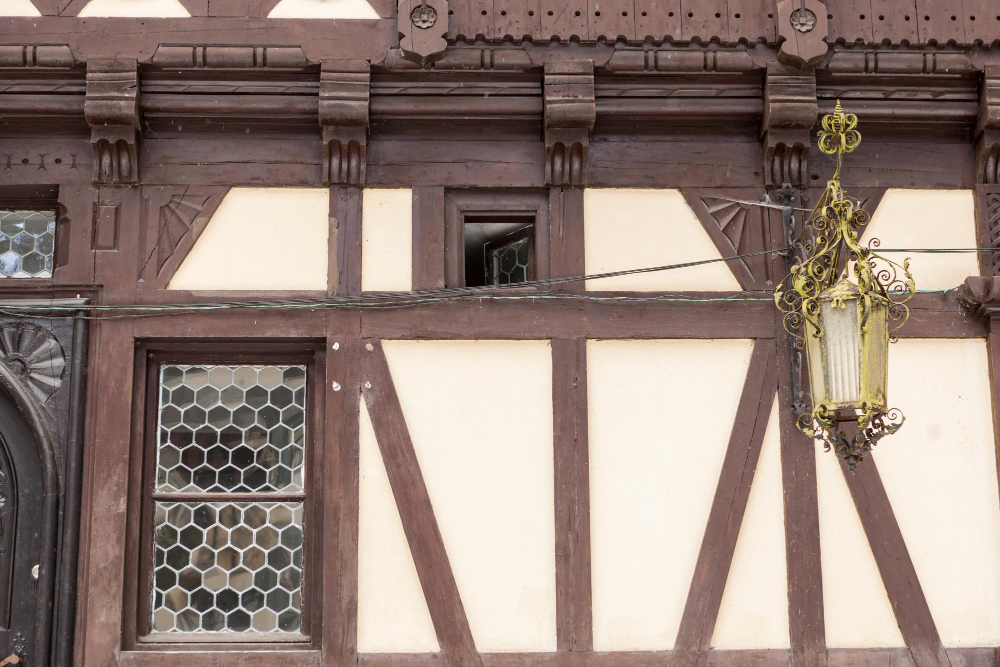
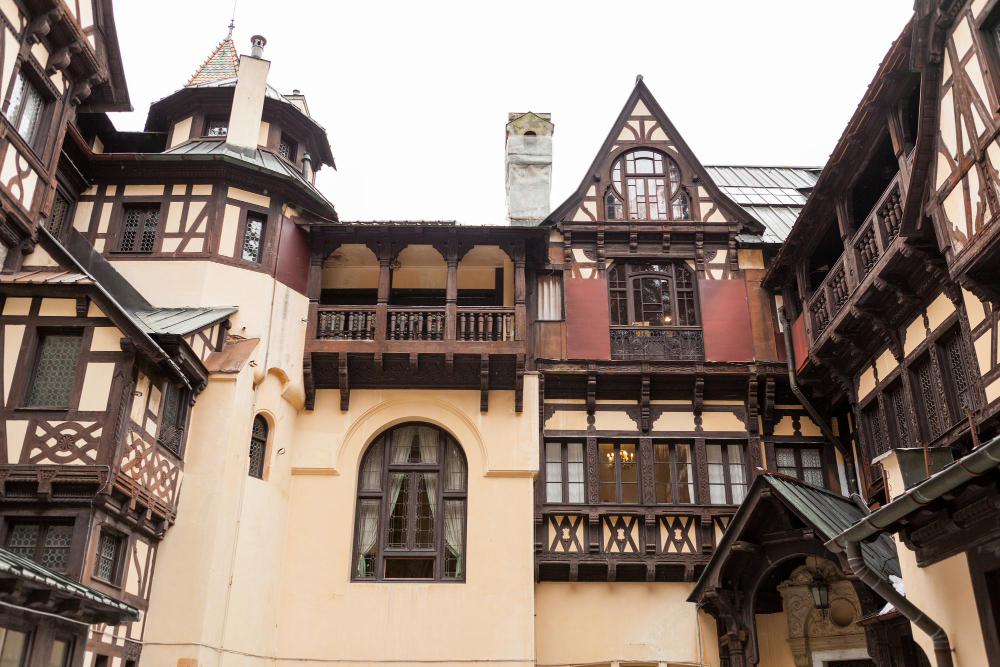
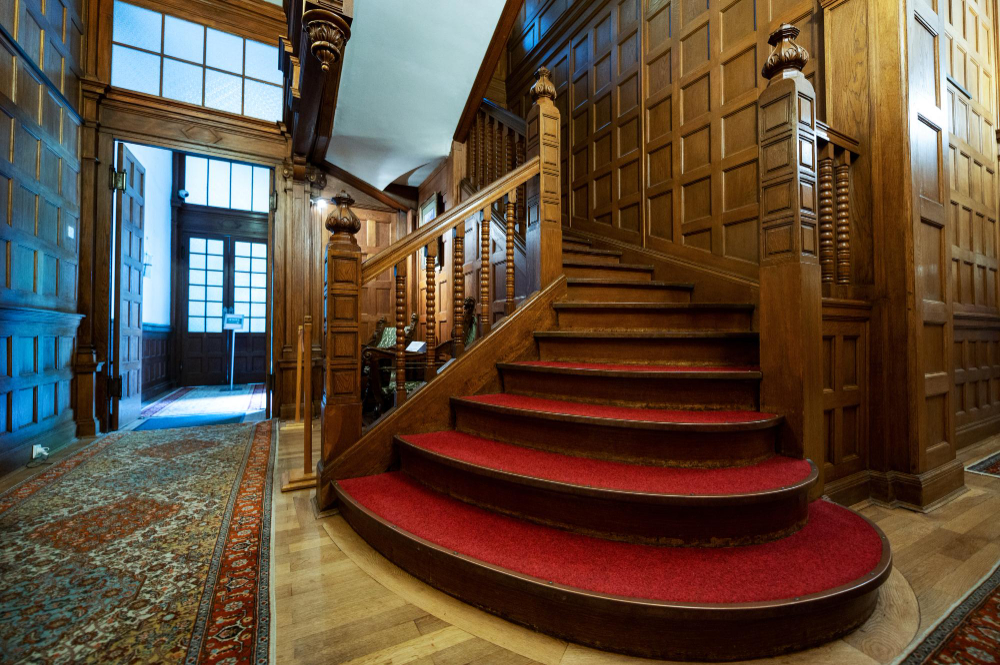
The Birth of a Royal Jewel – Pelișor Castle was built at the beginning of the 20th century as a smaller annex to the monumental Peleș Castle. Construction began in 1899 and was completed in 1902 under the direction of the Czech architect Karel Liman. The castle was a personal project of King Carol I, the first king of Romania, who had it built for his nephew Ferdinand and his wife Marie. In contrast to the magnificent main Peleș Castle, which shines with opulent elements of the Neo-Renaissance and Gothic styles, a far more intimate style was chosen for Pelișor. The architecture is in the Art Nouveau style, a significant artistic movement of that time characterized by curved lines, floral patterns, and a unique aesthetic. Particularly striking are the interior design and decorations, the design of which was significantly influenced by Queen Marie herself. Marie was not only a monarch but also a remarkable artist and designer. Her passion for art and her Anglo-Irish roots are clearly reflected in the rooms. Golden walls, stained-glass windows, and unusual pieces of furniture lend the castle an aura of exclusivity and uniqueness. Above all, the so-called “Golden Hall,” which was designed entirely by Marie, remains a highlight of every castle tour.
The Tragic Story of the Queen and the Secret of the “Heart Room” – A legend closely associated with Pelișor Castle revolves around Queen Marie’s heart. After her death in 1938, her heart was preserved in a golden shrine in accordance with her last will and initially housed at the Balcic Monastery on the Black Sea coast. However, when this region was later ceded to Bulgaria, the heart returned to Sinaia and was temporarily kept at Pelișor Castle. This so-called “Heart Room” is said to possess a special atmosphere—many visitors report feeling a strange melancholy or even a sense of awe there. Whether it is the symbolic presence of the heart or the queen’s tragic story that makes this room so emotionally charged remains uncertain. What is certain, however, is that the rooms’ design and symbolism reflect Marie’s deep connection to this castle. According to legend, Marie is said to have often visited the rooms of Pelișor Castle alone while she was seriously ill. It is said that here, far from the hectic life at court, she mentally prepared herself for her final farewell. To this day, these stories fascinate both historians and people interested in spirituality.
Art, Myth, and National Pride – A central aspect that makes a visit to Pelișor Castle unique is the connection between art and national pride. Queen Marie was a gifted designer with a keen eye for detail and beauty. Her love for Romania is reflected in many elements of the castle. She created a truly royal home that nevertheless retains a touch of warmth and intimacy, as if she were personally welcoming the visitor. A special artistic highlight is the extensive collection of stained-glass windows and murals that tell stories from Roman mythology. These works of art make Pelișor Castle not only an architectural masterpiece but also a valuable cultural treasure.
Mystical Encounters and Rumors of Ghosts – Like any old castle, Pelișor also harbors its own mystical stories and legends. Some locals claim that the castle is haunted by the ghosts of its former inhabitants. Especially during the darker months of the year, when the castle is shrouded in fog, tourists occasionally report unexplained noises or apparitions. Although these reports have never been scientifically proven, they inevitably contribute to the castle’s mysterious aura. For example, there is a story that Queen Marie herself walks through the castle’s corridors to ensure that everything remains as she would have wished.
A Place of Remembrance and Inspiration – Today, Pelișor Castle serves as a museum and opens its doors to thousands of visitors from around the world. As part of the Peleș complex, it is an essential destination for anyone wishing to experience Romania’s beauty and history. The exhibition features numerous original pieces of furniture, works of art, and personal belongings of the royal family. Furthermore, the castle is regarded as a symbol of the modern Romanian monarchy, which successfully navigated the balance between tradition and reform. Queen Marie and King Ferdinand played a key role in this, particularly during World War I, when they supported Romanian independence and guided the country through difficult times.
A Fairytale Castle with a Heart – Pelișor Castle is far more than just a building—it is a testament to Romanian history, art, and emotion. With its intimate atmosphere and fascinating design, it stands out distinctly from other castles. The memories of Queen Marie, the legends surrounding her death, and the mystical atmosphere make this castle a place that captivates every visitor.
Anyone who has wandered through its rooms will understand why Pelișor Castle is not only an architectural treasure but also a living symbol of the beauty and tragedy of Romanian history. Whether you’re a history buff, an art lover, or a curious traveler—Pelișor Castle is sure to leave a lasting impression.