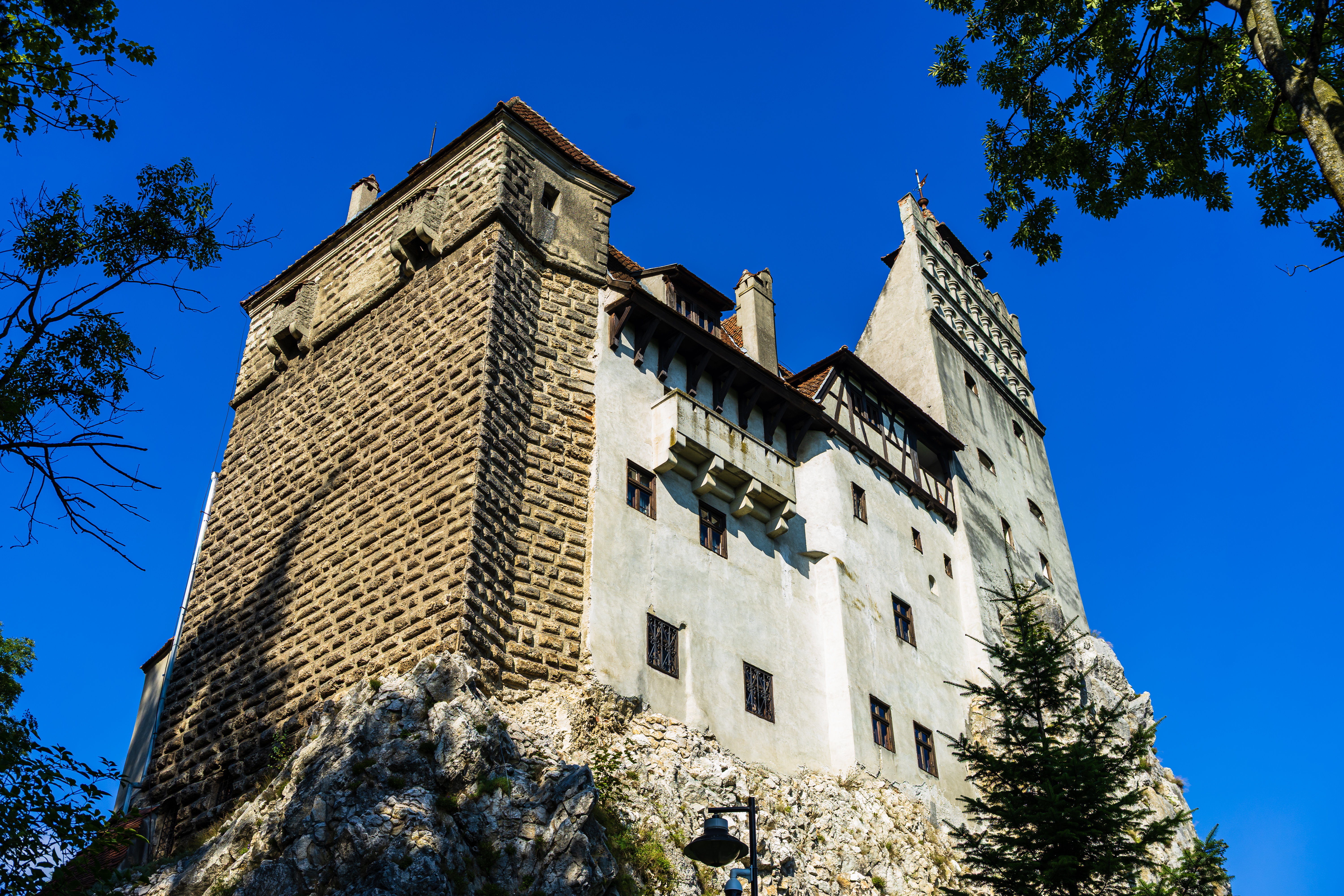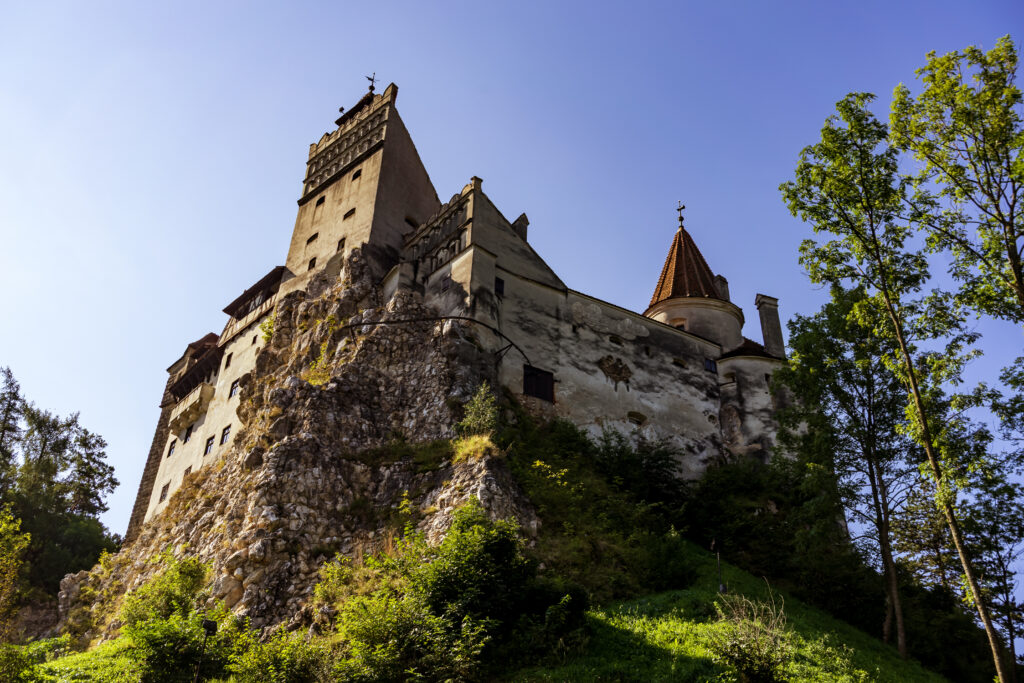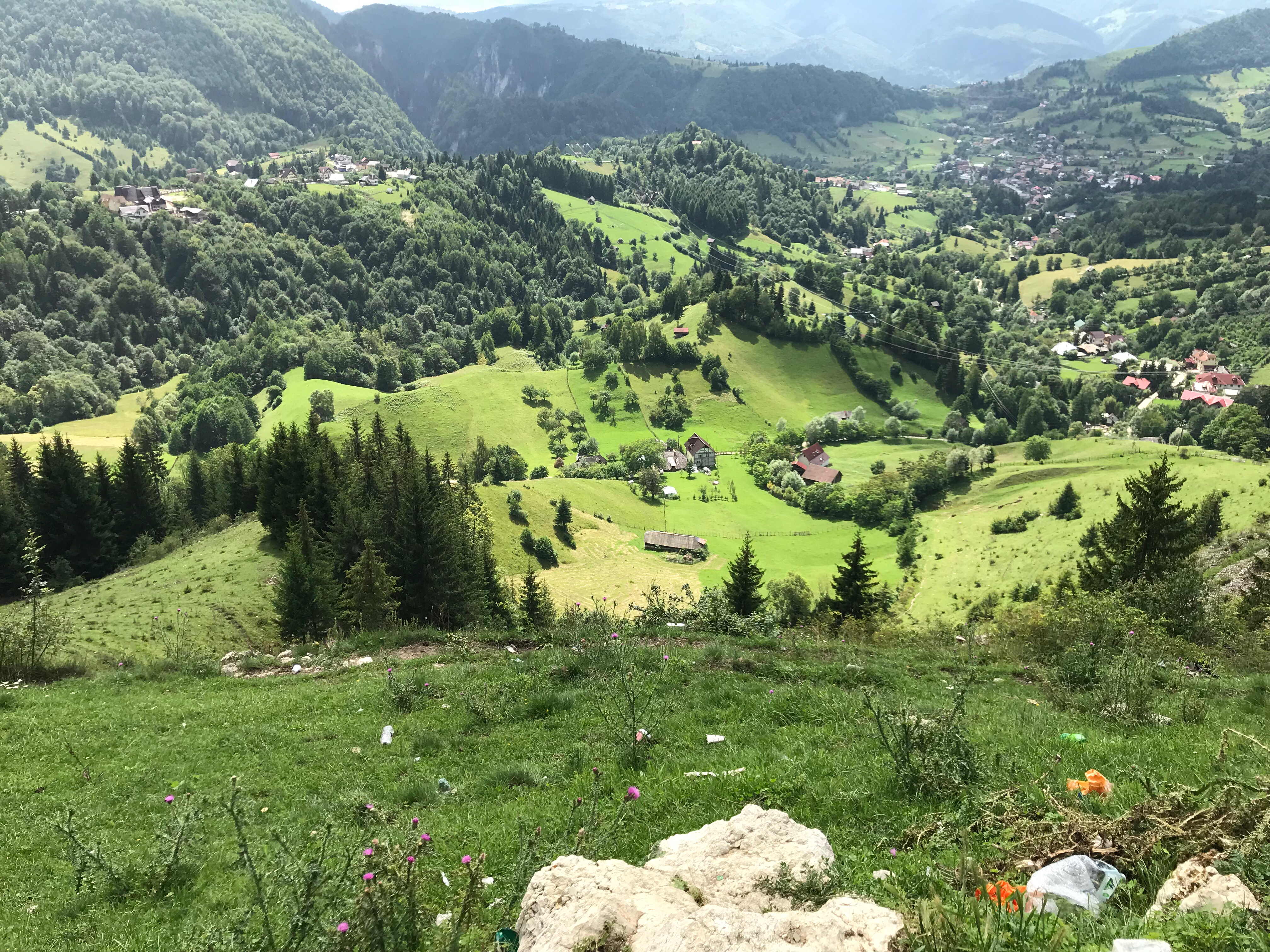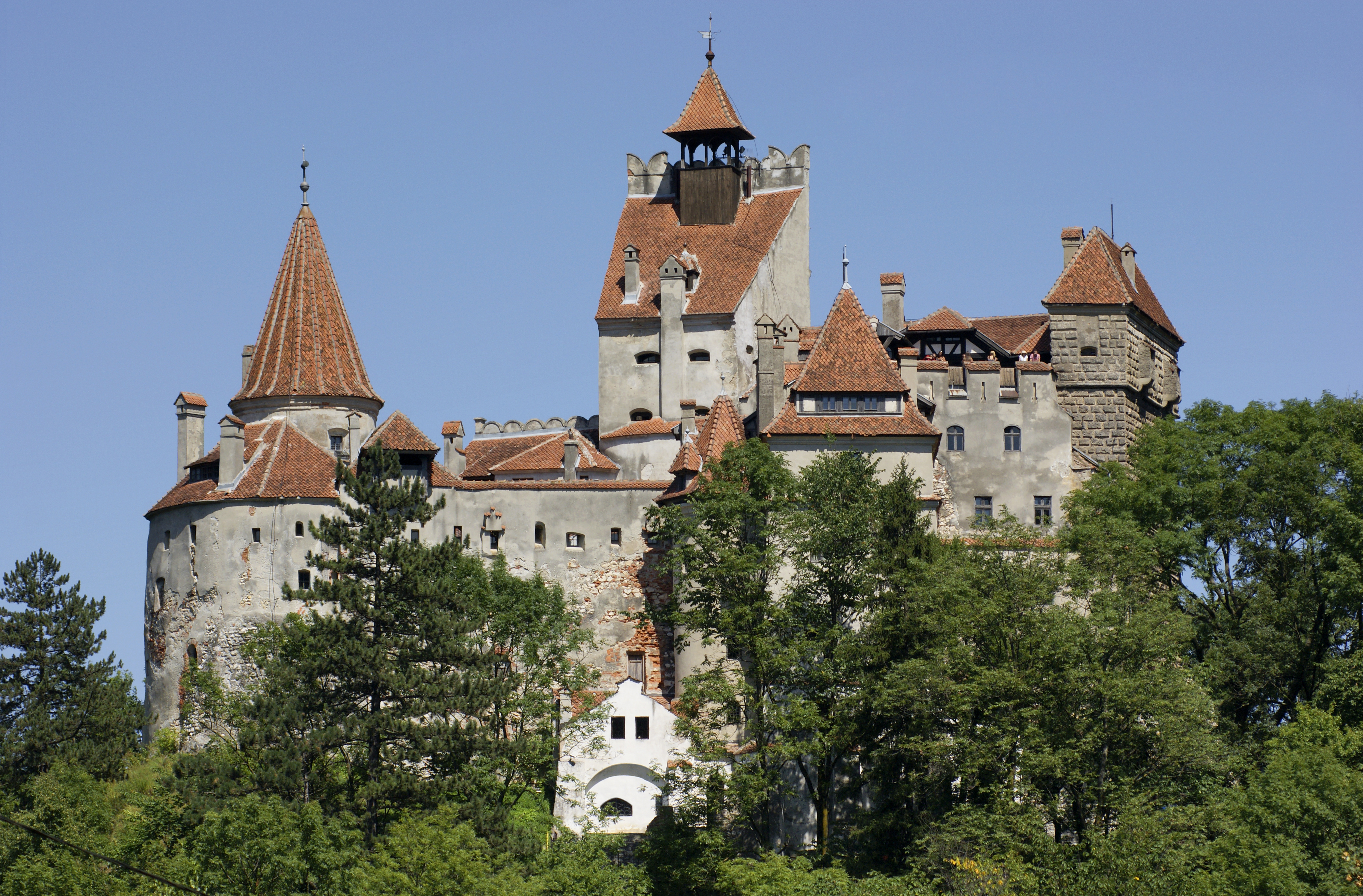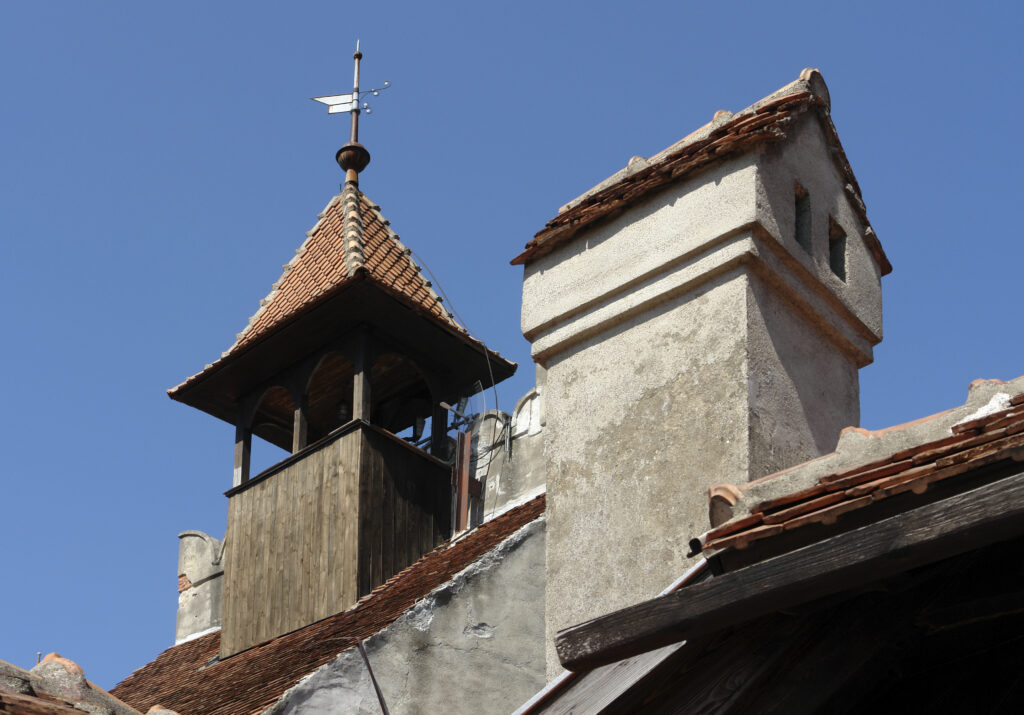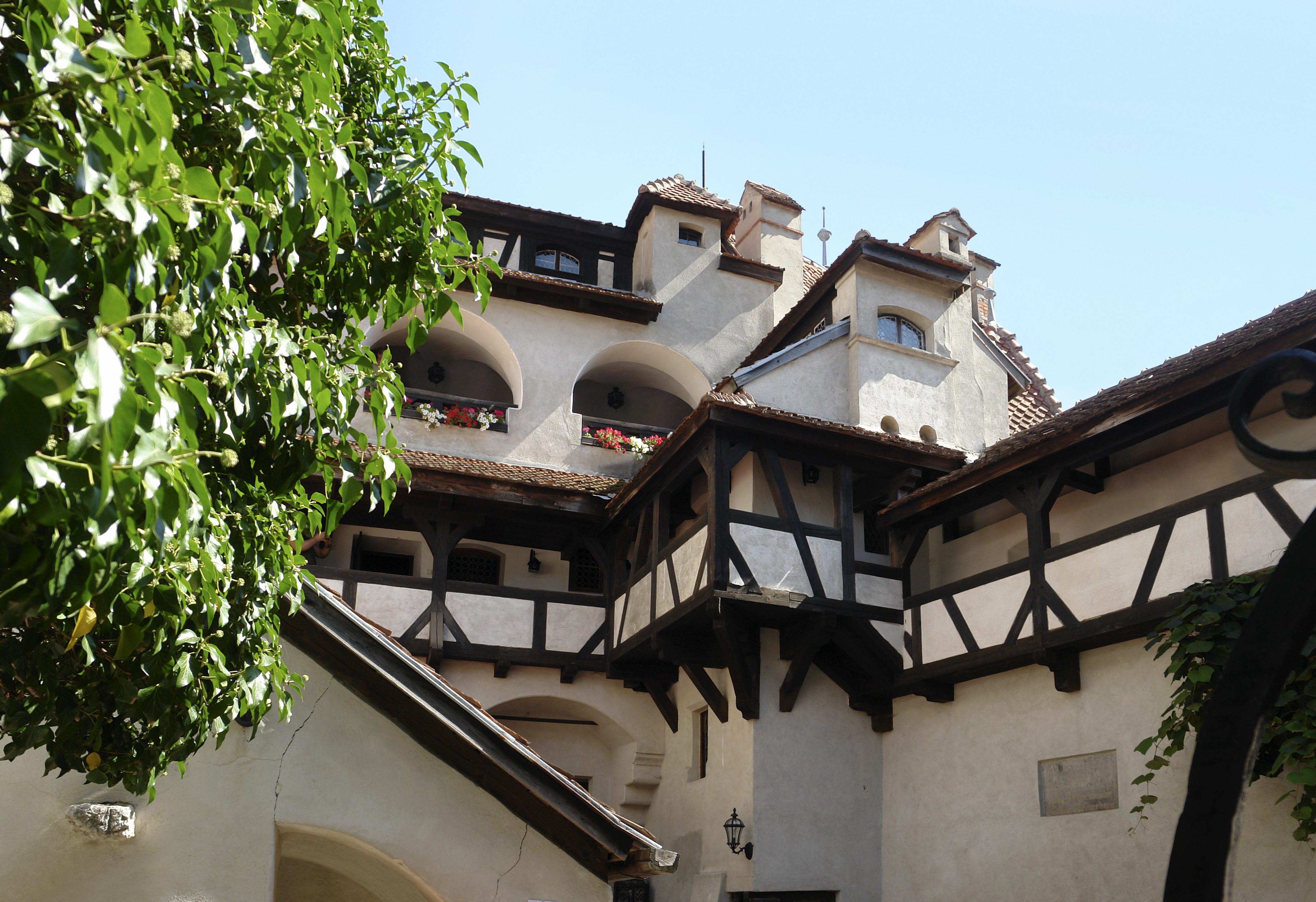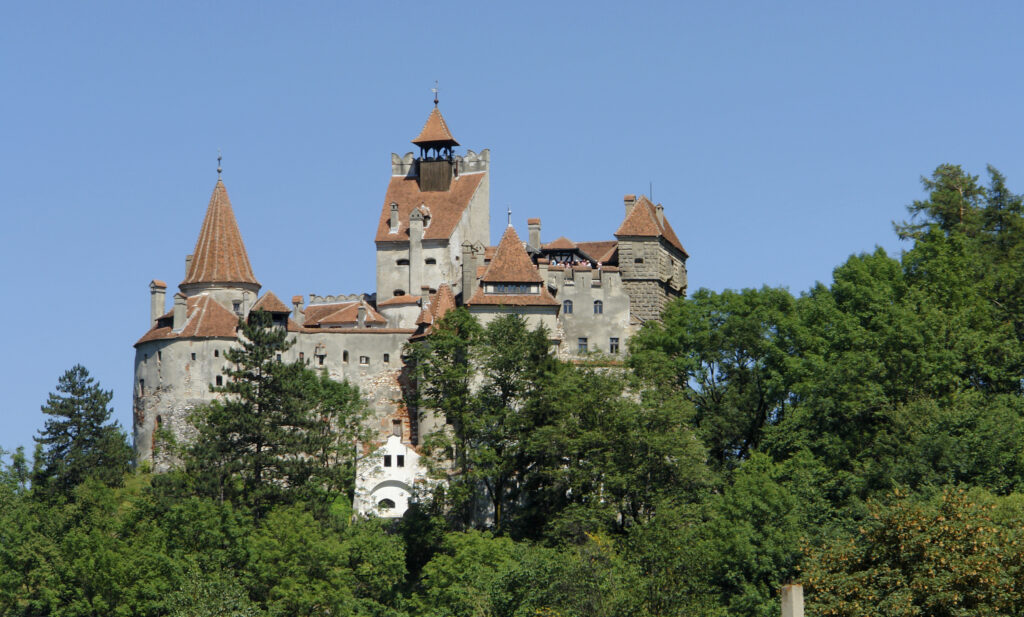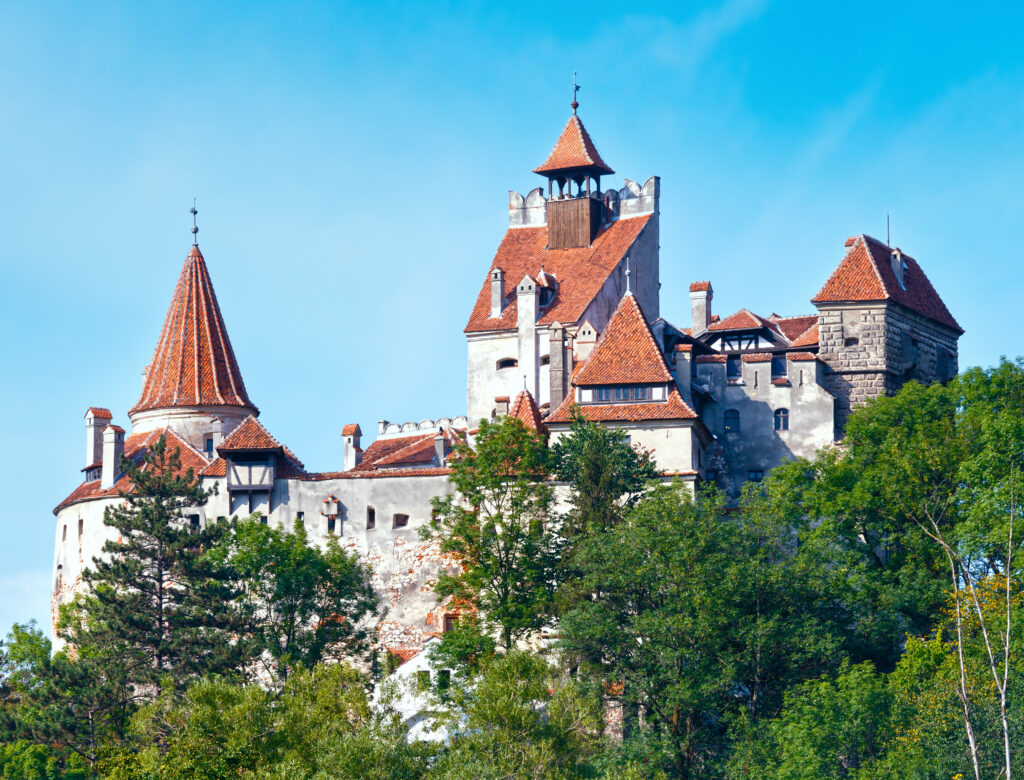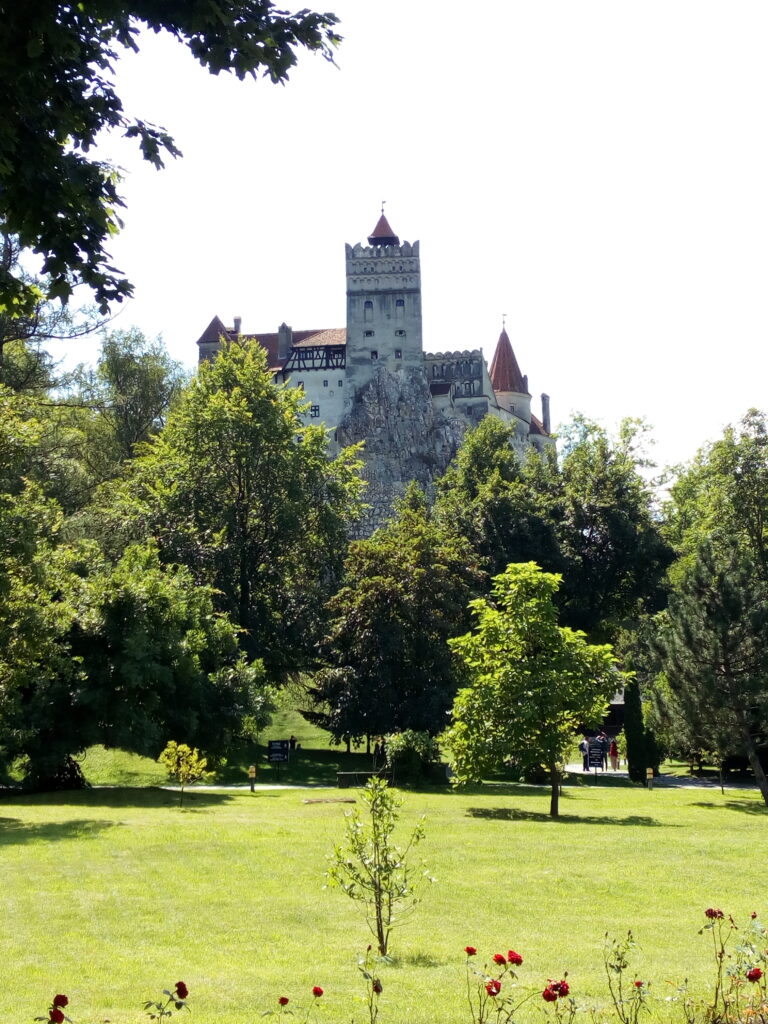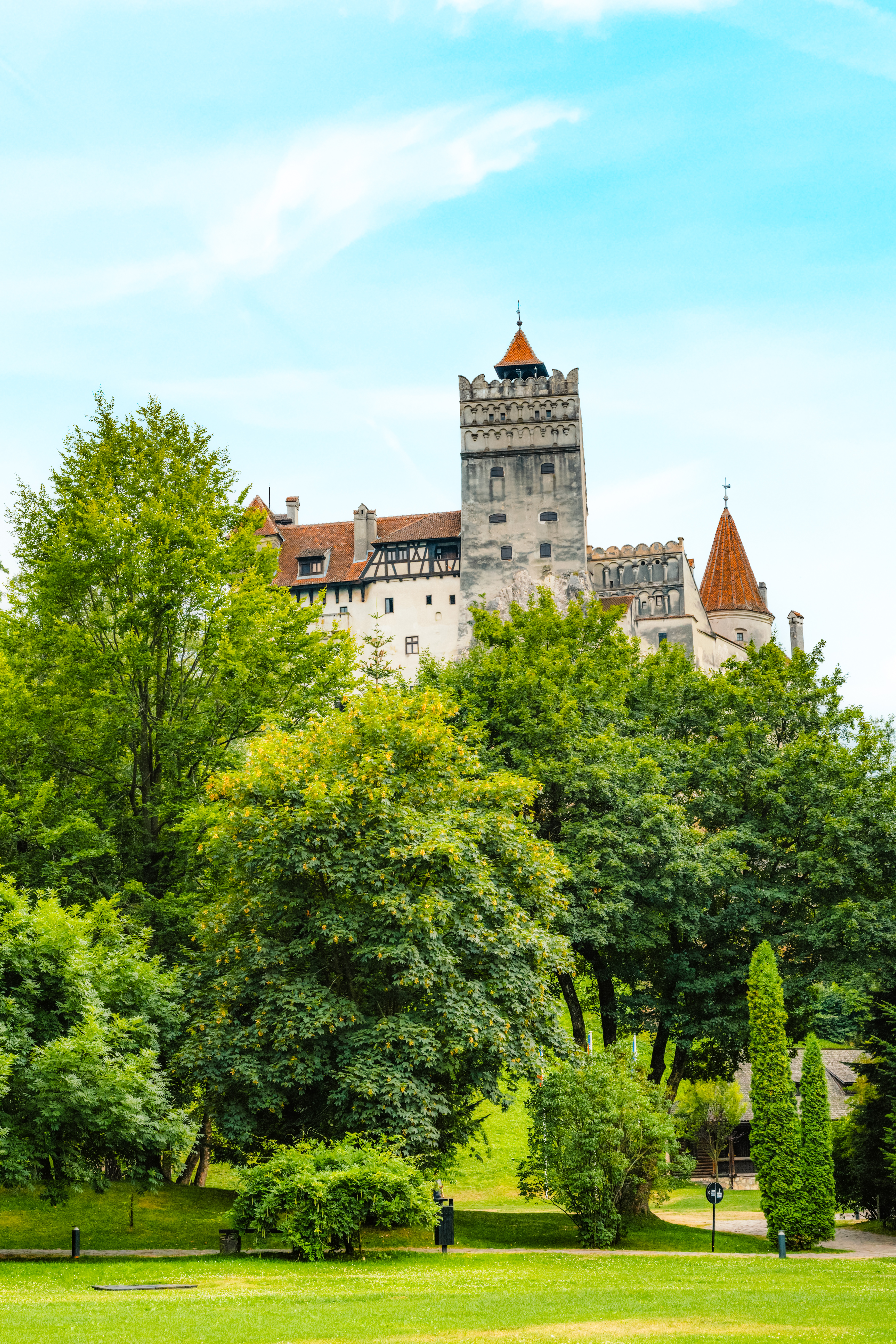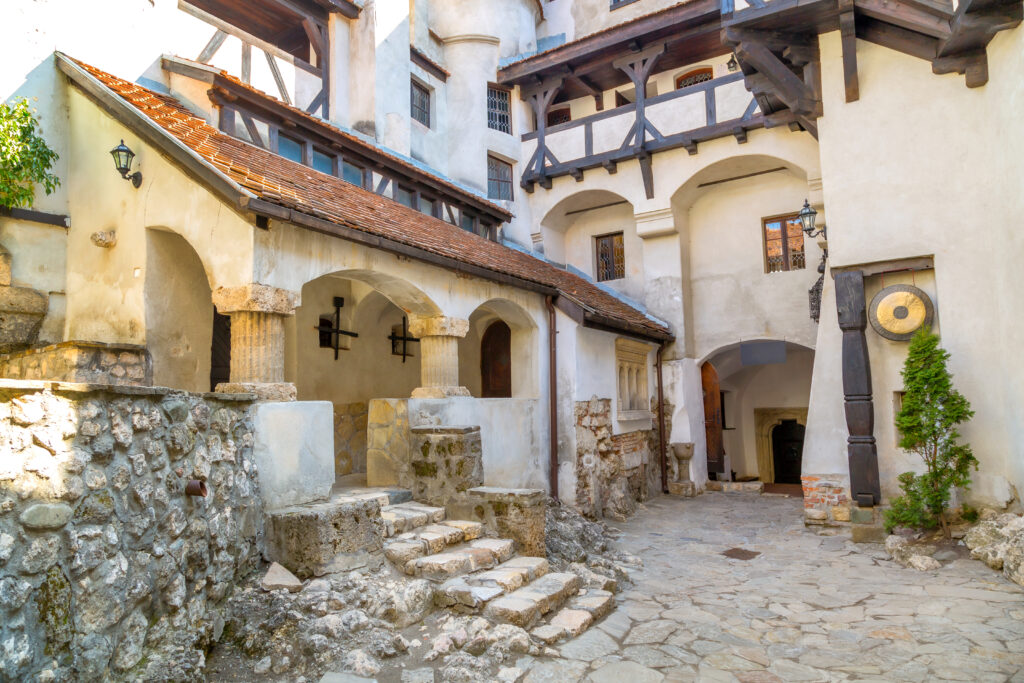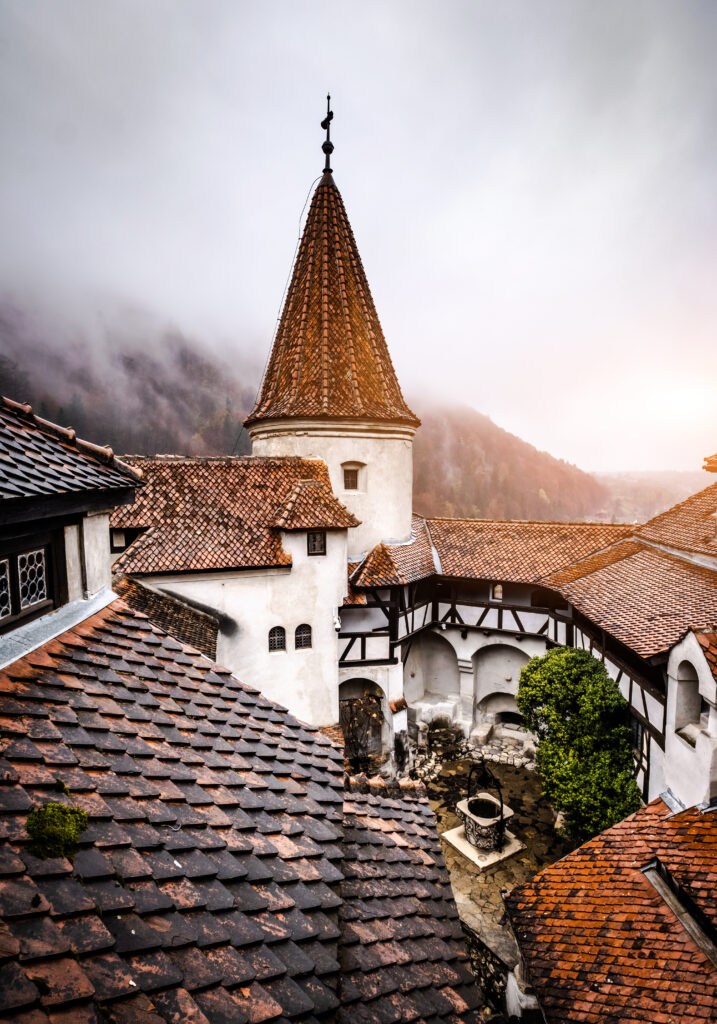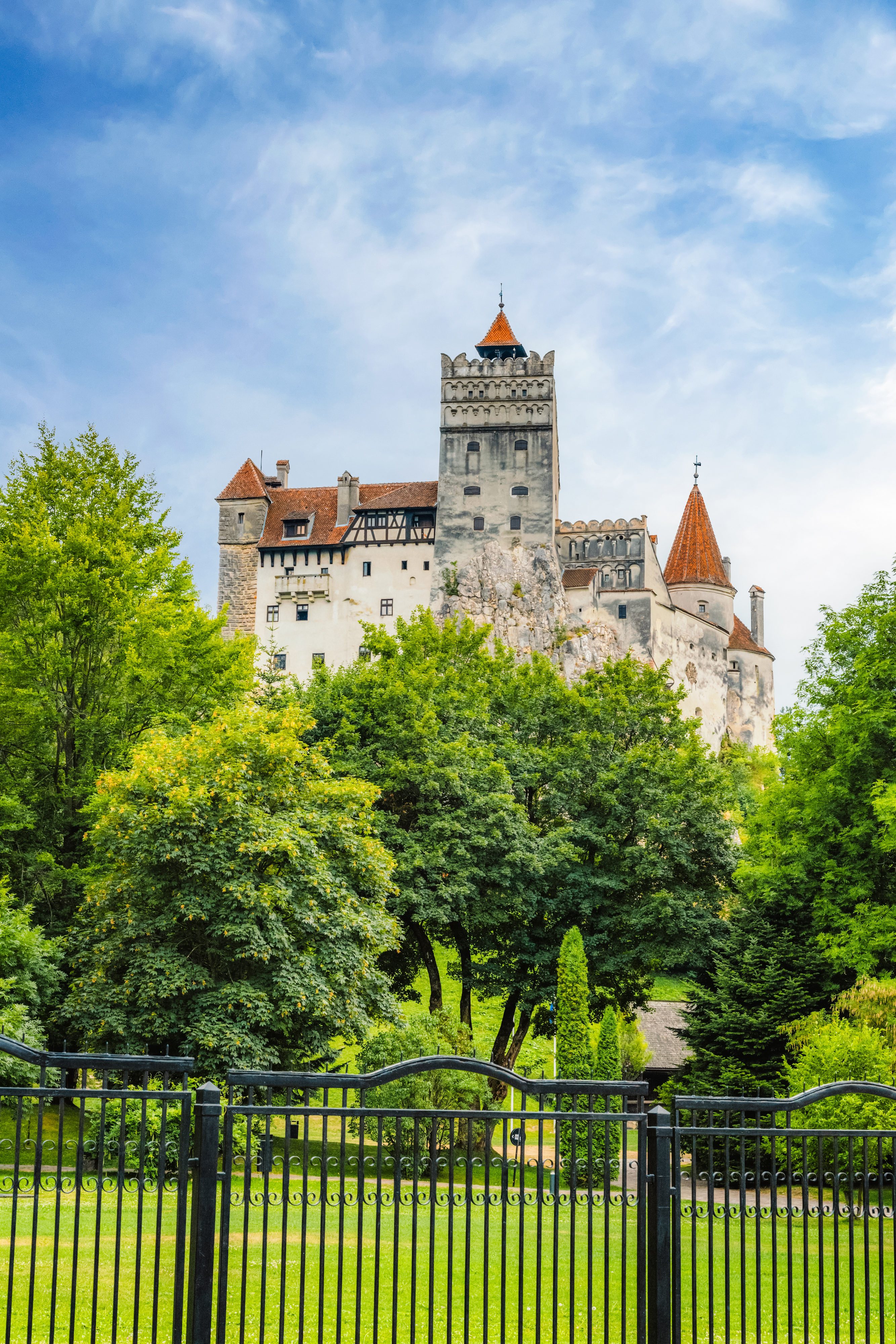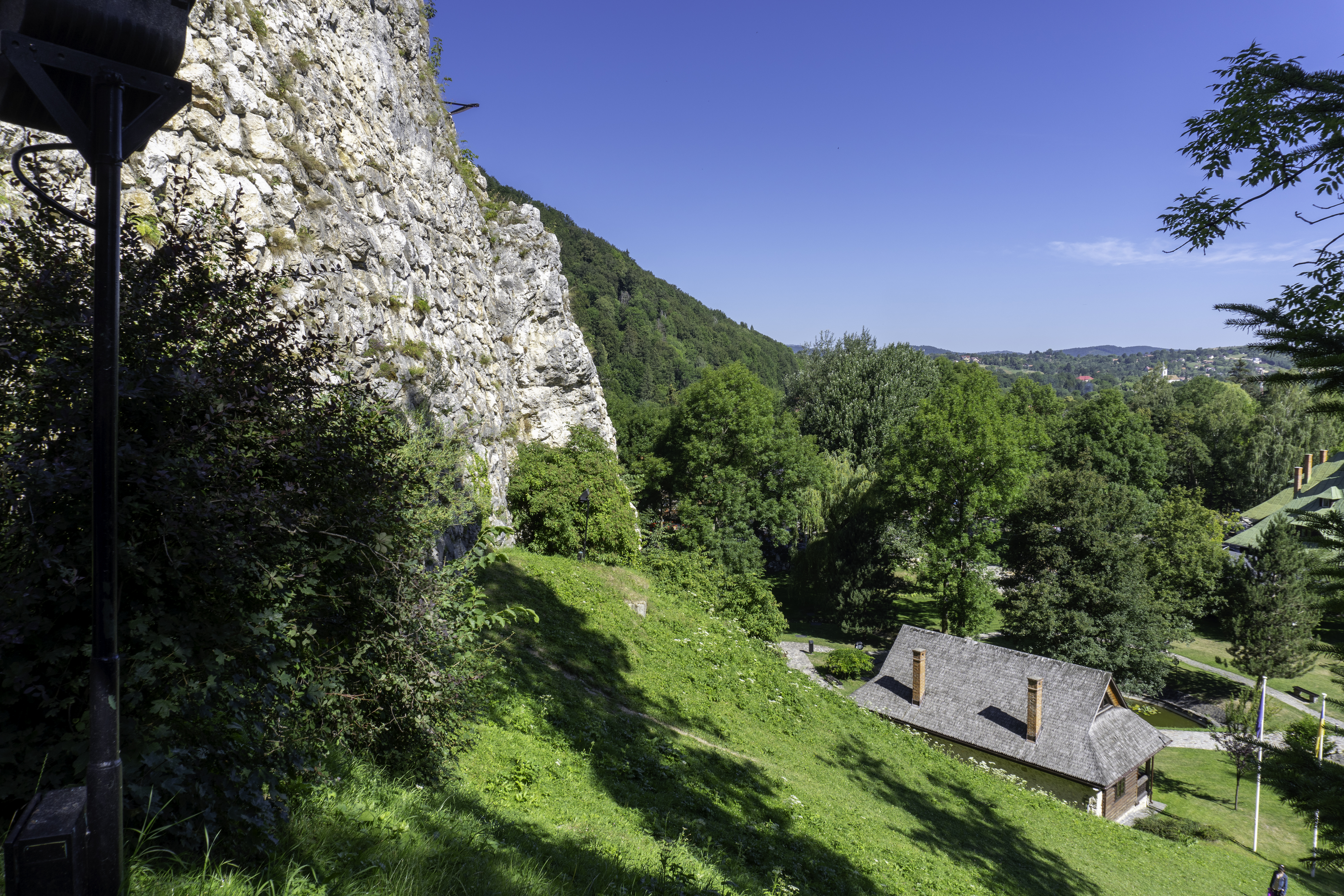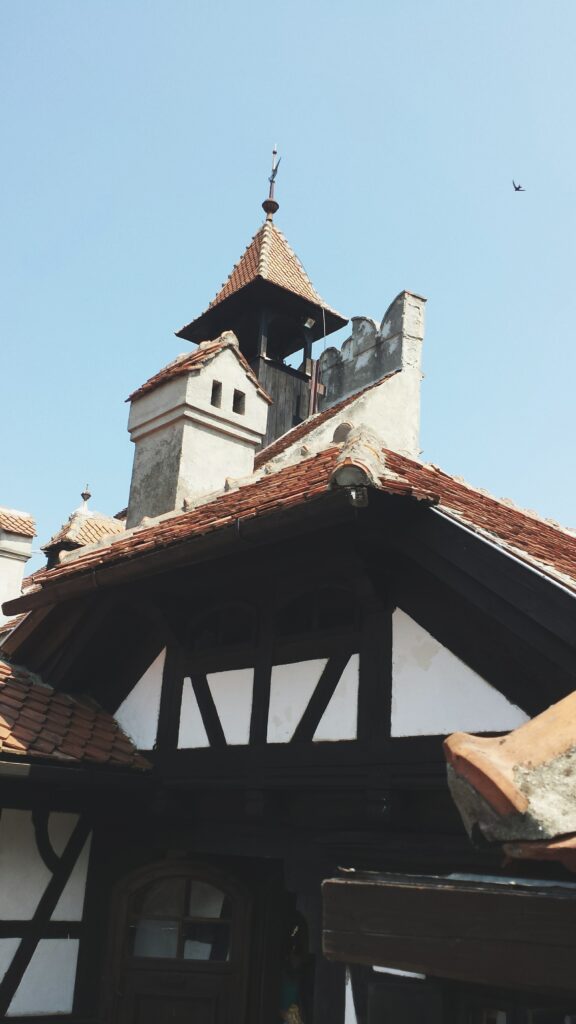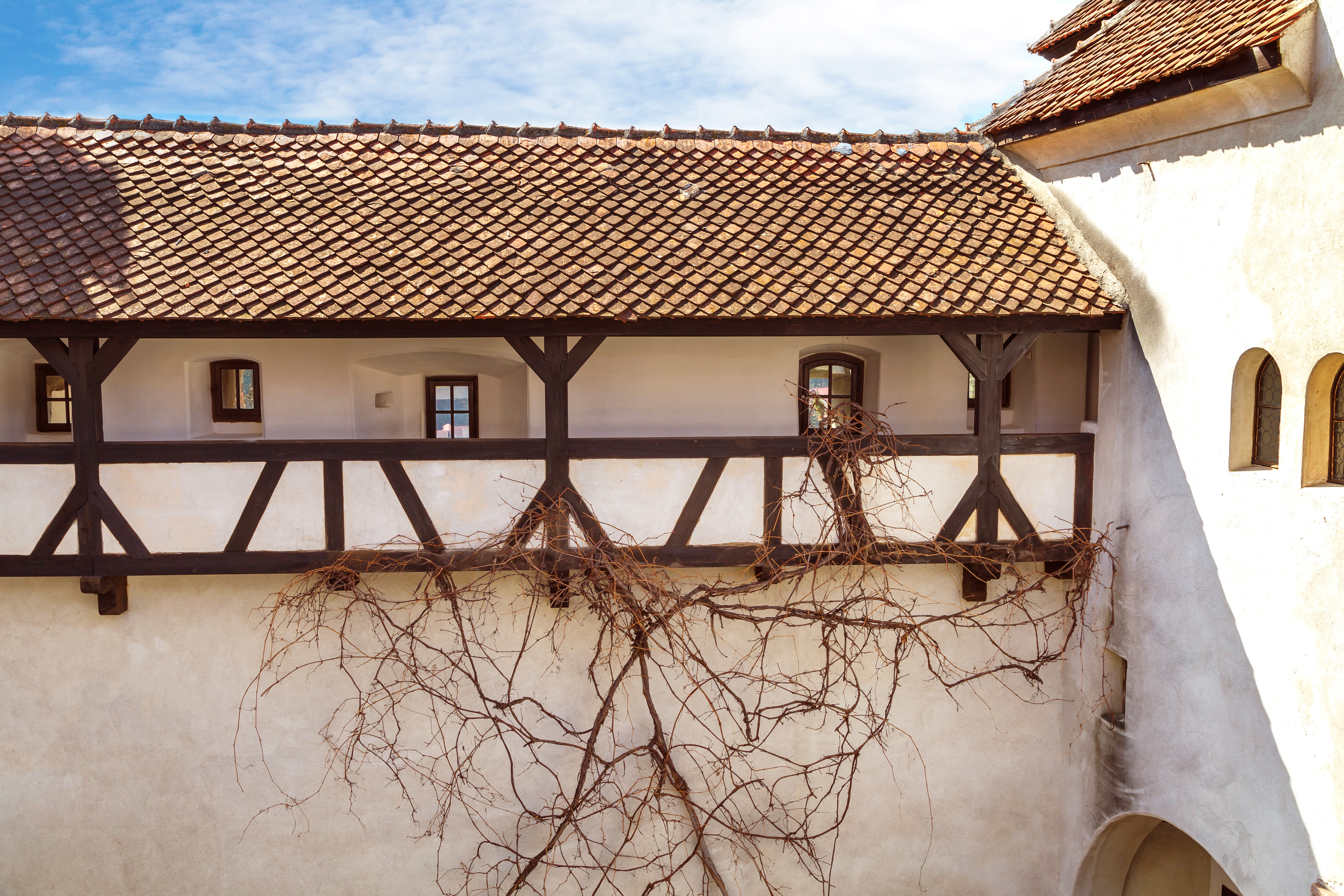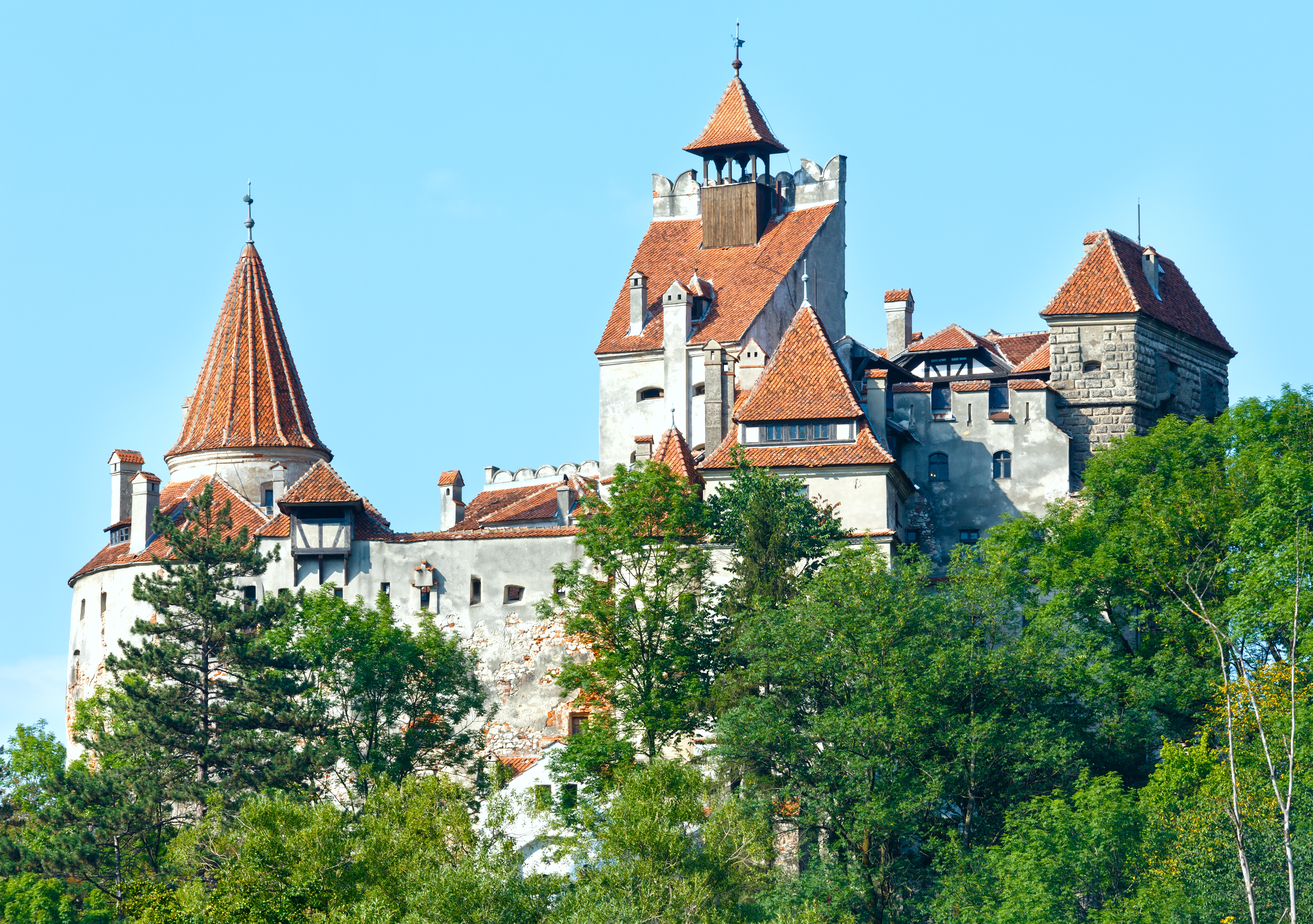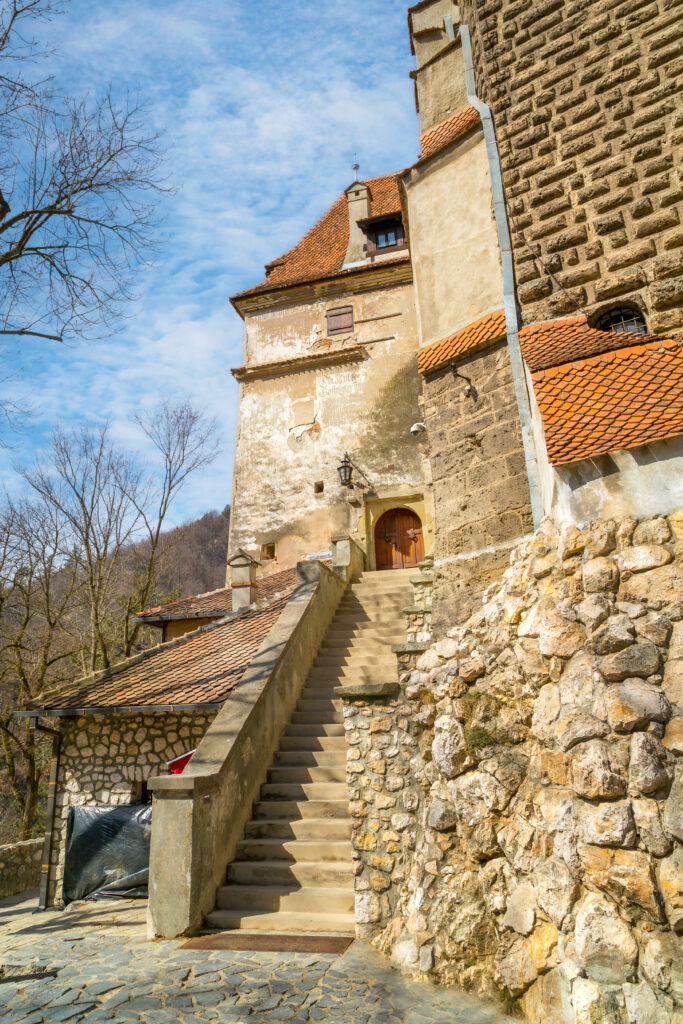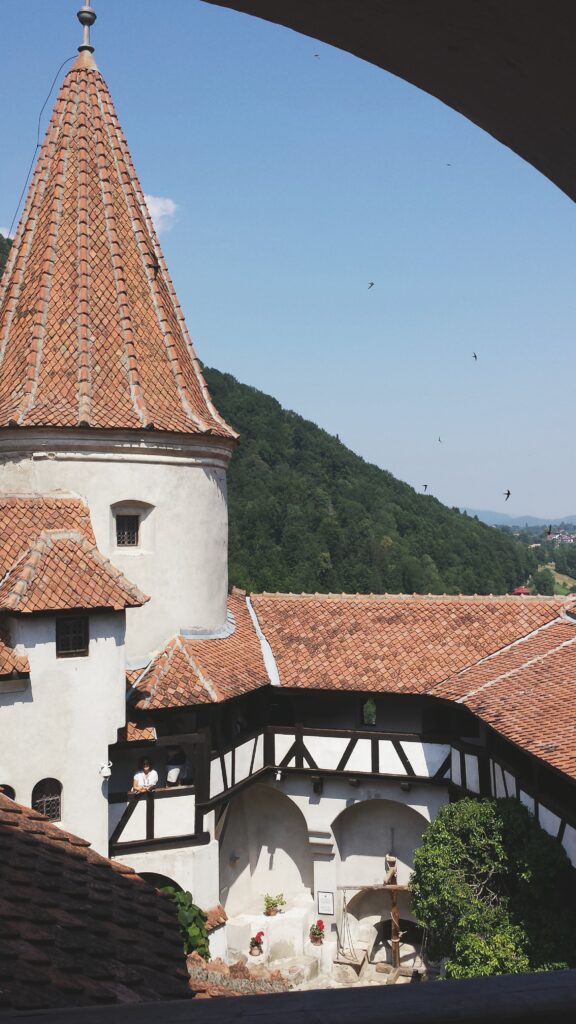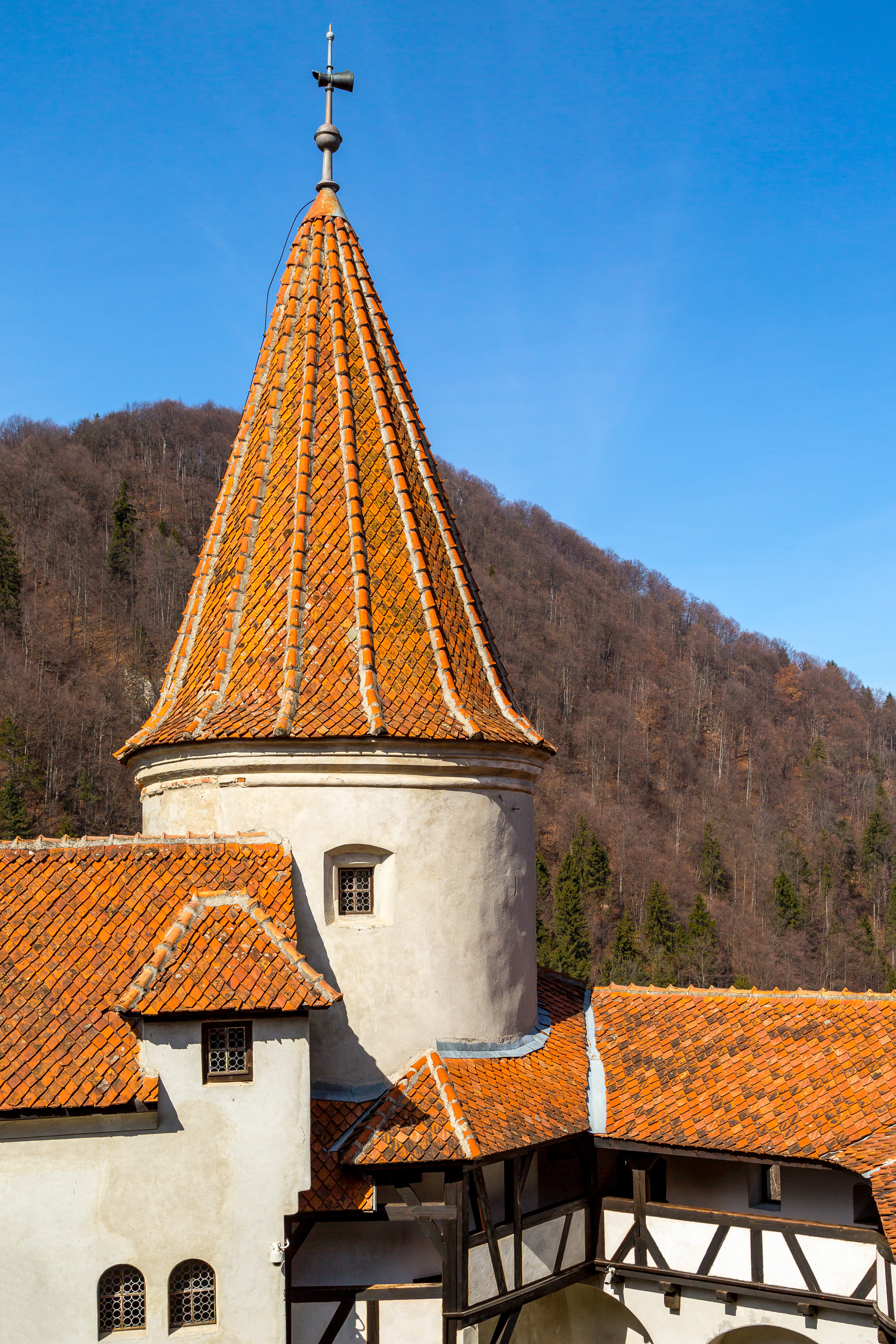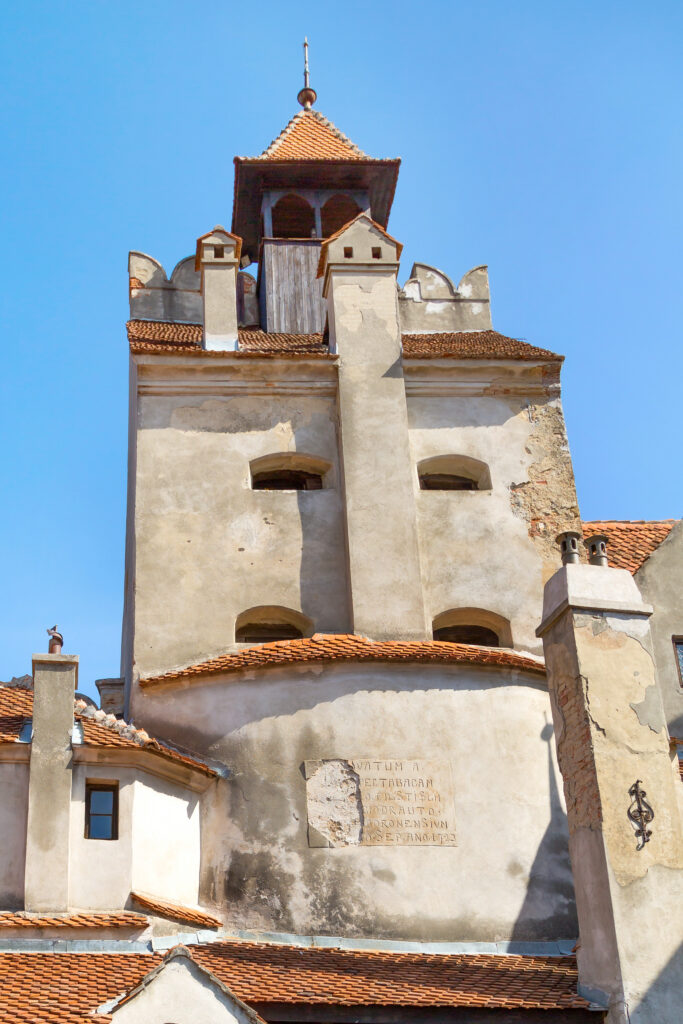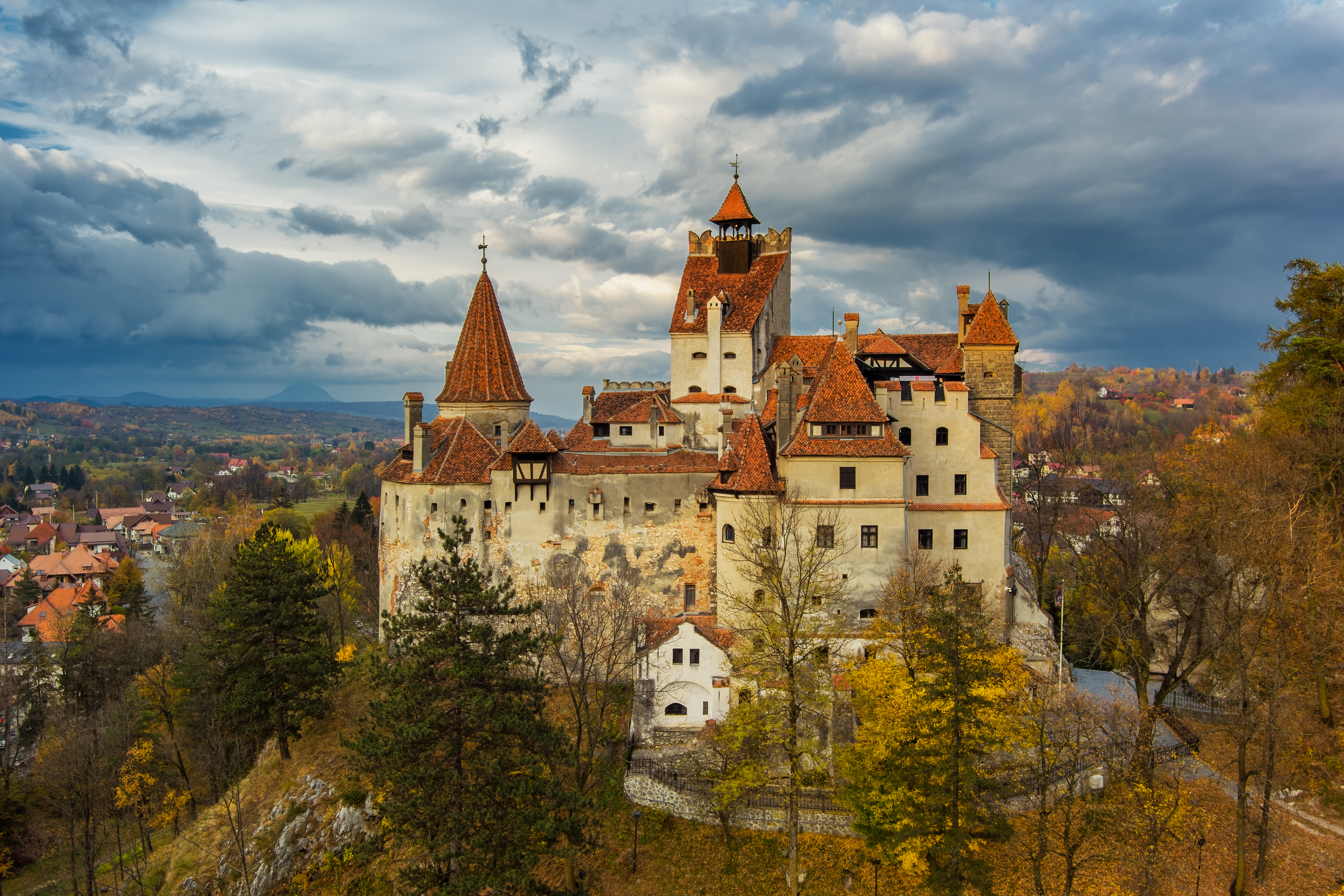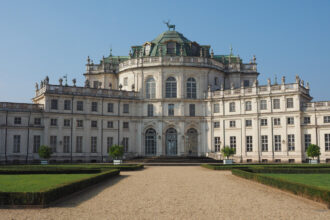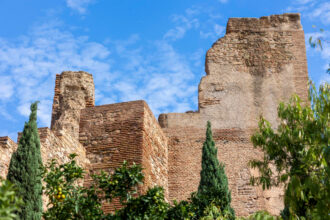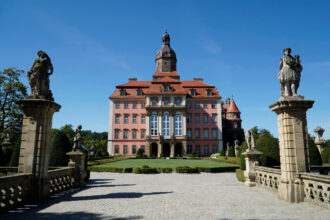

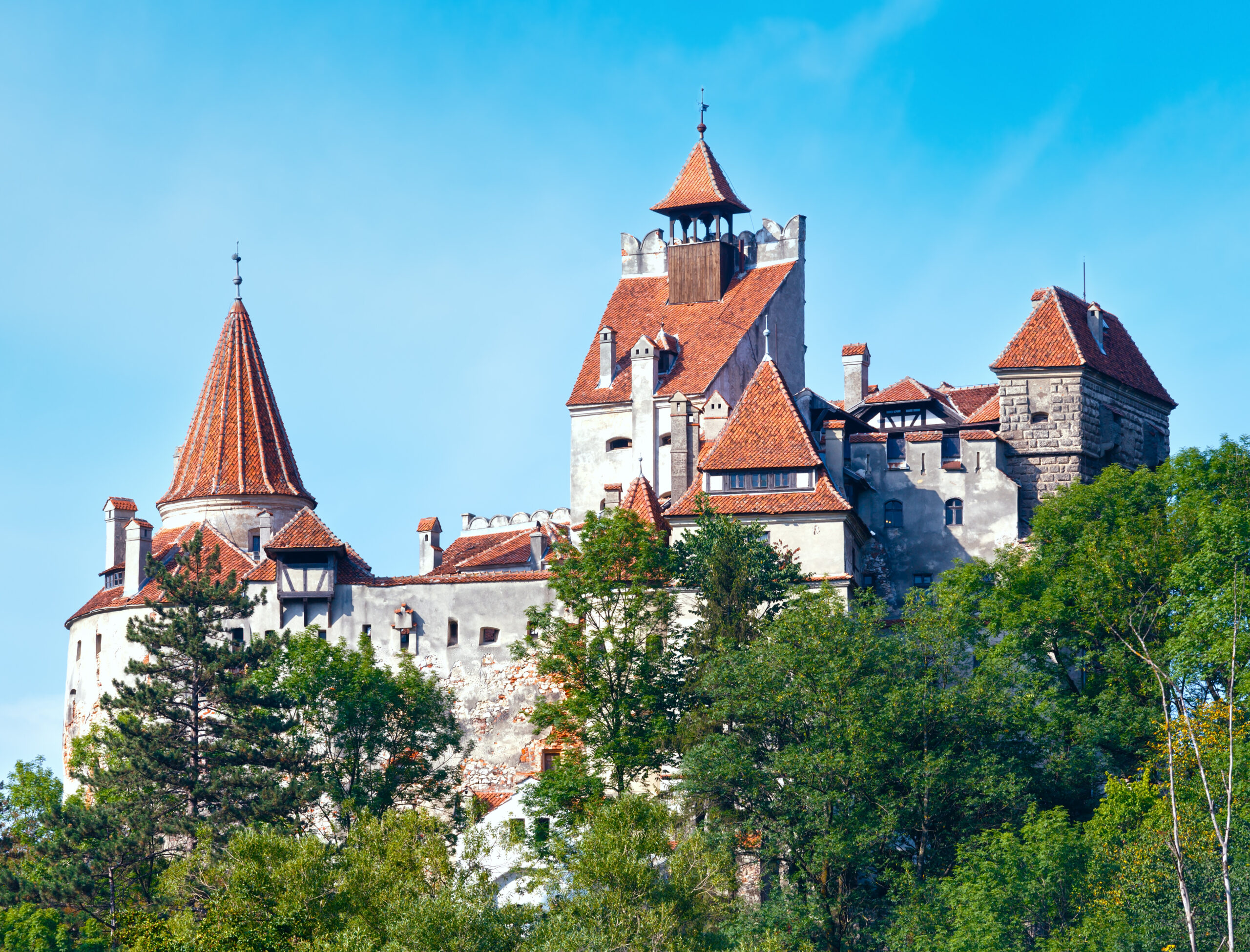
Perched atop the imposing Dietrichstein Rock, surrounded by the enchanting landscape of Romania’s Piatra Craiului Mountains, Bran Castle stands as a medieval marvel. Although its silhouette bears a certain resemblance to the residence of the infamous Count Dracula, the castle’s history is marked by authentic battles, royal intrigues and secrets – far beyond the vampire legends.
The creation of Bran Castle – The origins of Bran Castle date back to a bold decree by King Andrew II of Hungary in 1211, when he handed over the Burzenland to the Teutonic Knights. The knights, who were granted the right to build fortifications, strategically dotted the landscape with fortresses – initially wooden structures that evolved into stone bastions. However, among these medieval fortresses, only Marienburg bears witness to their efforts, while others, such as the elusive Dietrichstein, remain shrouded in legend.
It was in this rich mythical context that Bran Castle was built, a fortress erected in 1377 by the Saxons of Kronstadt on the orders of King Louis the Great – a monumental achievement rewarded with a privileged exemption from customs duties.
It was this strategic location and tax-free status that cemented its reputation as an important hub between the rugged terrain of Transylvania and the plains of Wallachia. Over the centuries, Bran Castle witnessed several sieges – the first Turkish attack in 1436, a valiant defence against the Wallachians in 1529, and again the repulsion of troops in 1600 under Nicolae Pătrașcu, son of Michael the Brave. Despite occasional setbacks, such as its conquest by Gabriel Báthory in 1612, Bran remained impervious to complete conquest, with each invasion only serving to reinforce its legendary resilience.
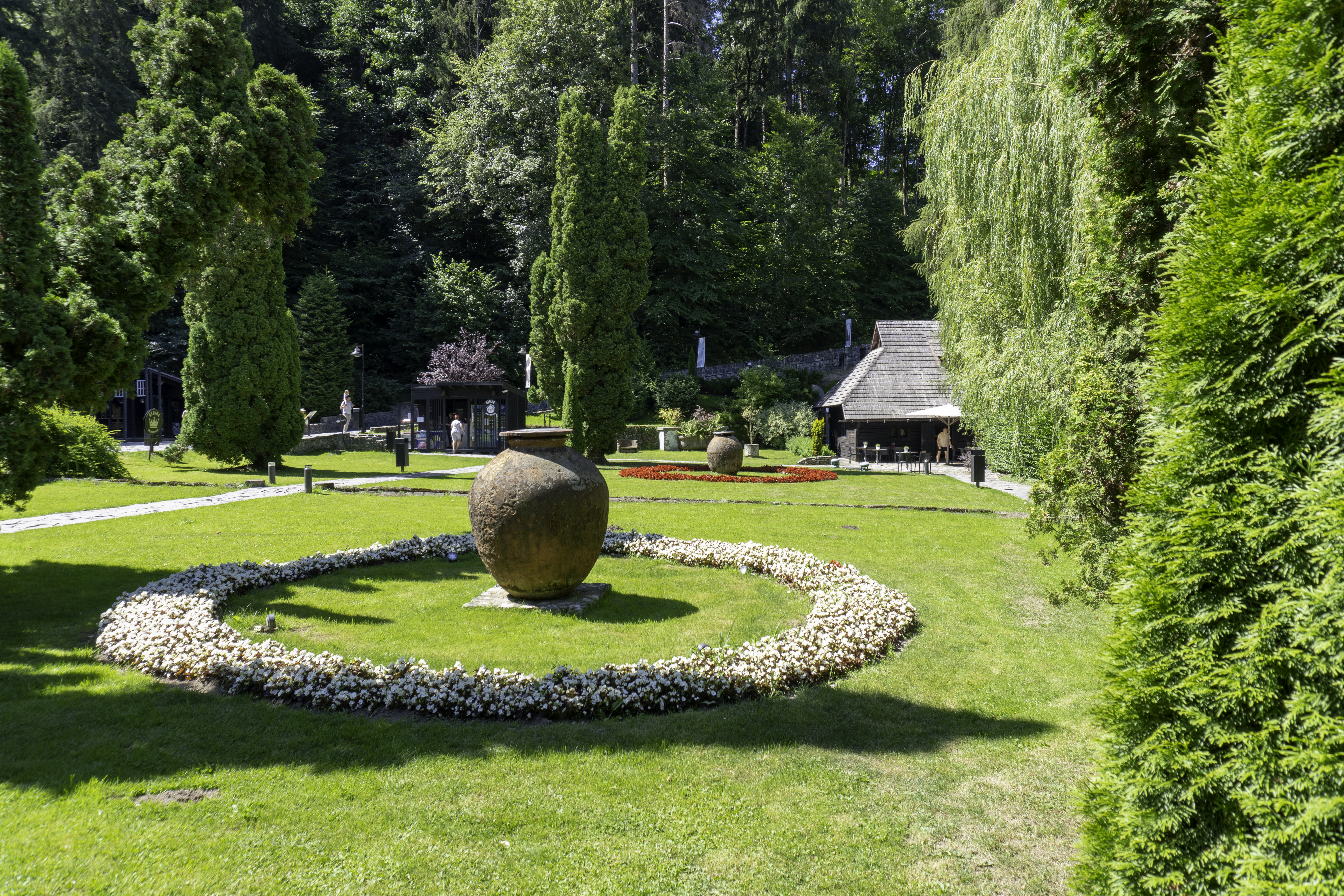
Royal residence and revival – With the annexation of Transylvania by Romania after the First World War, Bran Castle was transformed from a military fortress into a royal residence. On 1 December 1920, it was handed over to Queen Marie of Romania, whose vision transformed the castle into a symbol of refinement and elegance. Under her patronage, architect Karel Liman transformed the modest barn at the foot of Bran into an exquisite tea house, complemented by a picturesque lake and garden designed by Friedrich Rebhuhn.
Queen Marie’s attachment to Bran was profound; she not only restored its architectural splendour, but also immortalised her legacy in its stones.
Bran Castle became her main residence – a refuge for the Romanian royal family until Princess Ileana inherited the castle in 1938 and integrated it into the illustrious Habsburg line.
The Communist Era and Dracula’s Rise – For the castle, the post-war period meant a transformation under Communist rule. Bran was confiscated by the state, celebrated as Romania’s tourist gem, and embraced the Dracula myth that captured the world’s imagination. Although Stoker’s Dracula never lived within these walls and the real Vlad III had little to do with it, the castle earned the nickname ‘Dracula’s Castle’ due to its eerie aesthetics.
Interestingly, the fictional Borgo Pass mentioned in Stoker’s tale lies well north of Bran Castle, highlighting the literary licence of storytellers. Nevertheless, tourists flock to Bran, drawn by rumours of vampire legends – attracted by an experience enriched by fables interwoven with historical anecdotes.
Resurgence and modern mysticism – In 2006, Bran Castle reverted to the descendants of the Habsburgs, but Dominic von Habsburg’s offer to sell it for $80 million was rejected by Romania. Instead, under Dominic’s stewardship, the castle blossomed into a museum showcasing the royal heritage – from King Ferdinand’s crown and sceptre to valuable furnishings.
A special feature of the castle is a once-secret staircase behind a hidden fireplace connecting the first and third floors – a relic rediscovered during renovation work in the 1920s. This secret passageway fuels further speculation about its former use: some suspect that it may have been a strategic escape route, while others puzzle over its mysterious omission from the documented chronicles.
Today’s Bran Castle, with its 57 rooms, offers more than just a glimpse into aristocratic luxury. Thanks to Dominic’s visionary efforts, it combines history with multimedia storytelling – including an extensive tunnel connecting the gardens below with the castle above, equipped with a modern lift. This immersive journey through time tells the story of the castle and is complemented by digital interfaces that captivate visitors and ensure that every visit is both educational and enchanting.
Legends, legacy, and magic – Although distinct from the Dracula legend, Bran Castle fascinates with tales of noble knights, embattled monarchs, and steadfast defenders, all of which echo through its corridors.
The sensitively curated museum houses exhibitions dedicated to vampire folklore, as well as an impressive torture chamber – a theatrical nod to its legendary reputation.
Outside the castle walls, the surrounding area, including Queen Marie’s tea house and the ethnographic branch museum, are protected as national monuments. Each element contributes to Romania’s cultural heritage and embodies stories that go beyond mere bricks and mortar.
Essentially, Bran Castle remains timeless – a paradox of history and myth. Whether it attracts curious travellers, historians or those fascinated by vampire stories, the castle’s appeal is undeniable; it is more than a monument – it is a testament to human fortitude, a stage for drama, a link between reality and fantasy. Here, beyond the veil of legend, you encounter the heart of Romania – alive, vibrant and full of possibilities.