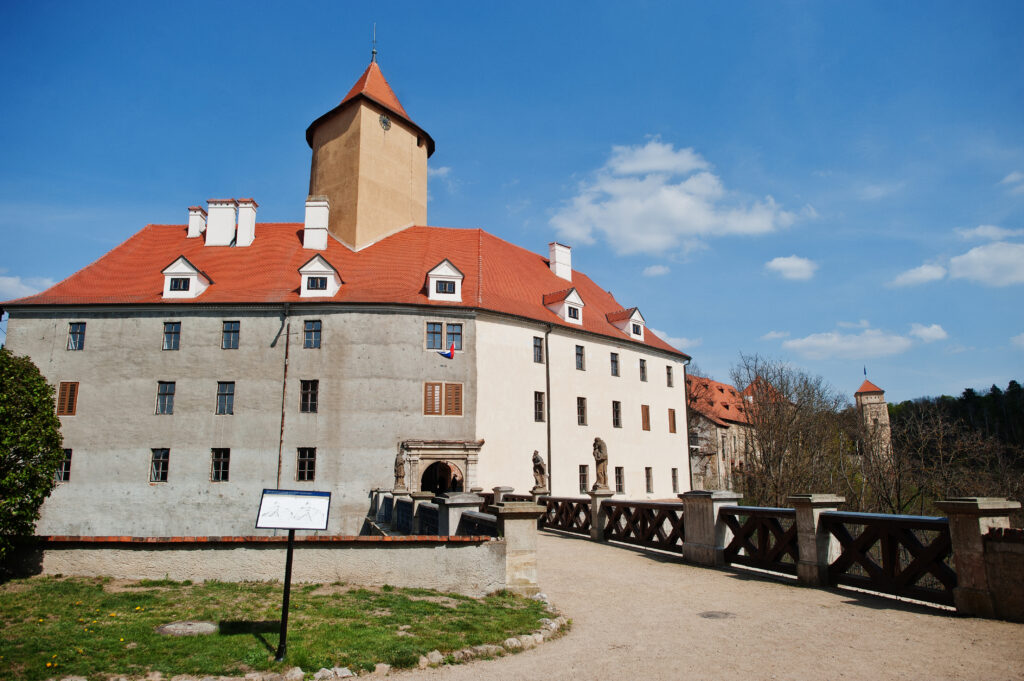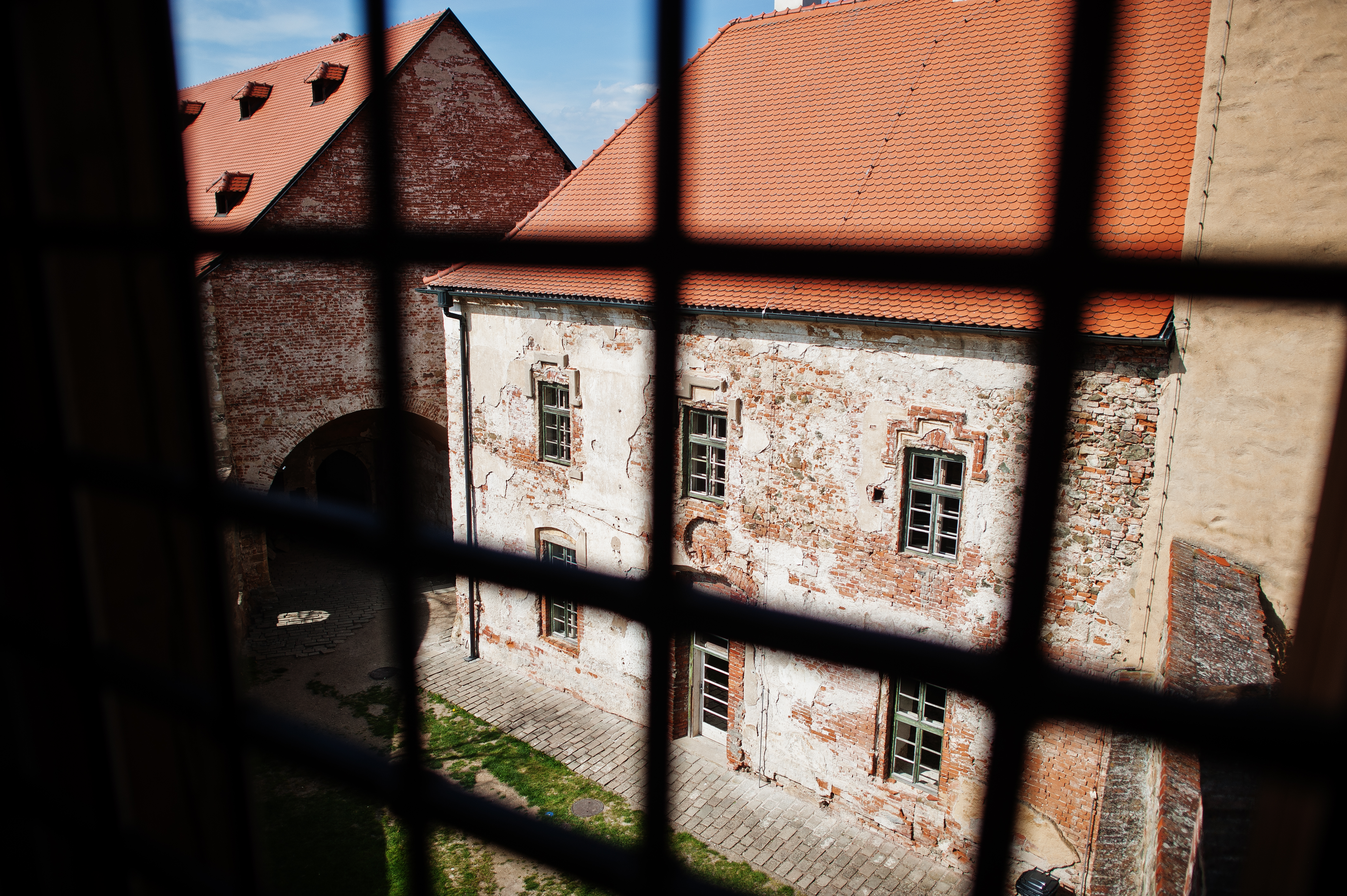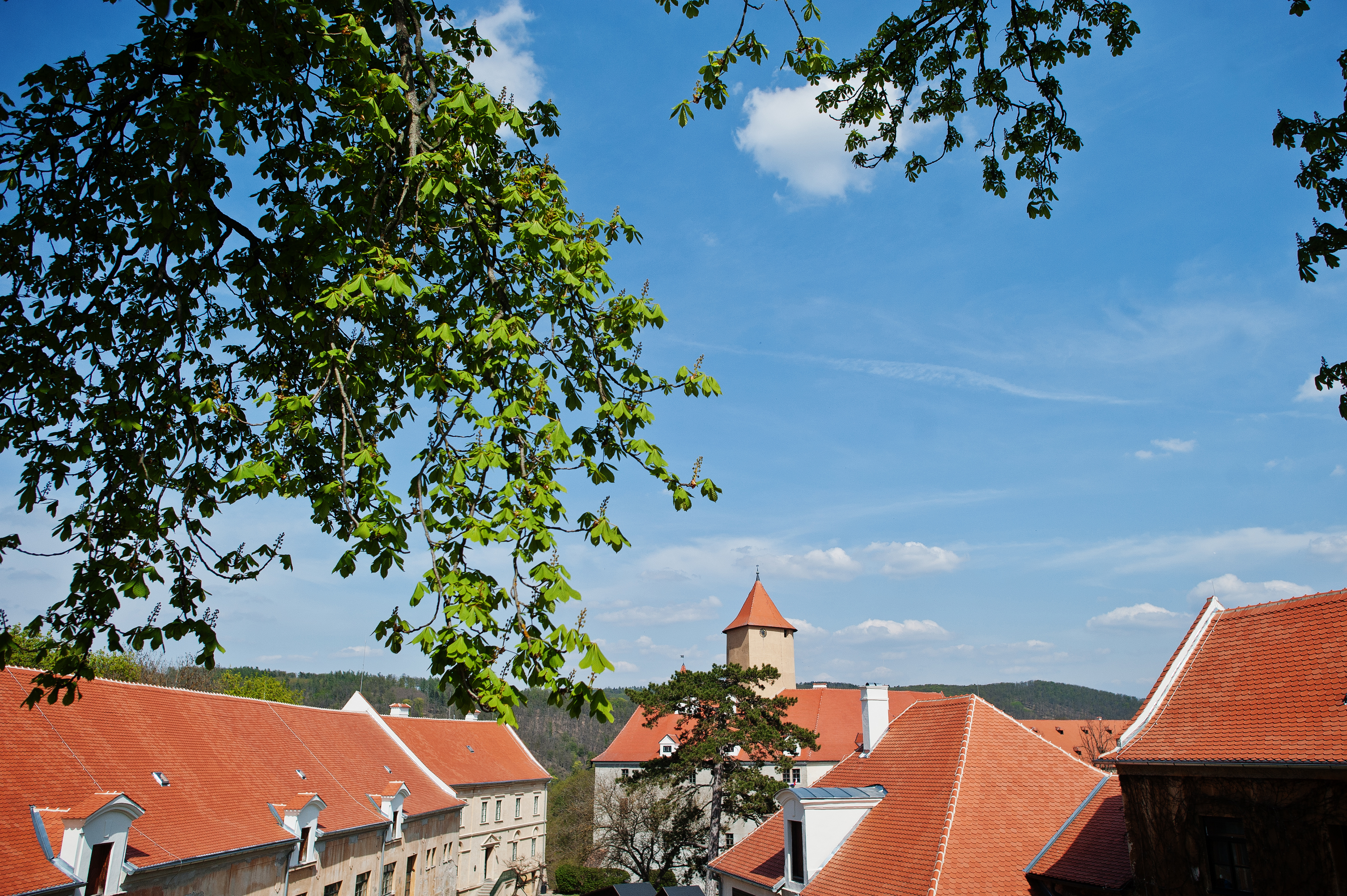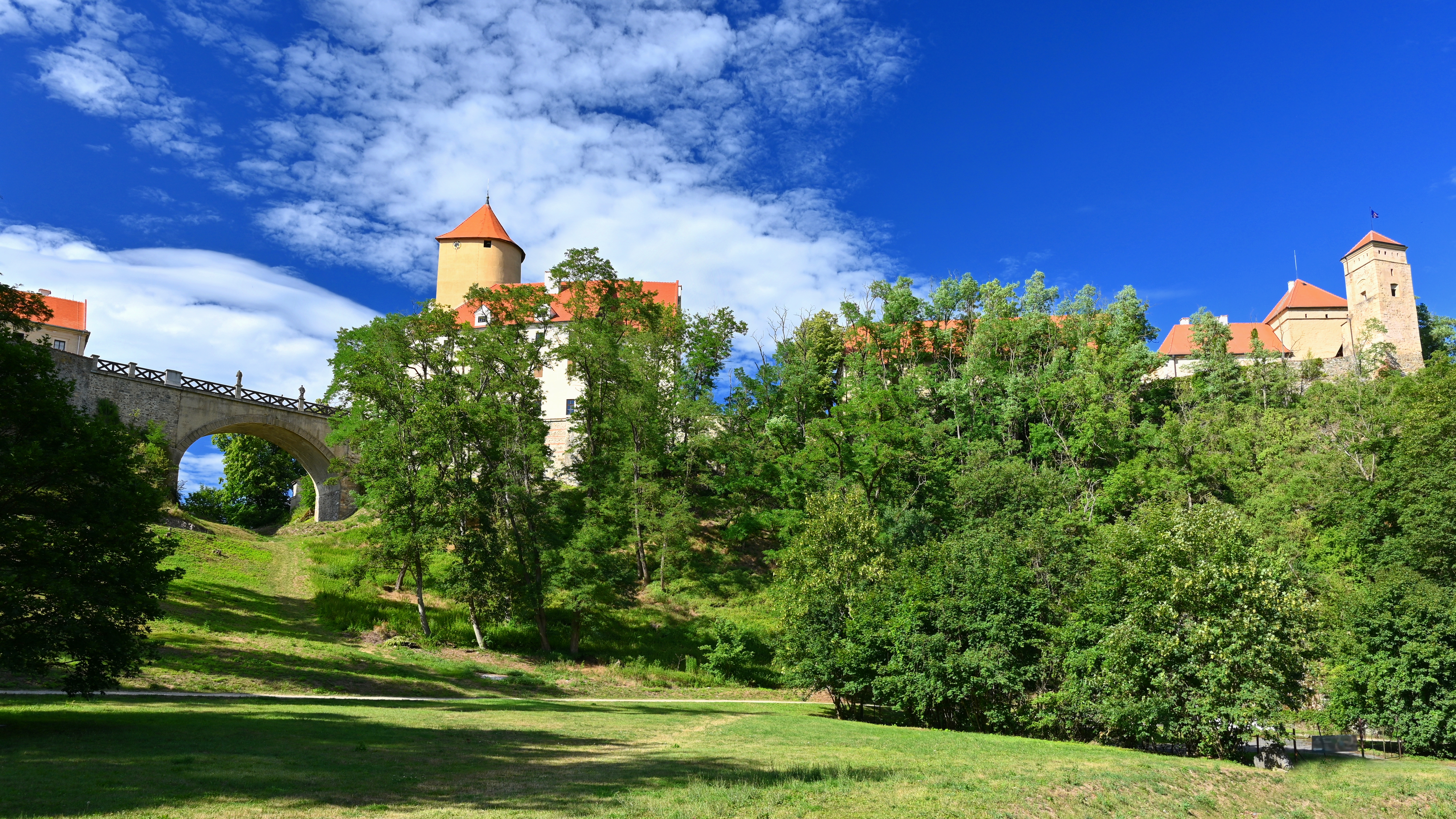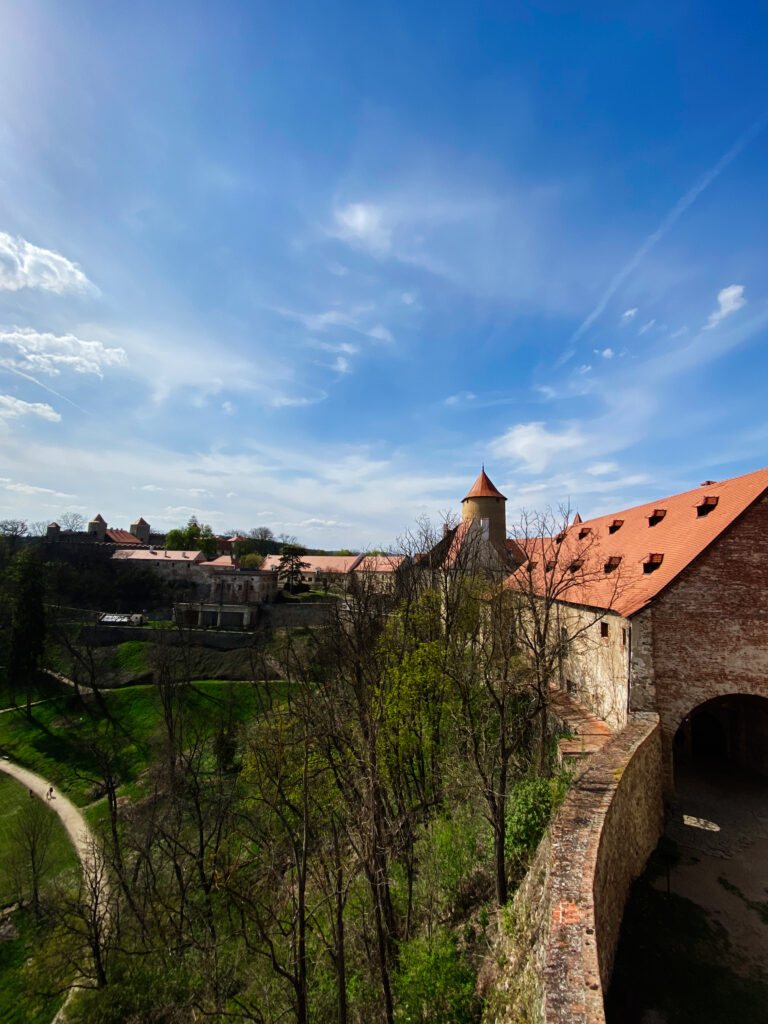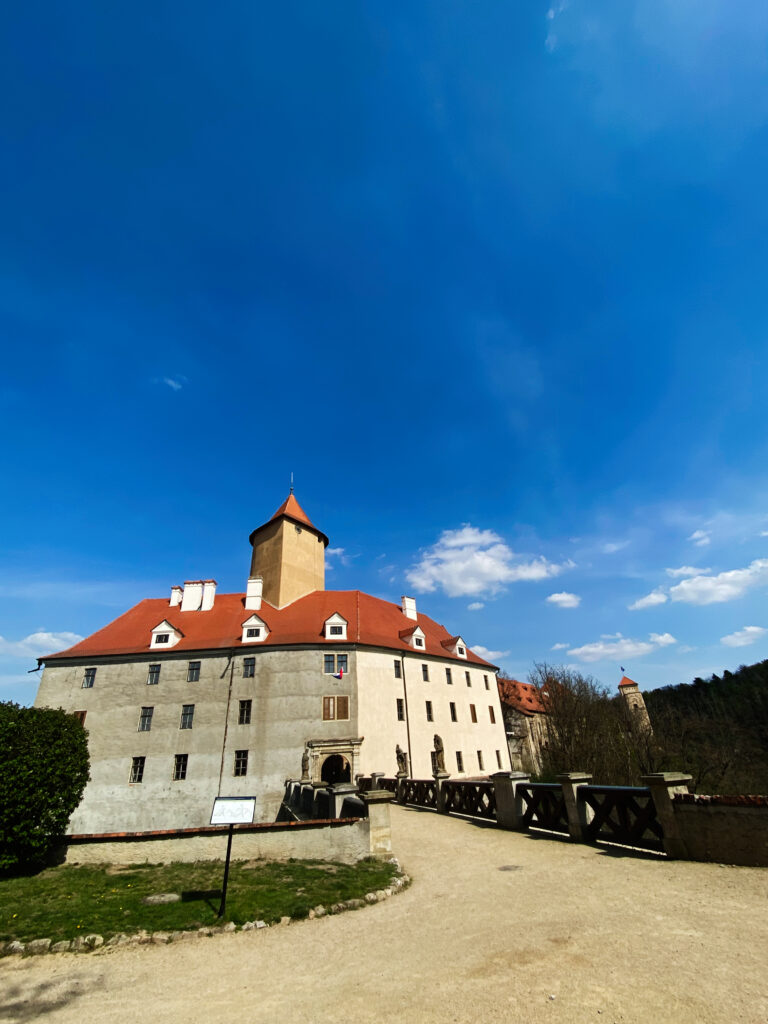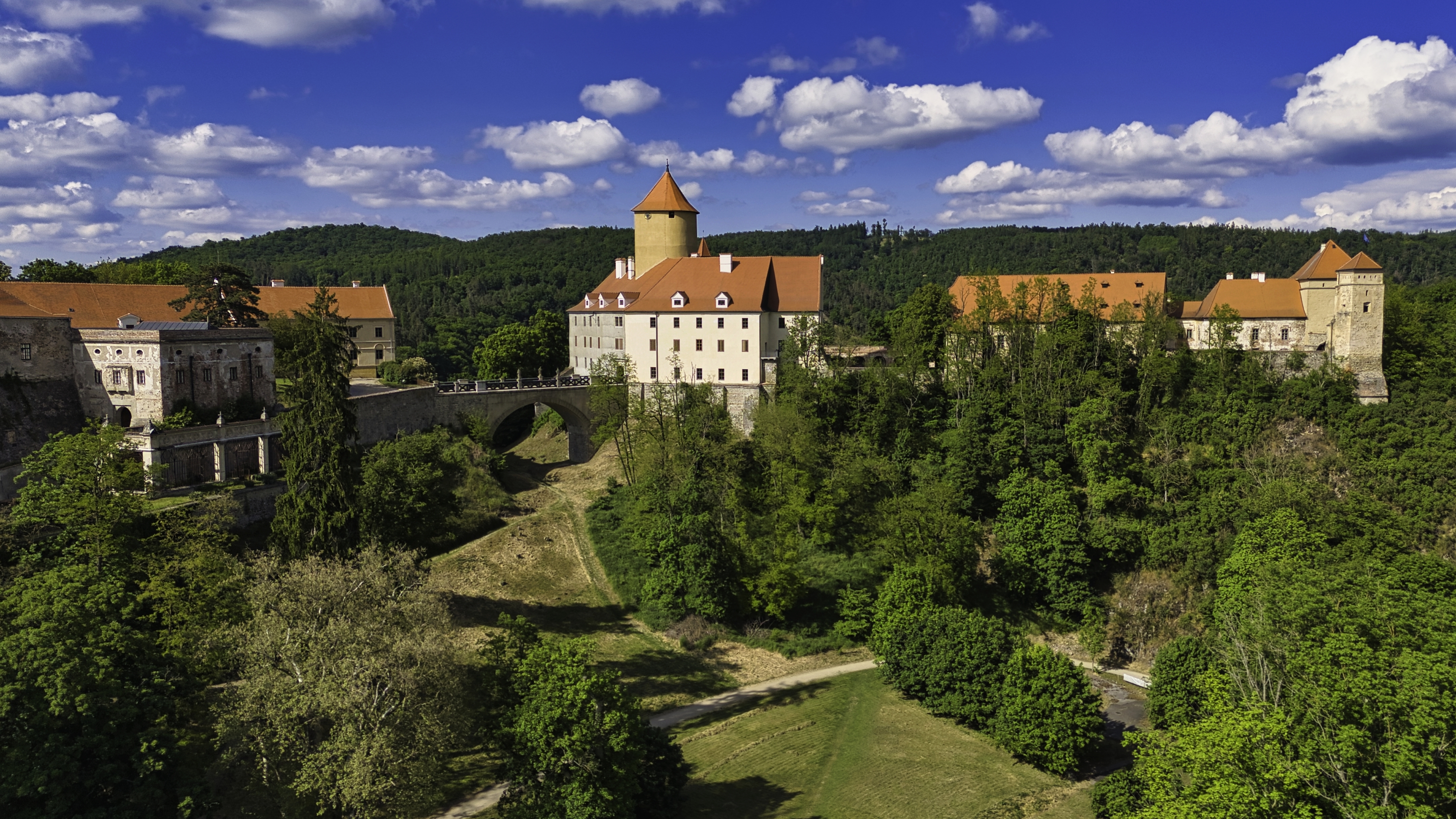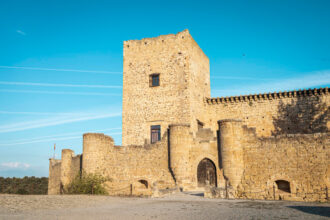

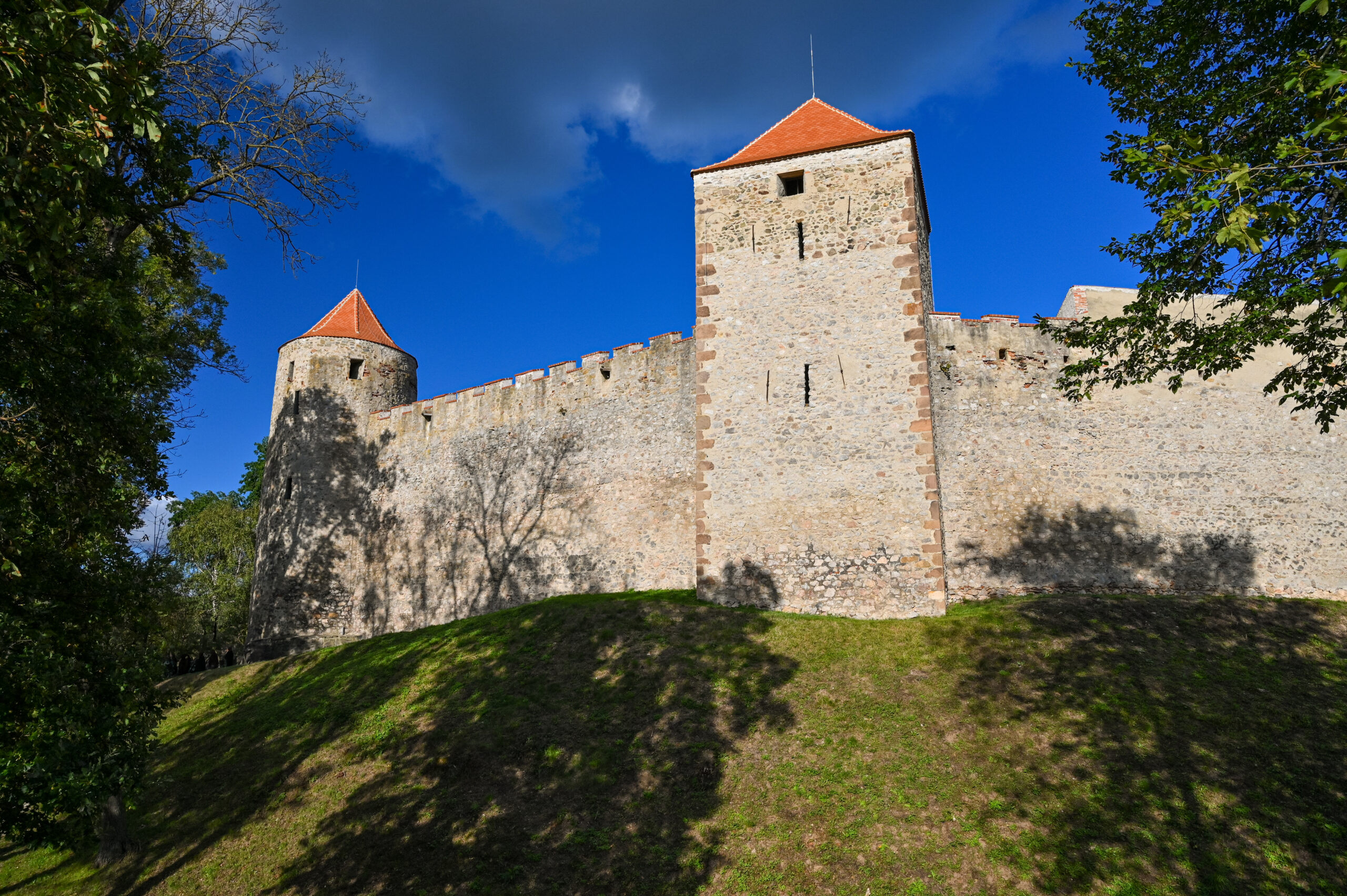
Majestically nestled in the heart of South Moravia, near the bustling city of Brno in the Czech Republic, stands a fortress rich in legends and history – Veveří Castle.
This ancient fortress, known in German as Burg Eichhorn, is perched 12 kilometres northwest of Brno city centre, overlooking the tranquil Brno Reservoir. Its origins are shrouded in an enchanting and moving story, a saga that begins with a stroke of fate in the midst of a storm.
A nobleman’s vow and an unexpected saviour – It was the year 1059, and in the midst of a violent thunderstorm, Prince Conrad of Brno, from the noble Přemyslid dynasty, lost his way during a hunt. As the skies raged above him, the prince sought refuge and guidance in prayer, vowing to build both a chapel and a castle if he survived the ordeal. His prayers seemed to have been answered, for he stumbled upon the hut of a humble charcoal burner, who gave him shelter for the night. This chance encounter not only saved the prince, but also became the cornerstone of a historic building. Out of gratitude, Conrad rewarded the charcoal burner generously and kept his vow by commissioning the construction of a chapel and later Veveří Castle on the very spot where he had found refuge.
As the prince wandered around the newly built structure, pondering its name, a playful squirrel dropped a pine cone on his head.
Amused and inspired by this curious incident, he decided to name the castle ‘Veveří’, derived from the Czech word ‘veverka’, meaning squirrel. This whimsical christening added a touch of mythical charm to the already legendary beginnings of the castle.
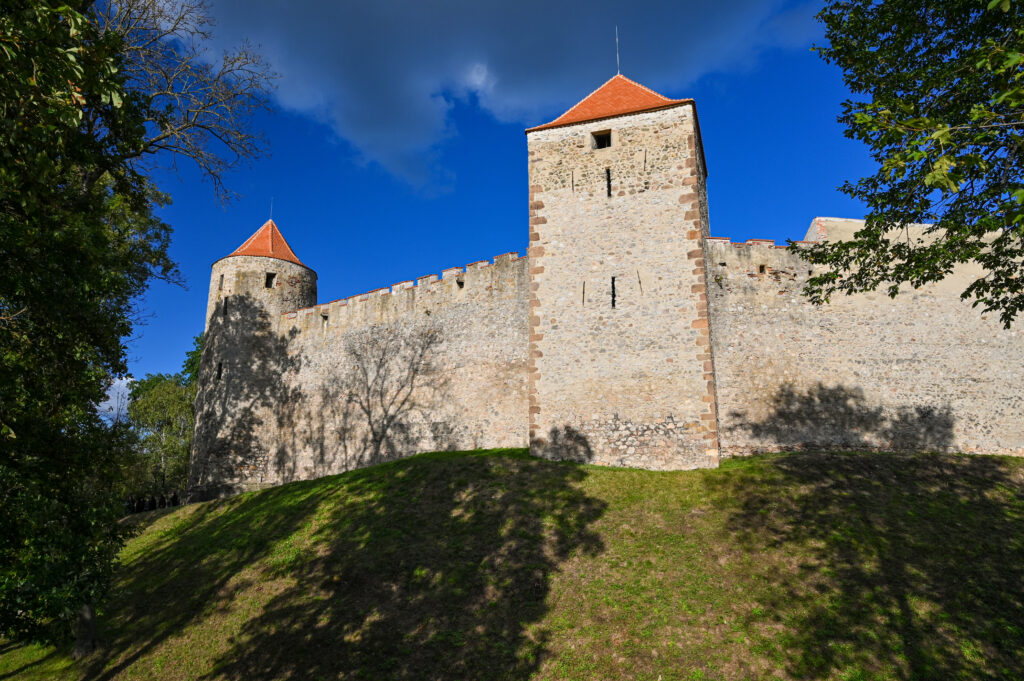
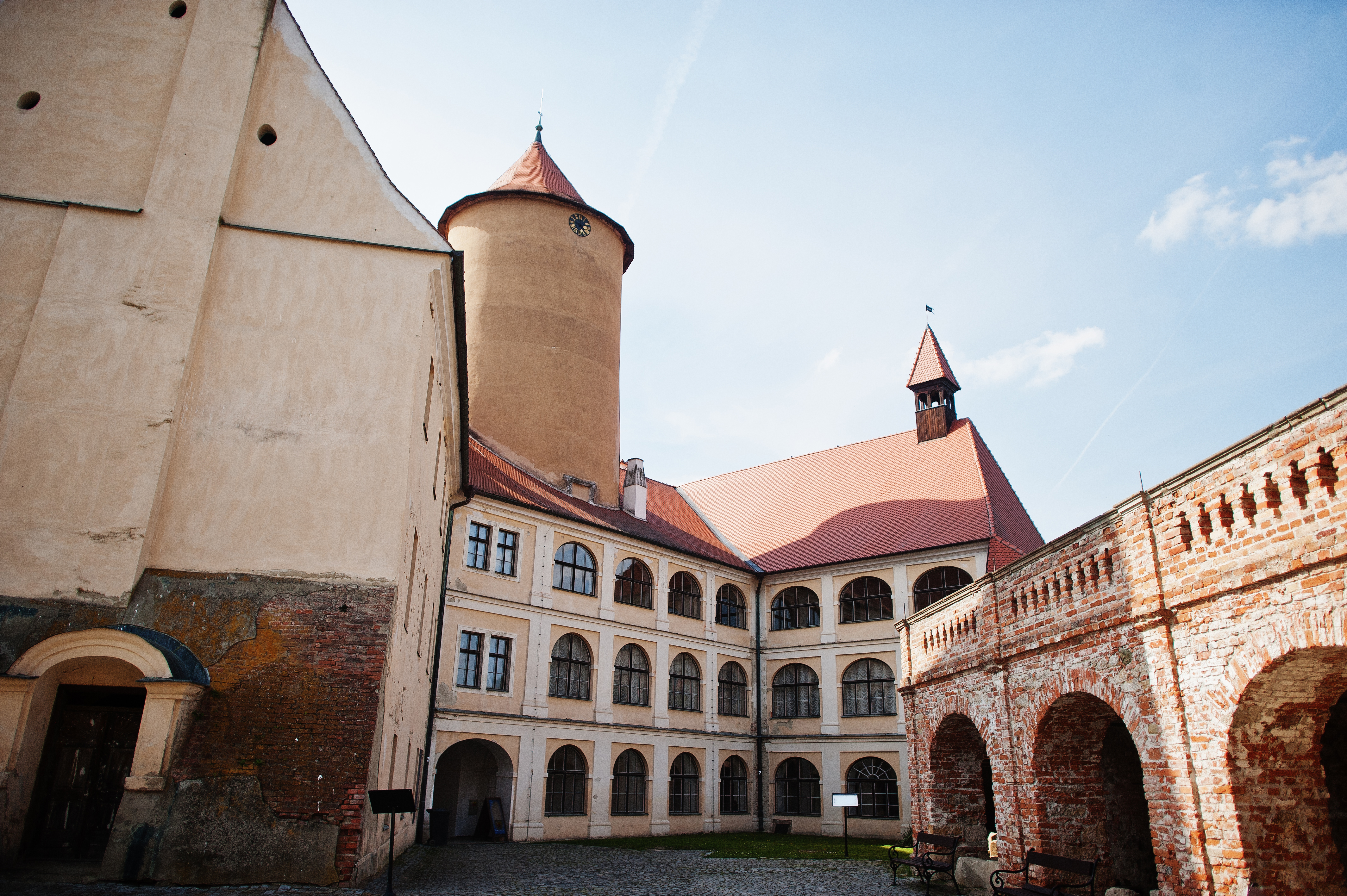
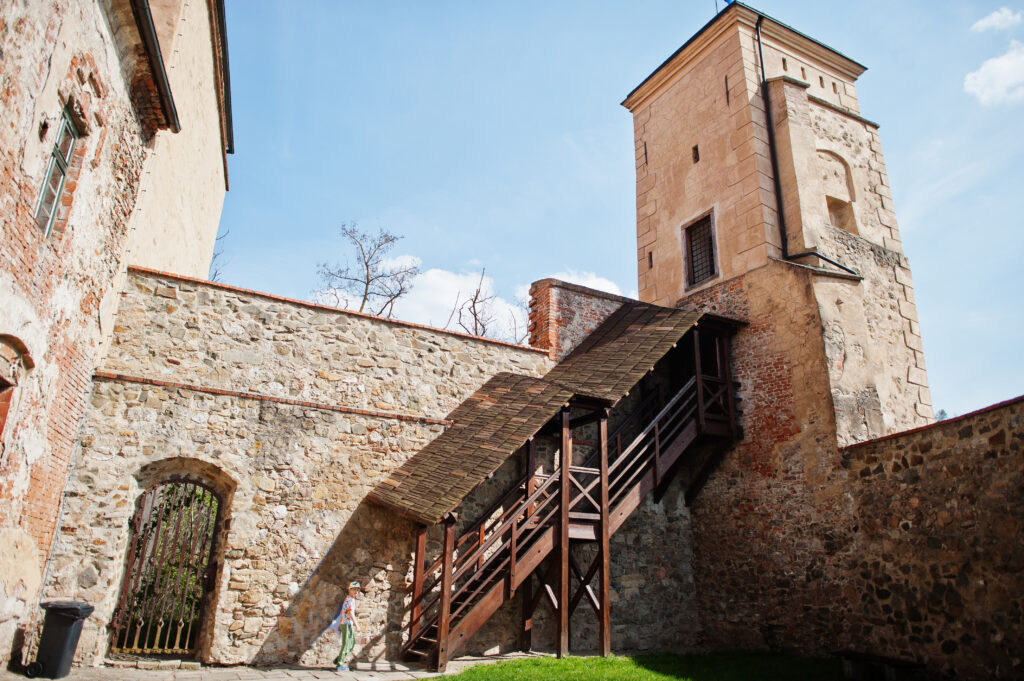
Architectural marvels of the 13th century – While the legend of its founding dates back to the 11th century, the current form of Veveří Castle mainly dates from the mid-13th century. Founded as a Bohemian royal castle, the surrounding fortifications – earthworks, moats and bastions – testify to its strategic importance and architectural mastery. The great hall features an imposing vaulted tower, while the early Gothic Chapel of the Virgin Mary stands on the site of the former forecourt. This sacred space houses the venerated Madonna of Veveří, a 14th-century painting currently kept in the Diocesan Museum in Brno.
The Mundy era: a reborn fortress – With the transition to the 19th century, the history of the castle changed with its acquisition by William of Mundy, a prominent textile manufacturer, in 1802. The Mundy family endeavoured to restore the old walls and breathe new life into them. Johann von Mundy, Wilhelm’s son, settled in the castle with his wife, creating a family atmosphere within its imposing walls. Their son Jaromír von Mundy was born within these historic walls, inextricably linking the family’s heritage with the castle’s historic past.
The romantic charm of Veveří Castle was further enhanced when Prince Gustav of Wasa-Holstein-Gottorp made it his summer residence. His daughter Carola, who later became Queen of Saxony, spent her formative years exploring the mysterious halls and picturesque surroundings. These years at Veveří Castle undoubtedly influenced the young princess and left indelible memories in the annals of royal history.
A royal retreat and Churchill’s connection – In 1896, the castle changed hands again, this time passing into the ownership of Maurice Arnold de Forest, an English nobleman whose tenure lent the castle a touch of British elegance. Among the notable guests of this period was none other than Winston Churchill, who later became Prime Minister of the United Kingdom. Churchill’s connection to Veveří Castle is a fascinating chapter marked by three visits. In particular, in 1908, during his tenure as Minister of Trade, Churchill and his newlywed wife Clementine chose the castle as a retreat for part of their honeymoon. Memories of their stay lend the castle a unique aura that links Britain’s political heritage with that of Central Europe.
A symbol of resilience and renewal – The shadow of the Second World War fell like a veil over Veveří Castle. From 1942 to 1945, it served as a hospital for the German Wehrmacht and the SS, serving as a stark reminder of the turbulent times Europe was going through. But resilience is engraved in the stones of Veveří. After the war, the castle became state property in 1945, a period marked by careful restoration work to preserve this historical gem for future generations.
Today, Veveří Castle stands as a testament to both the passage of time and the timelessness of legends. Renovation work continues to breathe new life into the ancient walls, with the aim of restoring the splendour befitting its historic past.
Beyond the myths: unveiling hidden stories – While the enchanting legend of Prince Conrad and the squirrel provides a captivating origin story, more in-depth archaeological and historical studies suggest that the site was of strategic importance long before the 11th century. Evidence of early fortifications suggests a settlement or defensive structure that predates the influence of the Přemyslid dynasty in the region. These archaeological findings allow for a richer, more nuanced understanding of the site’s development over the centuries.
Furthermore, Veveří Castle’s role in regional politics and trade during the Middle Ages underscores its importance beyond mere legend. Its location near Brno made it an important stopover for merchants and a focal point for military campaigns.
The castle’s archives, which are full of documents, decrees and correspondence, offer valuable insights into the socio-political dynamics of medieval Bohemia.
A lasting legacy – Veveří Castle, with its blend of legend, architectural splendour and historical significance, fascinates visitors and historians alike. It is a monument to the enduring spirit of human endeavour, reflecting centuries of resilience, adaptation and renewal. As restoration work continues, the castle’s historic past is being preserved so that future generations can also experience the magic and mystery of Veveří – a true jewel in the crown of Czech cultural heritage.