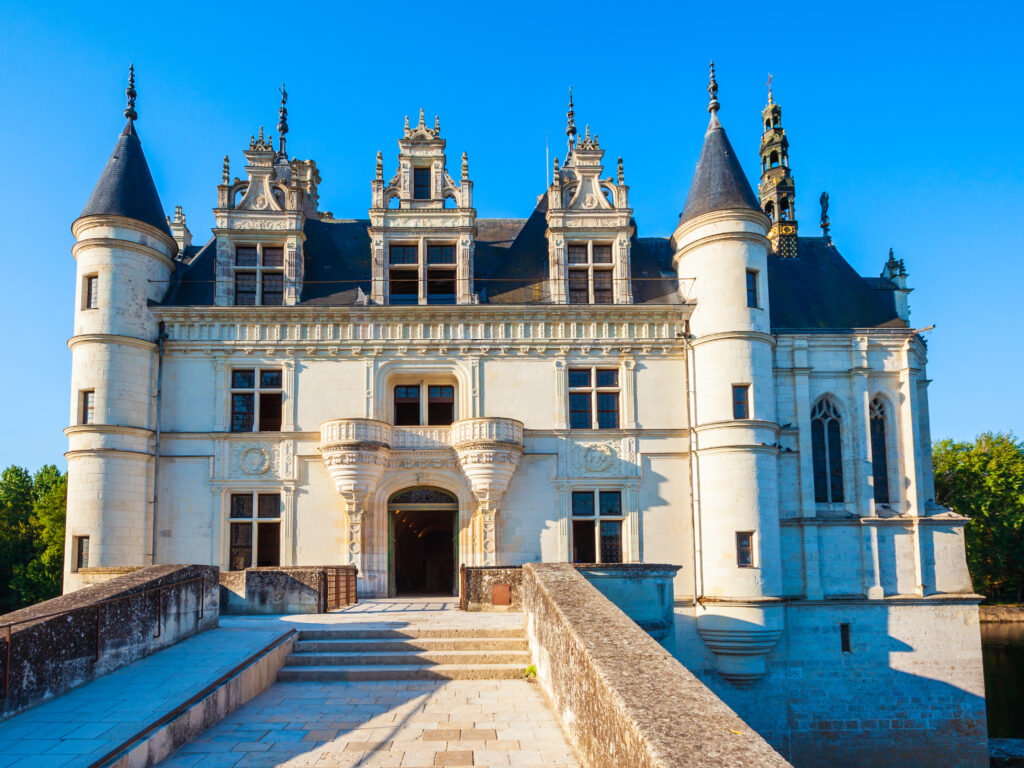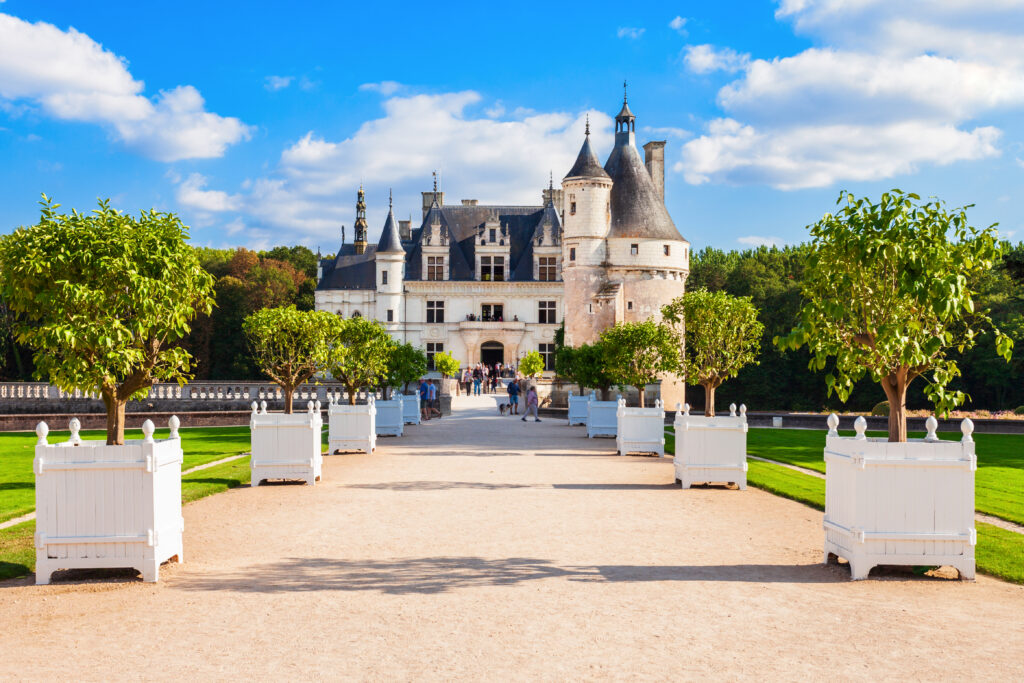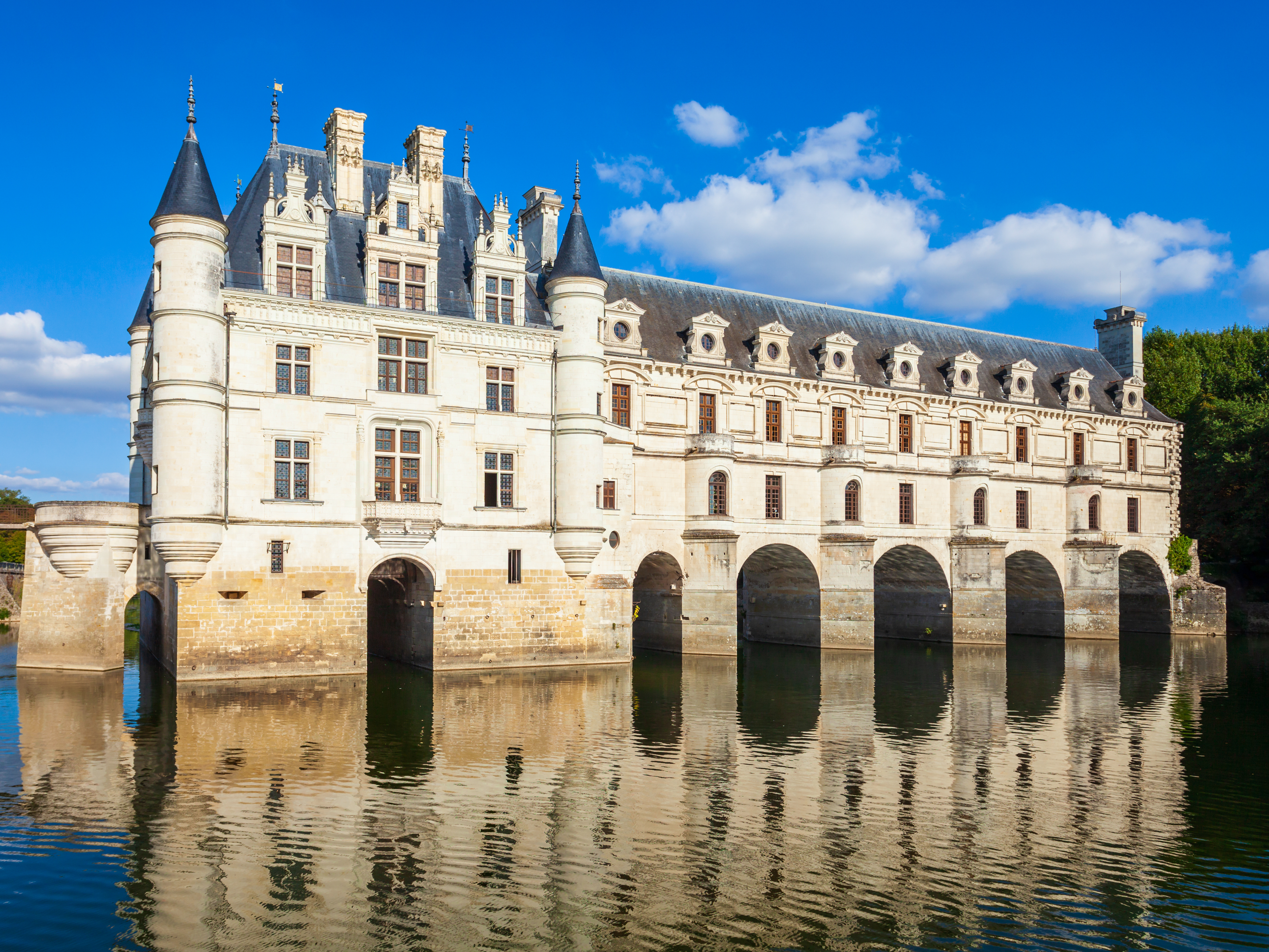

Nestled in the picturesque Loire Valley, the Château de Chenonceau is considered one of France’s most beautiful treasures. Located in Chenonceaux in the Centre-Val de Loire region, this magnificent moated castle has a rich history marked by royal intrigue and female influence. It is not only an architectural marvel, but also a testament to the powerful women who have shaped its legacy. It attracts nearly 800,000 visitors each year, making it the second most popular castle in France after the Palace of Versailles. Often referred to as the ‘château of ladies’, this magnificent château owes much of its appeal to the women who have transformed it over the centuries.
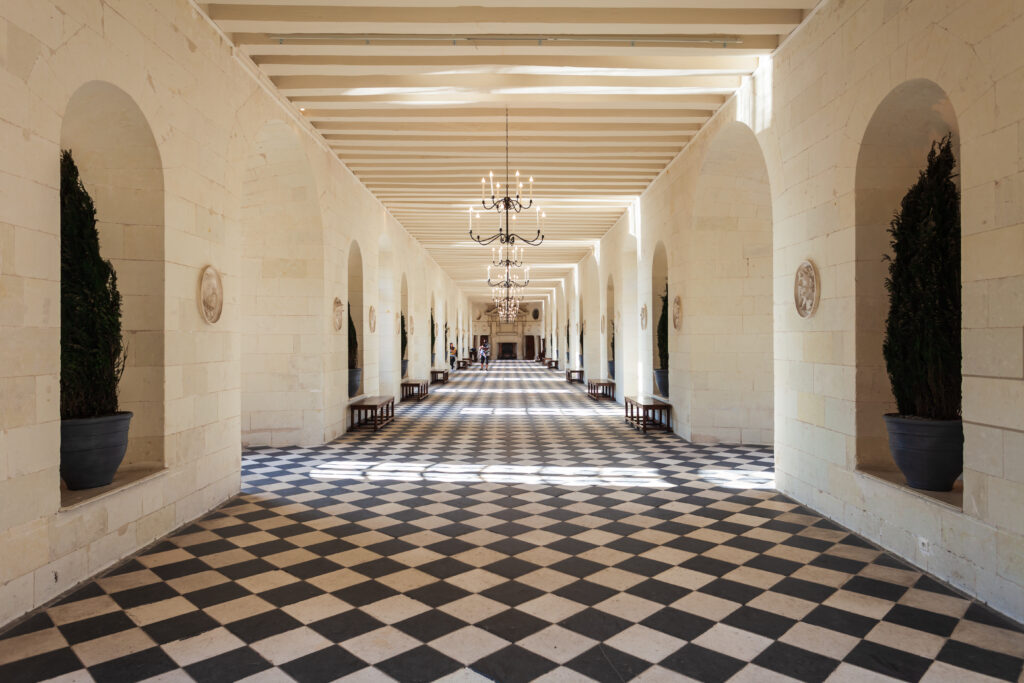
The enchanting history of Chenonceau begins with its creation as a fortified manor house with an adjoining watermill. The property came into the possession of the French crown in the early 16th century through the Bohier family. Diane de Poitiers and Catherine de Medici, two of the most impressive women in history, left an indelible mark on Chenonceau, enhancing the splendour of the castle through extensive renovations and additions such as the famous gallery spanning the River Cher.
Abandoned as a residence at the end of the 17th century, the château was revived in 1733 by Claude Dupin, a wealthy tax collector. His wife Louise breathed new life into it with her lively salons, frequented by celebrities such as Voltaire and Rousseau. Later, in 1864, the wealthy chemist Théophile-Jules Pelouze acquired Chenonceau, and his wife Marguerite undertook extensive restoration work to preserve the castle’s majestic charm.
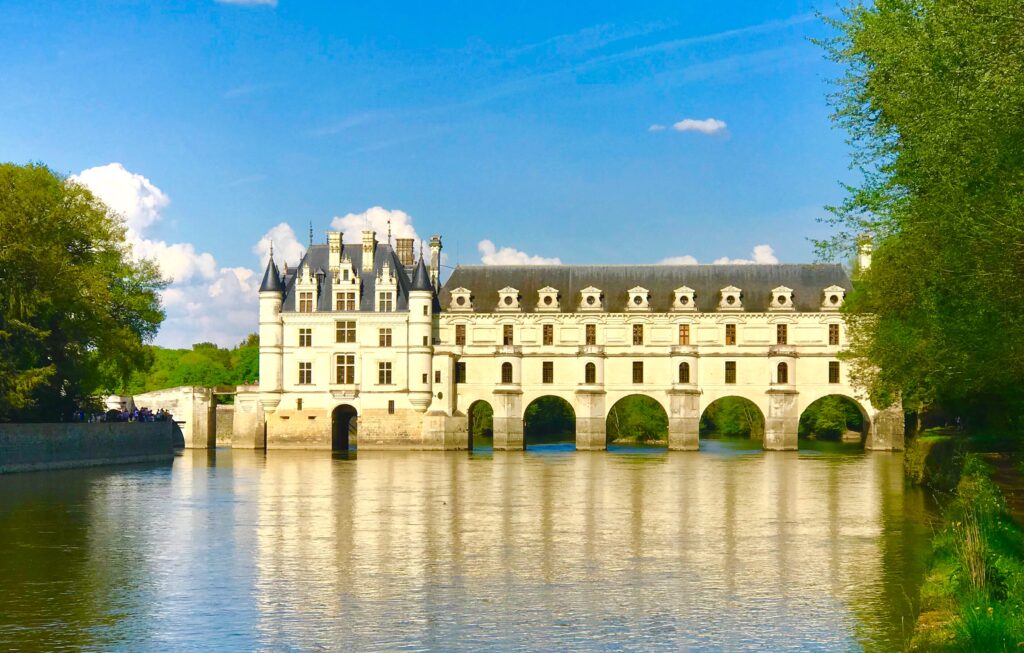
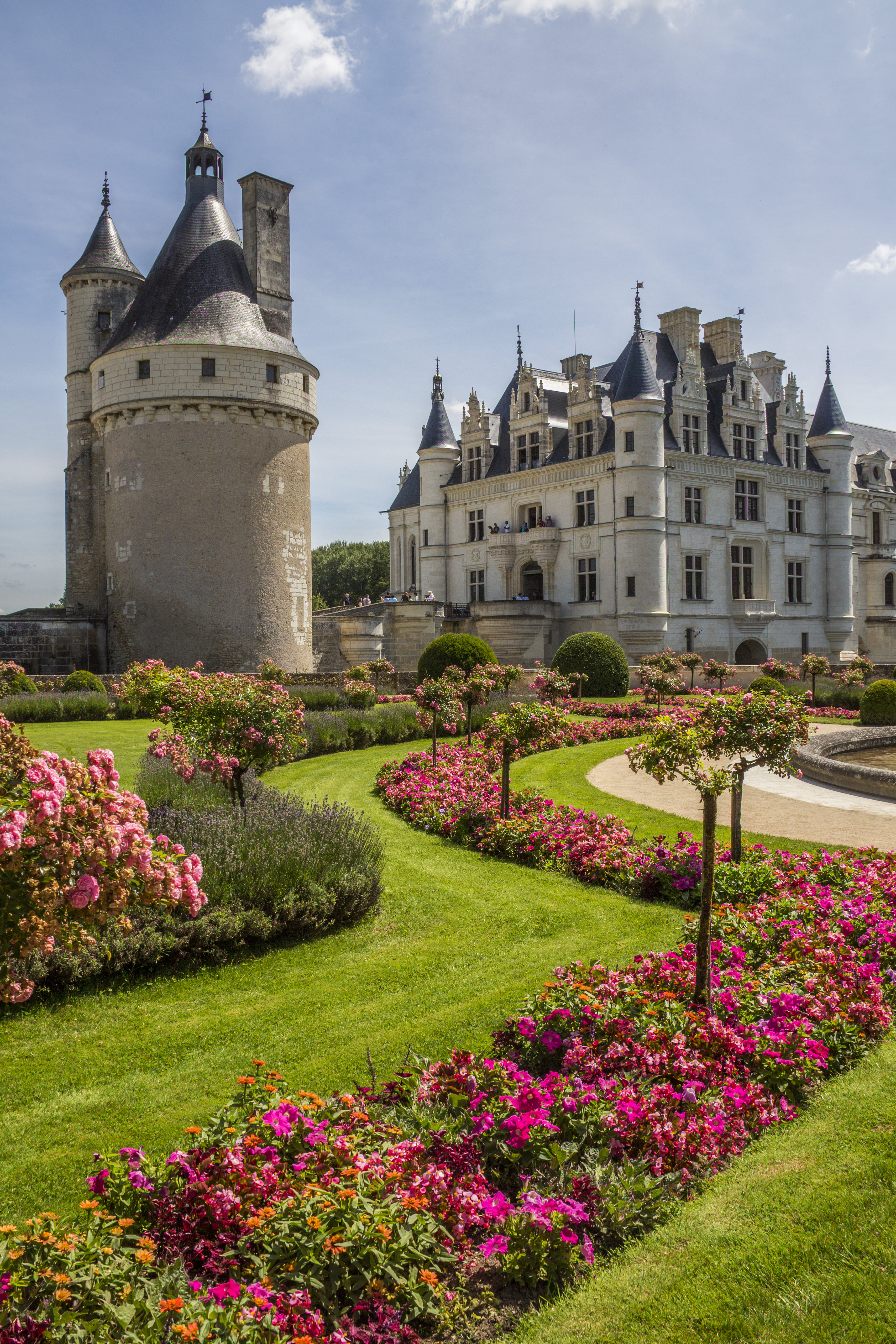
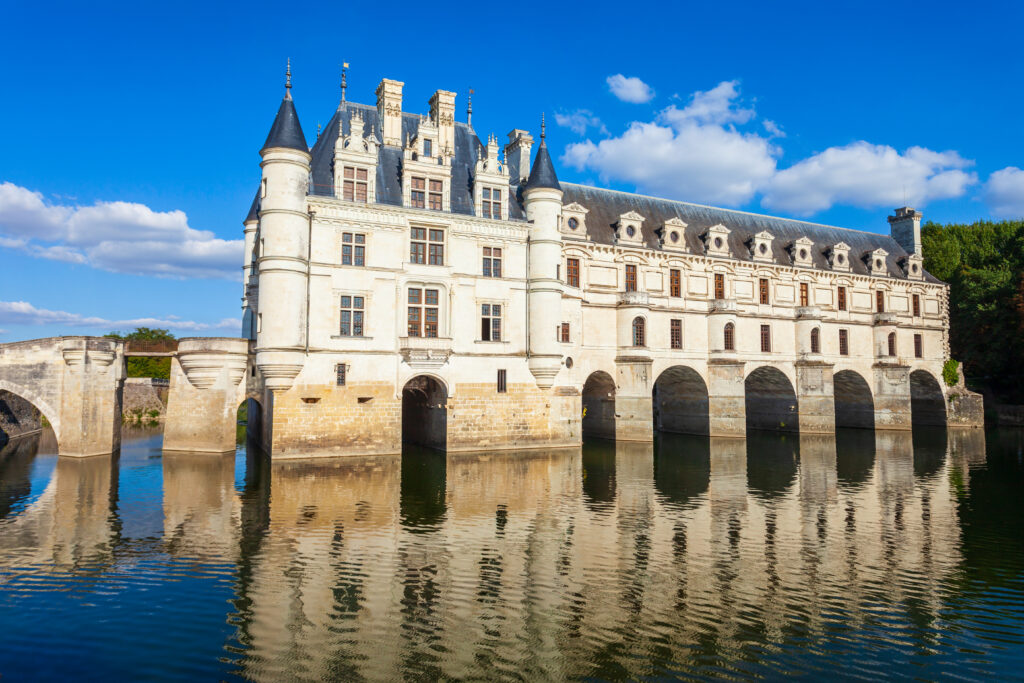
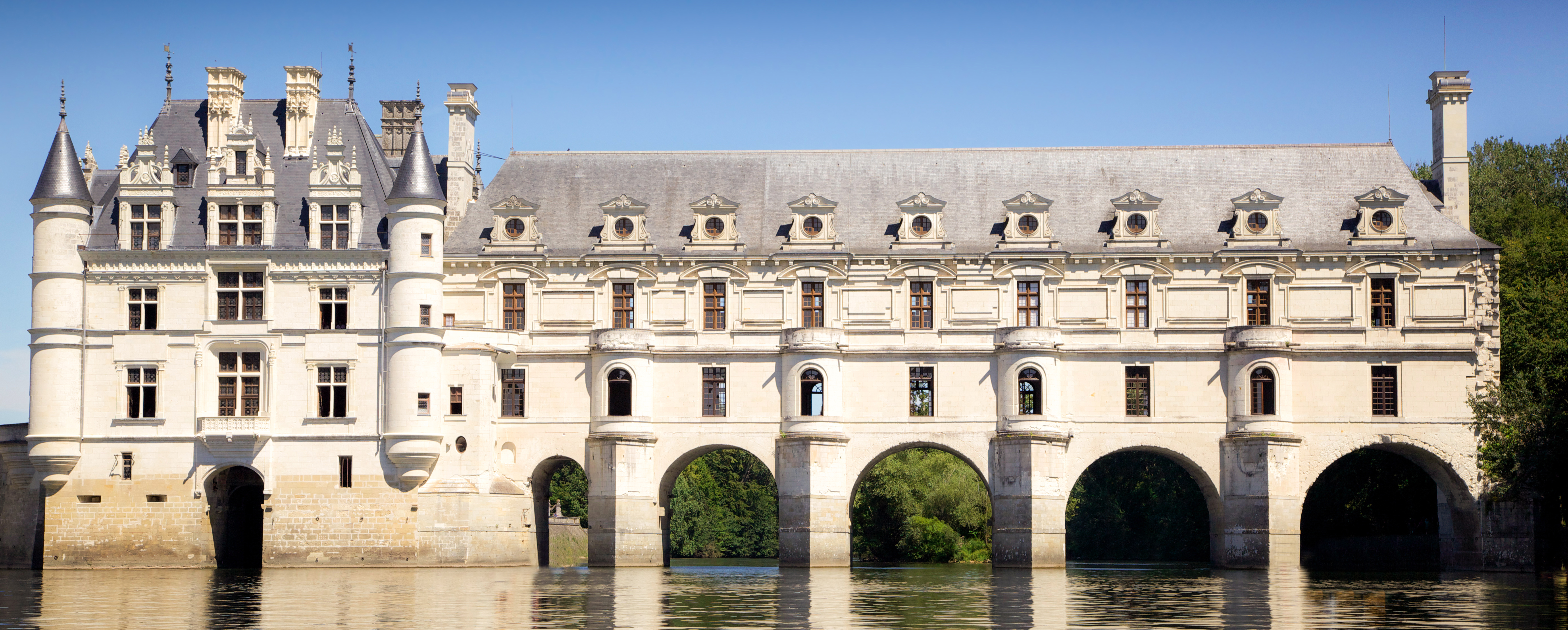
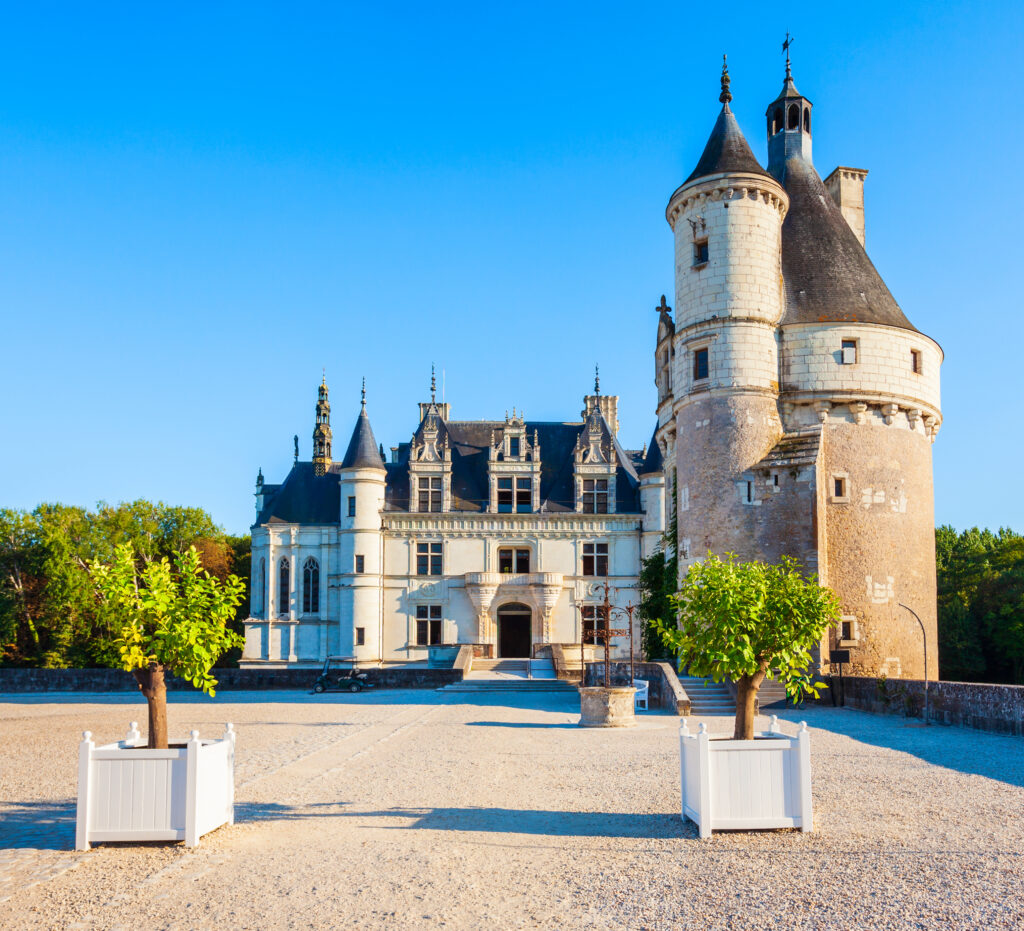
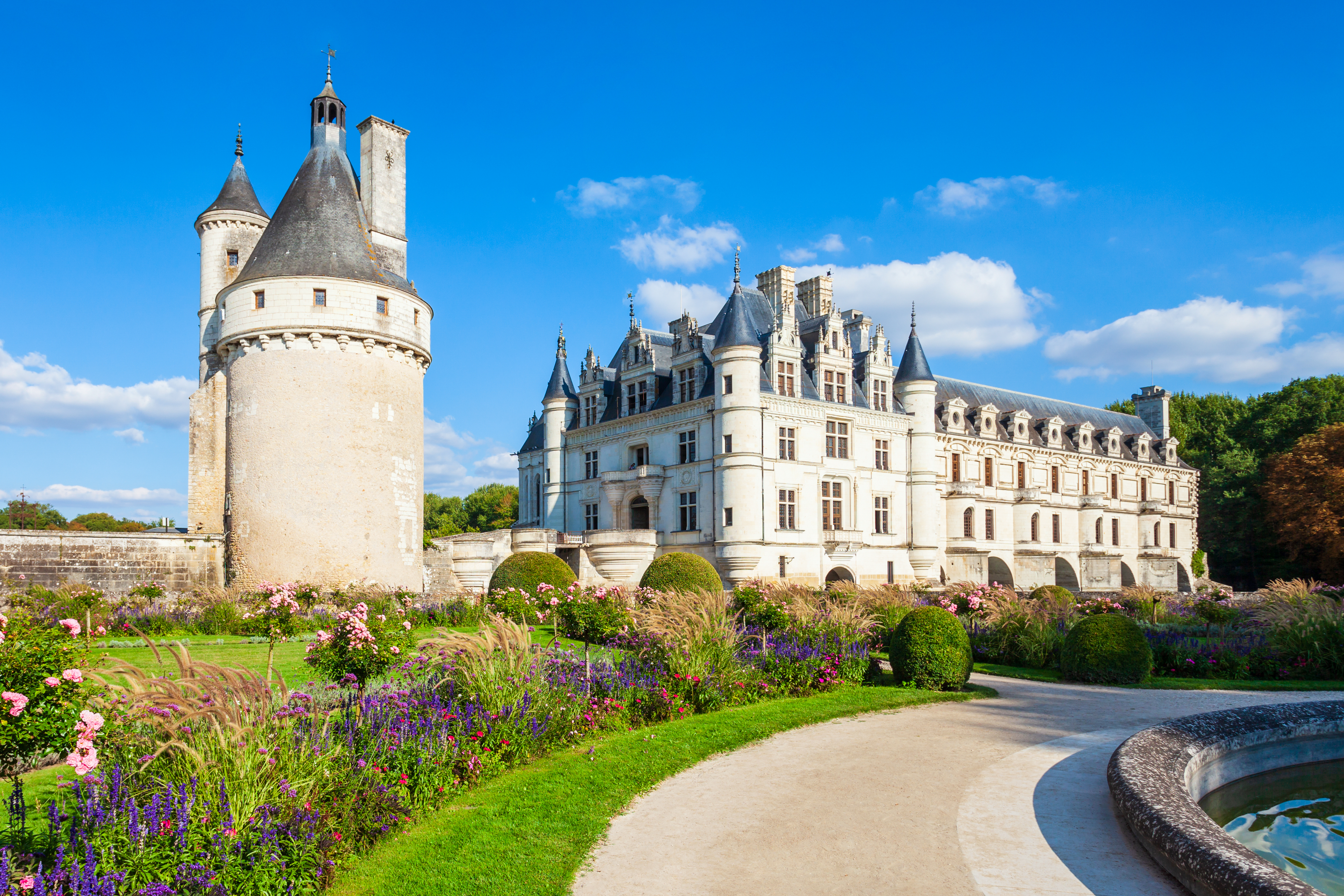
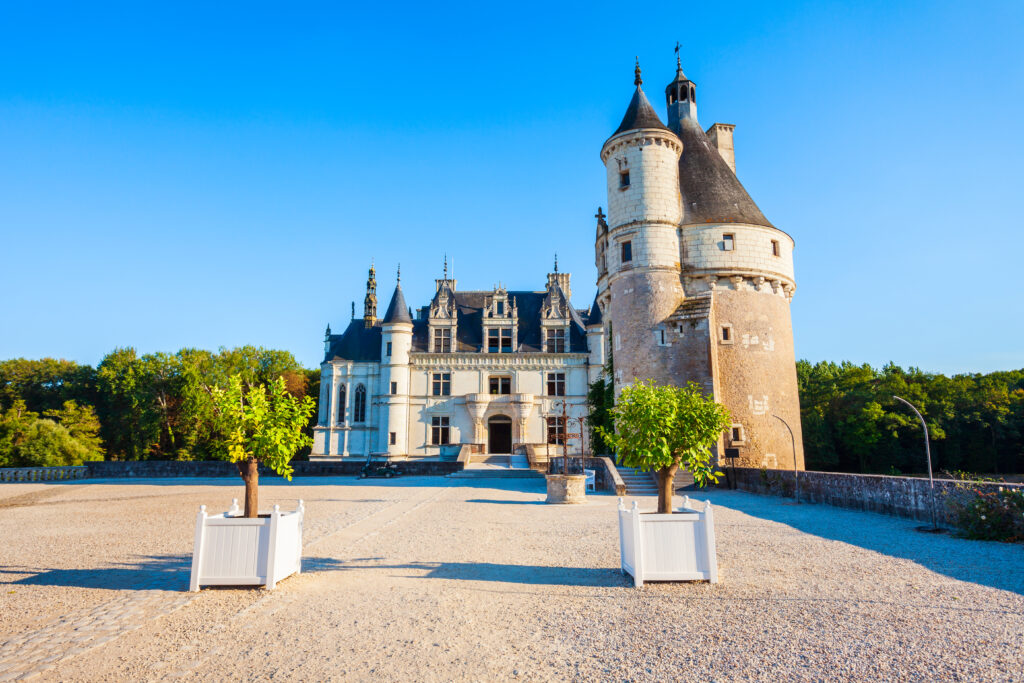
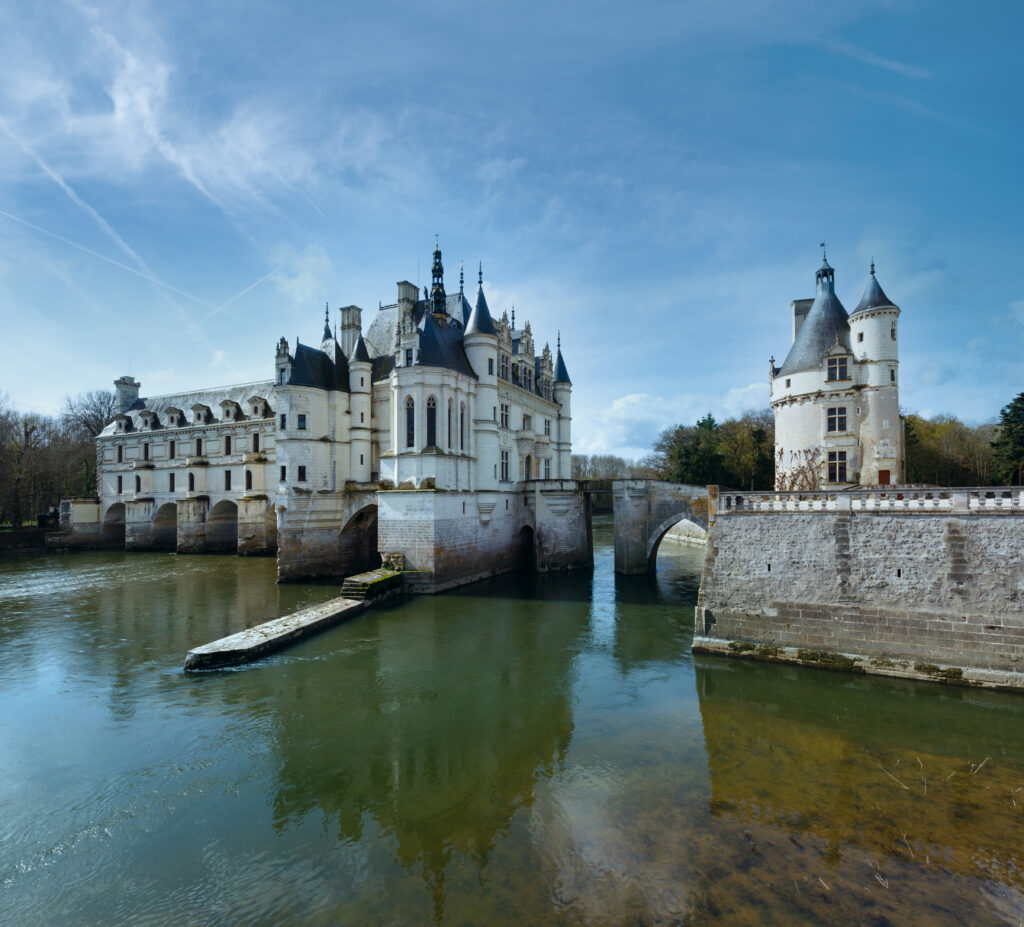
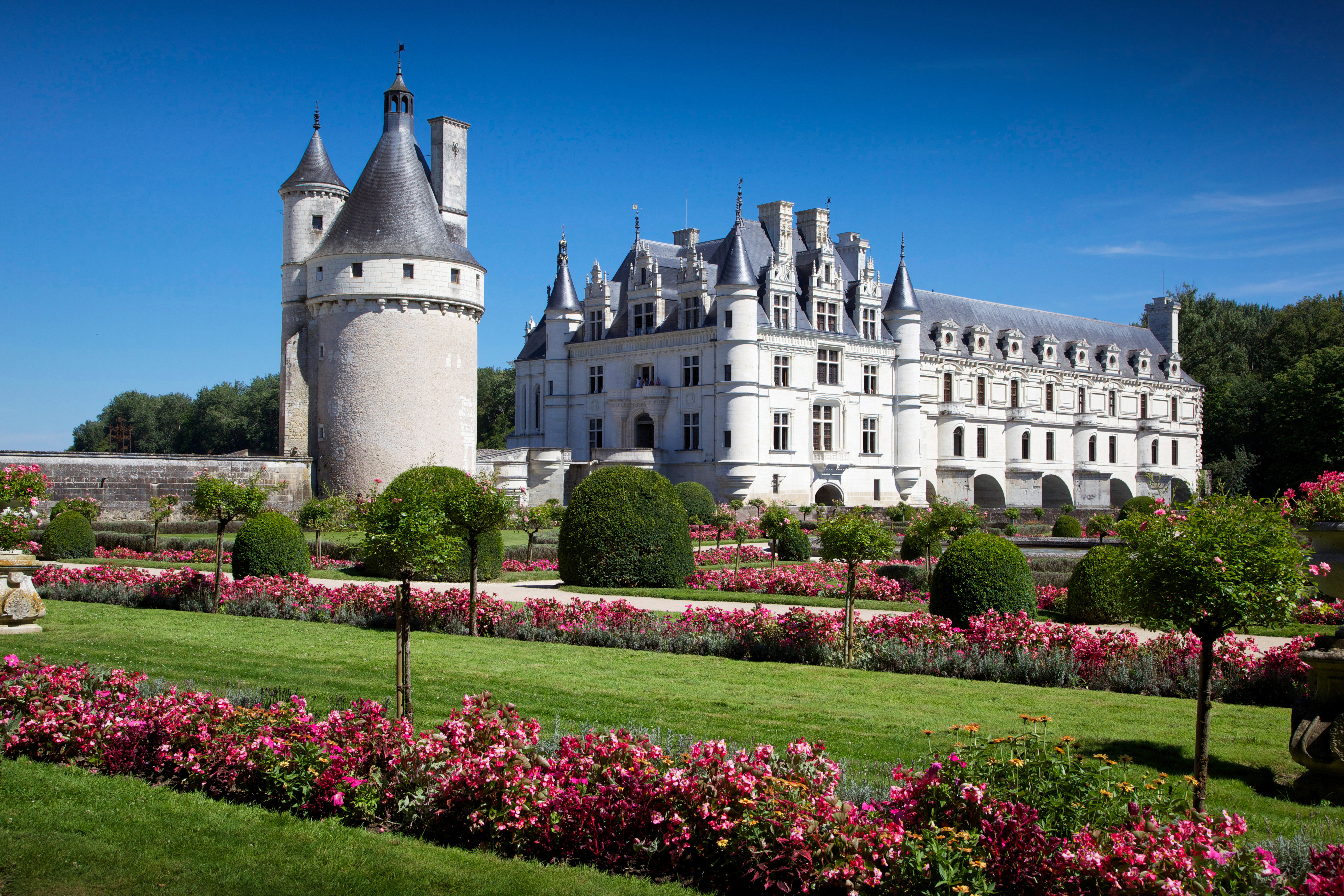
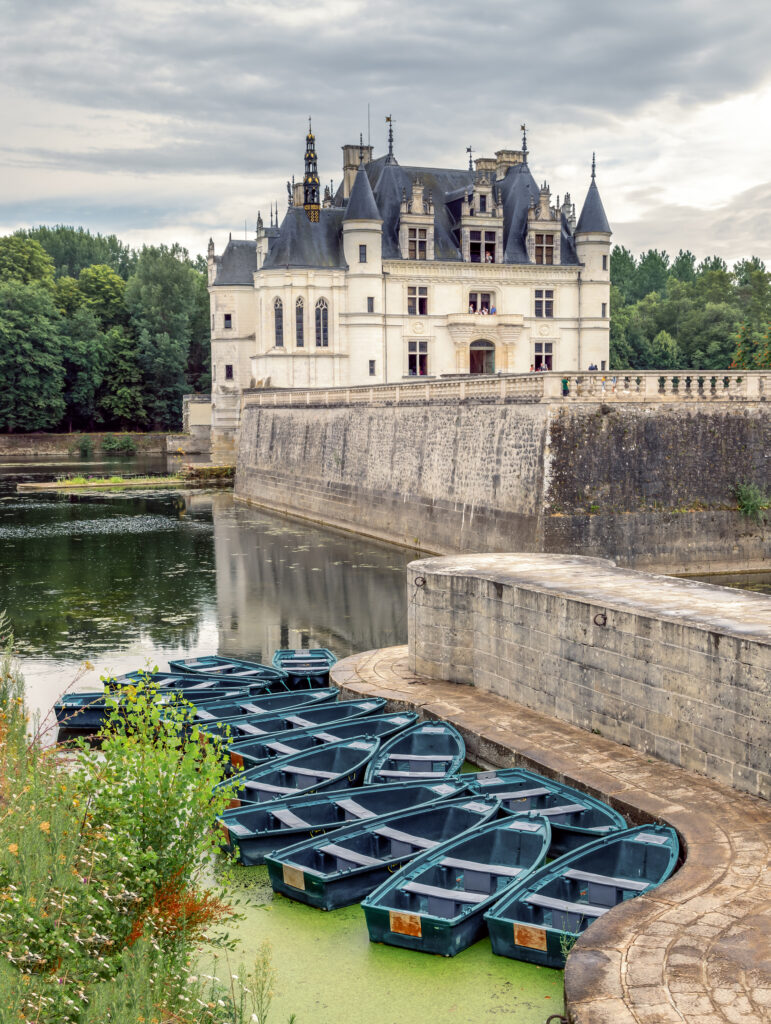
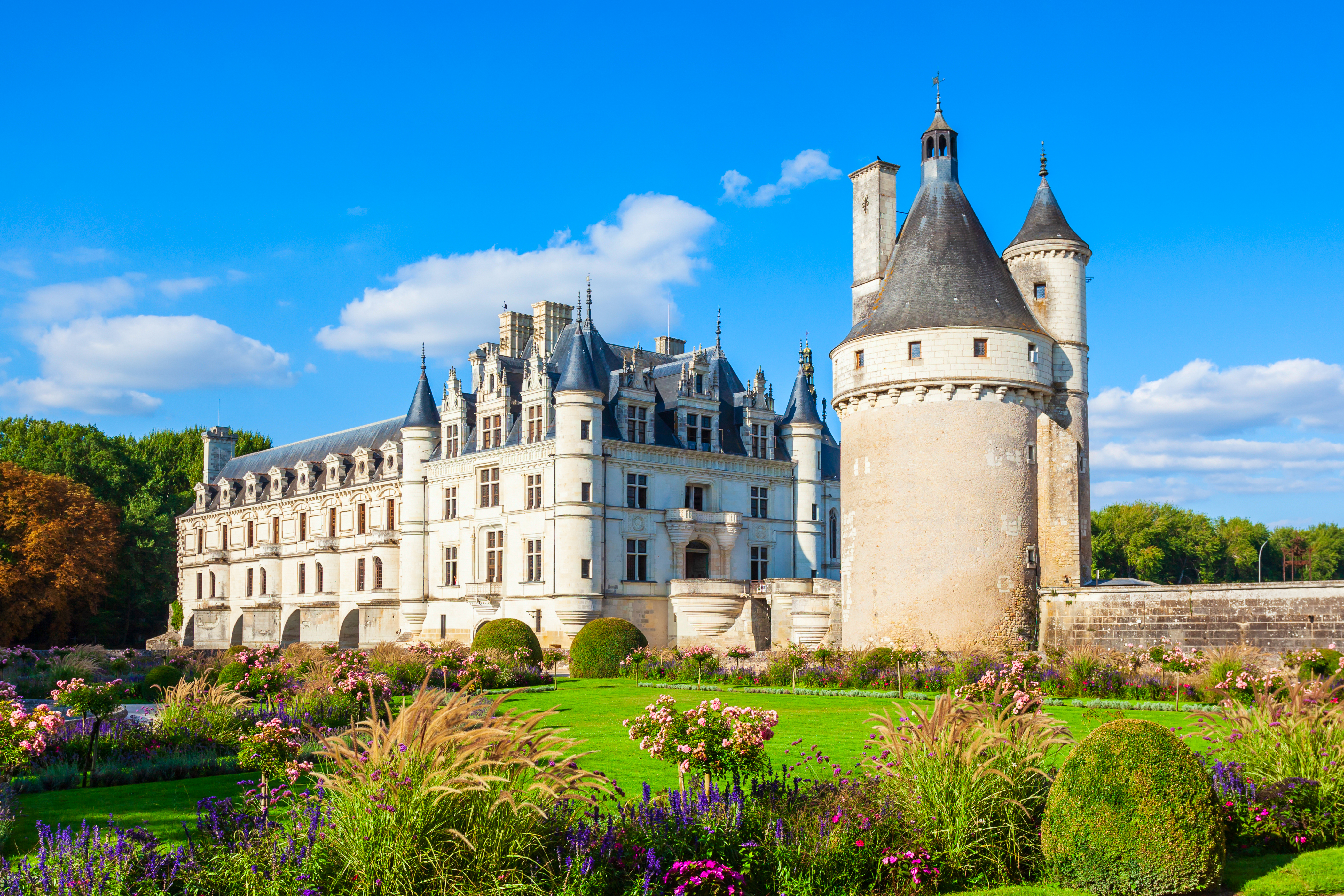
The main castle was built in a unique setting and is elegantly surrounded by the waters of the River Cher, with its elongated gallery spanning the river – a rare architectural feat that only the Château de Montsoreau also boasts. The Tour des Marques, the remains of an earlier fortress, stands to the north, flanked by Renaissance gardens renowned for their beauty and symmetry.
From its medieval beginnings to the present day, the history of Chenonceau is a canvas painted by the ambitions and passions of women. Its transformation from a fortified mill to a magnificent residence is a story marked by political intrigue, art and culture. In the early 16th century, Thomas Bohier, an important figure in the service of Kings Charles VIII and Louis XII, acquired the estate piece by piece until he became its sole owner in 1513. His wife, Katherine Briçonnet, oversaw major architectural projects while Thomas accompanied King Francis I on campaigns in Italy.
The legacy of Chenonceau continued under the stewardship of Diane de Poitiers, mistress of King Henry II, who received the château as a gift. Thanks to her strategic skills, she managed to officially acquire the castle, invalidating previous royal claims and securing her ownership rights. Among the improvements Diane made were the creation of magnificent gardens and the construction of the famous bridge over the Cher.
After the death of King Henry II, Catherine de Medici took control of Chenonceau, ousting Diane de Poitiers and embarking on her own ambitious building projects. Catherine organised grand festivities in honour of her children, including France’s first royal fireworks display. Her deep affection for the château was evident in the creation of the magnificent gallery, which still captivates visitors today.
The history of Chenonceau also includes the sombre chapter of Louise de Lorraine-Vaudémont, the widow of King Henry III, whose period of mourning earned her the nickname ‘The White Queen’. Louise lived almost in seclusion in the castle, dressed in black as a sign of her mourning, and found comfort in her piety.
Financial difficulties forced Louise to give up Chenonceau in 1597 and transfer it to Gabrielle d’Estrées, the mistress of King Henry IV. The subsequent owners, including César de Vendôme and his wife Françoise, preferred other residences, so Chenonceau remained uninhabited for years.
The château underwent various alterations until the Dupin family revived its cultural significance in the 18th century.
Louise Dupin’s literary salons attracted the intellectual elite of the time and cemented Chenonceau’s reputation as a refuge for Enlightenment thinkers. Their influence helped to preserve the castle during the turbulent French Revolution, symbolised by the simplified spelling of ‘Chenonceau’ without the royal ‘x’.
After the Dupin era, the estate changed hands several times until it was finally acquired by the Menier family in 1913. The Meniers preserved the splendour of Chenonceau and adapted it as a hospital during the First World War. A fascinating episode during the Second World War was that the demarcation line between Nazi-occupied France and Vichy France divided the château in two, making it an important escape route.
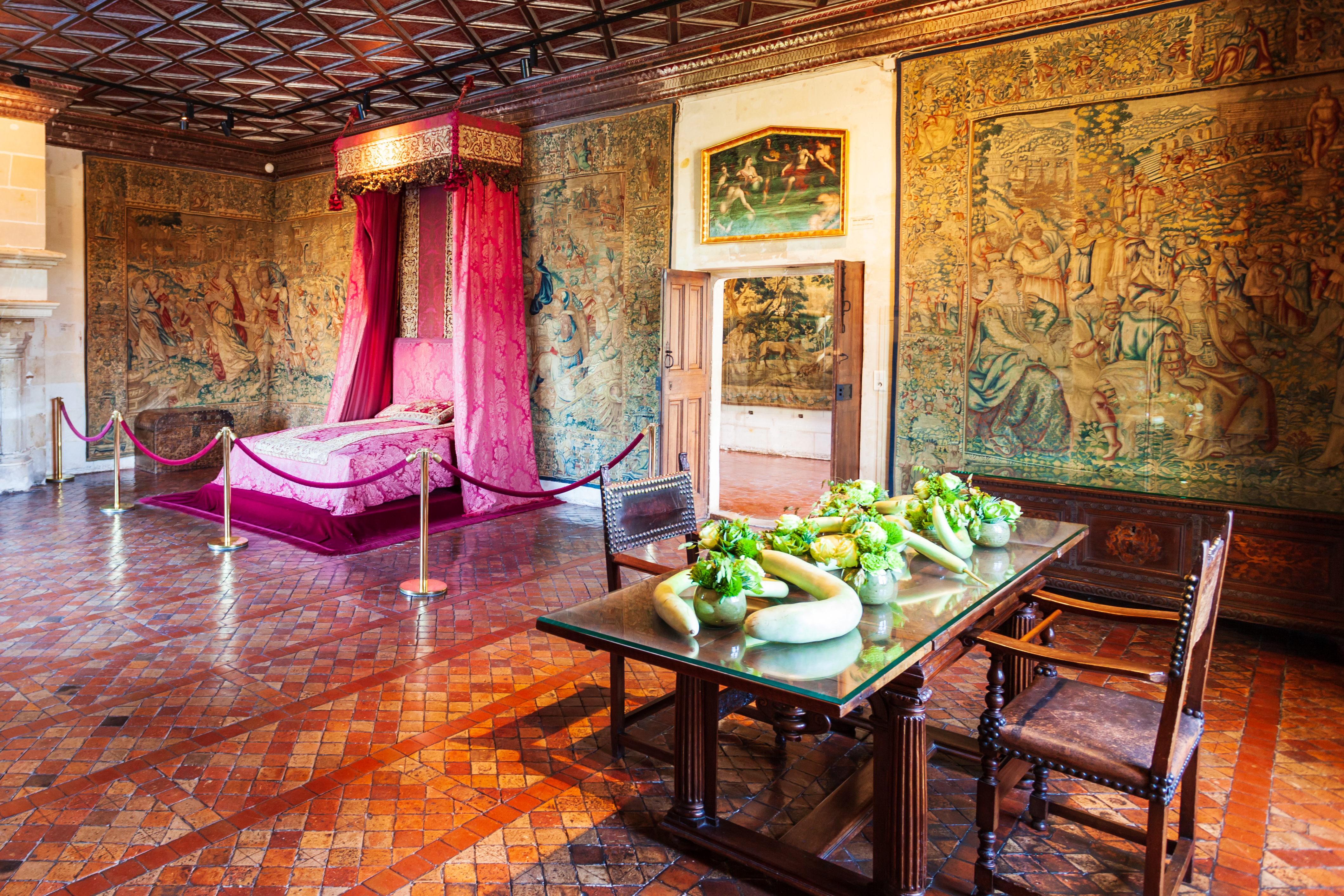
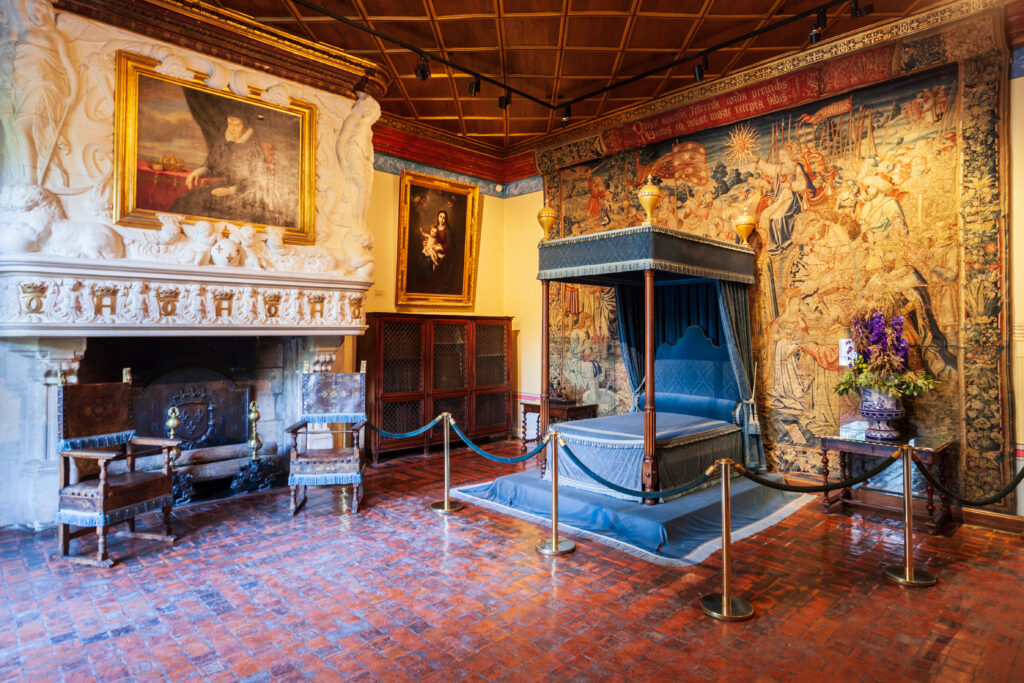
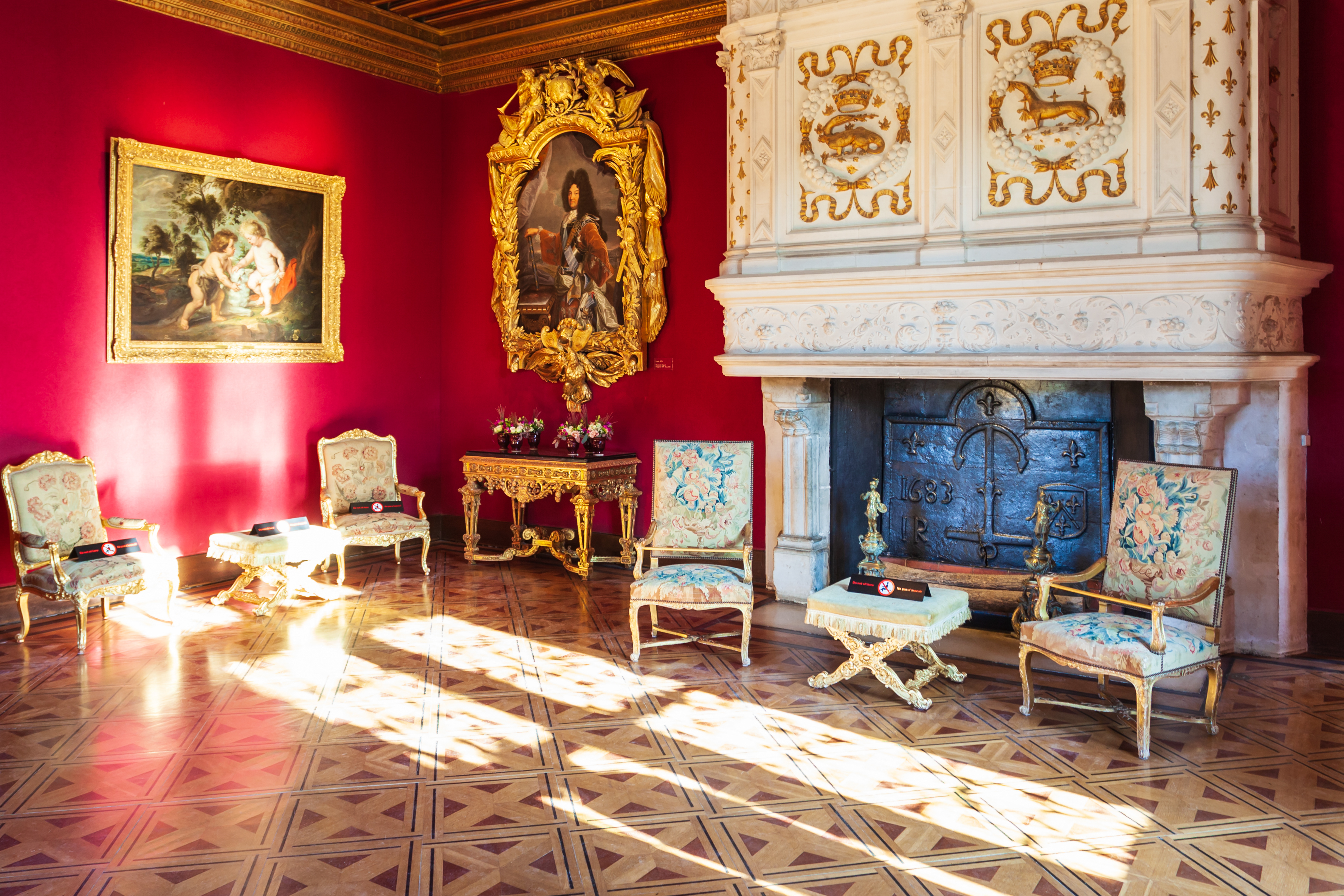
Today, the Château de Chenonceau houses two museums: one inside the main residence, displaying masterpieces and historic furniture, and another, the Galerie des Dames, where wax figures re-enact historical events. In addition, contemporary art exhibitions adorn the gallery above the Cher River, attracting artists such as Bernard Buffet and Zao Wou-Ki. The Orangery provides a venue for celebrations, while the former stables now serve as a restaurant for visitors.
On summer nights, the château comes to life with fascinating ‘Son et Lumière’ shows, during which the gardens and buildings are illuminated to the music of Arcangelo Corelli. The fascination of Chenonceau has even inspired literary works, such as Alfred Andersch’s ‘Mit dem Chef nach Chenonceaux’ (With the Boss to Chenonceaux), further enriching its legendary status.
In 2019, environmental concerns arose when low water levels threatened the stability of the foundation, requiring measures to restore the water level of the Cher. Despite all the challenges, the Château de Chenonceau continues to fascinate with its blend of natural beauty, historical depth and artistic brilliance. Even today, it remains a lasting symbol of the elegance and resilience of the women who have shaped its historic past.