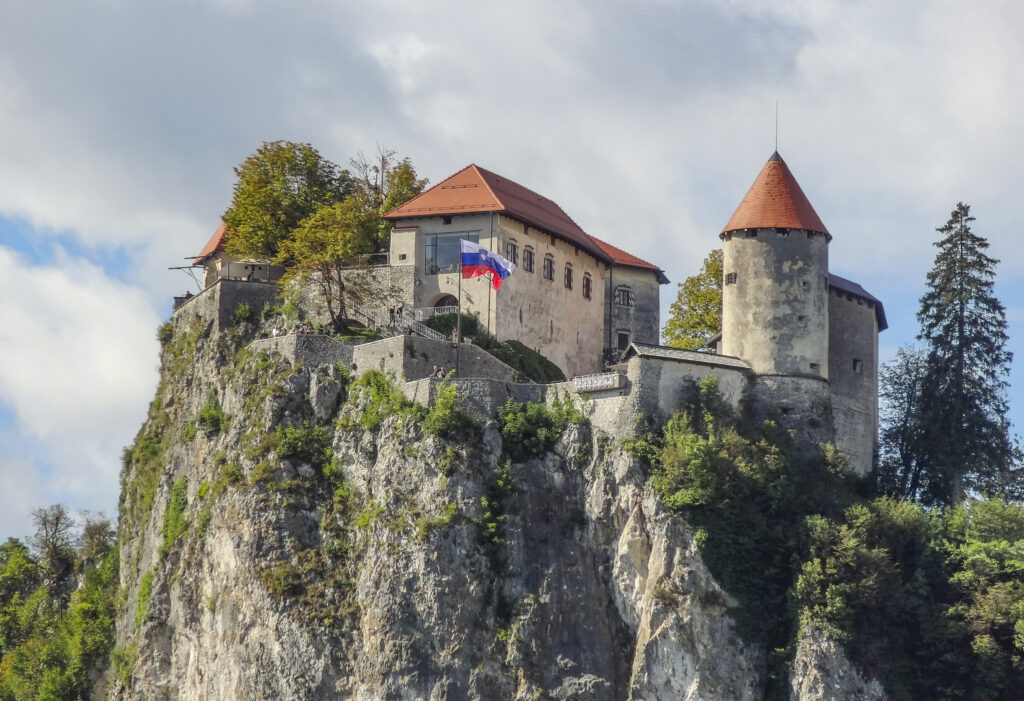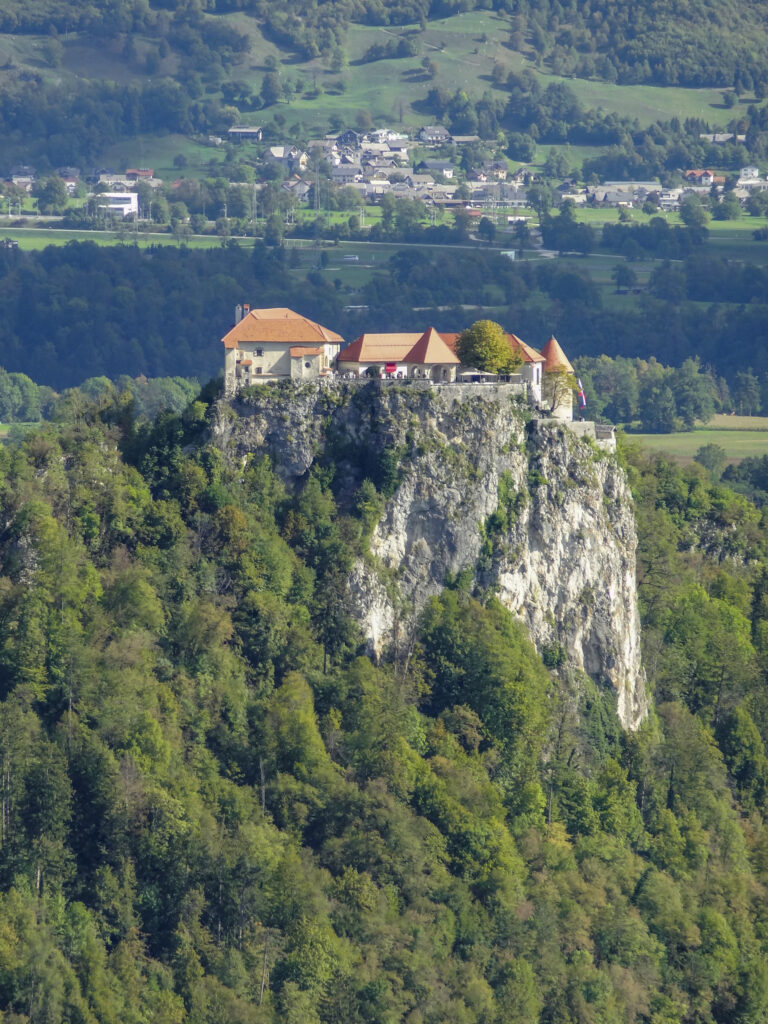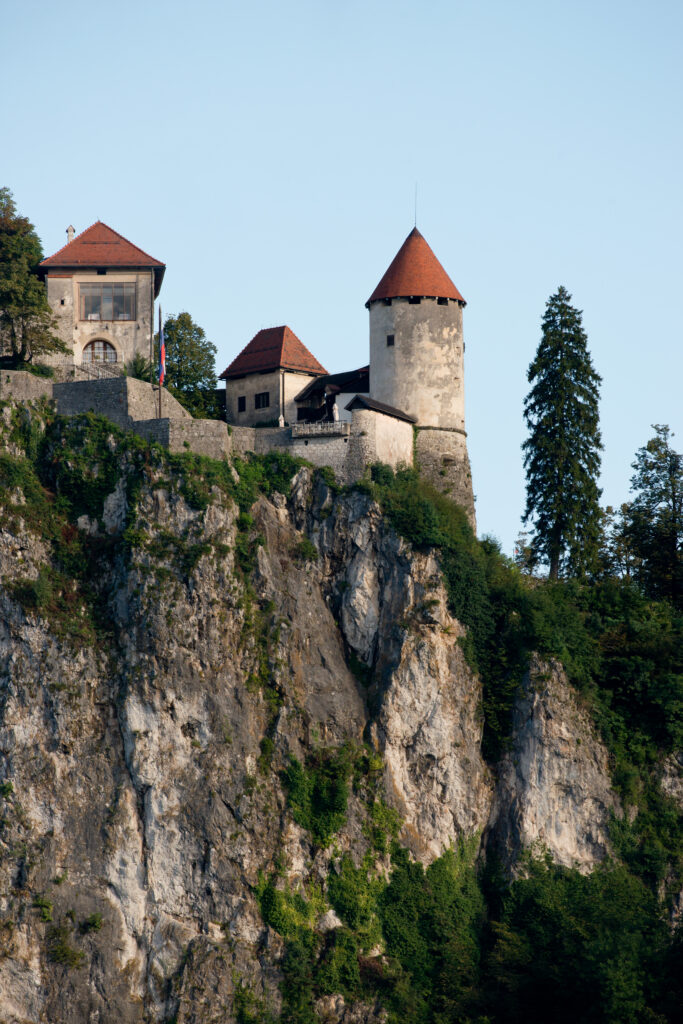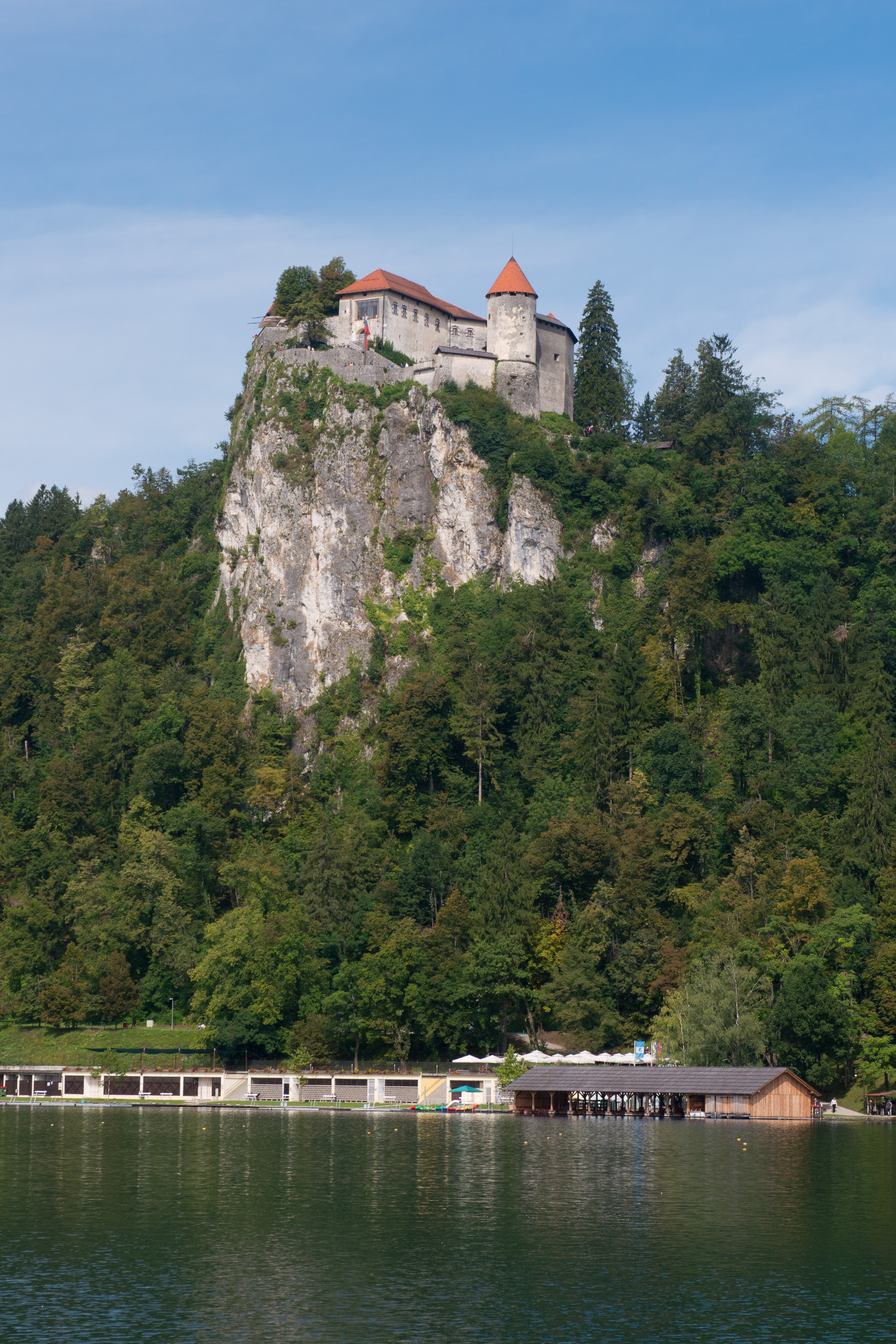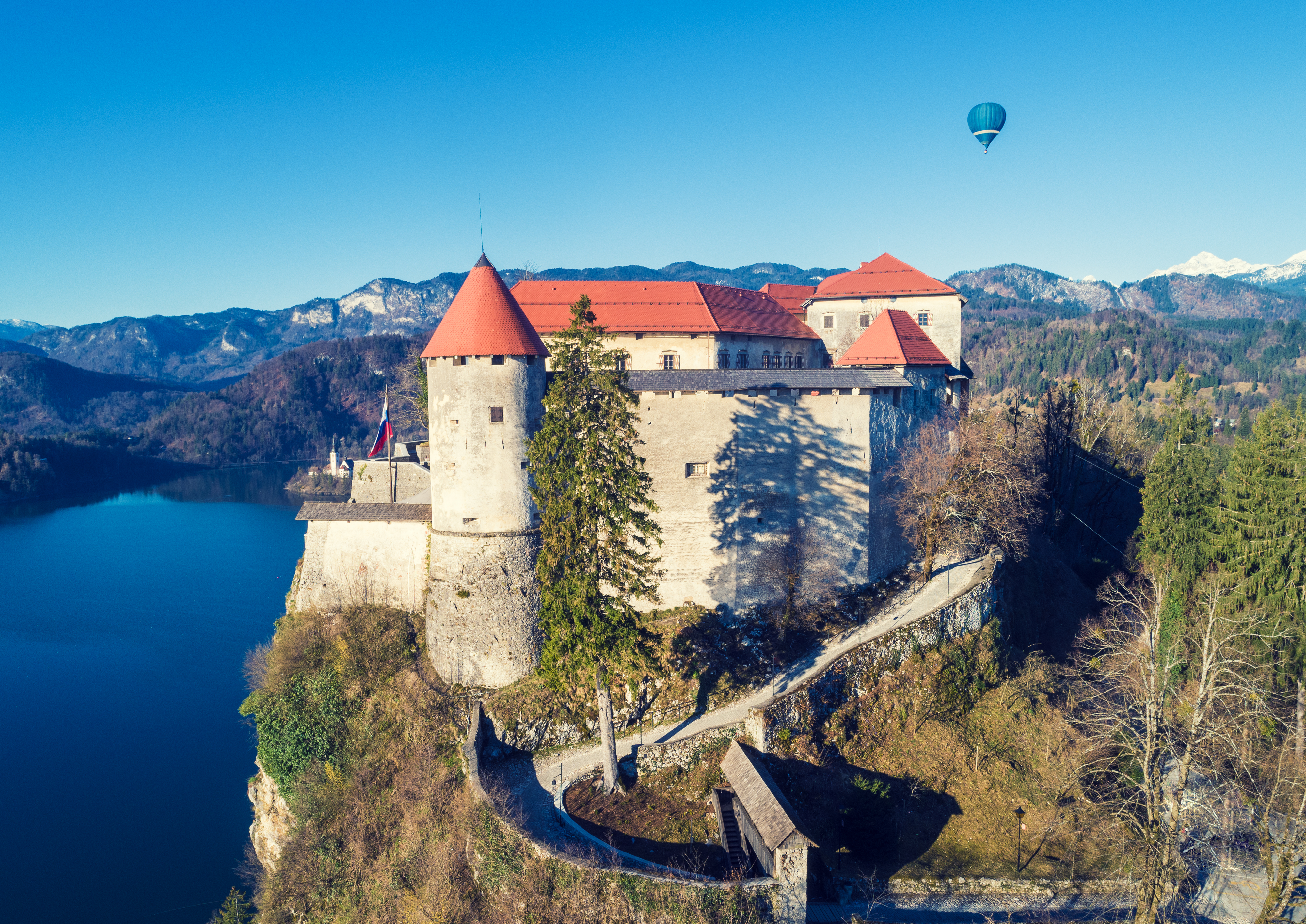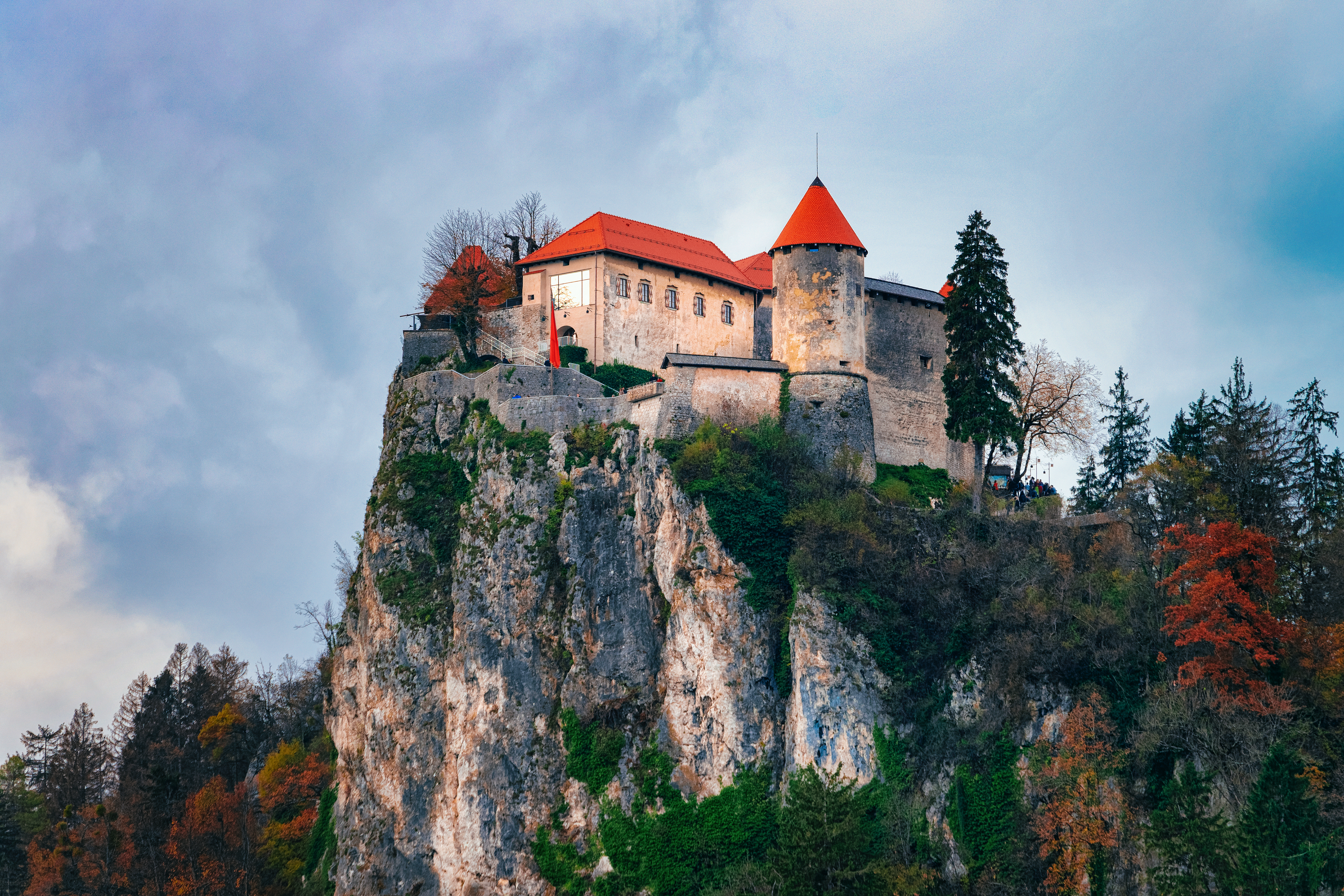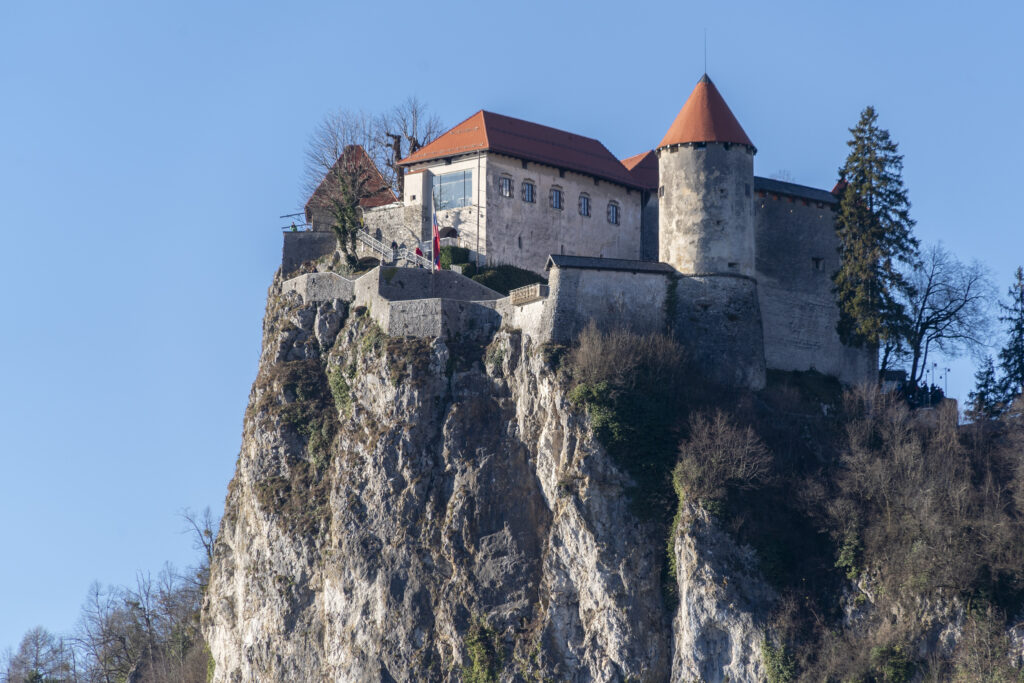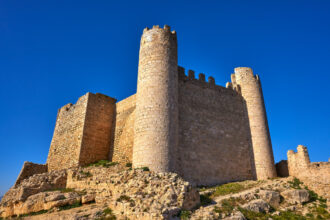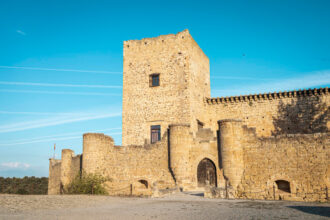

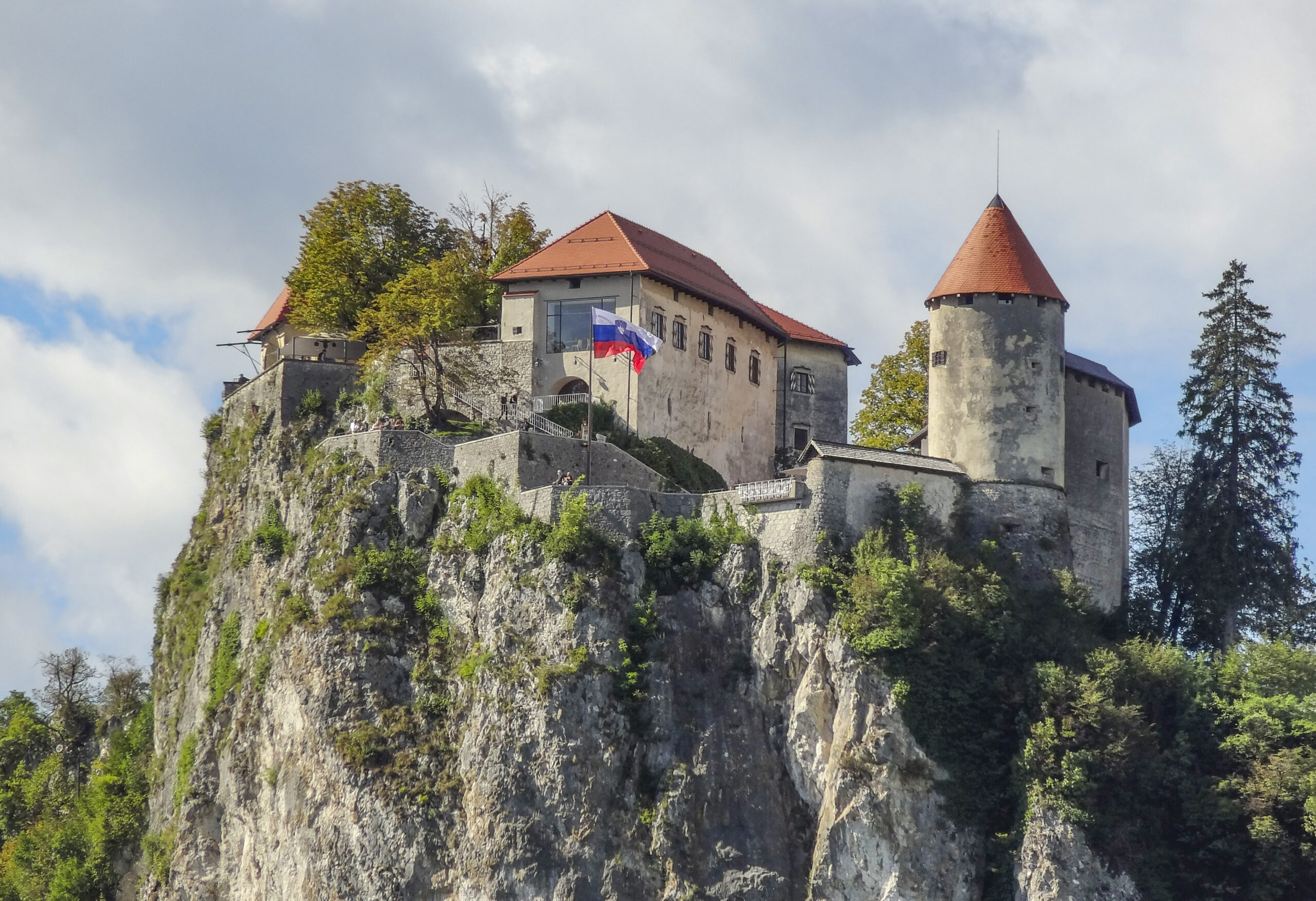
The majestic Bled Castle sits dramatically atop a 139-meter cliff overlooking the crystal-clear waters of Lake Bled, bearing witness to the region’s rich history and fascinating legends. As Slovenia’s oldest castle, this medieval fortress has witnessed centuries of change, survived turbulent times, and preserved stories that blend history with myth.
Originally known as Veldes Castle, the history of Bled Castle begins in ancient records dating back to May 22, 1011. On that day, King Henry II gifted the estate to Bishop Adalbero of Brixen, making it a valuable possession of the Diocese of Brixen for several hundred years. However, earlier documents suggest that the land known as “praedium quod dicitur Ueldes” was already gifted in 1004, although at that time it was not a fortress but the domain of Veldes.
Over the centuries, the castle changed hands frequently due to economic crises and political manoeuvring typical of medieval Europe. These transitions became particularly dynamic in the 13th century. In 1236, in the midst of a severe economic crisis, the Diocese of Brixen was forced to transfer ownership, giving Emperor Frederick II control of the area and ceding the castle to Duke Bernhard of Carinthia. Despite these changes, the diocese retained the rights to the income from the land, illustrating the complex web of feudal loyalties and power games of the time.
The castle experienced further dramatic events when Count Meinhard III of Gorizia occupied it and subsequently took over the administration of the area. Between 1241 and 1245, Gerloch von Hertenberg and Wilhelm von Veldes conquered the fortress, but Brixen regained it after receiving compensation for the damage caused. The death of Bishop Bruno von Kirchberg in 1288 marked another turning point when Duke Meinhard II of Carinthia occupied the castle. It was only after his death in 1295 that the diocese was able to recapture its valuable fortress.
During these power struggles, the fortress continued to serve as a defensive bastion and administrative center. The Kraig family from Carinthia held the castle as a pledge from 1370 to 1588, marking a period of relative stability amid the general geopolitical turmoil in the region.
However, the peace was abruptly interrupted on March 26, 1511, when a devastating earthquake severely damaged the castle. The subsequent reconstruction work resulted in much of the architectural substance that can be seen today. The focus of the reconstruction was particularly on strengthening the castle’s fortifications, including the construction of additional towers to improve its defensive capabilities.
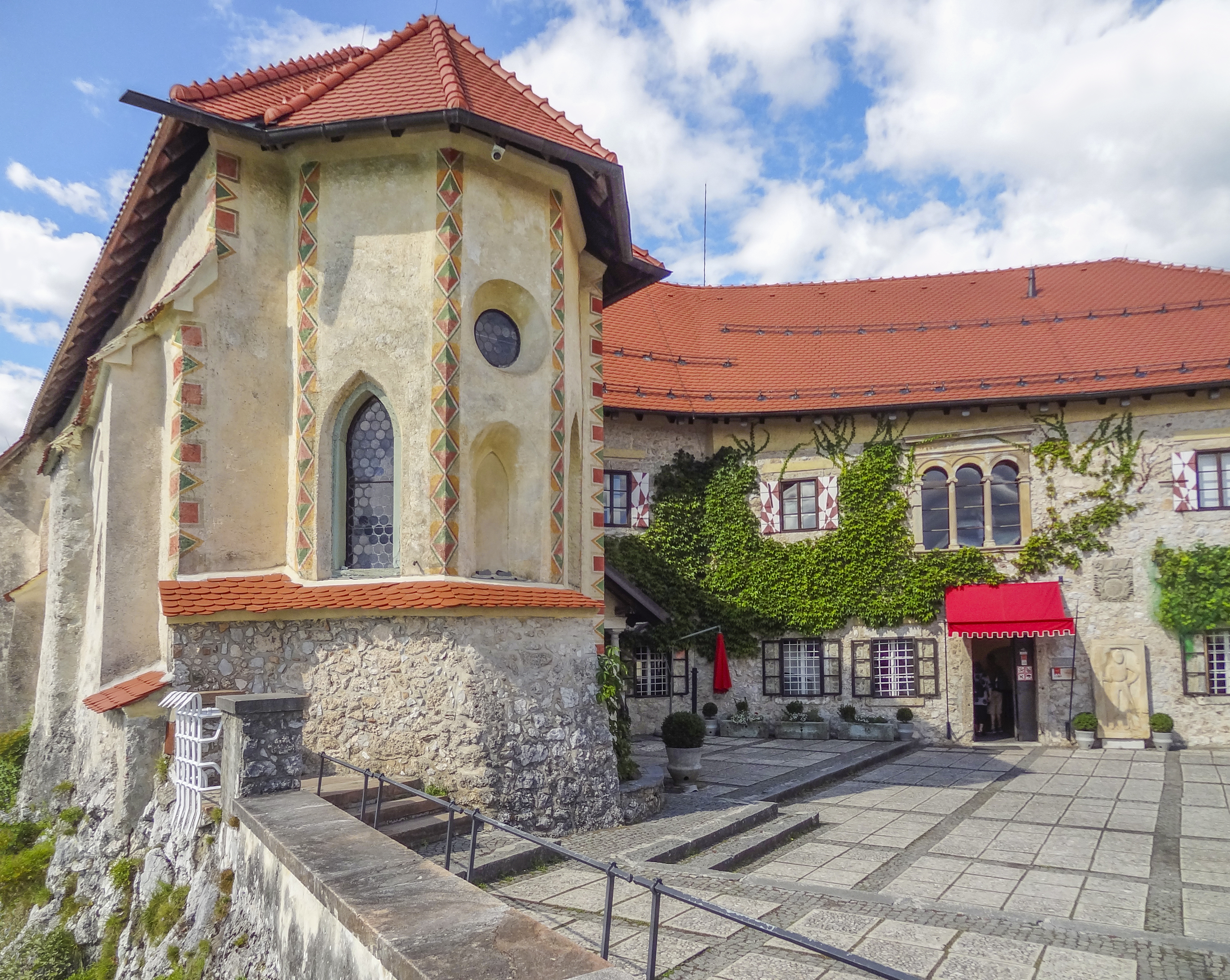
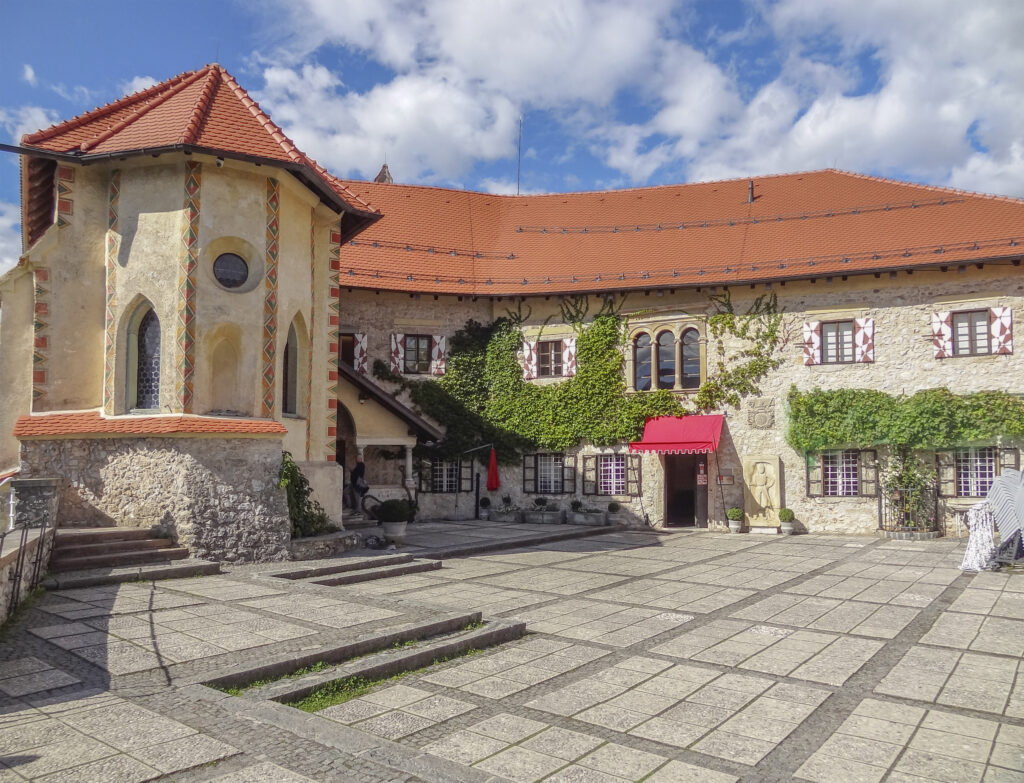
This seismic event was not the last to shake the fortress; another earthquake in 1690 necessitated further repairs and reinforcements. As a result, Bled Castle developed into a resilient example of the Renaissance architectural style, characterized by buildings surrounding an inner courtyard and connected by staircases. These buildings include the chapel in the upper courtyard, originally built in the 16th century and later decorated with frescoes during a restoration in the 17th century.
But behind the sturdy stone walls and picturesque views lies a tradition that captivates visitors and locals alike. One of these legends tells of the castle’s ghostly woman, who is said to appear on moonlit nights, searching for her long-lost love who died defending the fortress. Her eerie wails are said to echo through the night, adding an uncanny mystique to the already historic past of Bled Castle.
In 1838, the castle passed from church ownership into private hands when it was sold to Viktor Ruardu, the owner of the Jesenice ironworks. The fortress then changed hands several times before finally becoming state property in 1937. This transition to public ownership rekindled interest in preserving the castle as a cultural and historical monument and enabled its conversion into a branch of the Slovenian National Museum. This ensures that the stories of Bled Castle live on and captivate modern visitors with both historical facts and mythical tales.
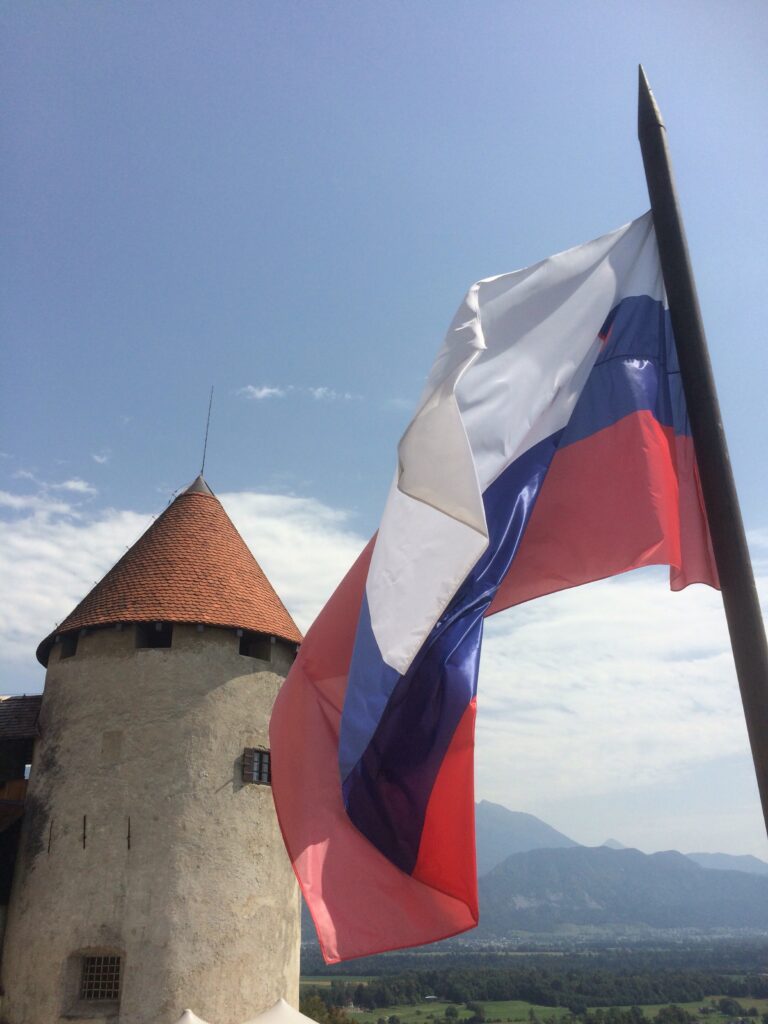
The oldest part of the castle, the Romanesque tower, is a reminder of its early days. The Renaissance additions and the chapel with its fresco-covered walls, on the other hand, tell the story of the building’s stylistic development. The castle’s drawbridge, which spans the outer moat, invites visitors to immerse themselves in the past and explore the living quarters in the upper courtyard and the farm buildings in the lower courtyard, all of which illustrate the castle’s multifaceted history.
Bled Castle is more than just a historical landmark; it is a living tableau of Slovenia’s past – a place where history breathes and legends live on. The convergence of real events and mythical tales gives this ancient fortress an aura that few other historical sites can match. It reminds us how landscapes can shape people’s destinies and how history can be intertwined with legends, offering narratives that enrich our understanding of the past and spark the imagination. As the sun sets and bathes the lake in shades of gold and purple, one inevitably feels the weight of history and the allure of mystery that make Bled Castle so enchanting.