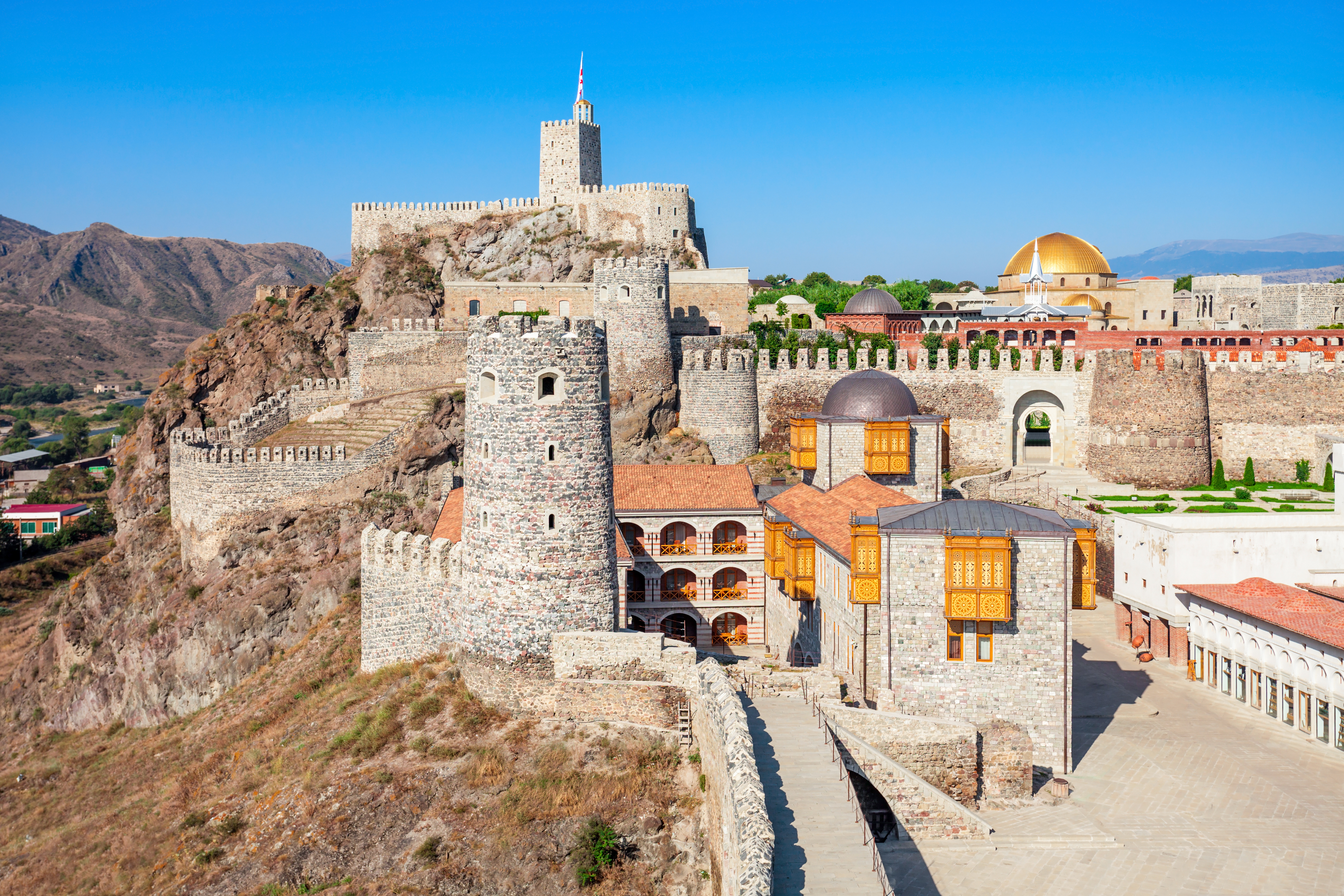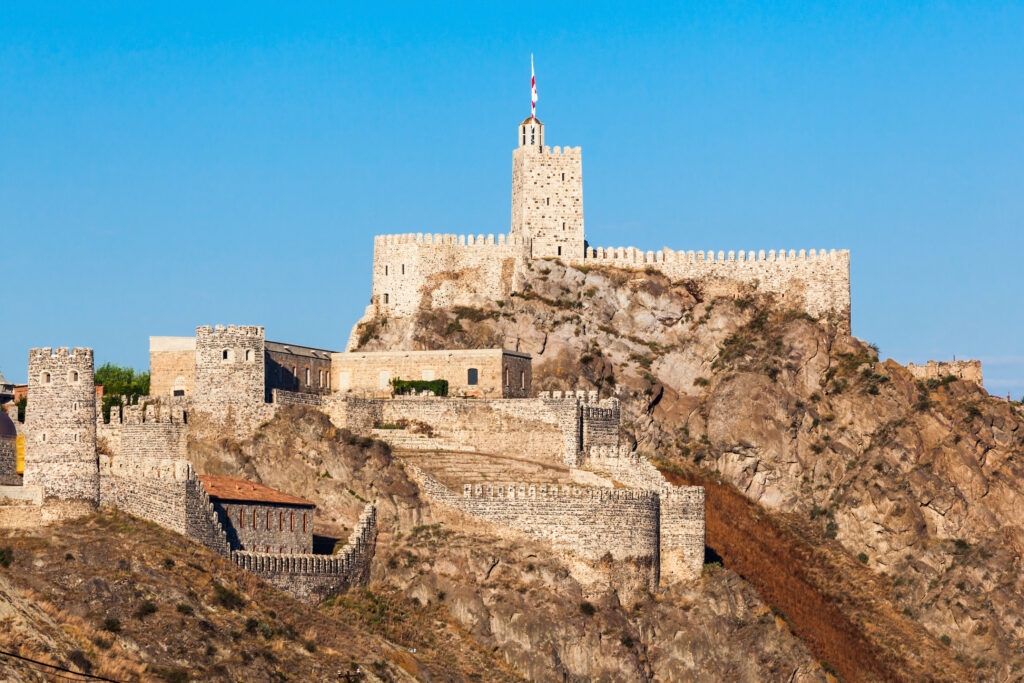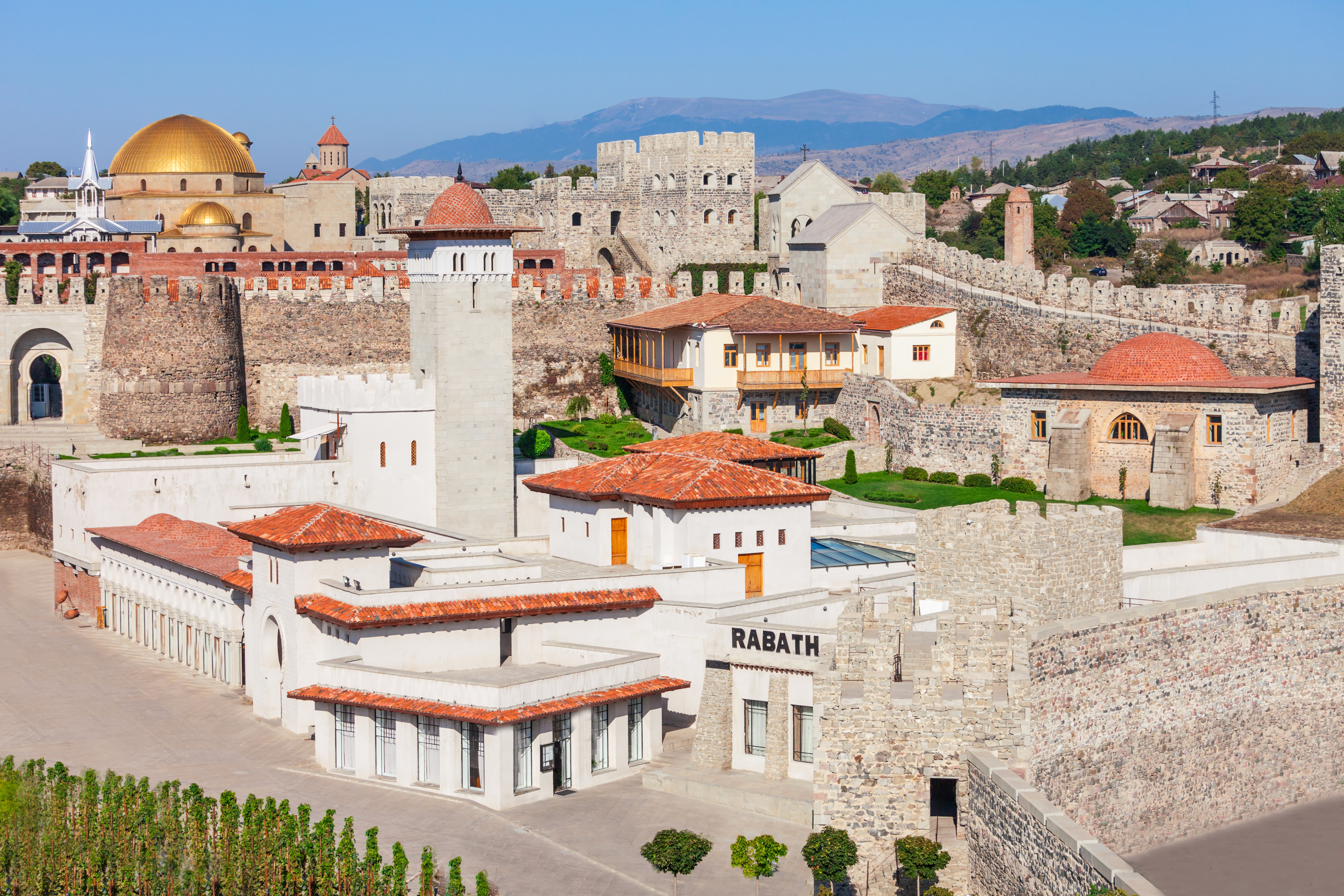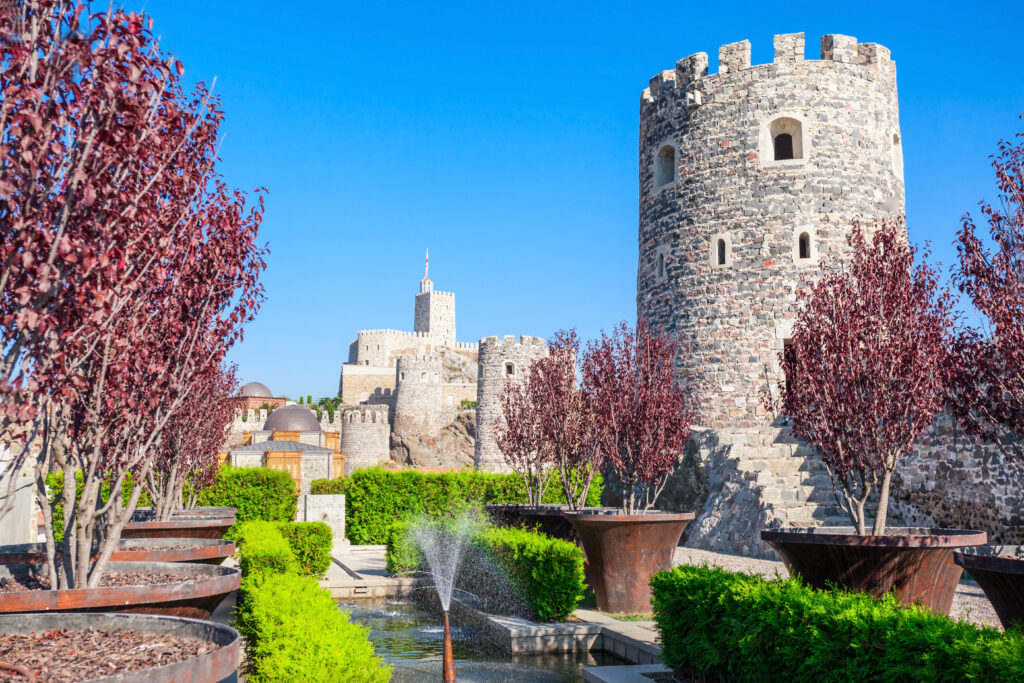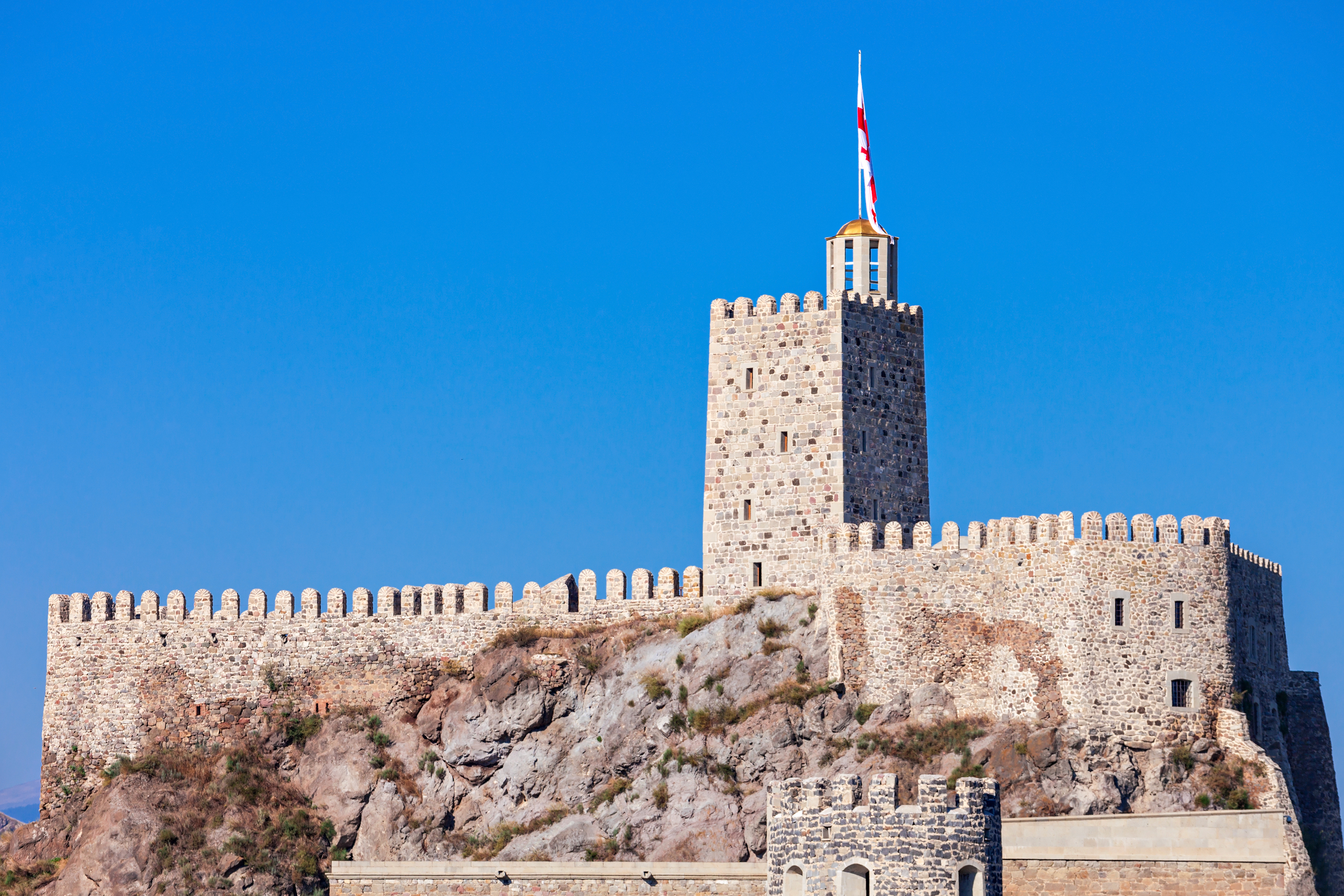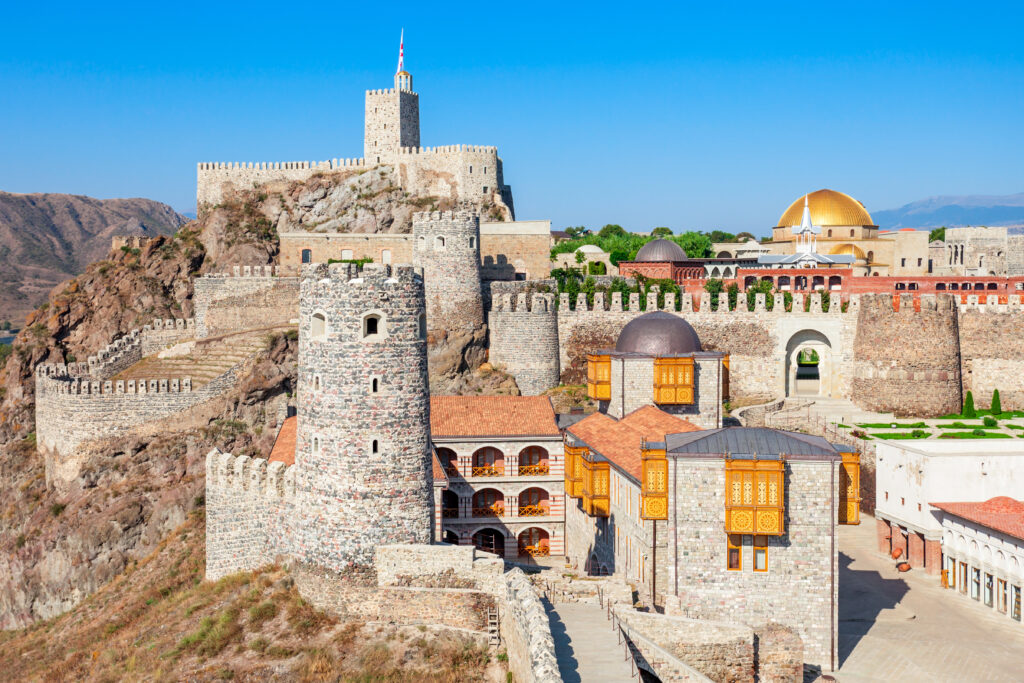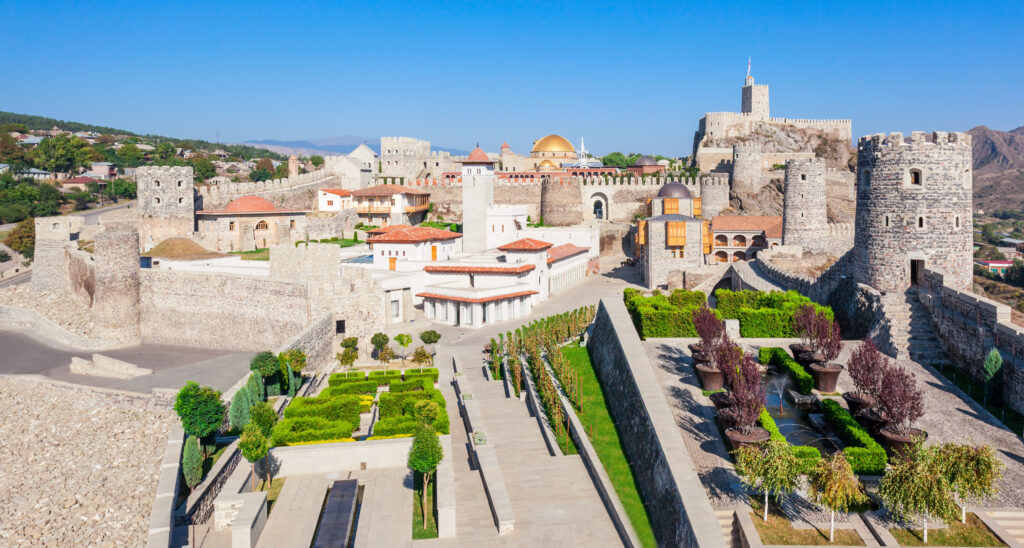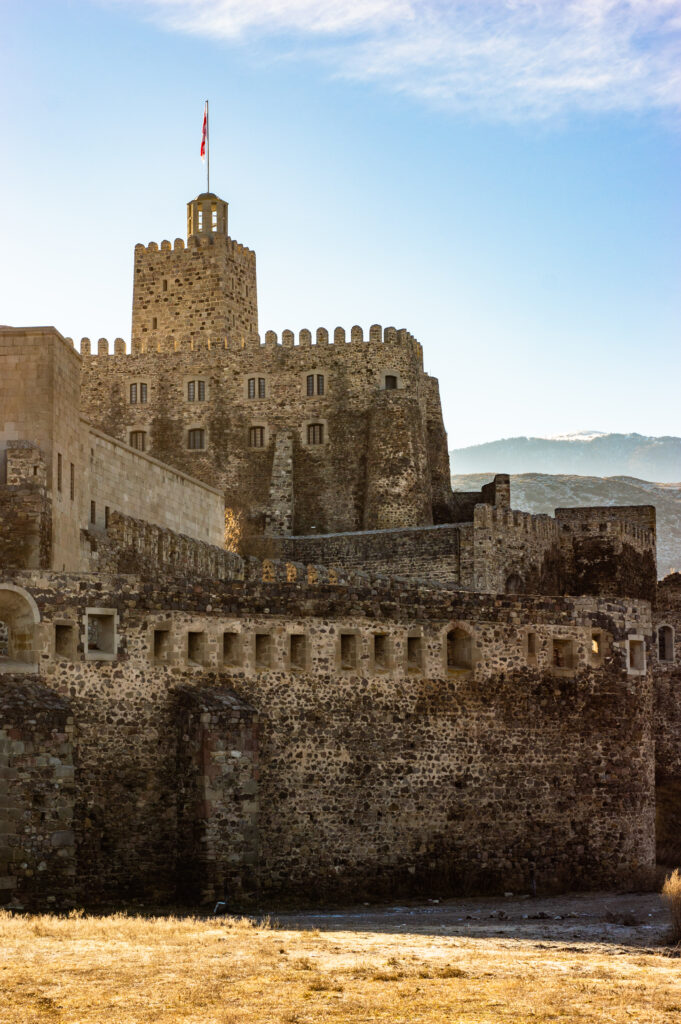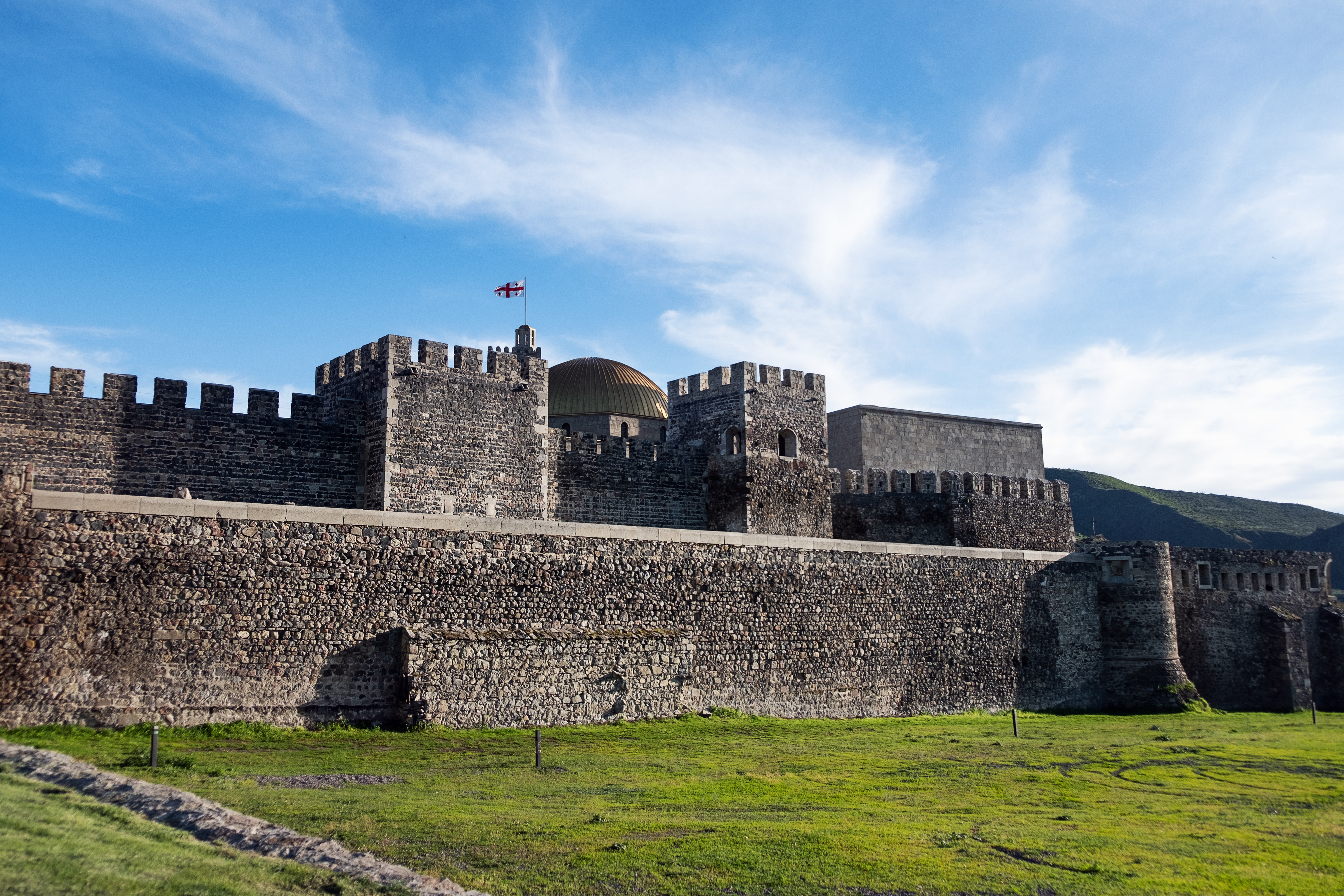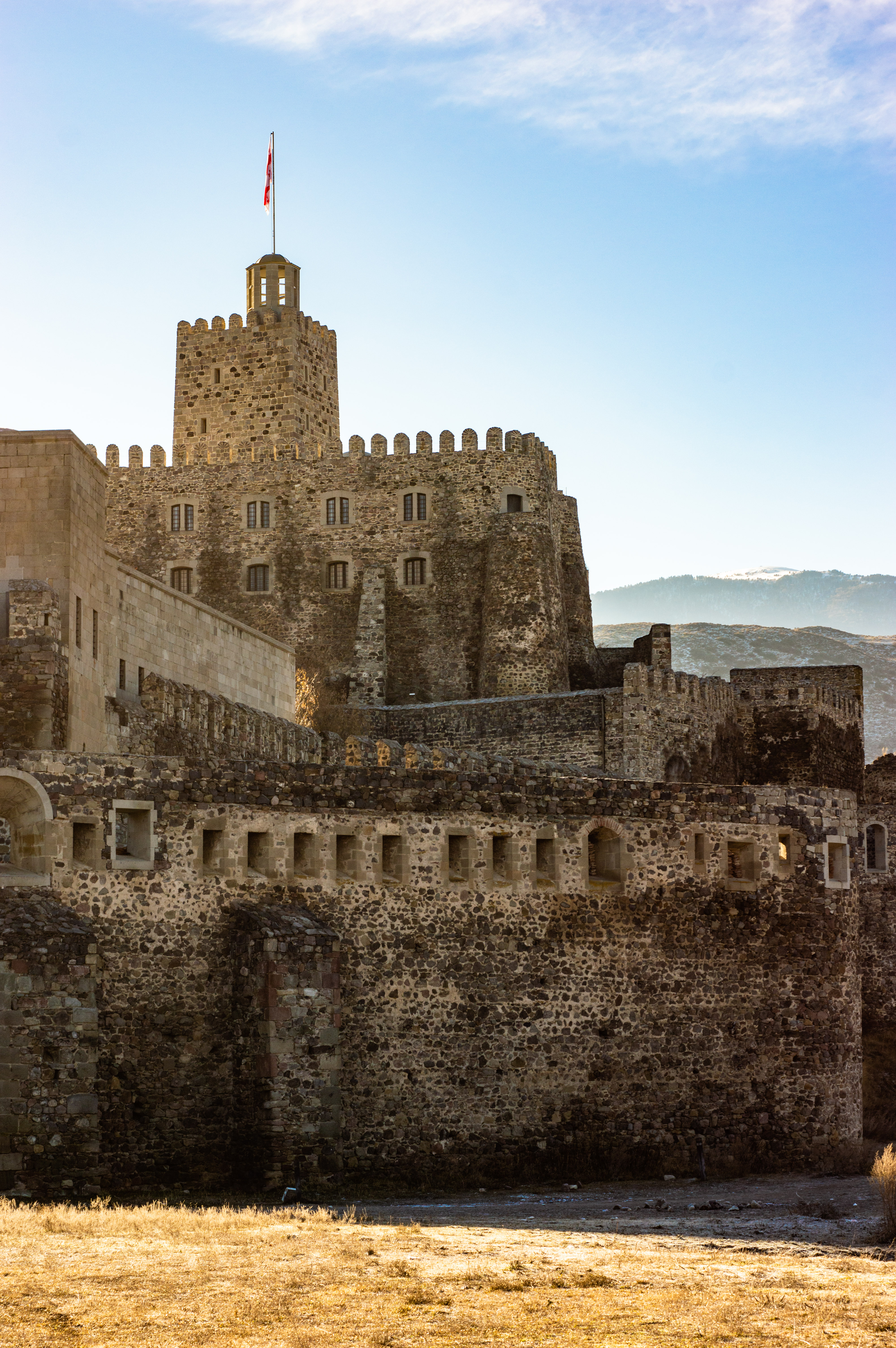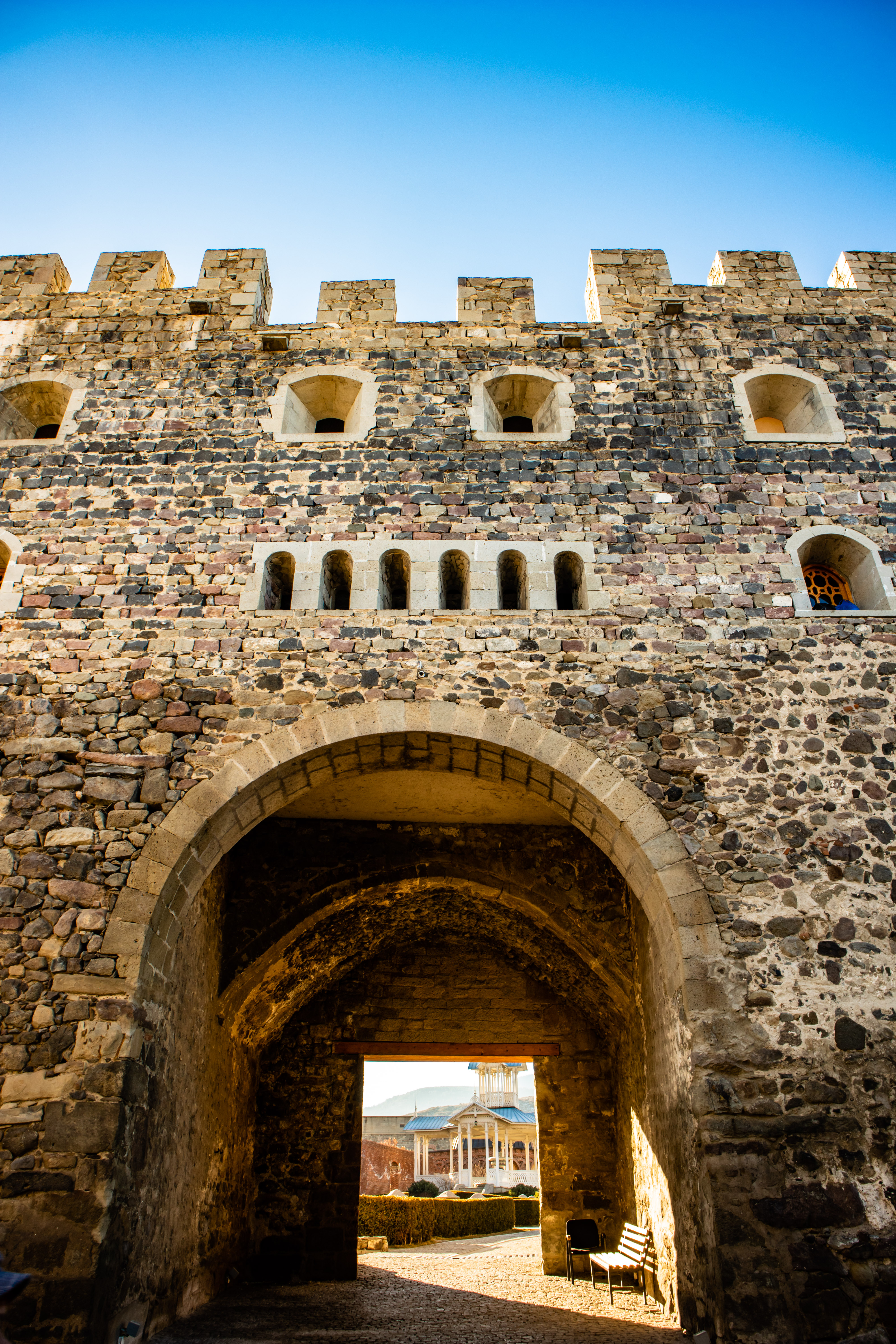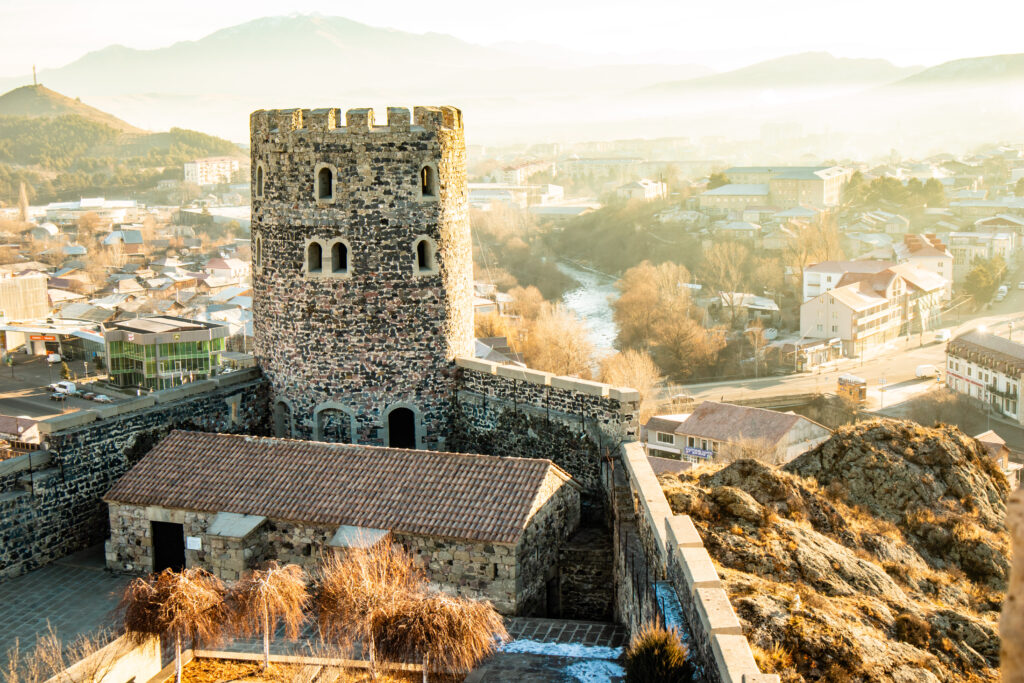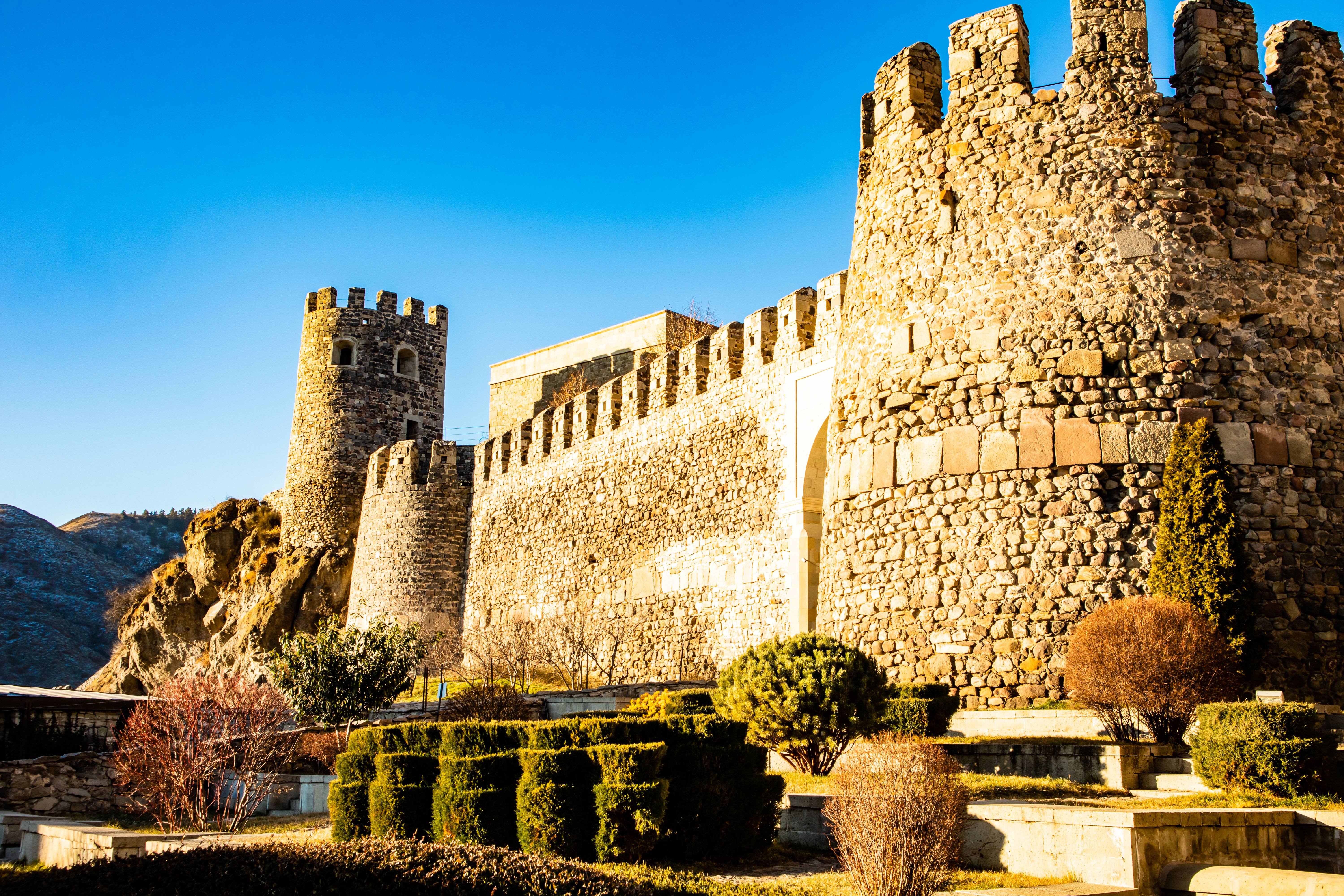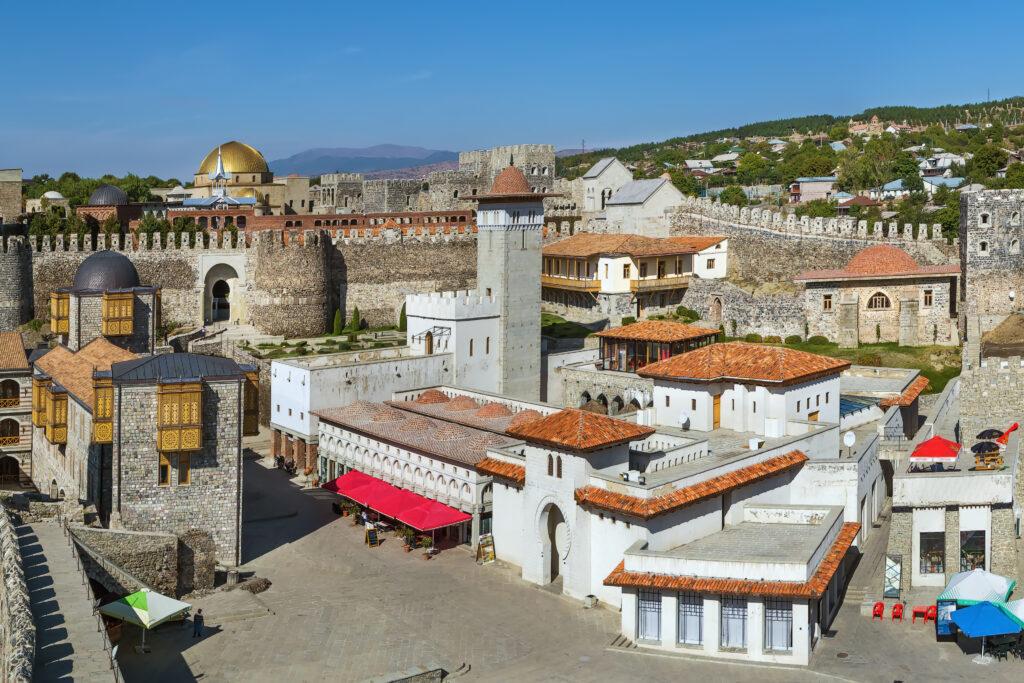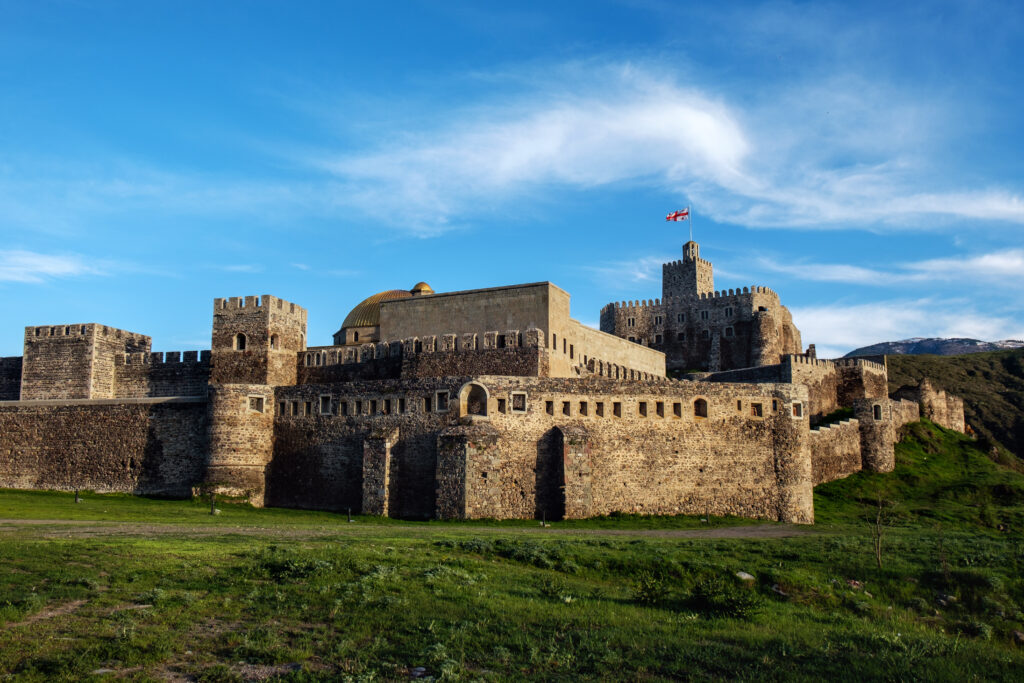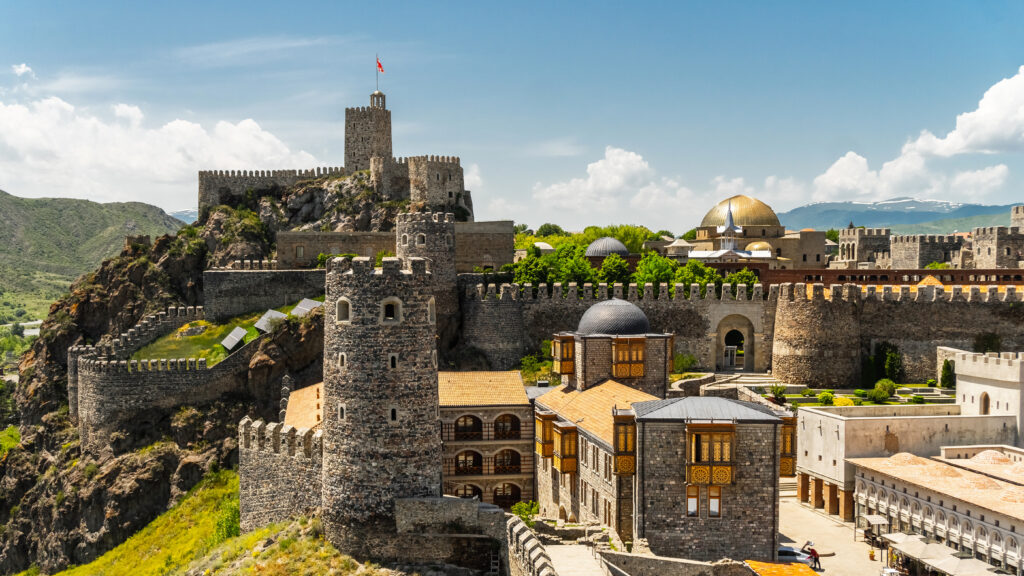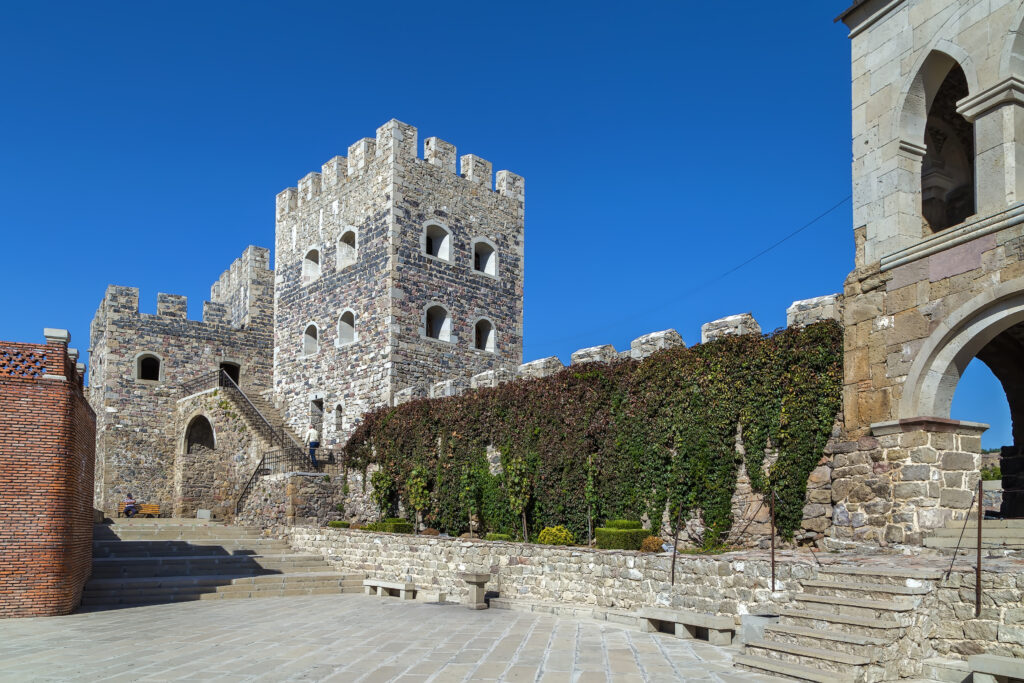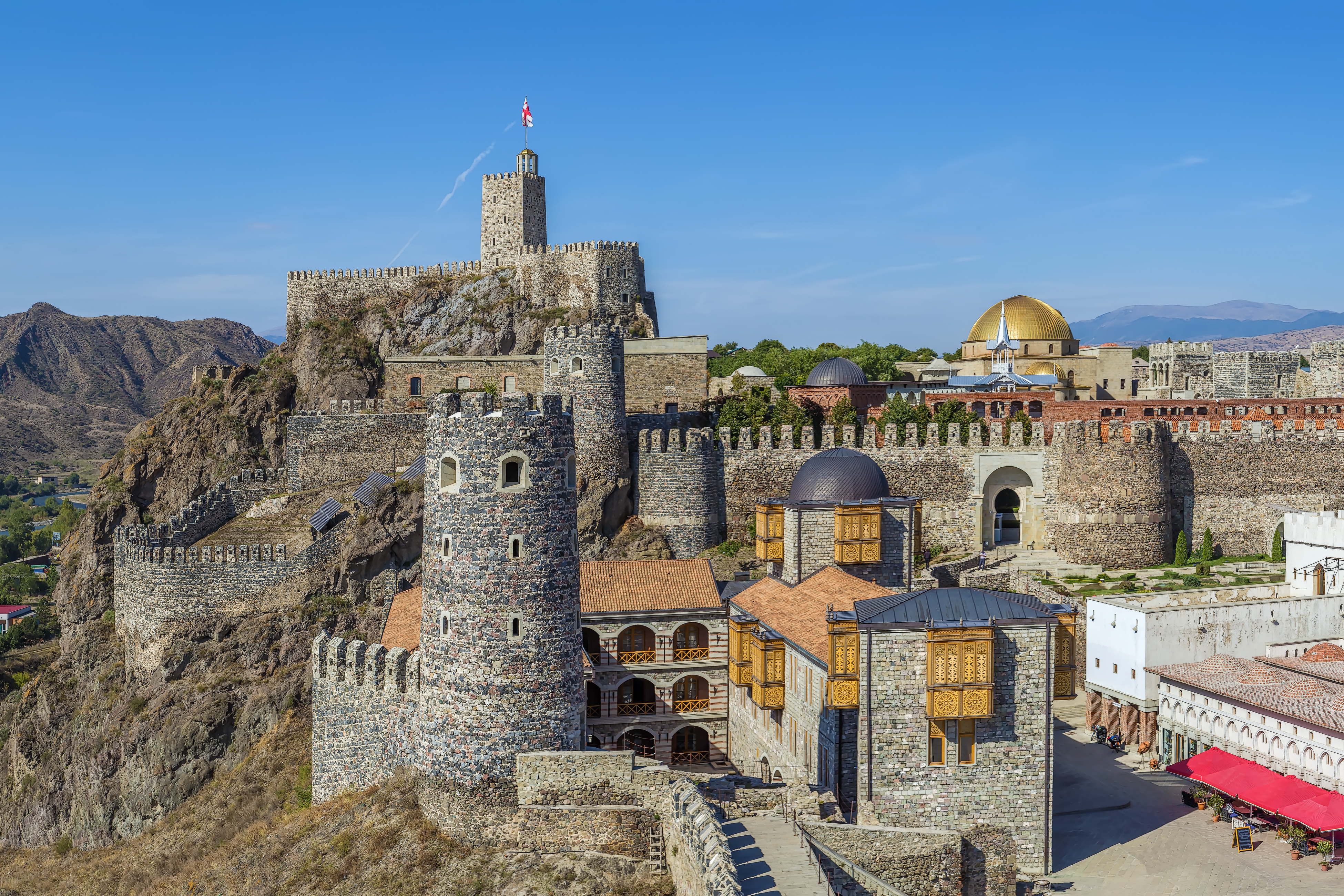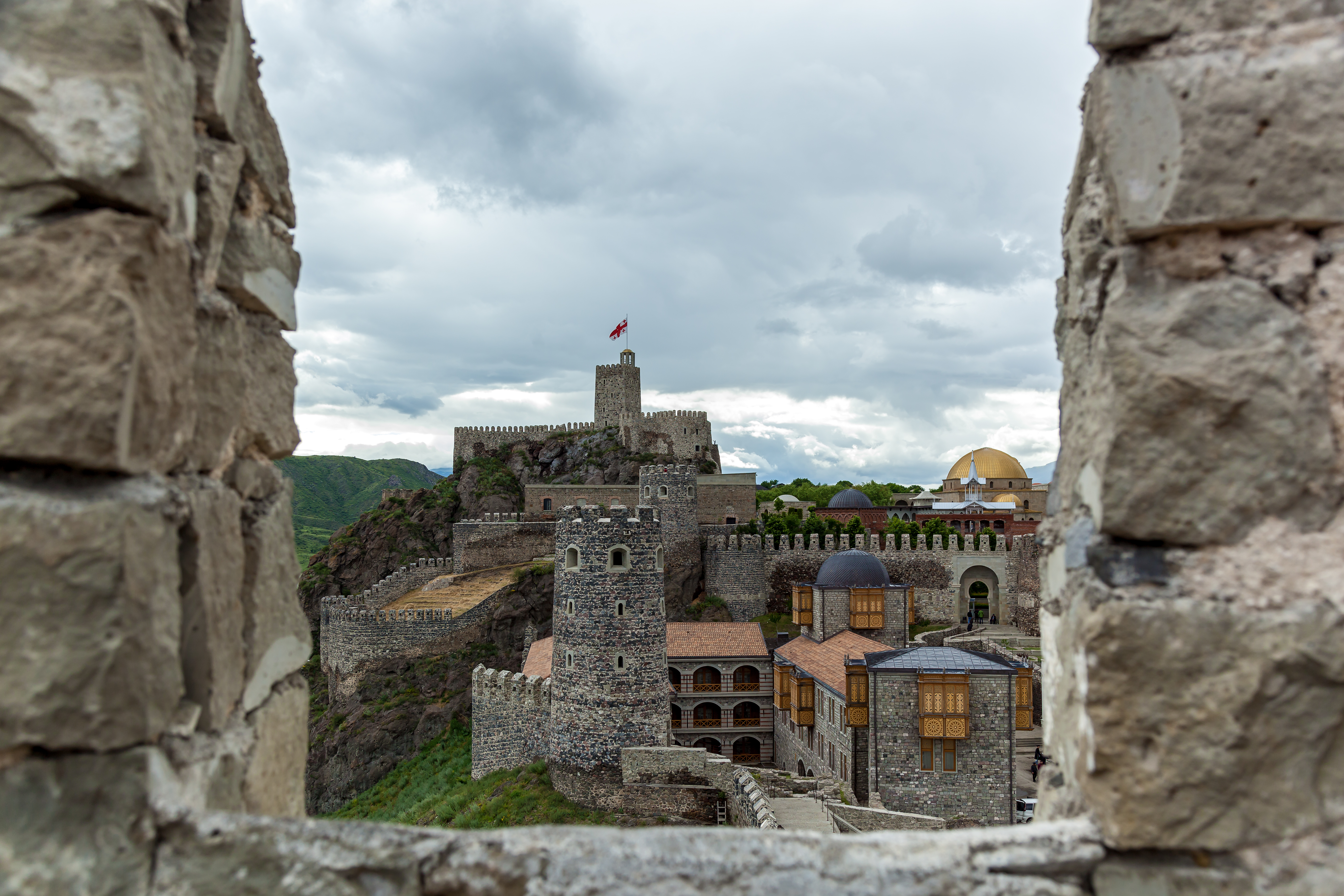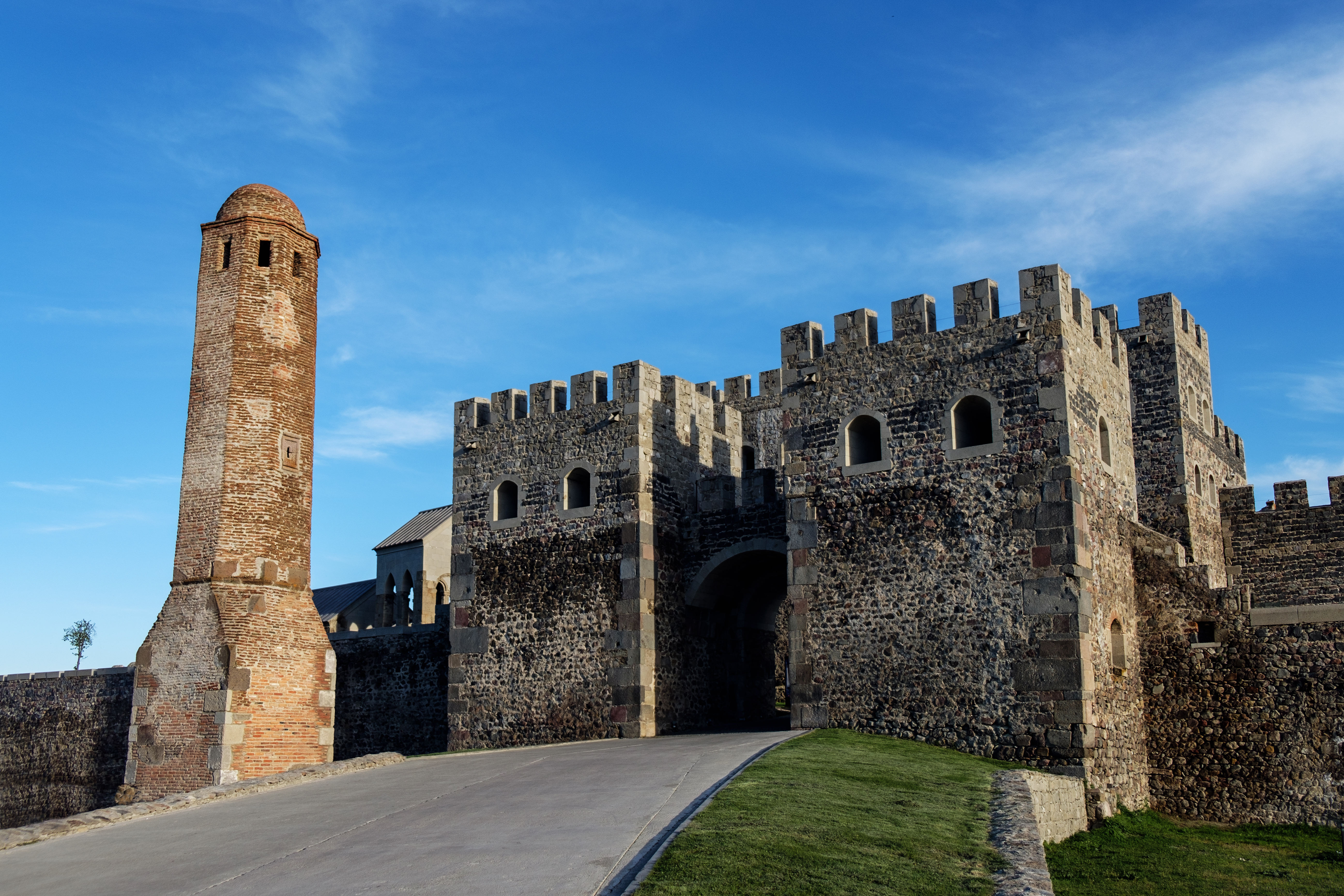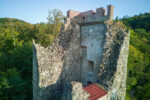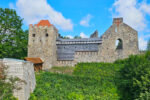

In the heart of southern Georgia lies an imposing testament to medieval architecture and history—Akhaltsikhe Castle (Rabat). Originally known as Lomsia, or “Lion,” this fortress dates back to the 9th century. It has survived the ravages of time and conflict to become one of Georgia’s most fascinating landmarks. The castle’s storied past is interwoven with tales of kings, battles, and a cultural mosaic that reflects the essence of the Samtskhe-Javakheti region.
The legacy of a lion – The history of Akhaltsikhe Castle begins in the 9th century, when it was founded under the name Lomsia. This name, derived from the Georgian word for “lion,” represents strength and bravery – qualities that would characterize the fortress throughout its existence. According to Georgian chronicles, Guaram Mampali, son of the King of Tao, founded the city, which began as a modest fortress but quickly developed into a significant urban center.
Change and unrest – By the end of the 12th century, Lomsia had developed into a thriving city and taken the name Akhal-tsikhe, meaning “New Fortress.” This period was marked by significant change, as the city fortified itself with high walls, guarded entrance gates, and watchtowers. Akhal-tsikhe’s strategic importance skyrocketed, making it the capital of the principality of Samtskhe-Saatabago, which was ruled by the Jaqeli dynasty from the 13th to the 14th century. Despite numerous invasions, including a devastating attack by the armies of Tamerlane in 1393, the fortress remained steadfast. The Treaty of Constantinople in 1590 brought the fortress under Ottoman control, but Akhaltsikhe continued to flourish as an important commercial and cultural center.
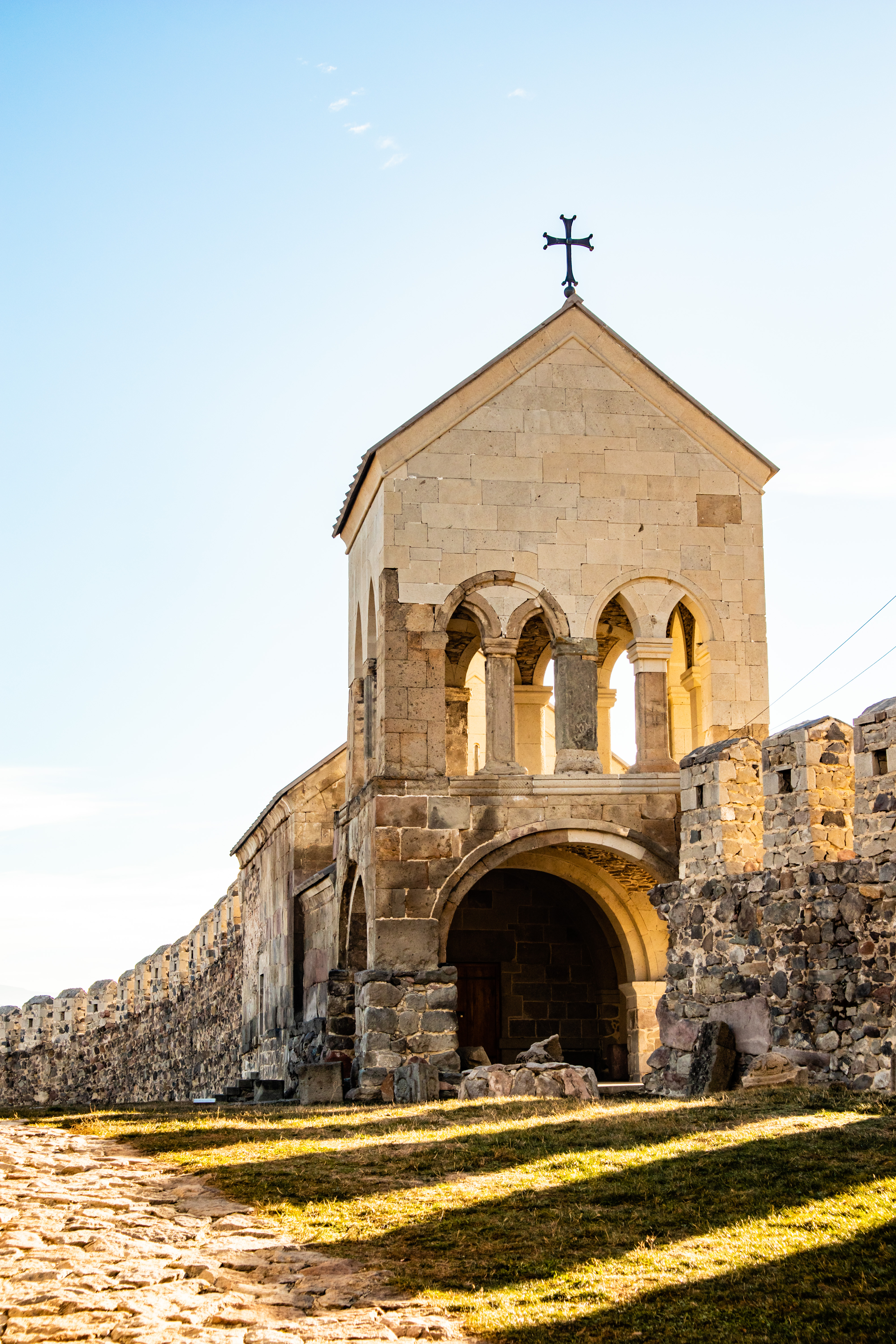
The struggle for supremacy – The 18th century heralded a period of religious and political upheaval. Metropolitan John reported that despite the Islamization of a large part of the population, an Orthodox church continued to function within the fortress walls. The Treaty of Georgievsk between the Kingdom of Kartli and the Russian Empire in 1783 raised questions about the future of Akhaltsikhe. The first Russian attempt to capture the fortress in 1810 failed, but Prince Paskevich’s successful assault in 1828 during the Battle of Akhaltsikhe changed the course of history. The subsequent Treaty of Adrianople in 1829 forced the Ottomans to cede control of the region to Russia, securing Akhaltsikhe’s place within the expanding Russian Empire.
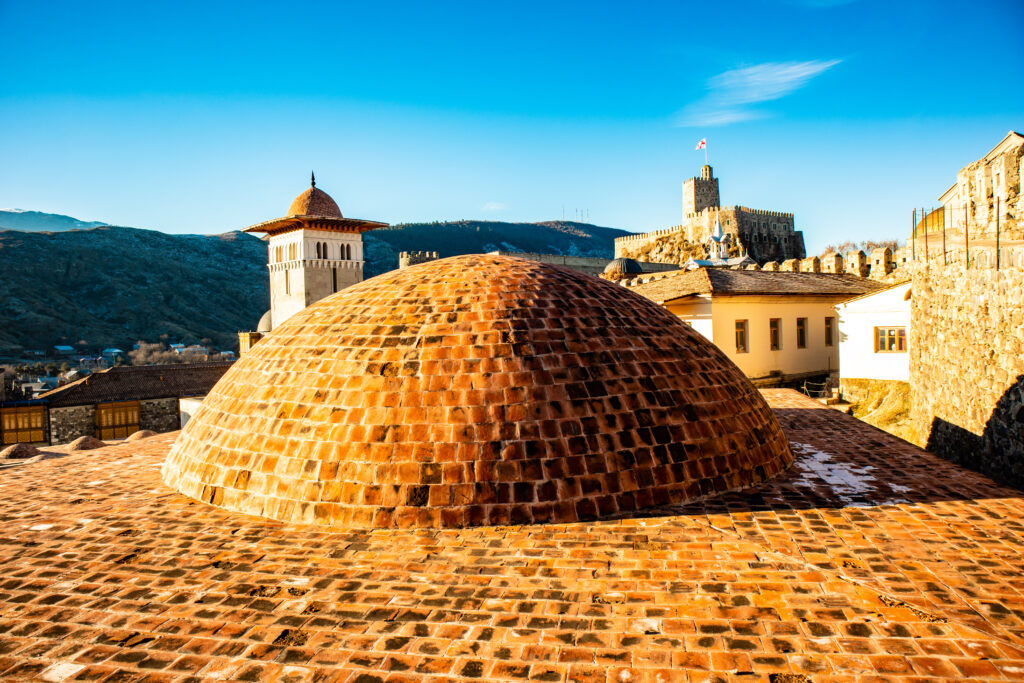
Architectural splendor and cultural fusion – The architectural heritage of Akhaltsikhe Castle is a blend of Georgian, Ottoman, and Byzantine influences. In 1752, Haji Ahmed Pasha Jaqeli commissioned the construction of a mosque within the castle, inspired by the Hagia Sophia in Constantinople. This mosque, which was later consecrated as a church in 1850, stands as a symbol of the region’s diverse cultural and religious diversity. The castle complex originally consisted of three distinct parts: the main castle, the citadel, and the surrounding town. Inside the citadel were an arsenal, a mint, a bathhouse, and a spacious courtyard. Intricate tunnels connected the fortress to the adjacent areas, thus increasing its defensive capabilities.
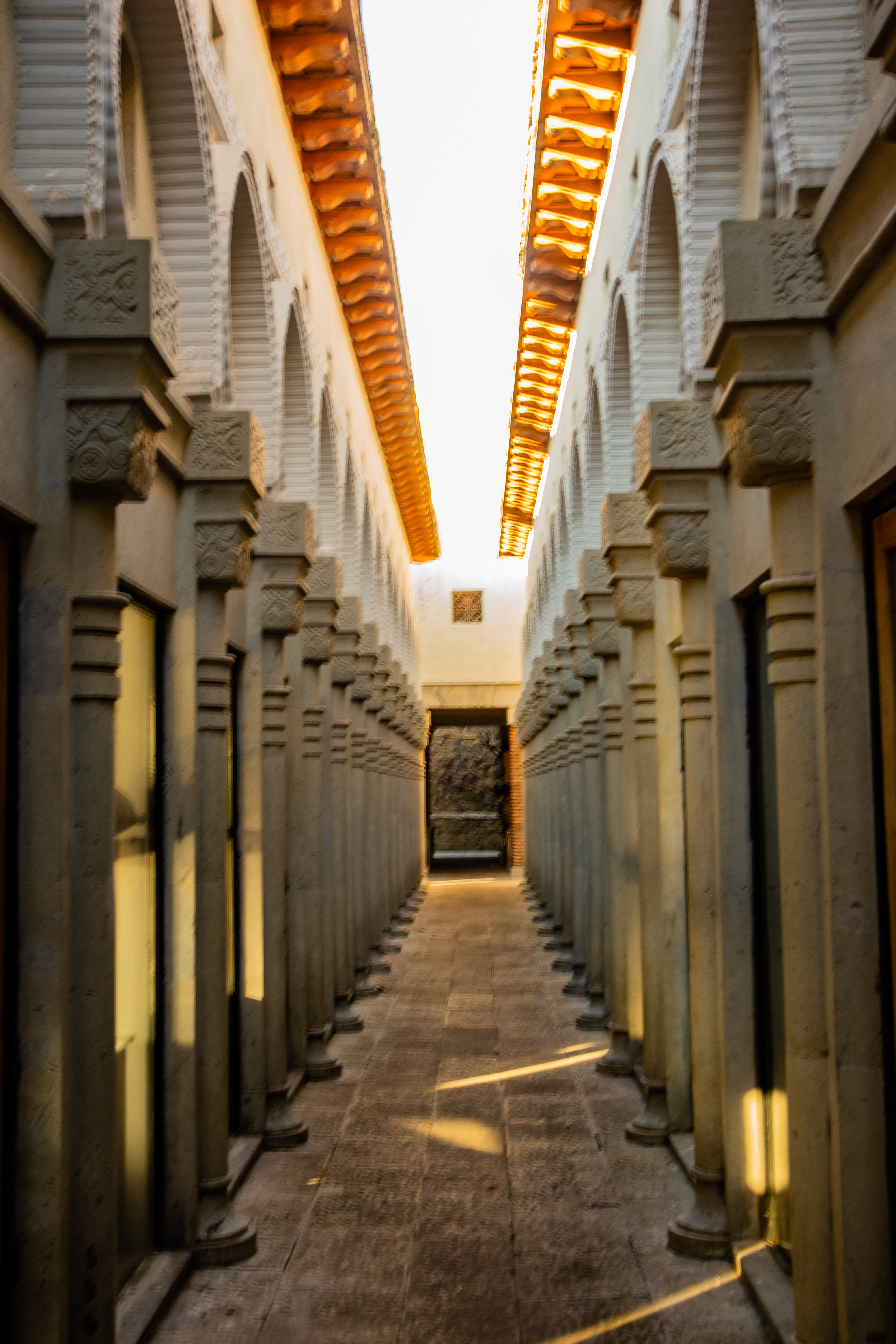
The dawn of a new era – In the 21st century, between 2011 and 2012, Rabati Fortress underwent a monumental reconstruction project, financed by the Georgian government to the tune of 34 million lari. The restoration aimed to restore the castle to its former glory and attract tourists from all over the world. Important elements such as the Akhmediye Mosque, the minaret, the madrasa, Jakeli Castle, the baths, the citadel, and the Orthodox church were carefully restored. The renovation also extended to external features such as the tunnel to the Potskhovi River and the repair of two main roads leading to the fortress.
Legends and traditions – Beyond its historical and architectural significance, Akhaltsikhe Castle is shrouded in myths and legends. Local folklore tells of hidden treasures buried deep within the castle walls and guarded by the spirits of ancient warriors. Some legends point to secret passages leading to undiscovered chambers filled with artifacts from the earliest days of the fortress.
A beacon of cultural heritage – Today, Akhaltsikhe Castle is a beacon of Georgia’s rich cultural heritage, attracting visitors from around the world who come to admire its splendor and immerse themselves in its fascinating history. Careful renovation work has not only preserved the historical integrity of the fortress, but also breathed new life into its halls and courtyards, ensuring that the heritage of Akhaltsikhe will be preserved for generations to come. Akhaltsikhe Castle is more than just a historical site; it is a living chronicle of the trials and triumphs that have shaped the region. As visitors walk through the stone archways and explore the labyrinthine tunnels, they are transported back in time and experience the echoes of the past that reverberate in every corner of this magnificent fortress.
In summary, Akhaltsikhe Castle (Rabati) is a jewel of medieval heritage that embodies the spirit of resilience, cultural fusion, and historical significance. Its evolution from the 9th century to the present day is a testament to the enduring power of human ingenuity and determination.
Whether you are a history buff, a culture seeker, or simply a curious traveler, Akhaltsikhe Castle offers an unparalleled insight into the legends and heritage of Georgia’s storied past.