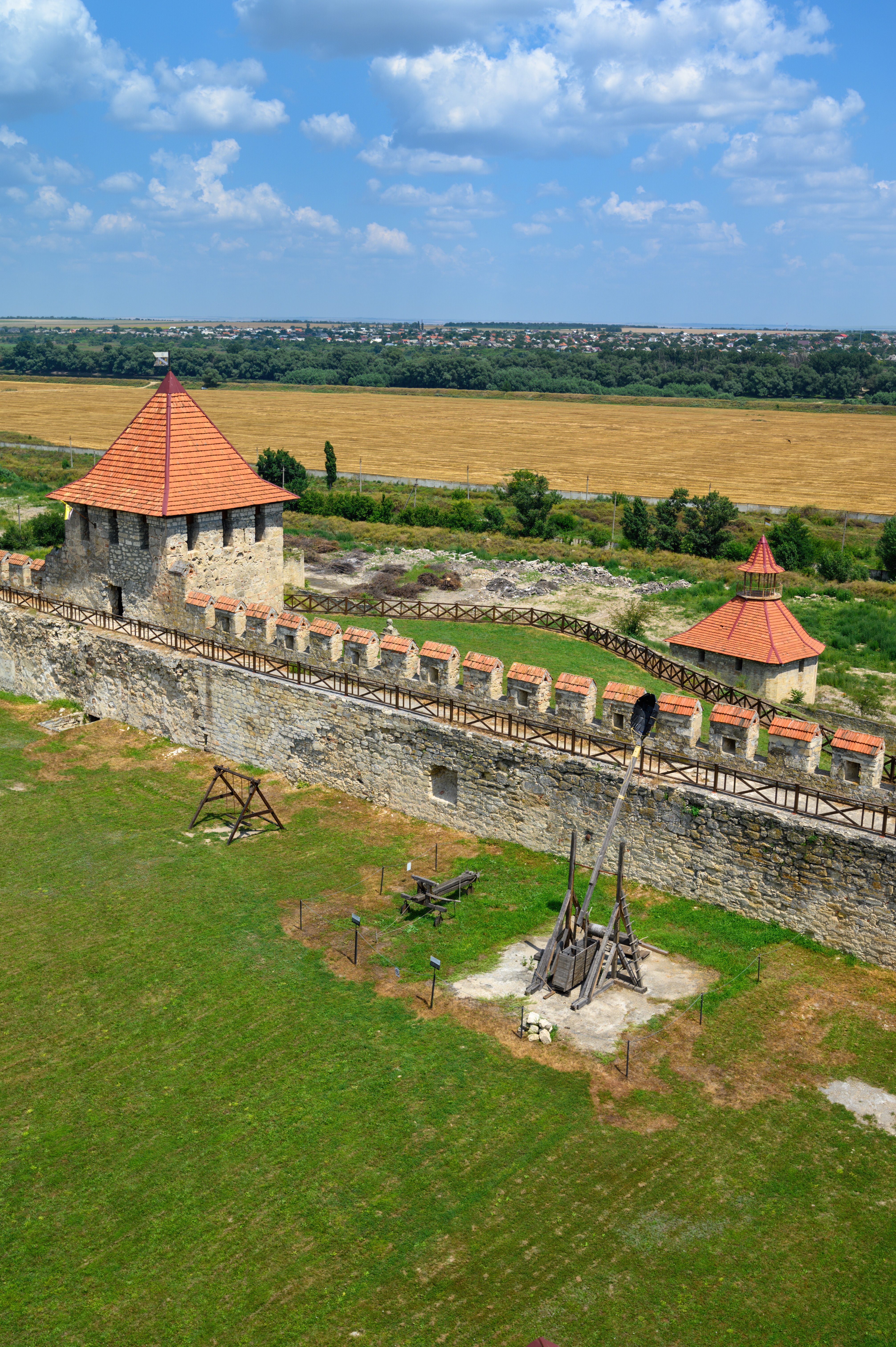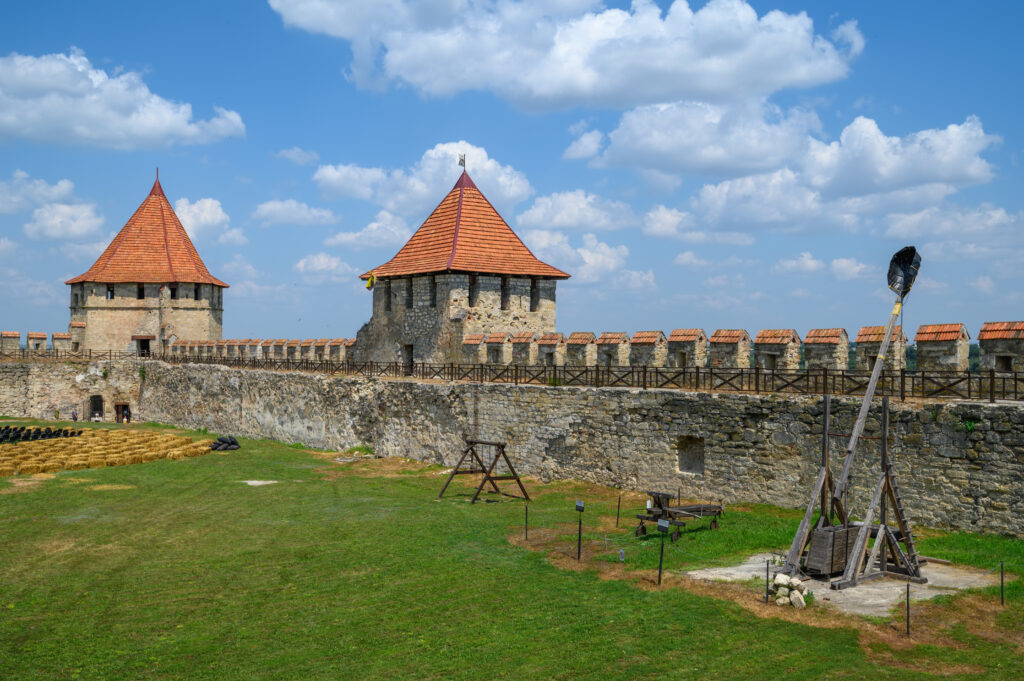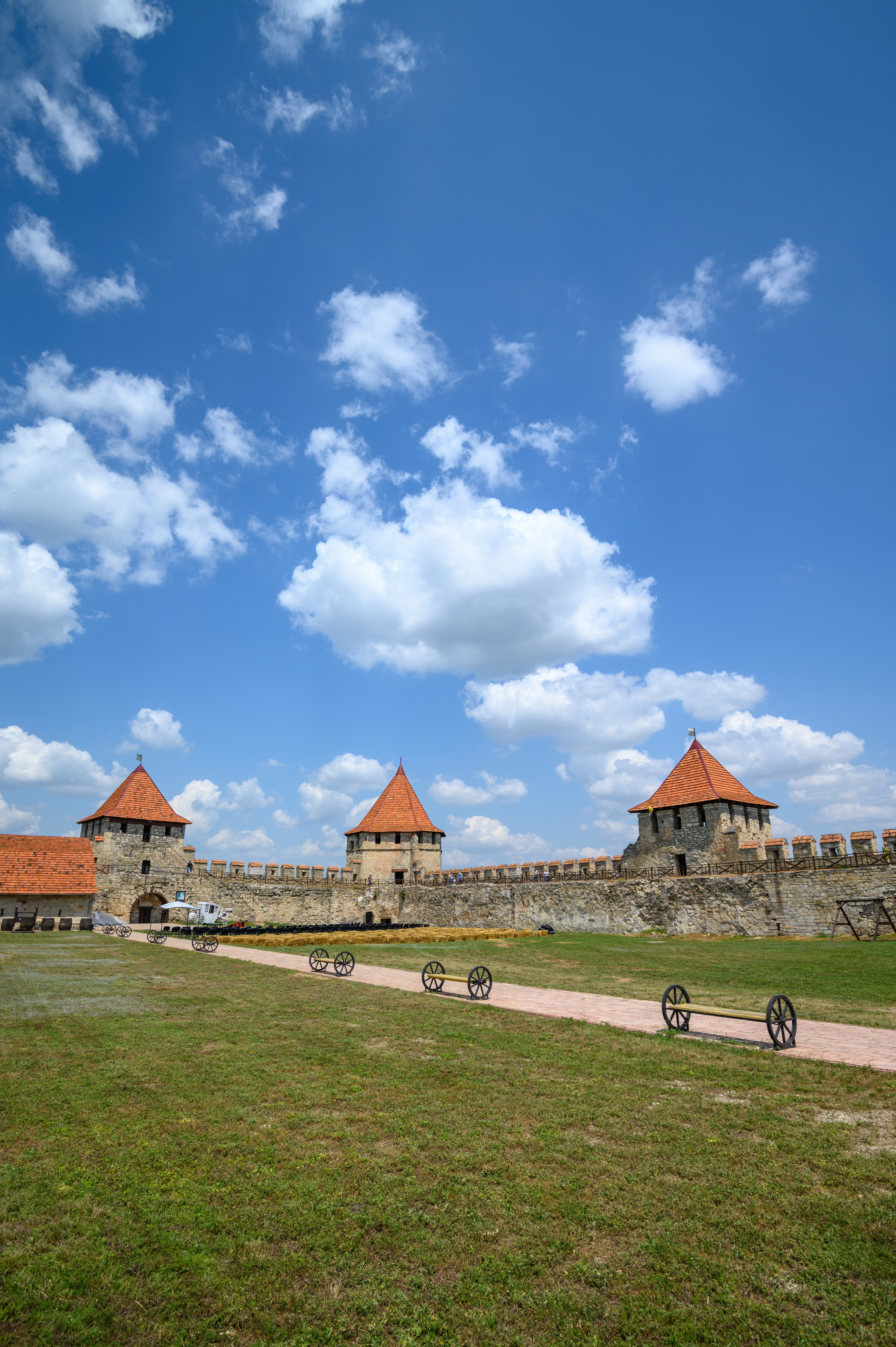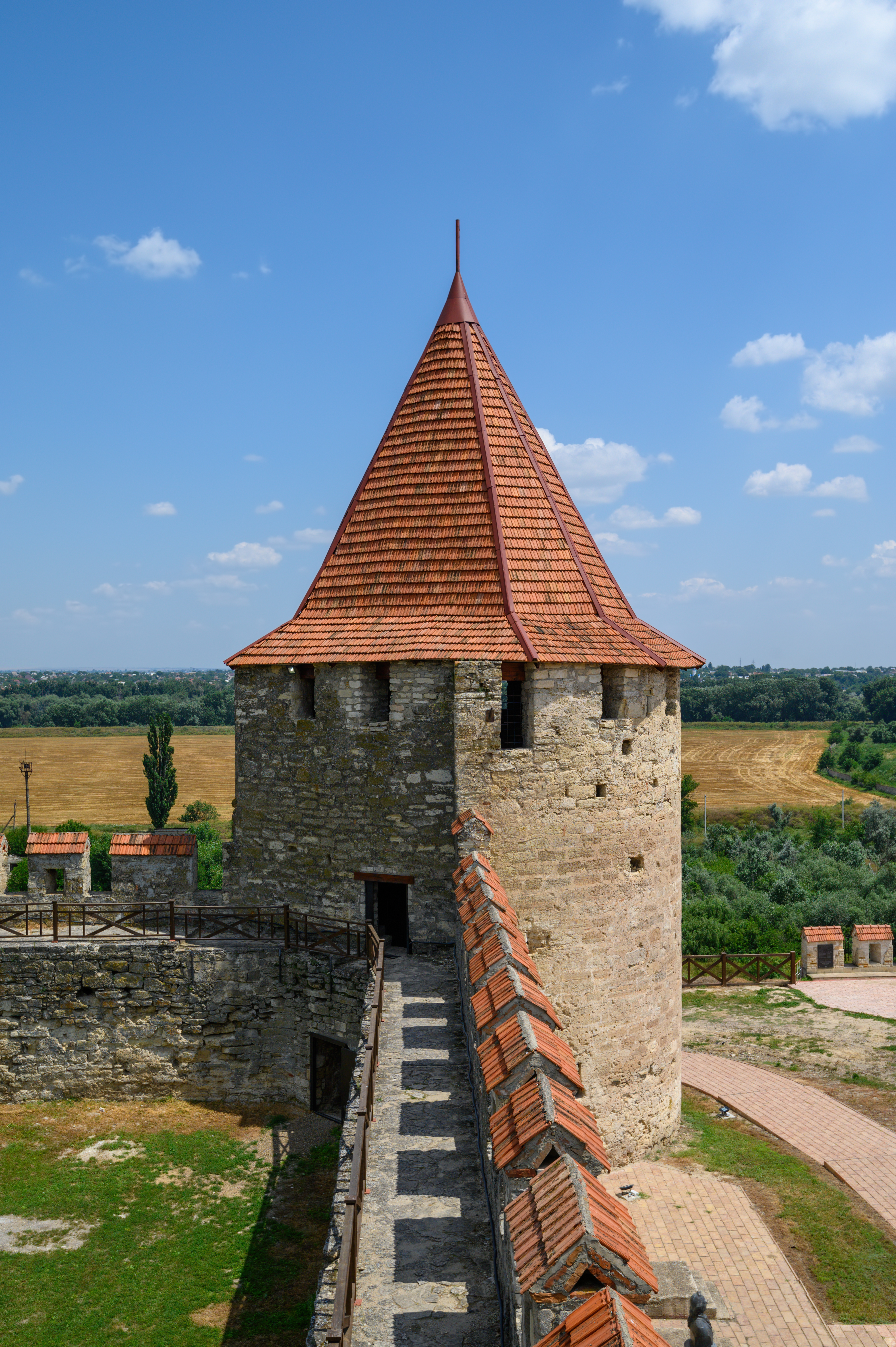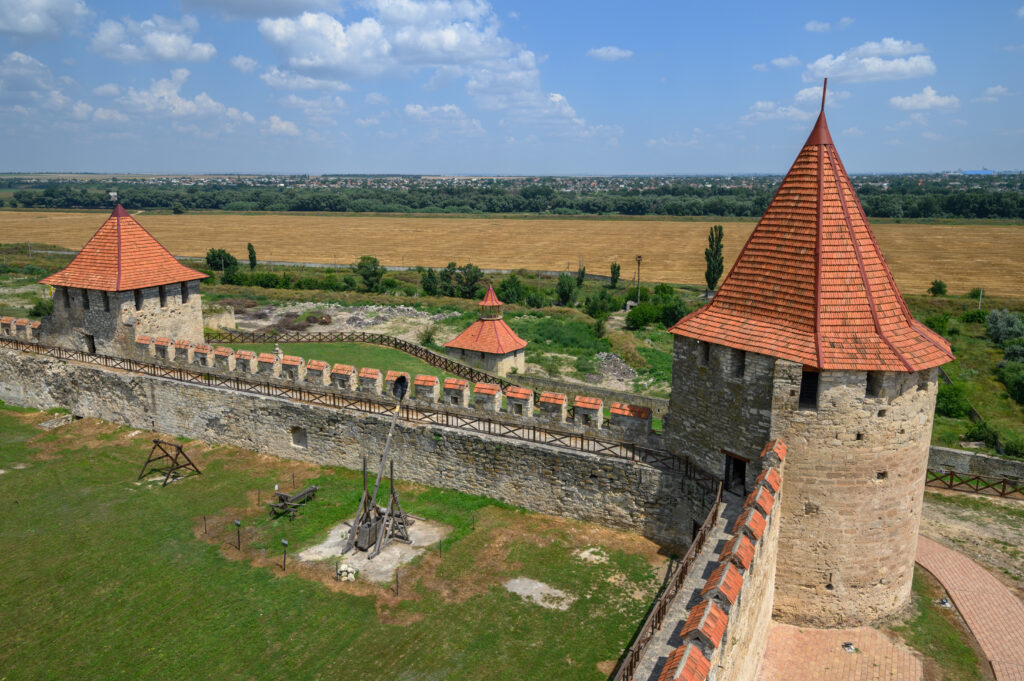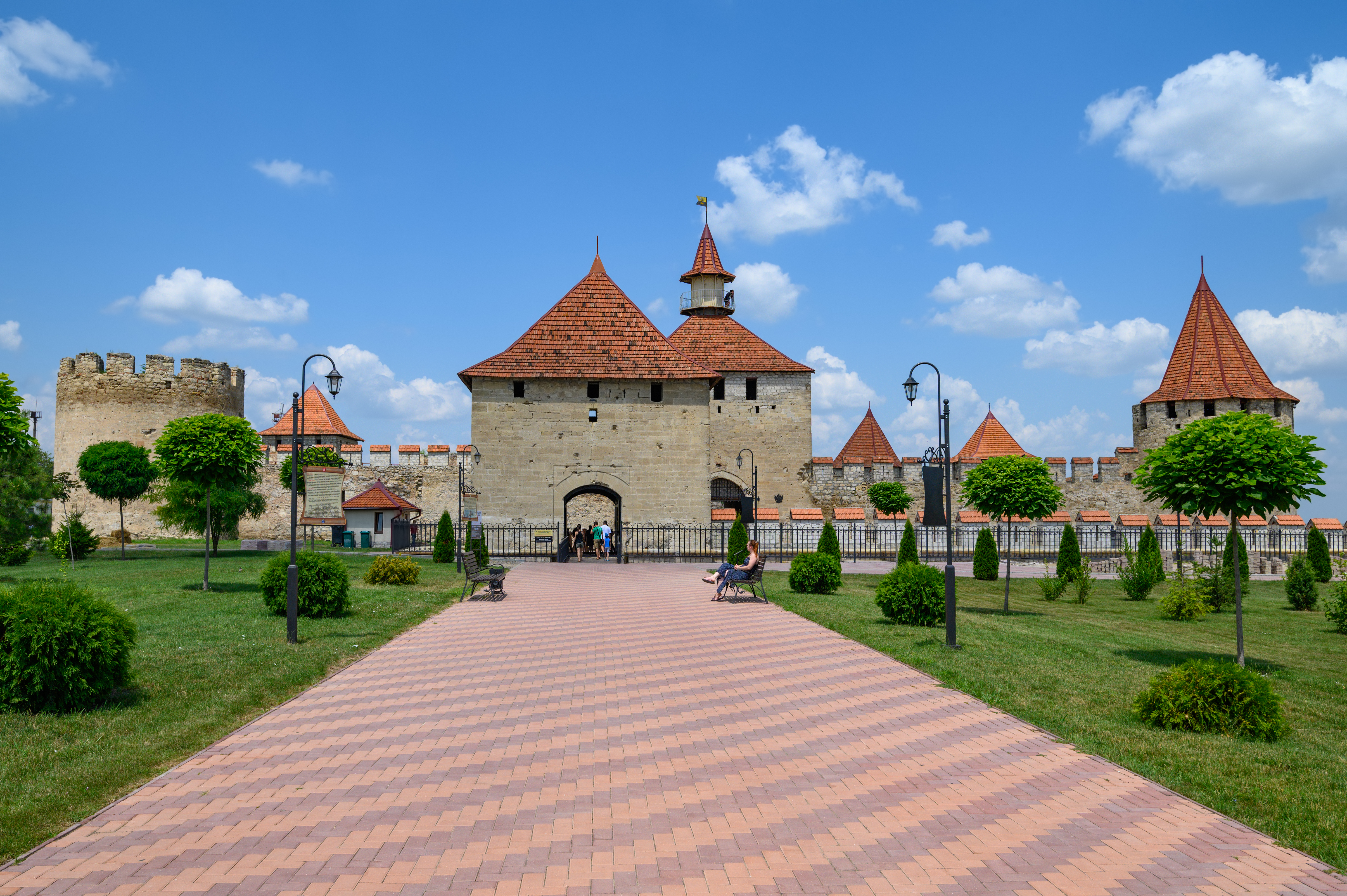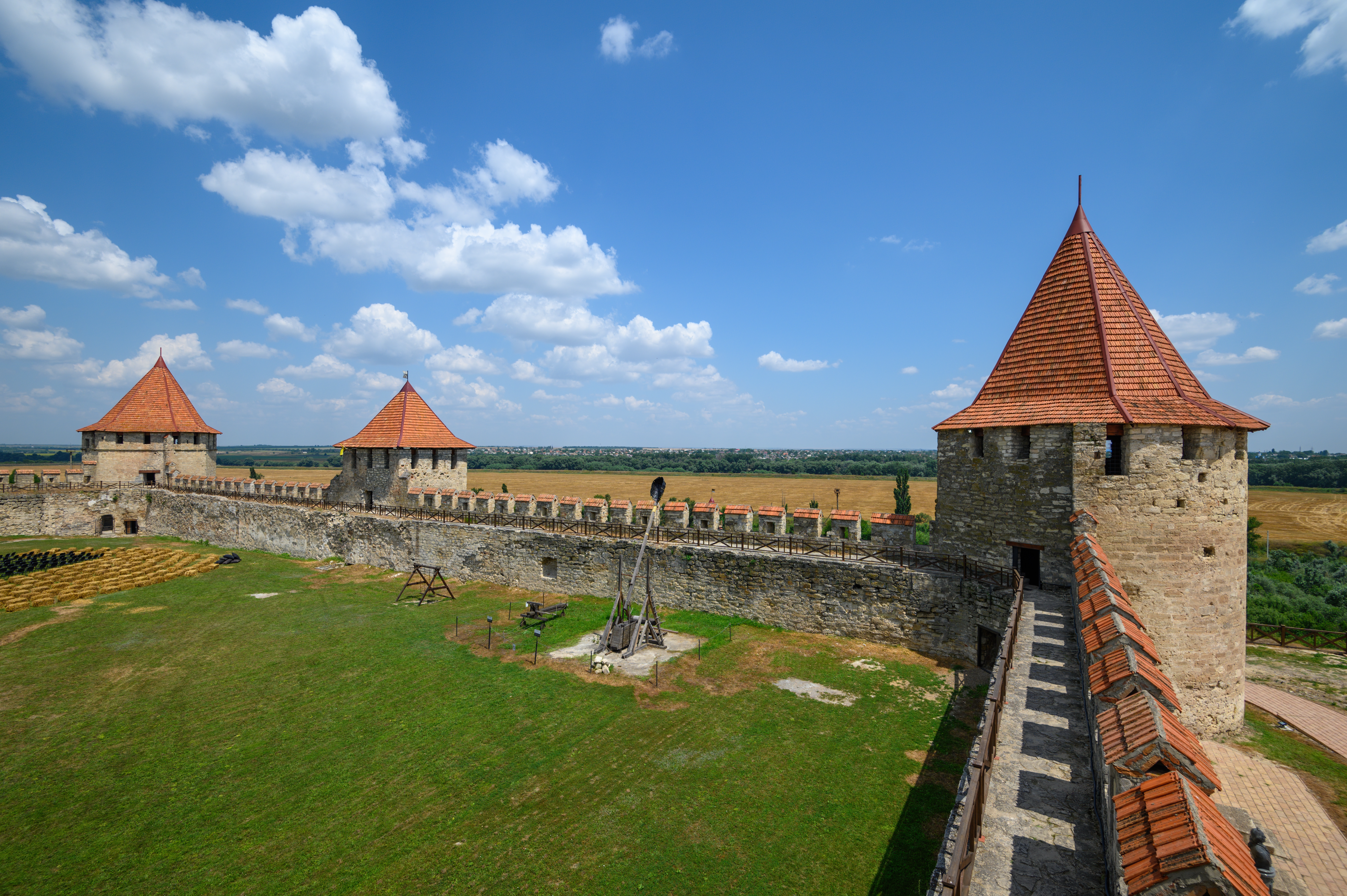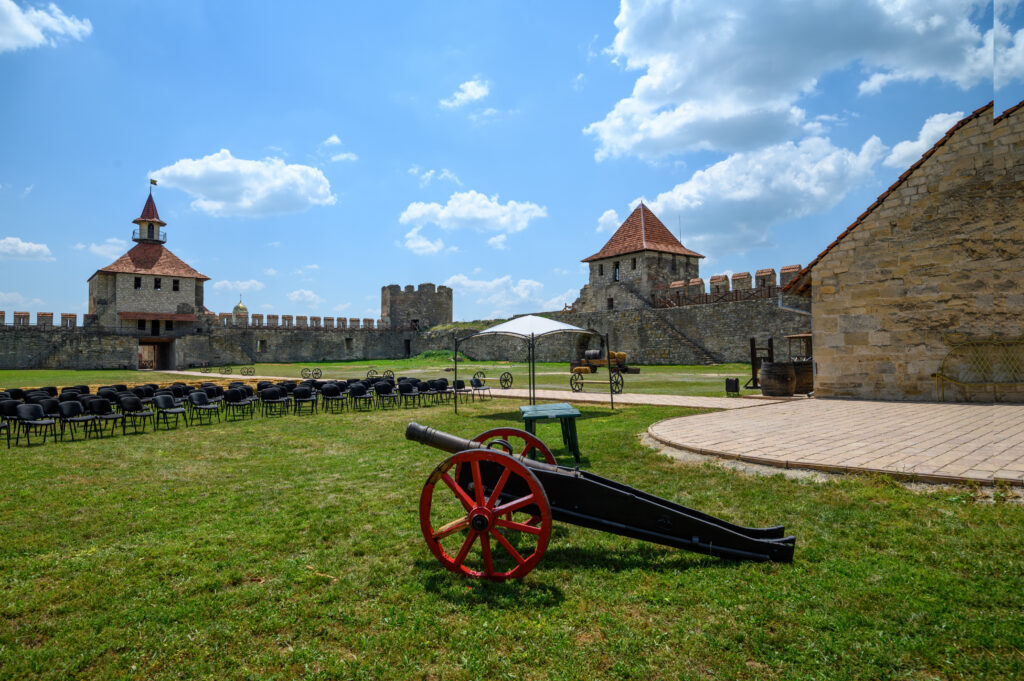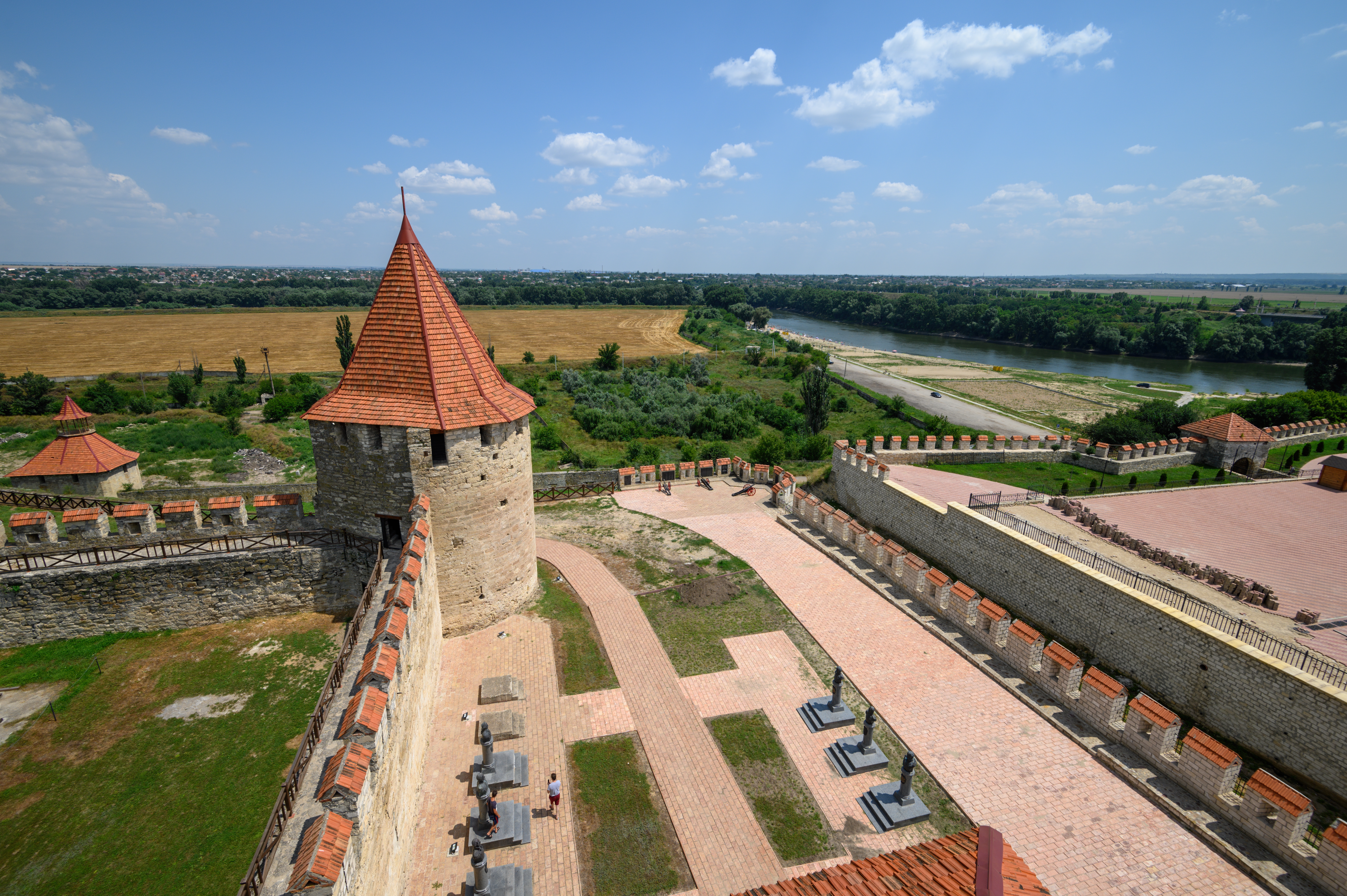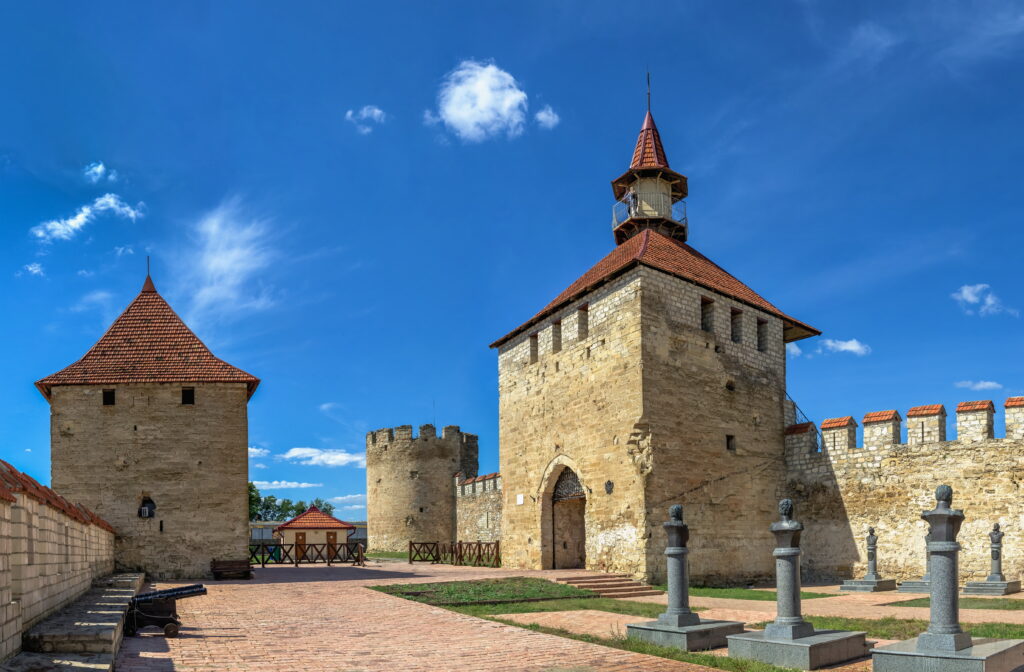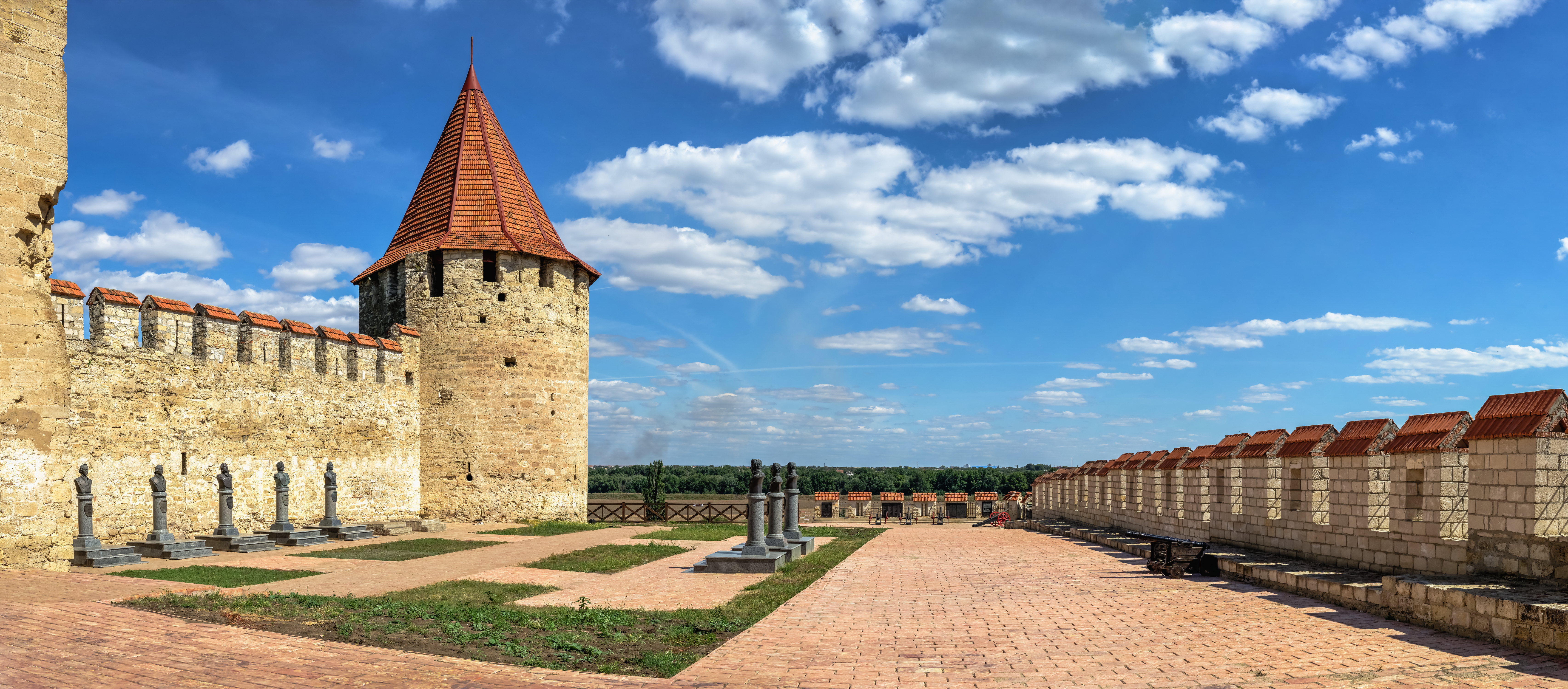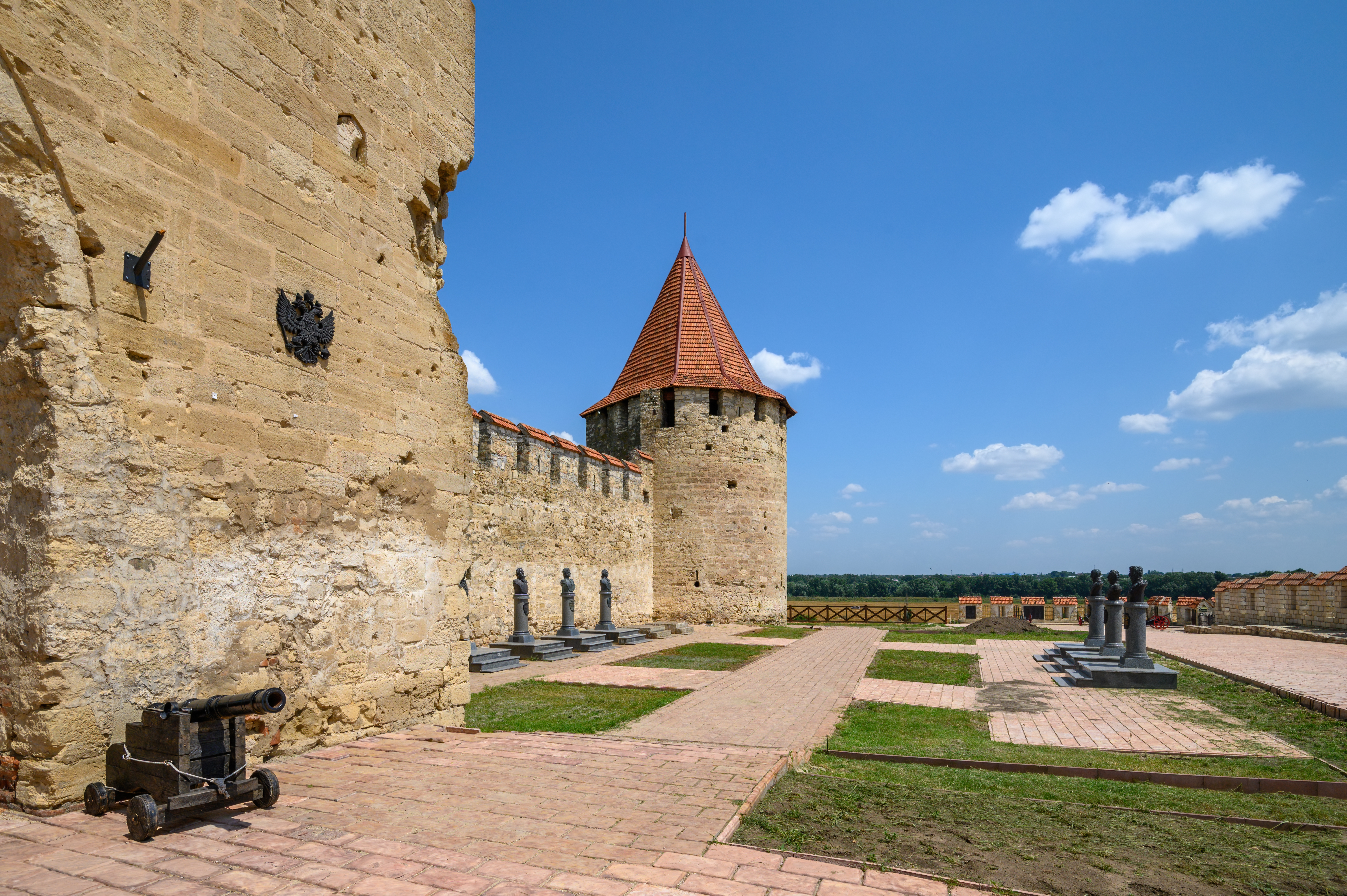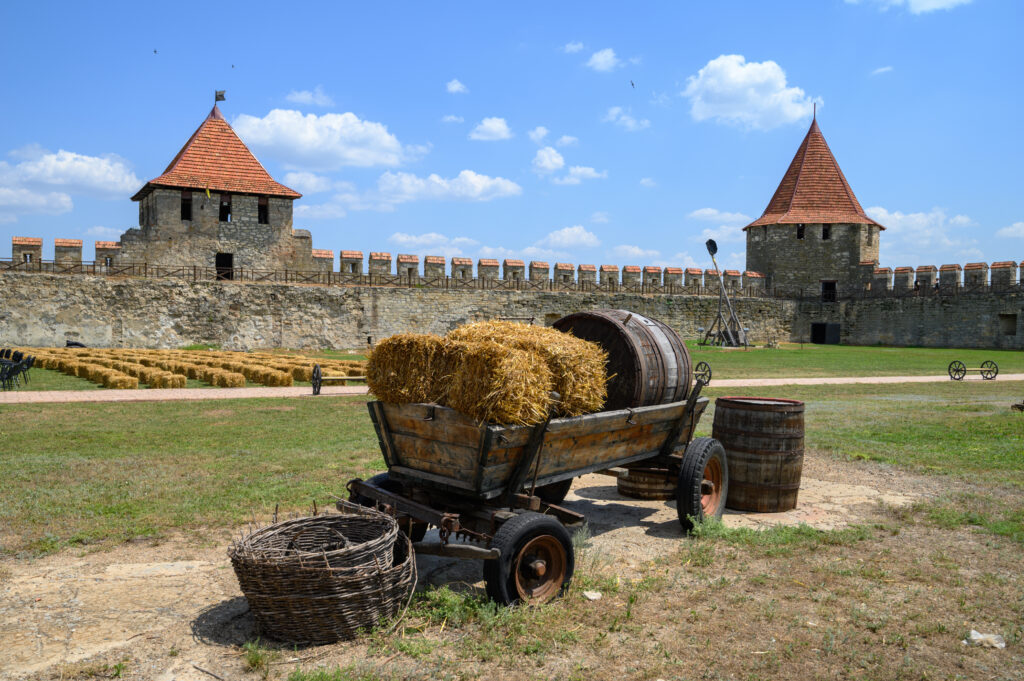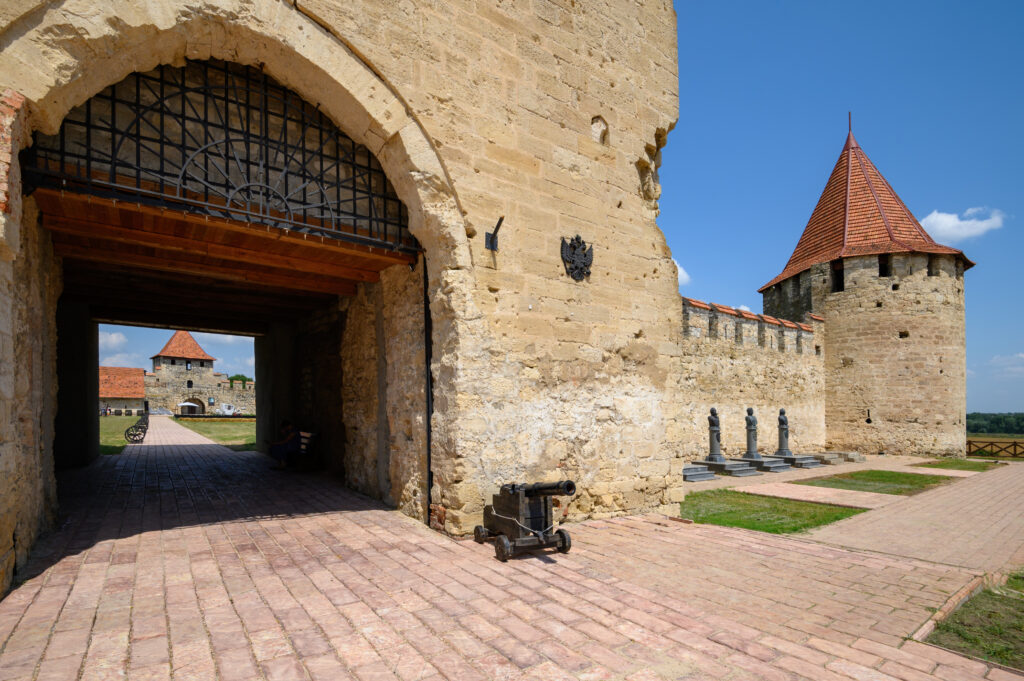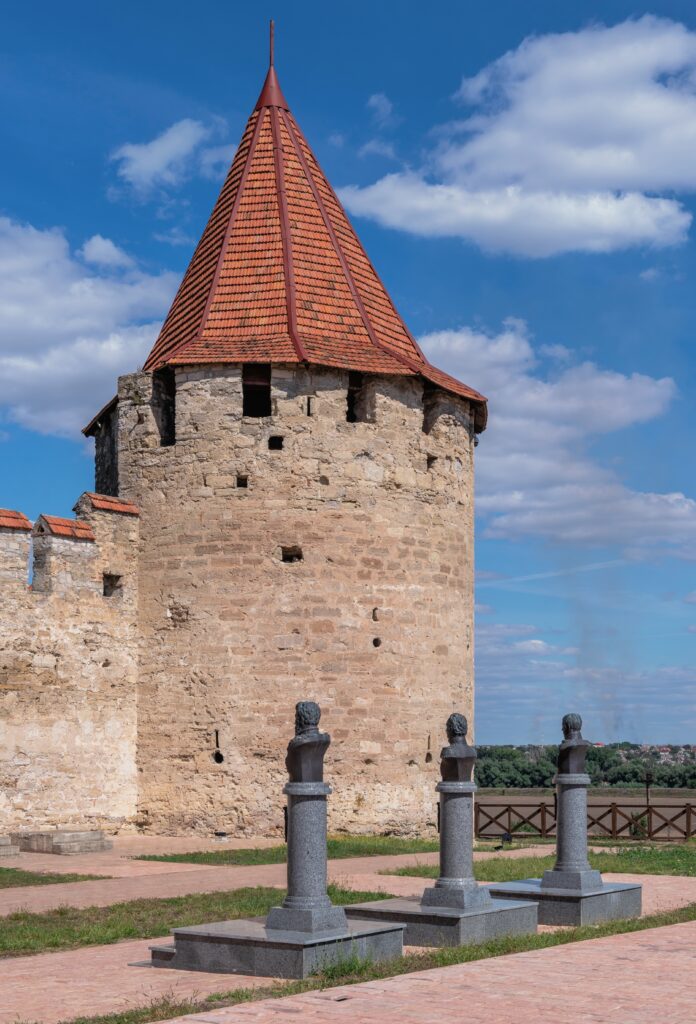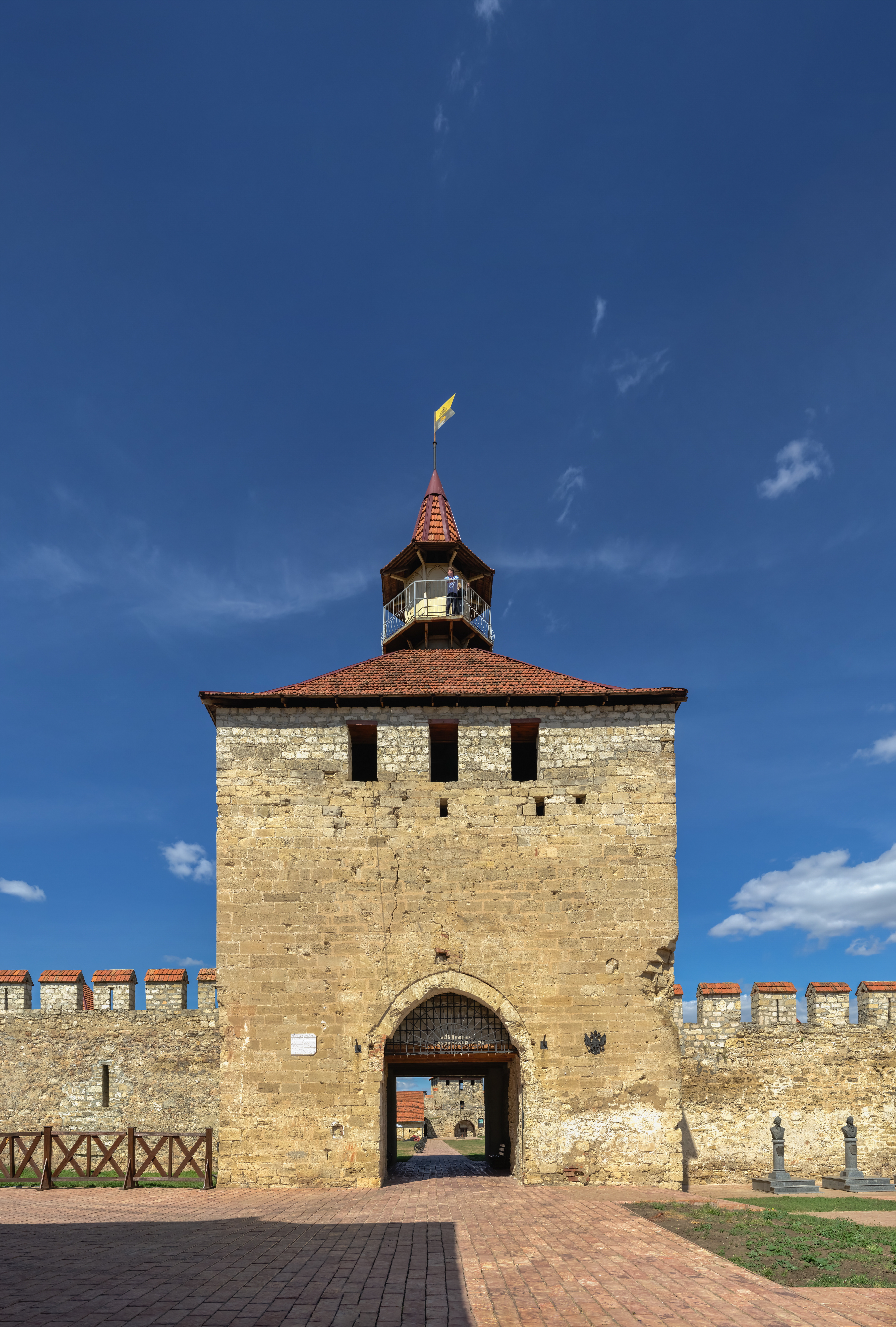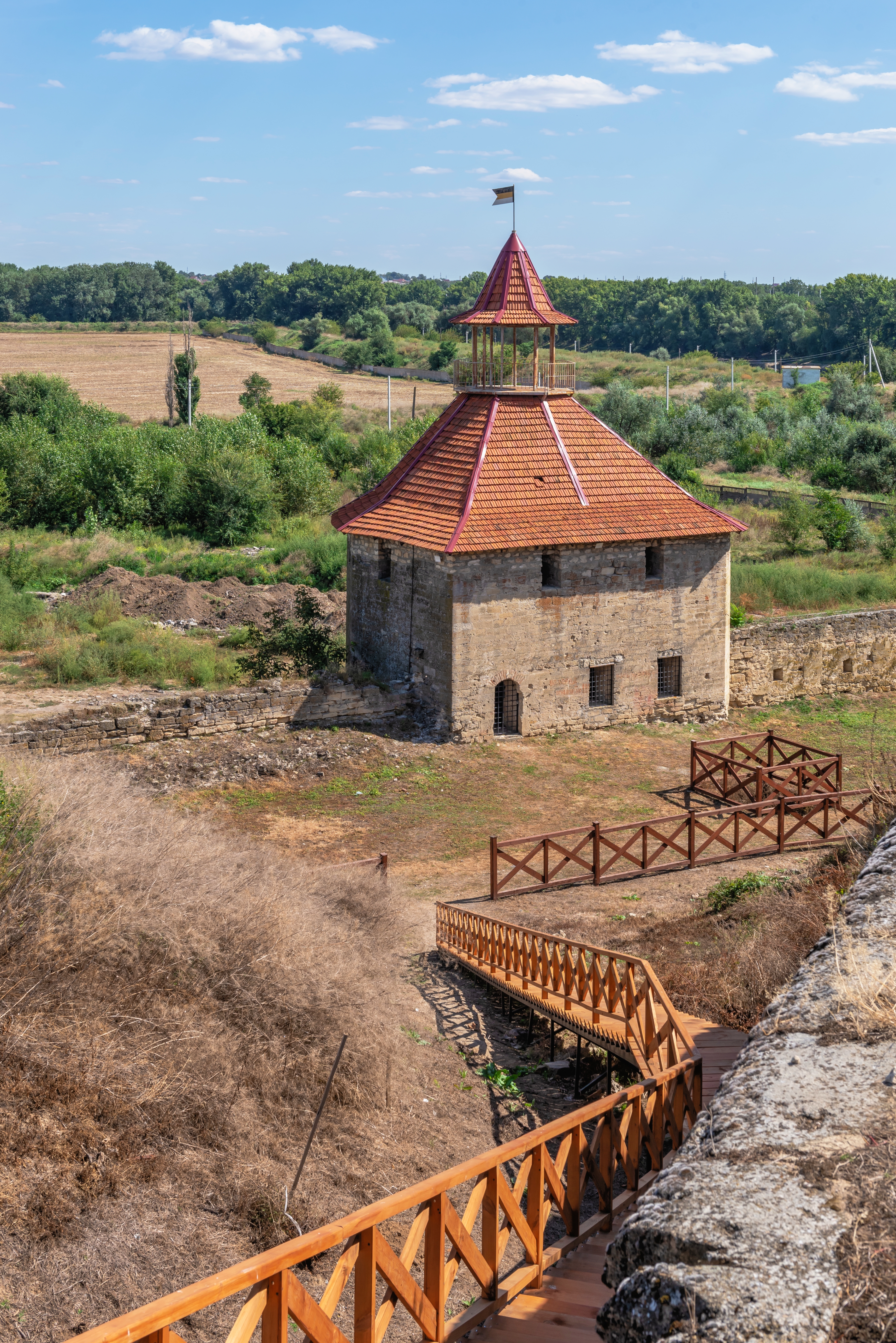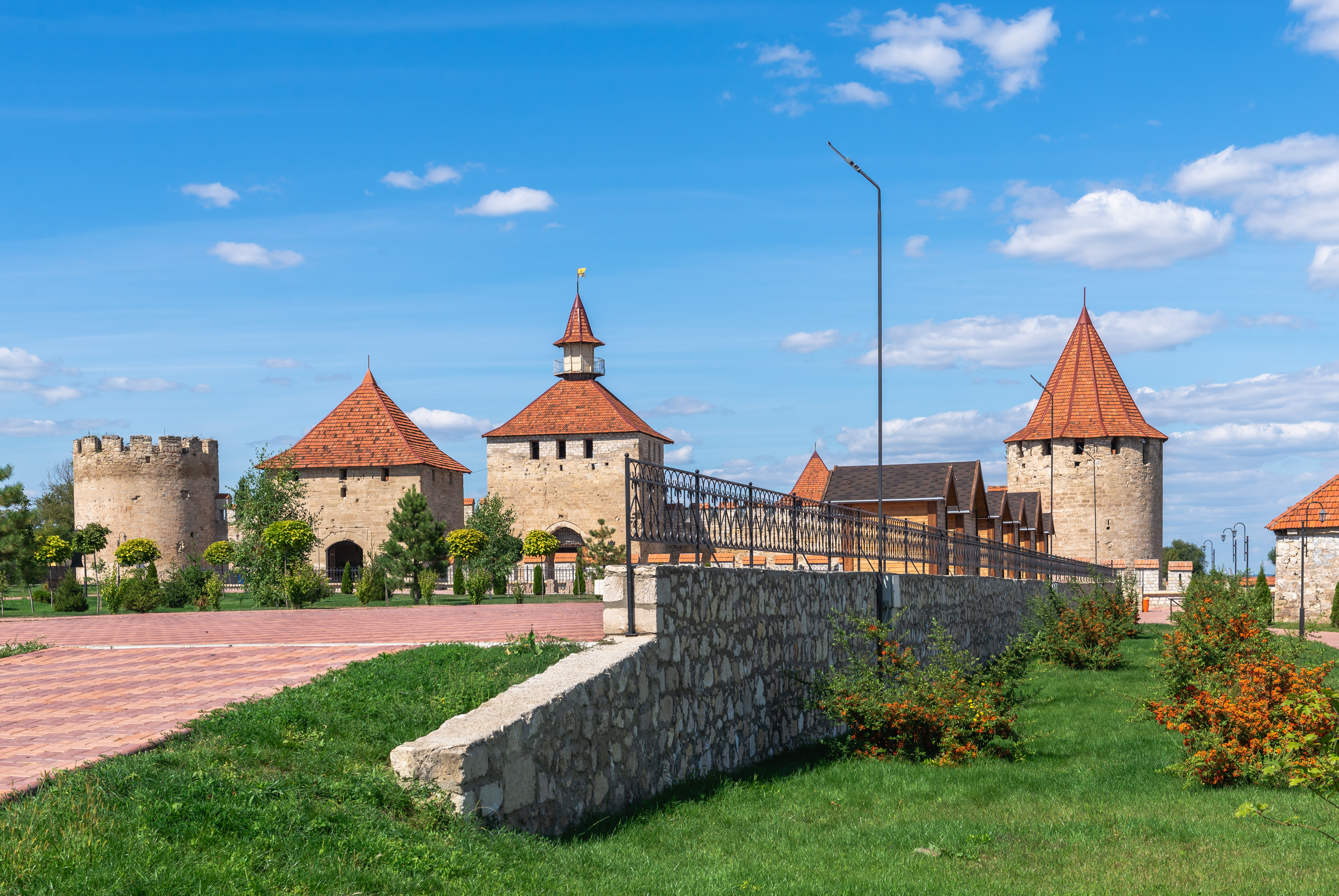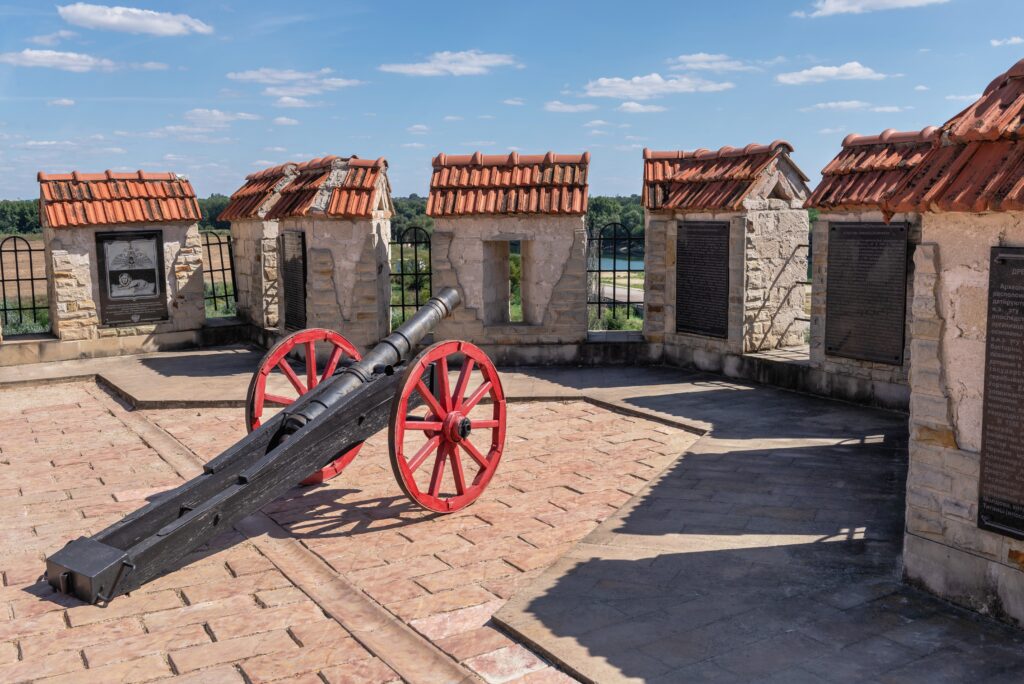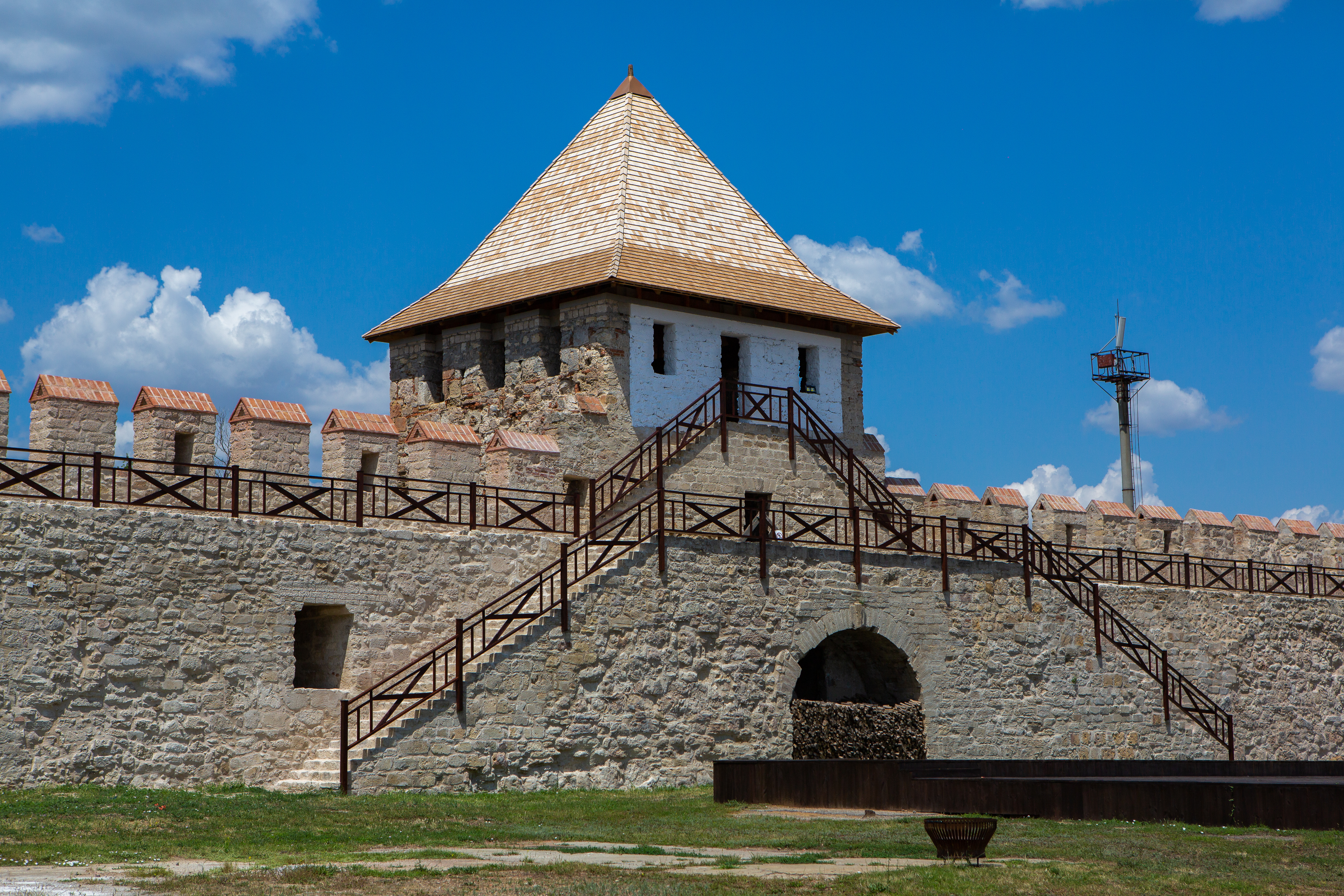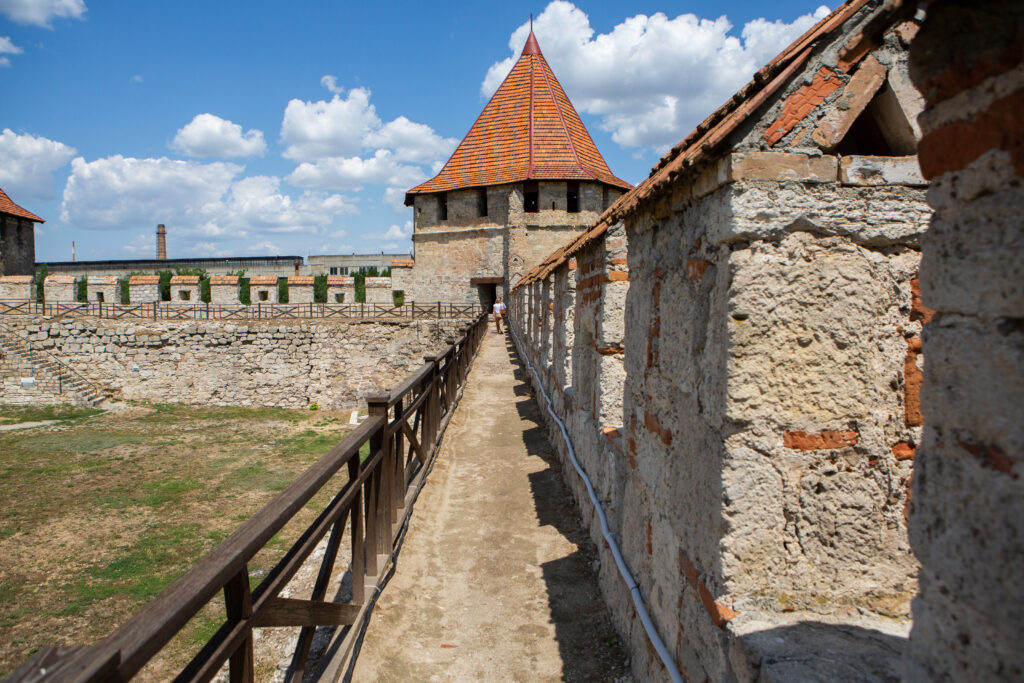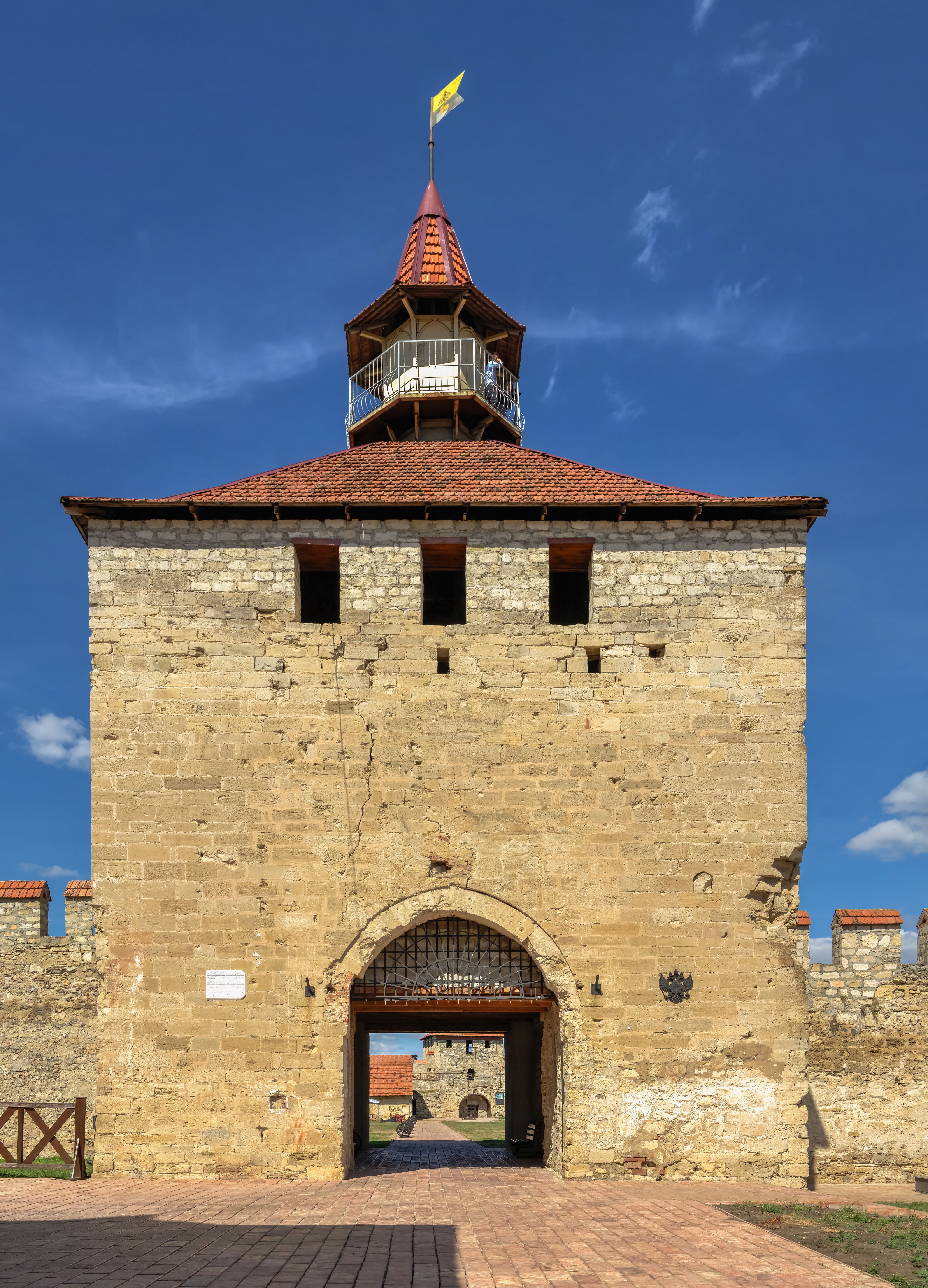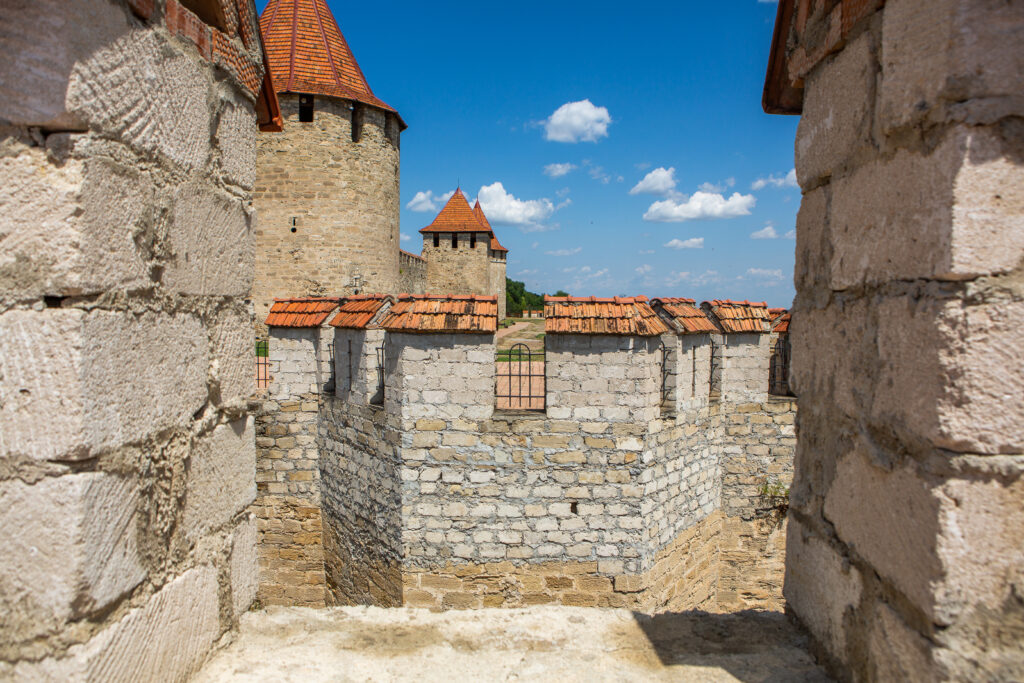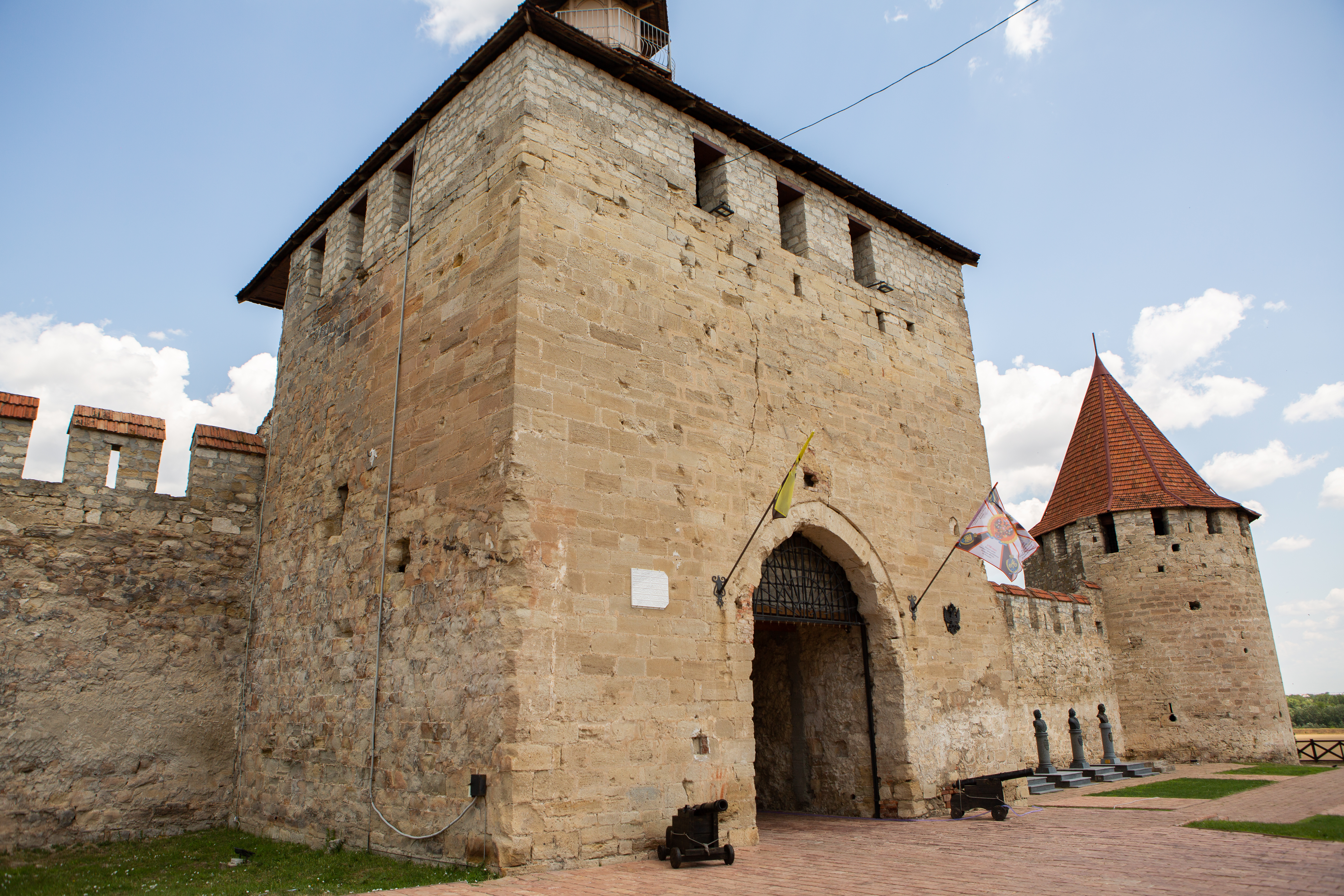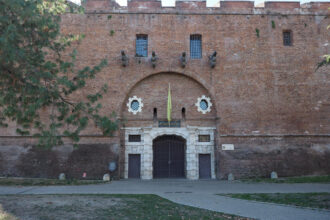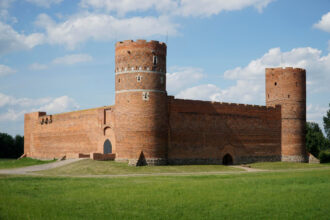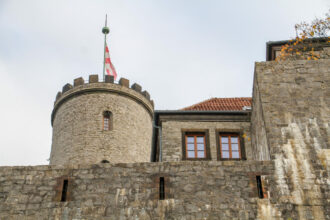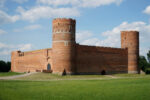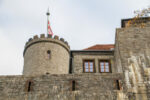

A historical journey back to the 15th century – The impressive Tighina Fortress, also known as Cetatea Tighina and later renamed Bender by the Turks, is a remarkable structure whose history dates back to the 15th century. Originally built of earth and wood during the reign of Prince Stephen the Great, the fortress sits majestically on the right bank of the Dniester River in what is now the city of Bender in Moldova.
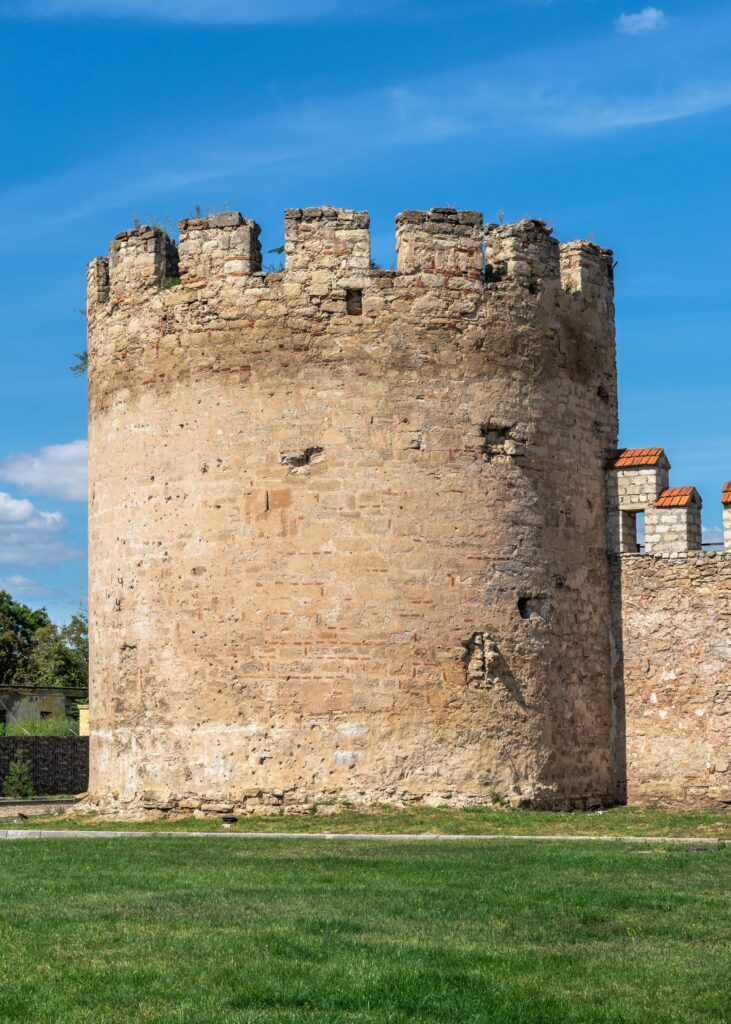
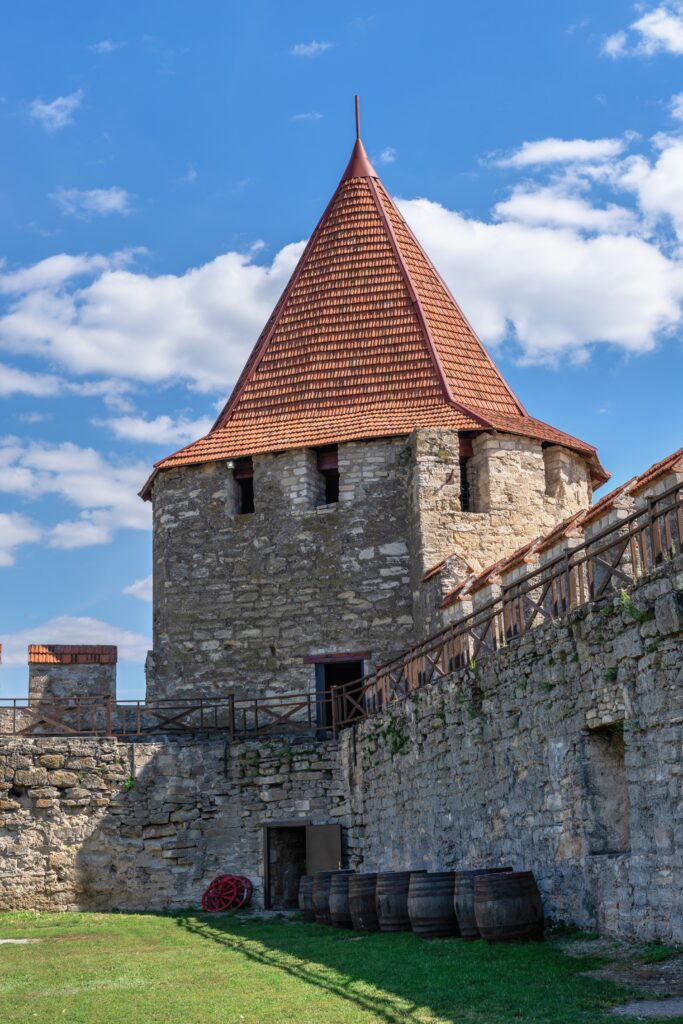
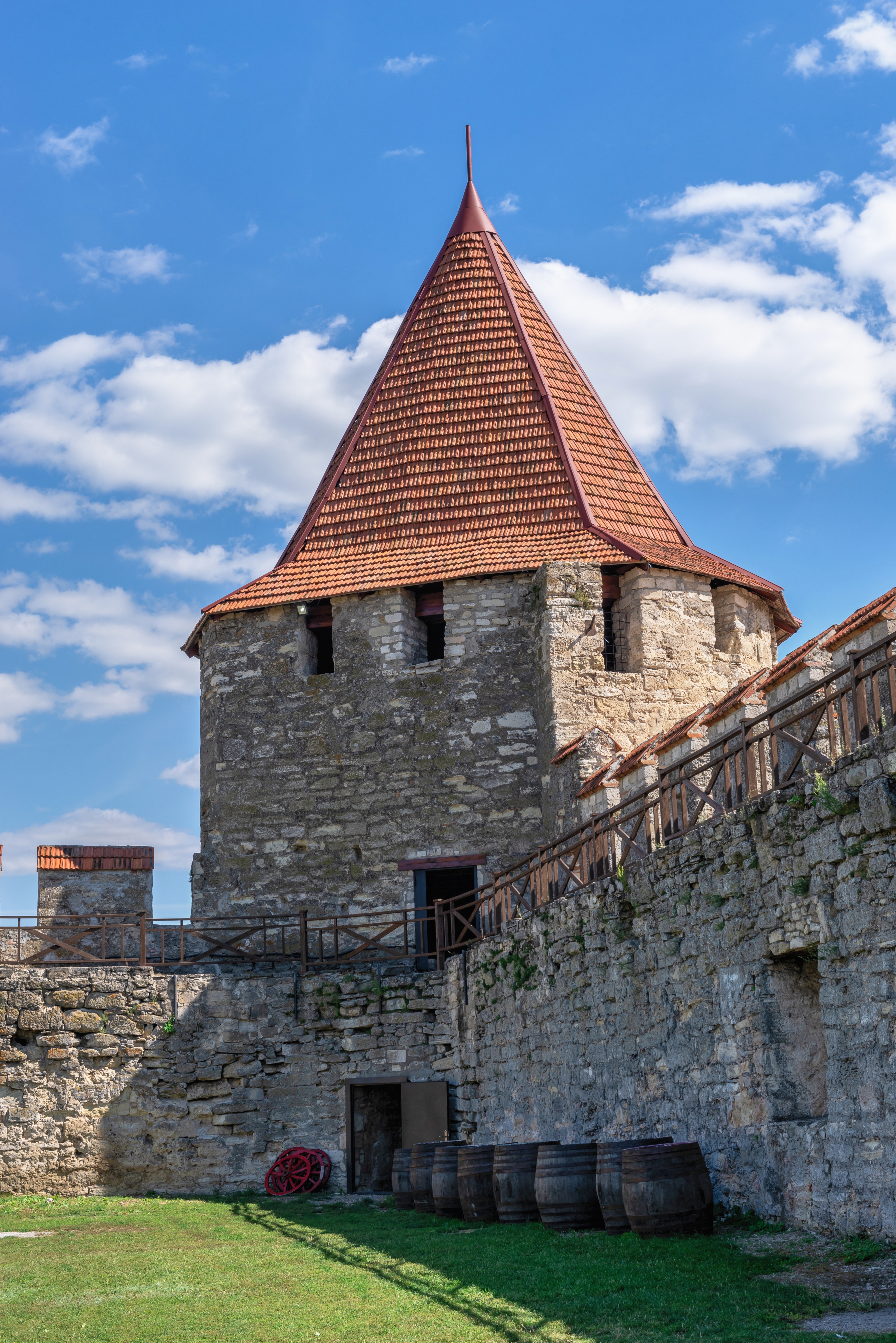
Conquest and reconstruction by Suleiman the Magnificent – In 1538, the fortress fell into the hands of the famous Turkish sultan Suleiman I, also known as Suleiman the Magnificent, who immediately ordered it to be rebuilt in stone and expanded. Under the direction of the Ottoman architect Sinan, the fortress was transformed into a stone bulwark surrounded on three sides by a deep moat by 1541.
Early mentions and archaeological finds – The oldest known mention of Tighina as a settlement and customs station comes from a trade privilege granted on October 6, 1408, by Moldavian Prince Alexandru cel Bun to the merchants of Lwów. This documentation is confirmed by numerous medieval documents from the 15th and 16th centuries, which attest to the importance of Tighina as a military and economic center. Archaeological excavations conducted by Ion Hîncu in 1969 revealed residential complexes and a defensive moat dating from the 15th and 16th centuries, further underscoring the historical significance of the site.
The strategic importance of the fortress – After its conquest and renaming to Bender, which means “river port,” the fortress became the central seat of a Turkish raya. Despite multiple attacks, including by Moldavian troops and Zaporozhian Cossacks, Bender remained in Ottoman hands. Particularly noteworthy are the unsuccessful sieges by John the Brave in the summer of 1574 and Michael the Brave in 1595 and 1600.
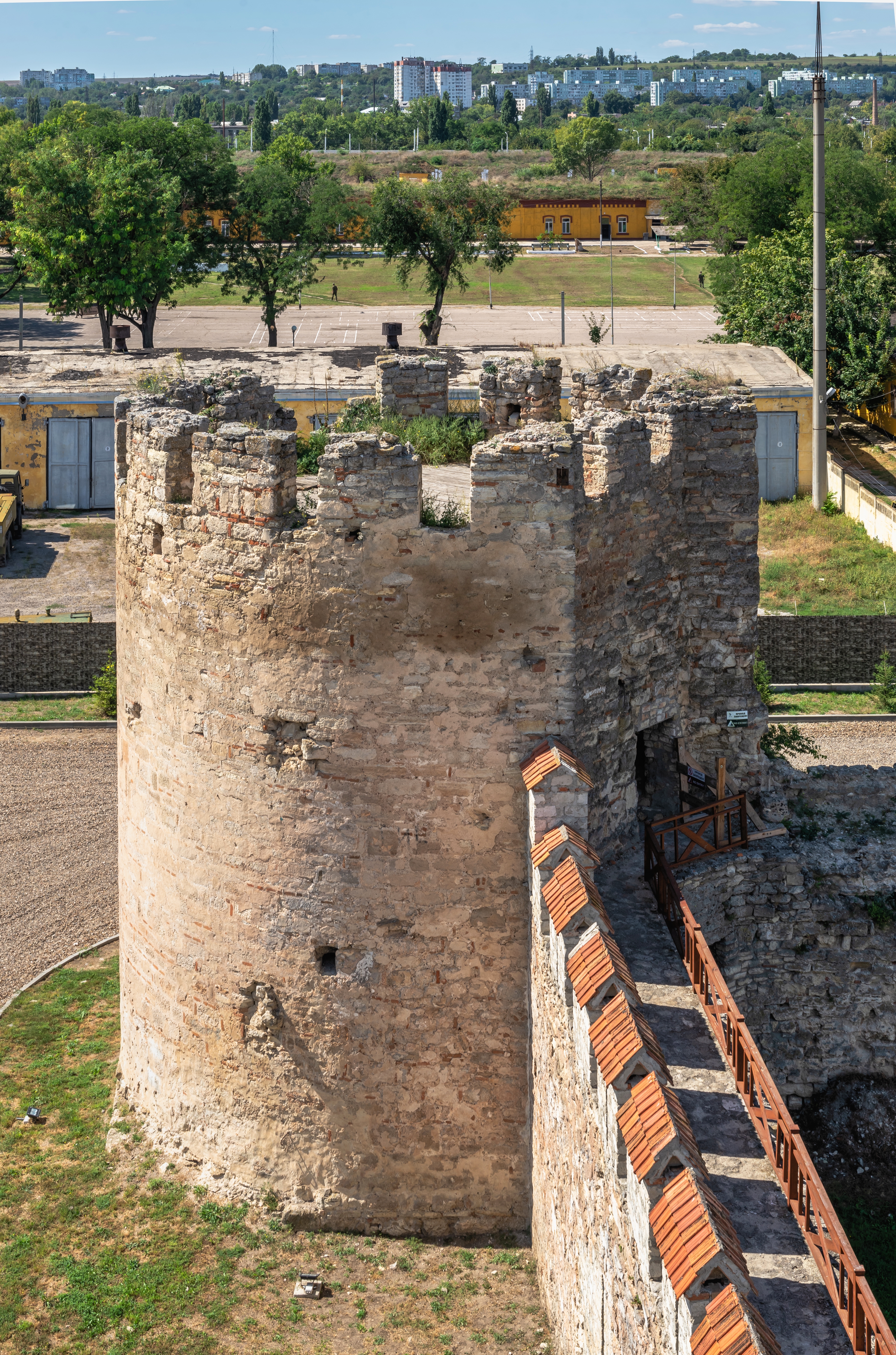
The role of the fortress in Russian hands – In the course of the three Russo-Ottoman wars, control of the fortress eventually passed to the Russian Empire. The fortress was of great military value to the tsarist generals and was used as a barracks. From the second half of the 19th century, however, the fortress gradually lost its strategic importance. Since 1991, it has been under the control of the Pridnestrovian Moldavian Republic and underwent extensive restoration between 2008 and 2012.
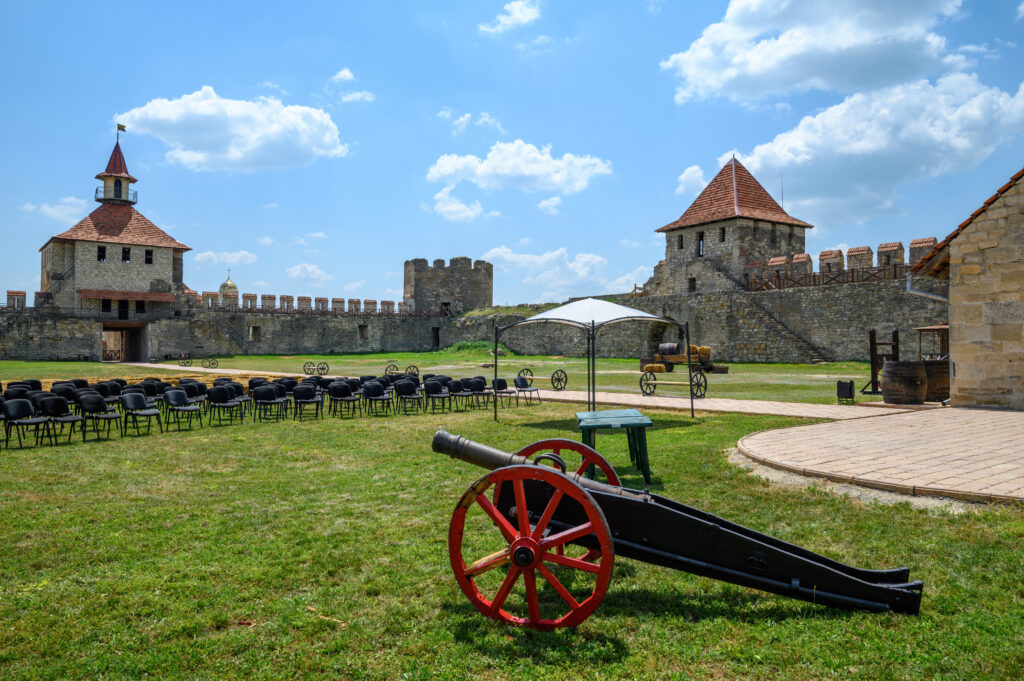
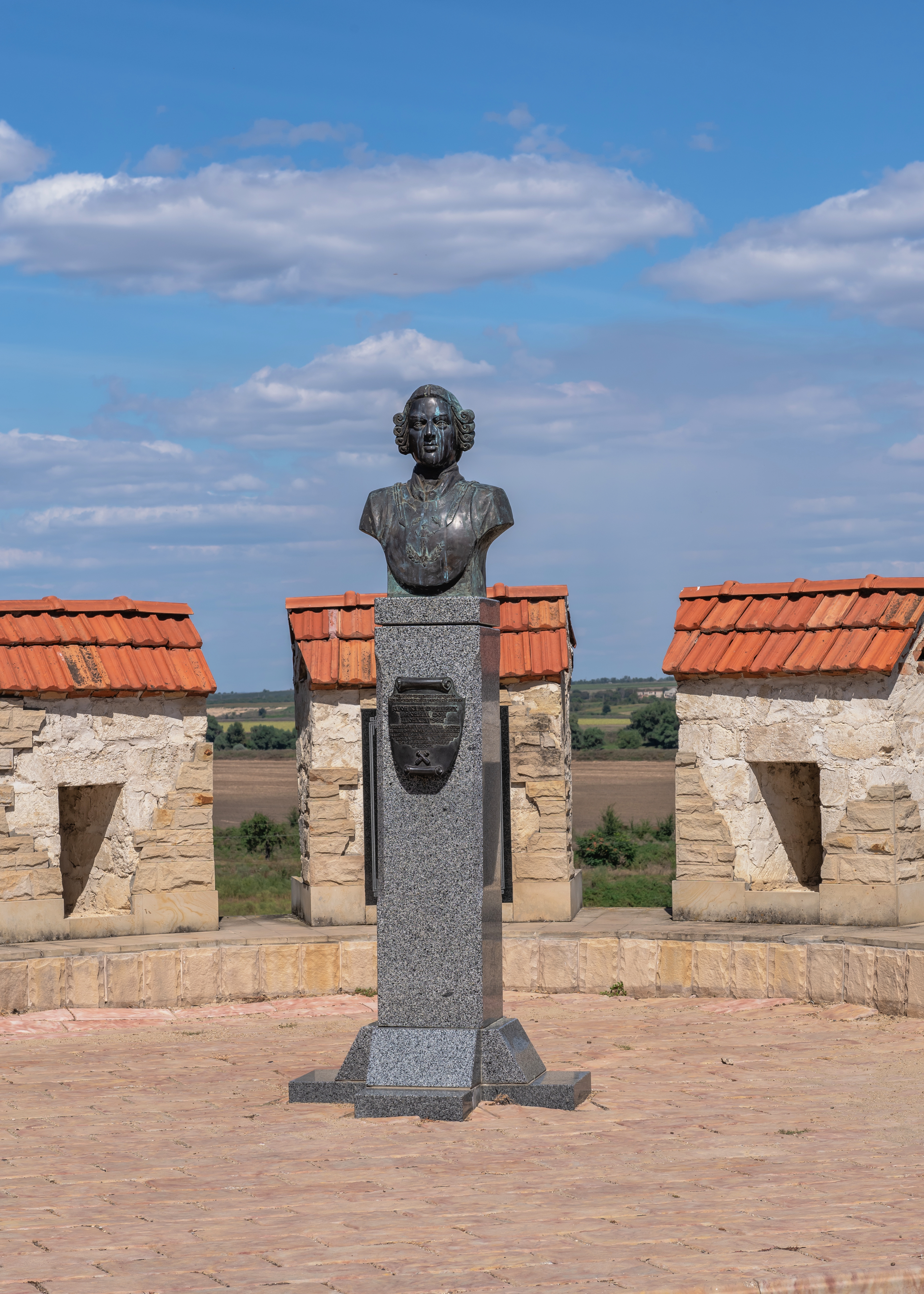
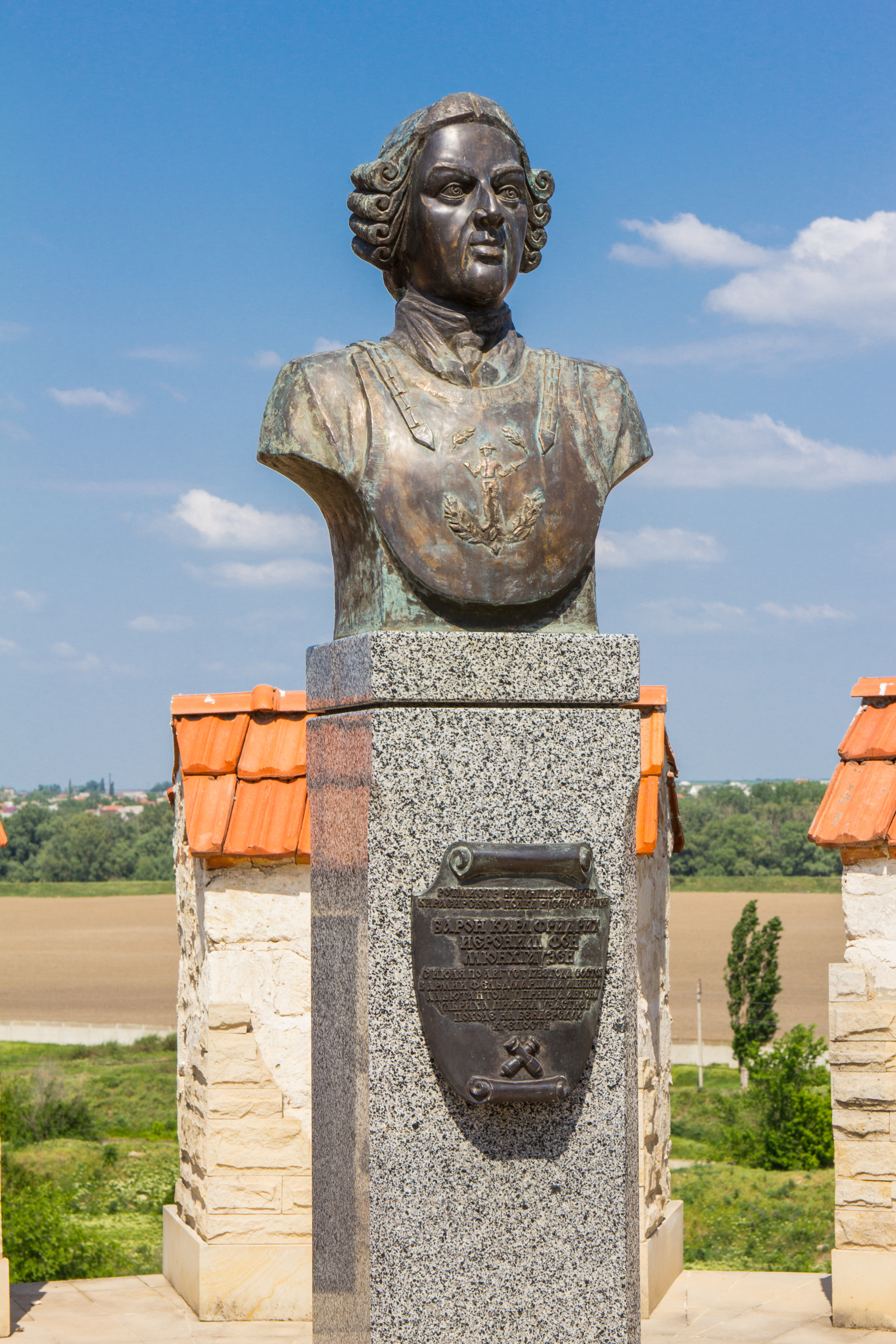
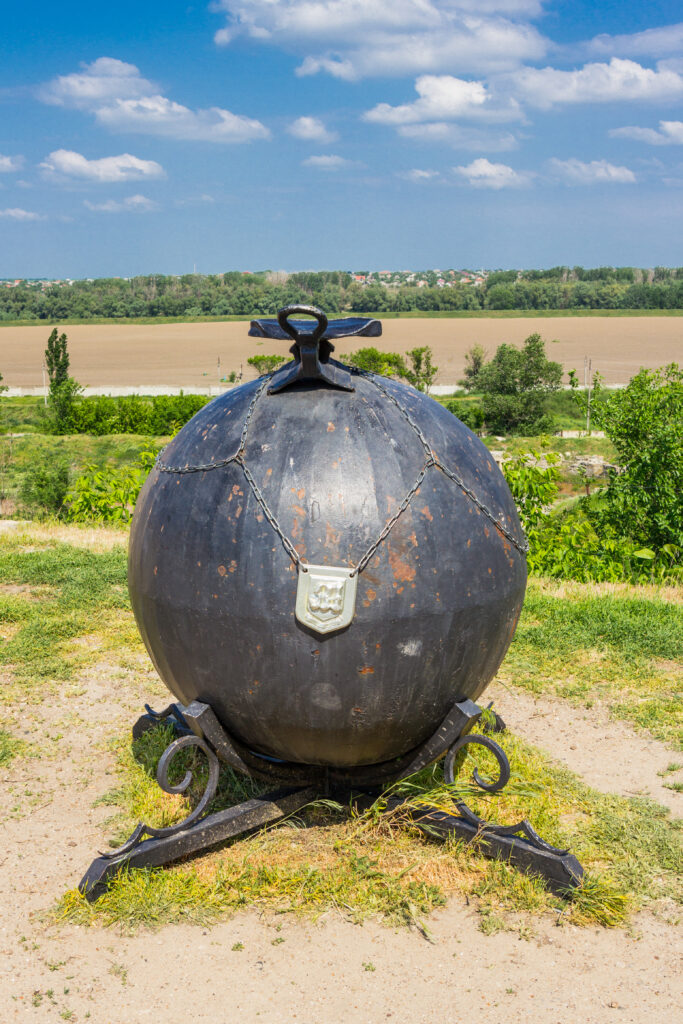
The legendary connection to Baron Münchhausen – A particularly fascinating aspect of the Bender Fortress is its connection to the legend of Baron Münchhausen. The historical Hieronymus Carl Friedrich von Münchhausen served as an officer in the Russian army in the 18th century and took part in the siege of the then Ottoman fortress in 1738. Inside the castle, a monument commemorates one of the baron’s most famous myths: his spectacular ride on a cannonball. According to legend, Münchhausen flew over the fortress on a cannonball to scout out the enemy’s positions and returned on an enemy cannonball—a story that continues to captivate visitors to this day.
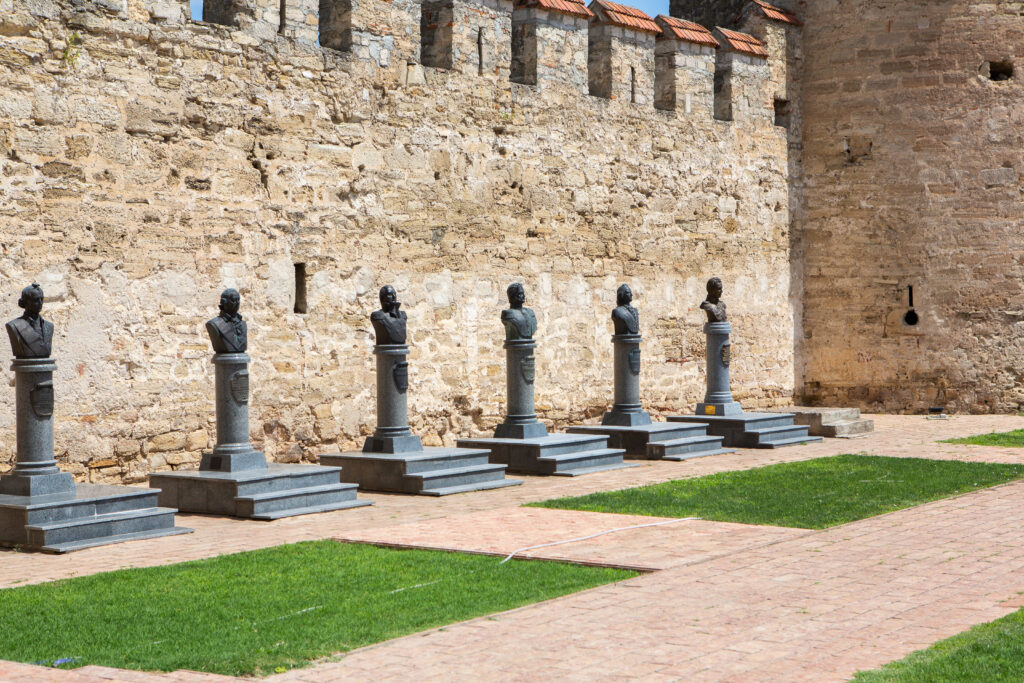
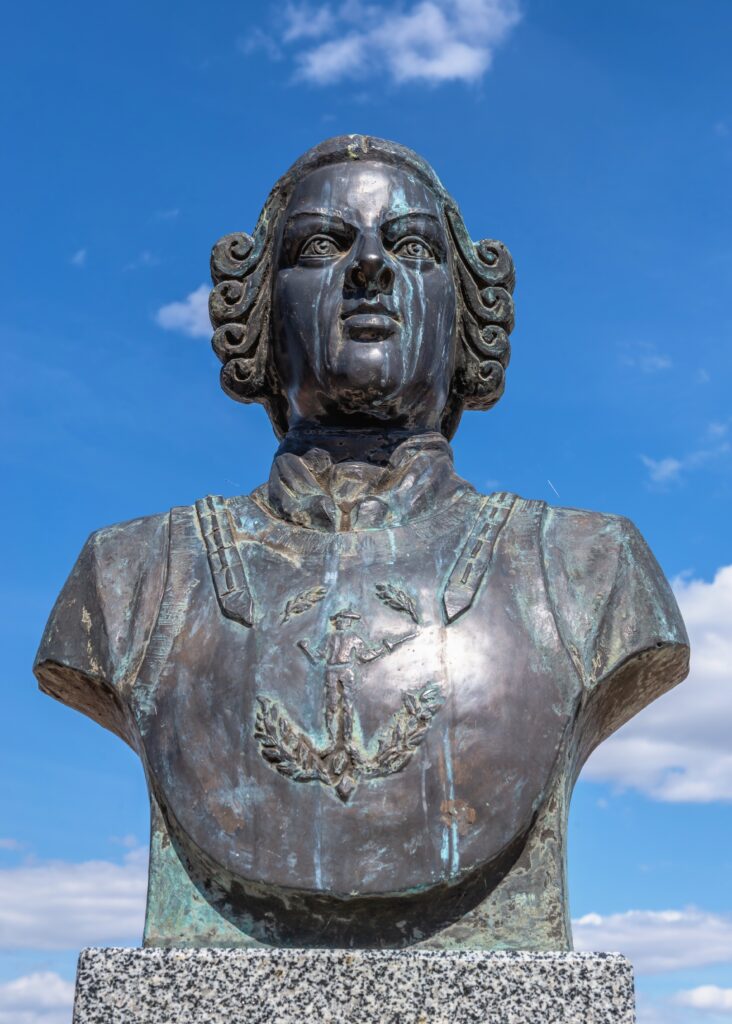
Sights and monuments – Today, the fortress is a popular tourist destination. Visitors can sit on a symbolic cannonball with a saddle and handles and enjoy an interactive experience. The “Alley of the Lords” also features a bust of Münchhausen, commemorating his legendary stories and underscoring the historical significance of the site.
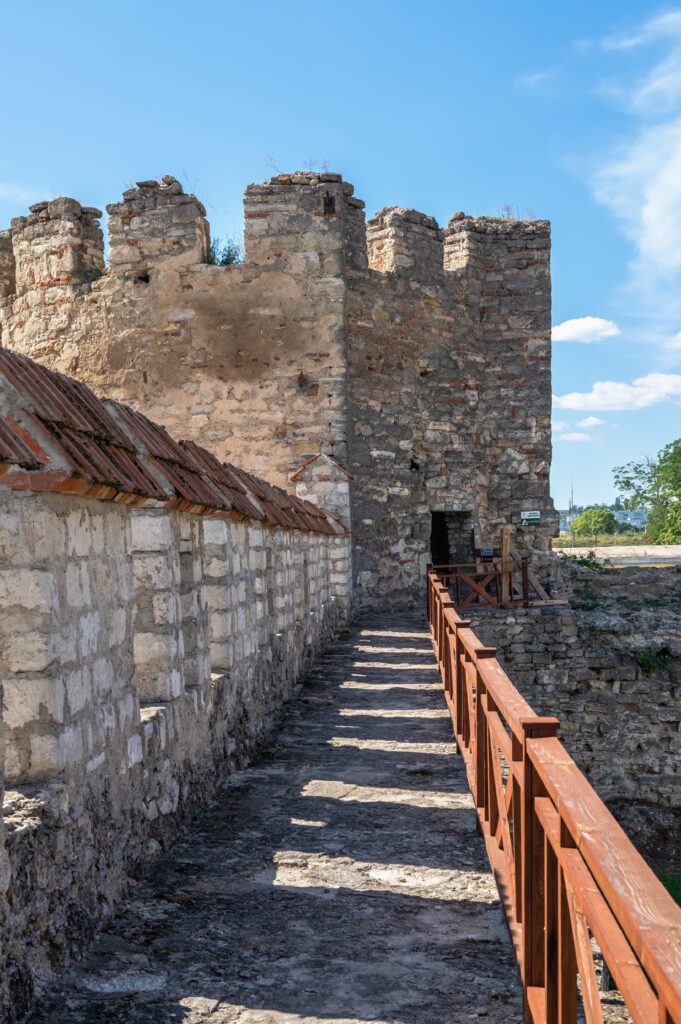
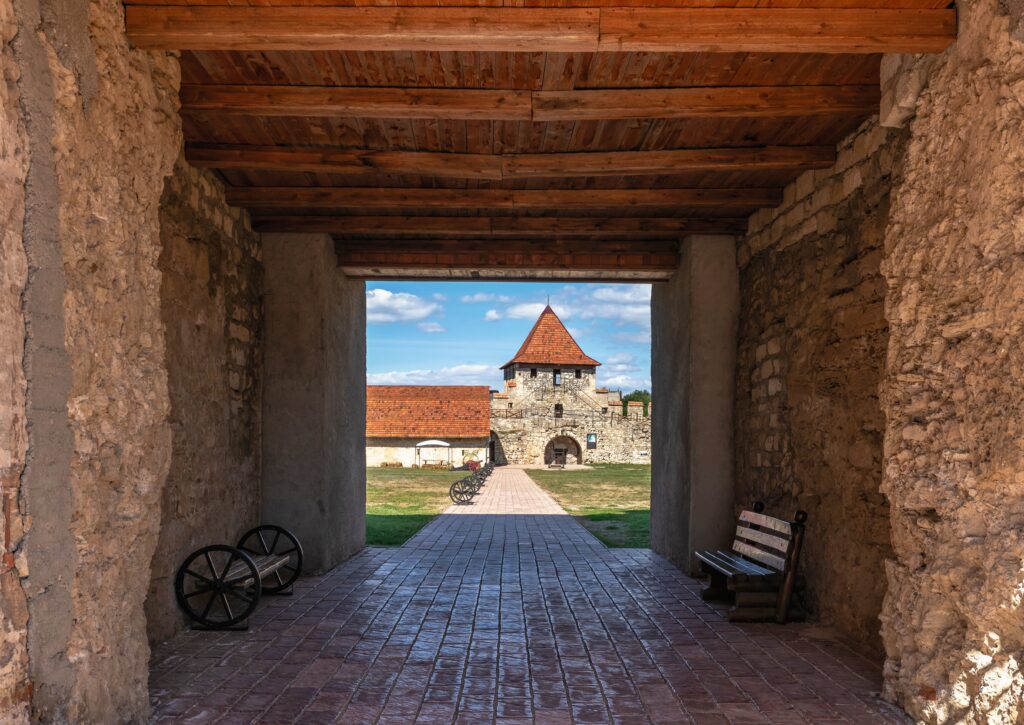
A tour of the fortress – A tour of the Tighina/Bender Fortress is like a journey through centuries of history. From the ancient defenses to the extensions built under Ottoman rule to its use as a military barracks in the Russian Empire, every stone tells a story. The architectural masterpieces, especially the influence of the architect Sinan, and the historical documents provide insights into the eventful past of this fortress. The history of the Tighina/Bender Fortress is an impressive story of war, conquest, and reconstruction. It shows the importance of this place as a key military and economic location over the centuries. The legends that surround it and the archaeological finds make the fortress a unique testimony to human achievements and challenges. Today, it is a symbol of Moldova’s rich history and culture and a fascinating destination for historians and tourists alike.
From a 15th-century trading post to an Ottoman fortress to its role in the Russian Empire and its current status, Tighina/Bender Fortress is a living testament to time. Visit it and immerse yourself in the eventful history and exciting legends that permeate every corner of this extraordinary fortress.