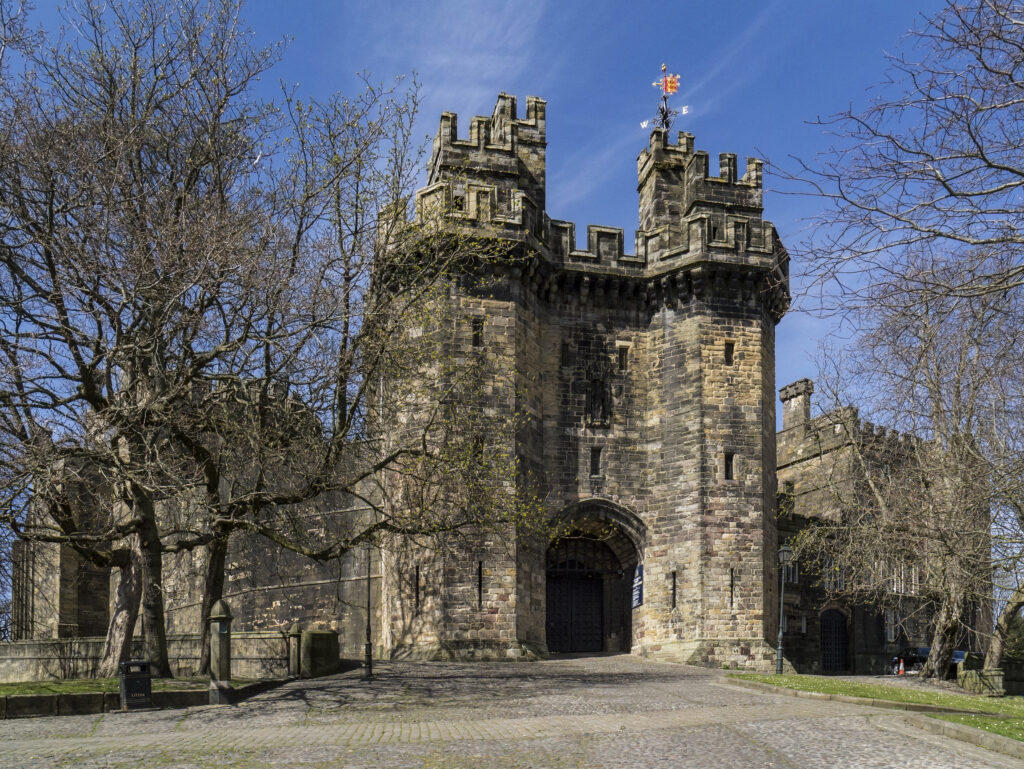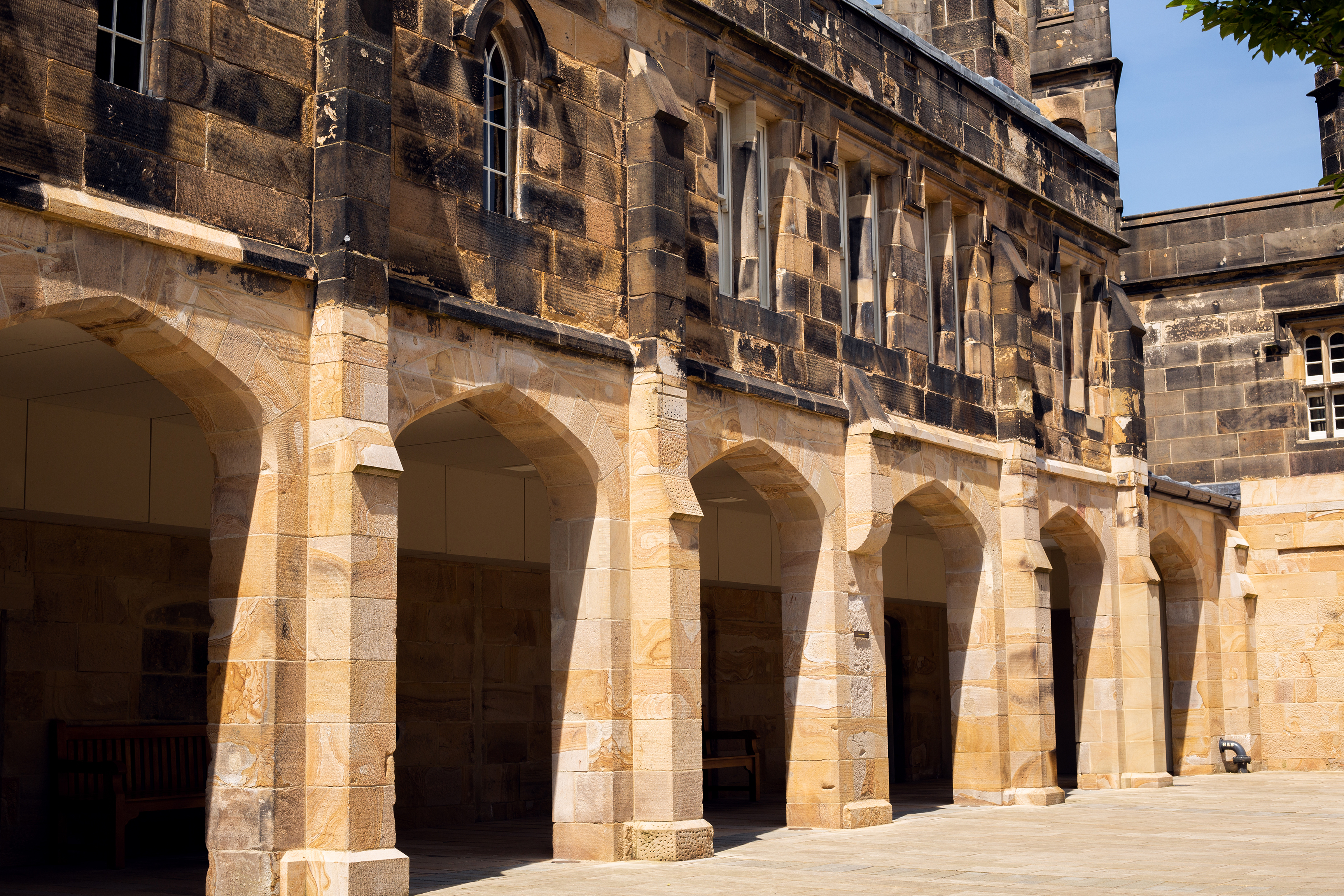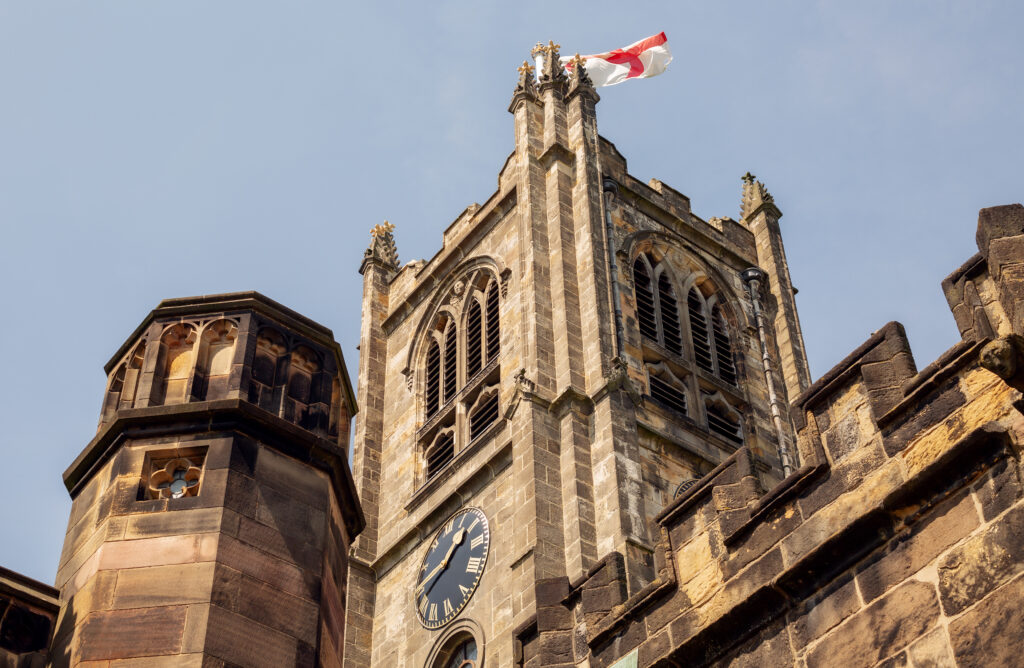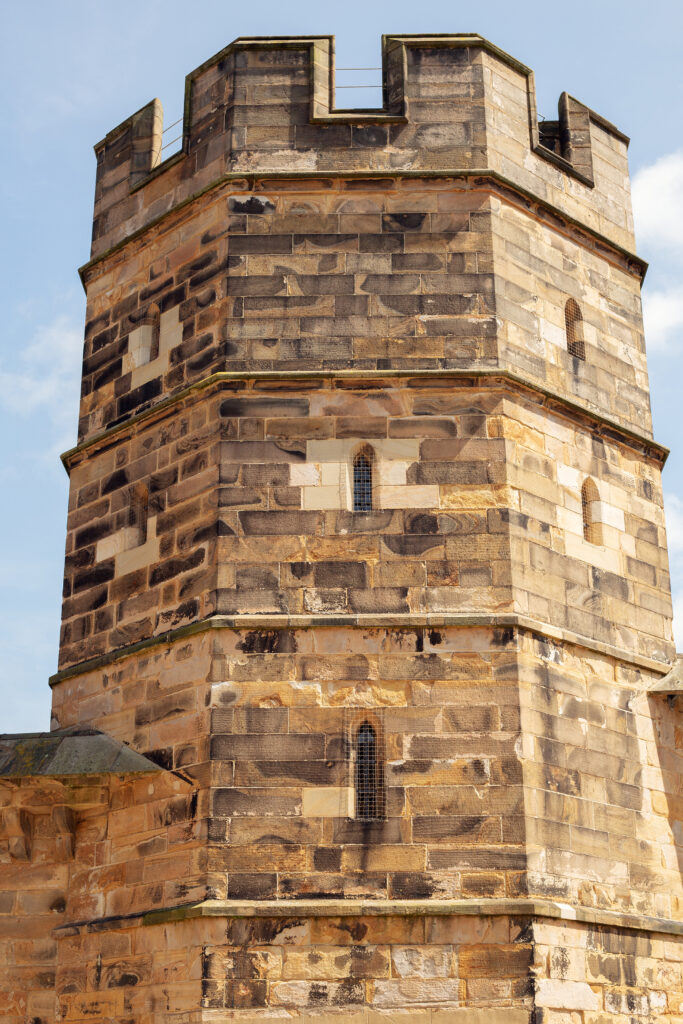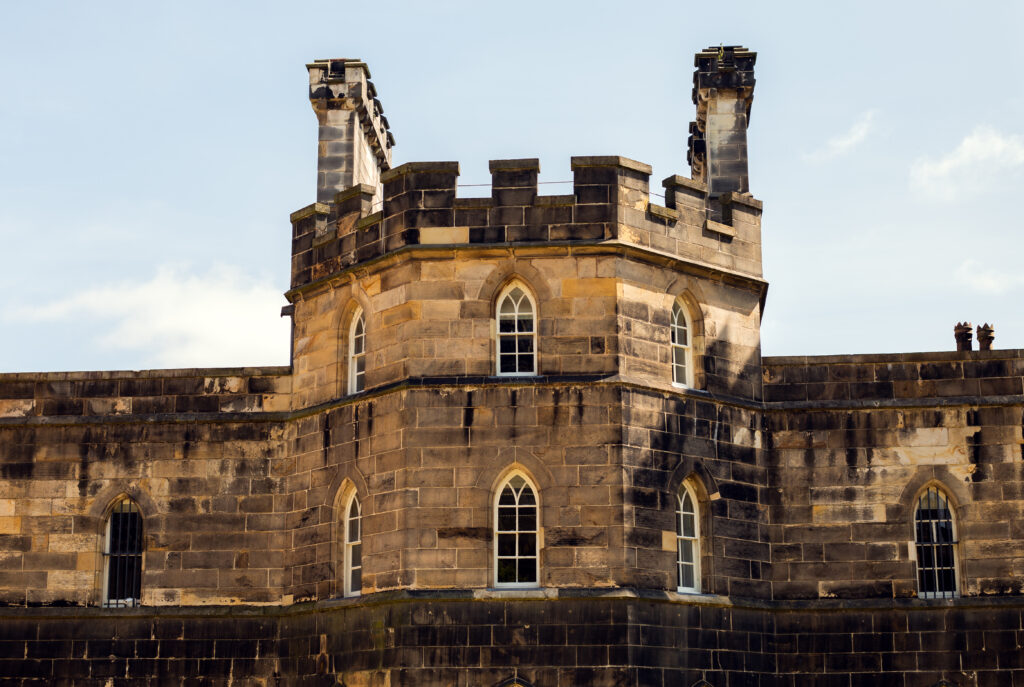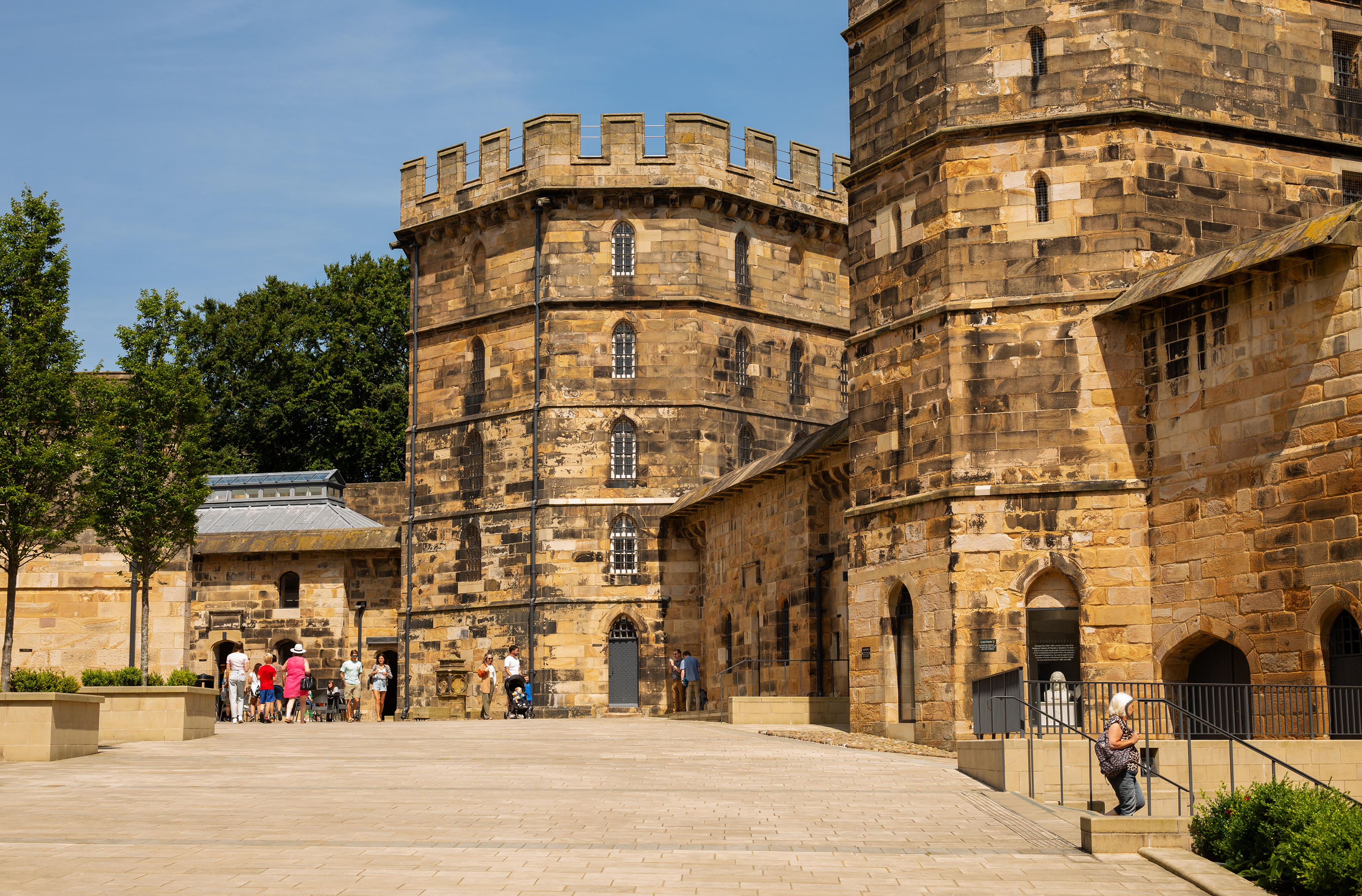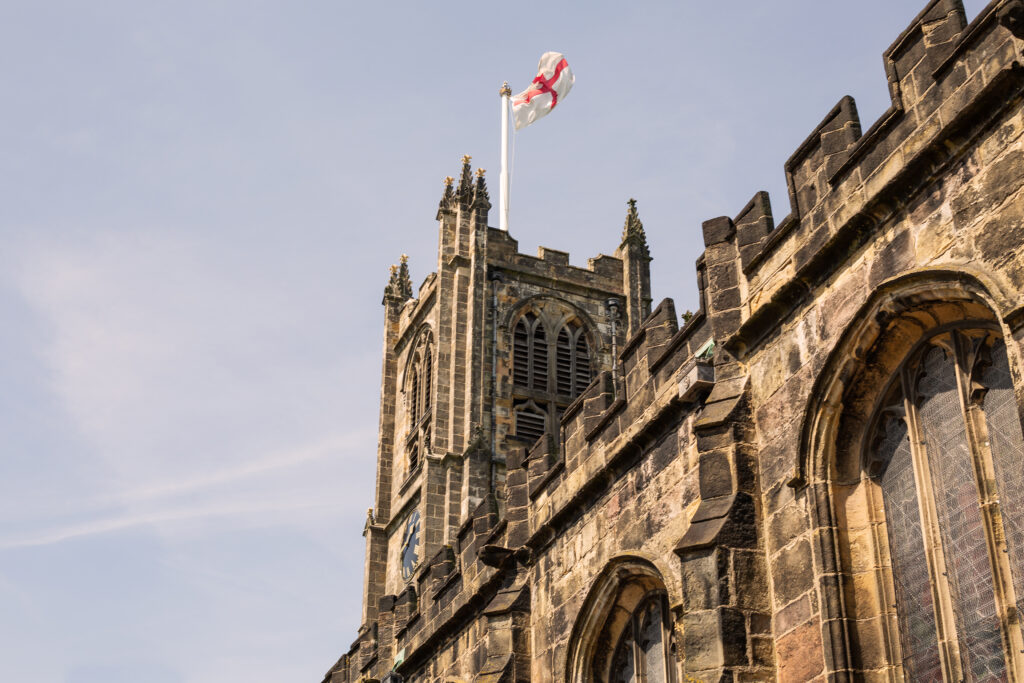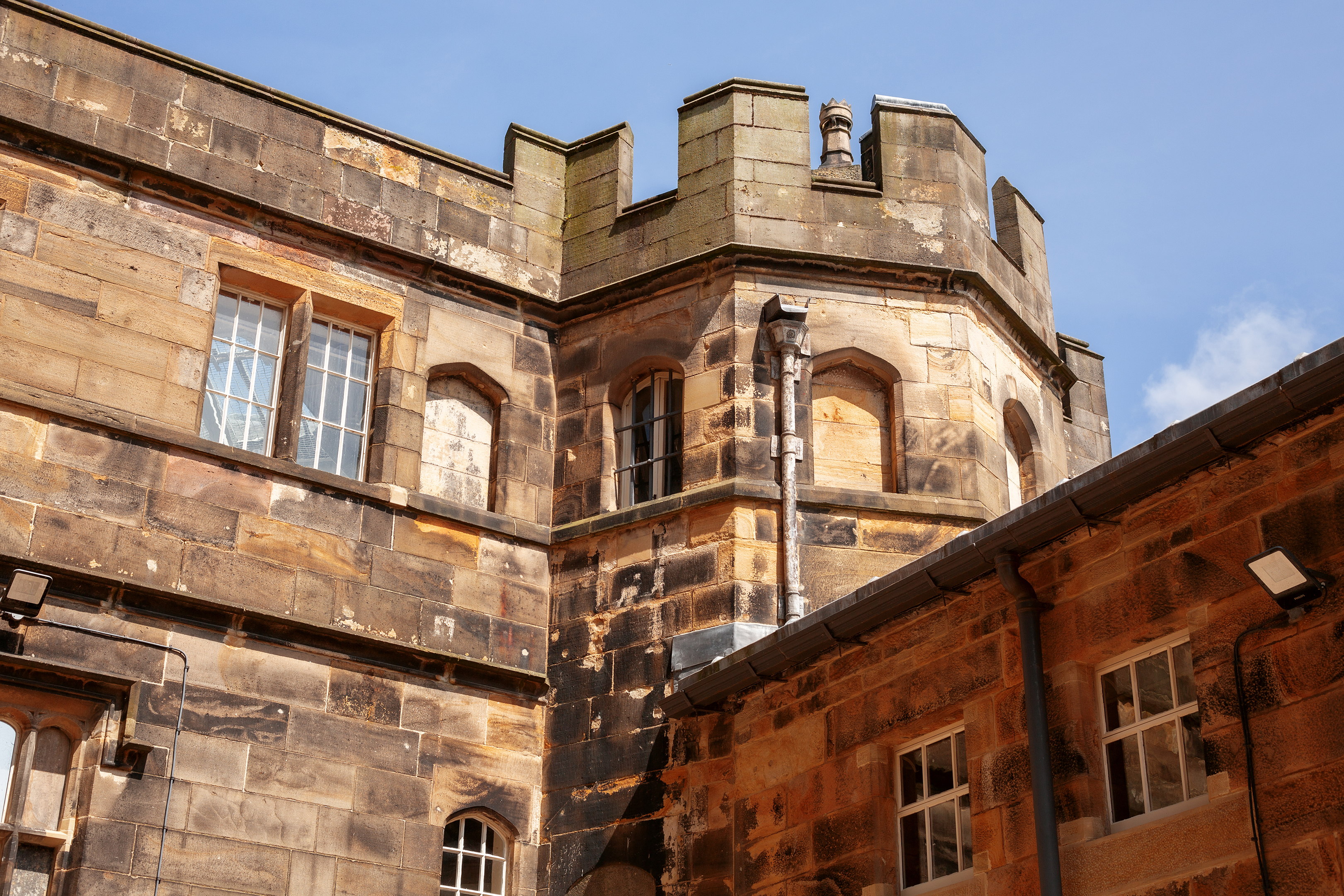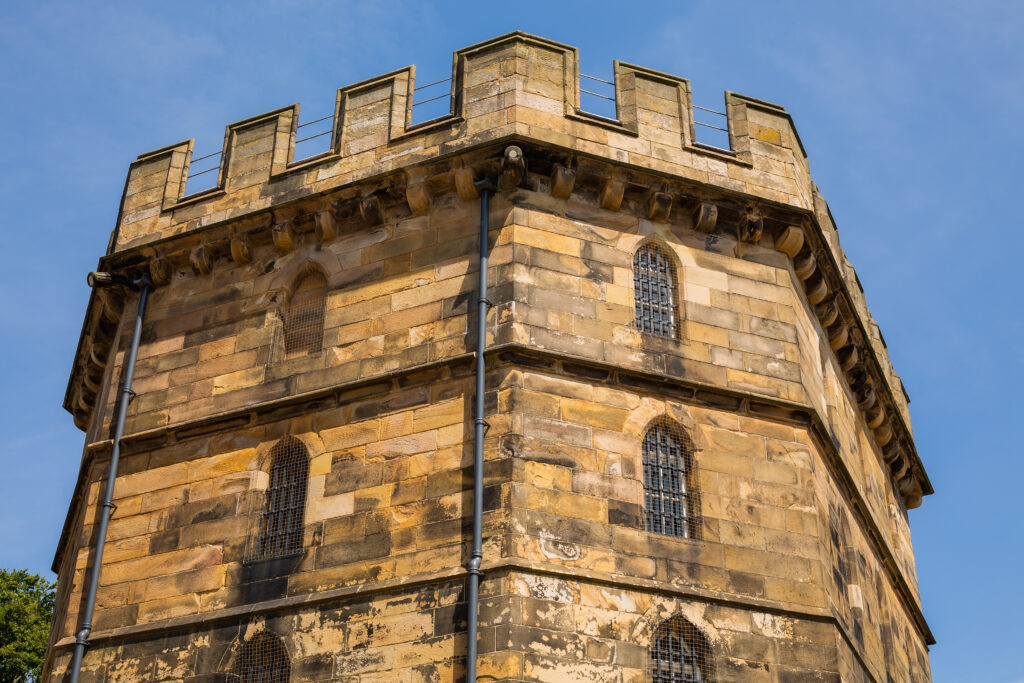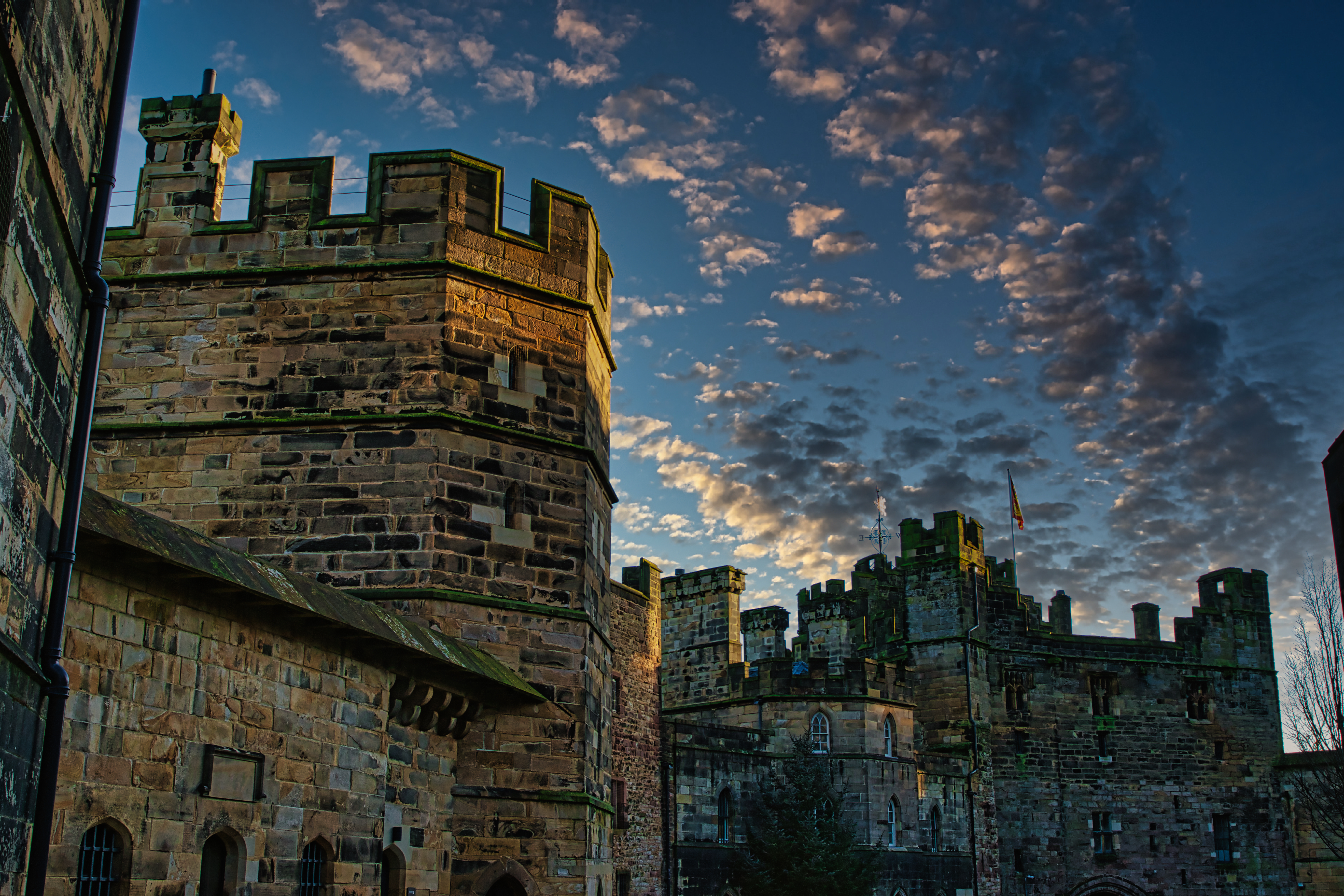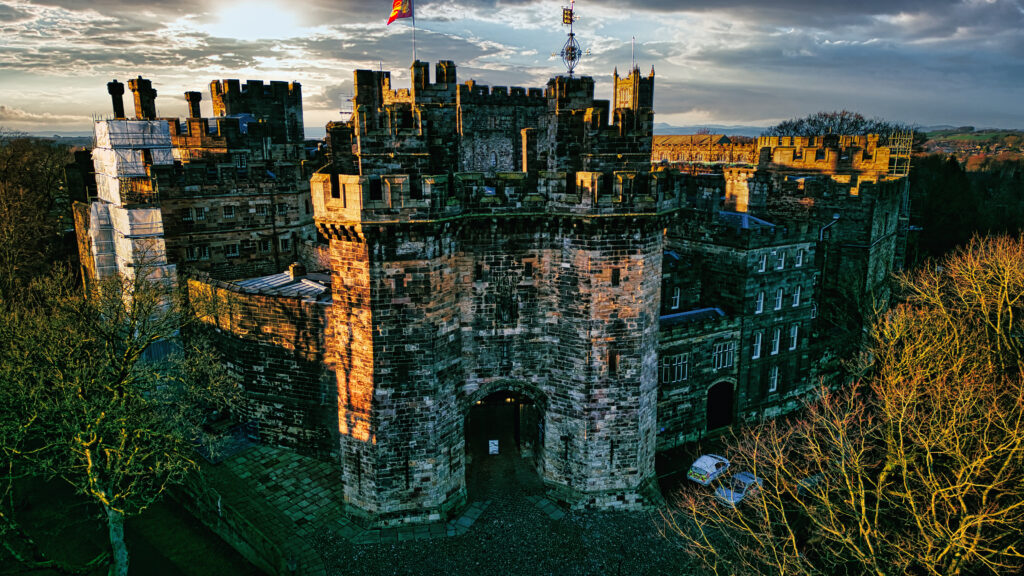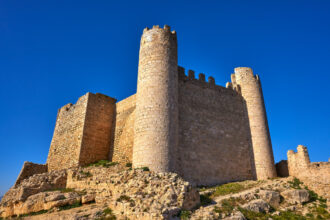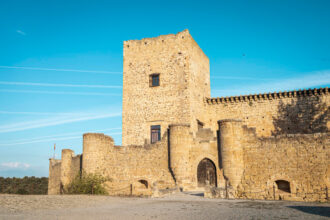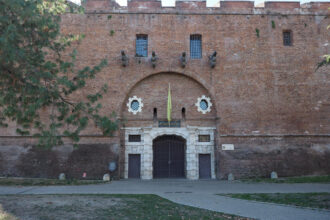

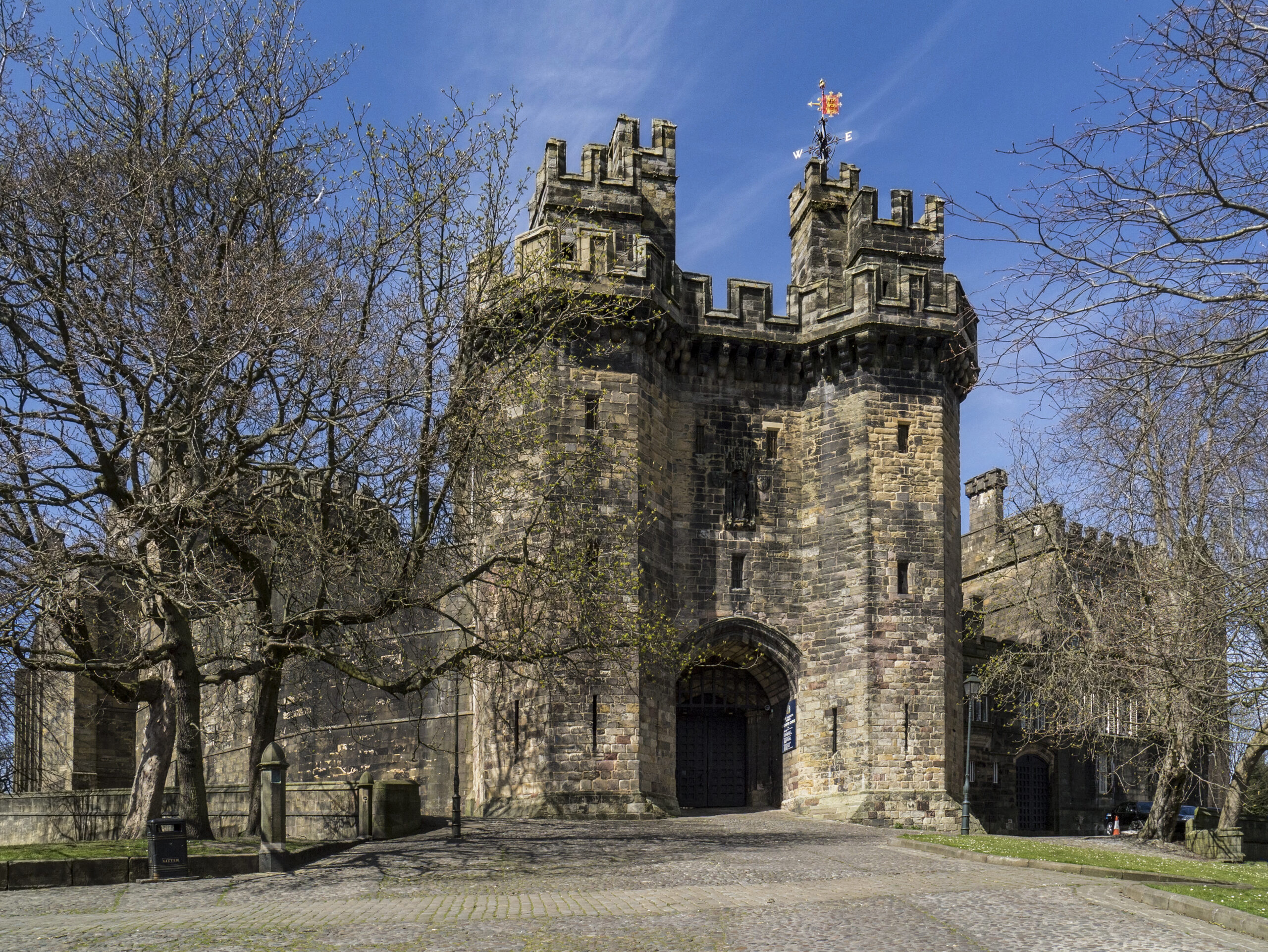
In the shadow of the past lies the imposing Lancaster Castle, whose defiant walls and mysterious corridors preserve countless stories. Situated on a hill in the city of Lancaster in northwestern England, this impressive fortress towers over the county of Lancashire. What is now considered an important historical heritage site was once a strategic bastion whose origins date back to Roman times.
The beginnings – Over two millennia ago, Roman military camps were located on the hill where Lancaster Castle stands today. The site was probably chosen by the Romans for its strategic location. After the Romans withdrew, the Anglo-Saxons continued to use the site and laid the foundations for what would later become a medieval castle.
The Norman Conquest – The oldest part of the present-day castle dates back to 1200, when the Normans ordered the construction of the fortress after conquering England. Under the leadership of Roger de Poitou, Lancaster Castle was built to secure control of the surrounding area and maintain peace and order during a turbulent period. It is fascinating that, despite many alterations and extensions, parts of this original structure have survived to this day.
The Wars of the Roses and the expansion of the castle – During the turbulent Wars of the Roses (1455–1487) between the rival houses of Lancaster and York, the castle underwent a period of intense use and expansion. Additional fortifications and buildings were constructed to consolidate its power and increase its defensive capabilities. These extensions testify to Lancaster’s military and political importance during this war-torn period.
A place of faith and martyrdom – Between 1627 and 1630, Lancaster Castle became a dark chapter in English history. The canonized priests Edmund Arrowsmith and John Southworth were imprisoned here. They fell victim to the anti-Catholic laws of the time and were later executed. Their stories bear witness to unshakeable faith and have lost none of their emotional power to this day.
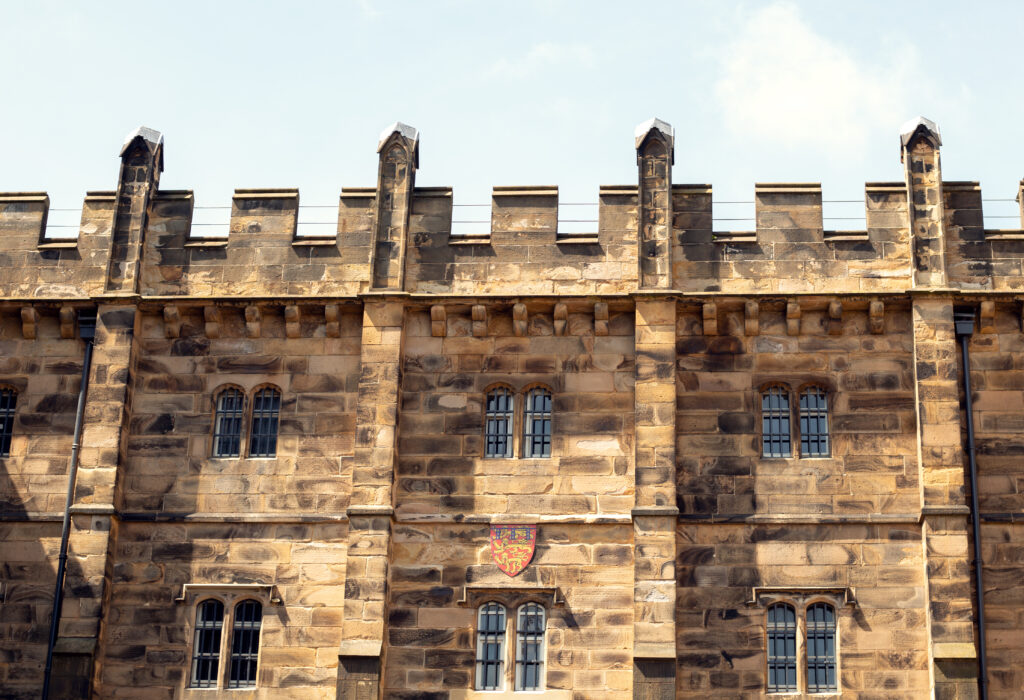
Renovations by Thomas Harrison – In the 17th century, architect Thomas Harrison began extensive renovations and modernizations of the castle. These construction measures were intended not only to improve the quality of living, but also to strengthen the defenses. In the course of these renovations, the original towers were demolished and replaced with more modern structures. A striking feature of this period is the large gatehouse, above which the coat of arms of Henry IV and a statue of his father John of Gaunt can be seen.
Witch trials and dark secrets – One of the most famous and eerie episodes in the history of Lancaster Castle is the witch trials of 1612. In the Well Tower, the so-called Lancashire witches, a group of innocent women and men, were held captive in inhumane conditions. The trial ended tragically: ten of them were found guilty of witchcraft and executed. Their stories are deeply engraved in the castle walls and bear witness to a time of fear and superstition.
Macabre relief and public executions – A particularly macabre detail in the long history of Lancaster Castle is the relief in the Crown Court. It shows the torture, interrogation, and execution of prisoners in a terrifying way. Such depictions served not only as a warning, but also as macabre entertainment for the population. Public executions were a widespread spectacle at that time, taking place in the Shire Hall opposite the abbey church.
Modern times and preservation of cultural heritage – The importance of Lancaster Castle did not end in the past. Even in modern times, the castle served as a prison and court. It was not until 2011 that the prison was closed and Lancaster Castle finally opened its doors to the public as a tourist attraction and historical museum. Today, you can visit the old walls and be transported back to its eventful past.
Myths, legends, and ghosts – In addition to the documented historical events, countless myths and legends surround Lancaster Castle. It is said that some of the ghosts of those executed here still haunt the corridors. In particular, the ghost of one of the so-called witches of Lancashire is said to have appeared to visitors. During night tours, guests often report unexplained cold spells and strange noises, which further enhance the already eerie atmosphere of the castle.
Lancaster Castle is not only an impressive structure of stone and mortar, but also a living witness to the history of England. From the Romans to the Normans to the dramatic events of the Tudor and Stuart periods, each chapter has left a deep mark. Today, the castle offers a fascinating insight into its diverse and often dark past and remains an important attraction for anyone interested in history, myths, and legends.
With its blend of architectural splendor, tragic stories, and mysterious legends, Lancaster Castle fascinates not only historians and archaeologists, but also tourists and locals alike. Every stone, every room, and every story helps to keep the rich heritage of this remarkable place alive—a bulwark between myth and history.