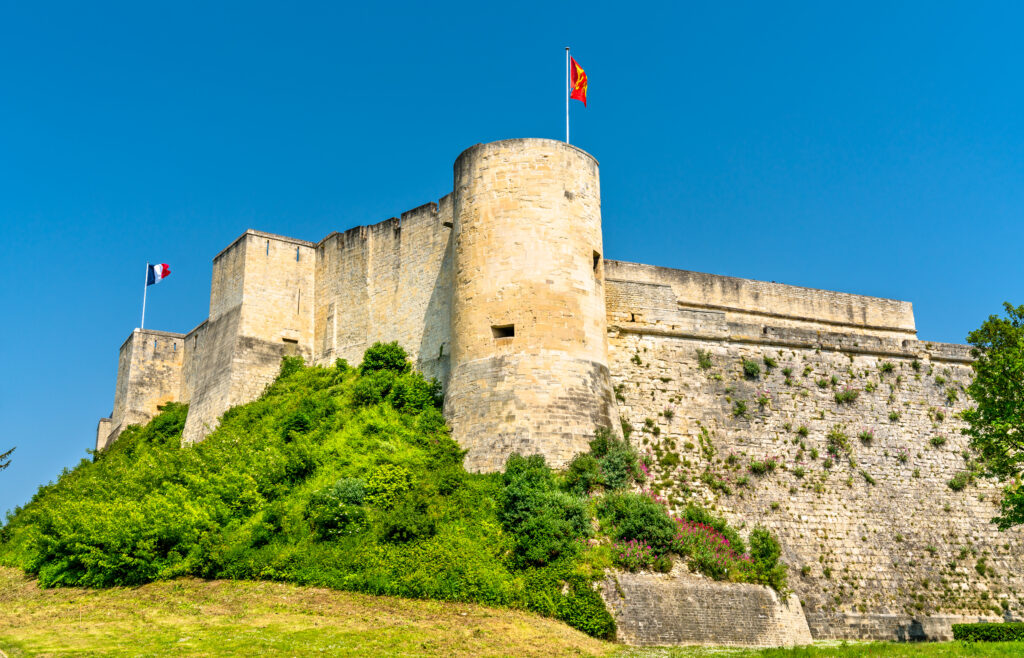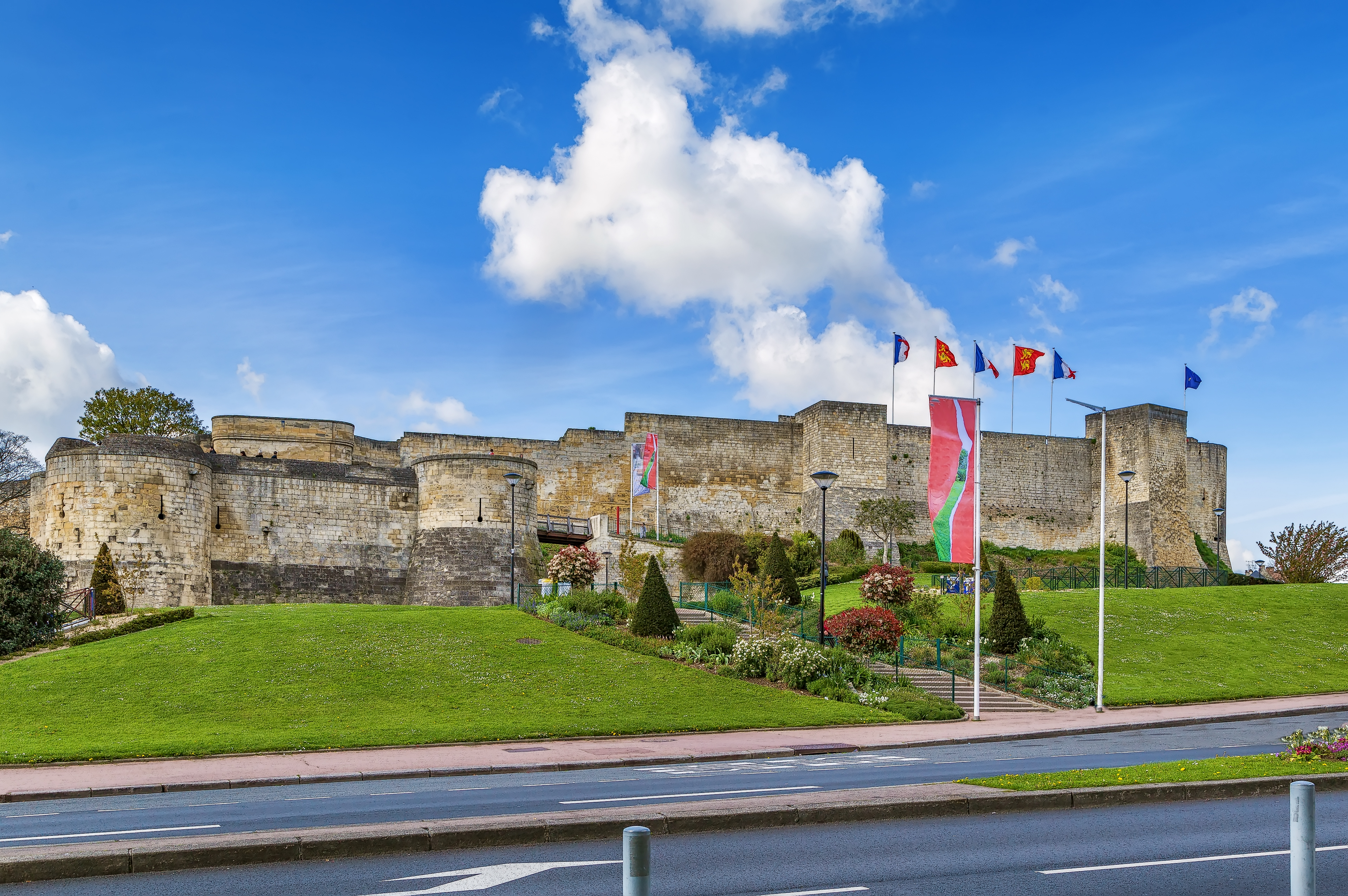

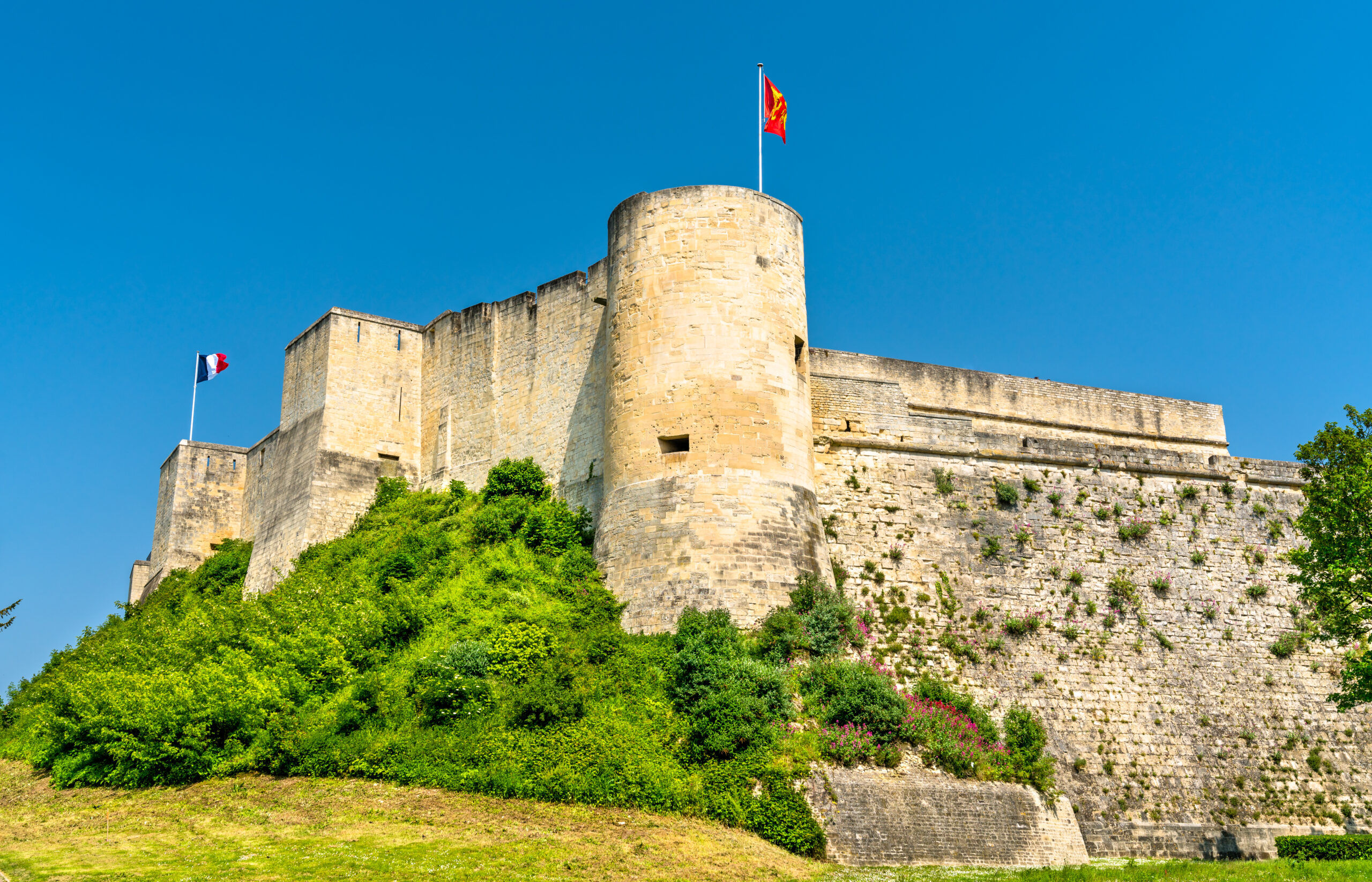
The Château de Caen is a silent witness to centuries of turmoil and splendour. Its imposing walls and storied past offer a glimpse into the medieval epic that once unfolded in the heart of Normandy. Now nestled amid the modern cityscape of Caen in northern France, this ancient fortress is more than just a monument; it is a symbol of power, conquest and architectural brilliance that has shaped history itself.
The creation of a fortress – The Château de Caen was commissioned around 1060 by William the Conqueror, Duke of Normandy, and strategically built to consolidate his supremacy. At the height of his ambitions, William chose Caen as the capital of his duchy. Under his aegis, the fortress took shape, with its original fortifications serving as a bulwark against invasion and a symbol of Norman rule. The location was carefully chosen, situated between the Abbaye aux Dames and the Abbaye aux Hommes, which were not only religious centres but also fortified sites that contributed to the defensive strategy.
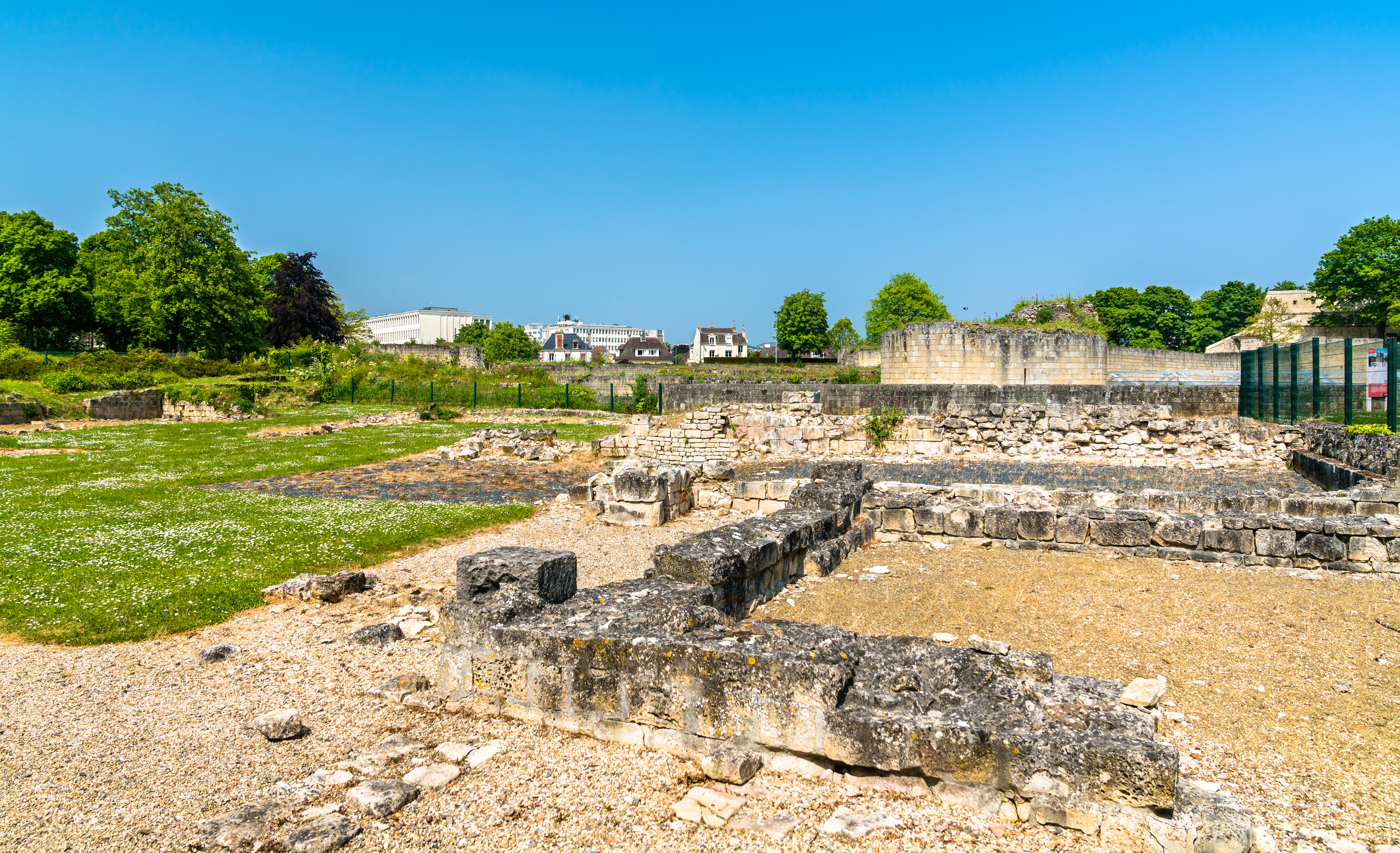
William’s son, Henry I of England, continued his father’s legacy and commissioned the construction of a church and an impressive keep. This towering structure served as both a residence and a military fortress. Although the keep has not survived the ravages of time, its foundations still tell of the resilience and splendour of the Middle Ages.
Royal courts and rebellious conspiracies – The history of the Château de Caen is closely intertwined with royal intrigues and rebellions. In the frosty December of 1182, the fortress echoed with the cries of over a thousand knights who had gathered to swear allegiance to King Henry II of England and his sons Richard the Lionheart and John Lackland. This gathering was not only a demonstration of loyalty, but a sophisticated chessboard on which the moves of power and diplomacy were worked out.
The strategic importance of the fortress did not escape the attention of rival powers. In 1204, the French king Philip II conquered Normandy, wresting it from the English crown. He set about strengthening the fortress’s defenses to make it impregnable against future sieges.
Destruction and renaissance – Over the centuries, the Château de Caen underwent several transformations. In the Middle Ages, robust fortifications were added, including the imposing gatehouse with a drawbridge – a marvel of 14th-century military architecture. But the castle’s mighty walls could not protect it from all unrest.
During the French Revolution, the medieval keep was destroyed in revolutionary fervor, a symbolic act against feudalism. The remains of the once-mighty keep stood as a stark reminder of the changing tides of history, while the fortress adapted to new roles and meanings.
World War II and the modern era – The 20th century brought unprecedented destruction during World War II. The Allied invasion in June 1944 turned Caen into a battlefield, resulting in extensive bombing that devastated the city and its fortress.
The once majestic walls collapsed under the relentless attacks, but the spirit of the Château de Caen remained unbroken.
After the war, attempts were made to restore the fortress to its former glory.
Recognised as a Monument Historique since 1997, the castle has since been a place of cultural preservation and education. Today, it houses the Musée de Normandie, which explores the rich history of Normandy, and the Musée des Beaux-Arts, a treasure trove of fine art that bridges the past and the present.
Legends and traditions – Beyond its documented history, the Château de Caen is shrouded in legend. One such legend tells the story of Matilda, wife of William the Conqueror, who is said to have commissioned the construction of the nearby Abbaye aux Dames to atone for her marriage to her cousin and thus escape papal disapproval of their union.
It was believed that this act of atonement would secure divine blessing for the fortress and its inhabitants.
Another legend tells of ghostly apparitions haunting the castle grounds. The ghost of an abandoned knight, betrayed and murdered within the fortress walls, is said to wander the corridors, his wailing cries mingling with the wind. These supernatural stories lend the castle a mysterious aura that attracts both sceptics and believers alike, adding to its appeal as a place where history and myth merge.
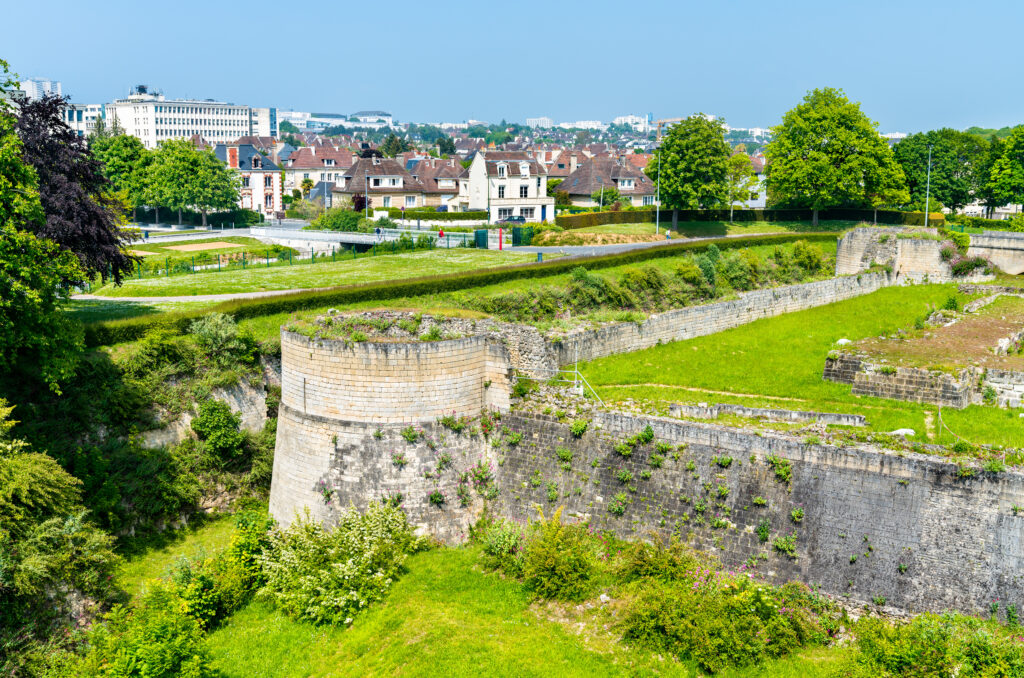
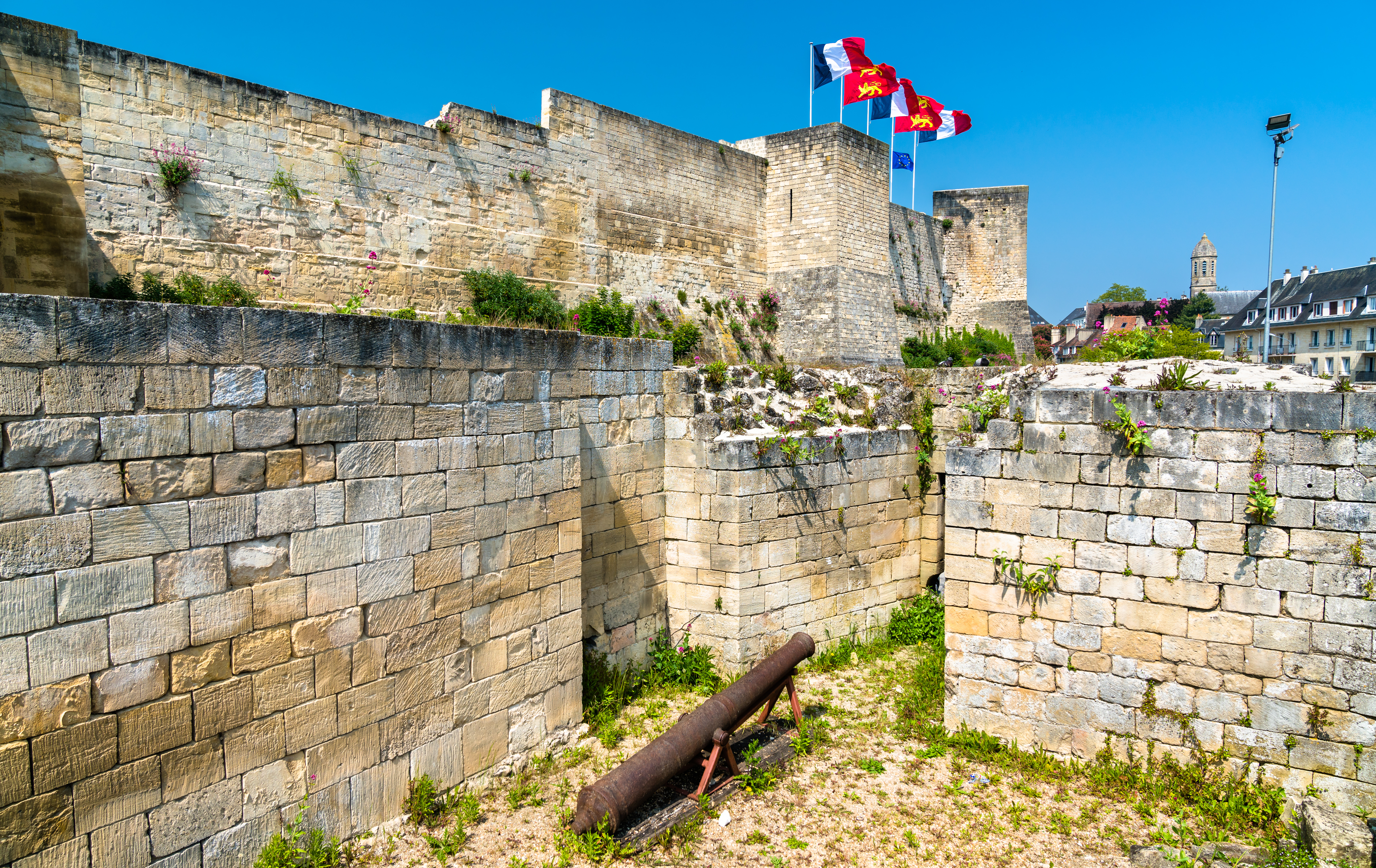
Architectural brilliance – The architectural design of the Château de Caen is a testament to medieval ingenuity. The fortress covers an area of approximately 5.5 hectares and reflects a blend of aesthetic elegance and military pragmatism. The moat, now dry but still recognisable, once served as a formidable barrier, while the sloping walls provided a defensive advantage, making climbing them a daunting task for attackers.
The integration of corner and round towers into the fortress walls embodies the Norman approach to fortification, which emphasised both strength and surveillance capabilities. The gatehouse with its drawbridge remains the most striking feature, a sentinel that has withstood the tests of time and conflict.
Today’s heritage and the futureToday, the Château de Caen is not only a relic of the past, but also a dynamic centre of cultural heritage. Visitors are drawn to its impressive structure and the museums housed within it, which together tell the story of Normandy’s development. Every stone, every artefact within its walls is a fragment of the broader chronicle of human endeavour and the eternal quest for dominion.As Caen continues to modernise, the castle remains a firm anchor of its historical roots. Thanks to efforts to preserve it, future generations will also be able to enter these grounds, gaze upon the same horizon as the medieval lords, and feel the deep connection to an era long past but still present in the annals of time.In summary, the Château de Caen is more than just stone and mortar; it is a venerable chronicle engraved in the fabric of history. It is a place where the echoes of Norman knights, the intrigues of rebellious barons and the haunting stories of times past are intertwined, preserving the indomitable spirit of a bygone era.