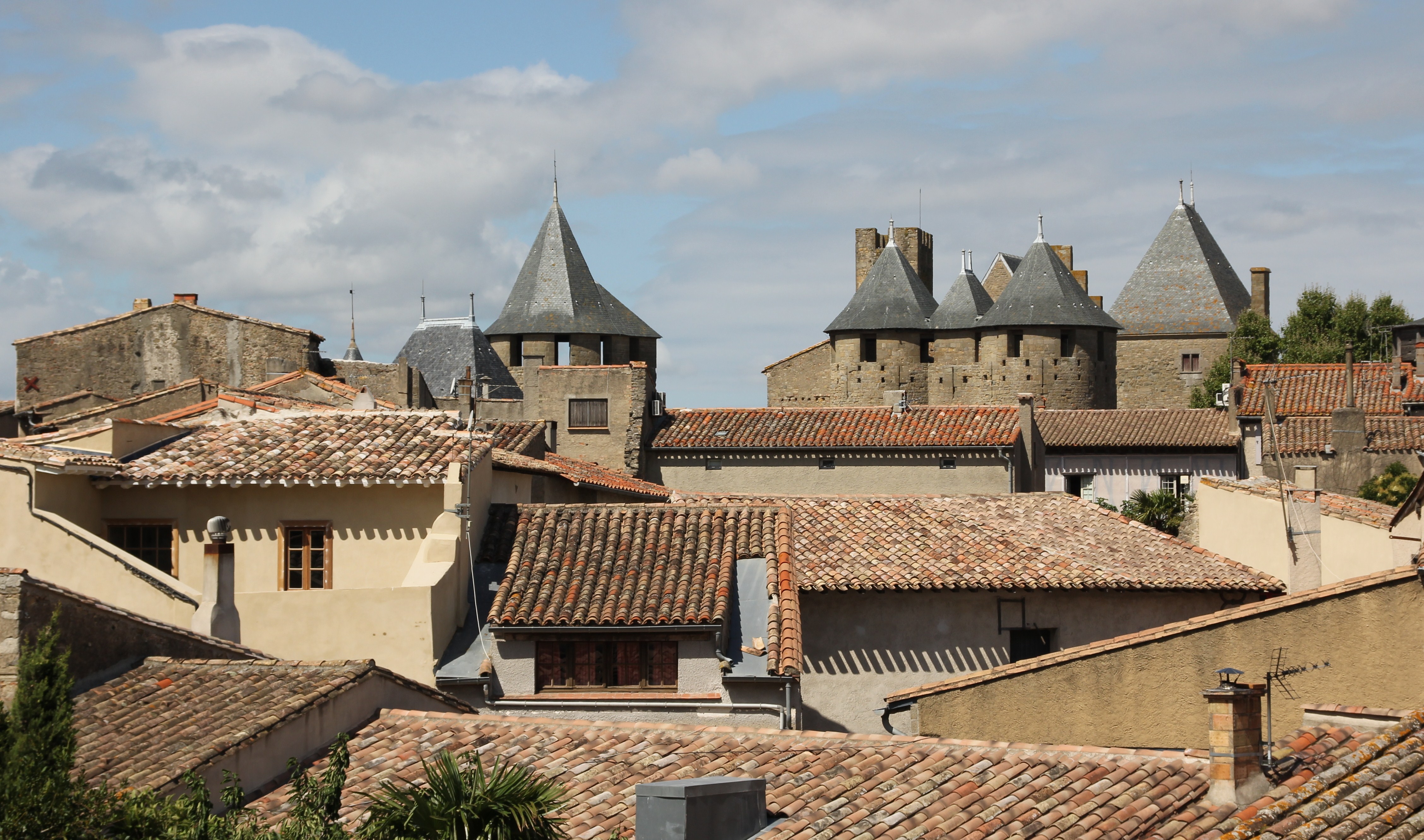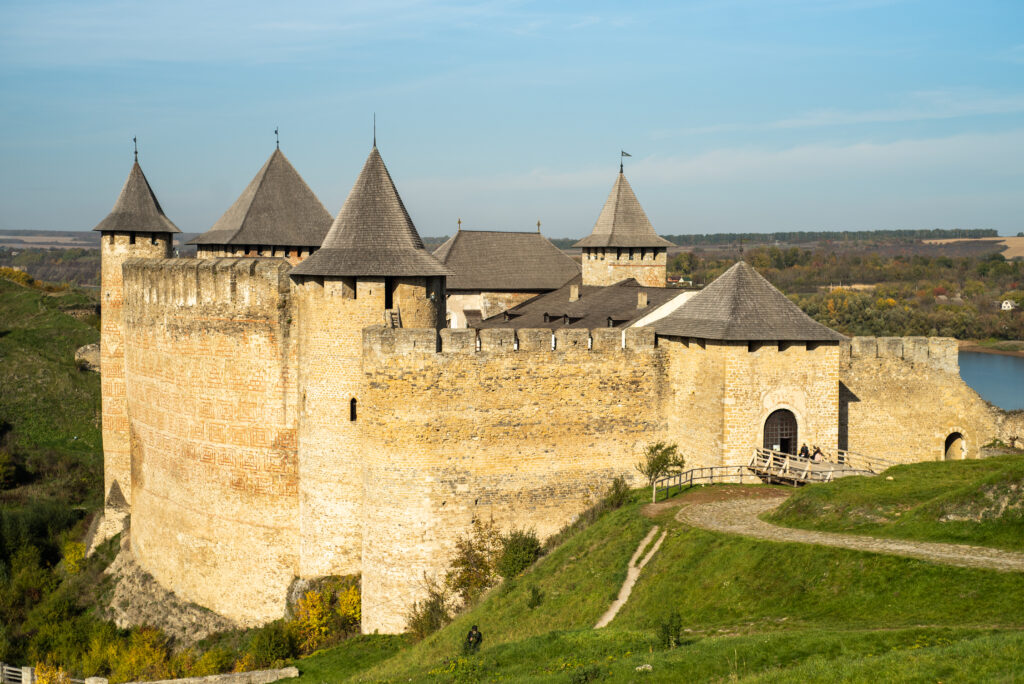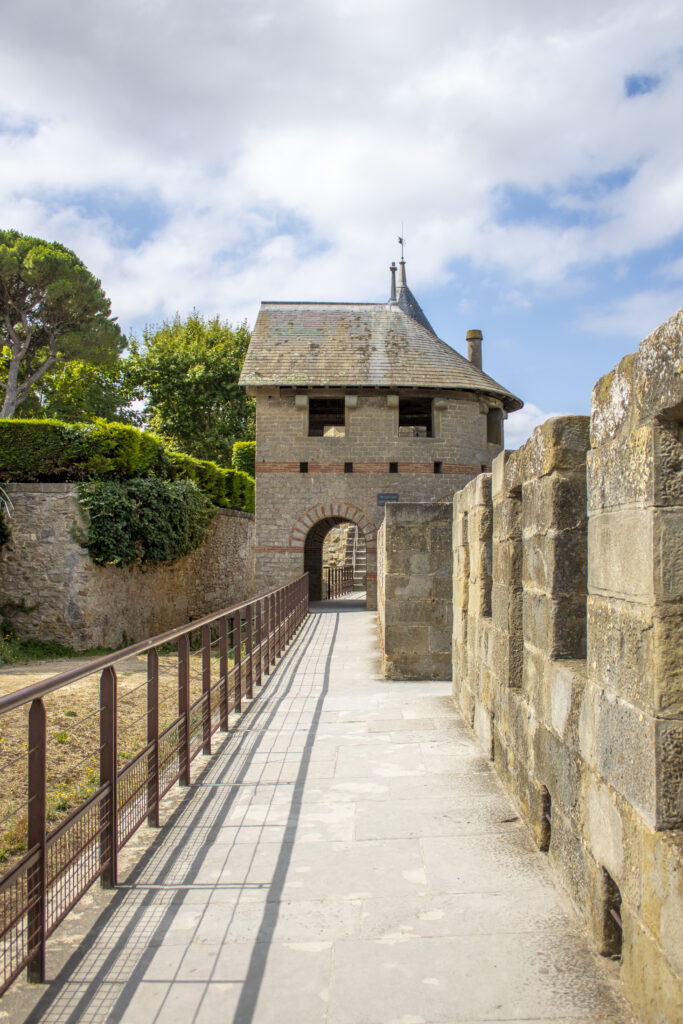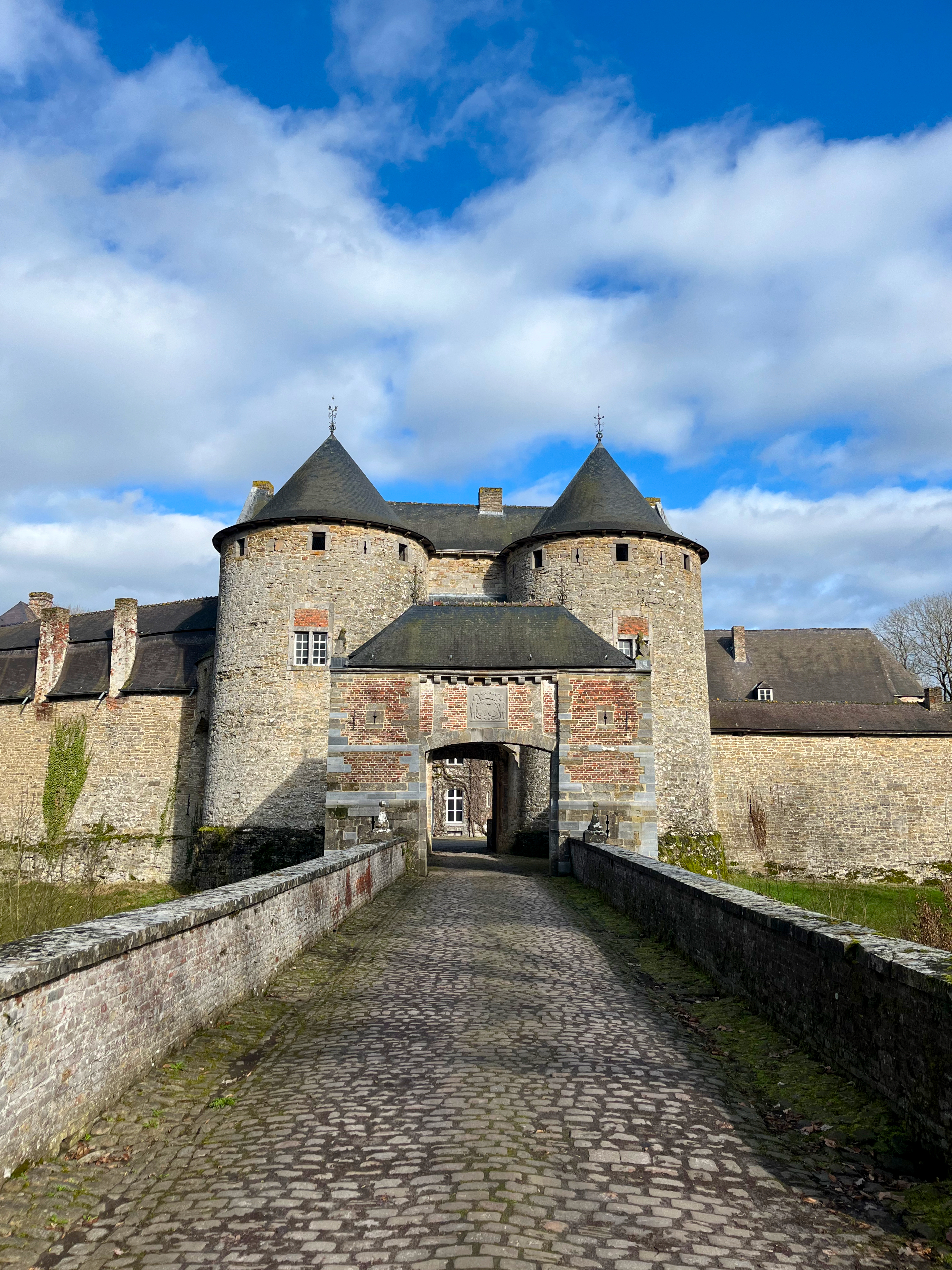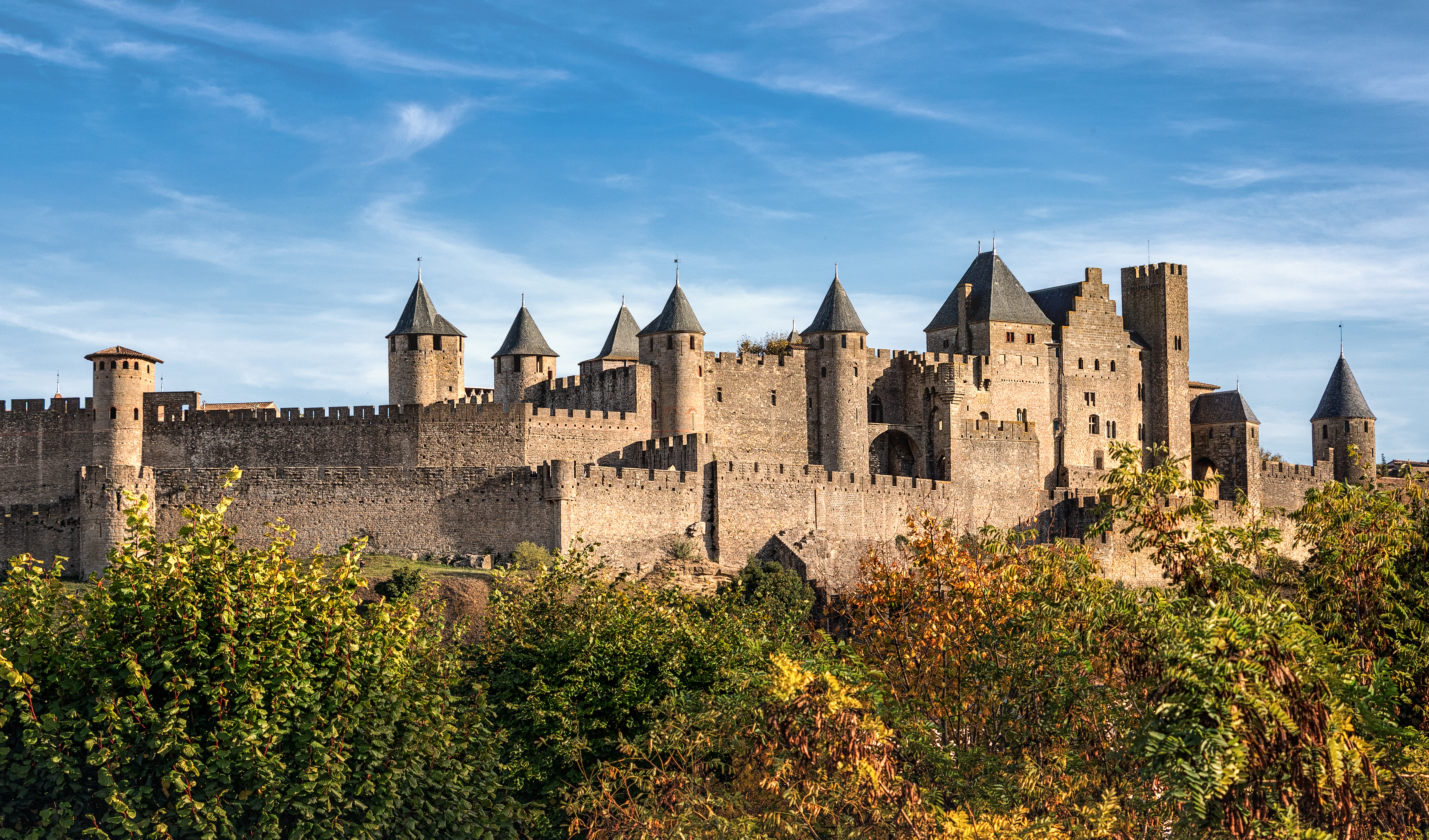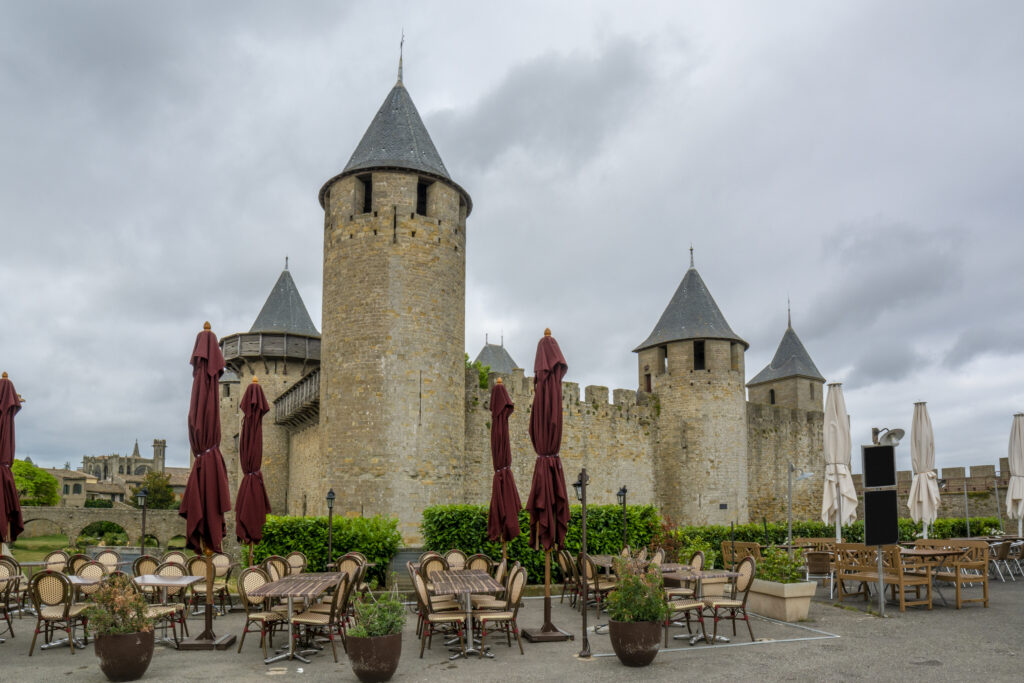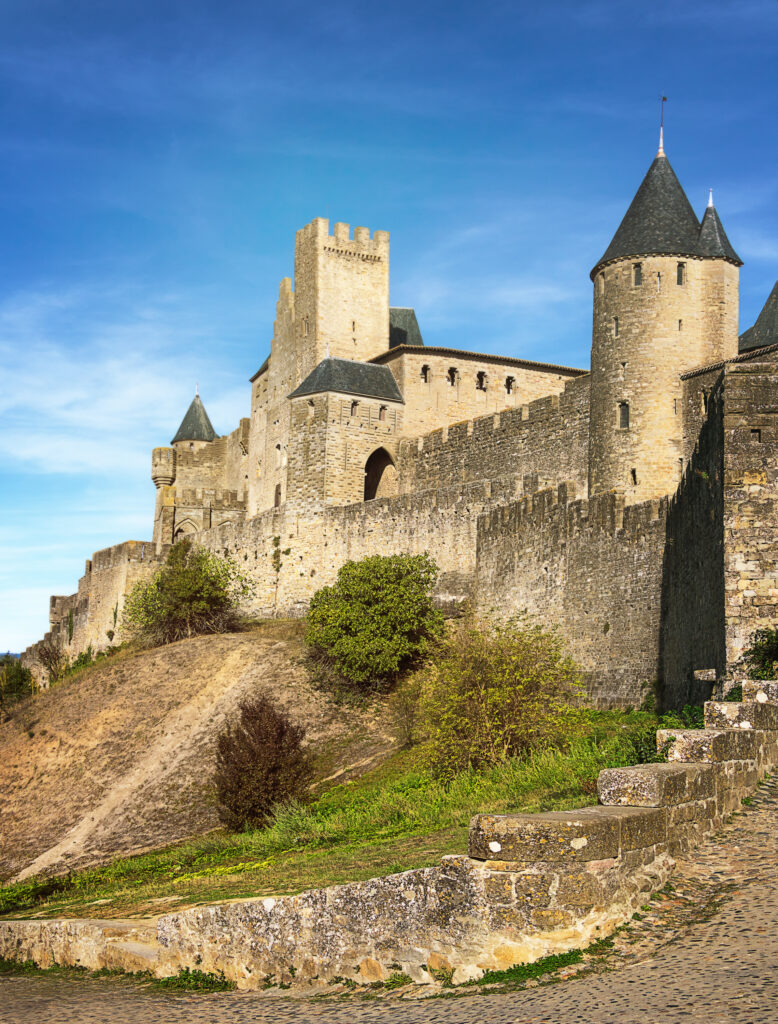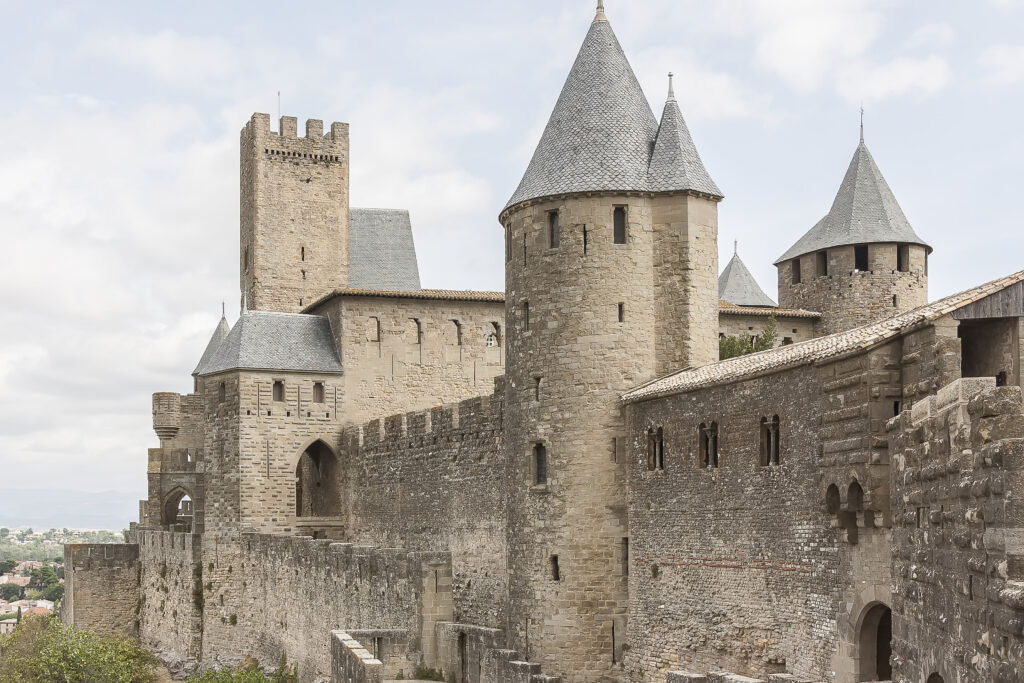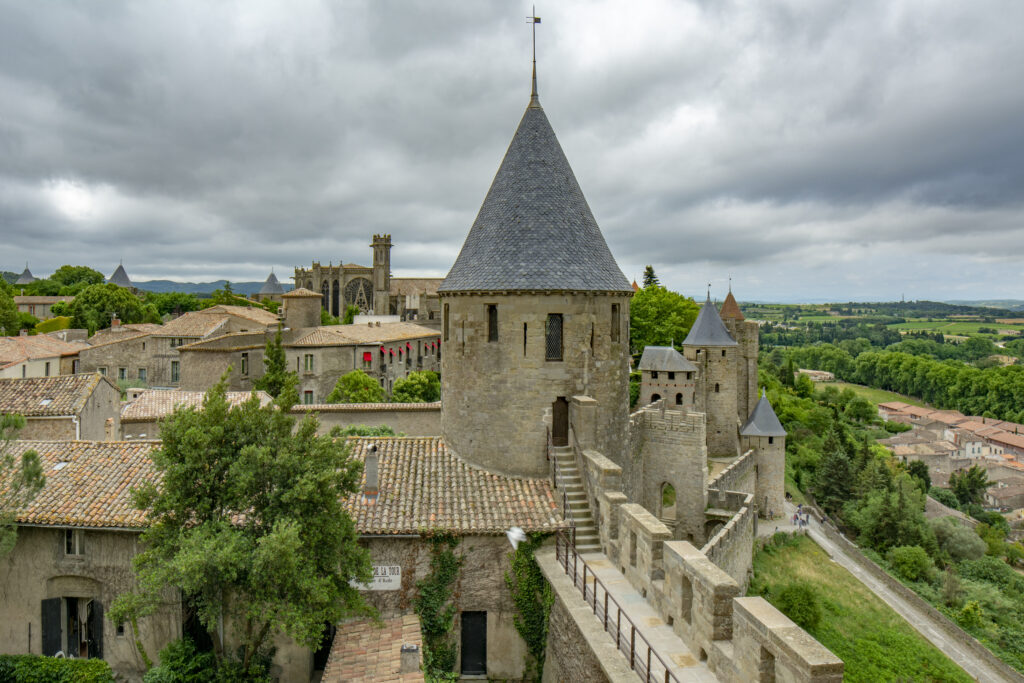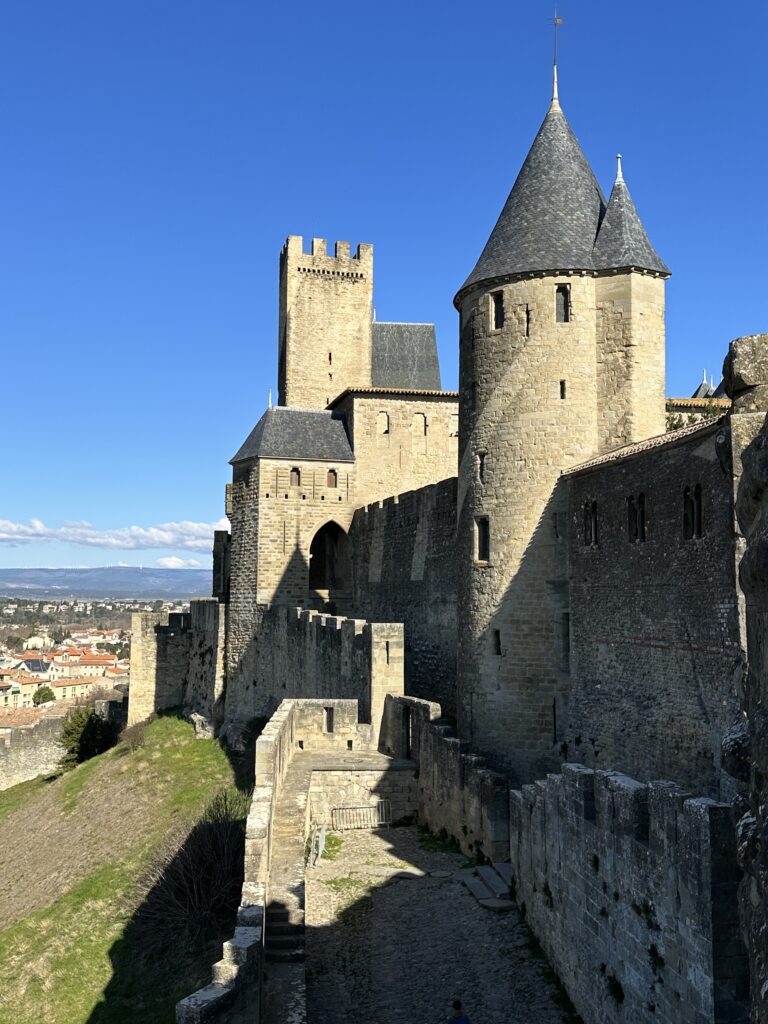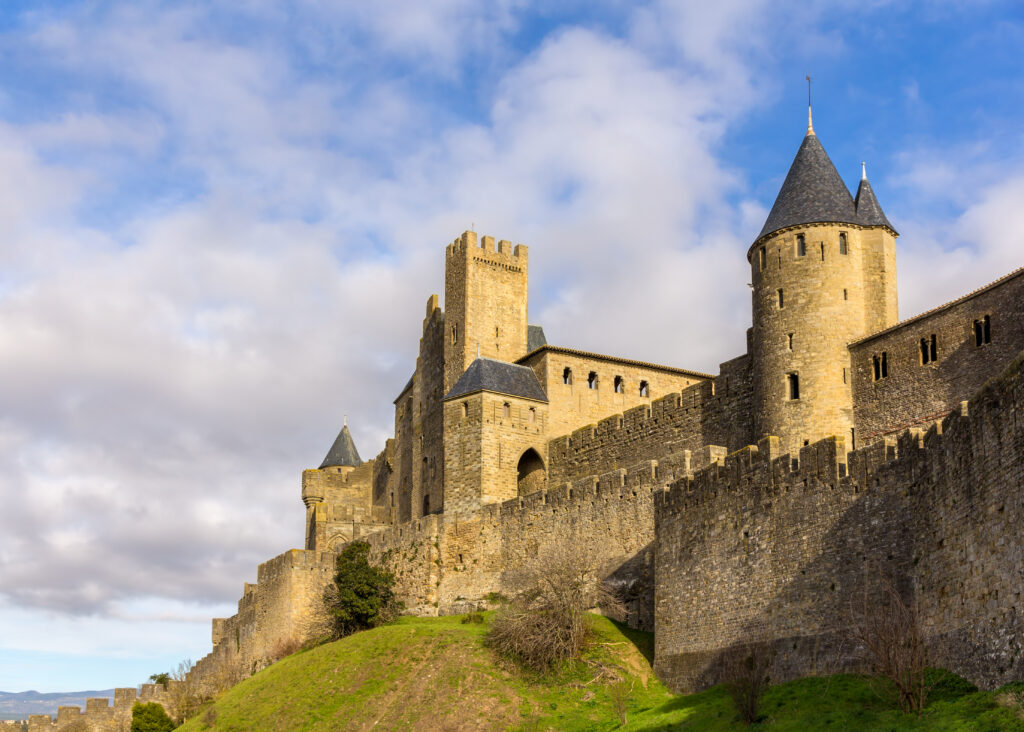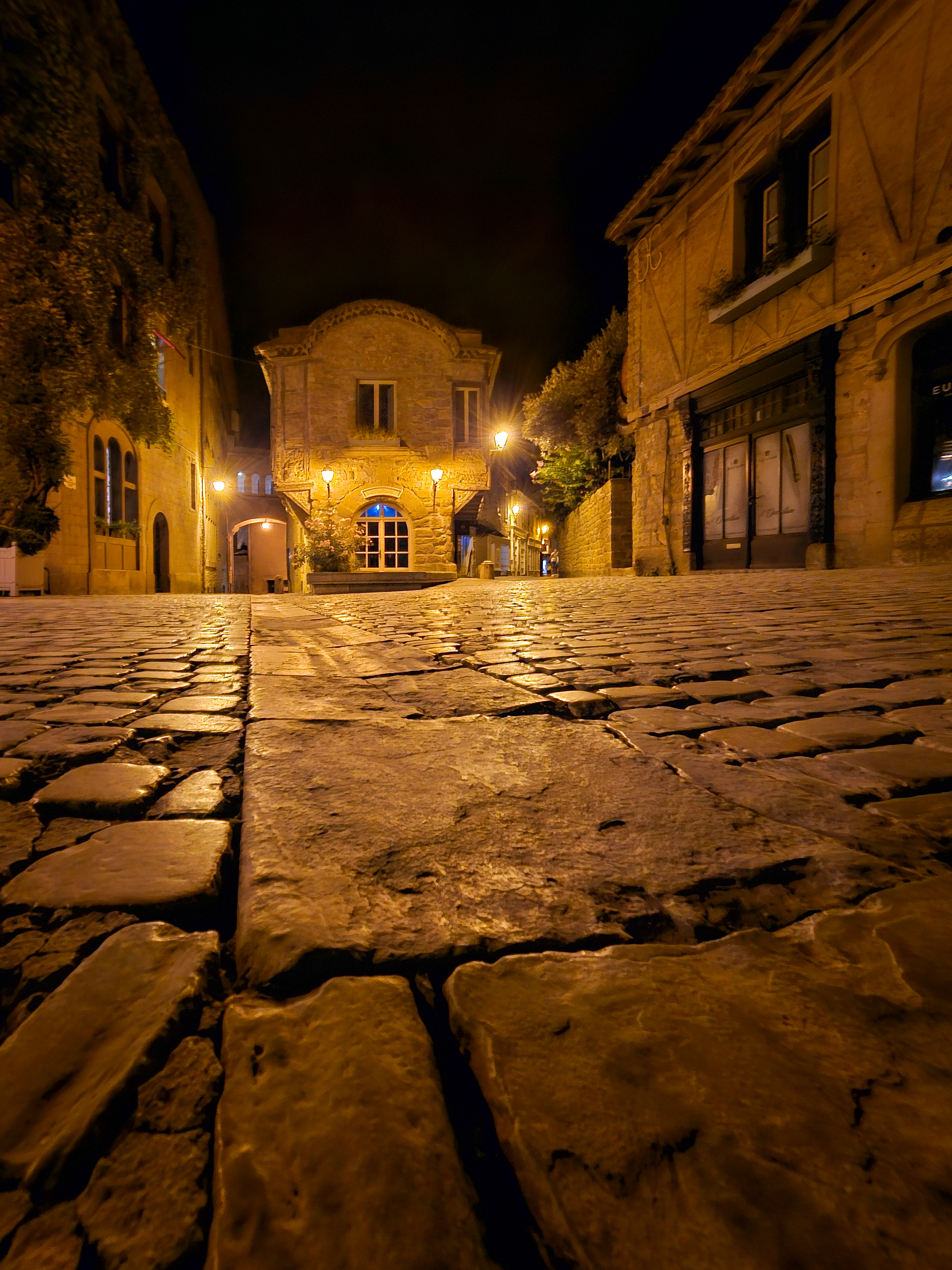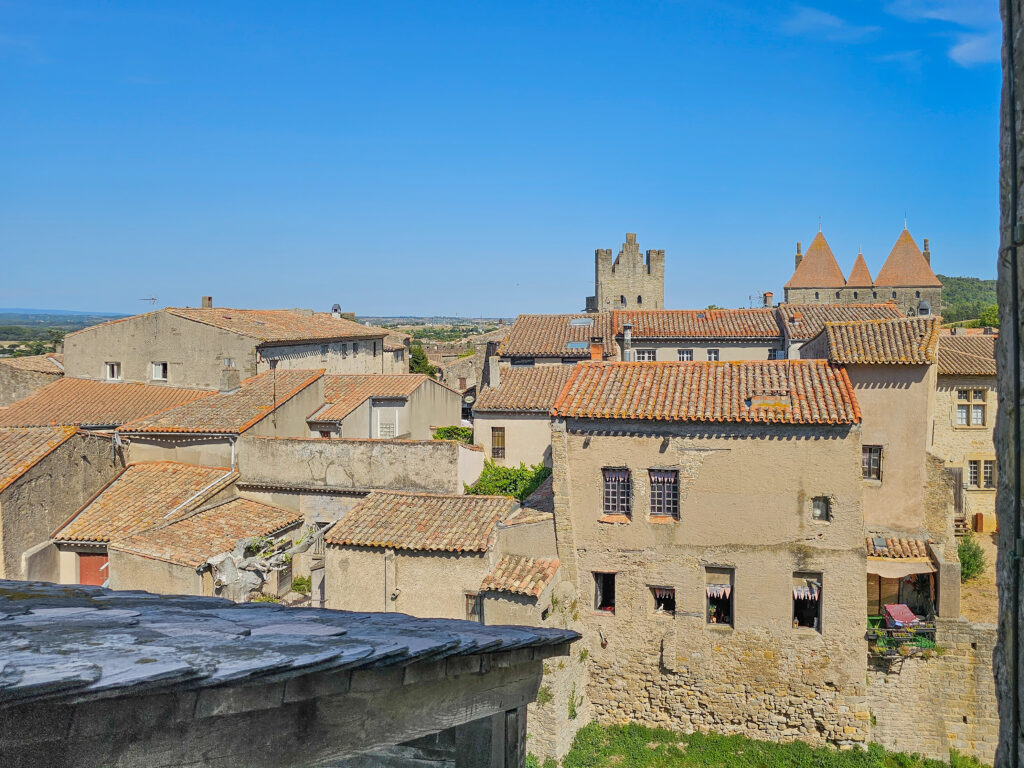

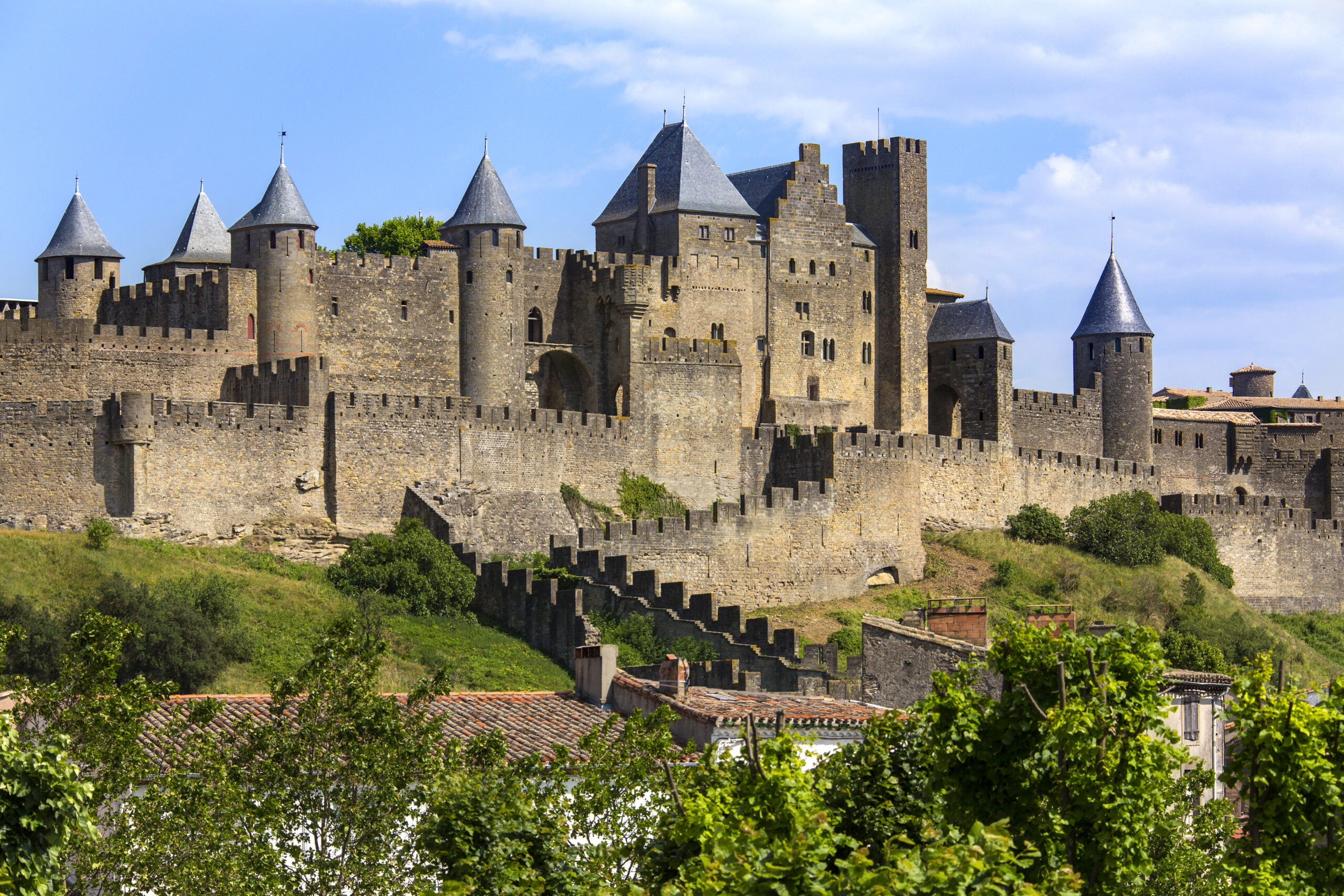
In the heart of the Occitanie region in southern France, the imposing Cité of Carcassonne sits enthroned on a hill, a medieval fortified city that is much more than just a historical monument.
Once an important strategic point and later a center for tourism, Carcassonne exudes a magical fascination that is further enhanced by its myths, legends, and spectacular stories.
Origins and rise of a mighty fortress – The origins of the Cité of Carcassonne date back to Gallo-Roman times. Founded by the Romans as Carcasso in the 1st century BC, it served as an important trading center and military base from early on. Thanks to its strategic location above the Aude Valley, it was able to control the trade routes between the Atlantic and the Mediterranean. But it was the Middle Ages that made Carcassonne the legendary fortress it is today.
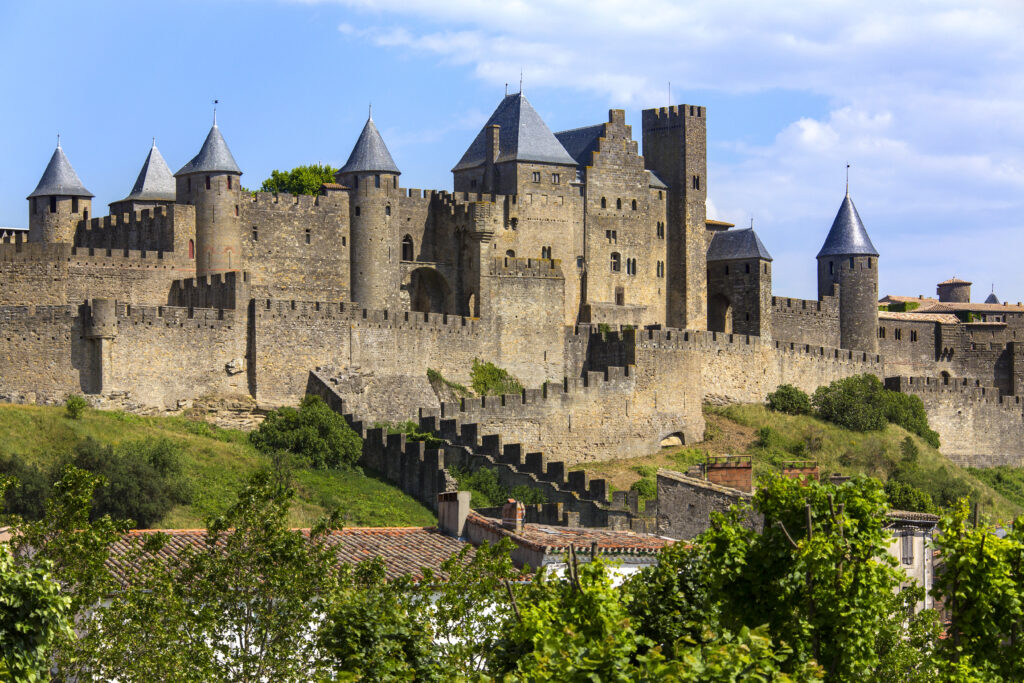
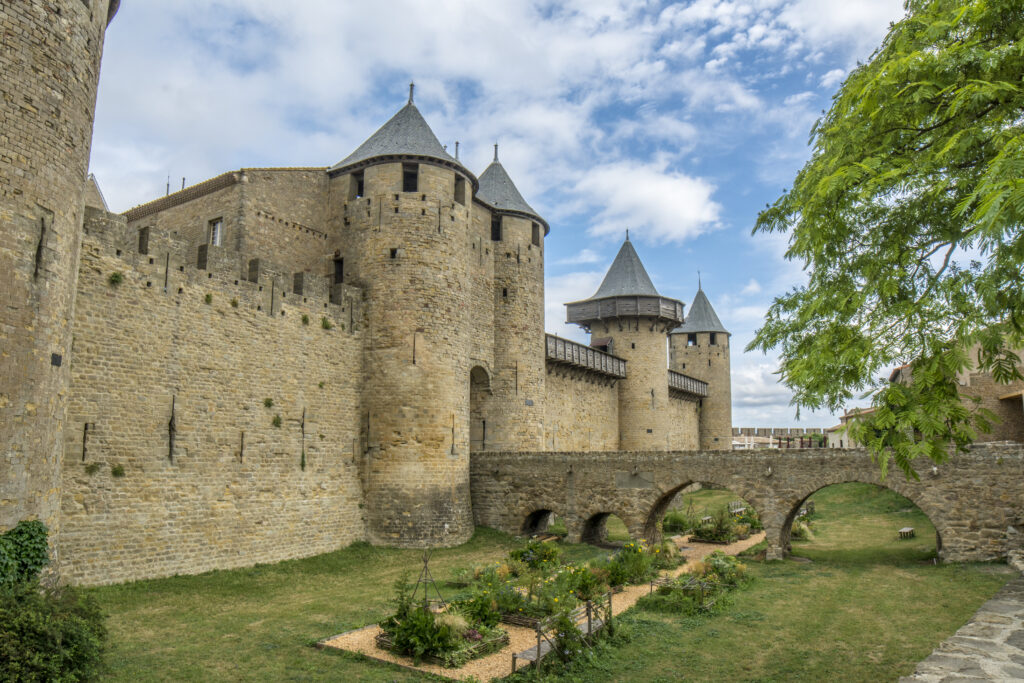
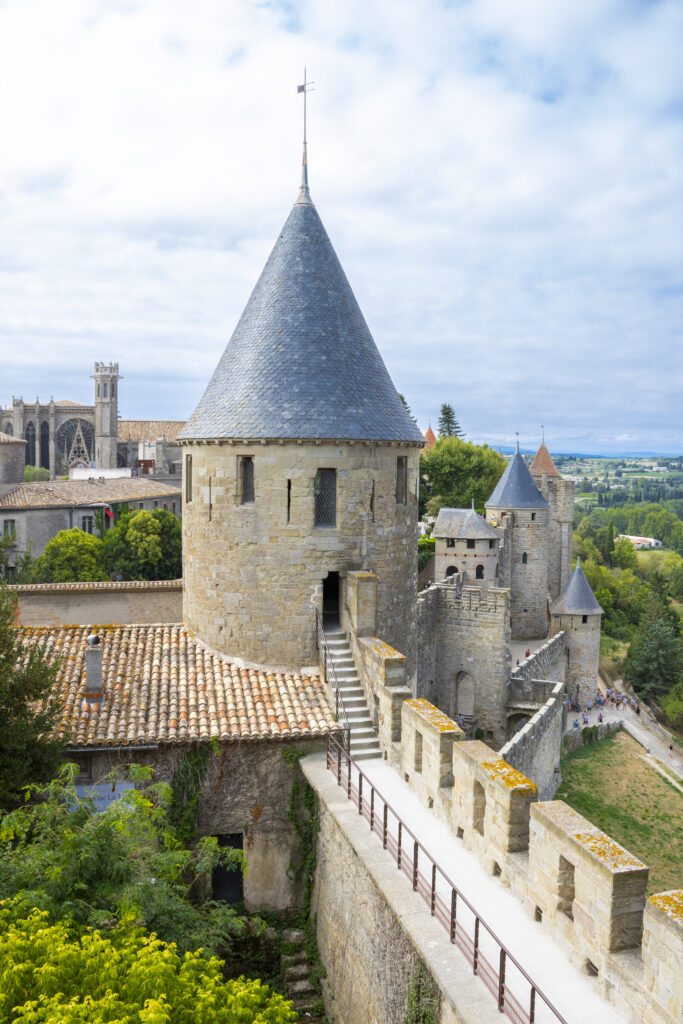
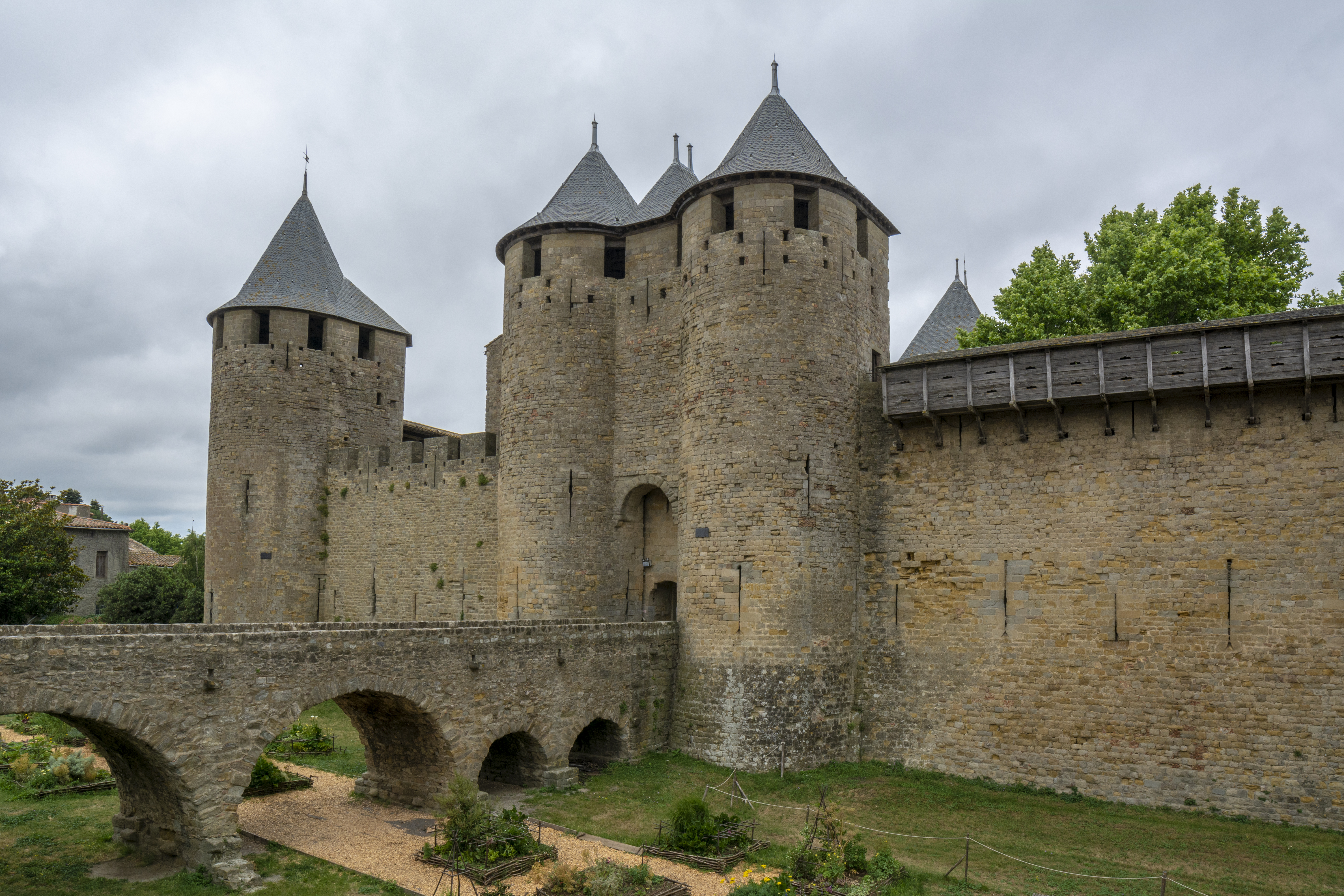
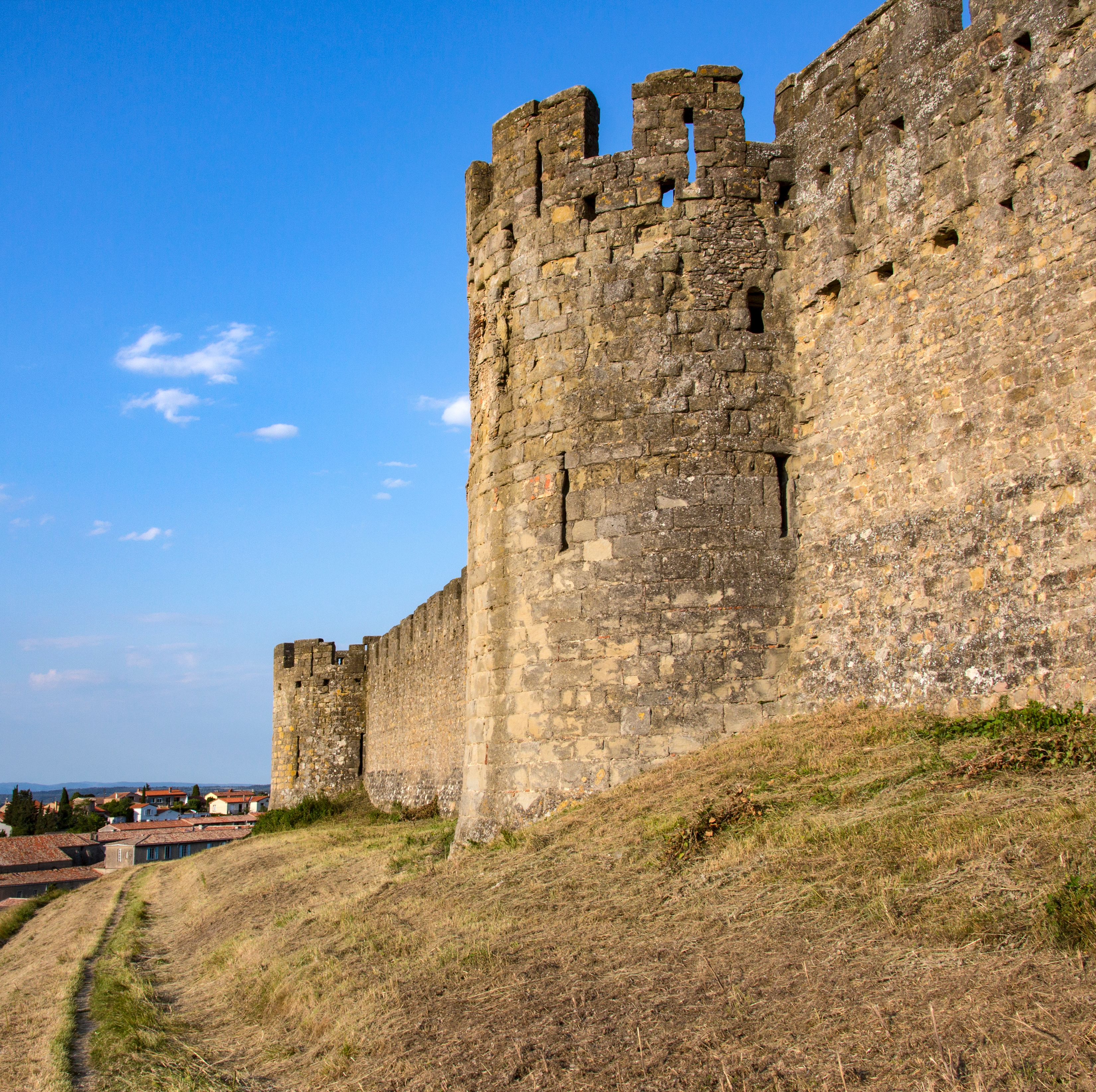
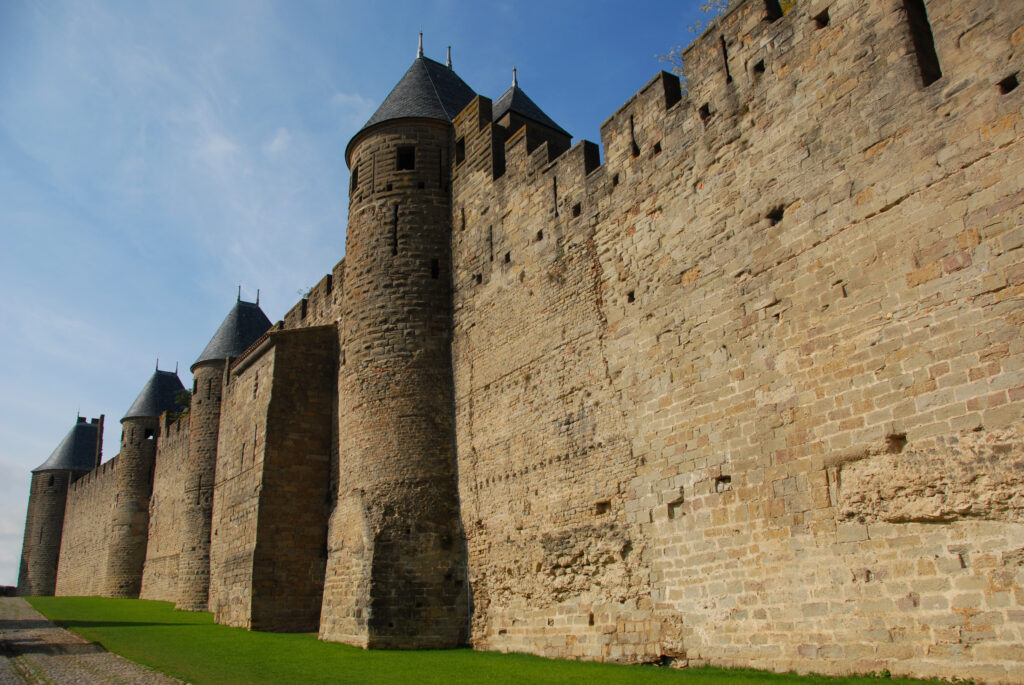
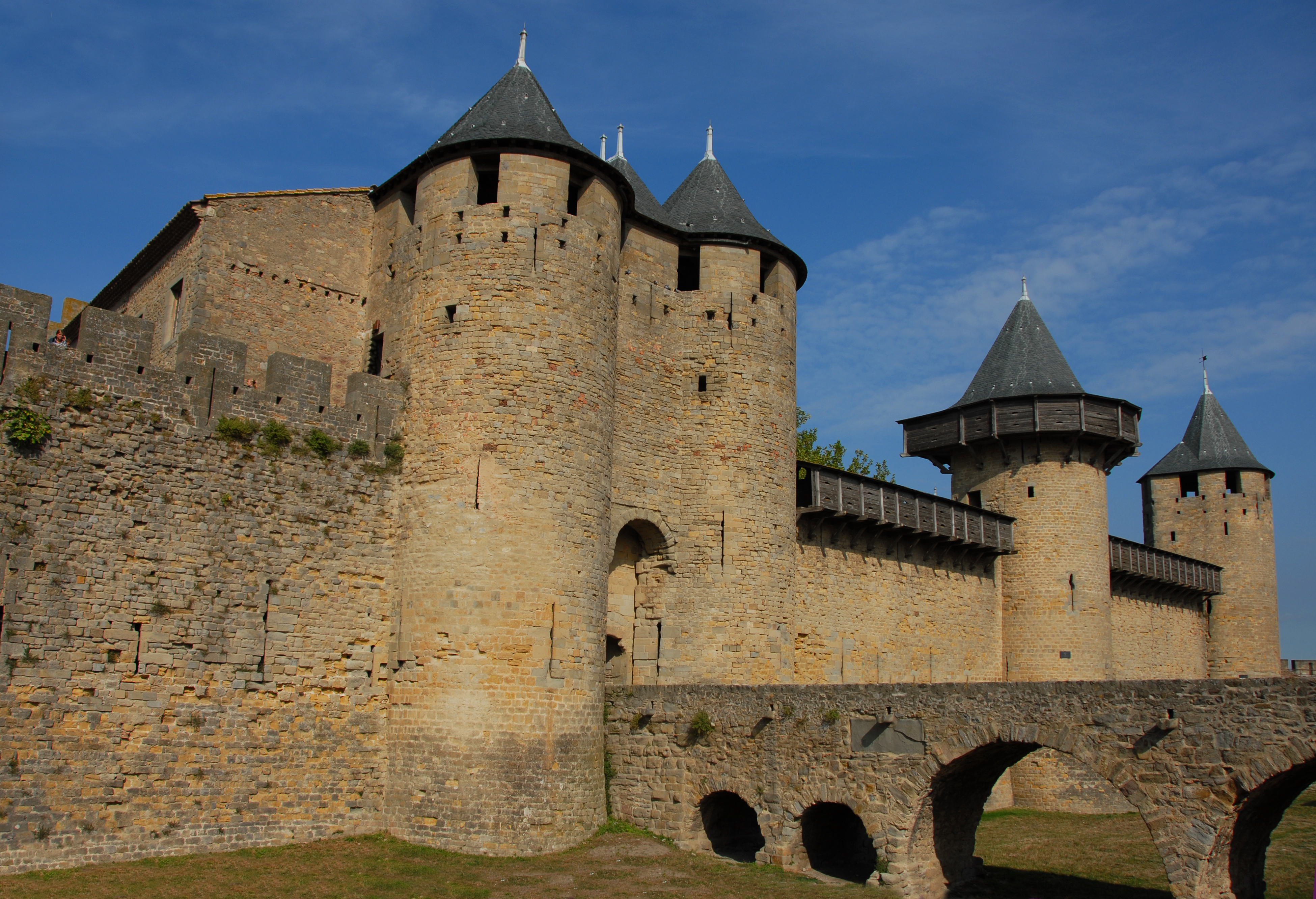
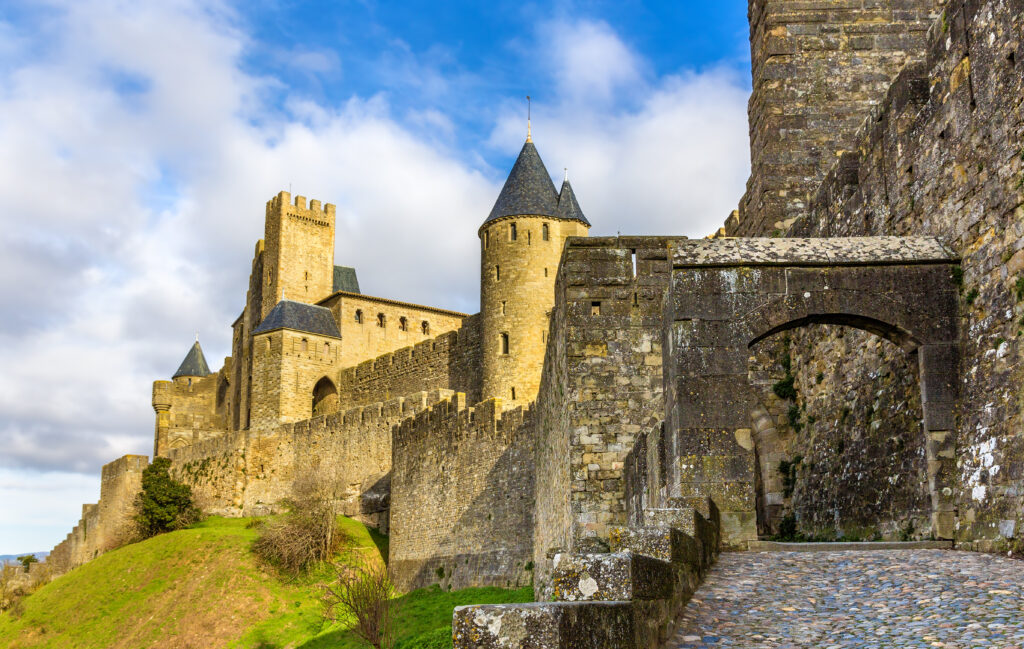
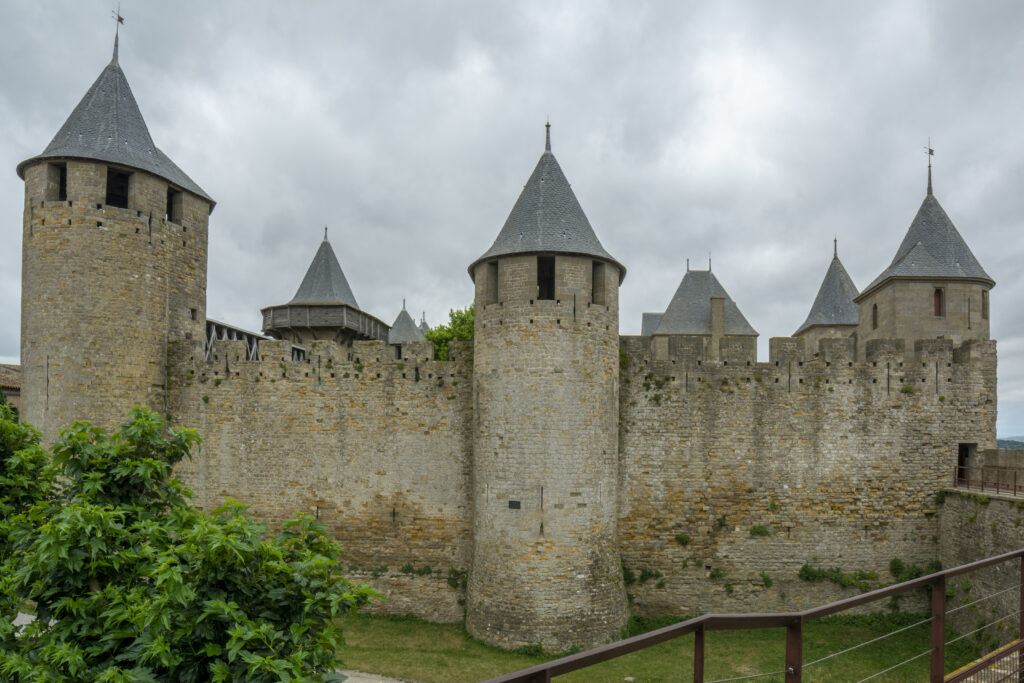
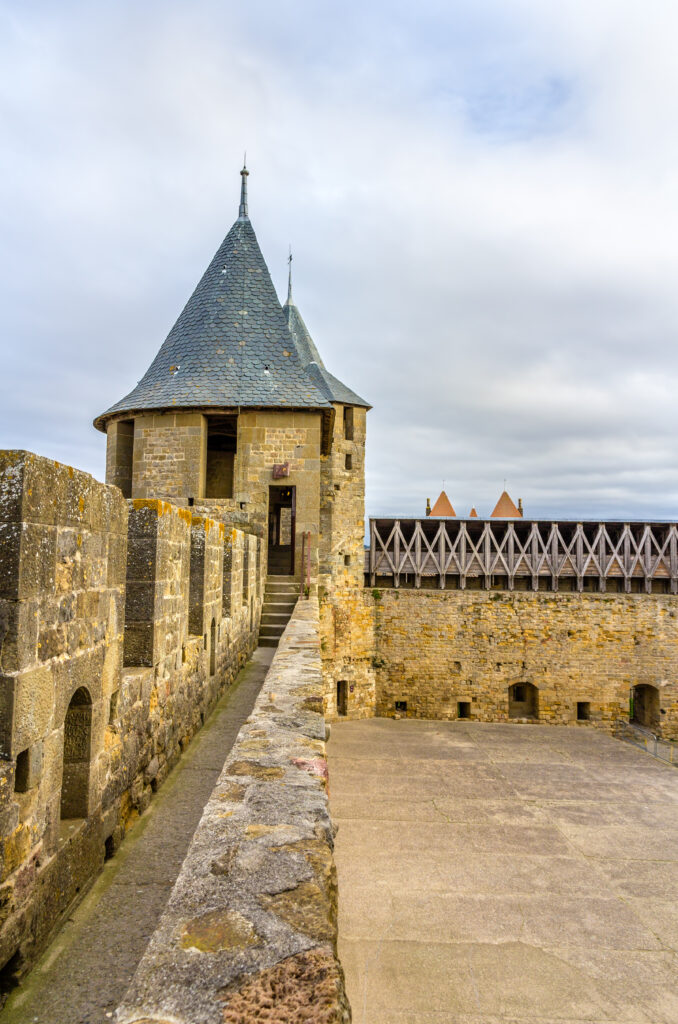
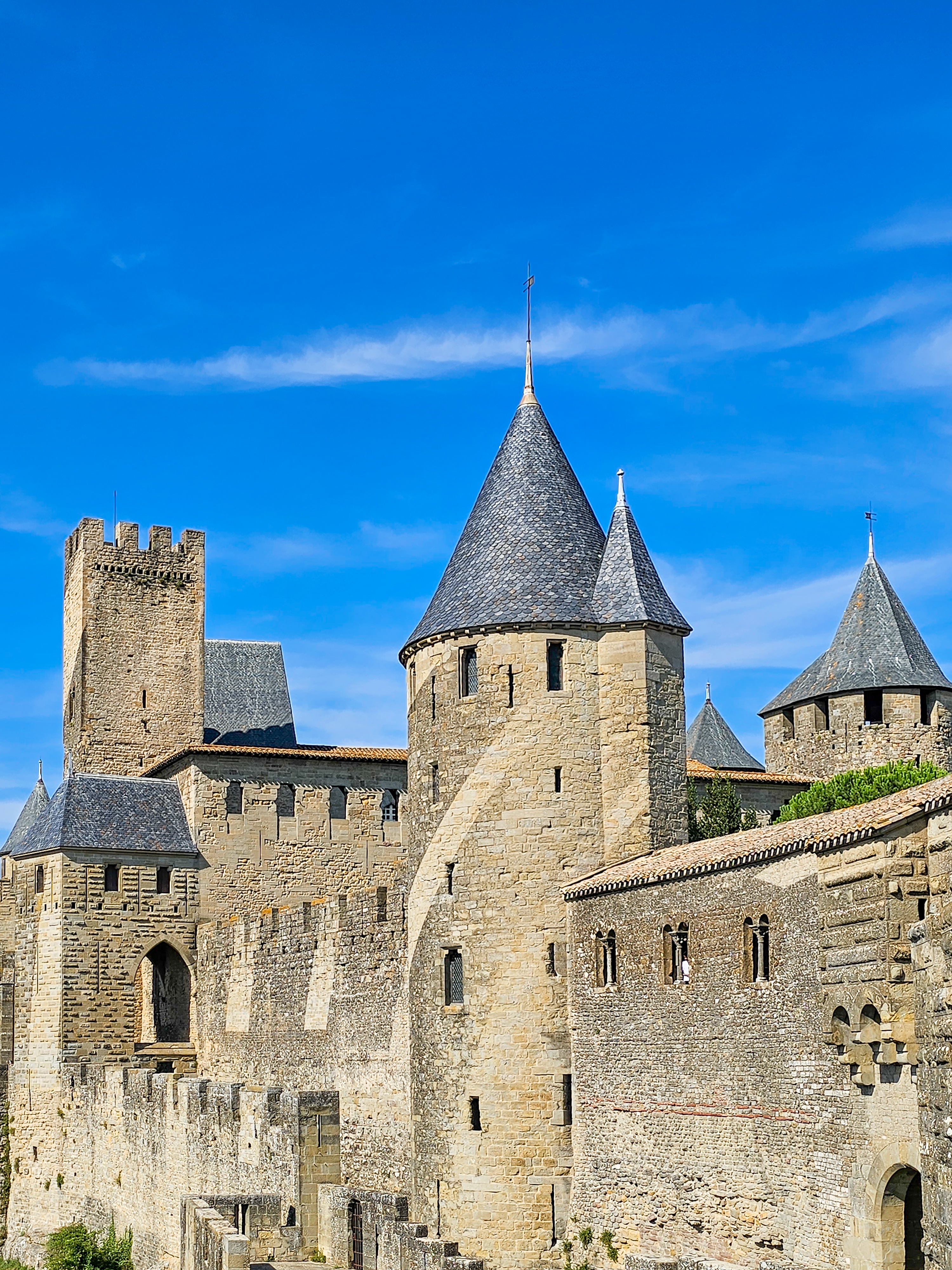
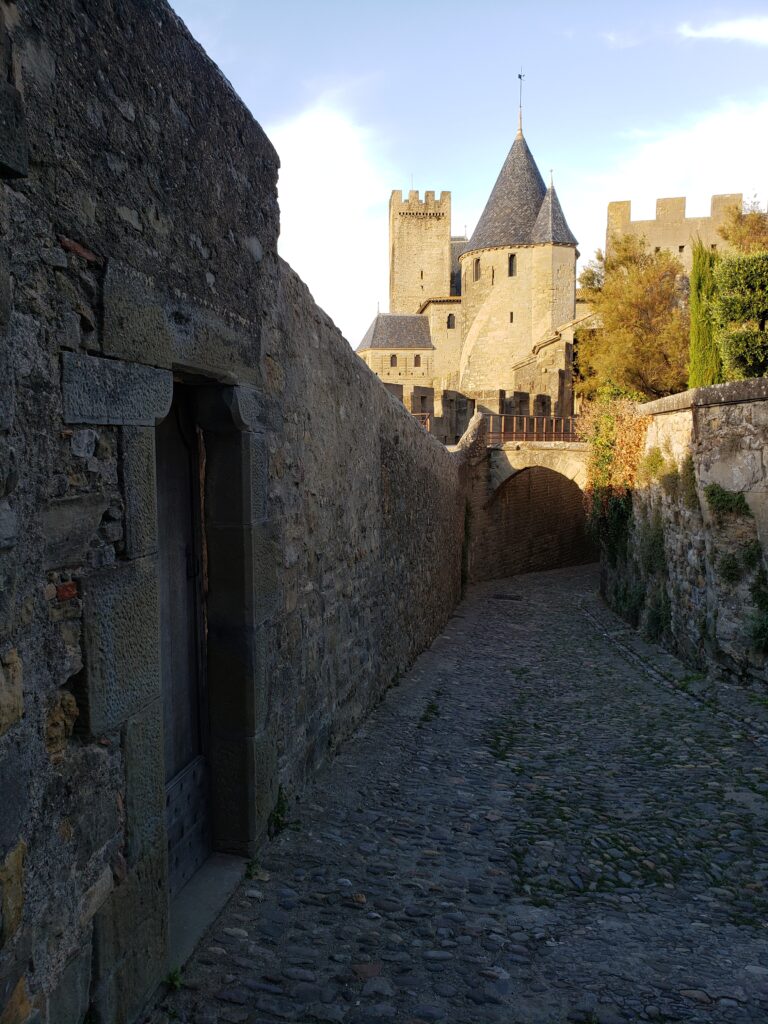
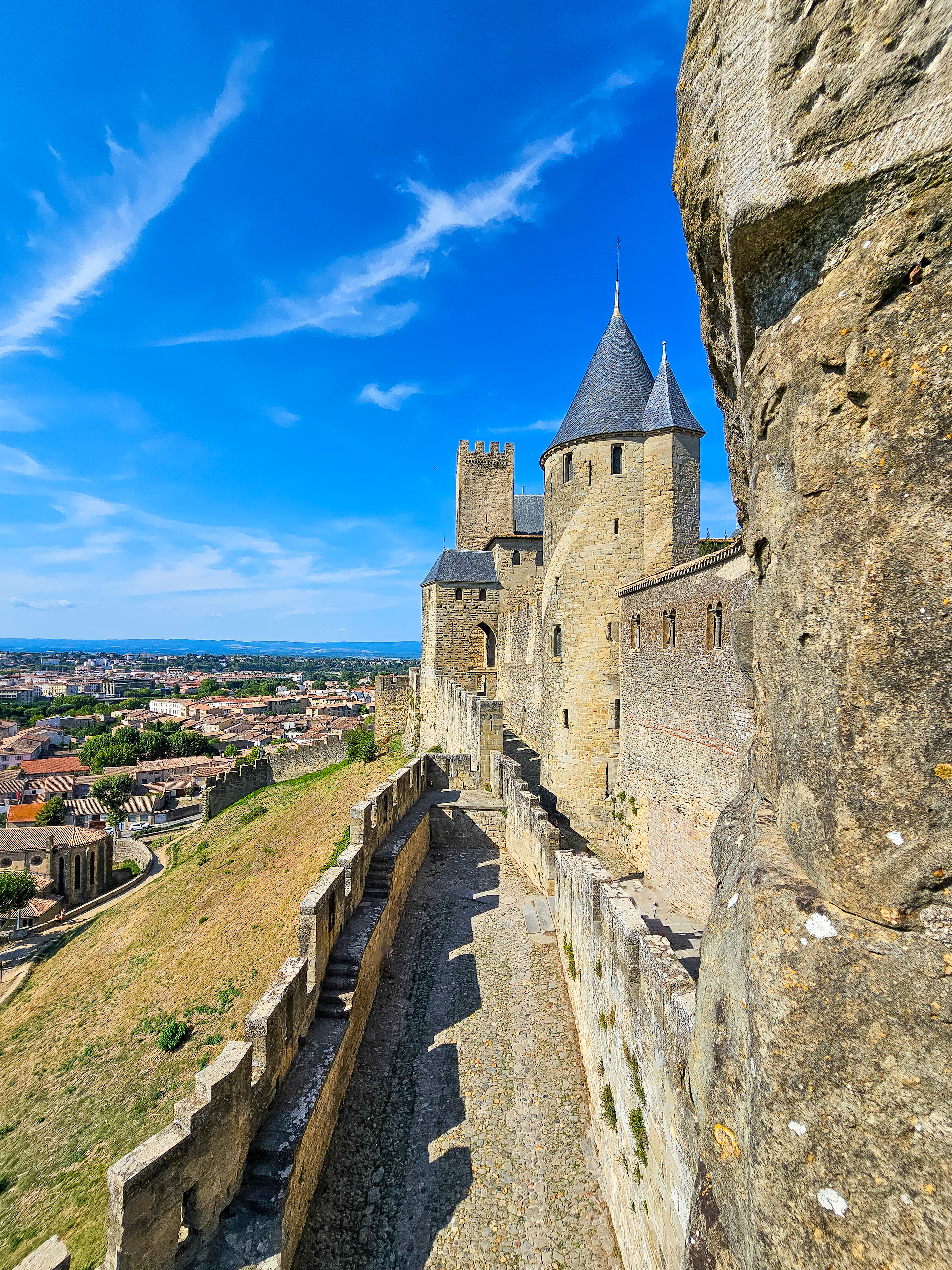
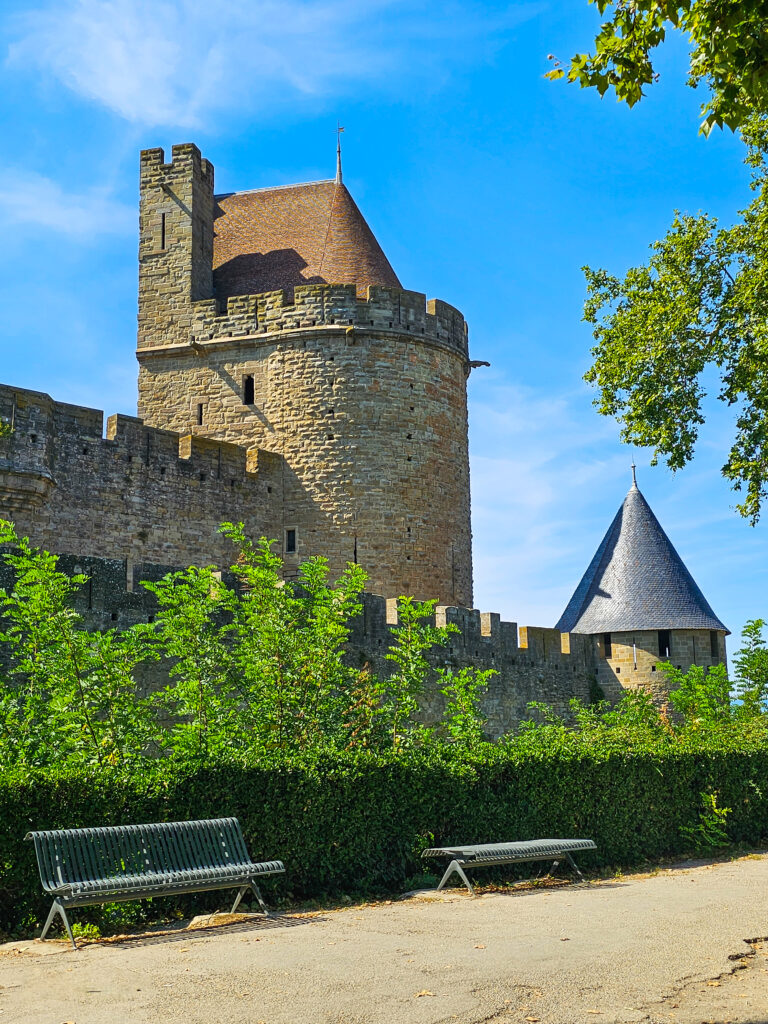
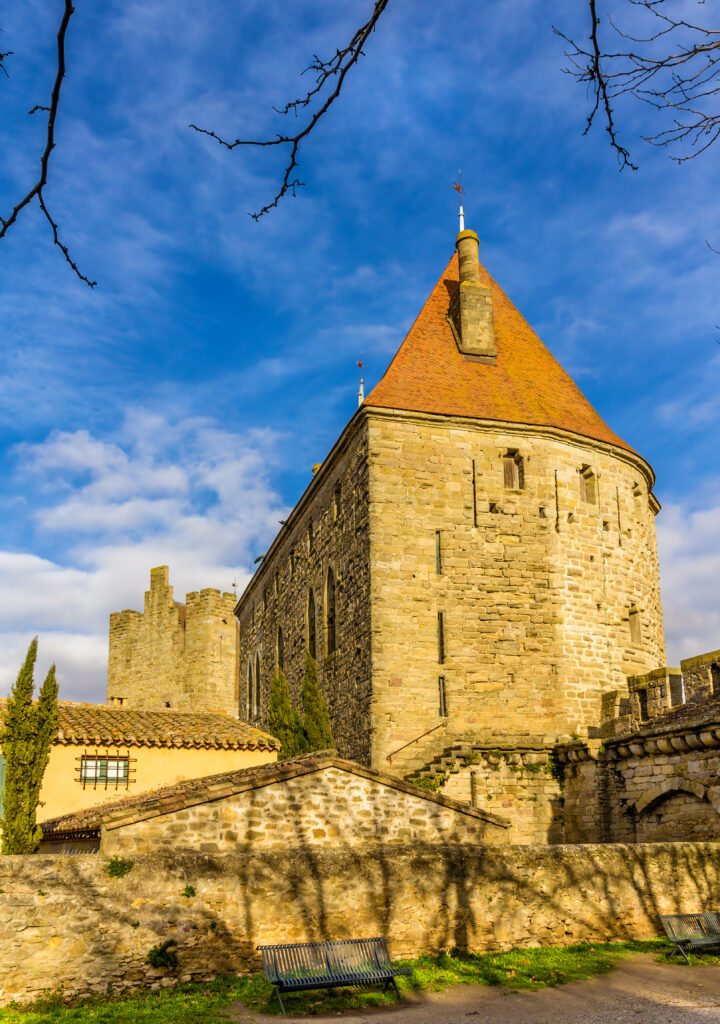
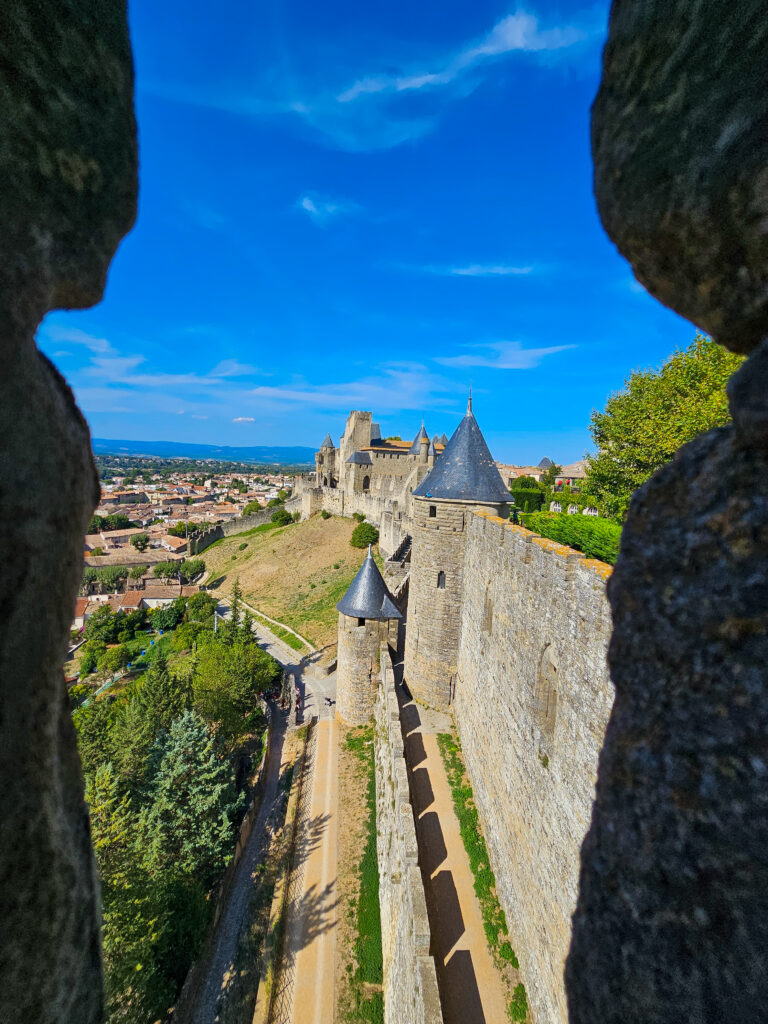
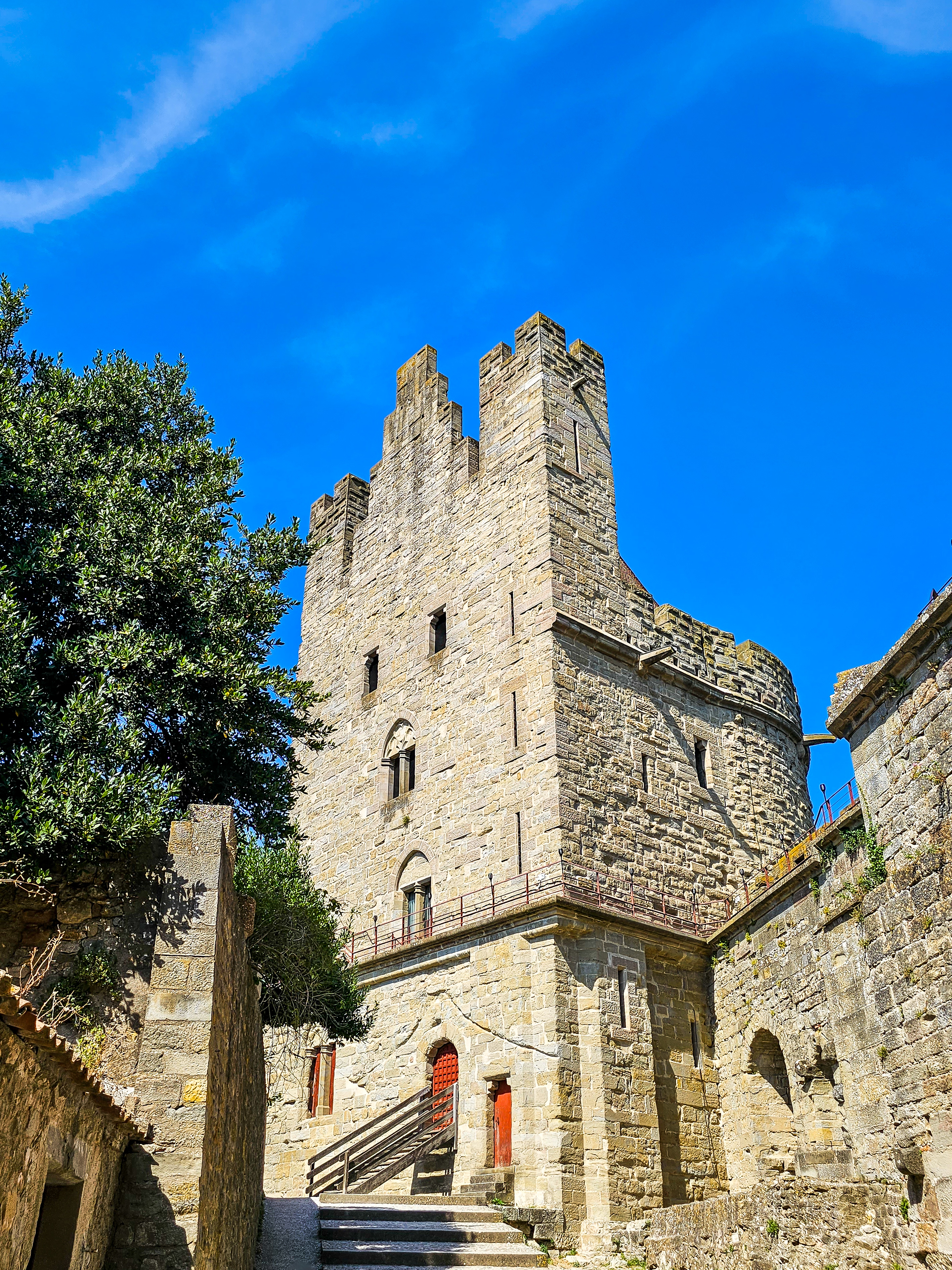
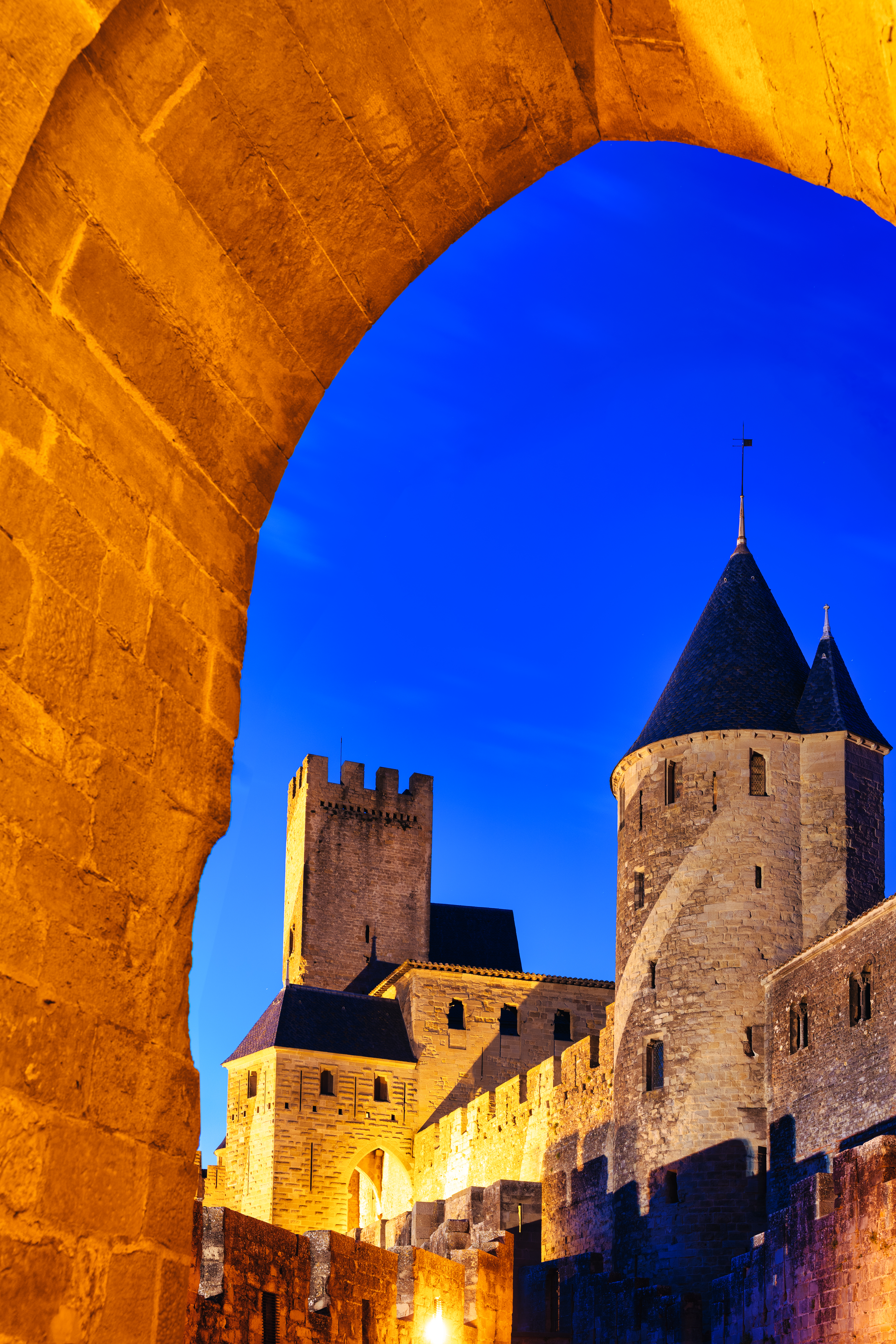
Double walls and countless towers – A characteristic feature of Carcassonne is its double city wall, which stretches for about three kilometers and comprises a total of 52 towers. This impressive defensive structure has been continuously expanded and reinforced over the centuries.
The inner ring, a testament to Gallo-Roman architecture, consists of horseshoe-shaped towers that were very modern for their time. The outer ring, added in the 13th century, consists of tall, round towers that were converted into independent bastions.
The heroic legend of Madame Carcas – One of the most popular legends surrounding the Cité of Carcassonne revolves around Madame Carcas, who is said to have saved the city during a long siege. According to tradition, Madame Carcas decided to fatten up the city’s last remaining pig and throw it from the castle wall to make the besiegers believe that the city’s supplies were inexhaustible. In their desperation and exhaustion, the besiegers finally gave up and withdrew.
To celebrate the victory, the castle bells rang out, and one of the besiegers is said to have shouted “Madame Carcas sonne,” which supposedly led to the naming of Carcassonne.
From the center of the Inquisition to a tourist attraction In the 13th century, Carcassonne became the headquarters of the Inquisition in southern France and played a key role during the Albigensian Crusades. The city was also an important center of the Cathar movement, a religious group branded as heretical by the Catholic Church. During this period, the fortress was besieged several times and was the scene of numerous battles and changes of power.
In the 19th century, however, the once-proud Cité was in danger of falling into ruin until architect Eugène Viollet-le-Duc began its restoration. Thanks to his work, Carcassonne became a magnificently preserved example of medieval architecture. In 1997, the Cité was finally declared a UNESCO World Heritage Site, underscoring its historical and cultural significance.
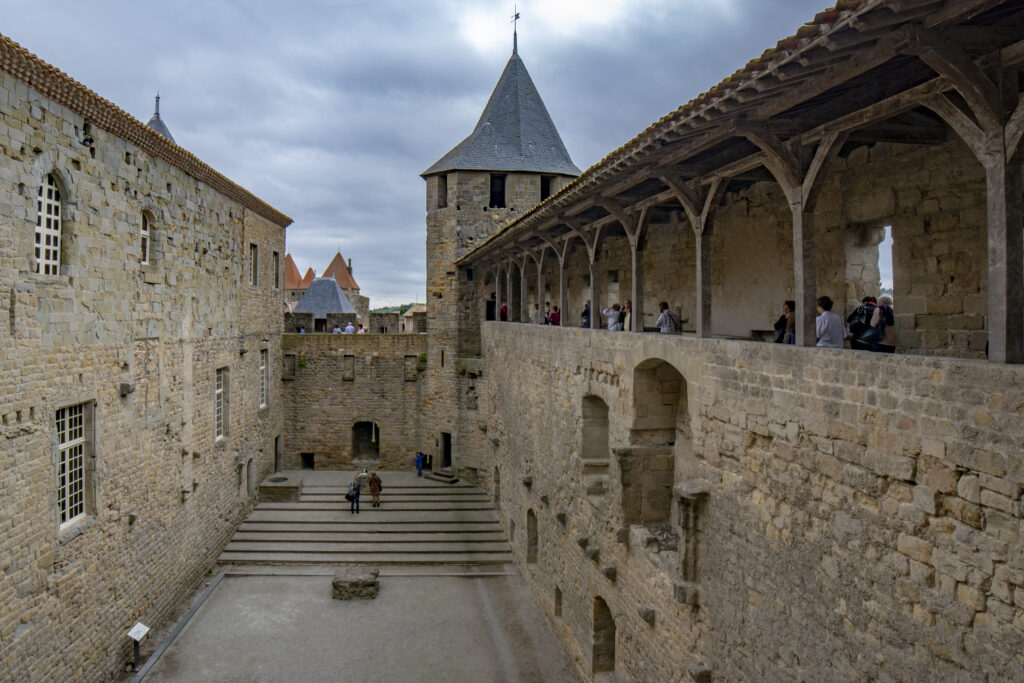
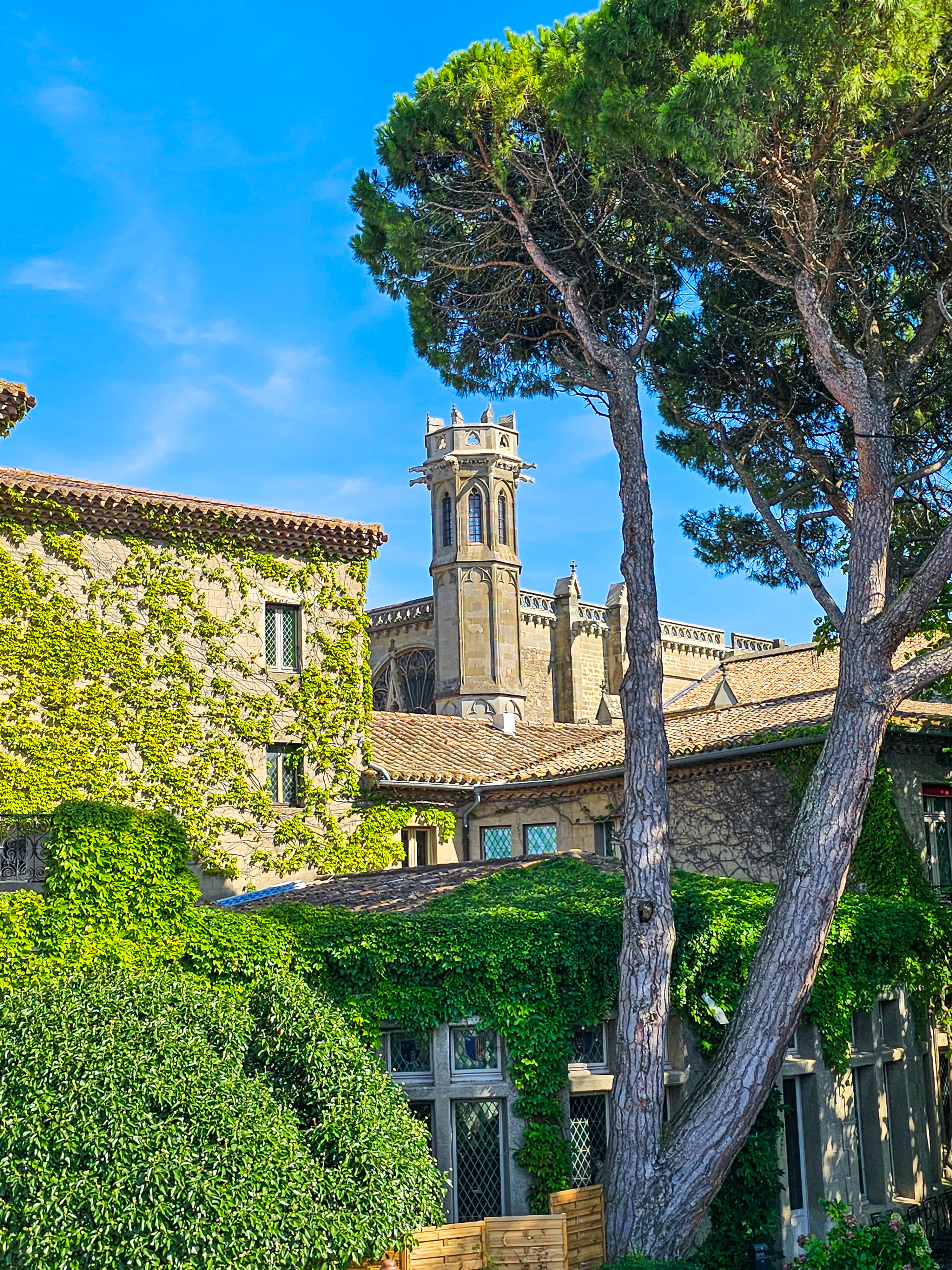
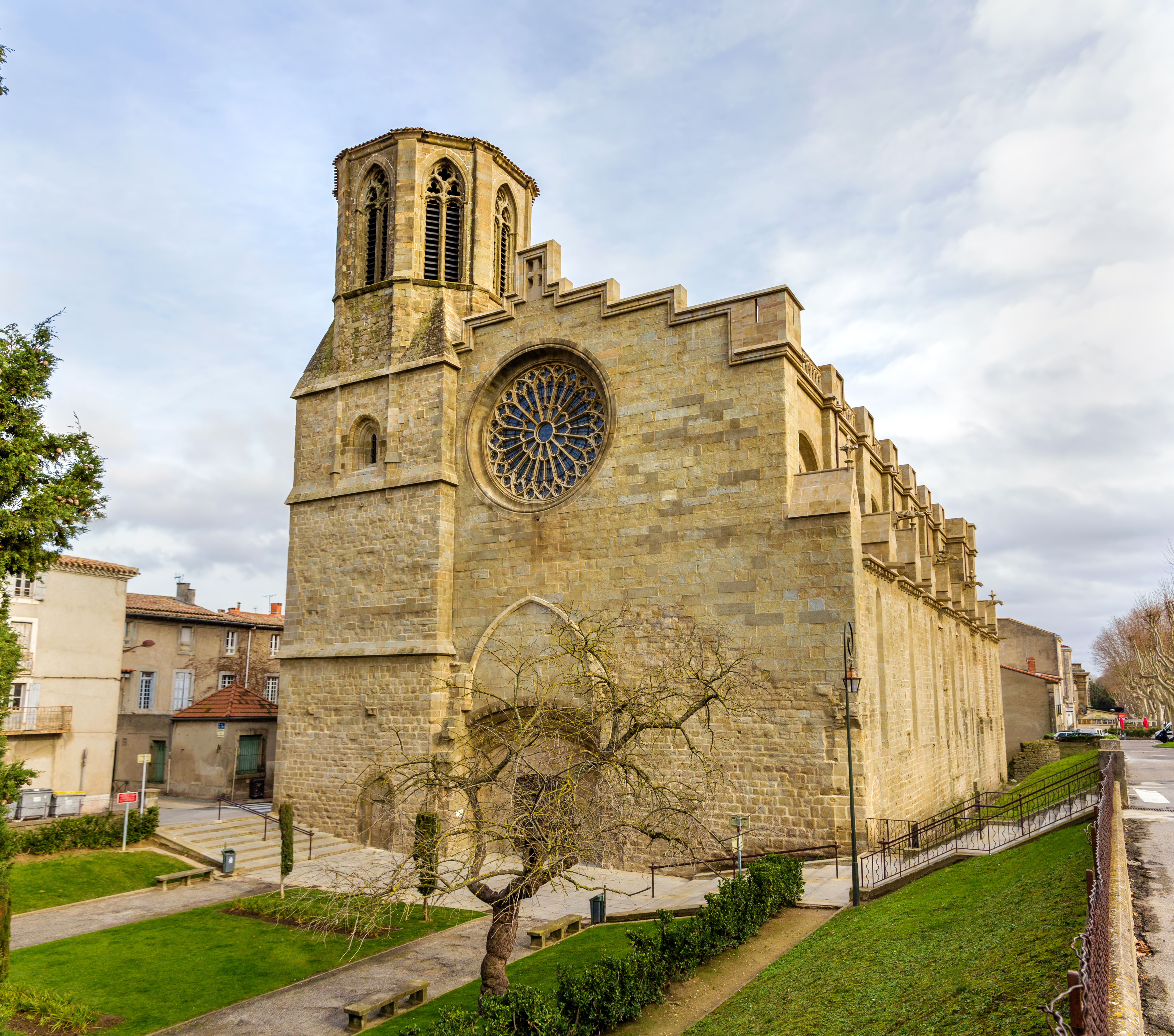
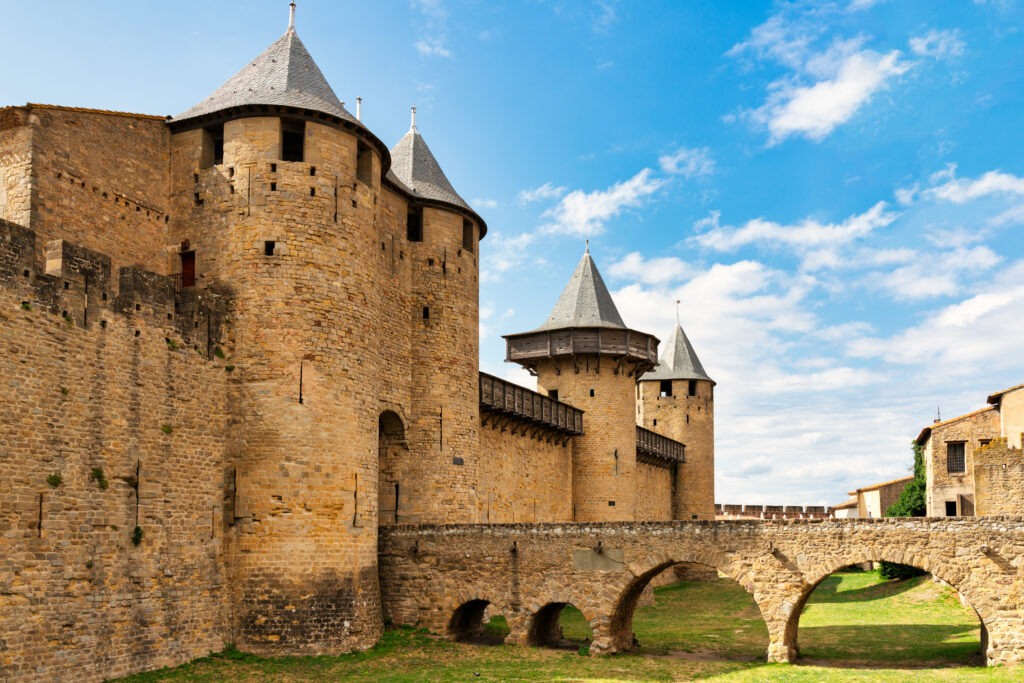
Architectural masterpieces and historical treasures – Within the massive walls of the Cité are important buildings such as the Château Comtal and the Church of Saint-Nazaire-et-Saint-Celse. The Château Comtal, originally built in the 12th century, houses the Musée Lapidaire, an archaeological collection that immerses visitors in the past. The Church of Saint-Nazaire-et-Saint-Celse, another architectural gem, captivates with its Gothic and Romanesque elements and offers an art-historical walk through the centuries.
Secrets and myths of defense technology – The defenses of Carcassonne are an outstanding example of medieval engineering. The double ring wall was designed to force attackers into a narrow space where they could be fired upon from both sides.
This tactic, combined with numerous archers and catapult-like throwing machines, made the fortress virtually impregnable.
Historical turning points and famous sieges – Carcassonne has been the scene of many significant moments in history. From the Visigoths, who occupied the city in the 5th century, to the Franks under Clovis, who unsuccessfully attempted to capture it.
The Arabs took control in 725 until Pippin the Younger recaptured it in 751. In 793, Carcassonne briefly fell back into Arab hands.
In the 12th century, the teachings of the Cathars caused unrest in Carcassonne. After Pope Innocent III called for the Albigensian Crusade in 1208, Simon IV de Montfort led an army of northern French knights to besiege the city and drive out the heretics. Bloody battles and sieges ensued until Carcassonne finally fell into the hands of the French crown in 1226.
The fortress within the fortress: Château Comtal – Within the Cité itself stands the Château Comtal, a fortress-like castle that served as a last refuge within the already heavily secured city. Its complex defensive mechanisms, including portcullis gates and iron doors, made the castle virtually impregnable and offered protection from potential traitors.
Archaeological wonders and restored splendor – Today, the Cité of Carcassonne is not only a tourist attraction but also an important archaeological site. Excavations have uncovered traces of human settlement dating back to the 6th century BC.
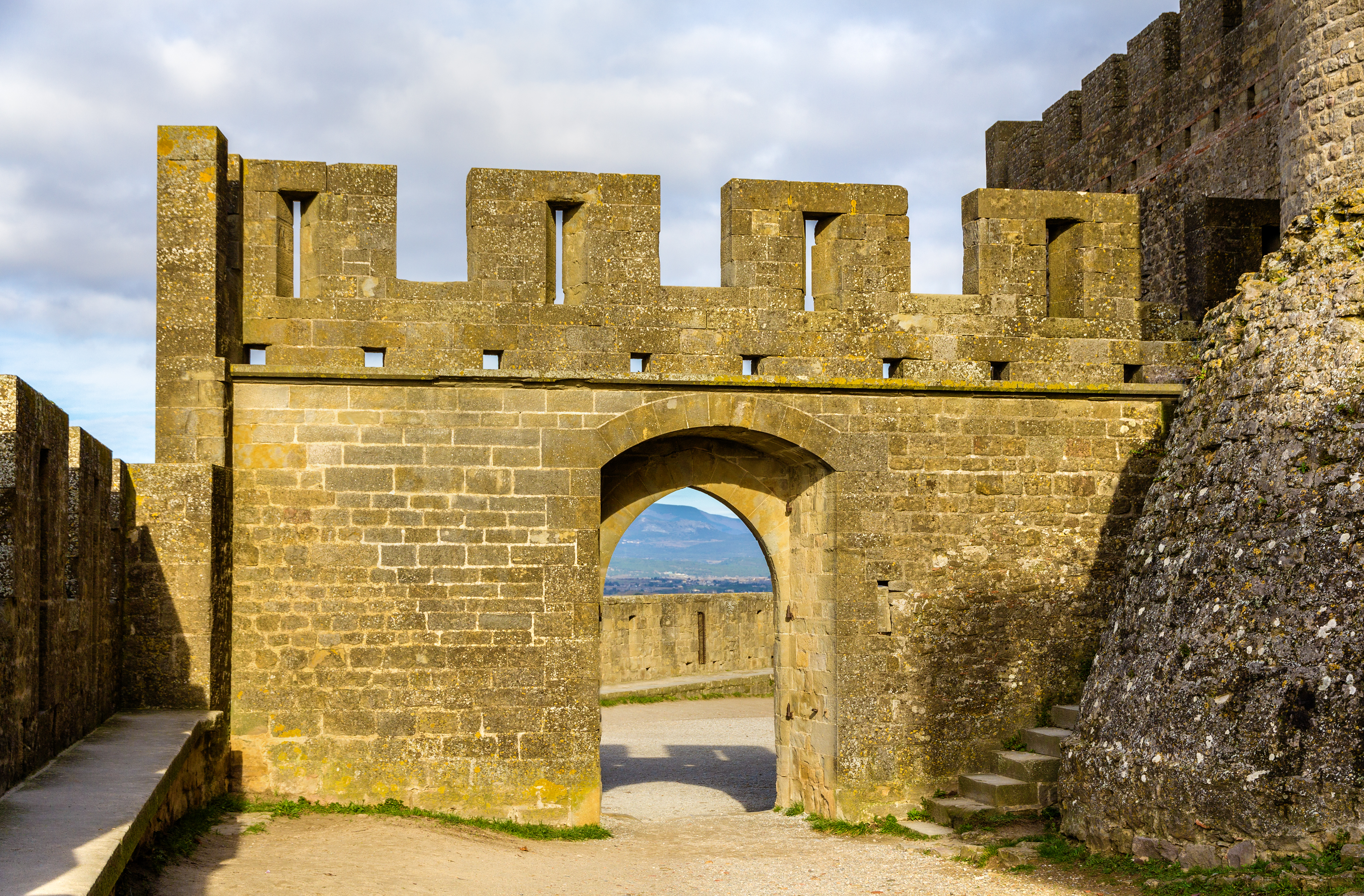
The different phases of construction are reflected in the different sections of the walls, from the small, cube-shaped stones of the Gallo-Roman period to the artistically carved blocks of the 13th century.
A living heritage – Despite its long and eventful history, the Cité of Carcassonne is now a vibrant community.
Around 230 residents live permanently within the walls, while the majority of people in the surrounding area work in the tourism sector. The Cité serves as an open-air museum, offering visitors a journey into the past while remaining a vibrant center of modern culture and events.
A symbol of steadfastness and history – The Cité of Carcassonne is more than just an ancient fortress; it is a living symbol of steadfastness, human ingenuity, and the rich history of France. Its impregnable walls and the heroic stories that surround them make Carcassonne a unique destination and a source of endless fascination for historians, architects, and travelers alike.