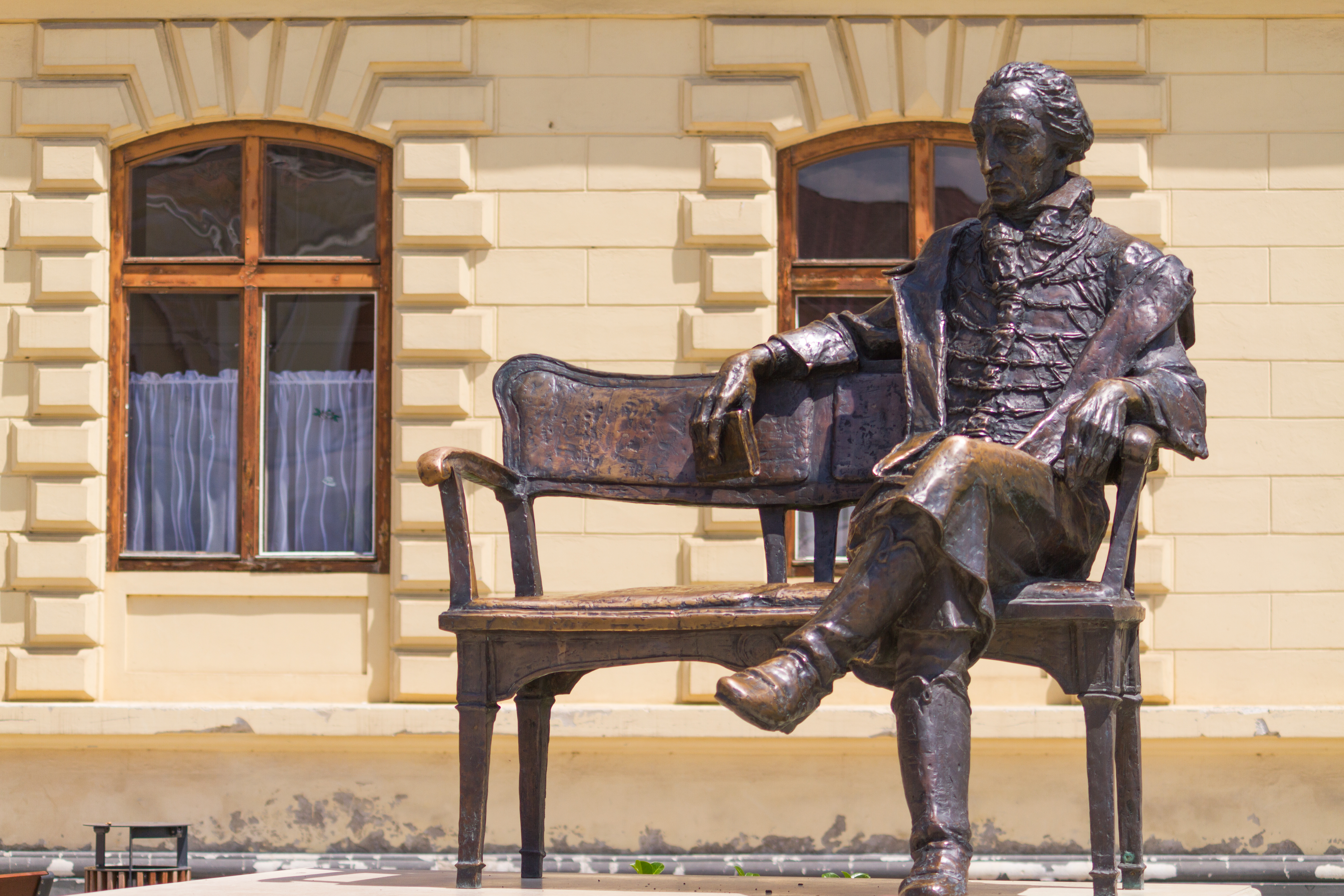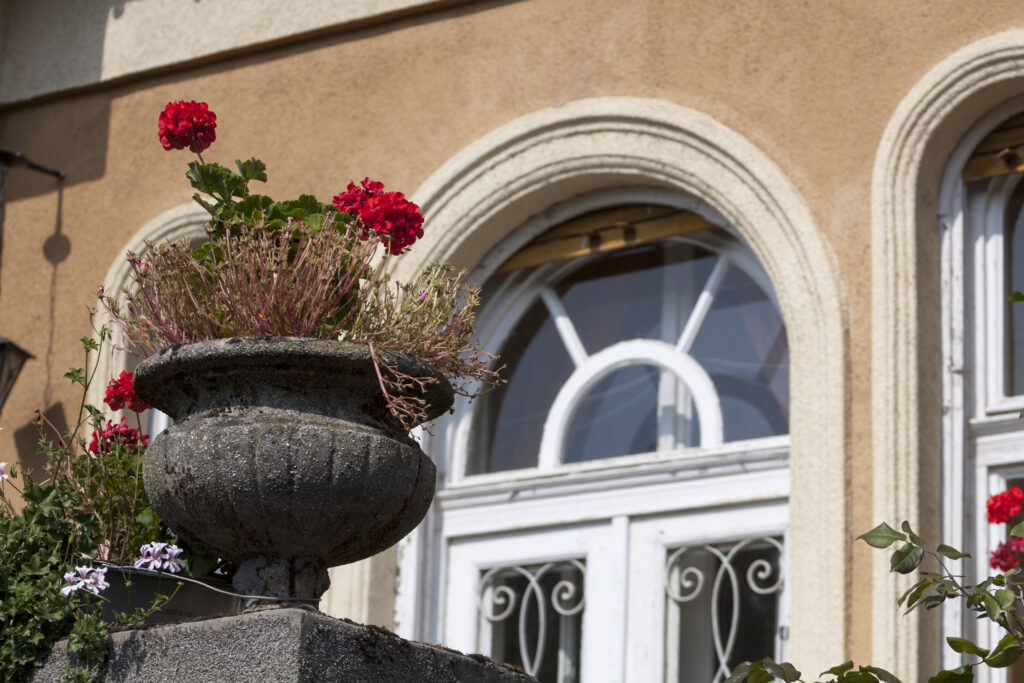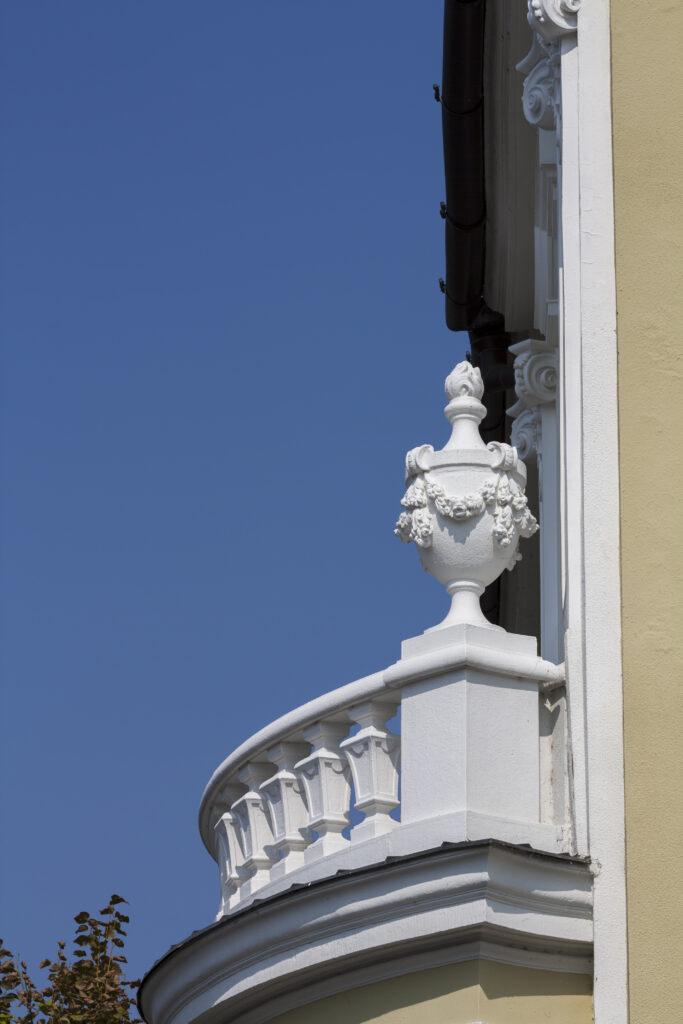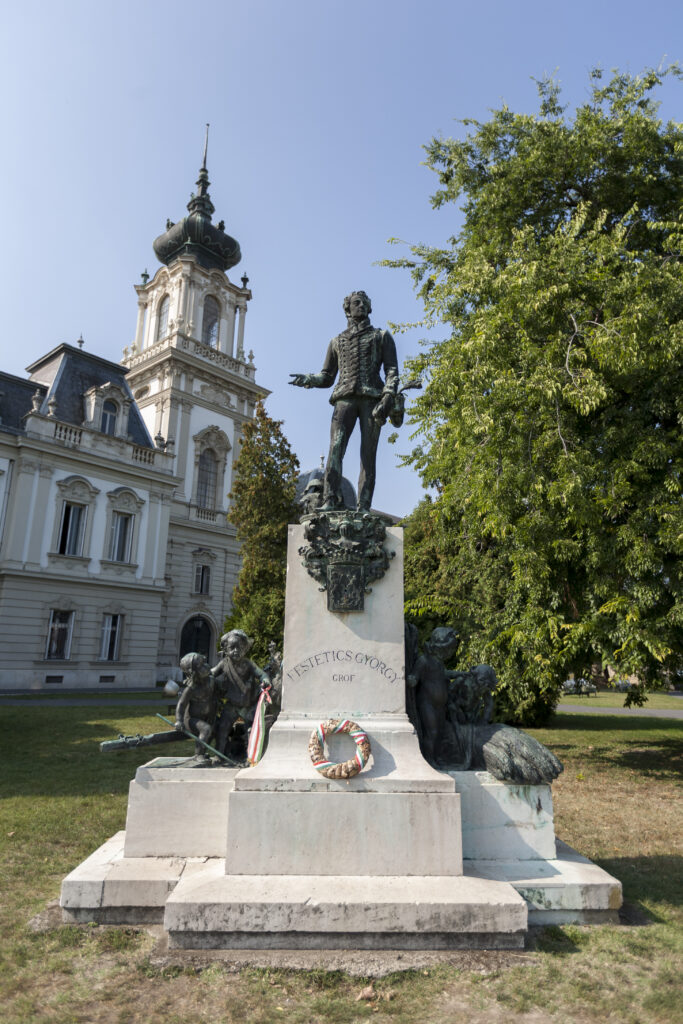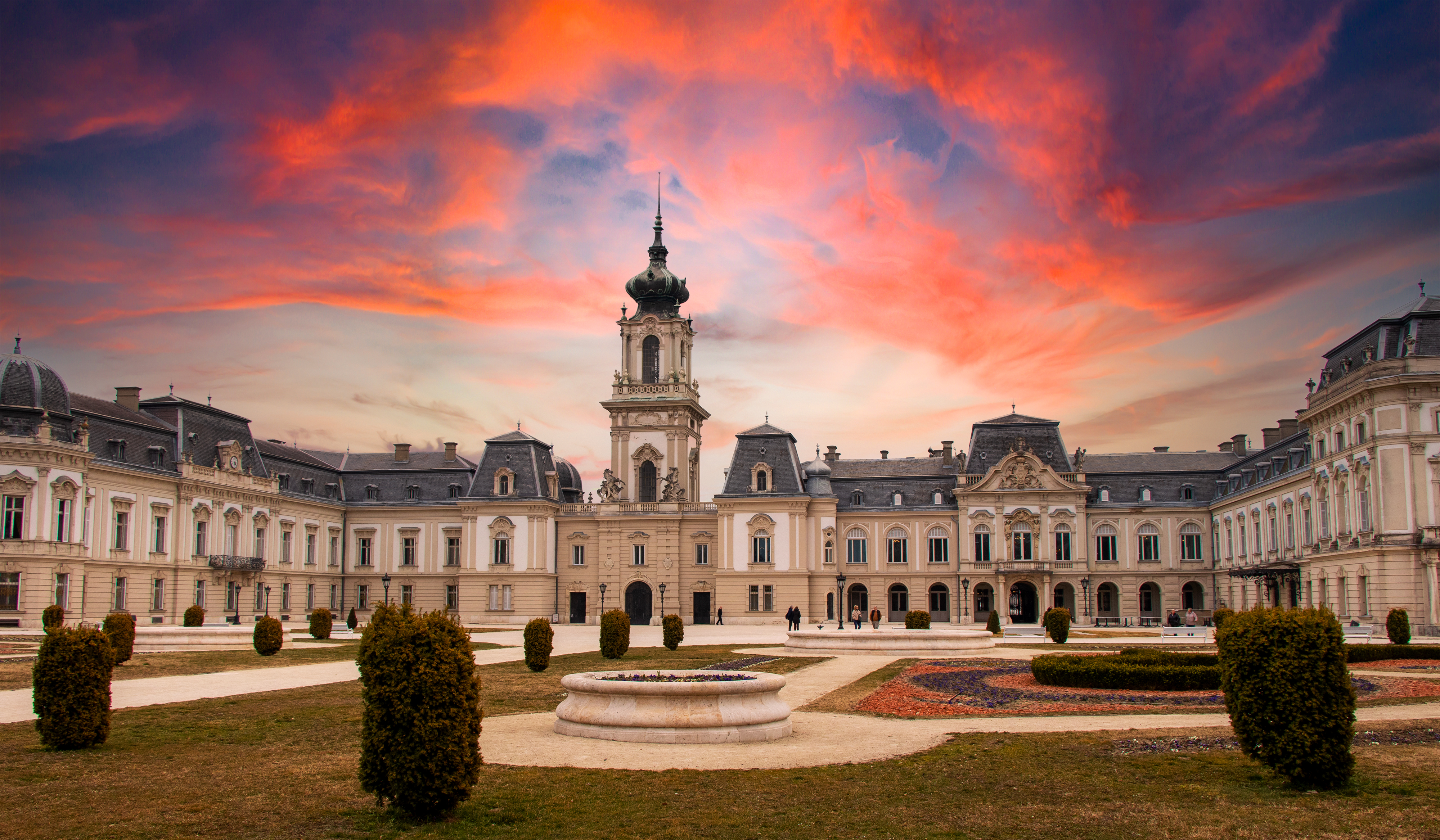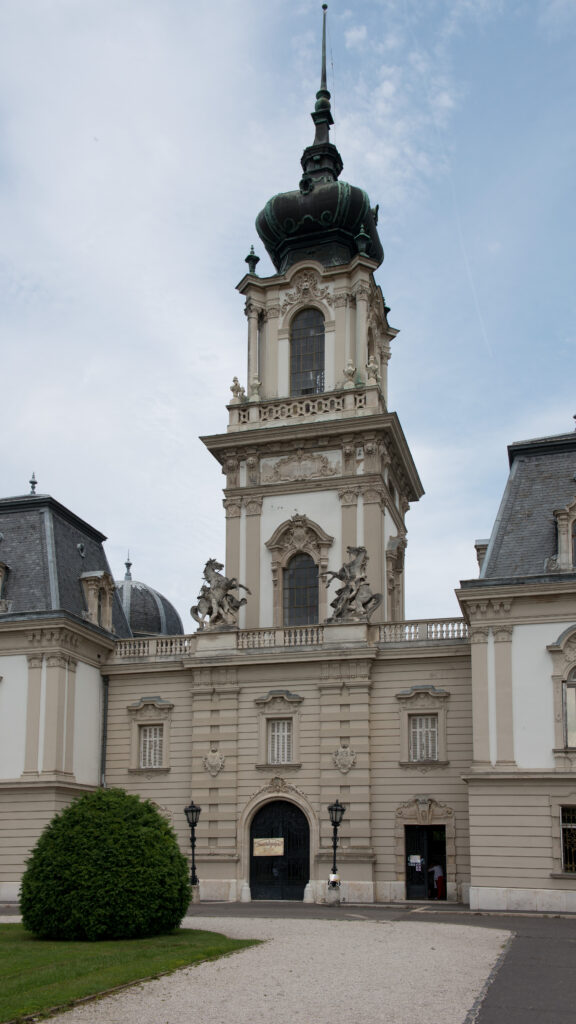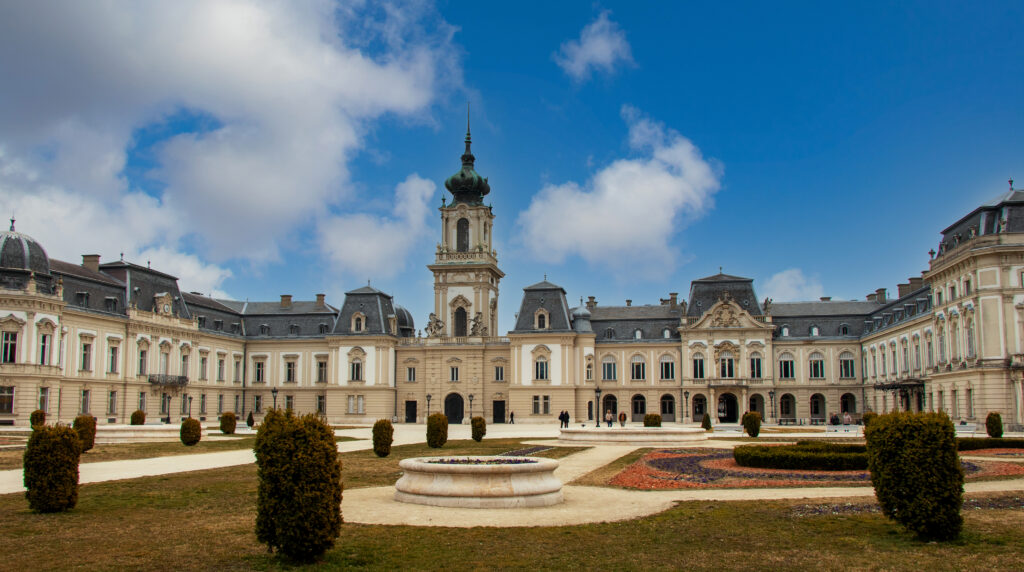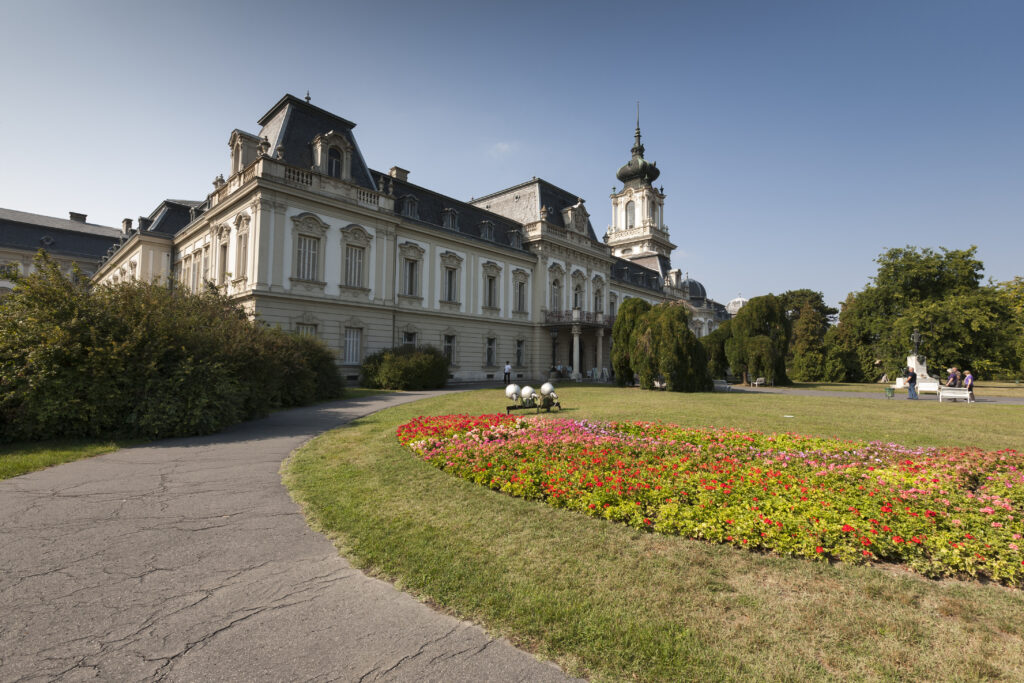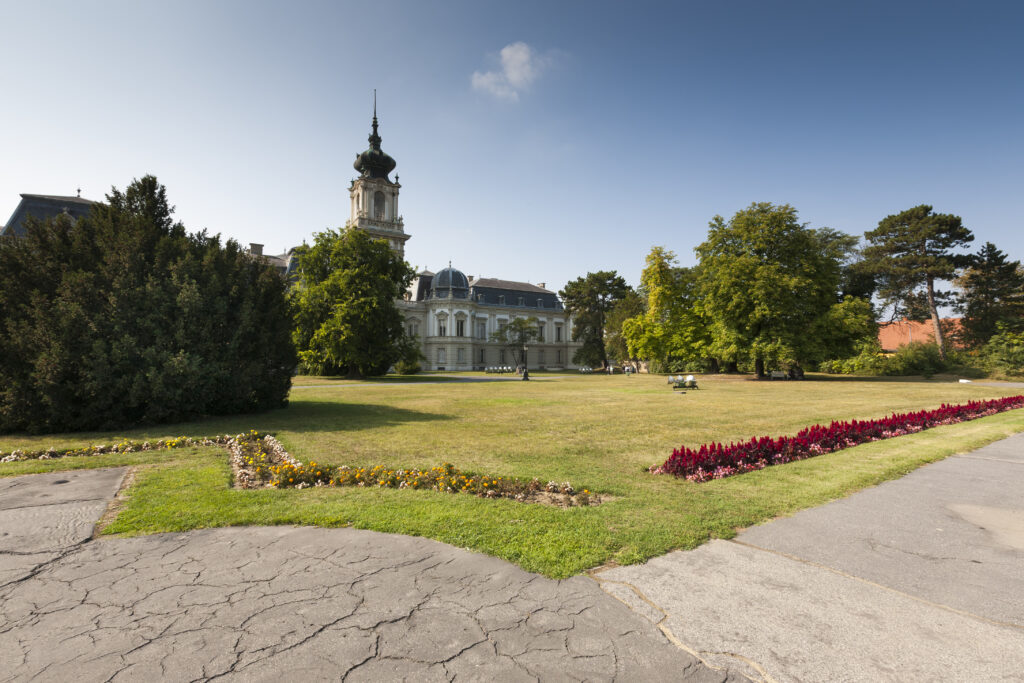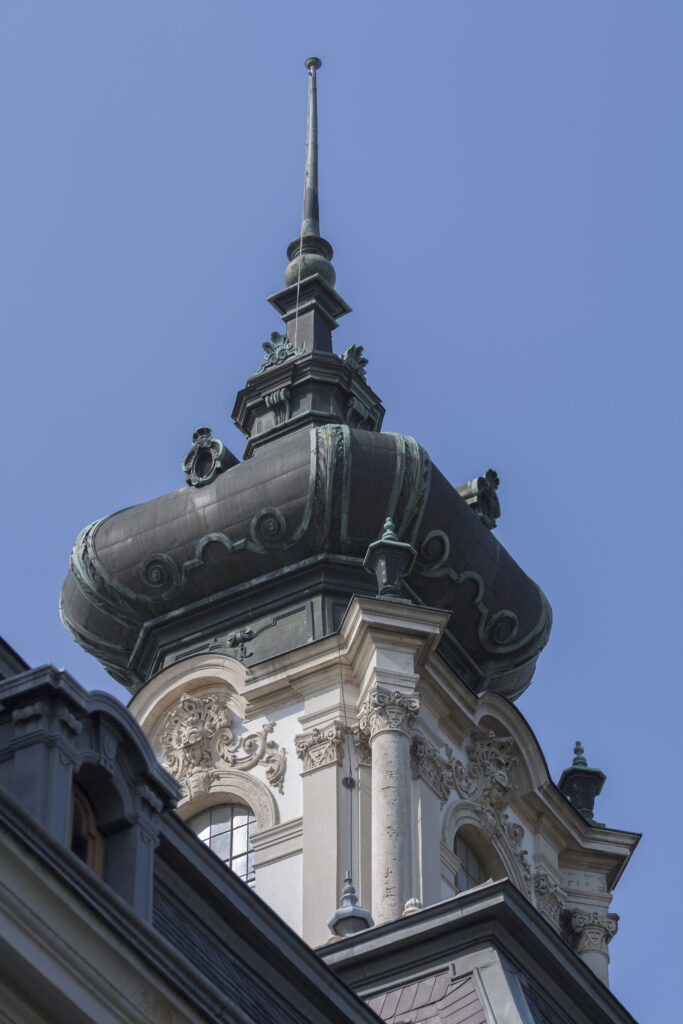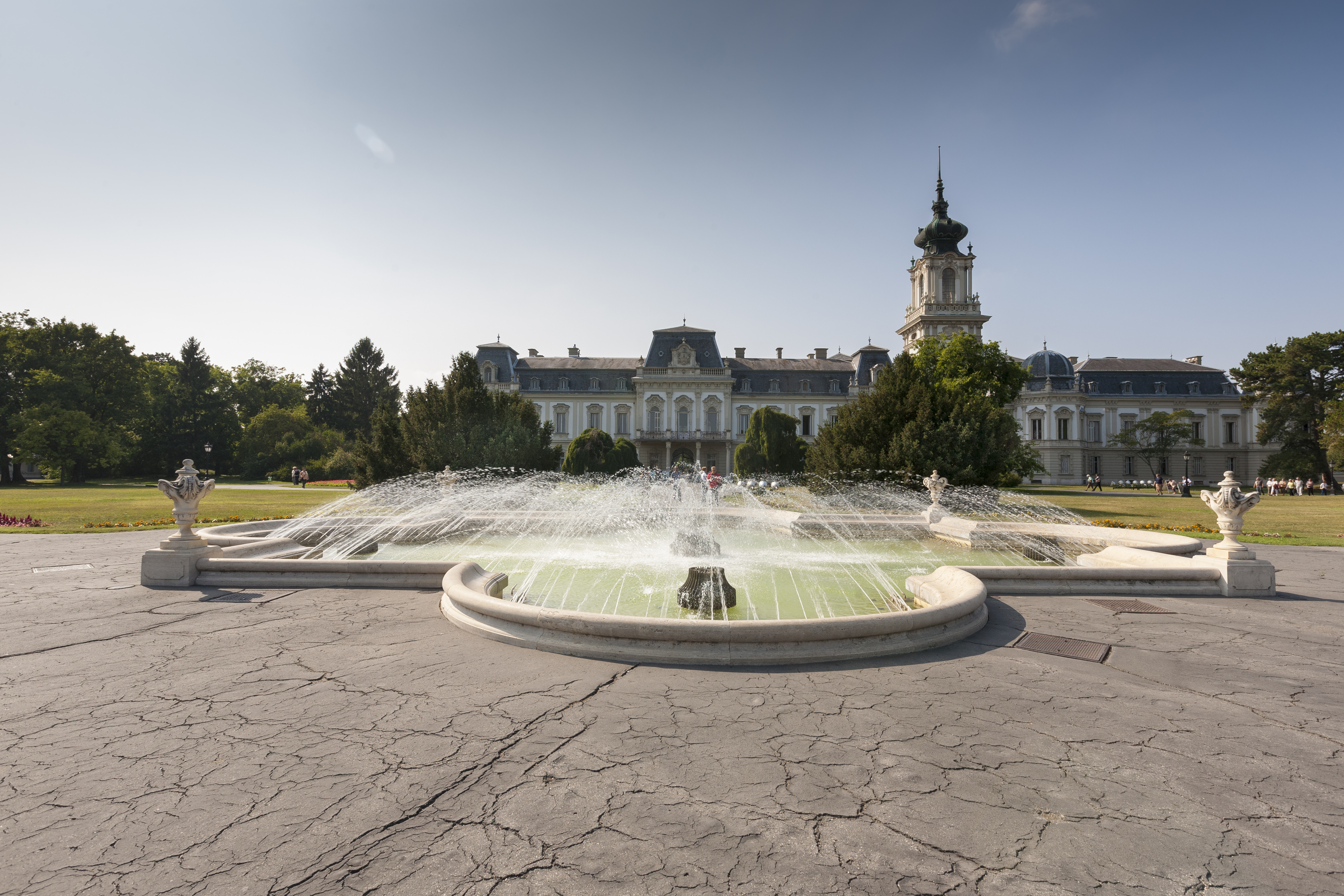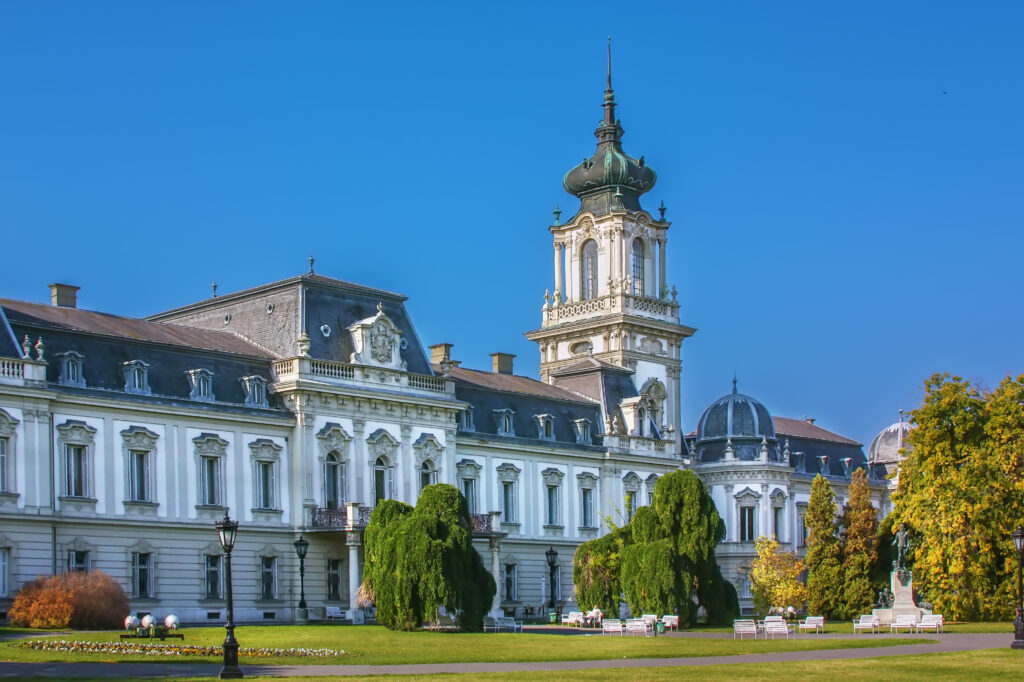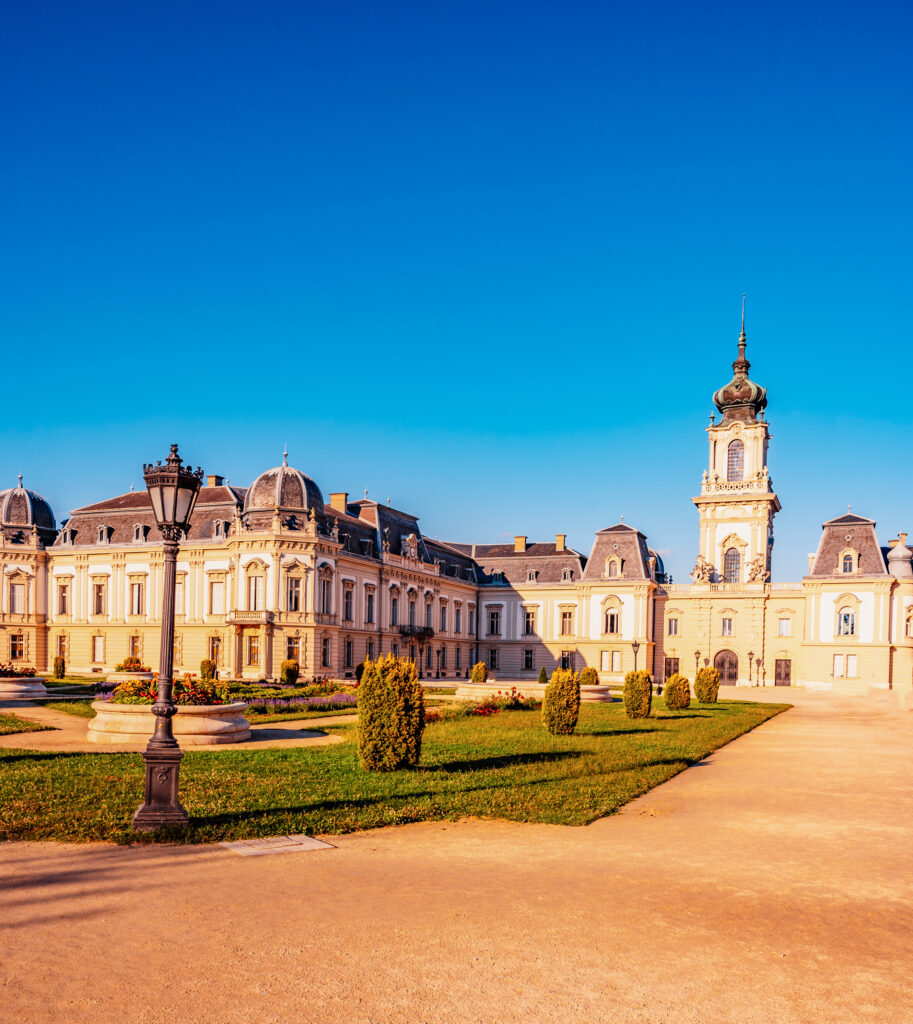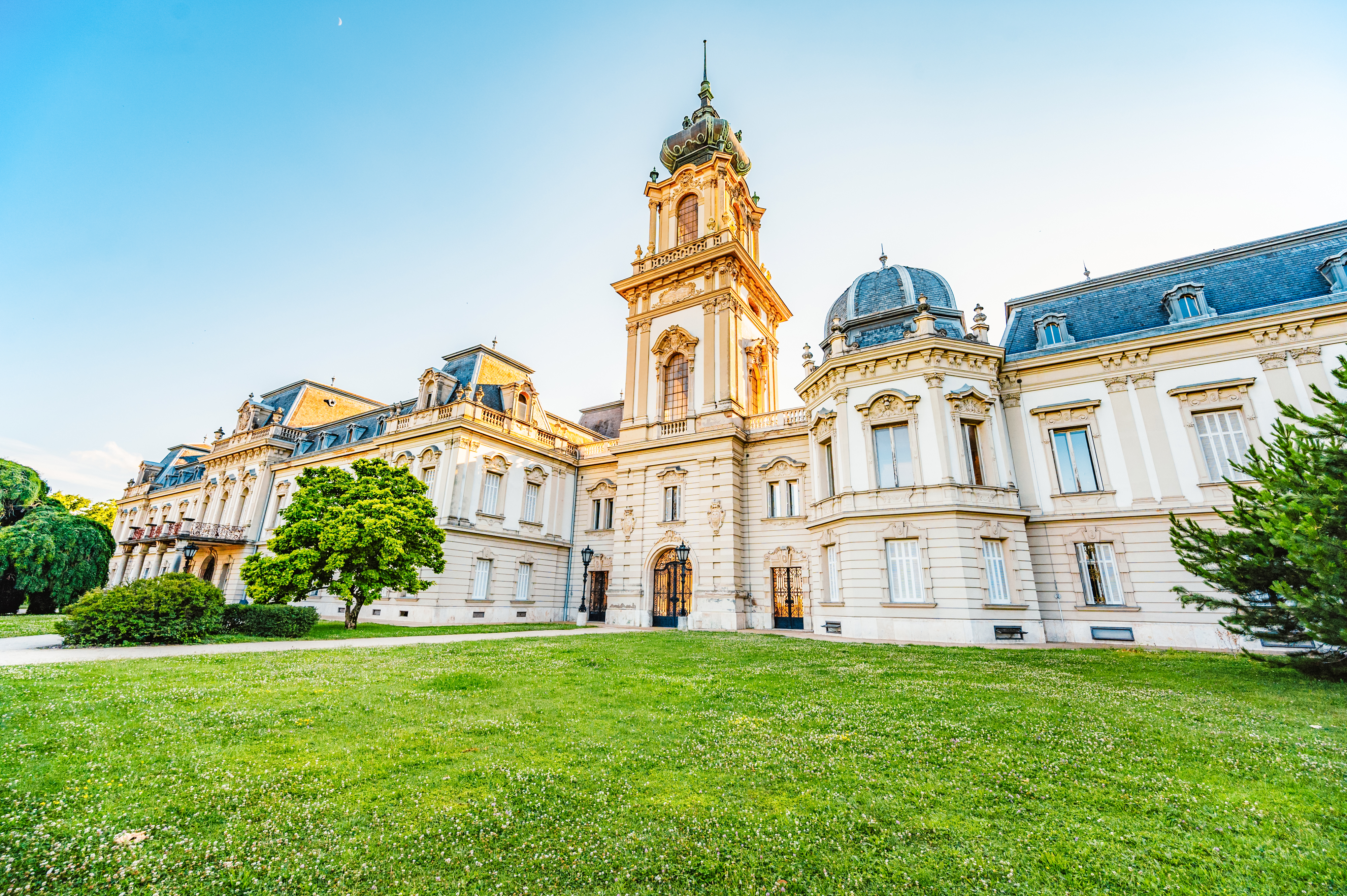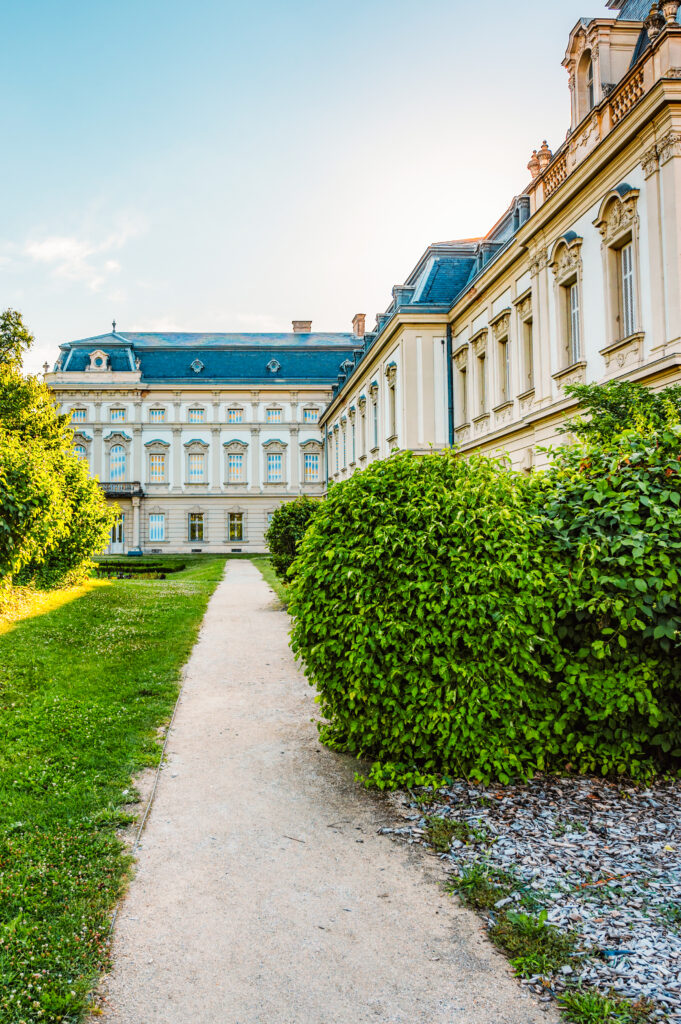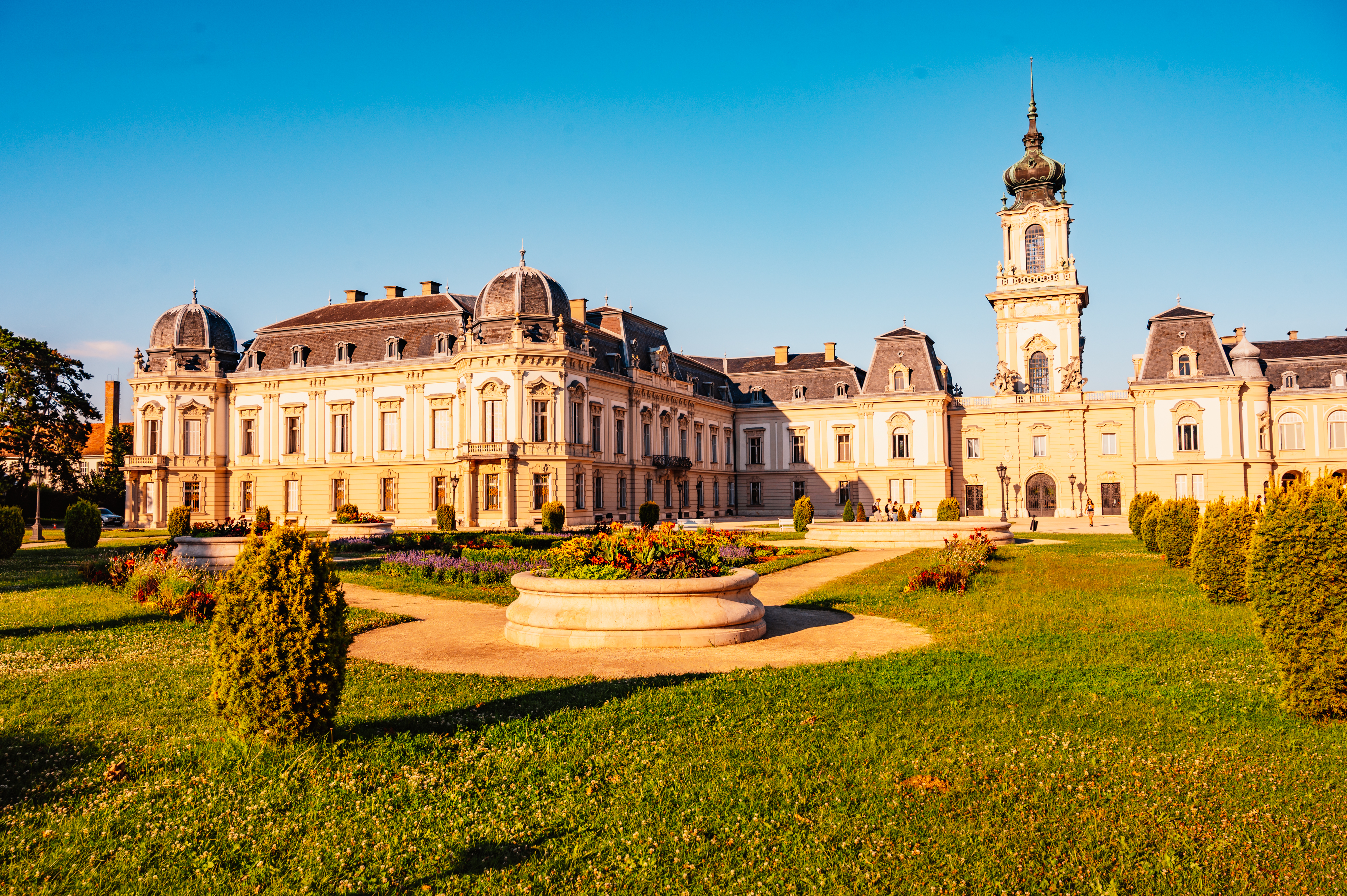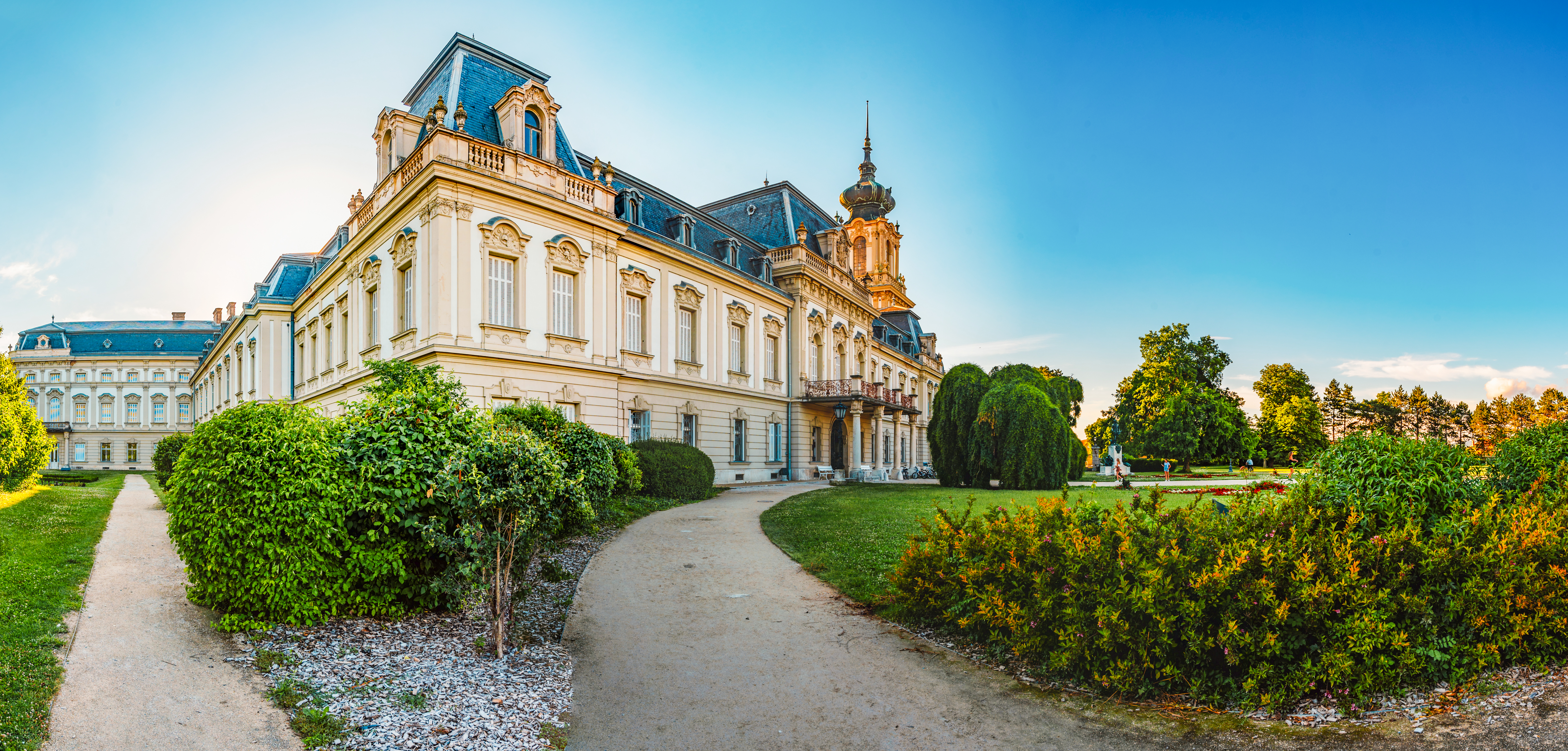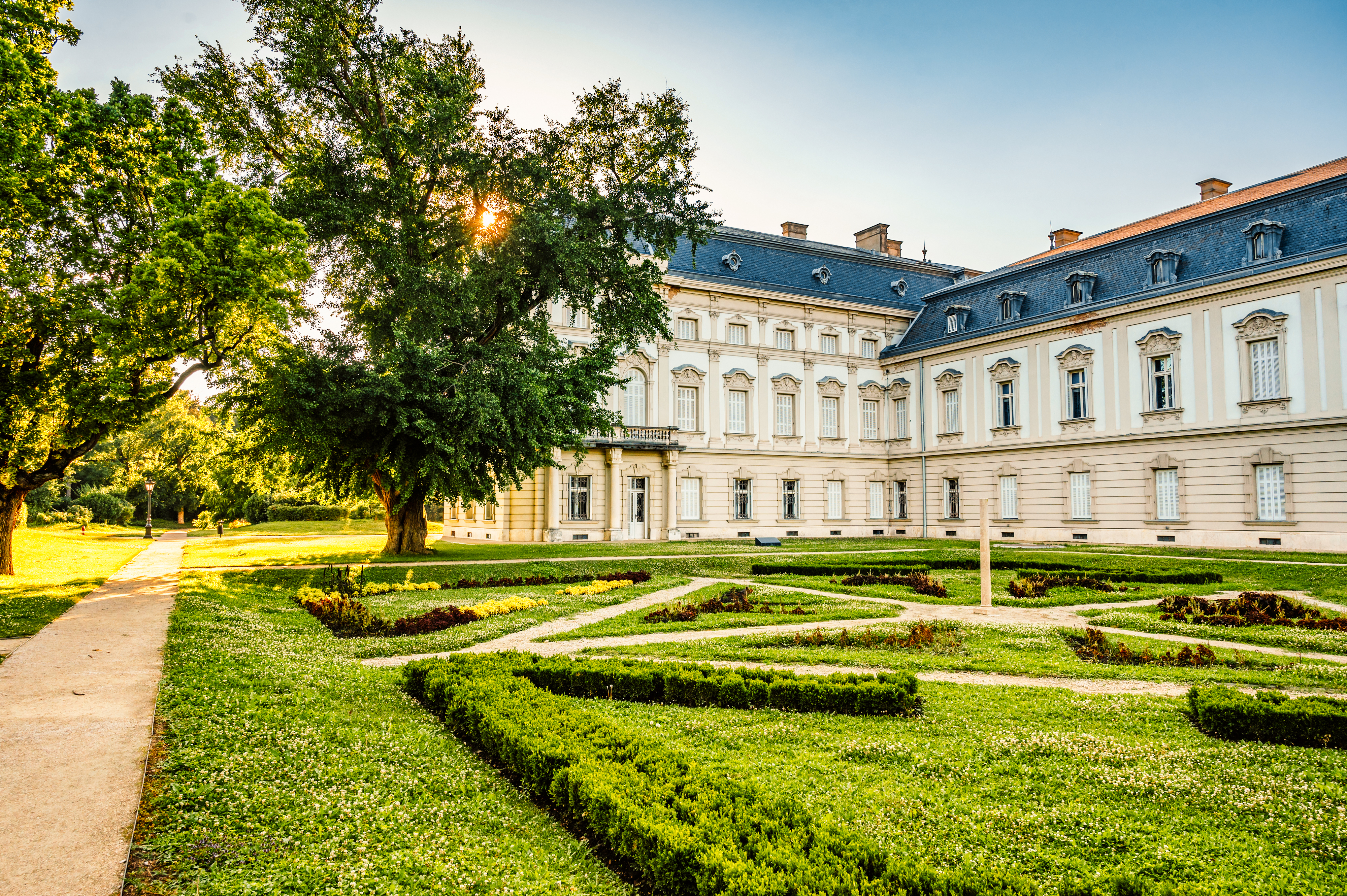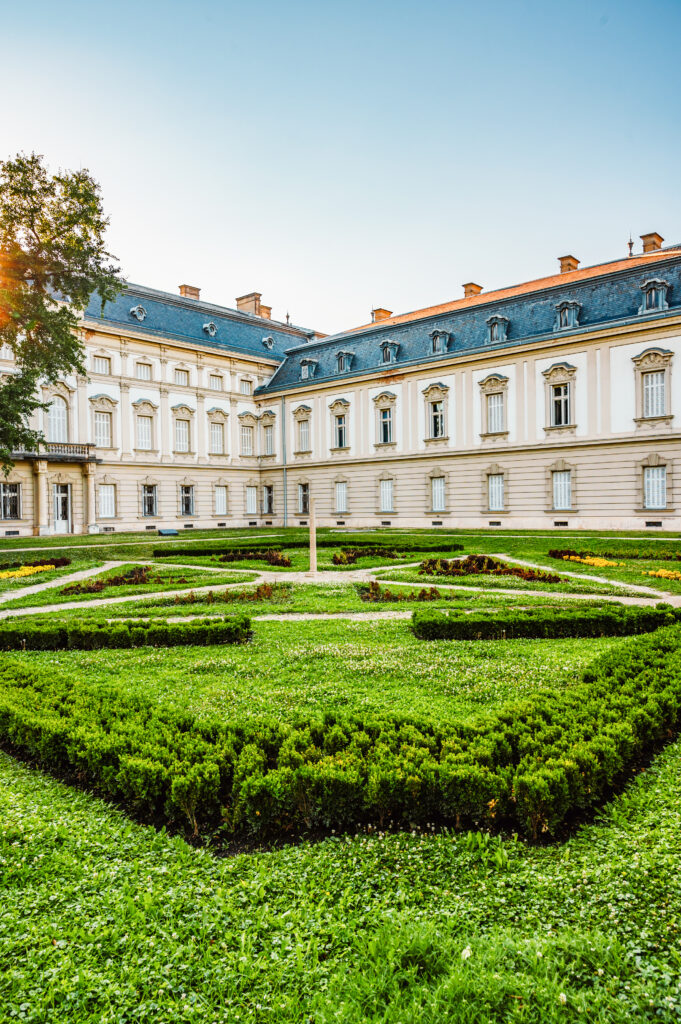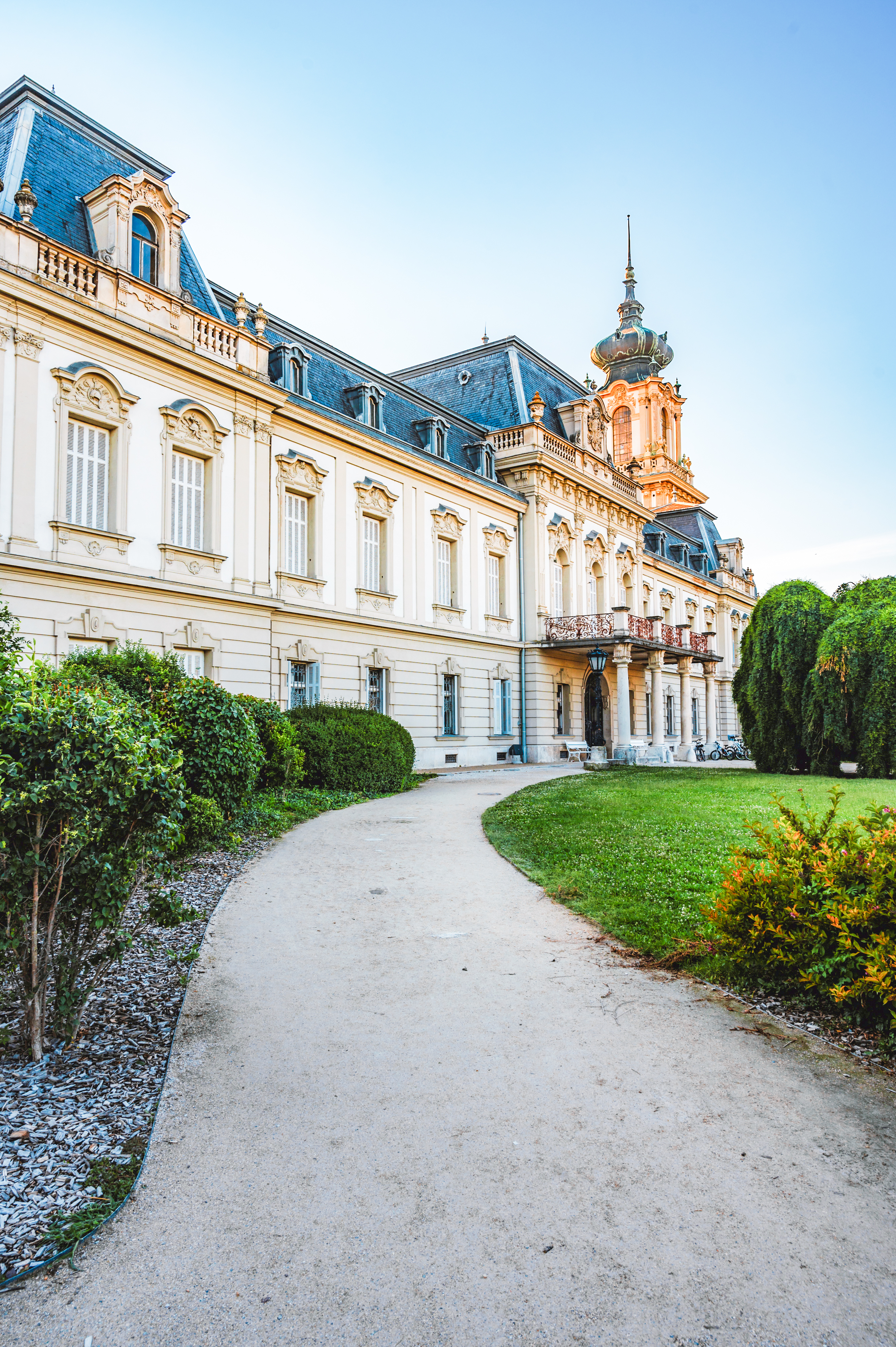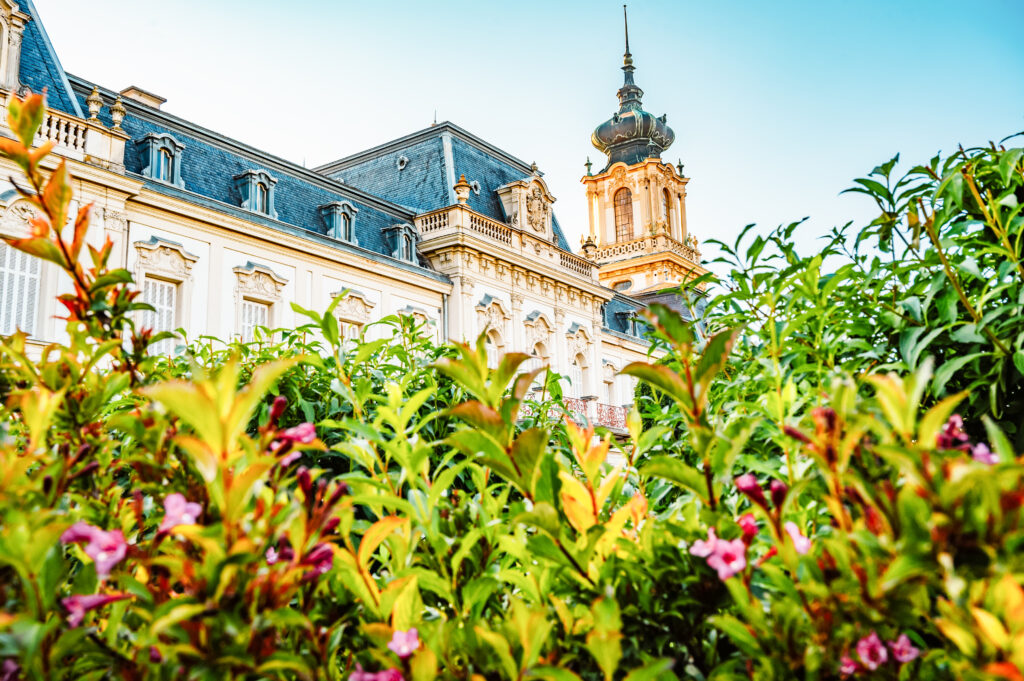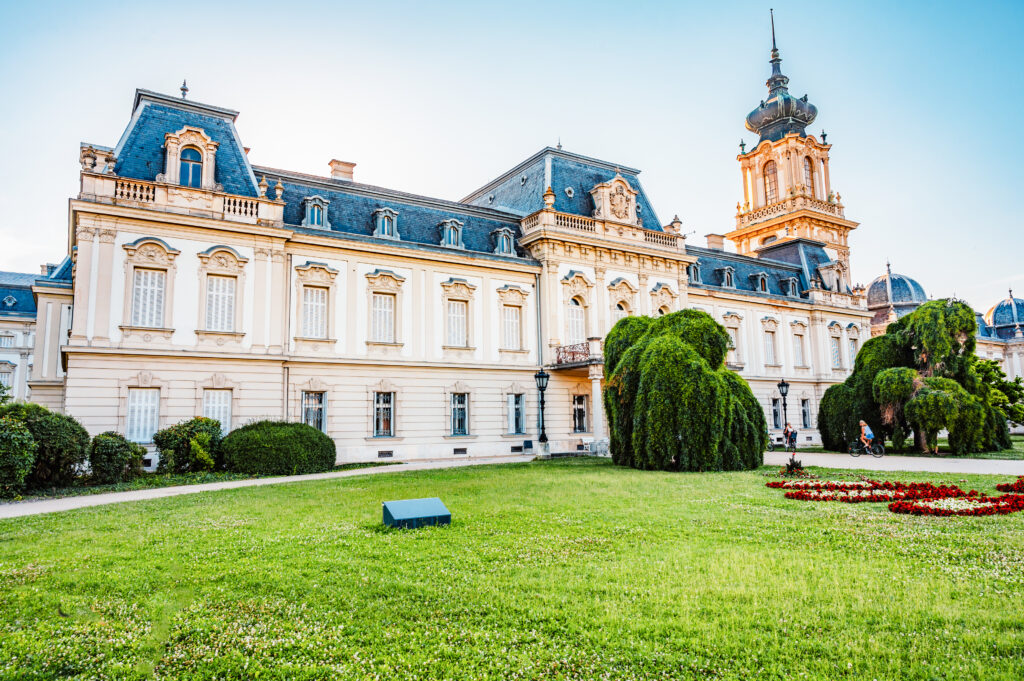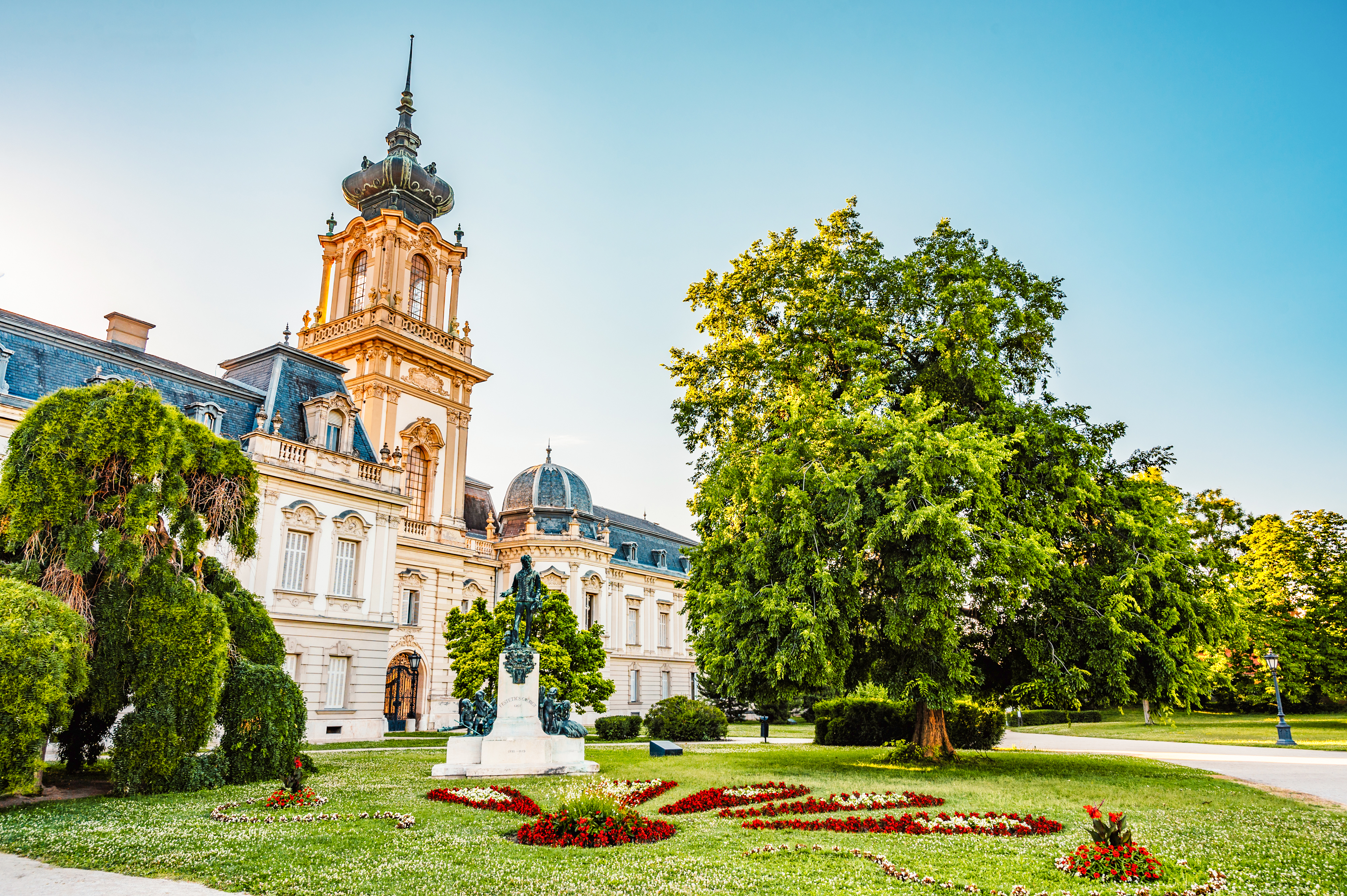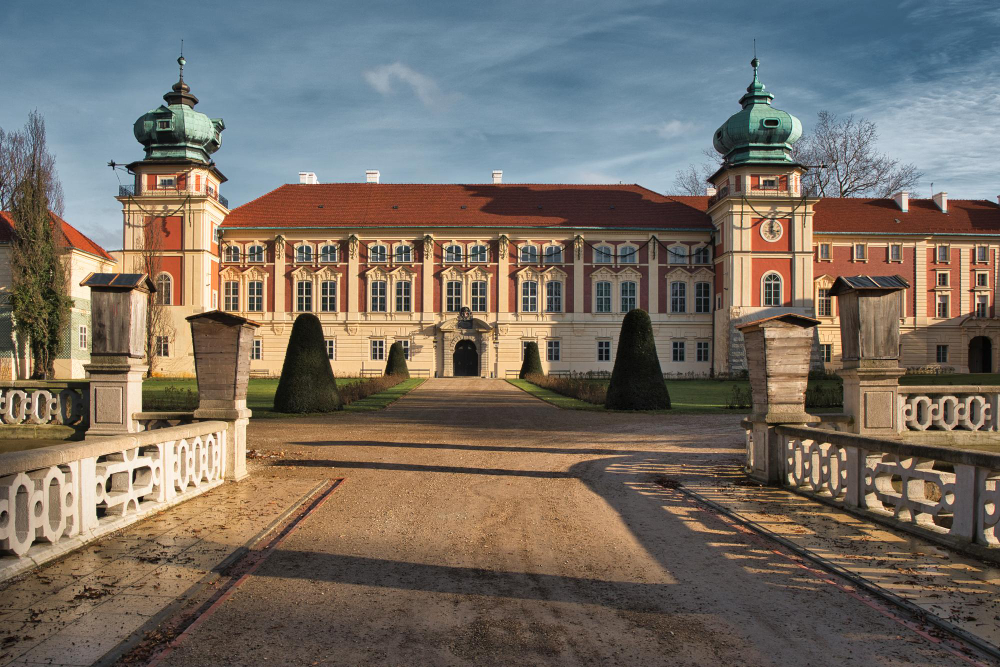

The charming town of Keszthely in Hungary is home to one of the country’s most magnificent Baroque masterpieces—Festetics Palace. This architectural marvel, a testament to opulence and splendor, now serves as a museum and venue for various events. It is the third largest castle in Hungary and one of the most visited tourist attractions, drawing an incredible number of visitors each year. However, behind its imposing facade lies a history steeped in myths and legends that dates back centuries.
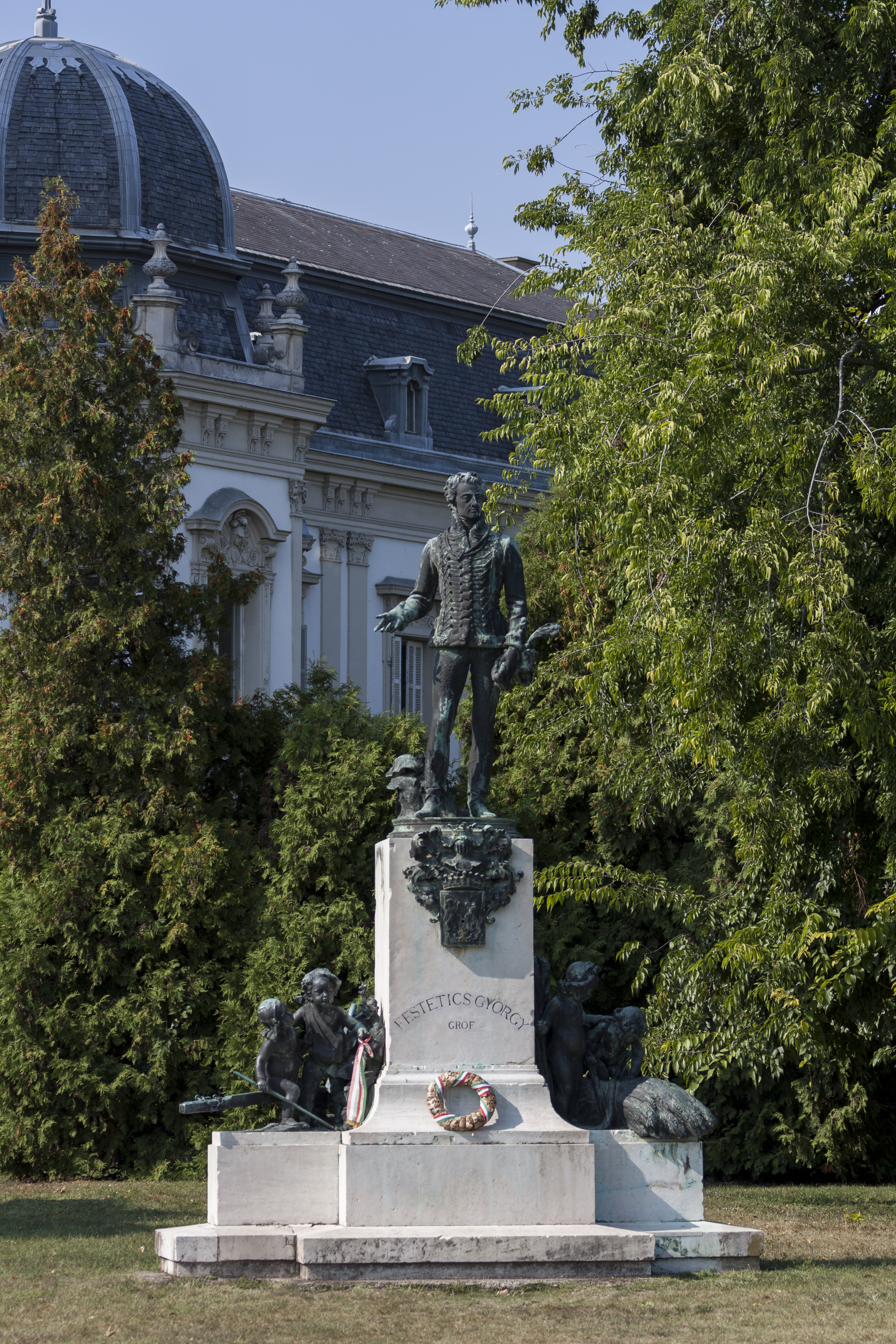
From ruin to splendor: the creation of Festetics Palace – The history of Festetics Palace begins in 1739, when Kristóf Festetics, a nobleman from a wealthy Croatian family, acquired a plot of land near Lake Balaton. On this plot stood the ruins of an old fortress, a silent guardian of days gone by, which would soon become a symbol of elegance and power. The Hungarian branch of the family was founded by Kristóf’s grandfather, Pál Festetics, who died in 1640. Construction of the palace began in 1745 under the direction of Kristóf. The original plans for the estate were revised several times over the years, reflecting the changing tastes and growing ambitions of the Festetics family. Kristóf’s son, Count Pál Festetics, extended the wings of the palace between 1769 and 1770, laying the foundation for its later expansions. However, it was Kristóf’s grandson, Count György Festetics, who made one of the most significant contributions to the palace’s architecture. In 1792, he commissioned the construction of the south wing, which housed a large library. This library became a repository of knowledge and housed a renowned collection of rare books and manuscripts.
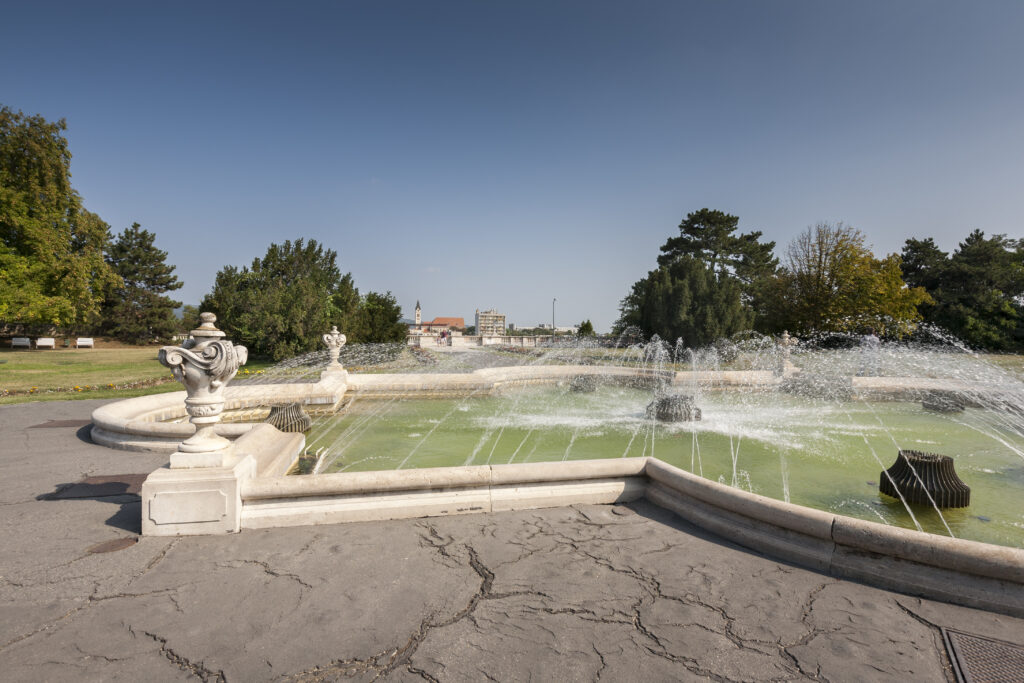
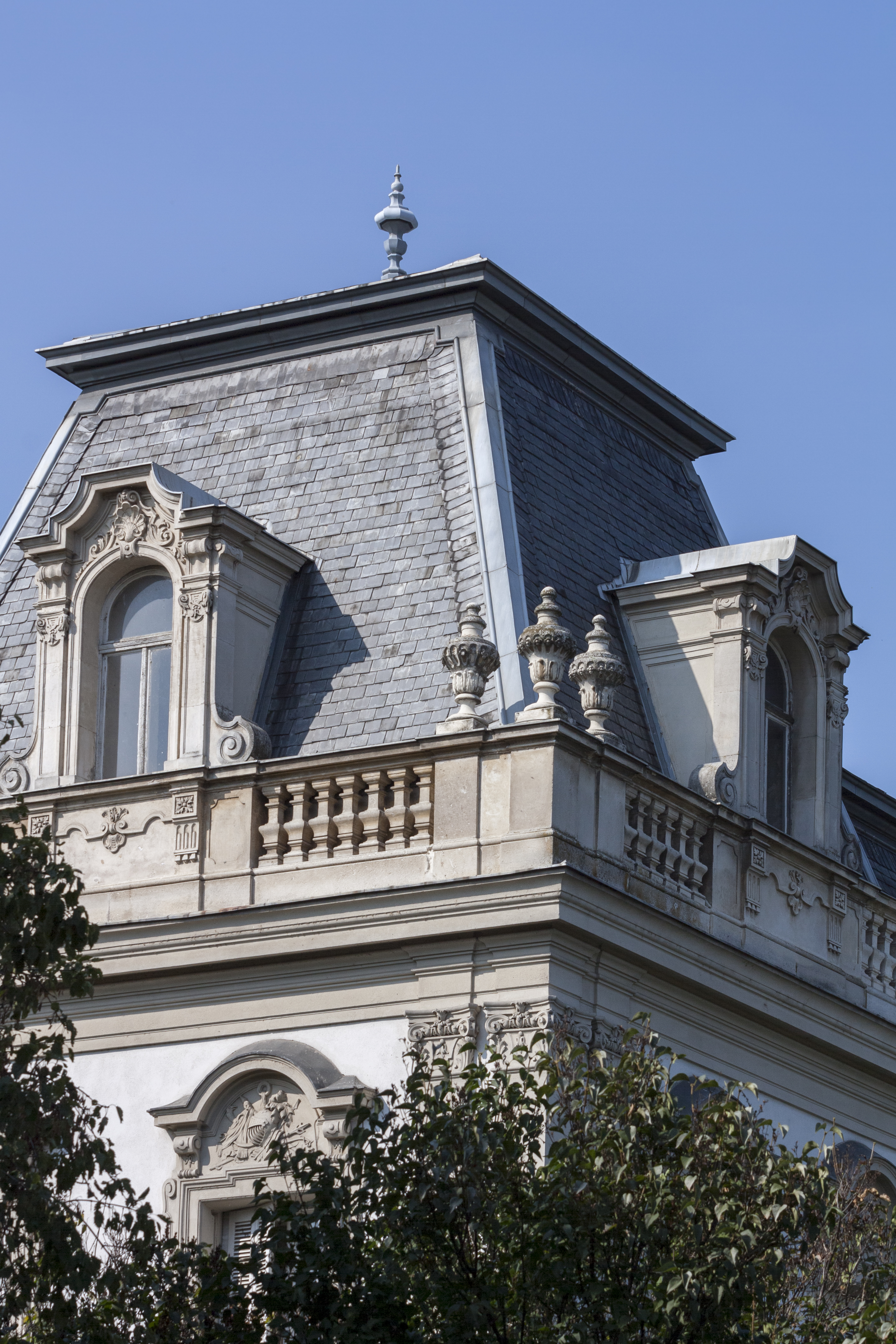
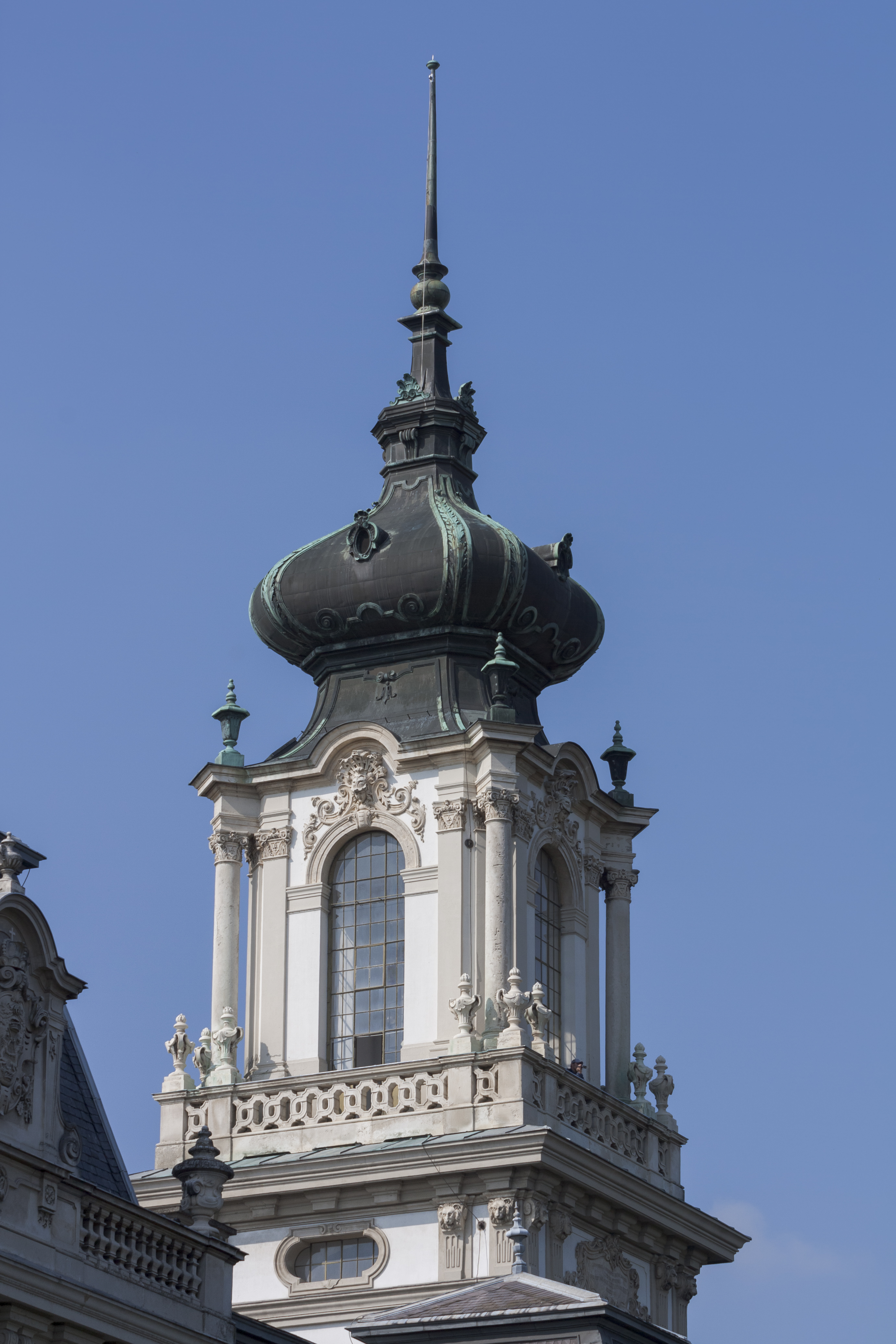
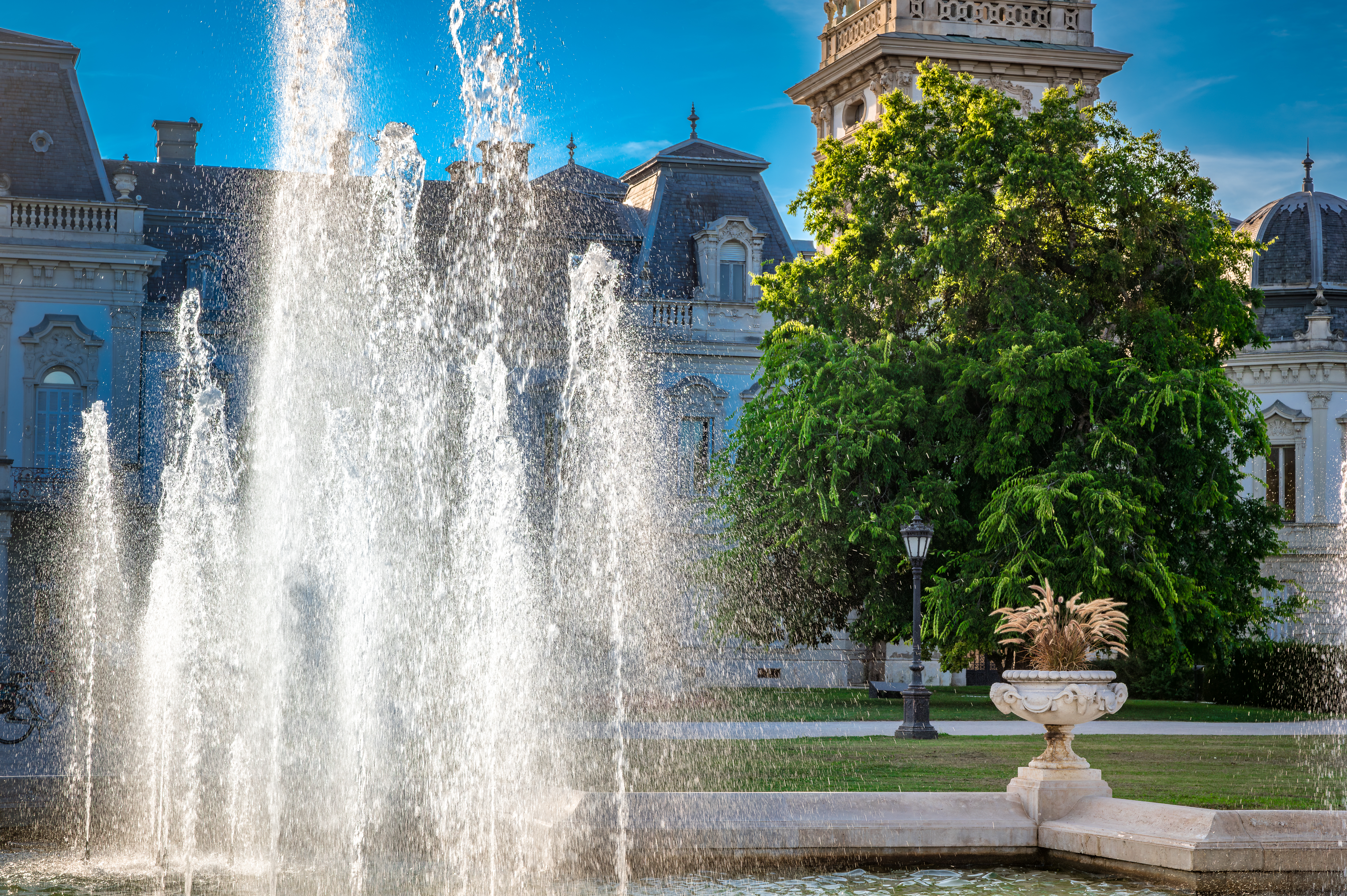
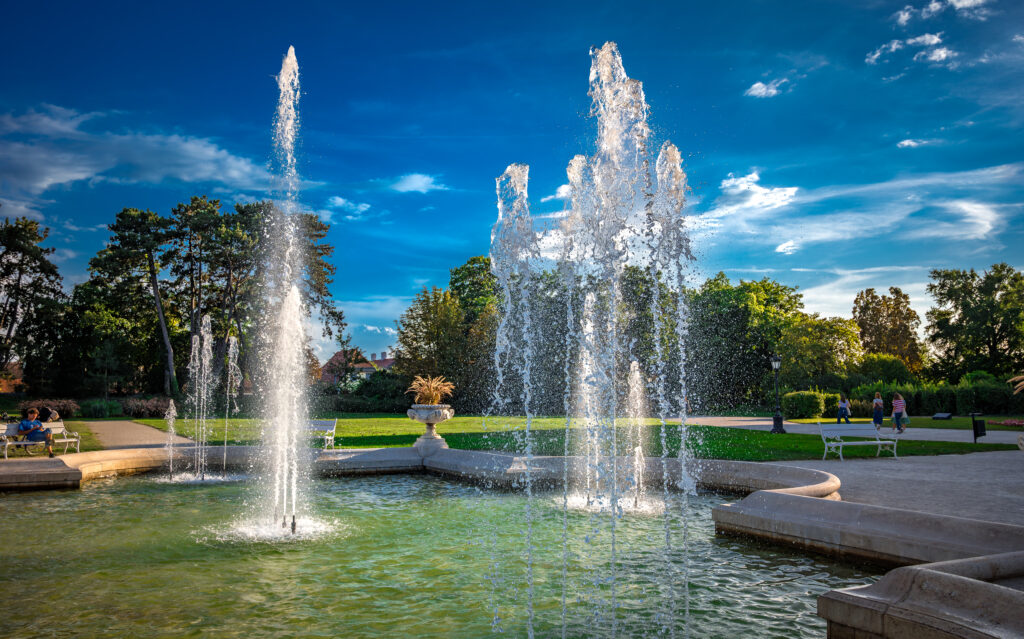
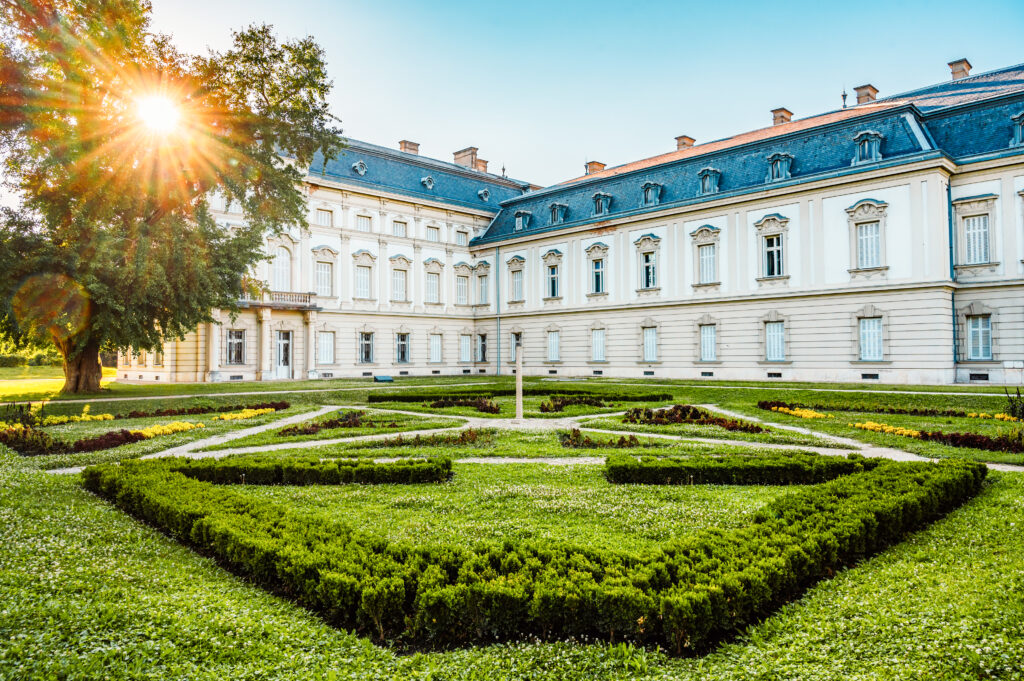
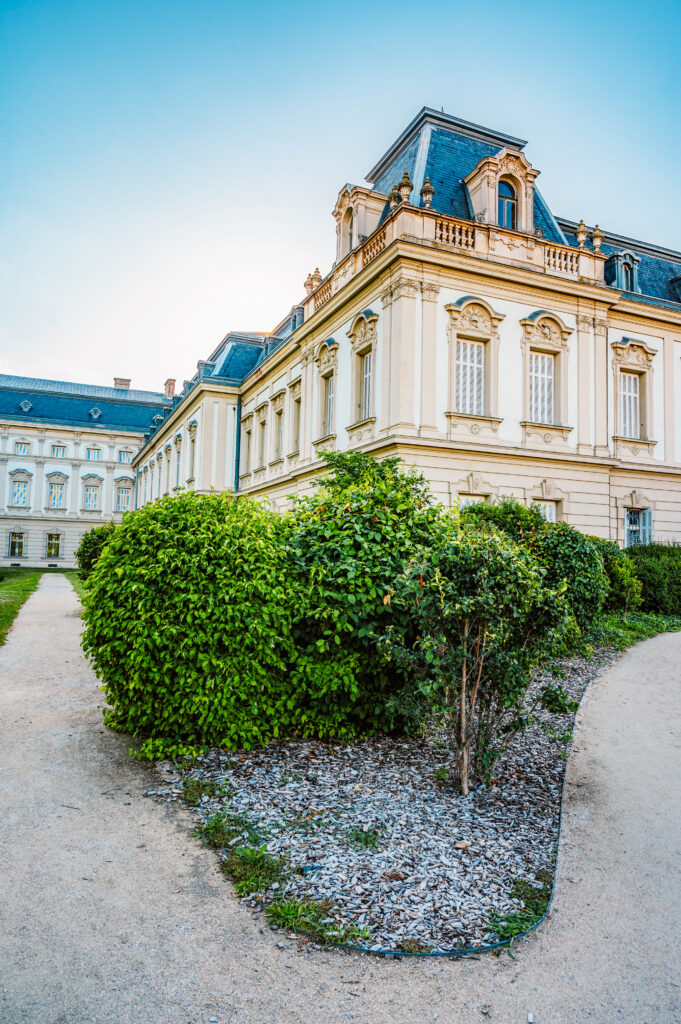
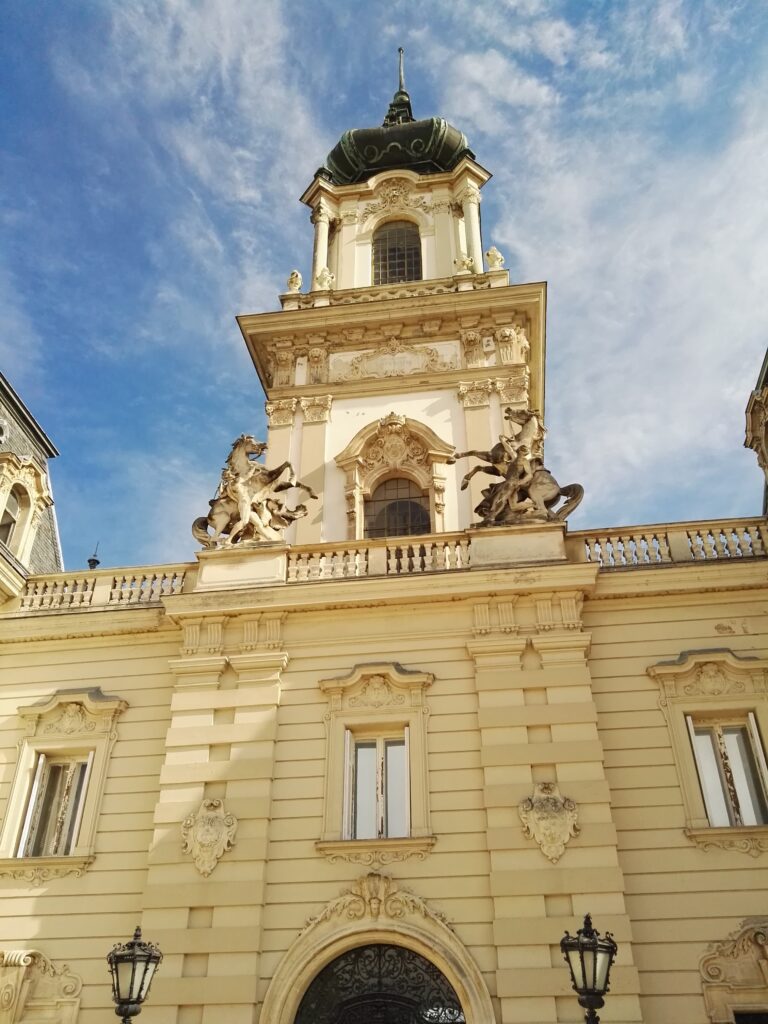
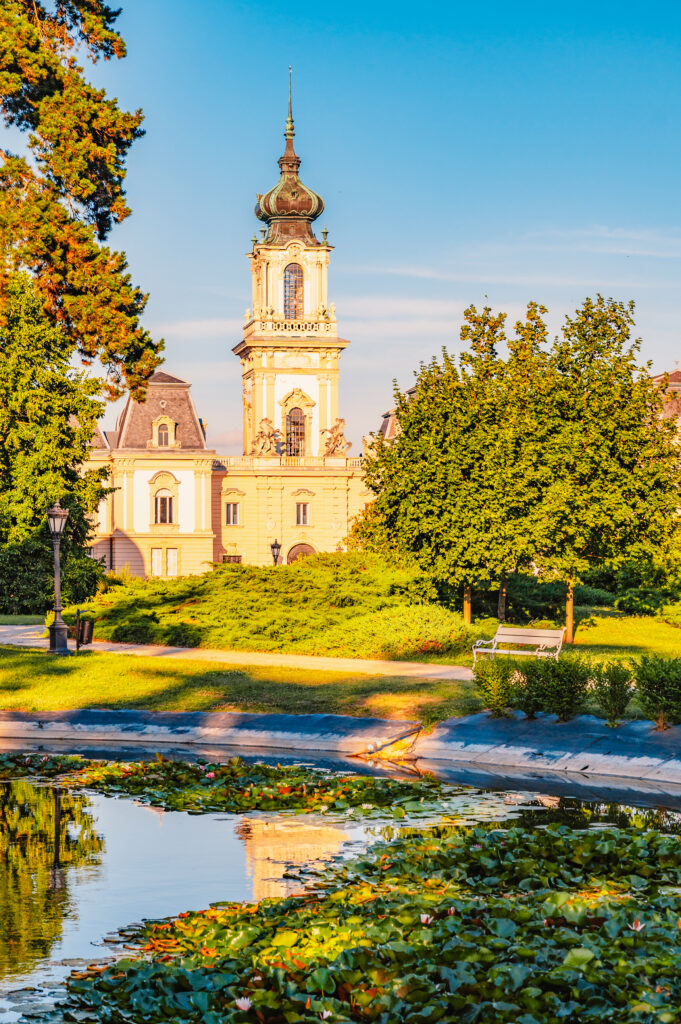
A history of transformation: The era of Prince Tasziló – The most extensive renovations took place in the late 19th century under Prince Tasziló Festetics. Between 1883 and 1887, Prince Tasziló, in collaboration with Viennese architect Viktor Rumpelmayer, carried out a comprehensive renovation of the palace. The living quarters were expanded, a new wing was added, and the central tower section was seamlessly integrated into the existing structure. The entire palace was fitted with a mansard roof and equipped with modern amenities such as a water network and central heating—anticipating the comforts of today’s living. The exquisite French Baroque park surrounding the palace is a natural gem and is a protected historical monument. Further west, visitors can stroll through an English landscape garden, where manicured lawns, old trees, colorful flower beds, and tranquil water features create a picturesque scene. The park also houses outbuildings such as the former stables, which now house a carriage exhibition displaying elaborately designed carriages from times gone by.
The intellectual legacy: a repository of wisdom – One of the most fascinating aspects of Festetics Palace is its famous library, which was established by Kristóf Festetics himself. Over two centuries, the family carefully expanded this collection, adding works by some of Europe’s most important printers. György Festetics, Kristóf’s grandson, played a crucial role by building the library wing and furnishing it with elegant oak furniture. Today, the library boasts an impressive collection of over 90,000 documents, including numerous rarities. It is a beacon of enlightenment, offering scholars and interested visitors a glimpse into the intellectual heritage of the past. The reading room is open to the public from Monday to Friday, offering visitors the opportunity to immerse themselves in the wealth of knowledge preserved within these walls.
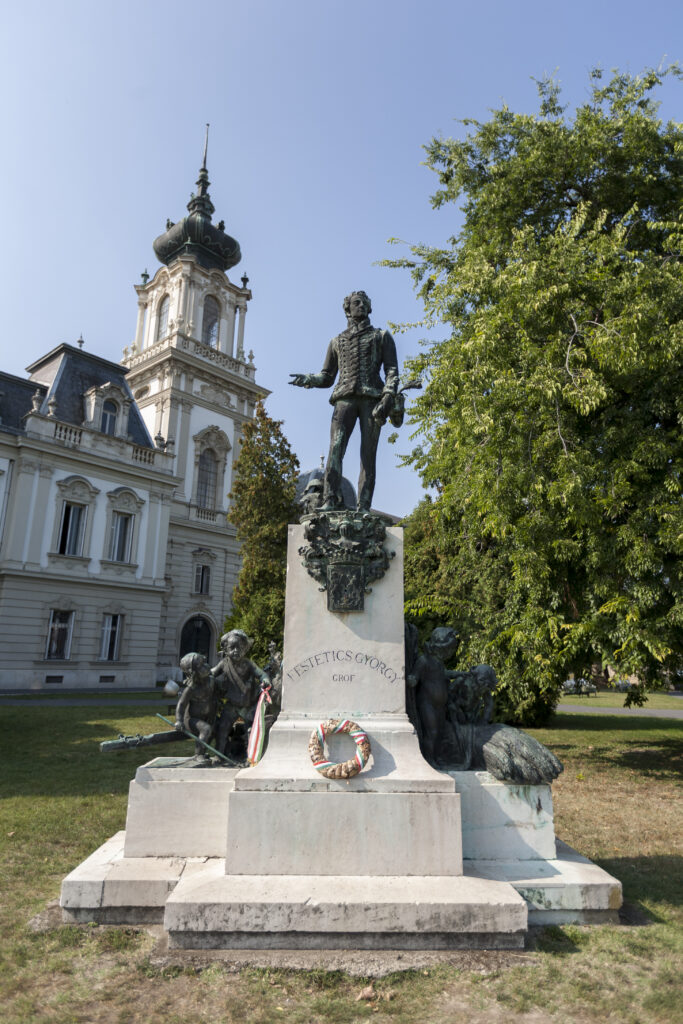
Pillars of the community: the philanthropic endeavors of the Festetics family – The influence of the Festetics family extended far beyond the walls of their opulent residence. Their legacy is marked by significant contributions to the region and the entire Austro-Hungarian Empire. Kristóf Festetics founded a hospital and pharmacy in Keszthely, while Count Pál Festetics established the first school in the region. Meanwhile, Count György Festetics left an indelible mark on education by founding the Georgikon, Europe’s first agricultural college, which is still in operation today. The family’s commitment to promoting culture and education was complemented by their political involvement. Prince Tasziló Festetics, known for his extensive renovation work on the palace, held prestigious positions at the imperial court, including those of Imperial and Royal Councilor, Privy Councilor, and Lord Chamberlain.
In 1911, he was honored with the title of Duke by Emperor Franz Joseph.
The last residents and the transformation of the palace – Prince György Festetics (1882–1941) and his family were the last residents of the palace. His wife Maria Haugwitz, a Polish countess, and their son, also named György, fled the castle in 1944 amid the turmoil of World War II. Remarkably, Festetics Castle remained undamaged during the conflict, and its priceless book collection remained intact. In 1974, the palace was converted into a museum to ensure that its historic past would be preserved for future generations. Thanks to careful restoration work, supported by European Union funds, the palace remains in immaculate condition and attracts more than 200,000 visitors annually.
Legends and traditions: The mystique of Festetics Palace – Festetics Palace is not only a historical monument, but also a repository of legends that are deeply ingrained in its existence. One of these legends tells of a hidden chamber within the palace walls, which is said to contain treasures accumulated by the Festetics family over centuries. Although there is no documented evidence to support this claim, the myth persists and lends an aura of mystery to the already fascinating history of the palace. Another story tells of the ghost of Countess Maria Haugwitz, who is said to wander the halls, her ethereal presence felt by those who are receptive to the whispers of the past. Visitors report unexplained phenomena that further fuel the legends surrounding this majestic residence.
A lasting symbol of splendor – The Festetics Palace is a shimmering jewel of Baroque architecture, whose splendor has lost none of its luster over the course of time. Its corridors echo with stories of the illustrious history of the Festetics family, their contributions to culture and education, and the myths that surround this magnificent estate. As a museum and beacon of the past, Festetics Palace continues to capture the imagination of all who step through its ornate gates. Whether drawn by its architectural splendor, rich history, or the allure of its legends, visitors leave the palace with a sense of awe, taking with them stories that seamlessly blend history and myth.