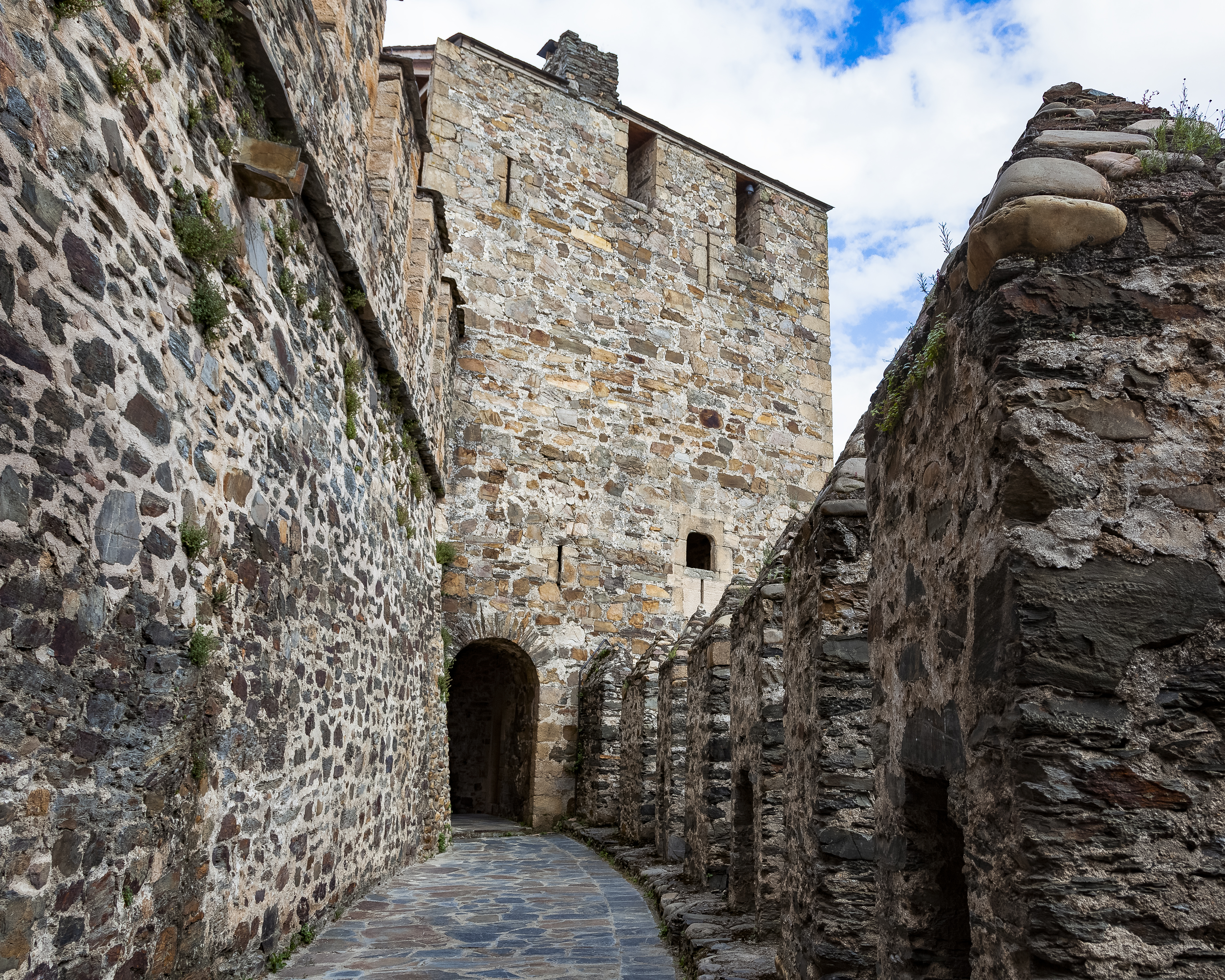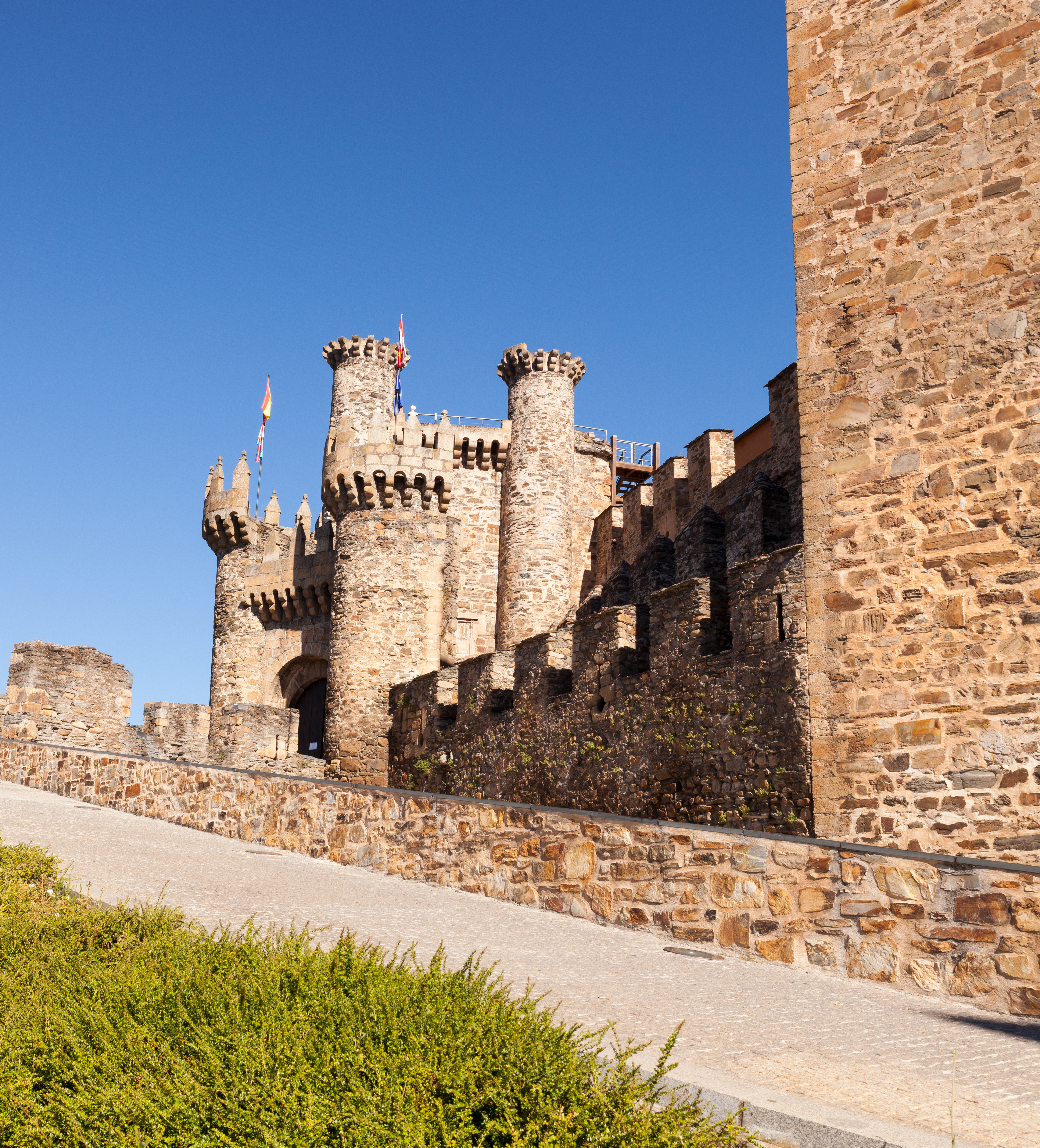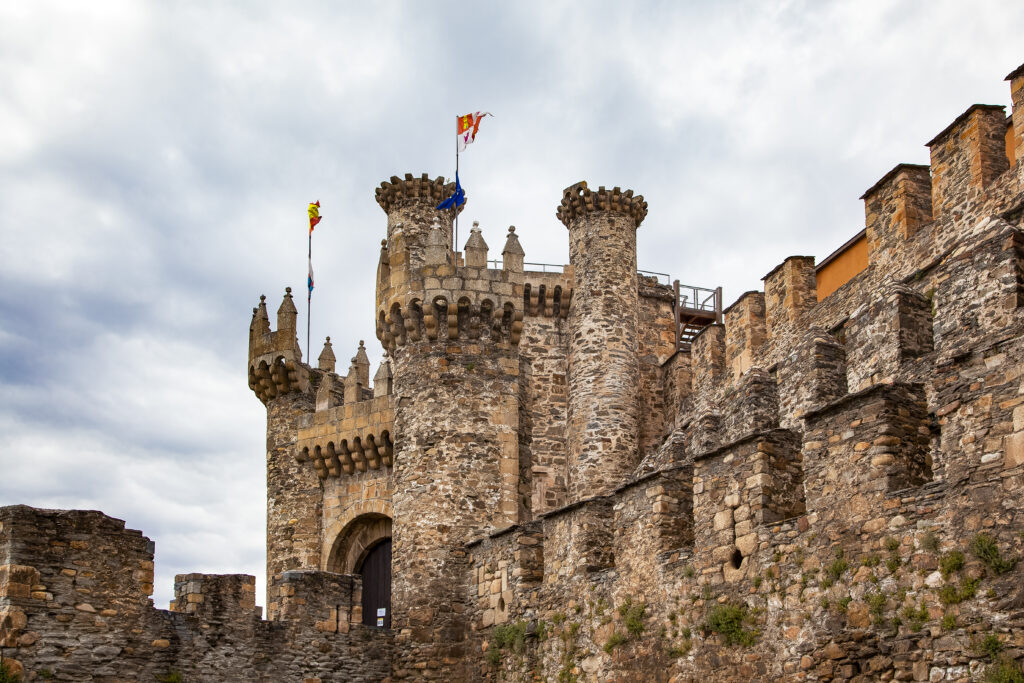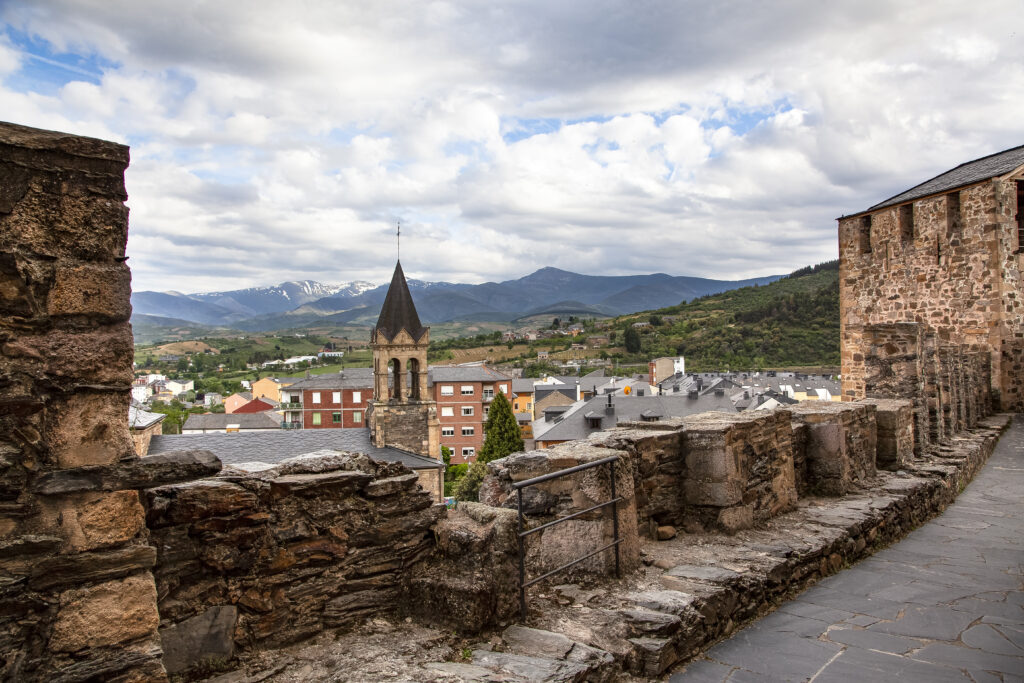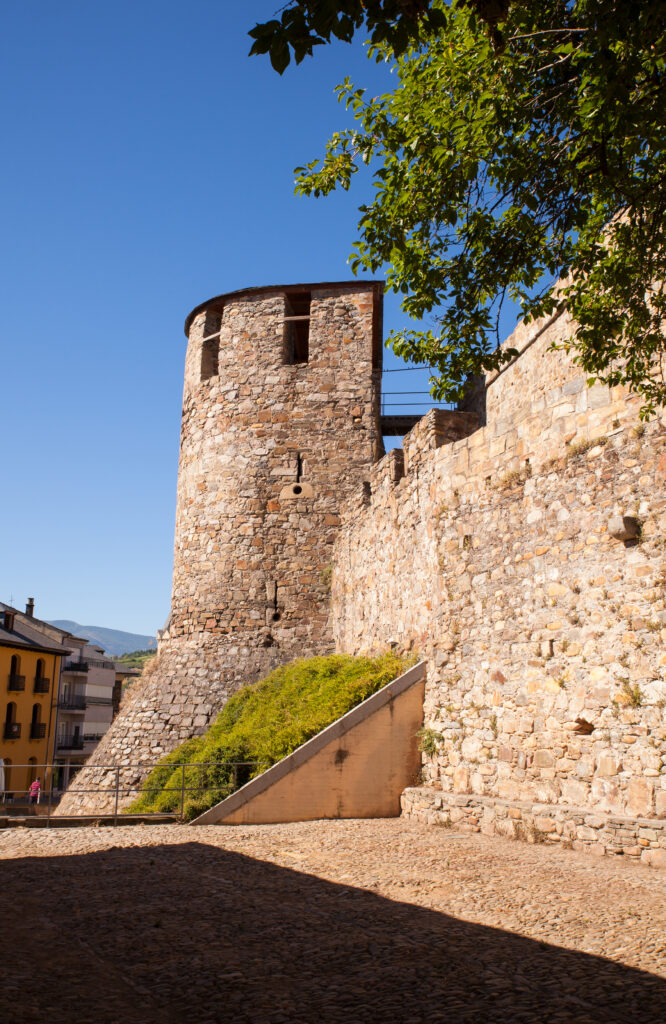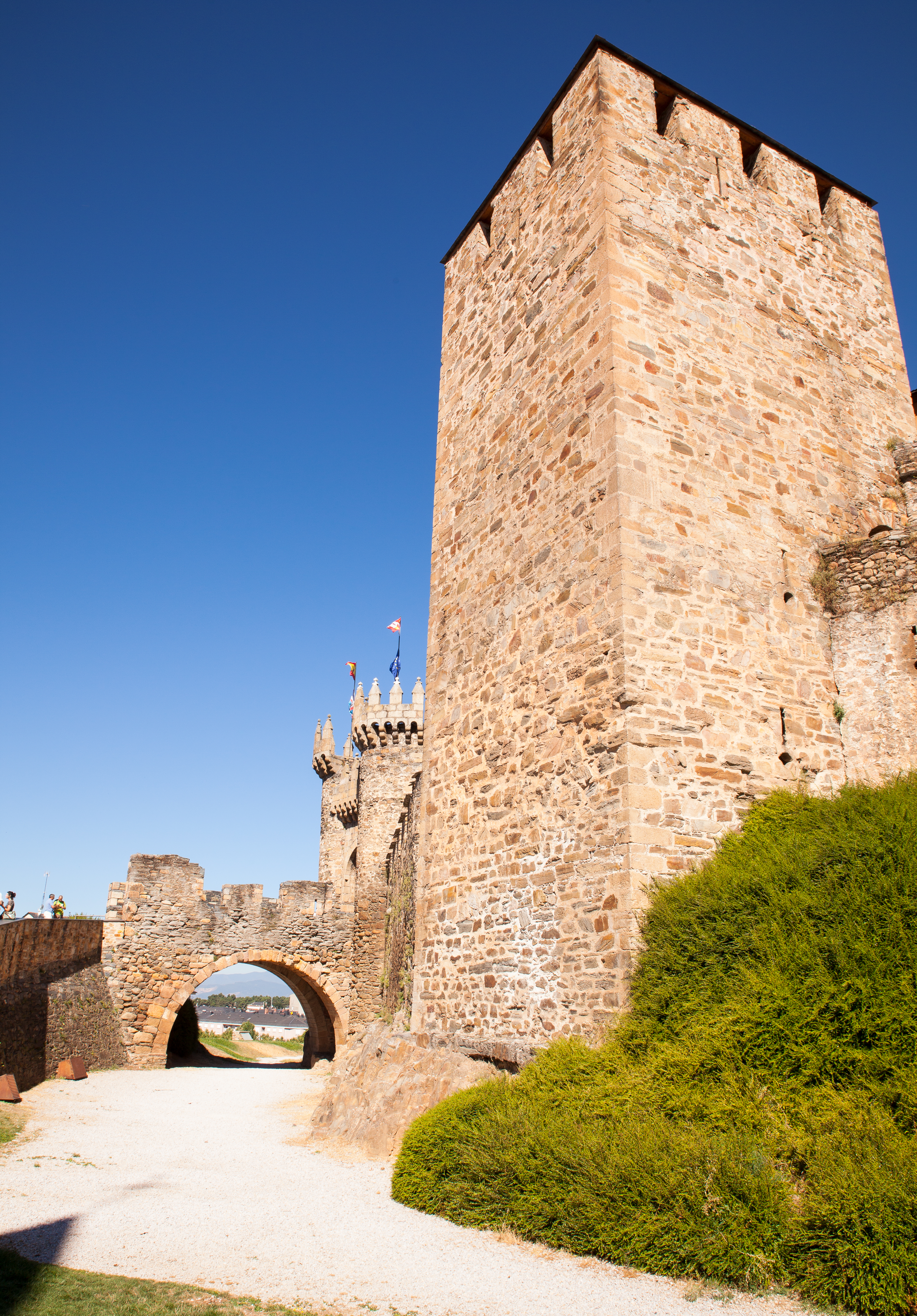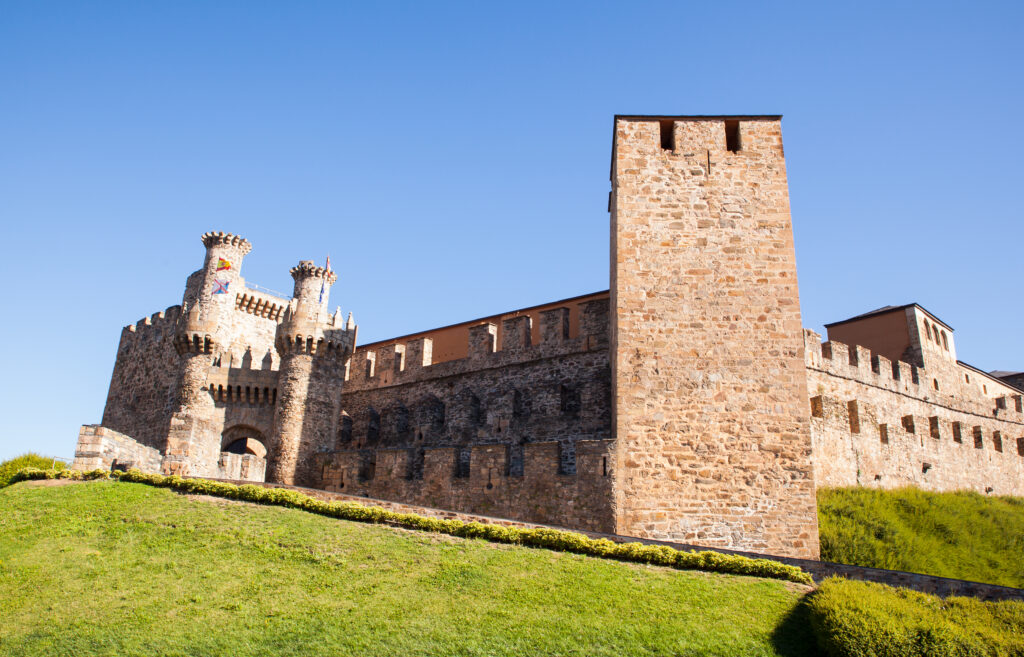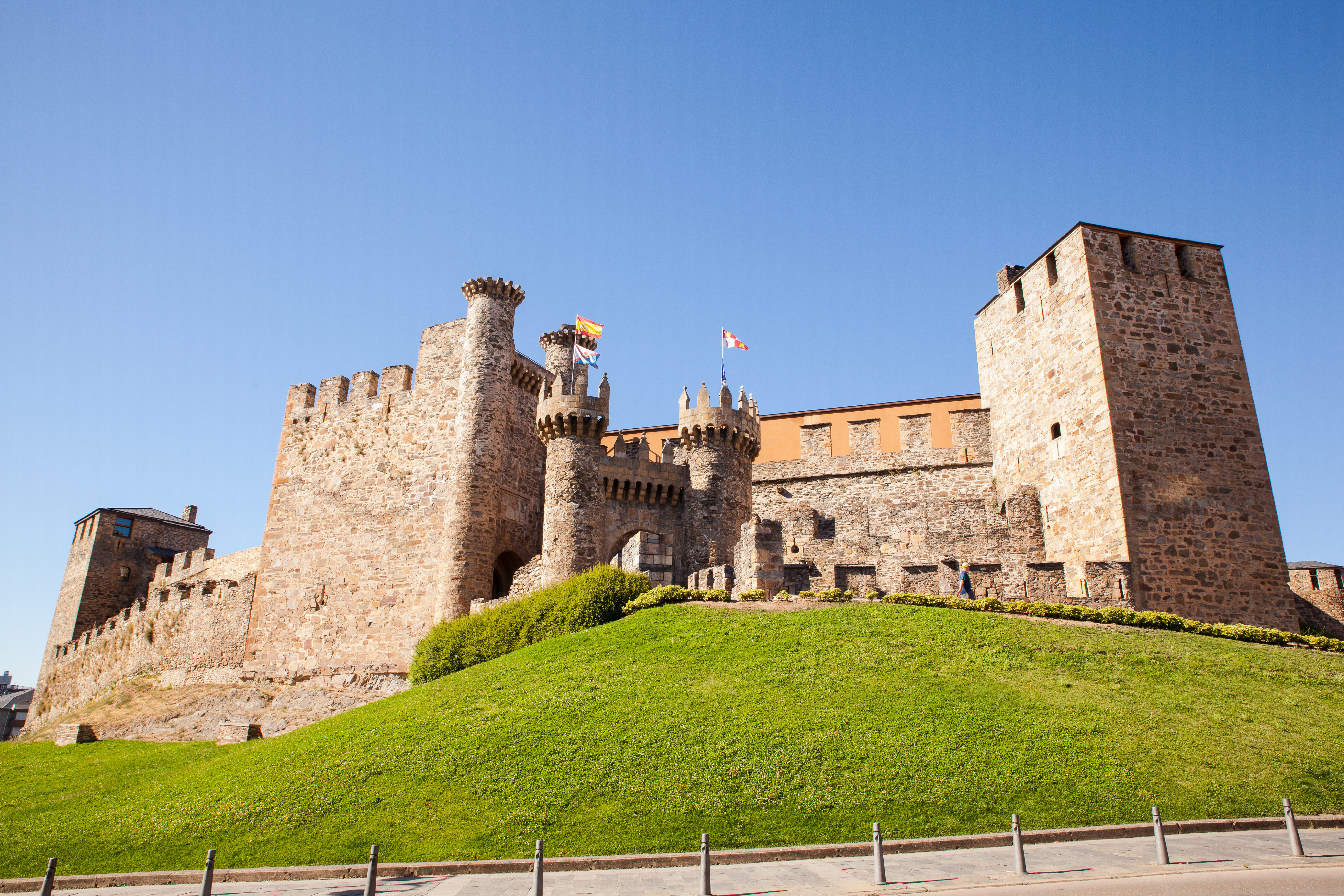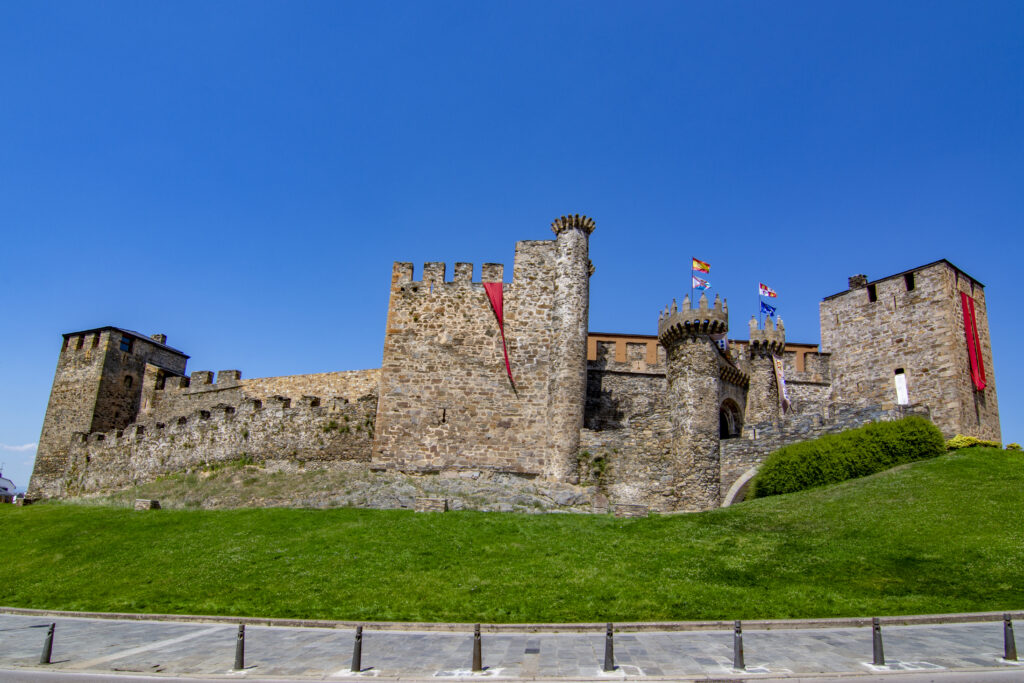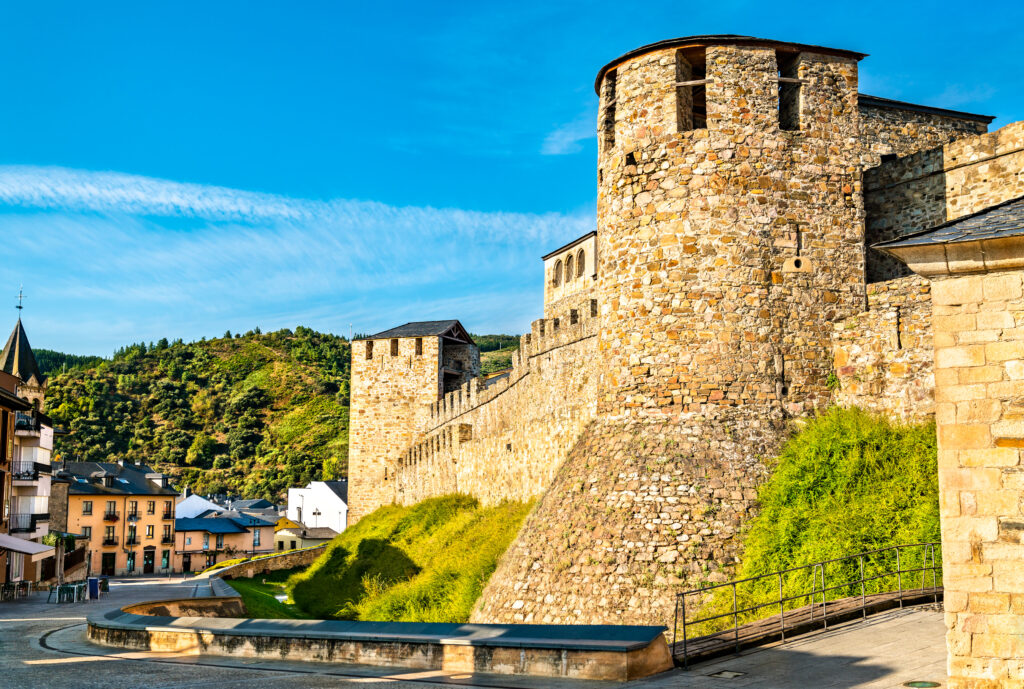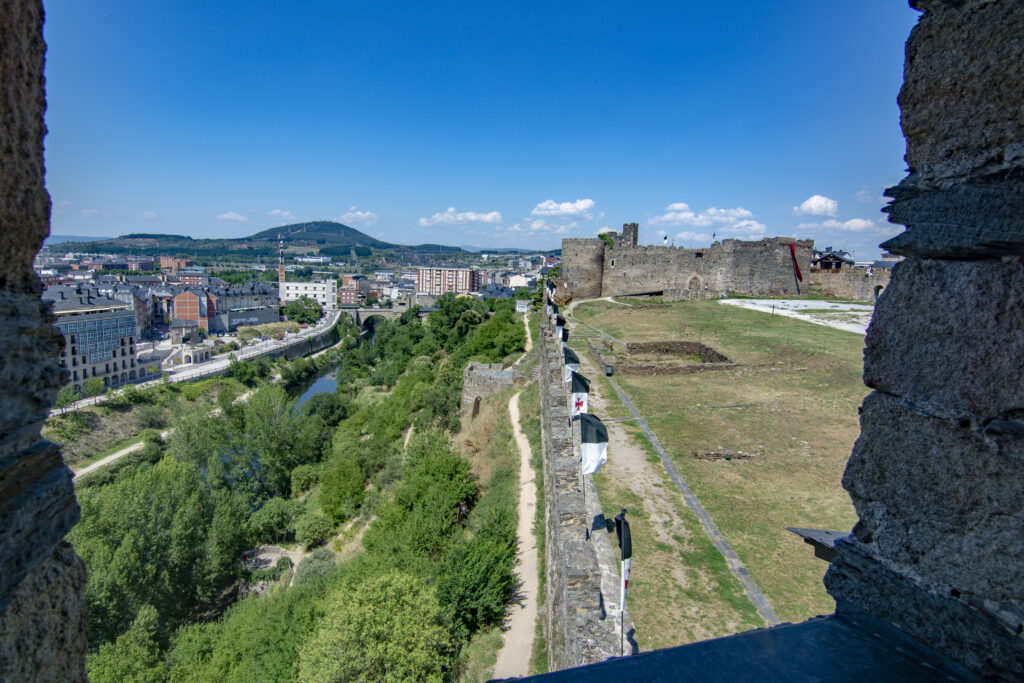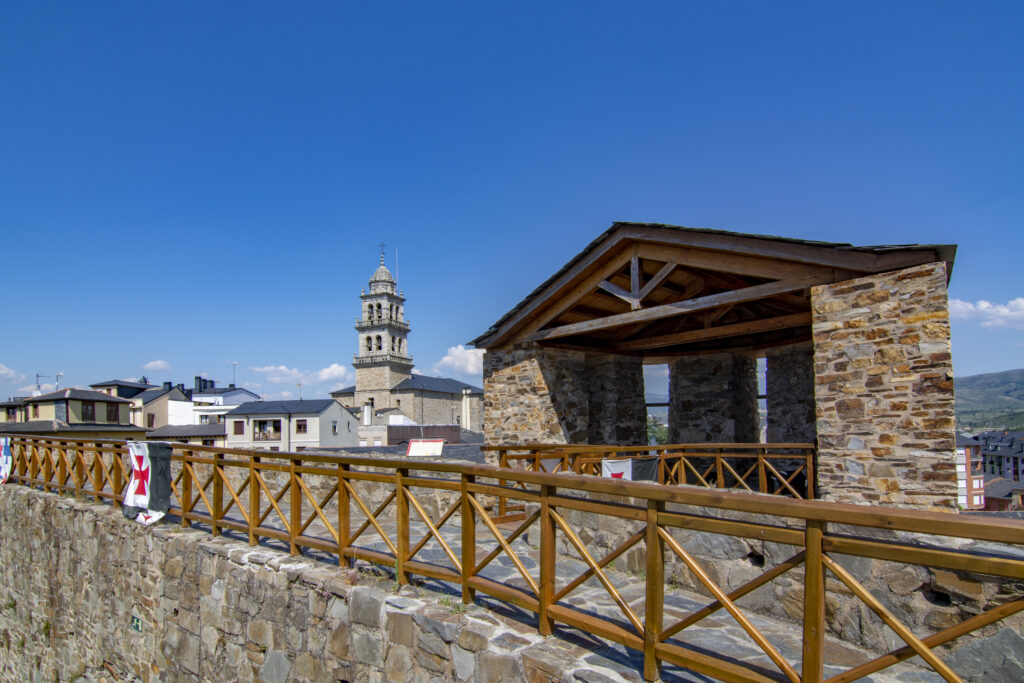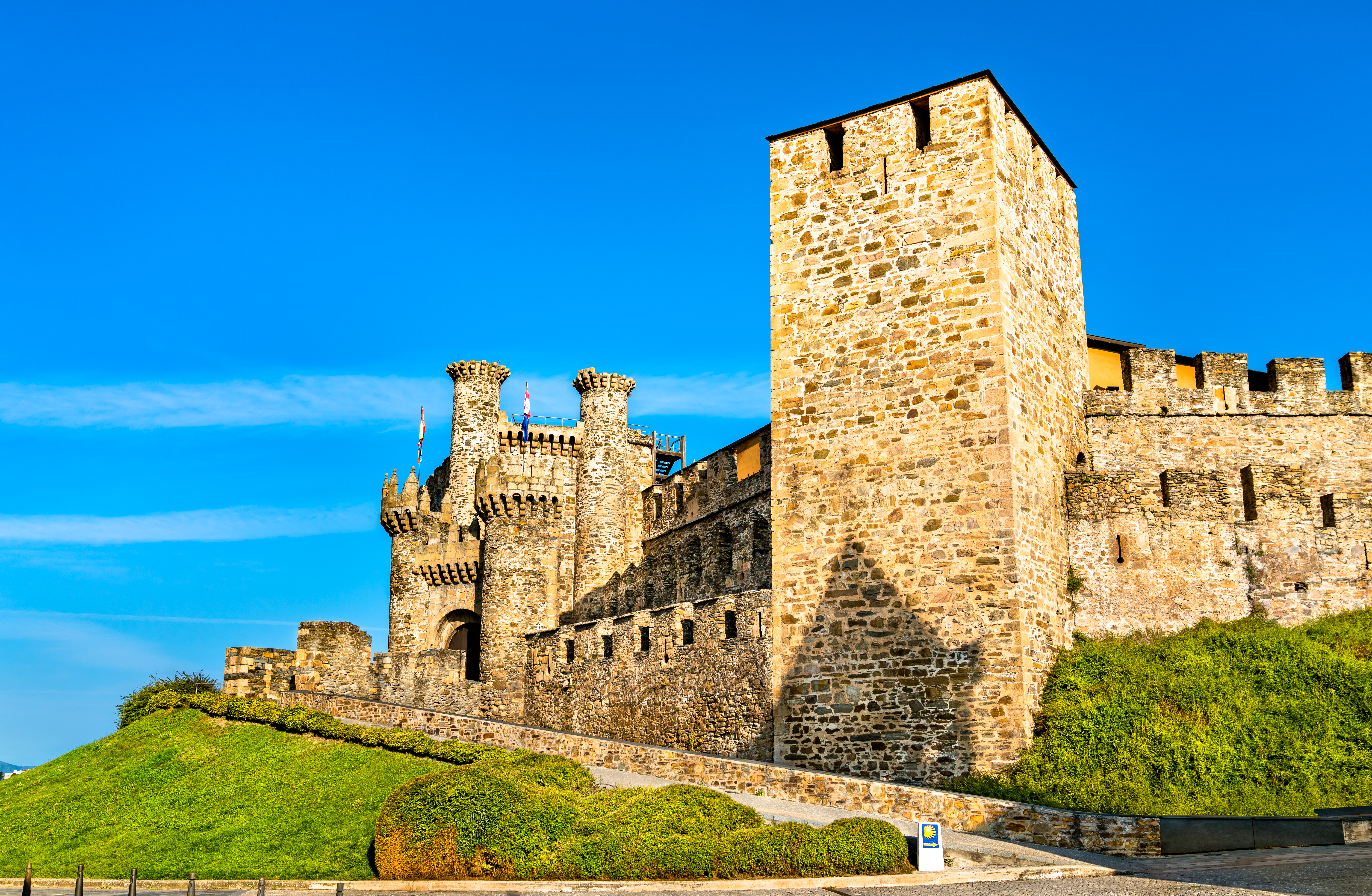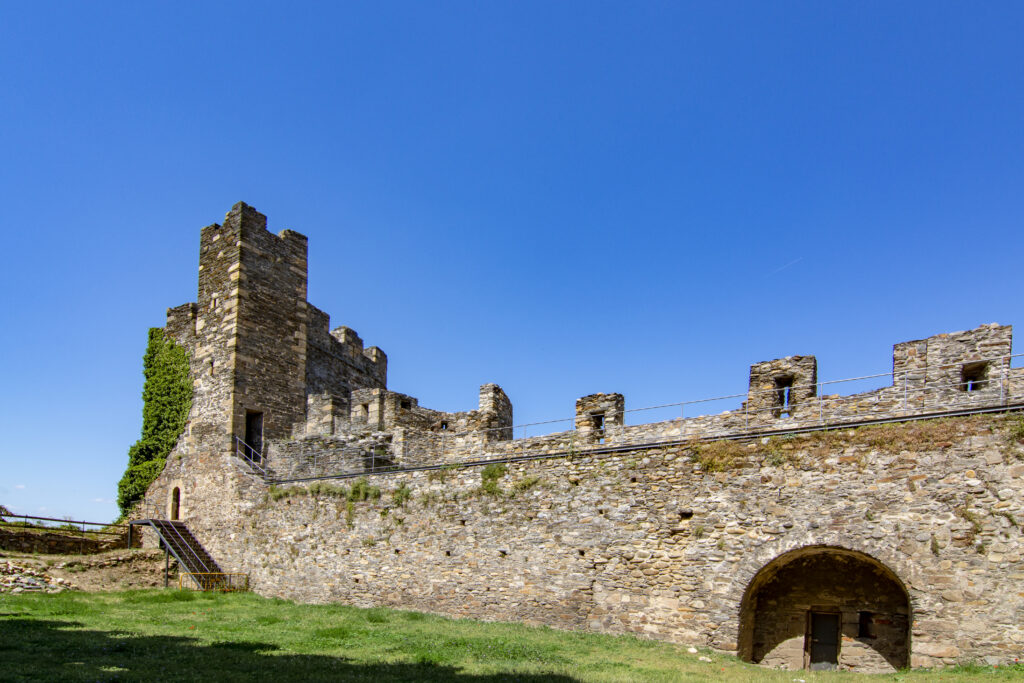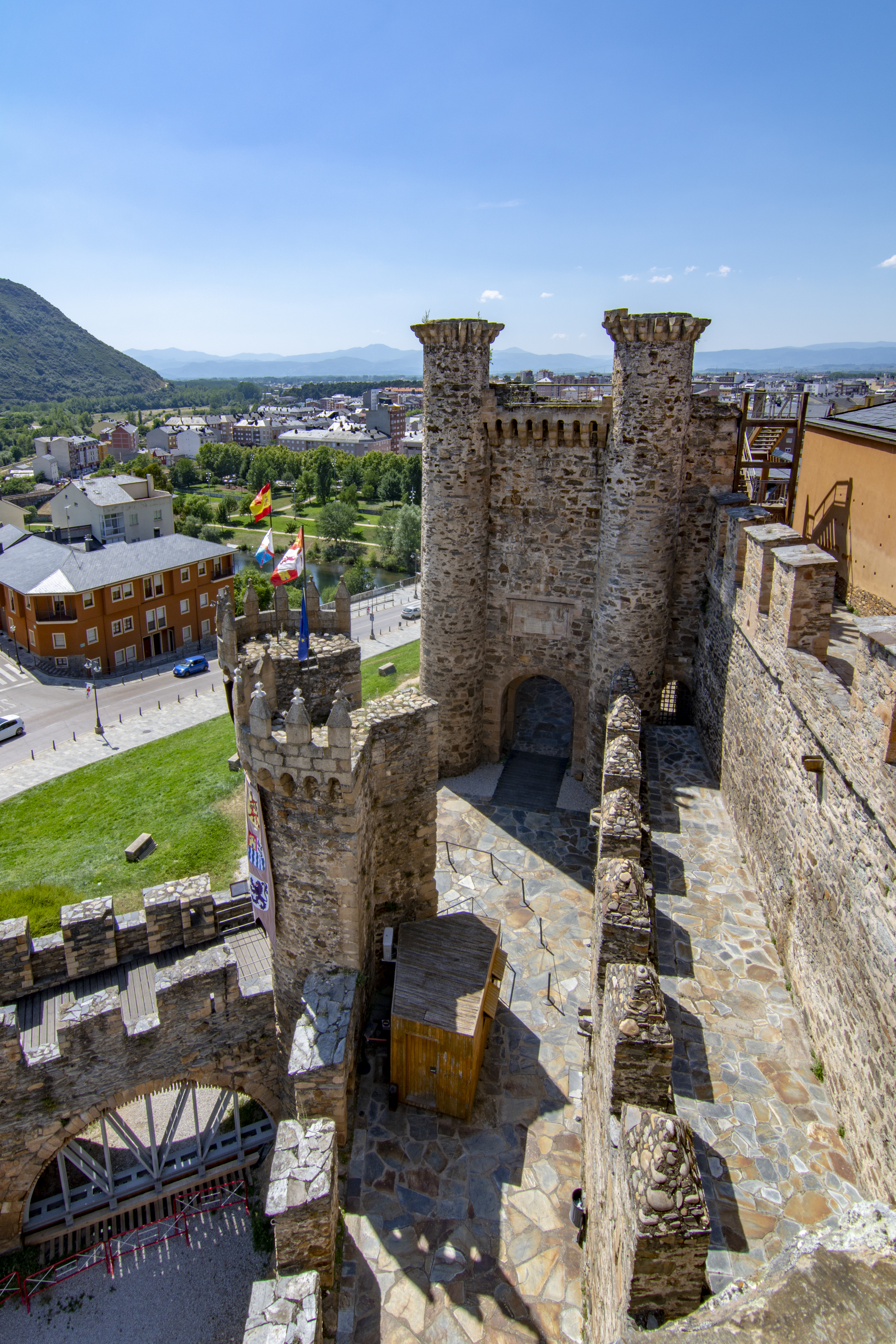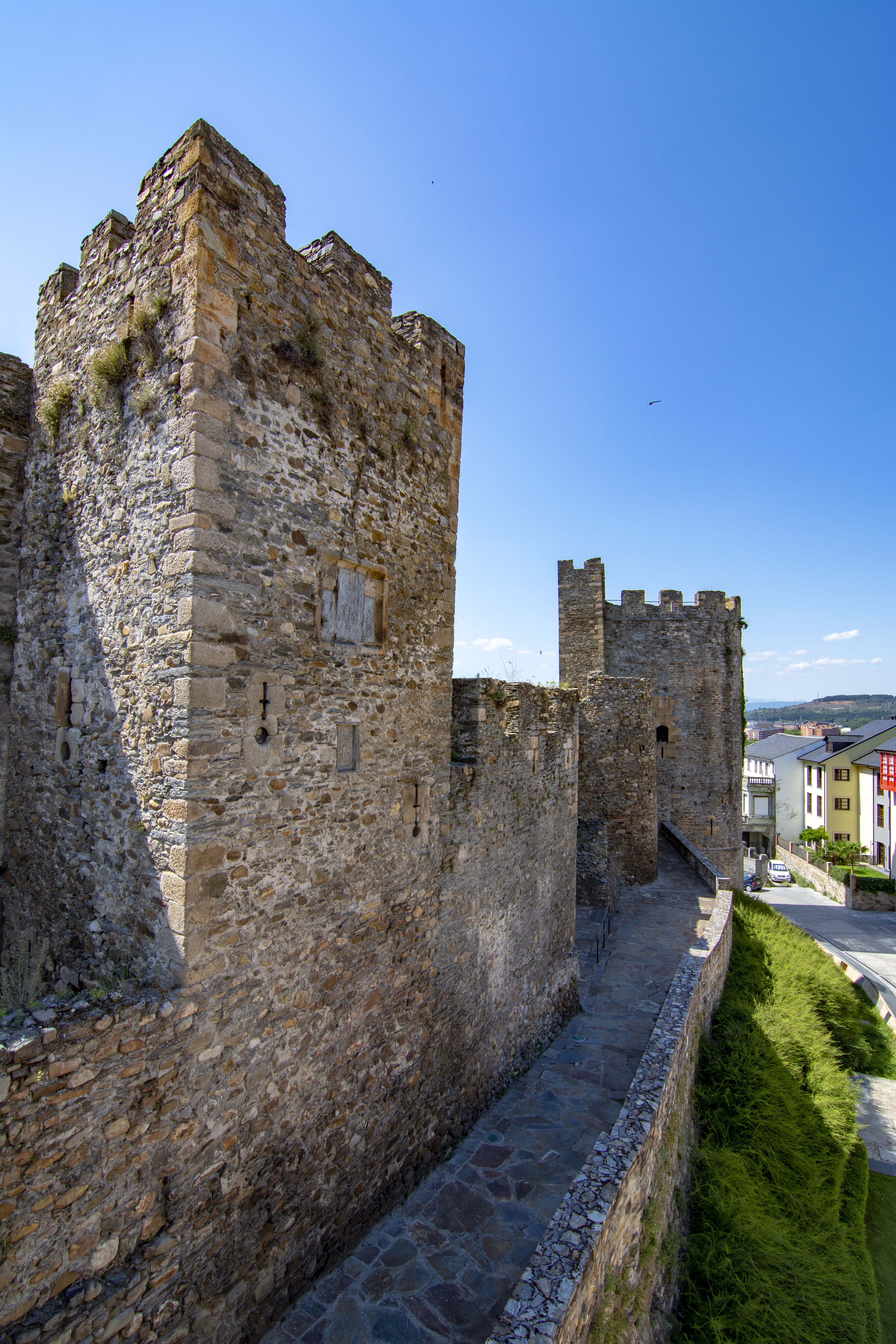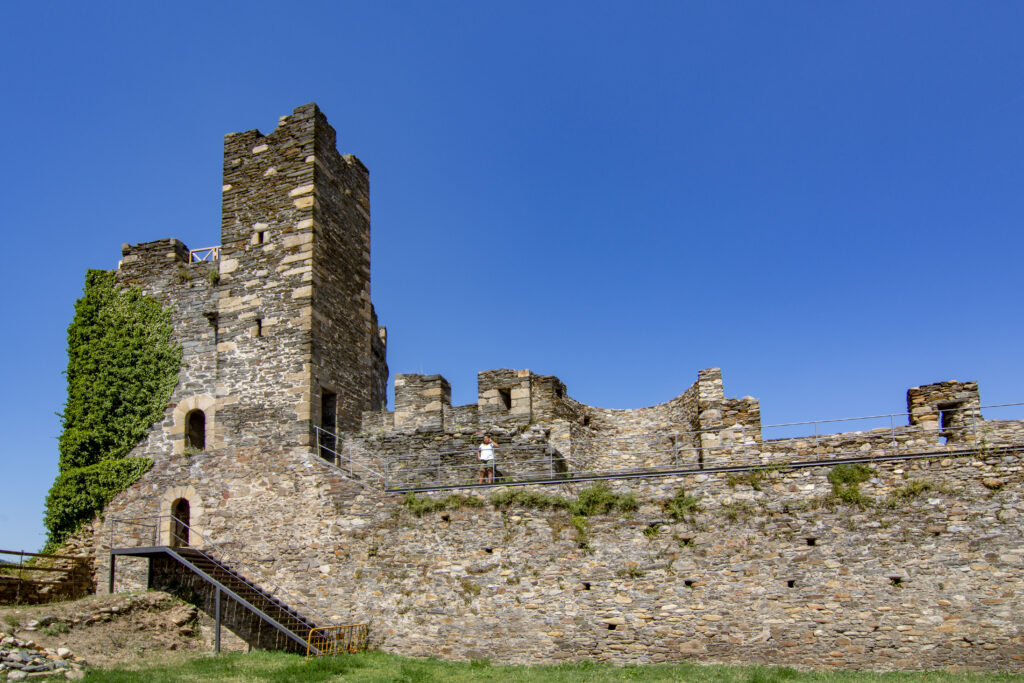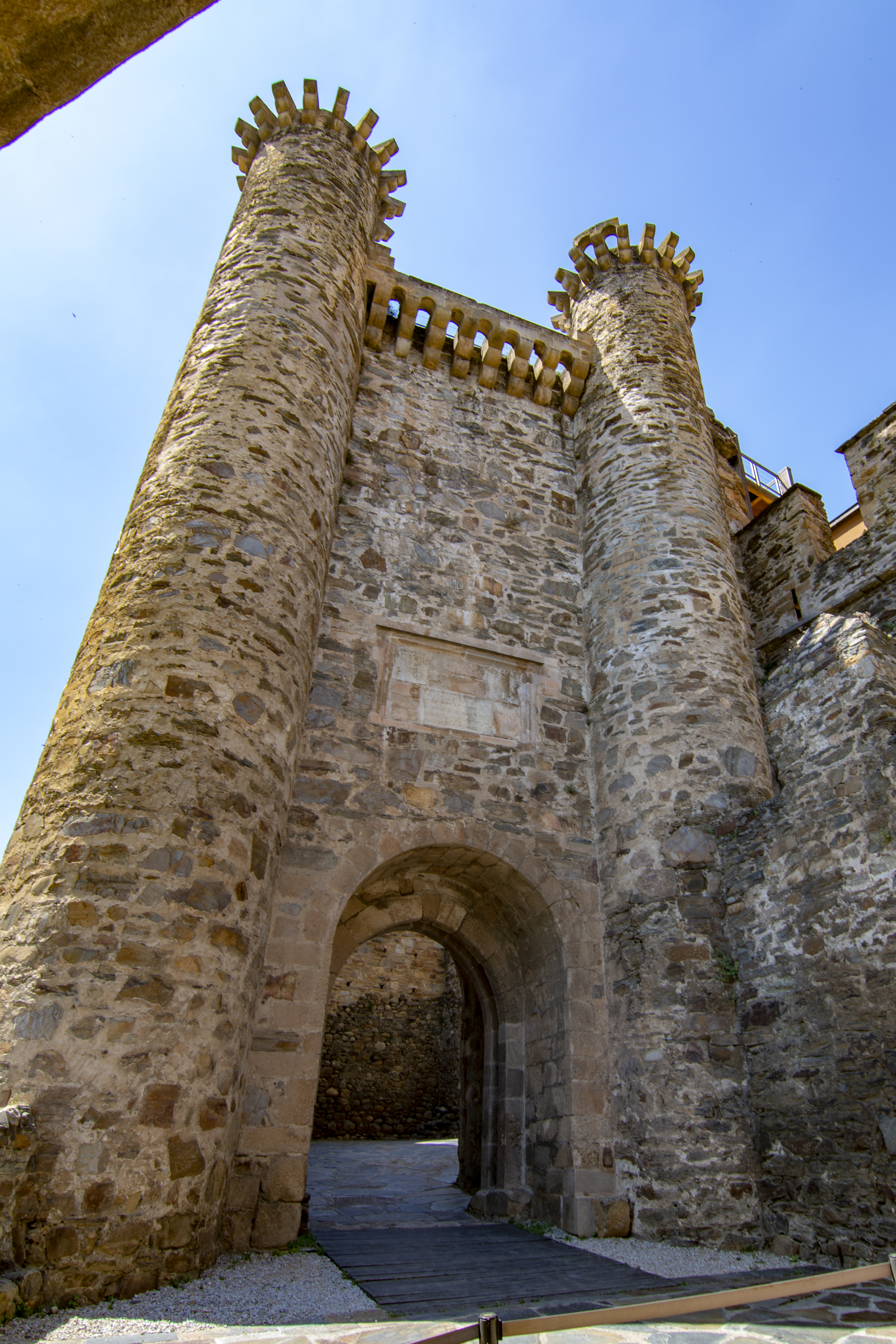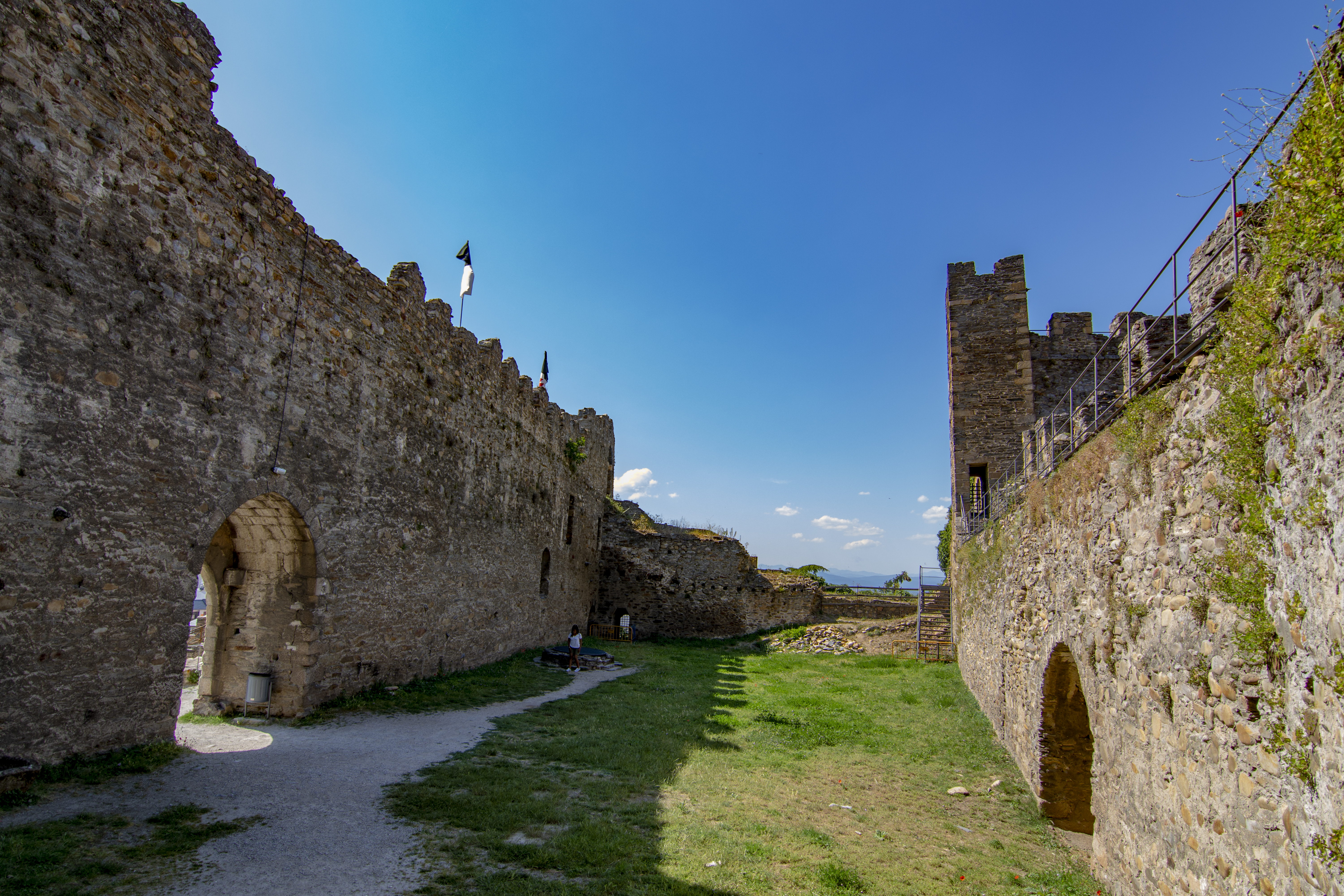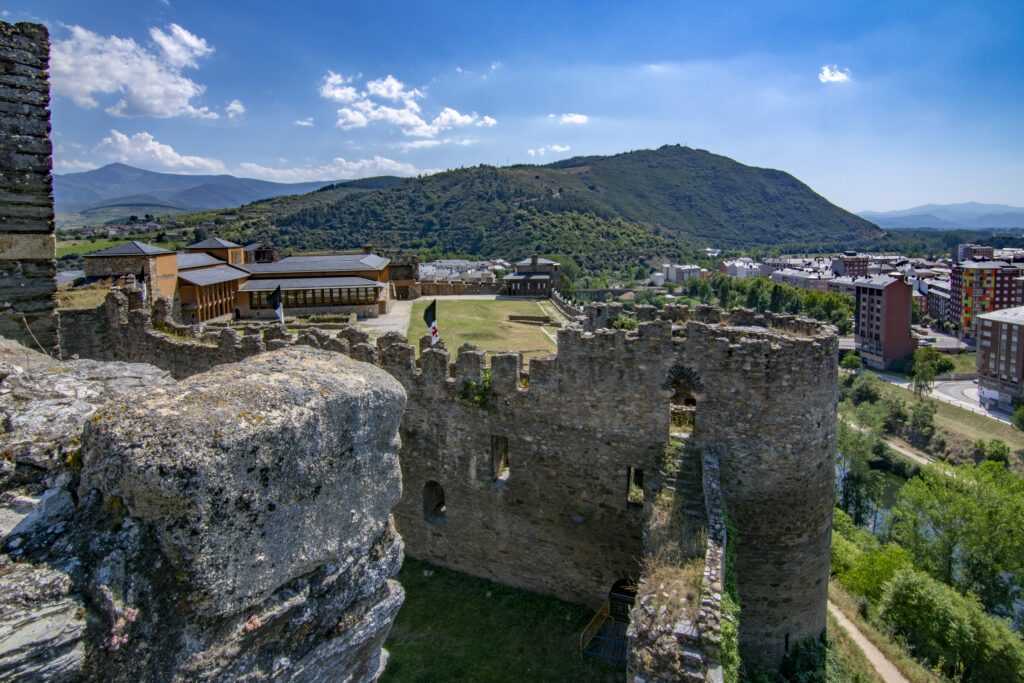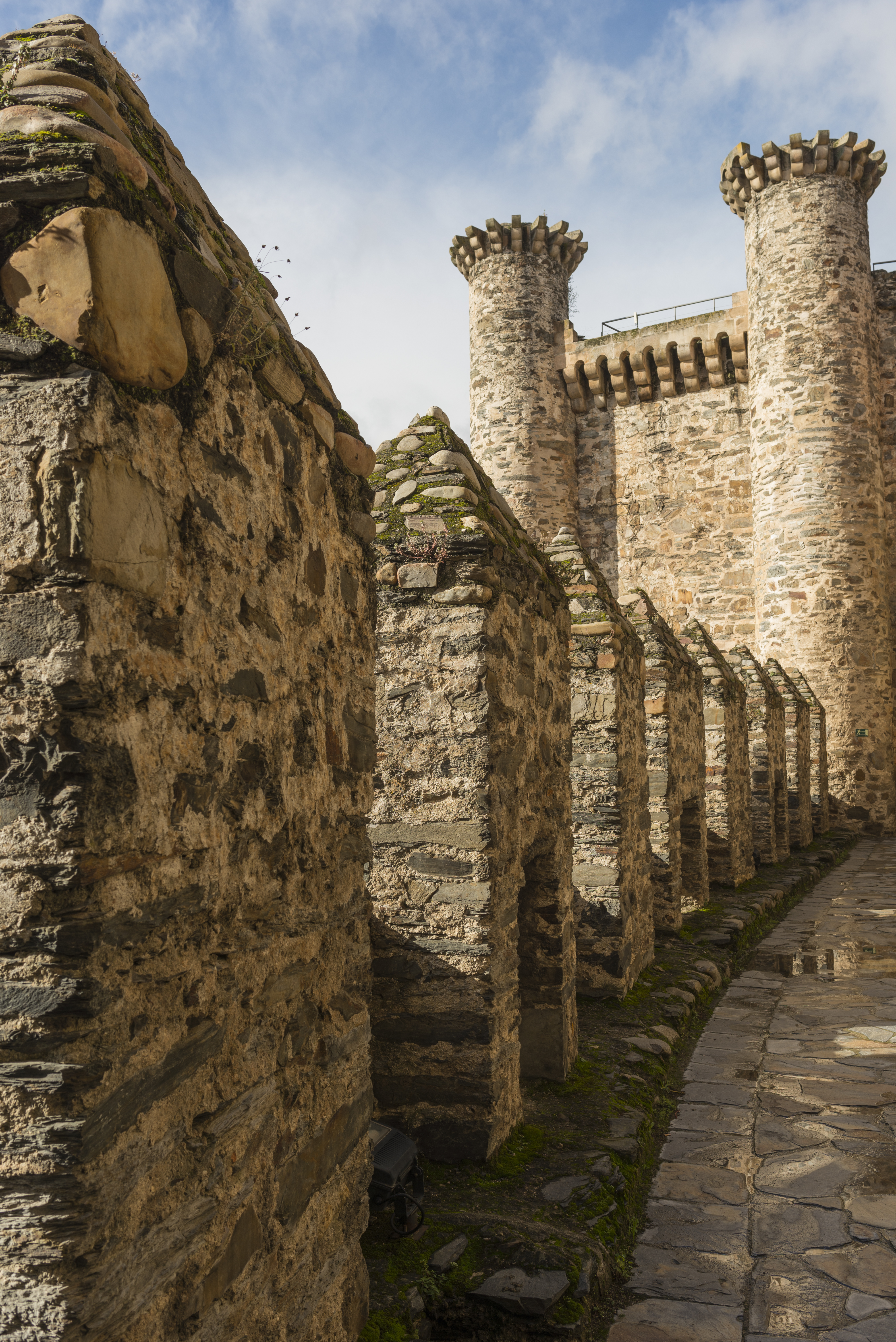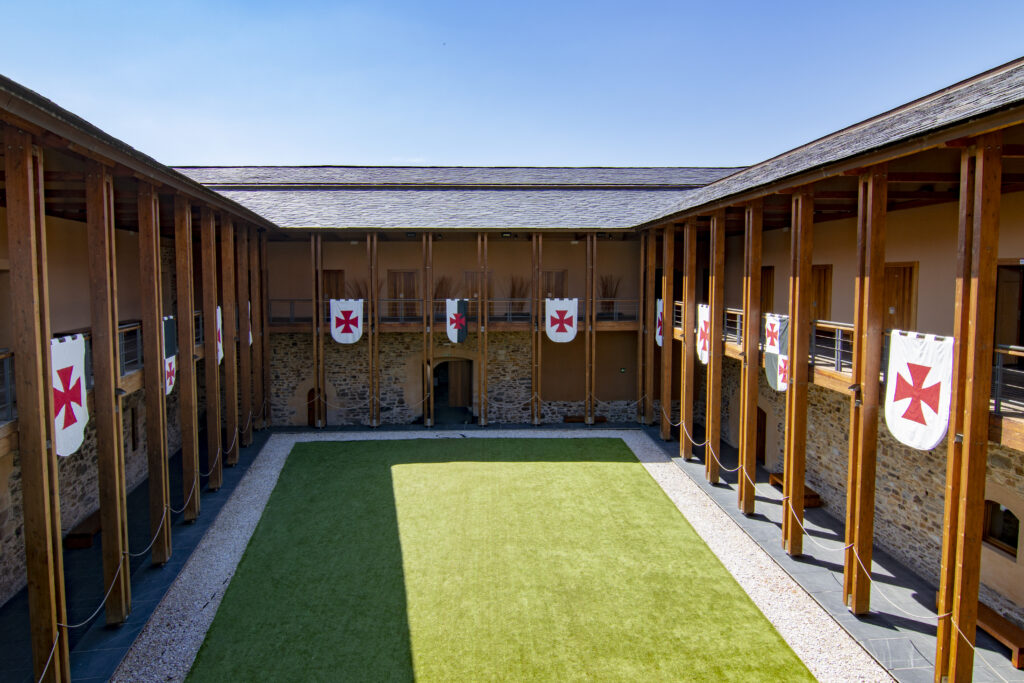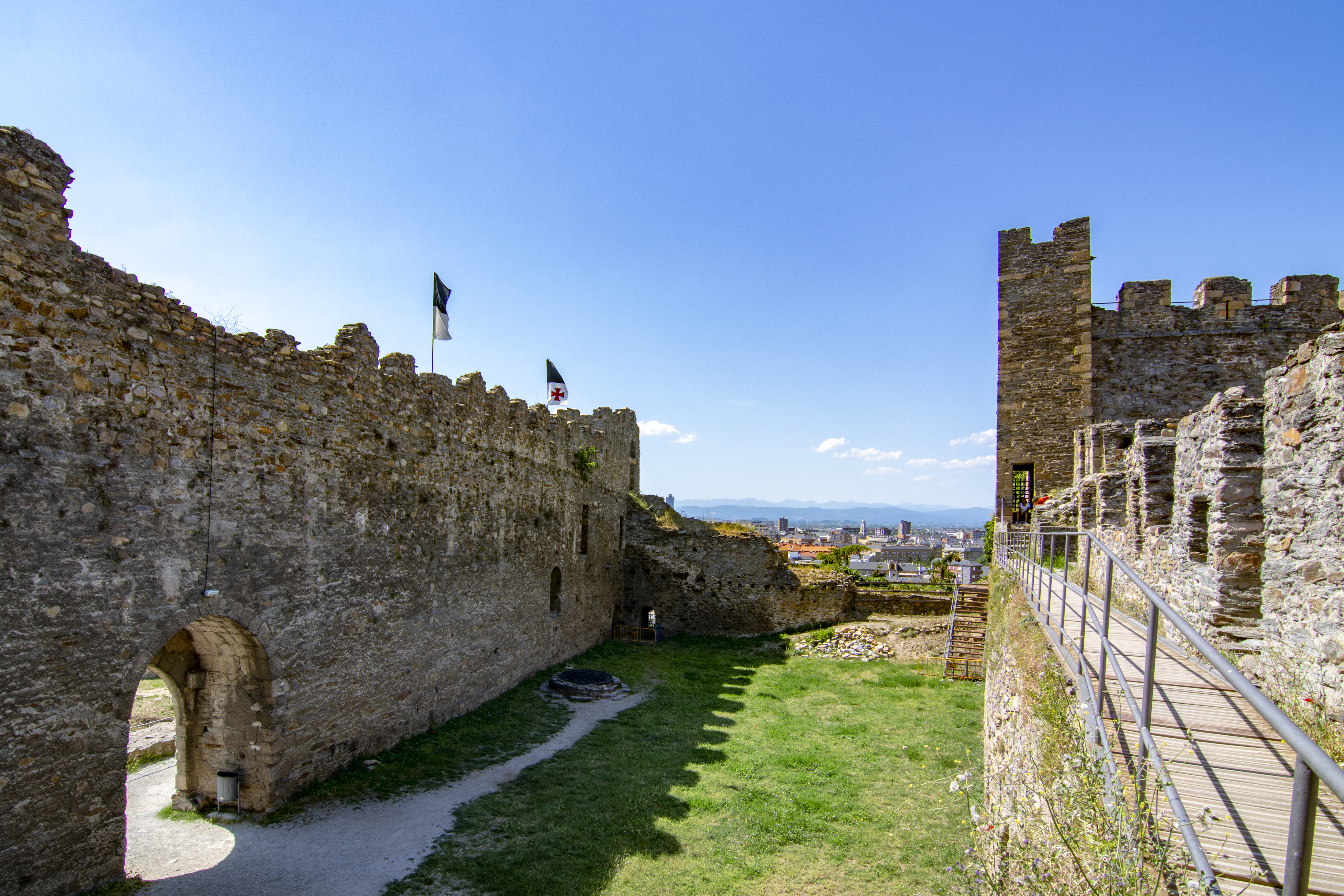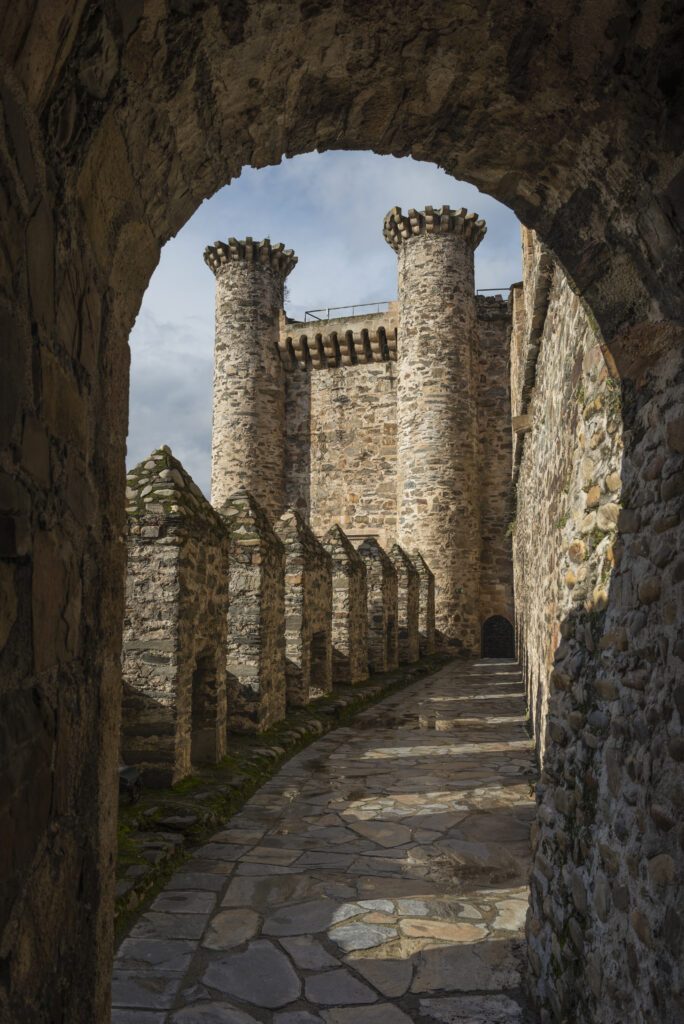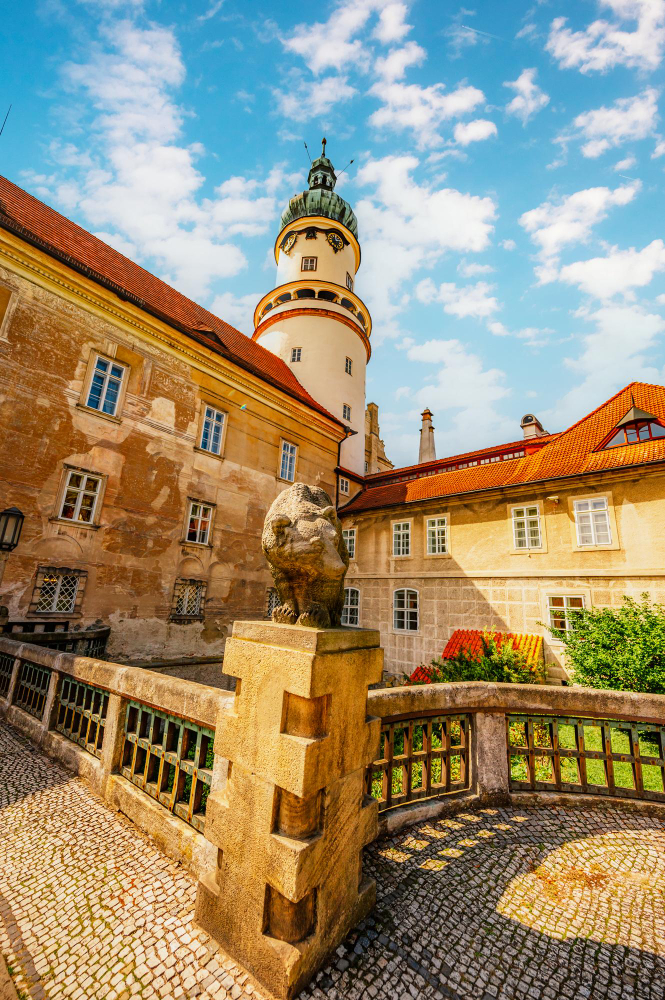

Nestled in the picturesque landscape of León in northern Spain, Ponferrada Castle stands as a monument to medieval history, surrounded by myths and legends. Once an impressive fortress of the Knights Templar, this architectural marvel has stood the test of time and bears witness to a turbulent past full of intrigue, power struggles, and chivalrous endeavors. As we delve into its historic walls, we discover a narrative as complex and captivating as any epic saga.
A fortress born of Celtic mysteries – The origins of Ponferrada Castle can be traced back to its earliest days, when it probably served as a Celtic fortress. Strategically located between the mountains and the Sil River, the site offered sufficient protection from invaders. With the arrival of the Romans and later the Visigoths, this place continued to serve as a military stronghold, a fact that did not escape the keen eyes of the Knights Templar. In 1178, King Ferdinand II of León granted the Knights Templar permission to build a fortress in Ponferrada. The Knights Templar, known for their martial skills and religious zeal, were tasked with protecting pilgrims on their way to Santiago de Compostela, one of the most important Christian pilgrimage routes. This change heralded the birth of today’s Ponferrada—a symbol of knightly duty and spiritual devotion.
The turbulent reigns of Alfonso IX and Alfonso VIII – However, the Templars’ peaceful administration of the castle was short-lived. In 1198, Alfonso IX of León recaptured Ponferrada from the Templars, driven by political maneuvers and alliances that shifted like quicksand. His decision was based on a bitter rivalry with Alfonso VIII of Castile, whom the Templars had sided with. This moment marked the beginning of a series of power shifts during which the fortress changed hands several times, reflecting the volatile political landscape of medieval Spain. By 1211, the Templars had managed to regain control of Ponferrada through a strategic exchange of several castles. Their return marked a period of relative stability, but the shadow of uncertainty loomed large in view of the impending dissolution of the Order.
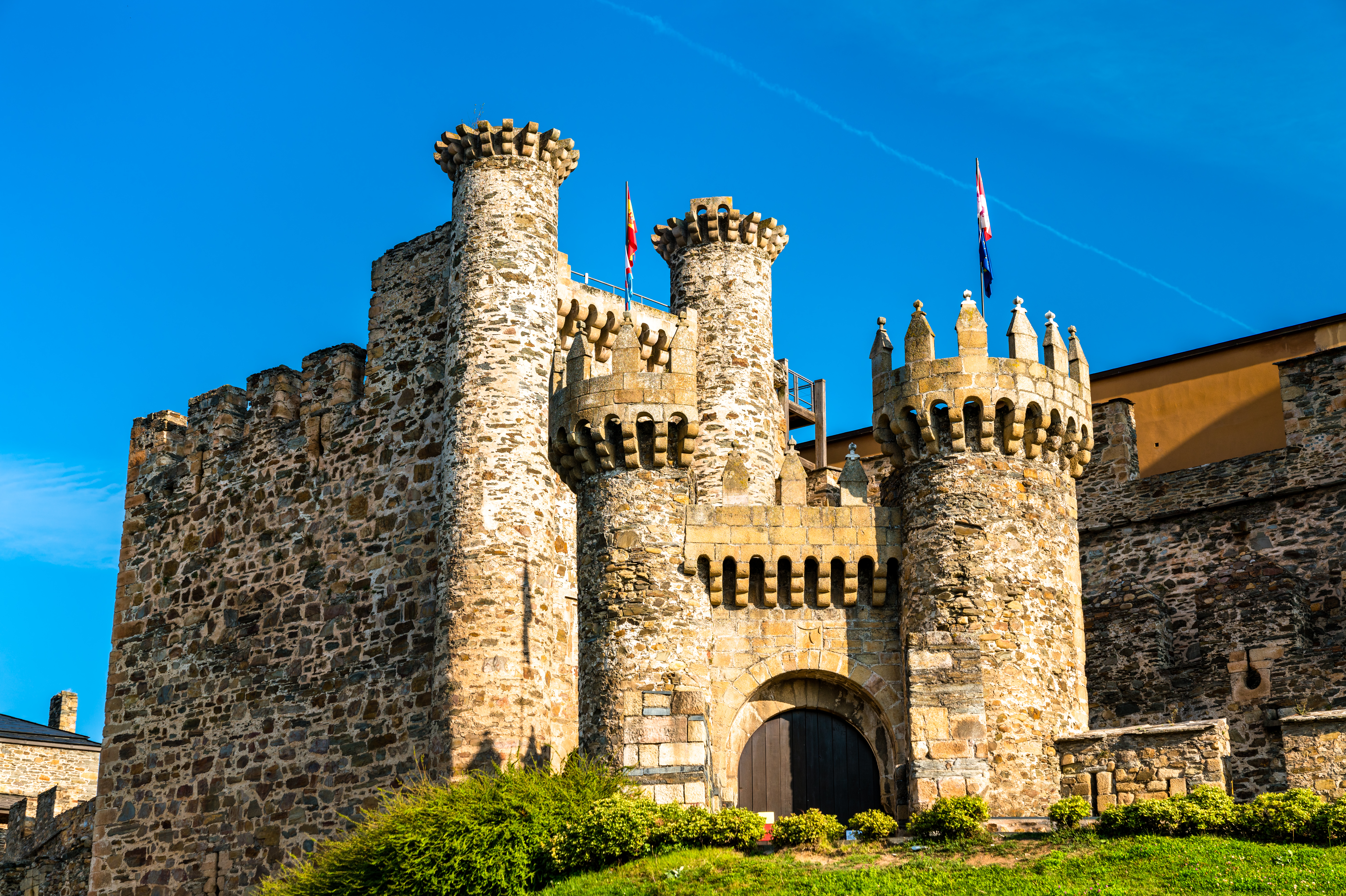
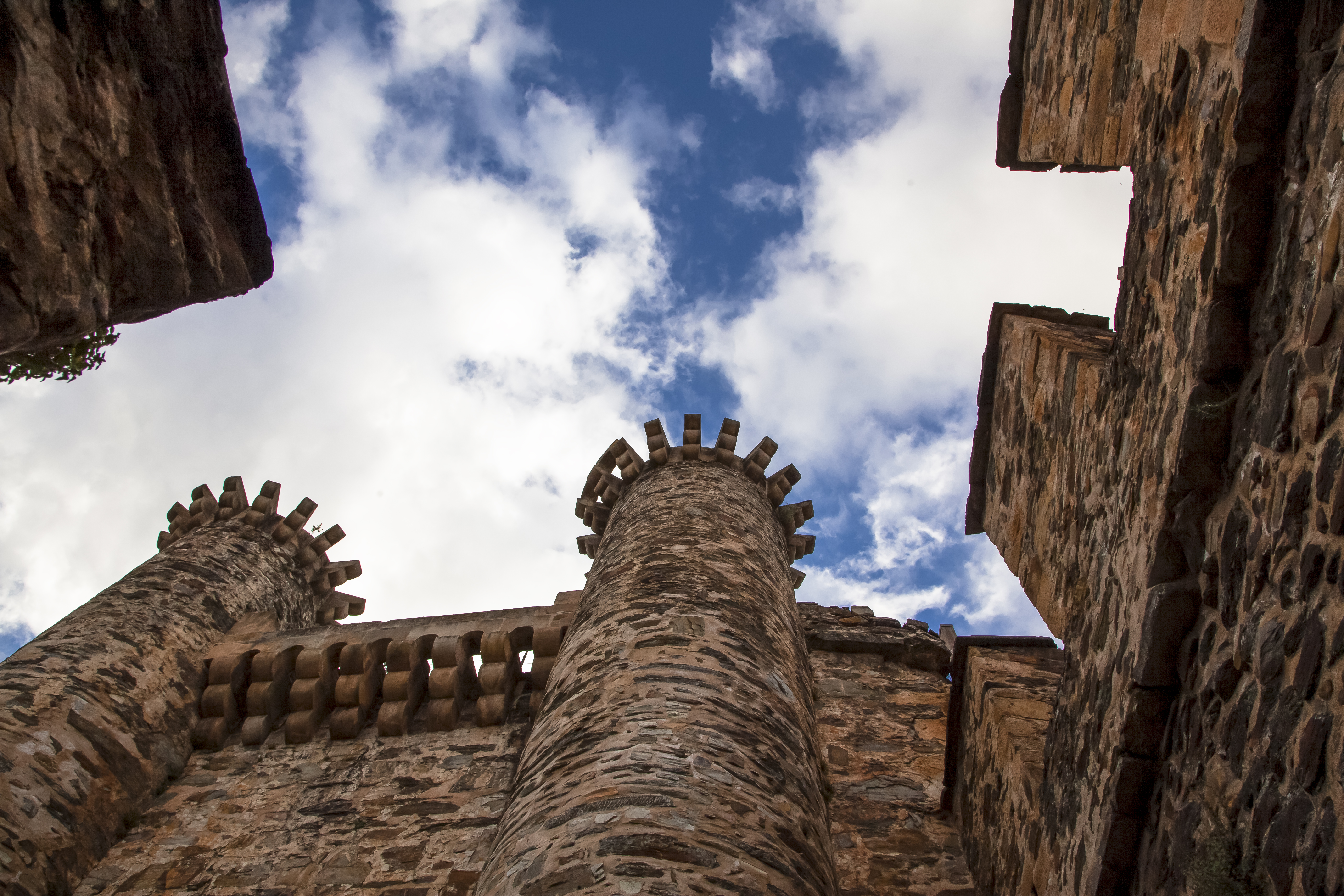
The fall of the Templars and the rise of new powers – The year 1307 marked the end for the Templars when King Philip IV of France dissolved the powerful order on charges of heresy and corruption. In Spain, the Templars attempted to protect their possessions from confiscation. Rodrigo Yánez, the Spanish Templar Master, handed Ponferrada over to Infante Philip, the brother of King Ferdinand IV, in a daring attempt to preserve its sanctity. Around 1340, the fortress came under the patronage of Pedro Fernández de Castro, who began construction of a new building on the old Templar foundations. This expansion included impressive towers and fortified walls, cementing Ponferrada’s status as a stronghold against internal and external threats.
Rebellion and redemption in the 15th century – At the end of the 15th century, Ponferrada became embroiled in another chapter of unrest. Rodrigo Osorio, a nobleman with great ambitions, captured the castle in 1480, sparking a rebellion against the monarchy. This bold act led to a siege by royal troops, which resulted in the recapture of the fortress in 1486. This event cemented the supremacy of the crown, but also underscored the castle’s enduring appeal as a coveted target for power seekers.
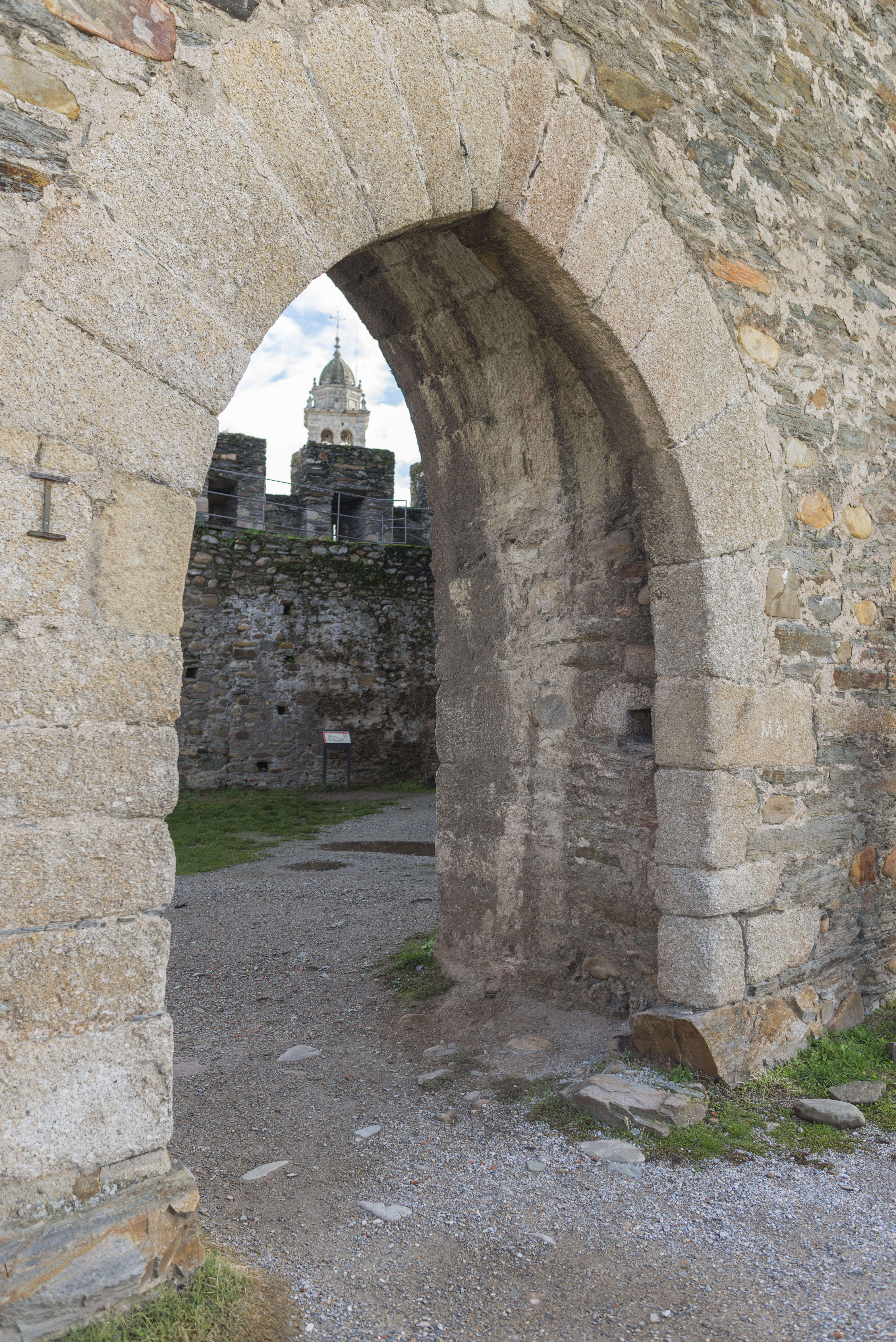
Neglect and Resurrection: The 19th and 20th Centuries – Over the centuries, Ponferrada lost its strategic importance, leading to a period of neglect. Around 1850, the municipal authorities sold parts of the castle walls and used them as building material—a fate not uncommon for historic structures in times of economic hardship. The once-glorious courtyard was used for various purposes, from pastureland to a makeshift soccer field, further diminishing its splendor. However, in 1924, a collective realization of the castle’s historical significance sparked a revival. Ponferrada was declared a national monument and designated a “Bien de Interés Cultural” (cultural asset of cultural interest). Restoration work began, breathing new life into the old stones and ensuring their preservation for future generations.
Legends and traditions: The myths of Ponferrada – Ponferrada’s heritage goes beyond historical facts and is interwoven with the numerous legends associated with the Knights Templar. Stories of hidden treasures buried beneath the foundations continue to capture the imagination of treasure hunters and historians alike. Some whisper of secret passages and hidden chambers where priceless relics are said to be kept—including, some speculate, even the Holy Grail itself. Although there is no physical evidence to support these claims, the fascination remains, attracting enthusiasts from all over the world to explore the mysterious places where history and myth meet.
A timeless testament to human endeavor – Today, Ponferrada Castle stands as a testament to human ambition, resilience, and an unbroken spirit of adventure. Its walls, engraved with stories of bravery and betrayal, invite us to reflect on the complexity of the past while inspiring us to protect our heritage. As visitors stroll through the ancient corridors, they are reminded of the delicate balance between preserving history and embracing the myths that shape our cultural identity.
Whether viewed as the guardian of sacred pilgrimage sites, a stronghold of feudal power, or a repository of ancient secrets, Ponferrada remains an indelible part of Europe’s medieval heritage—a reminder of a bygone era that echoes into the present.