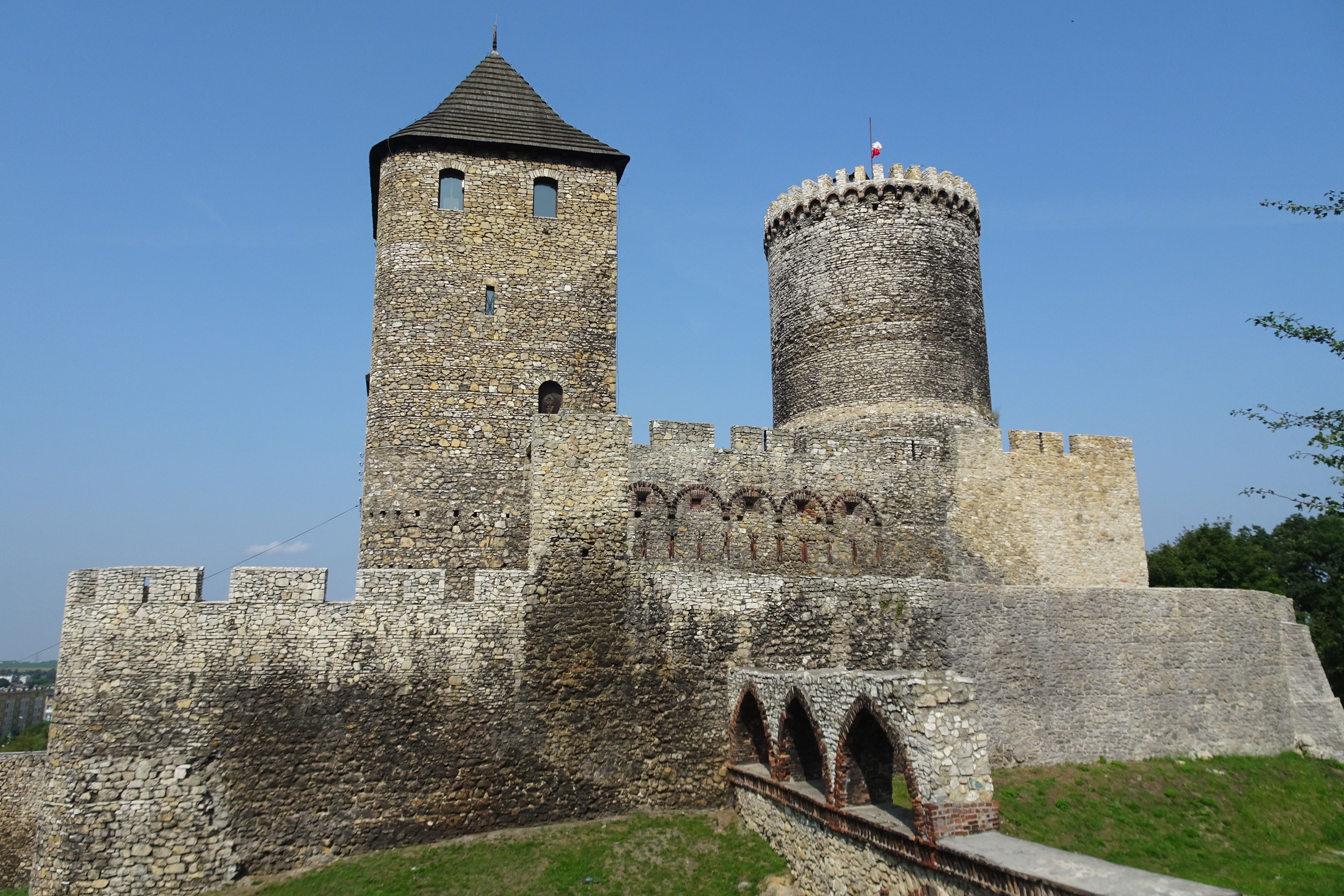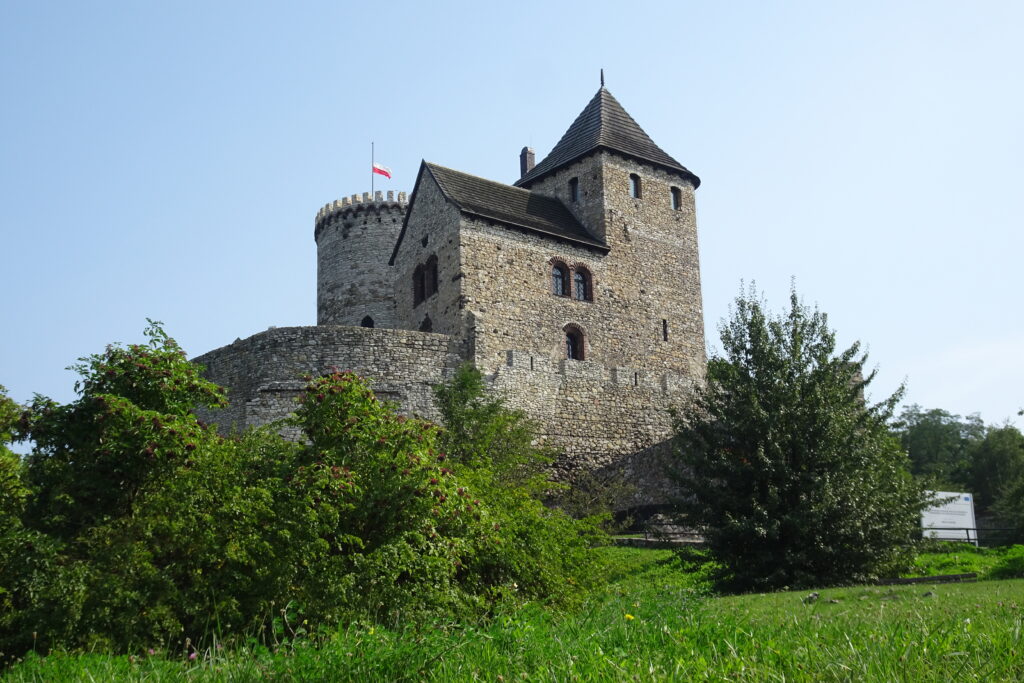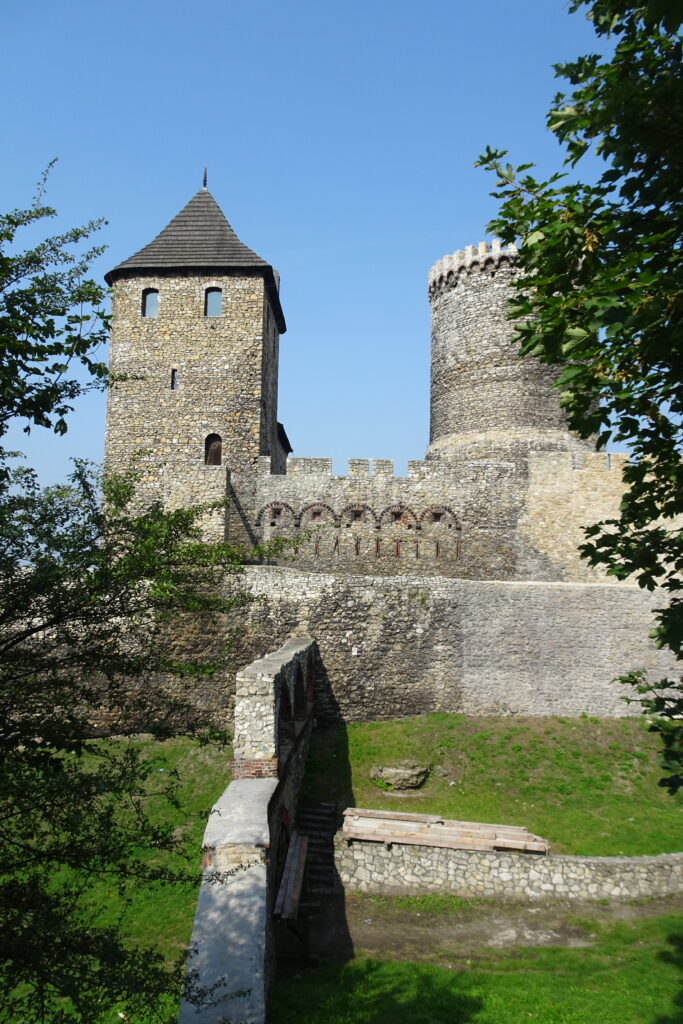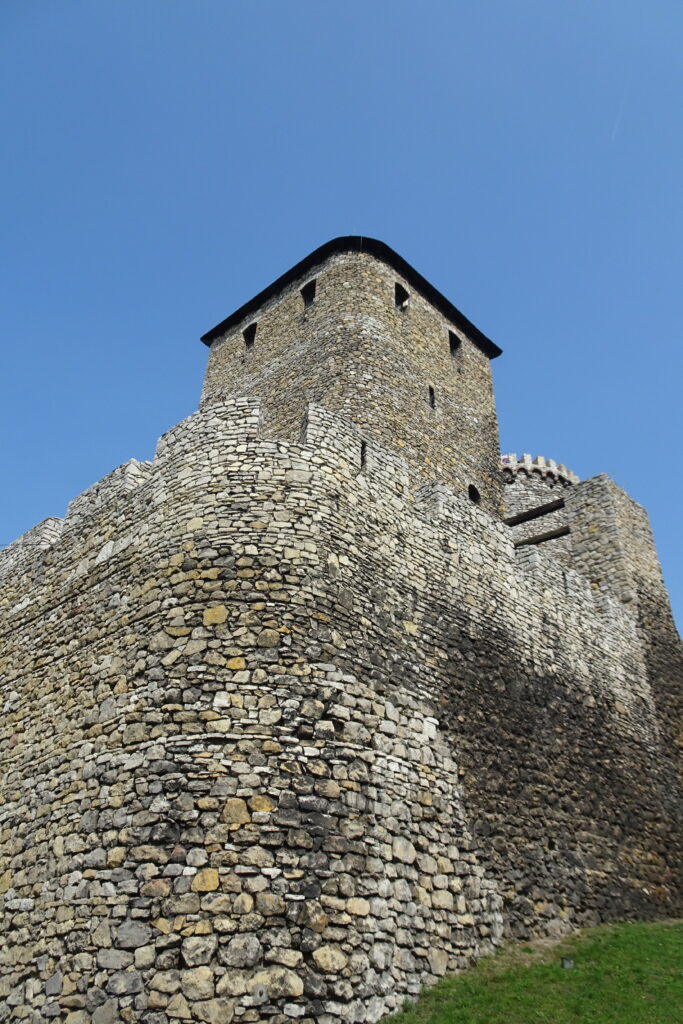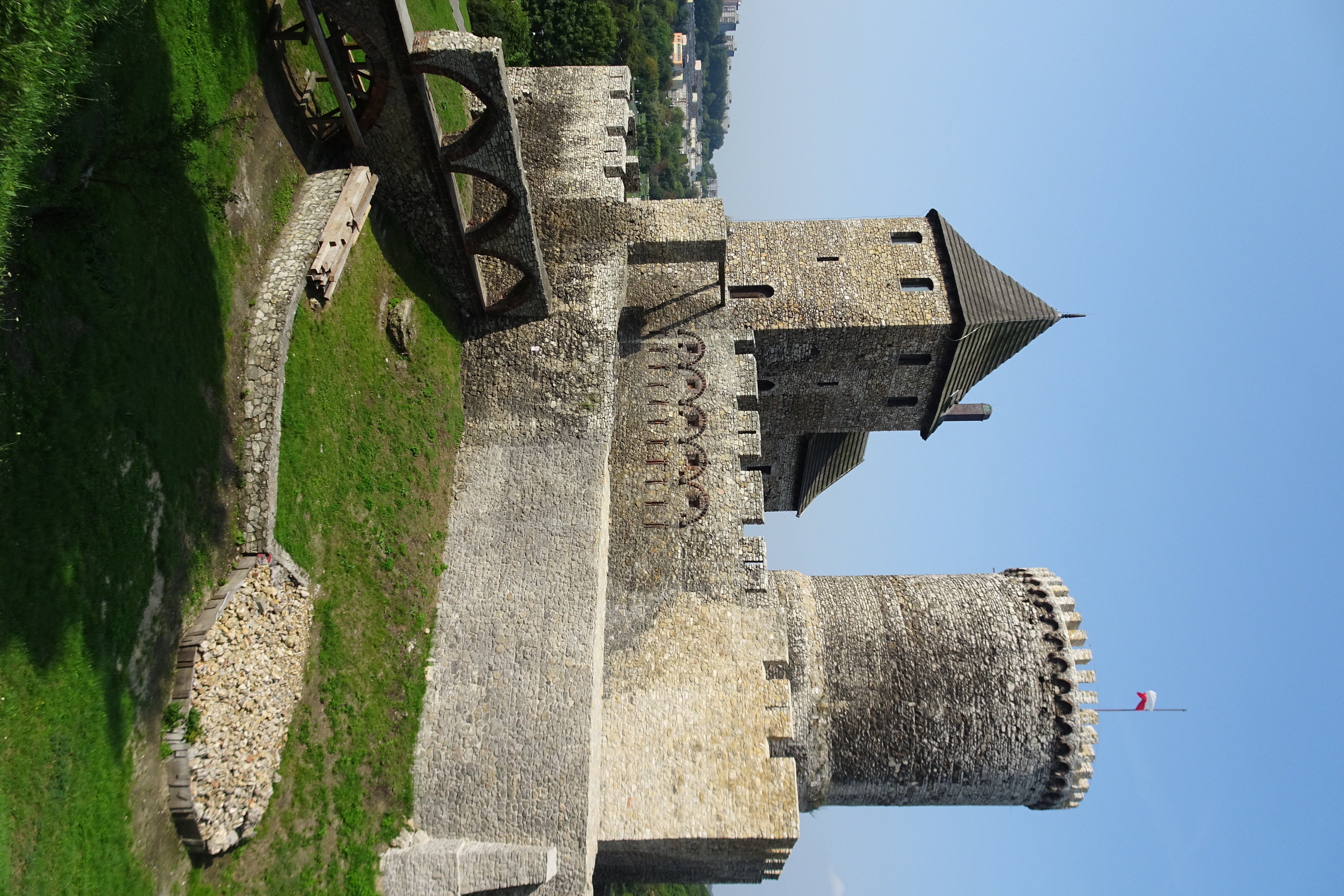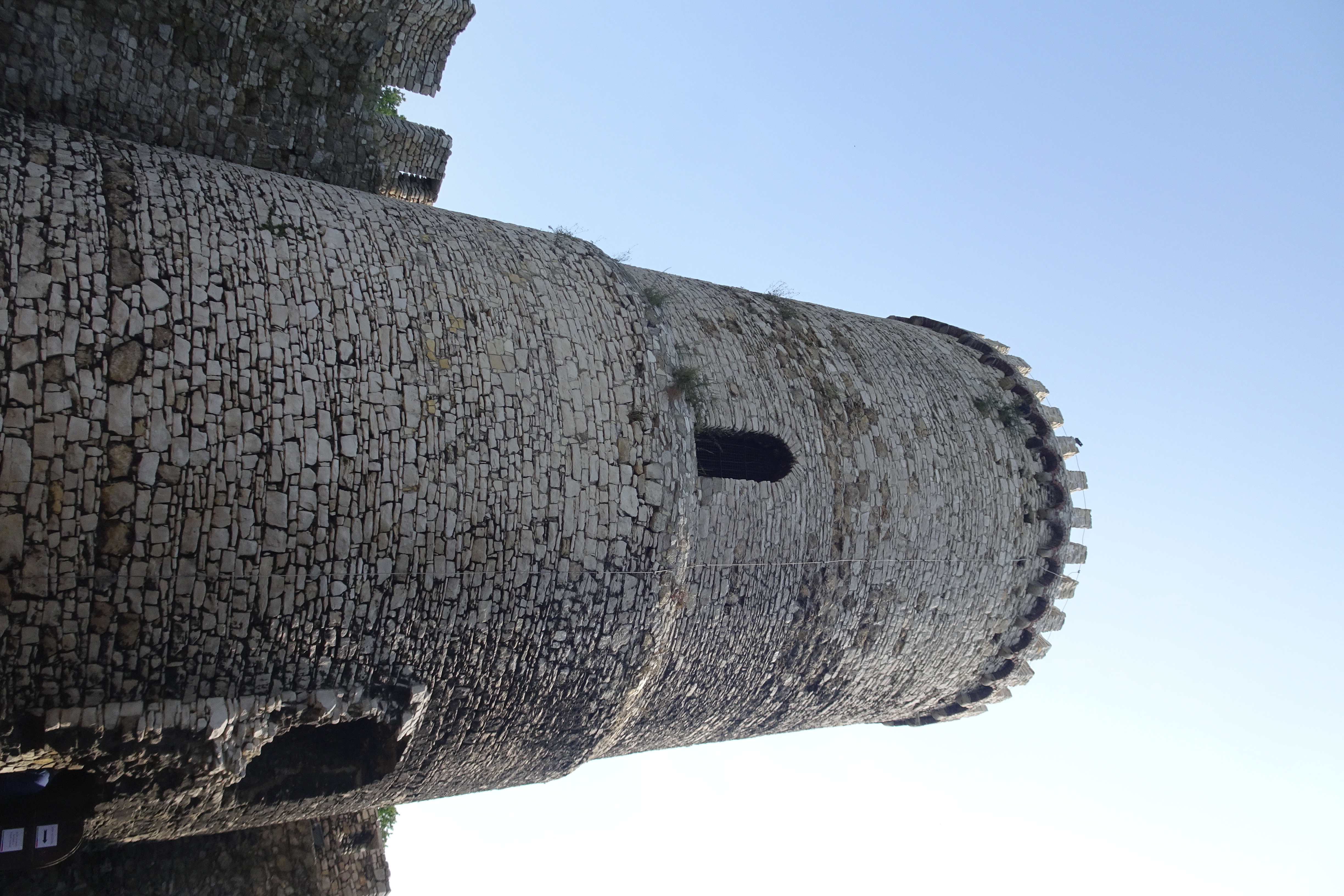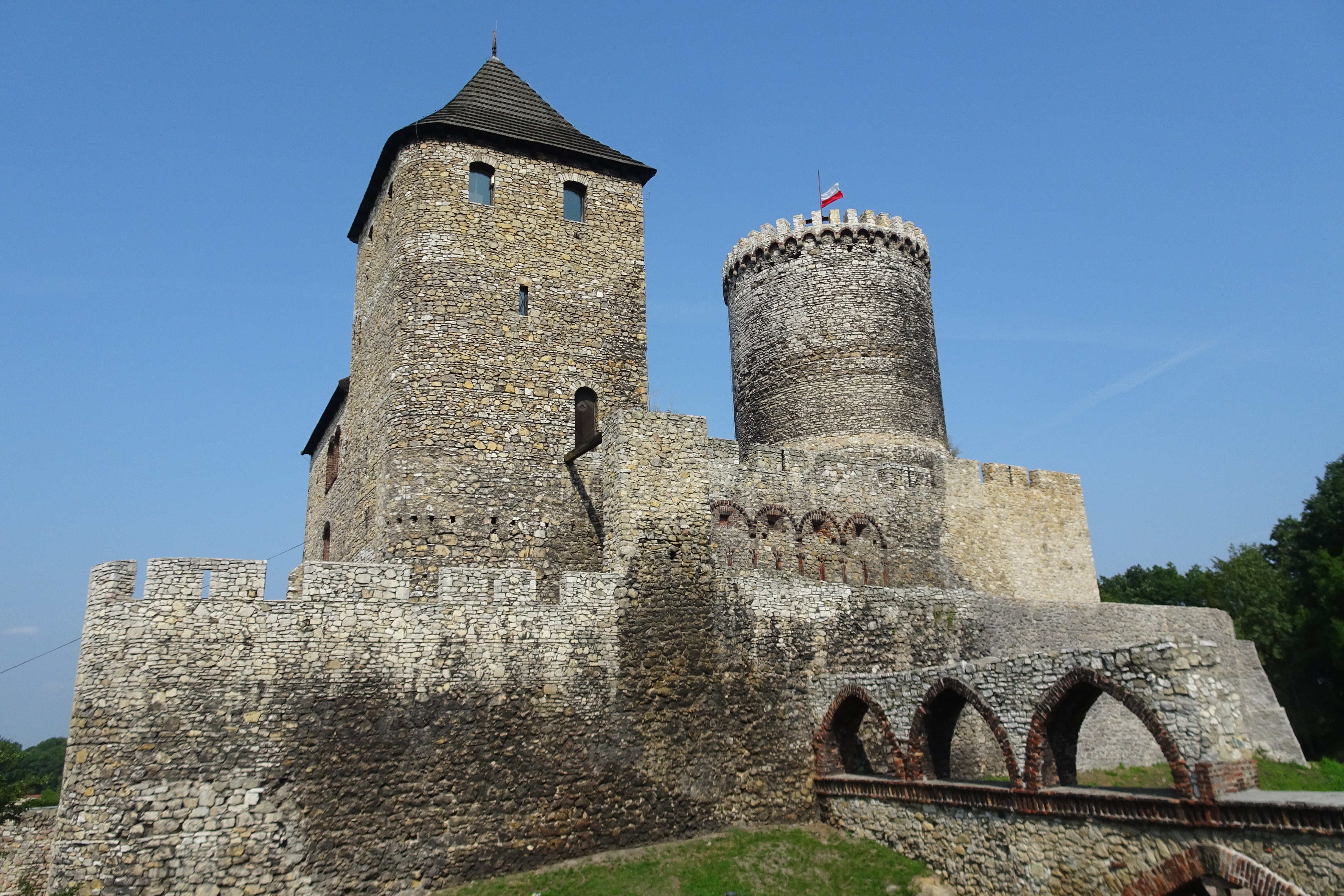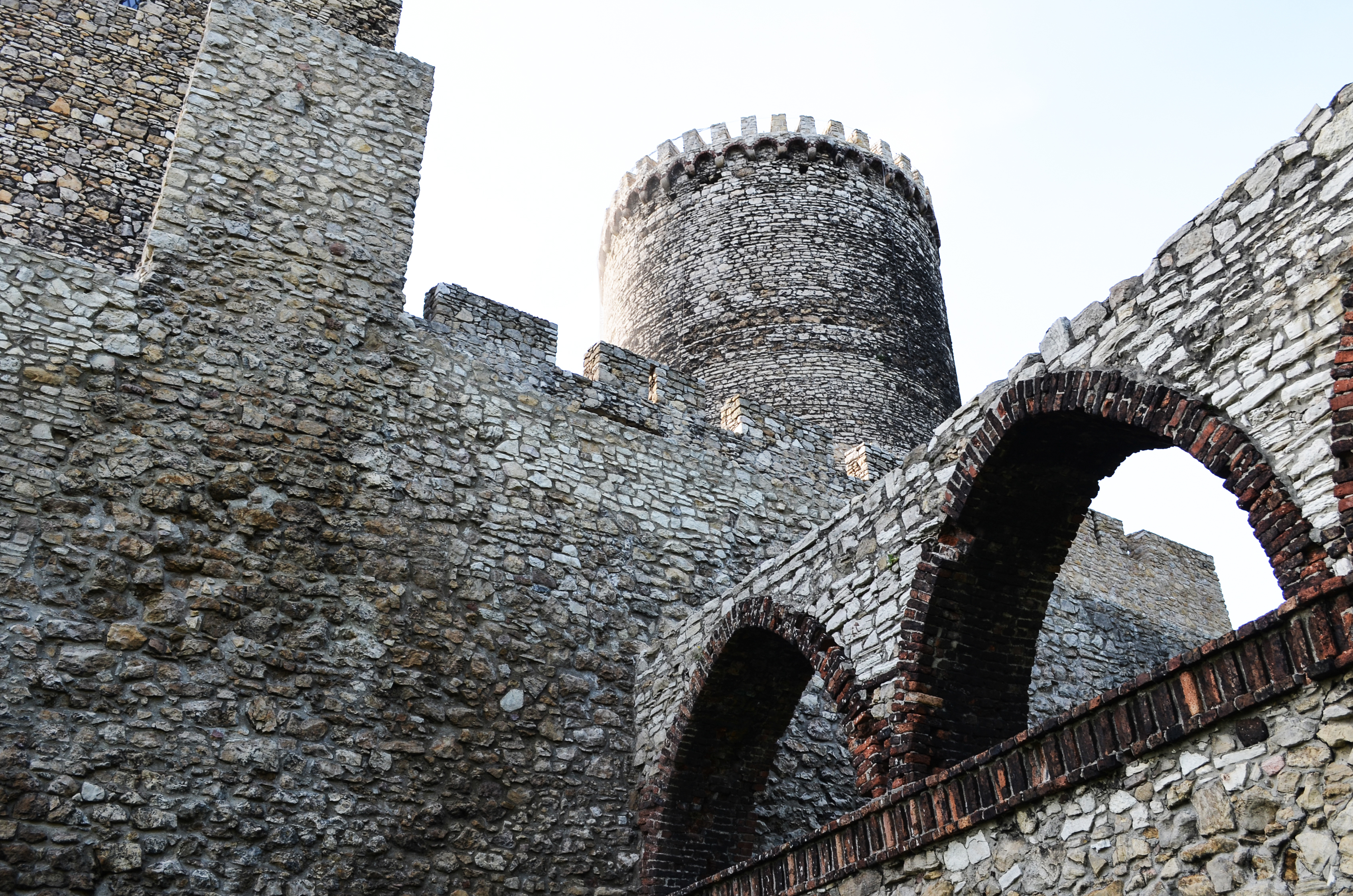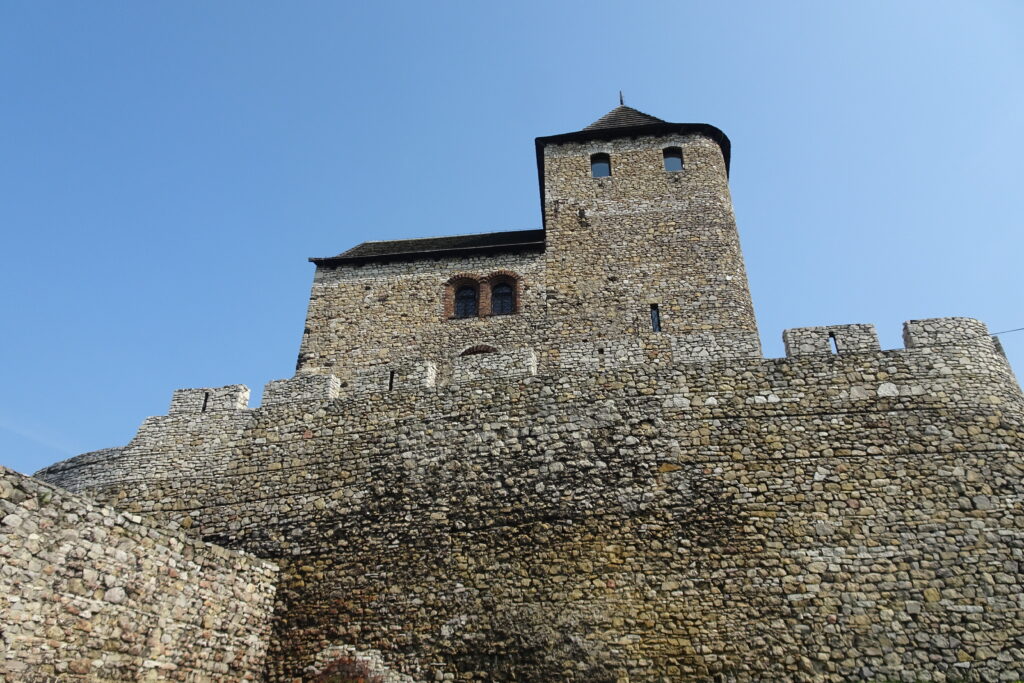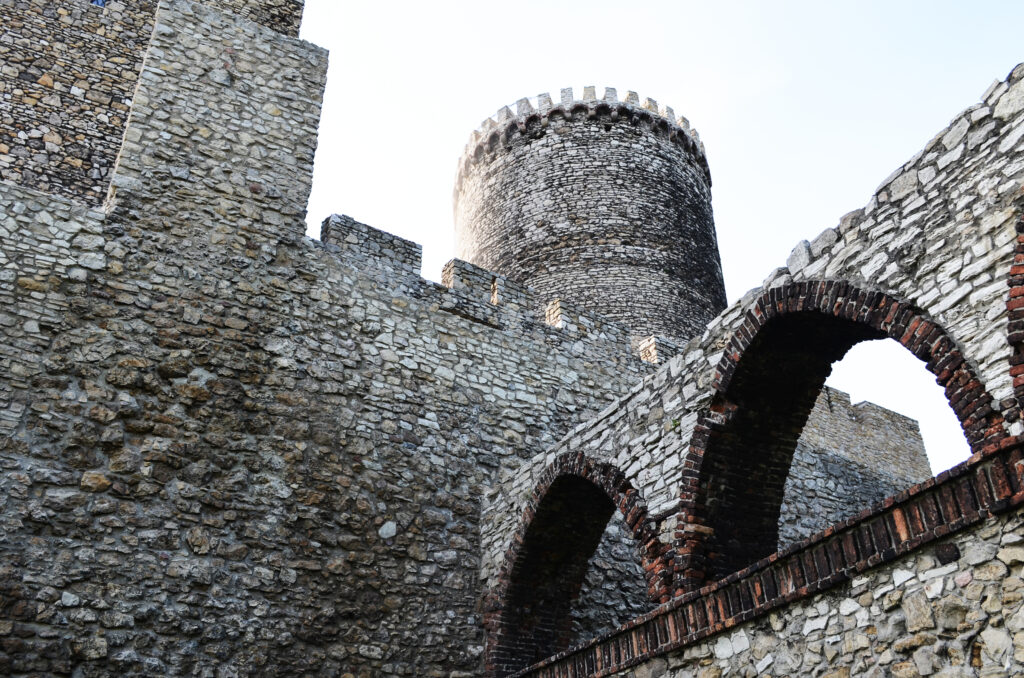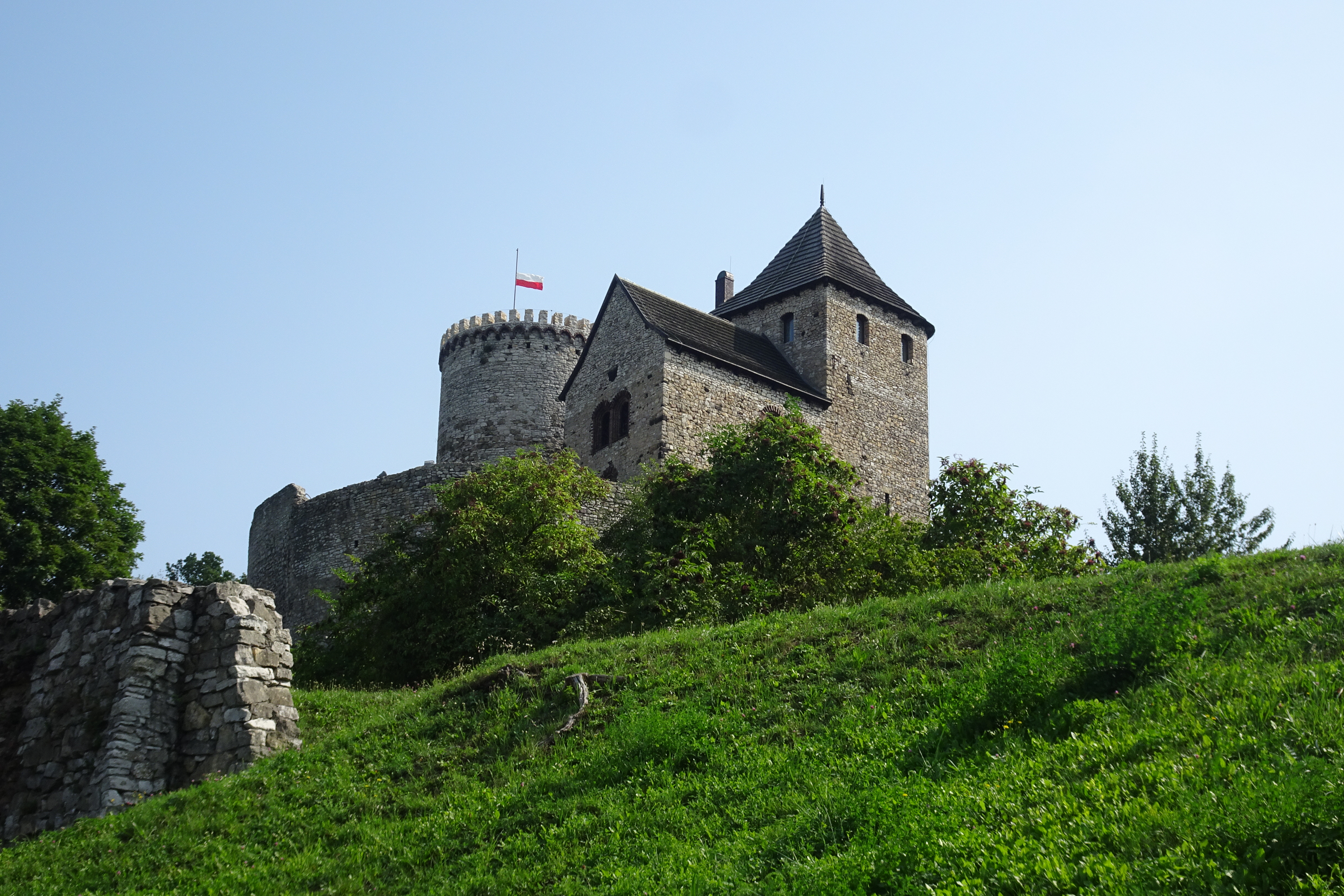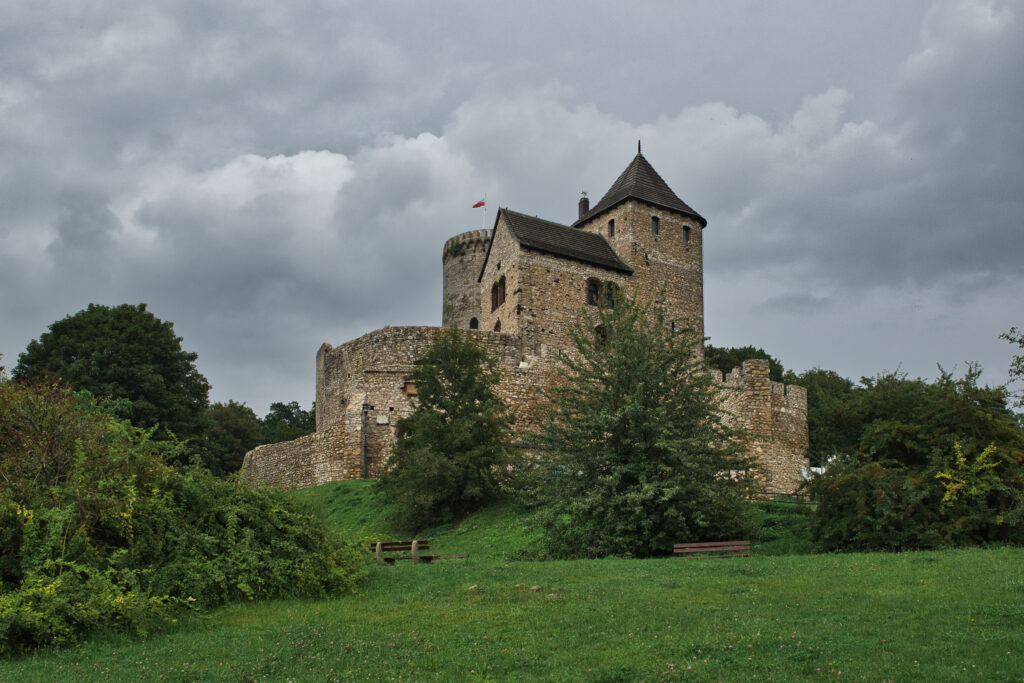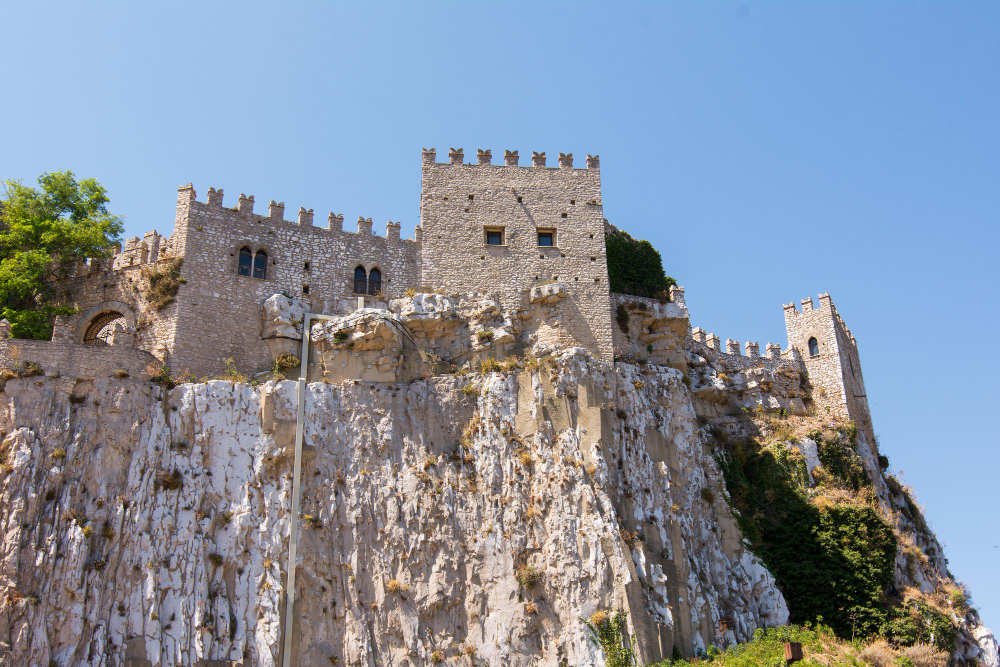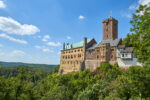

Będzin Castle (Zamek w Będzinie) stands on a rugged hill in the middle of the lush landscape of the Kraków-Częstochowa Upland, overlooking the tranquil Czarna Przemsza River. This magnificent fortress, carefully reconstructed between 1952 and 1956, is not only a monumental testament to Poland’s historic past, but also the cradle of fascinating myths and epic legends. From its mysterious beginnings in the 9th century to its central role in medieval politics, Będzin Castle has undoubtedly earned its reputation as one of the most mysterious fortresses of the Eagle’s Nest Castles.
The origins of the enchanted fortress – Long before the castle rose to prominence, the site was fortified by the Wislan tribe in the 9th century. According to ancient lore, the hill itself was believed to be home to a benevolent spirit known as “The Guardian,” who protected the land from intruders. When the fearsome Tatars attempted to conquer the fortress in 1241, they were allegedly stopped by a supernatural fog summoned by the Guardian, which enveloped the castle and made it invisible.
The mysterious tower of the shy Boleslaus – In the 13th century, during the reign of the shy Boleslaus, the imposing keep – the main tower of the castle – was built. It is said that Boleslaus, burdened by his reclusive nature and his longing for solace, sought refuge within the stone walls of the tower. Legend tells of secret chambers accessible only to those of royal blood, where Boleslaus spoke with the spirits of his ancestors to seek their counsel in times of need.
The expansion of Casimir the Great and the Snake King – Casimir the Great played a decisive role in the history of the castle by expanding its fortifications until 1349, turning it into an impressive royal fortress on the border between Poland and Bohemia. Folklore tells of a secret pact that Casimir is said to have made with the mythical Serpent King of the underworld. In exchange for the Serpent King’s protection of the castle and its inhabitants, Casimir promised to preserve a treasure hidden in its depths—a treasure that remains undiscovered to this day.
The Diplomatic Drama of 1588 – The castle’s strategic importance was further cemented in 1588 when envoys from Emperor Rudolf II and the Polish crown met to negotiate the release of Maximilian of Habsburg. Maximilian, who had been captured during his failed bid for the Polish throne, had his fate in the hands of Jan Zamoyski. A lesser-known but nonetheless fascinating aspect of this episode concerns Ippolito Aldobrandini, who later became Pope Clement VIII. His mediating presence was reportedly accompanied by strange occurrences within the castle, including inexplicable whispering and ghostly apparitions believed to be the souls of those who had perished in past battles. The ensuing Treaty of Bytom and Będzin, signed in March 1589, secured Maximilian’s freedom in exchange for his renunciation of claims to the Polish crown. Supposedly, it was the ghostly guidance of the ancestors that influenced the negotiations and ensured peace between the two empires.
The fiery trials and rebirths – Będzin Castle had to overcome numerous difficulties over the centuries. In 1616, a fire devastated part of the building, after which it was restored in the early Baroque style. However, during the Swedish Deluge (1655-1656), the castle was set on fire by Swedish troops. The subsequent reconstruction lasted until 1665, with each stone being laid with a silent prayer to avert future disasters. One of the most famous moments in the castle’s history occurred in 1683, when King John III Sobieski stopped there on his way to the Battle of Vienna. Sobieski, who was celebrated as the savior of Europe, was received in the magnificent halls of the castle by General Antonio von Caraffa, the envoy of Emperor Leopold I. Rumor has it that Sobieski had divine visions in a hidden chamber beneath the floorboards, predicting his triumph at Kahlenberg. Kings Augustus the Strong and Stanislaus II Augustus also graced the castle with their presence, each contributing to its mystique and splendor. However, after the second partition of Poland, the castle fell into Prussian hands and was subsequently leased out, leading to its gradual decline.
The ghostly miners and the final reconstruction – At the beginning of the 19th century, Będzin Castle lay in ruins until Francesco Maria Lanci began its restoration in 1834. The castle was converted into a chapel and hospital for local miners, surrounding itself with another layer of myths. Miners claimed to hear ethereal music and see ghostly processions of knights and monks, believed to be the souls of those who had toiled underground. Despite these hauntings, the castle fell into disrepair again by 1849 and remained abandoned until Adolf Szyszko-Bohusz initiated another round of restoration in 1929. The final phase of reconstruction, led by Zygmunt Gawlik from 1952 to 1956, gave the castle its current appearance. Nevertheless, the medieval castle was originally more magnificent and imposing. Visitors can still sense traces of its former glory today.
The myth of modernity – Today, Będzin Castle houses the Zagłębie Regional Museum, which attracts historians, archaeologists, and lovers of legends alike. The museum displays artifacts from the castle’s long history, from weapons and armor to documents and works of art. Local lore lives on, and stories of hidden tunnels and lost treasures capture the imagination of all visitors. The enduring legacy of Będzin Castle is a testament to its resilience and the rich variety of myths and legends that run through its stones. From ghostly apparitions and royal intrigues to mythical guardians and lost treasures, the castle is a veritable treasure trove of stories waiting to be discovered.
As dusk falls and the castle’s silhouette casts long shadows across the Czarna Przemsza, one cannot help but feel the tangible presence of history whispering through the corridors. Every echo is a reminder of the indomitable spirit of the phantom fortress, which guards its secrets even as it steadfastly defies the ravages of time.