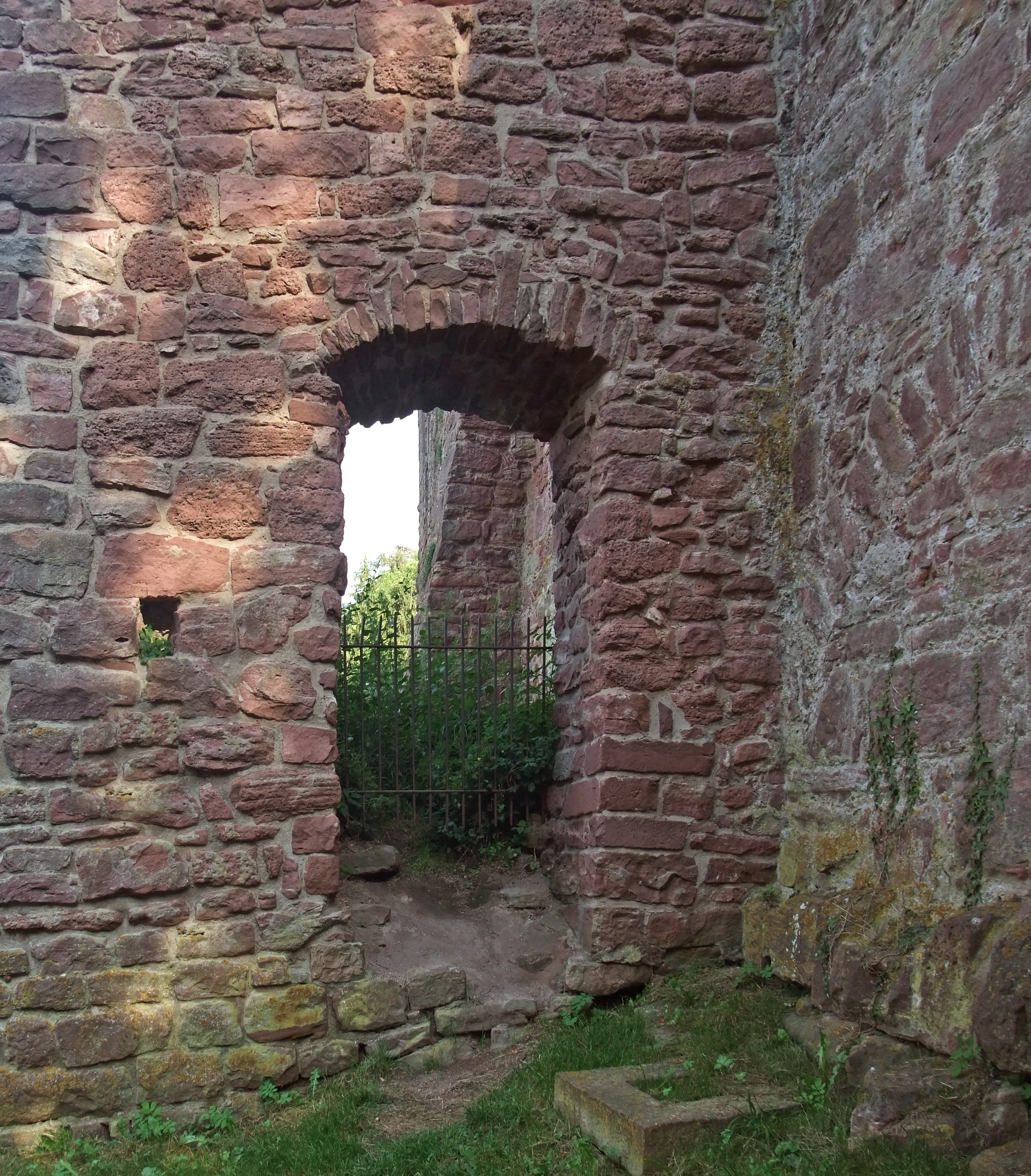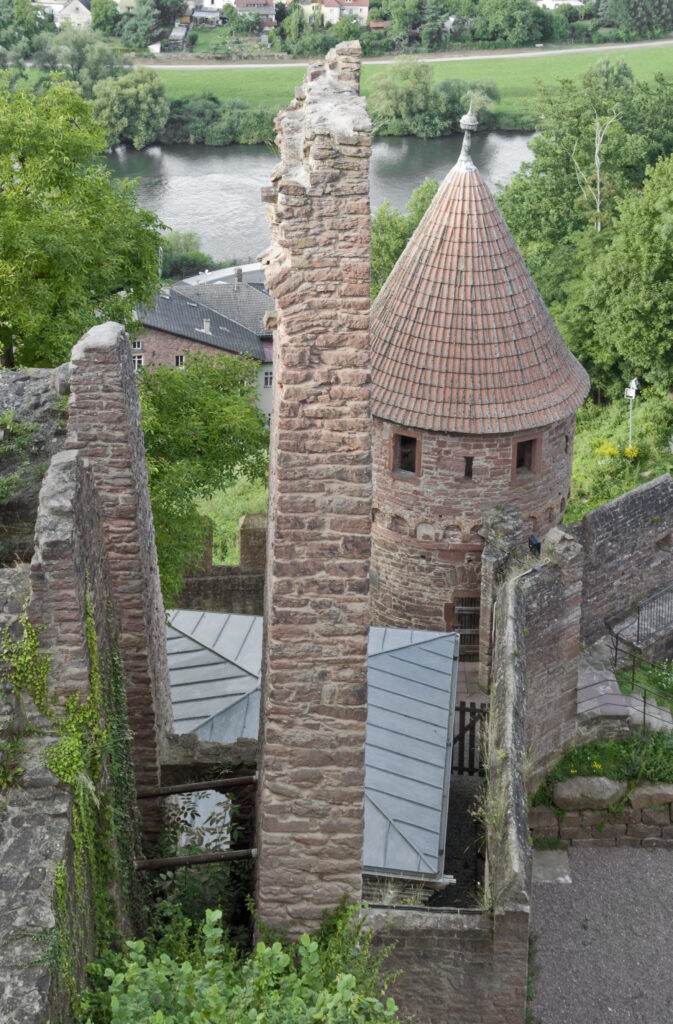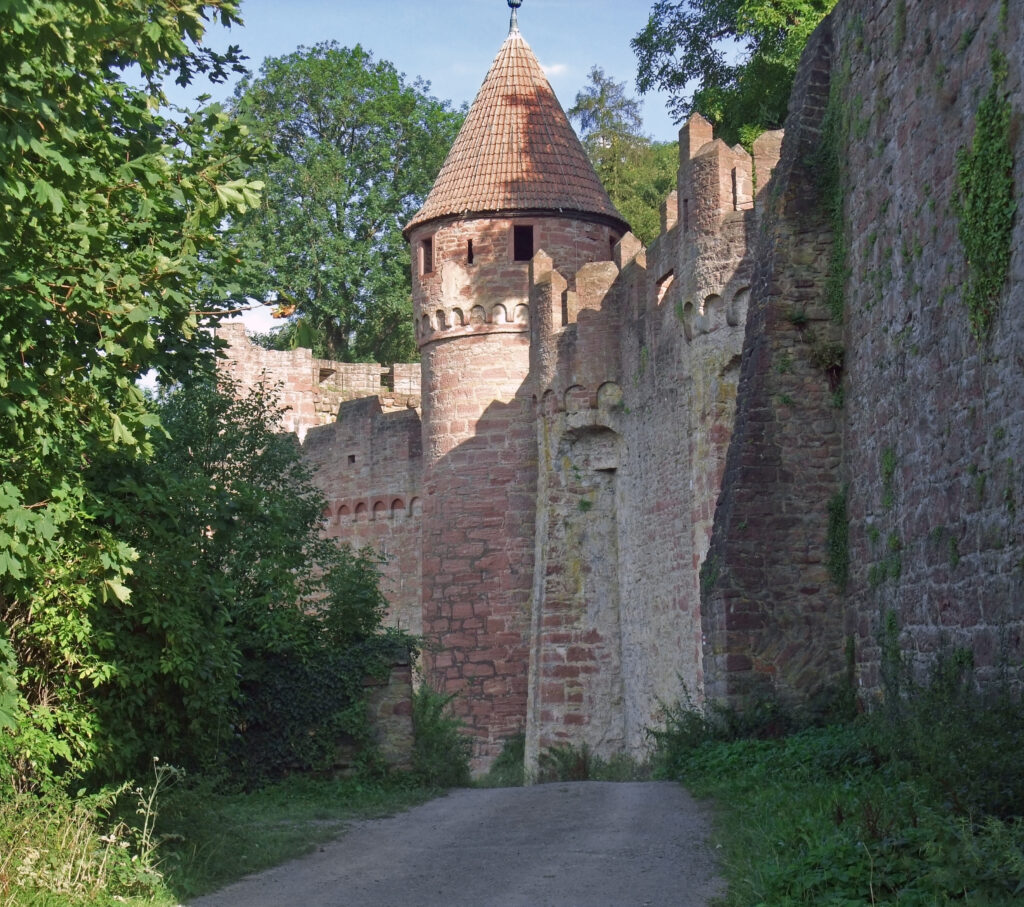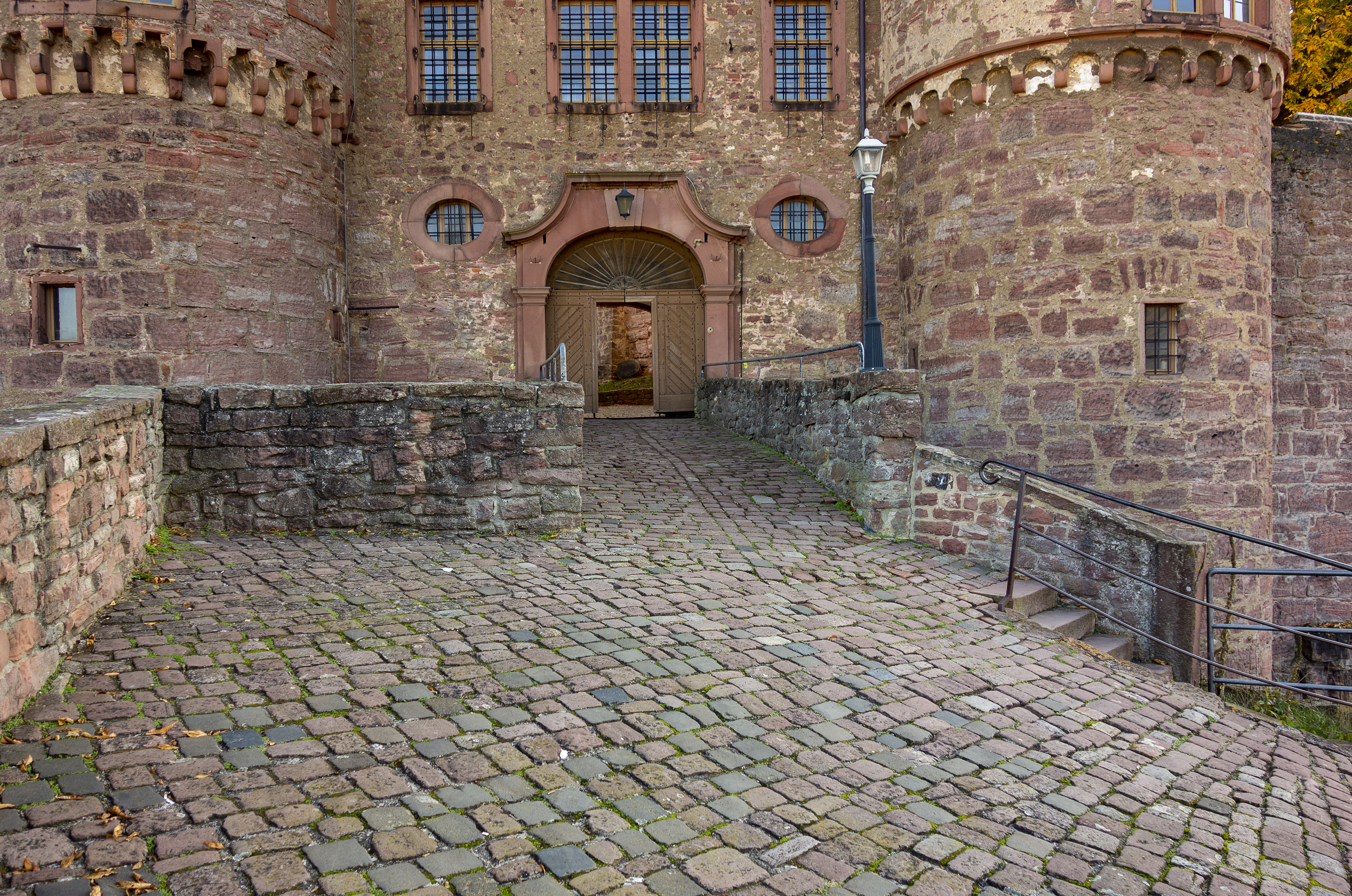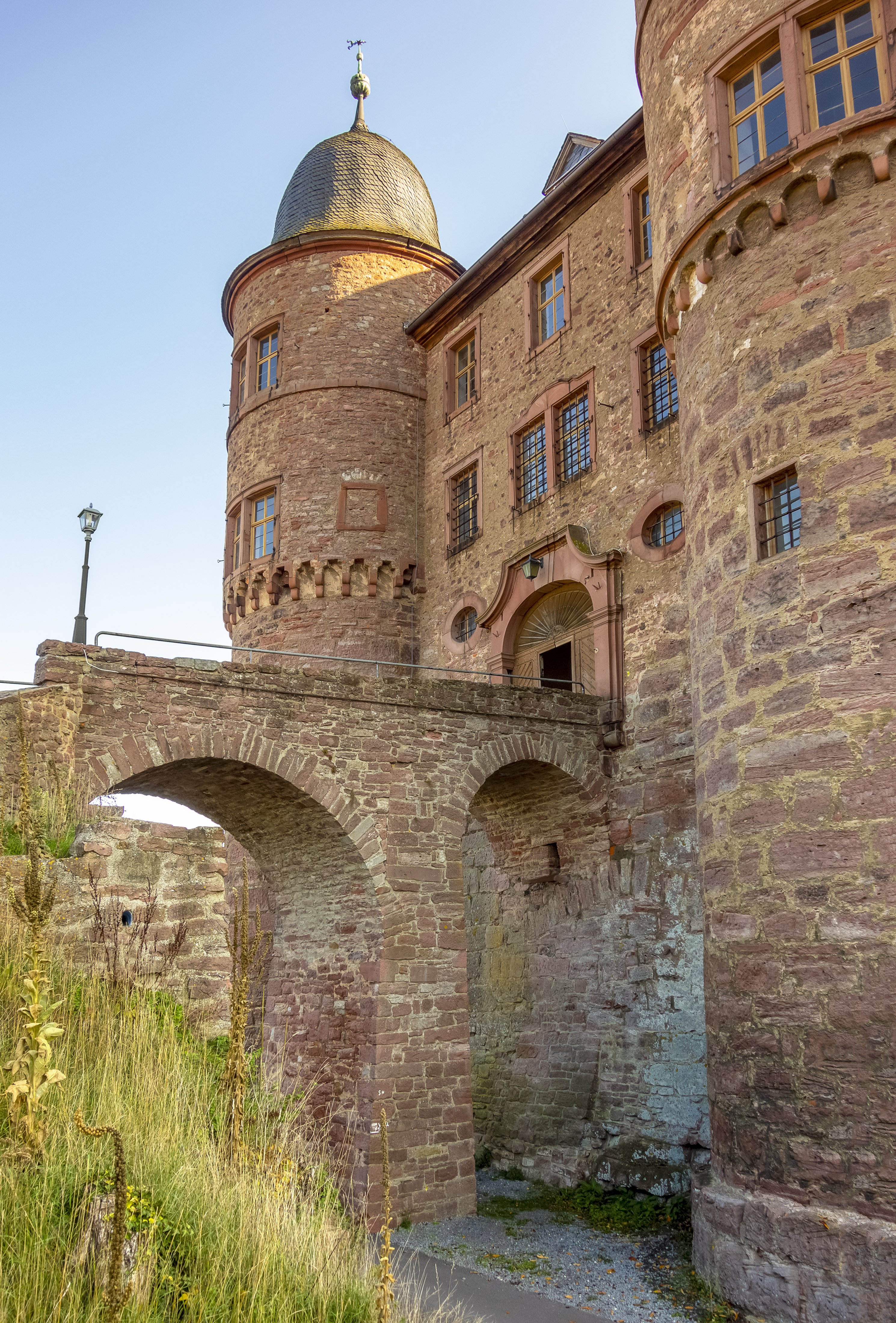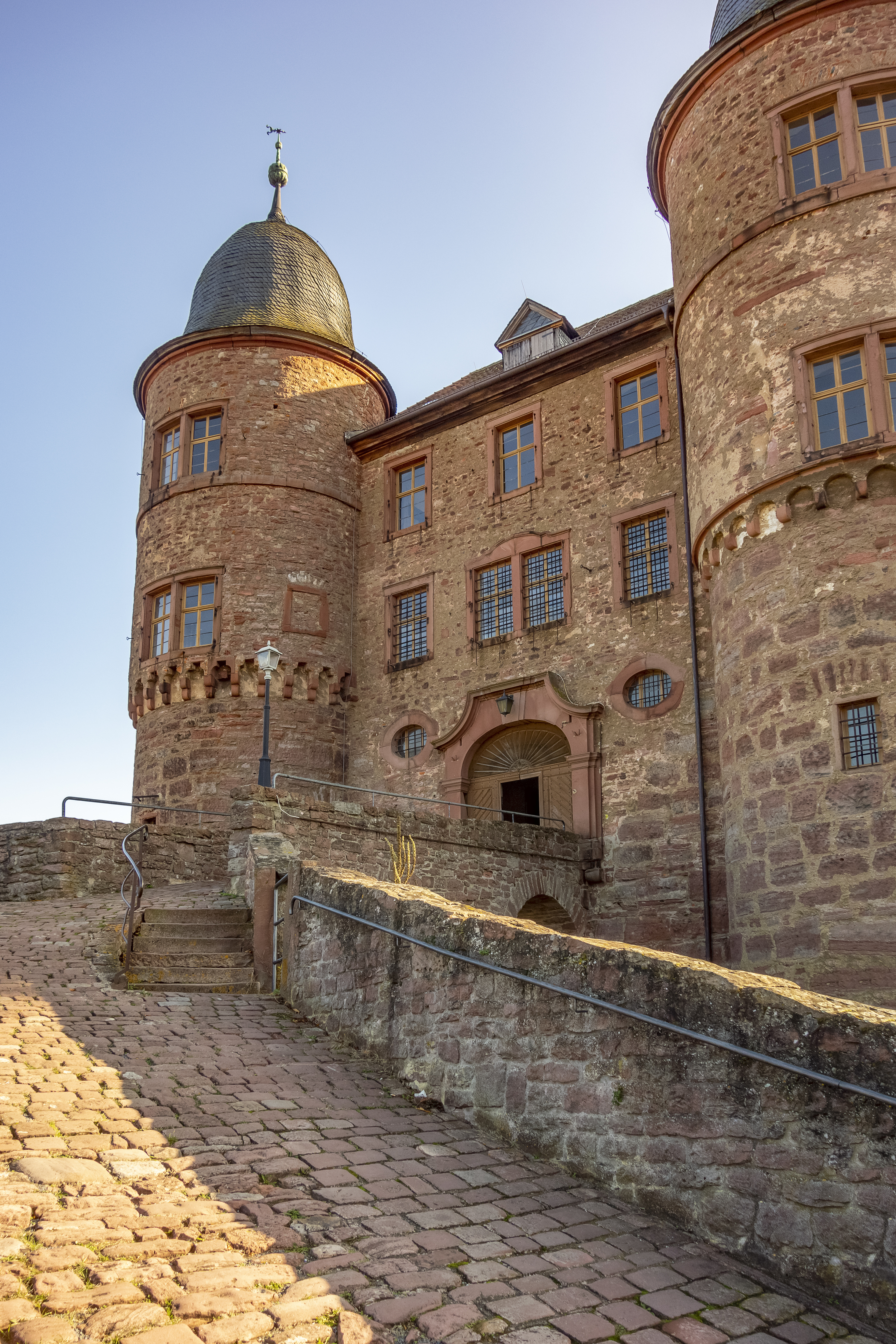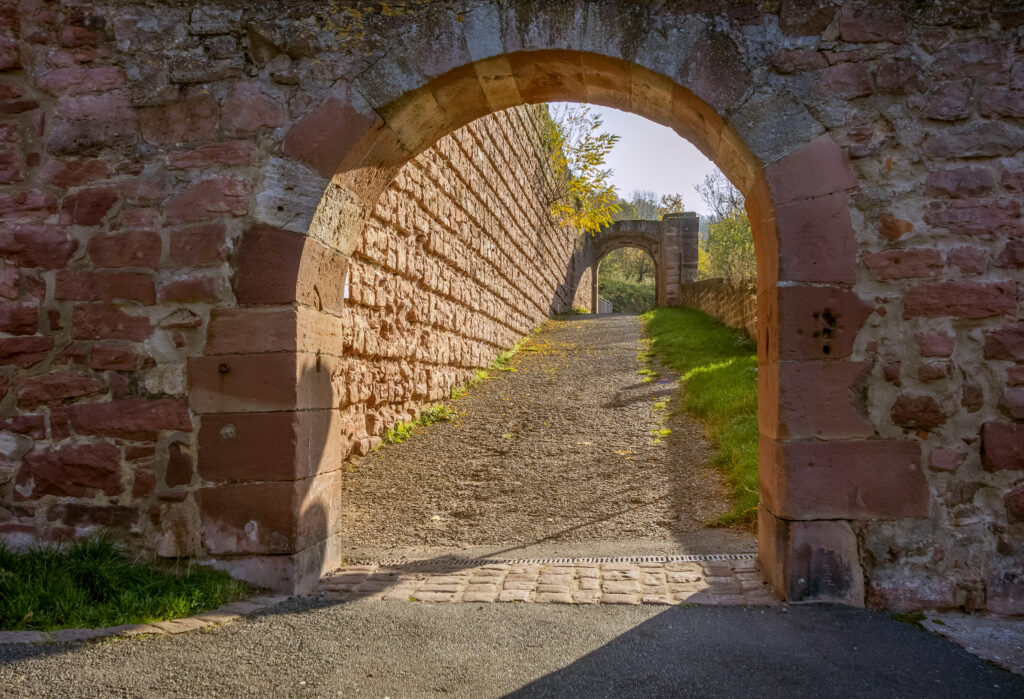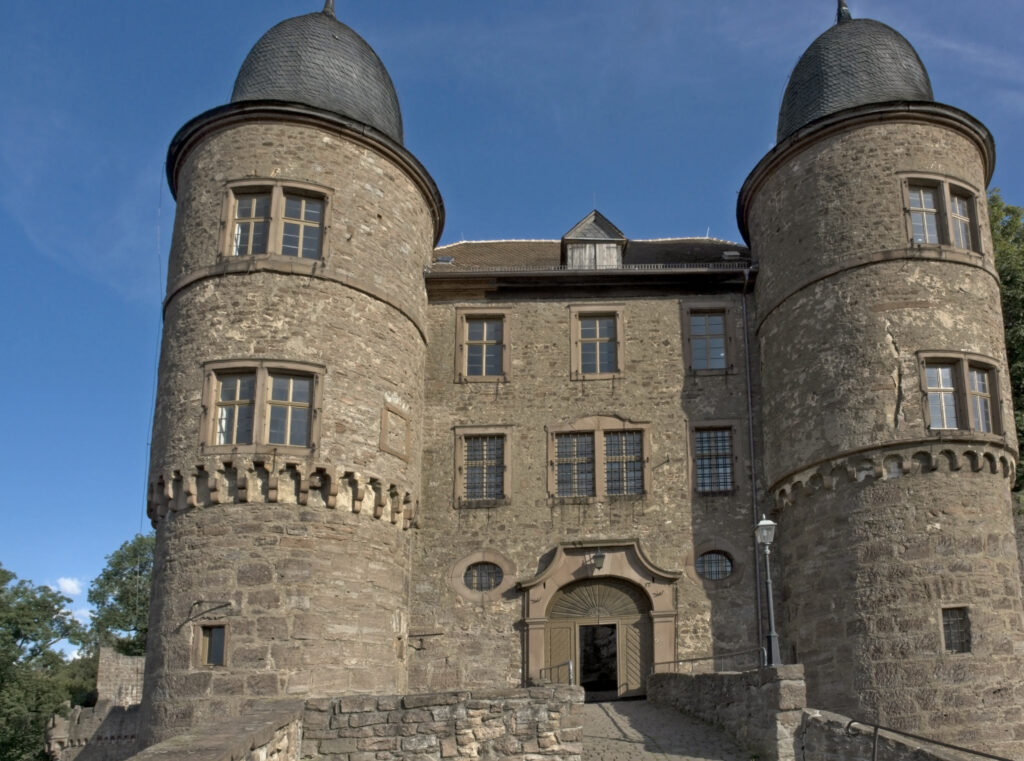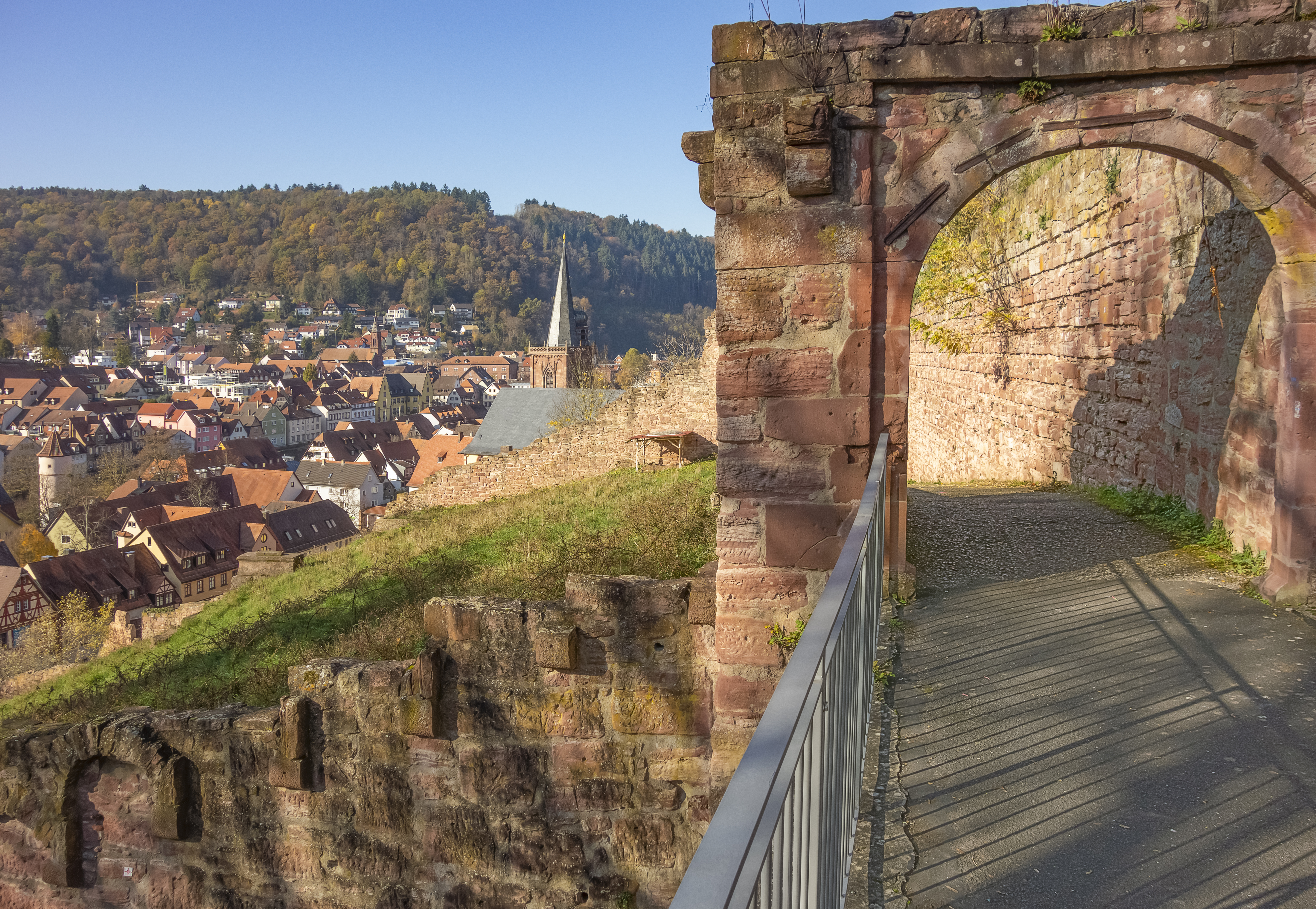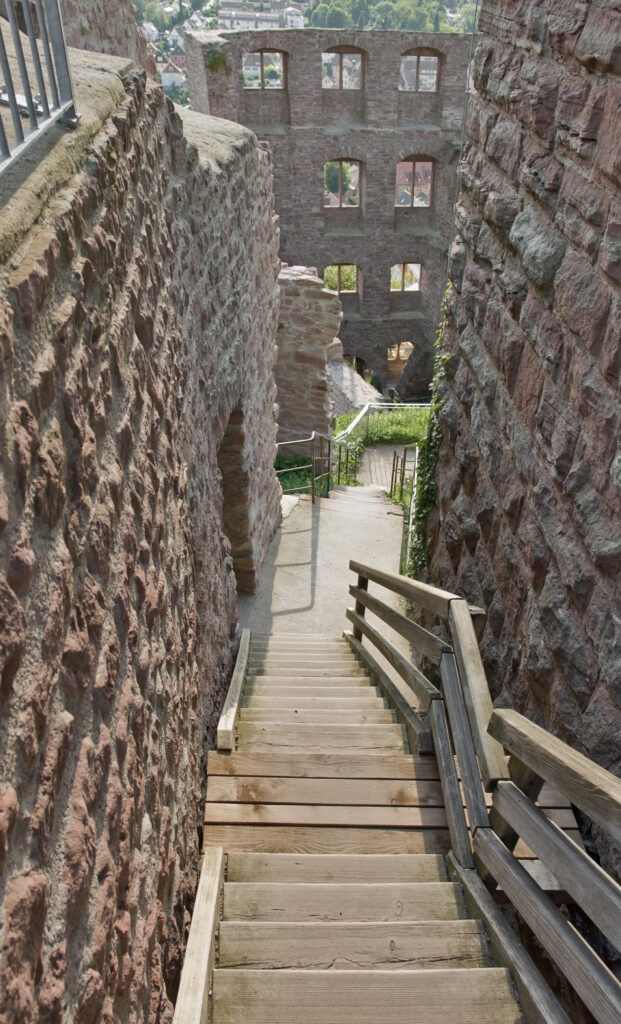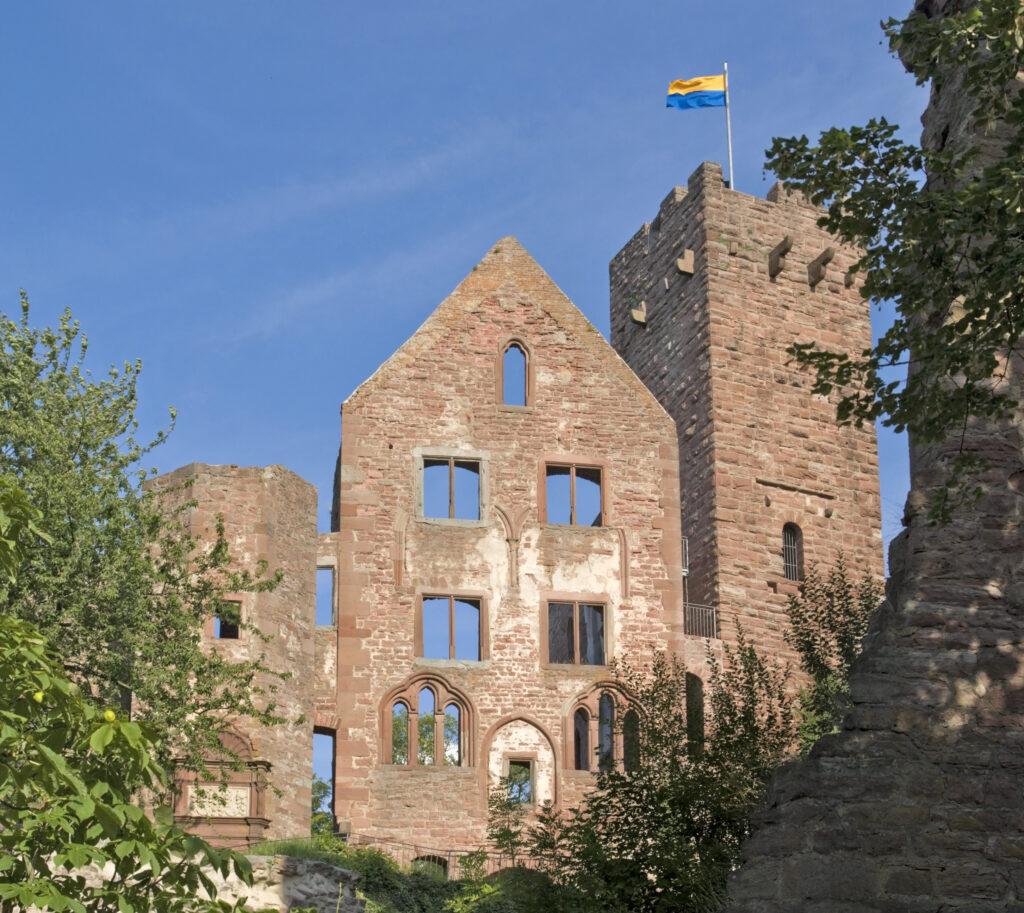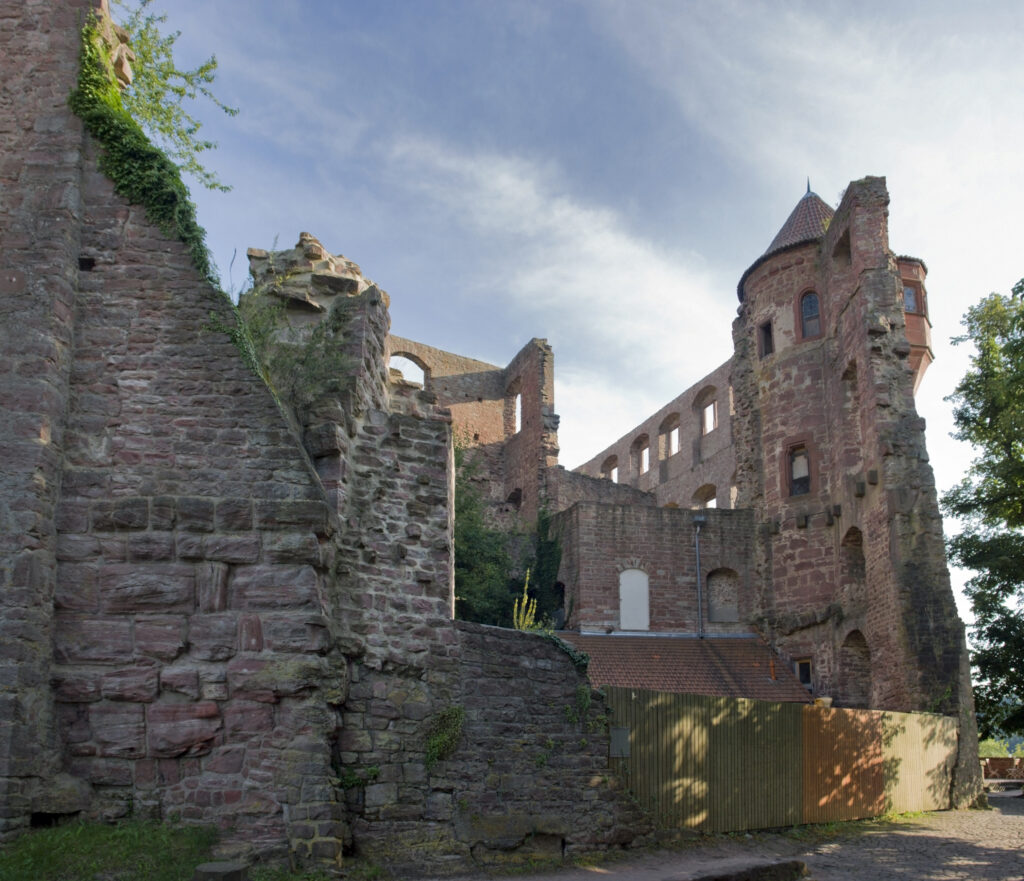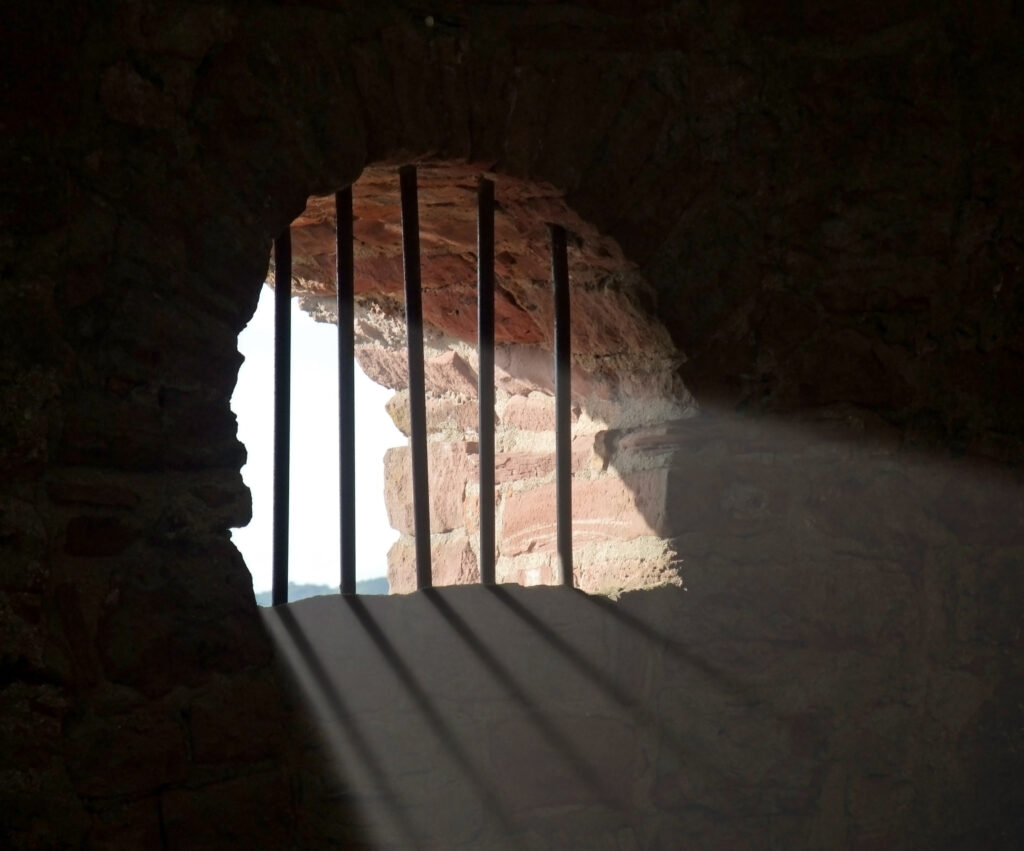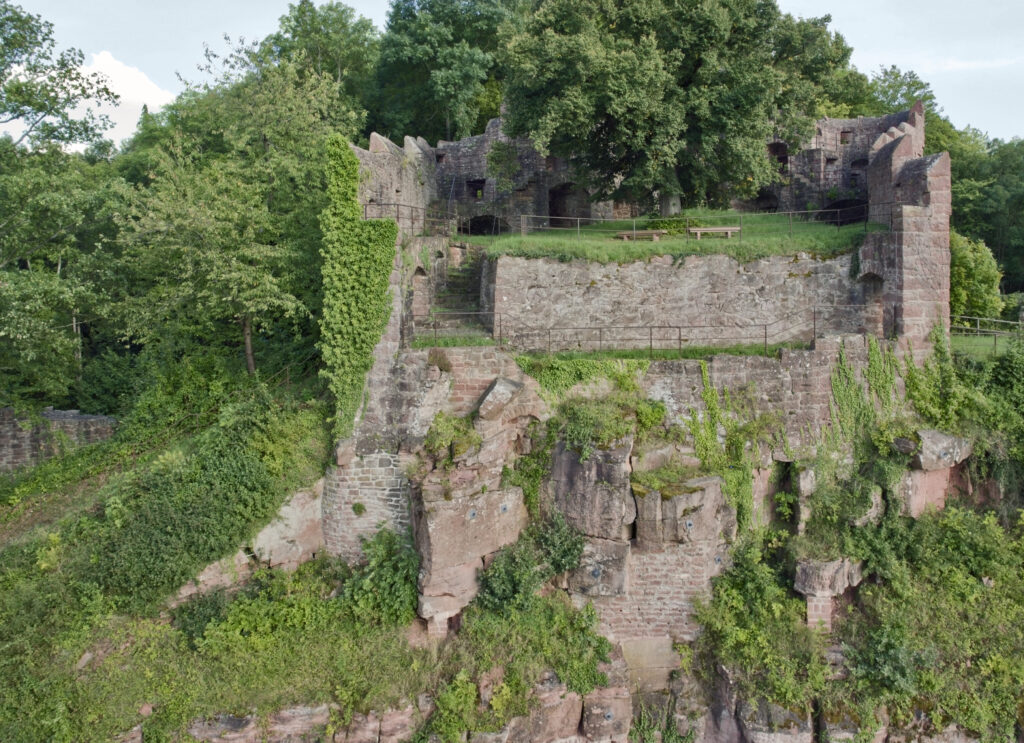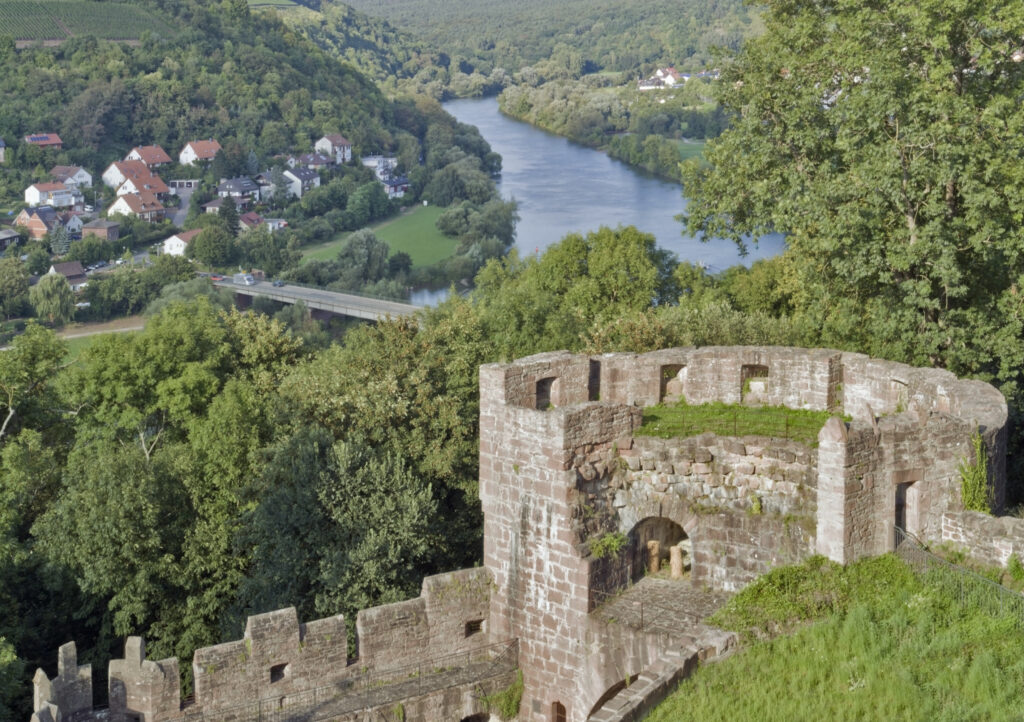

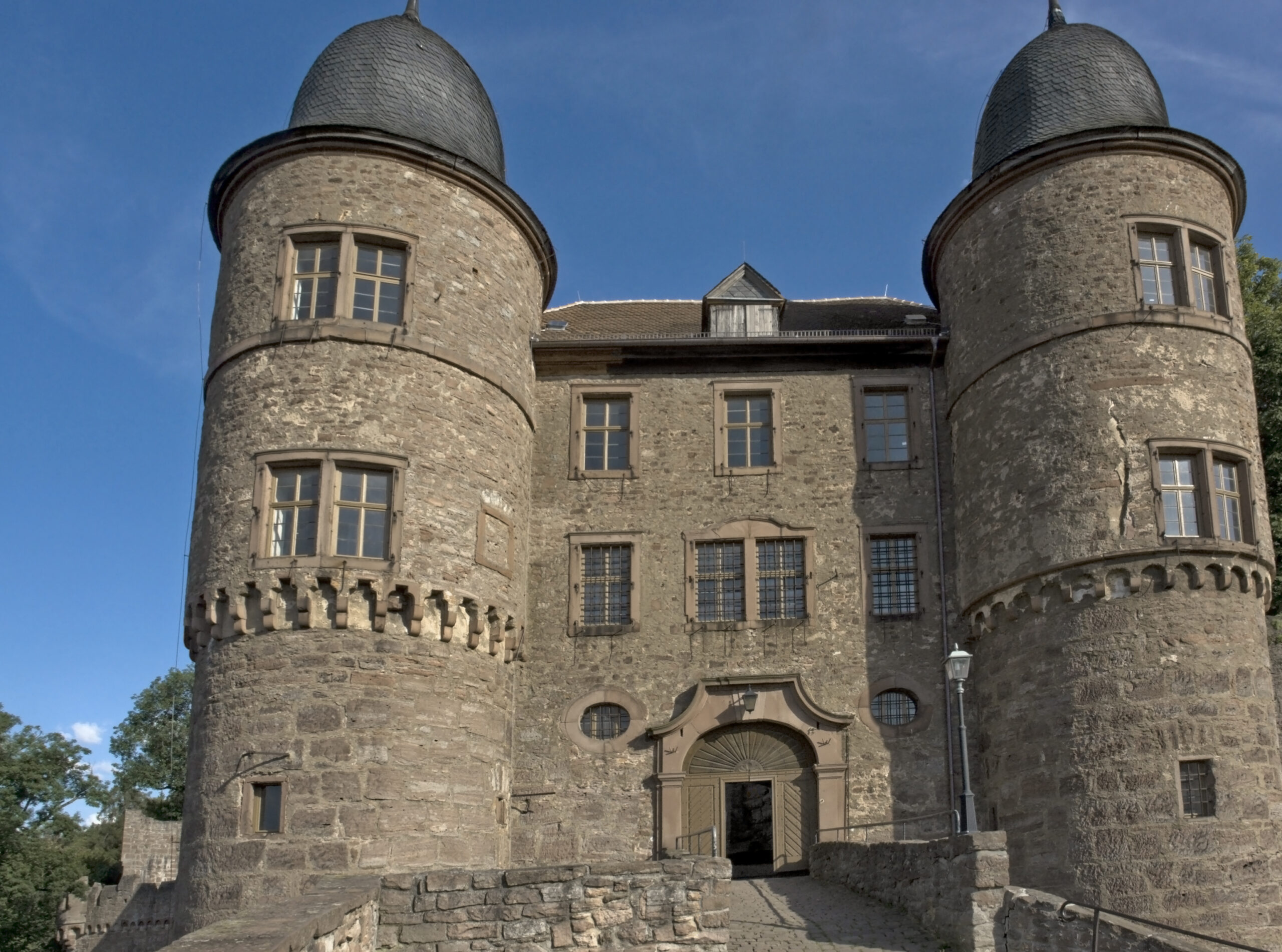
The ruins of Wertheim Castle sit majestically on a narrow ridge between the Main and Tauber valleys and are an impressive testament to a bygone era. This impressive hilltop castle, one of the oldest castle ruins in Baden-Württemberg, was first mentioned in documents in 1183. Over the centuries, it developed from its original structure into a magnificent complex before meeting its end during the turmoil of the Thirty Years’ War. However, the stories hidden within its walls continue to fascinate historians and enthusiasts alike to this day.
The origins of Wertheim Castle date back to the late 12th century. Its earliest structures include the keep, built around 1200, and the great hall from the mid-13th century. The castle’s strategic location ensured that it was not only a military fortress but also a cultural center. It is noteworthy that the poet Wolfram von Eschenbach, known for his epic poem “Parzival,” probably spent a lot of time within these walls. His verses indicate his close connection to the Counts of Wertheim, particularly through the mention of “min herre der grave von Wertheim” in the fourth book of Parzival. This connection suggests that the work was written between 1200 and 1210 during the reign of Count Poppo II, an enthusiastic patron of the arts.
The origins of the settlement from which Wertheim emerged can be traced back across the Main River to Kreuzwertheim. The name, derived from “raised land by the water,” underscores its early foundation during the Frankish territorial expansions. Since the nearby land at the confluence of the Tauber and Main rivers was frequently flooded, it was a pragmatic decision to establish the settlement on higher ground.
At the beginning of the 13th century, the town of Wertheim developed systematically at the foot of the castle. The expansion of the town fortifications probably began around this time and eventually enclosed both the burgeoning town and its protective citadel with a mighty ring of stone.
The cultural and historical significance of Wertheim Castle was further enhanced by its role as a meeting place for intellectuals and artists. The poetic works of Wolfram von Eschenbach are closely associated with the castle, suggesting that his legendary tales may have been written in the tranquil yet inspiring surroundings of Wertheim. The Counts of Wertheim, particularly under the rule of Poppo II, were patrons of Minnesang (courtly lyric poetry), suggesting that the castle was not only a defensive fortress but also a beacon of cultural flourishing.
The line of the Counts of Wertheim ended abruptly in 1556, leading to a succession in which the castle passed through various noble hands.
Ludwig, Count of Stolberg-Königstein, took over the reign, followed by his son-in-law, Count Ludwig von Löwenstein, in 1598. This period marked the transition of Wertheim Castle to a scene of dramatic upheaval and destruction.
In 1619, a devastating powder explosion severely damaged parts of the castle and foreshadowed even greater disasters. The Thirty Years’ War, a brutal conflict that lasted from 1618 to 1648, was not kind to Wertheim Castle.
It was occupied by Swedish troops and suffered considerable damage in 1634 from artillery attacks by imperial troops. These relentless attacks turned the once stately fortress into a ruin and meant the end of its function as a fortress.
For centuries, Wertheim Castle lay in romantic abandonment, a silent witness to its own eventful past. However, the story does not end with decay. From 1982 onwards, extensive restoration work was carried out with considerable support from the state of Baden-Württemberg. In 1995, ownership was transferred to the town of Wertheim, which had acquired it from its aristocratic predecessors – the Löwenstein-Wertheim-Freudenberg and Löwenstein-Wertheim-Rosenberg families.
Today, the restored ruins of Wertheim Castle attract tourists and history buffs who come to admire its enduring legacy. Walking through the remains, one can almost hear the echoes of medieval knights, the melodies of courtly poets, and the whispers of ancient strategists planning their next move.
The fascination of Wertheim Castle is not limited to documented historical accounts, but is also enriched by the captivating myths and legends that have been passed down through generations. One of these legends tells of a hidden treasure buried deep within the castle. It is said that during the siege by imperial troops, the last defenders of Wertheim hid their treasures in a secret chamber that remains undiscovered to this day. This story continues to inspire treasure hunters and adventurers who want to track down the hidden riches of bygone times.
Another persistent myth tells of the ghost of an unhappy maiden who roams the castle ruins on moonlit nights. According to local folklore, she was the fiancée of a knight who died defending the castle. It is believed that her spirit still lingers there, forever searching for her lost love. Her ethereal form is occasionally seen by those brave enough to wander through the ruins after dark.
Wertheim Castle is a monument to resilience, art, and mystery. Its stones tell the stories of noble counts, famous poets, and brave warriors. The legends surrounding this ancient fortress add to its appeal, making it not just a relic of the past, but an everlasting source of wonder and fascination. For those who venture to its heights, Wertheim Castle offers a timeless journey through history and imagination, where every ruin whispers a story waiting to be discovered.