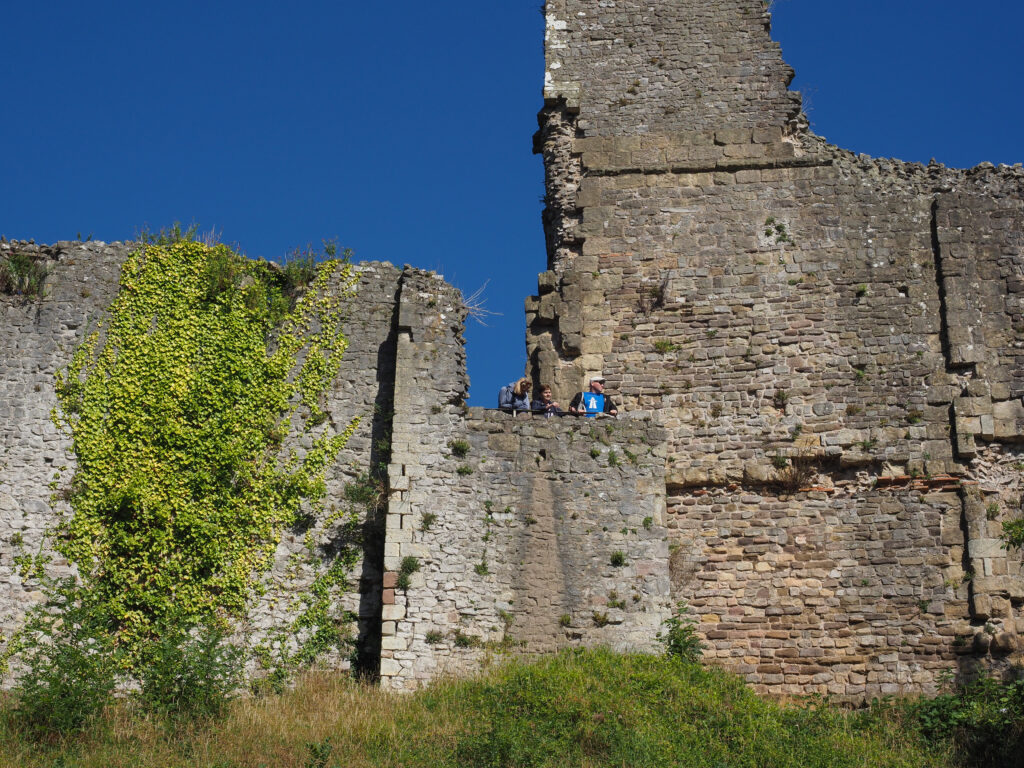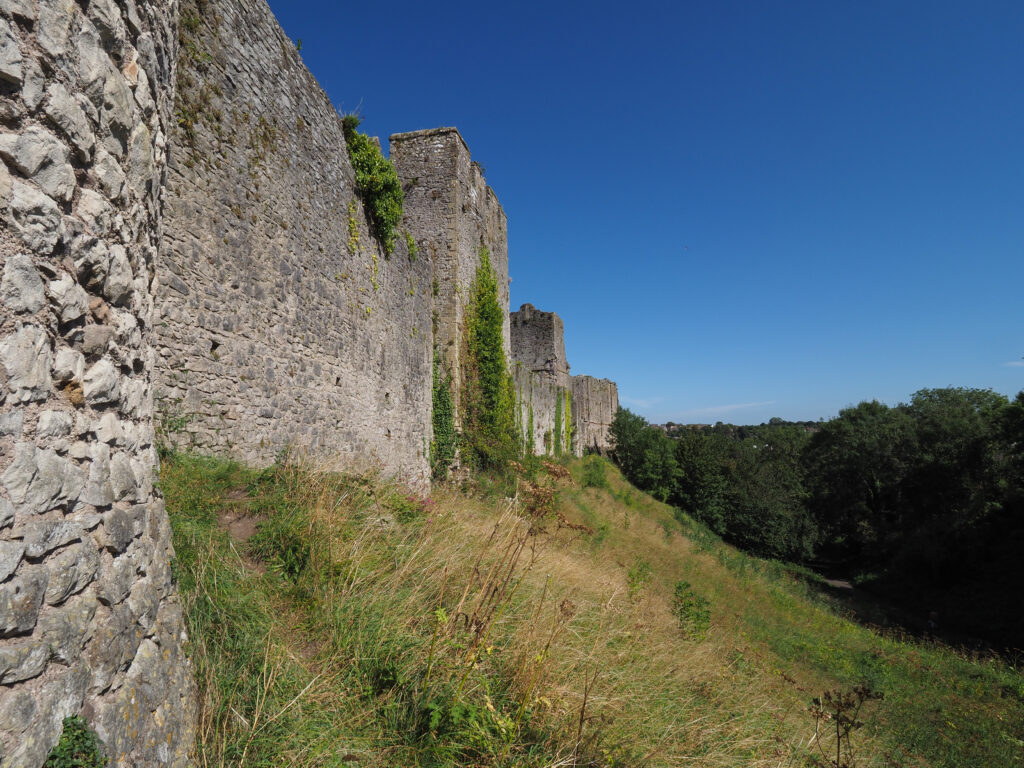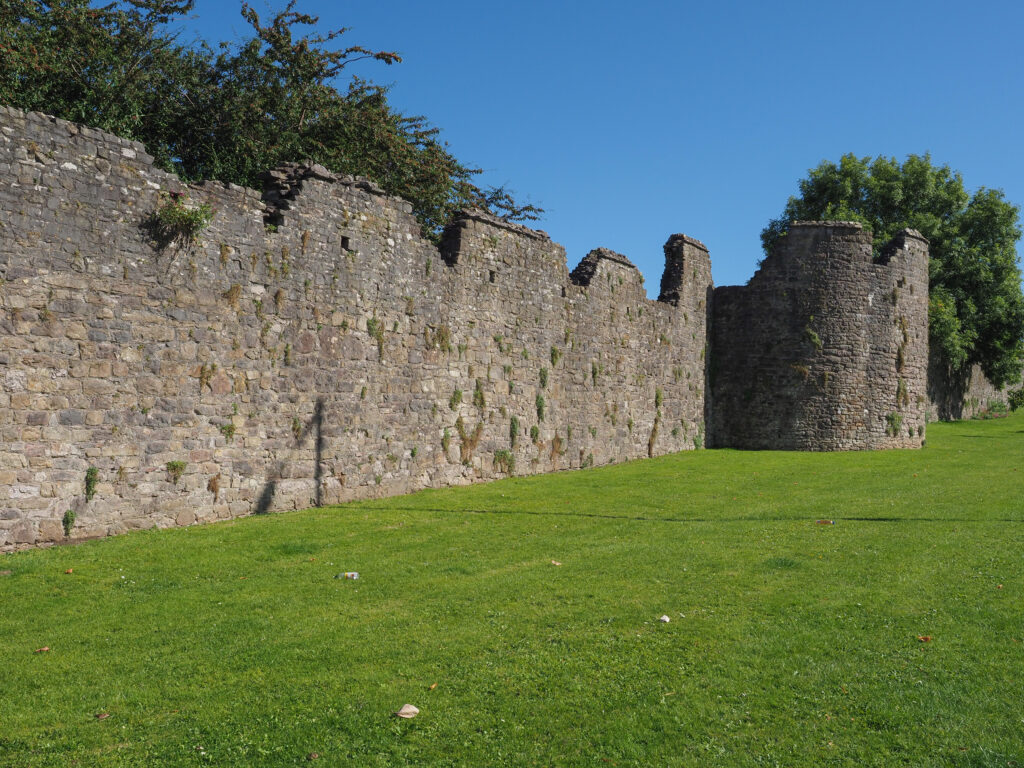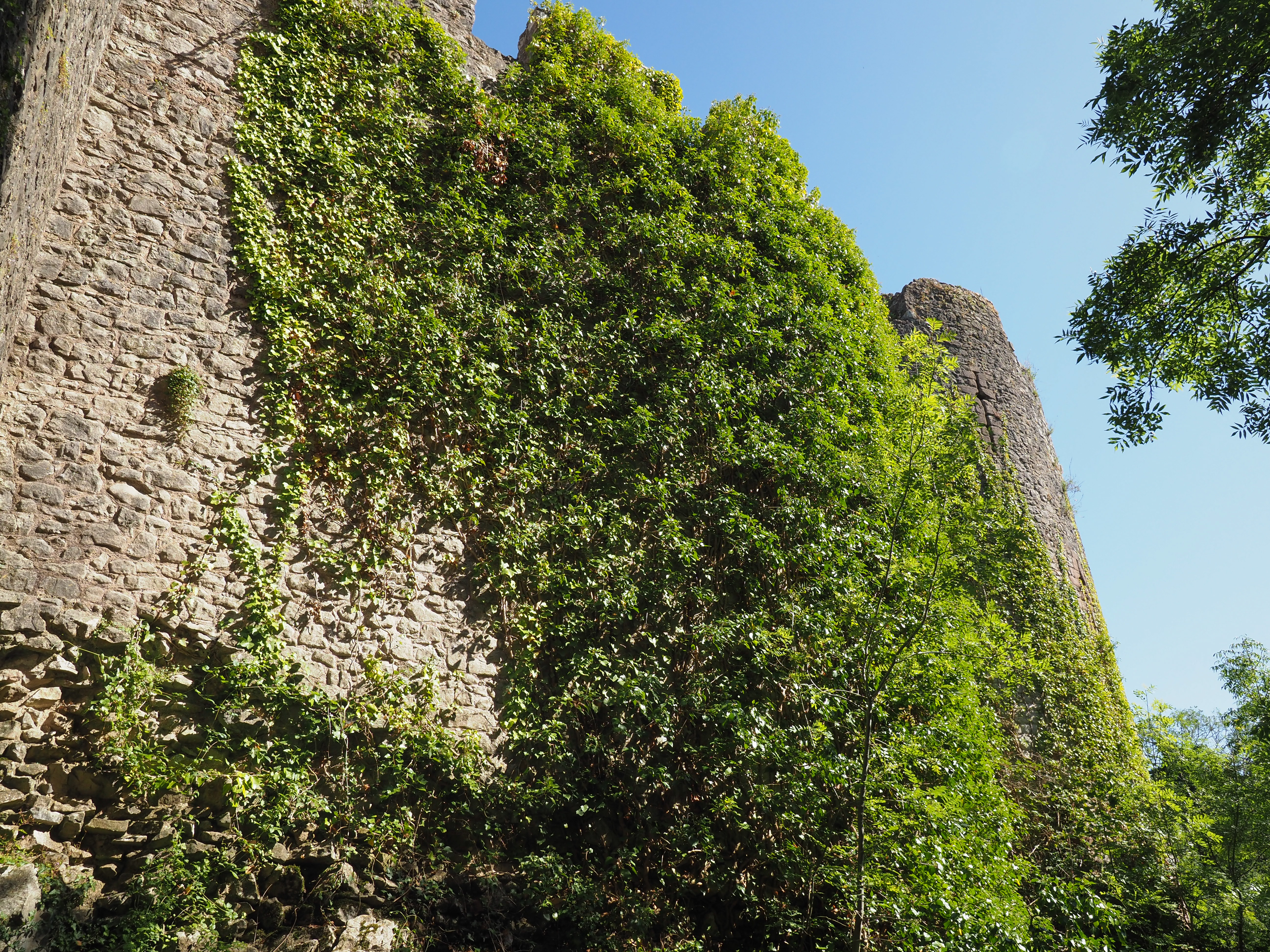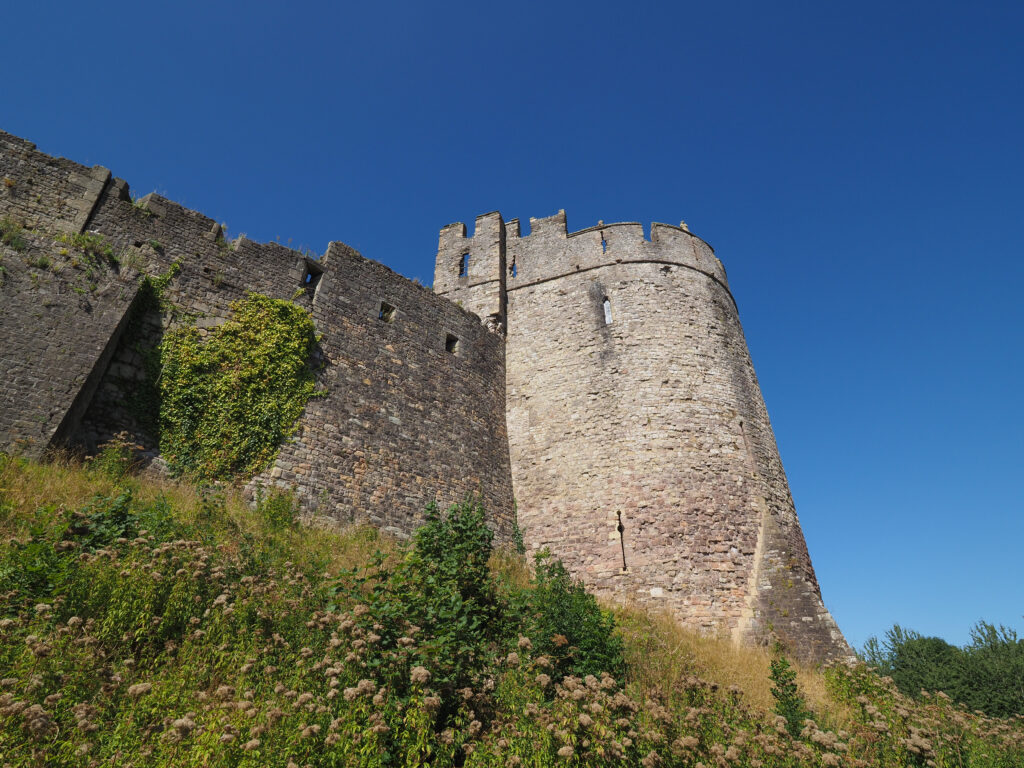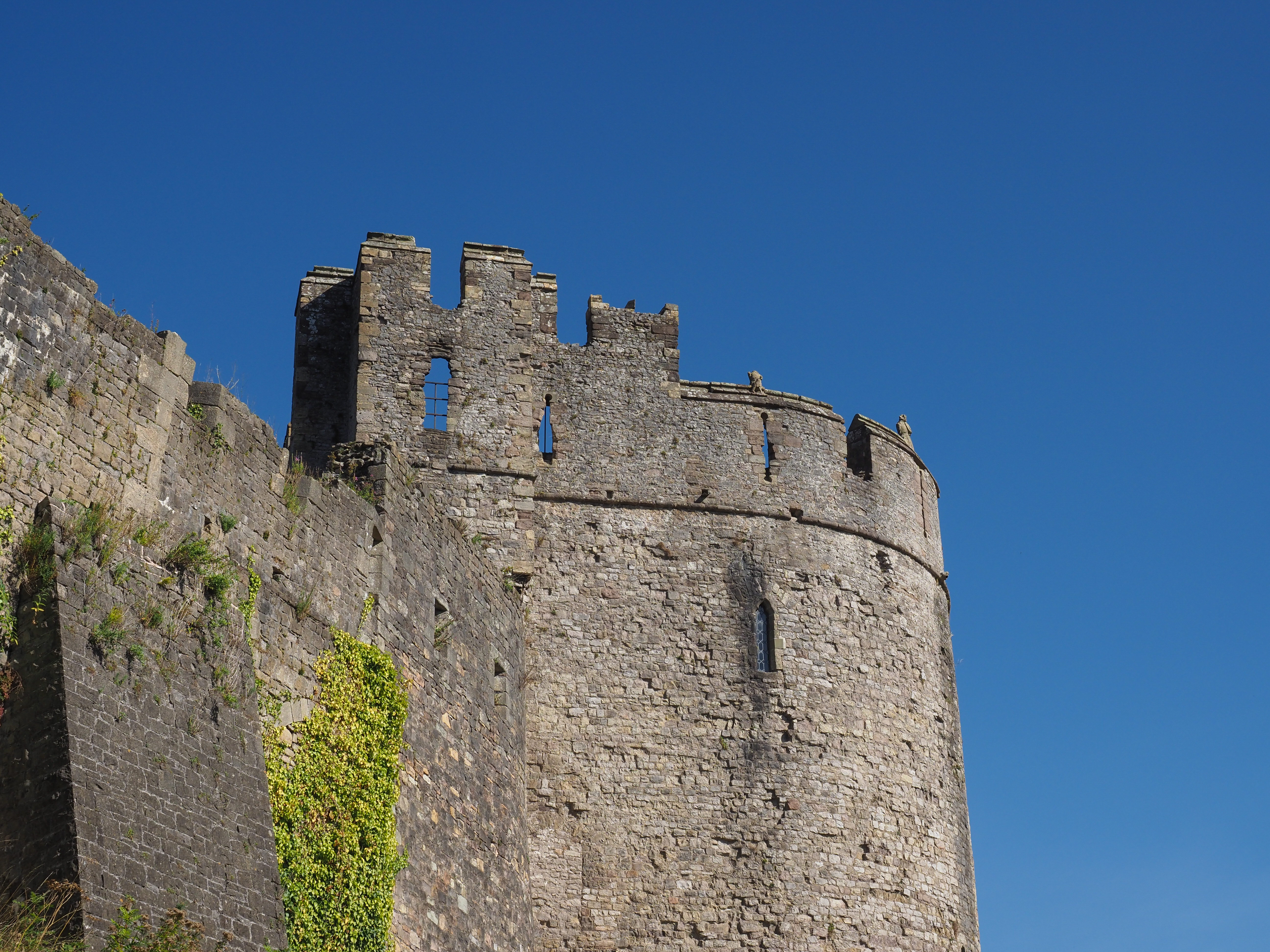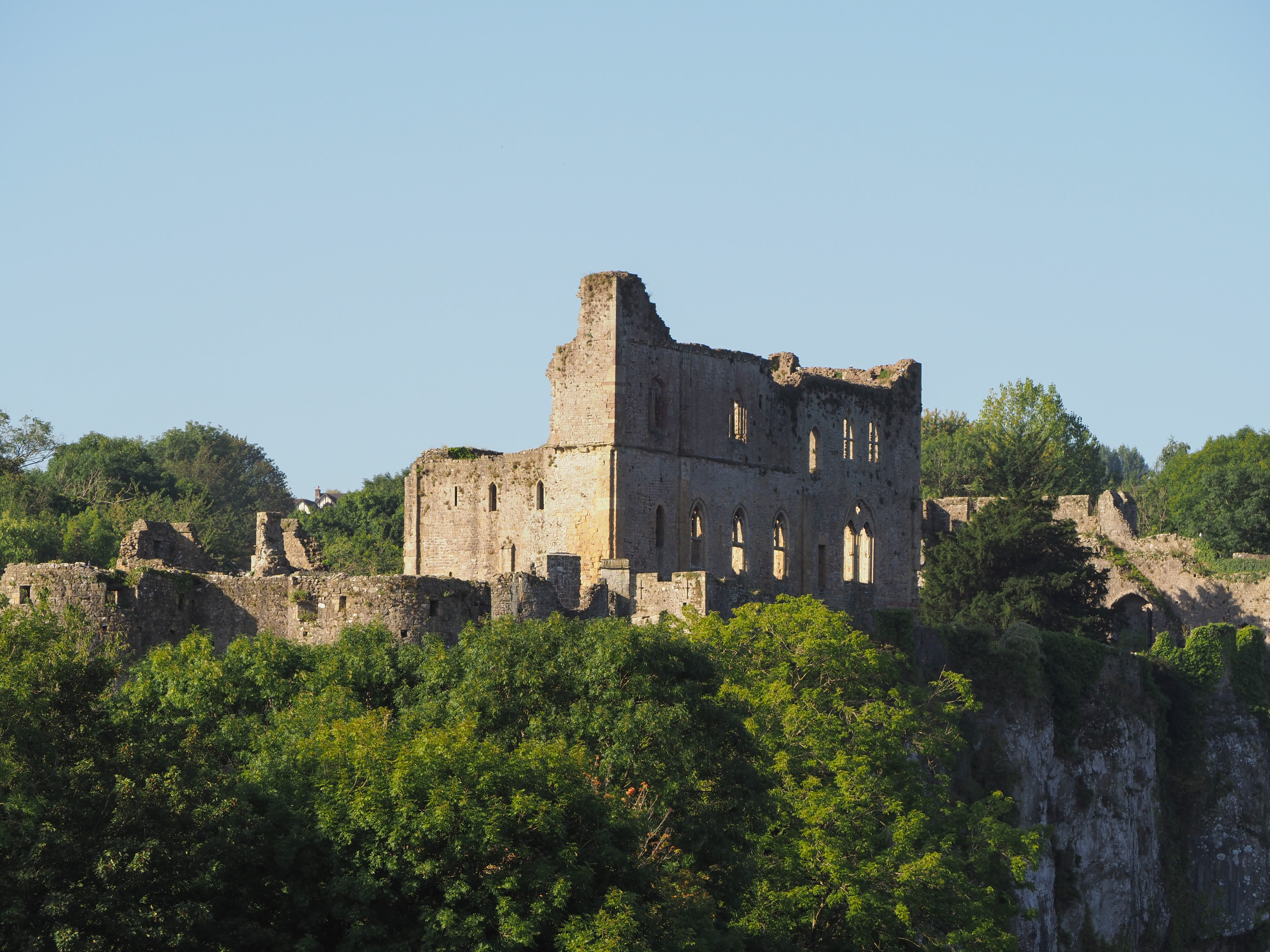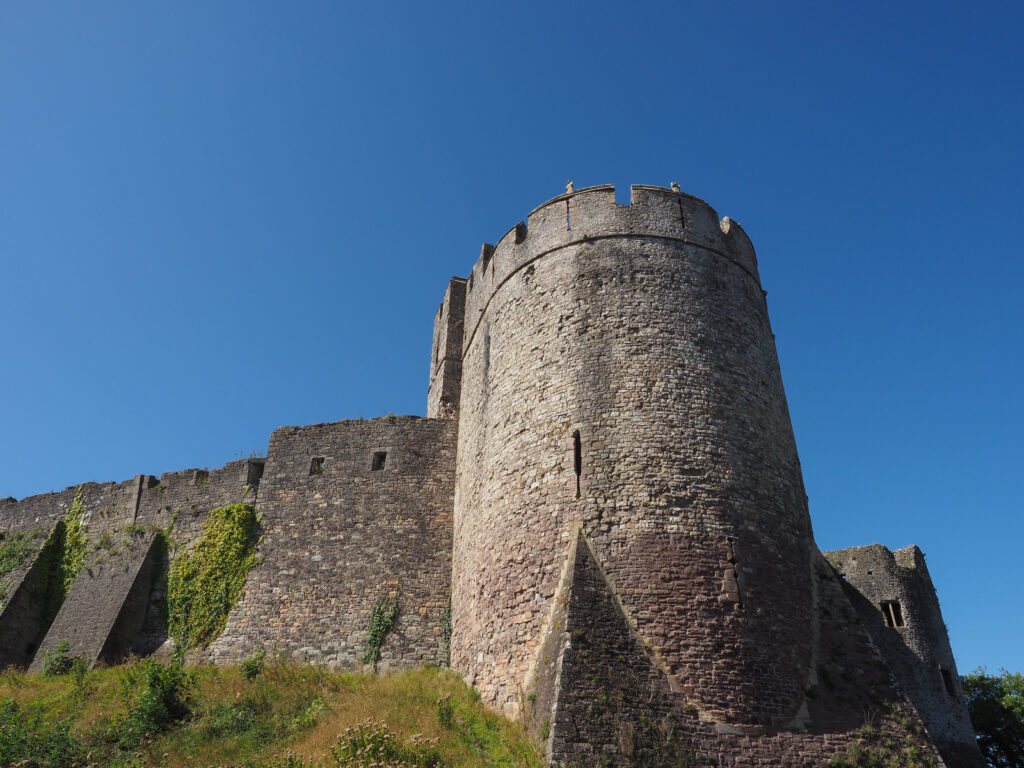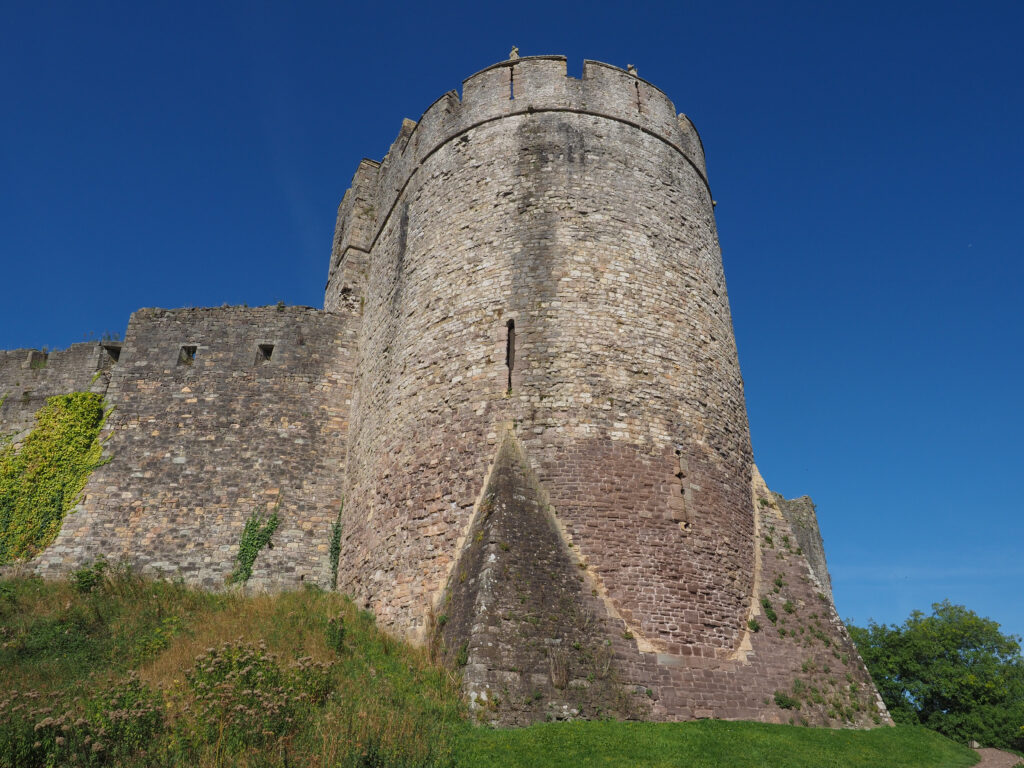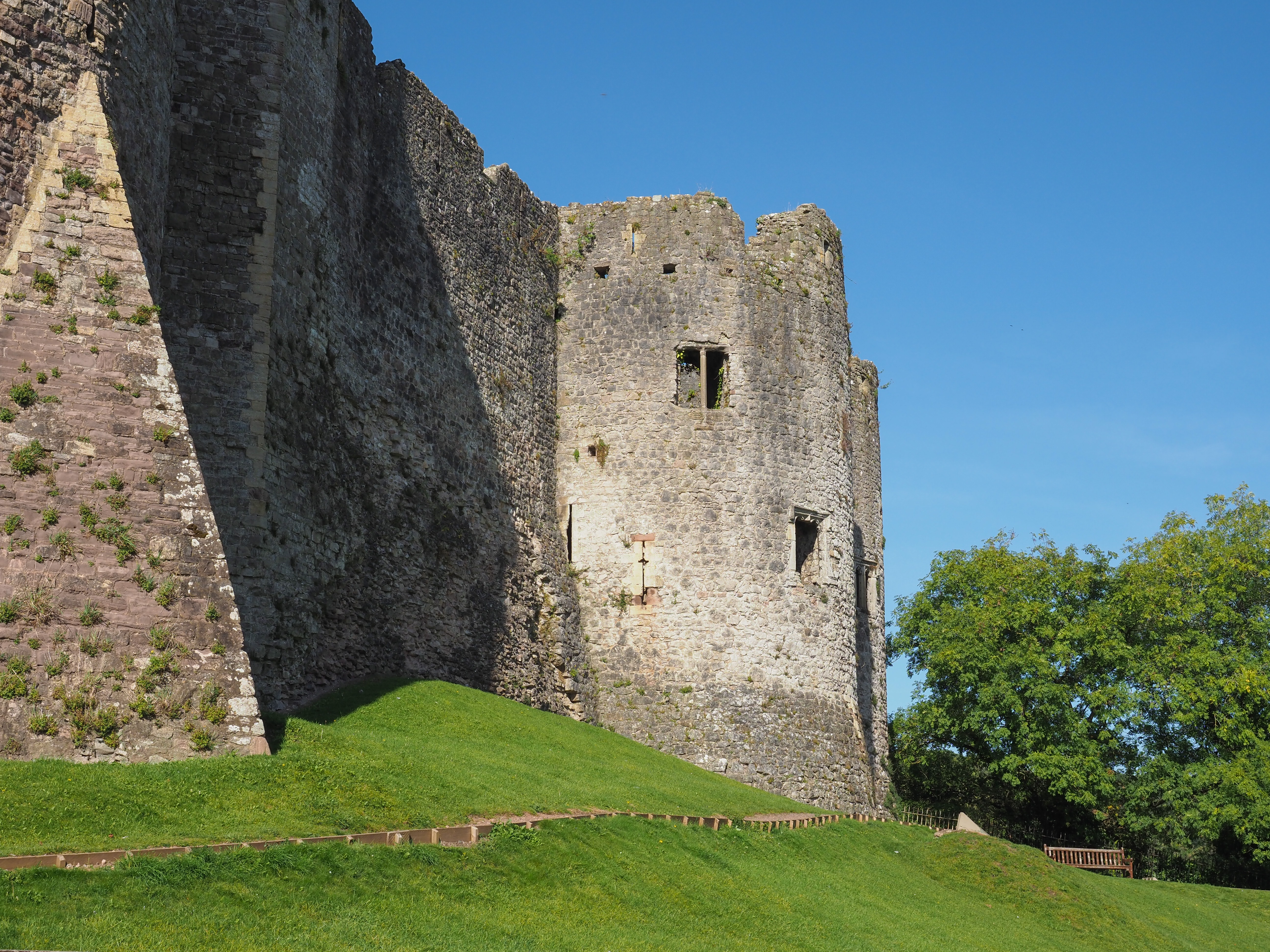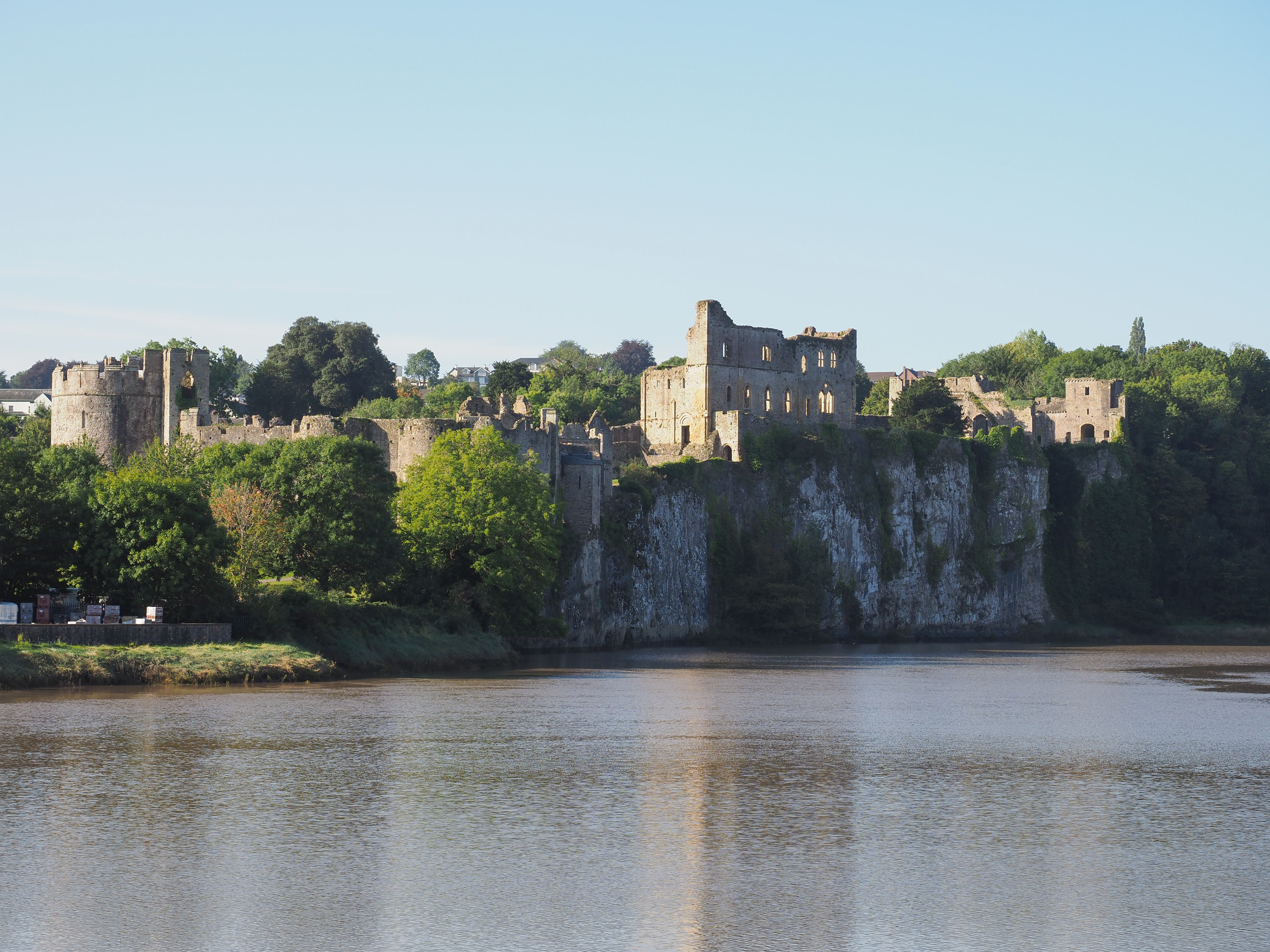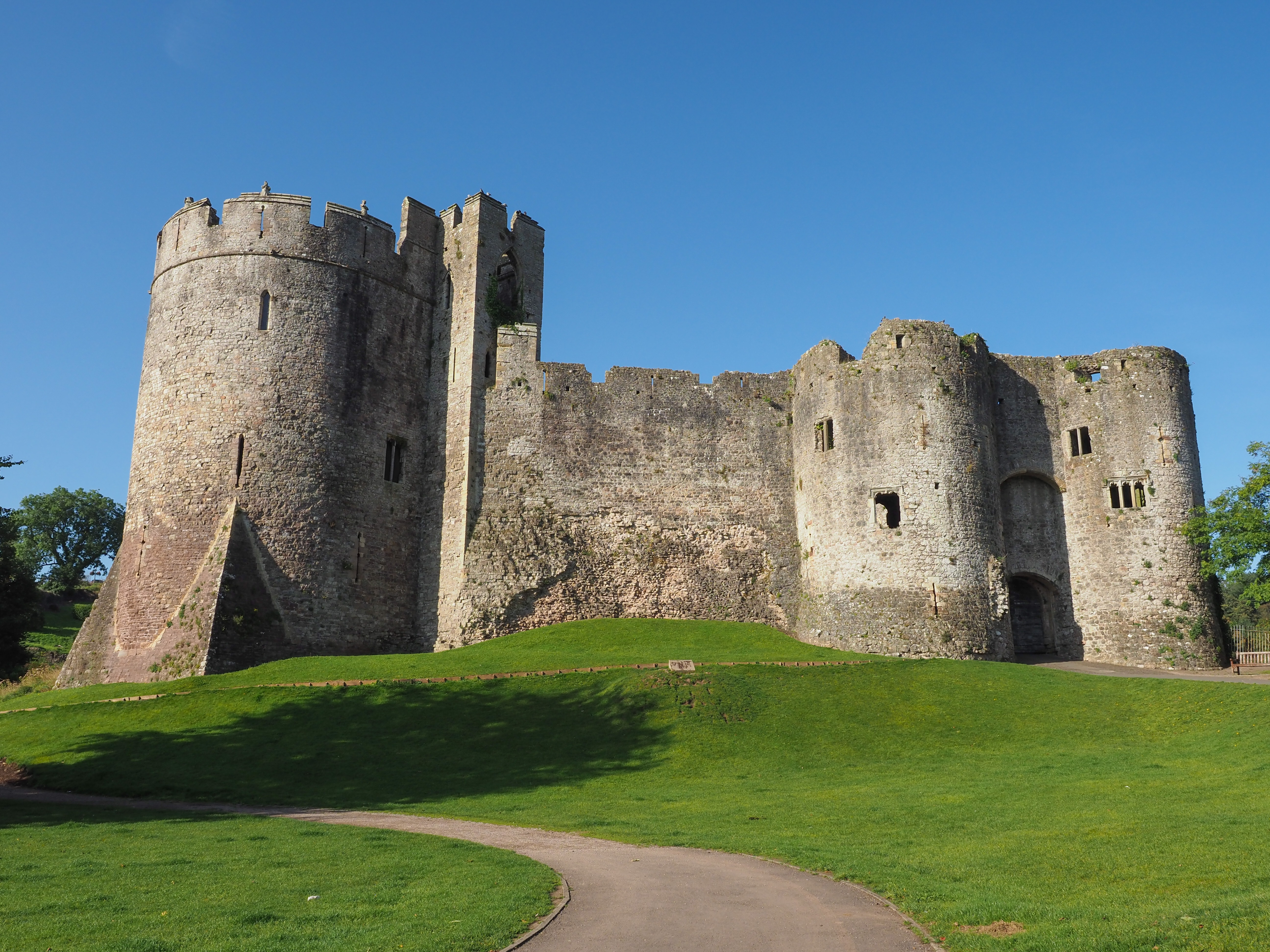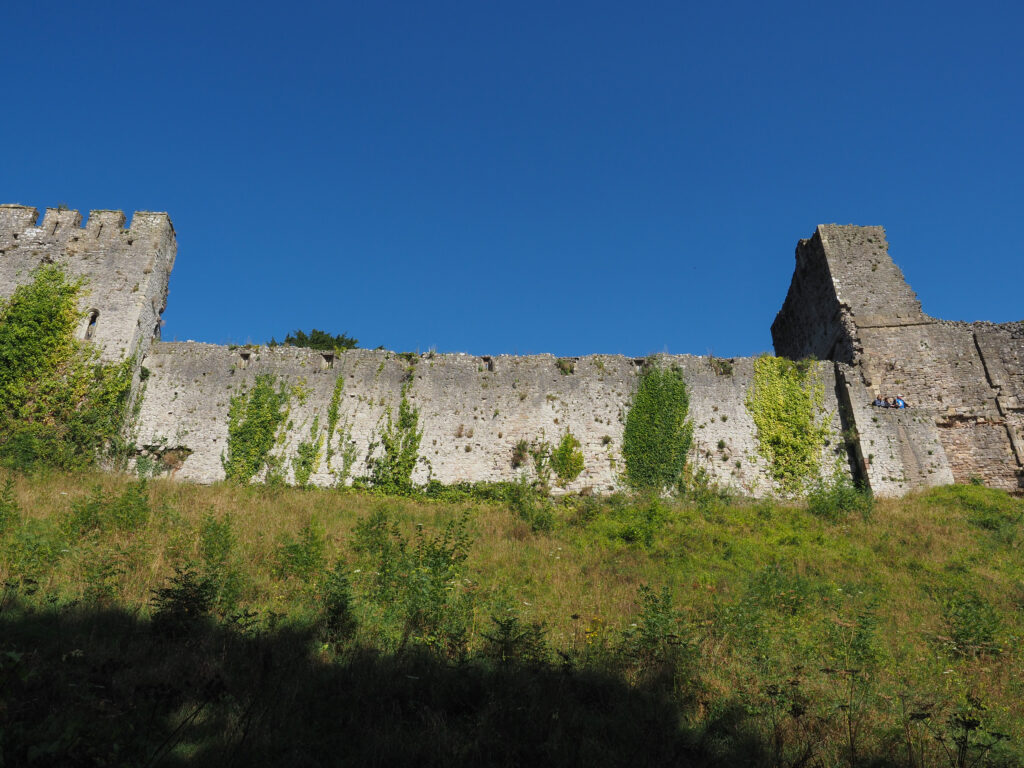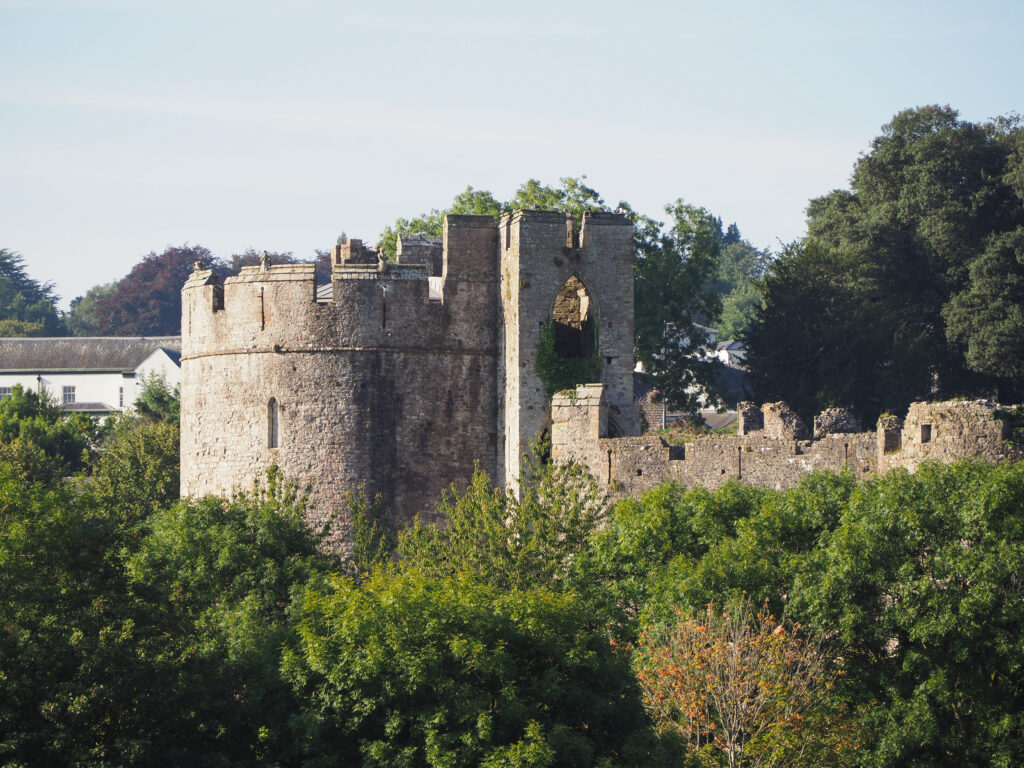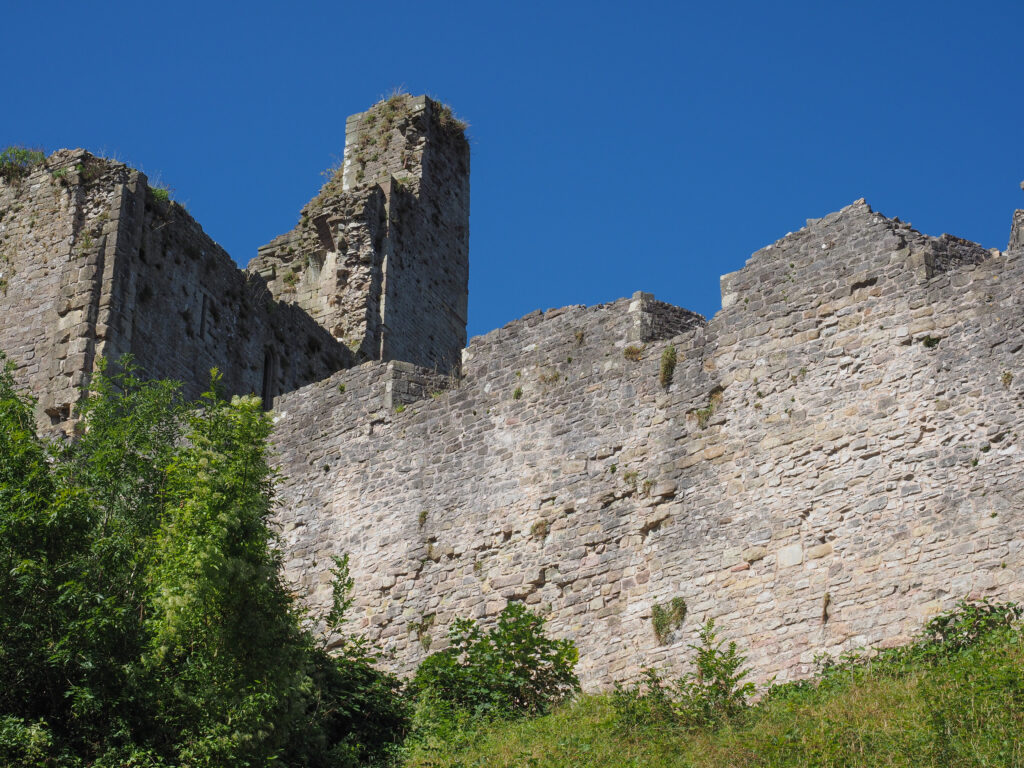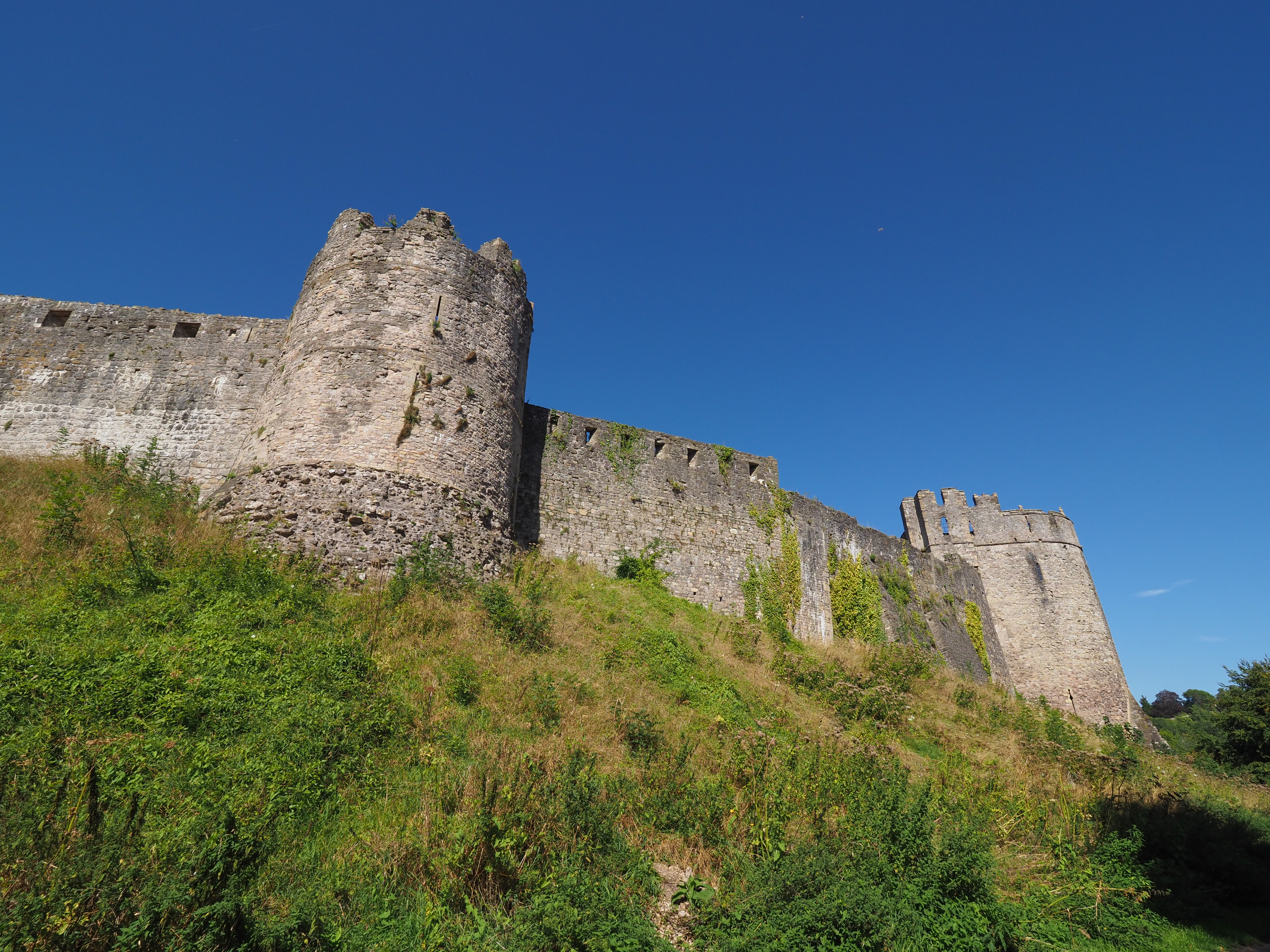

Perched precariously on a limestone cliff above the gently flowing River Wye, Chepstow Castle (Welsh: Castell Cas-gwent) is more than just a remnant of medieval military power—it is a bastion of history, myth, and unparalleled architectural genius. This listed building in Monmouthshire, Wales, is considered the oldest surviving stone castle in Great Britain, with origins dating back to the Norman Conquest.
The origins of Chepstow Castle – The origins of Chepstow Castle are closely linked to the rise of William FitzOsbern, a loyal companion of William the Conqueror. Shortly after the Battle of Hastings in 1066, FitzOsbern was appointed Earl of Hereford and tasked with fortifying the troubled Welsh borderlands. Thus, around 1067, construction began on an impressive fortress that would serve as a base for further Norman incursions into Wales. FitzOsbern’s keep, a rectangular stone fortress that still stands today, marks the early phase of Chepstow Castle, which was completed before his death in 1071.
A legacy of expansion and excellence – After FitzOsbern’s death, the failed rebellion of his son Roger de Breteuil led to the loss of his lands to the Crown. In 1119, King Henry I bequeathed Chepstow to Walter de Clare, whereupon it passed into the possession of the de Clare family. The castle’s fortunes took another turn with the marriage of Isabel de Clare to the famous William Marshal. Known for his strategic skills and expertise gained during the Crusades and in the service of King Henry II, Marshal initiated extensive renovations and adapted the castle to the military innovations of the time. His sons continued this legacy and expanded the fortifications until 1245. With the death of Marshal’s male heirs, the fortress passed through the maternal line to Roger Bigod, 4th Earl of Norfolk. His son, Roger Bigod, 5th Earl of Norfolk, made further additions and transformed Chepstow into one of the most heavily fortified castles in Wales by the beginning of the 14th century.
Chepstow through turmoil and tranquility – After 1306, the castle lost its importance and changed hands several times. Nevertheless, it remained strategically important due to its robust fortifications. During Owain Glyndŵr’s Welsh uprising in 1403, the castle’s defenses prevented any direct attack. In 1471, Edward IV’s troops used Chepstow Castle as the site for the execution of Roger Vaughan of Tretower, leading to a gruesome chapter in the Yorkist reprisals. The Tudor era was marked by a shift towards internal refinement. Charles Somerset, later Earl of Worcester, acquired the castle in 1508 and had renovations carried out that increased its appeal as a residence. However, the English Civil War brought with it a renewed military focus. Loyalist troops occupied Chepstow, but after a series of sieges, artillery bombardments, and fierce fighting, it fell to the Parliamentarians in 1645. After the siege, the castle served as both a garrison and a state prison, housing Jeremy Taylor and the regicide Henry Marten, among others.
Decline and renaissance – By 1685, Chepstow had been largely abandoned and fallen into disrepair due to changing military requirements. Nevertheless, it attracted attention during the Romantic period in the late 18th century, drawing visitors to its picturesque ruins. The Duke of Beaufort initiated a partial restoration in the 19th century to preserve the historic structures. In 1953, the British government took over the management of Chepstow Castle. Under the stewardship of Cadw, it remains a treasured historic site, offering visitors a tangible connection to medieval grandeur and intrigue.
Architectural marvels and mysticism – Chepstow Castle’s commanding position on a long, narrow hill offers breathtaking views of the River Wye. The layout is an elongated fortress approximately 250 meters long, with the main entrance at the eastern end. This gate, flanked by two round towers built before 1245, is considered the oldest known gatehouse with two towers in Great Britain. The southeastern Marten’s Tower, built between 1270 and 1300, is an example of the combination of defensive robustness and residential comfort, featuring a richly decorated interior and even a private chapel. Named after Henry Marten, the tower is home to stories of political dissent and imprisonment, offering a poignant narrative of the fate that befell a regicide.
The Holy of Holies – The interior of the castle reveals the different historical eras. On the north side of the lower bailey, luxurious accommodations and functional rooms such as the great hall and storage rooms testify to the castle’s self-sufficiency. The middle and upper baileys show successive improvements in residential and defensive architecture, characterized by thickened walls and strategically placed arrow slits—evidence of evolving warfare techniques. Descriptive depictions of the upper bailey highlight the monumental keep, originally built from materials from the Roman town of Venta Silurum. Later alterations added an additional floor and an elegant riverside gallery, improving both defense and aesthetics.
Legends and lore – Beyond its tangible history, Chepstow Castle is rich in legends and folklore. Whispers of ghostly knights and ethereal echoes permeate the ancient corridors. Local legends tell of secret tunnels, royal escapades, and ghostly apparitions that capture the imagination. These stories, woven into the fabric of the castle, add to its appeal and ensure that Chepstow remains not just a relic, but a repository of Britain’s enigmatic past.
In summary, Chepstow Castle is an unwavering guardian of history, its walls silent witnesses to centuries of conquests, conflicts, and courtly life. From its Norman origins to its role in civil wars and its resurrection as a cultural treasure, Chepstow embodies the enduring spirit of medieval mysticism and martial splendor.