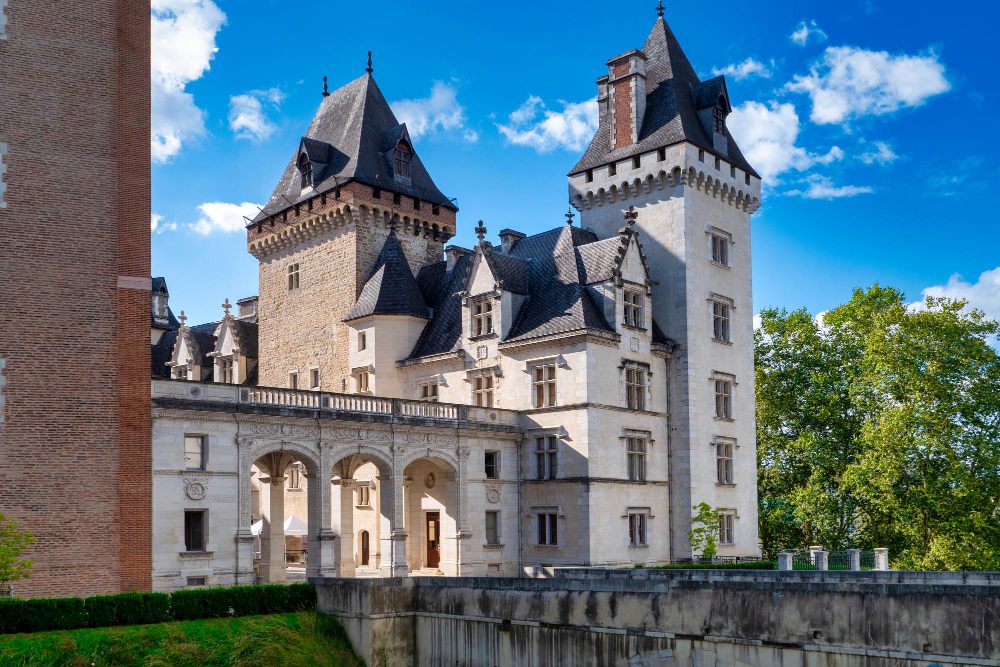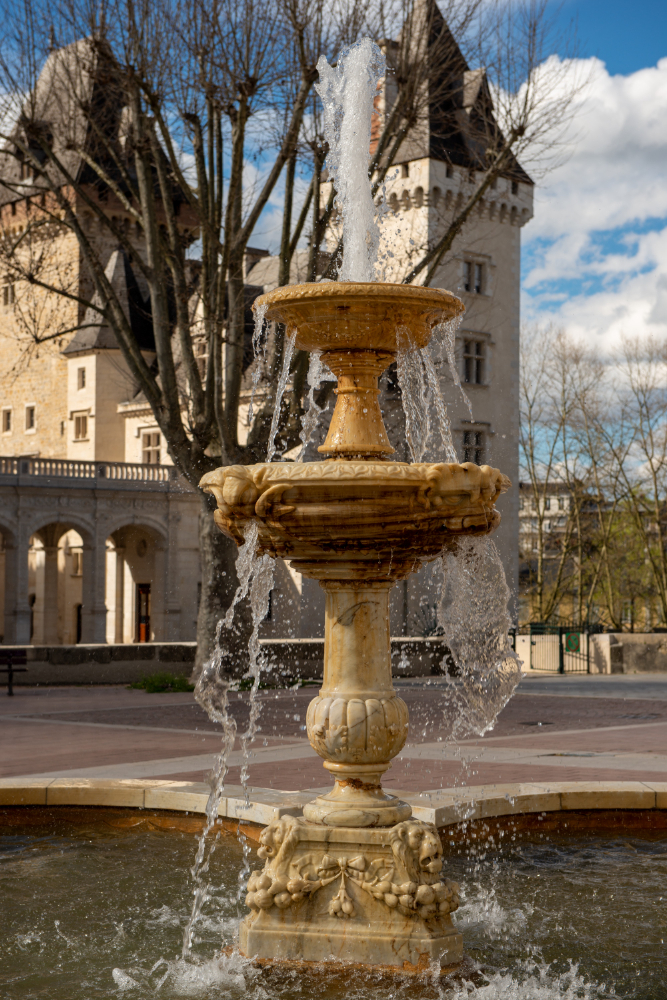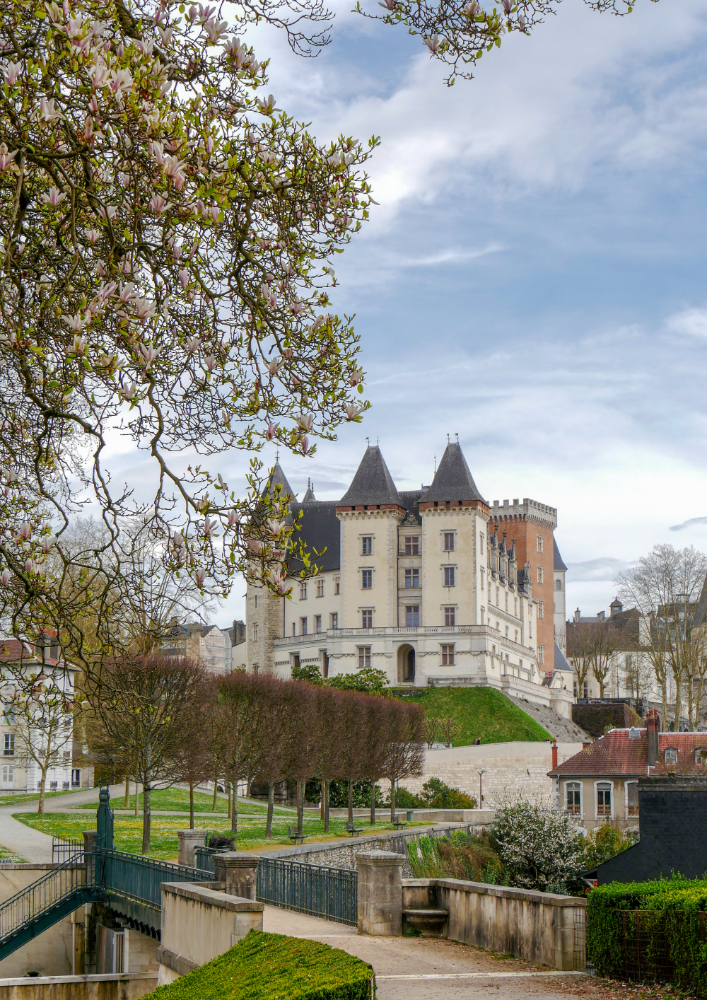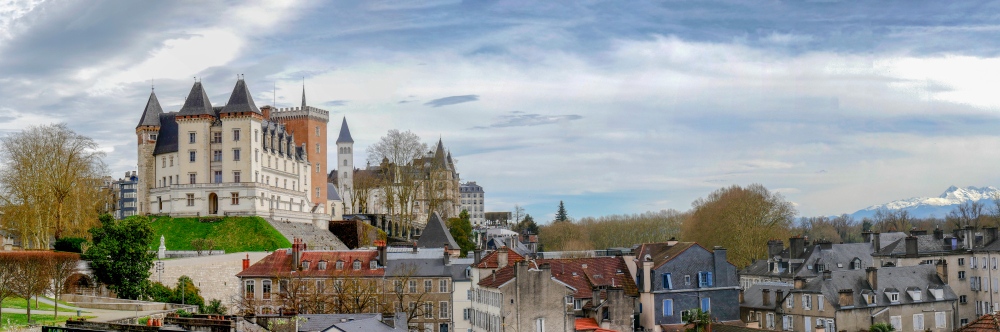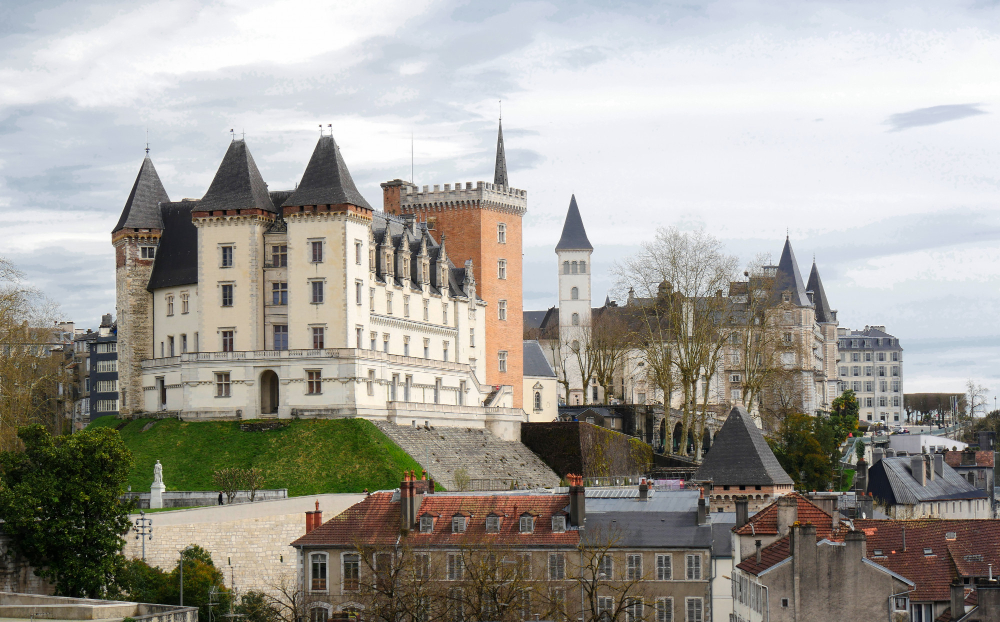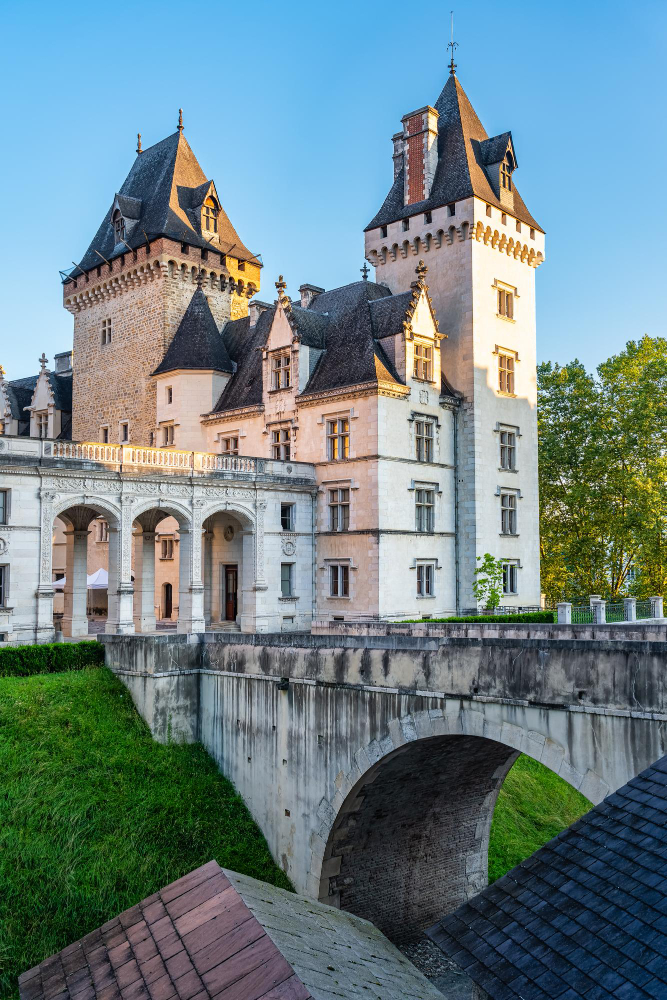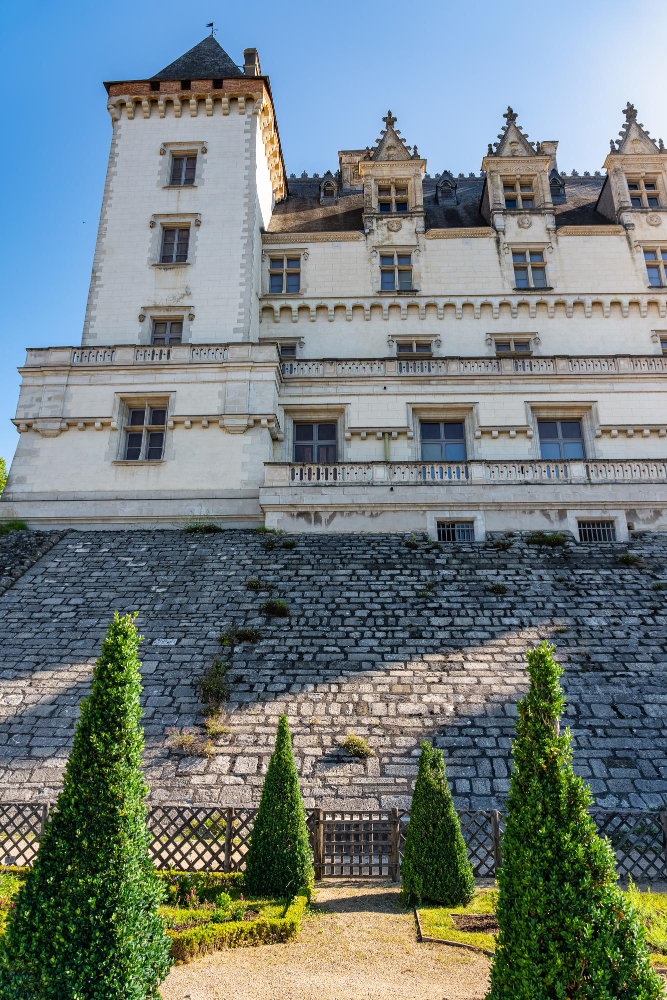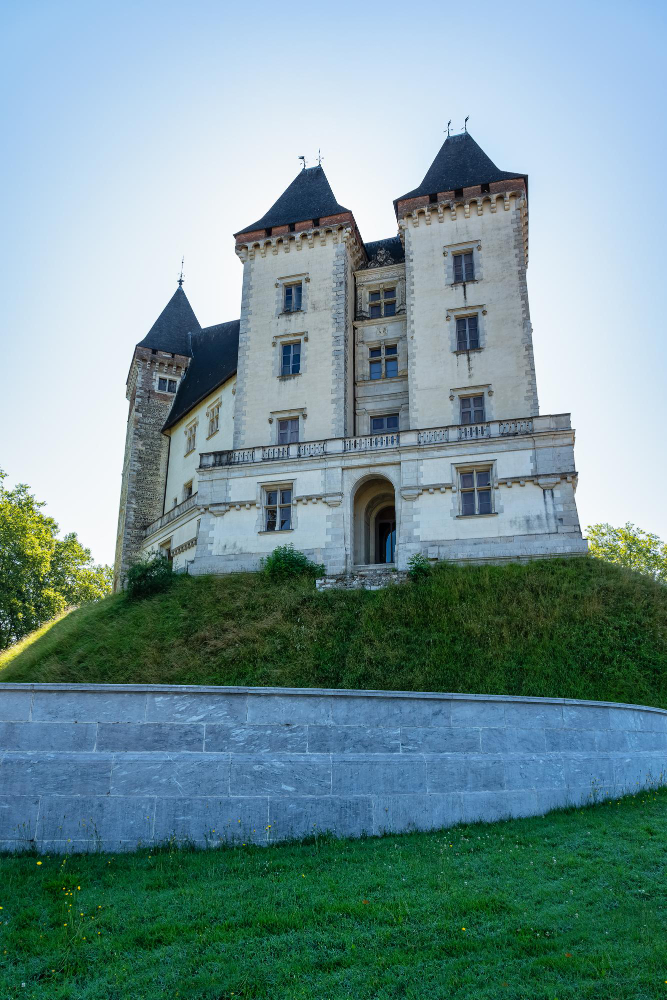

Perched high above the city of Pau, in the heart of the Pyrénées-Atlantiques, stands the Château de Pau, a fortress that is both a historic monument and a living legend. With its impressive silhouette and eventful history, the castle has not only shaped the character of the city but also preserved the legacy of one of France’s most famous kings: Henry IV, who was born here. Yet the history of the Château de Pau extends far beyond the fame of this monarch.
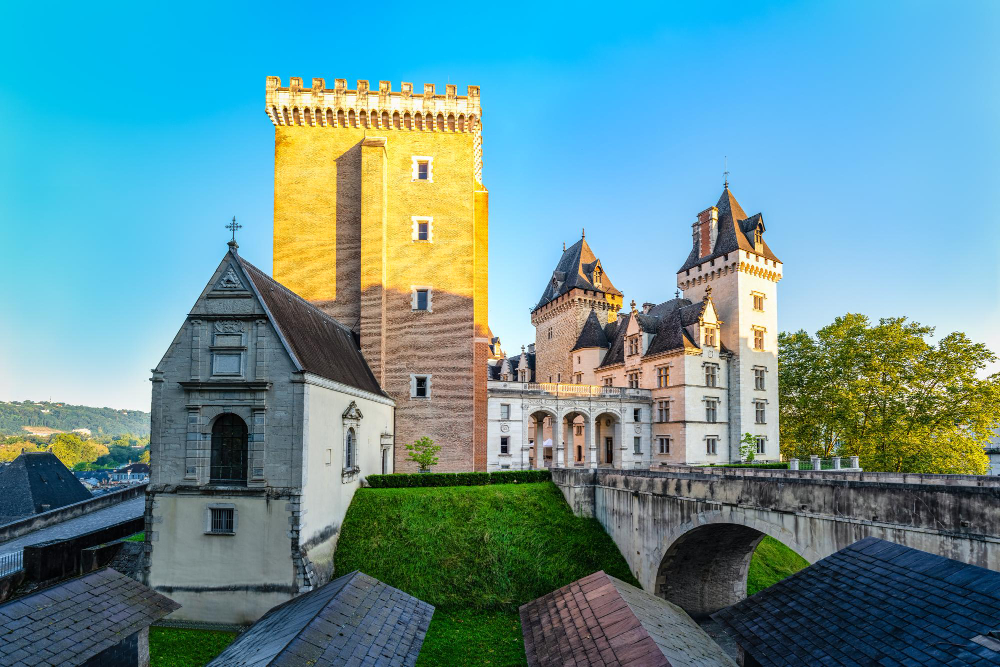
The Origins of the Château de Pau – The history of this extraordinary structure begins in the Middle Ages. Designed as a military fortress, the Château was built on a strategically advantageous hill overlooking the Gave River and the Hédas Valley. It was intended to protect the city from attacks while also underscoring its importance as the center of the Béarn region. The name “Pau,” derived from the Béarnais word for stakes (“pau”), refers to the symbolic wooden stakes that once surrounded the city and stood for loyalty and righteousness. Gaston IV of Béarn, a local nobleman, had three towers built in the 12th century, which are still known today as Mazères, Billère, and Montauser.
Gaston Fébus: The Warlord and Visionary – During the turbulent 14th century, Béarn was the scene of fierce conflicts as France and England vied for control of the region. But while the great kingdoms demonstrated their power, Gaston III of Foix, also known as Gaston Fébus, sought independence for Béarn. This strategically gifted and charismatic count reinforced the defenses of the Château de Pau and added the impressive, 33-meter-high tower, whose inscription in the Béarnais language proudly proclaims: “Febus me fe” (Fébus built me). Fébus’s reputation rose to legendary status, not only because of his military successes but also through his literary works, including the famous hunting manual “Livre de chasse.” Under his rule, the Château became a symbol of Béarn’s strength and autonomy.
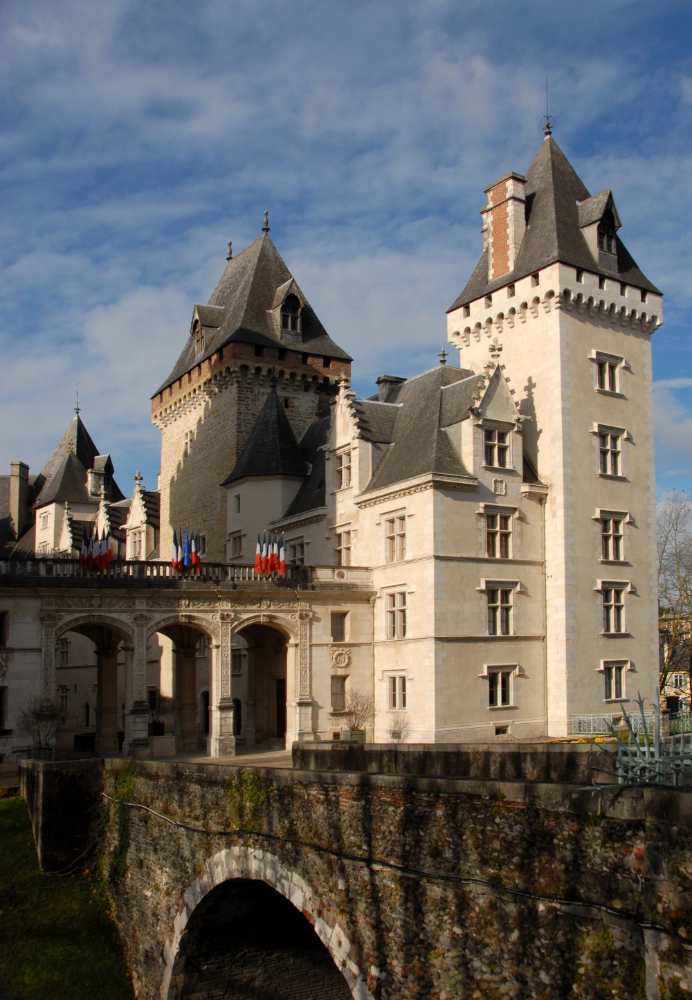
The Influence of the Kings of Navarre: The Transformation of a Fortress – At the beginning of the Renaissance, the Château de Pau underwent a significant transformation. With the establishment of the Court of Navarre, the former fortress was transformed into a magnificent stately residence. Henry II of Navarre and his wife Marguerite d’Angoulême—sister of the French King Francis I and a gifted writer in her own right—left their mark on the château through their decorative initials, which can still be seen today on the walls and ceilings of the building. Marguerite de Navarre is considered one of the outstanding figures of French literature, particularly through her work “The Heptameron,” a collection of novellas that offer insights into the society of her time. Her stay at the Château de Pau lent the place additional cultural significance.
Henry IV: The Birth of a Legend – On December 13, 1553, the Château de Pau made history when Henry IV, the future King of France and Navarre, was born there. According to legend, the baby, who later became known as “Good King Henry,” rested in a cradle made from a turtle shell—a relic that has been preserved to this day. Although Henry IV neither grew up in this castle nor died there, his birth significantly enhanced the prestige of the Château de Pau. Henry IV later became famous for his attempt to overcome religious tensions between Catholics and Protestants, which earned him the title “the Reconciler.” His birthplace consequently became a symbol of peace and unity, even though he himself had little direct influence on the castle.
Decline and Rebirth – After the union of Béarn and Navarre with the Kingdom of France through the Treaty of Louis XIII in 1620, the castle gradually lost its importance. It fell into obscurity until it was revived in the 19th century by King Louis-Philippe, who had the residence restored as a tribute to Henry IV. Under Louis-Philippe, the castle was adorned with elements of the Neo-Renaissance and Neo-Gothic styles to honor the glorious days of the “Good King.” The restoration process brought to light a vast collection of tapestries from the 16th to the 19th centuries, which can still be admired in the castle today. Ironically, Louis-Philippe, who was later forced into exile from France, never got to enjoy the newly restored castle.
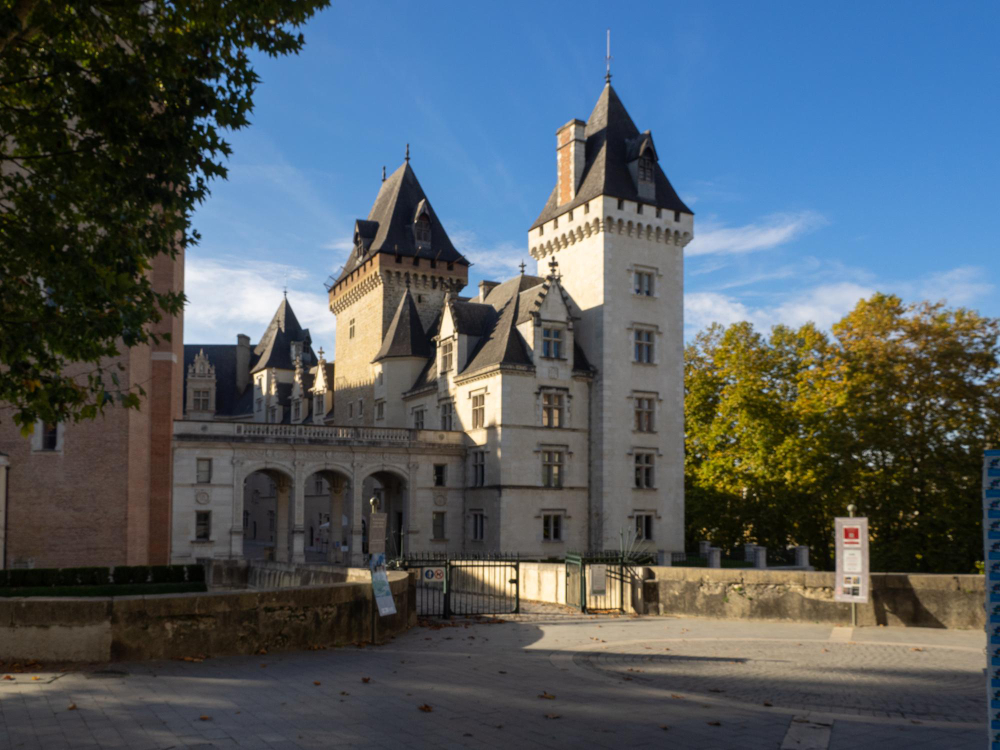
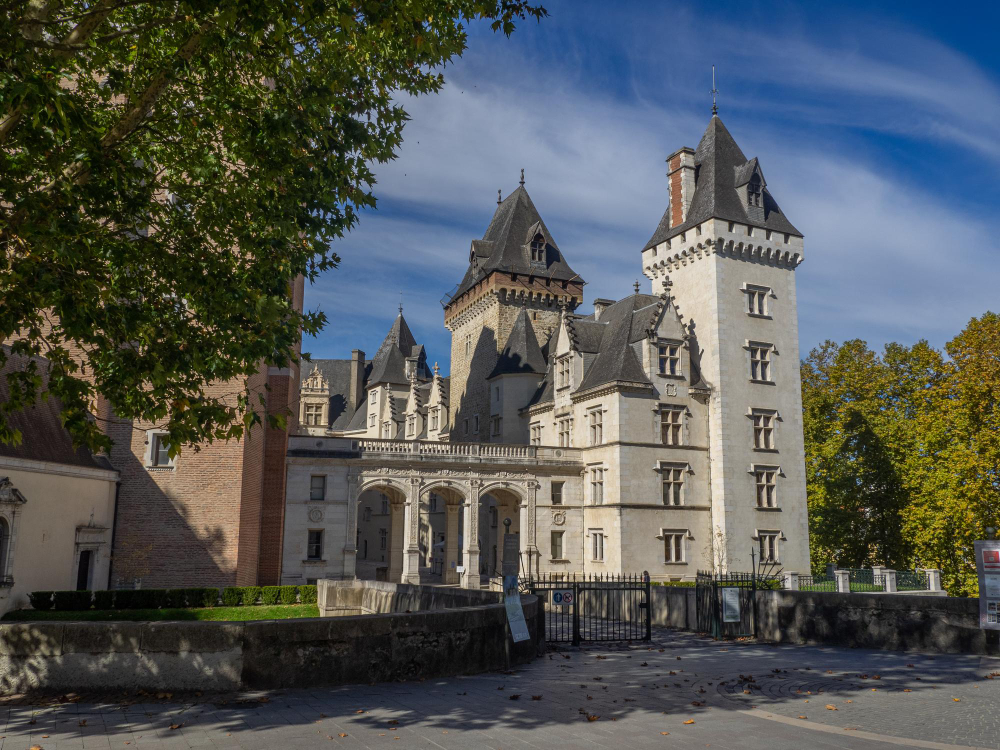
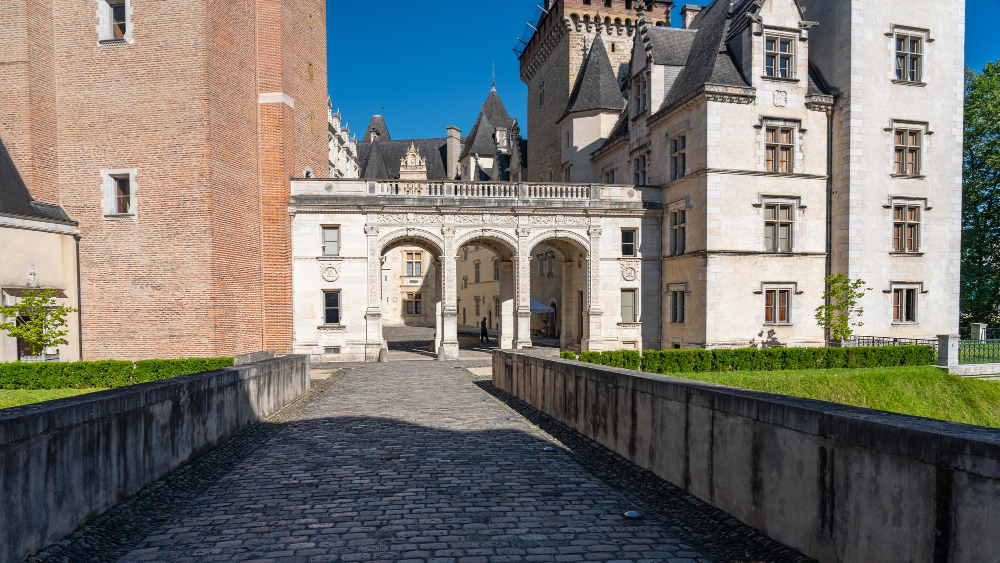
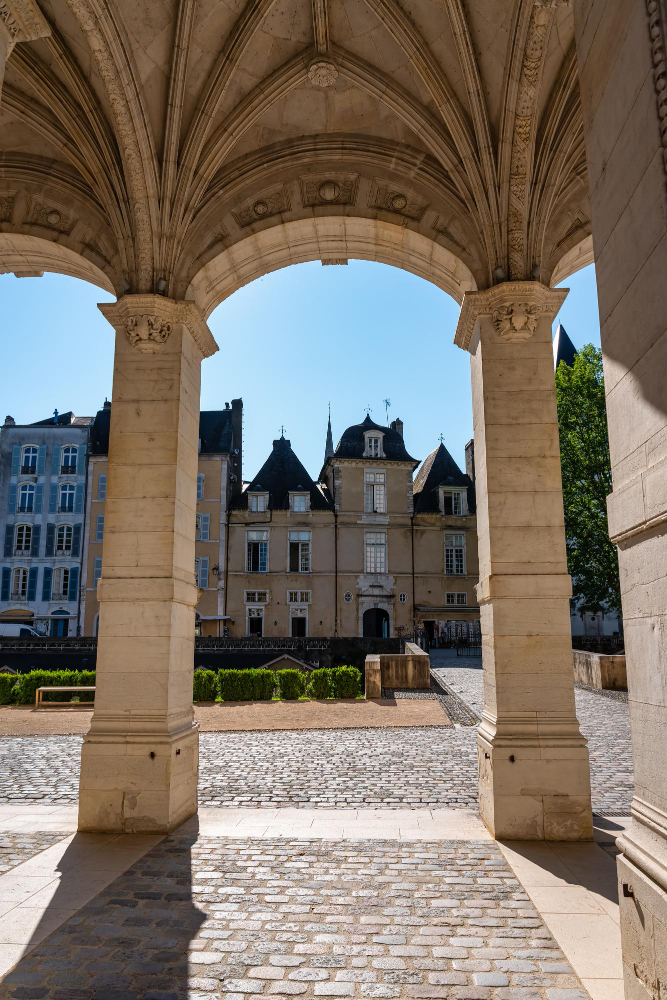
A National Museum and a Living Cultural Heritage – Today, the Château de Pau serves as a national museum and attracts more than 100,000 visitors annually. It houses an impressive collection of artifacts from the time of Henry IV as well as pieces from the Restoration period under Louis-Philippe. Visitors are welcomed through the Renaissance portal, which still bears the initials of the royal couple of Navarre, thus preserving the history and legacy of these significant figures. The castle tells not only of wars and political intrigues, but also of literary splendor, royal grandeur, and the legend of a monarch who led France through one of its most difficult eras. Its symbolic power makes it one of the most valuable cultural sites in the Pyrénées-Atlantiques region and beyond.
More Than Just Stone and Mortar – The Château de Pau is more than just a collection of walls and towers. It is a living symbol of the history of Béarn, Renaissance art, and the vision of a king who prioritized peace over discord. From military fortress to royal palace to museum—the evolution of the Château de Pau reflects the changing times and the eternal quest for identity and unity. Visitors to this site do not simply enter a castle; they walk through time, accompanied by the stories, legends, and myths that make this place one of the most fascinating settings in French history.