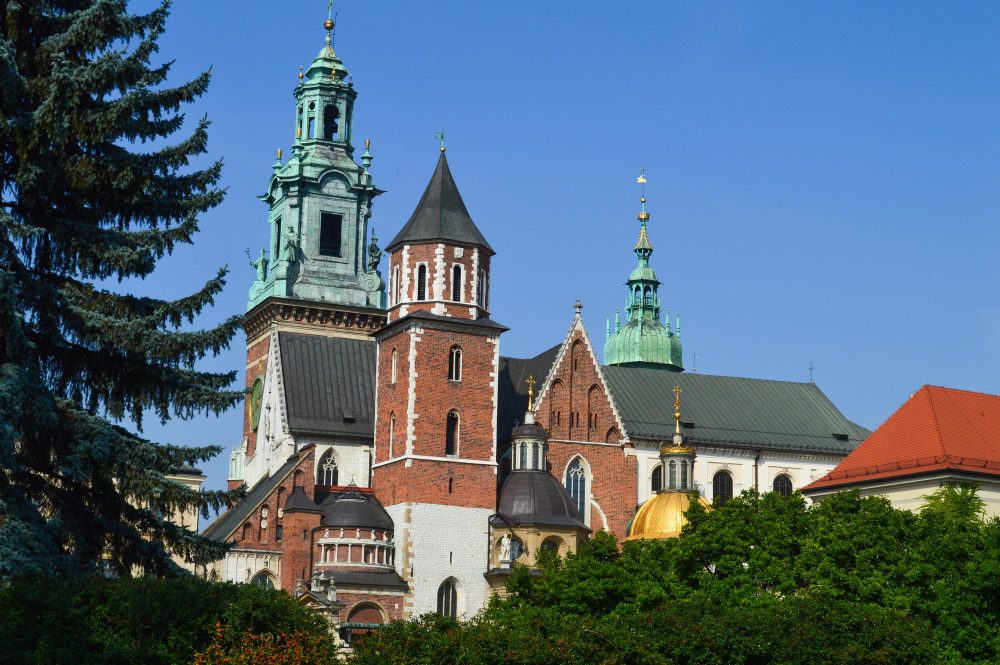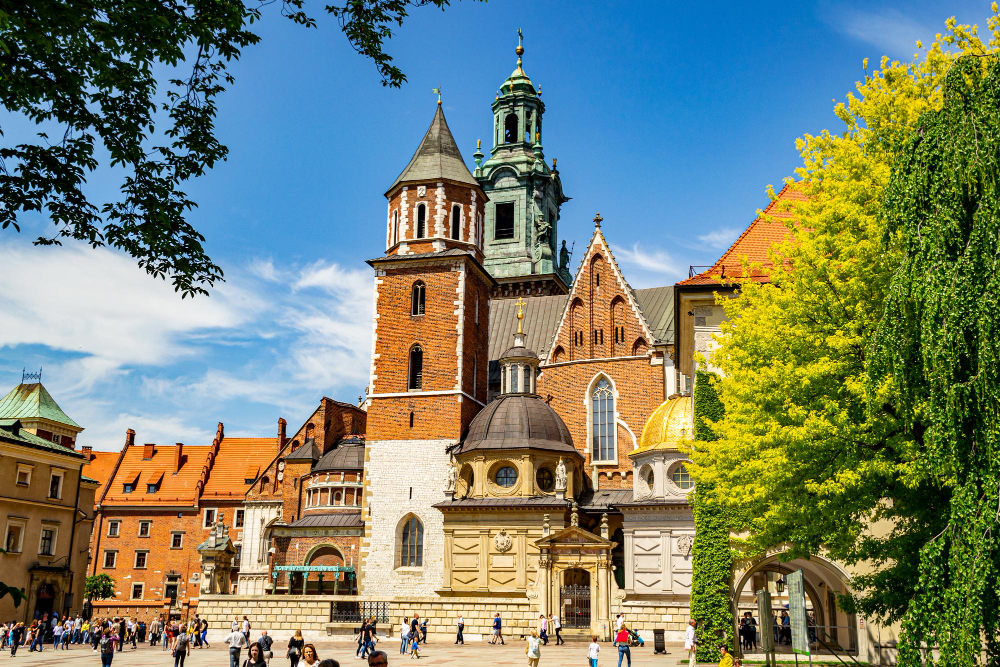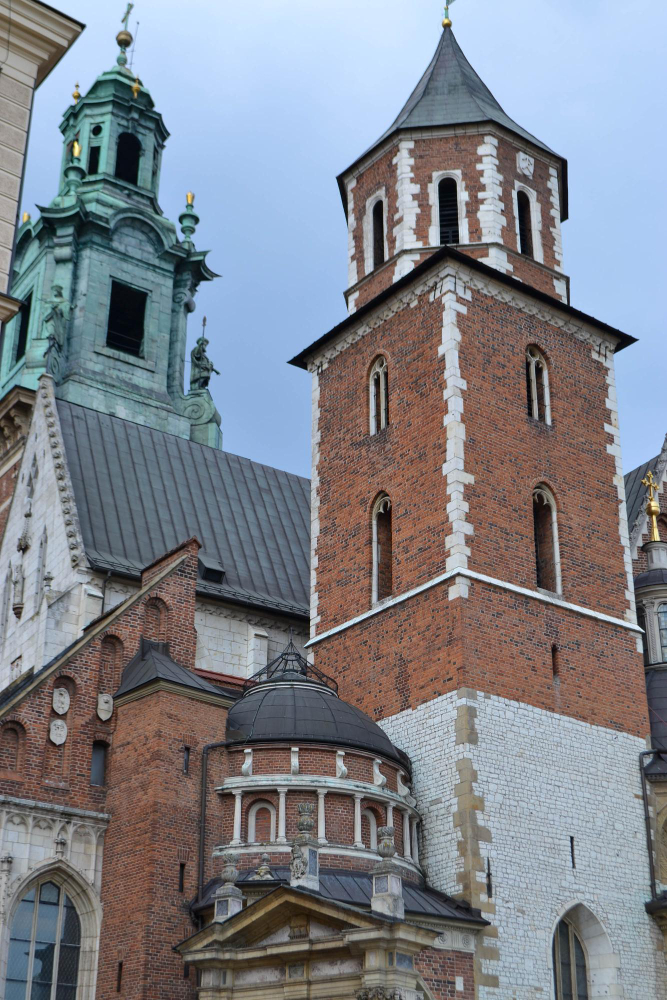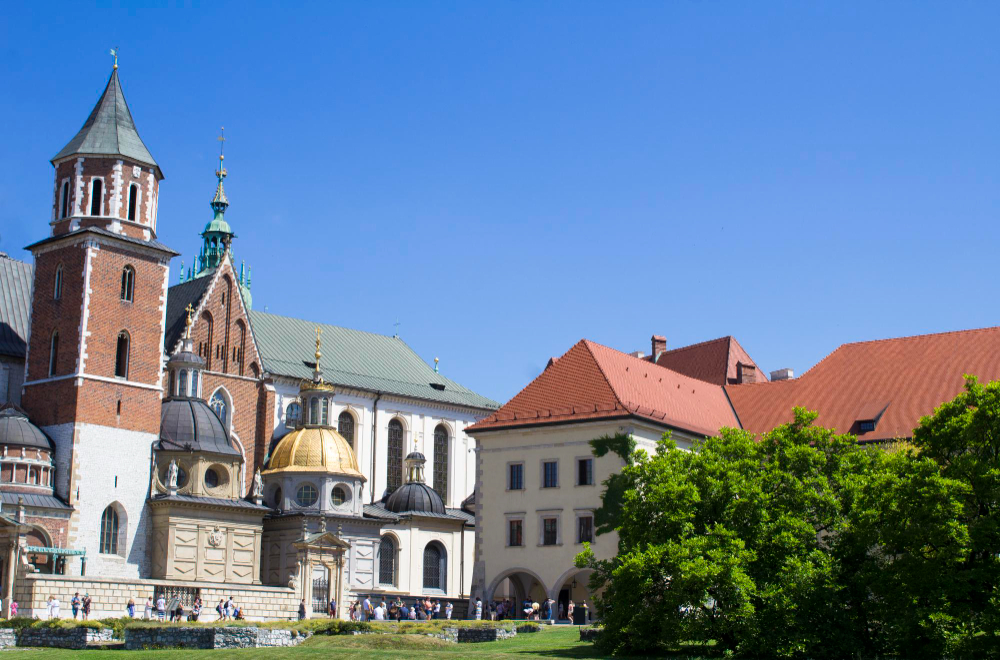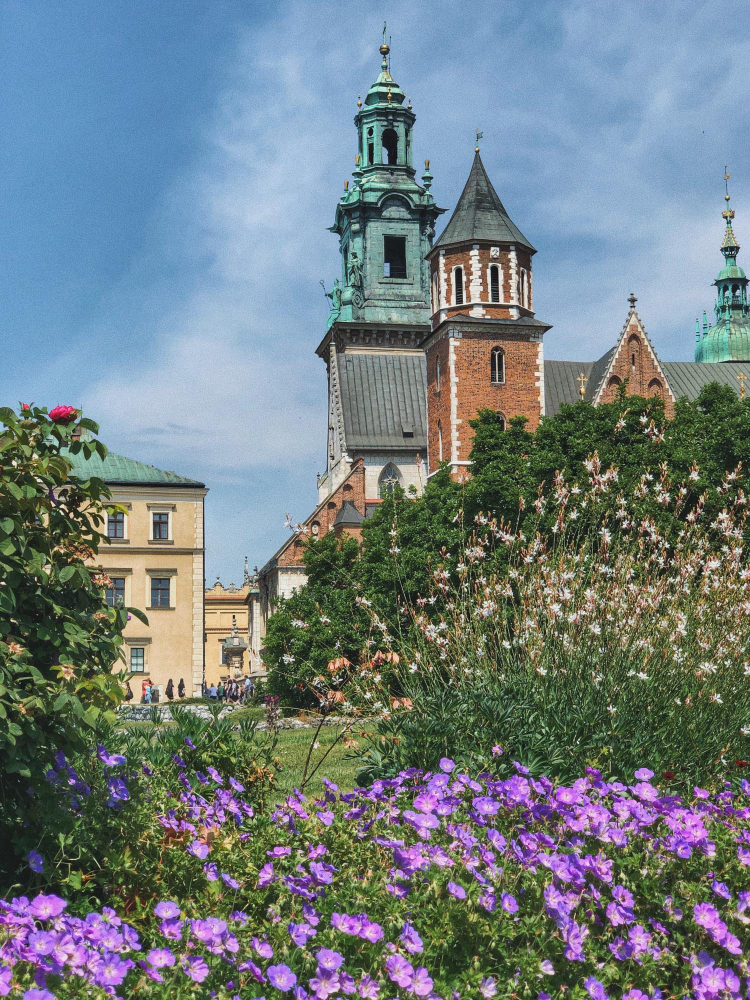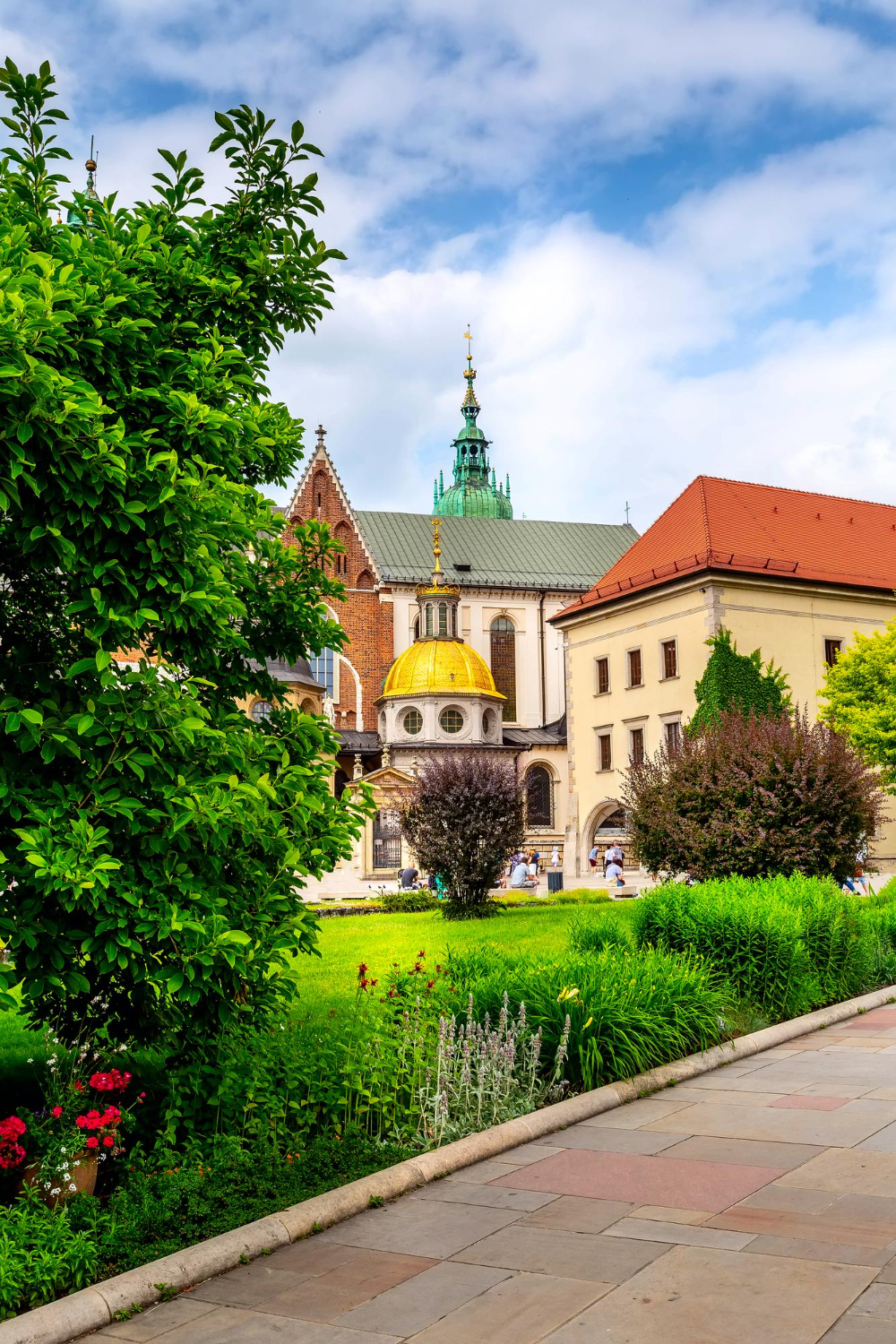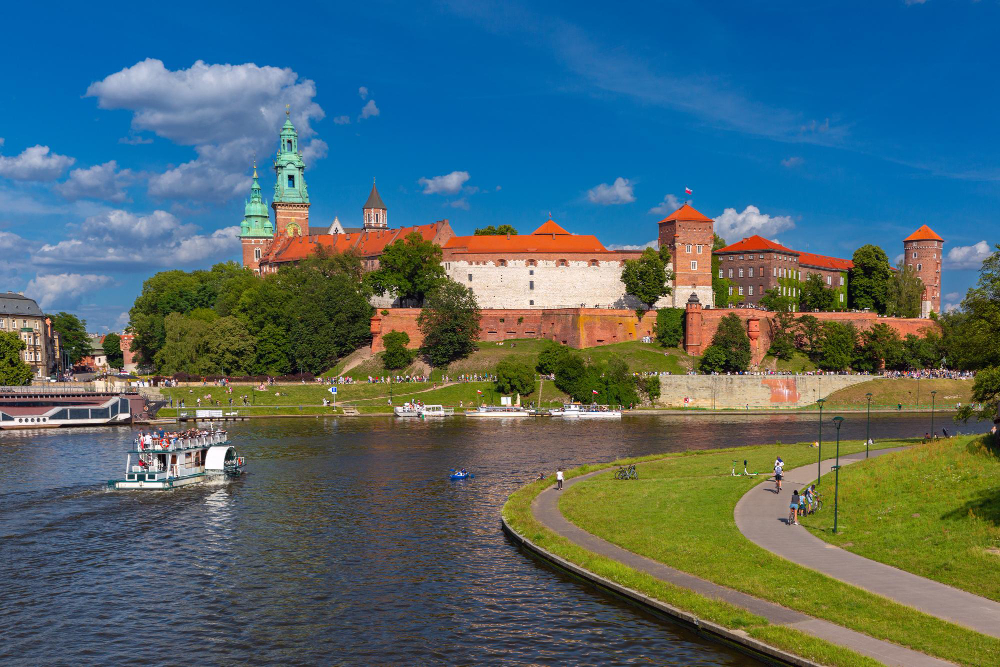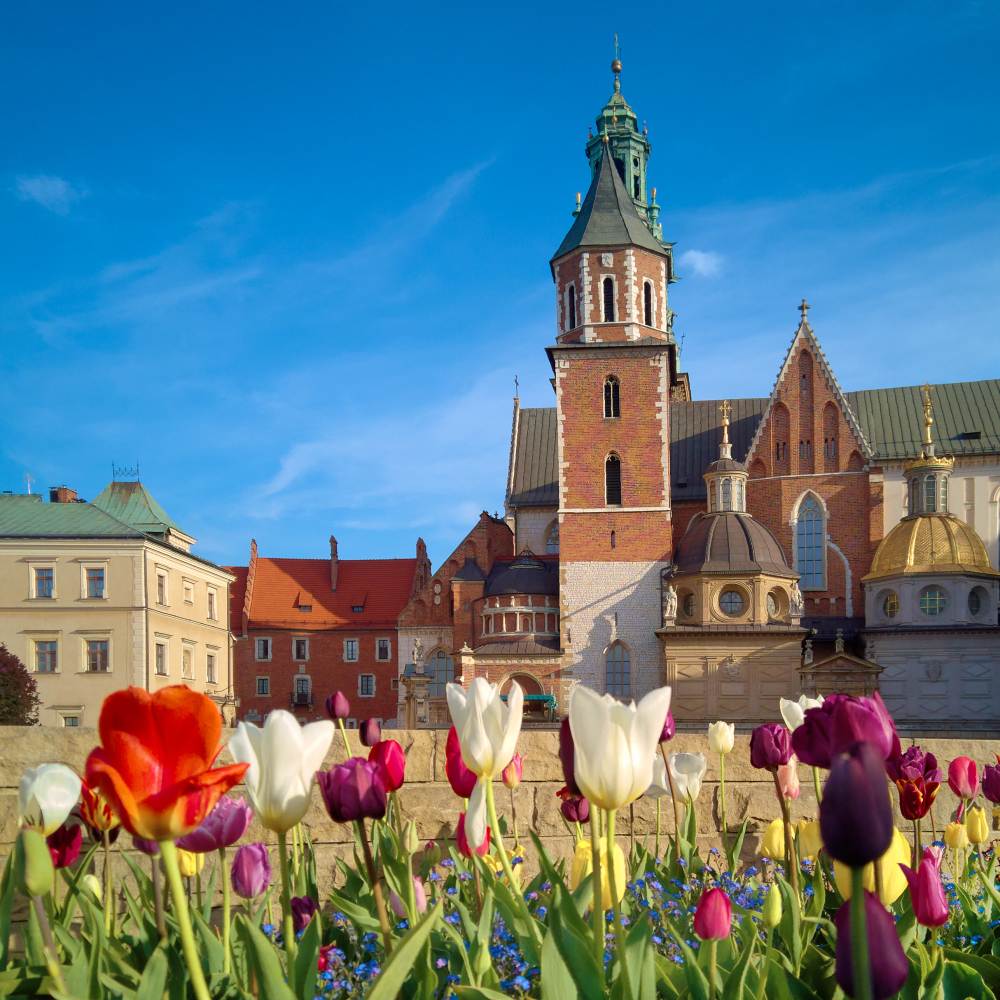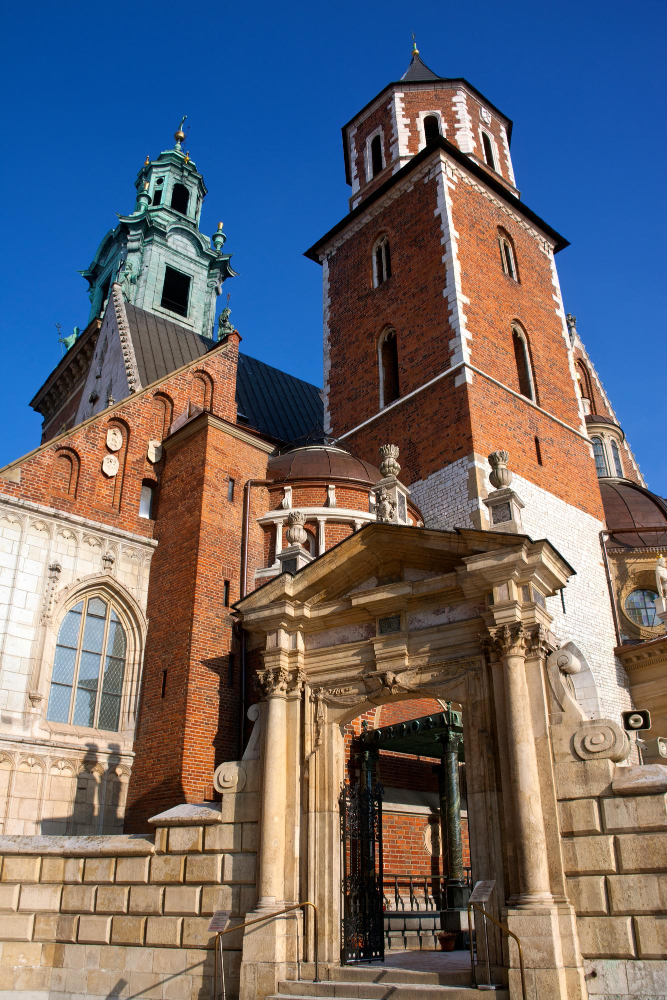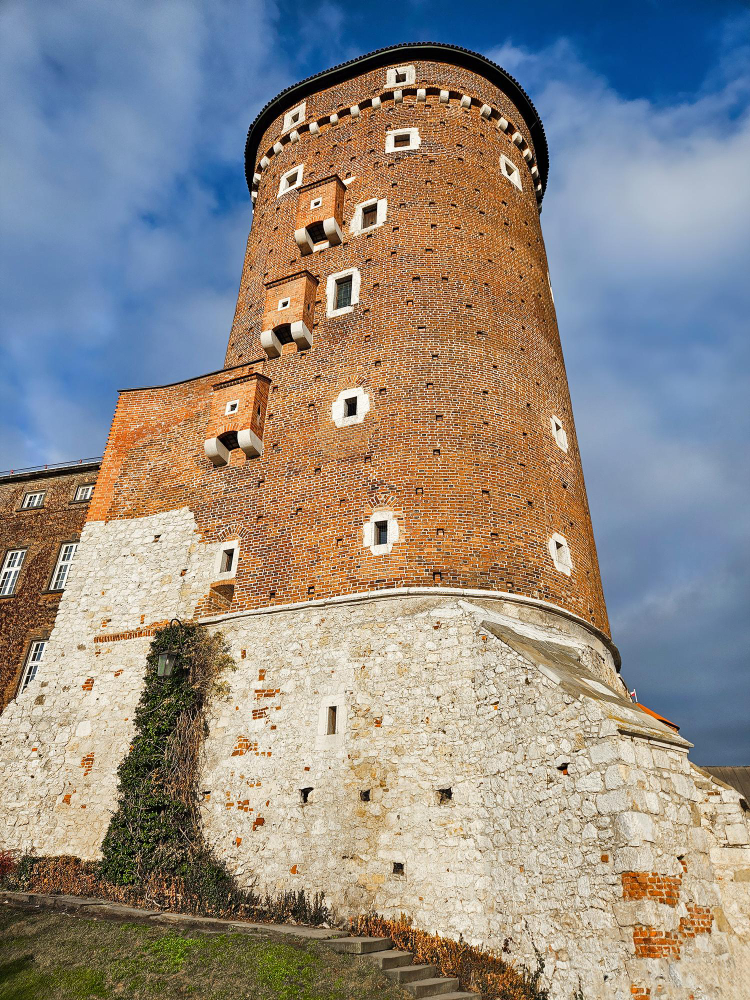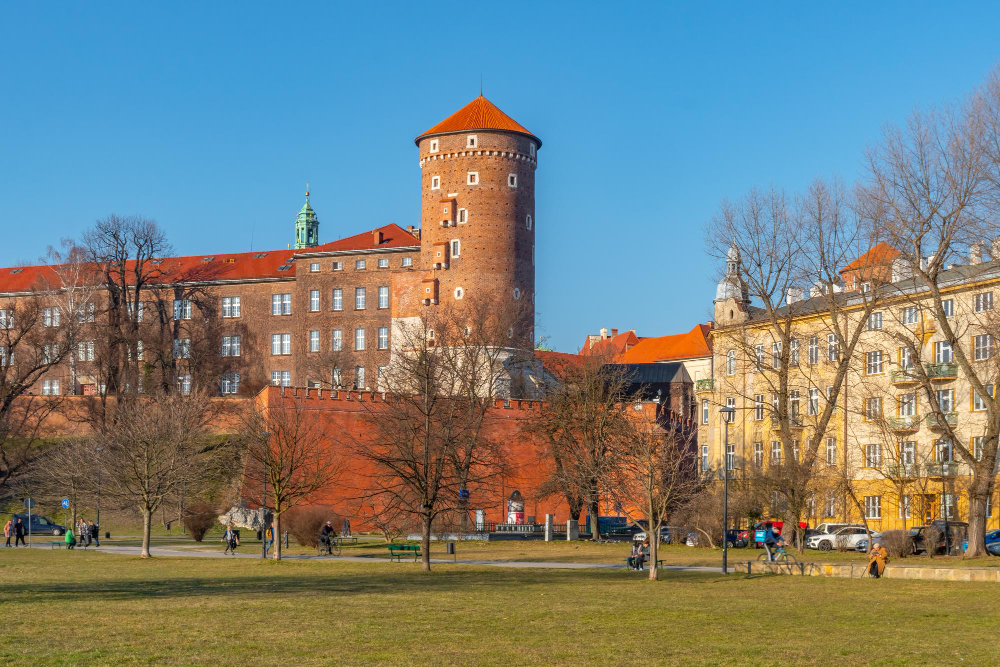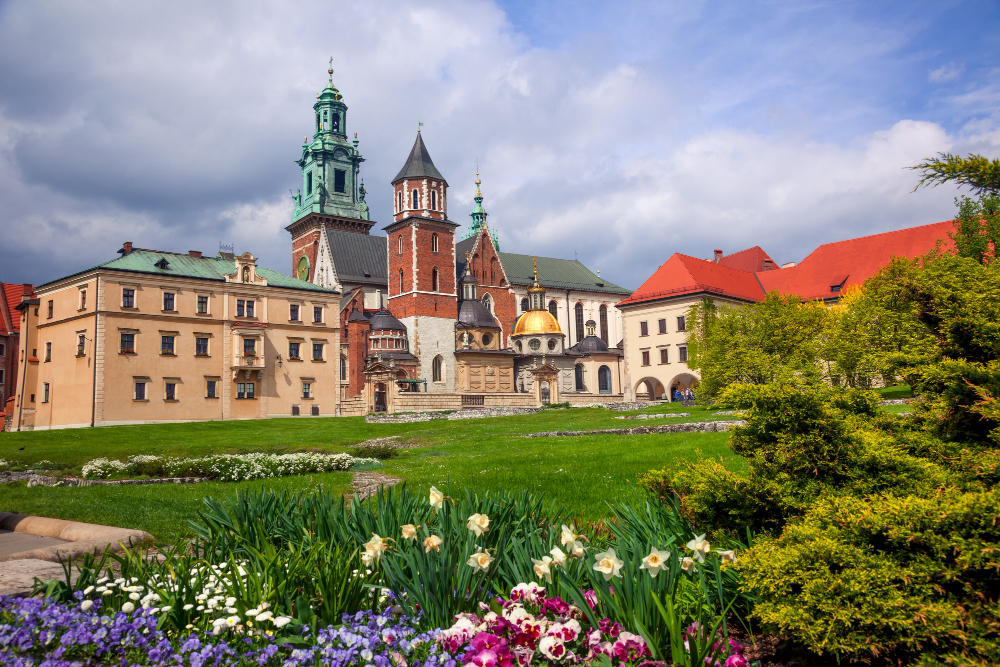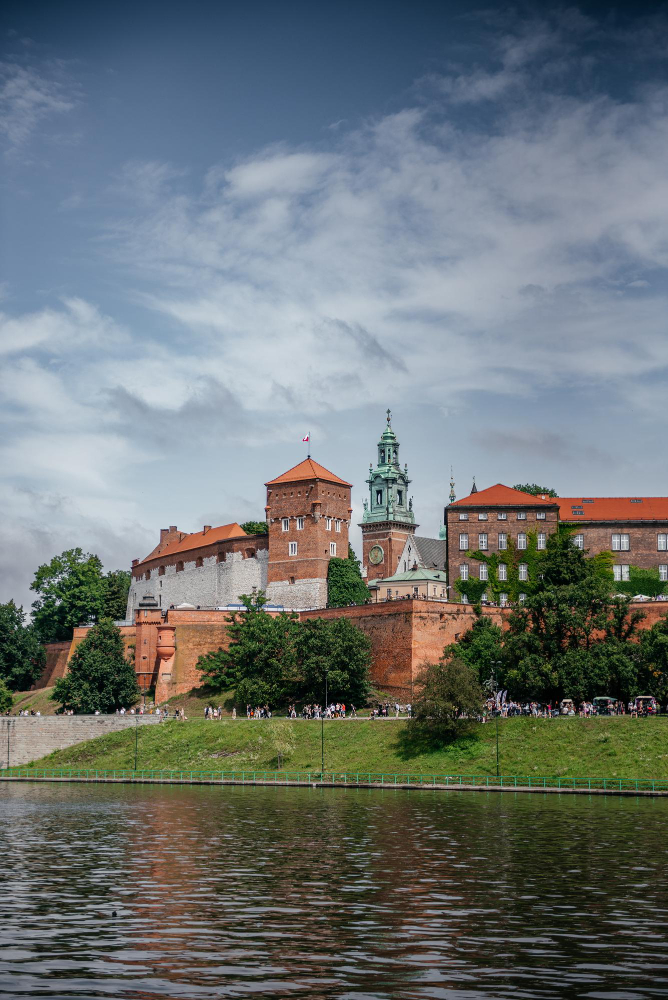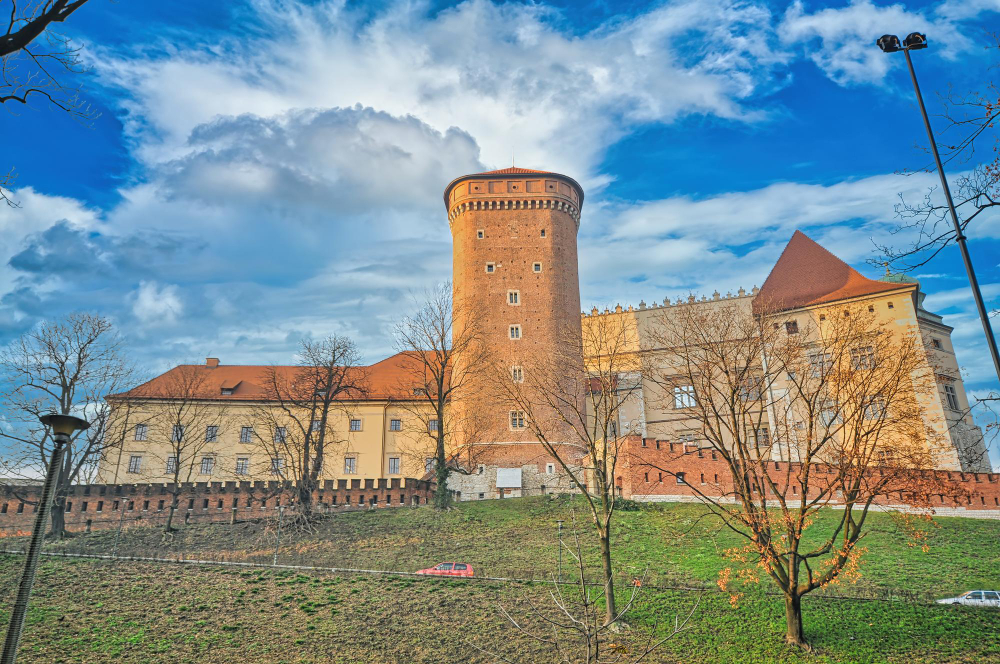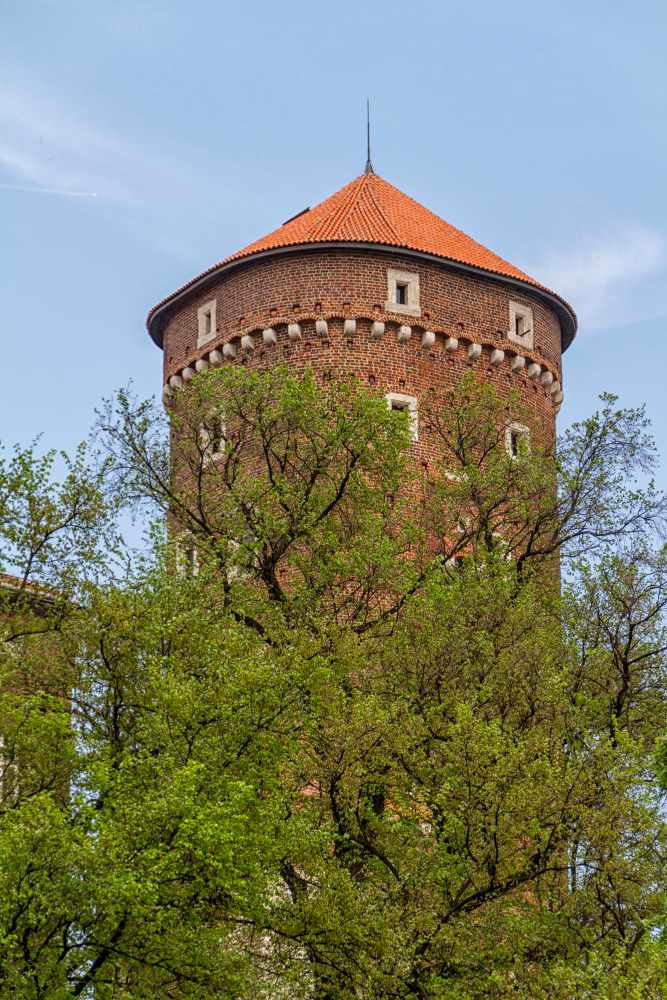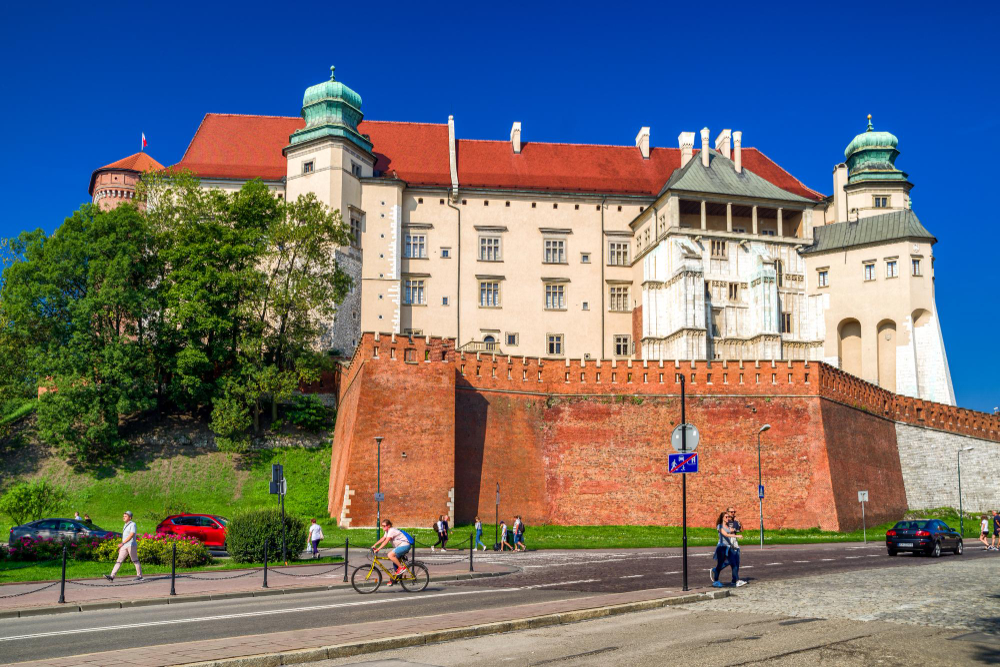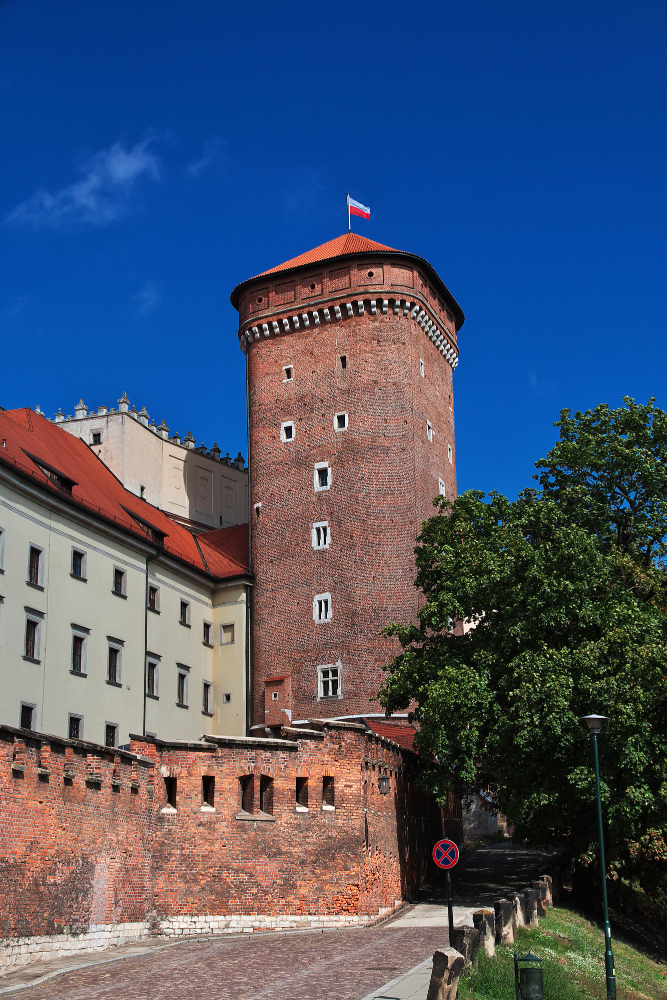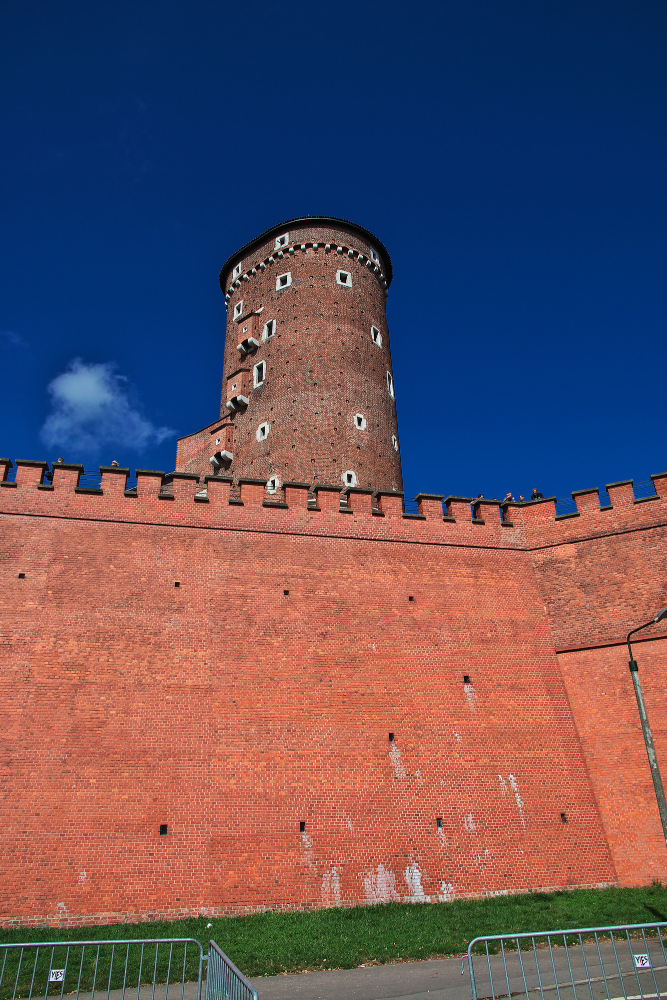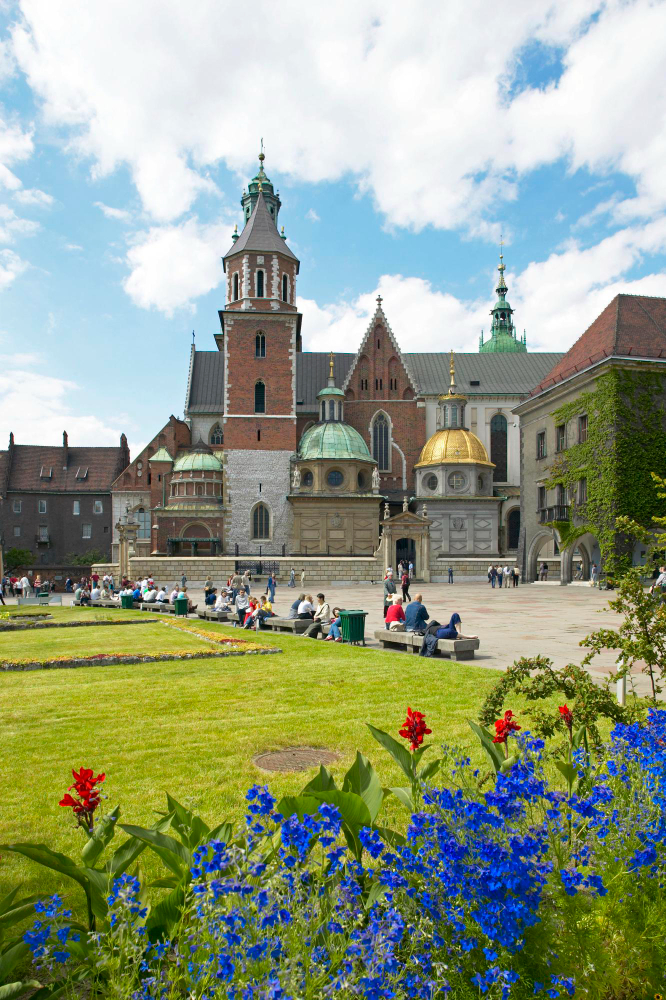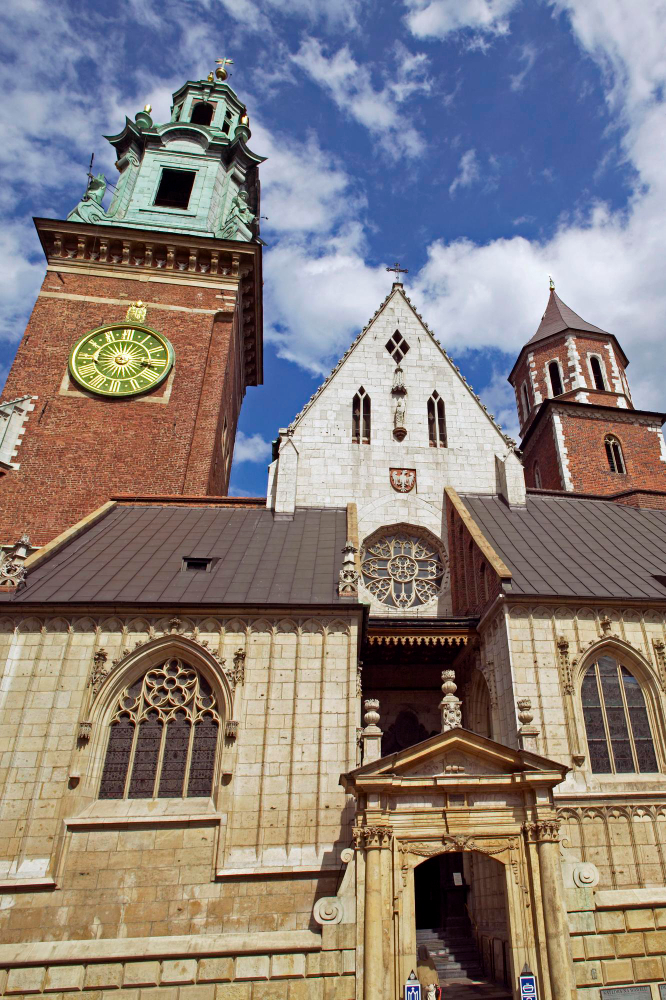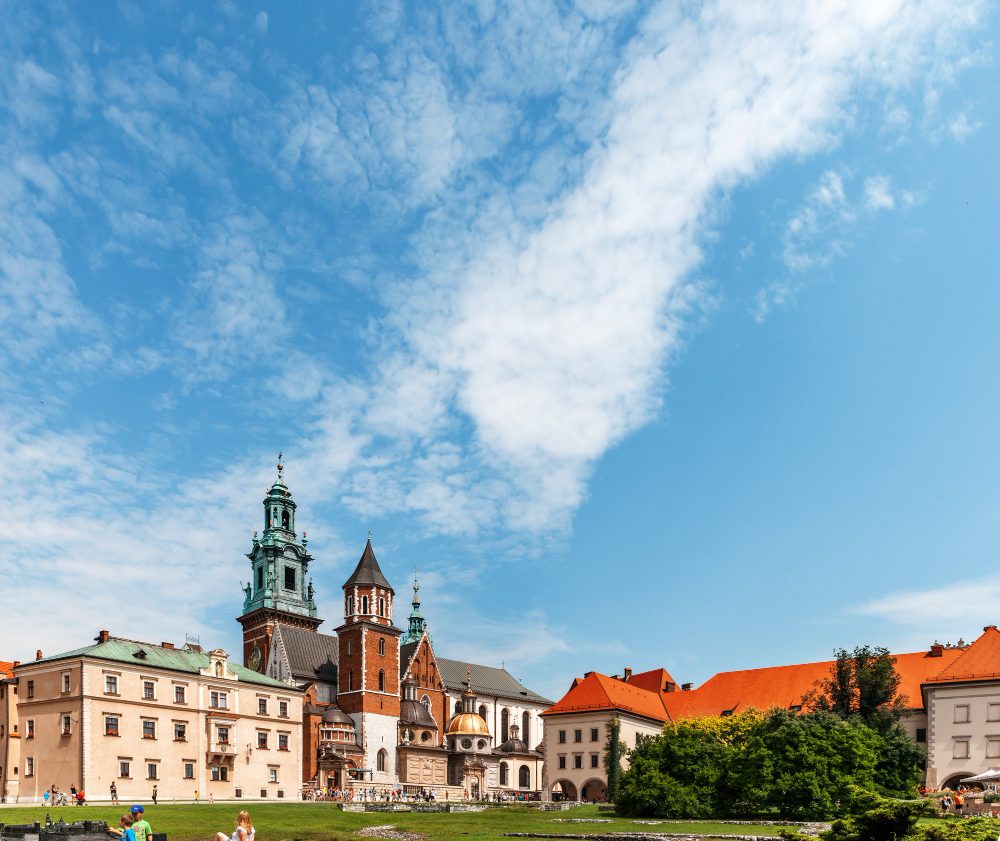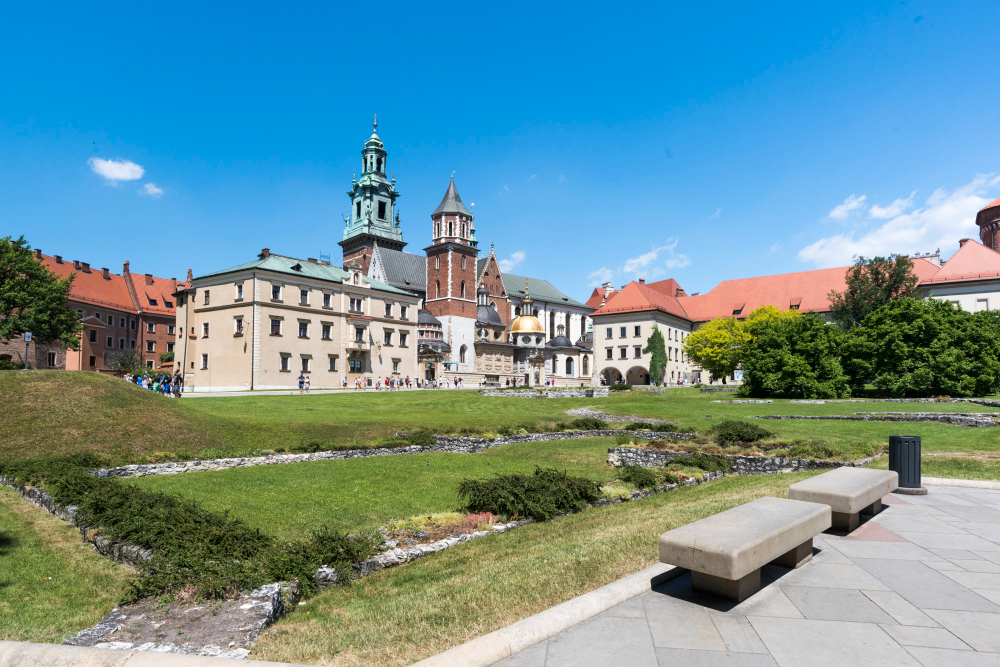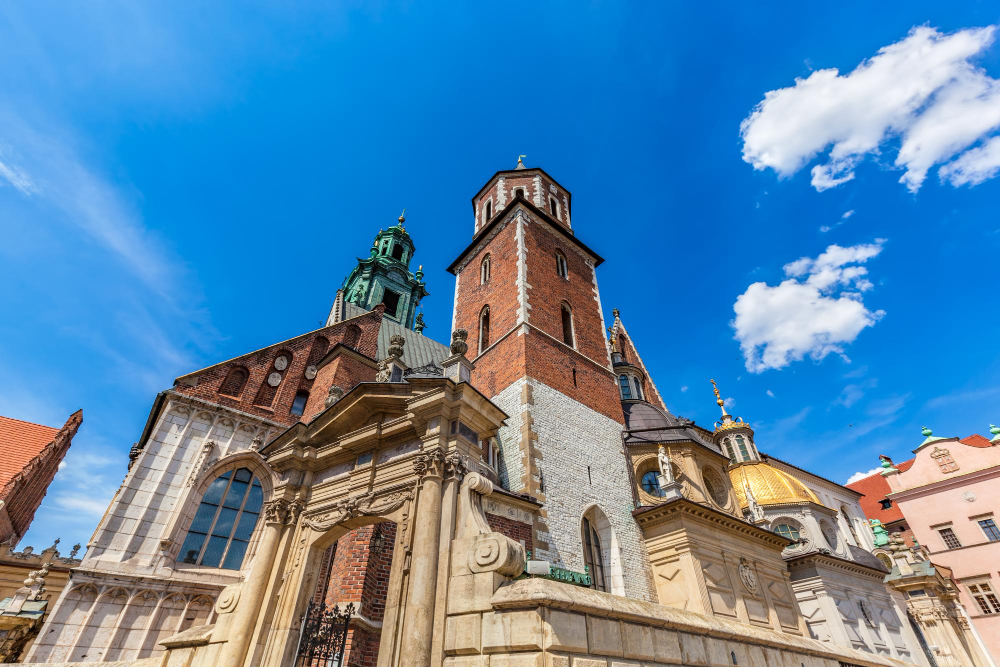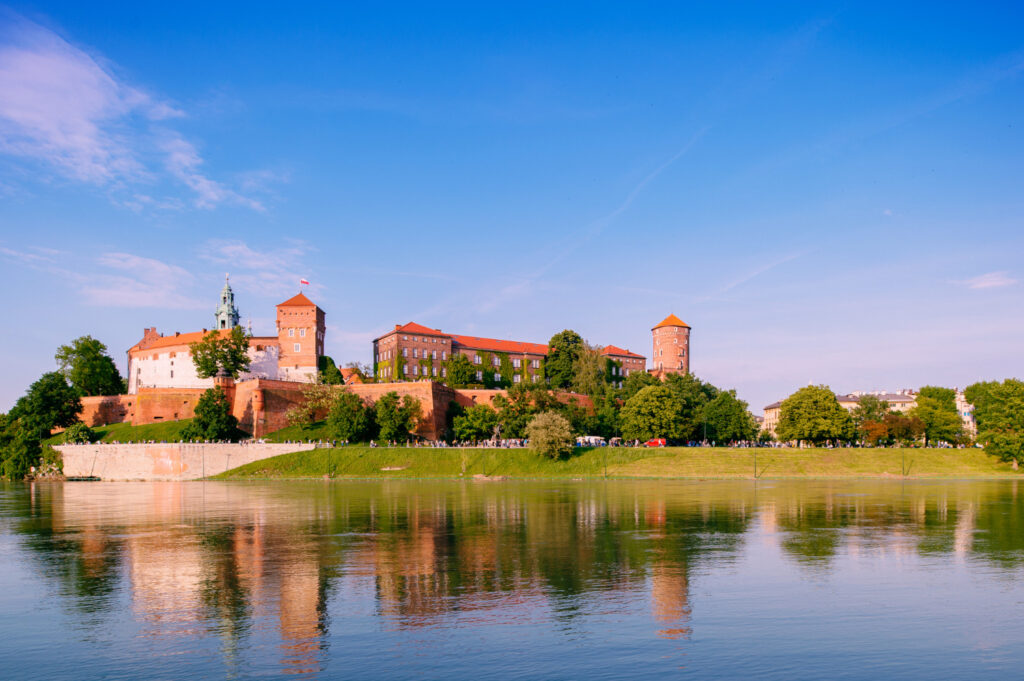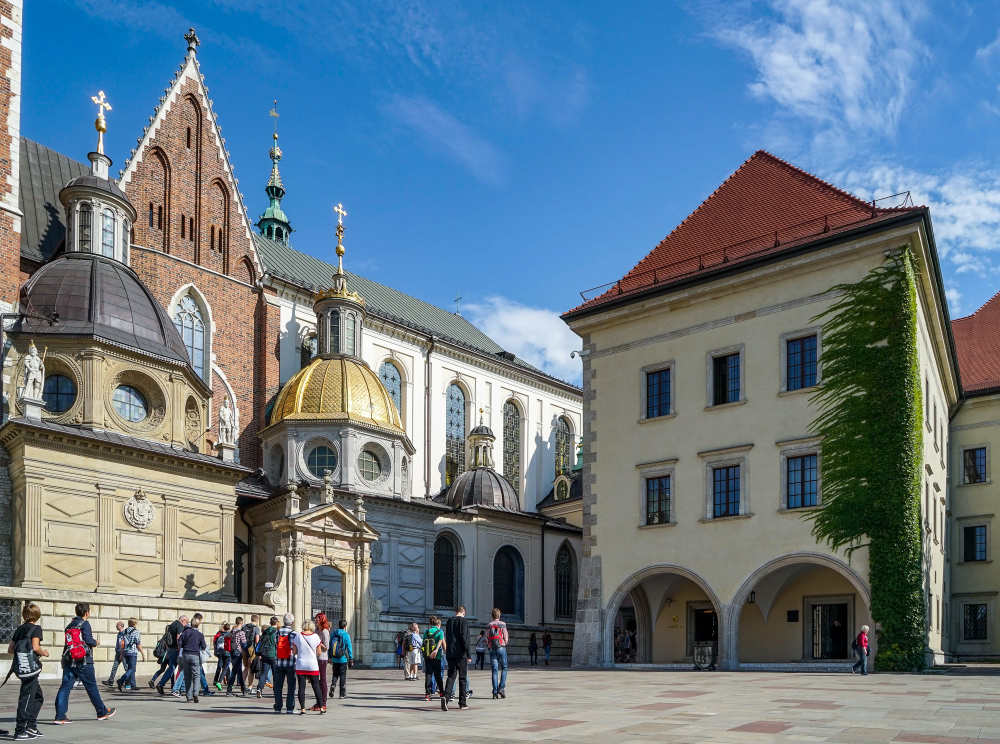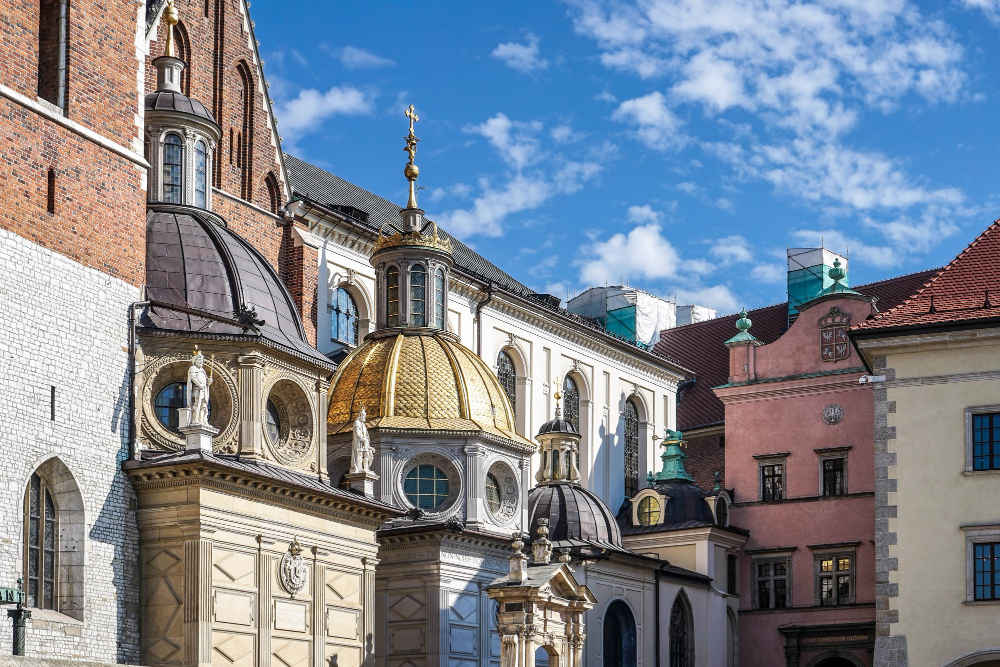

Perched atop a majestic limestone hill rising from the left bank of the Vistula River in the heart of the Polish city of Kraków stands a castle that is far more than just a historical structure. Wawel Hill, crowned by the world-famous Royal Castle and the imposing Wawel Cathedral, is a place where history, myth, and national identity are intertwined. From legends of dragon battles to the political intrigues of kings—Wawel tells the story of Poland in an incomparable way.
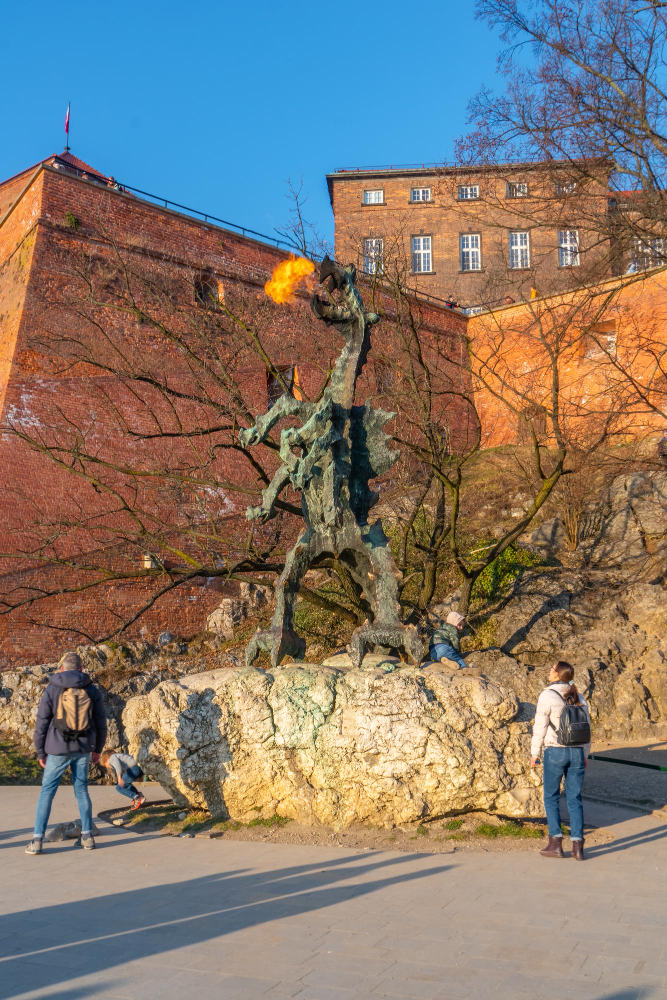
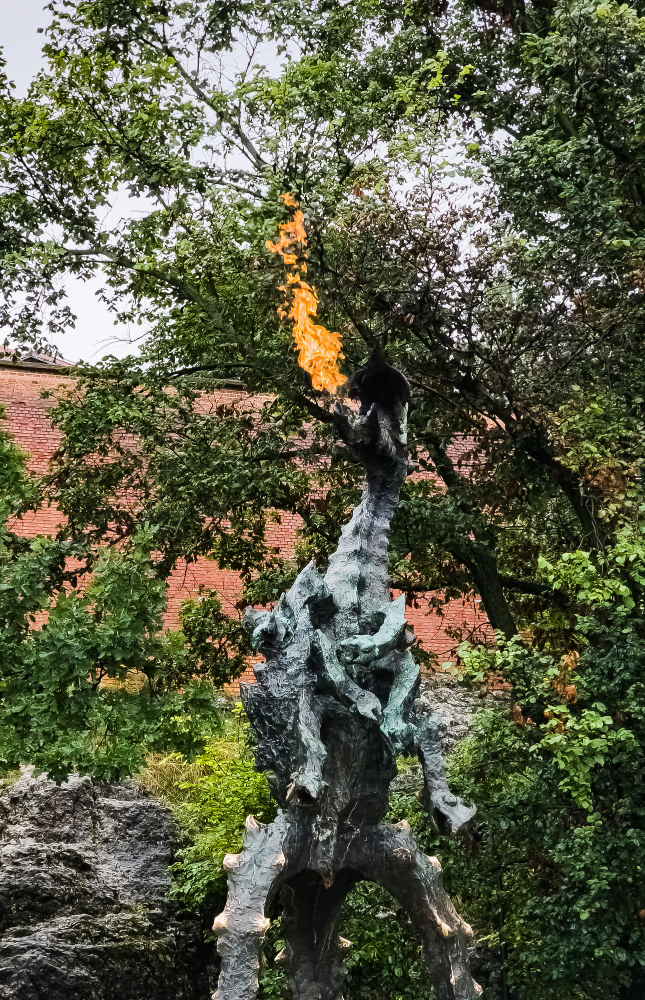
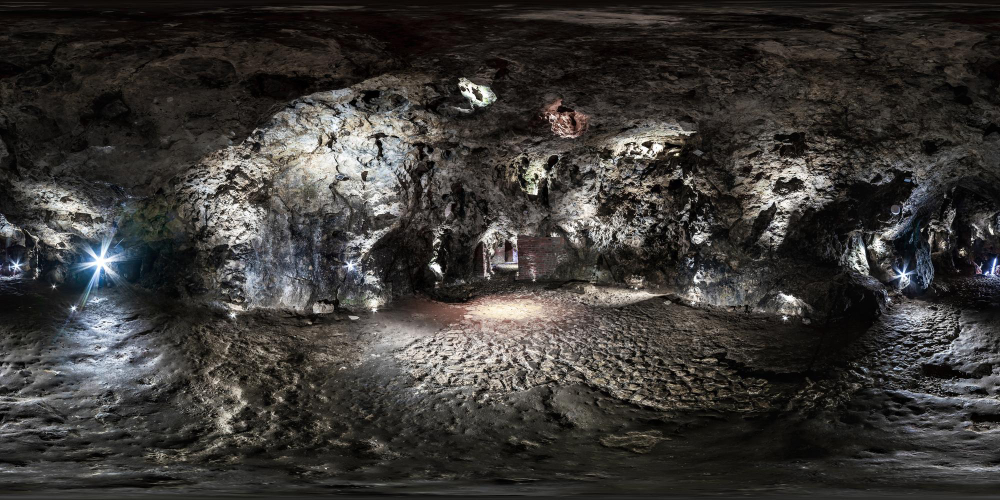
The Dragon’s Cave: The Origin of a Legend – Wawel’s most famous legend takes us back to a time when the hill was still ruled by a fearsome dragon. The so-called “Smocza Jama” (Dragon’s Cave), a karst cave system stretching from the summit of the hill to its base, was supposedly the lair of the dreaded monster. The dragon terrorized the surrounding villages, devoured livestock, and demanded tribute until one day the brave knight Krak appeared. Using cunning and courage, he is said to have defeated the dragon by offering it a sheep carcass filled with sulfur. The dragon devoured the supposed meal, felt a terrible thirst, and drank so much water from the Vistula River that it eventually burst. At this spot, Krak founded the city of Kraków, which still bears his name today. Even though historians may regard this story as pure fiction, it remains a central part of the cultural identity of the city and its inhabitants.
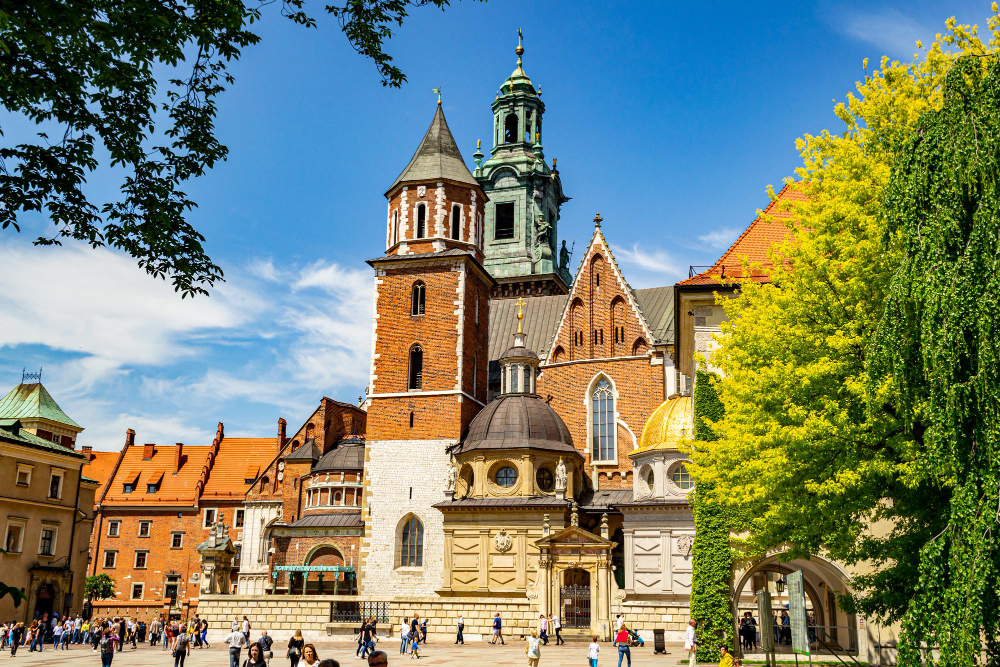
Wawel: A Center of Power Through the Centuries – The history of Wawel Hill, however, extends far beyond dragon myths. The limestone hill was already inhabited in the Paleolithic era. Archaeological finds show that the area has been of strategic importance for millennia. Of particular note is the salt mined near present-day Wieliczka, which made the region economically attractive as early as the Stone Age. Beginning in the 6th century, the Vislans, a West Slavic tribe, established a center of power here. There is evidence that the hill also served as a pagan place of worship. With the Christianization of the region and the emergence of the Polish state under the rule of the Polans in the 10th century, Wawel became the political and religious center of Poland. In the year 1000, Kraków was officially elevated to a diocese, and King Bolesław I, known as “the Brave,” had a cathedral erected and the first castle built. In the centuries that followed, Wawel grew into a monumental complex that impressively combines various architectural styles such as Romanesque, Gothic, Renaissance, and Baroque.
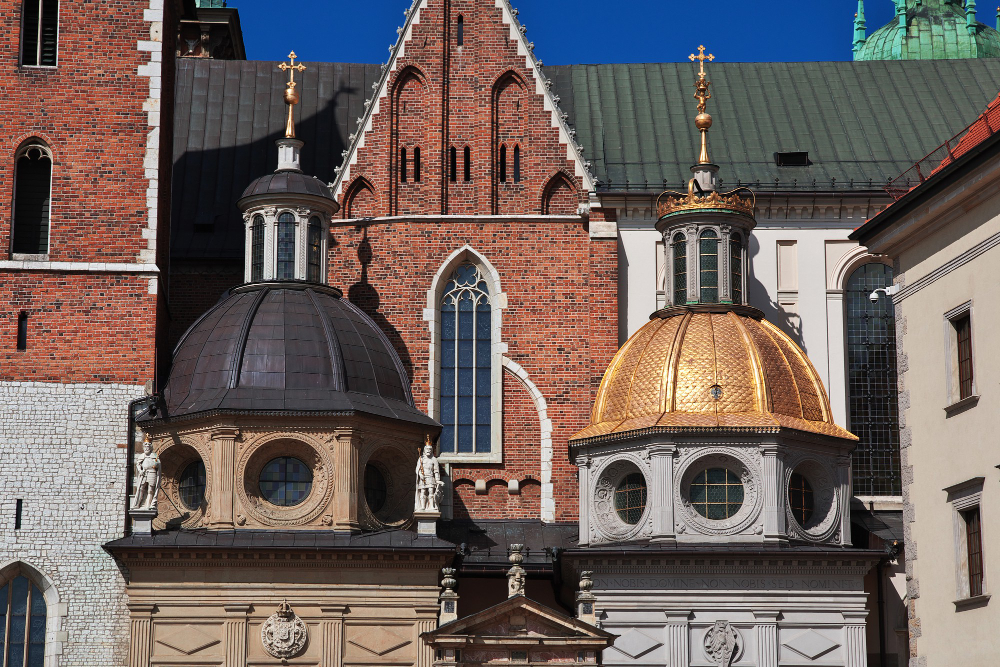
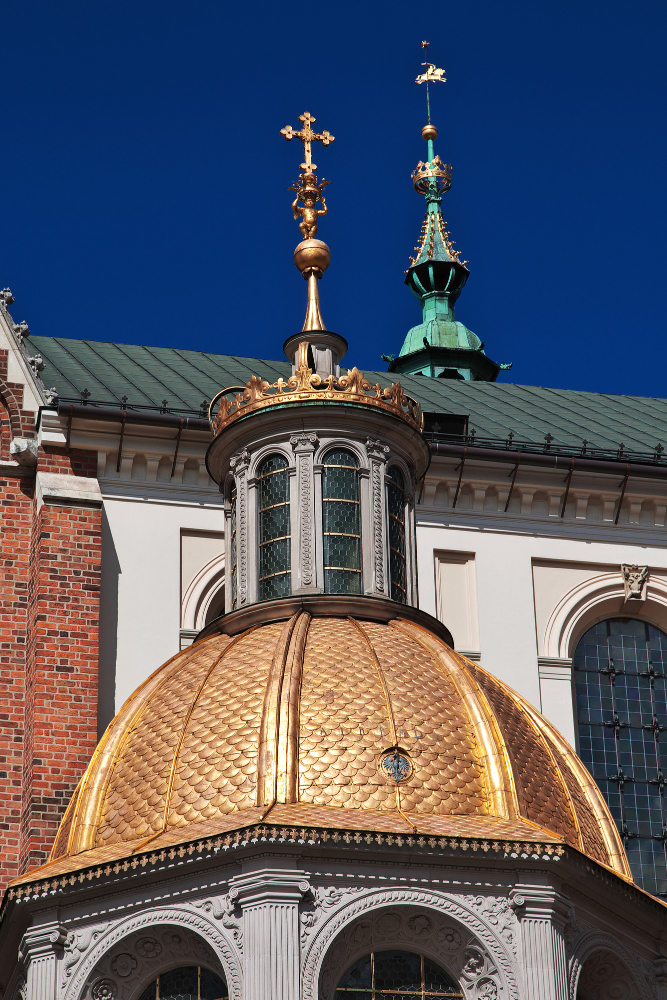
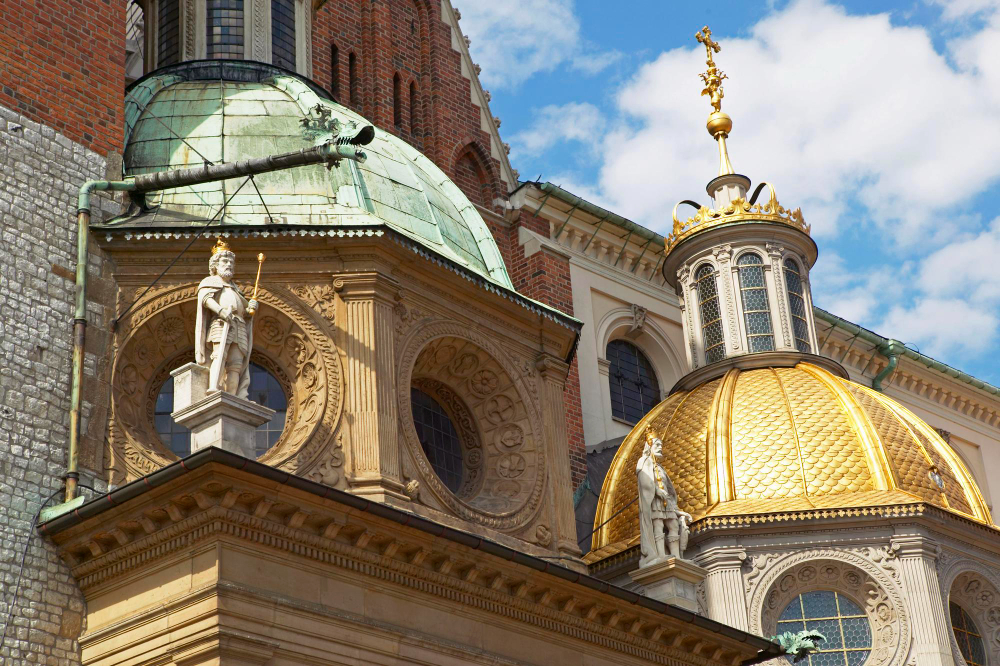
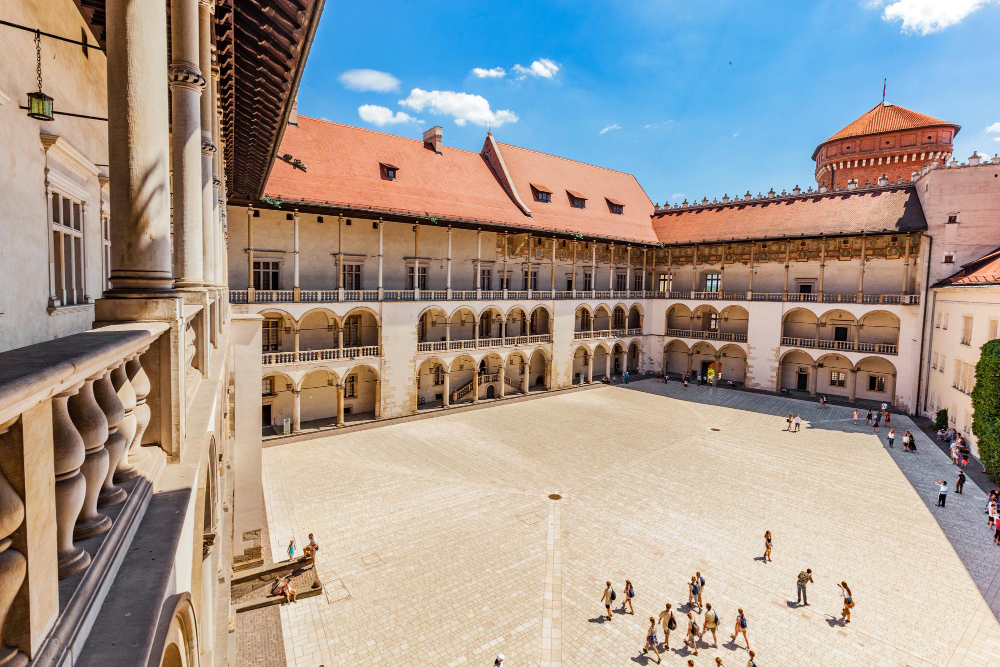
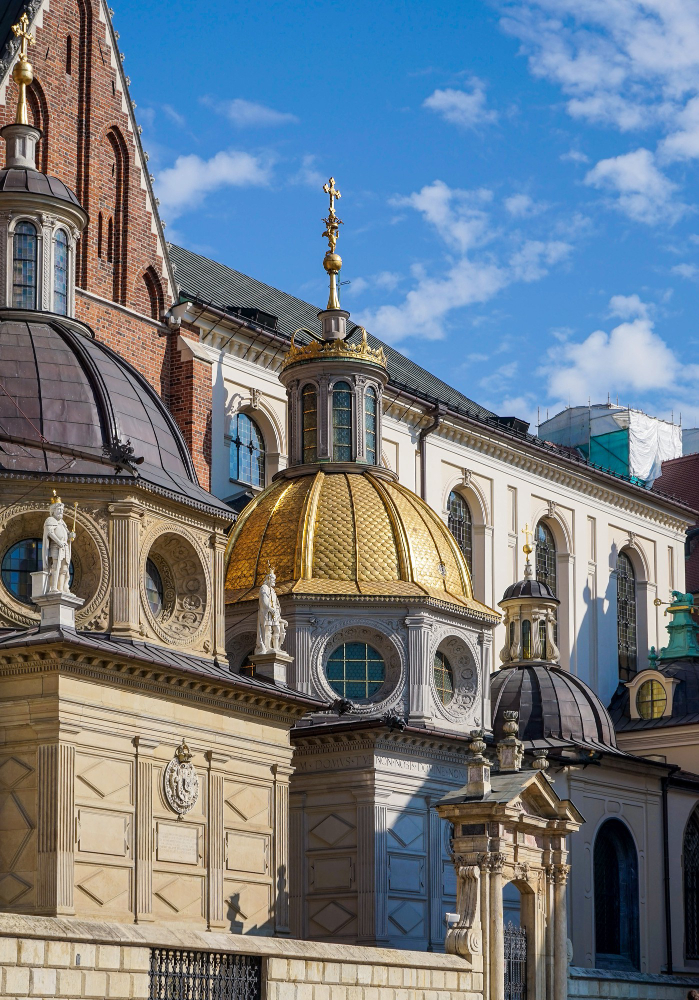
Royal Heyday and the Renaissance – Under the Jagiellonian dynasty, which ruled Poland from the late Middle Ages through the 16th century, Wawel experienced its most glorious days. The castle was expanded into a magnificent residence that attracted artists and architects from all over Europe. Particularly noteworthy is the Renaissance period under King Sigismund I “the Old.” The Italian architect Bartolomeo Berrecci designed the famous Sigismund Chapel, which many consider one of the finest examples of Renaissance architecture outside of Italy. The castle’s main inner courtyard was adorned with elegant arcades that harmoniously wind around the four wings of the complex and continue to impress visitors to this day. Cultural and political life at Wawel was of international significance. Not only were magnificent banquets held and political decisions made here, but relationships with other European countries were also cultivated. With its collection of Flemish tapestries, which were valuable both artistically and materially, Wawel set the standard for splendor and wealth.
Times Marked by Destruction and Reconstruction – However, the history of Wawel is not without its dark chapters. In later centuries, the complex suffered repeated damage from fires, wars, and looting. Particularly devastating was the fire of 1595, which destroyed large parts of the castle and its furnishings. As a result of this event, King Sigismund III Vasa moved his residence to Warsaw, marking the beginning of Wawel’s decline as a royal center. During the Partitions of Poland, Kraków came under Austrian rule, and the castle was converted into a barracks by the new rulers. Many historic buildings and works of art were lost, including large parts of the magnificent tapestry collection. It was not until the late 19th and early 20th centuries, when Poland was under foreign rule following the partitions, that Wawel regained its significance. Emperor Franz Joseph I ordered the withdrawal of Austrian soldiers, thereby initiating a comprehensive restoration of the complex, driven by a wave of patriotic enthusiasm. Architects such as Adolf Szyszko-Bohusz devoted themselves increasingly to the restoration of the castle, while artists such as Stanisław Wyspiański reinterpreted the national symbols on the hill.
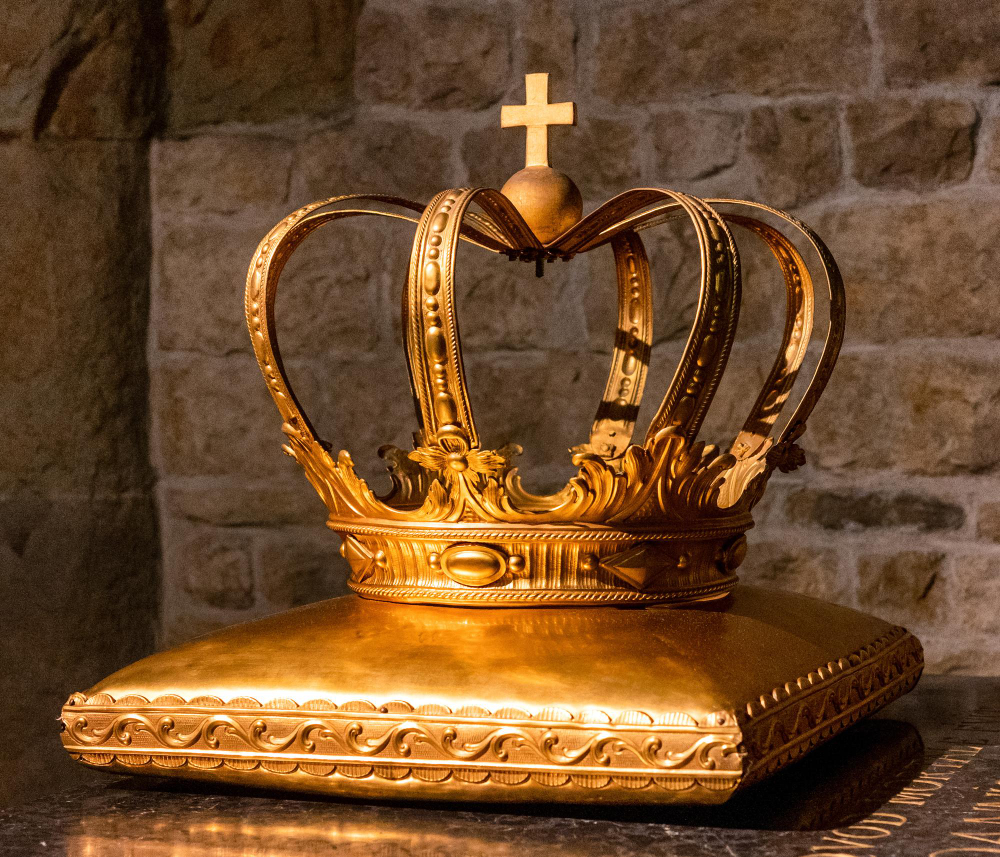
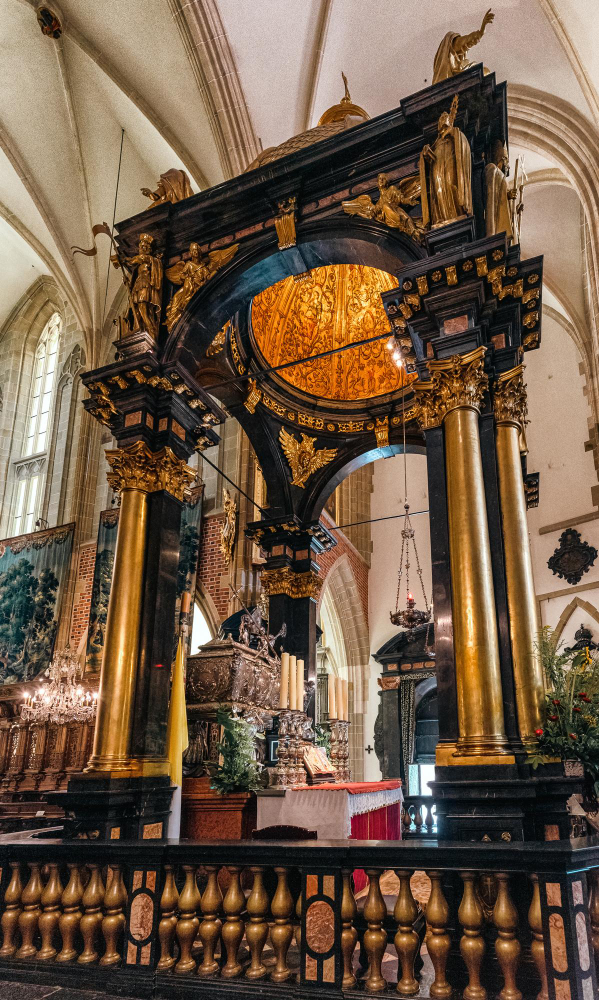
Wawel in the 21st Century: A Symbol of National Identity – Today, Wawel is not only a popular tourist destination but also a living symbol of Polish history and culture. Together with Kraków’s Old Town, it was inscribed on the UNESCO World Heritage List in 1978. The complex houses the National Museum of Art, which exhibits Flemish tapestries, medieval weapons, and Oriental art. Wawel Cathedral, where numerous Polish kings were crowned, continues to serve as a religious and cultural center. Today, visitors can explore Wawel in a variety of ways. Whether it’s the Sigismund Bell, which offers a majestic view of the Vistula River, or the mysterious Smocza Jama, which still tells the tale of the dragon legend—every corner of the hill holds stories.
Wawel – a place of myths and truth – Wawel Hill and its Royal Castle are not only an architectural masterpiece but also a place where past and present merge. Here, the highs and lows of Poland are reflected: from the heroic battle against the dragon that marked the founding of Kraków, through resistance against foreign rule, to its reconstruction as a center of national identity. Wawel remains a place where the boundaries between myth and history blur—proof that legends often contain more truth than one might believe.