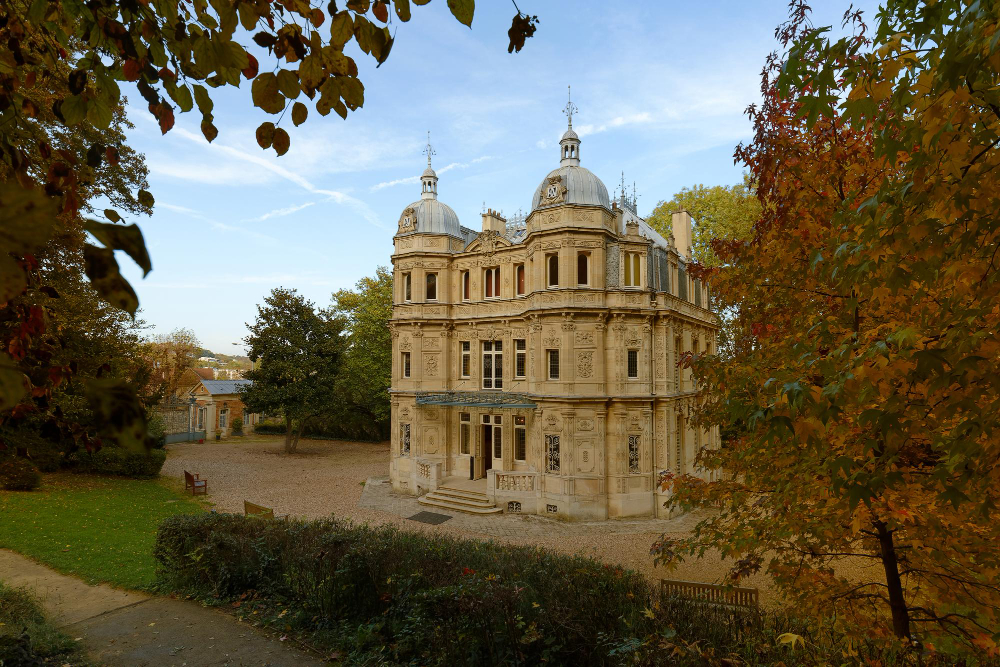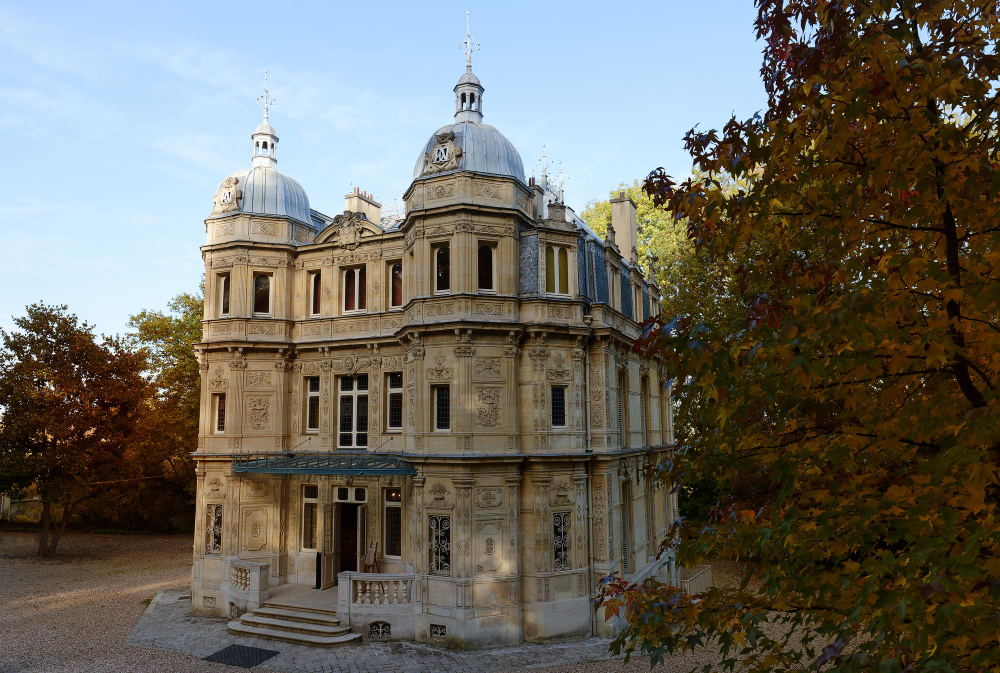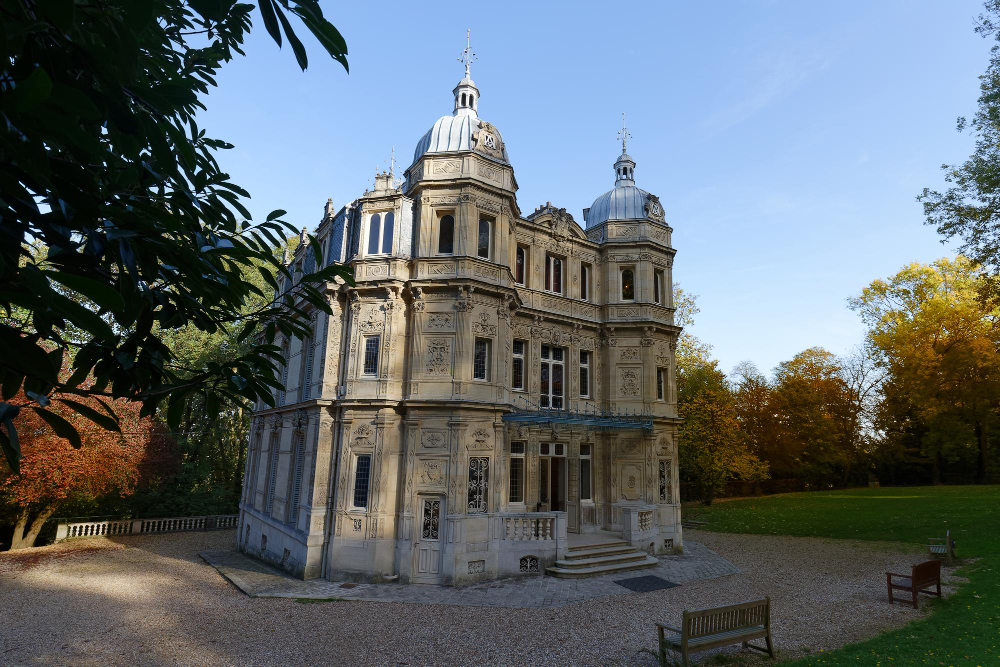

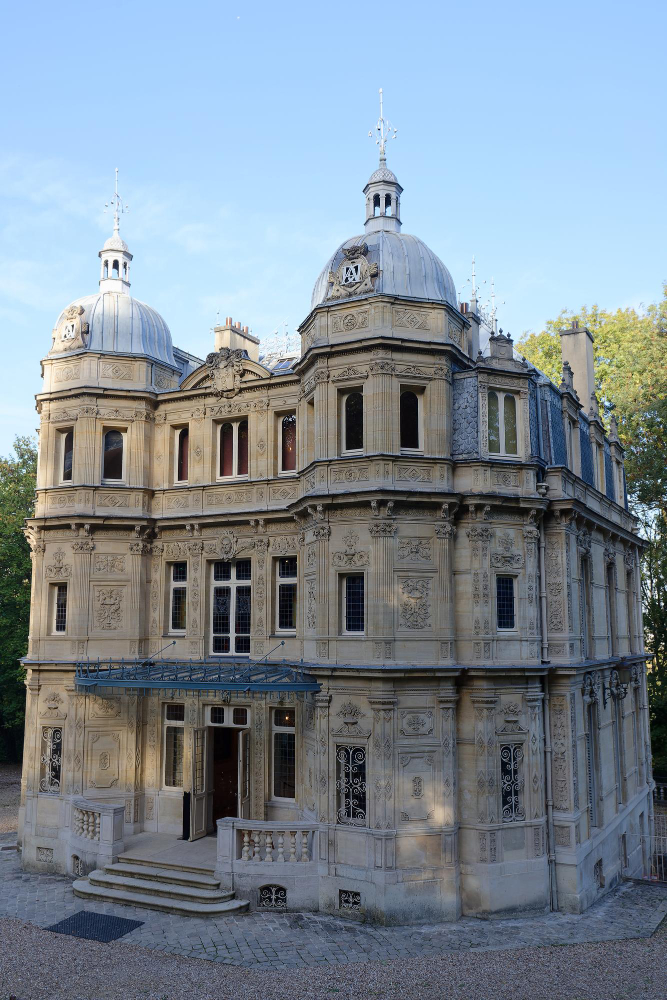
In France, just a stone’s throw from Paris, lies a place steeped in history, mystique, and creative genius—the Château de Monte-Cristo. This fairytale estate, built according to the vision of the famous writer Alexandre Dumas, is far more than just an architectural gem. It is a symbol of the triumph of imagination over reality, a testament to the power of literature, and at the same time the setting for rumors, dramas, and legends that continue to fascinate to this day.
A Dream Becomes Reality – The name Alexandre Dumas is inextricably linked to works of world literature such as The Three Musketeers and The Count of Monte Cristo. Yet behind the literary genius stood a man who wanted to enjoy life to the fullest. The construction of the Château de Monte-Cristo in 1847 was not only an expression of his success but also of his extravagant lifestyle. Dumas, who came from a wealthy family, was not simply seeking a residence with this building—he wanted to create a personal paradise. The architect Hippolyte Durand was commissioned to bring his vision to life. The result was a magnificent Neo-Renaissance-style castle, nestled in a lush garden filled with exotic plants, waterways, and grottoes. Every detail was carefully planned: from ornate wall reliefs depicting scenes from Dumas’ novels to the exquisite tilework that adorned the interiors. But the château held yet another special secret: a separate pavilion, known as the “Writing House,” where Dumas could retreat to devote himself entirely to his work. This part of the estate symbolizes the duality of his life—lavish splendor on one side, quiet creativity on the other.
Luxury and Financial Ruin – Life at the Château de Monte-Cristo was anything but conventional for Dumas. The writer hosted opulent parties and welcomed artists, intellectuals, and nobles from all over Europe. The castle’s rooms were the setting for conversations that shaped the cultural landscape of the time. But as glamorous as these images may seem, they came at a price: the construction costs of the estate were astronomically high and consumed nearly all of Dumas’s fortune. Due to his literary successes, Dumas believed he could manage the financial pressure. But the reality was different: although he published over 300 works during his lifetime, the expenses for the castle, for travel, and for his extravagant lifestyle repeatedly brought him to the brink of ruin. Eventually, he was forced to sell the estate that had once been the epitome of his literary and social triumph. This turning point in Dumas’ life was not only tragic but also brought to light numerous speculations about the dark side of fame and success.
Stories from the Shadows and Legends – Beyond the glamour that surrounded the Château de Monte-Cristo, numerous stories and legends have emerged about the estate that continue to captivate visitors and historians to this day. It is said that Dumas experienced numerous personal dramas during his time at the estate. His complicated love affairs and conflicts with other figures in Parisian society are well documented. Some legends even claim that the pavilion on the grounds served as a retreat for fateful encounters. Dumas, a man with a penchant for drama, is said to have not only written there but also arranged important meetings that were significant beyond his work. Furthermore, a dark secret surrounds the estate: it is rumored that the castle gardens were once the scene of secret duels. Whether these stories are true or rather the product of his admirers’ vivid imaginations remains unclear—yet they lend the place a mysterious aura.
From Decline to Rebirth – Following Dumas’ financial ruin and the sale of the estate, the Château de Monte-Cristo began to fall into decline. Over the years, the building fell into disrepair, and many of its original works of art and furnishings were lost or stolen. What had once been a center of literary creation threatened to fade into oblivion. In the 20th century, however, a movement formed to save this cultural treasure. Thanks to private initiatives and government support, the château was restored and opened to the public. Today it serves as a museum that honors the life and work of Alexandre Dumas while preserving the magic of the place. Guided tours of the building and gardens offer visitors the opportunity to experience the castle’s historical significance and poetic charm.
A Living Monument – Today, the Château de Monte-Cristo is regarded not only as an architectural masterpiece but also as a living tribute to one of the world’s greatest writers. It attracts not only literature enthusiasts, but also newlyweds, art lovers, and people in search of inspiration. The castle and its garden remind us that creativity and sheer willpower can make even the boldest dreams come true—even if the price is sometimes high. In a world where success is often equated with a sense of duty and discipline, Dumas’ story shows us that there is also room for extravagance, passion, and the pursuit of beauty.
A Place of Fantasy and Reality – The Château de Monte-Cristo is more than just a building. It symbolizes the spirit of a man whose voice still echoes through the pages of his novels today. It tells of the joy of life, the pain of failure, and the tireless power of creativity. With this place, Alexandre Dumas has created a monument—not only for himself, but for all who seek inspiration to write their own story.
Visitors to the château can hardly help but ask themselves: Was it worth it? Can success justify the downsides? The Château de Monte-Cristo challenges us to reflect on these questions. And perhaps that was precisely Dumas’s intention: to transport us all into his literary world—full of adventure, intrigue, and unforgettable moments.