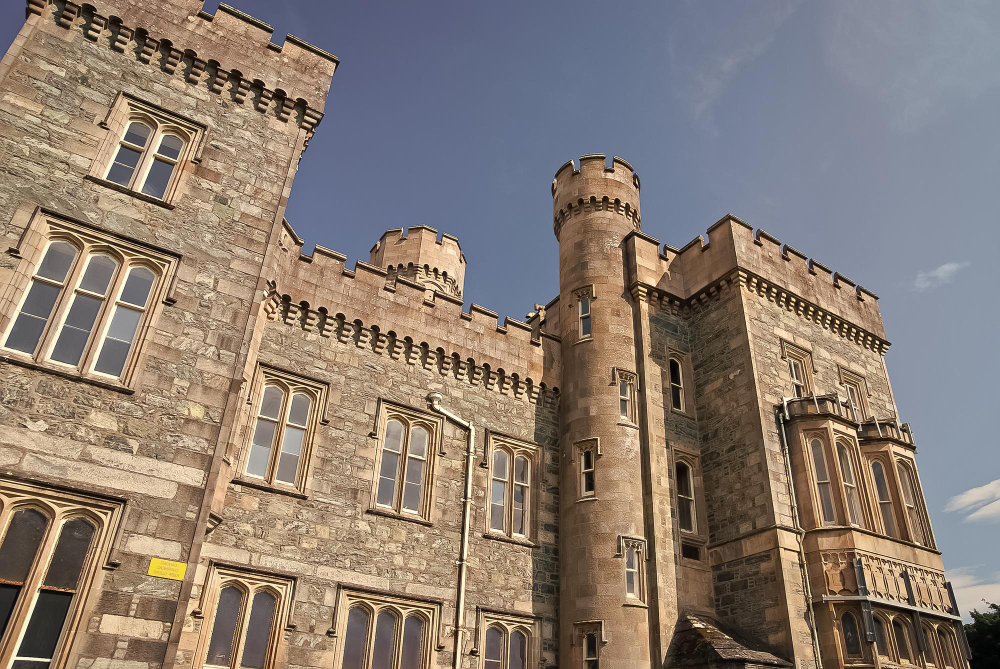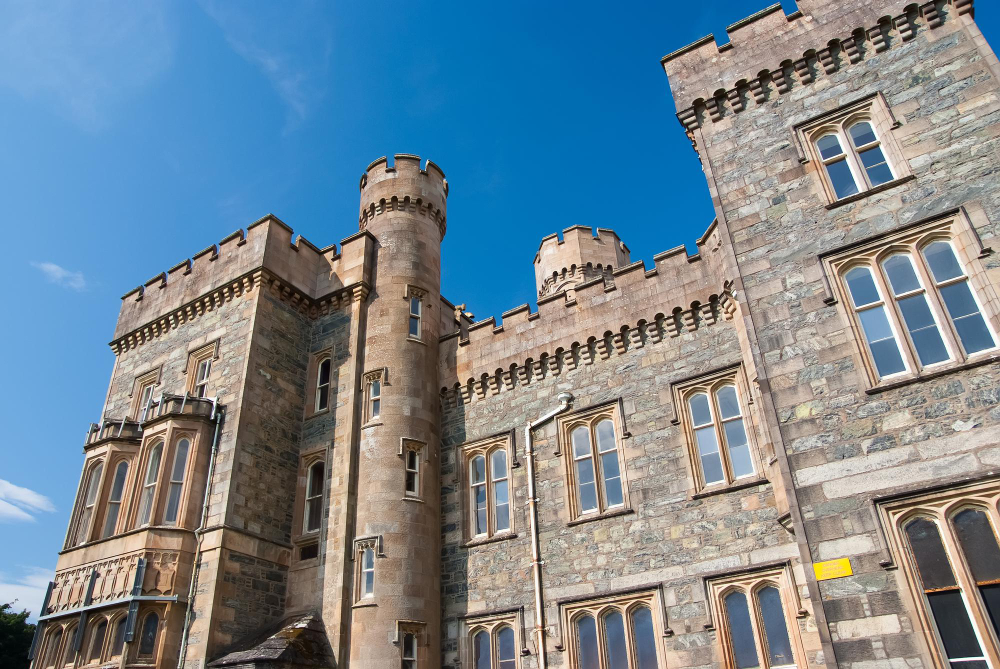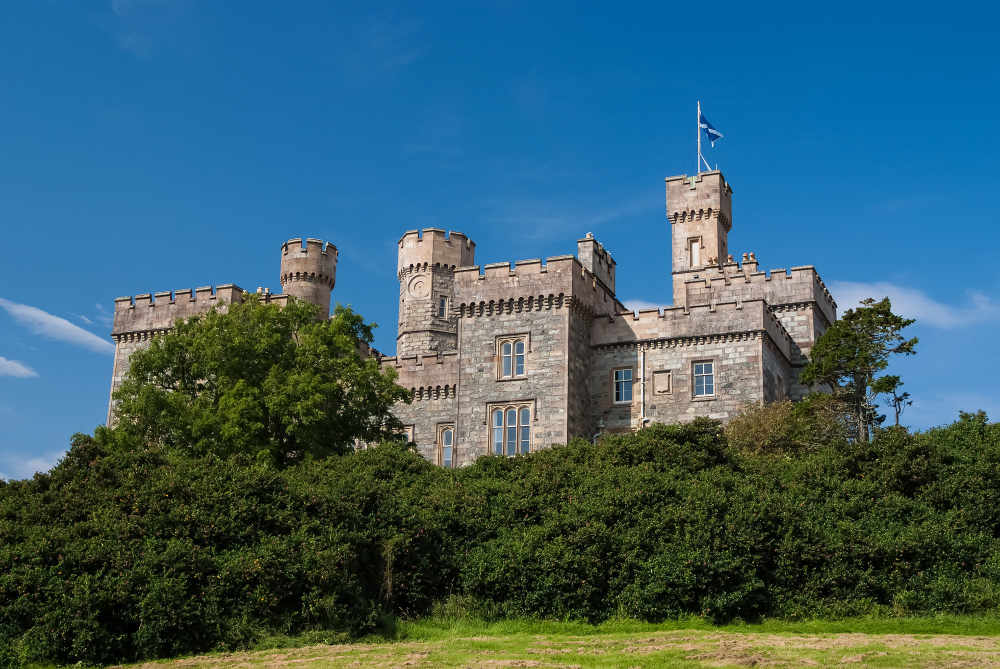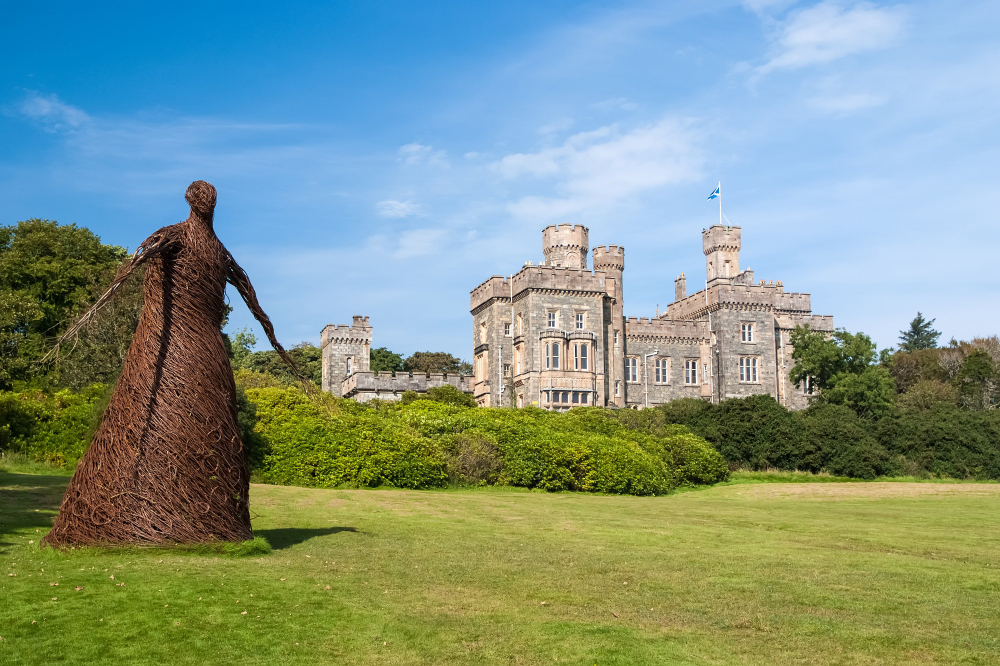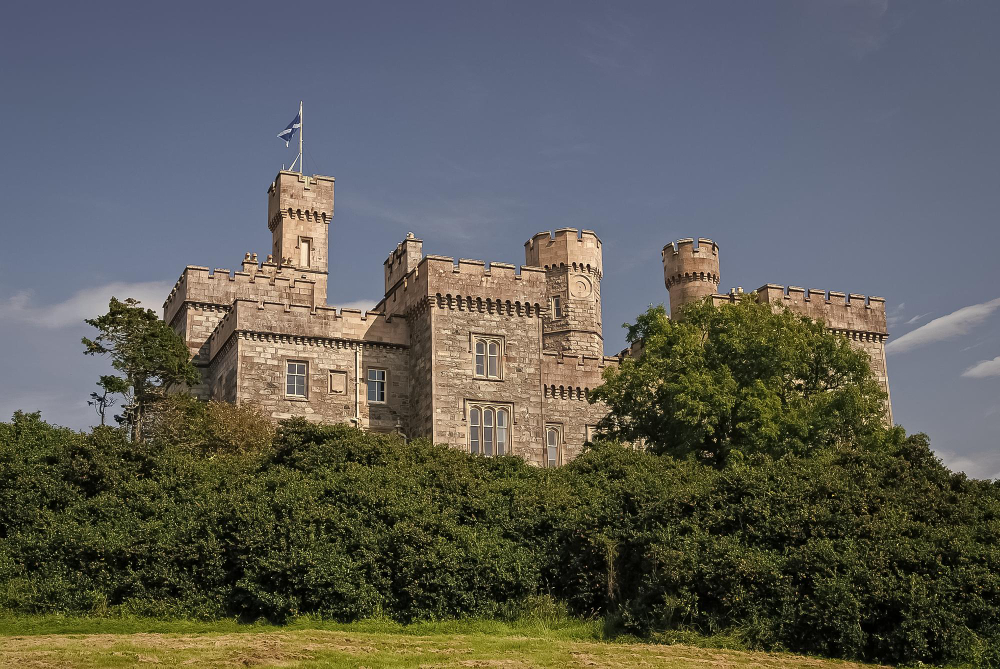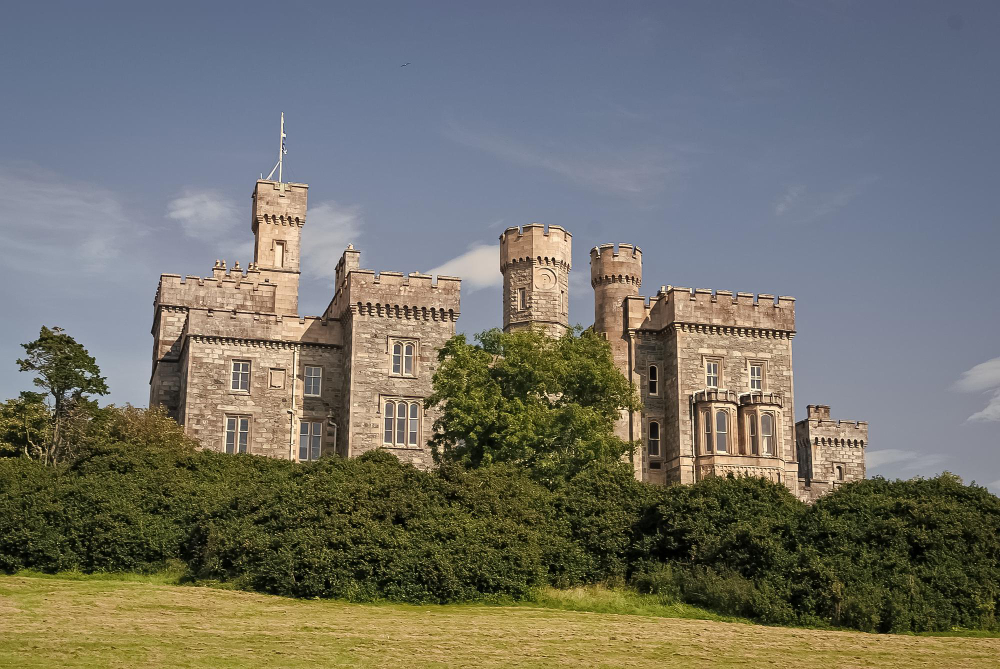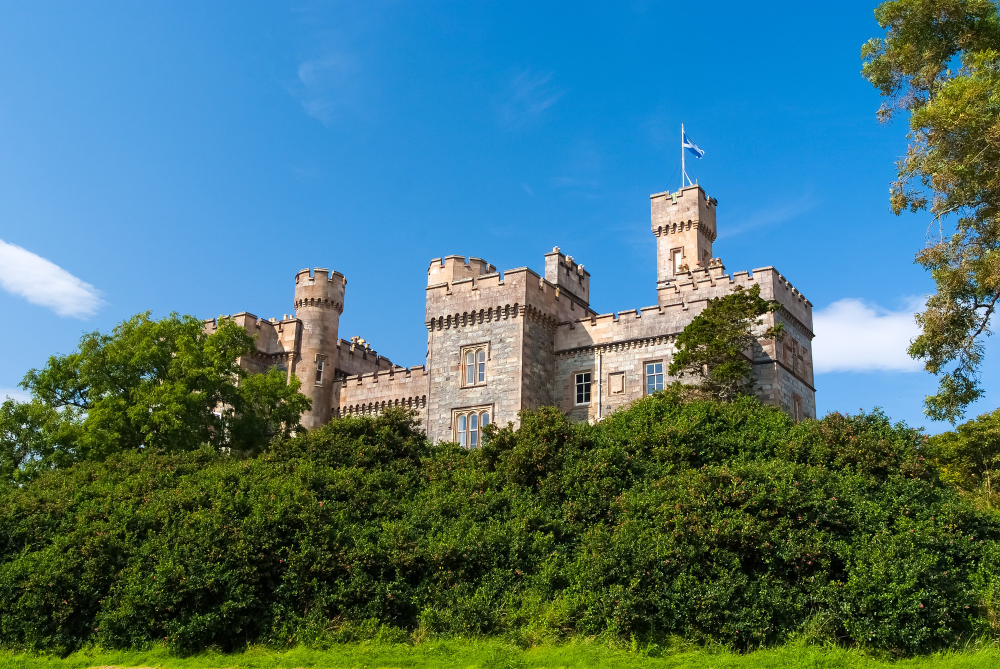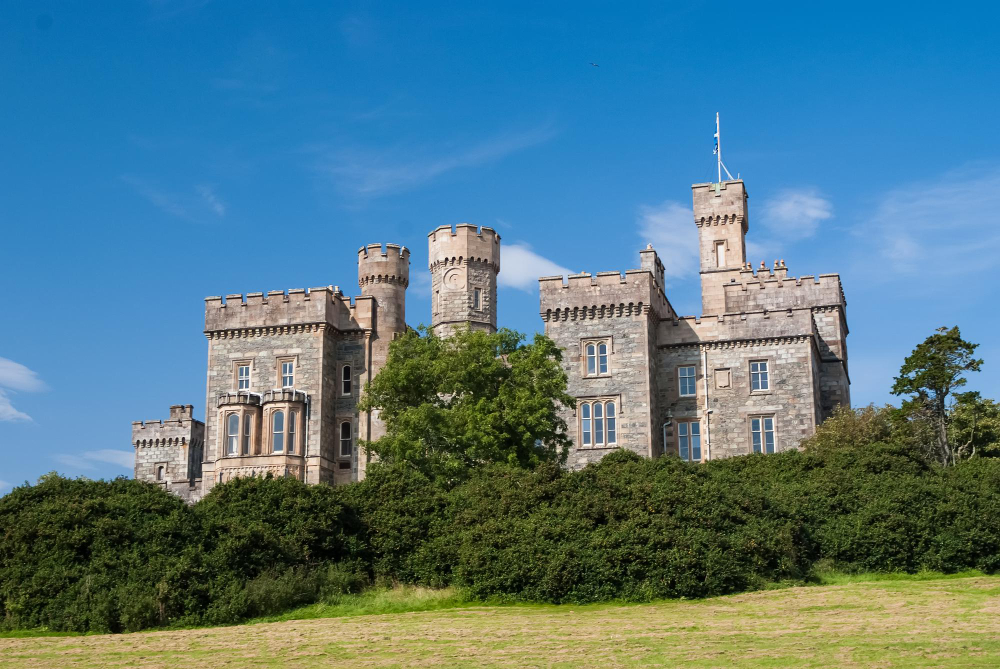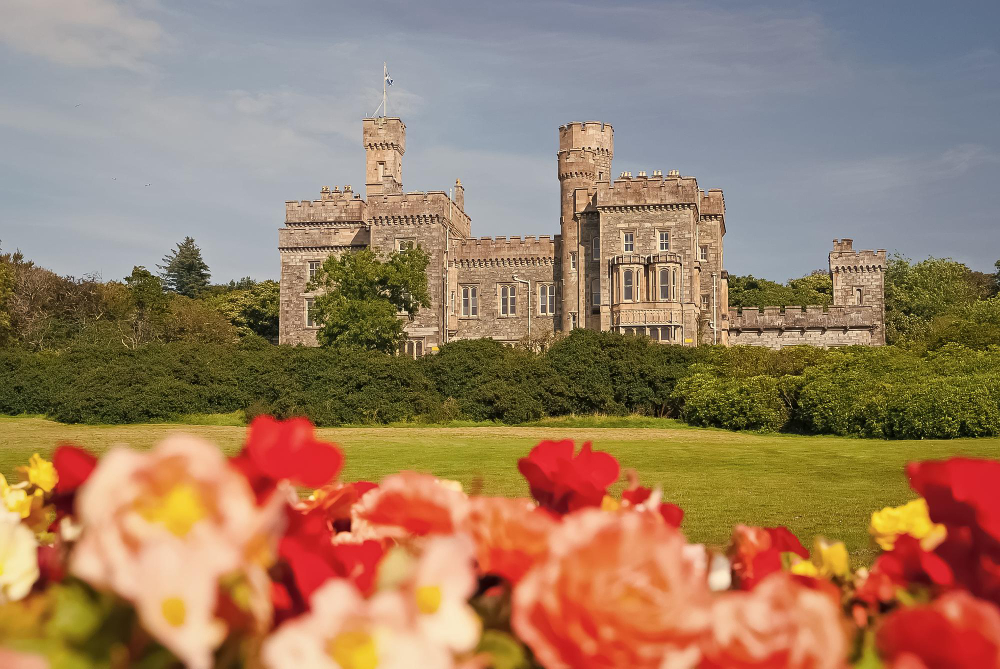

Amid the breathtaking landscape of the Isle of Lewis in the Outer Hebrides, a remote yet fascinating part of Scotland, the imposing Lews Castle rises majestically. Even at first glance, it is clear that this structure is more than just a 19th-century architectural masterpiece. Behind its thick walls lie stories of power, prosperity, loss, and, not least, myths that continue to capture the imagination of visitors to this place to this day.
The Origin of a Vision – The history of Lews Castle begins in the 1840s, when Sir James Matheson, a man of remarkable economic success, decided to create a retreat of the highest order for himself. Matheson was not just any wealthy Scot—he had made his fortune through the opium trade in China, a business whose moral implications were controversial at the time and remain so to this day. This fortune made him one of the richest men of his time and enabled him to purchase the island of Lewis. Here, between 1847 and 1852, he had Lews Castle built, a symbol of his triumph and his ambitions. The building’s architecture combines Neo-Gothic and Baroque elements with a touch of Romanticism—a style typical of British castles from the Victorian era. Yet behind the façade, life at the castle was no fairy tale. Matheson personally planted thousands of trees to green the barren island and transformed the estate into a flourishing park. Nevertheless, the lives of farm laborers and fishermen on the Isle of Lewis were marked by social deprivation. The disparity between the opulent lifestyle of the castle’s residents and the poverty of the local population created tensions that persisted well into the 20th century.
A Castle Through the Ages – After Matheson’s death, the castle was taken over by the Leverhulme family. Under their ownership, Lews Castle remained a hub for experimentation and ambitious projects. William Leverhulme, an industrial magnate, shared Matheson’s grand vision: the economic modernization of the Isle of Lewis. He presented ambitious plans to improve the infrastructure, but met with resistance from the local population, who did not want to see their traditional way of life threatened. Ultimately, Leverhulme’s plans failed, and the castle changed hands once again. During World War II, the building served as quarters for British naval personnel. The once-magnificent rooms were converted into functional living quarters, a far cry from their original splendor. A long period of decline followed until the castle eventually passed into public ownership and was extensively renovated. Since 2016, the castle has housed a museum and a cultural center that sheds light on the island’s history—a history closely intertwined with the castle’s fate.
Fascinating Legends and Stories – However, the story of Lews Castle would be incomplete without the numerous legends and stories surrounding the estate. One of the best-known tales is that of the so-called “Phantom of the Hebrides.” Visitors have repeatedly reported seeing shadows or hearing mysterious noises in the castle’s gloomy corridors. Although there is no concrete evidence of supernatural activity, this legend attracts curious tourists who wish to explore the castle for this very reason. Another frequently told story concerns the “lost library.” It is said that Sir James Matheson kept rare books and manuscripts in a secret chamber of the castle—including some works that allegedly originated in China and may be of immense cultural significance. To this day, however, this chamber remains lost, and historians have searched in vain for clues. Whether this legend is true or merely a product of the imagination remains a mystery. Also noteworthy is the local folklore that the castle’s foundation itself rests on sacred ground. Some older residents of the Isle of Lewis believe that the castle was built in the midst of an ancient Celtic sacred site. No archaeological evidence of this has been found to date, yet the story persists among the locals. This raises questions about whether energetic “nodes” on the island might have played a role and whether Lews Castle is thus endowed with a special aura.
The Significance of Lews Castle Today – Today, Lews Castle is one of the most striking landmarks on the Isle of Lewis and holds great significance for both locals and tourists. The museum housed within the castle illuminates the island’s history from its prehistoric roots to modern times. Particularly impressive are the exhibits that highlight the artistry and craftsmanship of the people of this region. The famous Lewis Chessmen, a collection of chess pieces from the Viking Age found on the island, are arguably one of the Isle of Lewis’s most significant cultural treasures. In addition to its cultural offerings, the castle now serves as a venue for weddings, conferences, and other special occasions. It combines the historic grandeur of its exterior with modern comforts, making it a popular destination for visitors from around the world. Photography enthusiasts, in particular, will find plenty to enjoy here, as the view from the castle gardens across Stornoway Bay is simply spectacular.
Lews Castle is far more than just a castle; it is a testament to an eventful history, full of triumphs, tragedies, and transformations. The stories surrounding this estate—whether it’s the Phantom of the Hebrides, the mysterious library, or the building’s Celtic origins—lend it an almost mystical aura. At the same time, the castle symbolizes the profound changes the Isle of Lewis has undergone since the 19th century.
Today, Lews Castle is not only a reminder of the past but also a place of encounter and cultural exchange. With its museum, its events, and its timeless beauty, it remains a magnet for all who seek treasures—whether in the form of historical artifacts, legendary tales, or scenic inspiration. And who knows? Perhaps a secret still lies hidden behind its walls, waiting to be discovered.