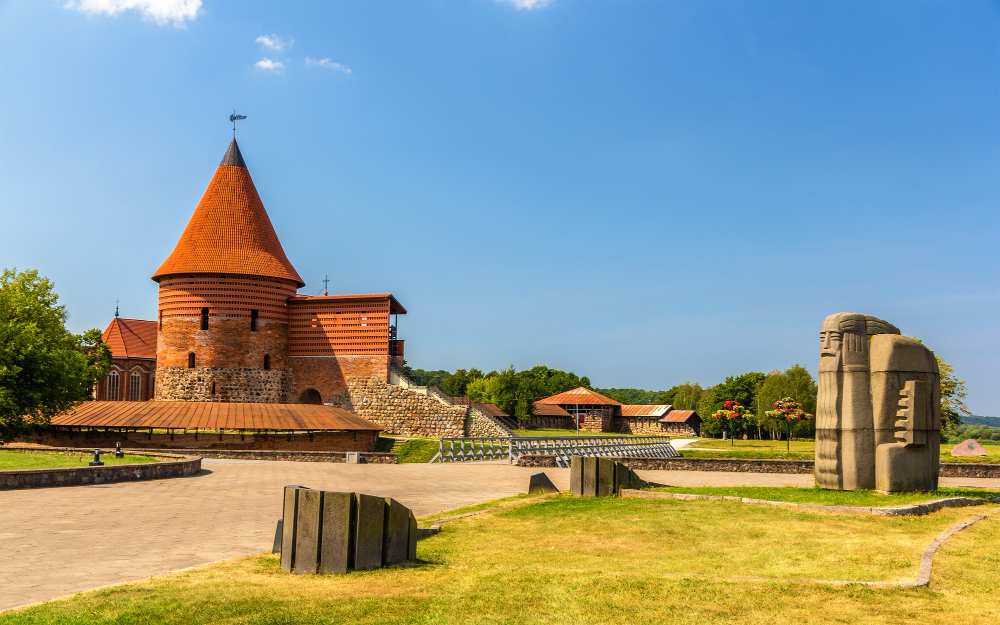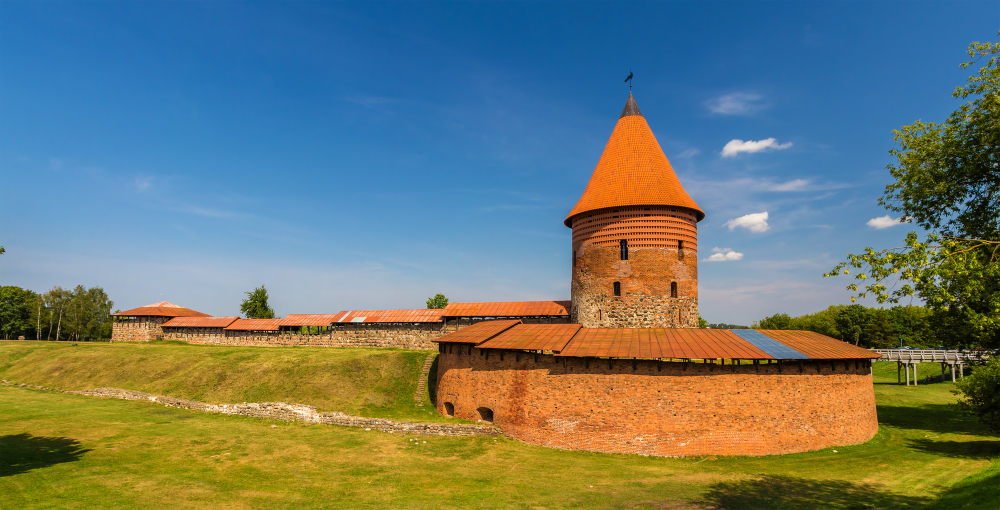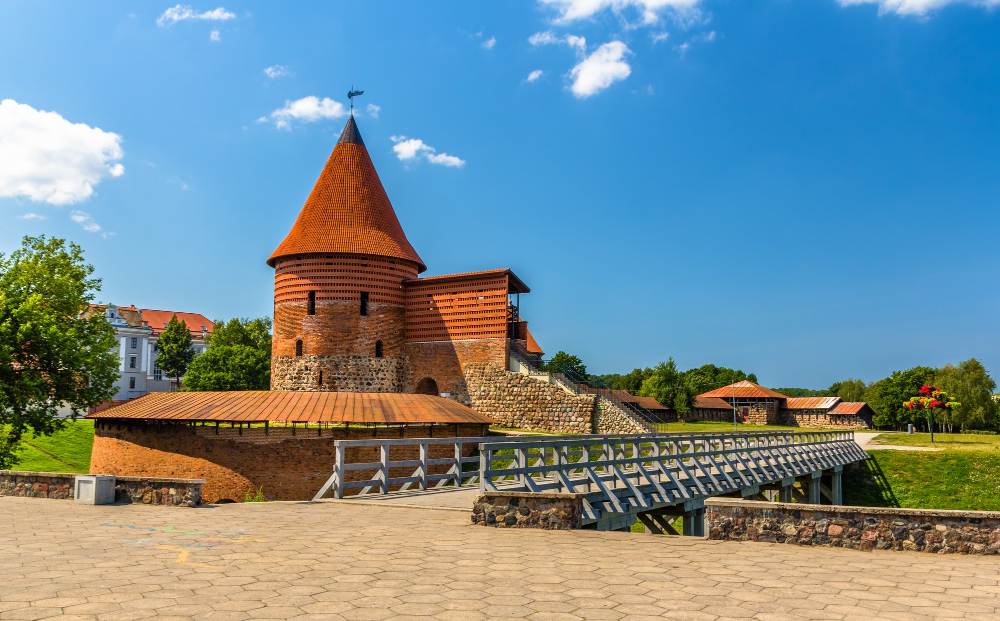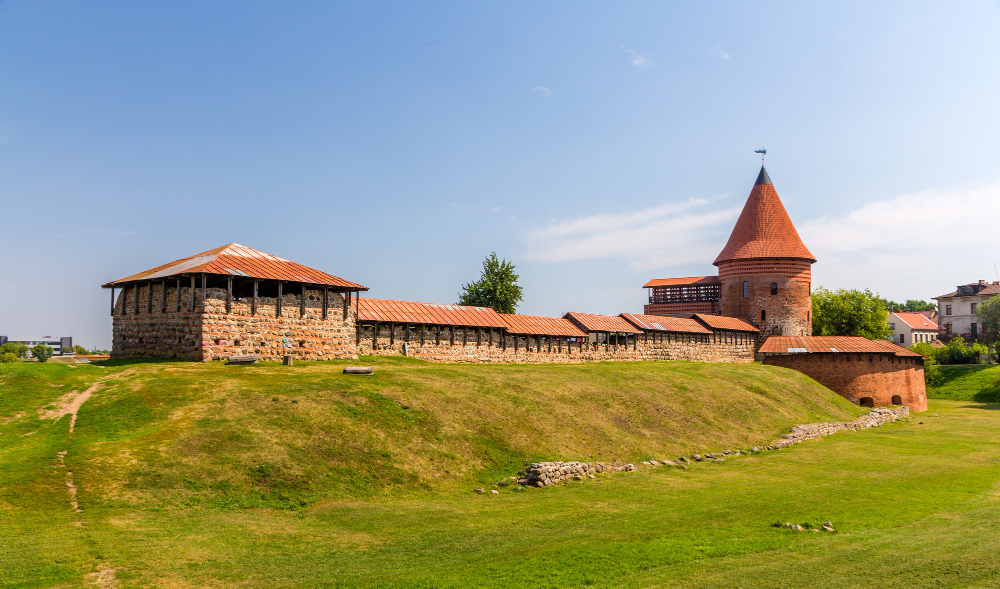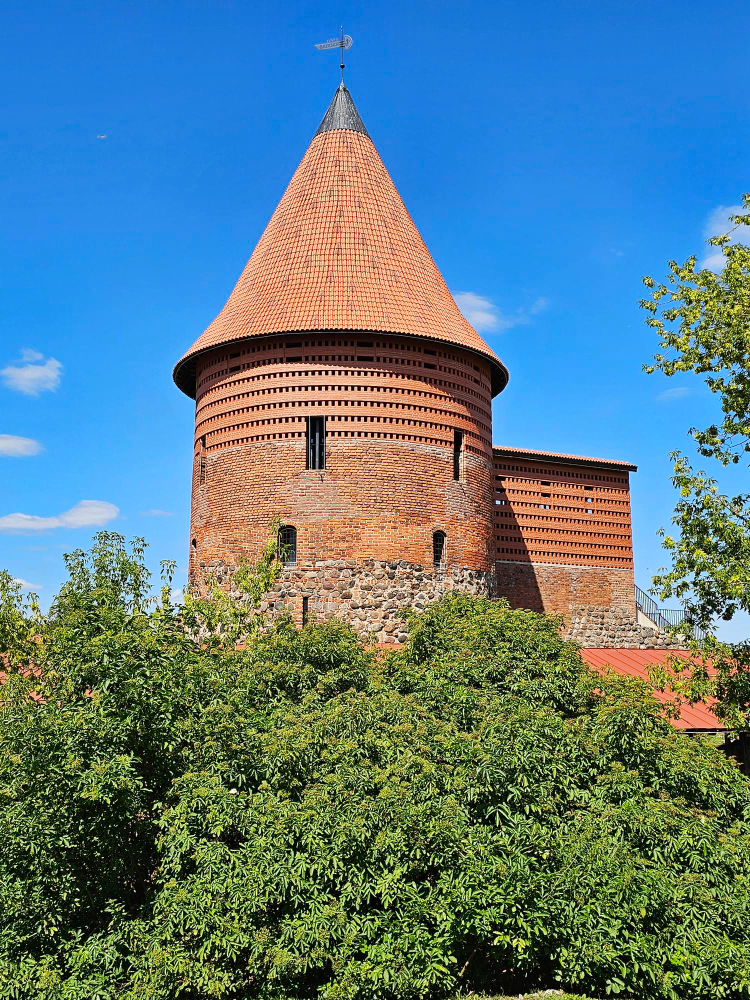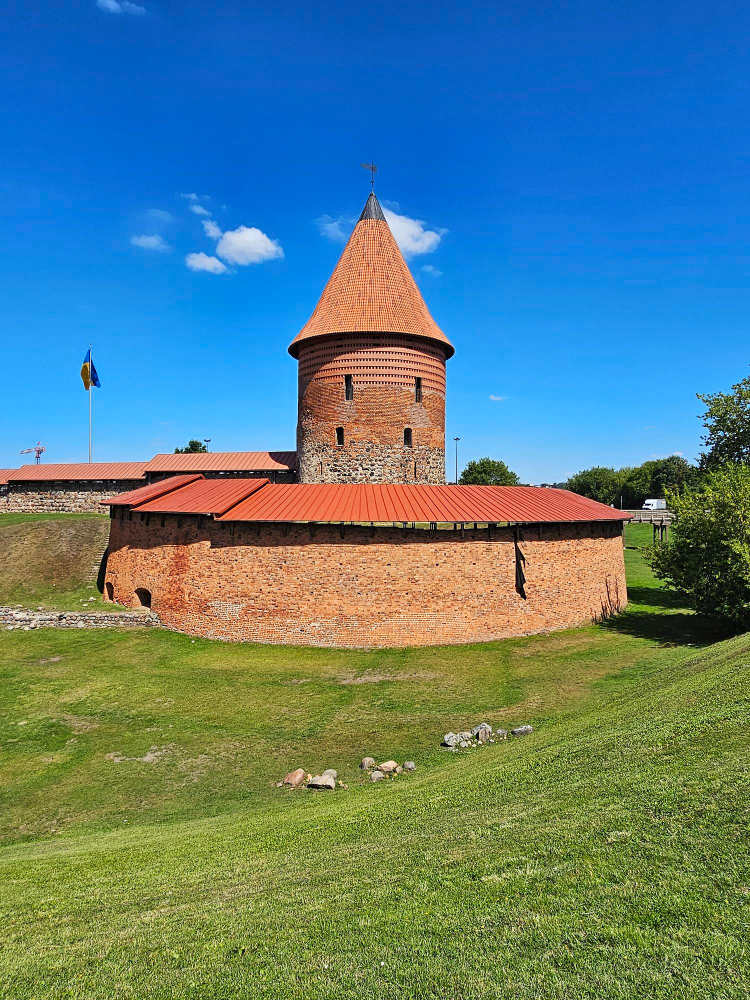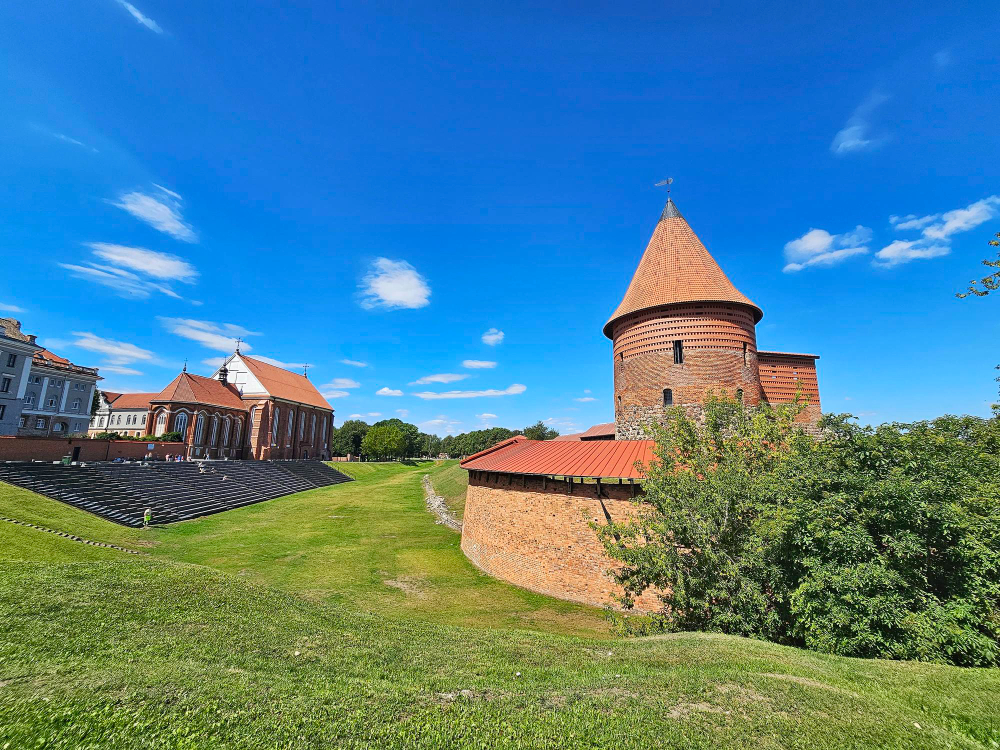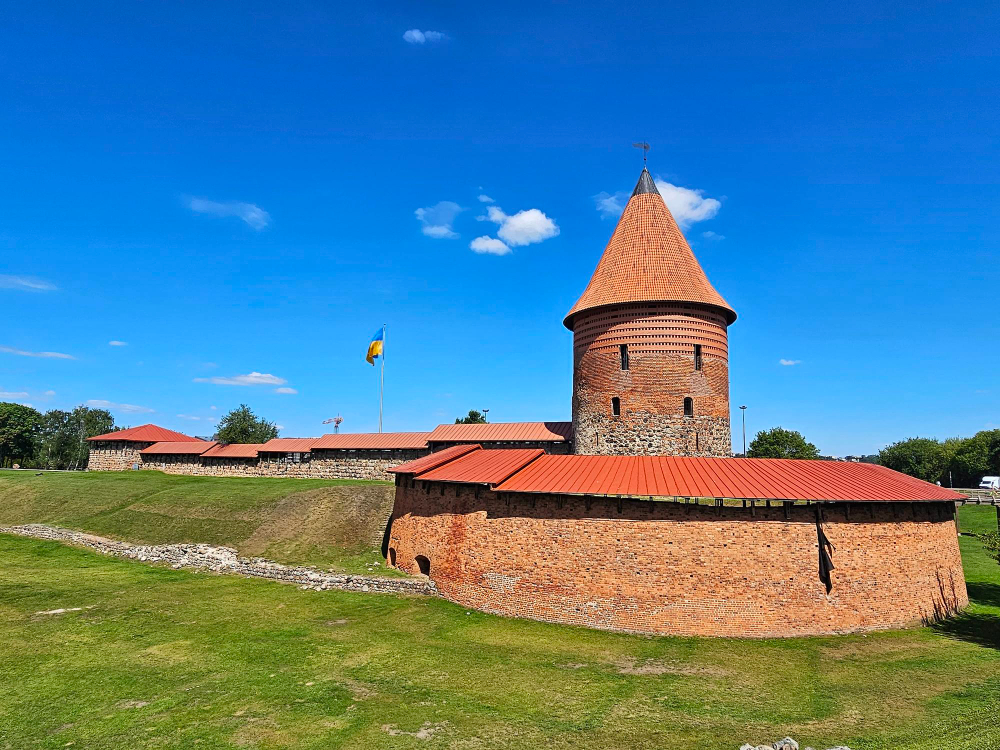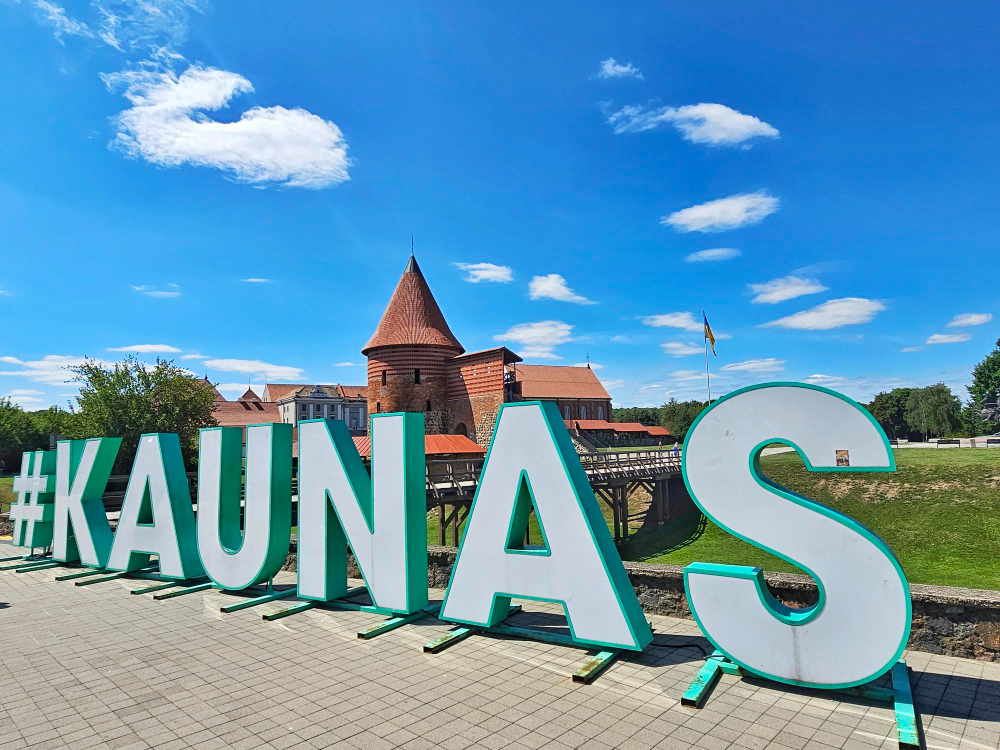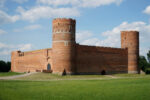

In the heart of the Lithuanian city of Kaunas stands Kaunas Castle, a majestic fortress that is not only an architectural masterpiece of the Middle Ages but also a treasure trove of stories, legends, and historical significance. This medieval landmark has endured for centuries, witnessed countless battles, and remains a symbol of Lithuania’s resilience and pride to this day. But what makes Kaunas Castle so special? What secrets do its walls and towers hold? In this article, we take you on a journey through the history, myths, and cultural significance of this impressive structure.
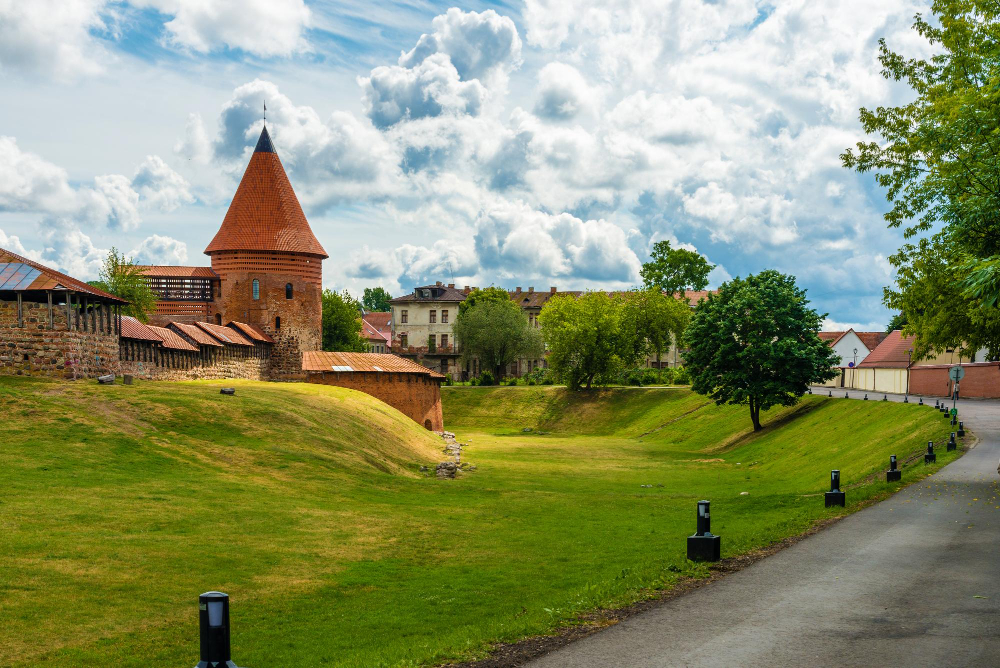
From Humble Beginnings to a Strategic Fortress – The origins of Kaunas Castle date back to the 14th century, a time when the area around present-day Kaunas was a major hub at the crossroads of important trade routes. The castle was built around 1361 and initially served as a wooden defensive structure against attacks by the then-powerful Teutonic Knights, who were expanding their power in the Baltic region. Soon after, however, the fortress was rebuilt as a massive stone structure to better withstand sieges. Due to its location at the confluence of the Neris and Nemunas rivers, Kaunas Castle held enormous strategic importance. It not only controlled the waterway but also served as a vital defensive stronghold against invasions by Western powers. Over the centuries, the castle was expanded, equipped with additional towers and walls, and repeatedly modernized to meet new military challenges.
Between War and Peace: A Turbulent History – The history of Kaunas Castle is marked by numerous conflicts and changing rulers. Particularly dramatic was the period of the Great Northern War and the various conflicts between Lithuania, Poland, and Russia. According to reports, the castle withstood several sieges and often proved to be an impregnable fortress, even though the defenders were under enormous pressure. Nevertheless, the castle never served exclusively military purposes. In times of peace, it was an administrative center and a symbol of political power. Cultural events also took place within its walls. In the 17th century, however, the castle lost its significance as military strategies changed and new fortresses were built elsewhere. In the 18th century, a slow decline set in, accelerated by wars and neglect. A devastating fire in 1730 destroyed large parts of the complex, and many structural elements were never rebuilt. The ruins continued to decay over the centuries, yet Kaunas Castle remained alive in the collective consciousness of the people.
Legends Told by the Walls – As befits such an ancient and significant fortress, numerous legends surround Kaunas Castle. One of the best known tells of the so-called “White Lady”—the ghost of a young woman who is said to have died during an attack on the castle in the 15th century. It is said that her spirit sometimes appears on the castle towers in the evening hours to warn the inhabitants of impending danger. Another legend tells of the castle’s hidden treasure. According to rumors, the castle treasure—consisting of gold and valuable artifacts—was hidden deep beneath the castle walls during a particularly fierce attack, and to this day, no one knows exactly where it is. Treasure hunters and historians have repeatedly attempted to uncover the secrets of the underground cellars and tunnels, but so far all attempts have been unsuccessful. There are also tales of the brave knight Radvila, who is said to have defended his homeland with heroic deeds and whose spirit still protects the castle. These stories are part of the cultural heritage surrounding the castle and attract visitors from all over the world.
Restoration and Modern Significance – Since the end of the 20th century, efforts to restore and preserve Kaunas Castle have intensified. Archaeological excavations have unearthed many interesting finds that offer insights into the lives of people in the Middle Ages. With financial support from the Lithuanian government and European funding programs, the castle has been partially reconstructed and opened to the public. Today, Kaunas Castle serves not only as a popular tourist attraction but also as a cultural center. Numerous events, such as medieval festivals, theater performances, and exhibitions, take place regularly on the castle grounds. This keeps the connection between the past and the present alive and fosters interest in Lithuanian history. Furthermore, the castle plays an important role in shaping the identity of the city of Kaunas. It symbolizes perseverance and resilience in the face of foreign rule and war. For the local population as well, the castle is a venerable monument that keeps the history of their homeland alive.
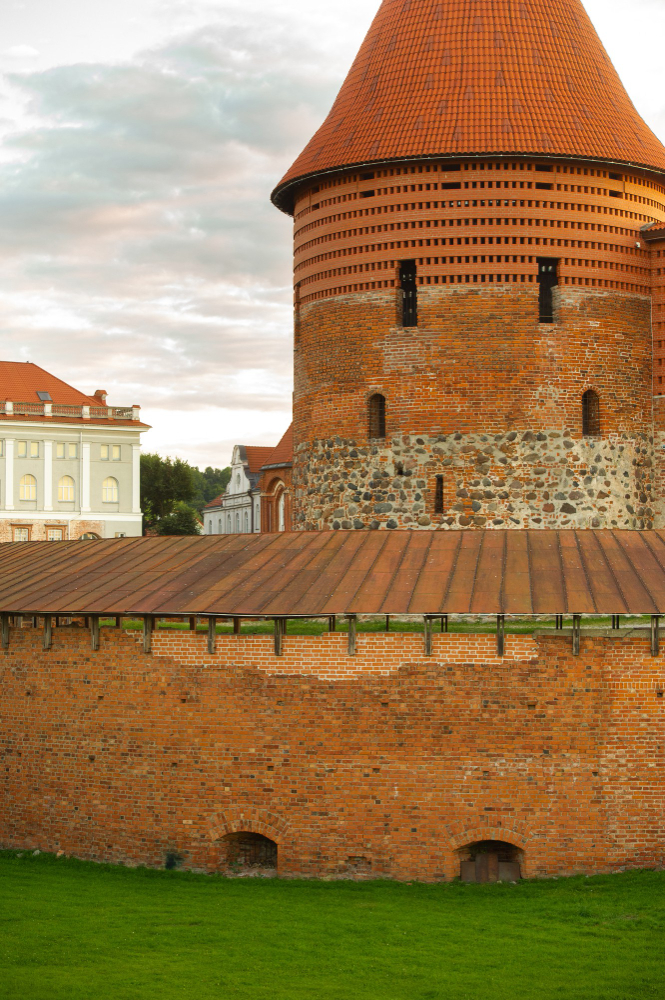
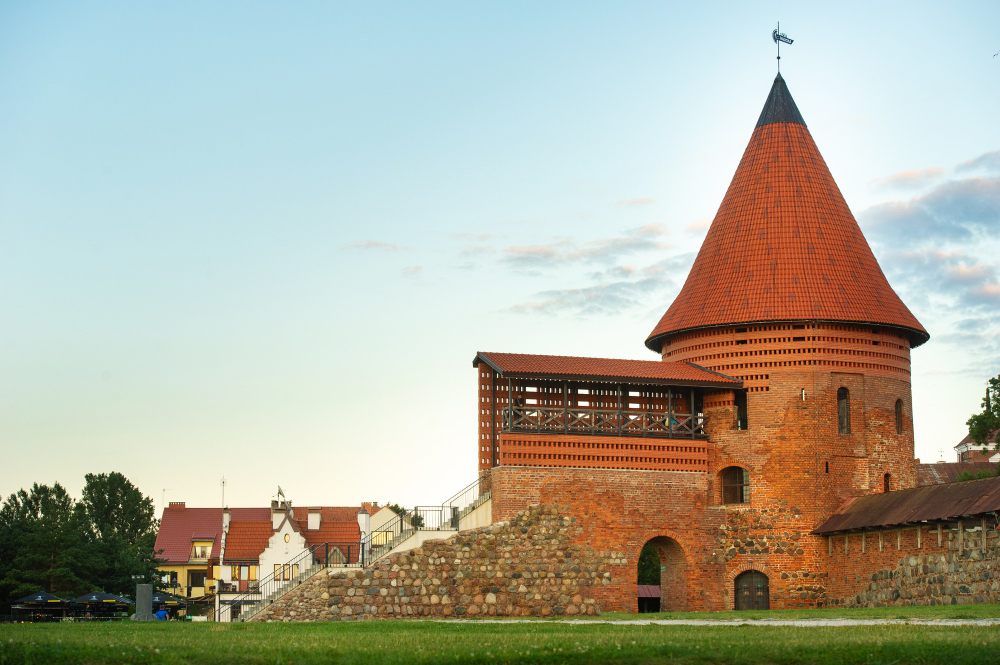
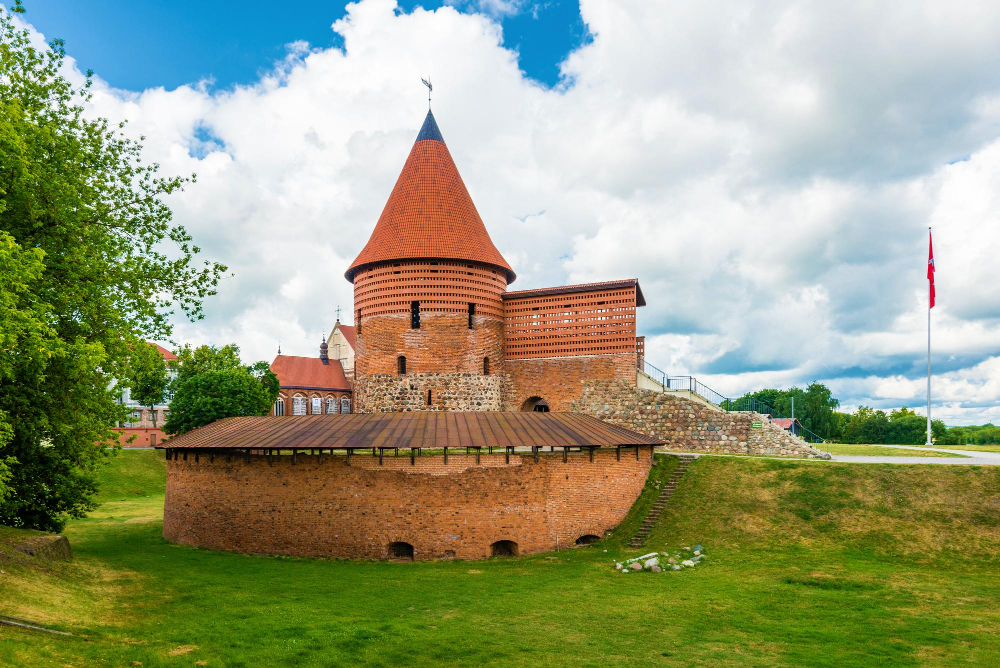
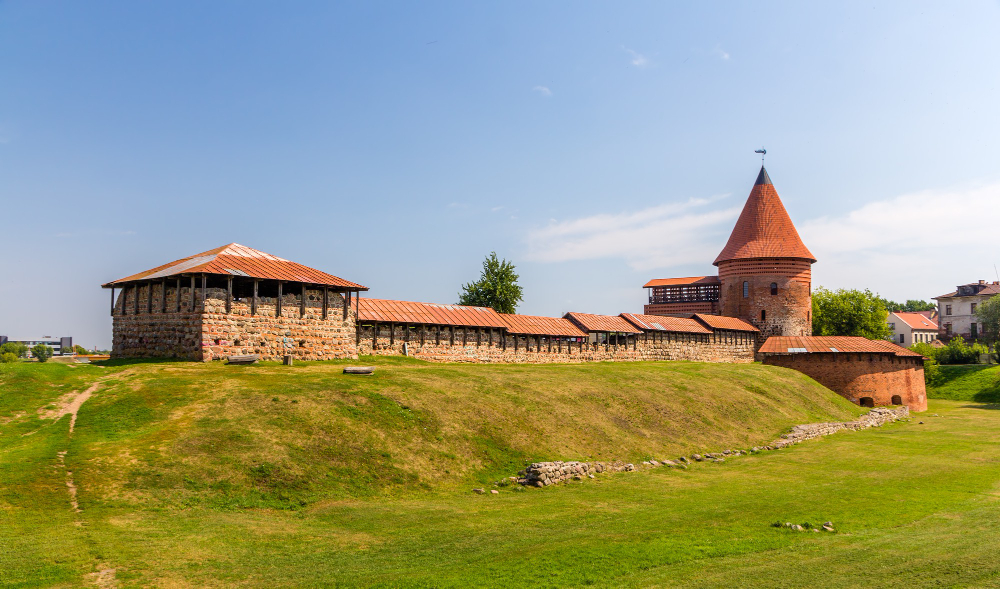
Fascinating Architecture – A Look at the Structural Features – Kaunas Castle is an outstanding example of Gothic fortress architecture. Particularly impressive is the hexagonal main tower, which once served as the most important defensive structure. The thick walls and narrow embrasures bear witness to the defensive strategy of that era, when every advantage in battle was exploited. The castle grounds also include numerous outbuildings, including residential and service buildings, chapels, and storage rooms. The underground vaults and tunnels are particularly mysterious and continue to spark speculation and research to this day. Some passages have been uncovered and are accessible to visitors, bringing the castle’s history to life. The various construction phases over the centuries are also visible in the architecture. From late medieval elements to Baroque influences, everything is represented, making the castle a unique testament to eventful historical developments.
A Place That Breathes History – Kaunas Castle is far more than just a ruin or a relic of bygone times. It is a living symbol of Lithuania’s cultural and historical identity. Its walls tell stories of bravery, resistance, and the tireless pursuit of freedom. The legends lend it an air of mystique and create a special atmosphere with every visit. For every visitor, the castle offers a fascinating blend of history, architecture, and myth. Whether strolling through the sandstone walls, climbing to the observation deck, or exploring the depths of the vaults—Kaunas Castle opens the doors to a bygone world full of adventure, suffering, and triumph.
Kaunas Castle – a treasure of the Baltic region – Amid the modern cityscape of Kaunas, the castle serves as a bridge to a bygone era that is still very much alive. Its history is captivating, its legends shroud it in mystery, and its significance to Lithuanian culture is immeasurable. Those who walk in the footsteps of this castle not only experience a piece of medieval history but also immerse themselves in a fascinating chapter of Baltic identity and resilience. A visit to Kaunas Castle is therefore not only a journey into the past but also an inspiration for the present and the future.
Whether you’re a history buff, an adventurer, or a lover of legends—Kaunas Castle has something to offer everyone and should not be missed on any trip to Lithuania. Let yourself be enchanted by its mysterious aura and the stories just waiting to be discovered!