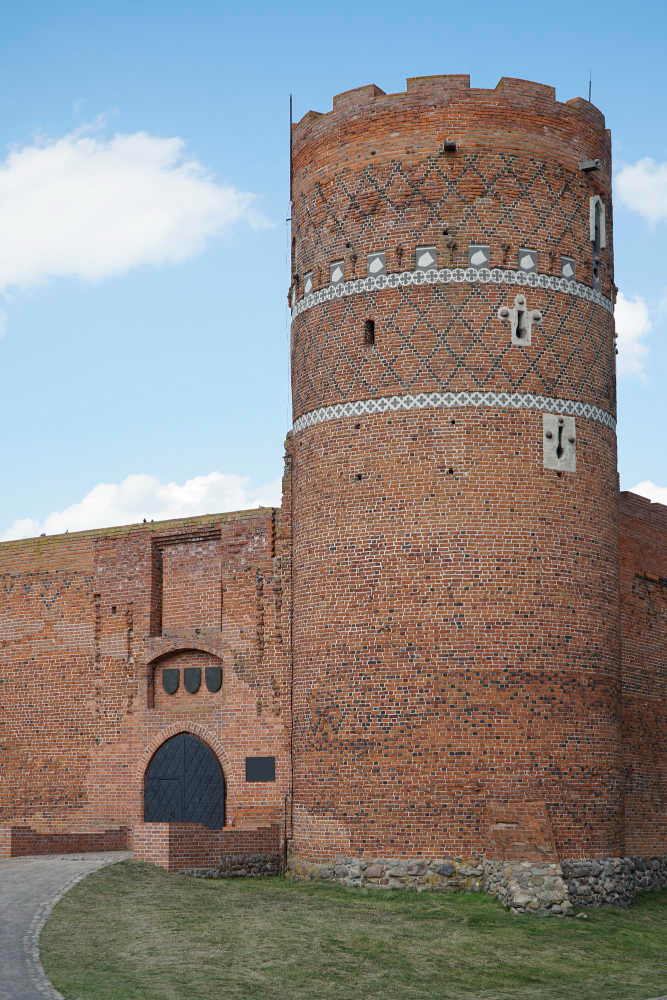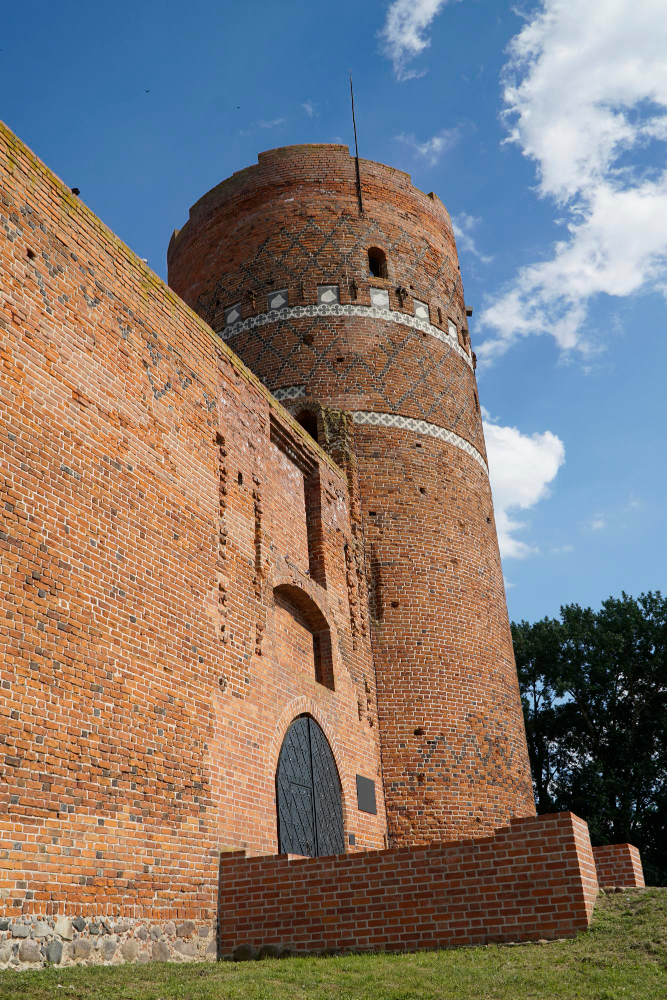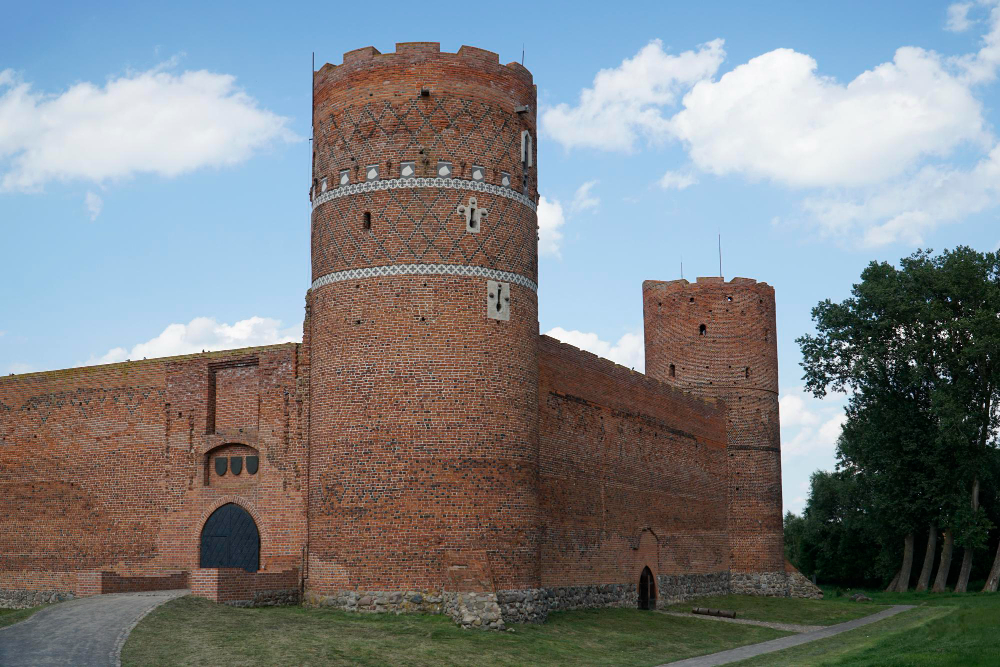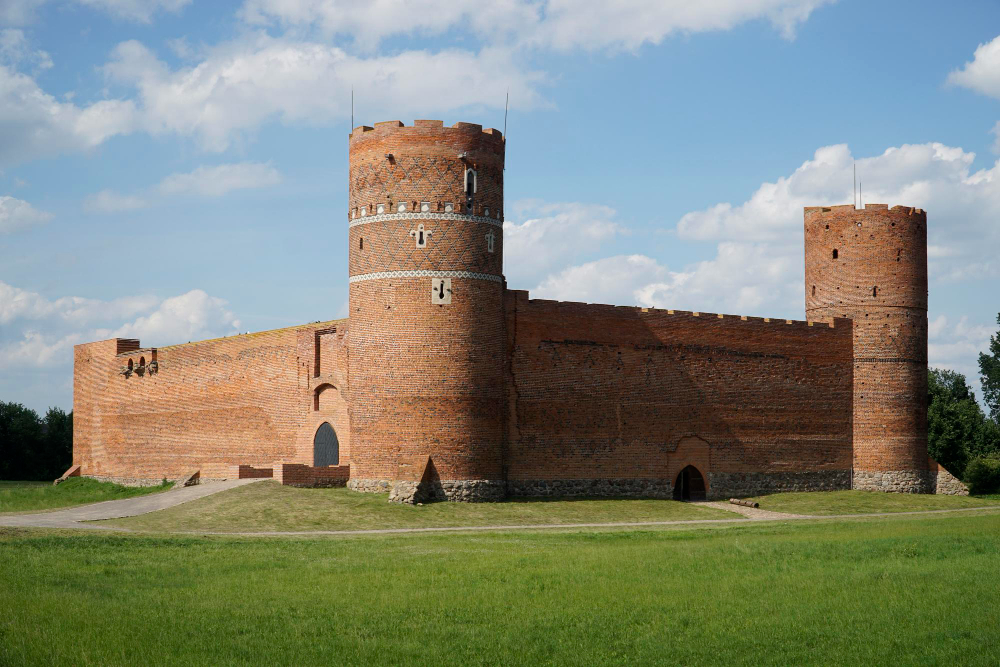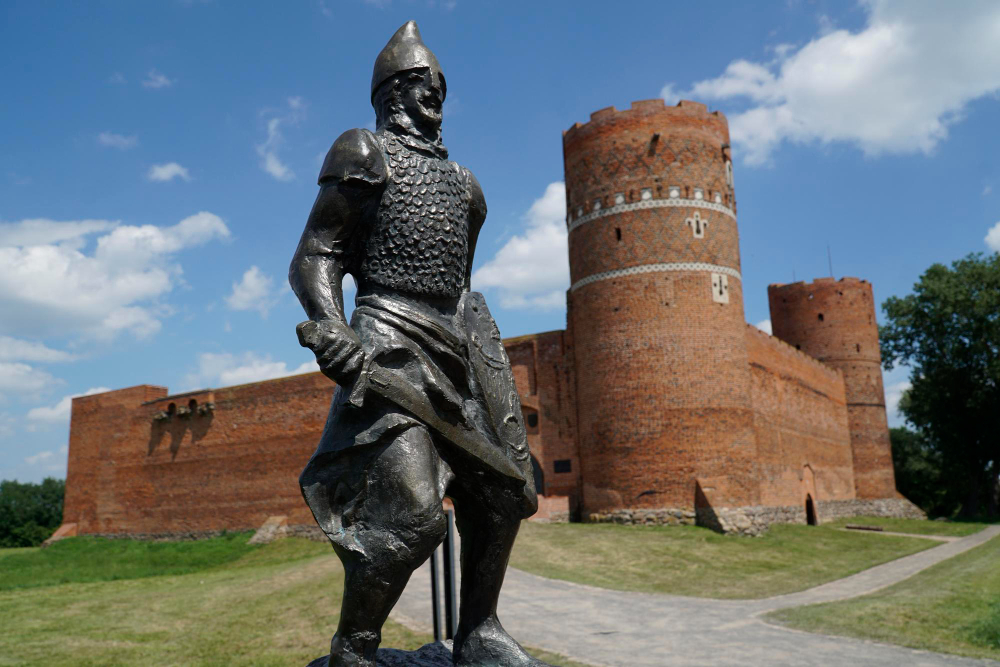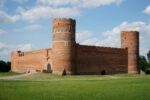

In the heart of Mazovia, a historic region in present-day Poland, the Mazovian Ducal Castle of Ciechanów stands majestically. This Brick Gothic castle, built at the turn of the 14th and 15th centuries, is regarded as an impressive example of medieval architecture and history. Its robust construction, its eventful past and the numerous alterations it has undergone reflect not only the political and military challenges of the time, but also the social changes that transformed the castle from a massive defensive stronghold into a royal residence.
The origins of the castle: between legend and science – For a long time, opinions differed regarding the castle’s foundation. It was traditionally assumed that Siemowit III, Duke of Masovia, had the castle built in the mid-14th century. However, more recent scientific investigations, including dendrochronological analyses, shed a different light on the building’s origins. Examination of the wooden piles used in the foundations dates their origin to around 1399 – an indication that the first phase of the castle’s construction did not begin until towards the end of the 14th century. This finding leads to the assumption that Siemowit’s son and successor, Janusz I of Warsaw, played a key role in its construction. Janusz I was Duke of Masovia and an influential ruler who sought to secure the political stability of his region during that turbulent era. Documentary sources also confirm that the castle was completed by 1429 at the latest. It is therefore clear that the castle was built as part of a series of fortifications intended to protect Masovia against external threats.
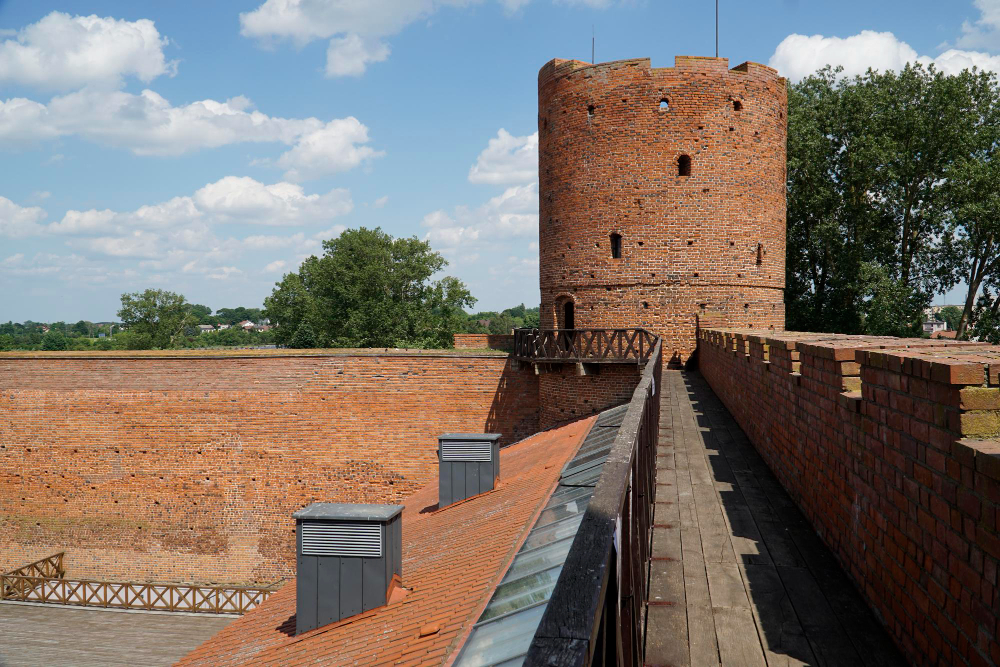
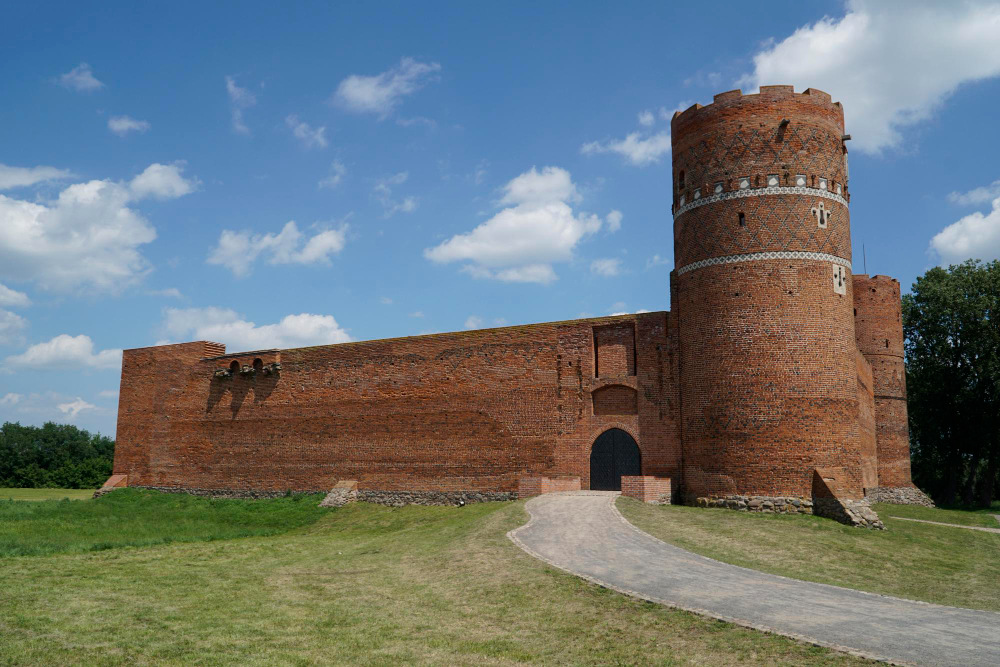
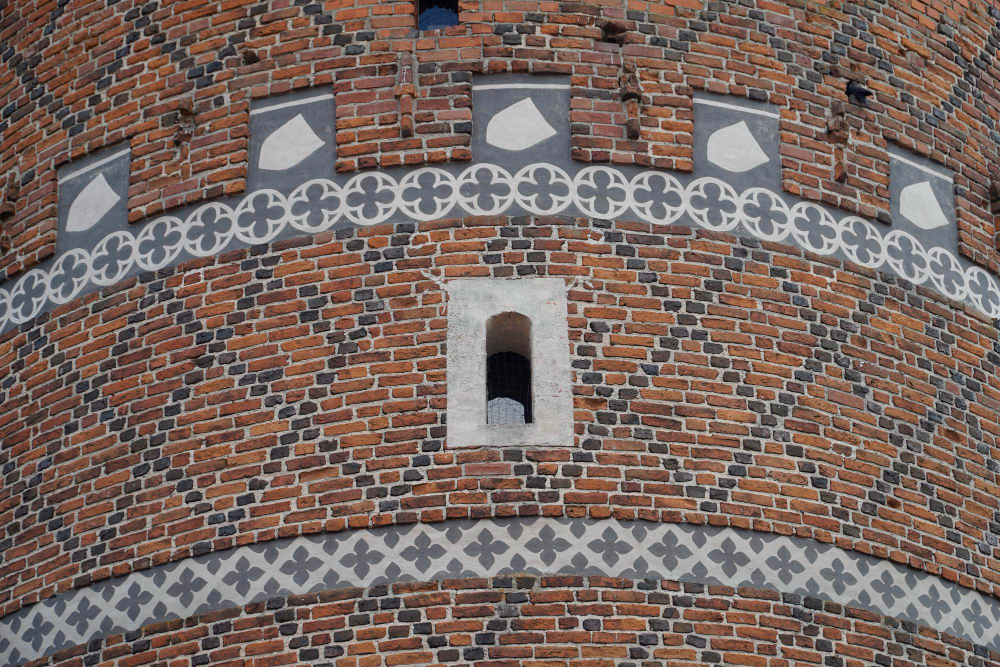
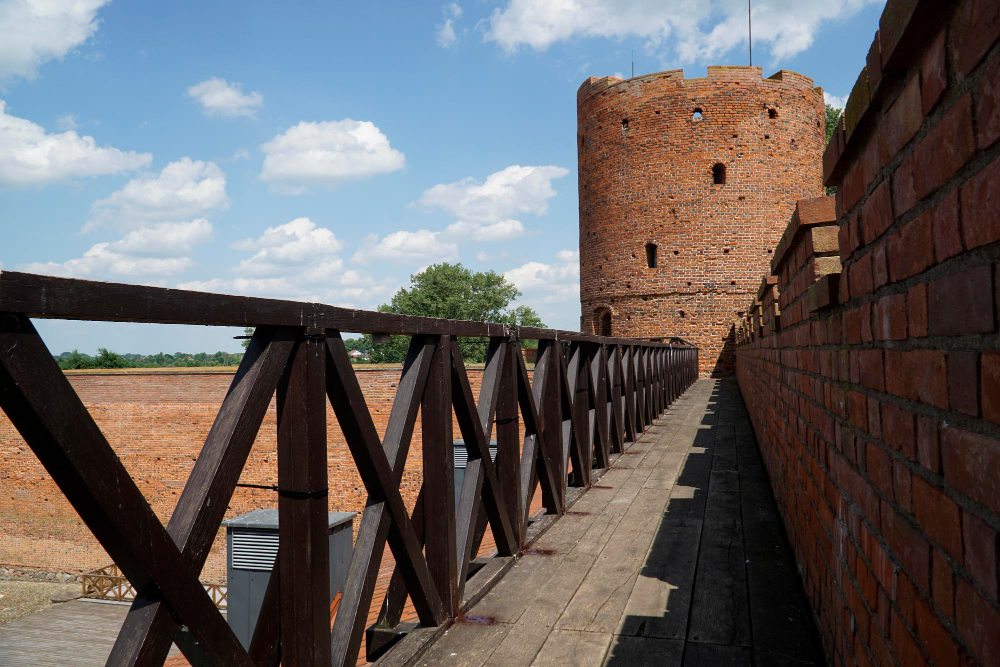
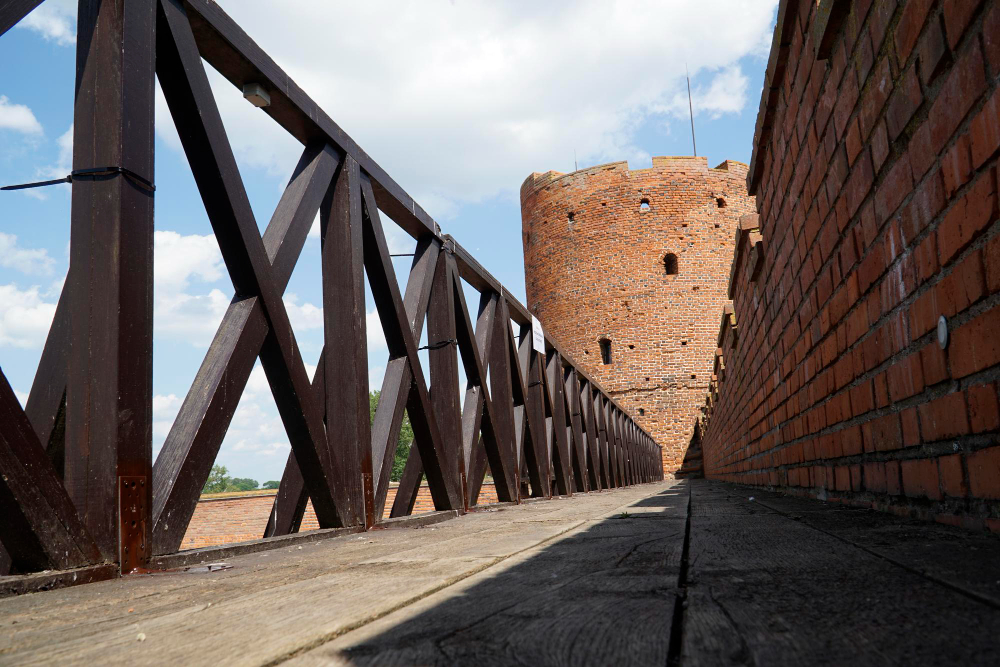
Architecture and Defence Strategy: The Castle as a Military Hub – The architectural design of the Masovian ducal castle bears witness to a clear focus on defence. The complex follows a square ground plan with four round corner towers, strategically positioned to enhance defence. These towers firmly anchor the castle in the spirit of Brick Gothic, a style that was particularly significant in northern and eastern Poland, as well as in the Hanseatic region. The walls, up to ten metres high, provided additional protection against attackers. Such massive fortifications indicate that the castle was not intended merely as a residence, but was primarily designed as a military centre. In times of political instability, such castles were indispensable for maintaining control over the land and repelling enemy incursions. In the 15th century, the building was extended and reinforced on several occasions. Over time, it gained an additional storey and a raised inner courtyard, which served both functional and representative purposes. These architectural modifications symbolise the castle’s transformation from a mere fortress into a symbol of the power and culture of the Dukes of Masovia.
The Transformation from a Fortification to a Residence: Cultural and Historical Significance in the 16th Century – By the mid-16th century, a marked change had taken place in the castle’s function and use. The structure, which had previously been purely defensive in nature, was gradually transformed into a stately residence. This process reached its peak in 1547. This transformation reflects not only the changing political conditions, in which major armed conflicts became less frequent, but also the residents’ growing demand for comfort and prestige. This change mirrors broader developments across Poland at that time, when Renaissance ideas were taking hold and the nobility were redesigning their residences both visually and functionally. As a result, the Duchy of Mazovia’s castle in Ciechanów became a cultural centre, a fact reflected in extensions and embellishments such as stately façades and interior décor.
Crisis and Decline: The Impact of the Partitions of Poland – However, the castle’s heyday came to an abrupt end in the late 18th century. Poland’s political fate was sealed by the three partitions (1772, 1793, 1795) between Prussia, Russia and Austria. In the wake of the Third Partition in 1795, Ciechanów came under Prussian rule. The new rulers increasingly viewed the castle as a source of raw materials: sections of the walls were dismantled and used as building material. This marked the beginning of a long process of decay. In 1818, the castle passed into the ownership of the Krasiński noble family, who attempted to preserve it, although these efforts met with only limited success due to financial and political circumstances. It was not until the 20th century that restoration work, which was partially successful, took place, thereby preserving the castle’s historical heritage.
Legends and cultural significance: Myths surrounding the castle – Like so many ancient ruins, the Masovian Ducal Castle in Ciechanów is shrouded in numerous legends and stories. A frequently told legend speaks of hidden treasures said to have been concealed there by the dukes. Other stories centre on brave defenders who heroically held the castle during sieges. The ghost of a ducal lady, who is said to have met a tragic end, is also part of the local folklore. These tales reflect the local population’s deep interest in the building and help to preserve the castle as a living part of the regional identity. They show that the castle is far more than just a historical building – it is a symbol of the history and culture of Mazovia.
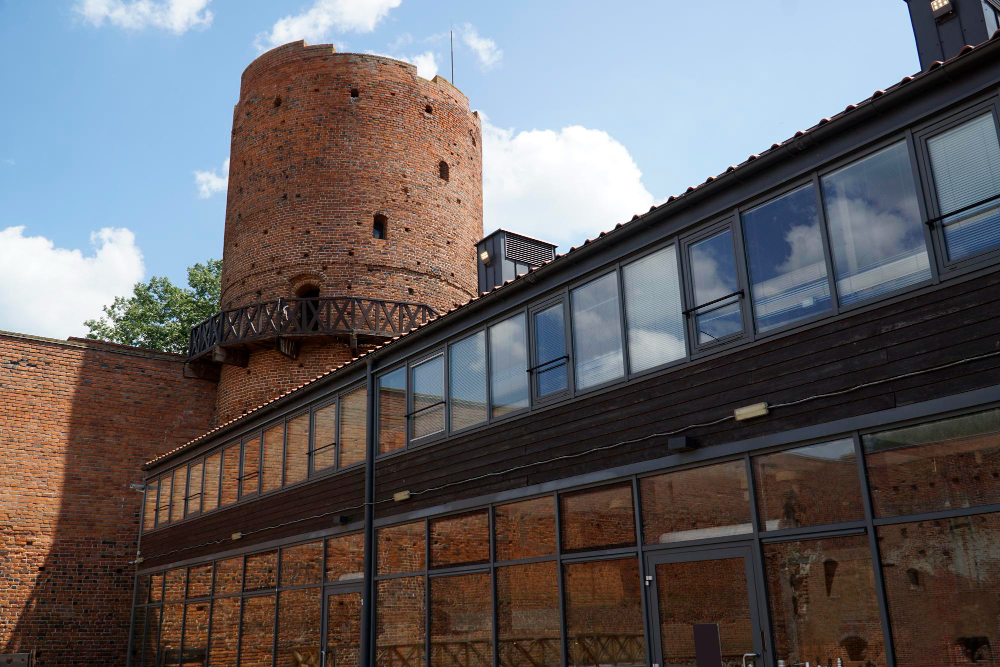
Current Status and Significance – Today, the Duchy of Mazovia Castle is a major tourist attraction in the Mazovia Voivodeship. Visitors can experience the impressive Brick Gothic architecture for themselves and gain an insight into the region’s history through its authentic architecture. In addition to the museum’s exhibits, cultural events, guided tours and exhibitions are held regularly to promote knowledge of the Middle Ages and Polish history. The castle is also an example of the successful combination of heritage conservation and modern use. The preserved structures enable historians and archaeologists to gain valuable insights into medieval building techniques and ways of life.
The Duchy of Mazovia Castle in Ciechanów is far more than just a historic building. It epitomises the eventful history of Mazovia and Poland during the transition from the Middle Ages to the early modern period. From its function as a military fortress, through its development into a residence, to its role as a cultural monument today, the castle reflects the complex political, social and cultural changes that shaped the region. With its imposing Brick Gothic architecture, striking towers and fascinating stories, the castle has retained its magic to this day and attracts visitors from all over the world. It remains an indispensable testament to Polish history and a window into a bygone era full of power struggles, artistic mastery and legends.