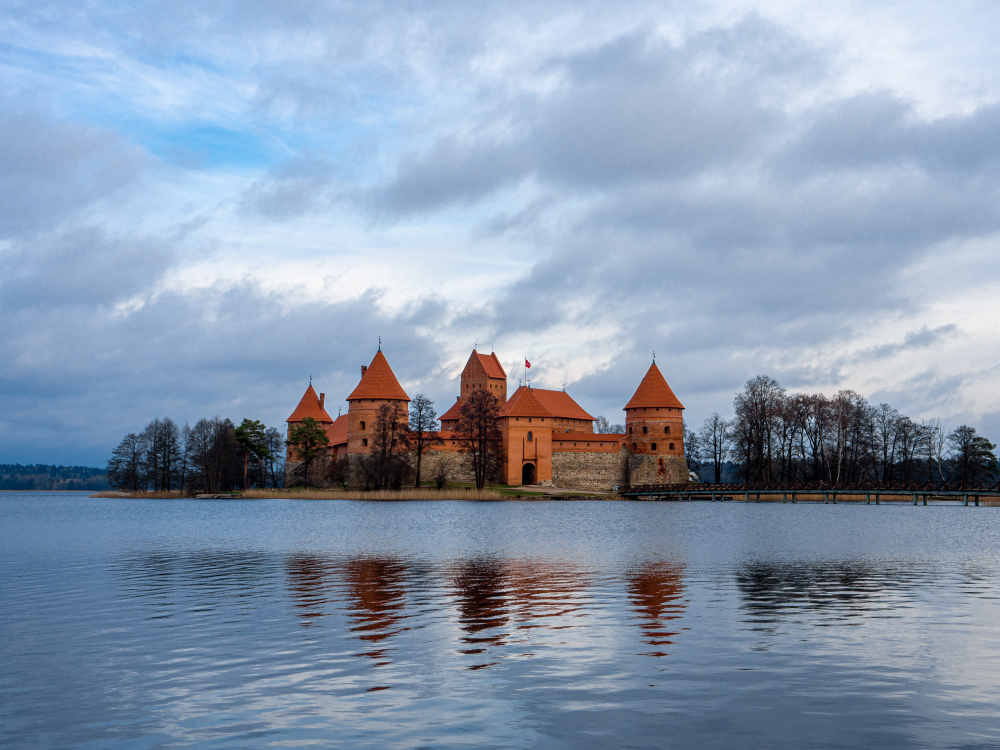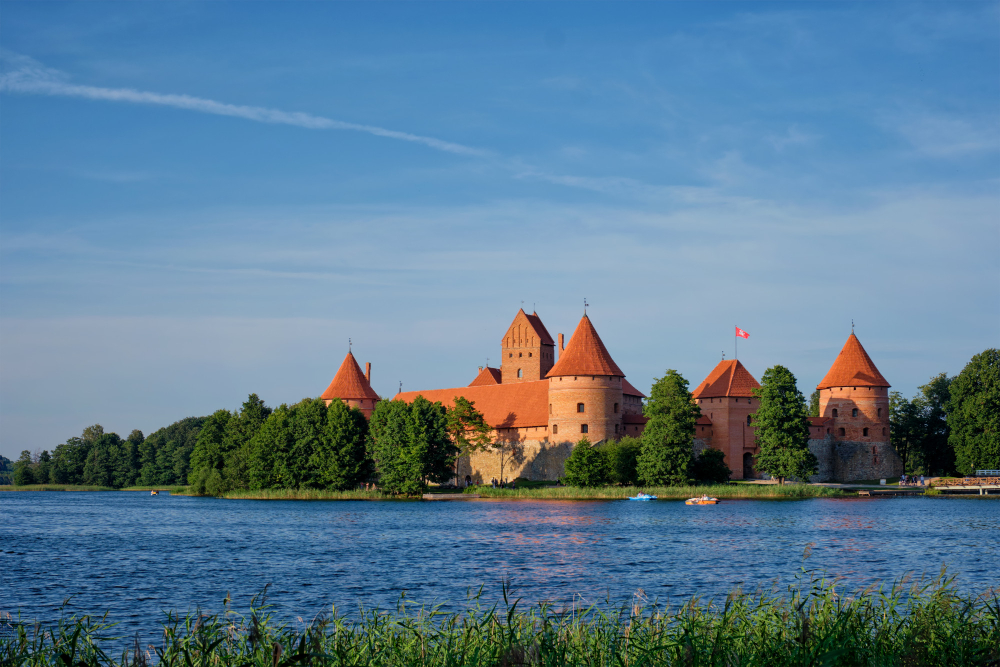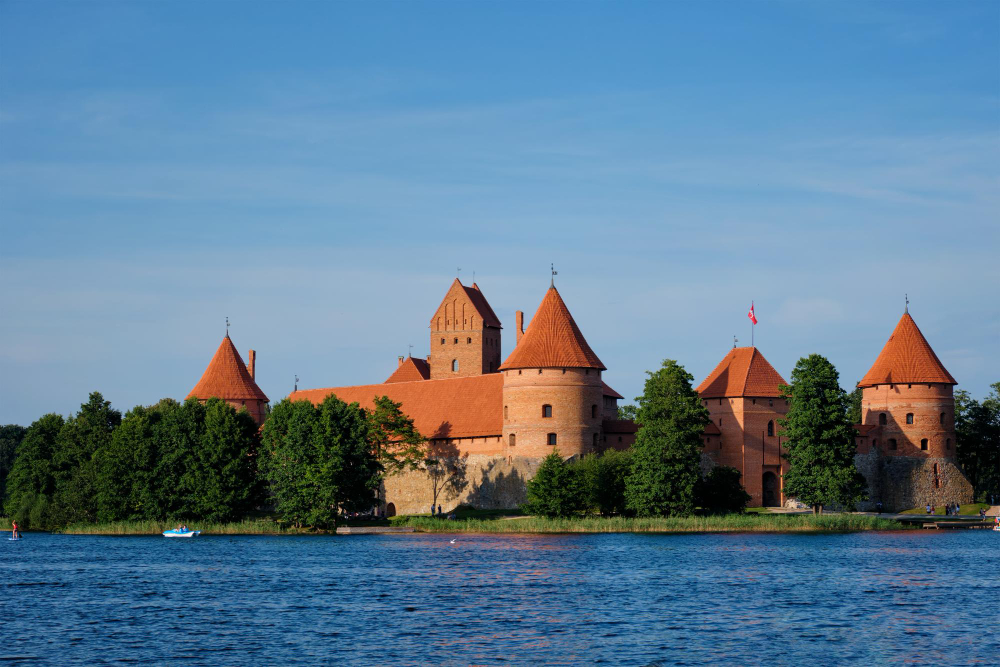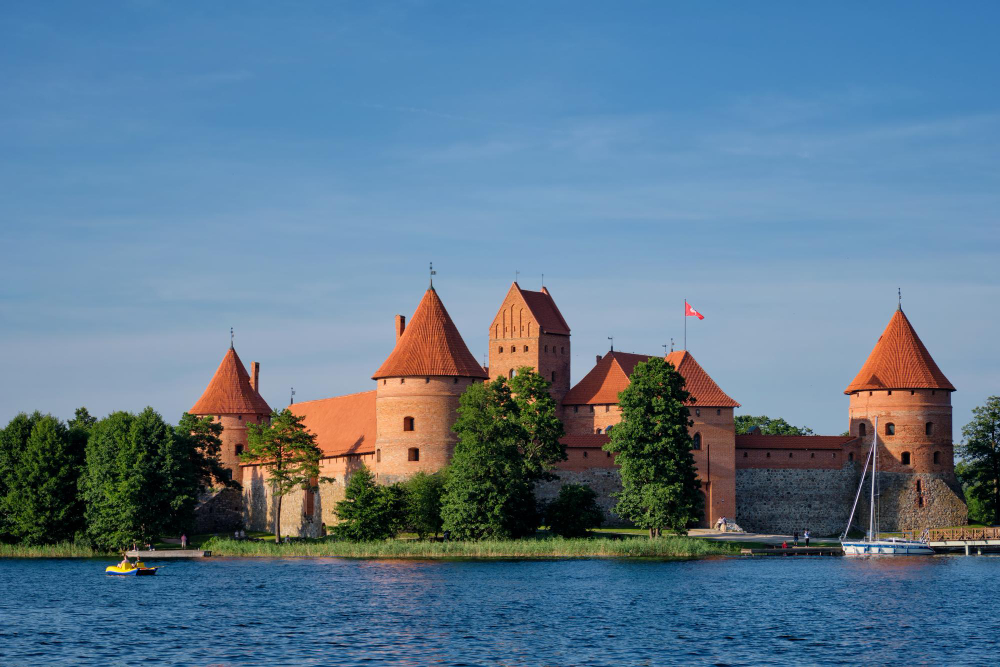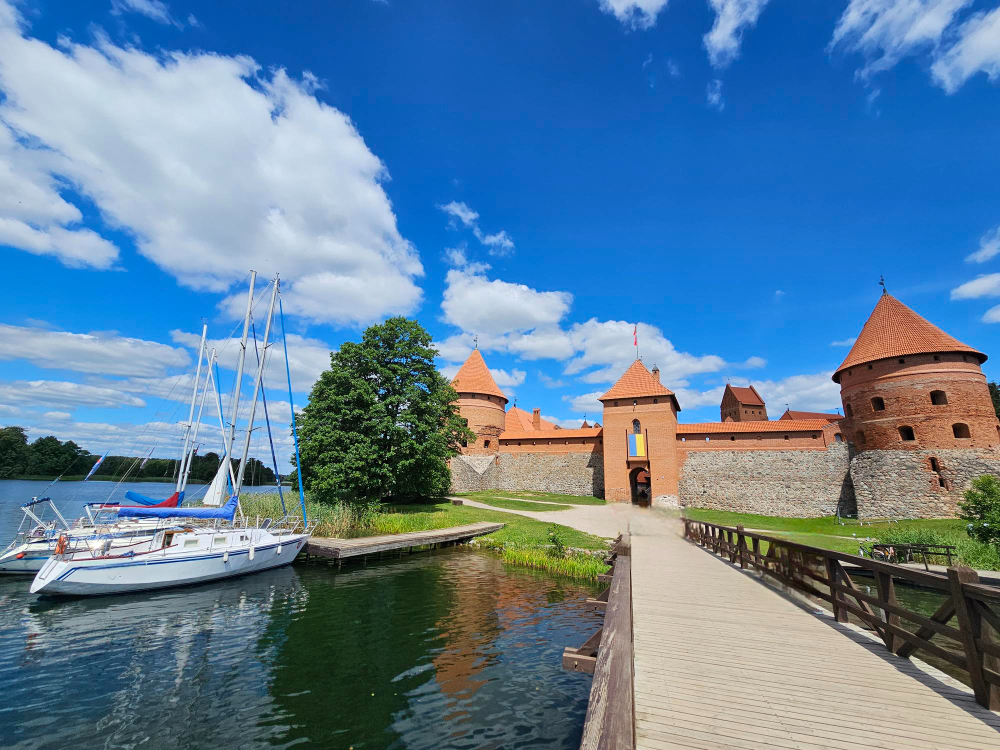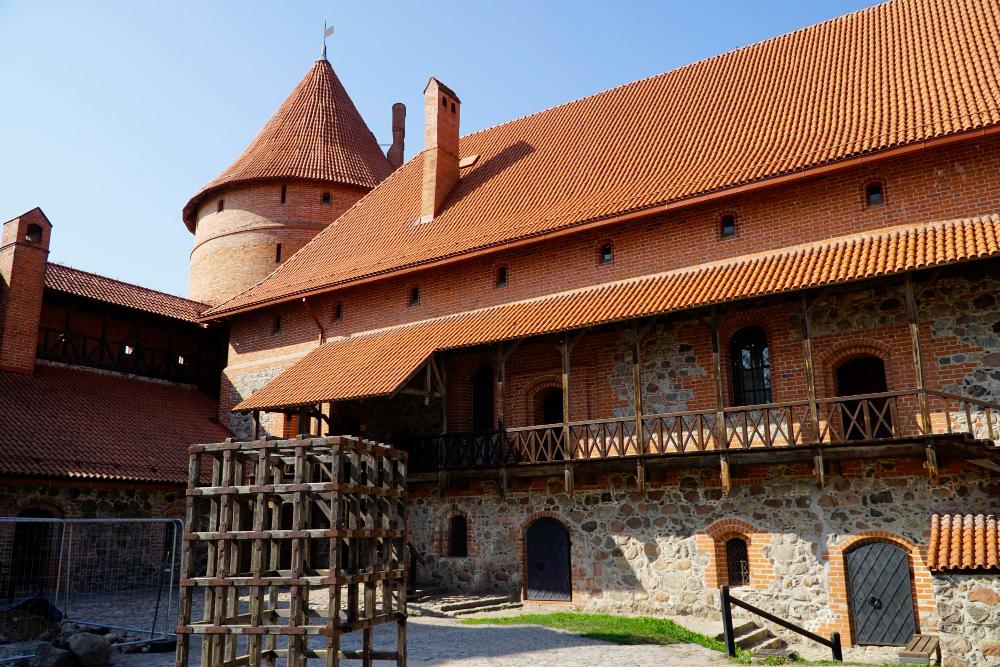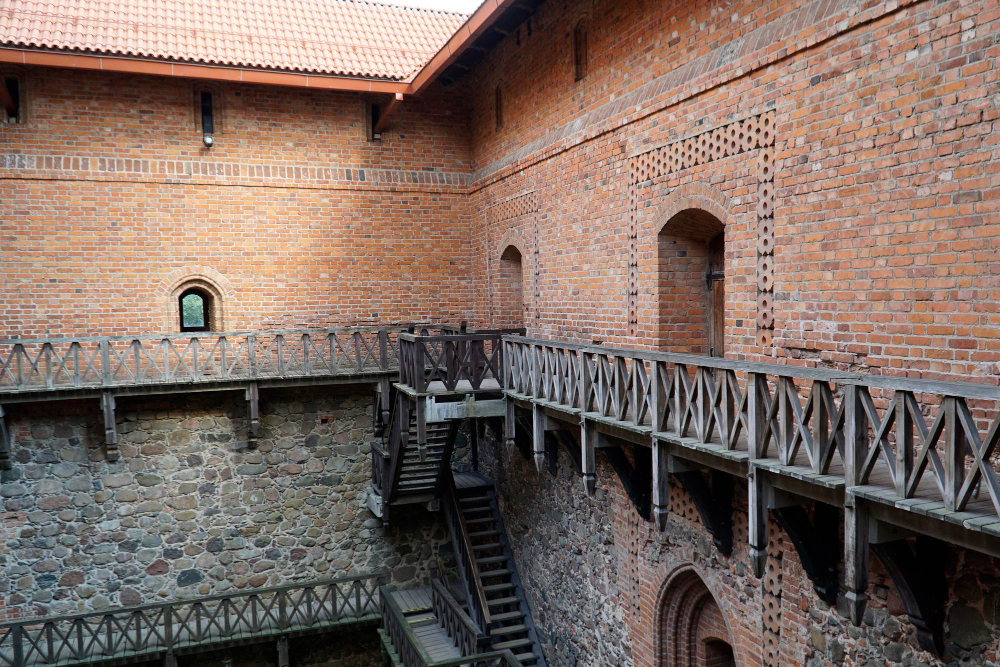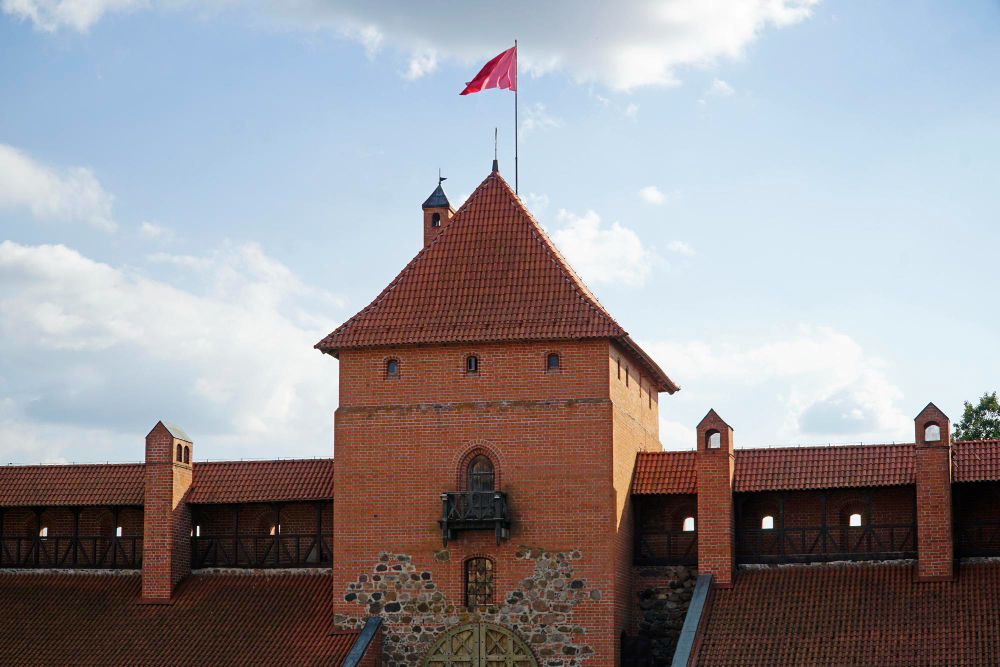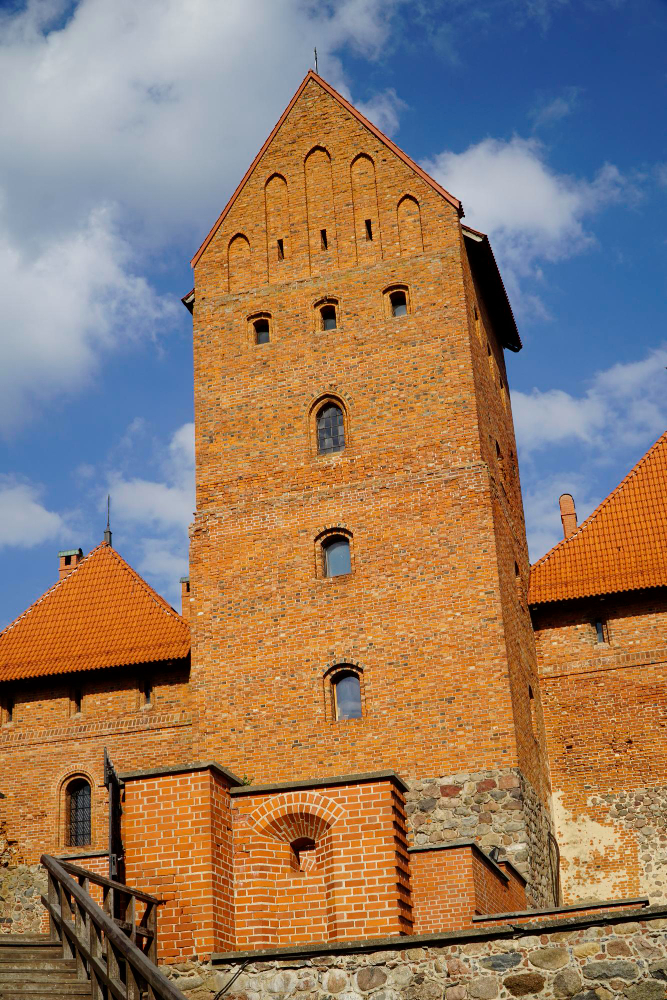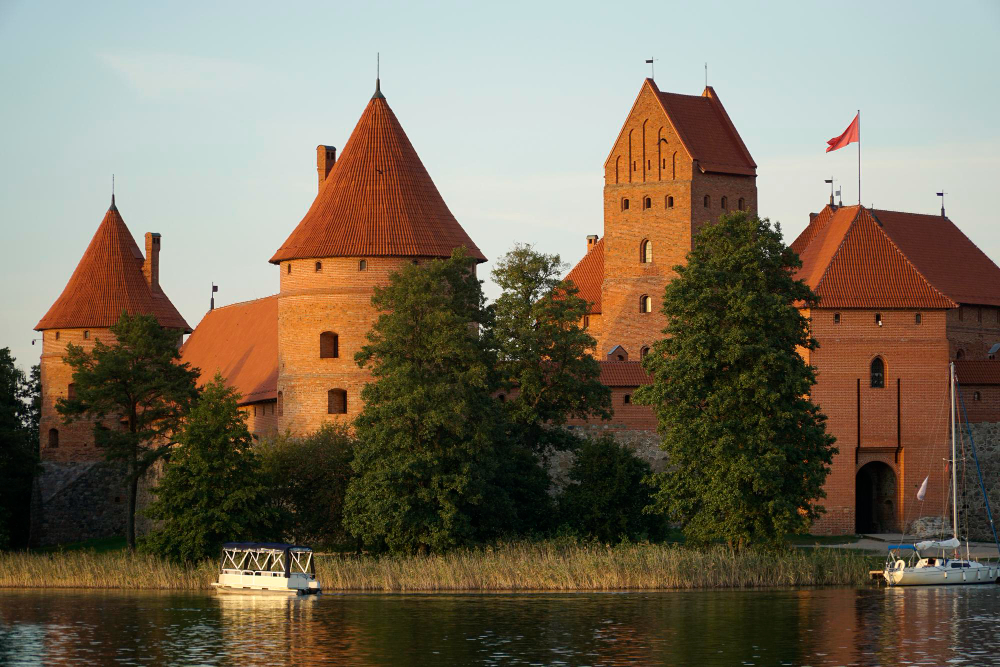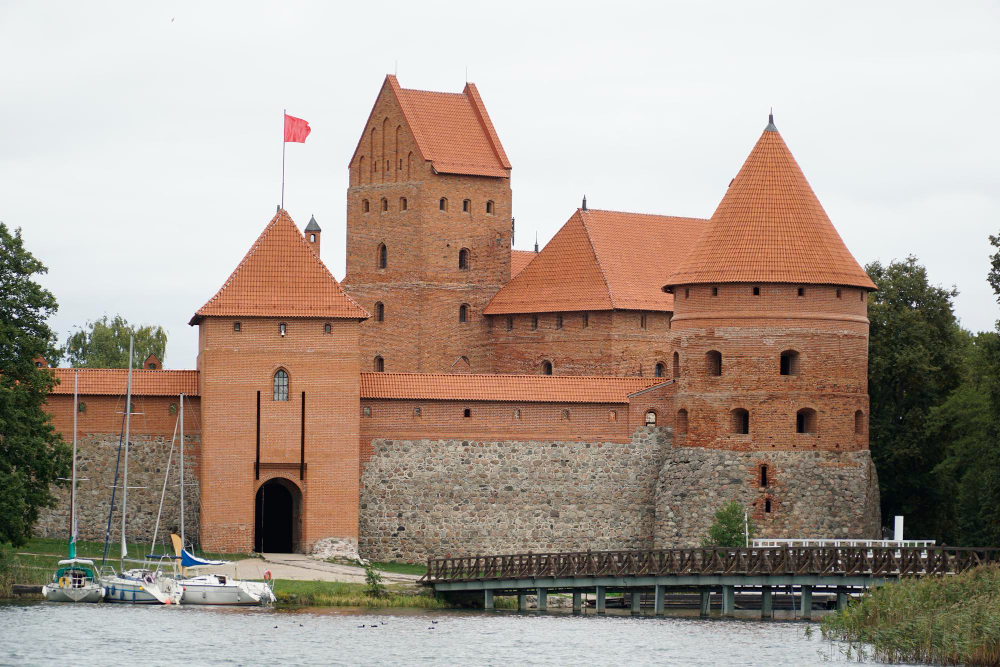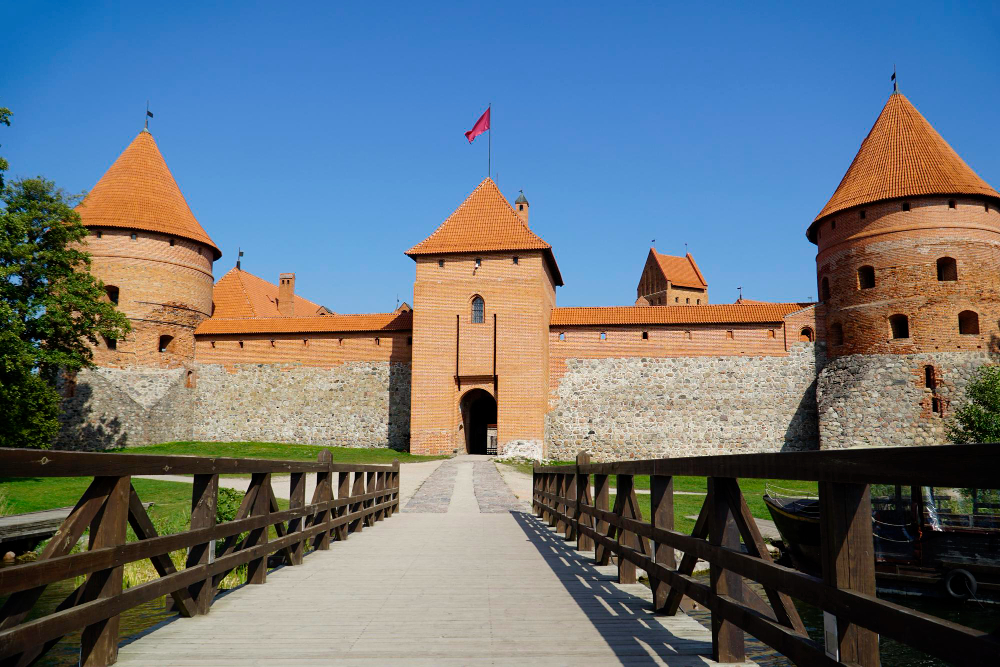

Few places combine history, nature, and legends in such a unique way as Trakai Castle. This impressive fortress island, perched on the calm waters of Lake Galvė in Lithuania, transports visitors to a world of medieval secrets and cultural diversity. But what lies behind this imposing backdrop? What stories are woven into the walls of this castle, and what makes it one of Lithuania’s most precious treasures to this day?
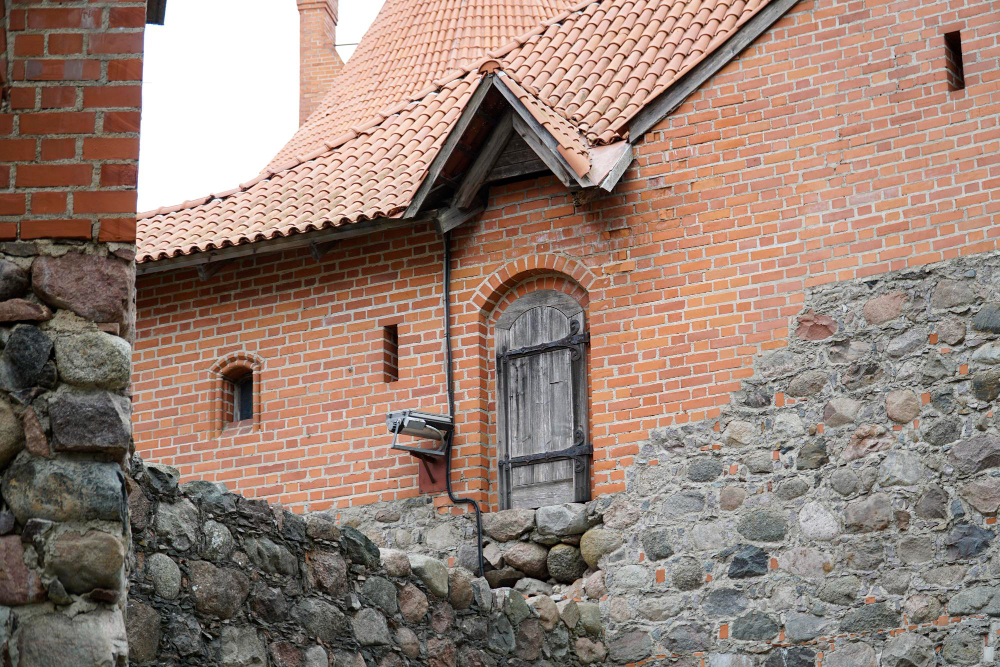
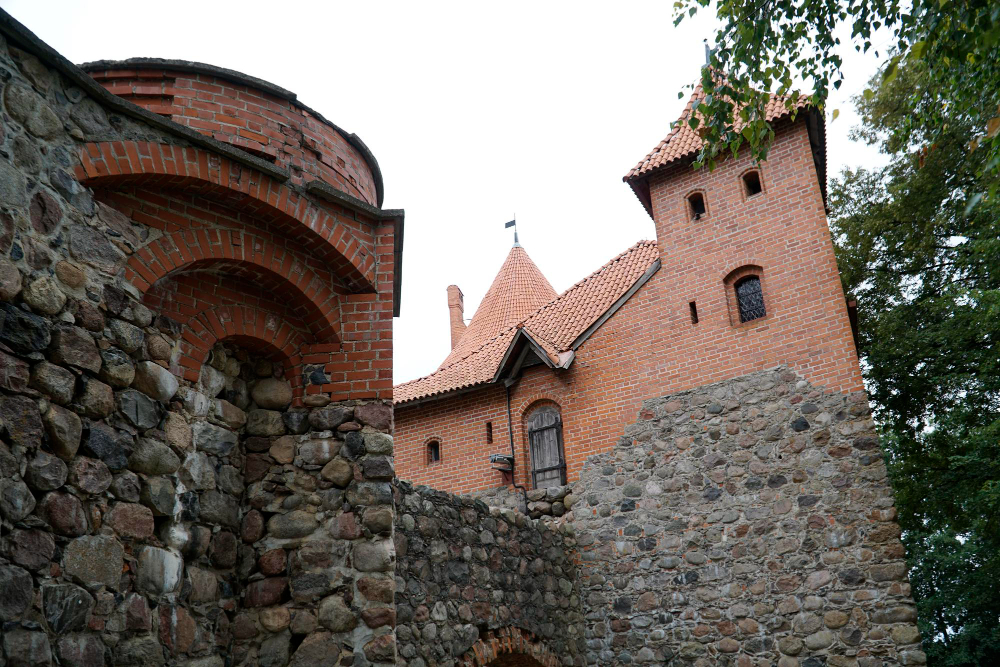
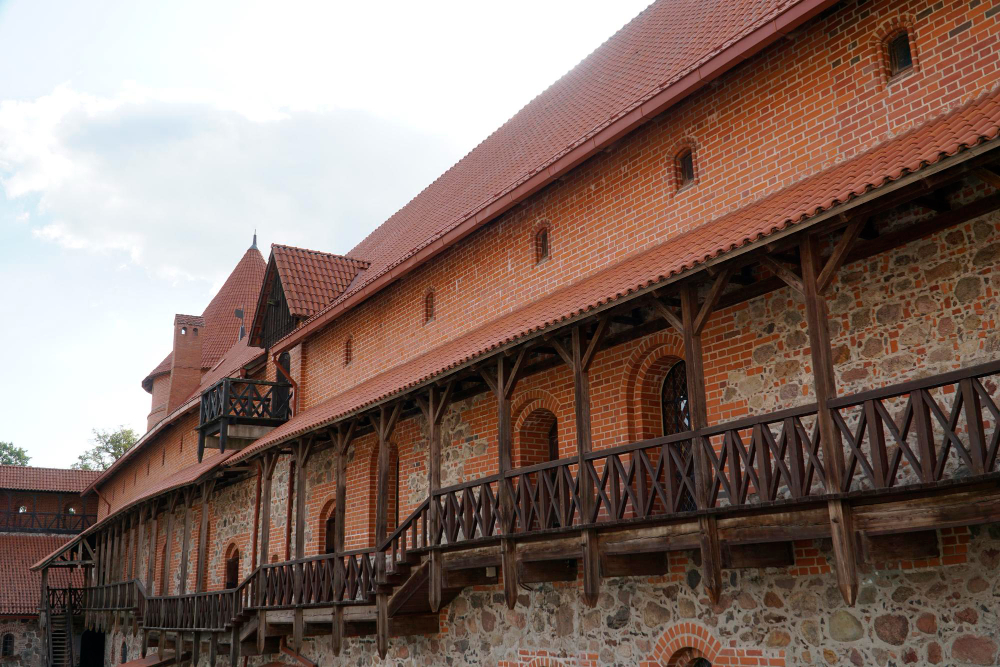
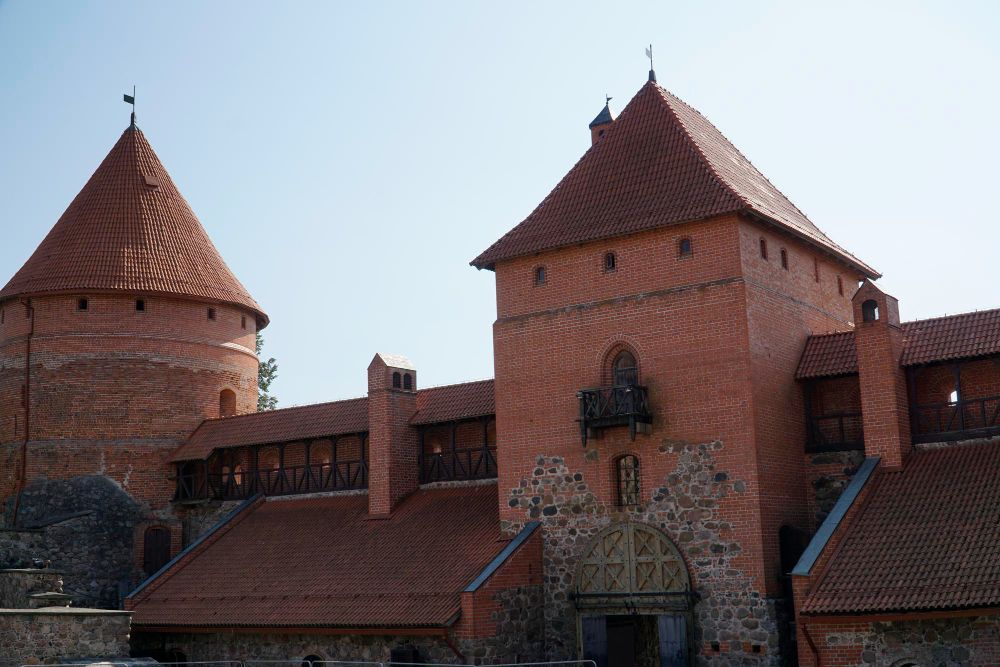
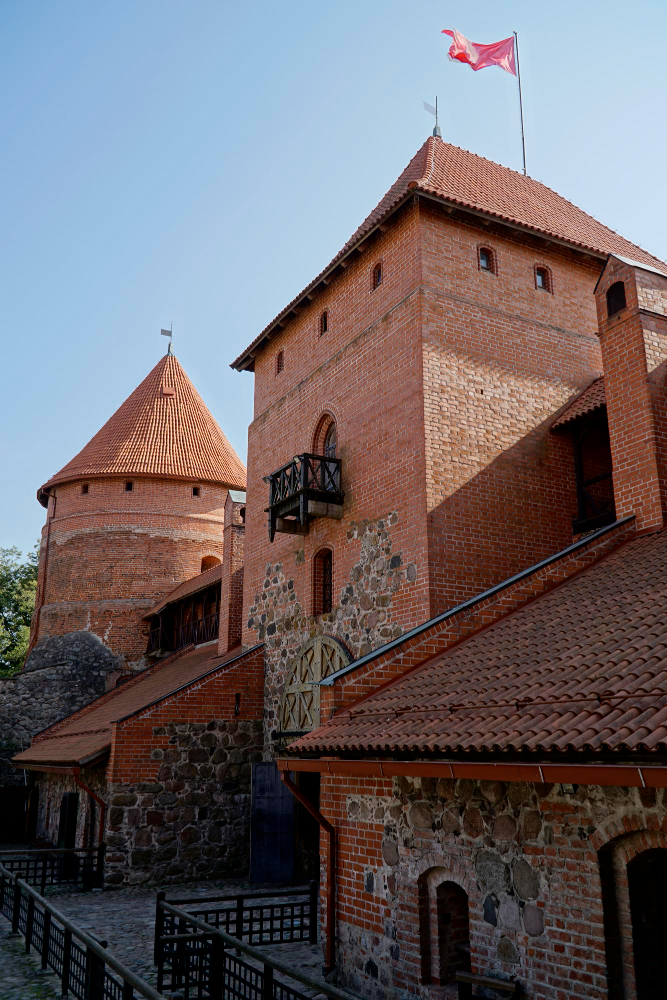
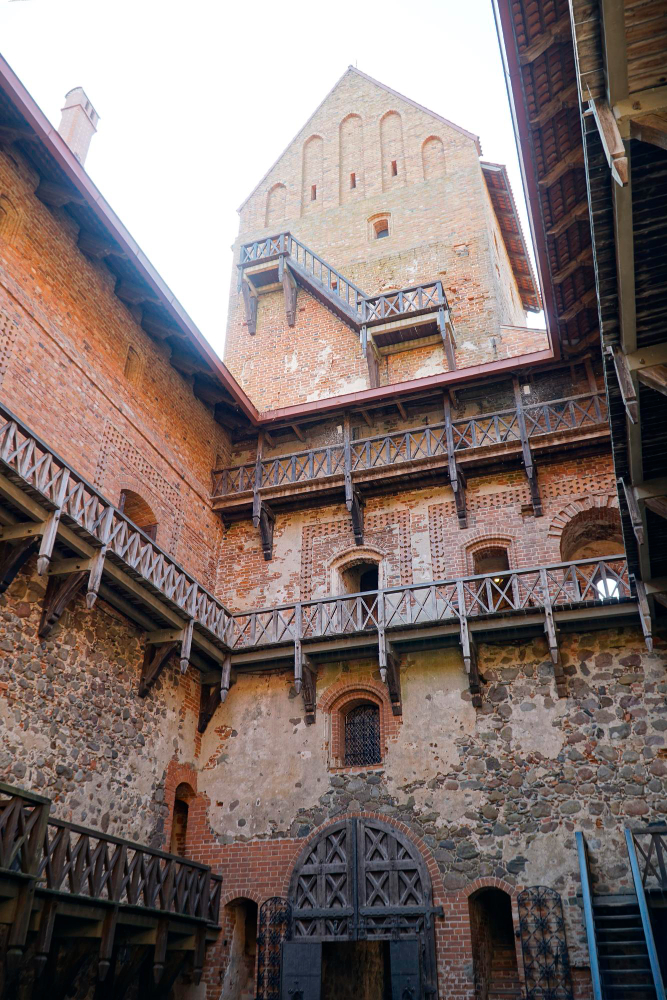
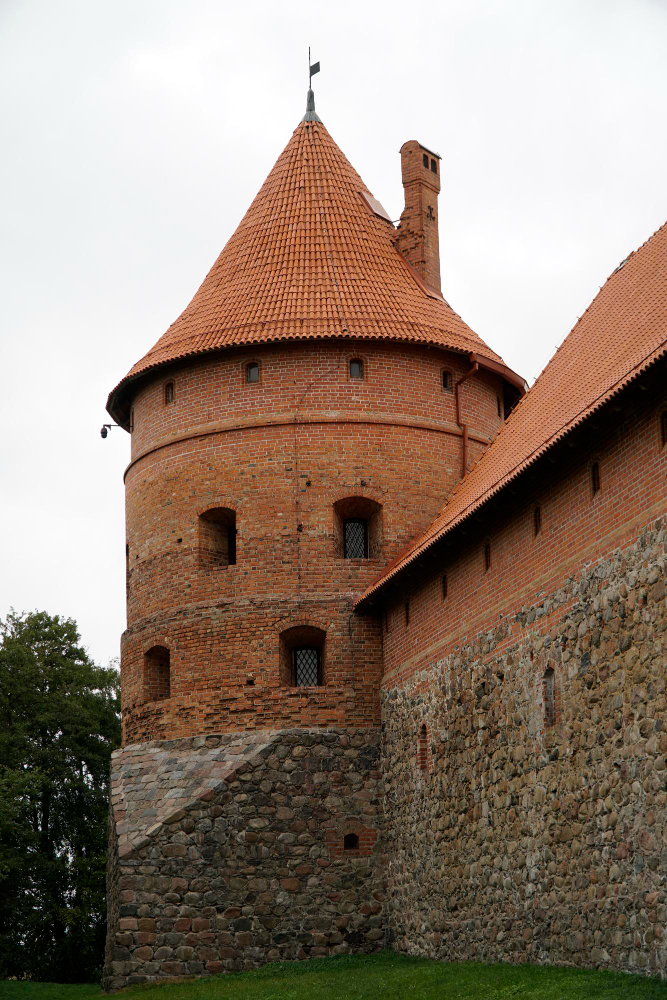
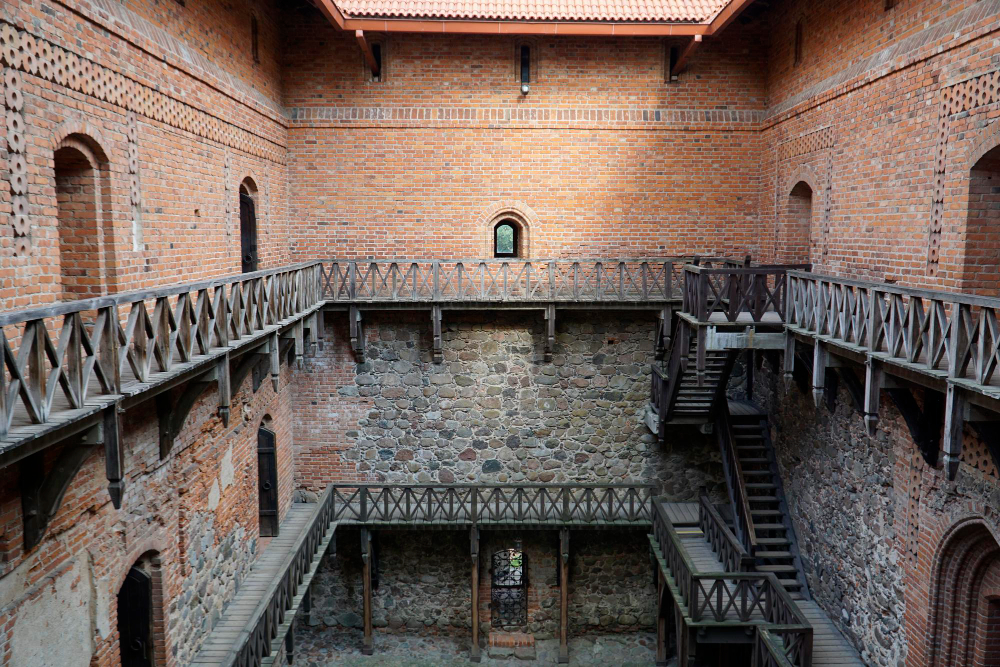
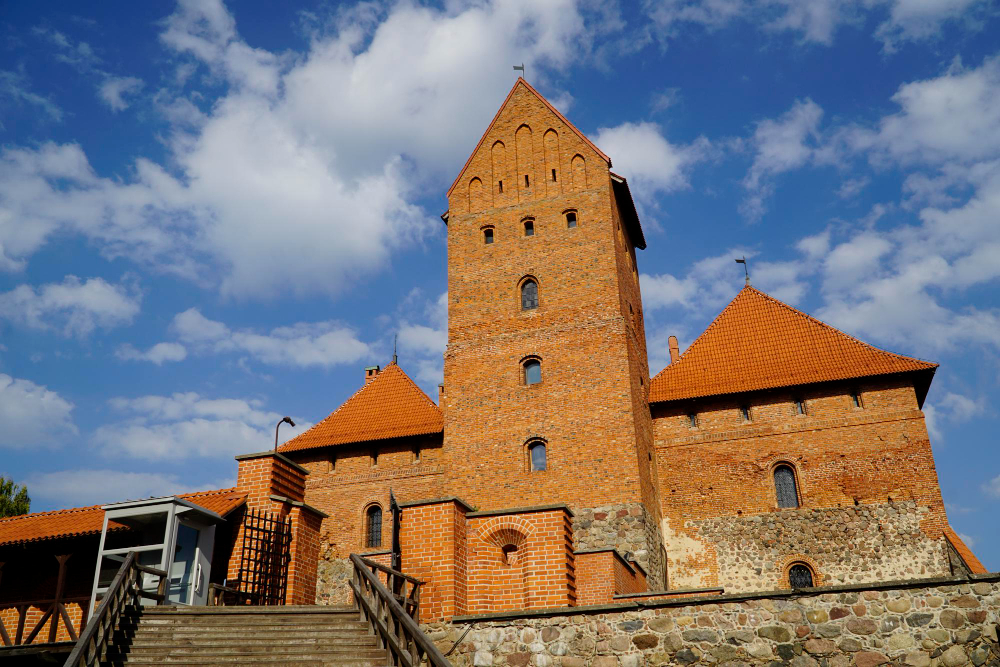
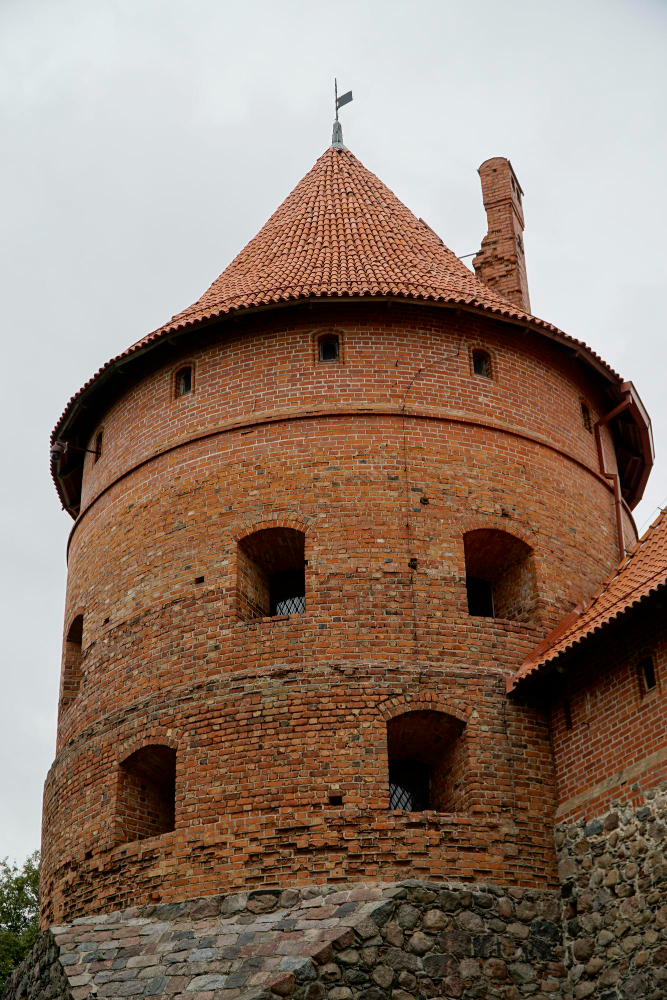
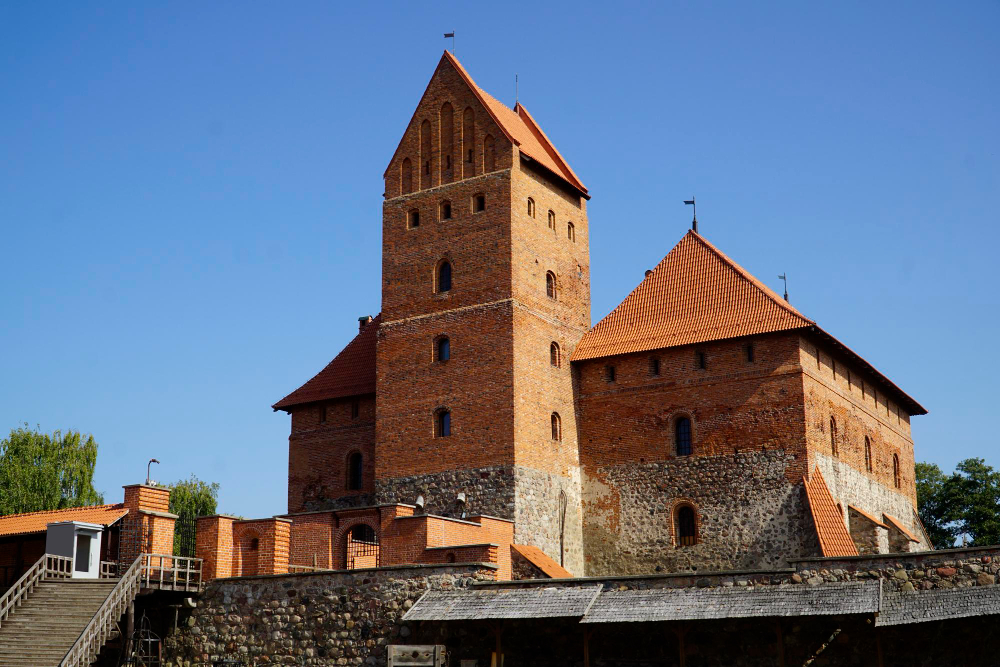
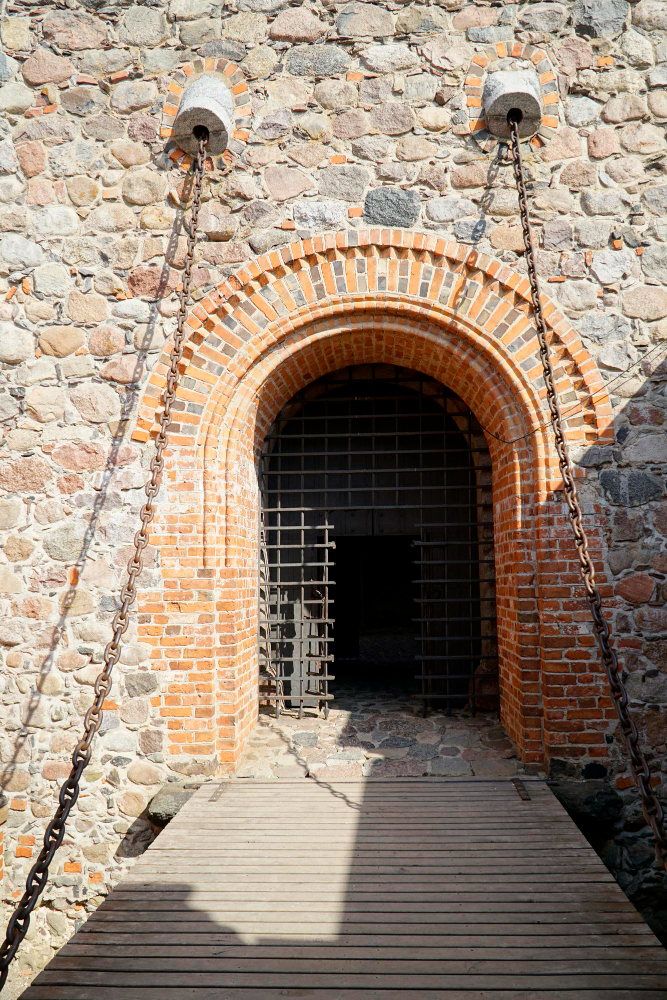
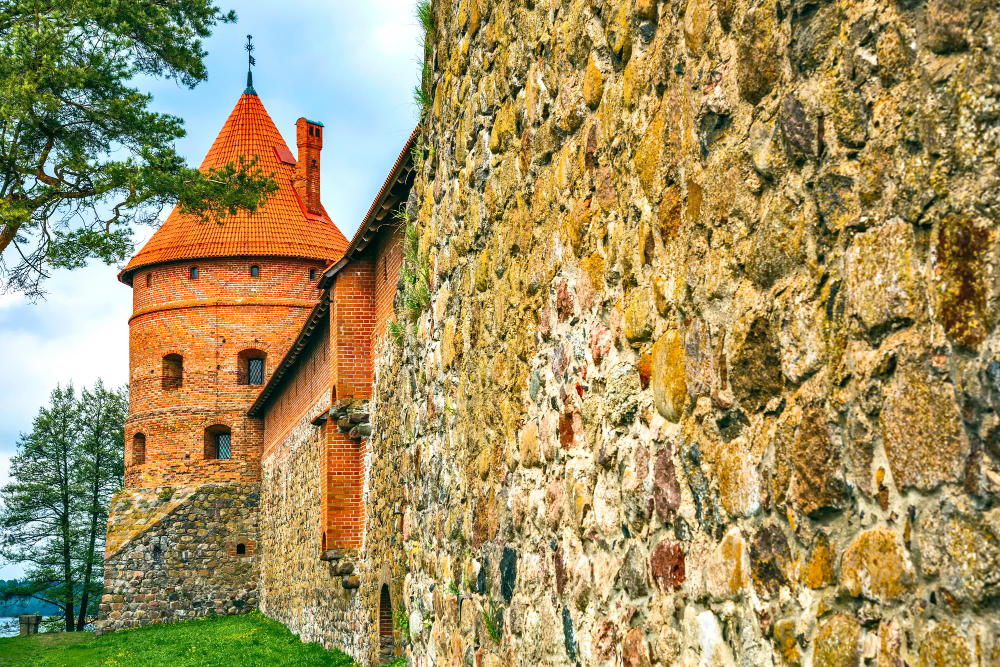
Where History Comes Alive: The Beginnings – In the Middle Ages, Trakai was once the political and cultural center of the Grand Duchy of Lithuania. There are two main areas known as Trakai: the historic Old Town and the modern district. The origins of the moated castle date back to the 14th century, when Grand Duke Kęstutis decided to build this strategic fortress to protect against potential enemies. However, the castle’s current appearance, with its towers and red brick walls, does not tell the whole story. Over the course of many construction phases, it underwent various stages of architectural adaptation. Initially, a wooden fortress was built, before stone and brick were later used—materials that not only guaranteed stability but also symbolized power and prosperity. The location of the moated castle was strategically well-chosen. It sits in the middle of an island and is surrounded by several lakes, making access difficult for attackers. Its function as a defensive structure made it a bulwark against the Crusaders and other hostile powers that threatened to destabilize the region during the heyday of the Grand Duchy of Lithuania.
The Influence of Karaite Culture: A Testament to Diversity – Beyond its military significance, Trakai is also a symbol of cultural openness and diversity. One of the most fascinating aspects of the town and its water castle complex is the historical presence of the Karaites—an ethnic group of Turkish origin brought to Lithuania from Crimea by Grand Duke Vytautas in the 14th century. Their task was to guard the castle, but they also brought their own culture and religion, which remain visible in Trakai to this day. The colorful wooden houses, the small Karaite synagogue, and traditional foods like kibinai (stuffed pastries) are living testaments to this unique fusion of cultures.
The Legends of the Water Castle: Magic and Myth – There are countless legends about Trakai’s Water Castle, which shroud its walls in invisible magic. One of the most remarkable stories tells of a mysterious princess who is said to have vanished into the depths of Lake Galvė. According to legend, she lived in the castle and fell madly in love with a simple fisherman—a love forbidden by her family and the prince. One night, the two lovers fled together across the lake, but stormy weather and the spirits of their ancestors are said to have pursued them and ultimately dragged them into the icy waves. To this day, it is said that on quiet summer evenings, her ghost can be seen on the water, searching in vain for her beloved. Another legend tells of underground tunnels that supposedly lead from the moated castle to other castles of the Grand Duchy. These tunnels are said to have served not only as escape routes but also for secret meetings between rulers and diplomats. Although there is no historical evidence for these claims, mysterious cavities have repeatedly been discovered during archaeological excavations around Trakai—a mystery that inspires writers and researchers alike.
The Lost Gold Treasure of the Water Castle – As with any ancient castle, stories of hidden gold also surround Trakai. It is said that after an attack on the fortress in the 15th century, part of the Grand Duchy’s treasure was sunk in Lake Galvė to protect it from enemies. Even today, the legend of the “Golden Ship,” which supposedly rests in the depths of the lake, remains part of regional folklore. Even though divers have found nothing of the sort, treasure hunters continue to dream of one day recovering the hidden riches.
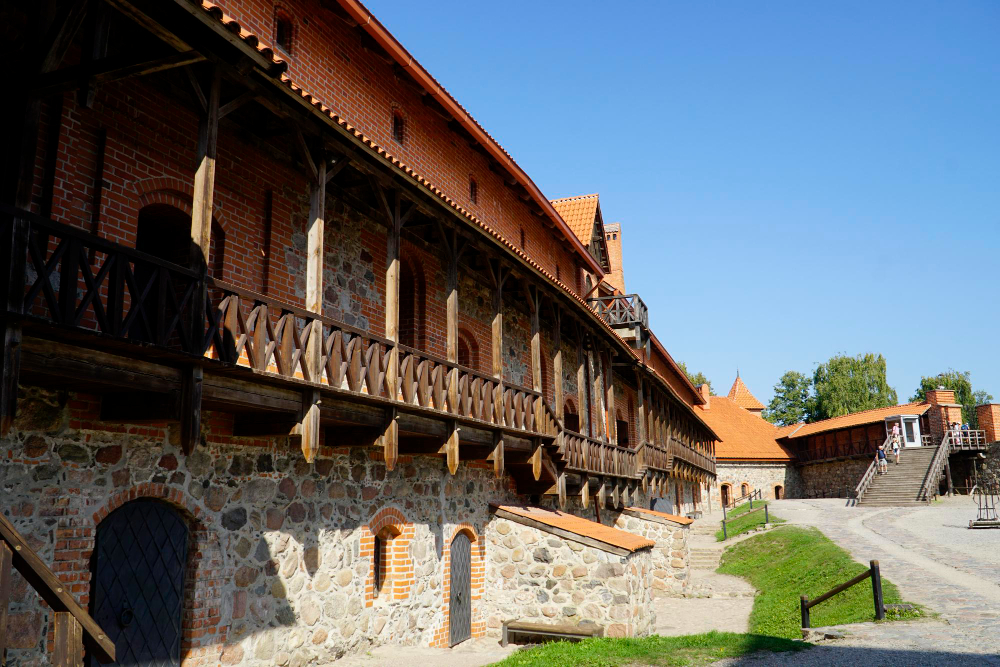
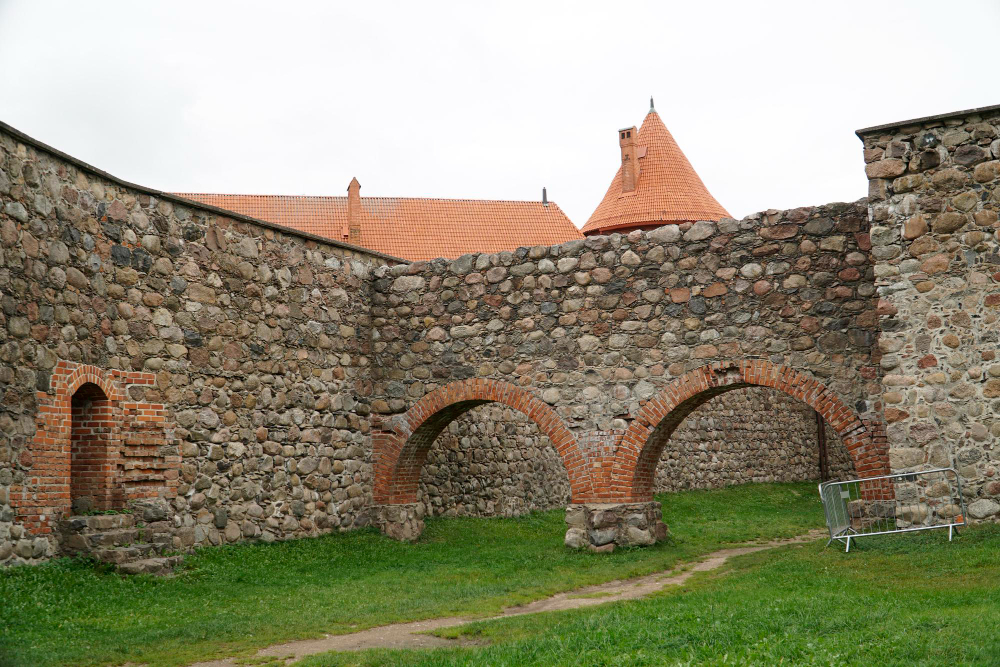
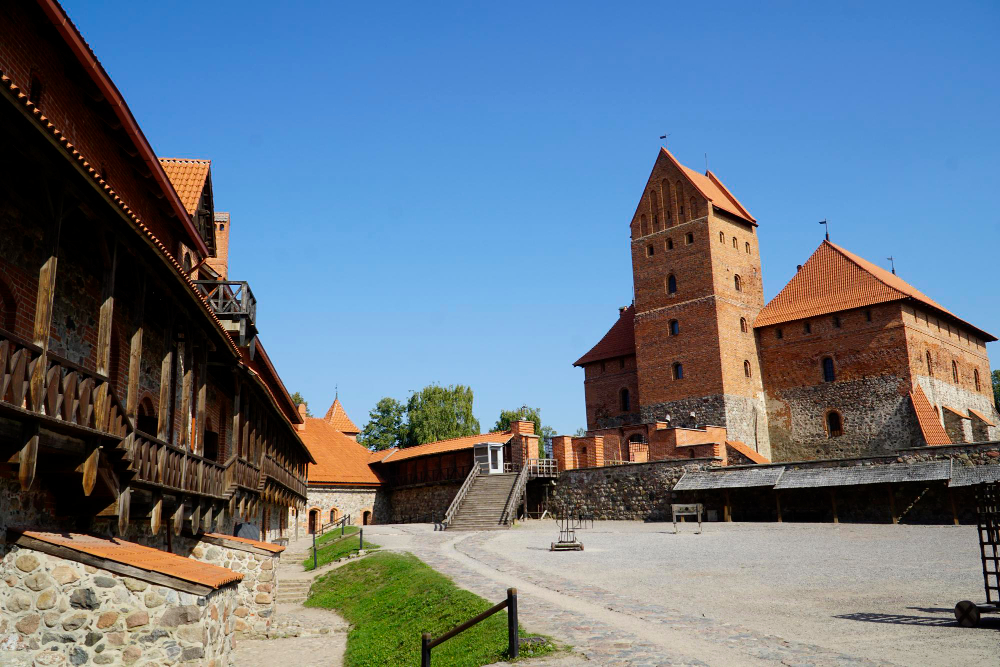
Architectural Rebirth – From Ruins to Splendor – While the moated castle experienced its heyday in the Middle Ages, its importance began to wane after other powers took over the region. Decades of neglect eventually led to the castle’s decay. It wasn’t until the 20th century that historians and archaeologists recognized the cultural value of this structure and began extensive restoration work. Today, the castle is a well-preserved example of medieval architecture and attracts thousands of visitors annually, all captivated by its beauty and history.
A Place Full of Life – Events and Tourism – Trakai Water Castle has long been more than just a museum. It is a vibrant place where history comes to life. Cultural events, concerts, and festivals are held here regularly, attracting visitors from Lithuania and abroad. Particularly popular is the Medieval Festival, where people in historical costumes transform the castle into a time machine. Items such as swords, armor, and handicrafts offer insights into life in times long past and bring history to life in a playful way.
A Place of Inspiration for Artists and Writers – Trakai and its moated castle have inspired many artists. Numerous paintings, poems, and novels capture the mystique of the island castle, often in a romanticized form. For writers like Maironis—a famous Lithuanian poet—Trakai symbolizes Lithuania’s proud past and its people’s struggle for freedom and identity. The moated castle has also attracted international attention. Photographers from all over the world come here to capture the panorama: the castle, nestled in deep blue water, surrounded by green hills and forests.
The Magic of Trakai Today – Whether you visit Trakai’s moated castle to delve into the depths of its history or simply to enjoy the fairytale landscape—one thing is certain: it is a place that touches the soul. Its walls tell stories of courage, betrayal, love, and loss; and its surroundings exude a tranquility that has become rare in our modern world.
For many, it is not just a tourist attraction, but a symbol of the resilience of Lithuanian culture and its ability to overcome challenges. At a time when our gaze is often fixed on the future, Trakai invites us to pause and honor the history we encounter here. And who knows? Perhaps you’ll even discover the echo of an ancient legend dancing with the wind in the ripples of the water.