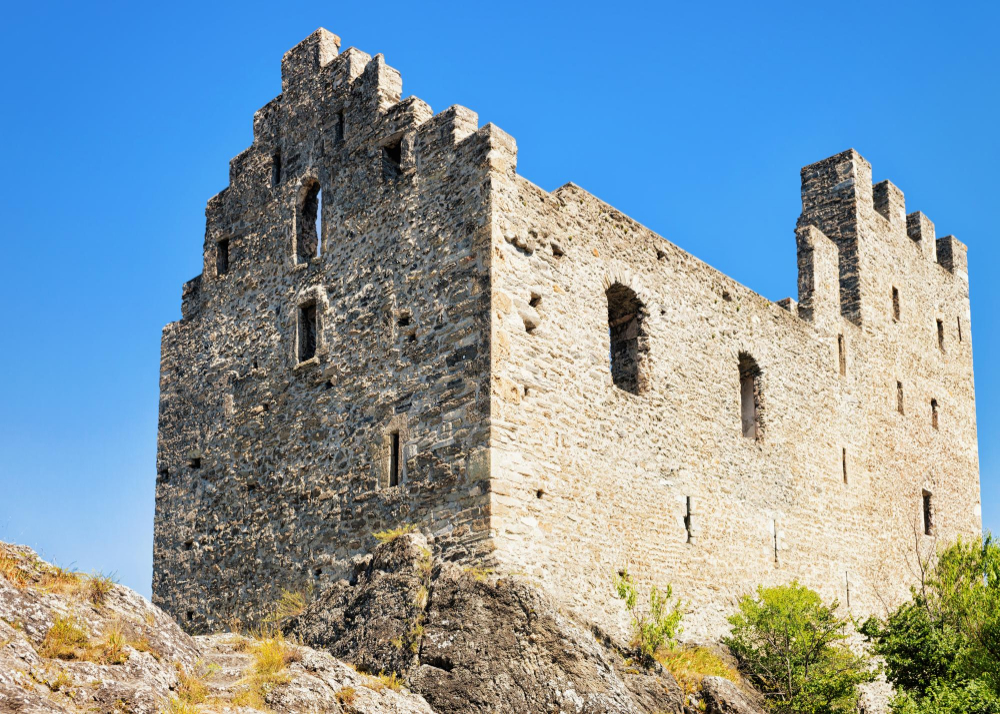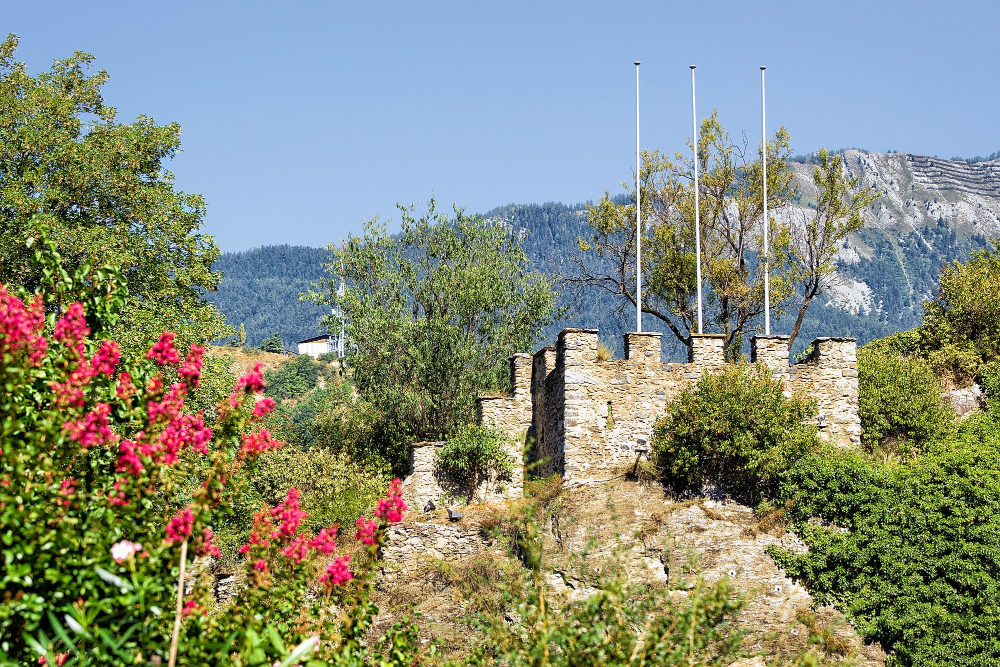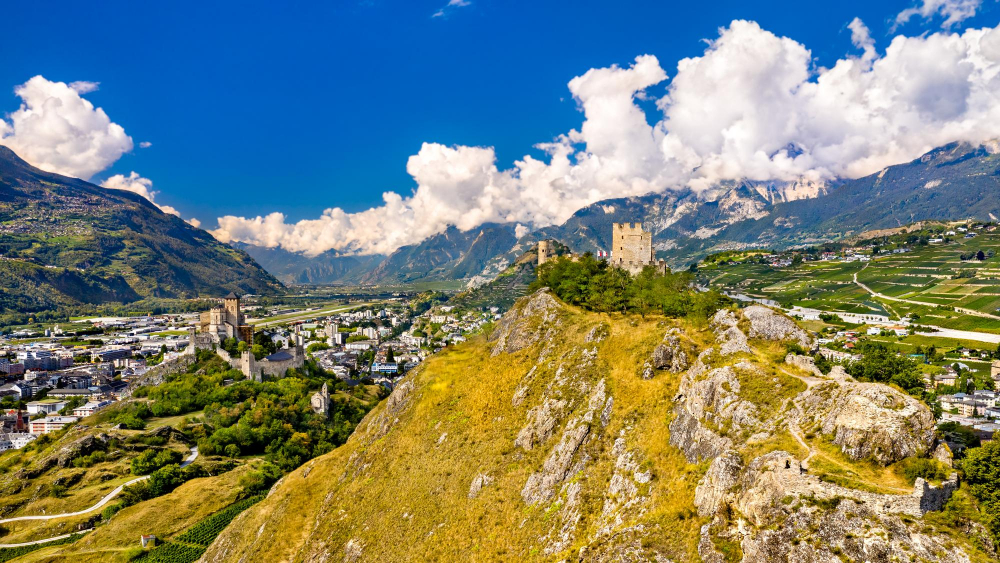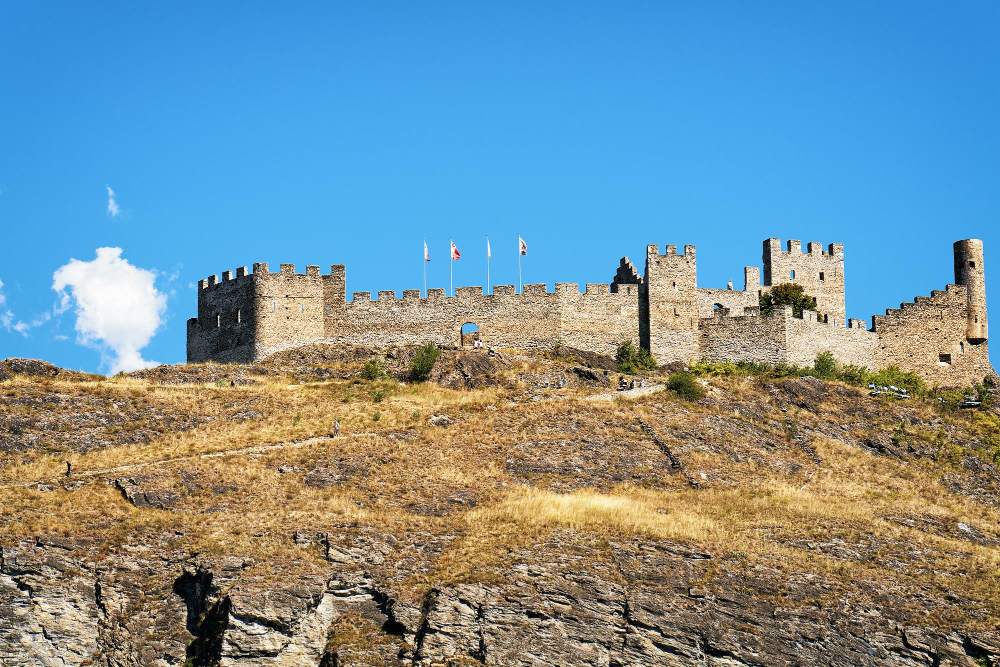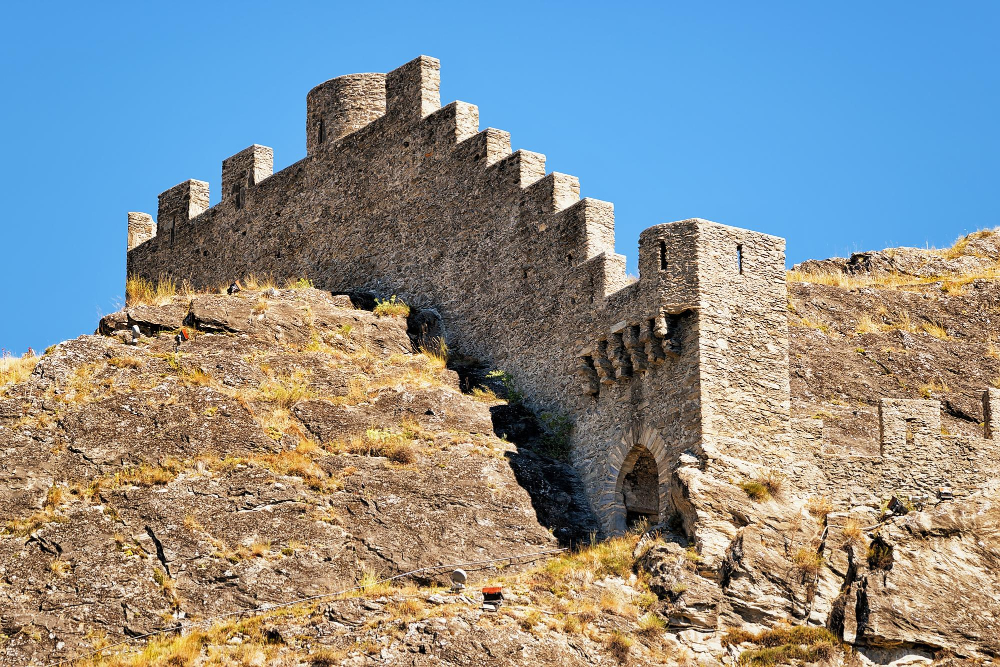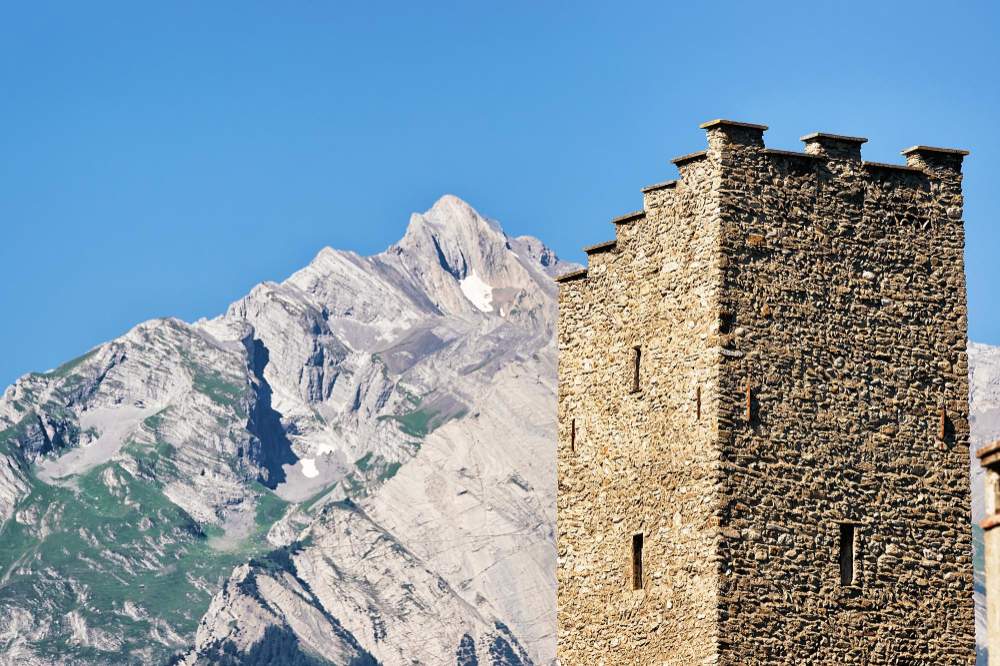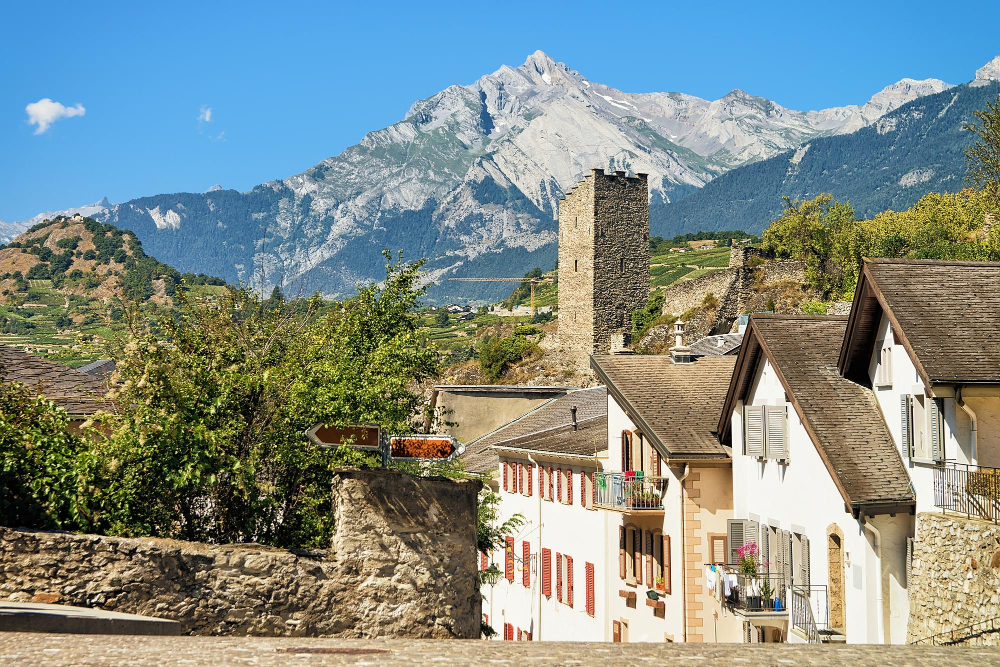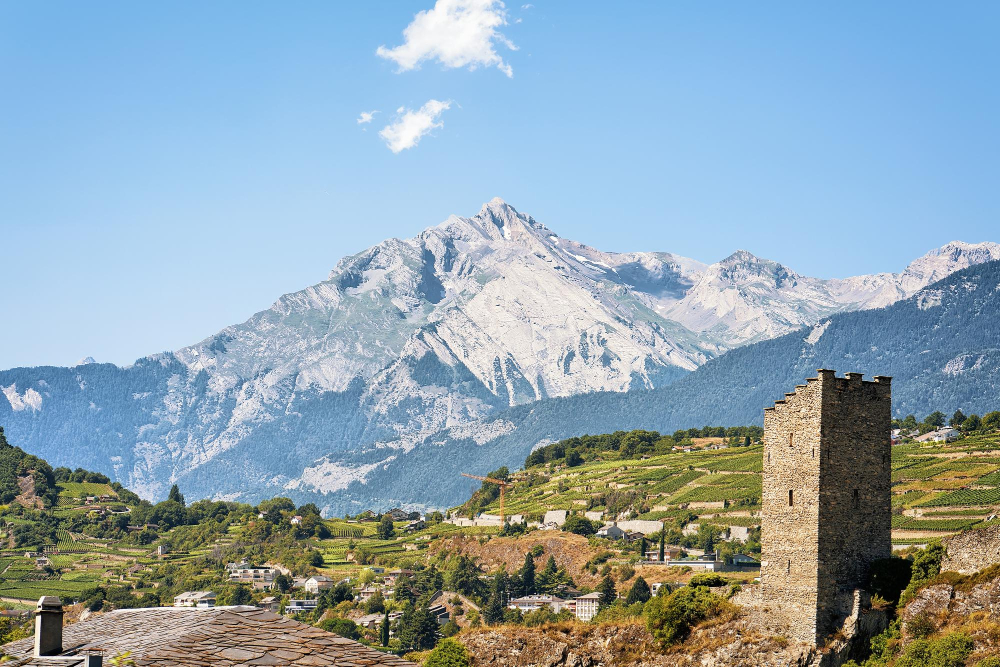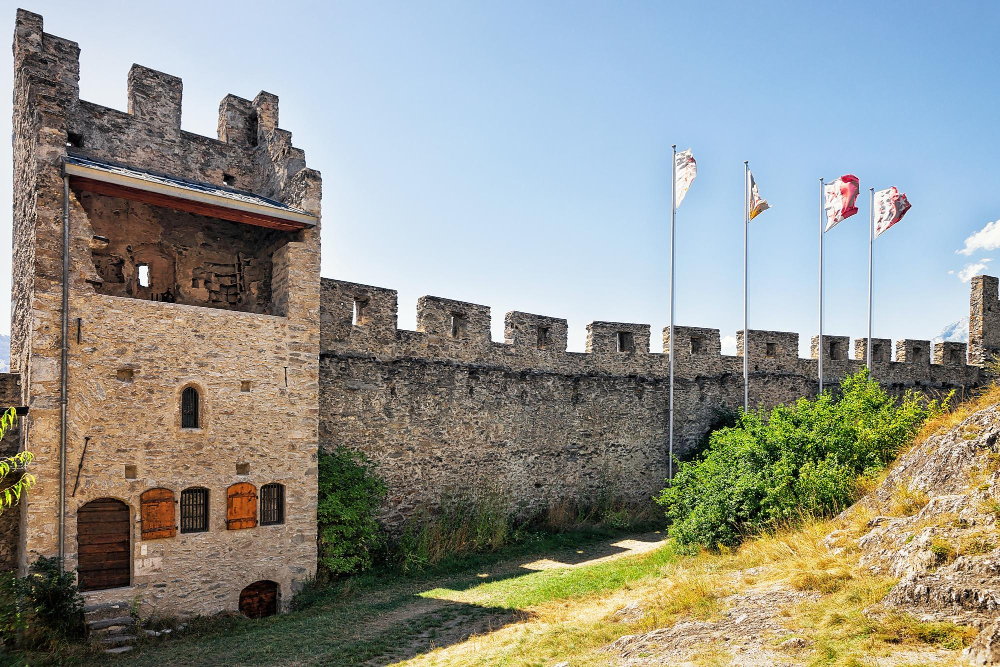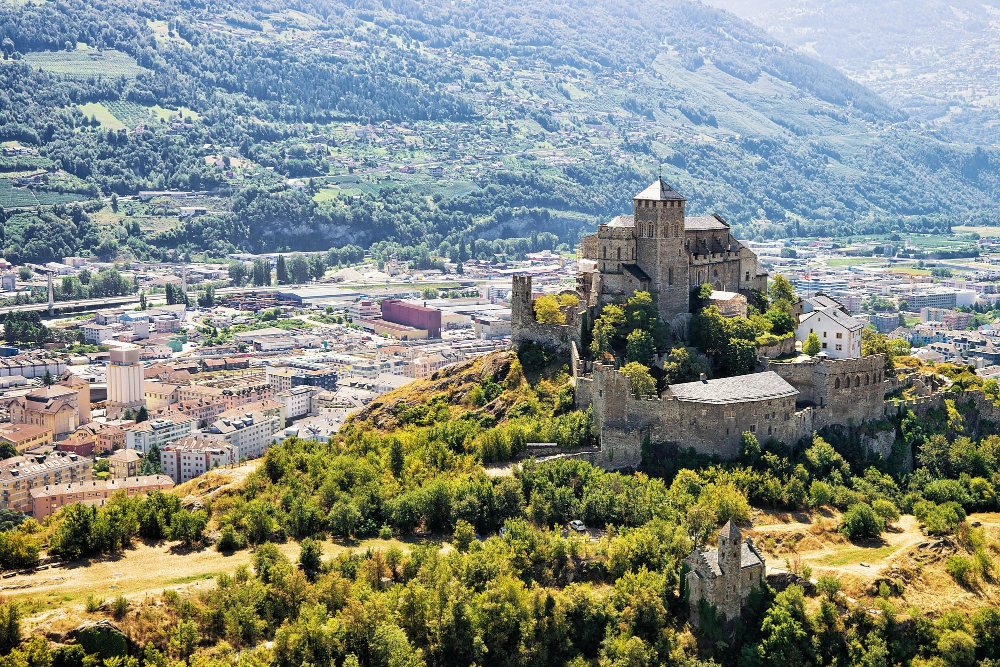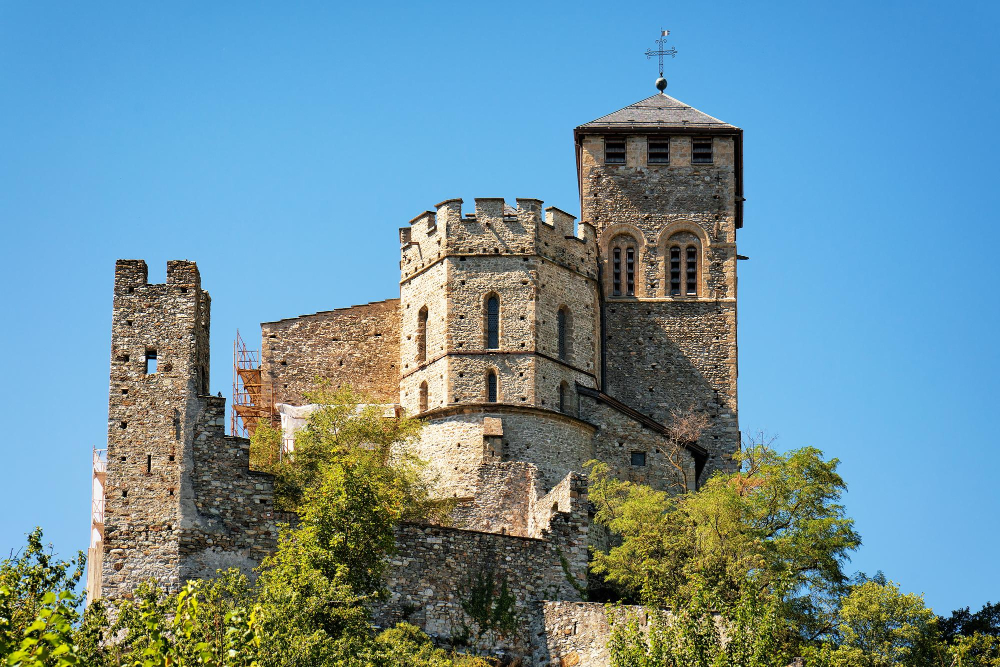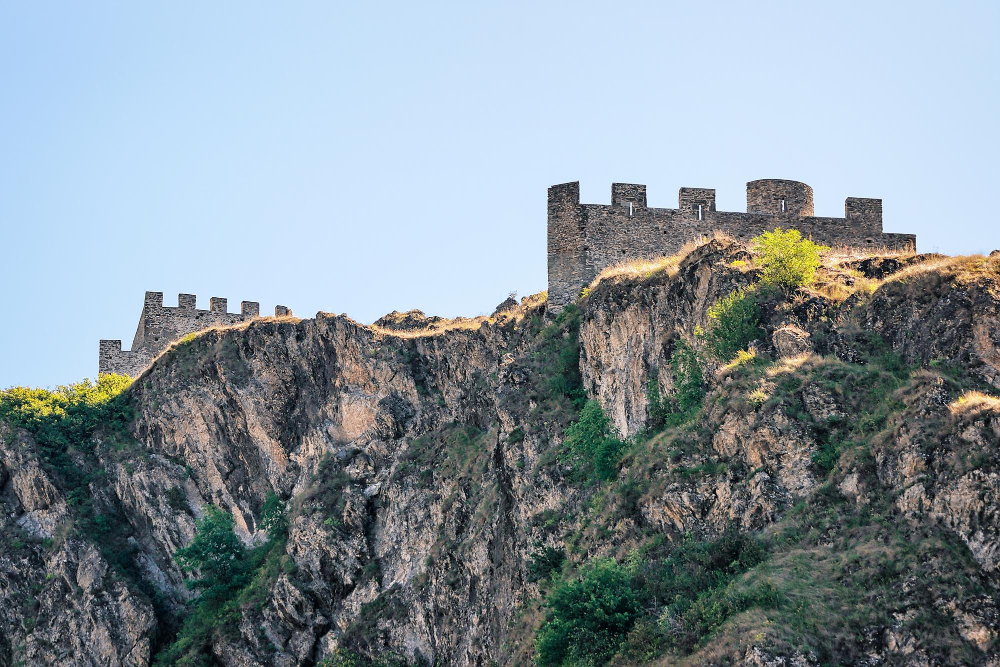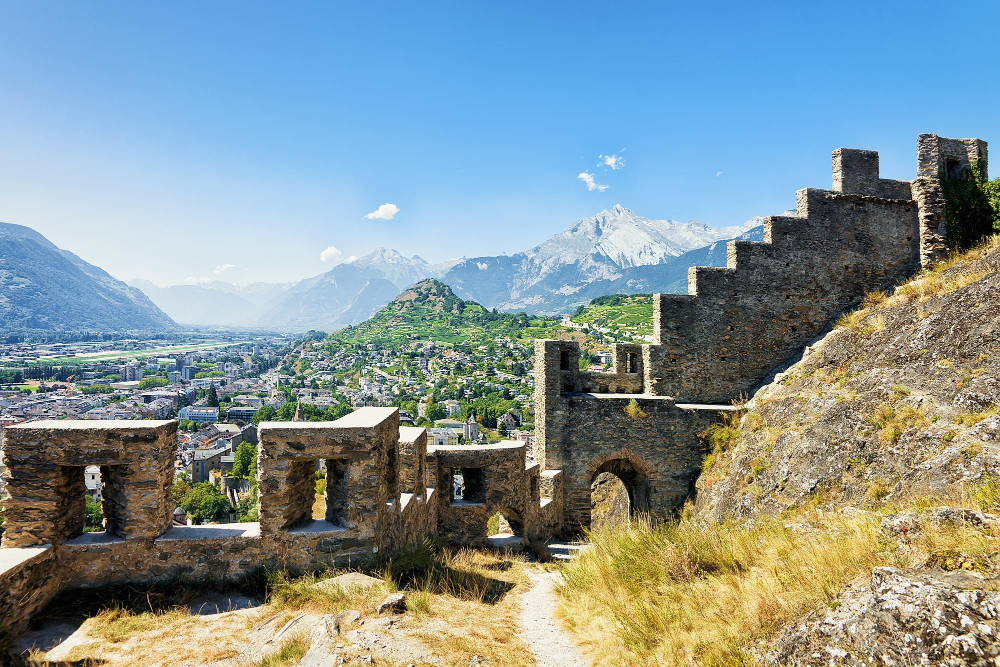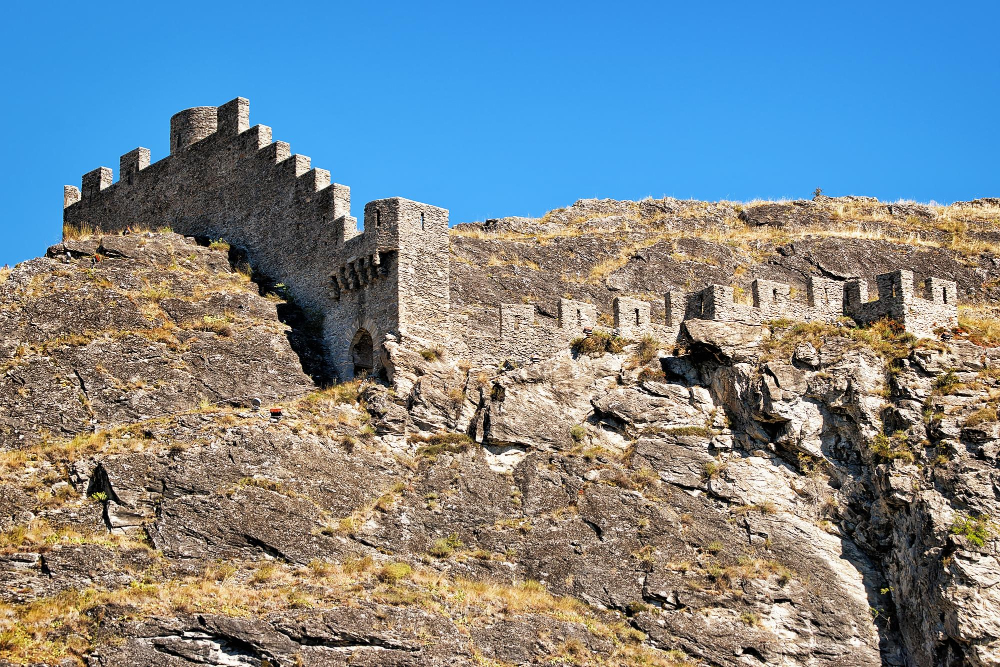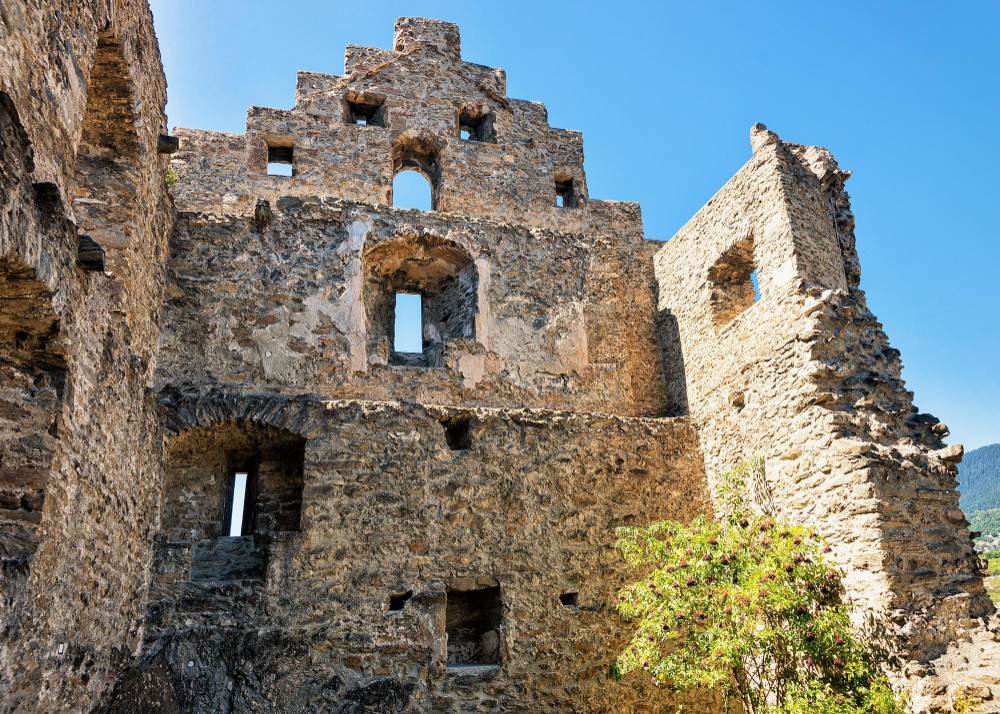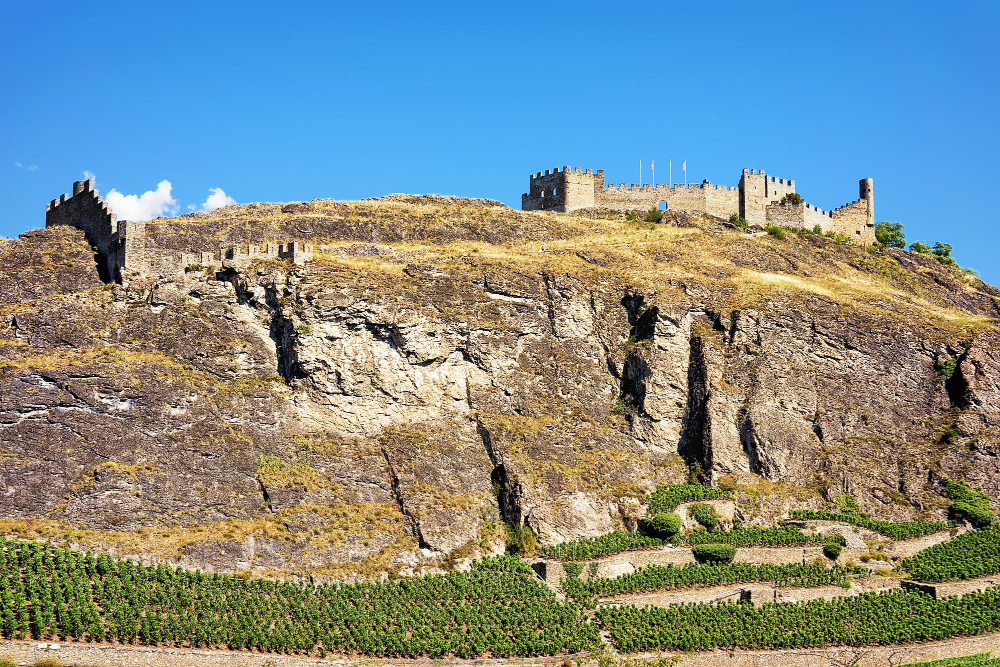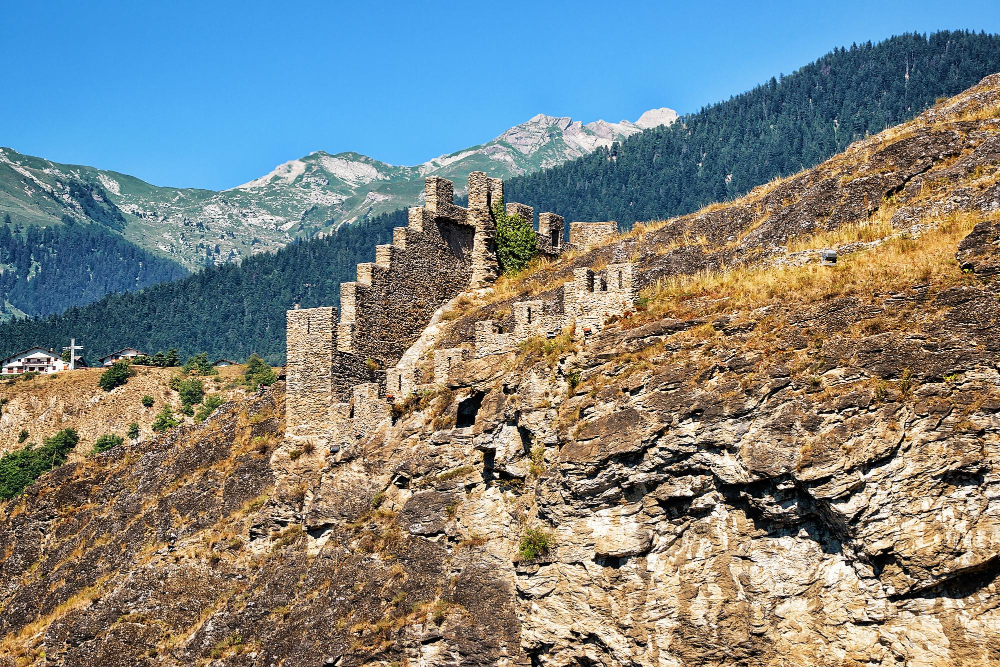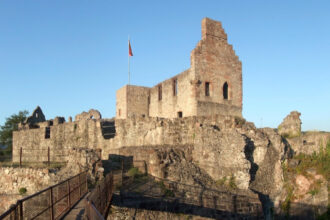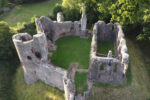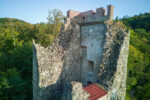

High above the old town of Sion, in the Swiss canton of Valais, the ruins of Tourbillon Castle sit enthroned on a striking hill. Opposite, on a neighbouring hill, stands the Basilica of Valeria – both landmarks make a striking impression on the townscape and the surrounding countryside. Tourbillon Castle, whose history dates back to the Middle Ages, is not only an architectural testament to its era, but also a place steeped in myths and legends. Through centuries of splendour and destruction, the castle has retained its place in history. But what secrets lie hidden behind the mighty walls, which today exist only as ruins?
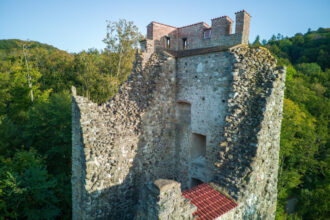
A hill with a long history of settlement – Archaeologists have established that the hill of Tourbillon was inhabited thousands of years ago. The earliest traces of human activity can be traced back to the 5th millennium BC. Finds from the Middle Ages point to its strategic importance: in times of war, the hill served as a watchtower, as evidenced by the remains of a donjon, a medieval defensive tower. These structures underscore the hill’s central role in the region’s defence. As early as 1270, there were records in which certain individuals were tasked with manning the watchtower on the Tourbillon in the event of an attack.
The construction of the castle: From defensive structure to centre of power – Today’s Tourbillon Castle dates back to Bishop Boniface Challant, who initiated its construction at the end of the 13th century. Documents show, however, that the actual construction process took years and that large parts of the complex were not completed until around 1307. The political situation at the time was marked by unrest between the bishop and the rebellious nobility under Peter IV of Turn. The castle was built to protect the town of Sion and its inhabitants from attacks. The massive structure bears witness to the geopolitical significance of the site at the time, as well as to the power of the bishop, who was not only a religious leader but also a political figure.
A place between splendour and danger – In the Middle Ages, Tourbillon quickly became a central symbol of power and security in the region. Originally, the bishop resided at the foot of the neighbouring hill of Valeria. But under Bishop Gitschard Tavel, Tourbillon Castle took on a new role: it became the bishop’s summer residence and offered protection in times of imminent danger. Nevertheless, the castle did not always remain in the bishop’s hands. As early as the 14th and 15th centuries, Tourbillon was occupied at times by the Counts of Savoy, and during the Raron War of 1417 it suffered severe damage at the hands of the Upper Valaisans. It was Bishop Wilhelm III of Raron who had the ruins rebuilt between 1440 and 1450. In doing so, he had the castle chapel repainted – a testament to the indispensable link between power and faith at that time.
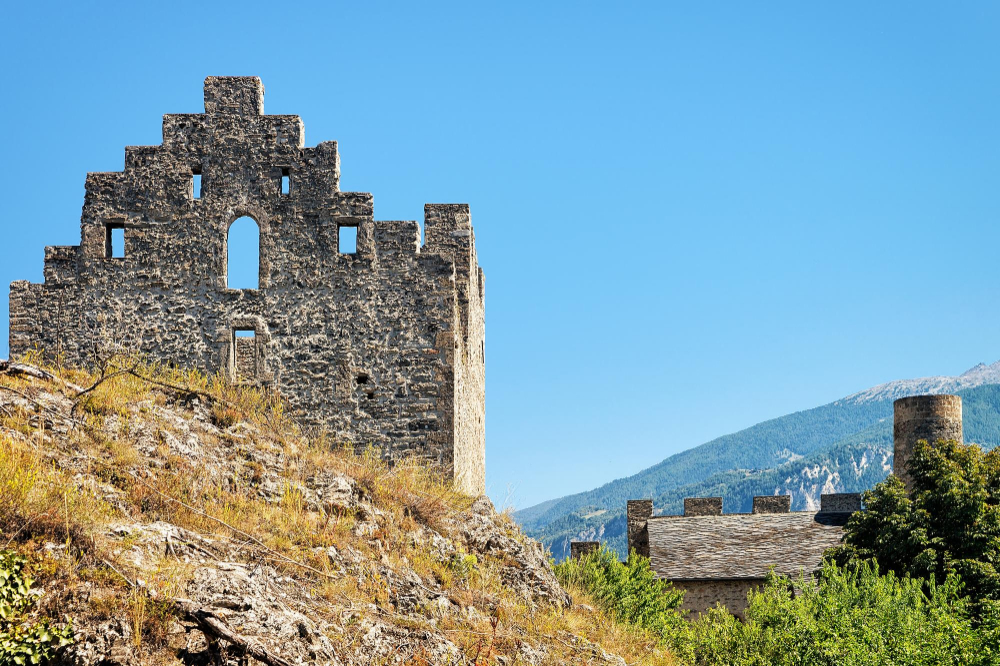
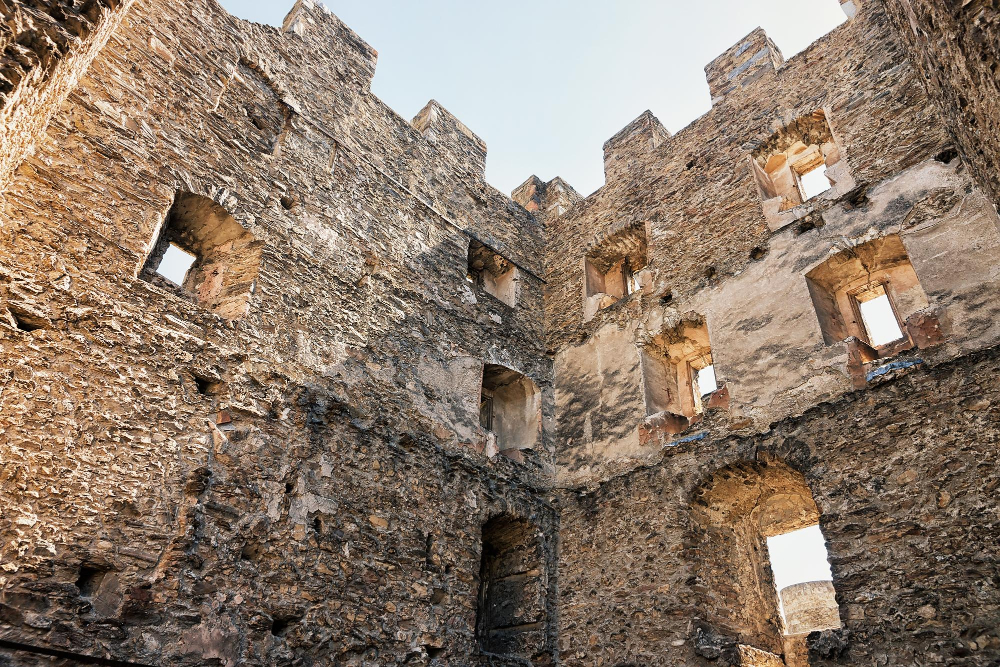
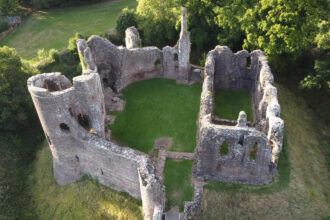
The devastating inferno of 1788 – An event that would change Tourbillon Castle forever took place on 24 May 1788. A violent storm swept through the Rhone Valley and sparked a fire of such immense proportions that the town’s fire brigade was powerless to stop it. Within just three hours, 226 buildings were destroyed, including the episcopal residences of Majoria Castle and Tourbillon Castle. Valuable documents from the bishop’s archives and the State Chancellery also fell victim to the flames. Whilst Sion Cathedral was largely spared, only the stone ruins of Tourbillon Castle remained. Attempts to rebuild the castle ultimately failed due to political and economic upheavals, particularly the French Revolution.
Tourbillon today: A place of remembrance and discovery – Despite its turbulent history and destruction, the ruins of Tourbillon have remained a site of national importance. They have been a listed monument since 1907 and have been listed as cultural property worthy of protection under the Hague Conventions since 1977. Today, the ruins are open to visitors – from mid-March to mid-November, you can walk in the footsteps of the past and enjoy the impressive views of the Rhône Valley. The Fondation du Château de Tourbillon is responsible for the restoration and conservation of the building, thereby keeping its history alive.
Myths and Legends of Tourbillon – The imposing ruins of Tourbillon have not only fascinated historians and archaeologists but have also provided fertile ground for numerous legends. One tale tells of the ghosts of former bishops, who are said to wander through the dilapidated halls during a full moon. Another legend tells of a hidden treasure buried deep beneath the ruins – a treasure that no one has yet found. The romantic notion of a magical place that combines history and mysticism attracts countless adventurers and dreamers every year.
A ruin as a monument to transience – Tourbillon Castle is more than a monument to times gone by. It stands as a symbol of the transience of human power and of the forces of nature, which can overcome even the sturdiest walls. The stone ruins tell tales of wars, fires, visions and political intrigues – but they also bear witness to the enduring popularity of the site, which, despite its destruction, was never entirely abandoned.
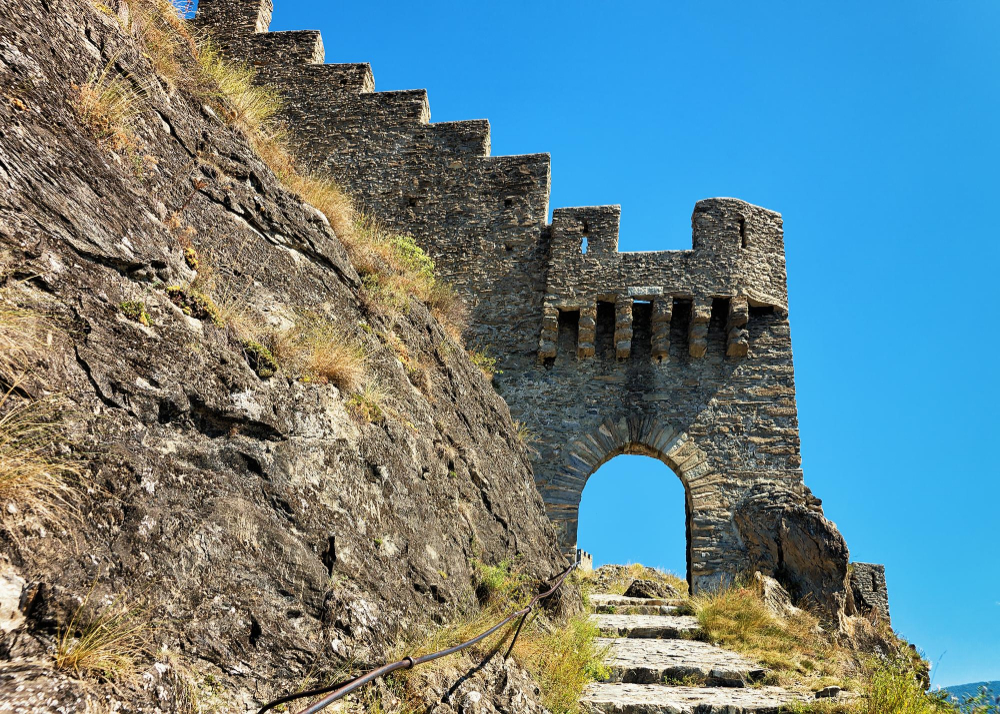
The ruins of Tourbillon Castle are a living testament to history and a symbol of the resilience of a place that has often stood on the brink of ruin. They remind us that even in times of great destruction, there is hope for a new beginning. Today, Tourbillon offers not only a glimpse into the past, but also an inspiring view of the beauty of the Rhône Valley – a symbiosis of nature and culture that fascinates people far beyond the country’s borders. Those who climb the stone steps leading to the ruins not only embark on a journey through history, but also experience a magical place that tells stories which will resonate long to come. A visit is well worth it, not only for history buffs, but for anyone who wishes to experience the interplay of nature, architecture and legends.