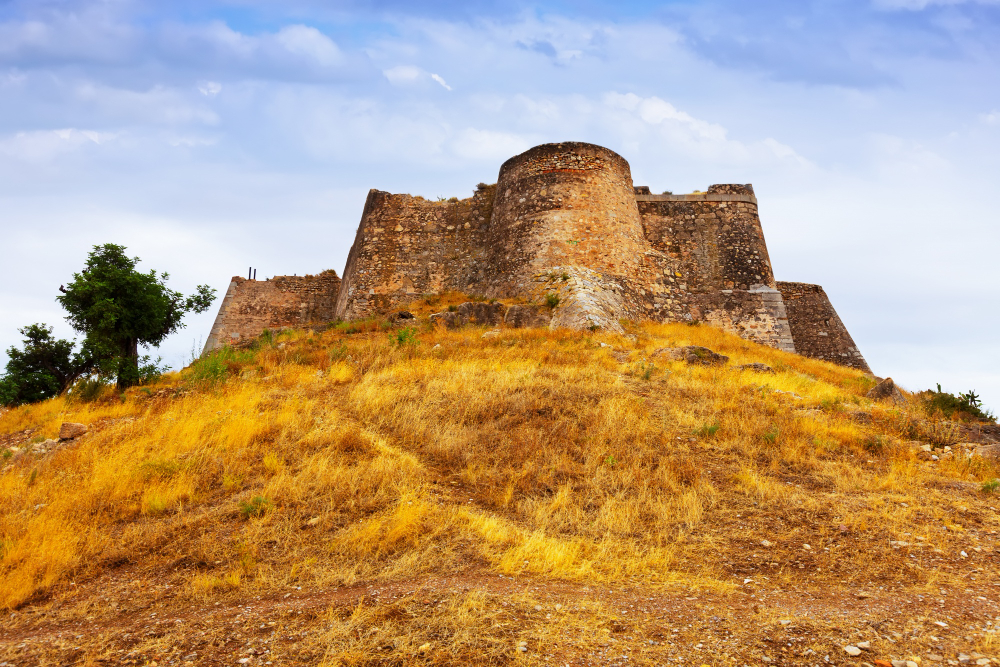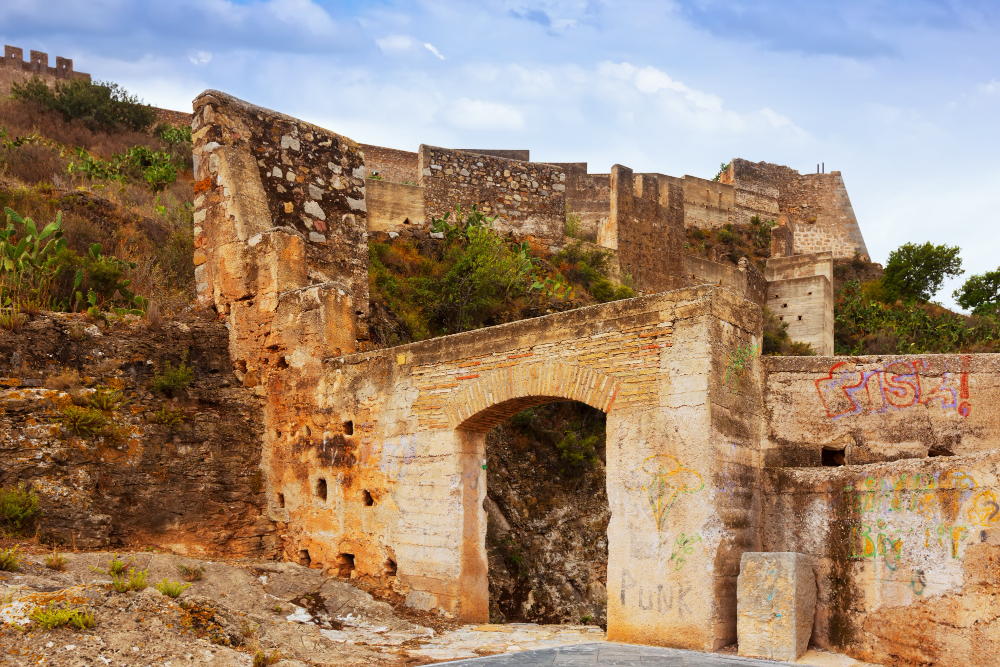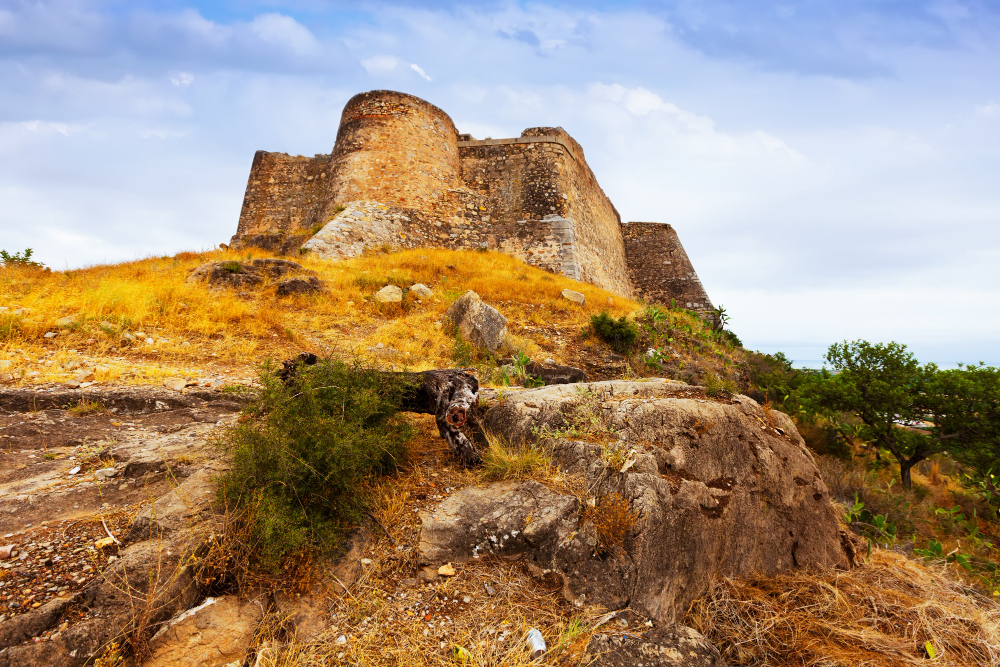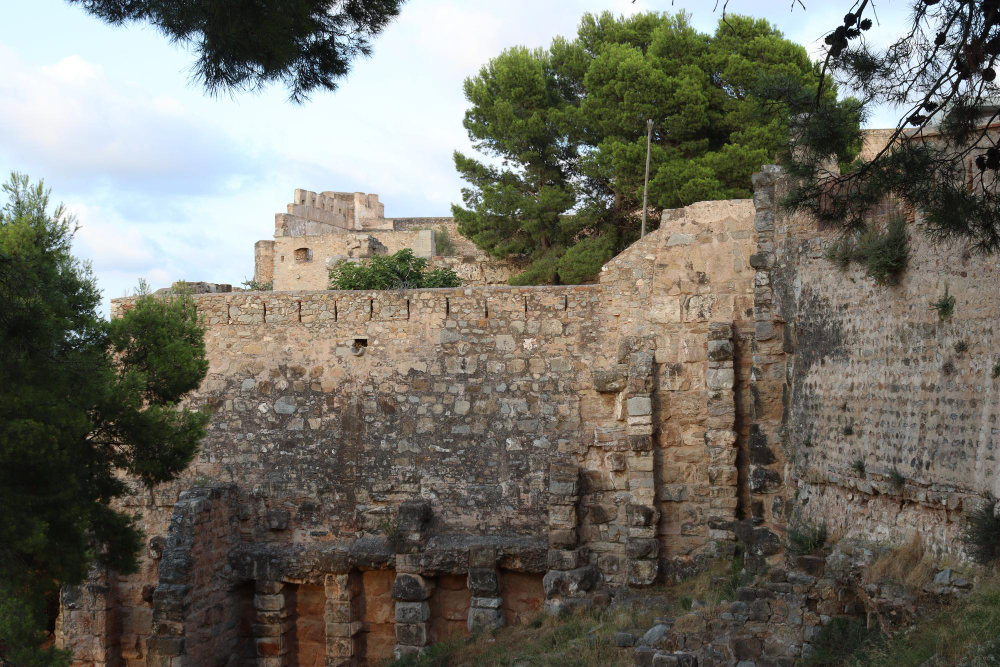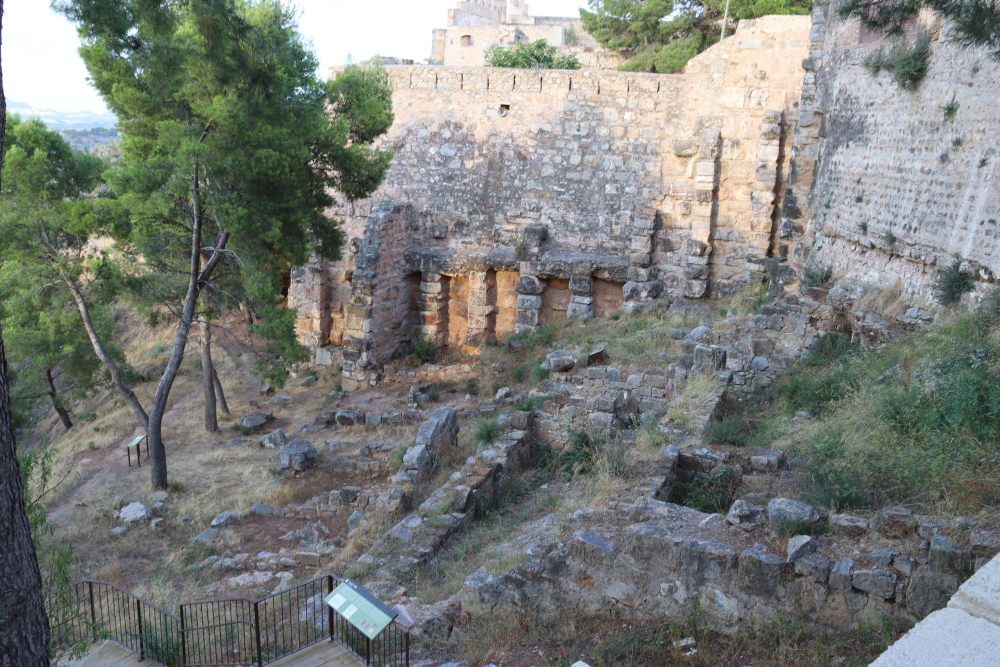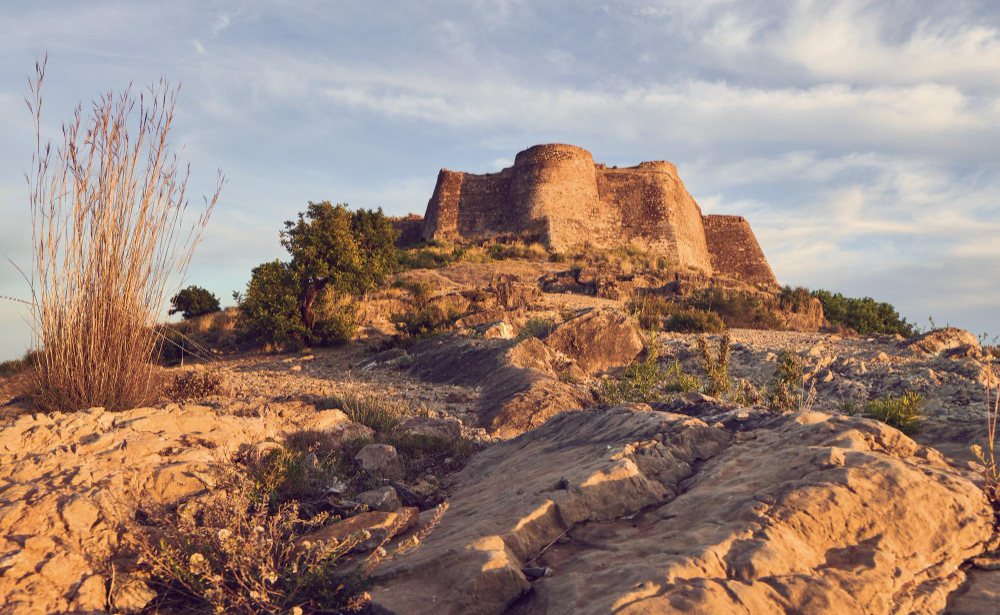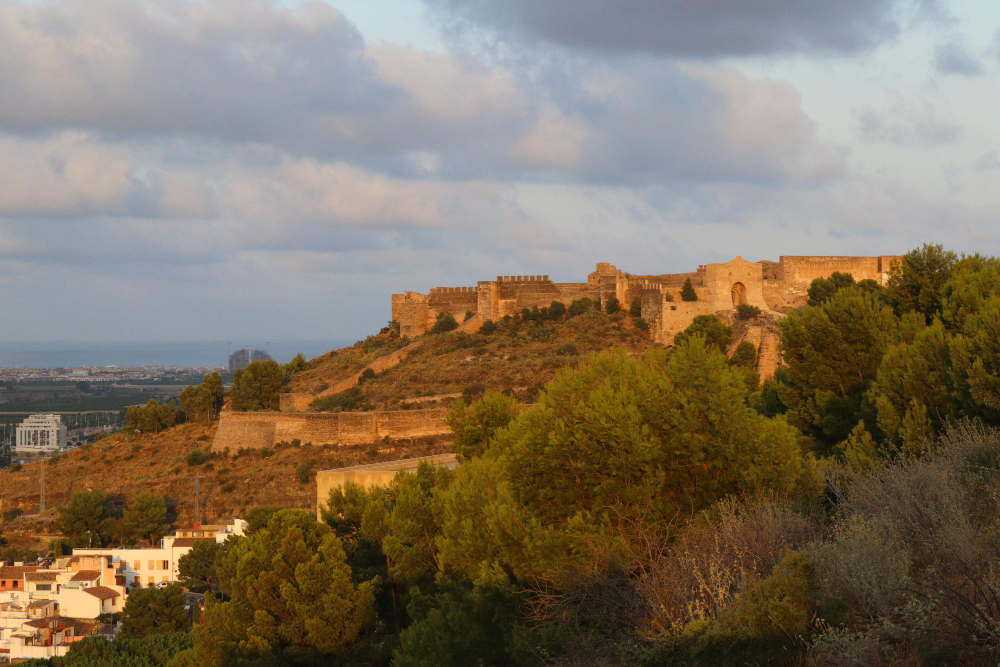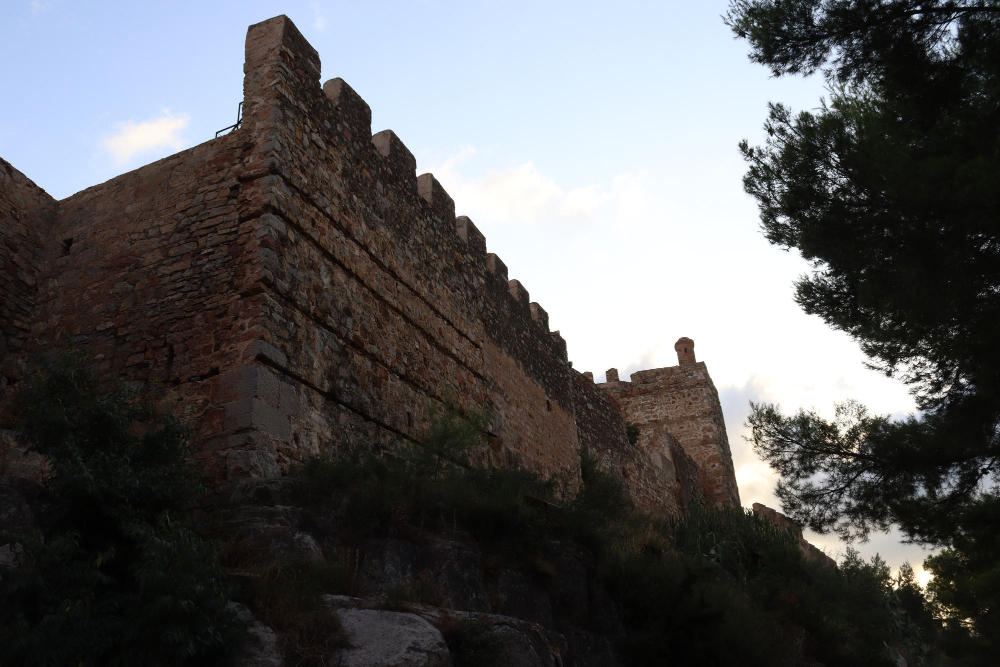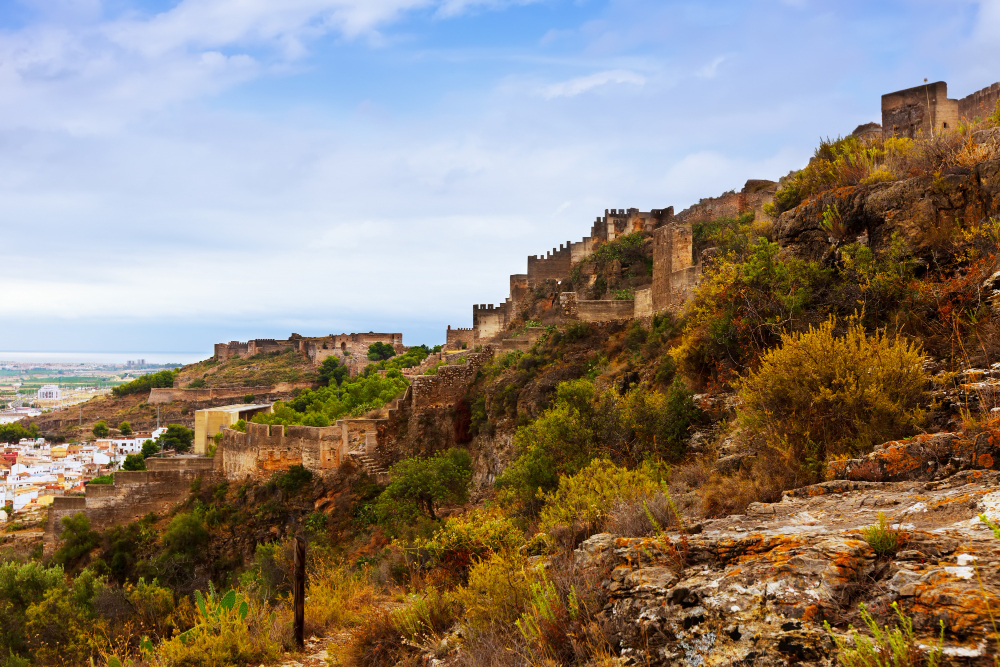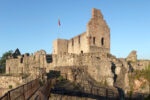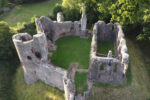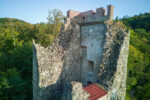

Perched high on a hill, just some 23 kilometres north of Valencia, stands the Castillo de Sagunto, an impressive structure whose history stretches back more than two millennia. From the Iberians and Romans to the Christians and Muslims – every era has left its own mark on the fortress. Yet it is not only the imposing ruins that catch the eye, but also the legends and historical events that surround this structure.
The origins of the fortress: A journey into ancient Iberia – The history of the Castillo de Sagunto begins in the earliest Iron Age, when the hill was settled by the Edetani, an Iberian tribe. Under their rule, the settlement was known as ‘Arse’. Its strategically favourable location by the sea and its links to other trade routes made it an important centre. When the Carthaginians, led by Hannibal, began to expand their power, Arse joined the powerful protective alliance with Rome. However, this alliance had tragic consequences: in 219 BC, Hannibal laid siege to the city, sacked it and thereby triggered the Second Punic War. The conflict between Rome and Carthage was to have a lasting impact on world history. Following its destruction by Hannibal, the Romans recaptured the city in 214 BC. They began rebuilding the settlement and erected a temple – the so-called Capitolium – as well as a cistern for the water supply. Later, under Emperor Augustus, new structures were built, including a forum that stretched over an impressive 60 by 36.5 metres. The remains of this forum now lie beneath the Almenara Gate and bear witness to the Roman splendour of days gone by.
Conquests and Name Changes: From the Romans to the Muslims – Over the centuries, not only did the political landscape around Sagunto change, but so too did the name and appearance of the castle. During the reign of the Visigothic King Wamba, ‘Saguntum’ became ‘Sagunto’. With the Muslim conquest of Spain in 711, the town finally acquired its Arabic name ‘Murbĩtar’, which later evolved into ‘Morvedre’ or ‘Murvedre’ – a derivation of the Latin term ‘Murum Veterum’ (‘old wall’). Islamic rule over Valencia and Sagunto led to architectural extensions to the fortress. The outer wall and the Albacar area were constructed during this period. Of particular note are the accounts of the Muslim historian Ibn Hayyan, who recorded that Sagunto was taken by force in 933 under Sultan Abd ar-Rahman III. Even then, the fortress served as a military stronghold designed to protect the region from invaders.
The Christian Reconquest and New Heights – During the Reconquista, the castle once again took centre stage: the famous Spanish commander El Cid conquered Sagunto between 1098 and 1102 and used the fortress as a strategic base. However, the final reconquest by the Christian kingdoms was carried out by Jaume I in 1238. From then on, the fortress became part of the Kingdom of Valencia and developed into a symbol of the new Christian rule. As the demographic landscape changed, so too did the structure of the town: although the castle was controlled by Christian troops, many of the inhabitants remained Muslim. It was not until the 14th century that the Jewish community began to settle in Sagunto. Their presence even led to the establishment of a Jewish cemetery directly below the fortress walls in 1328. In the centuries that followed, the fortress was repeatedly modernised to meet new military requirements. The defences of the Castillo de Sagunto were significantly expanded, particularly under Peter IV of Aragon in the 14th century and later under Philip II of Spain in 1562. It was during this period that the seven main sections of the fortress, which have survived to this day, were constructed: these include the Plaza de Armas, the Plaza de San Fernando and the Plaza de los Estudiantes.
A fortress caught up in the maelstrom of European wars – The turbulent years of the War of the Spanish Succession and, later, the Napoleonic Wars also left their mark on the fortress. The Castillo de Sagunto played a central role during the War of the Spanish Succession at the beginning of the 18th century: it was initially handed over to the Austrian Archduke Charles before falling back into the hands of Philip V of Spain. However, the most significant siege took place in 1811 during the Napoleonic invasion of Spain. French troops under General Louis Gabriel Suchet laid siege to the fortress for months. Despite the valiant resistance of the Spanish Brigadier Andriani, the French were ultimately successful and subsequently modernised the fortress for their own purposes. Some of these repairs and reinforcements are still visible today.
Archaeological finds and modern significance – In addition to the military and cultural significance of the Castillo de Sagunto, the fortress is also a fascinating archaeological site. Excavations of the Roman forum began in 1985, during which the original structure from the late Republican period was uncovered. Researchers found that the entire area on the hill had been so extensively remodelled during the reign of Emperor Augustus that artificial platforms were even constructed to enable the building of the forum. Less well-documented investigations were carried out in 1932 by the archaeologist M. González Simancas. Despite a lack of detail, however, these excavations highlight the immense value of the ruins for the study of ancient history.
Sagunto today: A living monument – Today, the Castillo de Sagunto is one of Spain’s most impressive monuments and attracts thousands of visitors every year. The unique blend of Iberian, Roman, Arab and Christian elements makes the fortress a significant piece of cultural heritage that fascinates visitors with its history and architecture. Since its designation as a National Monument in 1931, the site has served not only as a reminder of the strategic battles of days gone by, but also of the cultural diversity that has shaped Spain over the centuries. Whether as a place of refuge, the scene of epic battles or a symbol of cultural and historical exchange – the Castillo de Sagunto is more than just a fortress. It is a monument to history and legends, a place where the past comes to life.