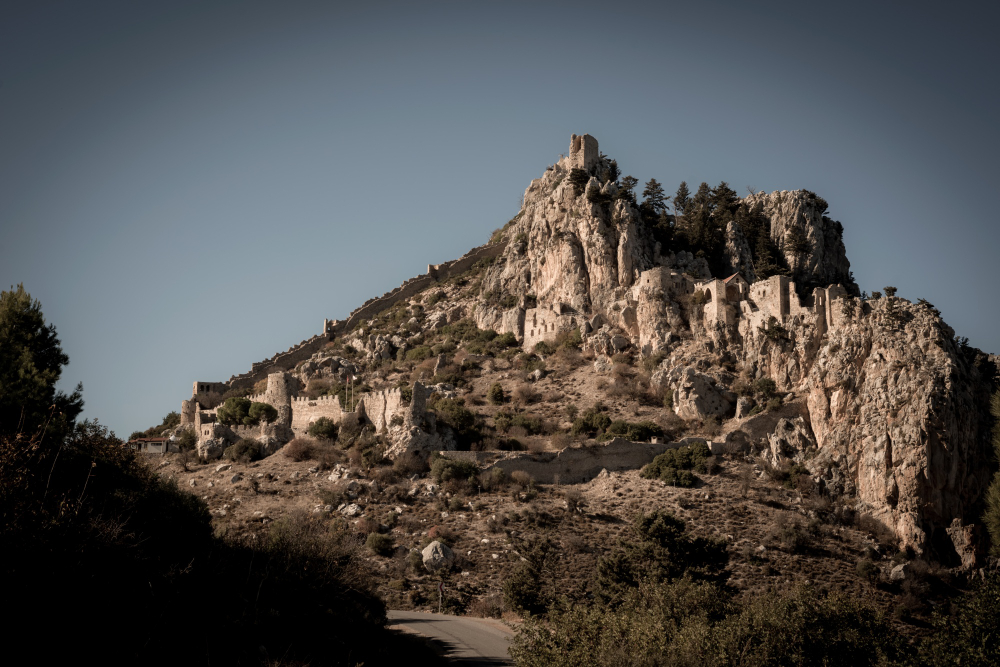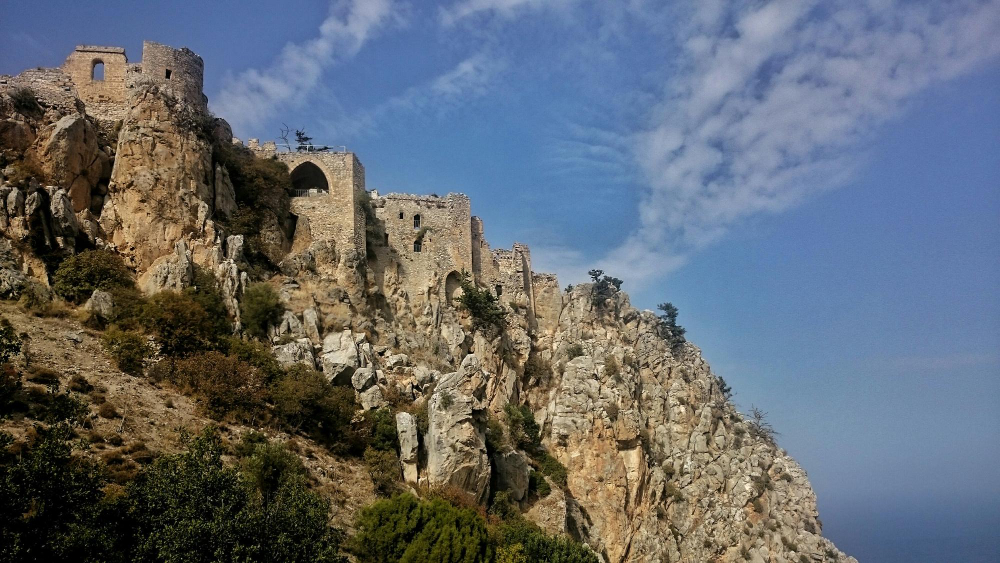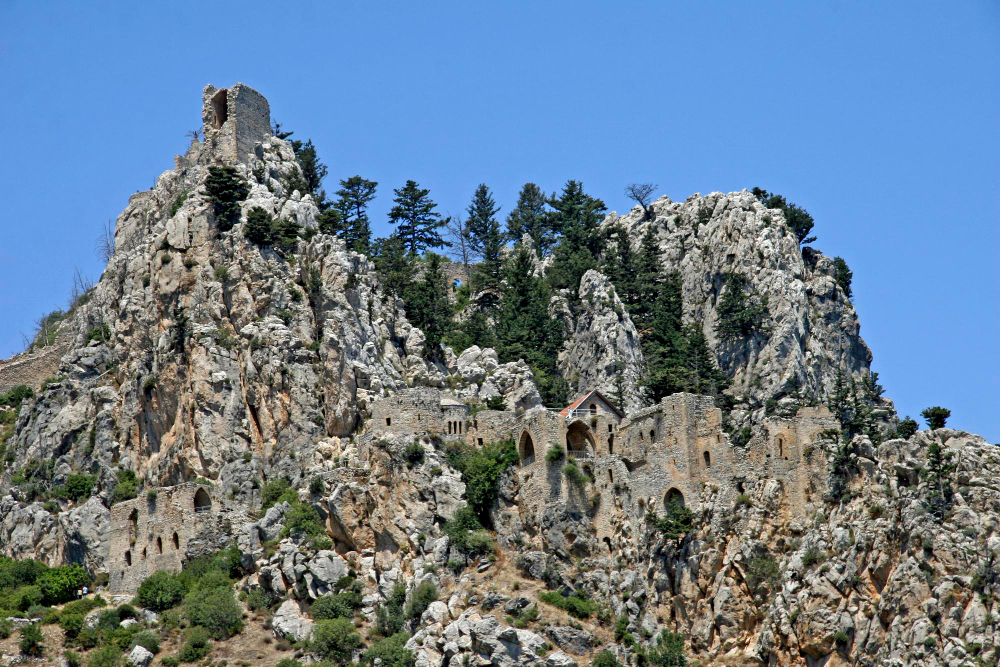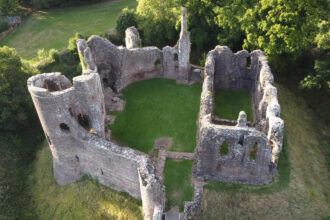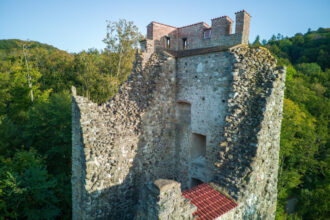

In the majestic Kyrenia Mountains of Cyprus stands one of the most impressive medieval castle ruins – Saint Hilarion Castle. As the best-preserved of the three former fortresses in this region – which also include Buffavento and Kantara Castles – Saint Hilarion was of crucial strategic importance. Thanks to its location, it enabled control over the mountain pass between Kyrenia and Nicosia, whilst also attracting historians, archaeologists and collectors of myths. Yet behind its imposing walls lies not only military history, but also a fascinating world full of legends and myths that remains a mystery to this day.
A Saint on the Run – the Castle’s Namesake – The castle bears the name Saint Hilarion, yet remarkably, it is not associated with the well-known Saint Hilarion of Thavata from Palestine. Instead, its name commemorates a lesser-known hermit who is said to have fled to Cyprus following the Arab conquest of the Holy Land. According to tradition, this mystical man settled on the hill where Saint Hilarion Castle was later built. There, he is said to have led an ascetic life before eventually becoming a figure of local legend. In the 14th century, an English traveller reported on the relics of this saint, which were apparently still well-preserved at that time. It is thought that a monastery was built on this hill in honour of the saint before the Byzantines began to fortify the site. However, there is a lack of further evidence to support this theory. Are these stories perhaps part of a romanticised myth? Historians are divided on the matter, yet the fascination surrounding the hermit of Saint Hilarion endures.
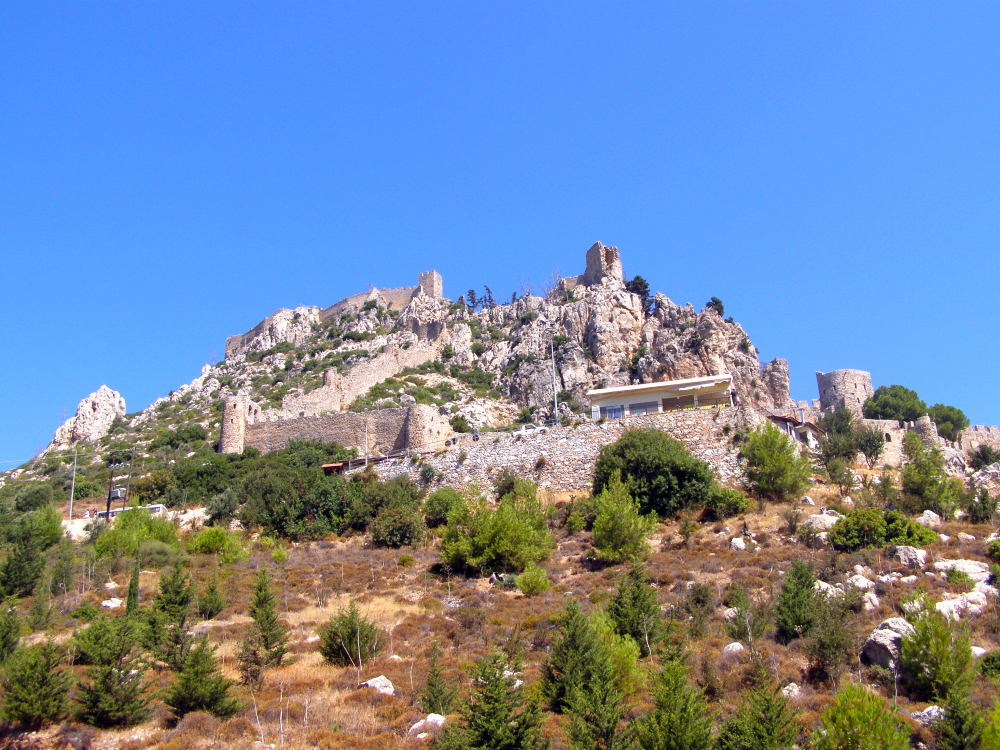
The eventful history of the castle – From the 11th century onwards, the Byzantines expanded the settlement into a fortress which, together with the other castles of Kyrenia – Buffavento and Kantara – served as protection against marauding Arab pirates. Its steep, inaccessible location was invaluable to the defence system, as attackers from the coast had little chance of capturing the castle, which stood on a hilltop. Yet Saint Hilarion was not merely a place of refuge; under the rule of the Lusignan dynasty, the fortress was at times converted into a royal summer residence. During the Lusignans’ reign, the castle became the scene of a four-year power struggle between Emperor Frederick II, ruler of the Holy Roman Empire, and John of Ibelin, an influential ruler of Cyprus. This conflict underscores the fortress’s political significance and strategic role in the island’s medieval history. The 15th century brought radical changes: the Venetians, who were in power at the time and favoured peace and stability, decided to partially demolish the fortress in order to reduce the costs of maintaining the garrisons. The castle’s military role had thus come to a definitive end, yet what remains of it still bears witness today to bygone eras and its eventful history.
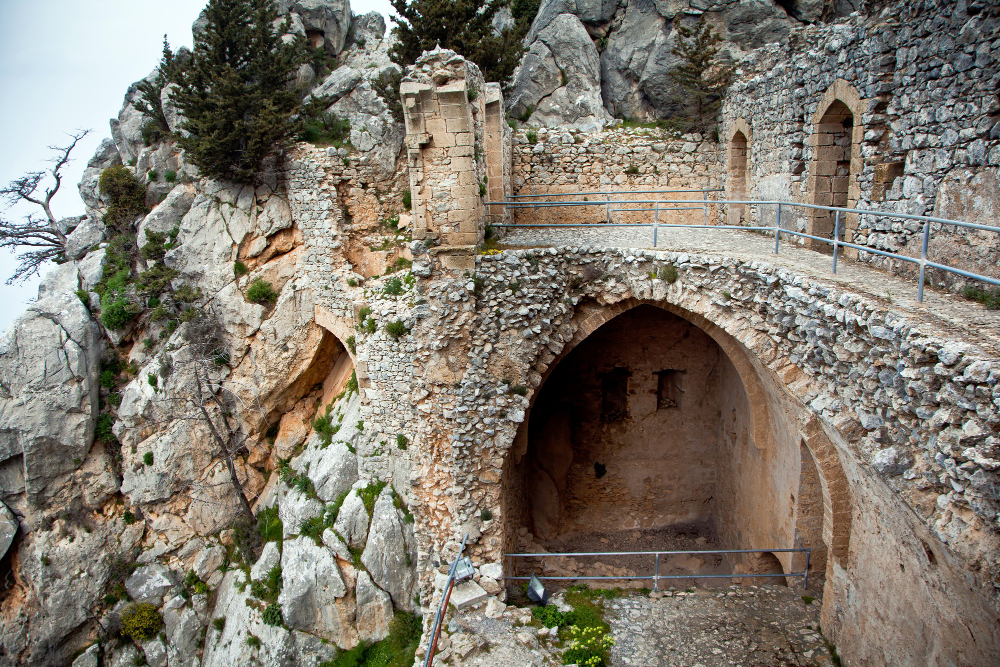
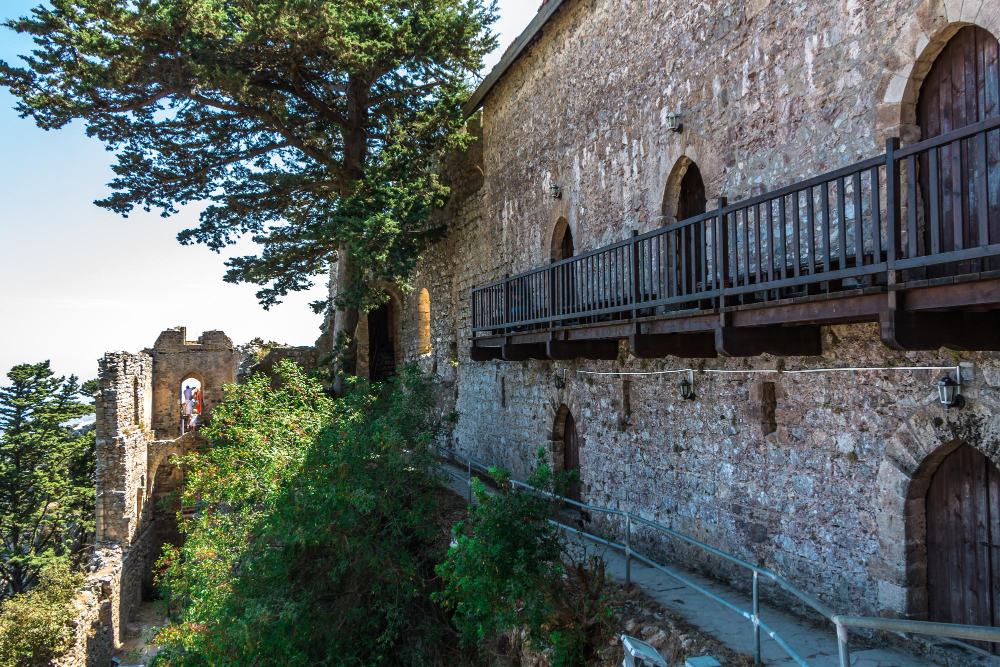
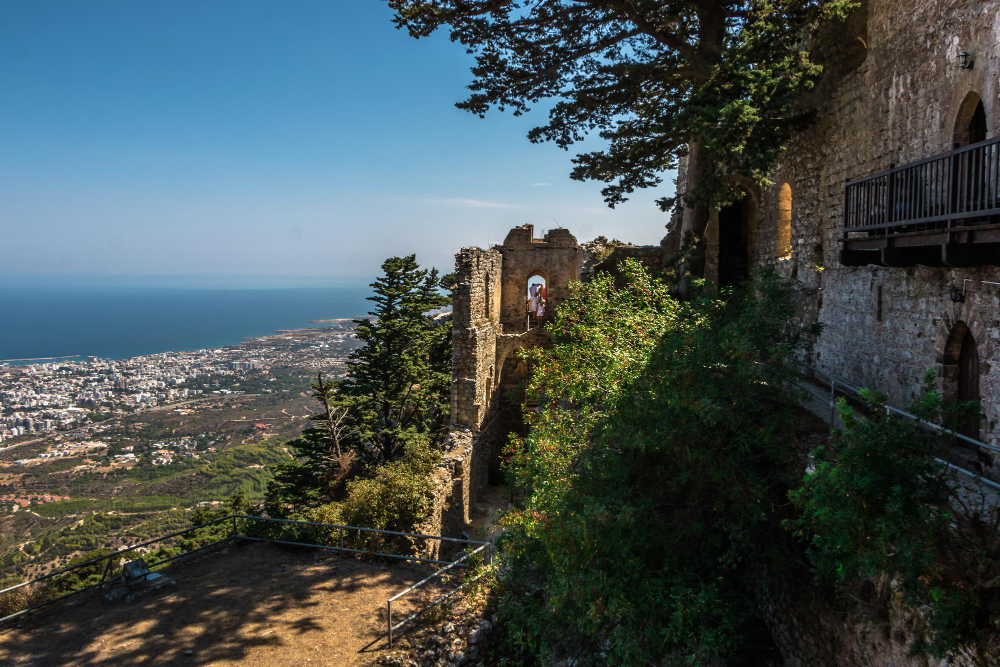
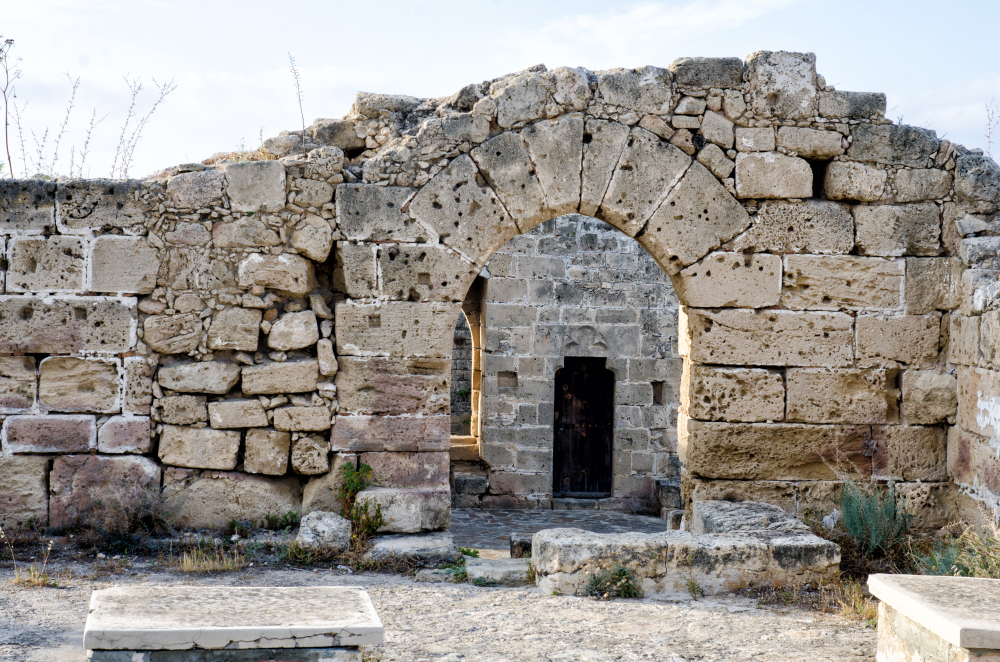
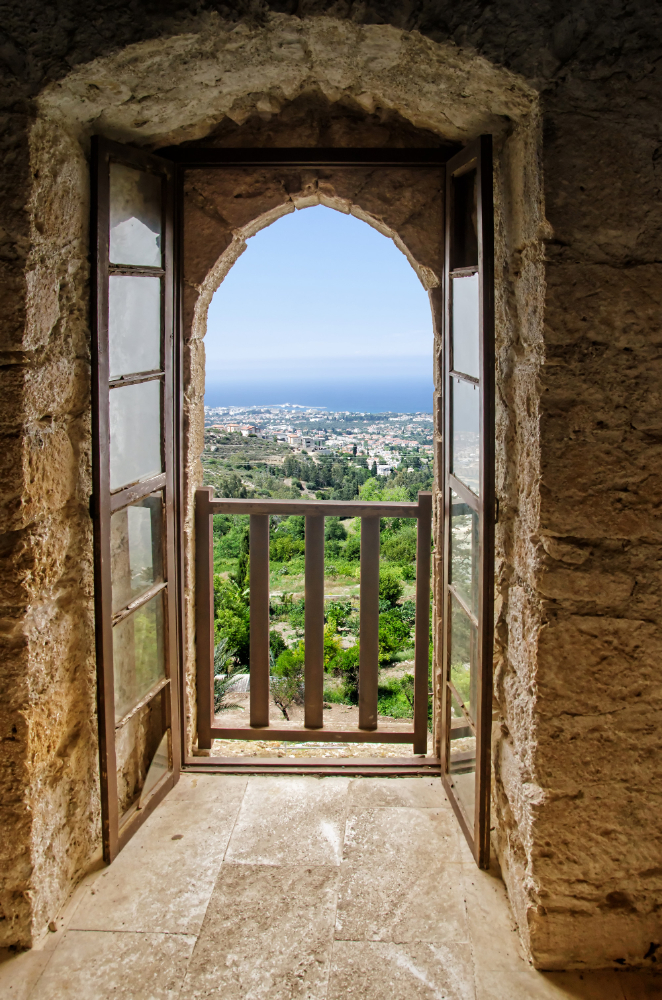
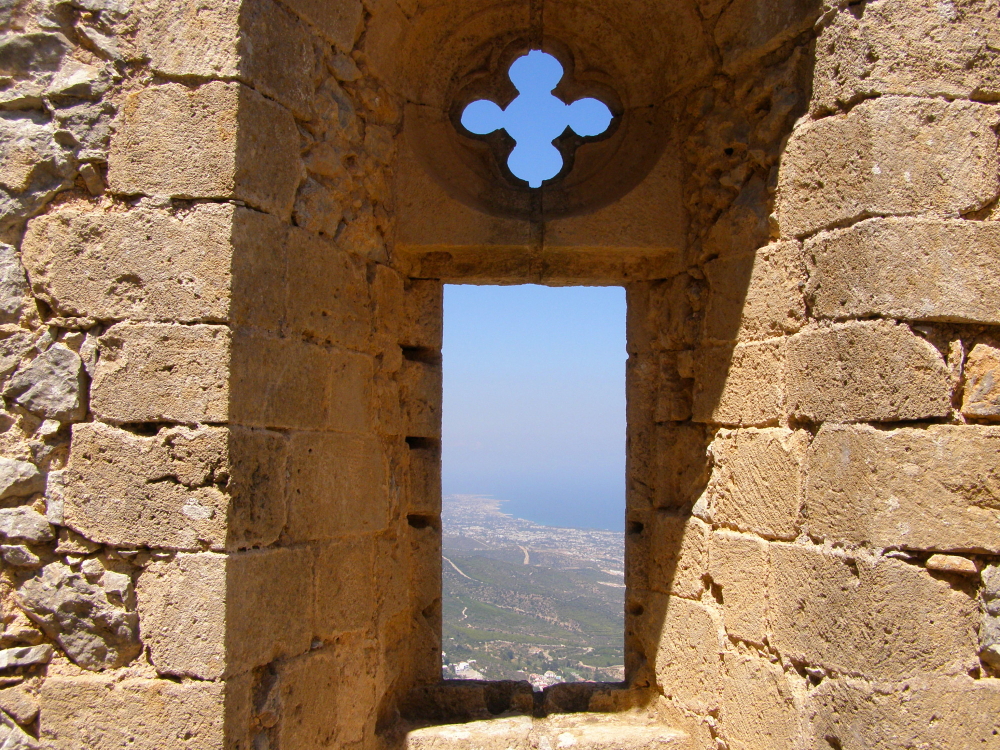
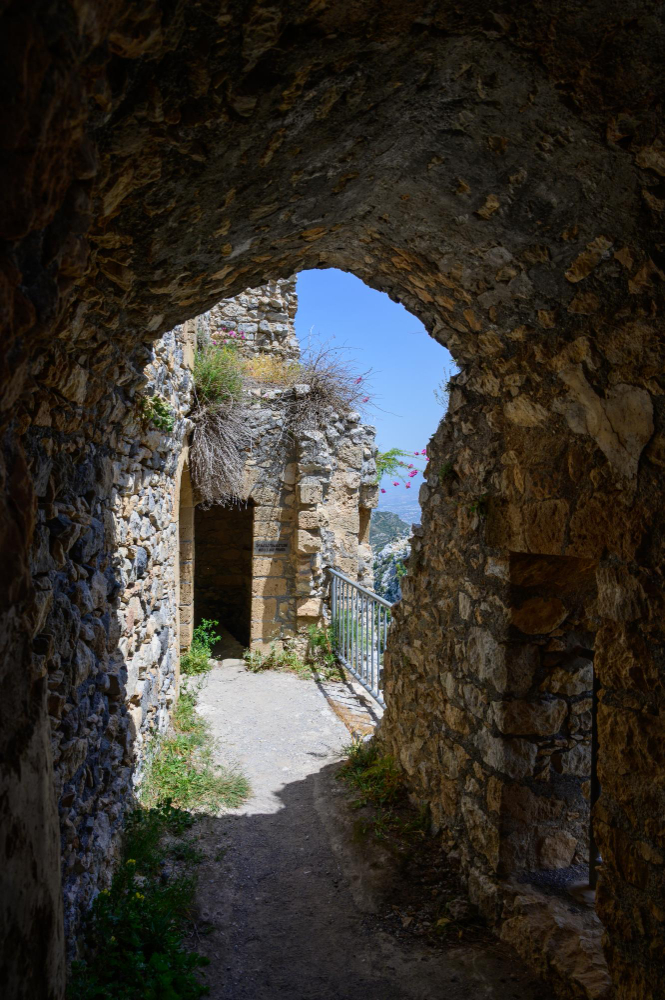
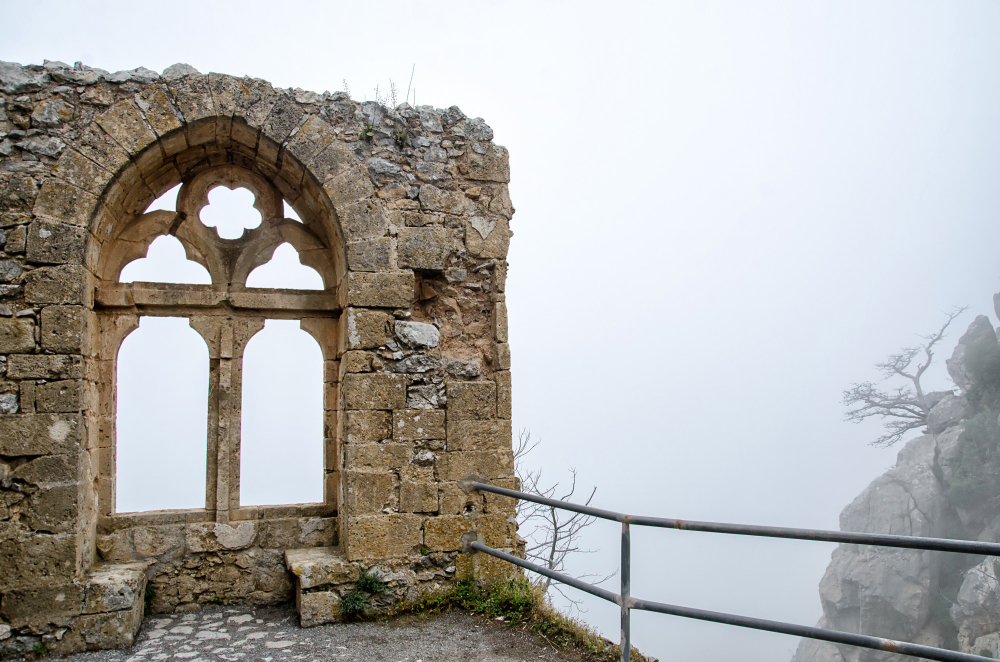
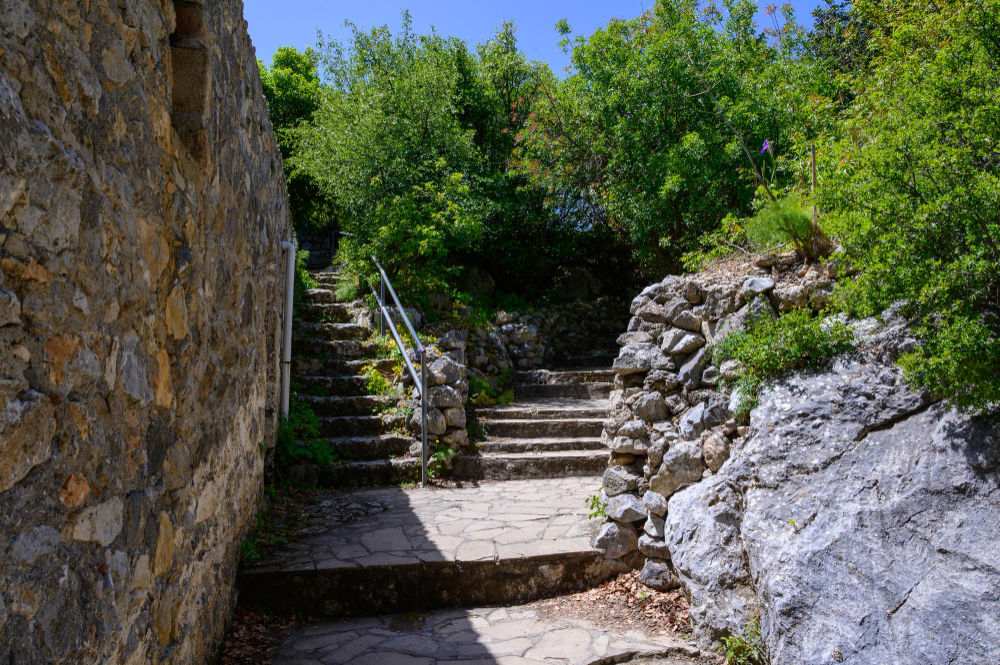
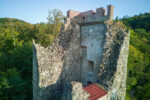
Architectural masterpieces on steep cliffs – St Hilarion Castle is impressive not only for its historical significance but also for its extraordinary architecture. It is divided into three main sections: the lower, middle and upper castles. Each section fulfilled specific functions, with the lower and middle sections serving economic purposes and the upper castle reserved for the royal apartments. The lower section housed the stables and the quarters for the guards and soldiers, whilst the ‘Prince John’ Tower towered high above it. This strategic layout provided the castle with natural protection against attackers. The upper castle was particularly impressive. Surrounded by a massive Byzantine wall 1.4 metres thick, it was accessed via a pointed-arch entrance added by the Lusignans. A semicircular tower provided additional protection for the entrance. Inside the upper castle lie the remains of a courtyard and the royal apartments. These buildings, most of which date from the 13th or 14th century, were architecturally sophisticated. The royal apartments spanned two storeys and boasted an imposing height of seven metres with a vaulted ceiling. Particularly fascinating are the windows, which were artfully integrated into the masonry. One window, known as the ‘Queen’s Window’, offers a spectacular view of the north coast of Cyprus and the plains of Lapithos. This detail shows that the castle was not merely a defensive fortress, but also a place that met aesthetic and comfort requirements.
Myths and legends surrounding Saint Hilarion – Alongside its actual history, Saint Hilarion Castle is also shrouded in countless myths and tales that capture the imagination. One of the best-known legends concerns the castle’s hidden treasures. It is said that the former inhabitants left behind valuable jewels and gold in the hidden cellars beneath the castle when they abandoned it. To this day, no one has found these treasures, making the ruins a magnet for treasure hunters. There is also a legend surrounding the ‘Queen’s Window’. It is said that Queen Eleonore, the wife of a king from the House of Lusignan, often sat there, gazing longingly out over the vast landscape. It is said that she frequently felt suffocated by the constraints of royal life and the intrigues at court, and sought solace in the view. Ghost stories are also widespread. Some visitors report strange noises and apparitions at night, which are said to be linked to the souls of the castle’s former inhabitants. These tales lend the already impressive ruins an extra air of mystery.
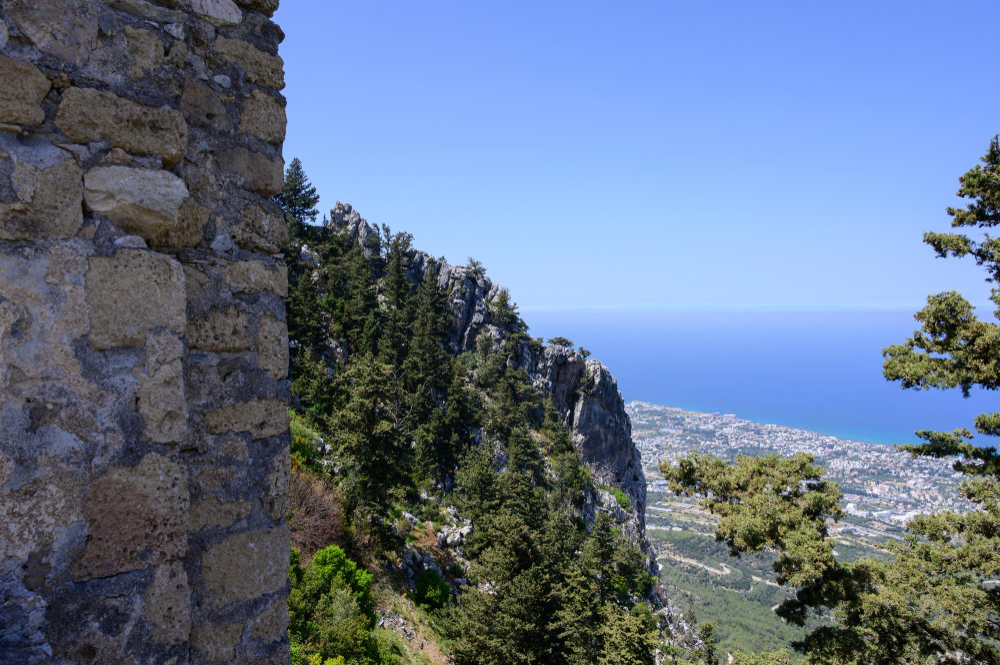
Why Saint Hilarion is a special destination – Today, Saint Hilarion Castle exerts a magical pull on both historians and tourists alike. Its state of preservation and picturesque setting make it a unique experience for visitors. From the castle’s highest point, you can enjoy a breathtaking view of the coast and the mountains – a moment that offers a glimpse into medieval life and gives you the feeling of being part of history for a brief instant. The blend of historical heritage, architectural splendour and mysterious legends makes Saint Hilarion one of the most fascinating places in Cyprus. Visitors to the castle are immersed in a world that bridges the past and the present.
Saint Hilarion Castle is more than just a ruin – it is a symbol of Cyprus’s eventful history, a place steeped in myths and legends, and a silent witness to times gone by. Anyone who makes their way to this impressive fortress will experience far more than just a historical building. Here, the stories of saints, kings and ordinary people merge into a vivid picture that blurs the boundaries between reality and fantasy.