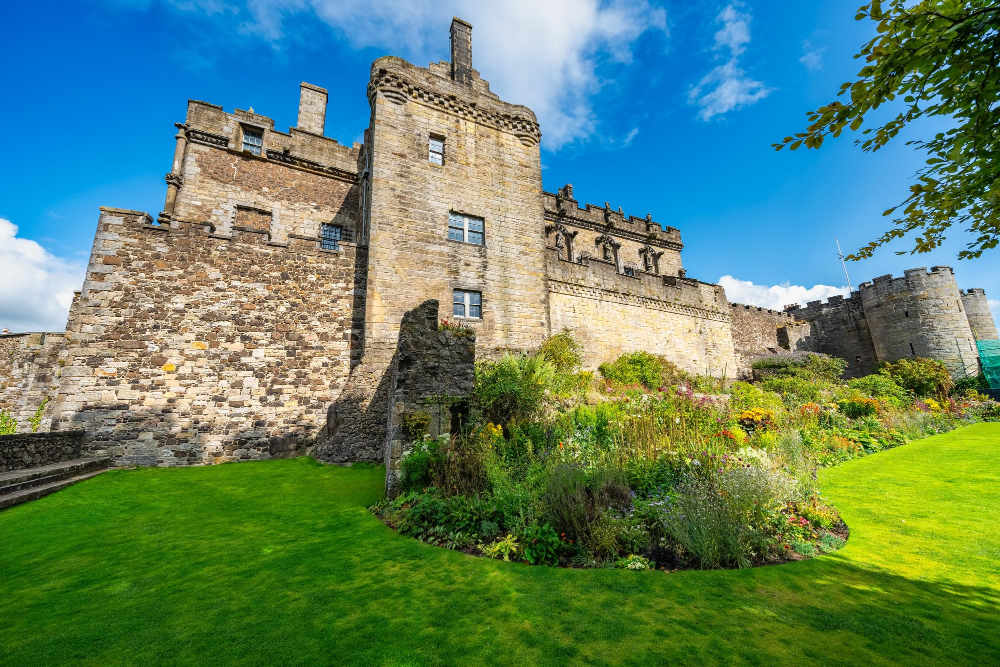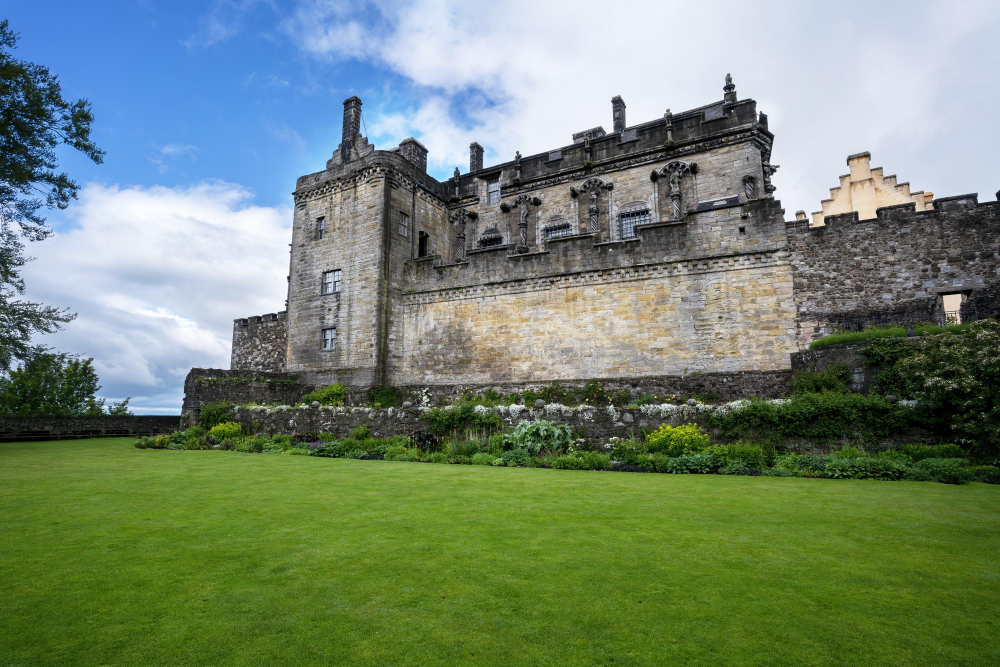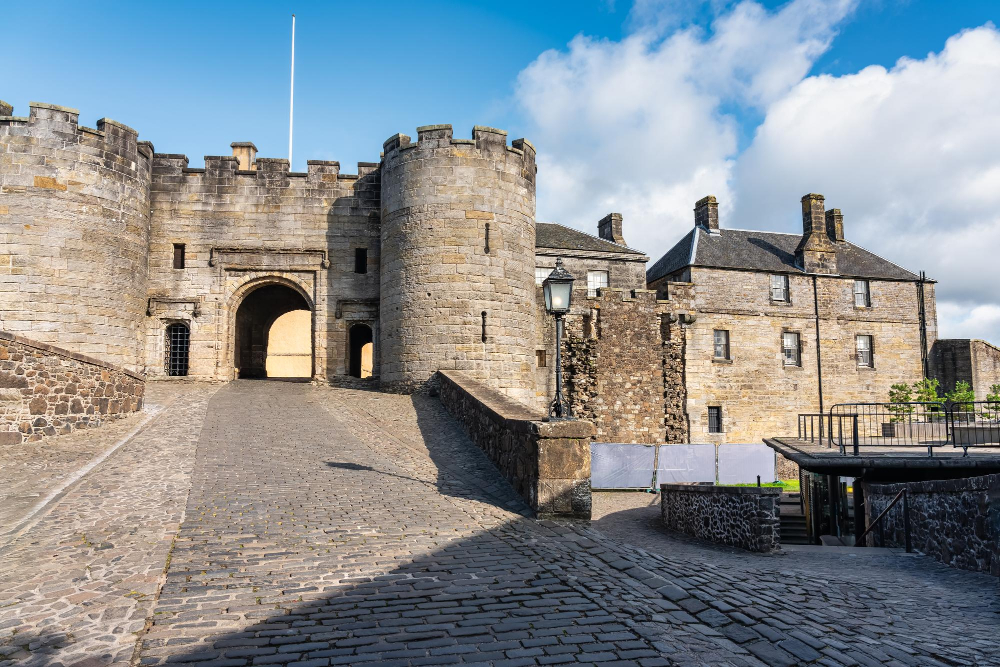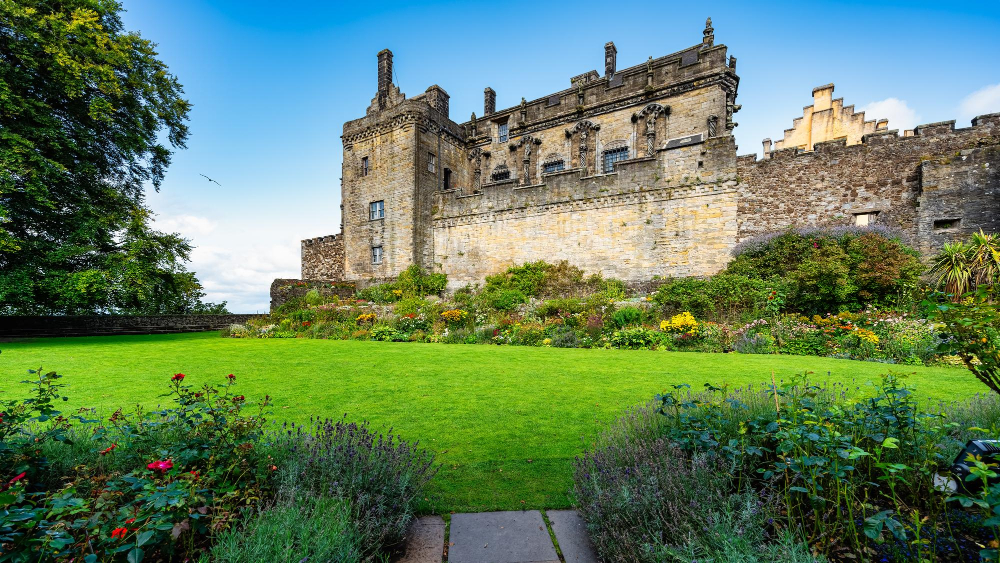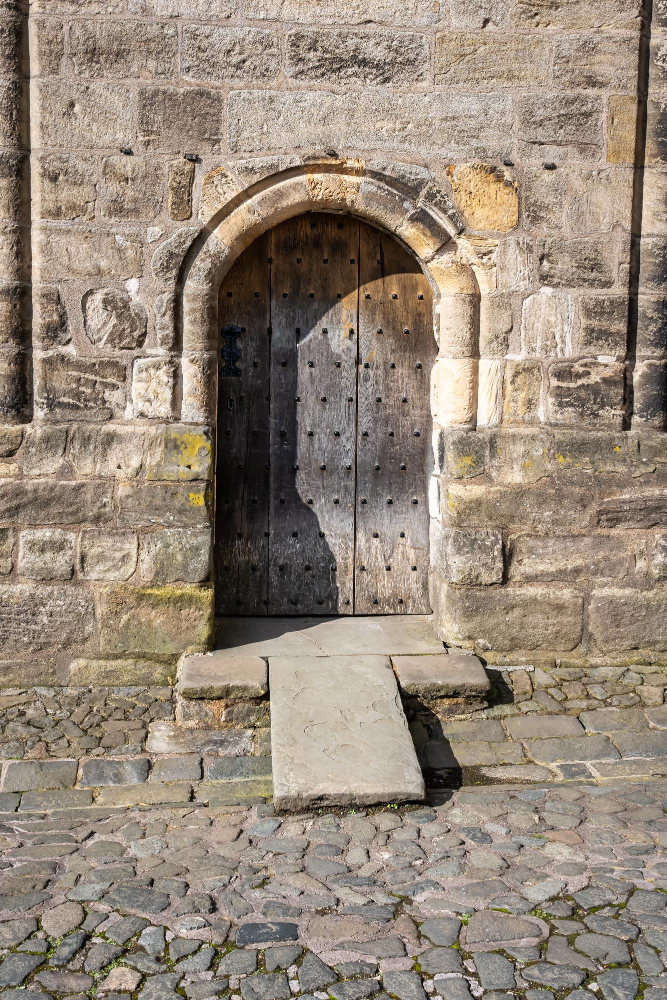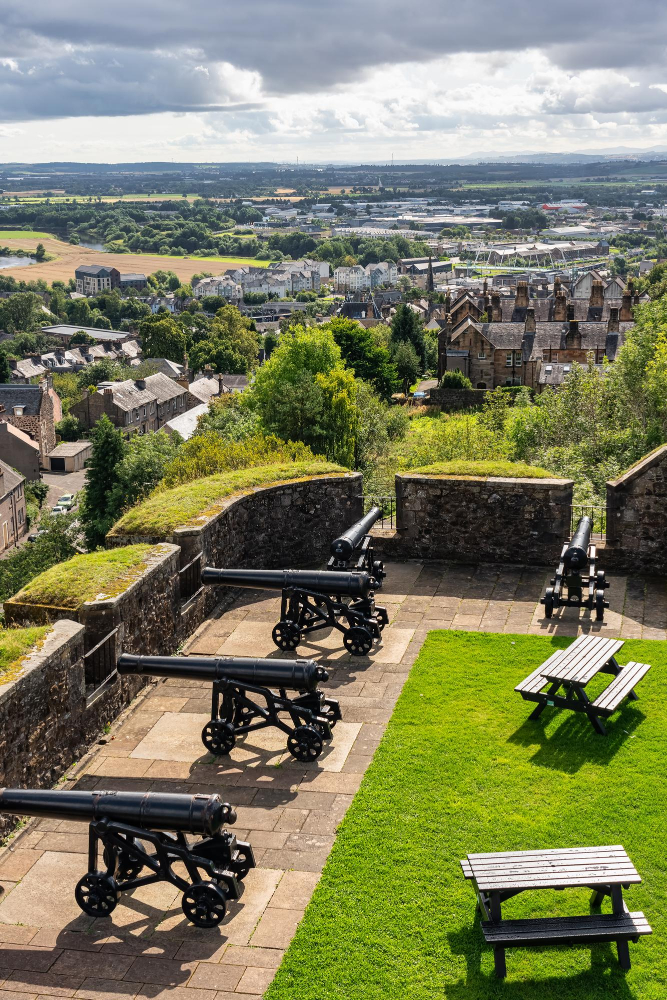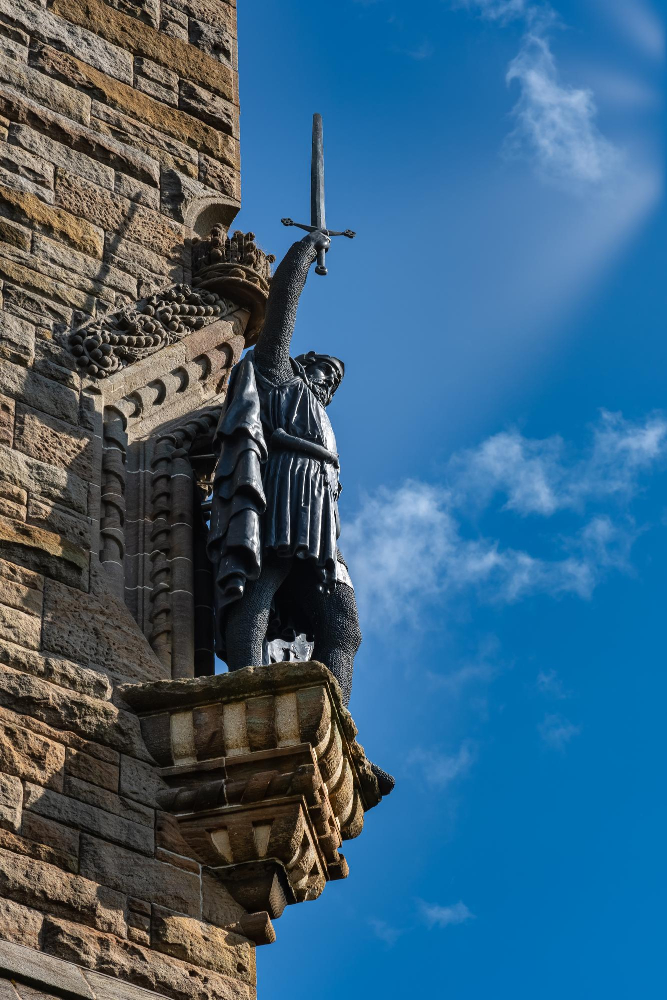

Stirling Castle, perched majestically atop a steep rock, is not only an architectural masterpiece but also the setting for countless historical events and legendary tales. The strategic location of this imposing structure has made it a central stage for political power struggles and cultural life in Scotland over the centuries. Where kings were once crowned and battles fought, the site is now teeming with tales of ghosts, eyewitness accounts and enduring myths. Let us delve into the eventful history and mystique of one of Scotland’s most famous fortresses.
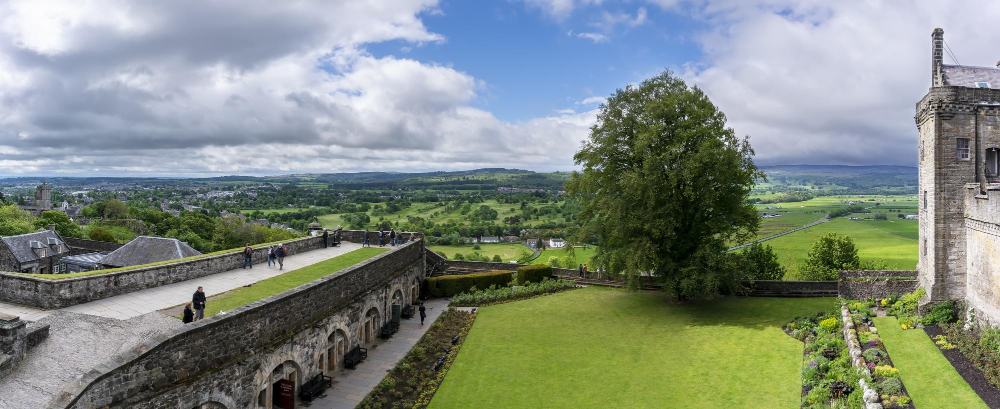
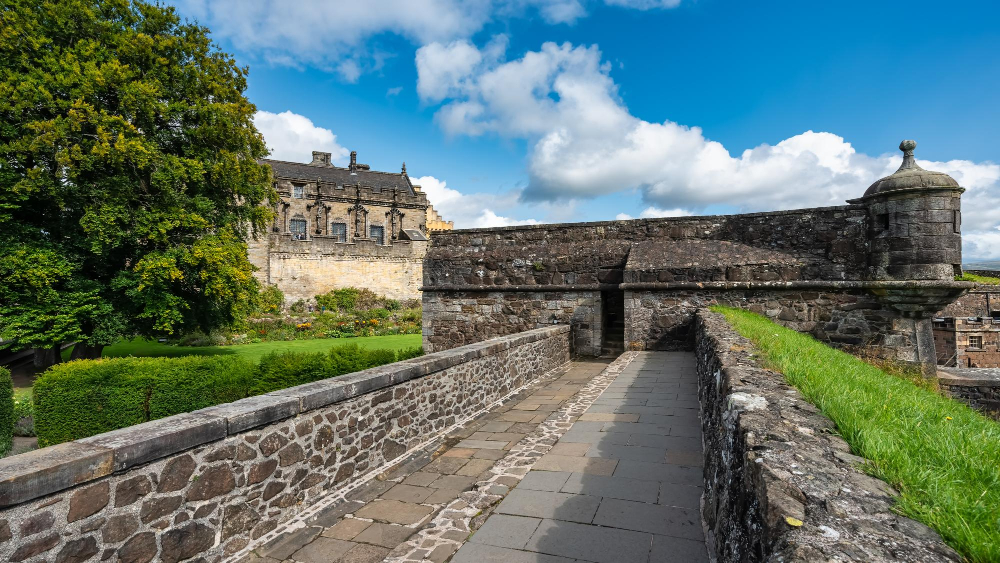
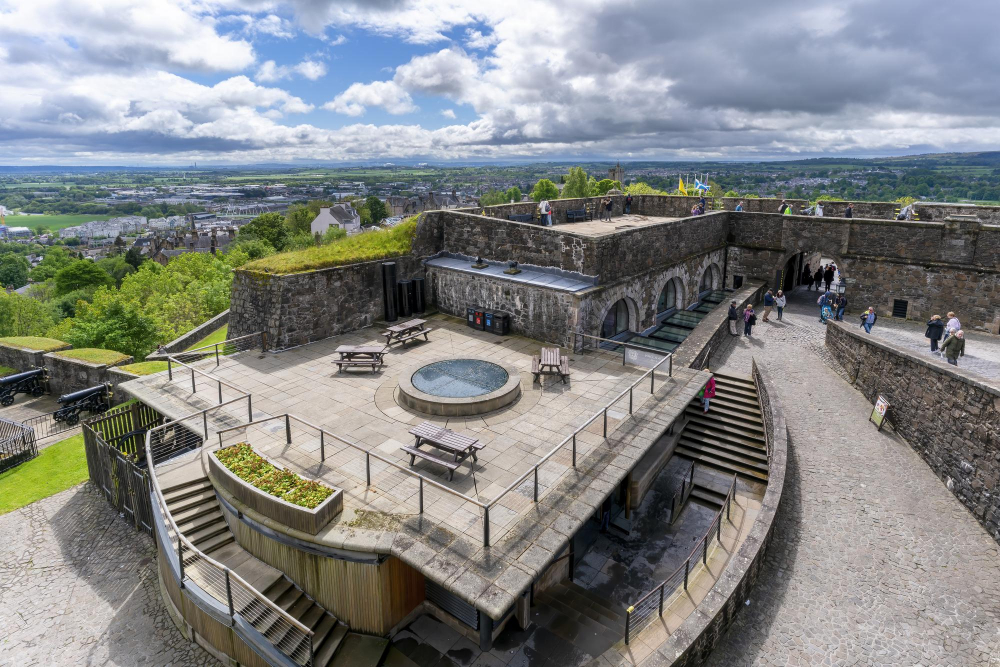
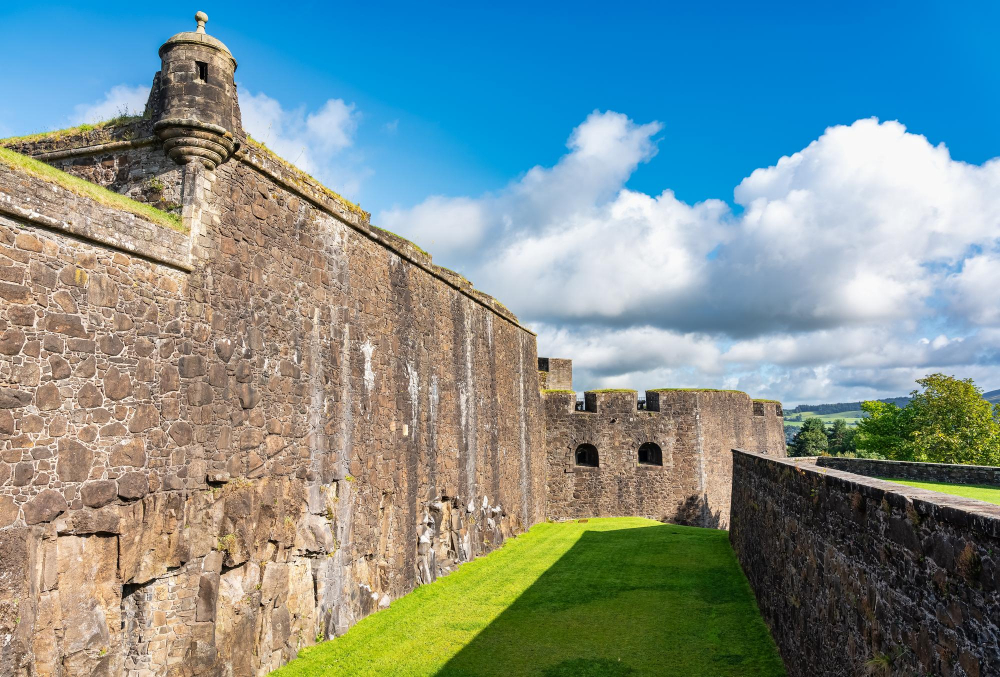
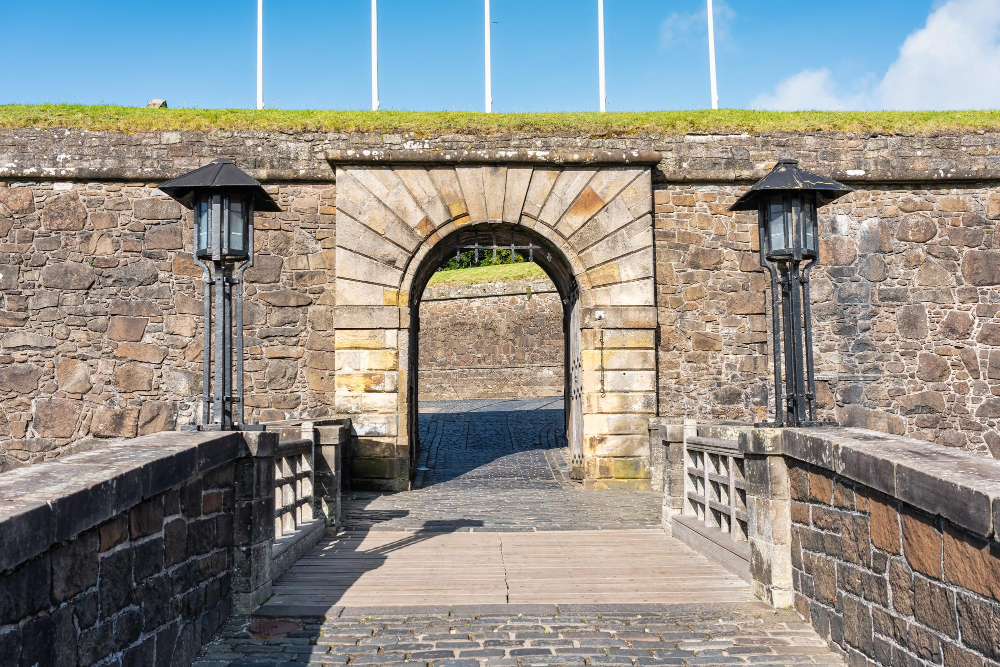
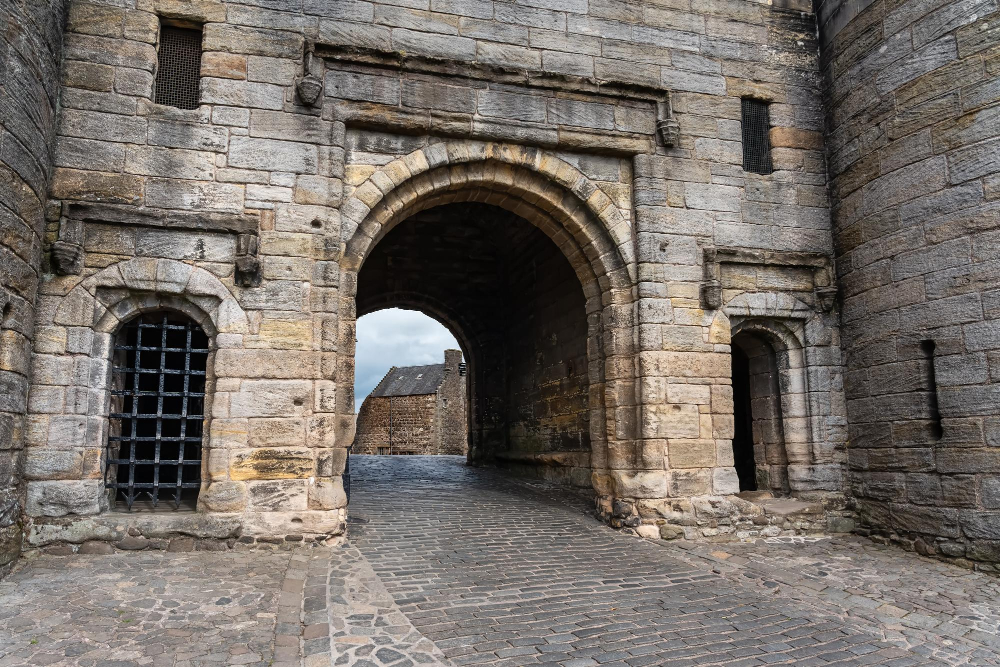
A fortress in the heart of Scotland – Surrounded on three sides by rugged cliffs, Stirling Castle offers a natural defence that played a crucial role in the building’s historical significance. The imposing castle guards the mouth of the River Forth, which until 1890 was considered the most important crossing point for trade between northern and southern Scotland. This strategic location made Stirling Castle a coveted military and political centre. The ‘Stirling Sill’, the geological outcrop on which the castle was built, formed around 350 million years ago. Its steep slopes and plateau are ideally suited to providing both protection and a commanding view of the surrounding region. The main buildings of today’s castle complex date from the 15th and 16th centuries, although some earlier structures from the 14th century have been preserved. The outer defences were not constructed until the 18th century. Yet Stirling Castle was not merely a military fortress – prior to the Union with England, it was one of Scotland’s most frequently used royal residences. Kings and queens were crowned here, including Mary Stuart in 1542, and members of the Scottish monarchy were born here or met their deaths here.
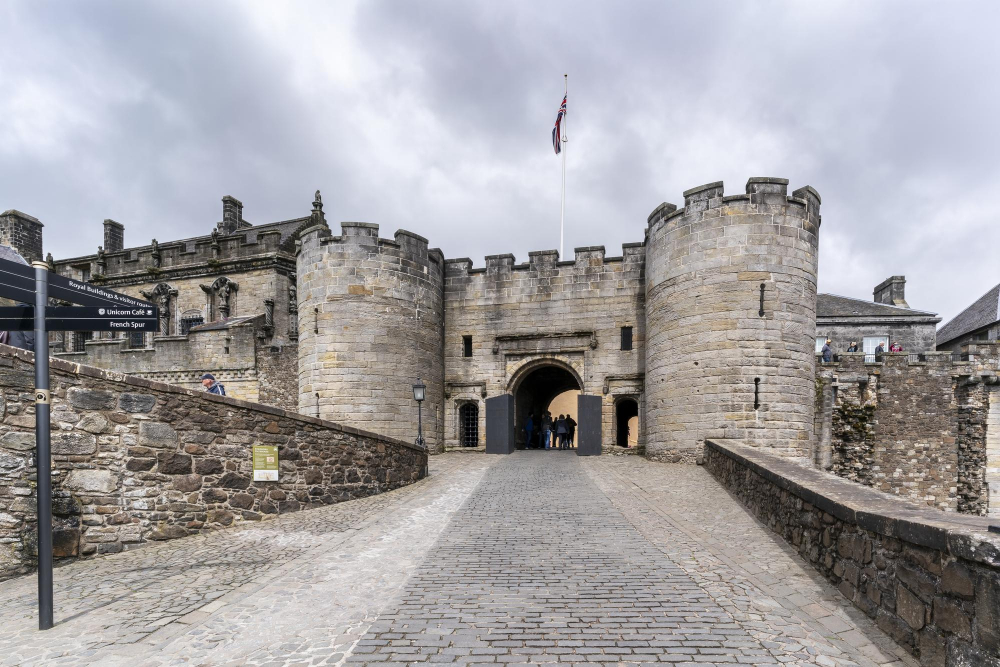
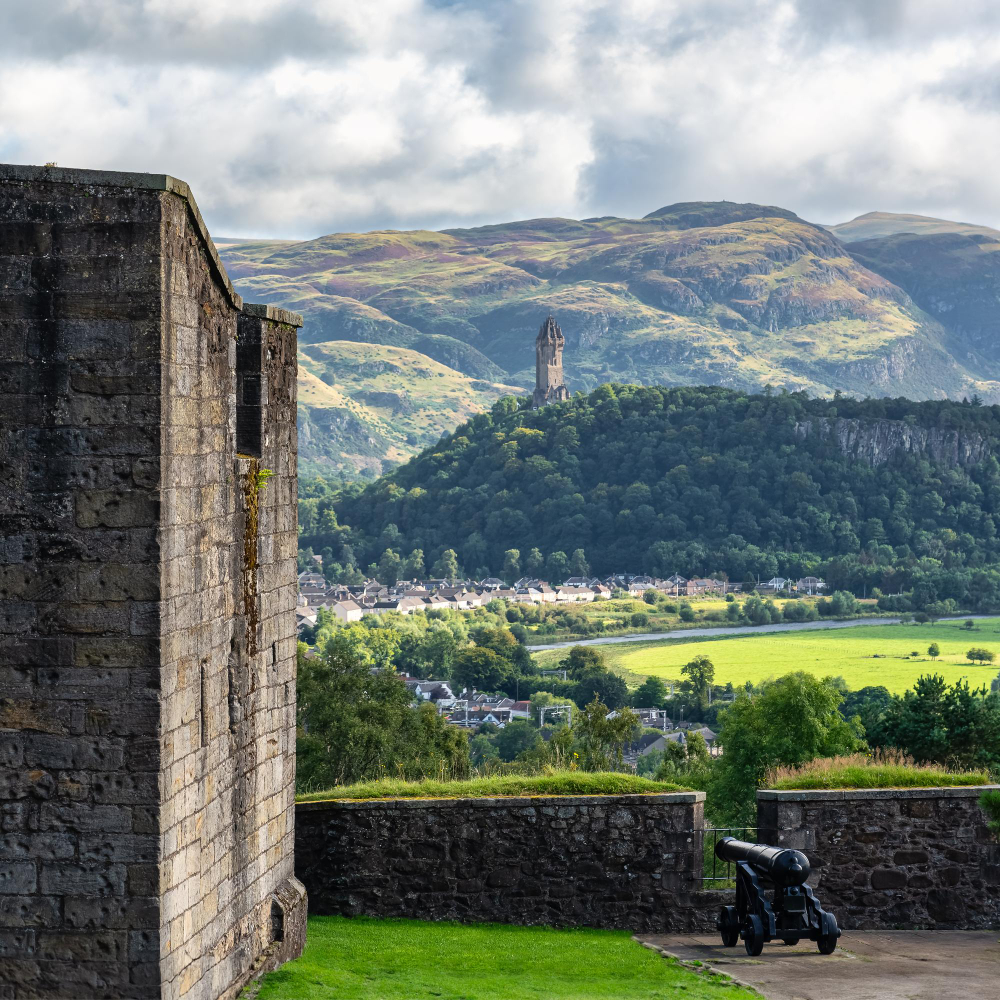
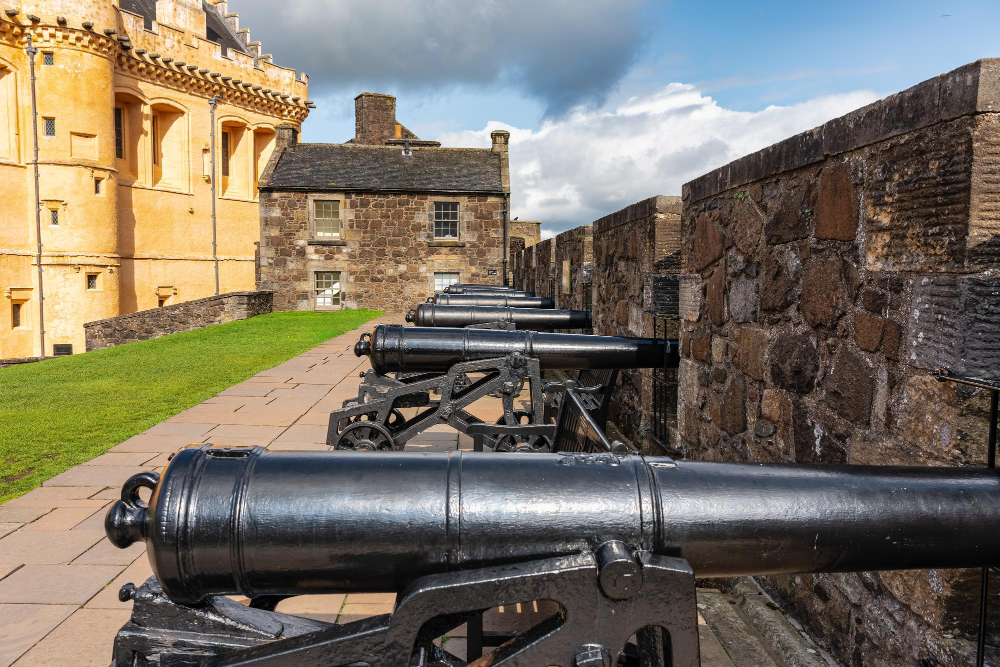
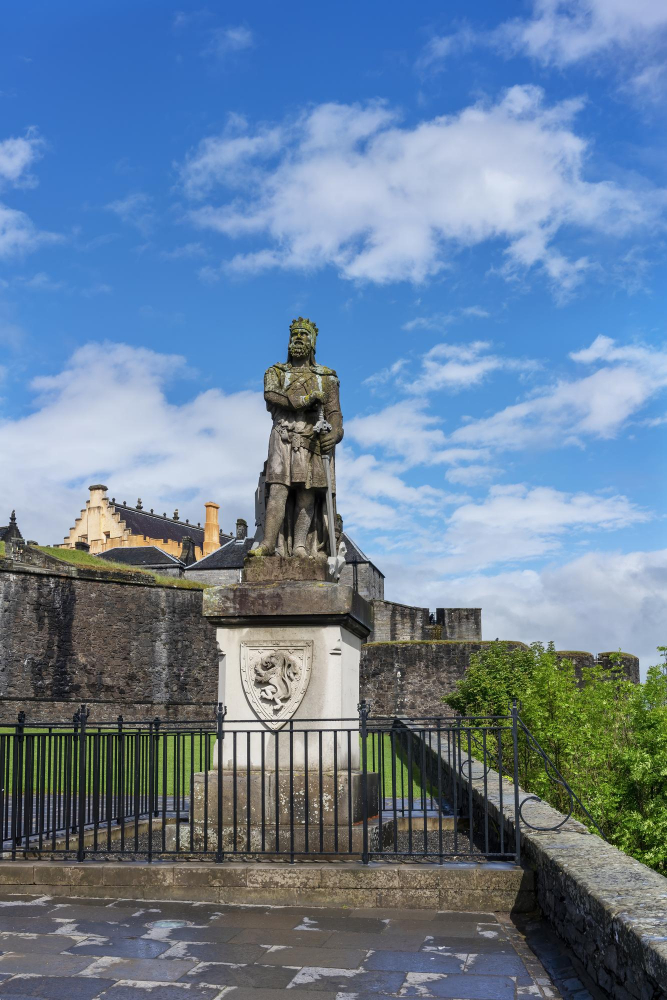
Historical highlights: wars, kings and intrigue -Stirling Castle has withstood at least eight major sieges, including some of the decisive battles during the Scottish Wars of Independence. The last siege took place in 1746, when Bonnie Prince Charlie, also known as Charles Edward Stuart, attempted to capture the castle – though without success. Stirling became particularly famous in connection with the Scots’ victory under William Wallace at the Battle of Stirling Bridge in 1297. Similarly, the Battle of Bannockburn (1314), in which Robert the Bruce decisively defeated the English, achieved legendary status. The history of Stirling Castle is shaped not only by human conflict but also by technological developments. Artillery was already in use here as early as the 14th century, and the famous siege engine known as the ‘Warwolf’, a massive trebuchet, is said to have destroyed the castle’s gatehouse during a siege by Edward I.
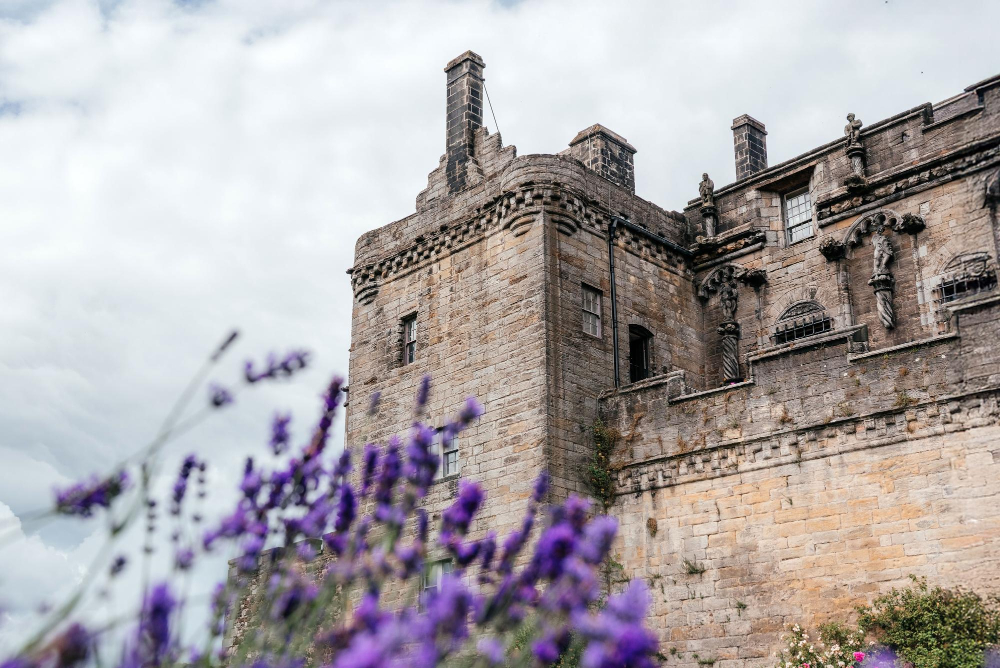
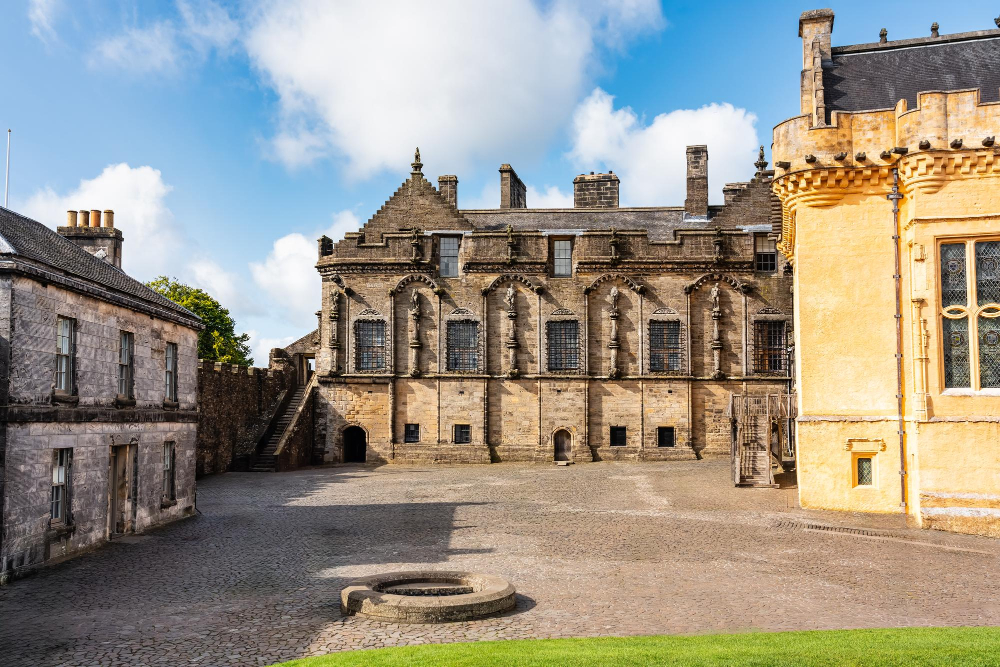
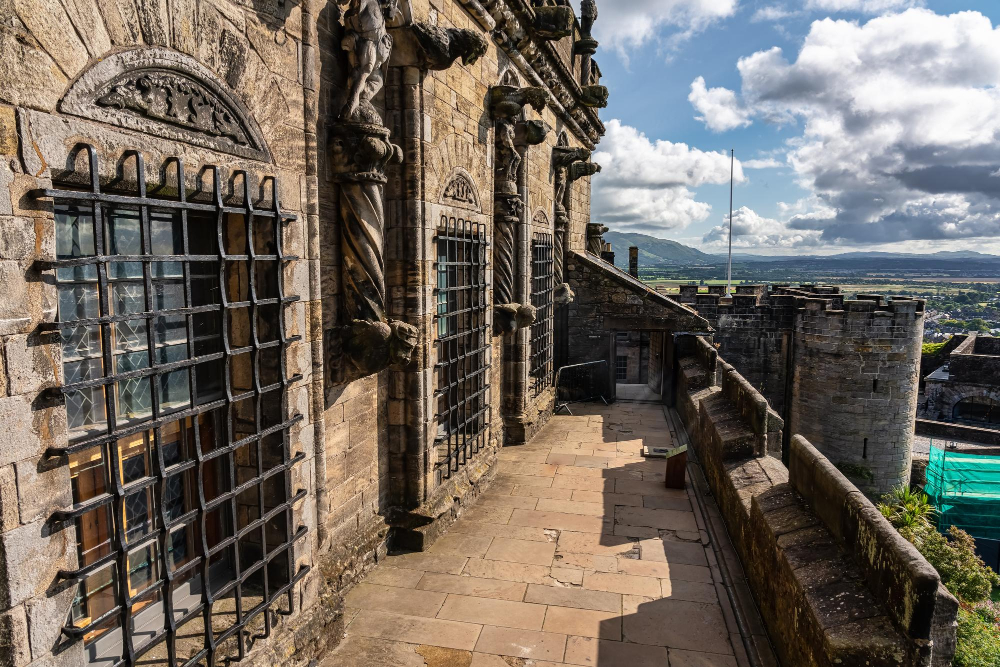
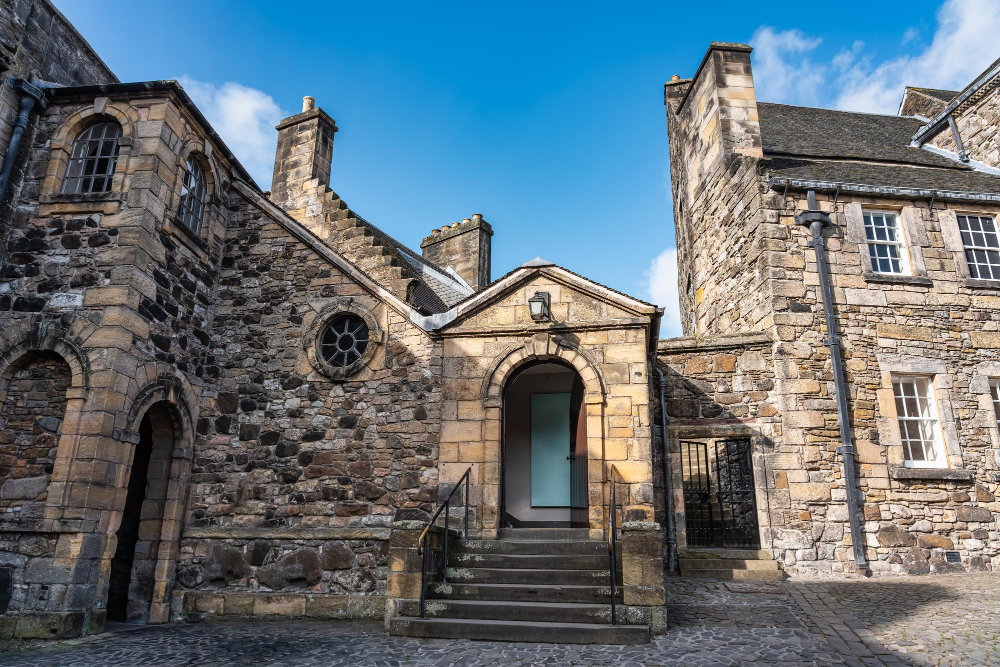
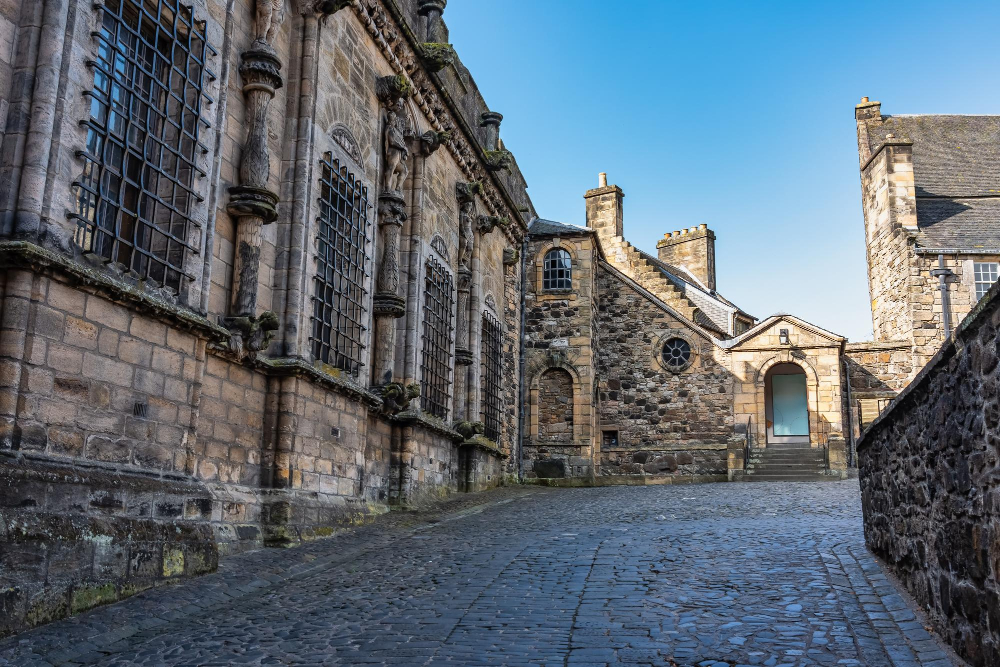
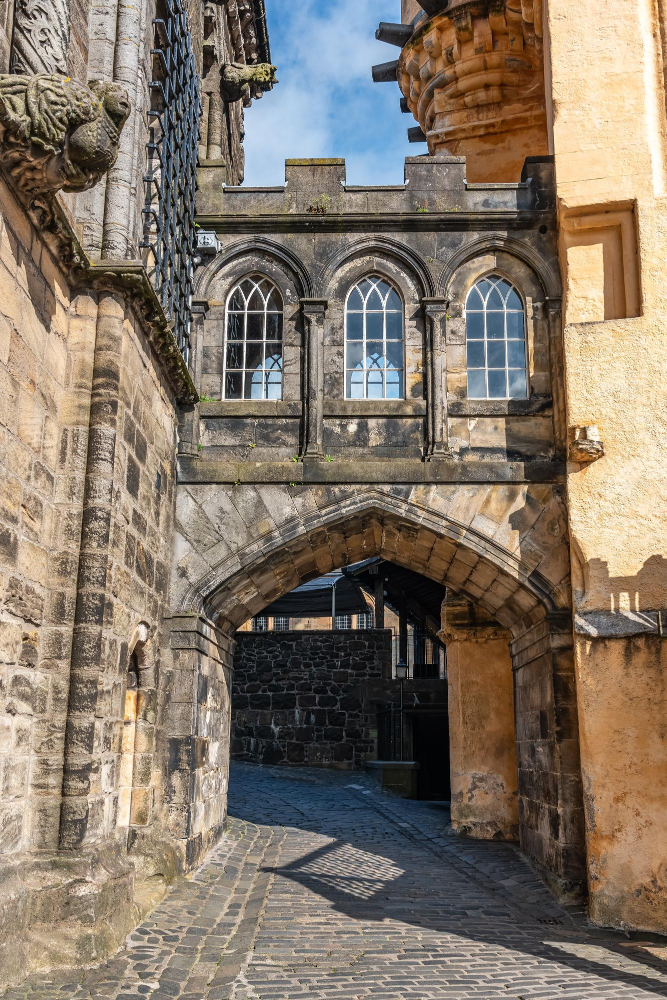
From medieval fortress to royal palace – Under the early Scottish kings, Stirling Castle developed into a centre of royal splendour. The building projects of the Stewart dynasty, particularly under James IV, James V and Mary of Guise, transformed the castle into a Renaissance palace of European stature. The Great Hall, the largest secular building of late Scottish medieval architecture, and the magnificent royal apartments still bear witness to this glorious chapter today. The palace’s architecture combines French elegance with German attention to detail. The artistically designed courtyard and the ‘Stirling Heads’, masterfully carved Renaissance wooden medallions, bear witness to the international ambitions of the rulers of the time. Particularly impressive is the design of the palace façade, adorned with whimsical sculptures such as the Devil and mythological figures such as Venus – a blend of royal pride and artistic experimentation. The Chapel Royal, built under James VI and originally intended for the christening of his son Prince Henry, combines Italian architecture with Scottish pragmatism. Its function changed over the centuries; among other things, it served as a dining hall and later as military accommodation.
The Legends of Stirling Castle – In addition to its historical past, Stirling Castle also attracts visitors with its mysterious tales and traditional legends. One of the best known is the legend of the ‘Green Lady’, a spirit said to roam the castle. Some believe she was Mary Stuart’s loyal servant, whilst others interpret her appearance as a bad omen, often associated with the risk of fire. Numerous sightings fuel the myth, and the ‘Green Lady’ has now become an integral part of the castle’s spiritual heritage. Occasionally, a connection is also made to King Arthur. The so-called ‘Round Table’ beneath the castle walls, a former tournament ground, is regarded as a reference to the legendary Knights of the Round Table. Furthermore, the Chapel of Saint Monenna is said to have once stood near the castle, its origins closely intertwined with Christian legends. Other stories tell of an Italian alchemist commissioned by James IV to build a flying machine – a project that ultimately failed and caused him to plunge into the abyss.
Modernisation and Cultural Heritage – The transformation from a royal residence to a military base began in the 17th century. Following Oliver Cromwell’s victory over the Royalists, the castle was fortified and used as barracks in the centuries that followed. It was not until the 20th century that extensive restoration work began, transforming Stirling Castle into a popular tourist destination. Today, the castle is managed by Historic Environment Scotland and offers insights into Scottish history and culture. A highlight of the recent restoration work is the reproduction of the ‘Unicorn Tapestries’. These magnificent tapestries, symbolising the hunt for the mythical creature, have been faithfully recreated using medieval techniques and now adorn the Queen’s Chambers.
A symbol of Scottish identity – The rich and varied history of Stirling Castle makes it a unique Scottish landmark. It combines traces of military power, cultural innovation and mystical legends, and remains a place that captures the imagination. Whether as the setting for historic battles, royal festivities or spooky ghost stories, Stirling Castle is an inspiring testament to Scotland’s past and an essential destination for anyone wishing to explore the soul of the country.