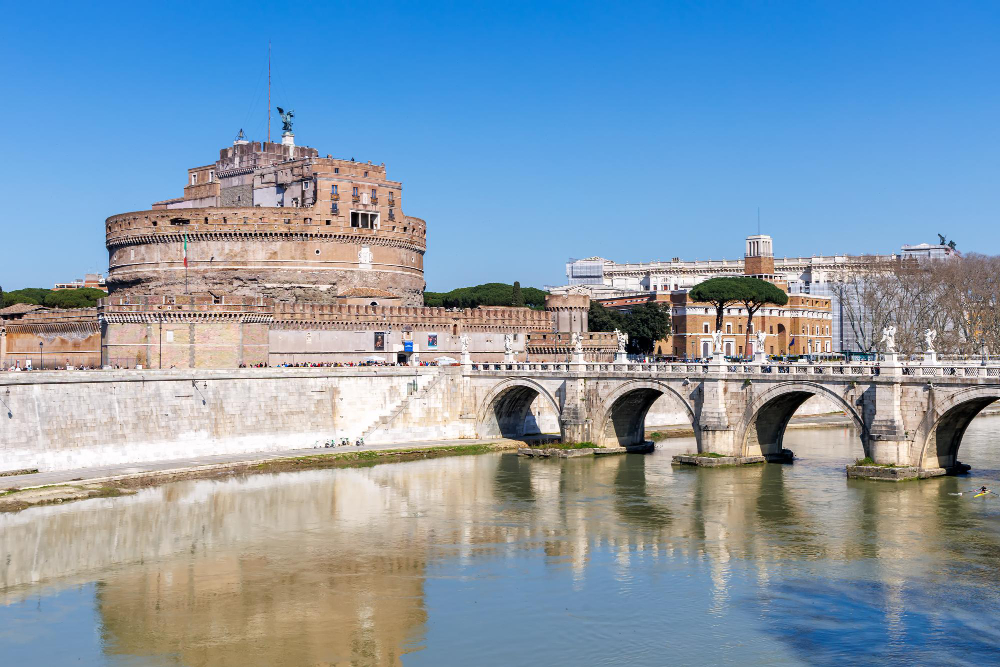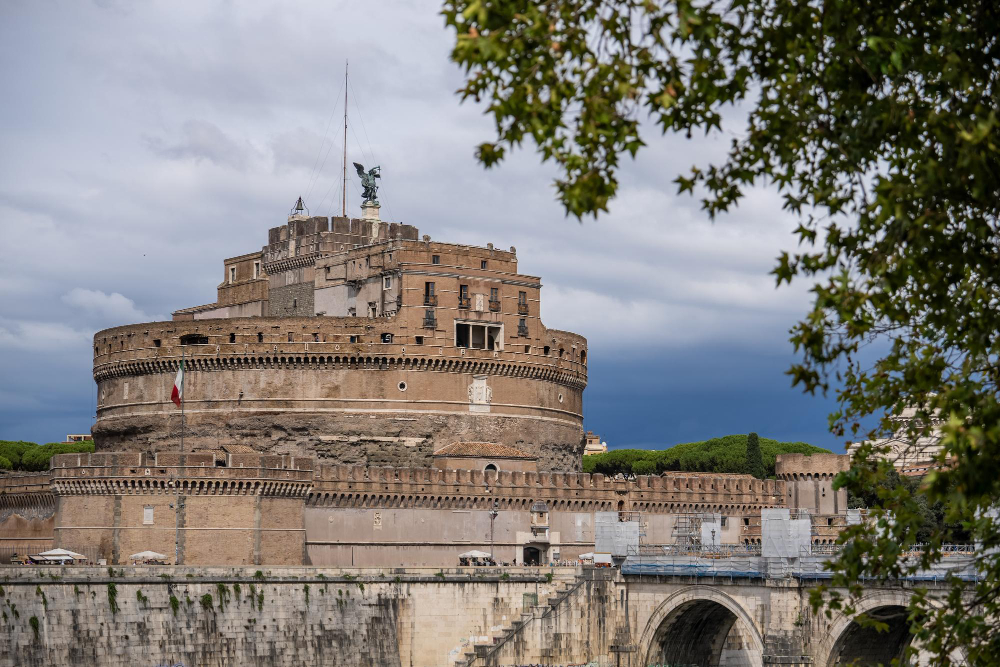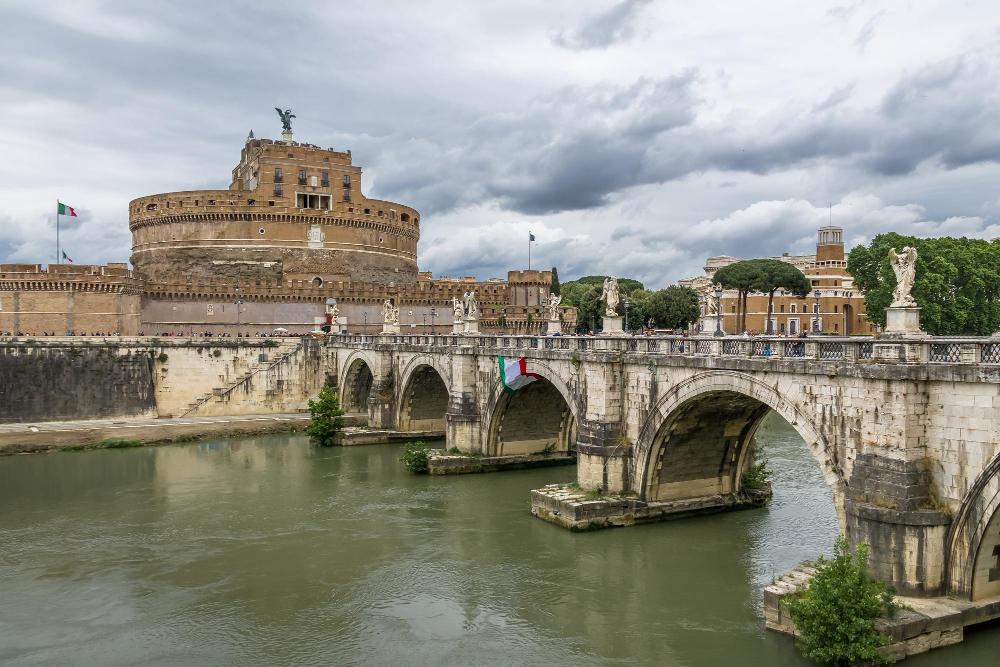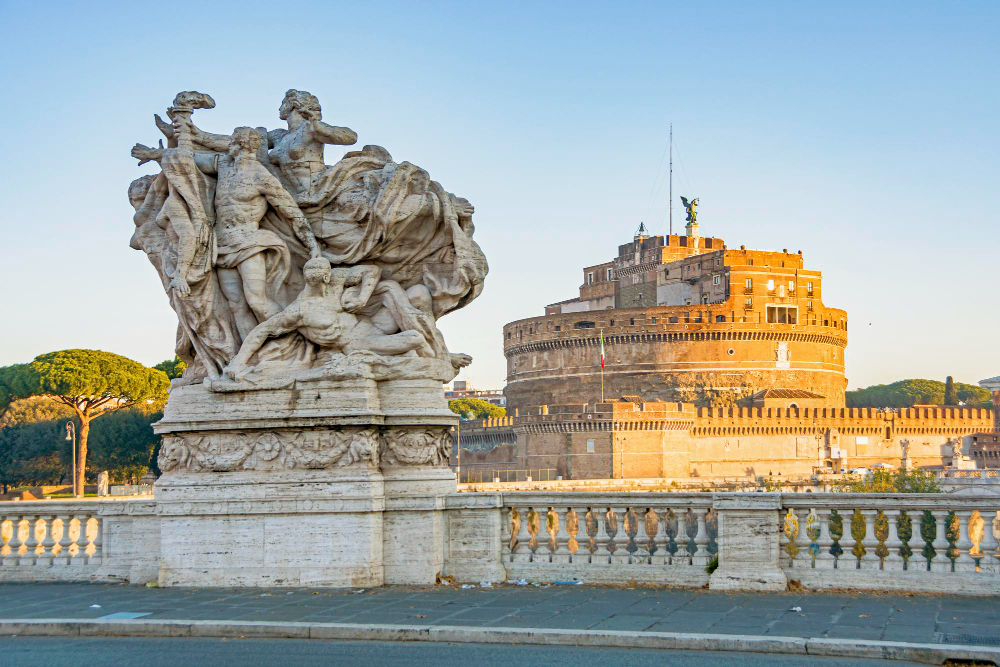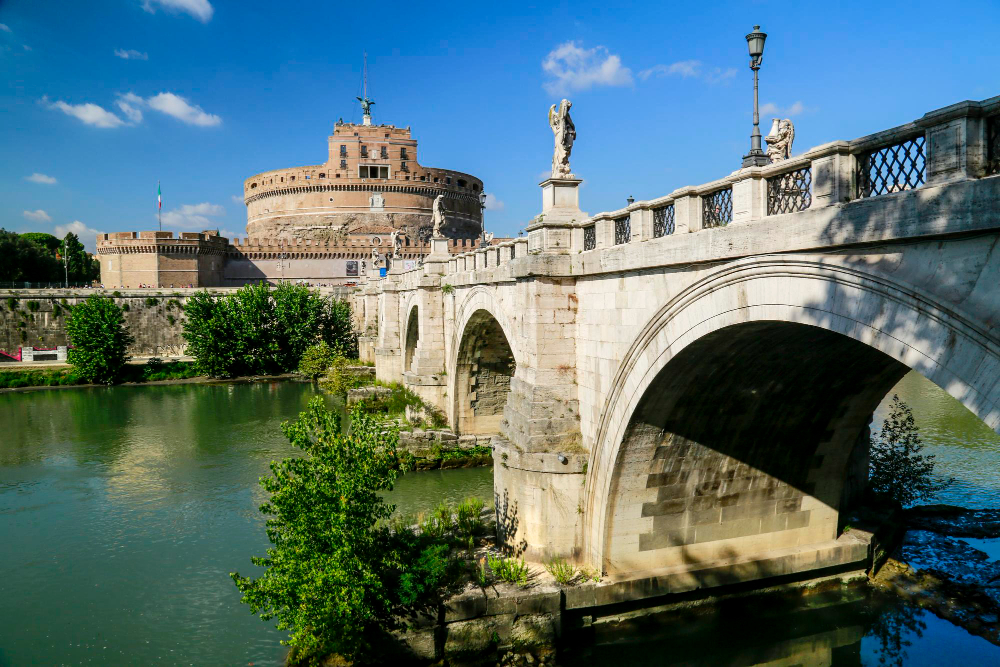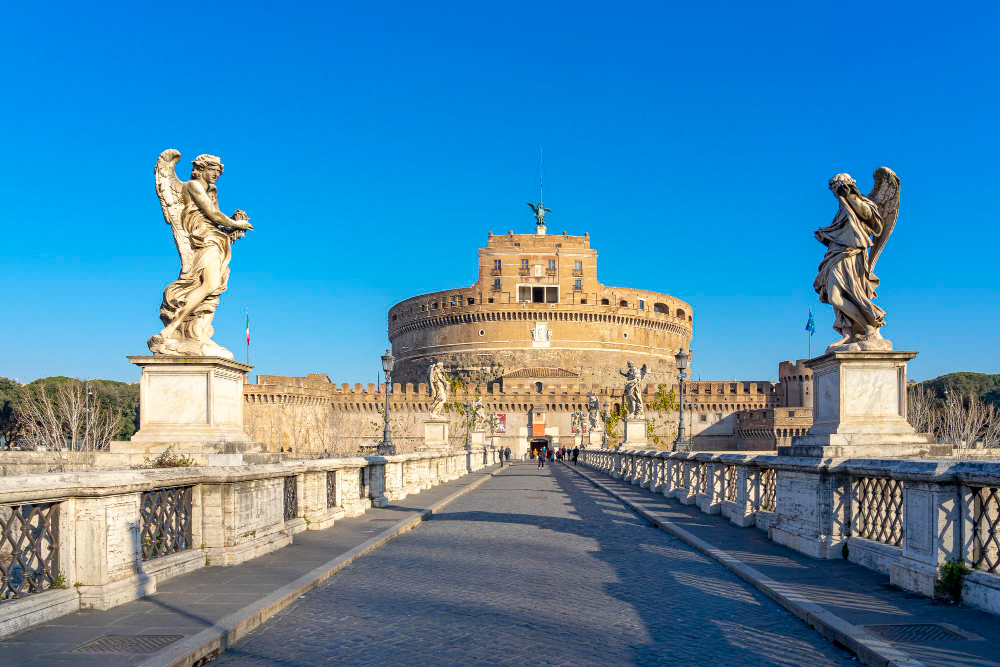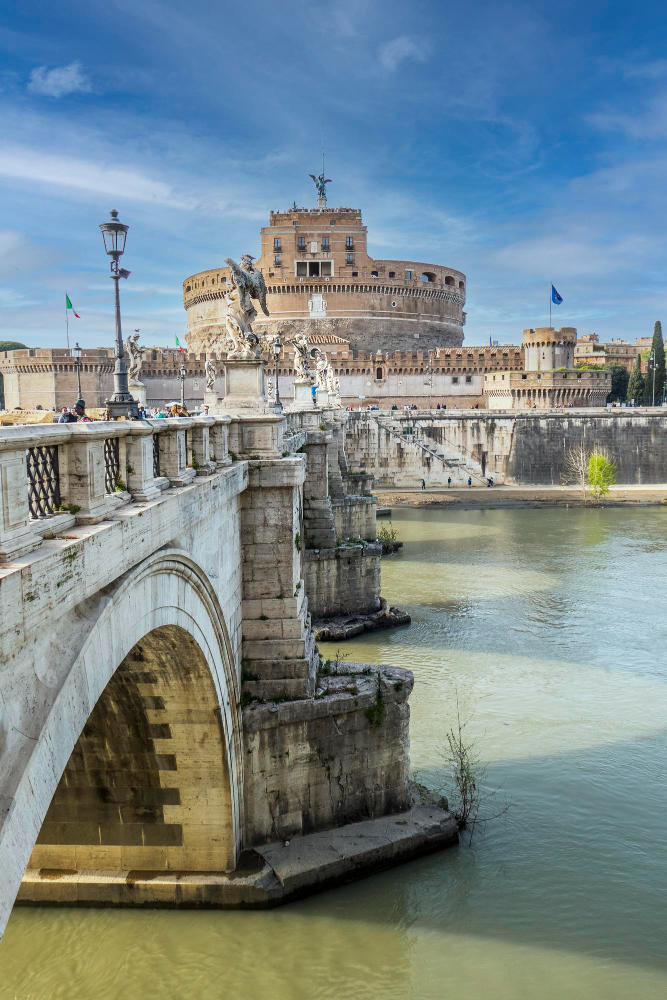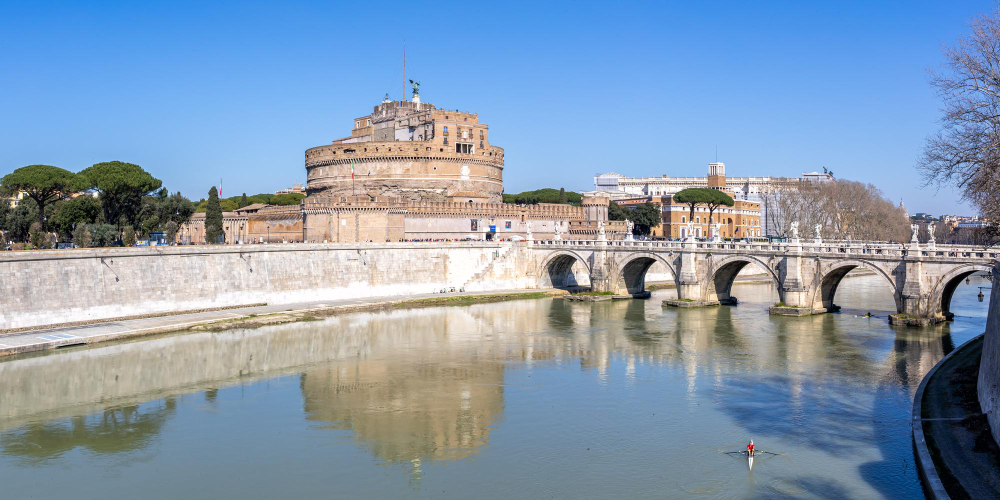

Rome, the “Eternal City,” is a place where history and myth have intertwined for millennia. Few structures embody this fascinating transition from reality to legend better than Castel Sant’Angelo. This imposing structure on the banks of the Tiber looks back on an eventful past, ranging from Roman emperors to warlike Gothic kings and ruthless popes. Today, Castel Sant’Angelo is a museum that tells its story in stone, leaving room for fascinating legends. But how did a mausoleum for emperors become a refuge for popes and a symbol of divine power? Join us on a journey through the secrets hidden behind the mighty walls of Castel Sant’Angelo.
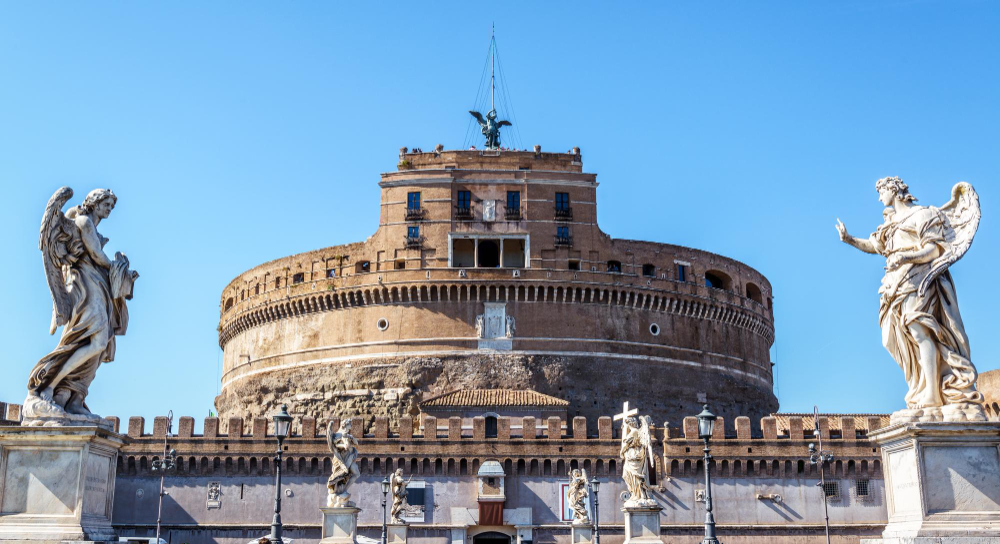
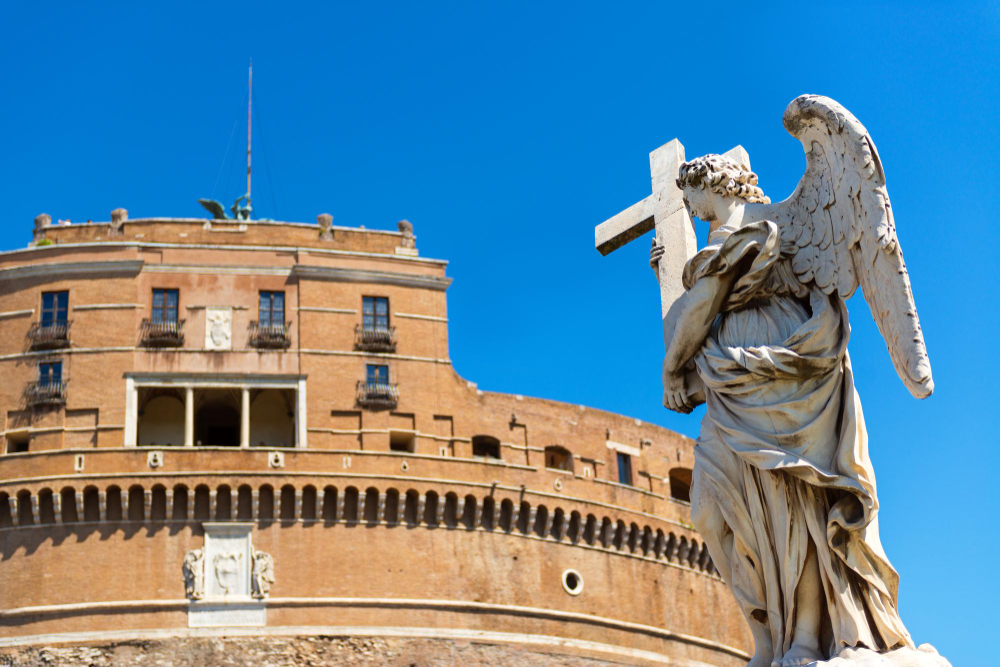
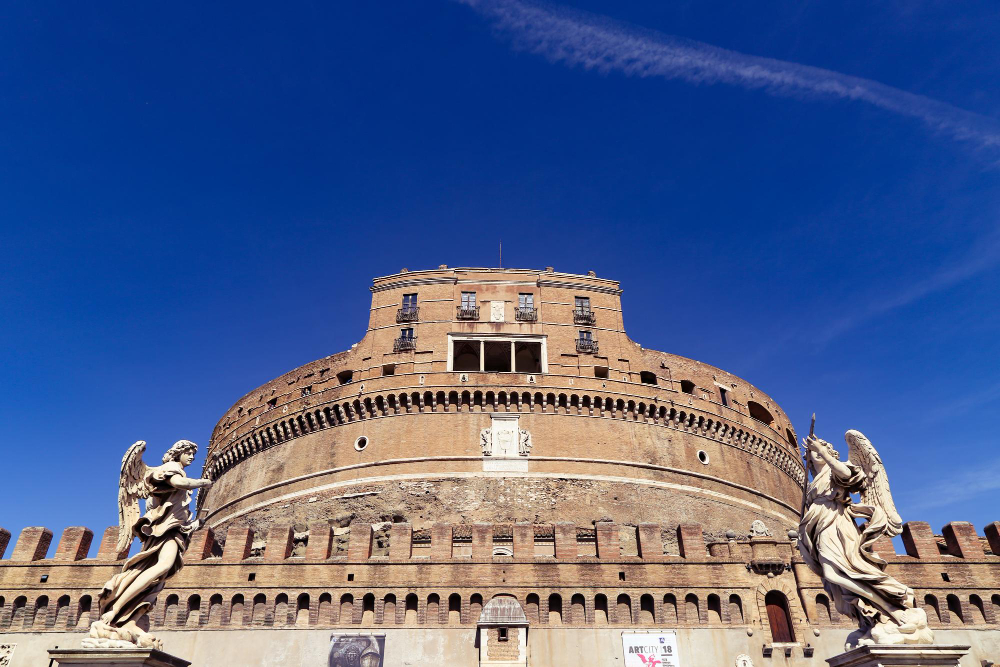
*A Mausoleum for Eternity – In 139 AD, when Rome was still basking in the glory of its imperial rule, Hadrian’s Mausoleum was completed. Emperor Hadrian had initiated the construction himself to create a burial site for himself and his family. With a diameter of 64 meters and a height of 20 meters, the massive cylinder of Roman travertine was impressive enough to meet even the highest standards of Roman architecture. The top was likely designed as a magnificent garden with cypress trees, in the center of which stood a small temple. The structure was crowned by a quadriga depicting Emperor Hadrian as the sun god—a symbol of immortality and divine power. However, the mausoleum was not only Hadrian’s final resting place. Over time, it became the official burial site of the Antonine Dynasty, where Antoninus Pius, Marcus Aurelius, and Commodus, among others, were interred. Even today, the remains of a spiral ramp lead to the central burial chamber, where the remains of these rulers once rested.
From Tomb to Citadel: The Turning Point of Antiquity – With the decline of the Roman Empire, the fate of the mausoleum also changed. Around 400 AD, the structure was incorporated into the Aurelian Wall and converted into a citadel. The massive complex proved itself a bulwark against invaders, particularly during the Gothic War in the 6th century. Both the Eastern Roman general Belisarius and the Gothic king Totila recognized the strategic importance of Castel Sant’Angelo and further fortified it. At that time, Castel Sant’Angelo was more than just a defensive outpost; it was a symbol of Rome’s invincible power and played a decisive role in protecting the city from enemy attacks. This military utility remained a defining feature of the structure, which was repeatedly expanded and remodeled in the centuries that followed.
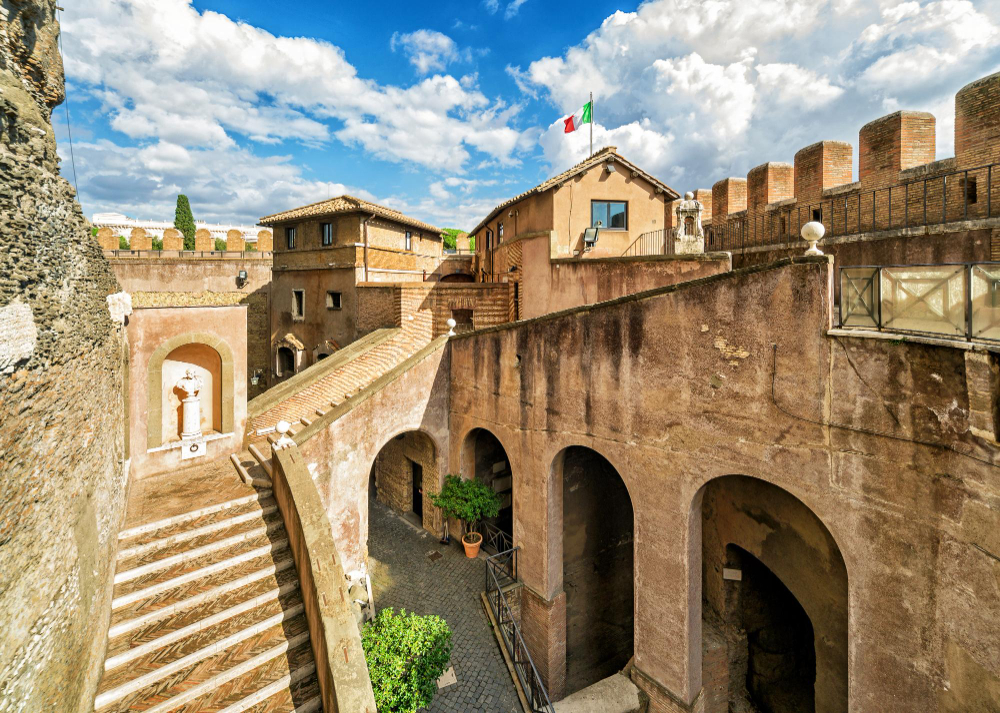
The Popes and Their Escape Route to Power – From the 10th century onward, Castel Sant’Angelo became the center of papal power. Pope John XIII, who initially used the castle as a retreat, made it an integral part of papal strategy. With the construction of the so-called “Passetto di Borgo” by Pope Nicholas III in 1277, Castel Sant’Angelo gained a special connection to the Vatican. This approximately 800-meter-long covered passageway allowed the popes to flee unnoticed from their palace to Castel Sant’Angelo in times of danger. This passage proved to be a lifesaver, particularly during the Sack of Rome in 1527. Pope Clement VII escaped the mercenaries of Emperor Charles V through the Passetto and barricaded himself inside Castel Sant’Angelo. However, the pope’s use of the castle was not limited to defensive purposes. During the Renaissance, the popes transformed Castel Sant’Angelo into a magnificent residence. The lavishly decorated rooms, such as the “Sala Paolina,” still bear witness today to this bygone era of material and spiritual prosperity.
A Dark Chapter: Castel Sant’Angelo as a Prison – But Castel Sant’Angelo was not only a refuge for the powerful—it also served as a prison for their enemies. Famous figures such as the sculptor Benvenuto Cellini and the alchemist Alessandro Cagliostro were forced to spend their days here. The castle was particularly notorious during the Inquisition, when heretics and suspected heretics were locked up in its dark dungeons. A particularly cruel chapter unfolded in the year 984, when Pope John XIV was held captive in Castel Sant’Angelo by the antipope Boniface VII of the Crescentini family and sentenced to death by starvation. Such stories lend Castel Sant’Angelo a mysterious aura that continues to fascinate visitors and occupy historians to this day.
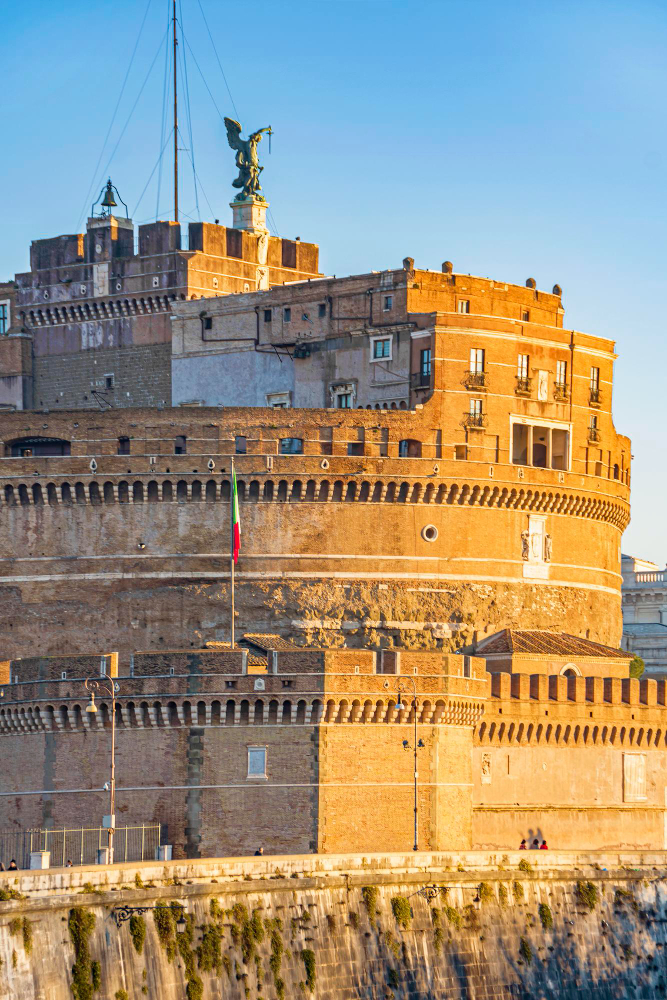
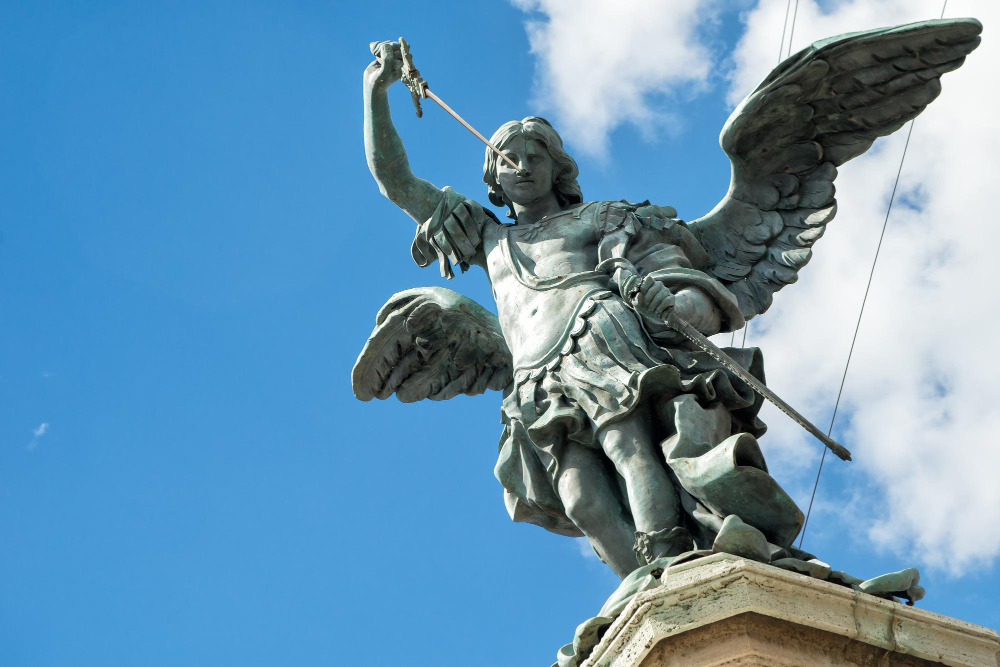
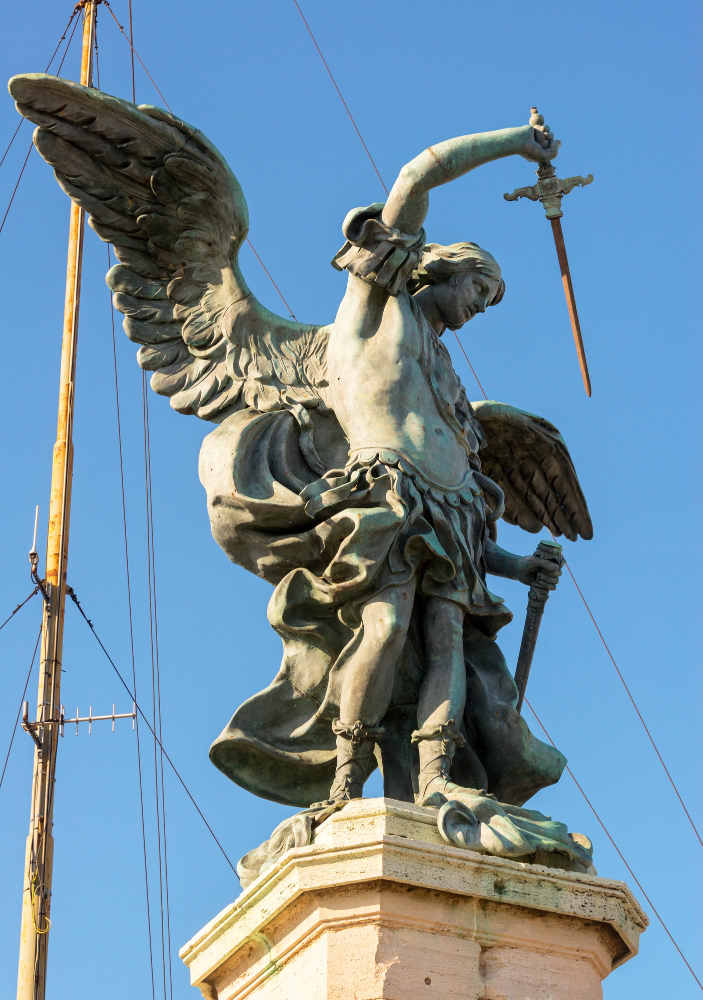
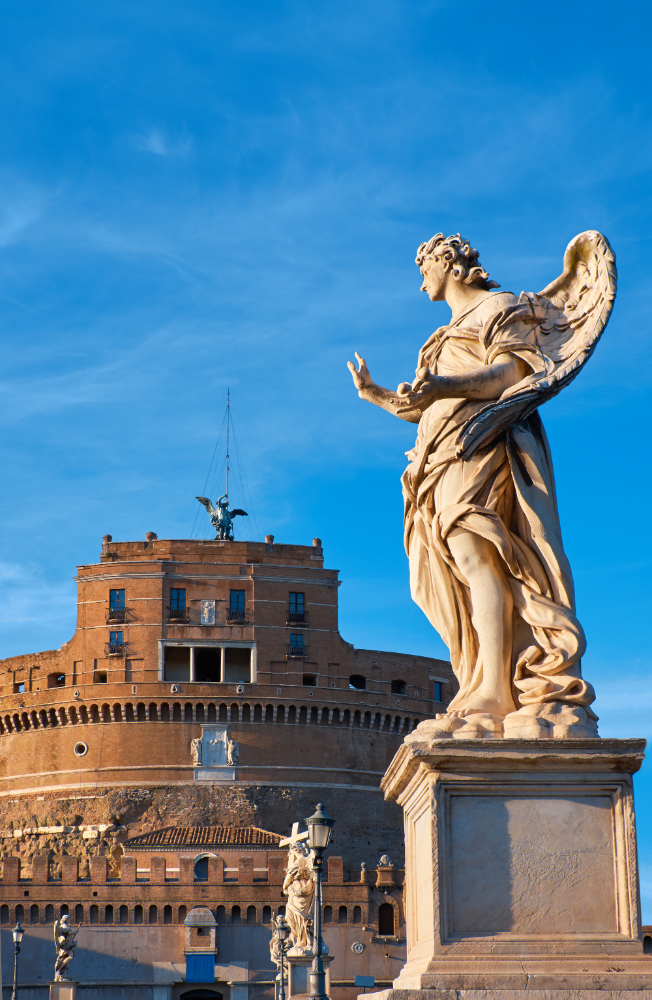
The Archangel and the Legend of a Miracle – Castel Sant’Angelo received its current name from a legend that has its origins in the medieval collection “Legenda aurea.” In the year 590, the Justinian Plague raged in Rome. Pope Gregory I the Great led a penitential procession to implore divine help. According to legend, the Archangel Michael appeared above the former mausoleum, sheathed the sword of divine wrath, and thereby announced the end of the plague. Although the historical plague continued for years, the legend endured. Castel Sant’Angelo became a symbol of divine power and divine protection. Today, a bronze statue of the Archangel Michael, created in 1752 by Peter Anton von Verschaffelt, stands atop it. The original marble work, created by Raffaello da Montelupo, can be admired in the museum’s courtyard.
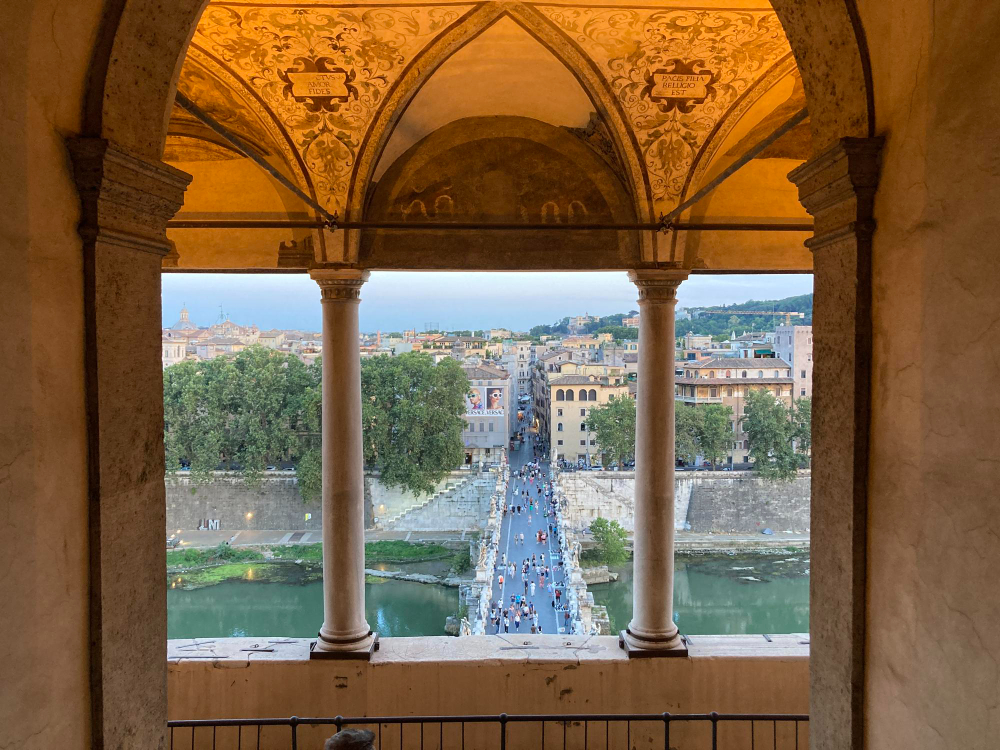
Conversion into a Museum – After Castel Sant’Angelo passed into the possession of the Italian state in the 19th century, it initially continued to be used as a fortress and prison. It was not until 1901 that it was converted into a museum, which opened to the public in 1906. Today, the Museo di Castel Sant’Angelo houses a wealth of historical artifacts, including weapons, furniture, and works of art that document the building’s eventful history. The most fascinating areas of the museum are undoubtedly the papal apartments with their Mannerist frescoes and the treasury. From the terrace at the very top, visitors enjoy a breathtaking view over Rome—a perspective once reserved for the popes.
Legends and Pop Culture – Castel Sant’Angelo has also found its way into the world of art and literature. In Puccini’s opera “Tosca,” the protagonist throws herself to her death from the terrace of Castel Sant’Angelo. Dan Brown’s best-selling novel “The Da Vinci Code” uses the castle as the setting for a secret organization, which brought it new attention in the 21st century.
Castel Sant’Angelo is far more than an architectural monument. It is a living testament to power, intrigue, and divine faith—a place where the traces of the past remain impressively tangible. Whether as a mausoleum, fortress, refuge, or museum, Castel Sant’Angelo has played a central role in every era of its existence and is today one of Rome’s most fascinating landmarks. Here, history, architecture, and myth merge into a cultural experience of a special kind.